


When you're shopping for a high-end 27-inch 4K gaming monitor, you're entering territory where every feature matters and compromises become increasingly important. The 27-inch 4K segment represents the sweet spot for serious gamers and content creators who want crystal-clear detail without overwhelming their desk space or requiring multiple monitor setups.
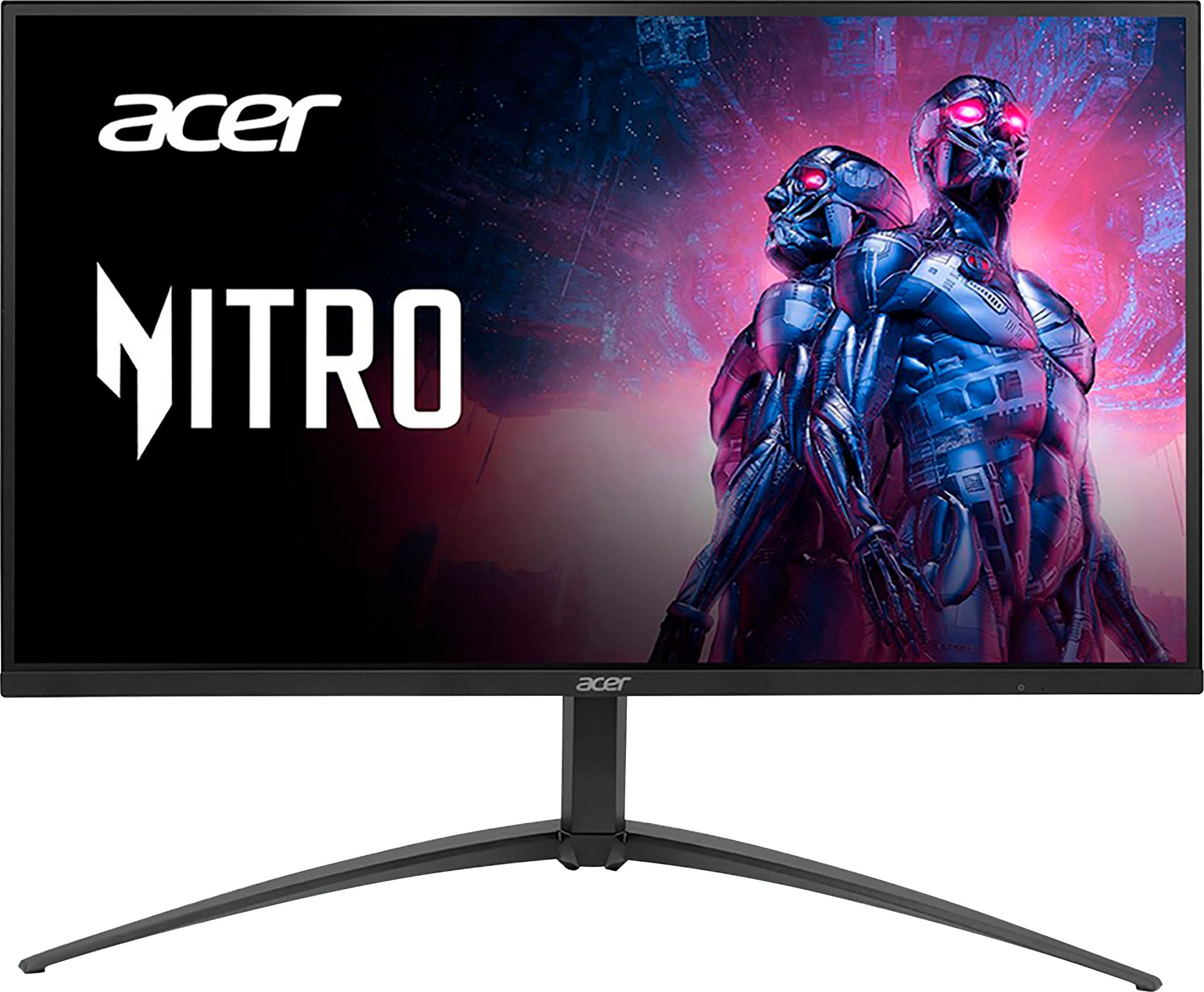
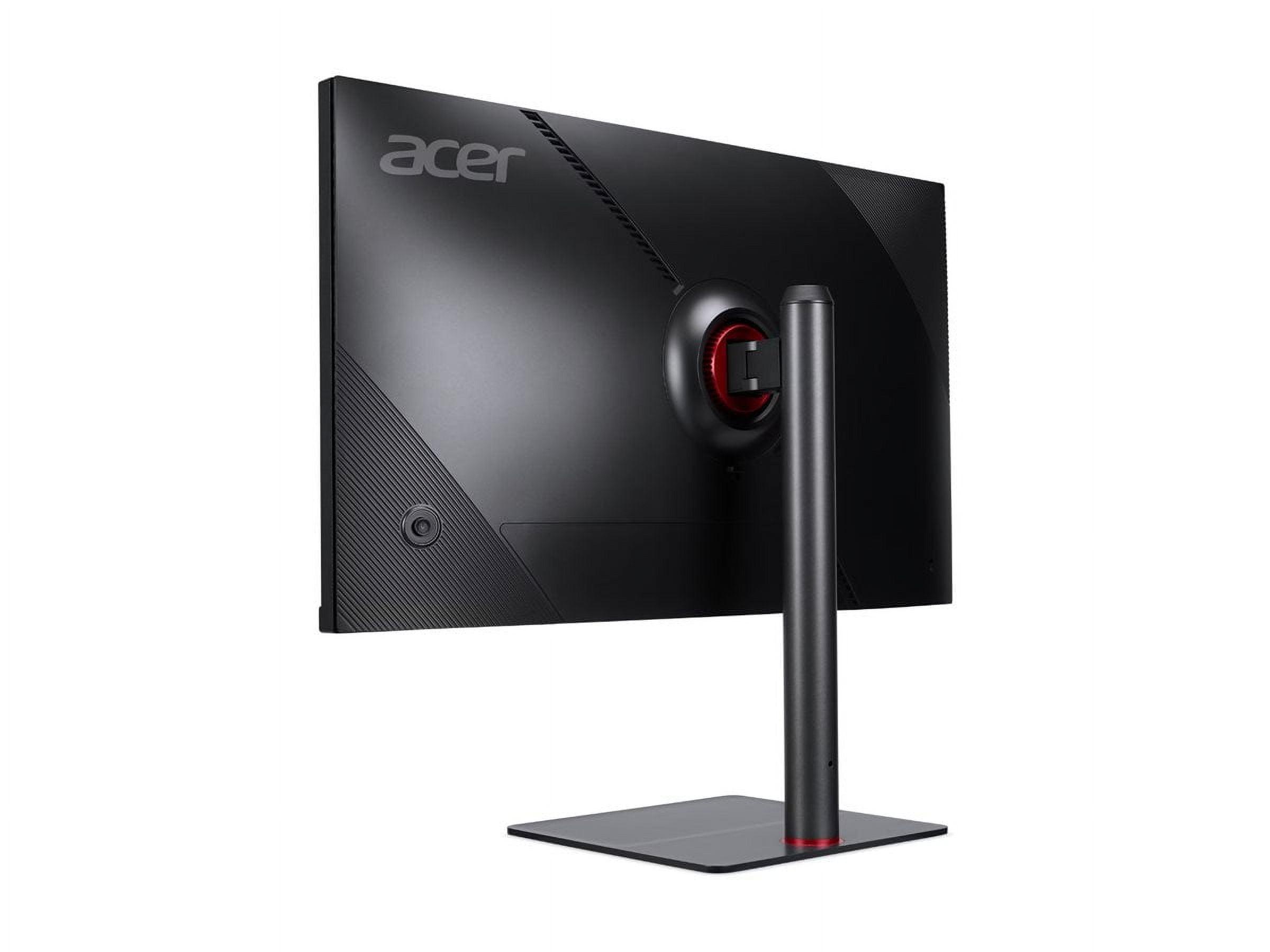
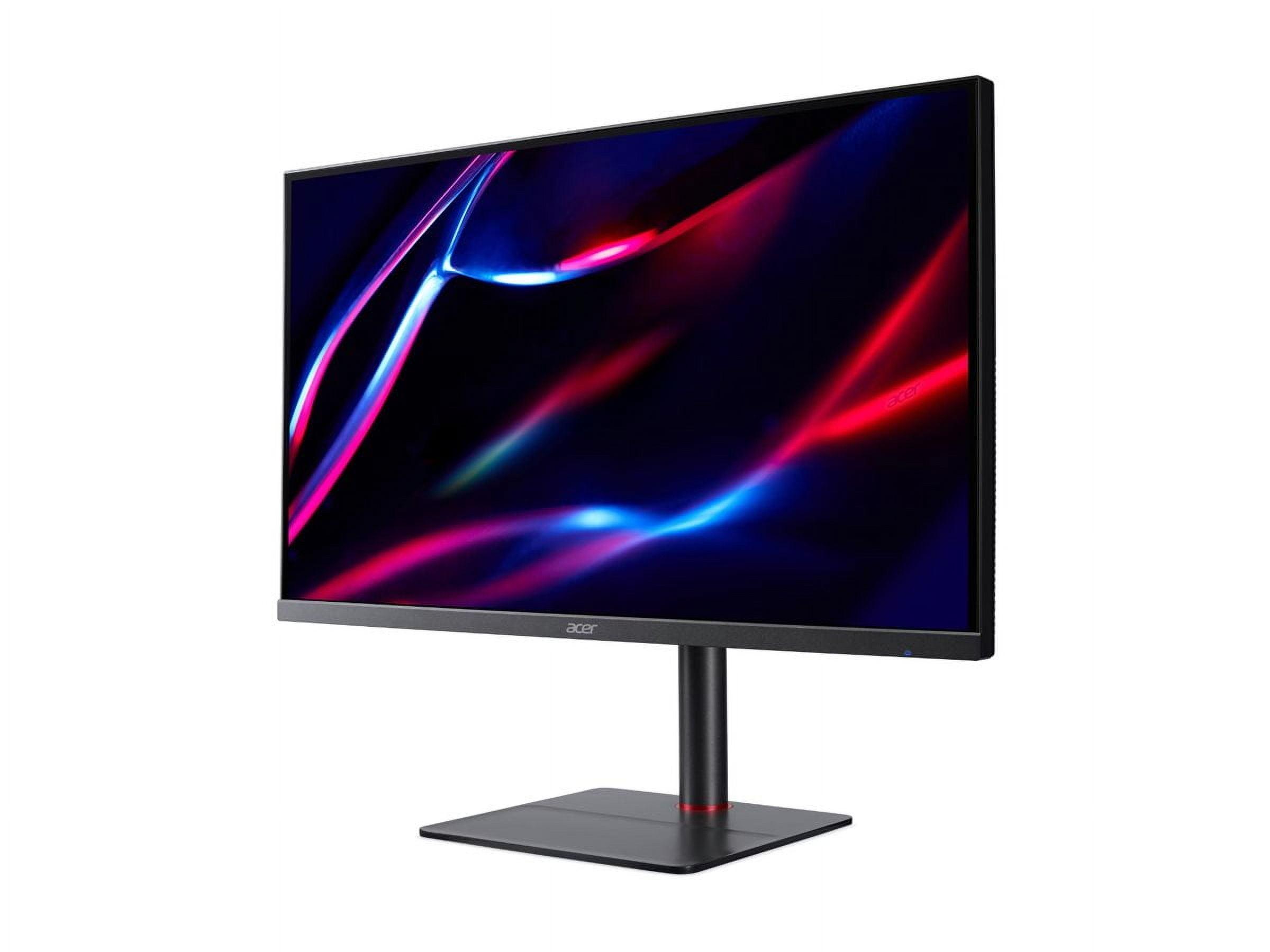
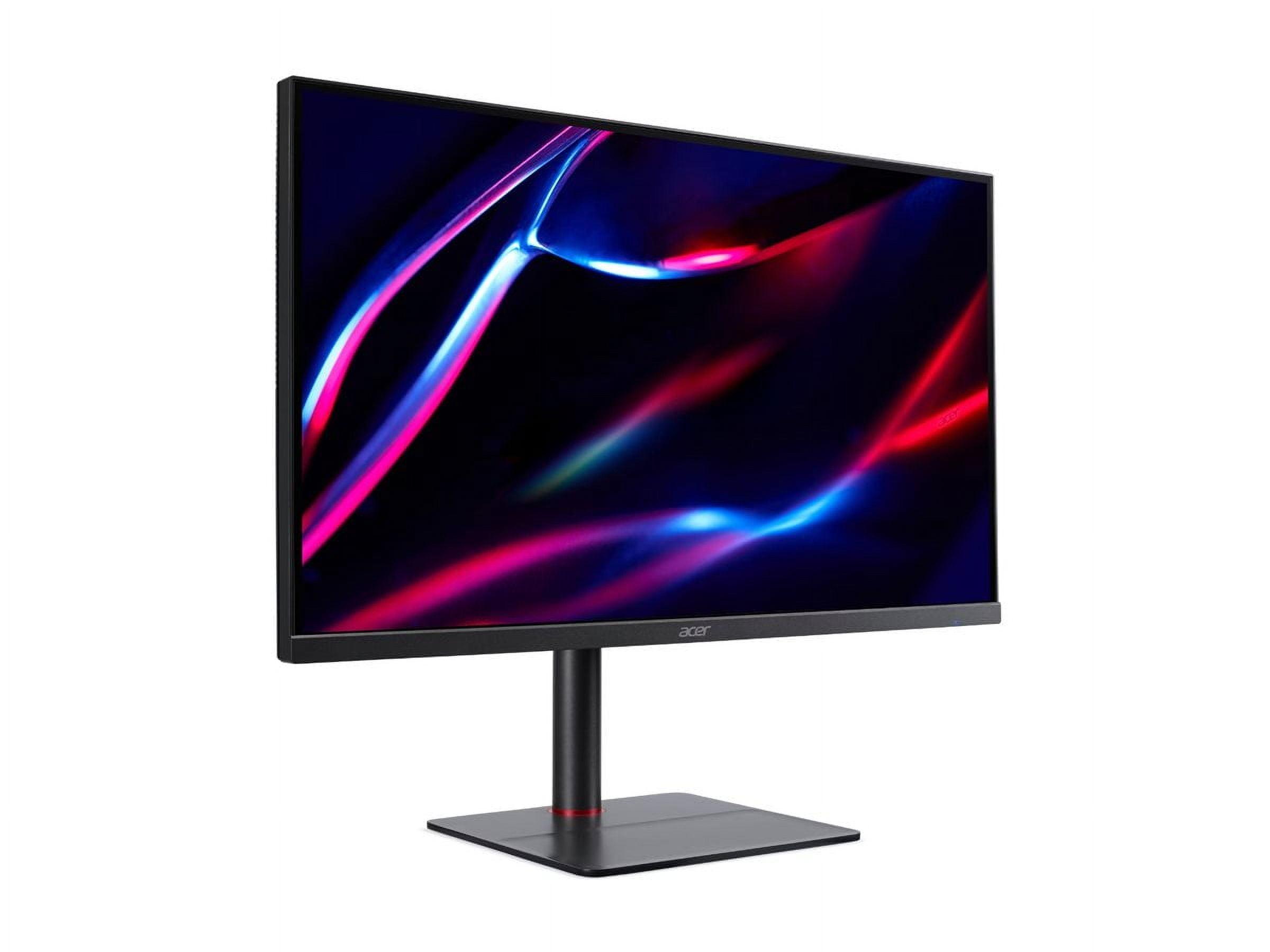
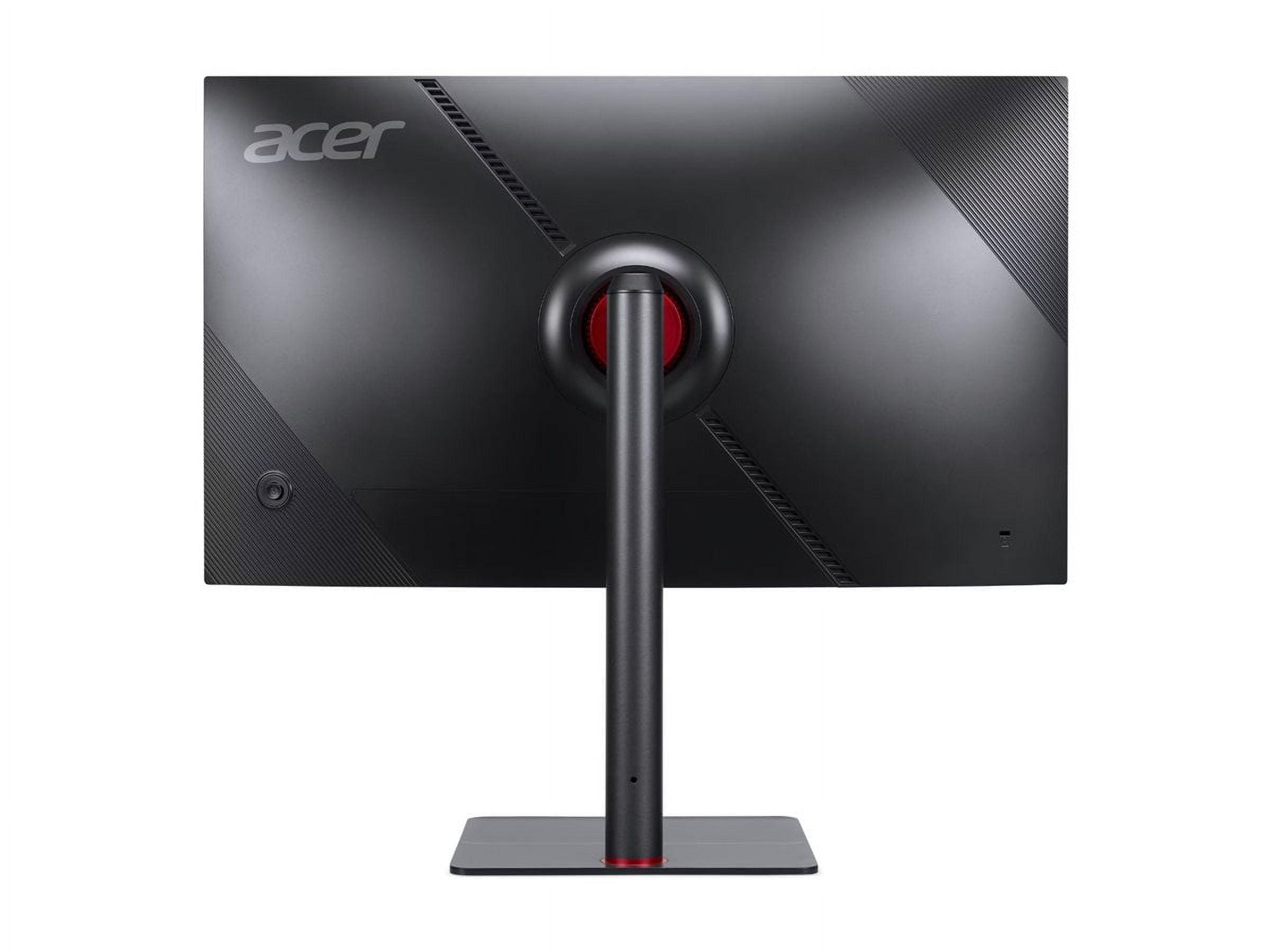
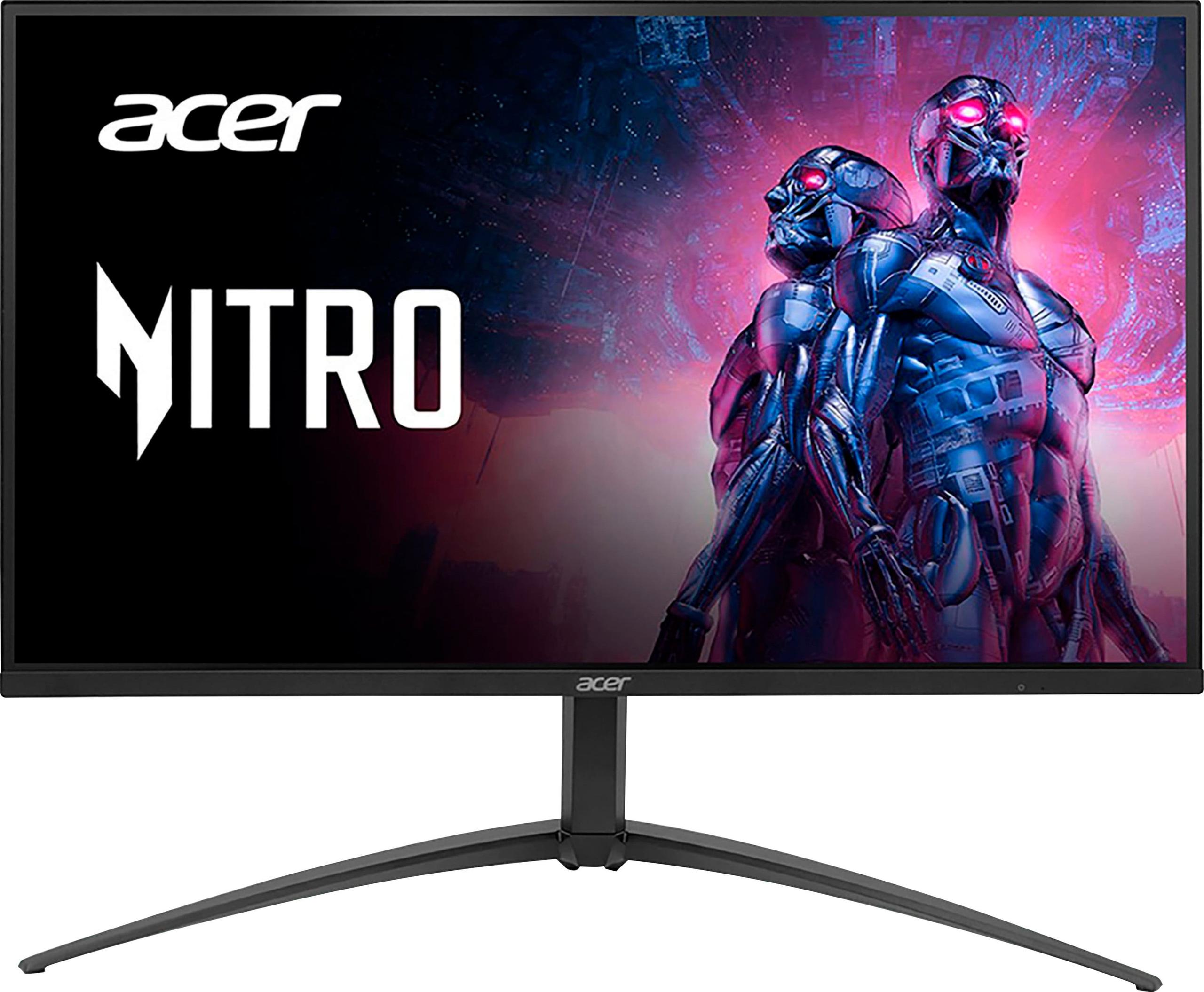
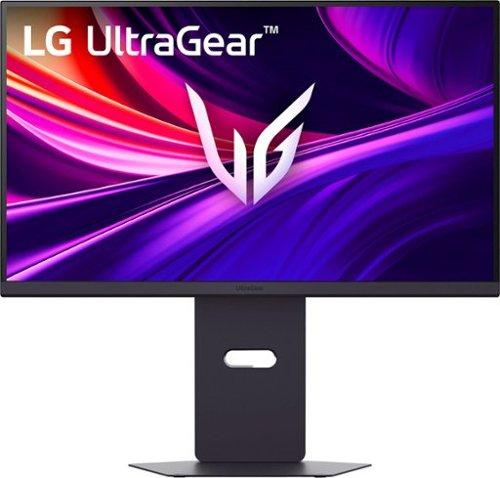
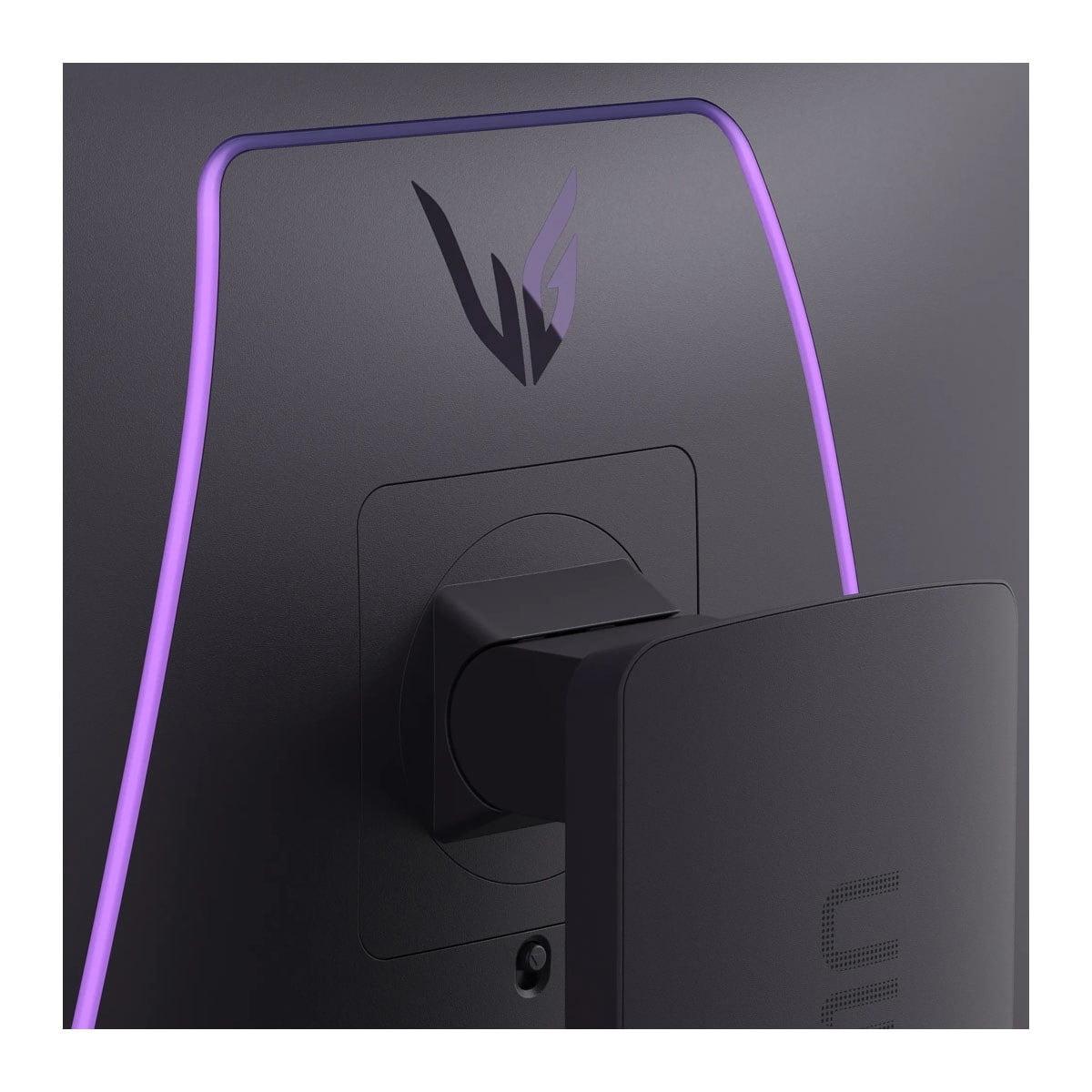
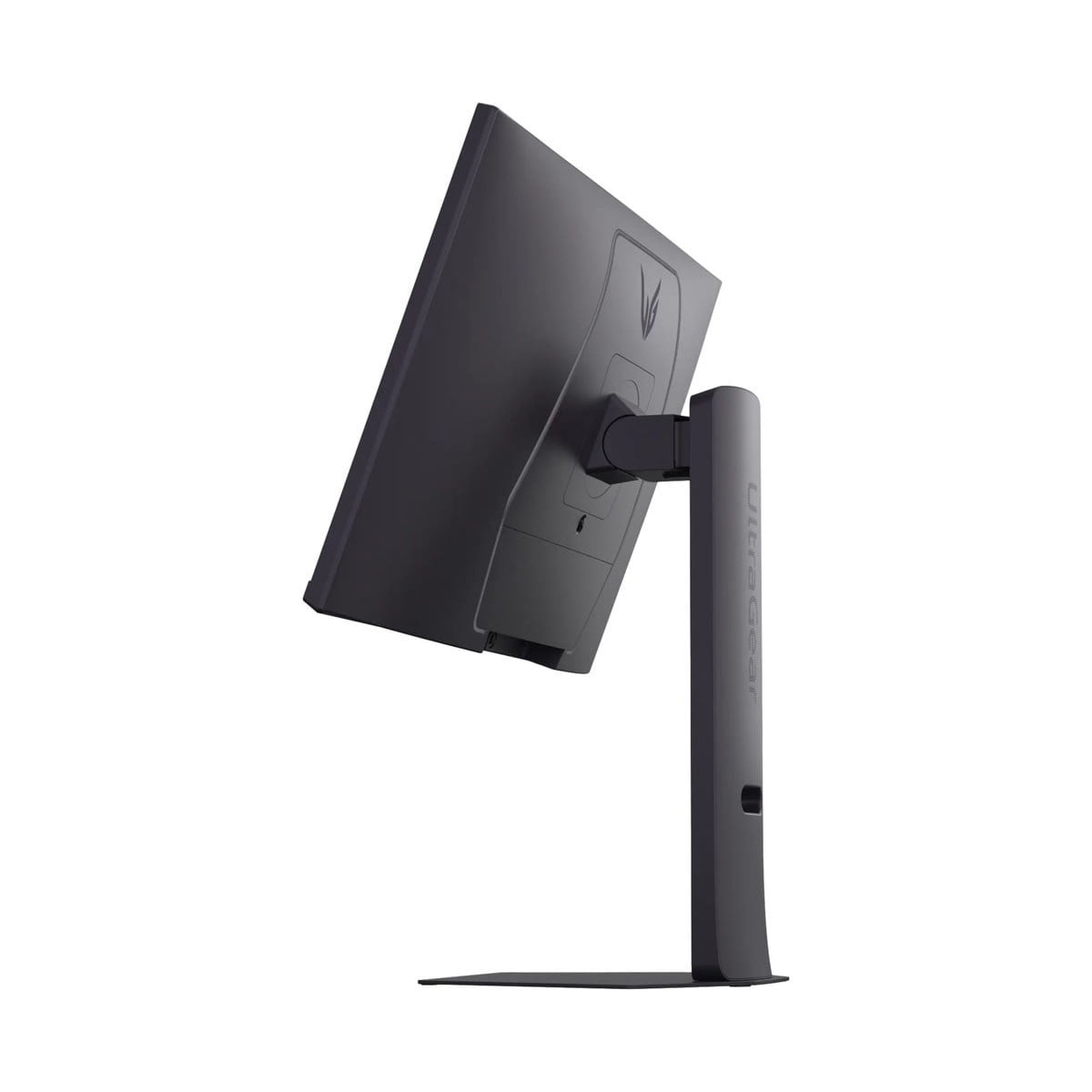
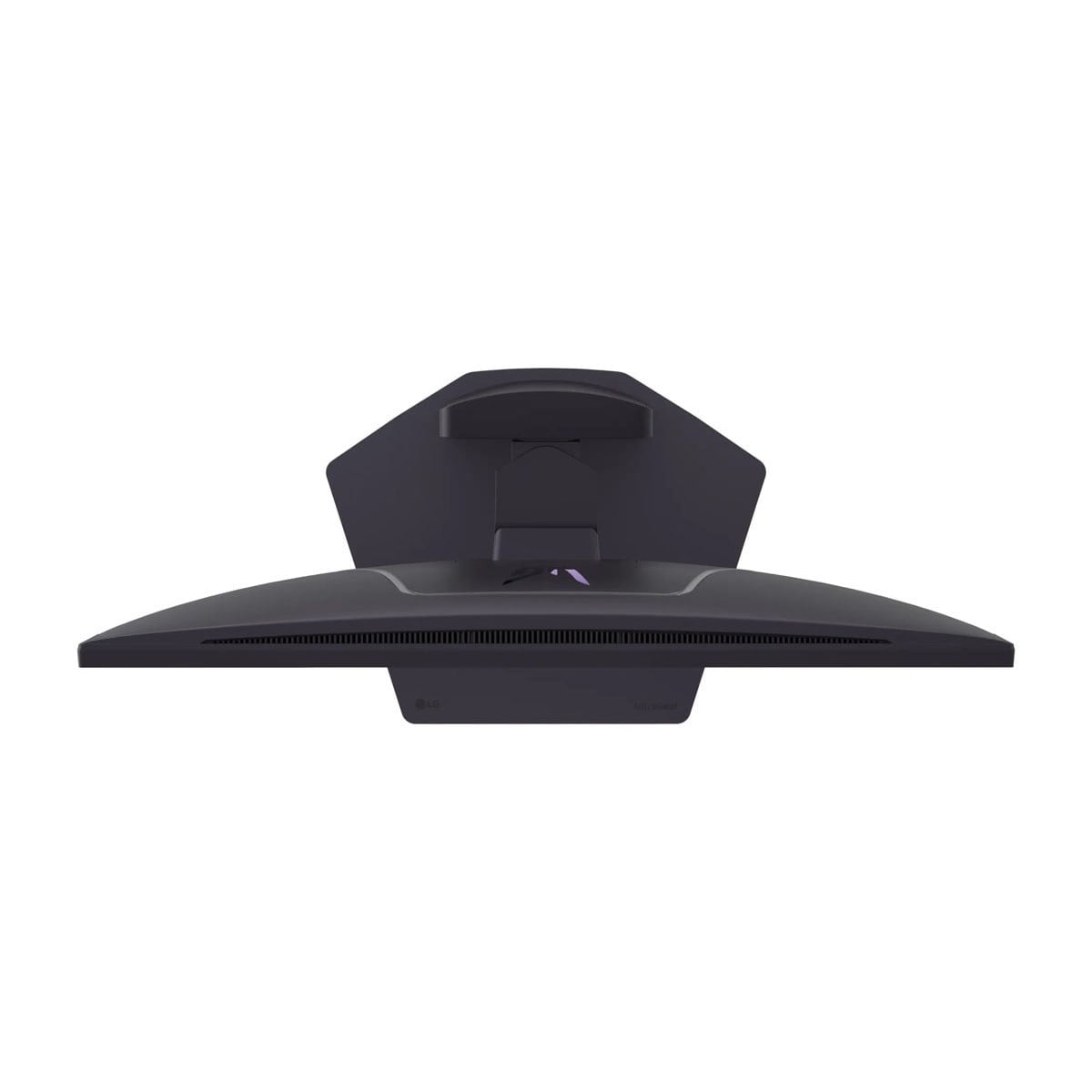
At the time of writing, two monitors stand out as representing very different philosophies in this competitive space: the Acer Nitro XV275K P3 and the LG UltraGear 27" 4K 240Hz Dual Mode Gaming Monitor. While both deliver 4K resolution on 27-inch screens, they take distinctly different approaches to achieving gaming excellence.
The modern 27-inch 4K gaming monitor category has evolved dramatically since these displays first became mainstream around 2018-2019. Back then, getting 4K resolution at reasonable refresh rates required significant compromises in other areas. Today's monitors like the Acer Nitro XV275K P3 and LG UltraGear represent the cutting edge of what's possible when manufacturers focus on specific strengths.
The pixel density at 27 inches with 4K resolution works out to about 163 pixels per inch, which provides incredibly sharp text and detailed images without requiring scaling in most applications. This makes these monitors excellent for both gaming and productivity work, though the similarities end there.
What separates premium monitors in this category comes down to three main factors: how they handle backlighting and contrast, how fast they can refresh the image, and how well they reproduce colors. The Acer Nitro XV275K P3 excels primarily in the first and third areas, while the LG UltraGear dominates the second.
The Acer Nitro XV275K P3, released in 2023, represents Acer's push into premium display technology with its Mini LED backlighting system. To understand why this matters, think of traditional LED backlighting like having a few powerful flashlights behind your TV screen – they illuminate the whole thing, but you can't really control which parts get more or less light.
Mini LED technology, on the other hand, uses hundreds of tiny LED lights arranged in a grid behind the screen. The Acer Nitro XV275K P3 packs 576 individual dimming zones, each capable of independent brightness control. This means when you're watching a movie scene with bright stars against a dark sky, those stars can be brilliantly bright while the surrounding darkness remains truly black.
This local dimming capability translates to a contrast ratio that can theoretically reach 100,000,000:1 when the zones are working together. In practical terms, this means HDR (High Dynamic Range) content looks dramatically more realistic, with bright highlights that don't wash out the rest of the image and shadow details that remain visible even in dark scenes.
The Acer monitor achieves VESA DisplayHDR 1000 certification, meaning it can sustain 1000 nits of brightness across portions of the screen. To put this in perspective, a typical laptop screen might reach 300-400 nits, while a bright office environment calls for around 500 nits to combat glare.
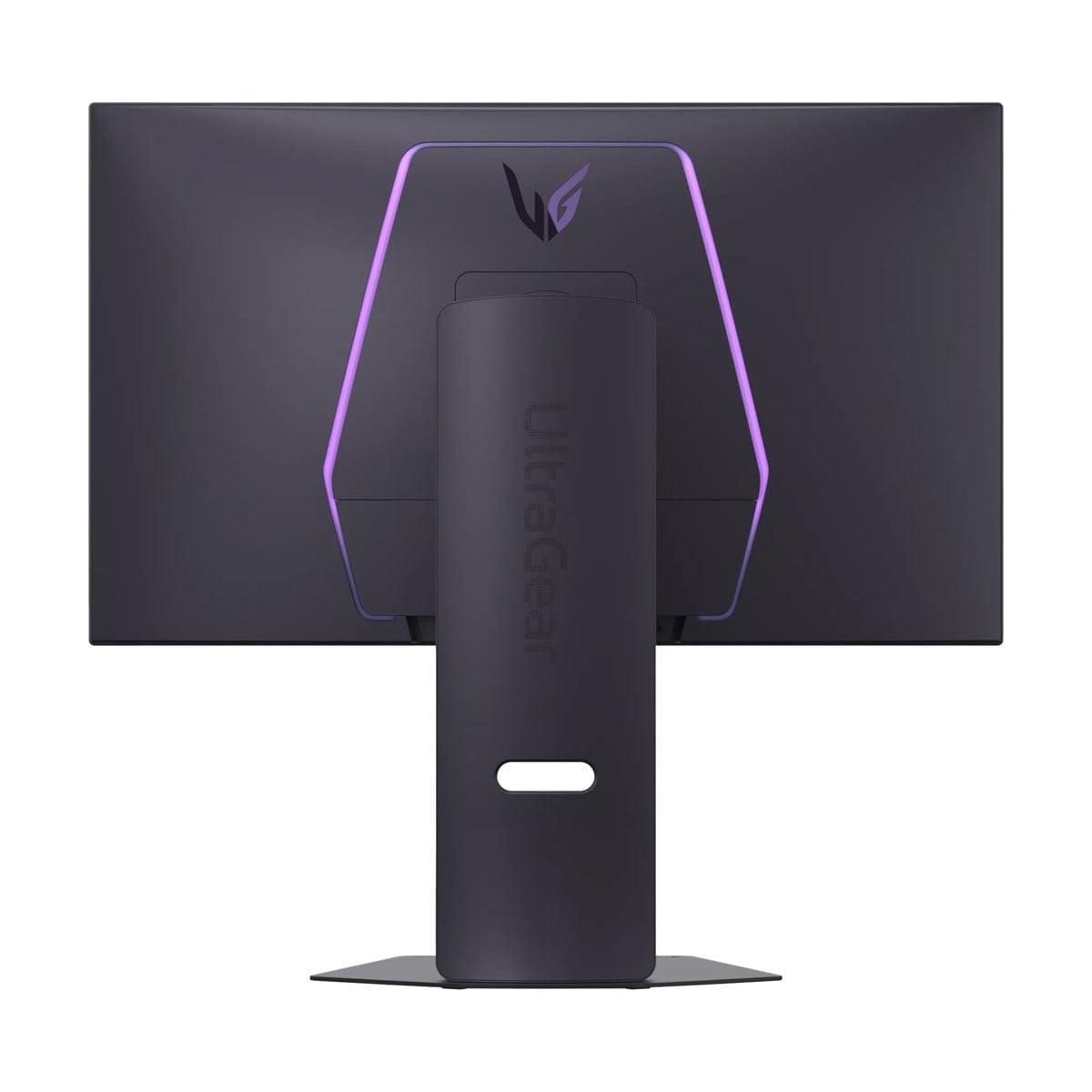
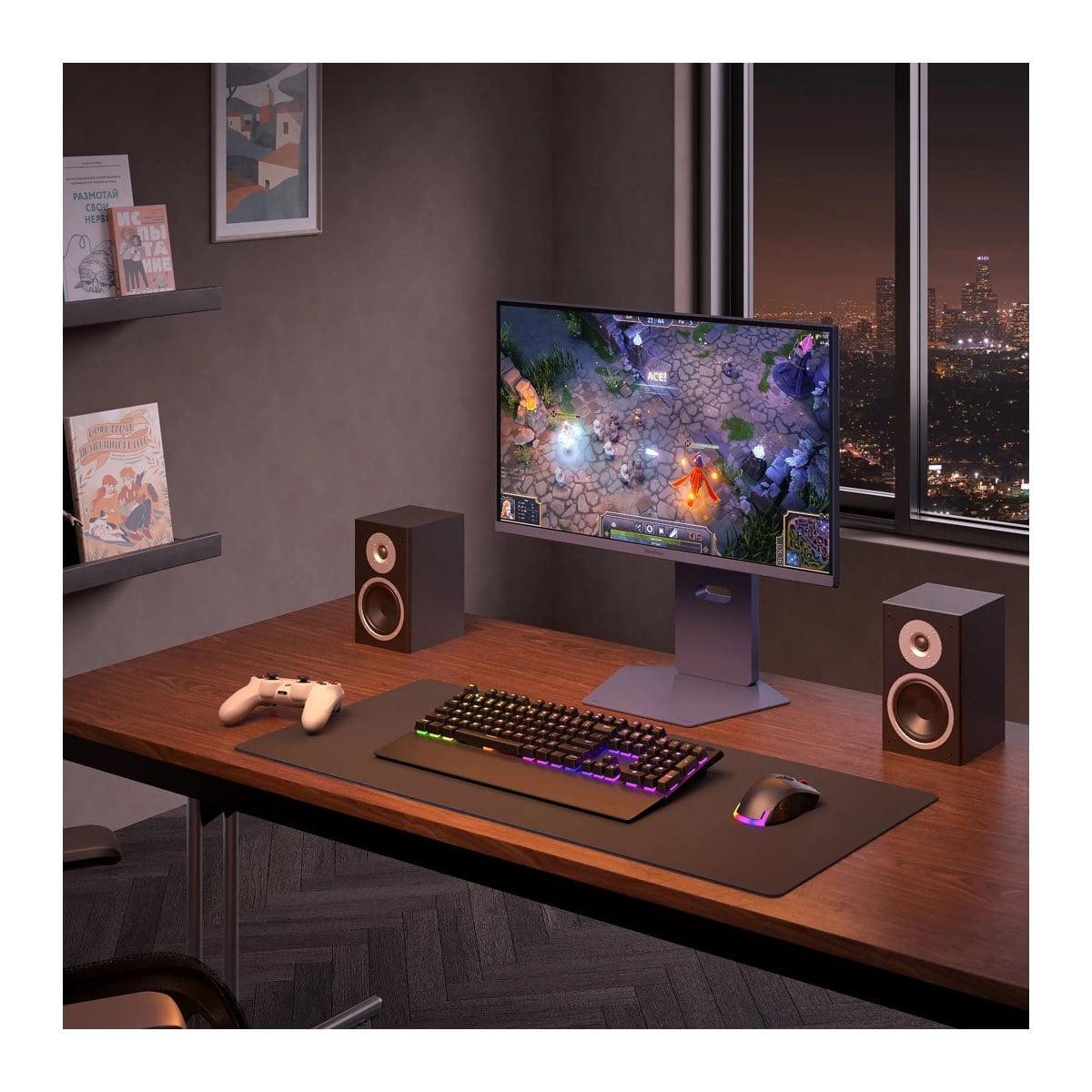
The LG UltraGear, launched in 2024, takes a completely different approach. LG focused on achieving something that seemed impossible just a few years ago: 240Hz refresh rate at full 4K resolution on a 27-inch display. But they didn't stop there – the monitor's "Dual Mode" capability allows it to switch to 480Hz when running at 1080p resolution.
To understand why this matters, consider that most movies are filmed at 24 frames per second, while console games typically target 60 or 120 fps. PC games, depending on your graphics card and settings, might run anywhere from 60 to over 200 fps. A monitor with a 240Hz refresh rate can display up to 240 unique frames every second, which means it can keep up with even the most demanding gaming scenarios.
The 480Hz mode is particularly interesting for competitive gamers. When playing fast-paced esports titles like Counter-Strike or Valorant, the ability to see nearly 500 unique frames per second can provide a competitive advantage by reducing motion blur and making fast movements appear smoother and more predictable.
The LG monitor uses what LG calls "Nano IPS Black" technology, which improves upon traditional IPS panels by achieving a 2000:1 contrast ratio – double what most IPS displays manage. While this doesn't approach the dynamic contrast of the Acer's Mini LED system, it represents a significant improvement over standard IPS technology.
When it comes to pure image quality, the Acer Nitro XV275K P3 holds significant advantages in several key areas. The Mini LED backlighting system doesn't just improve contrast – it fundamentally changes how the monitor handles different types of content.
In HDR gaming, the difference becomes immediately apparent. Games like Cyberpunk 2077 or Red Dead Redemption 2, which feature dramatic lighting transitions from dark interiors to bright outdoor scenes, showcase the Acer monitor's capabilities beautifully. The 576 dimming zones can brighten specific areas of neon signs or sunlit landscapes while keeping shadowed areas appropriately dark.
However, Mini LED technology isn't perfect. The zones, while numerous, aren't pixel-perfect. This can lead to a phenomenon called "blooming" where bright objects create subtle halos in surrounding dark areas. In practice, this is most noticeable in high-contrast scenarios like white text on black backgrounds or bright stars against dark skies. Most users adapt to this quickly, but it's worth considering if you frequently work with such content.
The Acer monitor also excels in color reproduction, covering 99% of both Adobe RGB and DCI-P3 color spaces. For content creators working with photography or video, this wide color gamut support means your work will appear more vibrant and accurate. The factory calibration ensures colors are accurate out of the box, with Delta E values under 2 – professional-grade accuracy.
The LG UltraGear, while not matching the Acer's HDR capabilities, still delivers solid image quality. Its DisplayHDR 600 certification means peak brightness around 670 nits – still significantly brighter than standard monitors but not reaching the Acer's 1000-nit capability. The eight-zone edge-lit local dimming provides some contrast improvement but can't match the precision of 576 Mini LED zones.
Here's where the philosophy difference becomes most apparent. The LG UltraGear was designed with one primary goal: maximum responsiveness for competitive gaming. Its 240Hz refresh rate at 4K resolution represents the current pinnacle of high-resolution gaming smoothness.
Input lag – the delay between when you press a button and when the action appears on screen – measures less than one millisecond on the LG monitor. This ultra-low latency, combined with the high refresh rate, creates an incredibly responsive gaming experience that competitive players will appreciate.
The dual-mode capability adds another dimension of flexibility. When playing competitive games where frame rate matters more than visual fidelity, switching to 1080p at 480Hz provides an experience that's incredibly smooth. Even mouse movements across the desktop appear noticeably more fluid at such high refresh rates.
The Acer Nitro XV275K P3, with its 160Hz maximum refresh rate, still provides excellent gaming performance for most users. The difference between 160Hz and 240Hz is noticeable but becomes less significant the further you get from competitive esports scenarios. For single-player games, RPGs, or adventure titles, the Acer's superior image quality often provides a more immersive experience than the LG's higher refresh rate.
Response time on both monitors measures 1ms GtG (gray-to-gray), which means motion blur is minimized on both displays. However, the LG monitor maintains this low response time across its entire refresh rate range, while the Acer monitor can show increased input lag at lower refresh rates, particularly problematic for console gaming at 60Hz.
Both monitors support wide color gamuts, but they approach color reproduction differently. The Acer Nitro XV275K P3 provides multiple color space modes including sRGB, Adobe RGB, DCI-P3, Rec.709, EBU, and SMPTE-C. This flexibility makes it suitable for various professional workflows, from web design (sRGB) to video production (Rec.709) to digital cinema work (DCI-P3).
The factory calibration on the Acer monitor ensures accuracy across these different color spaces, though the Adobe RGB mode implementation has some limitations that might require manual calibration for critical color work.
The LG UltraGear covers 99% DCI-P3 and includes hardware calibration support – a feature typically reserved for professional monitors. This allows for precise color tuning using external calibration equipment, making it surprisingly capable for color-critical work despite its gaming focus.
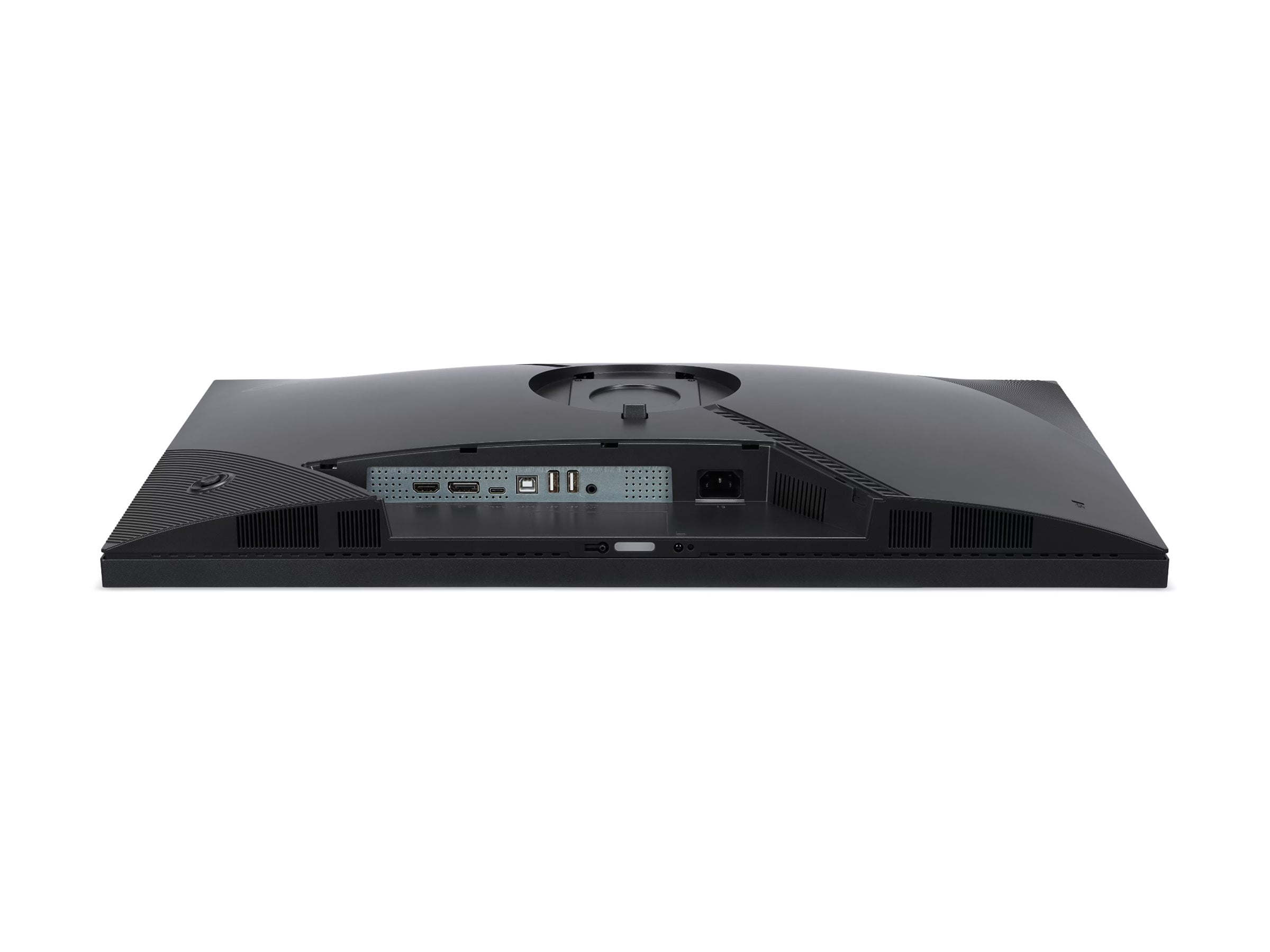
Both monitors embrace modern connectivity standards, but with different emphases. The Acer Nitro XV275K P3 includes USB-C with 90W Power Delivery, making it excellent for laptop users who want a single-cable solution for display, data, and charging. This feature has become increasingly important as more people use powerful laptops as their primary computers.
The LG UltraGear features DisplayPort 2.1 with UHBR13.5 support, providing the massive bandwidth necessary for 4K at 240Hz. This future-proofs the monitor for next-generation graphics cards that can fully utilize this refresh rate capability.
Both monitors support the full range of variable refresh rate technologies including AMD FreeSync Premium Pro, NVIDIA G-SYNC compatibility, and HDMI 2.1 VRR for console gaming. This ensures smooth, tear-free gaming regardless of your graphics card or gaming platform.
For home theater use, the Acer Nitro XV275K P3 presents a compelling case. Its superior HDR performance and higher peak brightness make it excellent for watching movies and streaming content. The wide color gamut support ensures that HDR content from services like Netflix, Disney+, and Prime Video appears as intended.
The Mini LED backlighting particularly benefits cinematic content, where the contrast between bright and dark scenes can be dramatic. Action movies with explosions, space films with bright stars against dark backgrounds, and nature documentaries with varied lighting conditions all benefit from the precise local dimming control.
The LG UltraGear, while capable of media playback, was clearly designed with gaming as the primary use case. Its lower peak brightness and limited local dimming make it less ideal for HDR movie watching, though it still provides a good viewing experience for standard content.
At the time of writing, these monitors occupy different price points that reflect their different strengths. The Acer Nitro XV275K P3 typically offers better value for users who want premium image quality features like Mini LED backlighting at a more accessible price point. The LG UltraGear commands a premium for its cutting-edge refresh rate capabilities.
Choose the Acer Nitro XV275K P3 if you're looking for the best overall visual experience. Its Mini LED technology, superior HDR performance, and excellent color accuracy make it ideal for users who game, create content, and consume media. The USB-C connectivity adds convenience for laptop users, and the lower price point makes premium features more accessible.
The LG UltraGear makes sense if competitive gaming is your primary focus and you have the budget for cutting-edge technology. The 240Hz refresh rate at 4K resolution and 480Hz dual-mode capability provide advantages that serious competitive gamers will appreciate. The hardware calibration support also makes it surprisingly capable for professional color work.
Both monitors represent significant achievements in display technology, just with different priorities. The Acer monitor democratizes Mini LED technology and premium HDR experiences, while the LG monitor pushes the boundaries of what's possible in high-refresh gaming. Your choice ultimately depends on whether you prioritize visual fidelity across all content types or maximum gaming performance above all else.
The good news is that either choice will provide a significant upgrade over older monitor technology, and both represent the current state of the art in their respective strengths. The decision comes down to understanding your primary use cases and which monitor's strengths align better with how you plan to use it day to day.
| Acer Nitro XV275K P3 | LG UltraGear 27" 4K 240Hz Dual Mode Gaming Monitor |
|---|---|
| Display Size & Resolution - Both offer sharp 4K detail at the ideal 27" size | |
| 27" 4K UHD (3840 x 2160) IPS | 27" 4K UHD (3840 x 2160) Nano IPS Black |
| Refresh Rate - Higher rates provide smoother motion in fast games | |
| 160Hz (good for most gaming scenarios) | 240Hz at 4K / 480Hz at 1080p (best-in-class for competitive gaming) |
| Backlighting Technology - Determines HDR quality and contrast performance | |
| Mini LED with 576 local dimming zones | Edge-lit with 8 zones |
| Peak Brightness - Critical for HDR content and bright room usage | |
| 1000 nits (DisplayHDR 1000 certified) | 670 nits (DisplayHDR 600 certified) |
| Contrast Ratio - Affects black depth and overall image quality | |
| 100,000,000:1 dynamic (with Mini LED zones active) | 2000:1 native (IPS Black technology) |
| Response Time - Lower is better for reducing motion blur | |
| 1ms GtG (excellent for gaming) | 1ms GtG (excellent for gaming) |
| Color Gamut Coverage - Important for content creation and vibrant visuals | |
| 99% Adobe RGB, 98% DCI-P3, 130% sRGB | 99% DCI-P3, 94% Adobe RGB |
| Variable Refresh Rate Support - Ensures smooth gaming across different frame rates | |
| AMD FreeSync Premium Pro, G-SYNC Compatible | AMD FreeSync Premium Pro, G-SYNC Compatible, VESA AdaptiveSync |
| Key Gaming Features - Additional functionality for competitive advantage | |
| Crosshairs, refresh rate tracker, black boost | Dual mode switching, FPS counter, black stabilizer |
| Professional Features - Important for color-critical work | |
| Factory calibrated (Delta E < 2), multiple color space modes | Hardware calibration support, 10-bit color depth |
| Connectivity Options - Modern ports for versatility | |
| 2x HDMI 2.1, 1x DP 1.4, USB-C (90W PD), USB hub | 2x HDMI 2.1, 1x DP 2.1 (UHBR13.5), USB ports |
| Unique Selling Point - What sets each monitor apart | |
| Best-in-class HDR with Mini LED at accessible pricing | Industry-first 27" 4K 240Hz with dual-mode flexibility |
| Best For - Primary use case recommendations | |
| Mixed gaming/content creation, HDR enthusiasts, value seekers | Competitive gamers, users wanting maximum refresh rates |
| Ergonomics & Design - Adjustability and desk presence | |
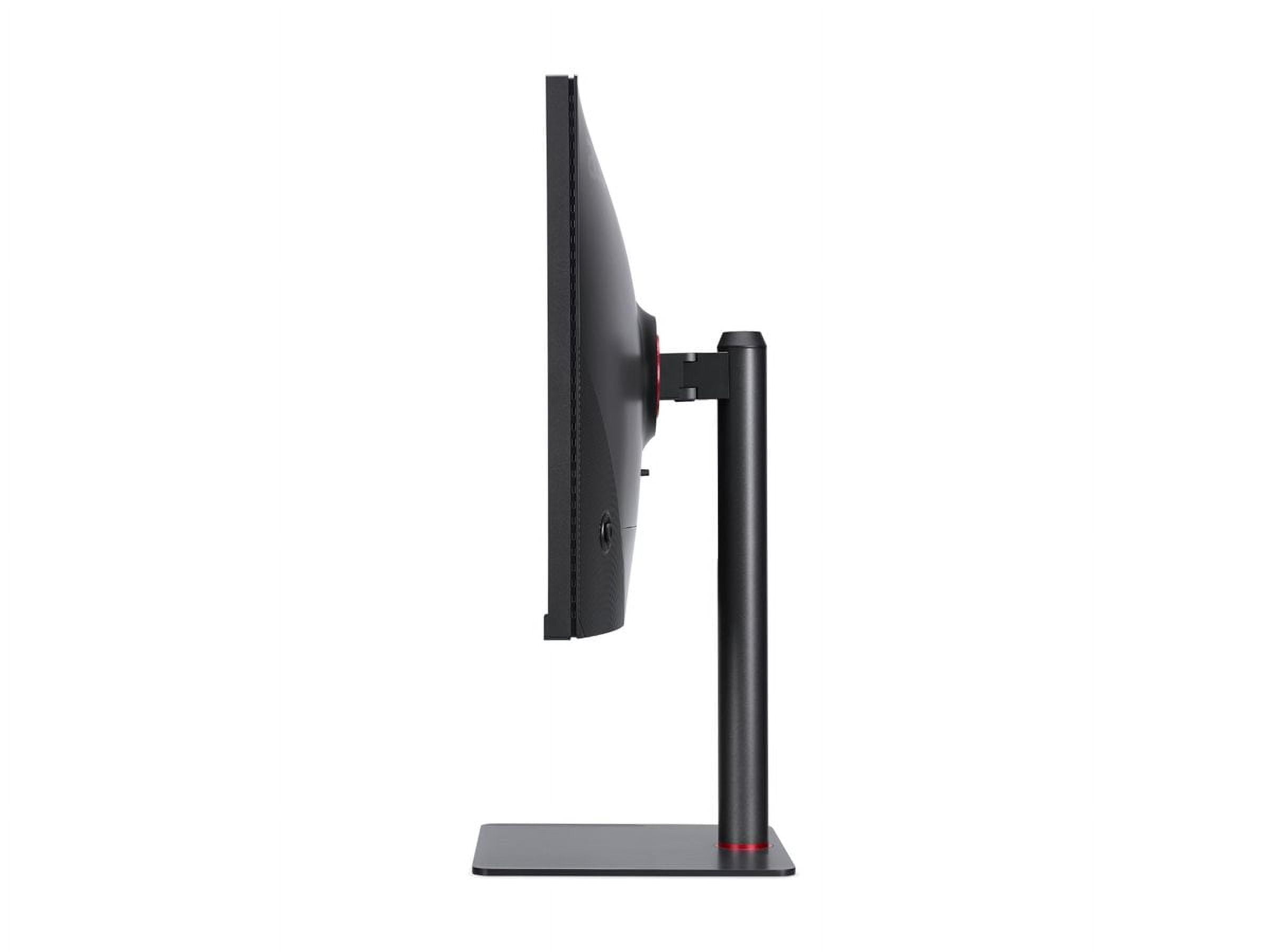
| Full adjustment (height, tilt, swivel, pivot), RGB lighting | Full adjustment (height, tilt, swivel, pivot), sleek design |
| Input Lag Performance - Critical for competitive gaming responsiveness | |
| ~5ms at high refresh rates, higher at 60Hz | <1ms at all refresh rates (class-leading) |
The LG UltraGear 27" 4K 240Hz Dual Mode Gaming Monitor offers superior gaming performance with its 240Hz refresh rate at 4K and 480Hz at 1080p, plus ultra-low input lag under 1ms. The Acer Nitro XV275K P3 provides excellent gaming at 160Hz with 1ms response time, which is still great for most gamers but not quite as smooth for competitive esports.
The Acer Nitro XV275K P3 delivers superior image quality thanks to its Mini LED backlighting with 576 local dimming zones, achieving 1000 nits brightness and DisplayHDR 1000 certification. The LG UltraGear offers good image quality with Nano IPS Black technology but only reaches 670 nits with basic edge-lit local dimming.
The Acer Nitro XV275K P3 typically provides better value, offering premium Mini LED technology and excellent HDR performance at a lower price point. The LG UltraGear 27" 4K 240Hz Dual Mode Gaming Monitor commands a premium for its cutting-edge refresh rate capabilities, making it better value specifically for competitive gamers.
The Acer Nitro XV275K P3 excels for movie watching with its Mini LED backlighting, 1000 nits peak brightness, and DisplayHDR 1000 certification providing dramatic contrast and vibrant colors. The LG UltraGear is decent for movies but its limited local dimming and lower brightness make it less ideal for HDR content consumption.
Both monitors work well for content creation, but they serve different needs. The Acer Nitro XV275K P3 offers factory calibration, wider Adobe RGB coverage, and multiple color space modes. The LG UltraGear 27" 4K 240Hz Dual Mode Gaming Monitor provides hardware calibration support and 10-bit color depth, making both suitable but with different strengths.
The Acer Nitro XV275K P3 includes 2x HDMI 2.1, DisplayPort 1.4, USB-C with 90W power delivery, and USB hub - excellent for laptop users. The LG UltraGear features 2x HDMI 2.1, DisplayPort 2.1 (UHBR13.5), and USB ports, with the newer DisplayPort standard supporting higher bandwidth for maximum refresh rates.
The LG UltraGear 27" 4K 240Hz Dual Mode Gaming Monitor leads with 240Hz at 4K and 480Hz at 1080p, ideal for competitive esports. The Acer Nitro XV275K P3 maxes out at 160Hz, which is still excellent for single-player games, RPGs, and most gaming scenarios where visual quality matters more than maximum speed.
The Acer Nitro XV275K P3 significantly outperforms in HDR with its 576-zone Mini LED backlighting, 1000 nits peak brightness, and DisplayHDR 1000 certification. The LG UltraGear only offers DisplayHDR 600 with basic 8-zone edge lighting, making HDR less impactful.
Both work well with consoles, but the Acer Nitro XV275K P3 may be better for console gaming due to its superior HDR performance enhancing games like Cyberpunk 2077 or Red Dead Redemption 2. The LG UltraGear 27" 4K 240Hz Dual Mode Gaming Monitor supports console VRR but its advantages are less noticeable since consoles typically run at 60-120fps.
The Acer Nitro XV275K P3 can show blooming around bright objects due to Mini LED limitations and has higher input lag at 60Hz. The LG UltraGear offers limited HDR performance, costs more, and its high refresh rate benefits require a very powerful graphics card to utilize fully.
The Acer Nitro XV275K P3 excels for mixed use with its superior image quality, excellent HDR for entertainment, USB-C connectivity for laptops, and good gaming performance. The LG UltraGear 27" 4K 240Hz Dual Mode Gaming Monitor is more specialized for gaming, though it still handles other tasks well.
The Acer Nitro XV275K P3 performs better in bright rooms with its 1000 nits peak brightness and anti-glare coating effectively combating reflections. The LG UltraGear reaches 670 nits which is still bright enough for most lighting conditions, but the Acer monitor provides more comfortable viewing in very bright environments.
We've done our best to create useful and informative comparisons to help you decide what product to buy. Our research uses advanced automated methods to create this comparison and perfection is not possible - please contact us for corrections or questions. These are the sites we've researched in the creation of this article: bestbuy.com - rtings.com - reviewed.com - displayninja.com - youtube.com - displayninja.com - youtube.com - dpreview.com - acer.com - buy.bluum.com - shi.com - camcor.com - newegg.com - provantage.com - displayspecifications.com - colamco.com - displayspecifications.com - walmart.com - bestbuy.com - bestbuy.com - displayninja.com - rtings.com - youtube.com - lg.com - rtings.com - tftcentral.co.uk - bestbuy.com - techpowerup.com - lg.com - lg.com - lg.com

Privacy Policy
Terms and Conditions - Affiliate Policy
Home Security
© Copyright 2008-2026.
11816 Inwood Rd #1211, Dallas, TX 75244