

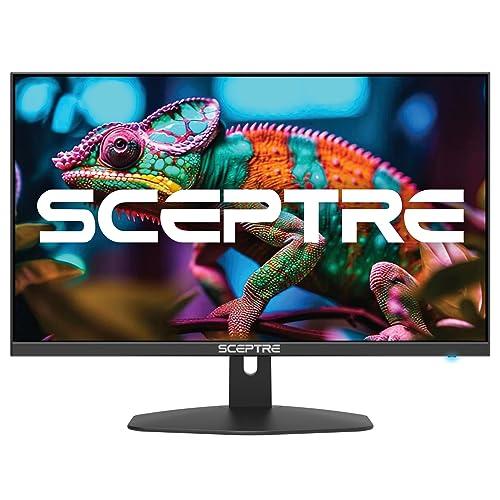
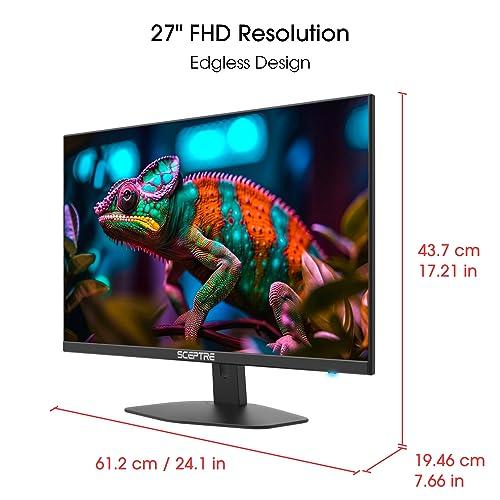
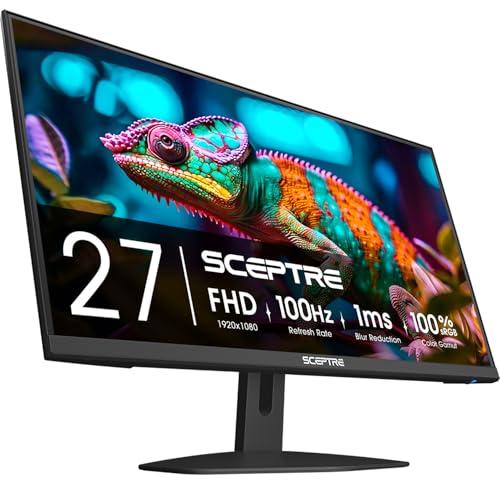
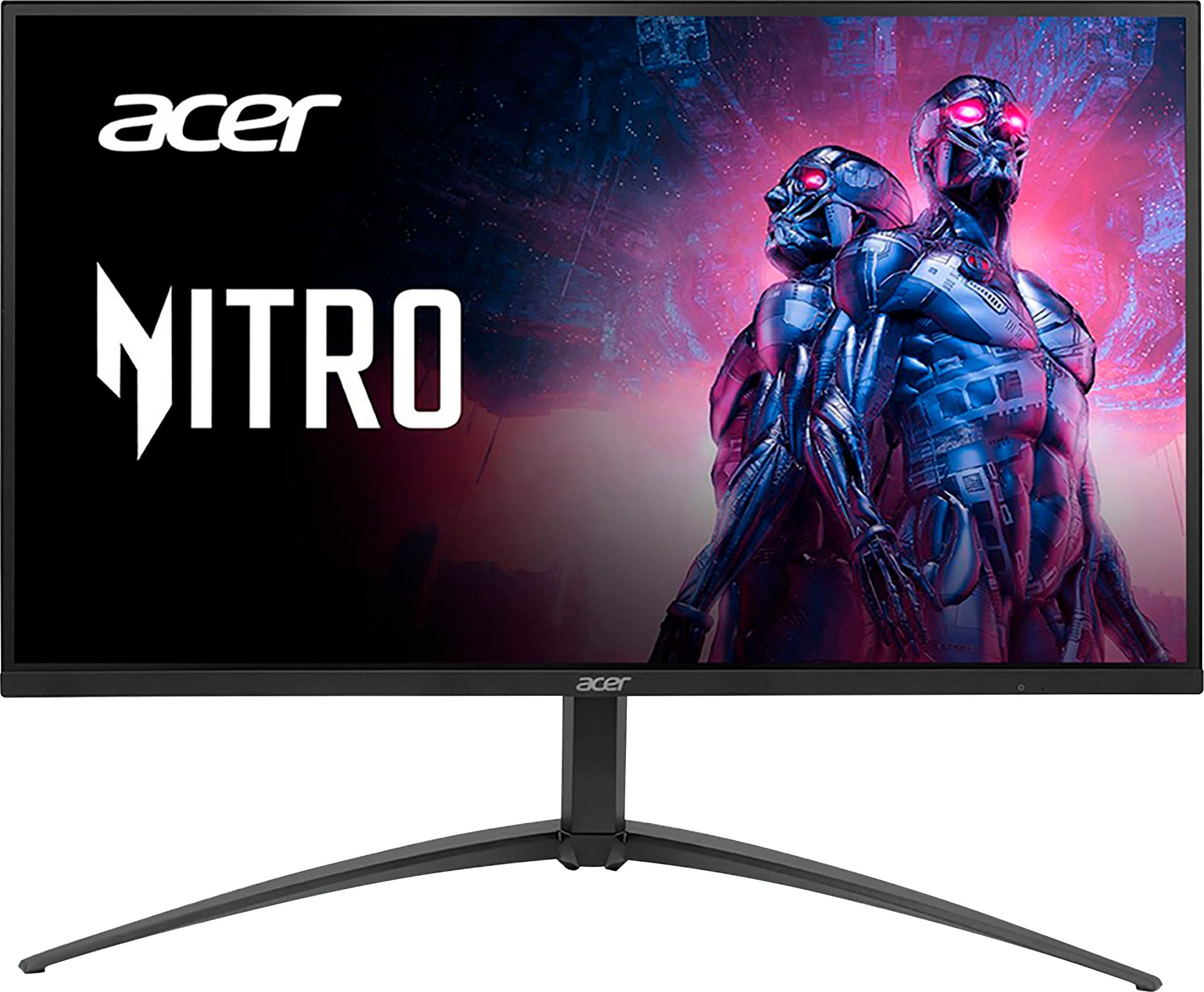
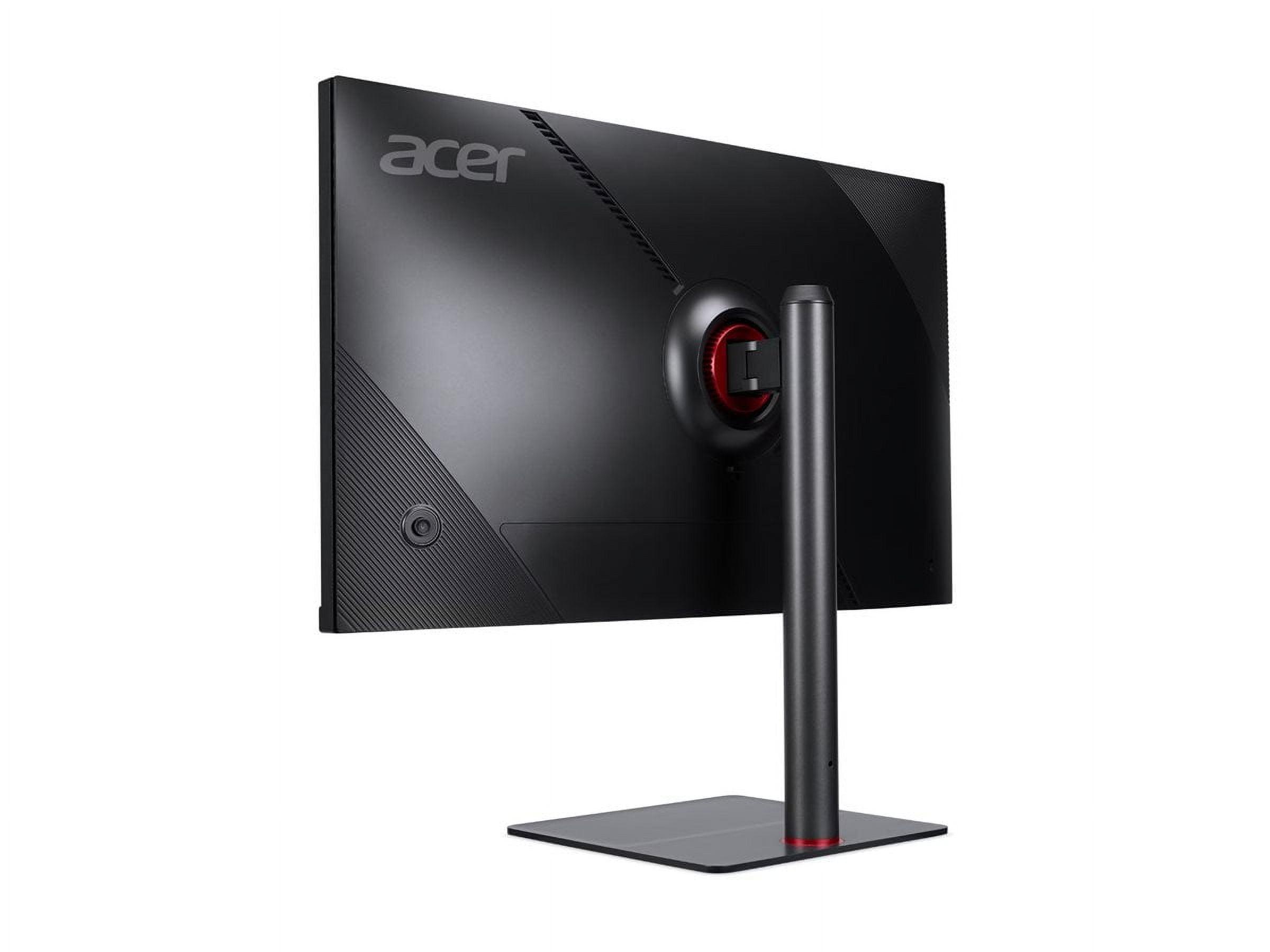
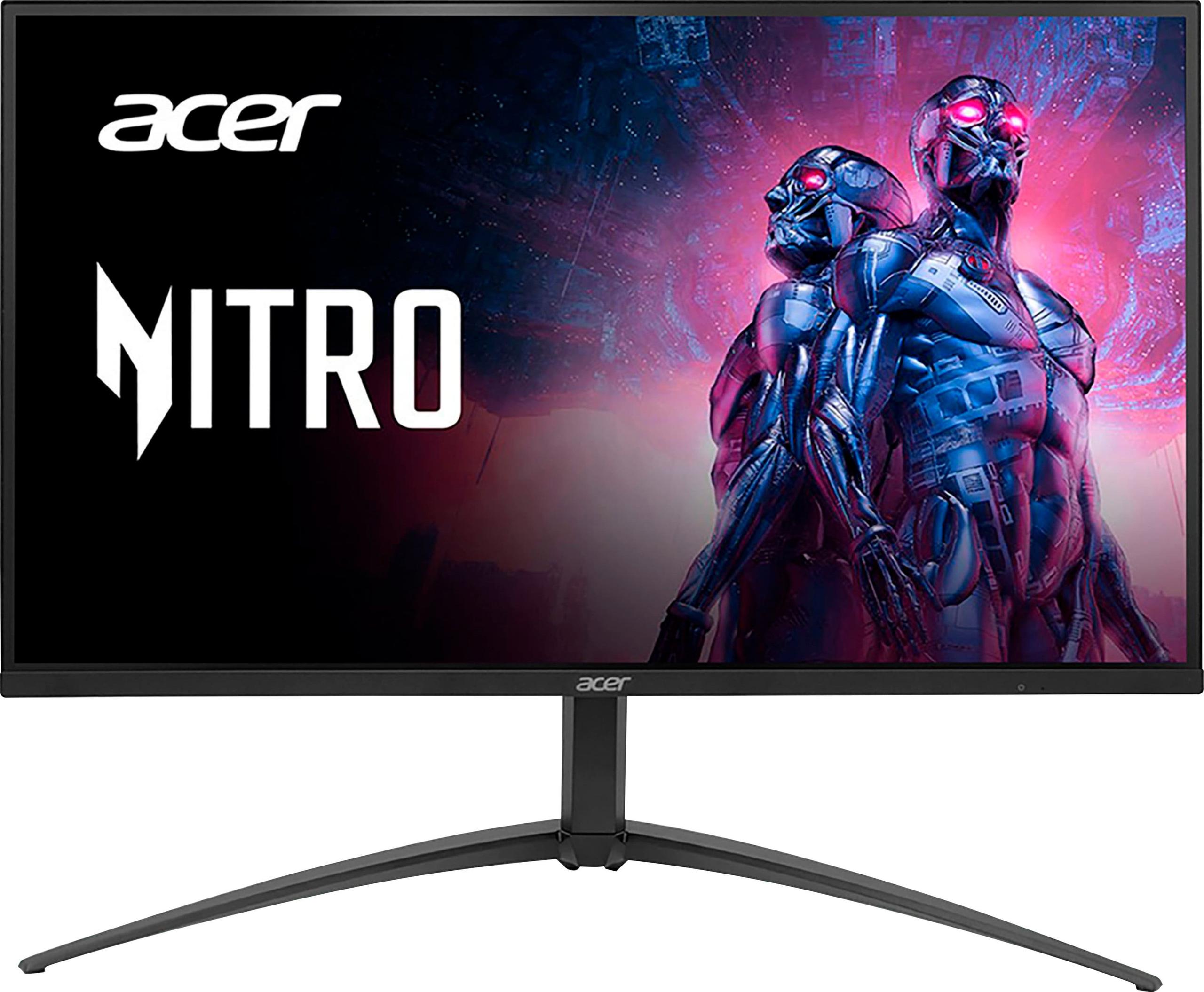
When it comes to gaming monitors, the gap between budget and premium options has never been more dramatic. At the time of writing, you can find the Sceptre E275W-FW100T for under $100, while the Acer Nitro XV275K P3 commands over three times that price. But what exactly are you getting for that extra money, and more importantly, which monitor makes sense for your setup?
Before diving into our comparison, let's establish what makes a gaming monitor different from a regular display. Gaming monitors prioritize three key areas: refresh rate (how many times per second the screen updates), input lag (the delay between your action and seeing it on screen), and adaptive sync technology (which prevents screen tearing when your graphics card's output doesn't match the monitor's refresh rate).
The Sceptre E275W-FW100T, released in 2021, represents the budget gaming monitor category that emerged as 100Hz+ displays became affordable. Meanwhile, the Acer Nitro XV275K P3, launched in 2023, showcases how Mini LED technology has made premium HDR performance accessible to enthusiast gamers rather than just professional users.
The most obvious difference between these monitors is resolution, and it's where the Acer XV275K P3 immediately justifies much of its price premium. The Sceptre E275W uses Full HD resolution (1920×1080 pixels), while the Acer delivers 4K UHD (3840×2160 pixels) – exactly four times as many pixels.
On a 27-inch screen, Full HD results in about 82 pixels per inch (PPI). This pixel density works fine for gaming and video content, but text and fine details appear noticeably soft. If you're planning to use your monitor for productivity work, web browsing, or anything involving reading, the low pixel density becomes a real limitation. Many users find that 1080p simply looks dated on screens larger than 24 inches.
The Acer's 4K resolution delivers approximately 163 PPI – nearly double the sharpness. Text appears crisp, game details are razor-sharp, and you get significantly more screen real estate for multitasking. However, this resolution demands serious graphics horsepower. To game at 4K with high settings, you'll need at least an RTX 4070 or RX 7800 XT, and even then, you might need to adjust settings in the most demanding titles.
These monitors use different panel technologies that fundamentally affect how they display images. The Sceptre E275W employs a VA (Vertical Alignment) panel, while the Acer XV275K P3 uses an IPS (In-Plane Switching) panel enhanced with Mini LED backlighting.
VA panels excel at contrast ratio – the difference between the darkest blacks and brightest whites. The Sceptre's 3,000:1 contrast ratio means blacks appear genuinely black rather than the grayish look you get from cheaper displays. This creates a more immersive experience, especially when gaming or watching movies in dark rooms. VA panels also don't suffer from IPS glow, a backlight bleeding issue that can be distracting in dark scenes.
The trade-off with VA panels is viewing angles. Colors and contrast can shift when you're not looking directly at the screen, though this is less noticeable during normal use than some reviews suggest.
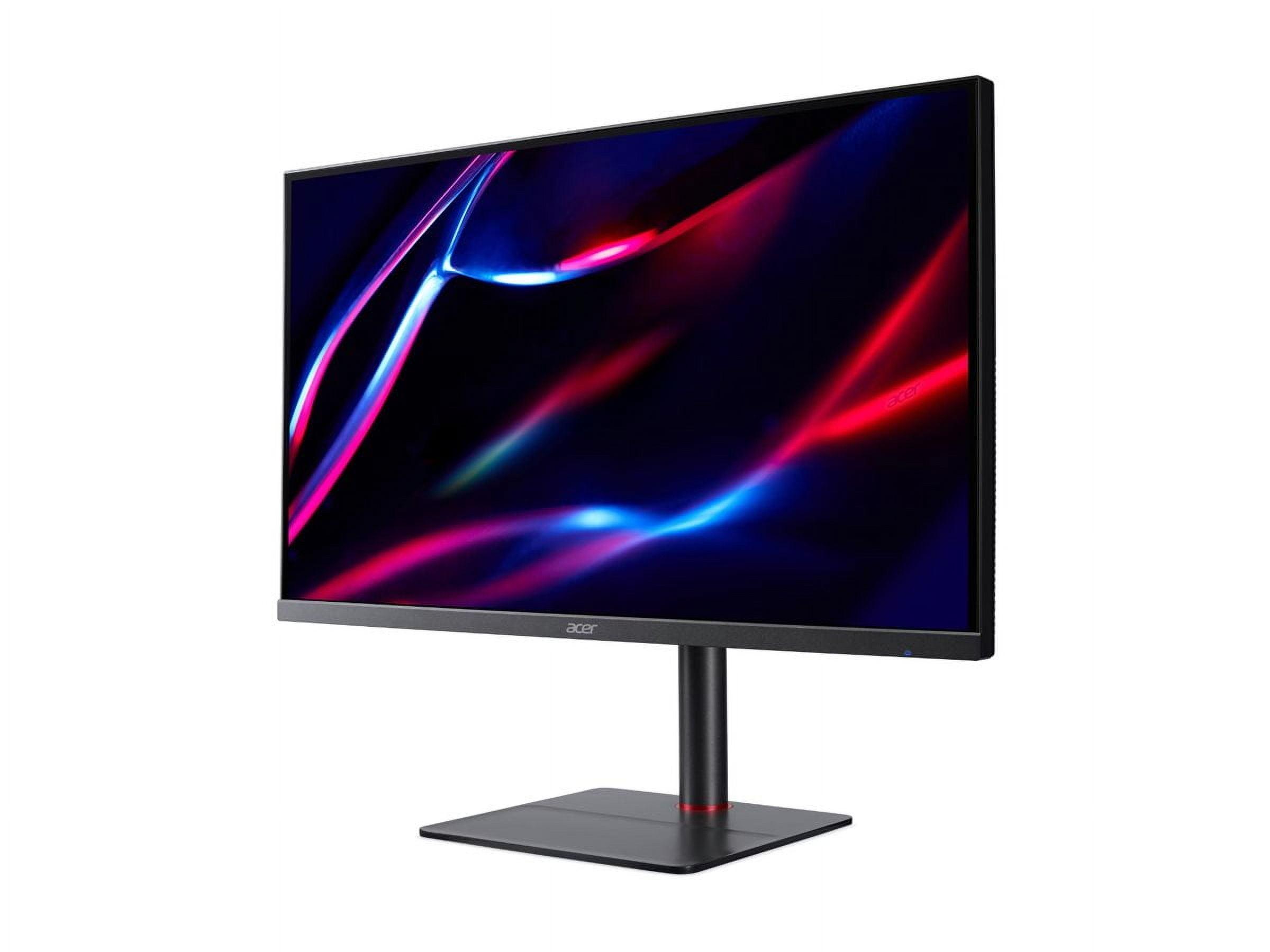
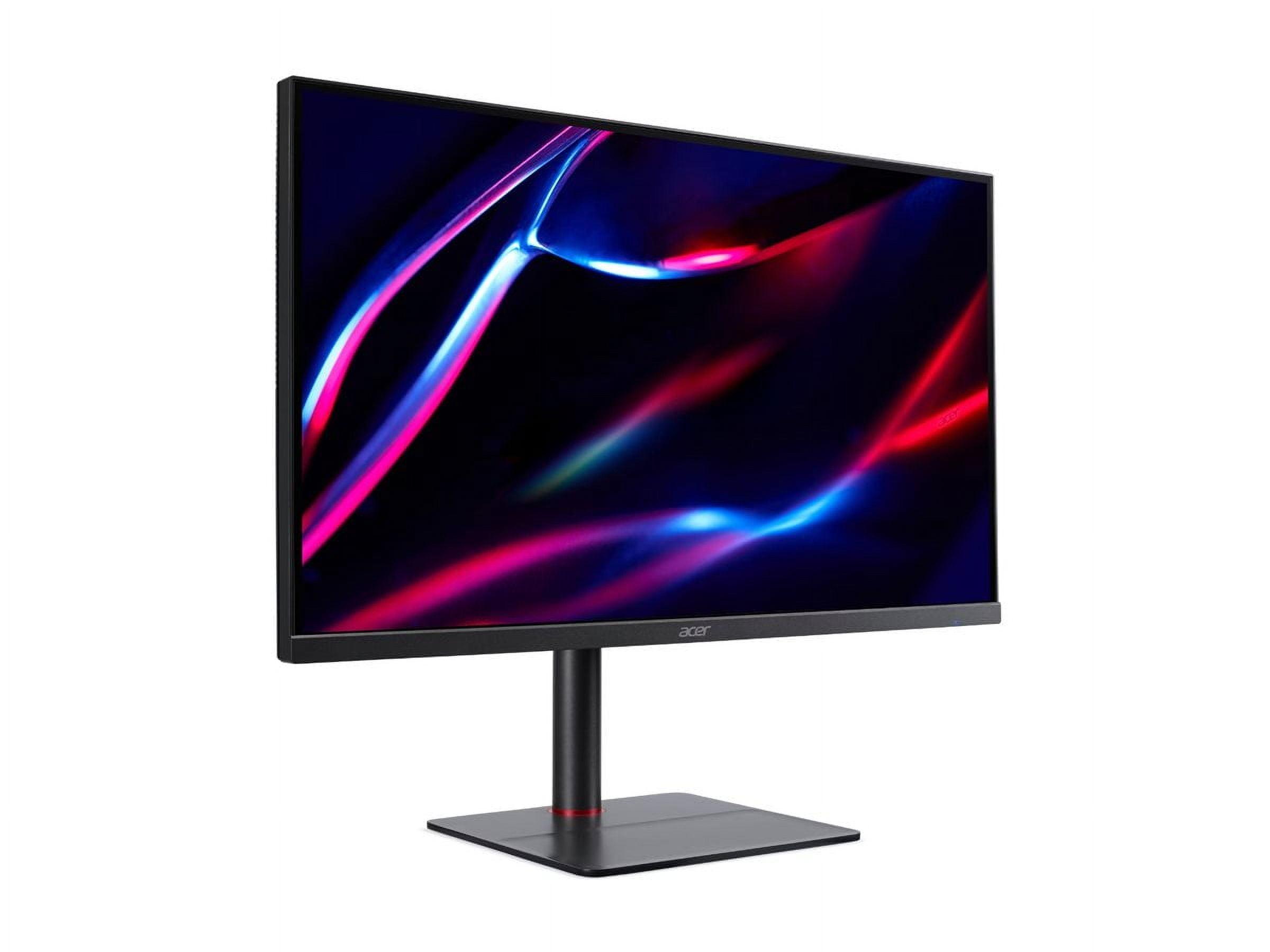
The Acer's IPS panel takes a different approach. While its native contrast ratio is lower (around 1,000:1), the Mini LED backlighting changes everything. Mini LED uses hundreds of tiny LED zones that can dim independently – the XV275K P3 has 576 zones. This allows for much brighter highlights and deeper blacks in specific areas of the screen simultaneously.
In optimal conditions, this system can achieve contrast ratios exceeding 100,000:1. However, when bright and dark objects are close together on screen, the limited number of zones means you might see "blooming" – unwanted light spill around bright objects against dark backgrounds. It's a compromise, but the overall HDR experience is dramatically better than what either monitor could achieve without local dimming.
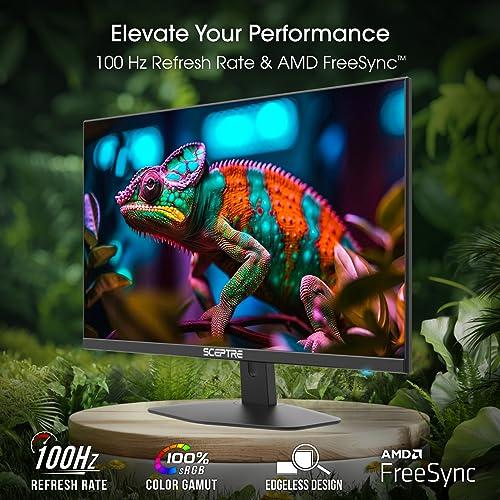
Both monitors offer refresh rates well above the standard 60Hz, but they target different performance tiers. The Sceptre E275W delivers 100Hz, while the Acer XV275K P3 reaches 160Hz.
The jump from 60Hz to 100Hz is immediately noticeable – motion appears smoother, fast-paced games feel more responsive, and you gain a competitive advantage in multiplayer titles. The difference between 100Hz and 160Hz is less dramatic but still meaningful, especially in fast-paced shooters where every frame of responsiveness matters.
Response time tells a different story. Response time measures how quickly pixels can change colors, affecting motion blur and ghosting (trailing images behind moving objects). The Sceptre's 5ms response time is adequate but not exceptional. Users report noticeable ghosting in fast-moving scenes, regardless of the overdrive setting used to accelerate pixel transitions.
The Acer's 1ms response time performs much better, though it's not class-leading among premium gaming monitors. Motion clarity is good at 160Hz but doesn't quite match the best performing displays in its price range. A notable limitation is that overdrive settings are locked when variable refresh rate is enabled, preventing users from fine-tuning motion performance based on their preferences.
Both monitors support AMD FreeSync, which synchronizes the display's refresh rate with your graphics card's output to eliminate screen tearing. The Sceptre works in the 48-100Hz range, while the Acer offers broader compatibility including NVIDIA G-Sync and console VRR support.
This is where the price difference becomes most apparent. The Sceptre E275W covers 100% of the sRGB color space – perfectly adequate for gaming and general use – but offers no HDR support and peaks at 280 nits brightness.
The Acer XV275K P3 is VESA DisplayHDR 1000 certified, meaning it can display true HDR content with peak brightness exceeding 1,000 nits. In real-world gaming scenarios like Cyberpunk 2077, it can hit 1,700 nits in bright areas while maintaining detail in shadows. This creates a dramatically more immersive experience with punchy highlights, deeper contrast, and more realistic lighting.
Color gamut coverage is equally impressive. The Acer covers 99% of Adobe RGB and 98% of DCI-P3 – color spaces used by professional content creators and modern HDR content. This wider color gamut means more vibrant, lifelike colors that simply aren't possible on standard sRGB displays.
However, the HDR implementation has limitations. The 576 local dimming zones sound impressive, but when bright and dark objects are positioned close together, the system can't provide perfect contrast. You might notice blooming around bright objects, and some HDR content may appear overly dark or bright depending on the monitor's automatic adjustments.
Input lag – the delay between pressing a button and seeing the result on screen – is crucial for competitive gaming. Both monitors perform well here, though with different strengths.
The Sceptre E275W maintains approximately 6ms of display lag across all refresh rates, providing consistent responsiveness whether you're running games at 60fps or 100fps. This consistency makes it reliable for both PC and console gaming.
The Acer XV275K P3 achieves very low input lag at high refresh rates (around 5ms at 120Hz and above) but this increases significantly at 60Hz. This characteristic makes it excellent for high-frame-rate PC gaming but potentially less ideal for console gaming at 60fps, particularly in reaction-based competitive titles.
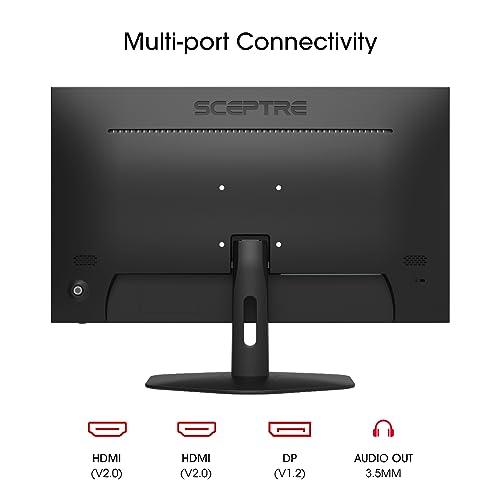
Modern gaming setups often involve multiple devices, and connectivity options matter. The Sceptre E275W provides the basics: two HDMI 2.0 ports, one DisplayPort 1.2, and a headphone jack. All inputs support the monitor's full 100Hz capability at 1080p. The included speakers are functional but basic – typical for budget monitors.
A common user complaint is the lack of USB ports, though this is understandable at the price point. The monitor also features an overly bright power LED that faces forward, which can be distracting during dark room gaming sessions.
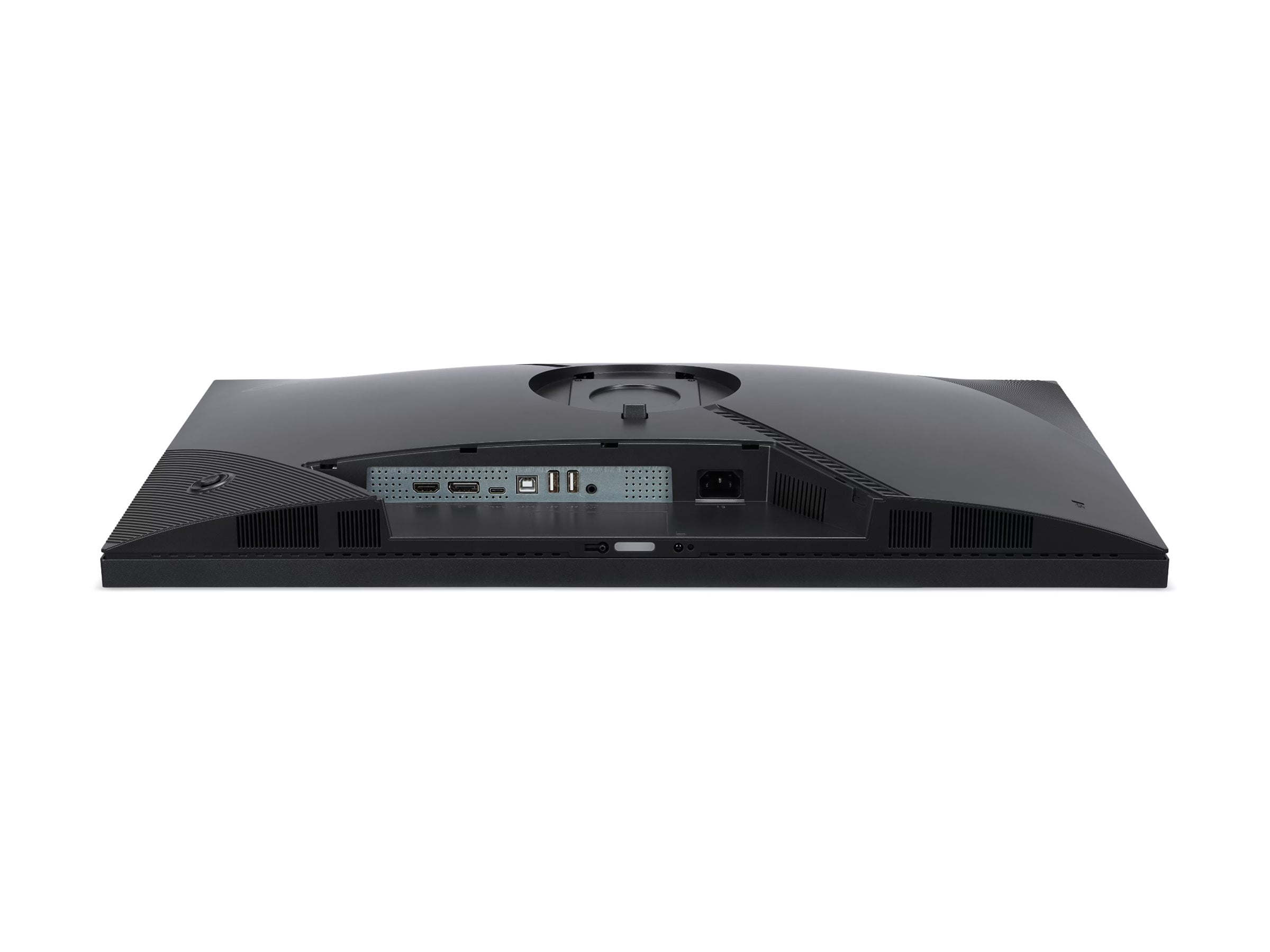
The Acer XV275K P3 offers more comprehensive connectivity with HDMI 2.1 ports (supporting full 4K 120Hz from consoles), DisplayPort 1.4, and crucially, a USB-C port with 90W power delivery. This USB-C connection allows laptop users to connect with a single cable for video, data, and charging – a significant convenience for productivity setups.
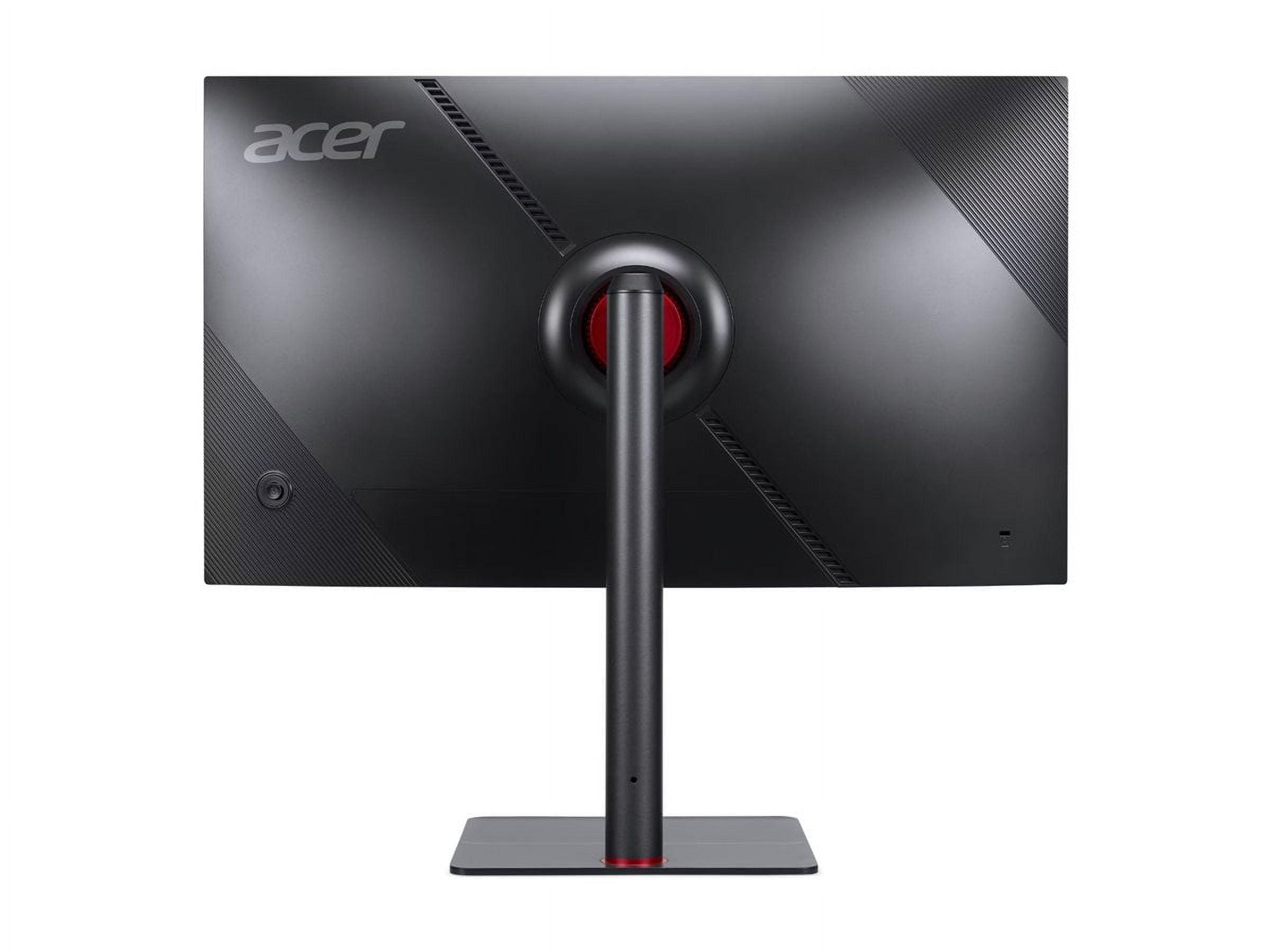
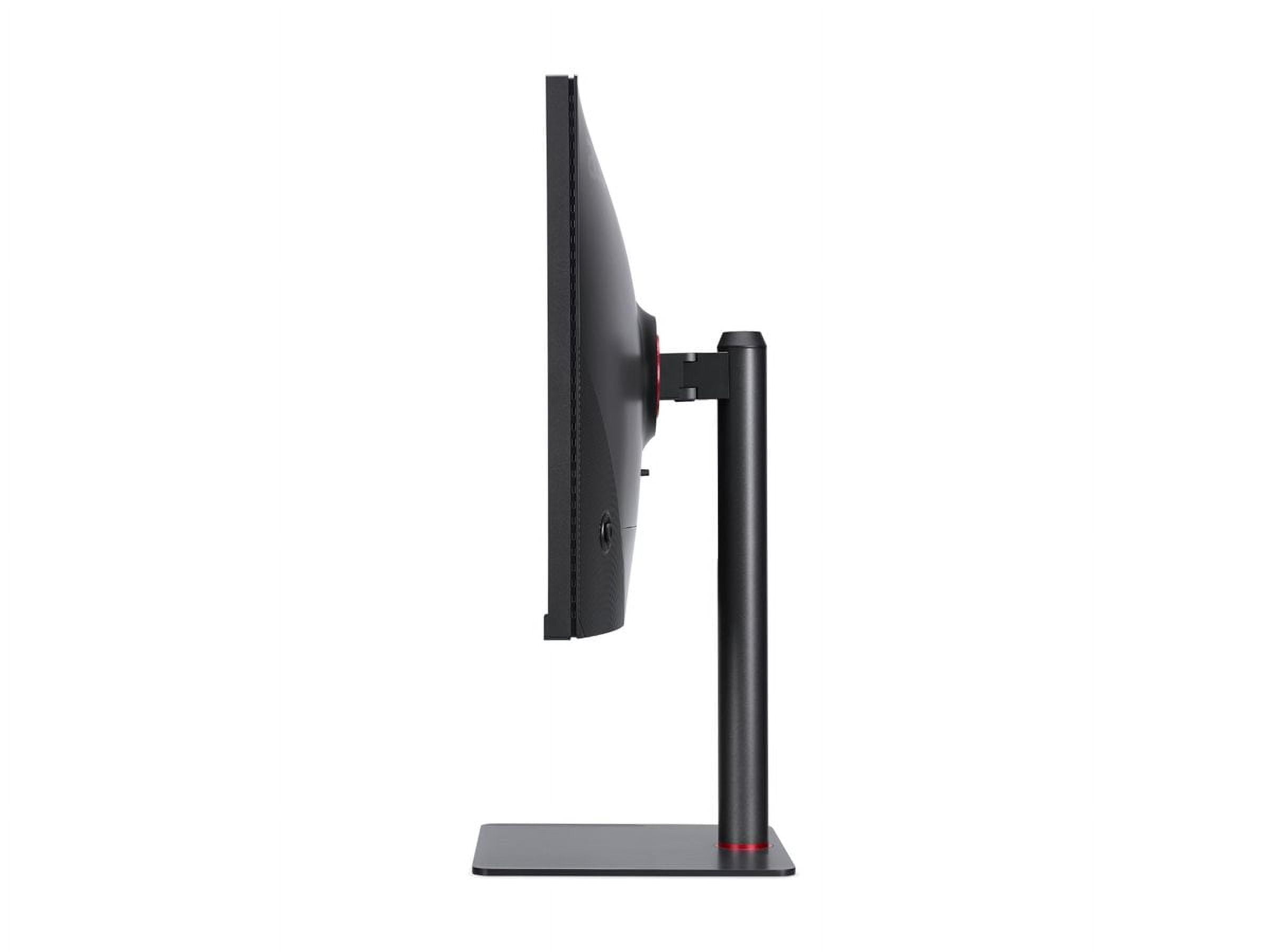
The Acer also includes a USB hub, better ergonomic adjustments (height, tilt, swivel, and pivot versus the Sceptre's tilt-only), and VESA mounting compatibility. These features position it as a complete desktop solution rather than just a gaming display.
For home theater use, these monitors serve different purposes. The Sceptre's VA panel provides better performance in dark rooms due to its superior contrast ratio and lack of IPS glow. The deeper blacks create a more cinematic experience when watching movies or playing atmospheric games like horror titles.
However, the Acer's HDR capabilities transform compatible content. Streaming services, UHD Blu-rays, and modern games with HDR support appear dramatically more engaging with brighter highlights and wider color ranges. The Mini LED backlighting allows for much more realistic lighting in scenes with mixed brightness levels.
The trade-off is that the Acer's IPS glow and potential blooming can be more noticeable in dark room viewing compared to the Sceptre's consistently dark blacks.
Based on our research and analysis of user experiences, the Sceptre E275W-FW100T makes sense for several specific scenarios. If you're on a tight budget but want to experience higher refresh rate gaming, it delivers excellent value. The 100Hz refresh rate provides a meaningful upgrade from 60Hz displays, and the VA panel's contrast ratio enhances the visual experience compared to budget IPS alternatives.
This monitor works particularly well for users with mid-range or older graphics cards (GTX 1660, RTX 3060, RX 6600) that can maintain high frame rates at 1080p but would struggle with 4K gaming. It's also suitable for console gamers using Xbox One or PS4 systems that output at 1080p.
The Acer Nitro XV275K P3 targets users who want a premium gaming experience and have the hardware to support it. With high-end graphics cards (RTX 4070 and above), the 4K resolution and HDR capabilities create a dramatically more immersive experience. The wide color gamut also makes it suitable for content creation work that requires color accuracy.
This monitor excels in bright room environments where its high peak brightness overcomes ambient lighting, and it's ideal for users who want a single display that handles both serious gaming and professional work.
Through analyzing user reviews and expert testing, several performance characteristics emerge as most critical. For competitive gaming, input lag and motion clarity matter more than resolution or color accuracy. The Sceptre provides consistent responsiveness, while the Acer offers superior motion clarity at high frame rates.
For immersive single-player gaming, HDR capability and color reproduction become more important. The Acer's Mini LED technology creates a significantly more engaging experience in modern titles that support HDR.
For productivity work, pixel density and color accuracy are paramount. The Acer's 4K resolution makes text crisp and provides ample workspace, while its wide color gamut supports creative work.
Since the Sceptre's 2021 release, the budget monitor market has become increasingly competitive, with 100Hz+ displays becoming the baseline rather than a premium feature. The Acer's 2023 launch represents how Mini LED technology has become more accessible, bringing professional-grade HDR performance to enthusiast price points rather than requiring $1000+ professional displays.
Looking forward, both monitor categories continue evolving. Budget displays are gaining higher refresh rates and better color accuracy, while premium monitors are incorporating more advanced local dimming and eventually transitioning to OLED technology for perfect contrast.
At the time of writing, the price gap between these monitors reflects a fundamental difference in target markets rather than just feature sets. The Sceptre E275W-FW100T delivers exactly what budget-conscious users need: a meaningful upgrade from basic displays without requiring high-end hardware or breaking the budget.
The Acer Nitro XV275K P3 provides a premium experience that justifies its higher cost through advanced technology, comprehensive features, and future-proofing capabilities. However, you need compatible hardware and specific use cases to fully utilize its capabilities.
Your choice should align with your current hardware, intended use cases, and budget priorities. For most users upgrading from basic displays, the Sceptre provides excellent value. For enthusiasts with high-end systems seeking the best possible experience, the Acer delivers premium performance that will remain relevant for years to come.
| Sceptre E275W-FW100T | Acer Nitro XV275K P3 |
|---|---|
| Resolution - Higher resolution means sharper text and game details but requires more GPU power | |
| 1920×1080 Full HD (adequate for gaming, soft text) | 3840×2160 4K UHD (4x sharper, needs high-end GPU) |
| Panel Type - Affects contrast, colors, and viewing angles | |
| VA panel with 3,000:1 contrast (deep blacks, some viewing angle shifts) | IPS with Mini LED backlight (wide viewing angles, 576-zone local dimming) |
| Refresh Rate - Higher rates provide smoother motion and competitive advantages | |
| 100Hz (noticeable upgrade from 60Hz) | 160Hz (excellent for high-frame rate gaming) |
| Response Time - Lower times reduce motion blur and ghosting | |
| 5ms GtG (some ghosting in fast scenes) | 1ms GtG (minimal motion blur) |
| HDR Support - Enables brighter highlights and deeper shadows for immersive gaming | |
| None (standard brightness only) | VESA DisplayHDR 1000 (up to 1,700 nits peak) |
| Color Gamut - Wider coverage shows more vibrant colors | |
| 100% sRGB (good for gaming and general use) | 99% Adobe RGB, 98% DCI-P3 (professional-grade colors) |
| Brightness - Higher brightness overcomes room lighting | |
| 280 nits (good for normal lighting) | 1,000+ nits peak (excellent for bright rooms) |
| Adaptive Sync - Eliminates screen tearing by matching GPU frame rate | |
| AMD FreeSync 48-100Hz | AMD FreeSync Premium Pro, G-Sync Compatible, HDMI VRR |
| Input Lag - Lower lag improves responsiveness in competitive gaming | |
| ~6ms consistent across refresh rates | ~5ms at high refresh, higher at 60Hz |
| Connectivity - More ports provide flexibility for multiple devices | |
| 2× HDMI 2.0, 1× DisplayPort 1.2, headphone jack | 2× HDMI 2.1, DisplayPort 1.4, USB-C with 90W power delivery |
| Ergonomics - Better adjustability improves comfort during long sessions | |
| Tilt only, VESA 100×100mm mount | Full adjustment (height/tilt/swivel/pivot), VESA 75×75mm |
| Target Use Case - Best suited for different gaming scenarios and budgets | |
| Budget gaming, casual use, older GPUs | Premium gaming, content creation, high-end PCs |
| Value Proposition - What you get for the investment | |
| Excellent entry-level gaming upgrade | Premium experience with future-proofing features |
The Sceptre E275W-FW100T is specifically designed for budget-conscious gamers who want to upgrade from standard 60Hz displays. It offers 100Hz refresh rate and AMD FreeSync at an affordable price point, making it an excellent entry-level gaming monitor. The Acer Nitro XV275K P3 is a premium option that costs significantly more but delivers advanced features like 4K resolution and HDR support.
The primary difference is resolution and technology level. The Sceptre E275W-FW100T uses 1080p Full HD resolution with a basic VA panel, while the Acer Nitro XV275K P3 features 4K UHD resolution with Mini LED backlighting and 576 local dimming zones. This represents a substantial jump in image quality, HDR capability, and overall visual experience.
The Acer Nitro XV275K P3 has significantly better picture quality due to its 4K resolution, Mini LED technology, and HDR 1000 certification. It displays sharper images, brighter highlights, and wider color coverage. However, the Sceptre E275W-FW100T offers better contrast in dark rooms due to its VA panel technology, which produces deeper blacks than standard IPS displays.
The Sceptre E275W-FW100T works well with mid-range graphics cards like GTX 1660 or RTX 3060, as 1080p gaming is less demanding. The Acer Nitro XV275K P3 requires a high-end graphics card like RTX 4070 or better to fully utilize its 4K resolution and 160Hz refresh rate in modern games.
Both monitors work with gaming consoles, but serve different purposes. The Sceptre E275W-FW100T is ideal for older consoles (Xbox One, PS4) that output at 1080p. The Acer Nitro XV275K P3 is better suited for current-gen consoles (PS5, Xbox Series X) that support 4K and 120Hz gaming, thanks to its HDMI 2.1 connectivity.
The Sceptre E275W-FW100T supports up to 100Hz refresh rate with AMD FreeSync in the 48-100Hz range. The Acer Nitro XV275K P3 offers a higher 160Hz refresh rate and supports multiple adaptive sync technologies including AMD FreeSync Premium Pro and NVIDIA G-Sync compatibility.
The Acer Nitro XV275K P3 has dramatically better HDR performance with VESA DisplayHDR 1000 certification, peak brightness over 1,000 nits, and wide color gamut coverage. The Sceptre E275W-FW100T doesn't support HDR at all, limiting it to standard dynamic range content only.
The Sceptre E275W-FW100T has limitations for productivity due to its 1080p resolution on a 27-inch screen, which makes text appear soft and reduces workspace. The Acer Nitro XV275K P3 excels at productivity work with sharp 4K text, wide color accuracy for creative work, and USB-C connectivity with power delivery for laptops.
The Sceptre E275W-FW100T offers exceptional value for budget users, providing 100Hz gaming at a very affordable price. The Acer Nitro XV275K P3 provides better value for enthusiast users who need premium features like 4K resolution, HDR support, and professional color accuracy, despite its higher cost.
The Sceptre E275W-FW100T provides basic connectivity with 2 HDMI 2.0 ports and 1 DisplayPort 1.2. The Acer Nitro XV275K P3 offers more advanced connectivity including HDMI 2.1 ports, DisplayPort 1.4, USB-C with 90W power delivery, and a USB hub for connecting multiple devices.
For dark room movie watching, the Sceptre E275W-FW100T provides better contrast with its VA panel technology and deep blacks. However, the Acer Nitro XV275K P3 offers a more premium movie experience with 4K resolution, HDR support for compatible content, and much higher brightness for viewing in lit rooms.
The Sceptre E275W-FW100T suffers from soft text at 1080p resolution, noticeable ghosting in fast motion, and limited ergonomic adjustments. The Acer Nitro XV275K P3 has some blooming around bright objects in HDR content, locked overdrive settings in VRR mode, and requires expensive high-end graphics hardware to fully utilize its capabilities.
We've done our best to create useful and informative comparisons to help you decide what product to buy. Our research uses advanced automated methods to create this comparison and perfection is not possible - please contact us for corrections or questions. These are the sites we've researched in the creation of this article: pcvarge.com - walmart.com - cubed.run - productchart.com - displayninja.com - target.com - youtube.com - versus.com - youtube.com - youtube.com - sceptre.com - sceptre.com - bestbuy.com - rtings.com - reviewed.com - displayninja.com - youtube.com - displayninja.com - youtube.com - dpreview.com - acer.com - buy.bluum.com - shi.com - camcor.com - newegg.com - provantage.com - displayspecifications.com - colamco.com - displayspecifications.com - walmart.com - bestbuy.com

Privacy Policy
Terms and Conditions - Affiliate Policy
Home Security
© Copyright 2008-2026.
11816 Inwood Rd #1211, Dallas, TX 75244