




When shopping for a portable Bluetooth speaker in 2024, you'll face a crucial decision between prioritizing basic functionality with exceptional battery life or investing in superior sound quality with advanced features. The Skullcandy Terrain XL and Soundcore Motion X600 represent two fundamentally different approaches to portable audio, and understanding their strengths will help you make the right choice for your needs.
Before diving into specifics, it's worth understanding what separates excellent portable speakers from mediocre ones. The most important factors are sound quality, battery life, build durability, and value for money. Sound quality encompasses several technical aspects: frequency response (how well the speaker reproduces different pitches from deep bass to high treble), power output (how loud it can play without distortion), and driver configuration (the number and arrangement of individual speakers inside the unit).
Battery life matters enormously for portable speakers since their main advantage over home audio systems is freedom from wall outlets. Build quality determines whether your speaker survives drops, water exposure, and temperature extremes. Finally, value considers whether the features and performance justify the asking price compared to alternatives.
The portable speaker market has evolved dramatically since both of these models launched in recent years. The Terrain XL arrived as Skullcandy's answer to outdoor-focused speakers, while the Motion X600 launched in 2023 as Anker's premium spatial audio offering. Since their releases, we've seen increasing emphasis on advanced audio processing, longer battery life, and more sophisticated driver arrangements across the industry.
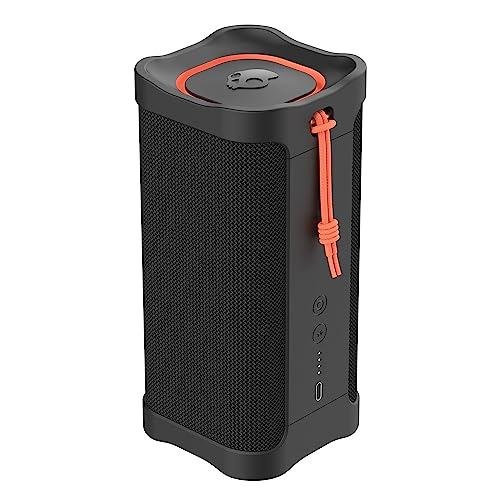
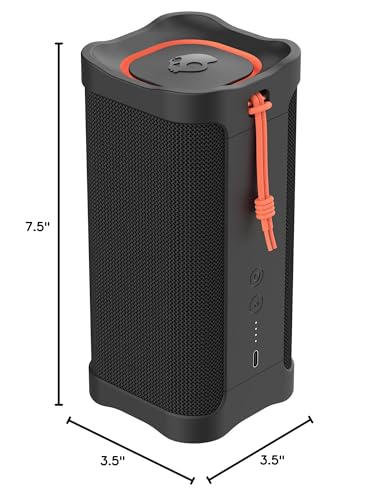
The Skullcandy Terrain XL takes a straightforward approach: deliver reliable outdoor performance with exceptional battery life at an affordable price point. At the time of writing, it typically retails for under $100, positioning it firmly in the budget category. Skullcandy designed this speaker for people who want something rugged, lightweight, and long-lasting without breaking the bank.
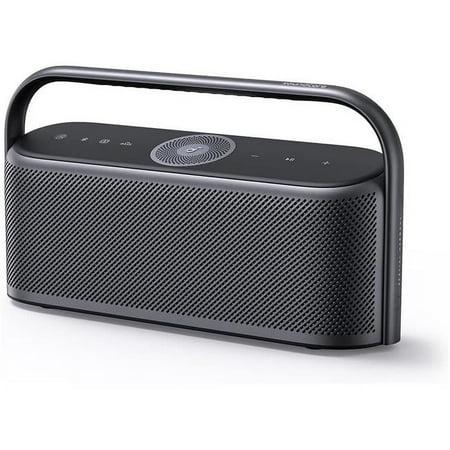
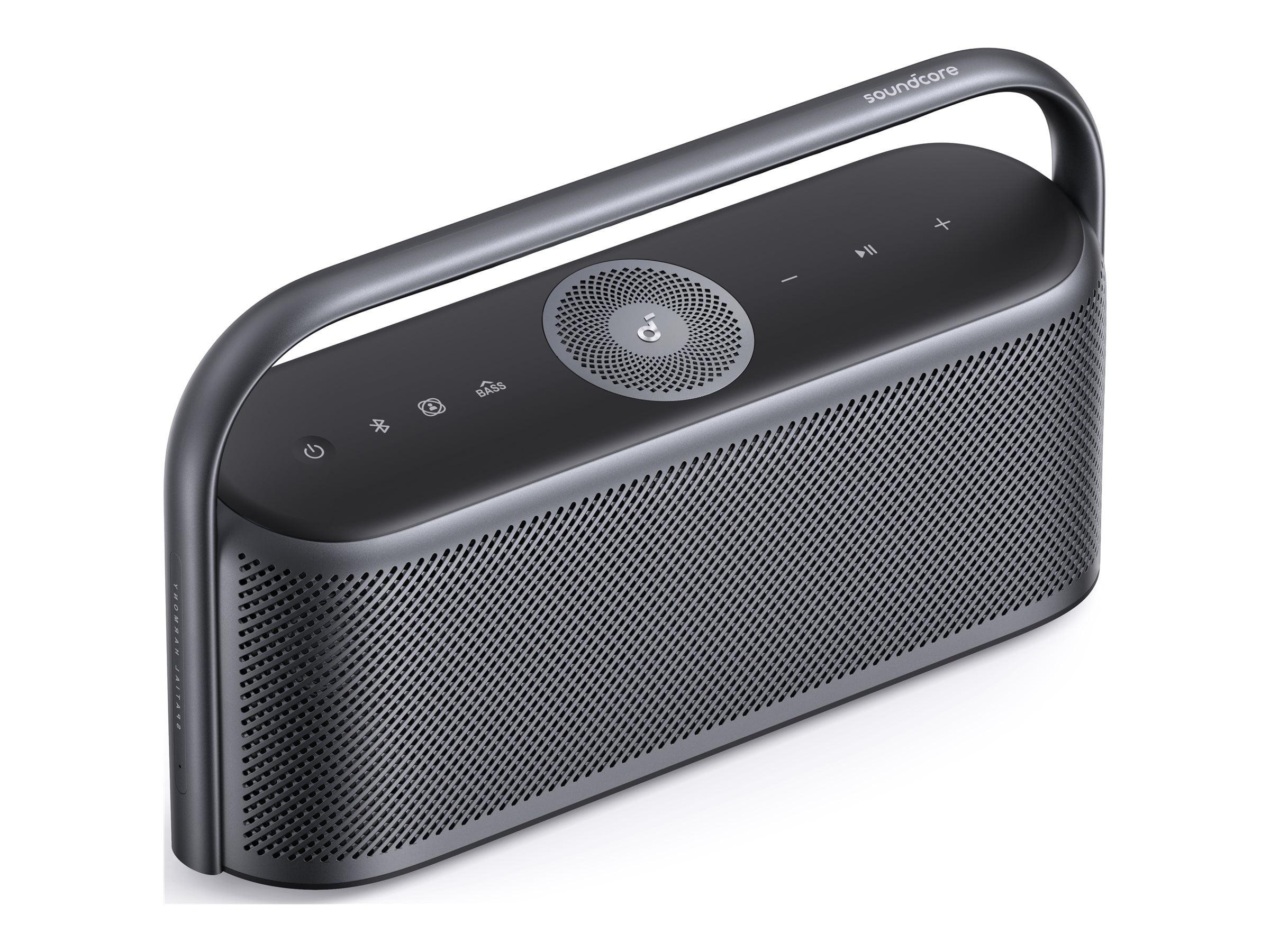
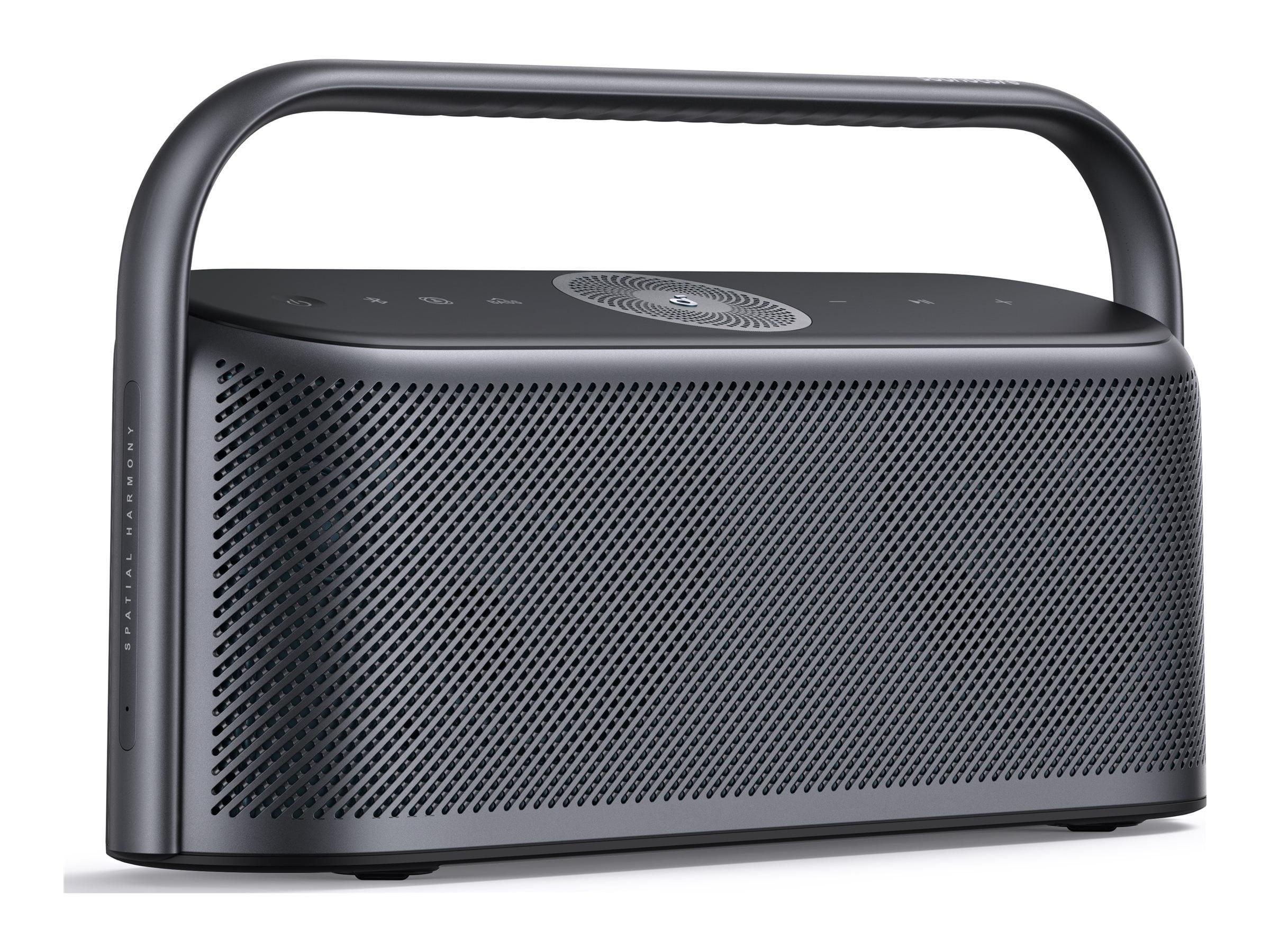
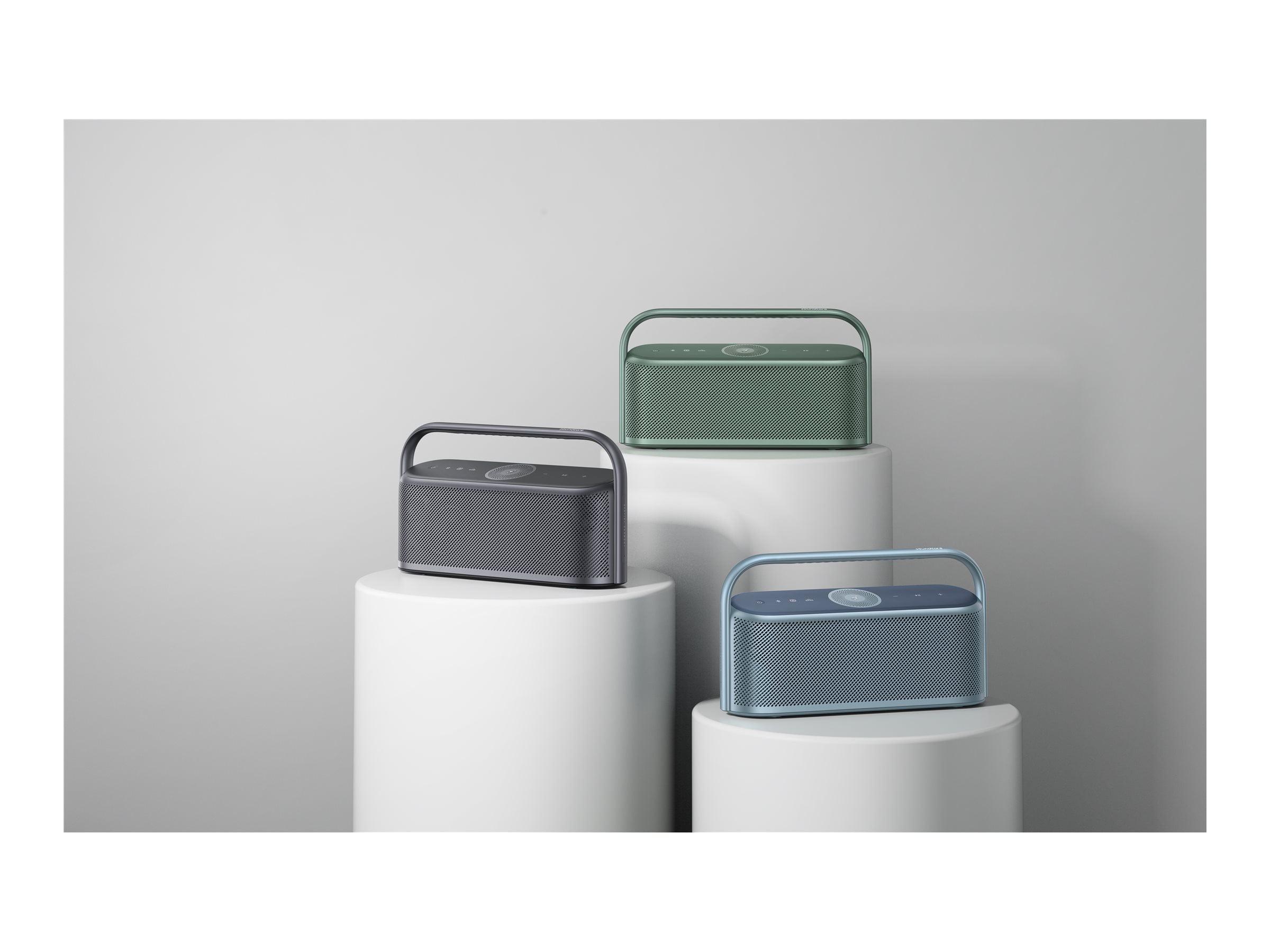
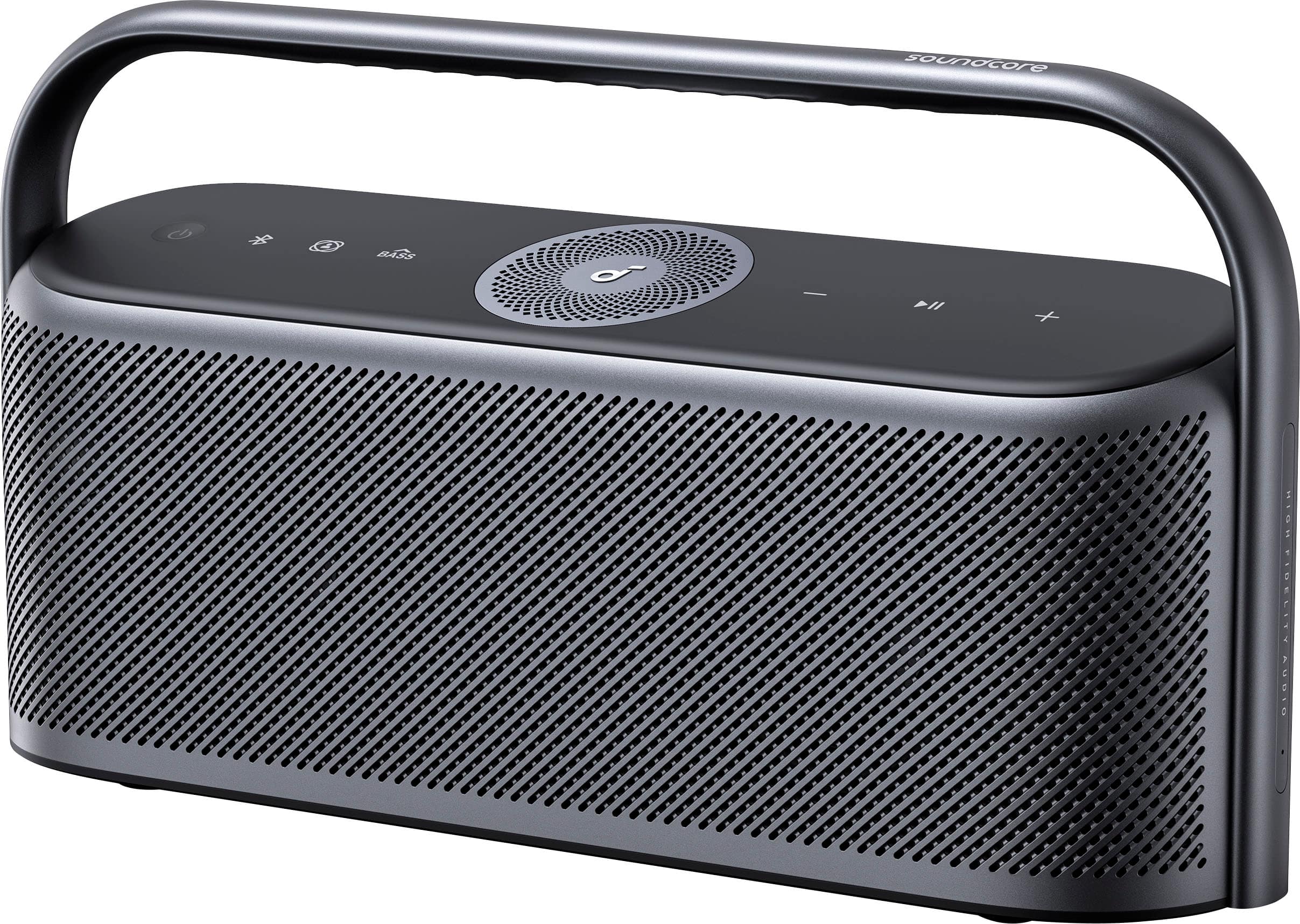
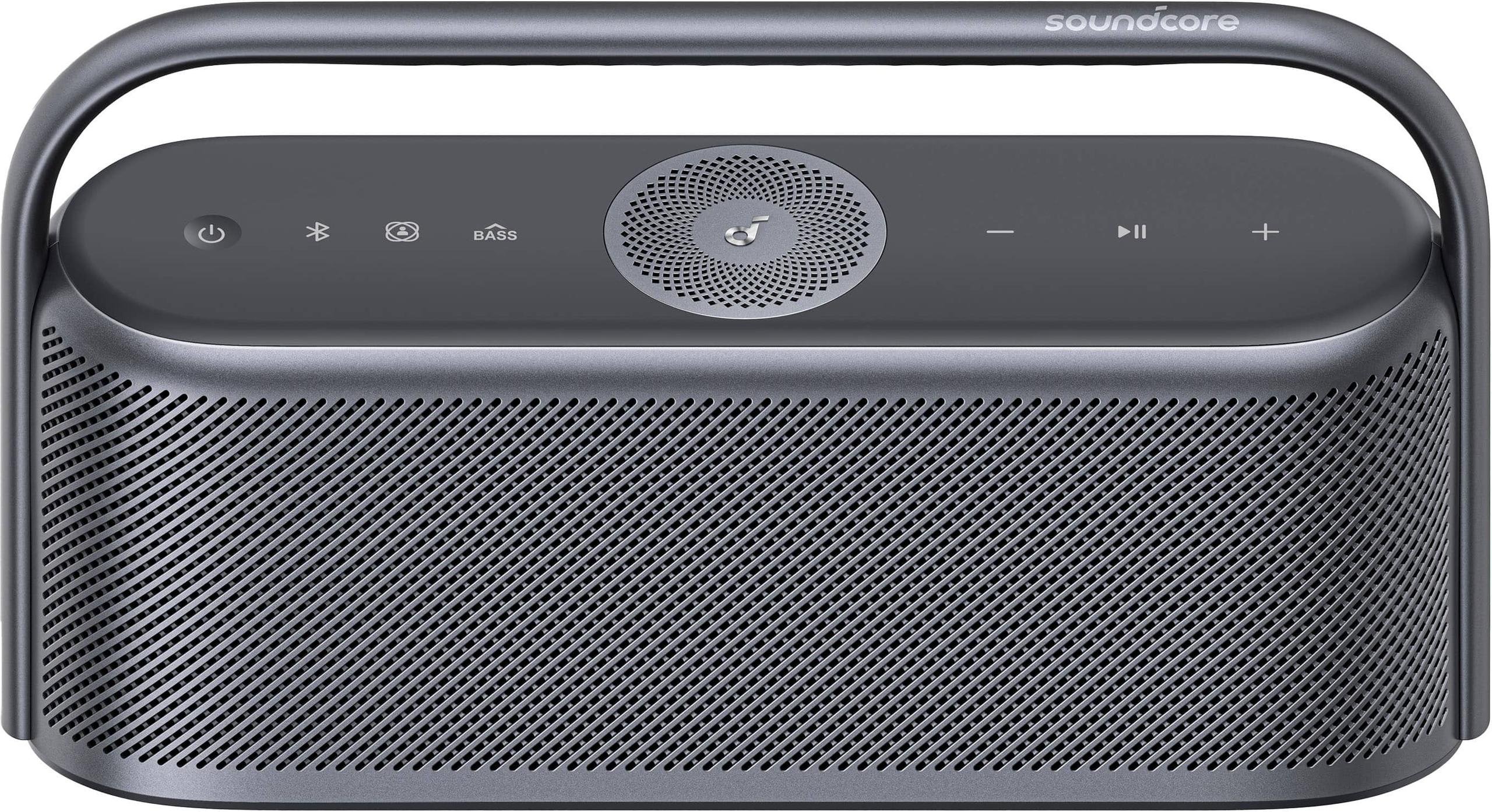
The Soundcore Motion X600, conversely, targets users willing to pay premium pricing (typically around $160 at the time of writing) for significantly better sound quality and advanced features. Anker packed this speaker with spatial audio technology, high-resolution codec support, and a sophisticated five-driver arrangement that puts it in direct competition with speakers costing considerably more.
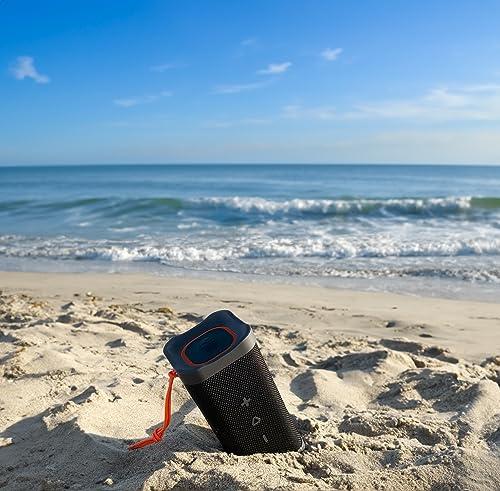
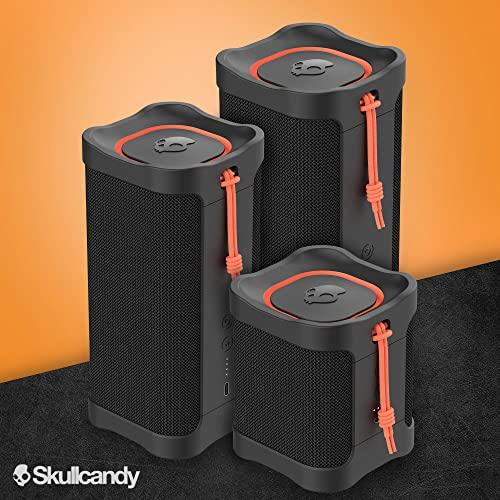
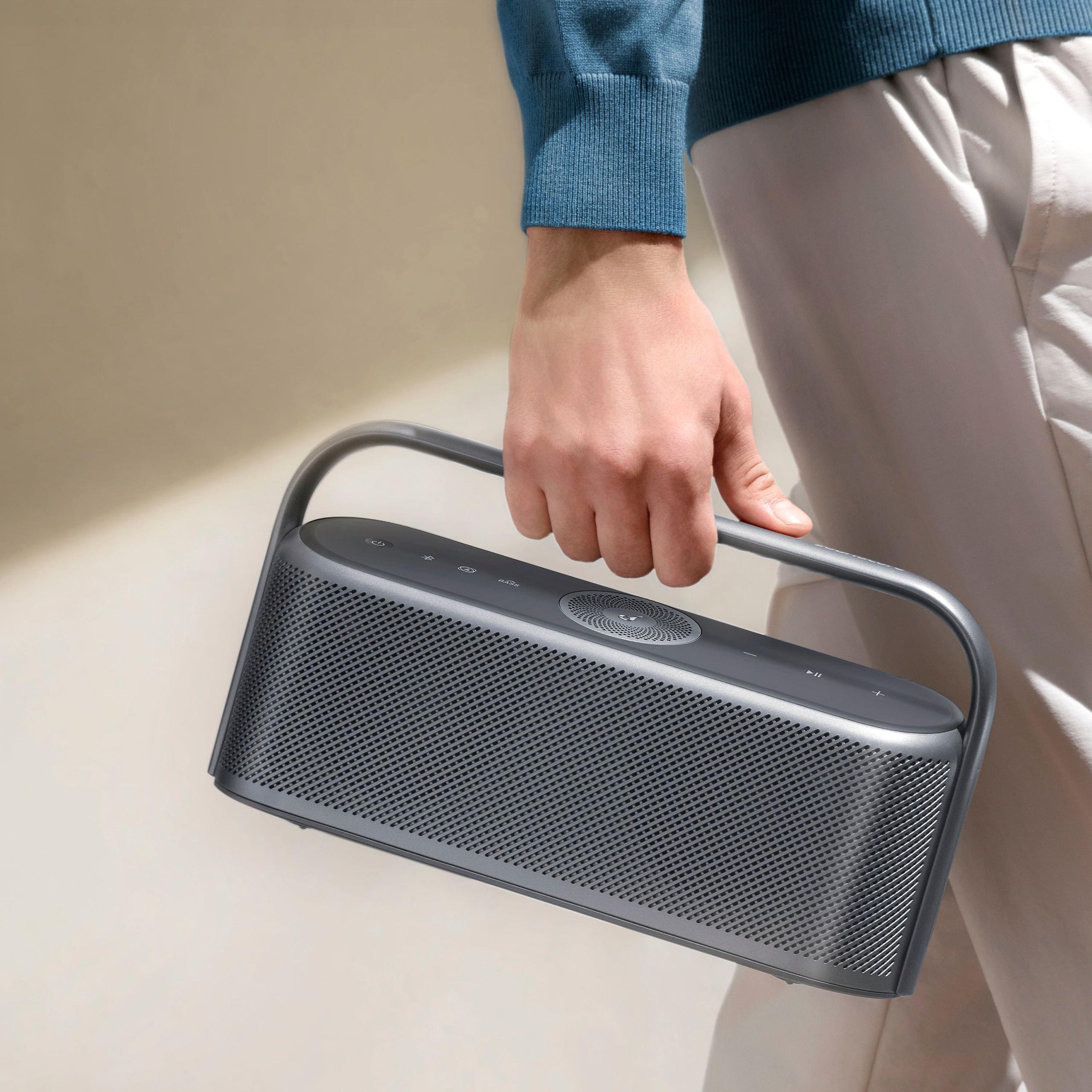
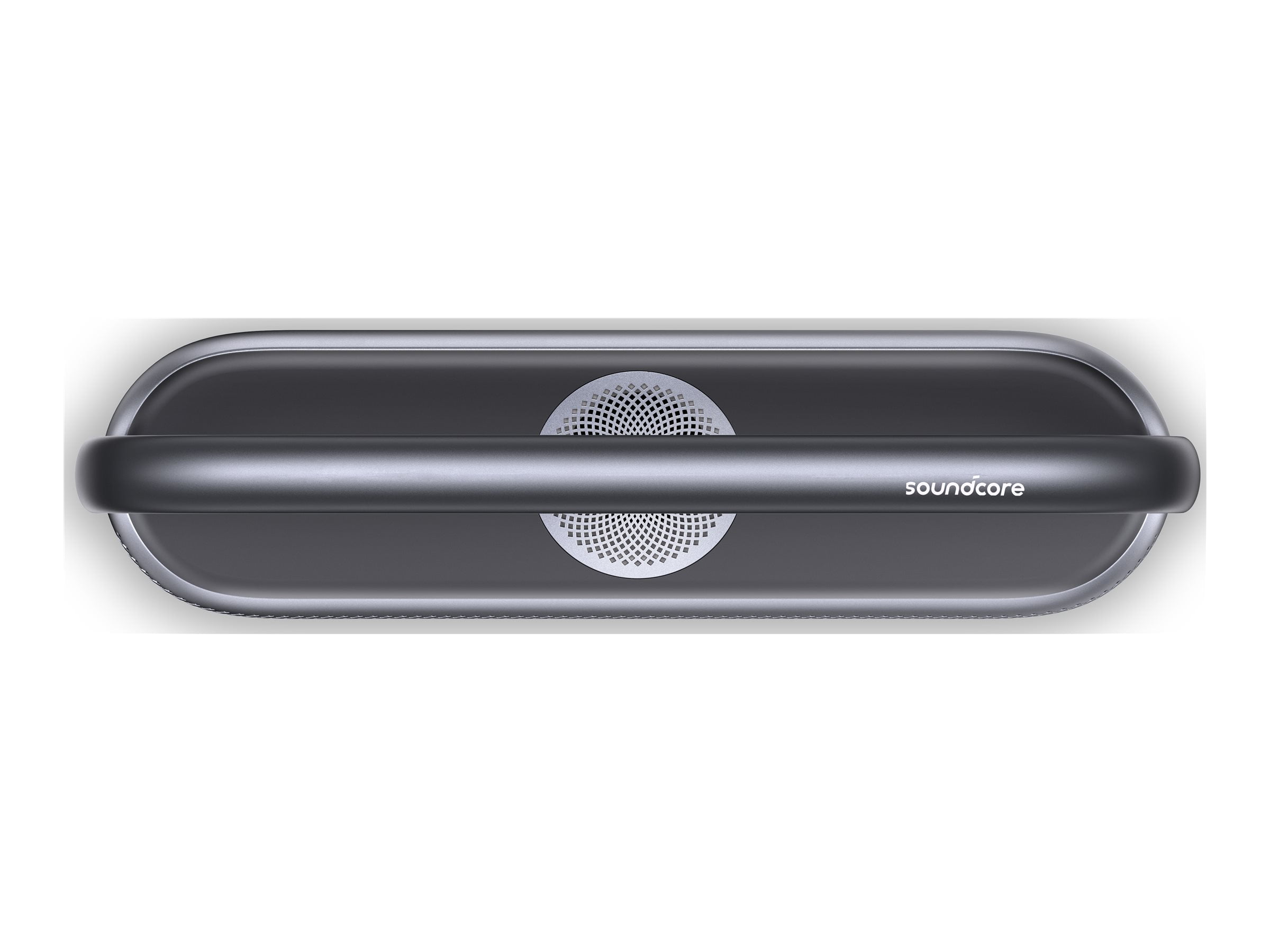
These different philosophies become apparent the moment you pick up each speaker. The Terrain XL feels purpose-built for throwing in a backpack—it weighs just over a pound and includes a built-in carrying strap. The Motion X600 feels more substantial at around 2.5 pounds, with premium materials and an aluminum handle that suggests it's meant for more deliberate transportation.
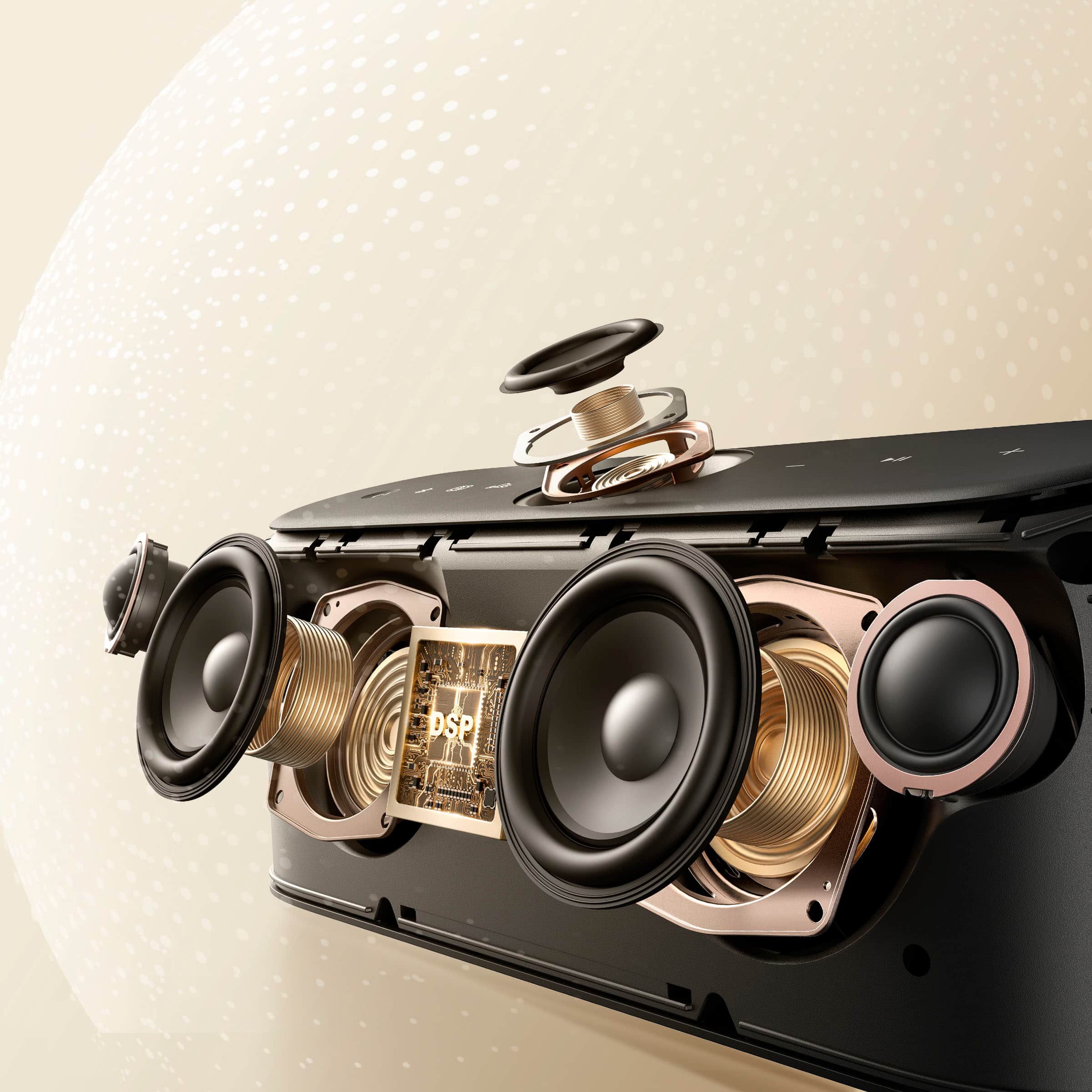
Sound quality represents the biggest performance gap between these speakers, and understanding why requires looking at their internal components. The Motion X600 uses a five-driver array with 50 watts of total power, including two front-firing tweeters for high frequencies, two mid-bass drivers, and a unique upward-firing driver that creates spatial audio effects. This driver arrangement allows the speaker to reproduce frequencies from 50Hz (deep bass) all the way up to 40,000Hz (ultra-high treble that most people can't even hear).
The Terrain XL, by contrast, uses a simpler two-driver system with 20 watts of power and passive radiators (which are essentially speakers without magnets that vibrate sympathetically to enhance bass response). Its frequency response only covers 30Hz to 20,000Hz, missing both the deepest bass and highest treble that the Motion X600 can reproduce.
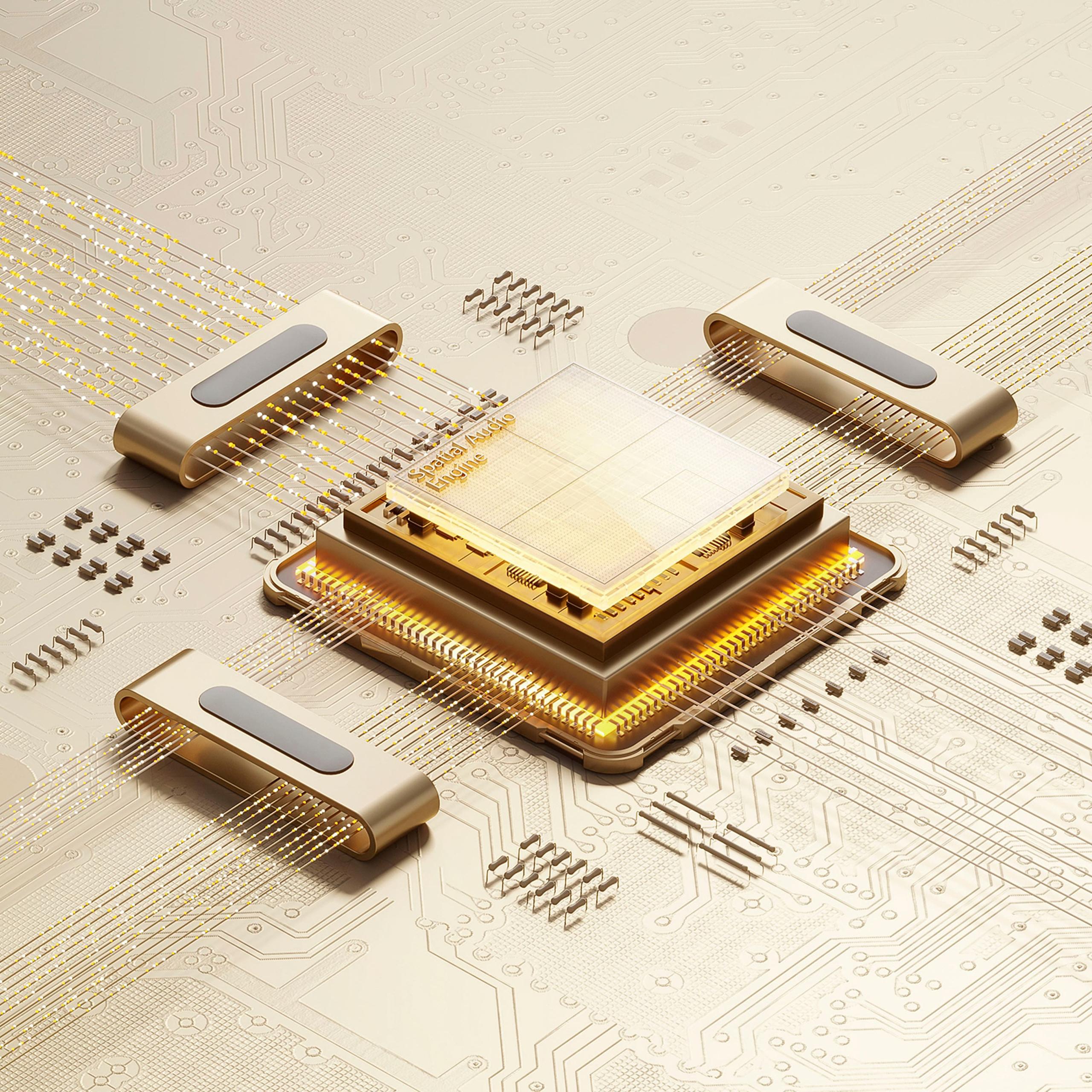
Based on extensive user feedback and professional reviews, these technical differences translate into dramatically different listening experiences. The Motion X600 delivers what audiophiles call a "balanced" sound signature—meaning it reproduces all frequency ranges relatively equally, allowing you to hear details in vocals, instruments, and bass lines clearly. The spatial audio feature, activated through the companion app, creates an impressive sense of width and depth that makes music feel more immersive than typical Bluetooth speakers manage.
The Terrain XL produces what's known as a "V-shaped" sound signature, emphasizing bass and treble while reducing midrange frequencies where most vocals and instruments live. This tuning can make music sound exciting initially, but extended listening reveals a harshness that becomes fatiguing. Multiple reviews consistently mention that the Terrain XL begins distorting at higher volumes, particularly in the treble frequencies, which limits how loud you can actually play it before sound quality degrades noticeably.
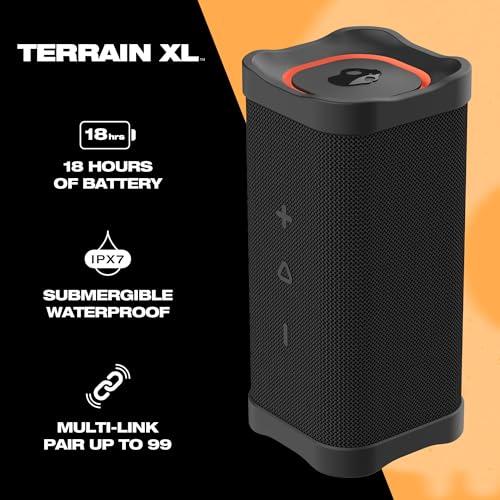
Here's where the Terrain XL fights back effectively. Its 18-hour battery life represents exceptional endurance for outdoor activities, camping trips, or long workdays where charging opportunities are limited. The Motion X600 manages a still-respectable 12 hours, but that six-hour difference could make or break a weekend camping trip.
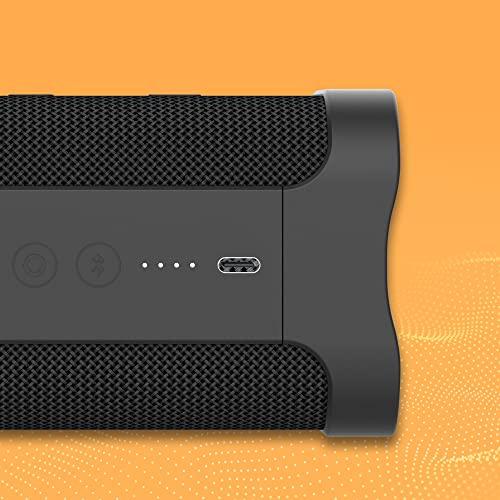
The battery life difference stems from their different power requirements. The Motion X600's five amplified drivers and advanced signal processing demand more energy, while the Terrain XL's simpler design allows for more efficient power consumption. Both speakers use modern lithium-ion batteries with USB-C charging, but the Motion X600 takes about four hours to fully charge compared to the Terrain XL's faster charging time.
Weight becomes crucial for extended carrying. The Terrain XL's sub-pound weight makes it genuinely comfortable to carry on hikes or long walks, while the Motion X600's 2.5-pound mass becomes noticeable during extended transport. For backpackers or frequent travelers, this weight difference matters significantly.
The feature gap between these speakers is substantial. The Motion X600 includes LDAC codec support, which allows compatible devices (many Android phones and some music streaming apps) to send higher-quality audio than standard Bluetooth compression allows. Think of LDAC as the difference between a compressed MP3 file and a high-quality recording—more audio information reaches the speaker, resulting in better sound quality.
The Motion X600's companion app provides extensive control options, including a nine-band equalizer that lets you customize the sound signature to your preferences. You can boost bass for hip-hop, enhance mids for vocals, or create custom presets for different music genres. The app also enables stereo pairing with another Motion X600 for true left-right channel separation.
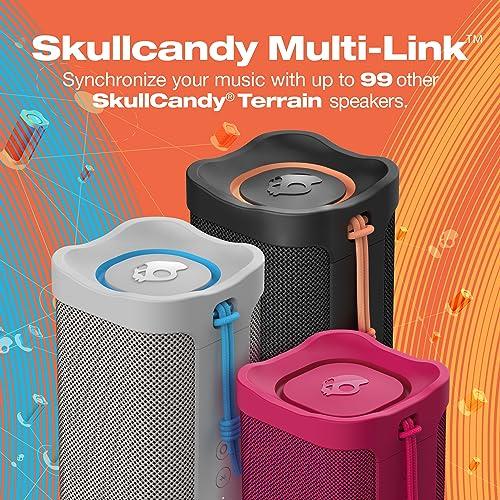
The Terrain XL takes a more basic approach with no companion app and no adjustable EQ. However, it does offer Skullcandy's Multi-Link technology, which allows you to connect up to 99 Terrain speakers together for synchronized playback. More practically, you can pair any two Terrain series speakers (including different sizes like the Mini and standard Terrain) for stereo sound—a flexibility advantage over many competitors that require identical models for stereo pairing.
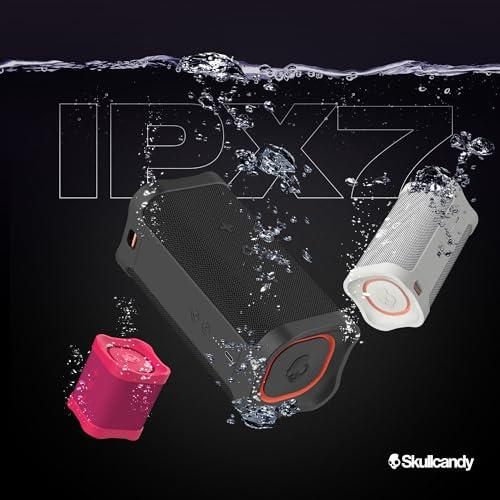
Both speakers earn IPX7 waterproof ratings, meaning they can survive submersion in up to one meter of water for 30 minutes. This protection makes both suitable for poolside use, beach trips, or getting caught in rain. However, their construction approaches differ significantly.
The Terrain XL uses a fabric mesh exterior with silicone end caps designed to absorb impact from drops and scrapes. Its rectangular shape prevents rolling when placed on uneven surfaces, and the overall design suggests it was built to handle rough treatment.
The Motion X600 features a premium metal mesh grille that looks more sophisticated but may show wear more readily. The aluminum handle adds convenience but also represents a potential failure point if subjected to repeated stress. Overall build quality feels more premium, but the design suggests more careful handling is advisable.
For outdoor gatherings, the speakers serve different roles effectively. The Terrain XL excels at casual background music for groups focused on activities rather than critical listening. Its long battery life means it can soundtrack entire day-long events without anxiety about power management. The Multi-Link feature becomes genuinely useful for larger gatherings where you want synchronized music across a wide area.
The Motion X600 works better when music quality matters more than convenience. Its superior sound reproduction makes it suitable for smaller groups focused on listening, and the spatial audio creates an engaging experience that draws attention to the music itself. For home use, it can serve as a capable secondary sound system for smaller rooms.
Neither speaker really works for home theater applications—both lack the power and bass extension needed for movie soundtracks, and neither supports the low-latency audio codecs that prevent lip-sync issues with video content.
The decision ultimately comes down to your priorities and typical use cases. Choose the Terrain XL if you need maximum portability and battery life above all else. It's ideal for outdoor enthusiasts, budget-conscious buyers, or anyone who needs multiple speakers for larger gatherings. The sound quality limitations become less important when you're primarily using it for background music or casual listening.
The Motion X600 makes sense for users who prioritize sound quality and don't mind paying extra for advanced features. If you listen to music attentively rather than just having it on in the background, the superior audio reproduction justifies the higher price. The spatial audio feature genuinely adds to the listening experience, particularly for well-recorded music with good stereo imaging.
For specific user types: college students or young adults often find the Terrain XL's combination of affordability and long battery life perfect for dorm rooms and outdoor activities. Music enthusiasts and professionals who want portable high-quality audio typically prefer the Motion X600's superior drivers and advanced features.
At the time of writing, the price gap between these speakers represents a genuine performance difference rather than just brand premium. The Motion X600's higher cost reflects significantly better internal components, advanced signal processing, and premium build materials. However, diminishing returns apply—the sound quality improvement, while substantial, costs roughly double the price.
The Terrain XL offers solid value within its limitations. You get reliable performance, exceptional battery life, and adequate sound quality for casual use at a price that won't strain most budgets. The Motion X600 provides premium performance that rivals much more expensive speakers, making it a strong value in the higher-price category.
Both speakers serve their intended markets well, but they target fundamentally different user needs. Understanding whether you prioritize maximum portability and battery life (Terrain XL) or superior sound quality with advanced features (Motion X600) will guide you to the right choice. Neither speaker will disappoint users who select based on matching their actual priorities rather than trying to find one speaker that excels at everything.
The portable speaker market continues evolving rapidly, but these two speakers represent mature, well-executed approaches to their respective market segments that should remain competitive for years to come.
| Skullcandy Terrain XL | Soundcore Motion X600 |
|---|---|
| Power Output - Determines maximum volume and sound quality | |
| 20W total power with dual drivers | 50W total power with 5-driver array |
| Frequency Response - Shows how deep bass and high treble can go | |
| 30Hz-20,000Hz (standard range) | 50Hz-40,000Hz (extended range for better detail) |
| Battery Life - Critical for outdoor and extended use | |
| Up to 18 hours (excellent for camping/long events) | Up to 12 hours (good but 6 hours less than Terrain XL) |
| Weight - Impacts portability for hiking and travel | |
| 635g / 1.4 lbs (ultra-lightweight for backpacking) | 1,134g / 2.5 lbs (heavier but still portable) |
| Sound Signature - Affects music enjoyment and listening fatigue | |
| V-shaped (harsh highs, neglected mids, distortion at high volume) | Balanced (clear across all frequencies, no distortion) |
| Water Resistance - Protection level for outdoor use | |
| IPX7 (submersible to 1m for 30 minutes) | IPX7 (submersible to 1m for 30 minutes) |
| Advanced Audio Features - Premium technologies that enhance sound | |
| None (basic Bluetooth only) | Spatial Audio, LDAC codec, 3.5mm aux input |
| App Control and EQ - Customization options for different music types | |
| No app support, no adjustable EQ | Soundcore app with 9-band custom EQ |
| Multi-Speaker Pairing - Ability to connect multiple units | |
| Multi-Link (up to 99 Terrain speakers, works with different sizes) | Stereo pairing with identical Motion X600 units only |
| Charging Port and Connectivity | |
| USB-C charging only (no aux input) | USB-C charging plus 3.5mm aux input for wired devices |
| Build Quality and Design | |
| Fabric mesh with silicone caps, built-in carrying strap | Premium metal mesh grille with aluminum handle |
| Price Positioning - Value proposition at time of writing | |
| Budget-friendly (under $100) | Premium pricing (around $160) |
The Soundcore Motion X600 delivers significantly better sound quality than the Skullcandy Terrain XL. The Motion X600 features a 5-driver array with 50W of power and balanced frequency response, while the Terrain XL has a harsh V-shaped sound signature with only 20W of power that can distort at higher volumes.
The Skullcandy Terrain XL offers up to 18 hours of battery life, compared to 12 hours for the Soundcore Motion X600. This 6-hour difference makes the Terrain XL better for extended outdoor activities, camping trips, or situations where charging isn't available.
The Skullcandy Terrain XL is more portable, weighing only 635g (1.4 lbs) with a built-in carrying strap. The Soundcore Motion X600 weighs 1,134g (2.5 lbs) and includes an aluminum handle but is less comfortable for extended carrying during hikes or travel.
Yes, both the Skullcandy Terrain XL and Soundcore Motion X600 feature IPX7 waterproof ratings. This means both speakers can be submerged in up to 1 meter of water for 30 minutes, making them suitable for poolside use, beach trips, or getting caught in rain.
The Skullcandy Terrain XL offers better value for budget-conscious buyers, providing reliable performance and exceptional battery life at a lower price point. The Soundcore Motion X600 provides premium value with significantly better sound quality and advanced features, but at a higher cost that may not justify the upgrade for casual listeners.
Neither the Skullcandy Terrain XL nor Soundcore Motion X600 is ideal for home theater use. Both lack the power, bass extension, and low-latency audio codecs needed for movie soundtracks and preventing lip-sync issues with video content. They're designed as music speakers rather than home theater solutions.
Yes, but with different approaches. The Skullcandy Terrain XL supports Multi-Link technology to connect up to 99 Terrain speakers and can create stereo pairs with different Terrain models. The Soundcore Motion X600 only supports stereo pairing with another identical Motion X600 unit.
The Soundcore Motion X600 offers significantly more advanced features, including spatial audio technology, LDAC codec support for high-resolution audio, a 9-band custom EQ through the companion app, and a 3.5mm auxiliary input. The Terrain XL lacks these premium features and has no companion app.
The Soundcore Motion X600 gets considerably louder than the Skullcandy Terrain XL due to its 50W power output versus 20W. More importantly, the Motion X600 maintains sound quality at higher volumes, while the Terrain XL begins distorting in the high frequencies when played loud.
The Skullcandy Terrain XL is better suited for outdoor activities due to its ultra-lightweight design, 18-hour battery life, and built-in carrying strap. While both speakers are waterproof, the Terrain XL's superior portability and longer battery life make it more practical for camping, hiking, and extended outdoor use.
Both speakers support stereo pairing, but with different capabilities. The Skullcandy Terrain XL can pair with any other Terrain series speaker (including different sizes) for stereo sound. The Soundcore Motion X600 requires pairing with another identical Motion X600 unit but offers true spatial audio when used individually.
Choose the Skullcandy Terrain XL if you prioritize portability, long battery life, and budget-friendly pricing for casual outdoor listening. Choose the Soundcore Motion X600 if sound quality is your primary concern and you're willing to pay more for premium features like spatial audio, LDAC support, and comprehensive app control.
We've done our best to create useful and informative comparisons to help you decide what product to buy. Our research uses advanced automated methods to create this comparison and perfection is not possible - please contact us for corrections or questions. These are the sites we've researched in the creation of this article: youtube.com - skullcandy.eu - youtube.com - blog.bestbuy.ca - support.skullcandy.com - youtube.com - youtube.com - walmart.com - versus.com - youtube.com - skullcandy.ae - versus.com - skullcandy.com - youtube.com - consumerreports.org - gearjunkie.com - newegg.com - manuals.plus - bestbuy.com - electronicexpress.com - skullcandy.com - soundguys.com - dxomark.com - soundcore.com - digitaltrends.com - soundcore.com - crutchfield.com - gadgetsoman.com - gadgetoid.com - nelooq.com - soundcore.com - soundcore.com - audioholics.com

Privacy Policy
Terms and Conditions - Affiliate Policy
Home Security
© Copyright 2008-2026.
11816 Inwood Rd #1211, Dallas, TX 75244