

When you're shopping for a portable Bluetooth speaker, you're essentially choosing between different philosophies of what makes a great speaker. Do you want something that can power through a weekend camping trip without dying, or would you rather have studio-quality sound that fits in your pocket? The Skullcandy Terrain XL and Bose SoundLink Micro represent these two very different approaches, and understanding their trade-offs will help you pick the right one for your lifestyle.
Before diving into these specific models, it's worth understanding what separates a good portable speaker from a great one. The most obvious factor is sound quality – how clear and balanced the audio sounds across different types of music. But portable speakers involve compromises that don't exist with home audio systems.
Battery life becomes crucial when you can't plug into a wall outlet. Water resistance matters when you're using your speaker poolside or on hiking trails. Size and weight determine whether you'll actually want to bring your speaker along on adventures. Bluetooth connectivity quality affects how reliably your phone stays connected and whether you can pair multiple devices.
The sweet spot for most people involves finding the right balance between these factors for their specific needs. Some users prioritize maximum portability above all else, while others want the best possible sound quality they can get in a wireless package.
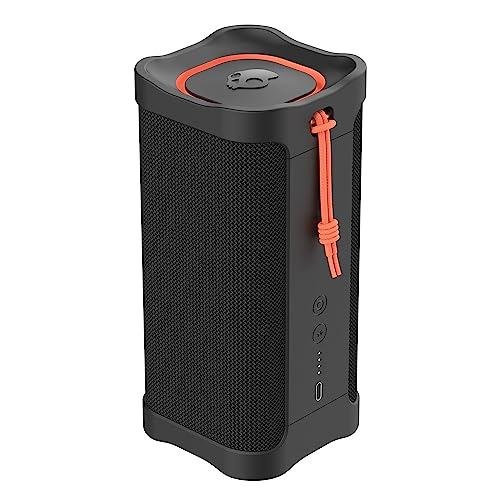
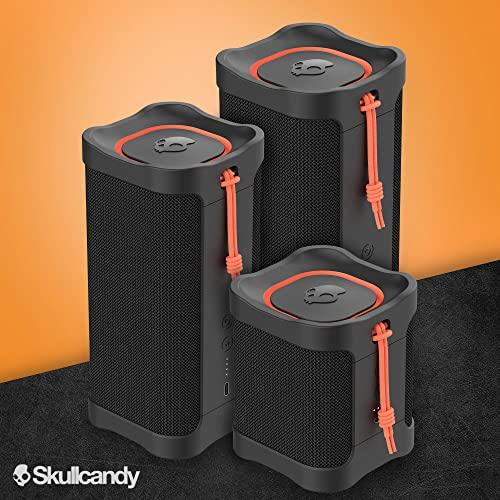
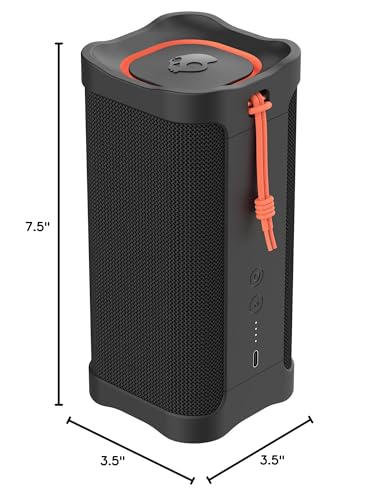
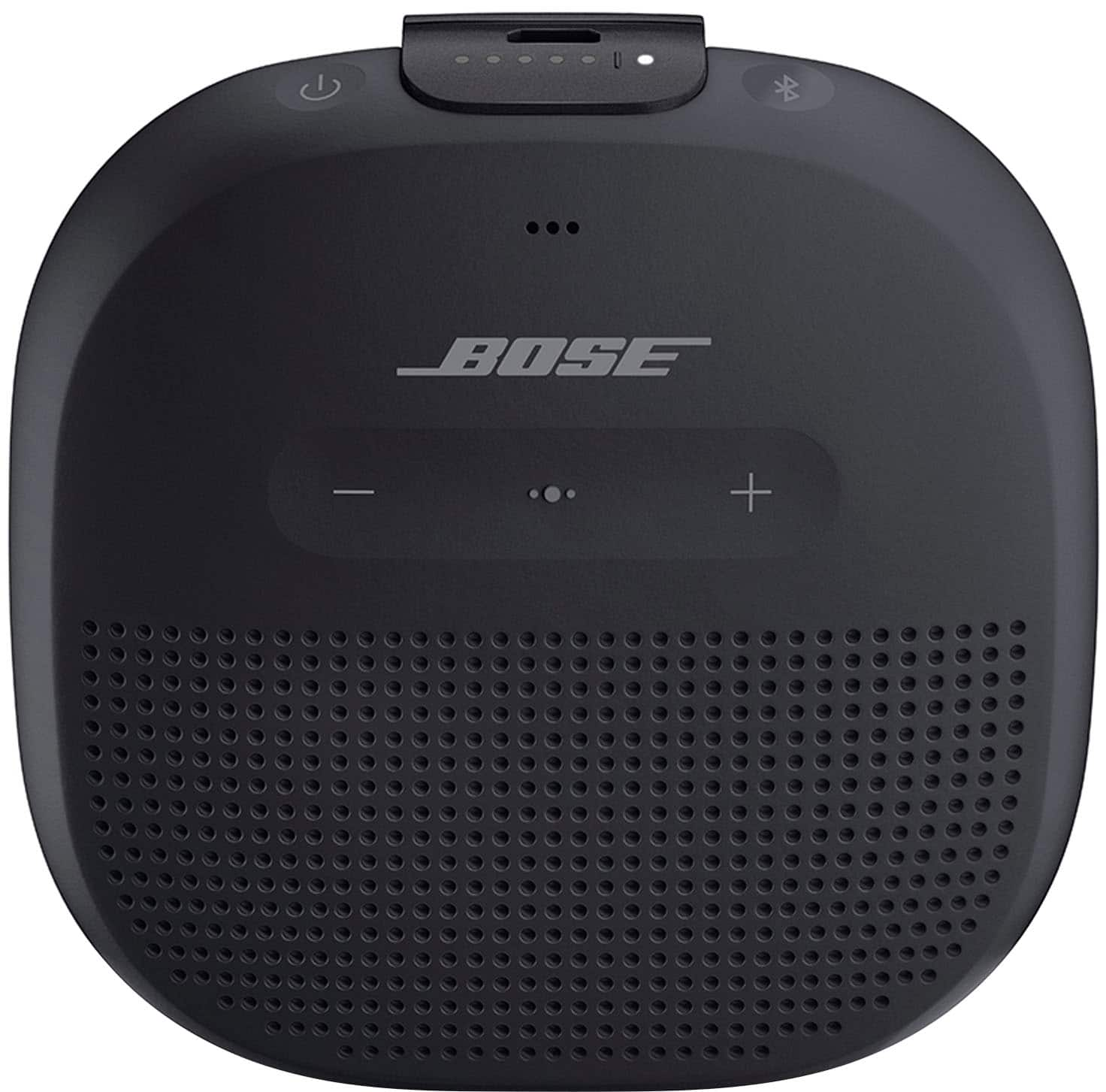
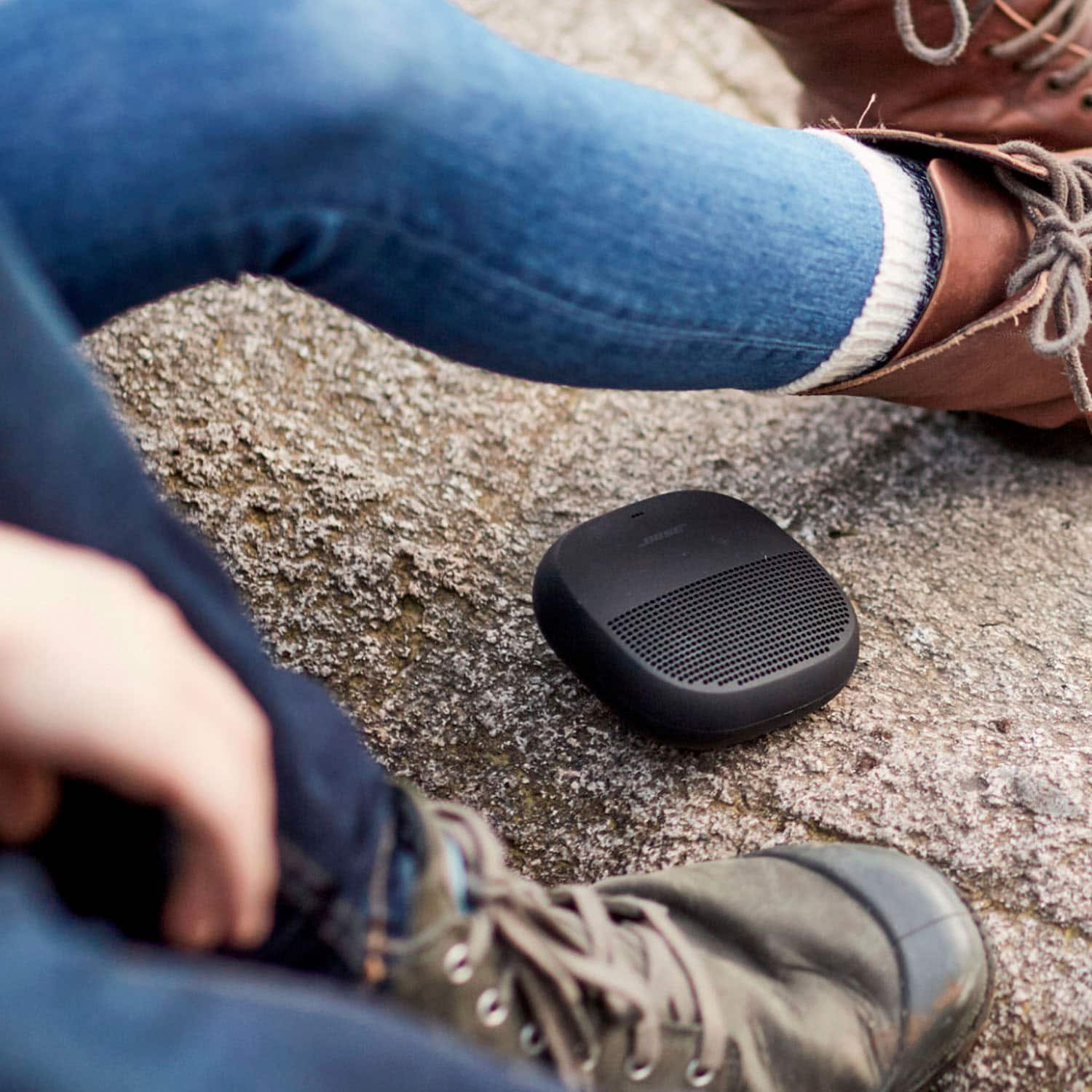
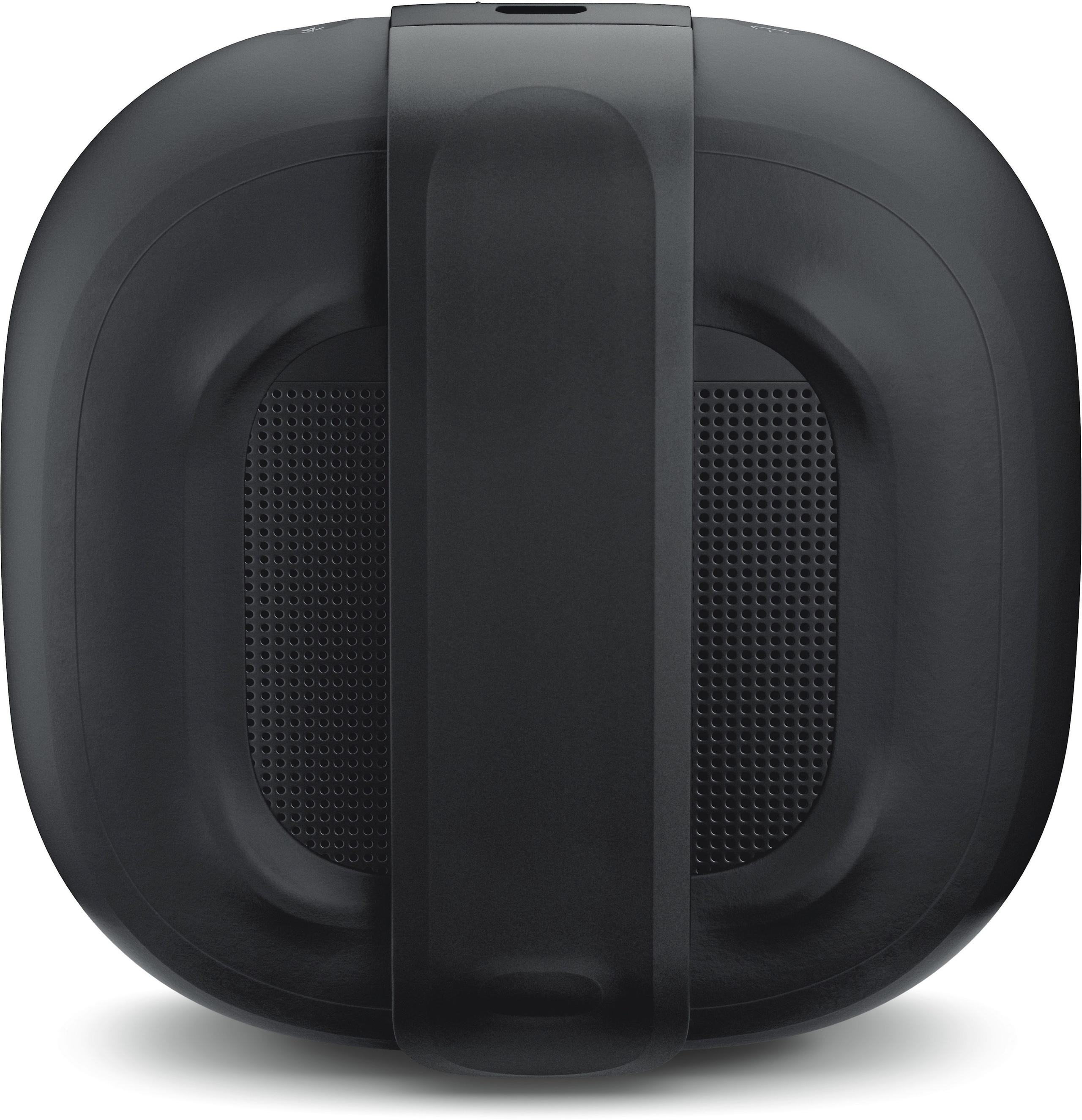
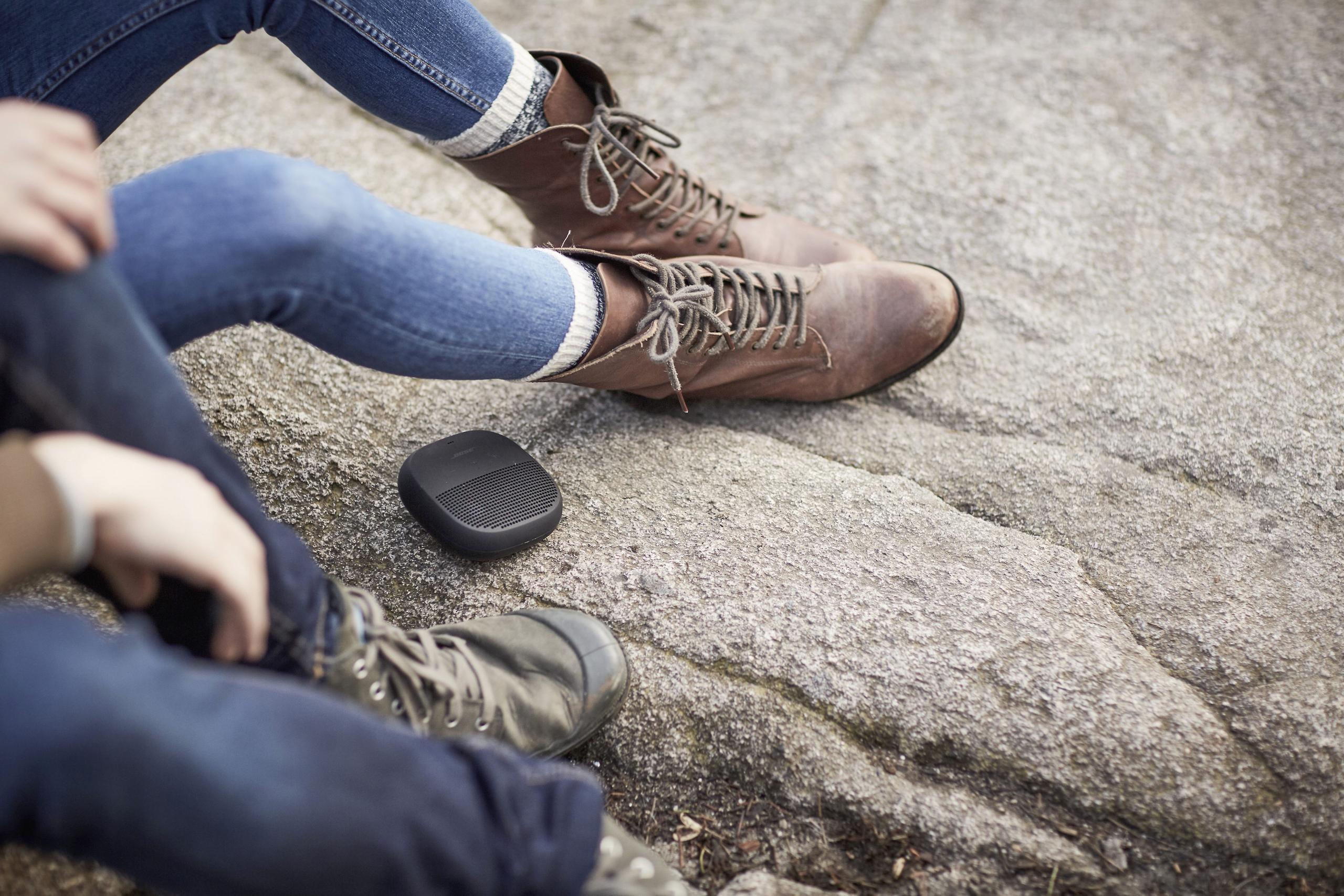
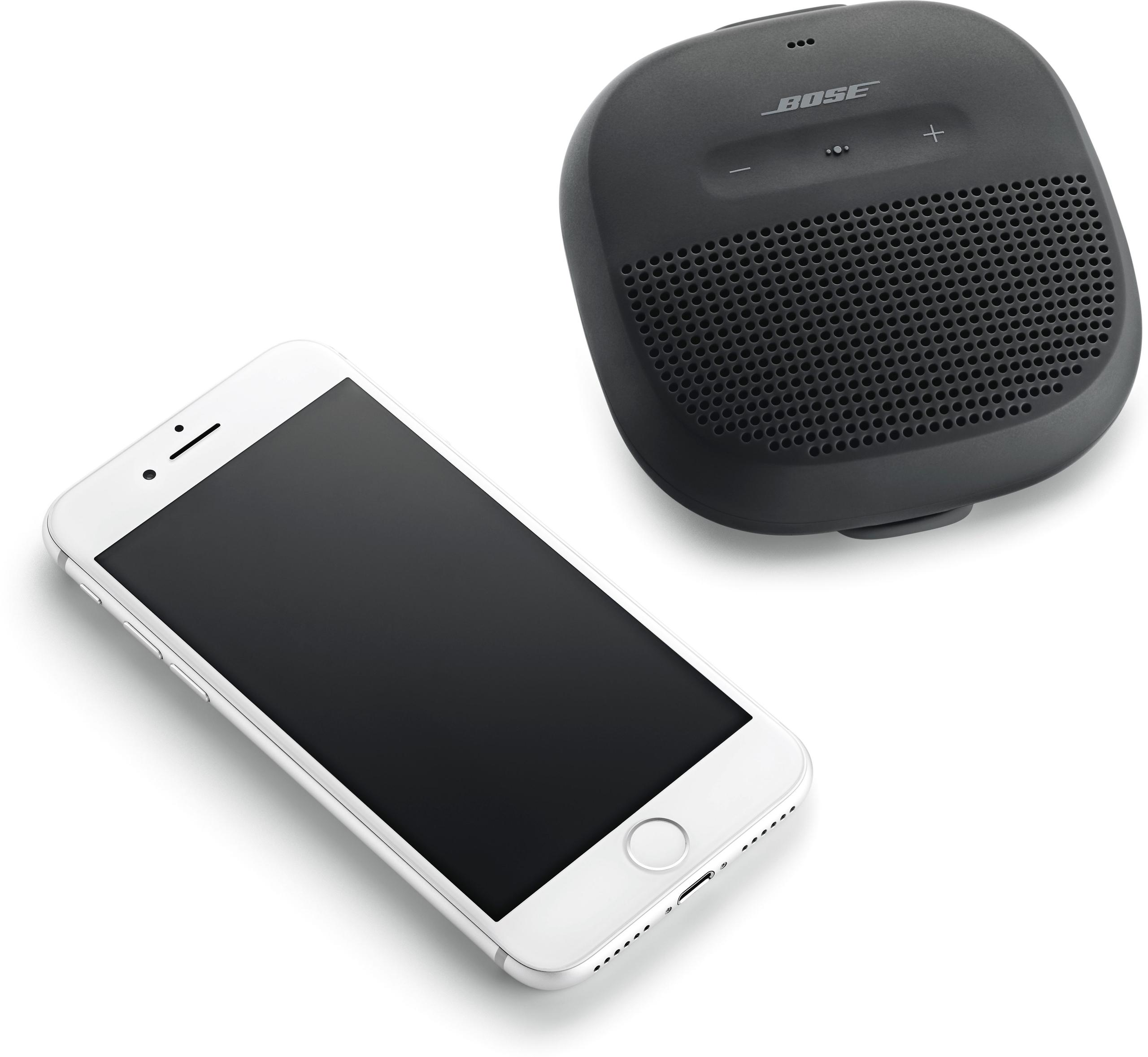
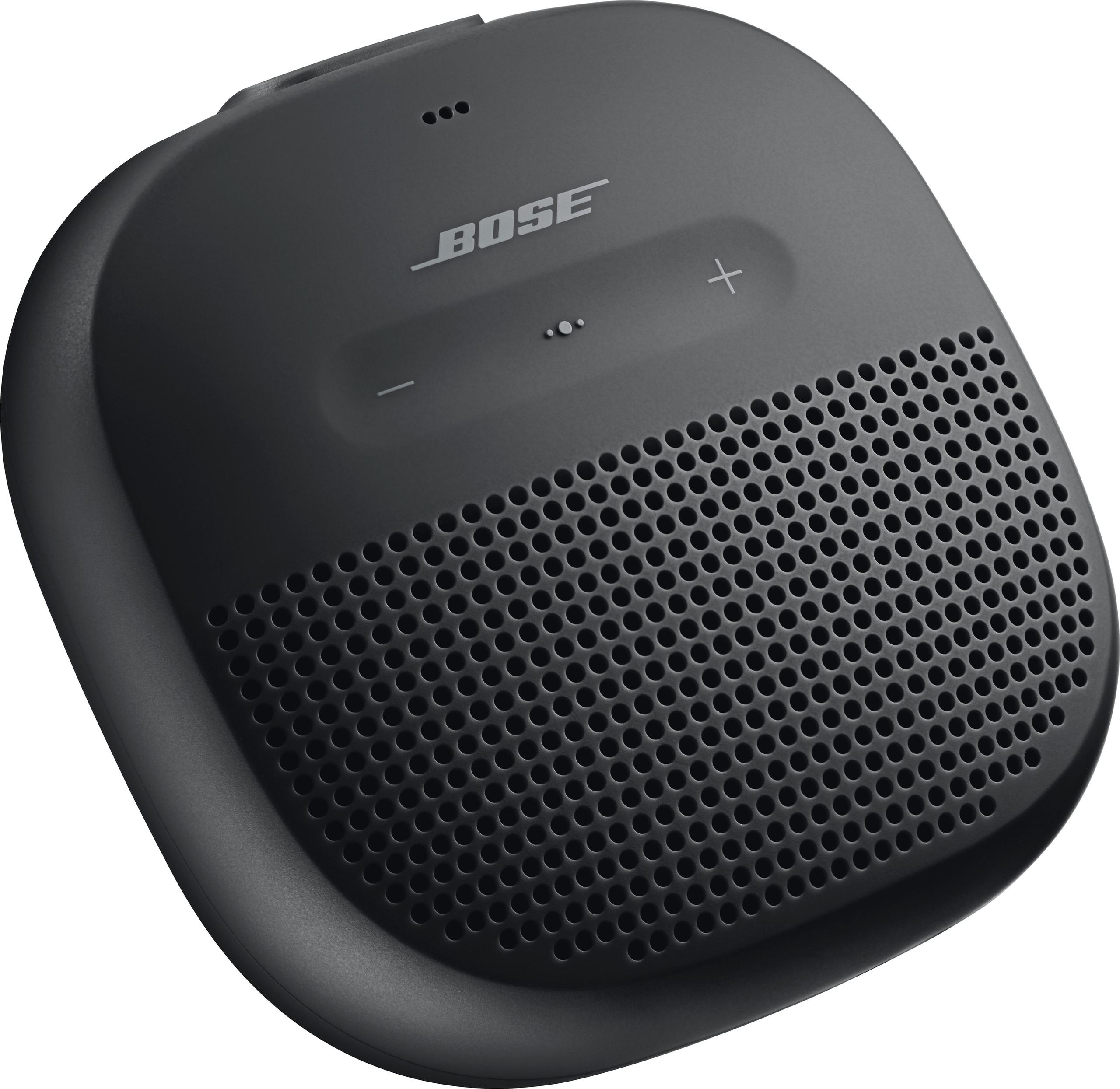
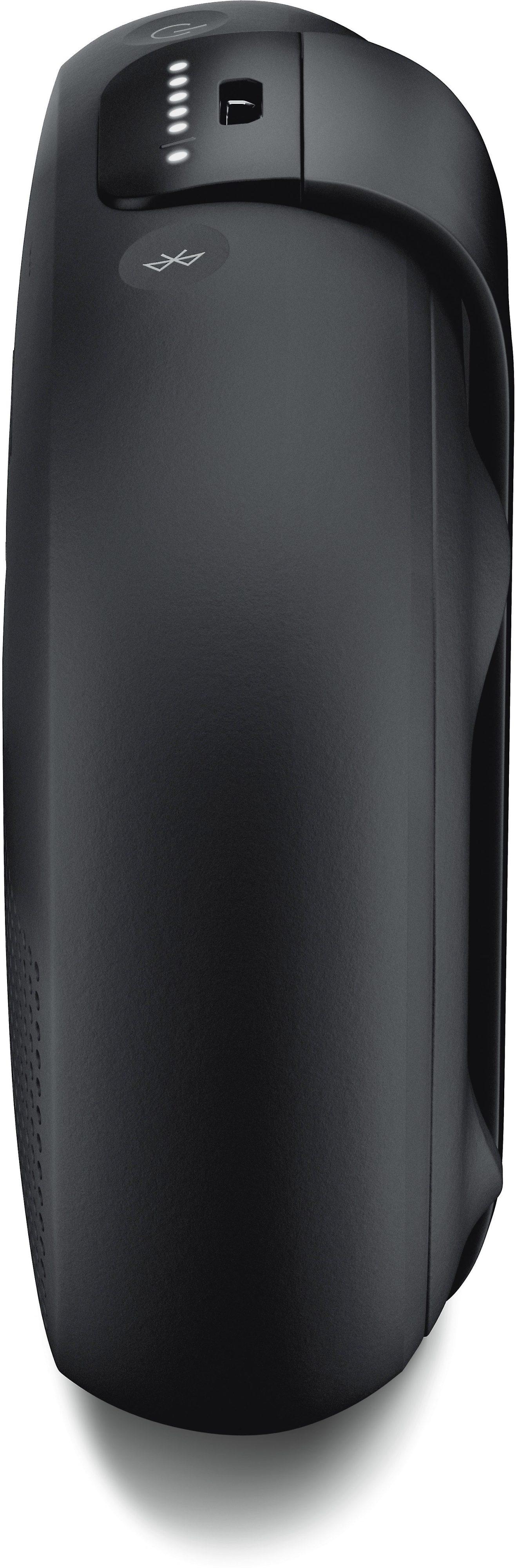
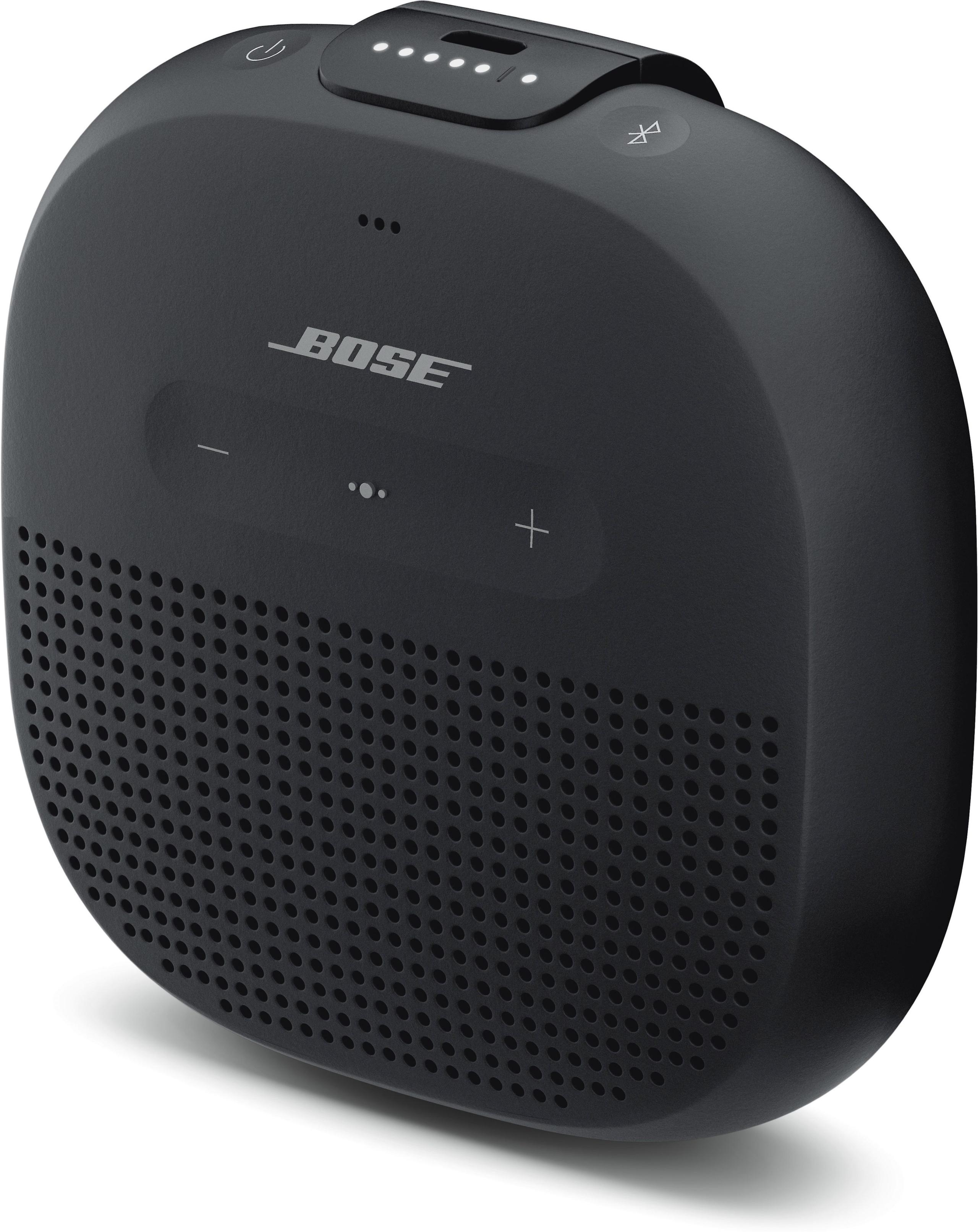
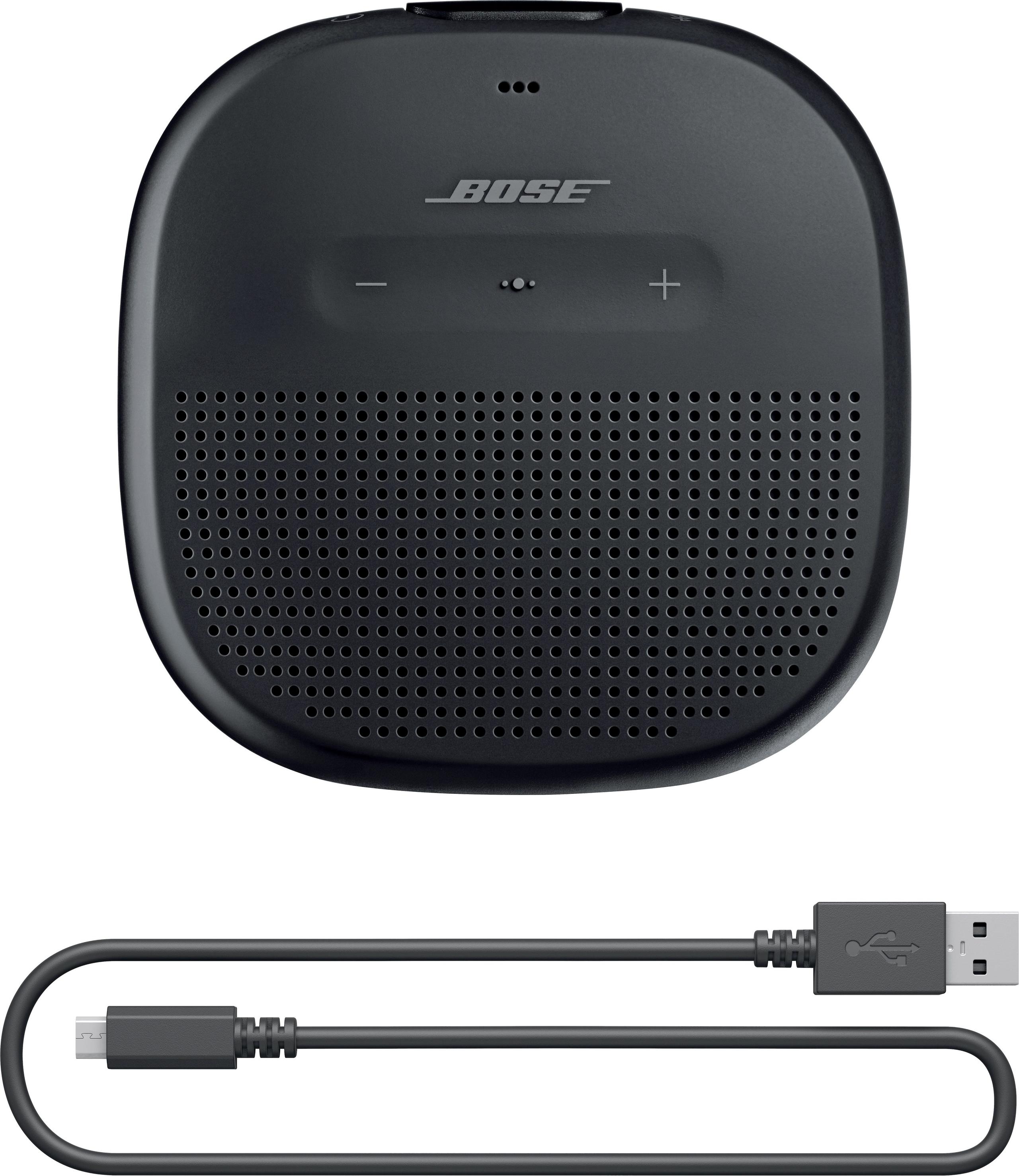
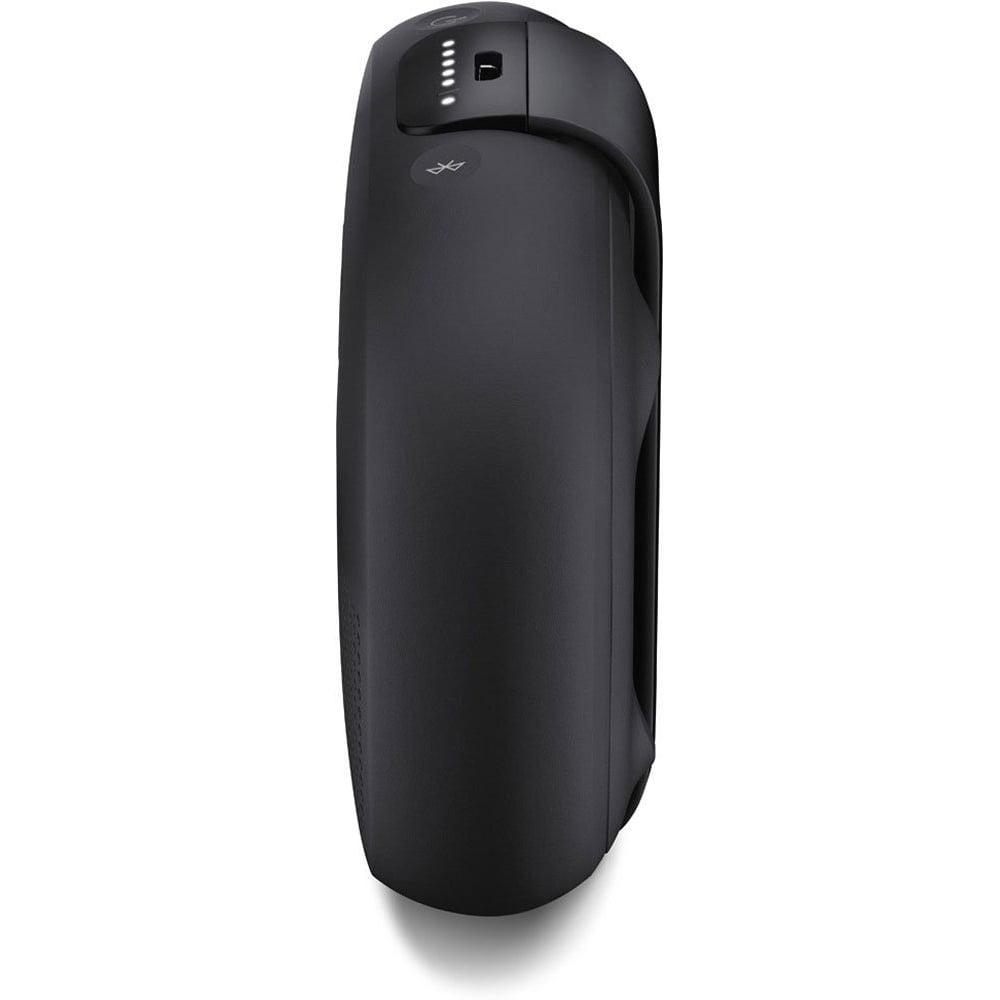
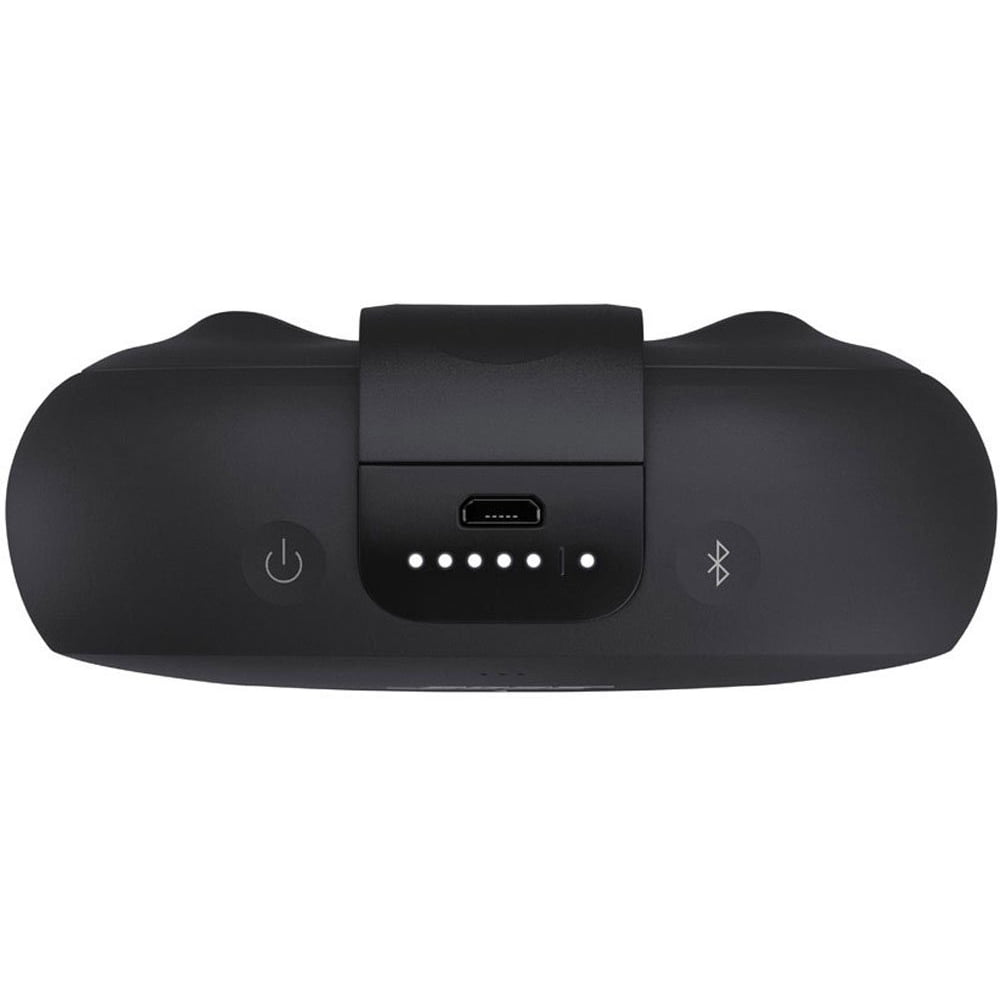
Portable Bluetooth speakers generally fall into three size categories: ultra-compact pocket speakers, mid-size portable speakers, and larger "boom box" style units. The Bose SoundLink Micro sits firmly in the ultra-compact category, measuring just under 4 inches in each direction and weighing less than a pound. The Skullcandy Terrain XL, despite its name suggesting it's huge, actually falls into the mid-size category – it's about twice the size of the Micro but still very manageable for most people to carry around.
This size difference immediately tells you something important about their intended use cases. Ultra-compact speakers prioritize maximum portability – they're designed to go anywhere without becoming a burden. Mid-size speakers can afford to include larger drivers (the actual speakers inside the enclosure) and bigger batteries, potentially offering better sound and longer runtime.
Sound quality represents the most complex aspect of speaker comparison because it involves multiple technical factors working together. Let's break down what actually matters and how these two speakers approach audio reproduction.
The Skullcandy Terrain XL uses dual front-firing woofers (speakers designed to handle bass and midrange frequencies) combined with dual passive radiators (unpowered speakers that vibrate in response to air pressure changes inside the speaker enclosure, effectively extending bass response). This setup, powered by 20 watts of amplification, should theoretically provide solid bass performance and reasonable volume levels.
The Bose SoundLink Micro doesn't publish detailed specifications about its driver configuration, which is typical for Bose. They prefer to focus on the end result rather than technical specifications. However, based on our research into user experiences and expert reviews, the Micro achieves remarkably full sound for its size through careful acoustic engineering rather than raw power.
Here's where these speakers diverge dramatically. The Terrain XL exhibits what audio enthusiasts call a "V-shaped" sound signature. This means it emphasizes bass frequencies and high frequencies while de-emphasizing midrange frequencies. In practical terms, you'll hear strong bass lines and clear vocals, but instruments like guitars, pianos, and brass instruments may sound recessed or lacking in detail.
This tuning choice makes sense for outdoor use and casual listening – bass feels punchy and exciting, and vocals cut through background noise. However, it results in a sound that can become fatiguing during longer listening sessions and doesn't reproduce music with the accuracy that serious listeners prefer.
The SoundLink Micro, according to consensus from reviews we've analyzed, takes a much more balanced approach. Despite its tiny size, it manages to deliver fuller bass response, clearer treble, and better midrange detail than you'd expect. Users consistently report that it "sounds bigger than it looks," which suggests Bose's acoustic engineers have done sophisticated work to maximize the speaker's internal volume and port design.
Maximum volume capability matters differently depending on your use case. The Terrain XL gets reasonably loud for its price point – adequate for small gatherings or personal listening outdoors. However, multiple user reports indicate that pushing it to maximum volume introduces noticeable distortion, particularly in the high frequencies. This suggests that while the speaker can get loud, it doesn't maintain audio quality at those levels.
The SoundLink Micro won't fill a large outdoor space the way a bigger speaker might, but reviews consistently praise its ability to maintain clean, undistorted sound even when pushed to its limits. For personal listening or small group settings, this clean audio reproduction often proves more satisfying than higher volume with distortion.
Battery life represents perhaps the most dramatic difference between these speakers, and it significantly impacts their practical usability in different scenarios.
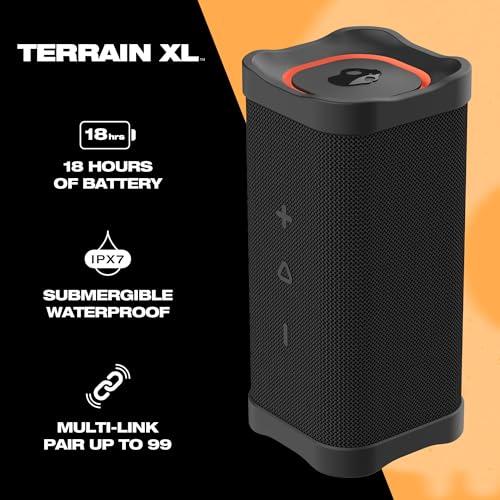
The Skullcandy Terrain XL claims up to 18 hours of playback time, and real-world testing by users suggests you can realistically expect 12-15 hours at moderate volume levels, or about 8 hours even when cranked up loud. This exceptional battery life fundamentally changes how you can use the speaker – it becomes viable for weekend camping trips, all-day beach outings, or week-long vacations without worrying about charging opportunities.
The Bose SoundLink Micro provides 6 hours of playback time, which is respectable for its size but requires much more planning around charging opportunities. Six hours covers most single-use scenarios – a day at the beach, a barbecue, or background music while working – but falls short for extended adventures.
This battery life difference reflects the physics of battery technology and speaker design. Larger speakers can accommodate bigger batteries, and they often use that extra space for more efficient amplification that draws less power relative to audio output.
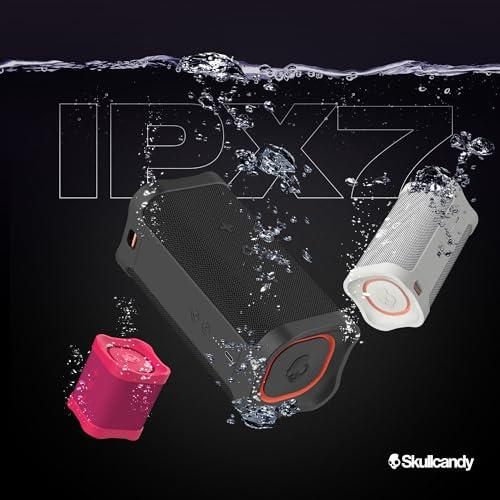
Both speakers offer water protection, but with different levels of comprehensive environmental sealing. Understanding IP (Ingress Protection) ratings helps decode what these specifications actually mean for real-world use.
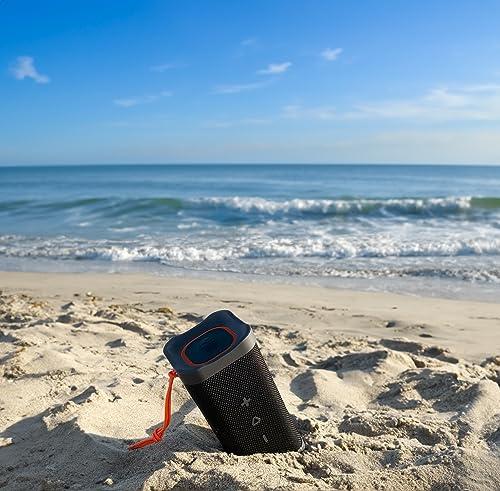
The Terrain XL carries an IPX7 rating. The "X" means it hasn't been tested for dust protection, while the "7" indicates it can withstand immersion in water up to 1 meter deep for 30 minutes. This makes it suitable for poolside use, beach trips, or getting caught in rain, but it doesn't promise protection against sand, dust, or other particles.
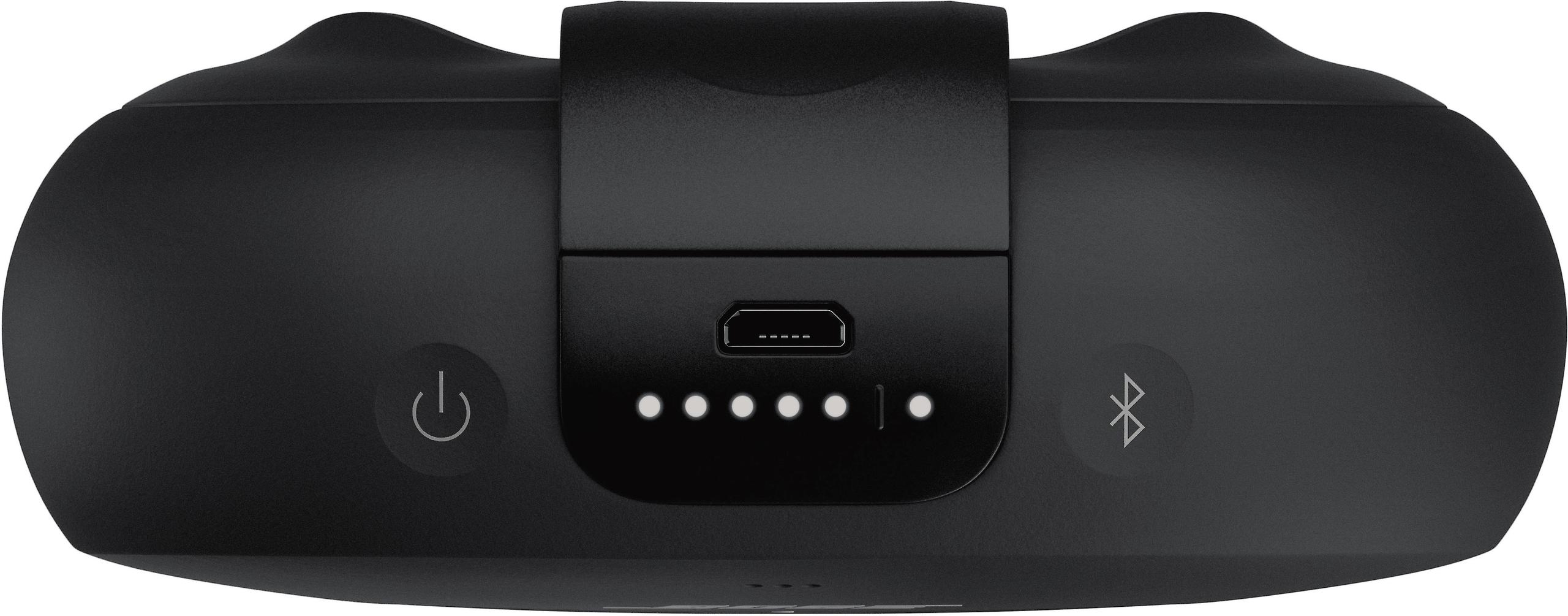
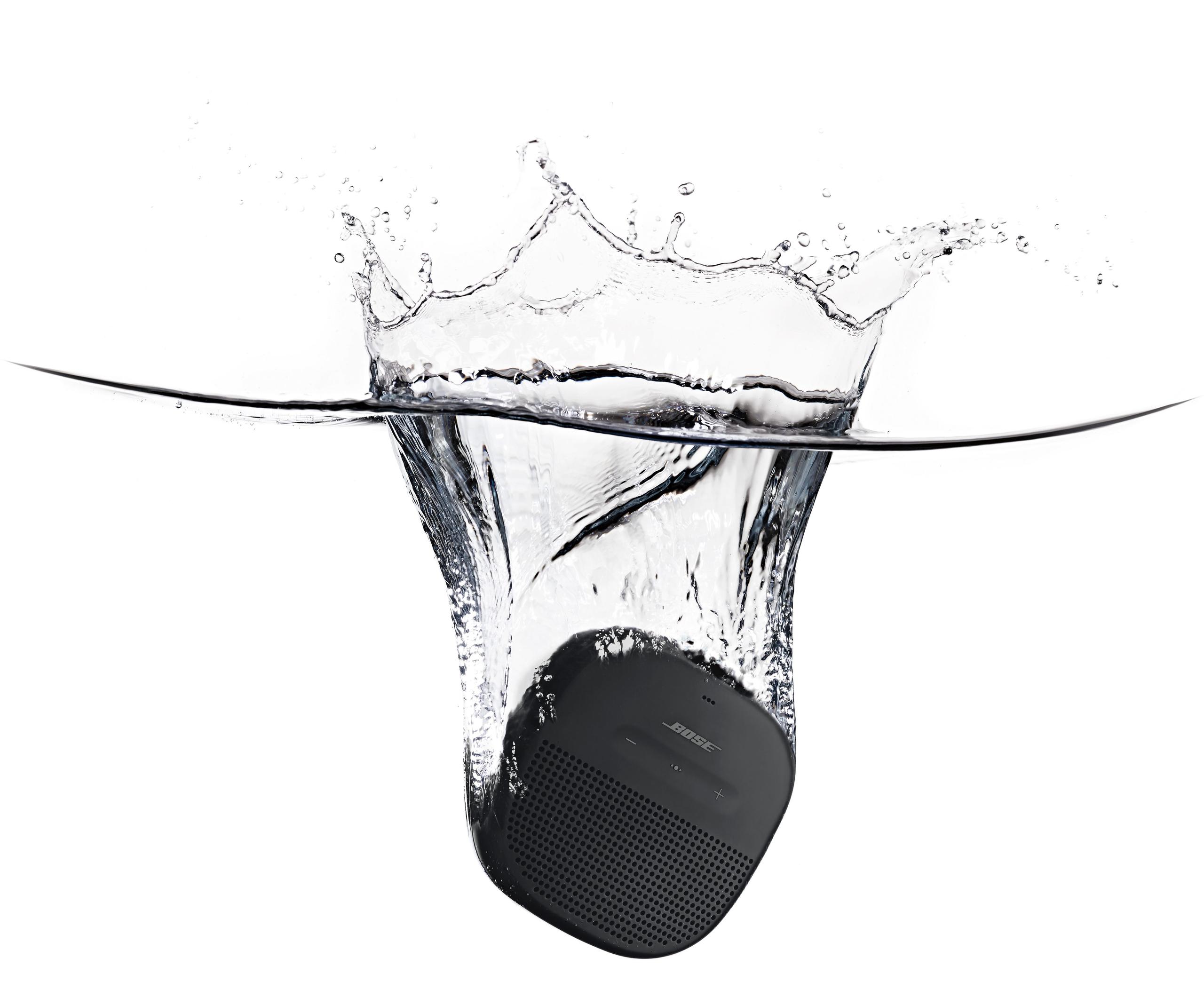
The SoundLink Micro features an IP67 rating – the "6" indicates complete protection against dust ingress, while the "7" provides the same water protection as the Terrain XL. This comprehensive environmental sealing makes it more suitable for desert camping, beach use where sand is a concern, or construction environments where dust might be problematic.
Modern Bluetooth speakers need to handle more than just basic audio streaming. Multiple device management, speaker pairing capabilities, and connection reliability all impact daily usability.
The SoundLink Micro includes Bluetooth multipoint connectivity, meaning it can simultaneously maintain connections to two devices (like your phone and laptop) and seamlessly switch between them based on which one is playing audio. This feature eliminates the frustration of constantly re-pairing devices throughout the day.
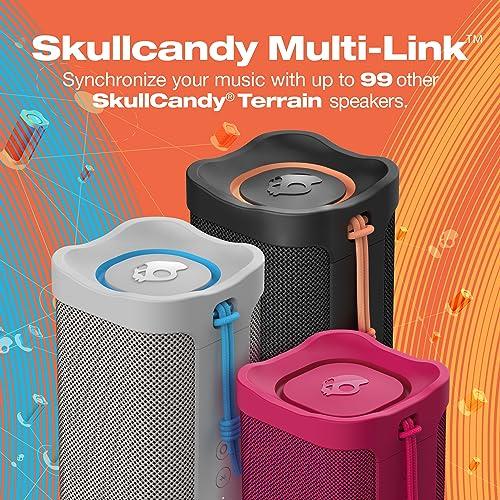
The Terrain XL can only connect to one device at a time, requiring manual disconnection and re-pairing when switching between devices. However, it offers something unique: Multi-Link technology that allows pairing with up to 99 other Skullcandy Terrain speakers for synchronized playback. Even more interesting, you can create stereo pairs using different Terrain models – pairing a Terrain XL with a regular Terrain or Terrain Mini for left and right channel separation.
This multi-speaker capability opens up interesting possibilities for large gatherings, events, or permanent installations where you want to distribute sound across a wide area. Most other brands require identical models for stereo pairing, making Skullcandy's approach more flexible.
Smartphone app integration has become increasingly important for speaker management and customization. The Bose SoundLink Micro works with the Bose Connect app, which provides a basic 3-band equalizer for adjusting bass, midrange, and treble response. While not as sophisticated as some premium speakers offer, this EQ capability lets you tailor the sound signature to your preferences or compensate for different acoustic environments.
The Terrain XL offers no app support whatsoever. You're stuck with Skullcandy's factory tuning, which may or may not align with your musical preferences. For a budget speaker, this limitation is understandable, but it means you can't address the harsh V-shaped sound signature through software adjustment.
While both speakers are designed primarily for portable use, they can serve different roles in home environments. The Terrain XL's rectangular design and stable base make it suitable as a temporary desktop speaker or kitchen counter companion. Its long battery life means it can serve as a backup speaker during power outages or for areas where running cables would be inconvenient.
The SoundLink Micro's superior sound quality makes it a better choice for critical indoor listening, despite its smaller size. Its compact form factor allows placement in tight spaces where larger speakers won't fit, and the balanced sound signature won't become fatiguing during extended listening sessions.
Neither speaker offers the low-frequency extension or dynamic range needed for true home theater use, but both can serve as simple solutions for casual TV audio improvement or background music in smaller rooms.
At the time of writing, the Terrain XL typically costs roughly half as much as the SoundLink Micro, making value comparison complex. The Terrain XL delivers exceptional battery life, multi-speaker connectivity, and adequate sound quality for its price point. If your priority is maximizing features and runtime per dollar spent, it represents strong value.
The SoundLink Micro commands a premium price but delivers premium engineering. The superior sound quality, advanced connectivity features, comprehensive environmental protection, and refined user experience justify the higher cost for users who prioritize audio performance and build quality over raw specifications.
The original Bose SoundLink Micro launched in 2017, making it a mature product that has proven its design over several years of real-world use. The 2nd generation model, released in 2024, updated the Bluetooth version to 5.4, added codec support for higher-quality wireless audio, and improved the overall tuning based on years of user feedback.
The Skullcandy Terrain XL represents a more recent entry in the portable speaker market, designed to compete primarily on battery life and multi-speaker connectivity rather than pure audio quality. Its 2023 introduction included modern Bluetooth 5.3 technology and USB-C charging, showing that even budget speakers now include contemporary connectivity standards.
Choose the Skullcandy Terrain XL if you:
Choose the Bose SoundLink Micro if you:
For specific use cases:
The fundamental question comes down to whether you value endurance or refinement more highly. The Terrain XL excels at being a reliable, long-lasting companion that won't let you down when you're far from power outlets. The SoundLink Micro focuses on delivering the best possible audio experience in an incredibly portable package, accepting shorter battery life as the trade-off for superior engineering.
Both speakers succeed at their intended purposes, making this less about which is "better" and more about which aligns with your priorities and usage patterns. Consider how you actually use portable speakers – are you more likely to want something that lasts all weekend, or something that sounds great for the few hours you're actively listening?
| Skullcandy Terrain XL | Bose SoundLink Micro |
|---|---|
| Battery Life - Critical for extended outdoor use and travel | |
| Up to 18 hours (8+ hours at max volume) | 6 hours maximum |
| Size & Weight - Determines true portability and carrying convenience | |
| 3.5" x 3.5" x 7.5", 2.07 lbs (stable but bulkier) | 3.87" x 3.87" x 1.37", 0.68 lbs (ultra-compact) |
| Sound Quality - Most important factor for audio enjoyment | |
| V-shaped tuning with harsh highs, poor mids, distorts at high volume | Balanced, fuller sound with clean reproduction across all volumes |
| Water/Dust Protection - Essential for outdoor durability | |
| IPX7 (waterproof only, no dust protection) | IP67 (fully waterproof and dustproof) |
| Power Output - Affects maximum volume and room-filling capability | |
| 20 watts (gets reasonably loud but with distortion) | Unspecified (lower volume but maintains clean sound) |
| Bluetooth Features - Modern connectivity and device management | |
| Bluetooth 5.3, single device connection only | Bluetooth 5.4, multipoint (connects 2 devices simultaneously) |
| Multi-Speaker Pairing - Expanding sound for larger spaces | |
| Multi-Link up to 99 speakers, stereo pairs with different Terrain models | Basic stereo pairing with identical Bose speakers only |
| App Support & EQ - Sound customization and additional features | |
| No app support, fixed sound signature | Bose Connect app with 3-band EQ and customization |
| Audio Codecs - Affects wireless sound quality from compatible devices | |
| Standard SBC codec only | SBC, AAC, and aptX Adaptive for higher quality |
| Charging Method - Modern convenience and compatibility | |
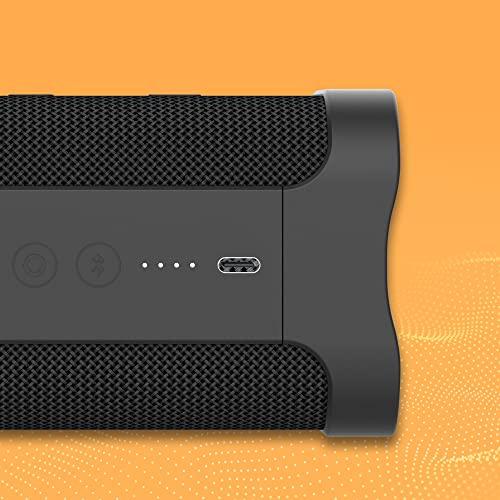
| USB-C (charging only, no audio input) | USB-C with faster charging capabilities |
| Target Use Case - Who each speaker serves best | |
| Extended outdoor events, budget-conscious buyers, multi-speaker setups | Premium portable audio, frequent travelers, audiophiles wanting compact size |
The Bose SoundLink Micro delivers significantly better sound quality with balanced audio reproduction, fuller bass, and cleaner treble. The Skullcandy Terrain XL has a harsh V-shaped sound signature that emphasizes bass and highs while neglecting midrange frequencies, resulting in poor instrumental detail and distortion at higher volumes.
The Skullcandy Terrain XL offers exceptional battery life with up to 18 hours of playbook (8+ hours at maximum volume), while the Bose SoundLink Micro provides only 6 hours maximum. This makes the Terrain XL far superior for extended outdoor use or multi-day trips.
The Bose SoundLink Micro is significantly more portable, measuring just 3.87" x 3.87" x 1.37" and weighing 0.68 lbs, making it pocket-friendly. The Skullcandy Terrain XL is larger at 3.5" x 3.5" x 7.5" and 2.07 lbs, though still manageable for most users.
Both speakers offer water protection, but the Bose SoundLink Micro has superior IP67 rating (waterproof and dustproof), while the Skullcandy Terrain XL has IPX7 rating (waterproof only, no dust protection). The SoundLink Micro is better for beach use or dusty environments.
The Skullcandy Terrain XL excels here with Multi-Link technology supporting up to 99 speakers and unique ability to create stereo pairs with different Terrain models. The Bose SoundLink Micro only offers basic stereo pairing with identical Bose speakers.
The Skullcandy Terrain XL offers better value for budget-conscious buyers, providing exceptional battery life and multi-speaker connectivity at roughly half the cost. The Bose SoundLink Micro commands a premium but justifies it with superior sound quality and advanced features.
The Bose SoundLink Micro works with the Bose Connect app, offering 3-band EQ customization and additional features. The Skullcandy Terrain XL has no app support, leaving you with fixed factory sound tuning that cannot be adjusted.
The Skullcandy Terrain XL with its 20-watt output gets louder overall, suitable for small gatherings. However, the Bose SoundLink Micro maintains cleaner sound quality at its maximum volume without the distortion issues that plague the Terrain XL at high volumes.
The Bose SoundLink Micro supports Bluetooth multipoint connectivity, allowing simultaneous connection to two devices with seamless switching. The Skullcandy Terrain XL can only connect to one device at a time, requiring manual re-pairing when switching devices.
For extended outdoor use, the Skullcandy Terrain XL wins with its 18-hour battery life and stable rectangular design. For active outdoor pursuits where portability matters most, the Bose SoundLink Micro is superior with its ultra-compact size and comprehensive IP67 environmental protection.
Neither speaker is ideal for true home theater use due to size limitations. However, the Bose SoundLink Micro works better for casual TV audio improvement thanks to its balanced sound signature, while the Skullcandy Terrain XL can serve as a temporary desktop or kitchen counter speaker with its stable base.
For camping trips, the Skullcandy Terrain XL is the clear winner with its exceptional 18-hour battery life that can last entire weekends without charging. While the Bose SoundLink Micro offers better sound quality, its 6-hour battery life requires frequent charging that may not be practical in outdoor settings.
We've done our best to create useful and informative comparisons to help you decide what product to buy. Our research uses advanced automated methods to create this comparison and perfection is not possible - please contact us for corrections or questions. These are the sites we've researched in the creation of this article: youtube.com - skullcandy.eu - youtube.com - blog.bestbuy.ca - support.skullcandy.com - youtube.com - youtube.com - walmart.com - versus.com - youtube.com - skullcandy.ae - versus.com - skullcandy.com - youtube.com - consumerreports.org - gearjunkie.com - newegg.com - manuals.plus - bestbuy.com - electronicexpress.com - skullcandy.com - rtings.com - mygolfspy.com - youtube.com - cnet.com - bose.com - bose.com - alwayswander.info - target.com - bose.com - bose.com

Privacy Policy
Terms and Conditions - Affiliate Policy
Home Security
© Copyright 2008-2026.
11816 Inwood Rd #1211, Dallas, TX 75244