

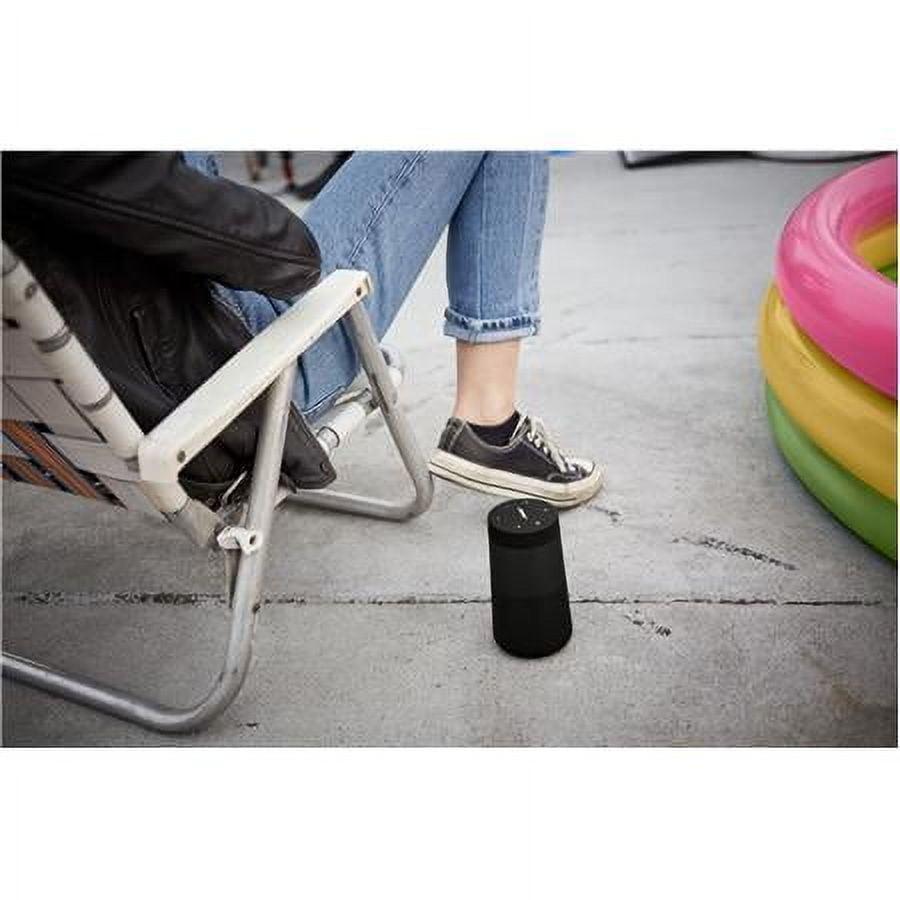

When you're shopping for a portable Bluetooth speaker in 2024, you're entering a market that's dramatically more sophisticated than it was even five years ago. The competition between budget-friendly rugged speakers and premium audio brands has created some fascinating choices, especially when comparing speakers like the Skullcandy Terrain XL and the Bose SoundLink Revolve II.
These two speakers represent fundamentally different philosophies in portable audio. At the time of writing, the Terrain XL typically sells for less than half the price of the SoundLink Revolve II, making this comparison particularly interesting for value-conscious buyers who want to understand exactly what they're getting—or giving up—at each price point.
Before diving into specifics, it's worth understanding what makes today's portable speakers tick. The core technology revolves around wireless Bluetooth transmission, which has evolved significantly since the early 2010s. Modern speakers use various Bluetooth codecs (compression algorithms that determine how audio data is transmitted) with SBC being the most basic but universally compatible standard that both speakers use.
The physical design matters enormously too. Traditional speakers fire sound in one direction, while newer designs like Bose's 360-degree approach use acoustic deflectors and downward-firing drivers to spread sound in all directions. This isn't just marketing—it fundamentally changes how you experience the audio in different room setups.
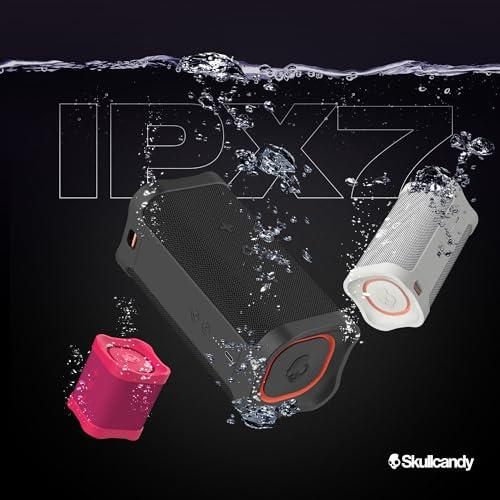
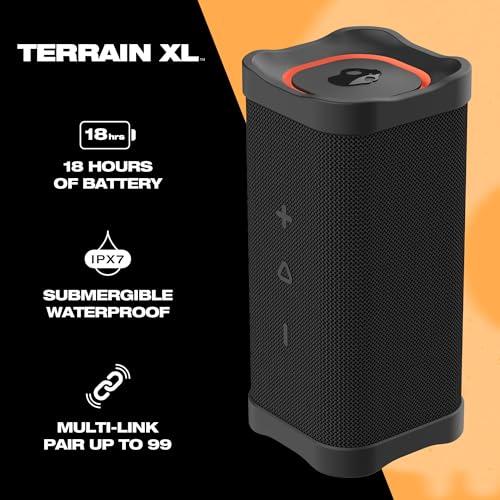
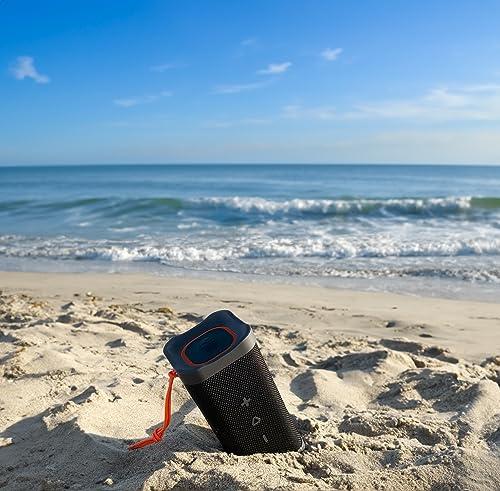
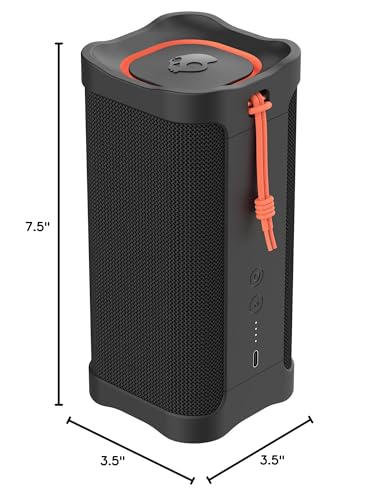
The Skullcandy Terrain XL, released in 2022, embodies the "adventure speaker" philosophy. Its rectangular design prioritizes stability when placed down, uses modern USB-C charging, and achieves IPX7 waterproof rating—meaning it can survive full submersion up to one meter deep for 30 minutes. This isn't just splash resistance; this speaker can literally fall into a pool and keep working.
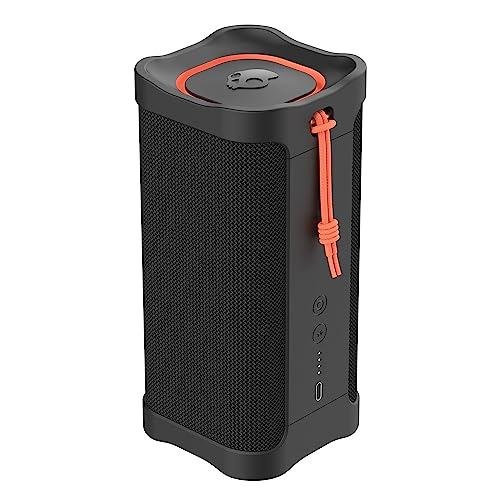
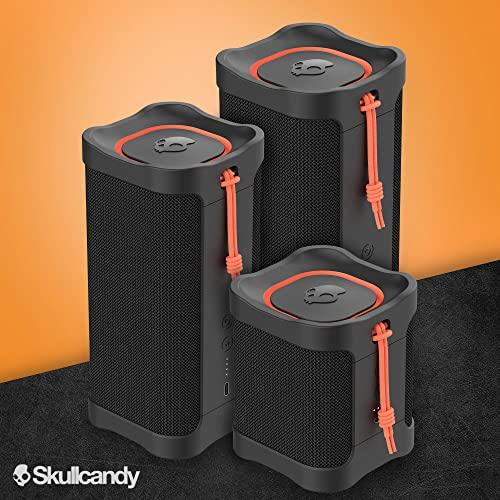
The fabric wrap exterior with silicone end caps creates a speaker that can handle the inevitable bumps and scrapes of outdoor life. The built-in carrying strap reinforces this outdoor-first mentality. When Skullcandy designed this speaker, they clearly prioritized durability and battery life over audiophile-level sound quality.
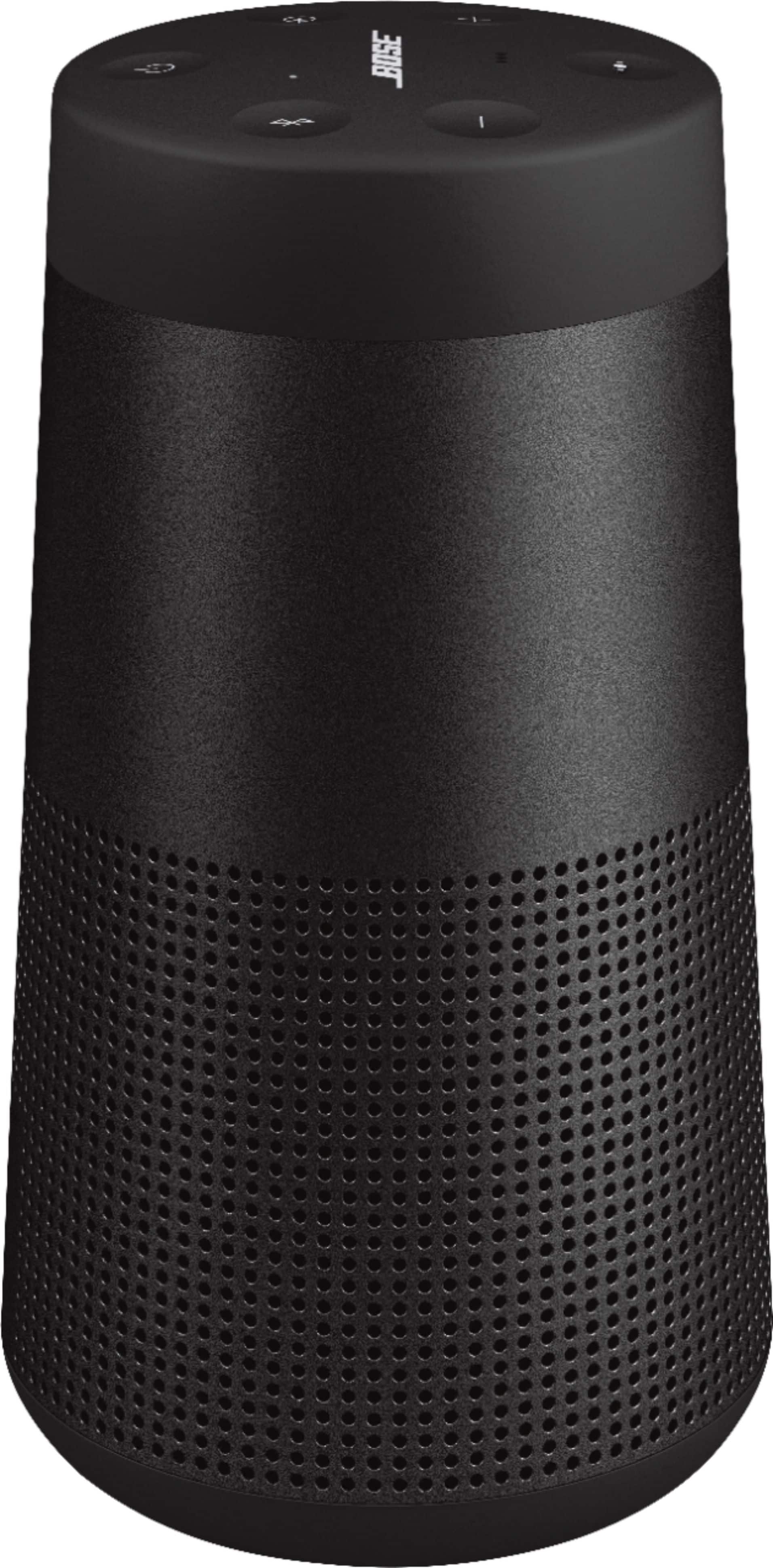
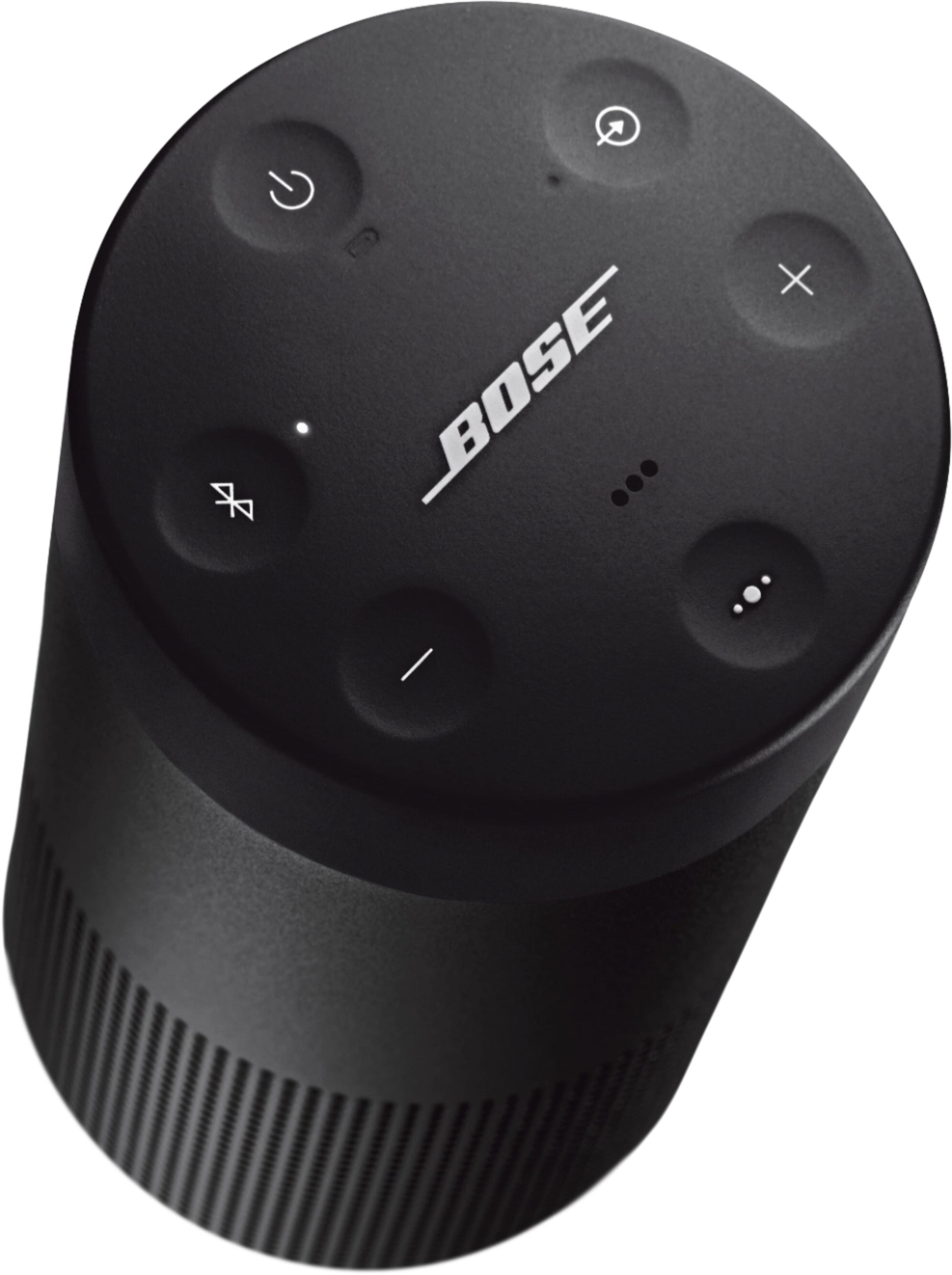
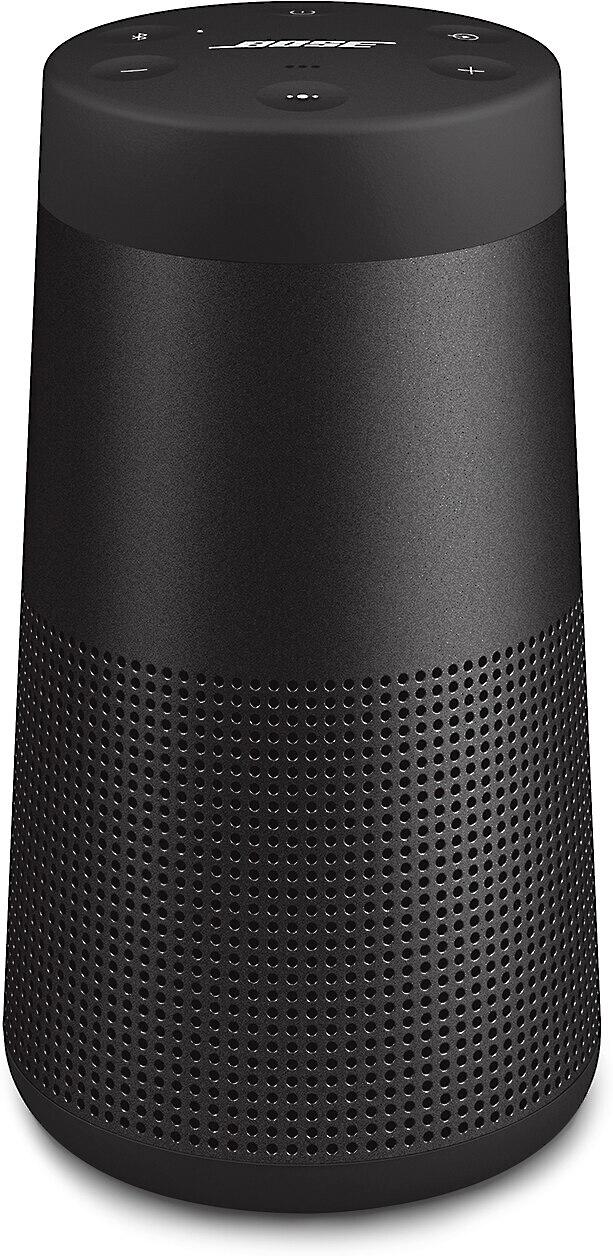
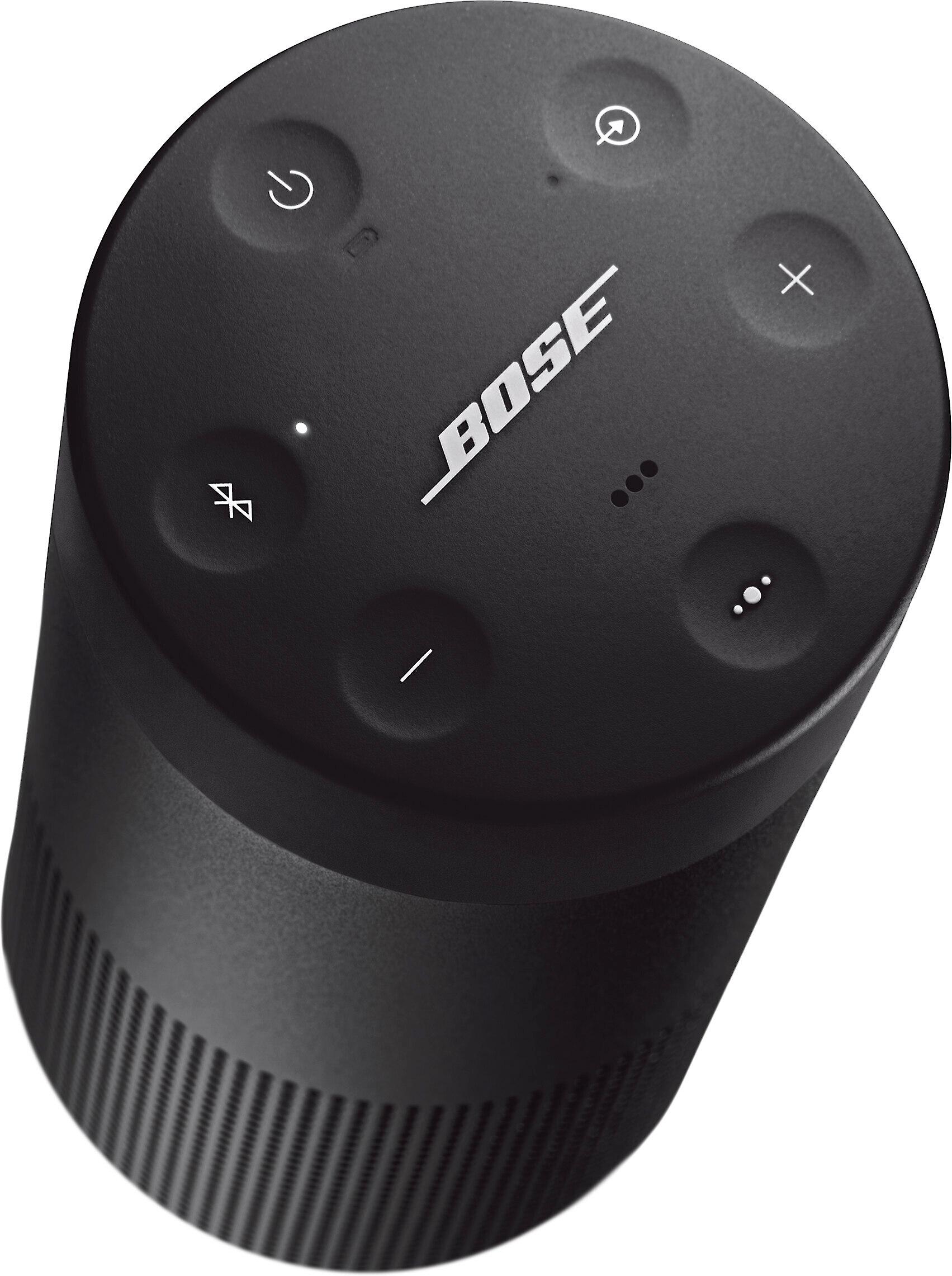
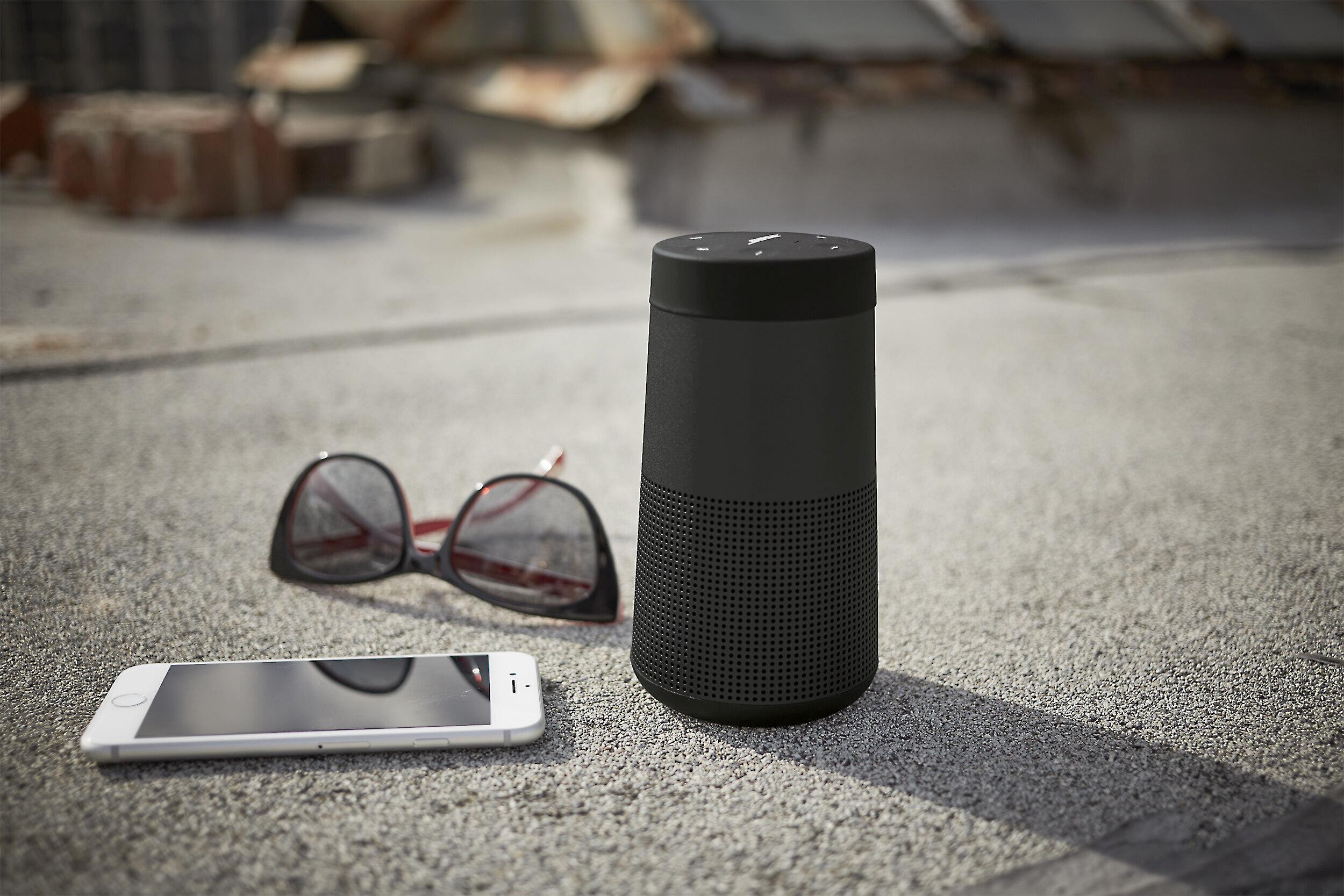
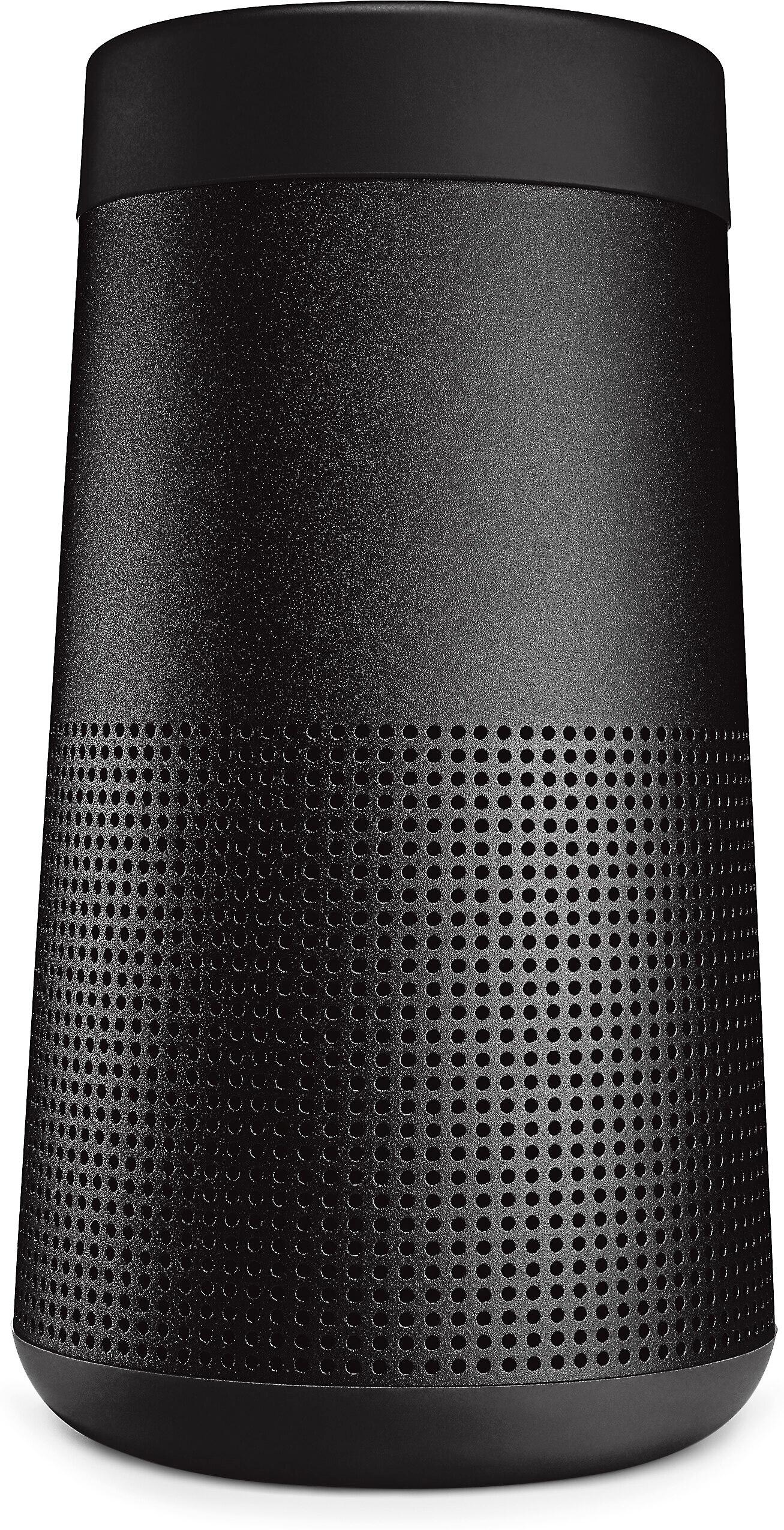
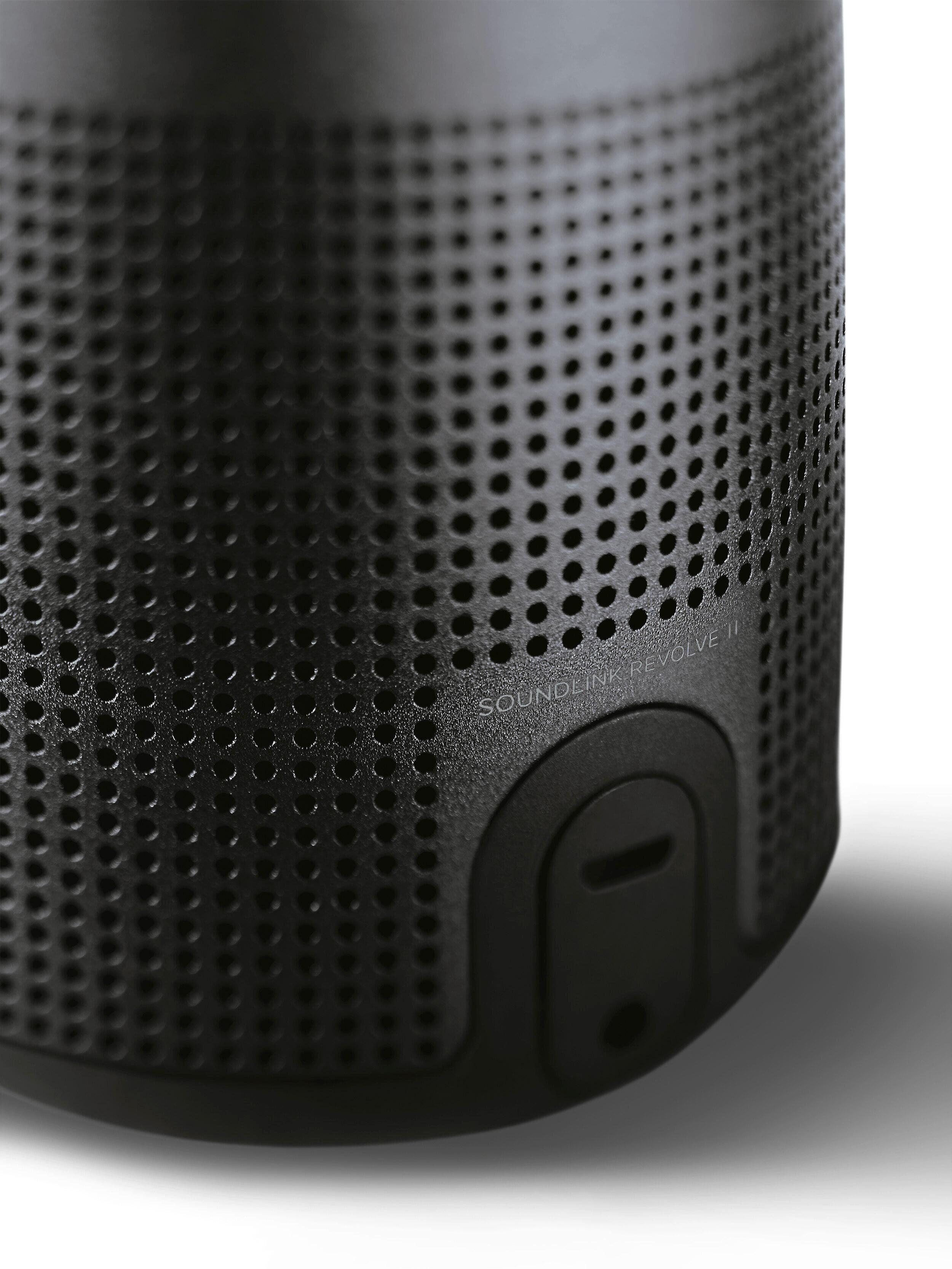
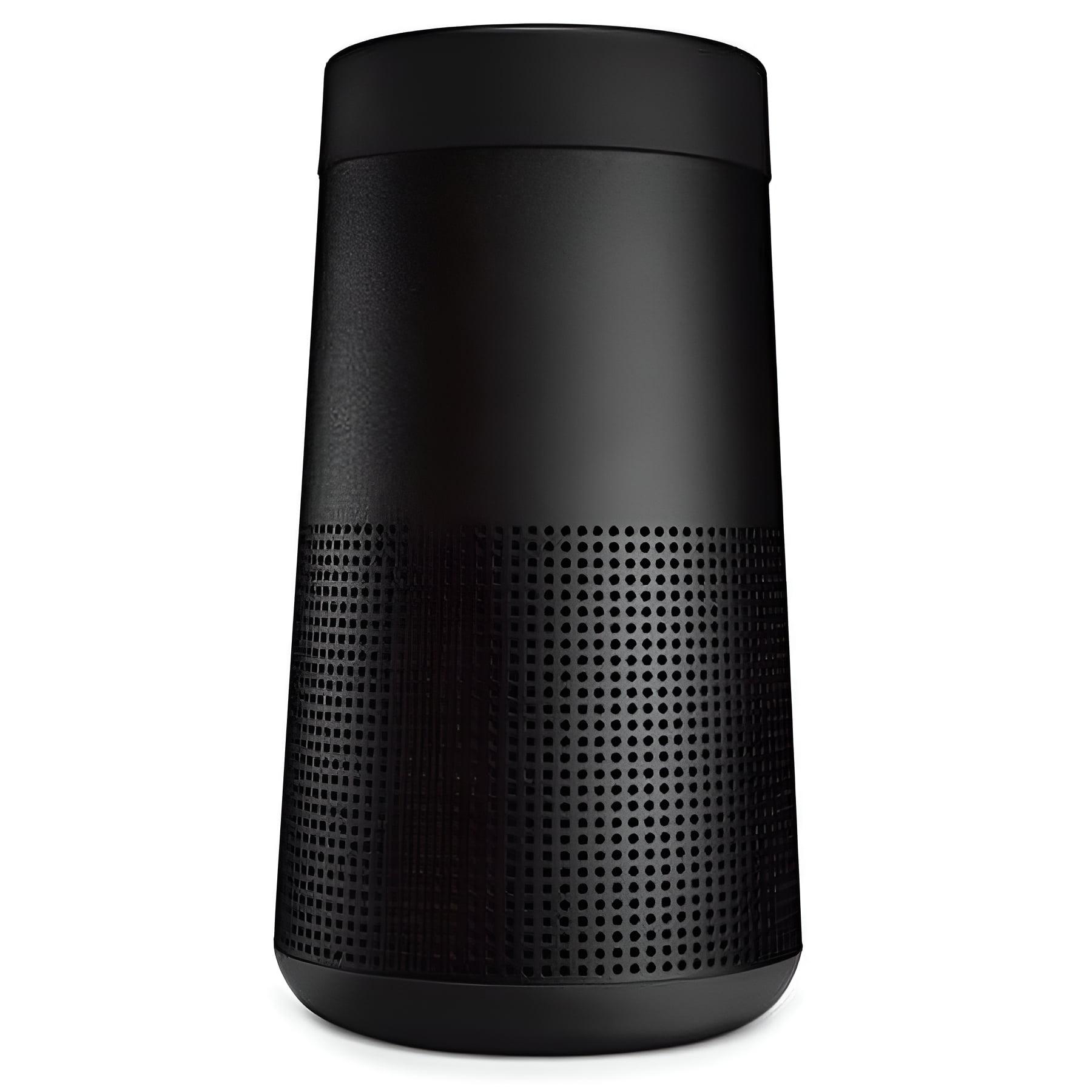
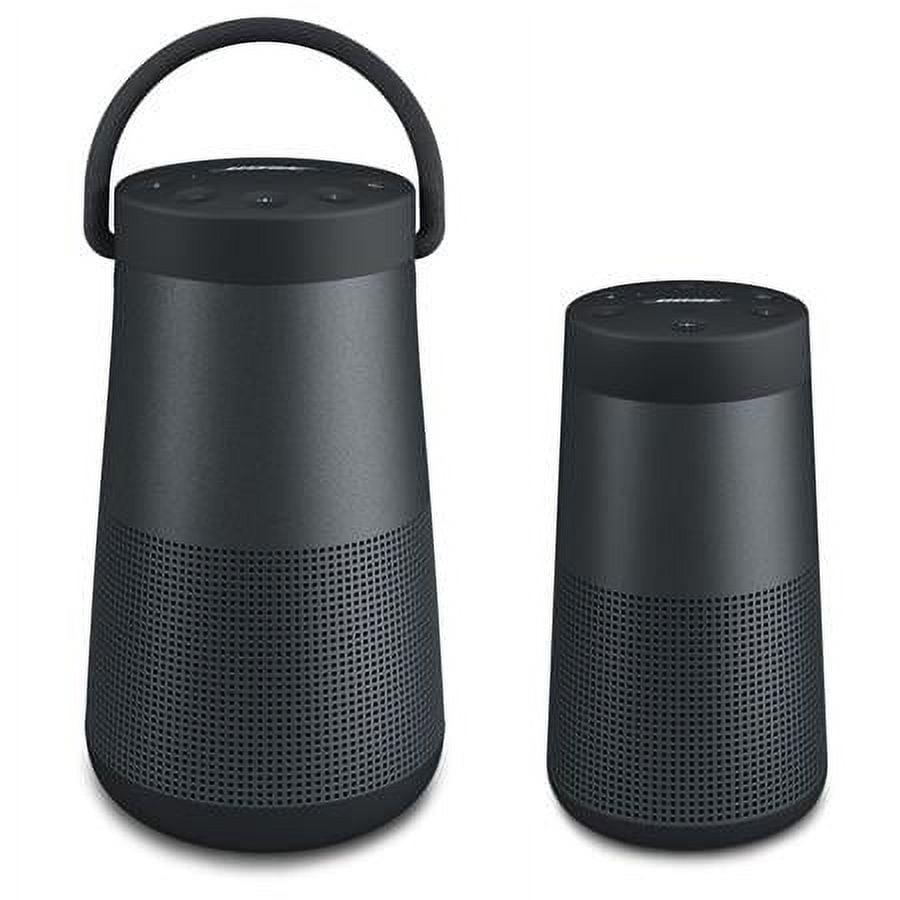
The Bose SoundLink Revolve II, launched in 2021 as an update to the original 2017 Revolve, takes a completely different approach. Its cylindrical aluminum body resembles an oversized thermos and feels premium in hand. However, that IP55 rating means it's splash-resistant, not waterproof. This speaker is designed for patios, kitchen counters, and indoor gatherings rather than kayaking trips.
What makes the Bose special is its omnidirectional sound design. Instead of traditional front-firing drivers, it uses a downward-facing full-range transducer with an acoustic deflector that bounces sound outward in all directions. This creates what Bose calls "true 360-degree sound"—audio that's consistent whether you're standing directly in front of the speaker or off to the side.
This design philosophy solves a real problem with traditional directional speakers: the "sweet spot" issue. With conventional speakers like the Terrain XL, some listeners get the full audio experience while others hear a muffled version depending on their position relative to the drivers. The Bose eliminates this problem entirely, making it ideal for group gatherings where people are scattered around a room or patio.
The most critical performance difference lies in how these speakers handle different frequencies. The Terrain XL uses what audio reviewers call a "harsh V-shaped" sound signature. This means it emphasizes bass frequencies (the low rumbles) and treble frequencies (the high-pitched sounds) while de-emphasizing the midrange frequencies where most vocals and instruments live.
In practical terms, this makes bass lines and drum kicks sound prominent, and vocals can cut through, but instrumental details get lost. Piano melodies, guitar textures, and saxophone solos—the elements that give music its richness—become muddy or unclear. At higher volumes, the Terrain XL suffers from distortion in the high frequencies, creating an unpleasant harshness that fatigues your ears during extended listening.
The Bose SoundLink Revolve II takes a more balanced approach, though it's not perfect. While it has some bass emphasis that can make certain tracks sound boomy, the midrange frequencies remain more present and clear. This means you'll hear more detail in vocals and instruments, creating a more complete musical picture.
The Terrain XL advertises 20 watts of power output through its dual front-firing woofers and dual passive radiators (speakers that don't have their own power but enhance bass response). While it gets "decently loud for its size," multiple reviews note that maximum volume performance feels lacking compared to competitors in similar price ranges.
The Bose doesn't advertise specific wattage, which is common for premium brands that prefer to emphasize sound quality over raw power numbers. However, the 360-degree design means the perceived volume is more consistent throughout a room, even if the absolute maximum volume might not exceed the Terrain XL.
For casual listening while doing yard work or at a beach gathering, the Terrain XL's sound signature might actually work well. The emphasized bass and vocals mean you'll hear the rhythm and lyrics clearly even with background noise. However, for more attentive listening—particularly indoors where you notice musical details—the Bose provides a significantly more satisfying experience.
Neither speaker offers adjustable EQ settings, which is frustrating given how different their sound signatures are. You're locked into whatever the manufacturer decided sounds best, with no ability to reduce harsh treble on the Terrain XL or tame the bass emphasis on the Bose.
This is where the Skullcandy Terrain XL absolutely dominates. Its claimed 18-hour battery life at moderate volume represents genuine all-day performance. Even at maximum volume, real-world testing suggests around 8 hours of playback—still excellent for most use cases.
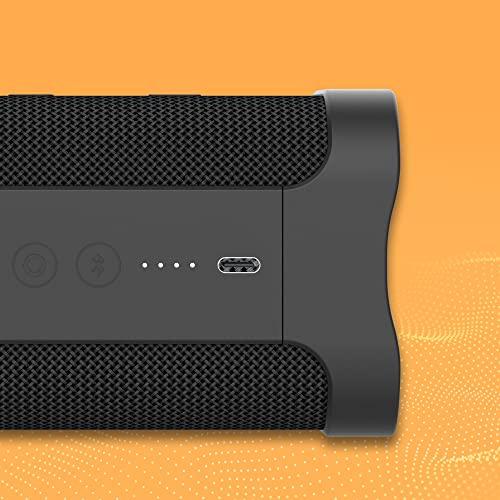
The modern USB-C charging port is another significant advantage. USB-C has become the standard for phones, tablets, and laptops, meaning you're less likely to find yourself without a compatible charger. The connector is also more durable and reversible compared to older standards.
The Bose SoundLink Revolve II offers a more modest 13 hours of battery life, which is still respectable but clearly shorter. More problematically, it still uses micro-USB charging—a connector that feels increasingly outdated in 2024. Micro-USB is fragile, has a specific orientation requirement, and takes longer to charge. The Bose requires about 4 hours for a full charge without any quick-charge capability.
This charging situation is particularly frustrating because the SoundLink Revolve II was released in 2021, well after USB-C had become standard on most devices. It suggests Bose prioritized cost savings over user convenience, which feels shortsighted for a premium-priced speaker.
The Terrain XL uses Bluetooth 5.3, the most current standard as of 2024. This provides improved connection stability, better range (up to 33 feet), and more efficient power usage. However, it can only connect to one device at a time, meaning you can't seamlessly switch between your phone and laptop without manually disconnecting and reconnecting.
The Bose uses the older Bluetooth 4.2 standard with a 30-foot range, but offers more sophisticated device management. It remembers up to 8 previously paired devices and can handle seamless switching between them. This is incredibly convenient in households where multiple people want to play music from different devices.
Here's where the Bose shows its versatility. The 3.5mm auxiliary input allows wired connections to devices without Bluetooth, older audio equipment, or situations where you want to conserve your phone's battery. The Terrain XL offers no wired audio option whatsoever—the USB-C port is strictly for charging.
This limitation might seem minor until you encounter it in real life. Imagine wanting to connect an older iPod, a Nintendo Switch, or a friend's phone with a dead battery. The Bose handles these scenarios easily; the Terrain XL simply can't.
The Bose includes built-in microphone capabilities for hands-free phone calls and voice assistant access. You can activate Siri or Google Assistant by pressing a button, making it useful for checking weather, setting timers, or controlling smart home devices while cooking or entertaining.
The Terrain XL lacks any microphone functionality, so you can't take calls through it or access voice assistants. For some users, this is a significant limitation; for others focused purely on music playback, it's irrelevant.
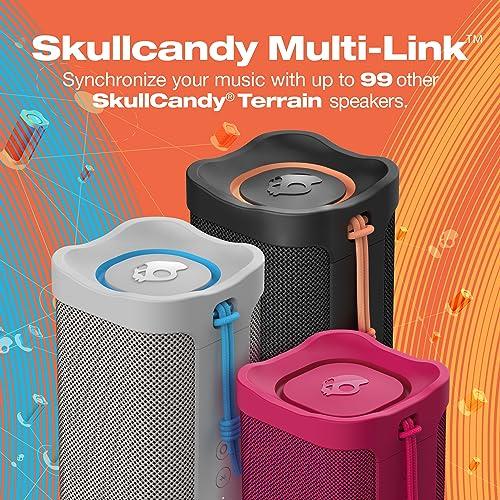
Both speakers support connecting multiple units for larger sound systems, but with very different implementations. The Terrain XL uses Skullcandy's Multi-Link technology, which allows up to 99 speakers to play in sync—though realistically, nobody needs that many speakers.
More impressively, the Terrain XL supports cross-model stereo pairing. You can pair it with the smaller Terrain or Terrain Mini models to create true left/right stereo separation. This is unusual in the speaker world, where most brands require identical models for stereo pairing.
The Bose offers both Party Mode (multiple speakers playing the same audio) and Stereo Mode (left/right channel separation) through the Bose Connect app. However, stereo pairing requires two identical speakers, and the app is necessary for setup—making it less flexible than Skullcandy's approach.
The durability difference is stark and reflects each speaker's intended use case. The Terrain XL's IPX7 waterproof rating means genuine submersion protection. You can literally drop it in a pool, river, or ocean and retrieve it without damage. The fabric exterior and silicone bumpers are designed for impact protection during hiking, camping, or beach activities.
The Bose SoundLink Revolve II's IP55 rating provides splash and dust resistance suitable for kitchen counters or light rain, but not waterproof protection. The aluminum body feels premium and looks elegant, but it's not designed for rugged outdoor abuse. A drop onto concrete could dent or damage the speaker in ways that wouldn't affect the Terrain XL.
For home theater applications, neither speaker is ideal as a primary audio source, but they serve different supplementary roles. The Bose SoundLink Revolve II's 360-degree sound makes it excellent for background music during parties or casual TV viewing in smaller rooms. Its auxiliary input allows connection to older TVs or audio systems that lack Bluetooth.
The Terrain XL works better as a secondary speaker for outdoor movie nights or garage workshops where durability matters more than audio fidelity. Its directional design means careful placement is necessary for optimal sound coverage in indoor spaces.
At the time of writing, the price difference between these speakers is substantial, with the Terrain XL typically costing less than half the price of the SoundLink Revolve II. This pricing gap reflects their different market positions and target audiences.
The Terrain XL delivers exceptional value for buyers prioritizing battery life, waterproofing, and basic audio functionality. It's the speaker equivalent of a reliable pickup truck—not luxurious, but capable and durable for its intended purpose.
The Bose commands its premium pricing through superior sound quality, innovative 360-degree technology, premium materials, and brand reputation. However, the outdated charging technology and limited battery life feel like compromises that shouldn't exist at this price point.
Choose the Skullcandy Terrain XL if you:
Choose the Bose SoundLink Revolve II if you:
These speakers succeed in their respective niches. The Terrain XL excels as an adventure companion that prioritizes reliability, endurance, and value over audio refinement. The SoundLink Revolve II serves as a premium indoor speaker that prioritizes sound quality, connectivity, and elegant design over ruggedness.
Your decision should align with honest assessment of where and how you'll actually use the speaker. If your main use cases involve outdoor activities, extended battery life needs, or budget constraints, the Terrain XL provides superior practical value. If sound quality, indoor entertaining, and connectivity flexibility matter more than extreme durability, the Bose justifies its premium pricing despite some outdated features.
Neither speaker is perfect, but both serve their intended audiences well when expectations align with capabilities.
| Skullcandy Terrain XL | Bose SoundLink Revolve II |
|---|---|
| Sound Design - Determines audio coverage and placement flexibility | |
| Directional front-firing with dual woofers | 360-degree omnidirectional with acoustic deflector |
| Battery Life - Critical for portable use and extended sessions | |
| 18 hours (8 hours at max volume) | 13 hours |
| Water Resistance - Essential for outdoor durability | |
| IPX7 waterproof (submersible to 1m) | IP55 splash resistant only |
| Charging Technology - Affects convenience and future compatibility | |
| USB-C (modern, reversible, fast) | Micro-USB (outdated, slower charging) |
| Sound Quality - Most important for music enjoyment | |
| Harsh V-shaped signature, poor mids, distorts at high volume | More balanced with better midrange clarity |
| Bluetooth Version - Impacts connection stability and range | |
| Bluetooth 5.3 (33ft range) | Bluetooth 4.2 (30ft range) |
| Device Connectivity - Affects multi-user convenience | |
| Single device connection only | Remembers 8 devices, seamless switching |
| Auxiliary Input - Important for wired device compatibility | |
| None (wireless only) | 3.5mm aux input included |
| Phone Call Support - Useful for hands-free communication | |
| No microphone or calling features | Built-in speakerphone and voice assistant support |
| Multi-Speaker Pairing - For larger sound systems | |
| Up to 99 speakers, cross-model stereo pairing | Party/Stereo modes with identical speakers only |
| Build Materials - Reflects durability and premium feel | |
| Fabric wrap with silicone end caps | Seamless aluminum body |
| Weight and Portability - Important for frequent transport | |
| 635g with built-in carrying strap | 660g with no handle or strap |
| App Support - Affects advanced features and control | |
| No app required (hardware controls only) | Bose Connect app for management and pairing |
The Bose SoundLink Revolve II delivers significantly better sound quality with more balanced frequencies and clearer midrange detail. While the Skullcandy Terrain XL emphasizes bass and treble with a harsh V-shaped signature that can distort at high volumes, the Bose provides more accurate music reproduction suitable for critical listening.
The Skullcandy Terrain XL offers superior battery life with up to 18 hours of playback at moderate volume, compared to 13 hours on the Bose SoundLink Revolve II. Even at maximum volume, the Terrain XL provides around 8 hours of use, making it better for extended outdoor activities.
The Skullcandy Terrain XL is significantly more durable with IPX7 waterproof rating, meaning it can survive full submersion up to 1 meter deep. The Bose SoundLink Revolve II only has IP55 splash resistance, making the Terrain XL the clear choice for pools, beaches, and rugged outdoor activities.
The Bose SoundLink Revolve II features unique 360-degree sound that spreads audio evenly in all directions, perfect for group gatherings. The Skullcandy Terrain XL uses traditional directional speakers that project sound forward, requiring specific placement for optimal coverage.
The Bose SoundLink Revolve II remembers up to 8 paired devices and allows seamless switching between them. The Skullcandy Terrain XL can only connect to one device at a time, requiring manual disconnection to switch between phones or tablets.
The Skullcandy Terrain XL uses modern USB-C charging which is faster, more durable, and reversible. The Bose SoundLink Revolve II still uses outdated micro-USB that takes about 4 hours to fully charge and lacks quick-charge capabilities.
Only the Bose SoundLink Revolve II includes a 3.5mm auxiliary input for wired connections to older devices or when Bluetooth isn't available. The Skullcandy Terrain XL is wireless-only, with the USB-C port used strictly for charging.
The Bose SoundLink Revolve II includes a built-in speakerphone and supports voice assistants like Siri and Google Assistant. The Skullcandy Terrain XL has no microphone functionality, so you cannot take calls or use voice commands.
The Skullcandy Terrain XL provides exceptional value with industry-leading battery life, waterproof protection, and modern charging at a budget-friendly price. While the Bose SoundLink Revolve II offers superior sound quality and premium features, it costs significantly more.
Both speakers support multi-speaker pairing, but differently. The Skullcandy Terrain XL can create stereo pairs with different Terrain models and connect up to 99 speakers without an app. The Bose SoundLink Revolve II requires the Bose Connect app and identical speakers for stereo mode.
The Bose SoundLink Revolve II excels indoors with its 360-degree sound coverage, premium aluminum build, auxiliary input for TV connections, and balanced audio quality. The Skullcandy Terrain XL works better as a secondary speaker for casual indoor use or garage workshops.
The Skullcandy Terrain XL's main weaknesses include poor sound quality with harsh highs, no auxiliary input, and single-device connectivity. The Bose SoundLink Revolve II suffers from outdated micro-USB charging, shorter battery life, limited water resistance, and higher cost relative to features offered.
We've done our best to create useful and informative comparisons to help you decide what product to buy. Our research uses advanced automated methods to create this comparison and perfection is not possible - please contact us for corrections or questions. These are the sites we've researched in the creation of this article: youtube.com - skullcandy.eu - youtube.com - blog.bestbuy.ca - support.skullcandy.com - youtube.com - youtube.com - walmart.com - versus.com - youtube.com - skullcandy.ae - versus.com - skullcandy.com - youtube.com - consumerreports.org - gearjunkie.com - newegg.com - manuals.plus - bestbuy.com - electronicexpress.com - skullcandy.com - dxomark.com - bose.com - youtube.com - rtings.com - consumerreports.org - soundguys.com - boselatam.com - boselatam.com - bose.com - adorama.com - leedsworldrefill.com - bose.com - bestbuy.com

Privacy Policy
Terms and Conditions - Affiliate Policy
Home Security
© Copyright 2008-2026.
11816 Inwood Rd #1211, Dallas, TX 75244