

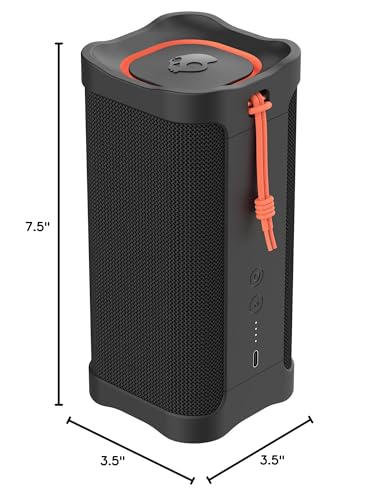
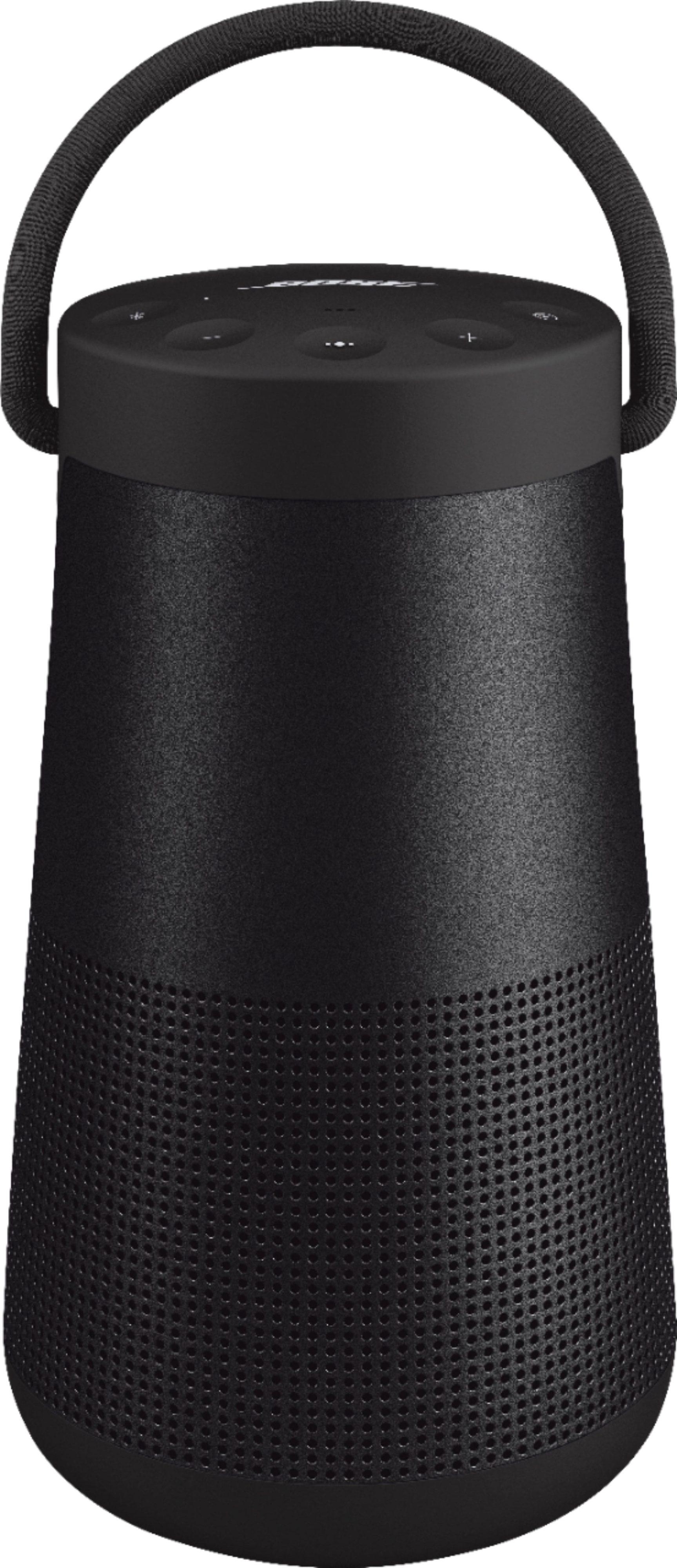
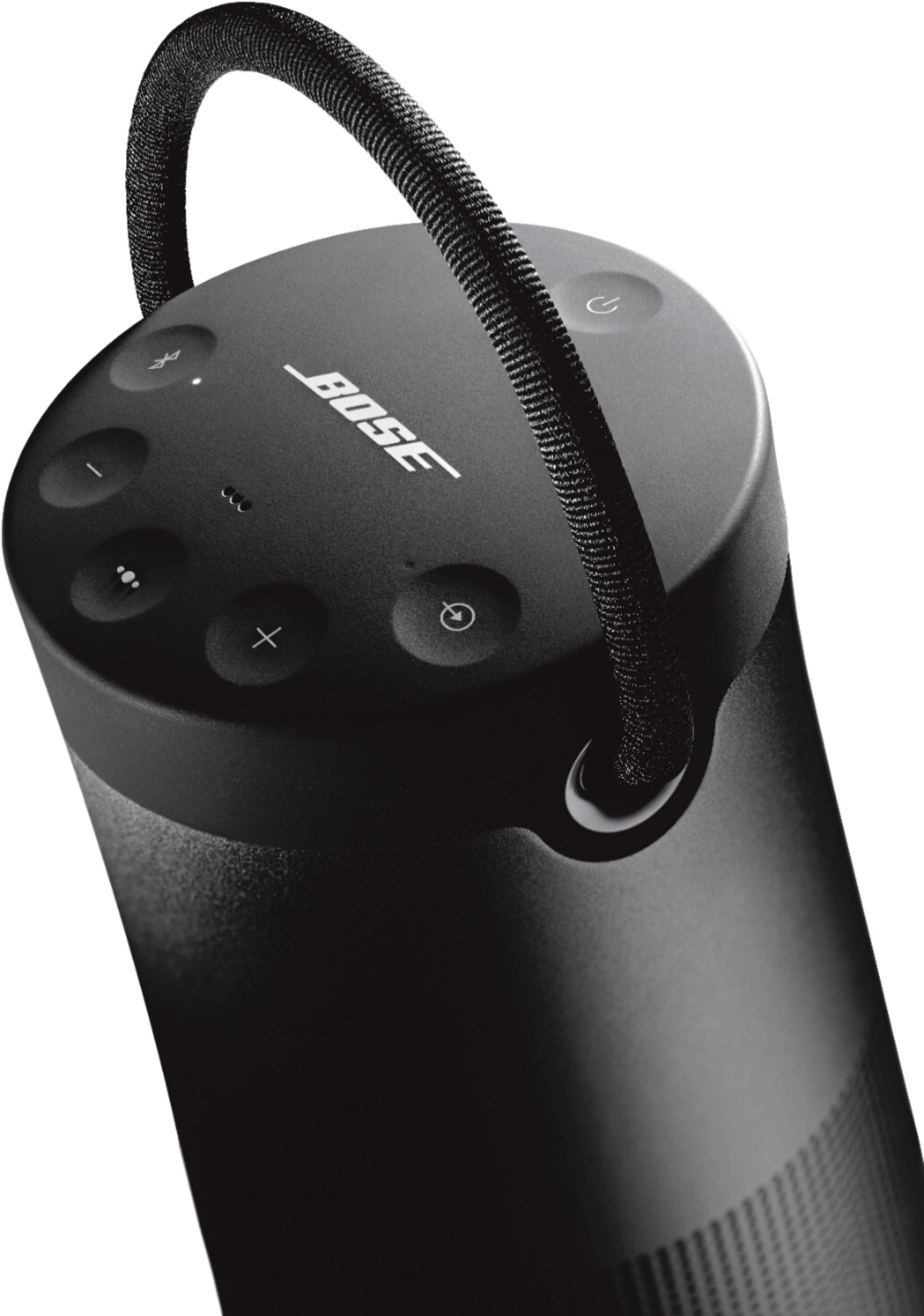
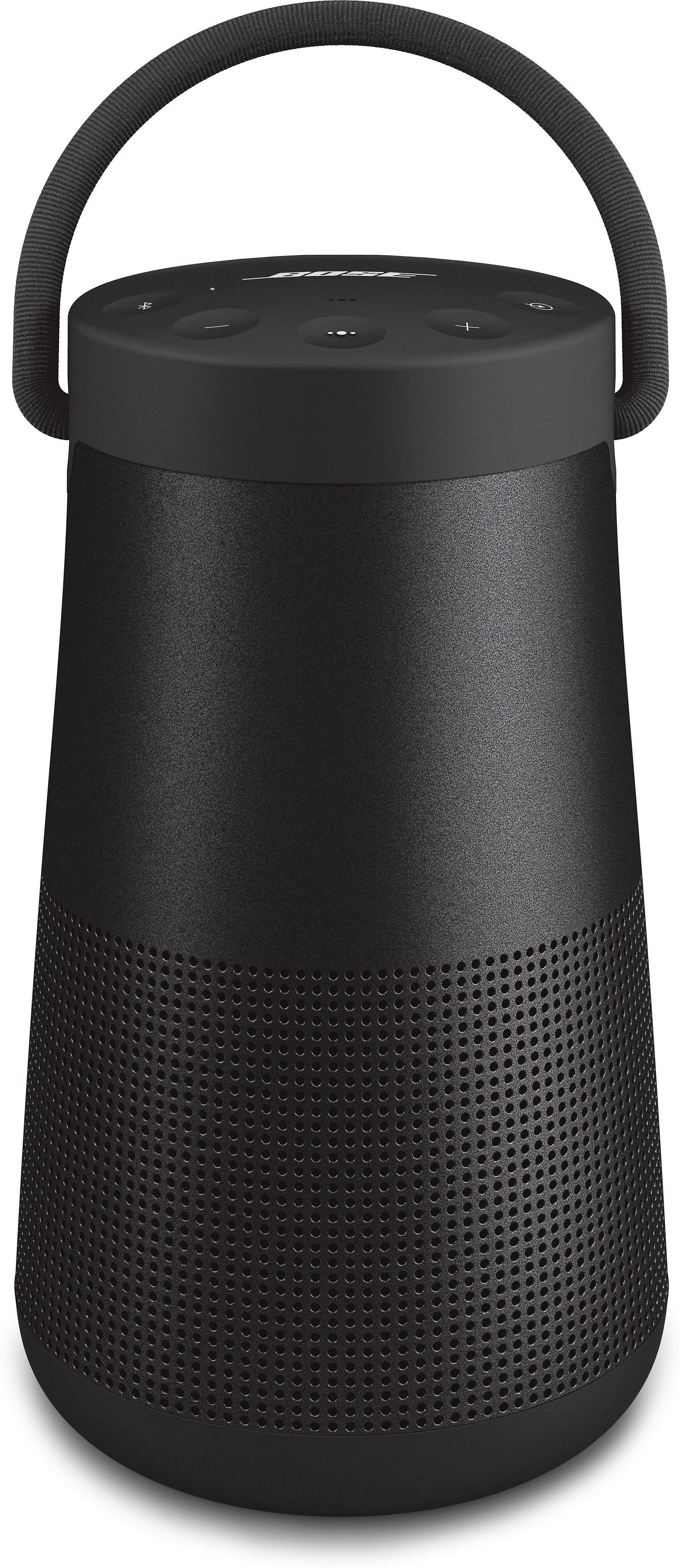

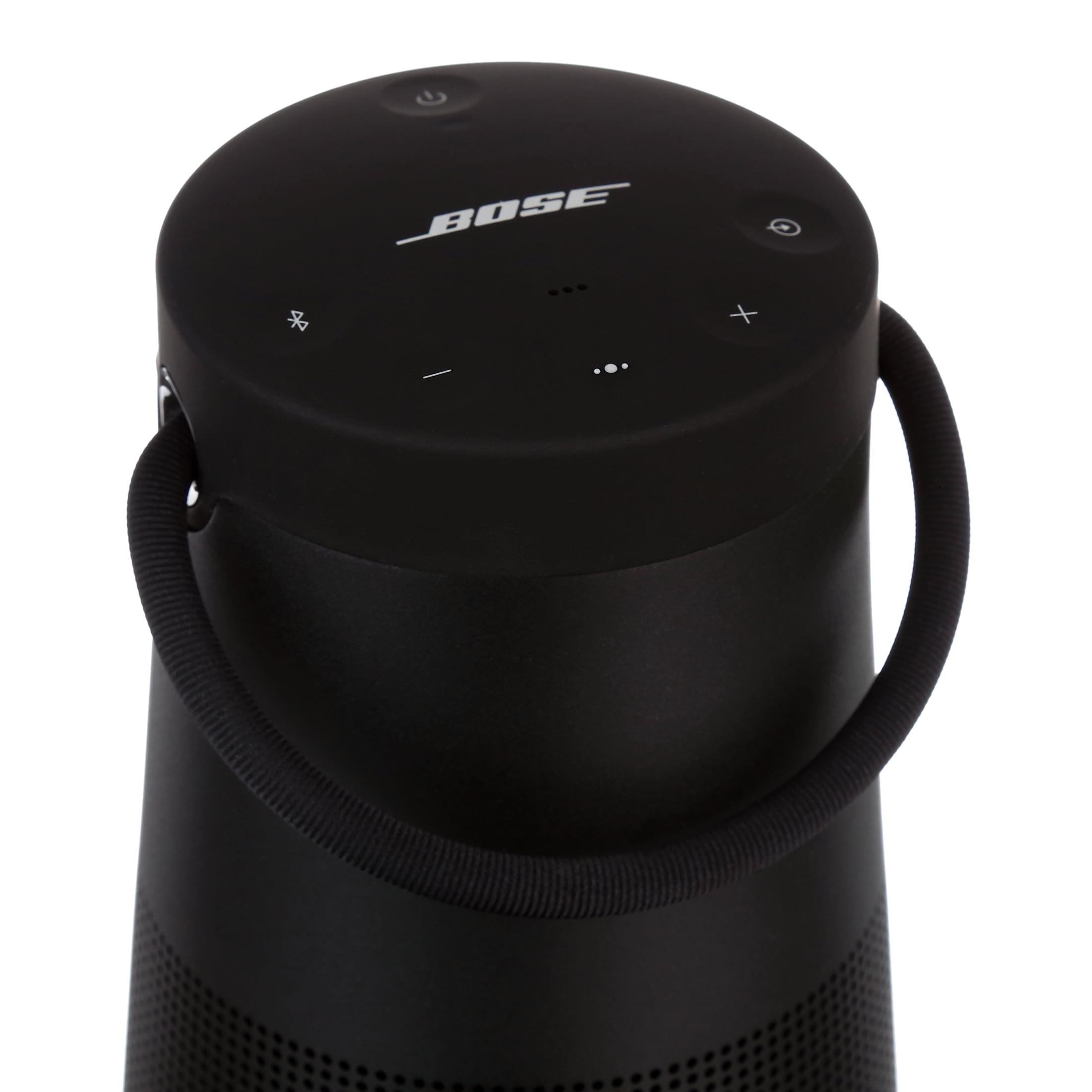
When you're looking for a portable speaker that can keep up with your lifestyle, the choices can feel overwhelming. Today, we're diving deep into two speakers that represent completely different approaches to portable audio: the budget-friendly Skullcandy Terrain XL and the premium Bose SoundLink Revolve+ II. At the time of writing, these speakers sit at opposite ends of the price spectrum, with the Skullcandy costing roughly a third of what you'd pay for the Bose.
Before we compare these specific models, let's talk about what actually matters in a portable speaker. The most critical factors are sound quality (how good it actually sounds), battery life (how long it plays), durability (can it survive your adventures), and portability (how easy it is to carry around). Secondary considerations include water resistance, connectivity options, and special features like multi-speaker pairing.
The portable speaker market has evolved dramatically since both of these models launched. The Skullcandy Terrain XL hit the market in 2022, while the Bose SoundLink Revolve+ II debuted in 2021. Since then, we've seen improvements in battery technology, more efficient Bluetooth chips, and better digital signal processing (DSP) - the computer brain that fine-tunes how speakers sound.
These two speakers couldn't be more different in their approach. The Skullcandy Terrain XL is all about delivering maximum value for outdoor enthusiasts and casual listeners. It's designed for people who want something tough, long-lasting, and affordable - perfect for beach days, camping trips, or backyard barbecues where sound quality takes a backseat to durability and convenience.
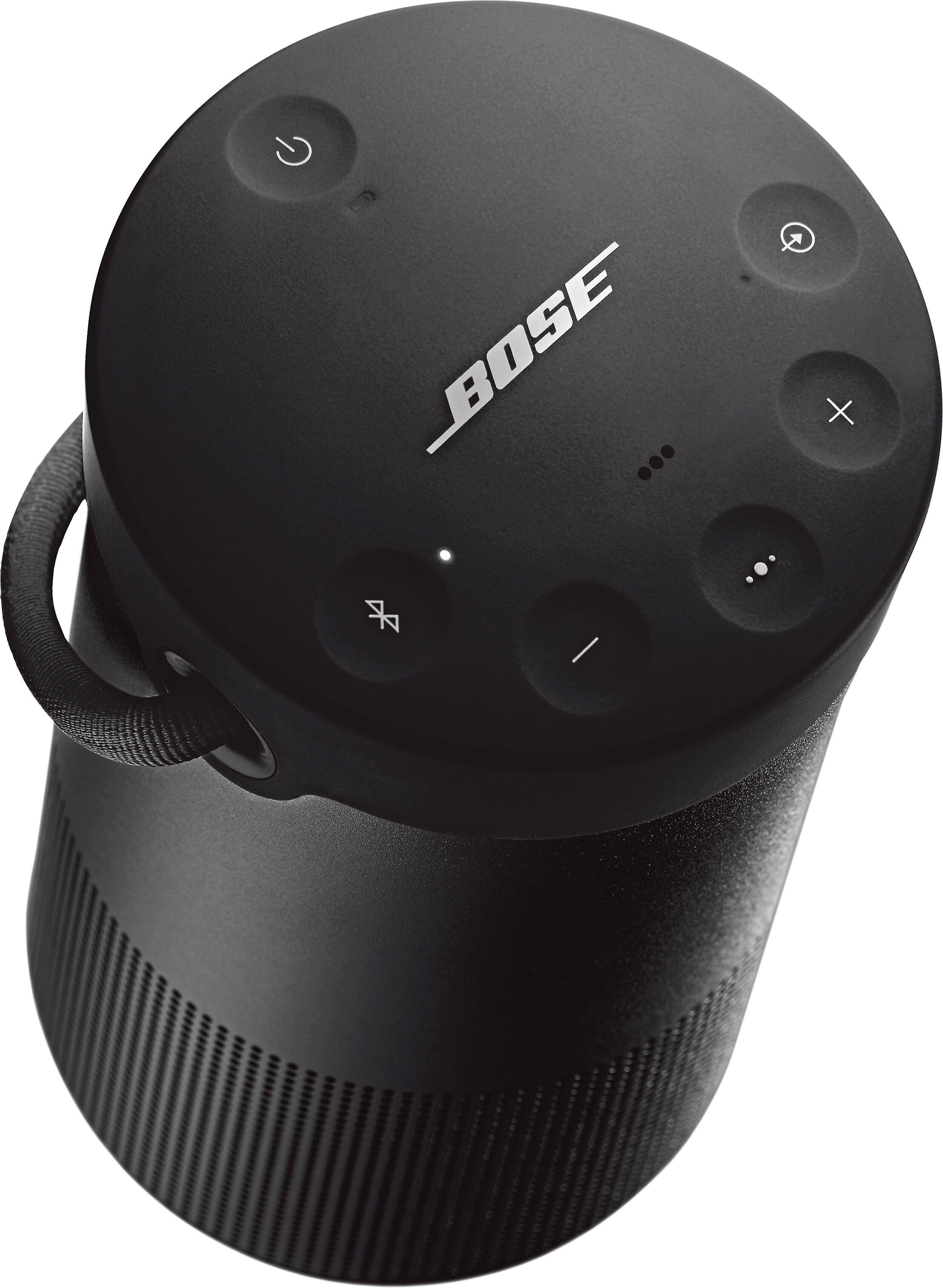
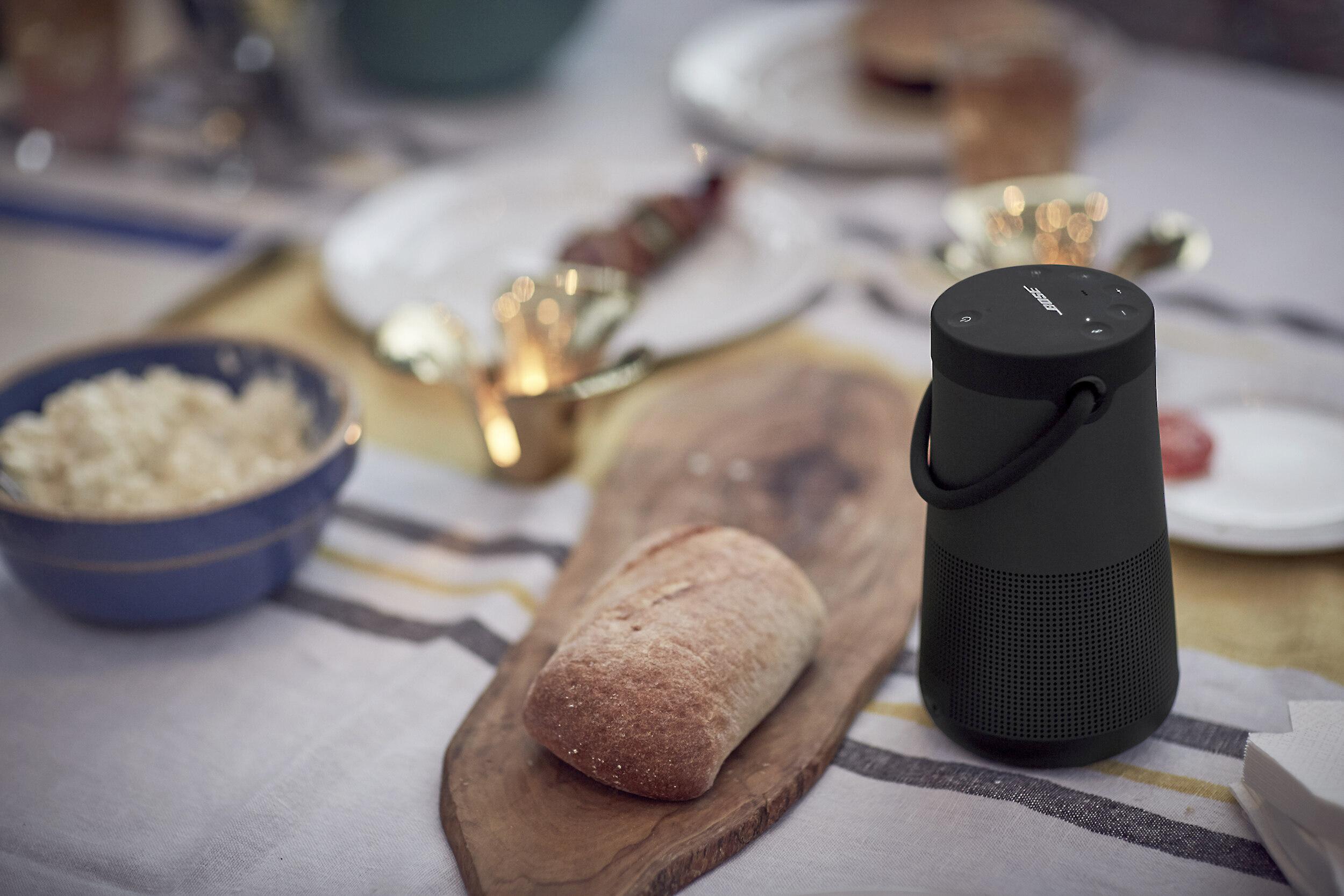
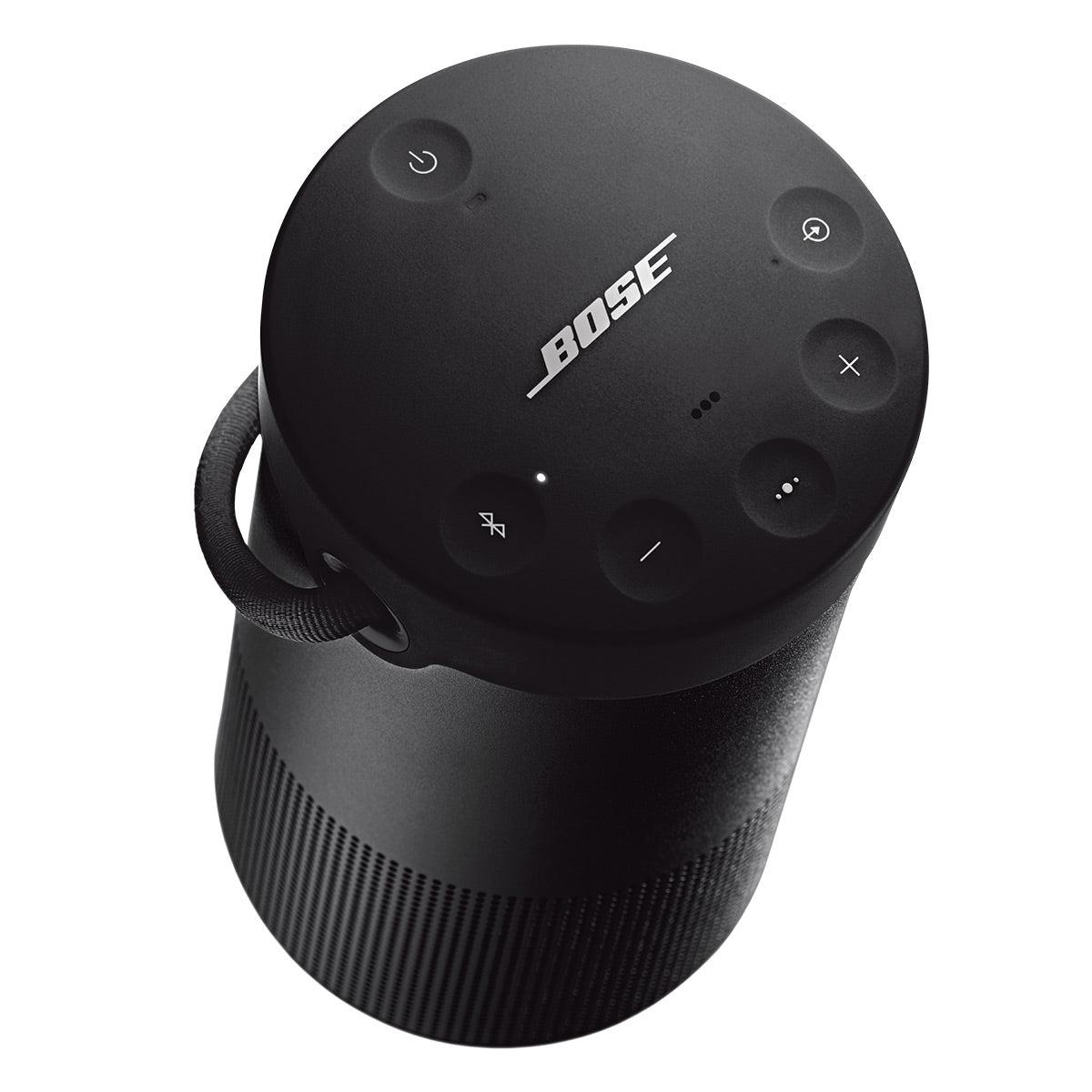
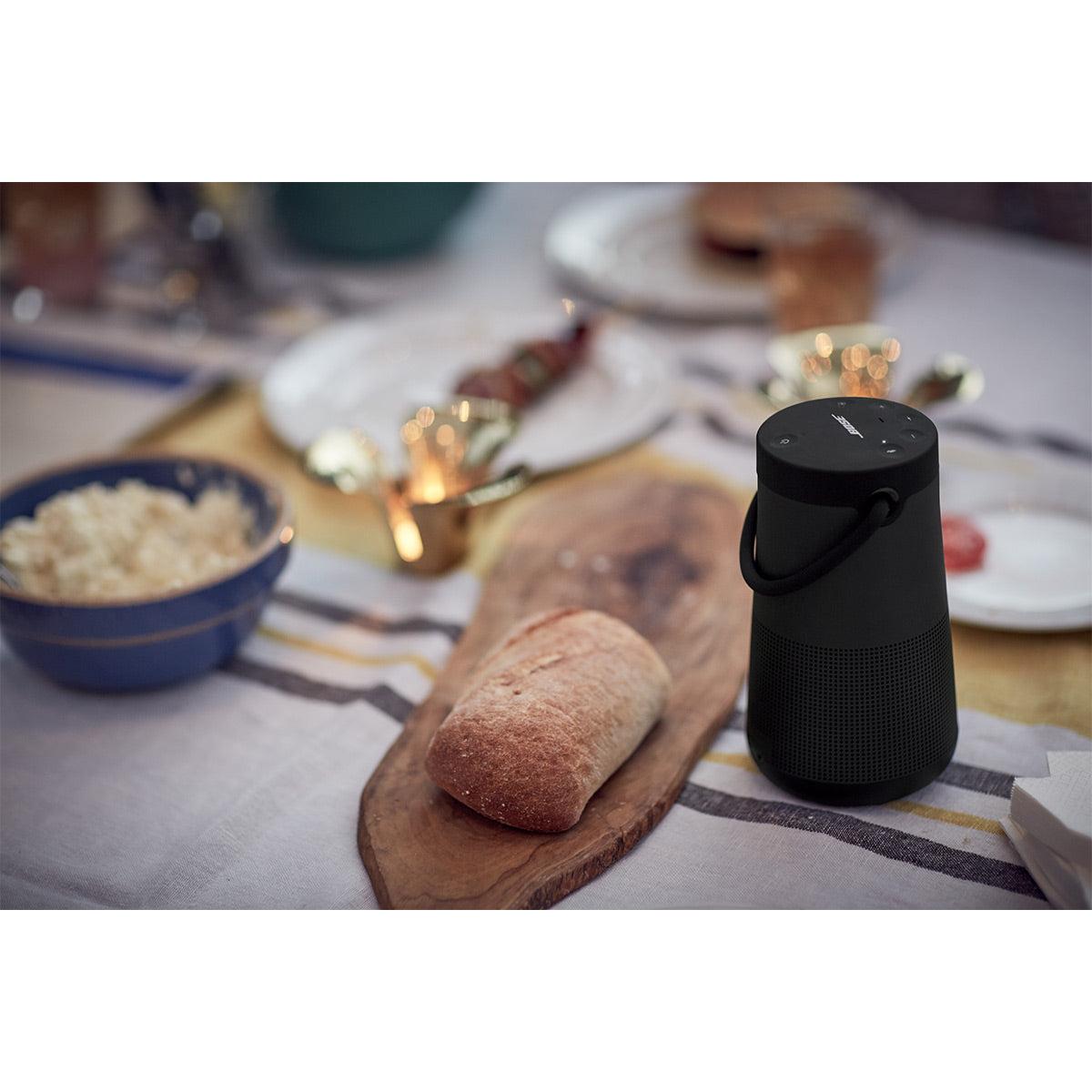
The Bose SoundLink Revolve+ II, on the other hand, represents the premium end of portable audio. Released as an evolution of Bose's popular Revolve series, it's engineered for listeners who refuse to compromise on sound quality, even when they're away from home. This speaker is built for discerning ears and designed to impress with both its audio performance and premium materials.
Here's where the fundamental differences between these speakers become crystal clear, and it's honestly the most important section of this comparison.
The Skullcandy Terrain XL uses what audio engineers call a "V-shaped" sound signature. This means it heavily emphasizes the low frequencies (bass) and high frequencies (treble) while neglecting the middle frequencies where most vocals and instruments live. Think of it like a graphic equalizer where someone pushed up the bass and treble sliders while leaving the midrange flat.
This tuning creates a sound that's immediately impressive - lots of thumping bass and crispy highs - but it sacrifices detail and clarity. When you're listening to a complex song with multiple instruments, you'll mainly hear the bass line and vocals, while guitars, keyboards, and other mid-range instruments get lost in the mix. It's what we'd call "good enough to get the job done" but far from audiophile territory.
The Bose SoundLink Revolve+ II takes the opposite approach with a much more balanced, neutral sound profile. Bose's engineers tuned this speaker to reproduce music as close to the original recording as possible. The midrange frequencies are clear and present, which means vocals sound natural and instruments maintain their distinct character. However, our research shows it still struggles with deep, rumbling bass - the kind that makes your chest thump during hip-hop or electronic music.
The Skullcandy Terrain XL puts out 20 watts of power, which sounds impressive on paper but comes with significant caveats. At higher volumes, the speaker introduces noticeable distortion, particularly in the treble frequencies. This distortion makes music sound harsh and fatiguing, especially during longer listening sessions.
While Bose doesn't publish specific wattage numbers for the SoundLink Revolve+ II, our research into user and expert reviews suggests it handles power more efficiently. The speaker maintains better composure at higher volumes, with less compression and distortion artifacts that plague the Skullcandy at maximum output.
Here's where the Bose SoundLink Revolve+ II really shines with its unique selling proposition. Most portable speakers, including the Skullcandy Terrain XL, use traditional forward-firing drivers. This means the sound comes out of one side, creating a "sweet spot" directly in front of the speaker while people sitting to the sides or behind get a diminished experience.
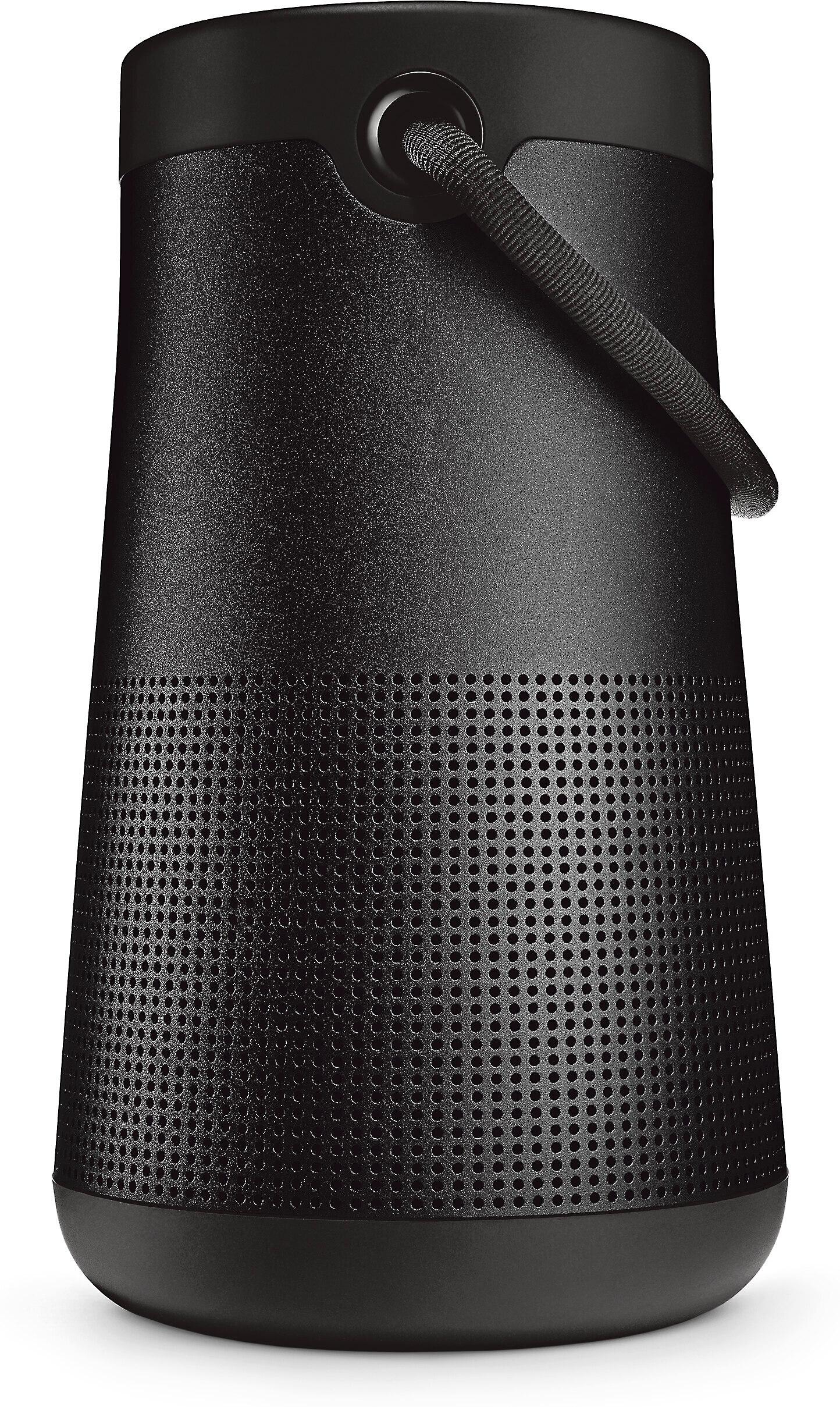
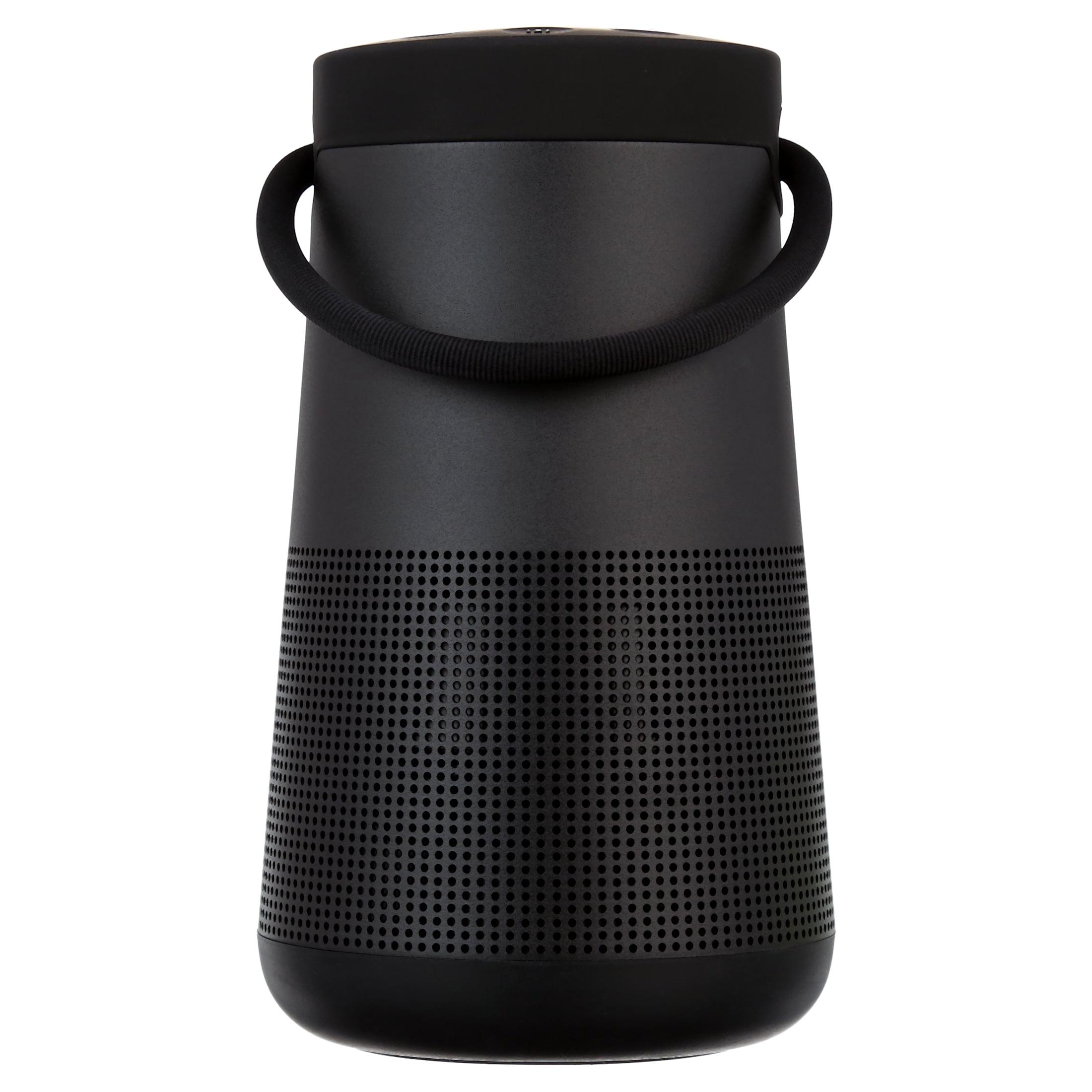
Bose solved this with their 360-degree acoustic deflector system. The speaker uses a downward-firing transducer (the part that actually makes sound) paired with an acoustic deflector that spreads sound omnidirectionally. This creates uniform coverage in all directions, making it perfect for gatherings where people are sitting around the speaker rather than in front of it.
This 360-degree design is particularly valuable for home theater applications. If you're using the speaker for movie nights or TV audio enhancement, the Bose SoundLink Revolve+ II can be placed anywhere in the room without creating dead zones where some viewers get poor audio quality.
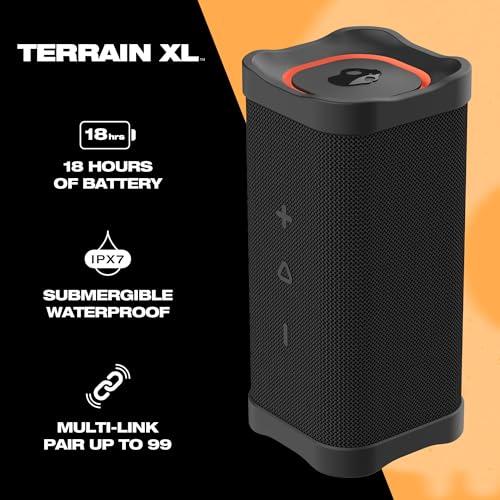
Both speakers advertise similar battery life numbers - 18 hours for the Skullcandy and 17 hours for the Bose - but the real-world performance tells a different story.
The Skullcandy Terrain XL's 18-hour claim is based on 50% volume playback. Crank it up to maximum volume for a pool party, and you're looking at closer to 8 hours of playback. This dramatic drop-off happens because the speaker's amplifier becomes increasingly inefficient at higher volumes, drawing more power to compensate for the distortion we mentioned earlier.
The Bose SoundLink Revolve+ II demonstrates better power management across volume levels. Thanks to more sophisticated DSP and efficient amplification, the battery life remains more consistent whether you're playing at moderate or higher volumes. This translates to more predictable performance when you need it most.
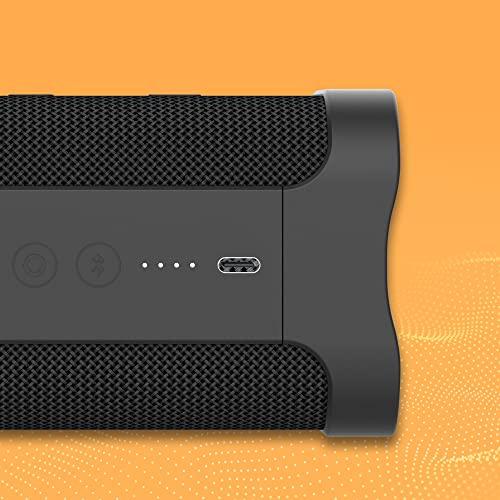
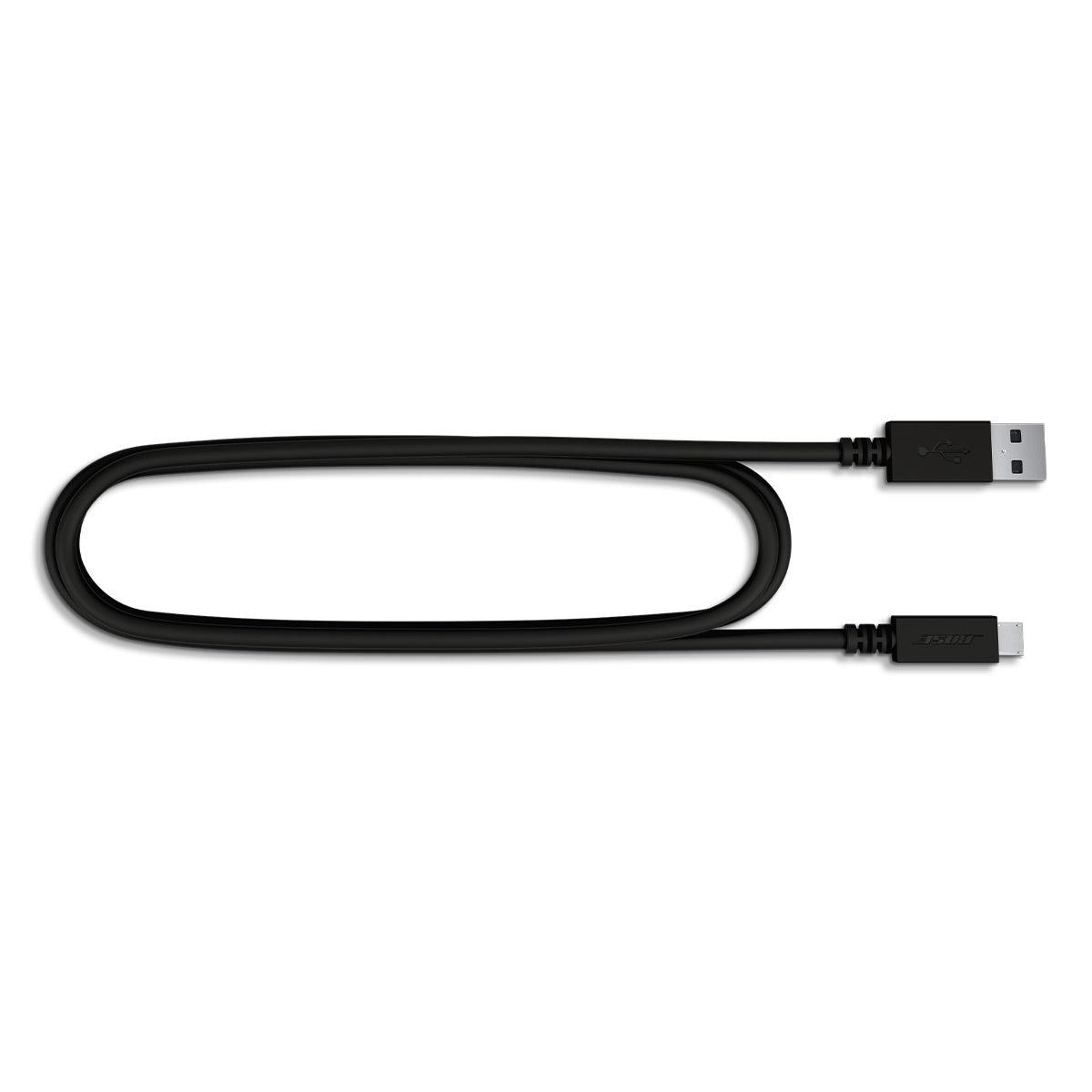
From a charging perspective, the Skullcandy wins with modern USB-C connectivity, while the Bose still relies on the older micro-USB standard. This might seem minor, but if you're already carrying USB-C cables for your phone and other devices, having everything use the same connector is genuinely convenient.
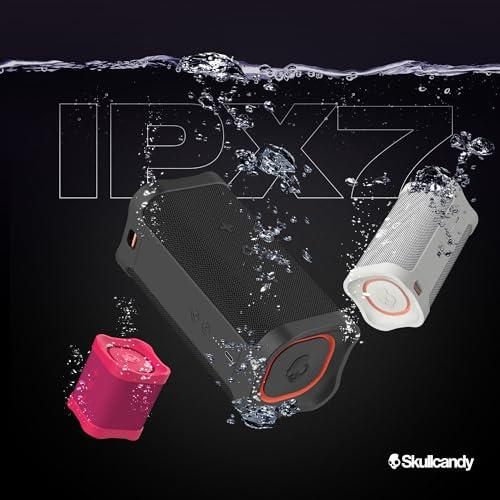
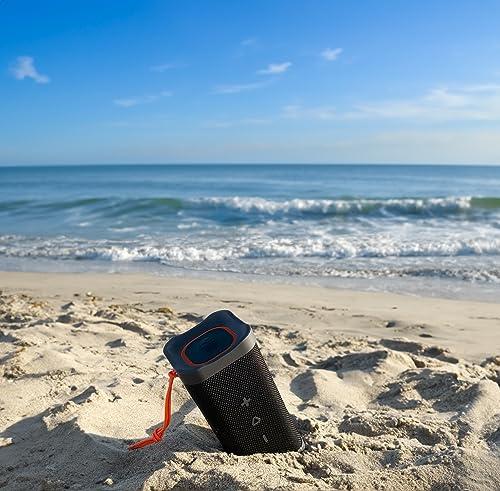
Water resistance represents one of the most significant practical differences between these speakers. The Skullcandy Terrain XL boasts an IPX7 rating, meaning it can be completely submerged in up to one meter of water for 30 minutes. This makes it genuinely waterproof for pool parties, beach days, or accidental drops in water.
The Bose SoundLink Revolve+ II carries an IP55 rating, which provides protection against water jets and splashes but cannot handle submersion. While this is sufficient for most outdoor use, it's a significant limitation if you're planning water-adjacent activities.
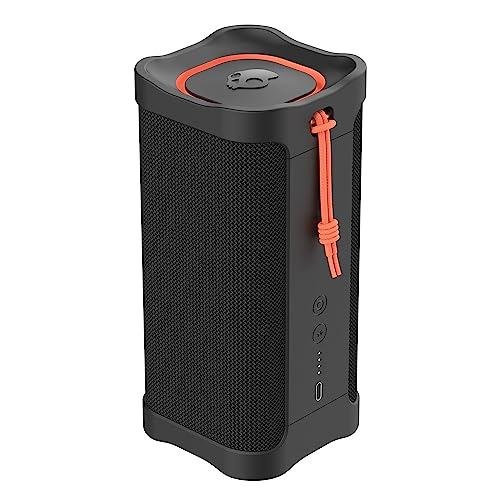
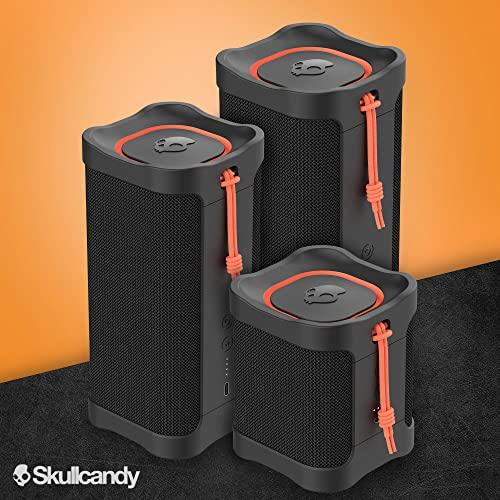
Build materials tell another story about priorities. The Skullcandy uses a fabric wrap exterior with silicone end caps, prioritizing light weight (just 635 grams) over premium feel. The fabric can be damaged by sharp objects, and the exposed passive radiators (the parts that help produce bass) need protection from punctures.
Bose takes the premium route with seamless aluminum grille construction and high-quality silicone components. The SoundLink Revolve+ II weighs 907 grams - about 43% heavier than the Skullcandy - but feels substantially more robust and refined. The aluminum grille is manufactured using a single extrusion process, eliminating visible seams for a clean, professional appearance.
The Skullcandy Terrain XL uses the latest Bluetooth 5.3 standard, which offers several advantages over older versions: better range, more stable connections, improved power efficiency, and faster pairing. This newer standard also handles interference better, which matters in crowded wireless environments like apartment buildings or busy parks.
The Bose SoundLink Revolve+ II uses Bluetooth 4.1 or 4.2 (depending on the manufacturing batch), which is functional but shows its age. However, Bose compensates with superior implementation, including the ability to pair with two devices simultaneously. This multi-point connectivity lets you easily switch between playing music from your phone and taking calls from your laptop without re-pairing devices.
For wired connections, only the Bose includes a 3.5mm auxiliary input. This might seem old-fashioned, but it's invaluable for connecting non-Bluetooth devices or when you want to preserve battery life during long listening sessions.
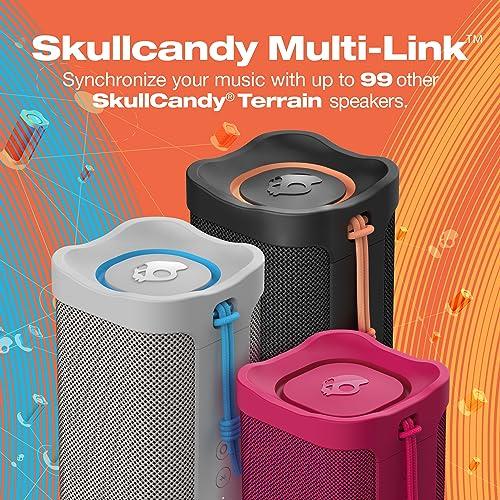
The Skullcandy Terrain XL includes Multi-Link technology that allows you to connect up to 99 Skullcandy speakers together. More importantly, it can create stereo pairs with different models in the Terrain series - something most manufacturers don't allow. This flexibility means you could buy a smaller Terrain speaker for personal use and later add the XL for larger gatherings while still maintaining stereo separation.
Bose offers its own ecosystem advantages with the SoundLink Revolve+ II. The Bose Connect and Bose Music apps provide extensive control options, and SimpleSync technology allows pairing with Bose home speakers for whole-home audio systems. If you're already invested in Bose's ecosystem, this integration is seamless and powerful.
The Bose also includes hands-free calling capabilities with built-in microphone and voice assistant support, making it genuinely useful for conference calls or smart home control. The Skullcandy lacks these features entirely.
While neither speaker is designed specifically for home theater use, there are scenarios where they make sense as TV audio upgrades or secondary room solutions.
The Bose SoundLink Revolve+ II's 360-degree sound dispersion and balanced frequency response make it surprisingly effective for dialog clarity and ambient sound reproduction. Its auxiliary input means you can connect it directly to TV audio outputs, and the neutral tuning ensures voices remain clear and natural.
The Skullcandy Terrain XL's V-shaped tuning actually works against it in home theater applications. The recessed midrange frequencies make dialog harder to understand, while the emphasized bass can become boomy in enclosed spaces. However, for casual movie watching where you prioritize convenience over quality, it's functional.
At the time of writing, the Skullcandy Terrain XL represents exceptional value for casual listeners and outdoor enthusiasts. You're getting legitimate waterproofing, modern connectivity, impressive battery life, and adequate sound quality for roughly a third the price of premium alternatives.
The Bose SoundLink Revolve+ II justifies its premium pricing through superior sound quality, innovative 360-degree design, premium materials, and comprehensive feature set. However, it's targeting a completely different user who values audio refinement over budget considerations.
Choose the Skullcandy Terrain XL if you:
Choose the Bose SoundLink Revolve+ II if you:
These speakers serve fundamentally different markets, and your choice should align with your priorities and use cases. The Skullcandy Terrain XL excels as an affordable, durable companion for active lifestyles where sound quality is secondary to convenience and durability. It's perfect for college students, outdoor enthusiasts, or anyone who needs reliable audio without breaking the bank.
The Bose SoundLink Revolve+ II targets listeners who refuse to compromise on audio quality, even in portable applications. Its 360-degree design, balanced sound signature, and premium construction make it ideal for home use, professional applications, or anyone who considers their speaker an investment in long-term listening enjoyment.
Neither speaker is perfect - both lack adjustable EQ options, and each makes specific trade-offs in pursuit of their design goals. However, both succeed admirably within their intended market segments. The key is honest self-assessment: do you need a reliable, affordable speaker for casual use, or are you willing to invest significantly more for refined audio performance and premium features?
The choice ultimately comes down to whether you value maximum bang for your buck or are willing to pay substantially more for meaningfully better sound quality and premium features.
| Skullcandy Terrain XL | Bose SoundLink Revolve+ II |
|---|---|
| Sound Quality - The most important factor for music enjoyment | |
| V-shaped tuning with emphasized bass/treble, recessed mids | Balanced, neutral sound with clear vocals and natural reproduction |
| Sound Dispersion - How evenly sound spreads around the speaker | |
| Directional forward-firing with traditional stereo separation | True 360-degree omnidirectional coverage from any position |
| Water Resistance - Critical for outdoor and poolside use | |
| IPX7 waterproof (fully submersible up to 1 meter) | IP55 splash-resistant only (cannot be submerged) |
| Weight - Impacts portability for extended carrying | |
| 635g (1.4 lbs) - ultralight for hiking and travel | 907g (2 lbs) - 43% heavier but more substantial feel |
| Battery Life - Real-world performance at typical volumes | |
| 18 hours advertised, drops to ~8 hours at max volume | 17 hours with more consistent performance across volumes |
| Charging Technology - Convenience and future-proofing | |
| Modern USB-C charging port | Legacy micro-USB charging |
| Bluetooth Version - Connection stability and efficiency | |
| Latest Bluetooth 5.3 for superior range and stability | Older Bluetooth 4.1/4.2 technology |
| Multi-Device Pairing - Switching between phone and laptop | |
| Single device connection only | Can pair with 2 devices simultaneously |
| Wired Input - Backup connection for non-Bluetooth devices | |
| No auxiliary input (USB-C charging only) | 3.5mm aux input included |
| Build Materials - Durability vs premium feel | |
| Fabric wrap with silicone caps, functional but basic | Seamless aluminum grille with premium construction |
| Speaker Expansion - Adding more units for bigger sound | |
| Multi-Link up to 99 speakers, stereo pairing with different models | Party/Stereo modes, integrates with Bose home ecosystem |
| Voice Features - Hands-free calling and smart assistant support | |
| No hands-free calling or voice assistant | Built-in speakerphone and voice assistant compatibility |
The Bose SoundLink Revolve+ II delivers significantly better sound quality with its balanced, neutral tuning that reproduces vocals and instruments naturally. The Skullcandy Terrain XL uses a V-shaped sound signature that emphasizes bass and treble while neglecting midrange frequencies, resulting in less detailed audio reproduction.
The Skullcandy Terrain XL is the clear winner for water activities with its IPX7 waterproof rating, allowing full submersion up to 1 meter for 30 minutes. The Bose SoundLink Revolve+ II only offers IP55 splash resistance and cannot be submerged, making it less suitable for poolside or beach use.
The Skullcandy Terrain XL is significantly more portable at just 635 grams compared to the Bose SoundLink Revolve+ II at 907 grams. The 43% weight difference makes the Skullcandy much easier to carry during extended outdoor activities like hiking or camping trips.
Both speakers offer similar advertised battery life - 18 hours for the Skullcandy Terrain XL and 17 hours for the Bose SoundLink Revolve+ II. However, the Skullcandy's battery drops to around 8 hours at maximum volume, while the Bose maintains more consistent performance across different volume levels.
The Skullcandy Terrain XL uses the latest Bluetooth 5.3 for superior range and stability, while the Bose SoundLink Revolve+ II uses older Bluetooth 4.1/4.2. However, the Bose can pair with two devices simultaneously, making it easier to switch between your phone and laptop without re-pairing.
Both speakers offer expansion options but with different approaches. The Skullcandy Terrain XL can link up to 99 speakers and uniquely allows stereo pairing between different Terrain models. The Bose SoundLink Revolve+ II offers Party and Stereo modes and integrates with Bose's broader home audio ecosystem.
The Bose SoundLink Revolve+ II excels at gatherings with its 360-degree sound dispersion, ensuring everyone gets the same audio experience regardless of where they're sitting. The Skullcandy Terrain XL uses traditional directional speakers, creating a "sweet spot" mainly in front of the unit.
Only the Bose SoundLink Revolve+ II includes hands-free calling capabilities with a built-in speakerphone and voice assistant support. The Skullcandy Terrain XL lacks these features and cannot handle phone calls or voice commands.
The Skullcandy Terrain XL provides exceptional value for budget-conscious buyers, offering waterproofing, modern connectivity, and long battery life at a fraction of premium speaker costs. The Bose SoundLink Revolve+ II costs significantly more but justifies the premium through superior sound quality and advanced features.
The Bose SoundLink Revolve+ II includes a 3.5mm auxiliary input for wired connections to non-Bluetooth devices or to preserve battery life. The Skullcandy Terrain XL has no auxiliary input - its USB-C port is solely for charging.
The Skullcandy Terrain XL uses modern USB-C charging, which is convenient if you already carry USB-C cables for other devices. The Bose SoundLink Revolve+ II still uses the older micro-USB standard, requiring a separate charging cable.
The Bose SoundLink Revolve+ II works better for home theater applications thanks to its balanced sound profile that keeps dialog clear and its auxiliary input for direct TV connections. The Skullcandy Terrain XL's V-shaped tuning can make dialog harder to understand, though it's functional for casual movie watching.
We've done our best to create useful and informative comparisons to help you decide what product to buy. Our research uses advanced automated methods to create this comparison and perfection is not possible - please contact us for corrections or questions. These are the sites we've researched in the creation of this article: youtube.com - skullcandy.eu - youtube.com - blog.bestbuy.ca - support.skullcandy.com - youtube.com - youtube.com - walmart.com - versus.com - youtube.com - skullcandy.ae - versus.com - skullcandy.com - youtube.com - consumerreports.org - gearjunkie.com - newegg.com - manuals.plus - bestbuy.com - electronicexpress.com - skullcandy.com - rtings.com - dxomark.com - youtube.com - bestbuy.com - techradar.com - bhphotovideo.com - boselatam.com - nfm.com - bose.com - support.bose.com - bose.com - abt.com - bose.com

Privacy Policy
Terms and Conditions - Affiliate Policy
Home Security
© Copyright 2008-2026.
11816 Inwood Rd #1211, Dallas, TX 75244