

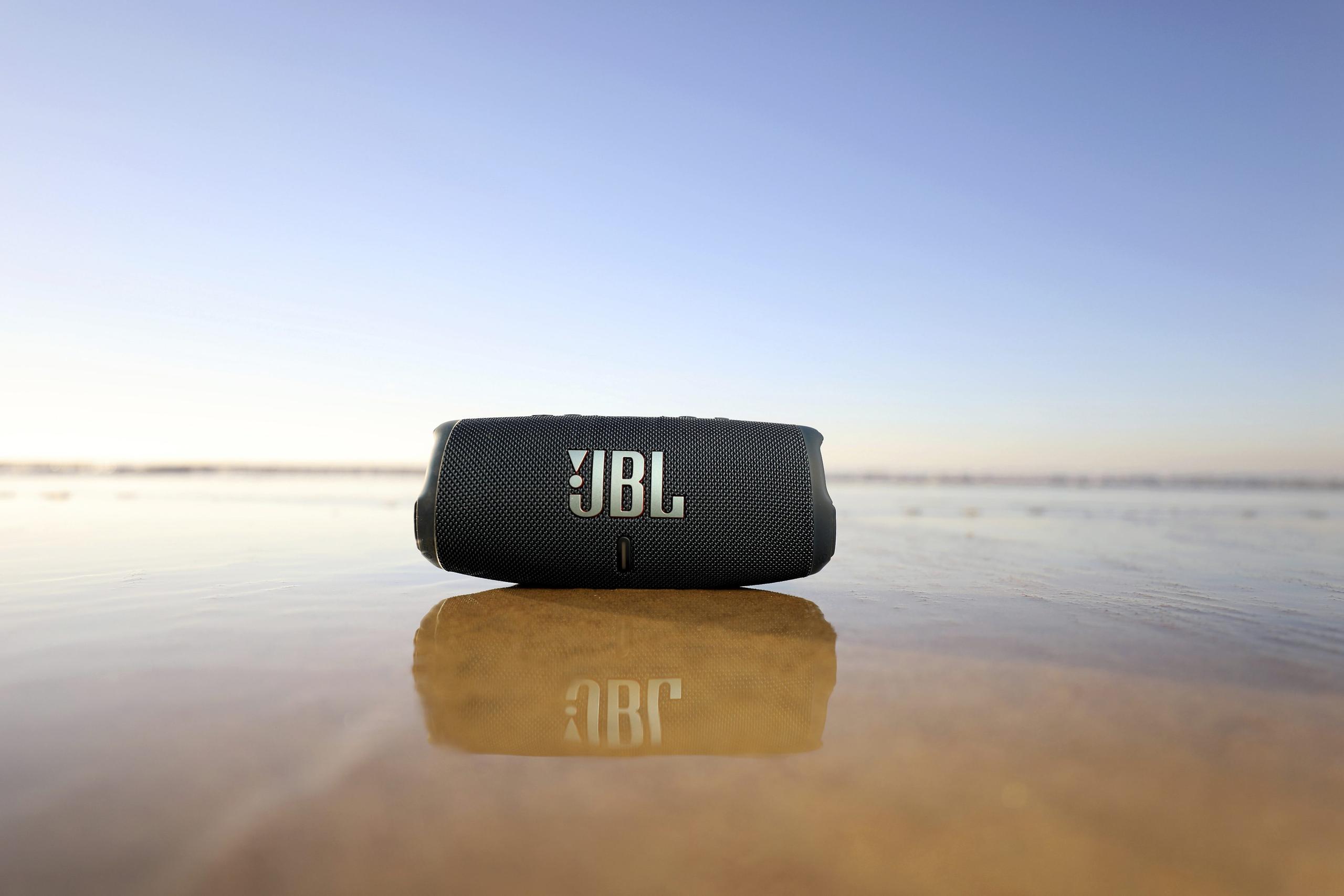
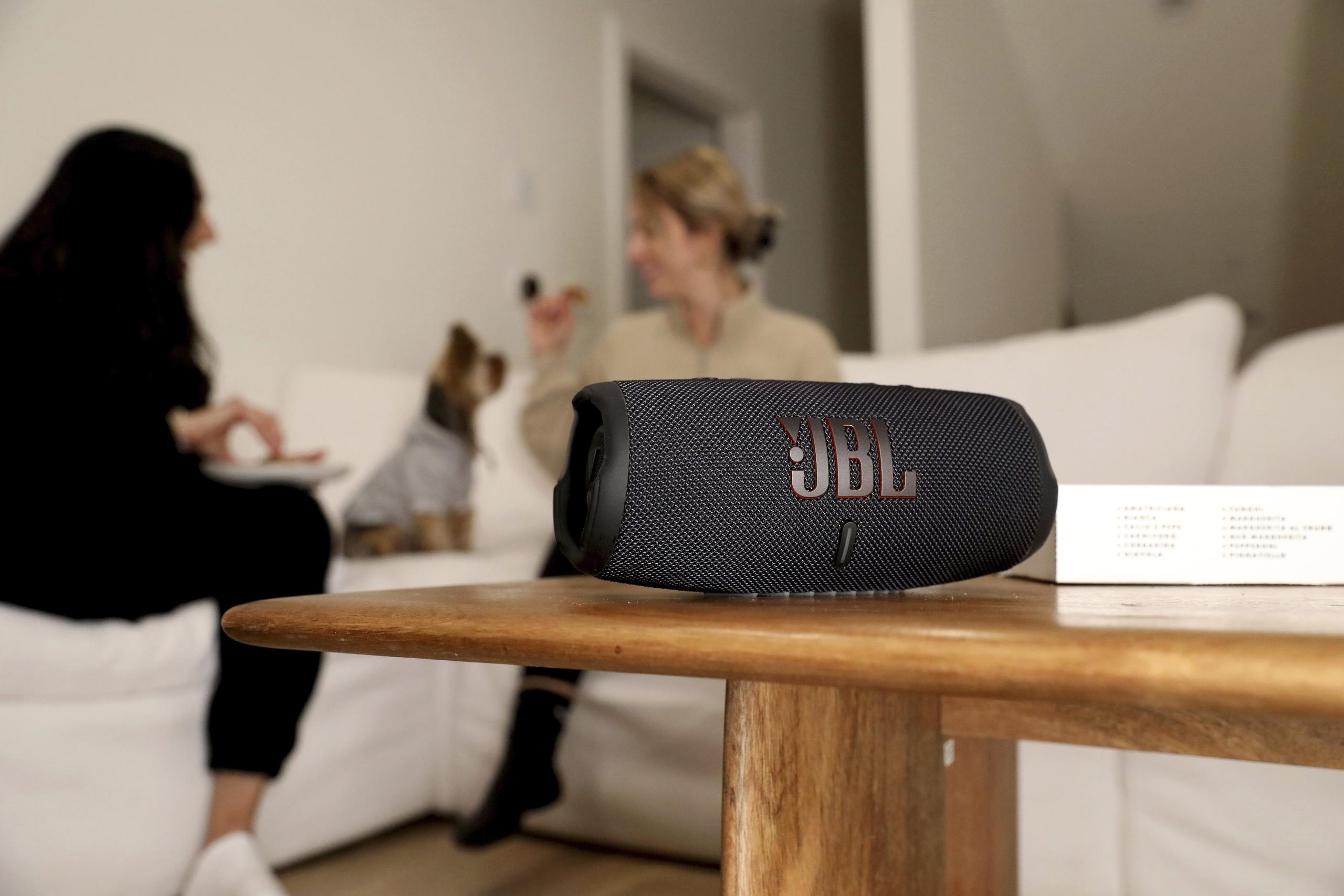
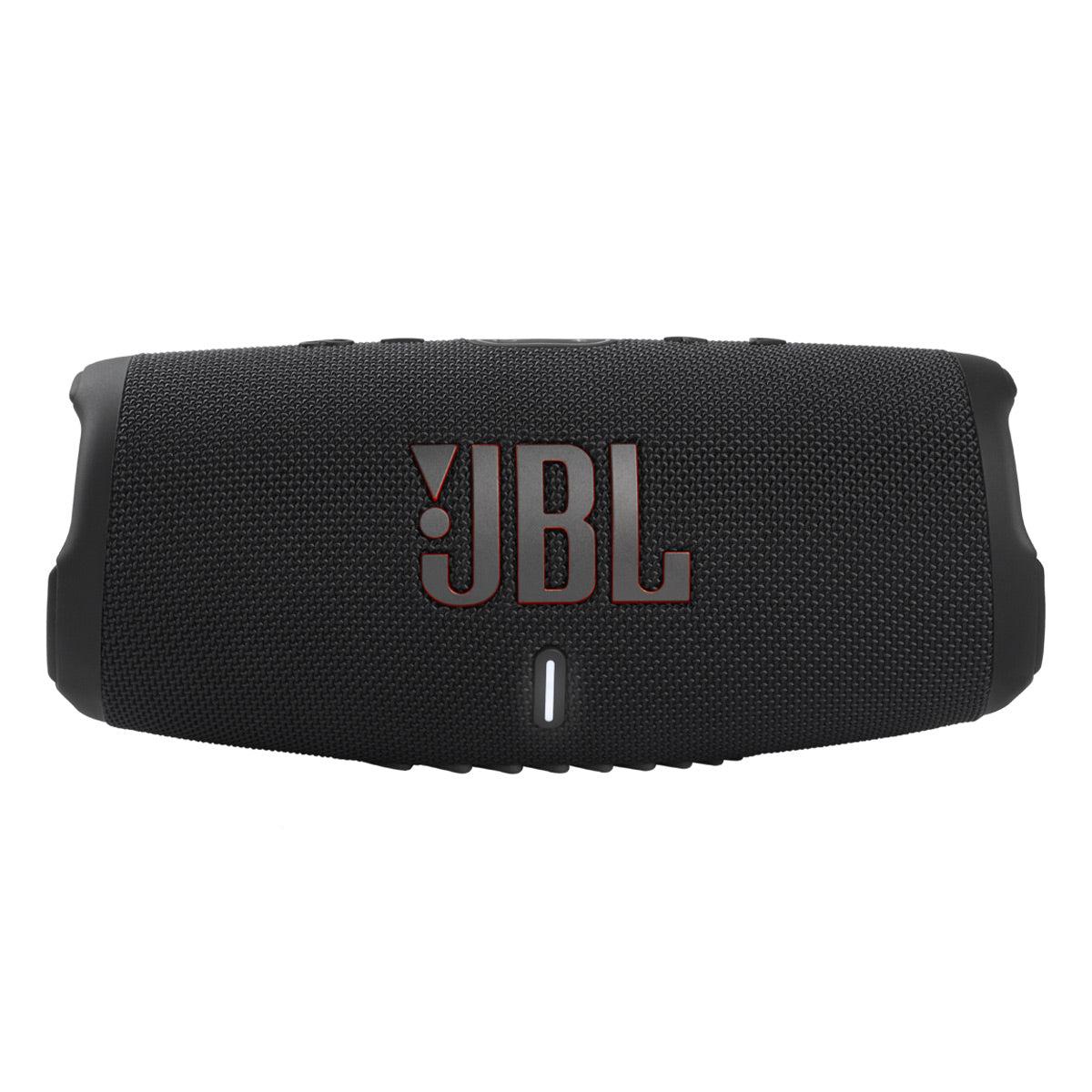
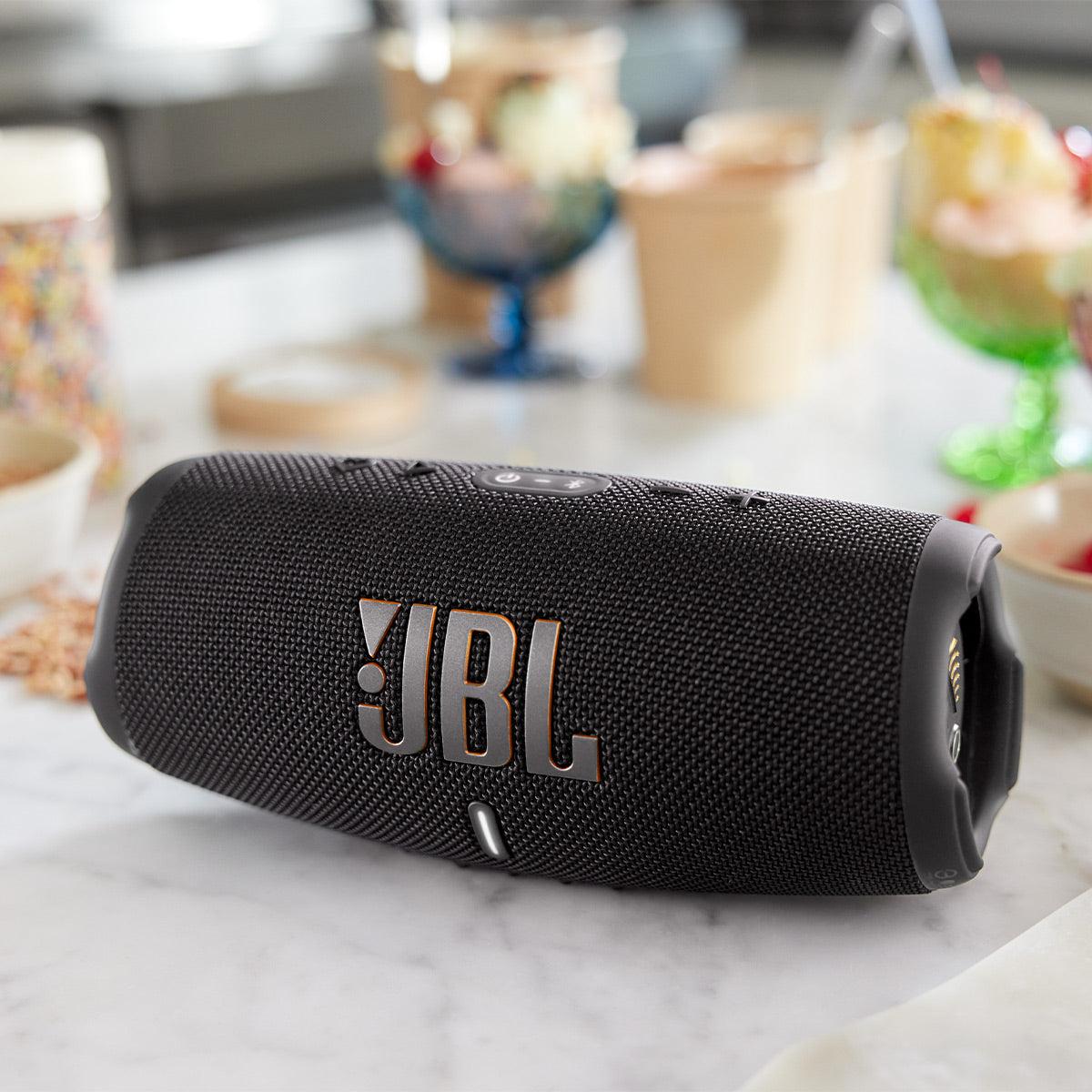
When it comes to portable Bluetooth speakers, the market has become incredibly crowded over the past few years. Two speakers that represent very different approaches to portable audio are the Skullcandy Terrain XL and the JBL Charge 5. One prioritizes affordability and marathon battery life, while the other focuses on delivering genuinely impressive sound quality. Understanding which approach suits your needs can save you from buyer's remorse and ensure you get the most value from your investment.
Before diving into the specifics, it's worth understanding what separates a good portable speaker from a mediocre one. The most critical factors include sound quality (how clear and balanced the audio sounds), volume output (how loud it can get without distortion), battery life, durability for outdoor use, and overall value for money.
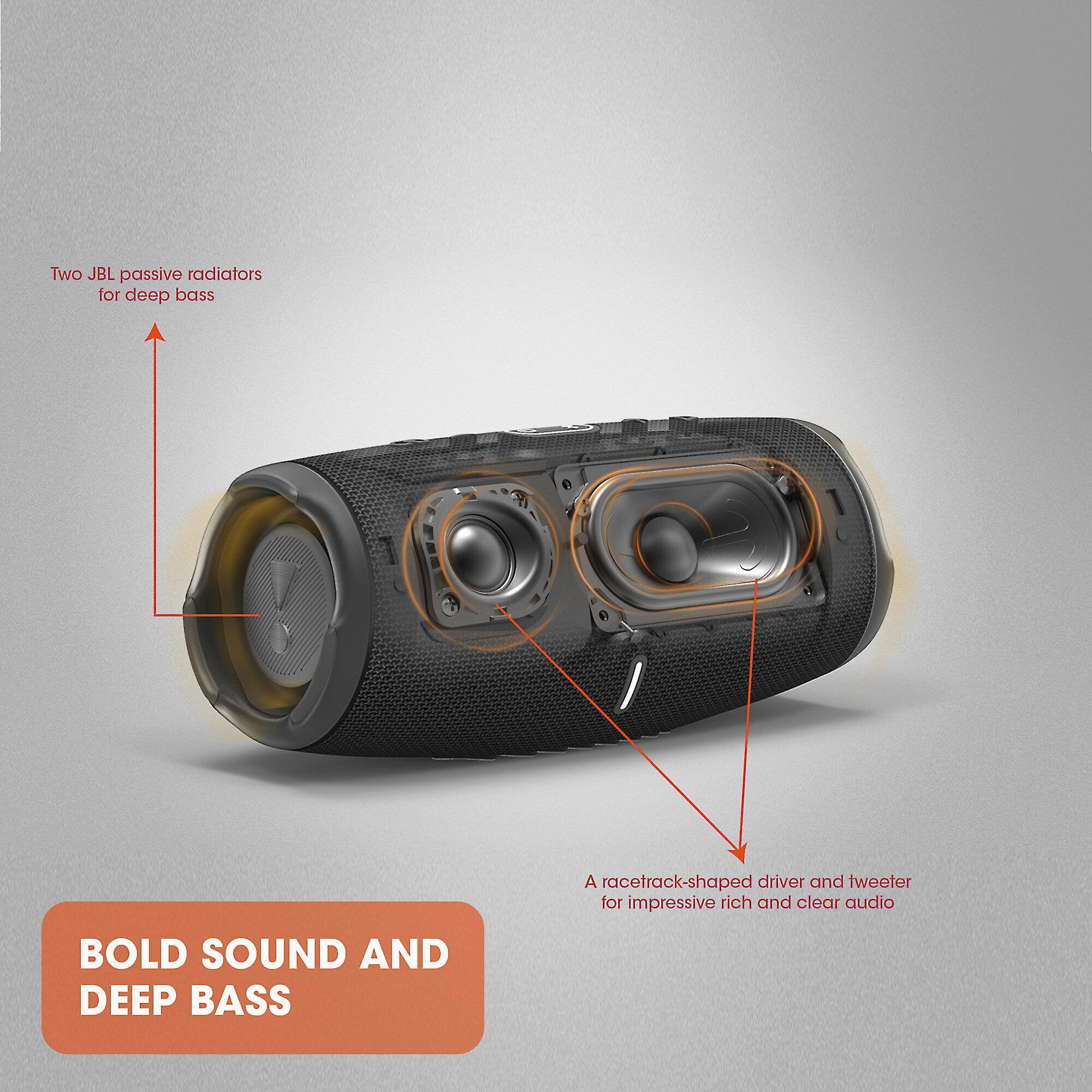
Sound quality in portable speakers often comes down to driver configuration – that's the technical term for the actual components that produce sound. Better speakers typically use dedicated drivers for different frequency ranges: woofers for bass, tweeters for highs, and sometimes mid-range drivers for vocals and instruments. Many portable speakers also use passive radiators, which are essentially speakers without magnets that help boost bass response by moving air in sync with the main drivers.
Volume output matters more than you might think. A speaker that sounds great at moderate levels but distorts (produces crackling or harsh sounds) when turned up becomes useless for parties or outdoor gatherings where you need to compete with ambient noise.
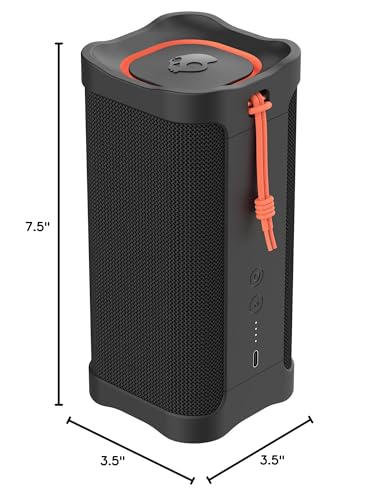
The Skullcandy Terrain XL, released in recent years as part of Skullcandy's outdoor-focused lineup, represents the "good enough" approach to portable audio. It's designed for people who want a reliable speaker that won't break the bank but still delivers decent sound for casual listening.
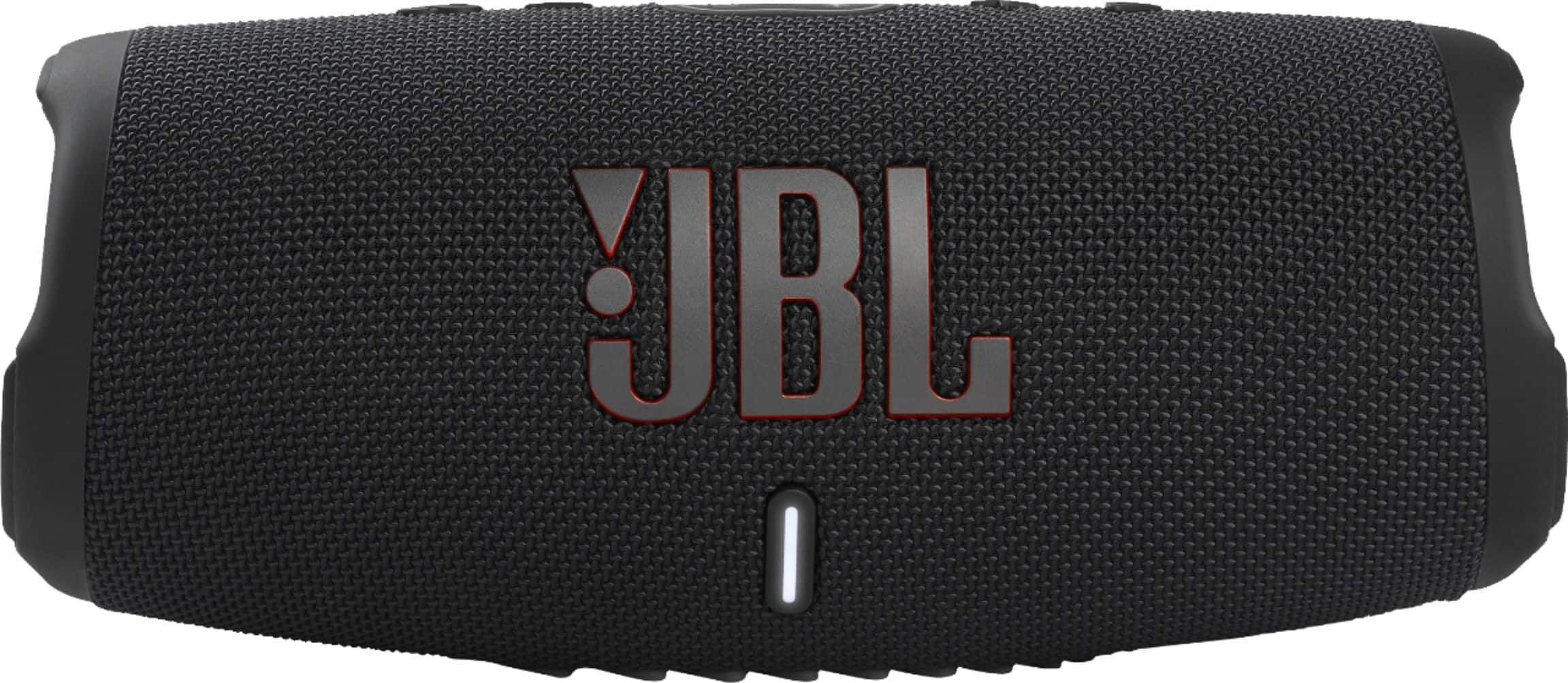
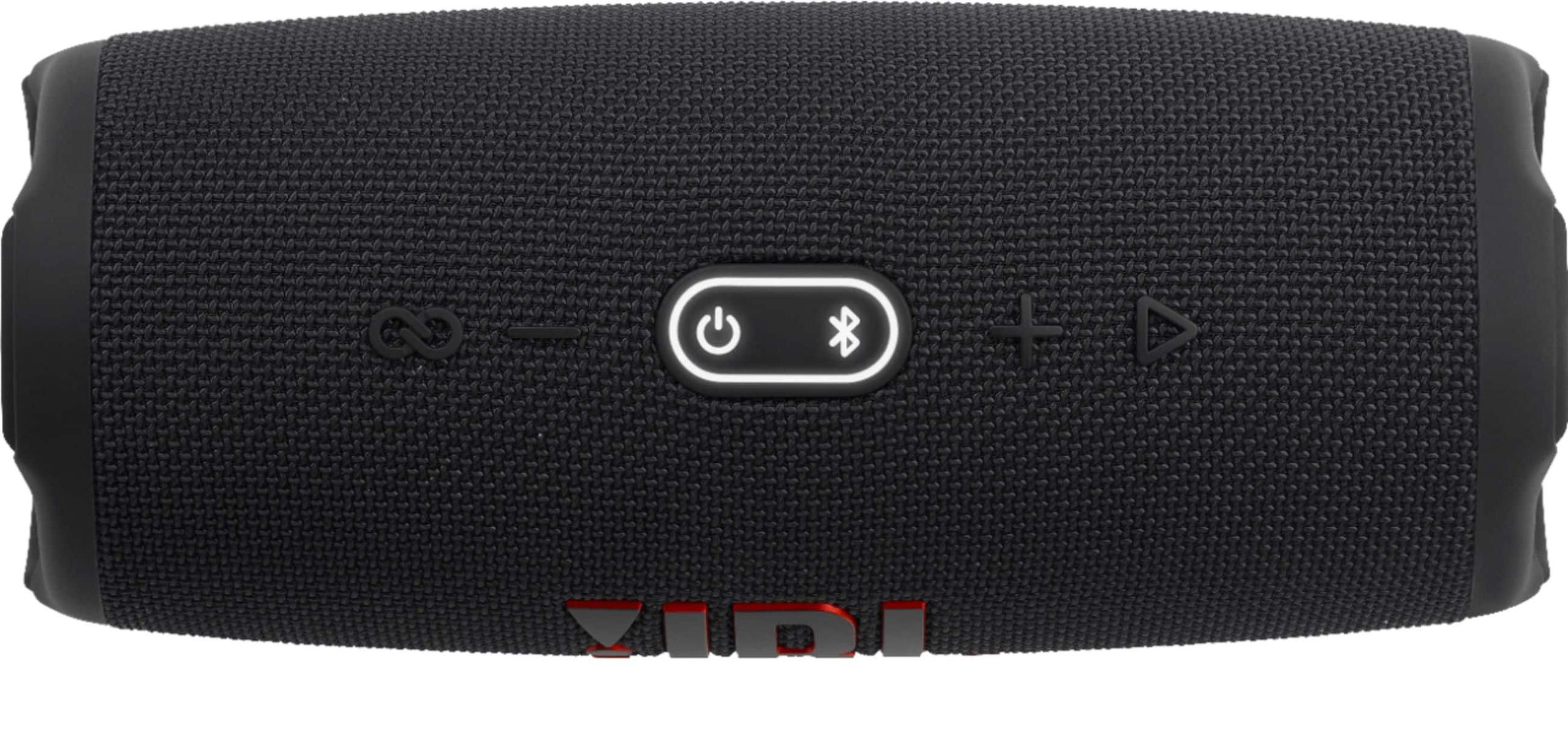
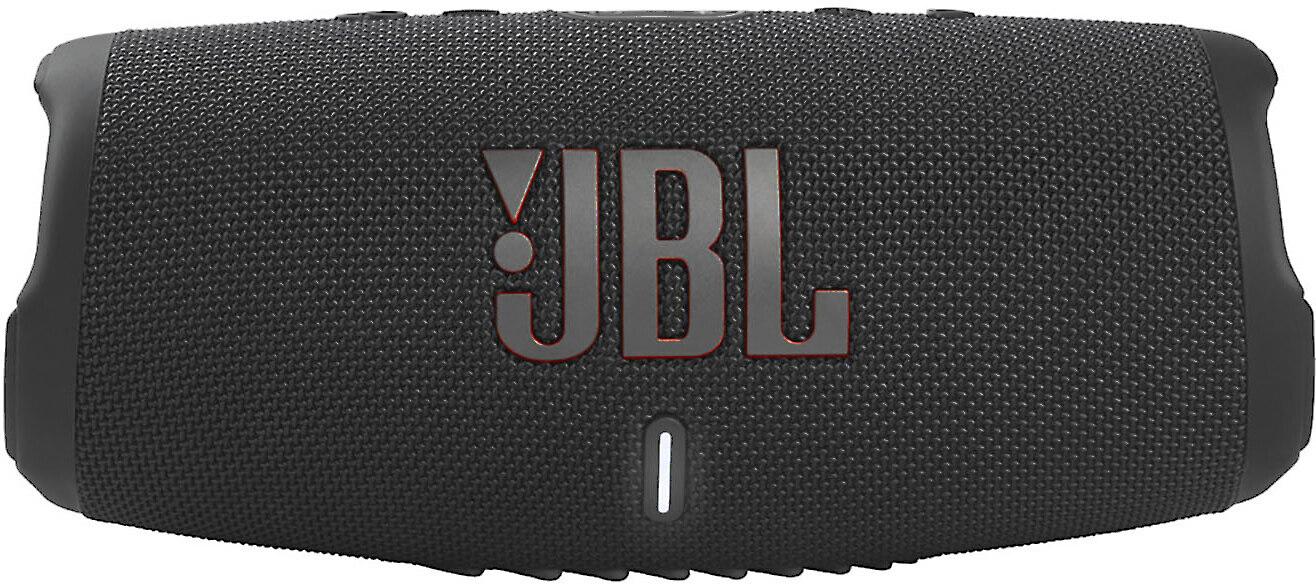
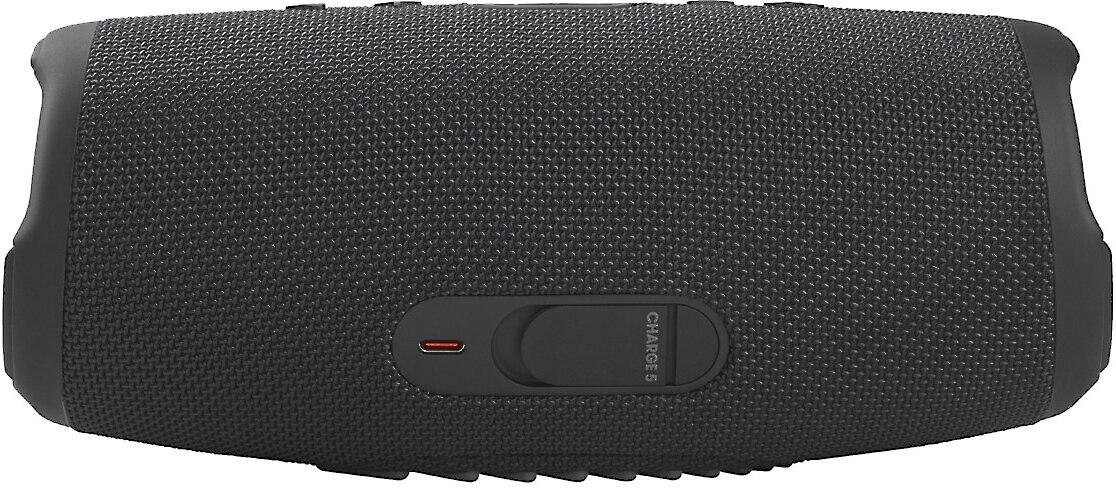
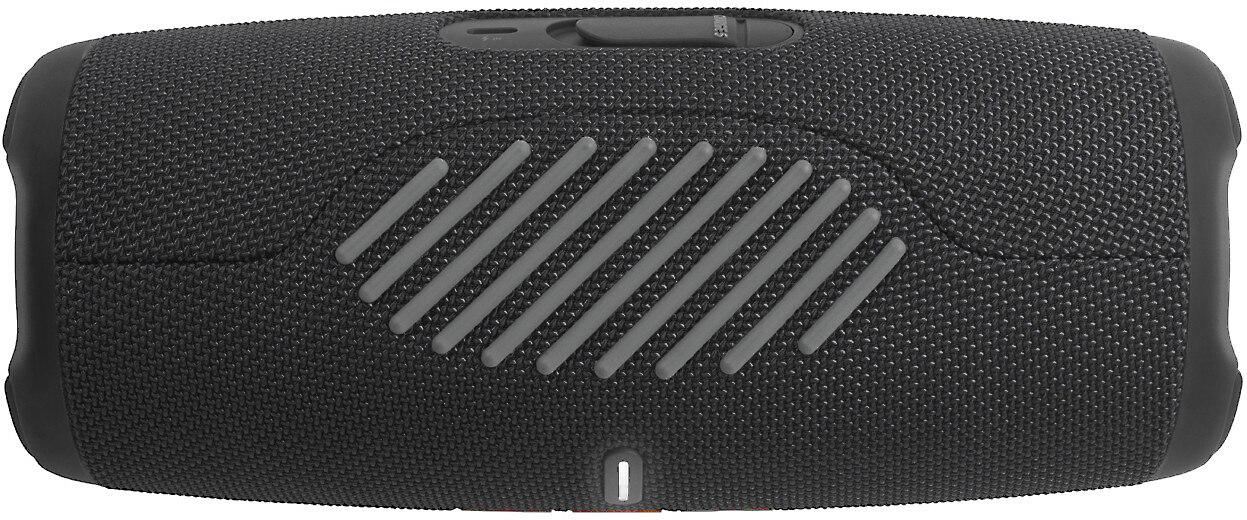
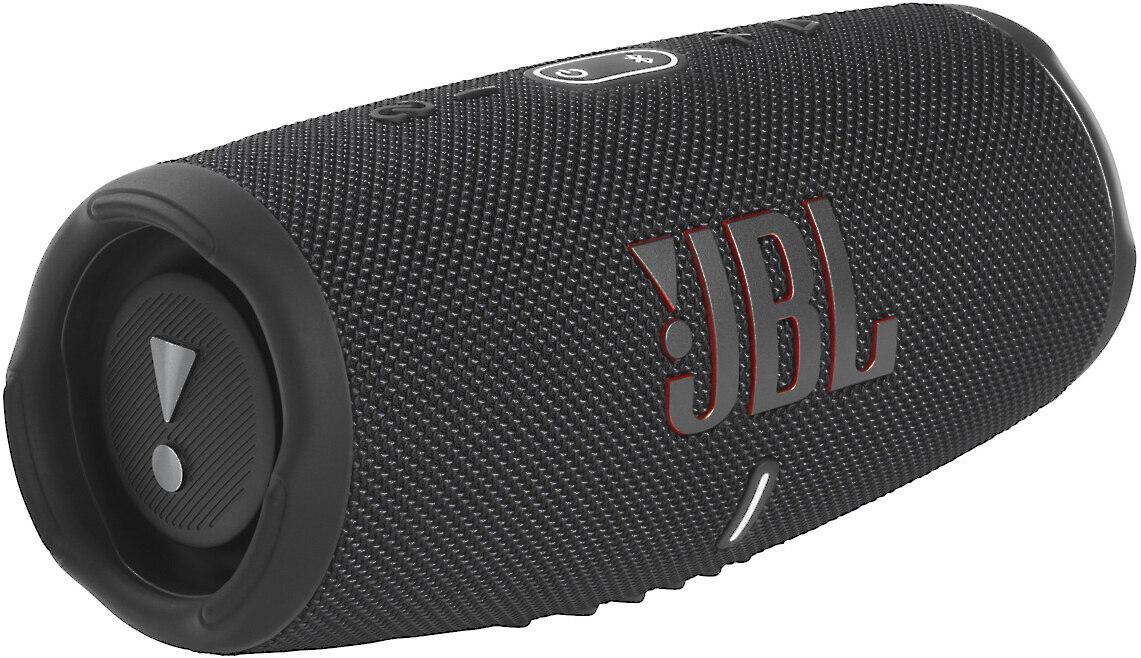
The JBL Charge 5, launched in 2021, continues JBL's tradition of building speakers that prioritize audio performance. It's part of JBL's mid-range lineup that has evolved significantly since the original Charge series began, incorporating better driver technology and more sophisticated tuning.
At the time of writing, these speakers sit in different price brackets, with the Terrain XL typically available for significantly less than the Charge 5. This price difference – often around $70-80 – represents one of the most important considerations when choosing between them.
Here's where things get interesting, and frankly, where one speaker clearly outshines the other. The JBL Charge 5 delivers what audio enthusiasts call "JBL Original Pro Sound," which isn't just marketing speak – it represents a genuinely superior audio experience.
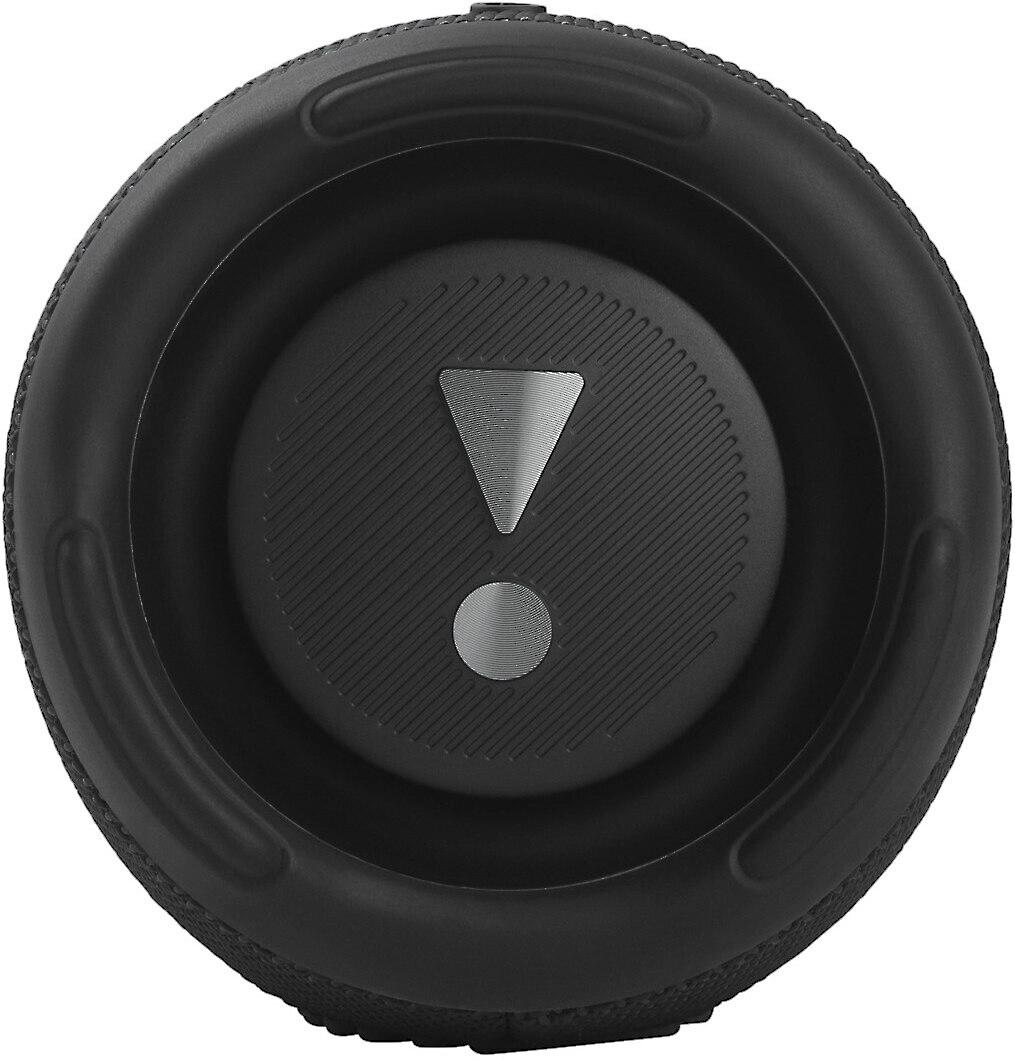
The Charge 5 uses a sophisticated driver setup: a large 52mm x 90mm woofer handles the low and mid frequencies, while a dedicated 20mm tweeter takes care of the highs. Two passive radiators work alongside these active drivers to enhance bass response. This configuration allows each component to specialize in what it does best, resulting in clearer separation between instruments, more natural-sounding vocals, and bass that feels powerful without overwhelming the rest of the music.
In contrast, the Terrain XL uses a simpler setup with dual front-firing woofers and dual passive radiators. While this sounds impressive on paper, the reality is more complicated. The speaker produces what audio experts call a "V-shaped" sound signature – this means it emphasizes bass and treble while leaving the midrange (where most vocals and many instruments live) somewhat recessed. The result is sound that can feel exciting at first but becomes fatiguing over longer listening sessions.
The practical difference is significant. When listening to music with complex arrangements – think songs with multiple instruments, layered vocals, or intricate production – the Charge 5 maintains clarity and separation. You can pick out individual instruments and hear subtle details in the music. The Terrain XL, while certainly listenable, tends to sound more congested, with instruments blending together rather than occupying distinct spaces in the soundstage.
Volume capabilities also differ substantially. The Charge 5 outputs 40 watts of power (30 watts to the woofer, 10 watts to the tweeter), while the Terrain XL manages 20 watts total. But raw wattage numbers don't tell the whole story – the Charge 5 not only gets louder but maintains its composure at high volumes. The Terrain XL tends to distort when pushed hard, with the highs becoming harsh and unpleasant.
For home theater use, neither speaker is designed as a primary solution, but the Charge 5 could reasonably serve as a temporary upgrade to TV speakers for casual viewing. Its clearer dialogue reproduction and more balanced sound make it far more suitable for this purpose than the Terrain XL.
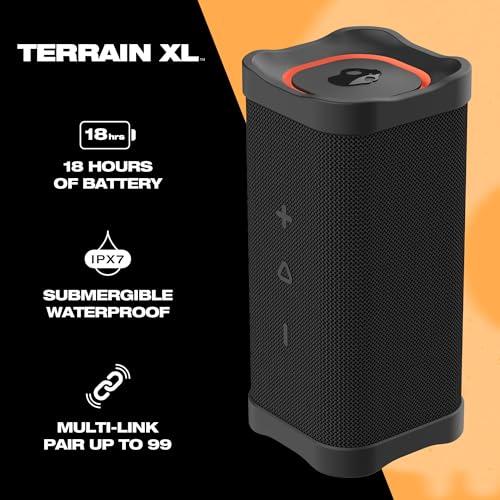
Battery performance reveals where the Terrain XL truly excels. This speaker delivers an impressive 18 hours of playback at reasonable listening levels – that's genuinely all-day performance. Even when pushed to maximum volume, it maintains about 8 hours of playback. For someone planning a camping trip or long day at the beach, this kind of endurance is genuinely valuable.
The JBL Charge 5 advertises up to 20 hours of battery life, but this figure requires some context. At the higher volumes where this speaker really shines – around 80% of maximum – expect closer to 10 hours of playback. However, it's worth noting that 80% volume on the Charge 5 is actually louder than 100% volume on the Terrain XL.
The difference comes down to efficiency versus performance. The Terrain XL's lower-powered drivers simply don't demand as much energy, allowing the battery to last longer. The Charge 5's more powerful amplification and larger drivers require more juice to deliver their superior performance.
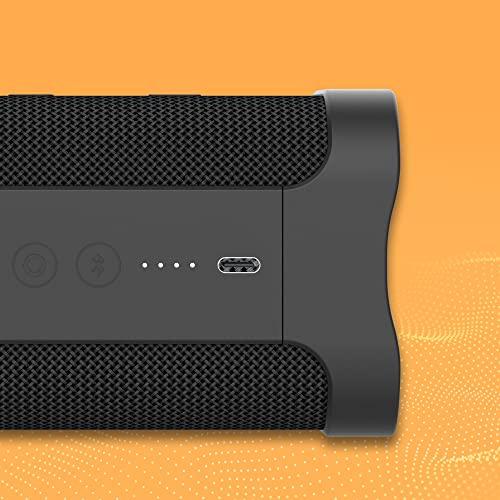
Both speakers charge via USB-C, which has become the standard for modern portable electronics. The Charge 5 takes about 4 hours to fully charge, while the Terrain XL charges in a similar timeframe.
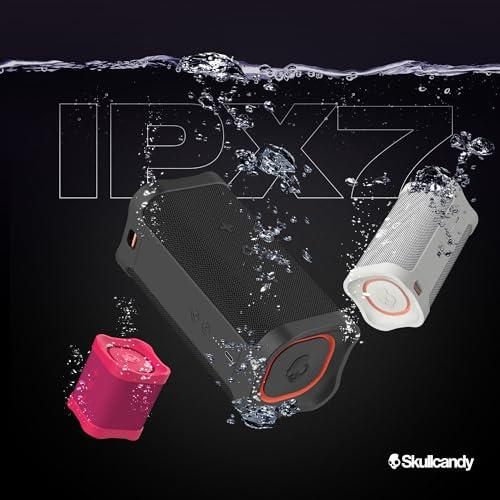
When it comes to surviving the outdoors, both speakers take different approaches to durability. The Terrain XL carries an IPX7 rating, meaning it can withstand full submersion in water up to 1 meter for 30 minutes. This makes it genuinely suitable for poolside use or accidental drops in shallow water.
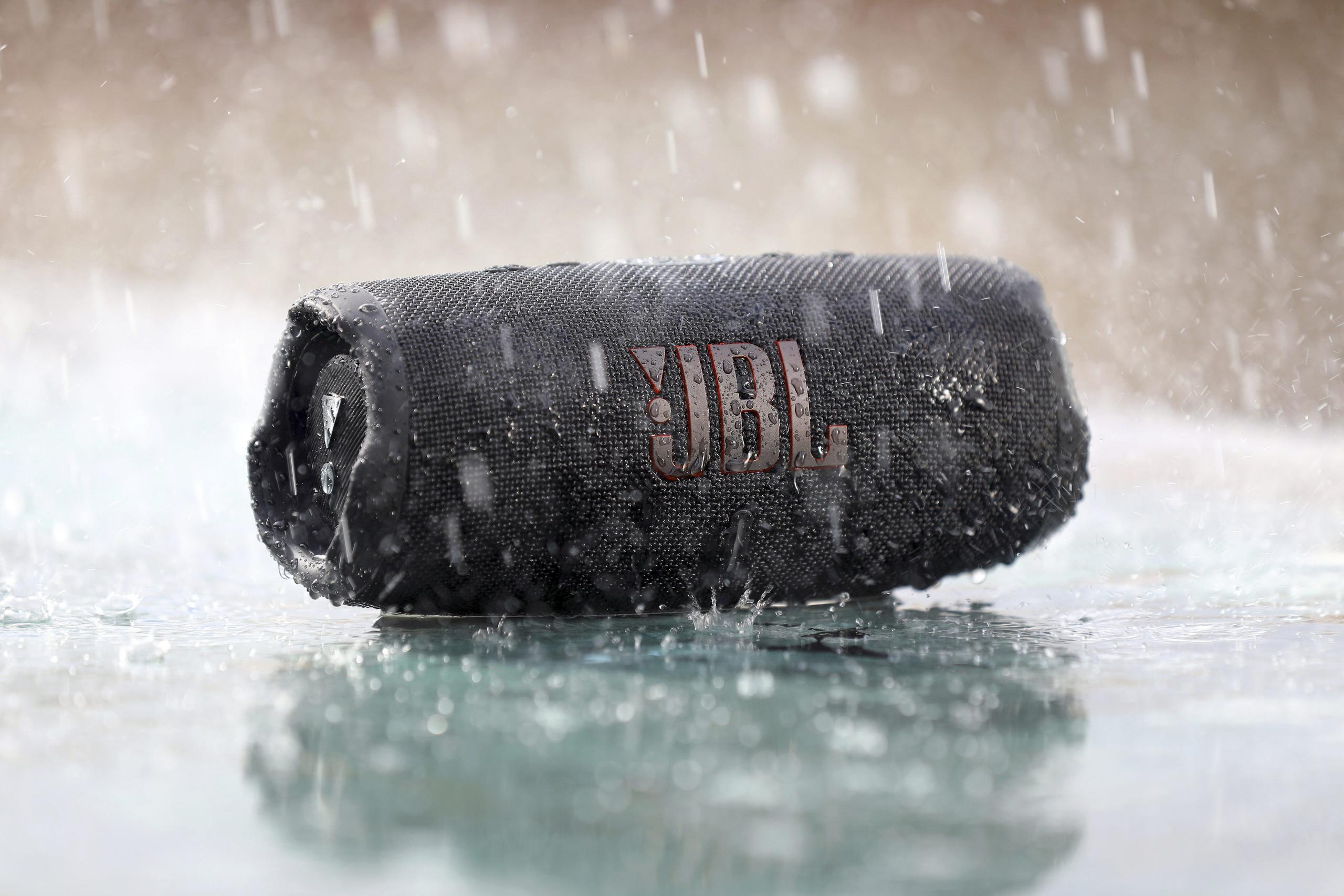
The JBL Charge 5 goes a step further with an IP67 rating. The "6" indicates complete dust protection – no dust particles can enter the speaker under any circumstances. Combined with the "7" water protection rating (same as the Terrain XL), this makes the Charge 5 better suited for dusty environments like beaches or construction sites.
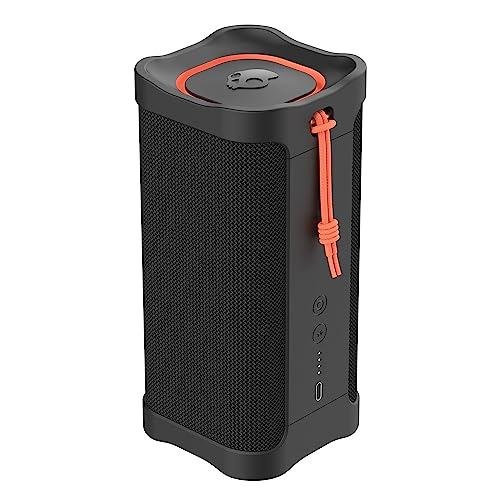
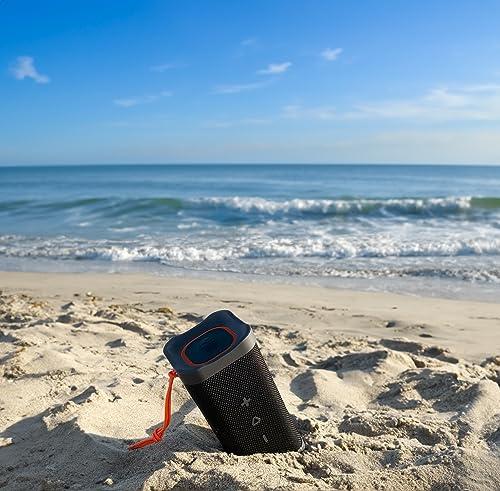
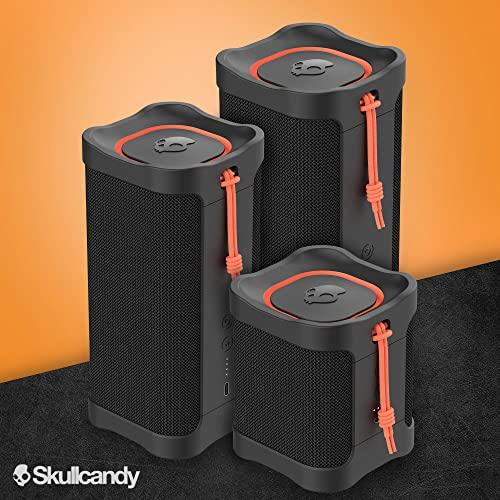
In terms of physical construction, there's a notable weight difference. The Terrain XL weighs just 635 grams, making it remarkably portable. It includes a built-in carrying strap, which is genuinely useful for hiking or bike rides. The Charge 5 weighs 960 grams – about 50% heavier. While still portable, it requires more commitment to carry around.
Both speakers feature fabric-wrapped exteriors that provide good protection against bumps and scratches. The Terrain XL uses silicone end caps, while the Charge 5 has a more uniform cylindrical design.
Both speakers use modern Bluetooth technology – the Terrain XL uses Bluetooth 5.3, while the Charge 5 uses Bluetooth 5.1. In practical terms, both provide stable connections up to about 33 feet and connect easily to smartphones, tablets, and laptops.
However, there are some important differences in additional features. The Charge 5 includes a built-in power bank function, allowing you to charge your phone or other USB devices from its 7500 mAh battery. This feature has become increasingly valuable as smartphones have grown more power-hungry. During long outdoor adventures, being able to top up your phone's battery can be genuinely useful.
The Terrain XL lacks this power bank capability – its USB-C port is exclusively for charging the speaker itself.
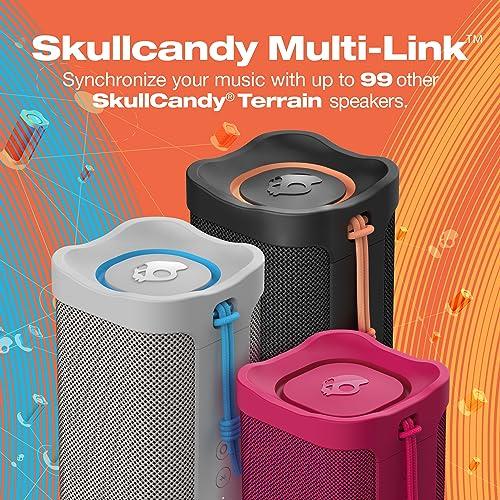
Both speakers offer the ability to connect multiple units together, but they approach this differently. The Terrain XL uses Skullcandy's Multi-Link technology, which can connect up to 99 speakers (though you'd never realistically use that many). More importantly, it offers unusual flexibility in stereo pairing – you can pair any two Terrain series speakers together for left and right stereo sound, even if they're different sizes.
The JBL Charge 5 uses PartyBoost, which connects up to 100 compatible JBL speakers. However, stereo mode only works when you have two identical speakers – you need two Charge 5s for stereo, not a mix of different JBL models.
In practice, most people will use these features to connect two speakers for better stereo separation, and both systems work well for this purpose.
Based on extensive research into user reviews and expert opinions, the performance differences between these speakers become clear in real-world use. The Charge 5 consistently receives praise for its sound quality, with users noting its ability to fill larger spaces and maintain clarity at higher volumes. It's the kind of speaker that can serve as your primary audio system for a small apartment or dorm room.
The Terrain XL receives more mixed feedback. Users appreciate its battery life and portability, but many note that the sound quality, while adequate, doesn't impress. It's described as "good enough" for background music or casual listening, but not engaging enough for serious music enjoyment.
For outdoor use, both speakers perform their intended roles well. The Terrain XL excels in situations where you need long battery life and minimal weight – think hiking, biking, or beach trips where every ounce matters. The Charge 5 is better suited for outdoor gatherings where sound quality matters more than absolute portability – barbecues, pool parties, or camping trips where you're not carrying the speaker long distances.
It's worth noting that both speakers represent relatively recent technology. The Charge 5, launched in 2021, incorporates several improvements over earlier Charge models, including better driver integration and more sophisticated tuning. The Bluetooth 5.1 implementation provides more stable connections and better power efficiency compared to older Bluetooth versions.
The Terrain XL, while not as precisely dated, represents Skullcandy's push into more affordable outdoor audio gear. The company has historically focused on headphones, and their speaker lineup reflects a different approach – prioritizing features like battery life and durability over audiophile-level sound quality.
Since these products launched, the portable speaker market has continued evolving, with improvements in battery technology, driver miniaturization, and digital signal processing. However, both speakers remain competitive within their respective market segments.
The decision between these speakers ultimately comes down to your priorities and how you plan to use them.
Choose the Skullcandy Terrain XL if you prioritize maximum battery life and portability above all else. It's ideal for people who want a speaker primarily for background music, podcasts, or casual listening during outdoor activities. If you're a hiker, cyclist, or someone who values ultra-light gear, the weight savings and extended battery life make it compelling. At its typical price point, it represents solid value for users with modest expectations.
Choose the JBL Charge 5 if sound quality is your primary concern and you're willing to pay more for significantly better performance. It's the better choice for music enthusiasts, people who host gatherings, or anyone who wants their portable speaker to double as a legitimate audio system. The power bank feature adds practical value, and the superior build quality suggests it will last longer under heavy use.
The price difference between these speakers – typically $70-80 at the time of writing – represents one of the clearest value propositions in portable audio. You're essentially choosing between "adequate" and "excellent" performance. There's no wrong choice, but understanding what you're getting for your money ensures you'll be happy with your purchase.
For most people, the Charge 5 represents the better long-term investment. Its superior sound quality means you're less likely to want to upgrade in a year or two, and its additional features provide more versatility. However, if budget is a primary concern or you specifically need maximum portability, the Terrain XL serves its purpose well.
The portable speaker market continues to evolve rapidly, but these two models represent clear examples of different approaches to balancing performance, features, and price. Understanding these tradeoffs helps ensure you choose the speaker that best matches your specific needs and expectations.
| Skullcandy Terrain XL | JBL Charge 5 |
|---|---|
| Power Output - Determines maximum volume and sound quality | |
| 20 watts (adequate for personal use) | 40 watts (30W woofer + 10W tweeter, significantly louder) |
| Driver Configuration - Key factor in sound clarity and balance | |
| Dual front-firing woofers + dual passive radiators | Dedicated woofer (52x90mm) + tweeter (20mm) + dual passive radiators |
| Sound Signature - How the music actually sounds | |
| V-shaped (emphasized bass/highs, recessed mids) | Balanced JBL Pro Sound tuning across all frequencies |
| Battery Life - Critical for all-day outdoor use | |
| 18 hours at 50% volume, 8 hours at max volume | 20 hours advertised, ~10 hours at 80% volume (louder than Terrain XL max) |
| Weight - Affects portability for hiking/travel | |
| 635g (ultra-portable with carrying strap) | 960g (50% heavier but more substantial build) |
| Water/Dust Protection - Essential for outdoor durability | |
| IPX7 (waterproof, submersible, no dust protection) | IP67 (waterproof AND dustproof for harsh environments) |
| Power Bank Feature - Charges your devices on the go | |
| None (USB-C charging port only) | Built-in power bank with USB-A output for phones/tablets |
| Speaker Pairing System - For stereo sound or party mode | |
| Multi-Link: pairs any two Terrain speakers for stereo | PartyBoost: requires two identical speakers for stereo mode |
| Bluetooth Version - Affects connection stability | |
| 5.3 (latest standard, excellent range/stability) | 5.1 (proven reliable, slightly older) |
| Best Use Case - Where each speaker excels | |
| Ultra-portable outdoor activities, budget-conscious buyers | Premium sound quality, parties, home audio replacement |
The JBL Charge 5 delivers significantly better sound quality than the Skullcandy Terrain XL. The Charge 5 features a balanced sound signature with clear vocals and strong bass, while the Terrain XL has a harsh V-shaped sound that emphasizes bass and highs but neglects the midrange frequencies where most vocals and instruments live.
The Skullcandy Terrain XL offers up to 18 hours of battery life at moderate volume levels, making it excellent for all-day outdoor use. The JBL Charge 5 provides up to 20 hours advertised, but realistically delivers about 10 hours when played at higher volumes where it performs best.
The JBL Charge 5 gets substantially louder with its 40-watt output compared to the Terrain XL's 20-watt output. Even at 80% volume, the Charge 5 produces more sound than the Terrain XL at maximum volume, making it better for parties and larger gatherings.
Yes, both speakers offer water protection, but with different levels. The Skullcandy Terrain XL has an IPX7 rating for waterproofing, while the JBL Charge 5 has an IP67 rating that provides both waterproof and dustproof protection, making it more suitable for harsh outdoor environments.
The Skullcandy Terrain XL is more portable, weighing just 635 grams with a built-in carrying strap. The JBL Charge 5 weighs 960 grams (about 50% heavier), making it less convenient for hiking or extended carrying but still reasonably portable for most uses.
Only the JBL Charge 5 can charge your devices with its built-in power bank feature and USB-A output port. The Skullcandy Terrain XL only has a USB-C port for charging the speaker itself and cannot charge other devices.
The answer depends on your priorities. The Skullcandy Terrain XL offers excellent value for budget-conscious buyers who prioritize battery life and portability over sound quality. The JBL Charge 5 provides better long-term value for those willing to invest more for significantly superior sound quality and additional features.
Both speakers support multi-speaker connectivity. The Terrain XL uses Multi-Link to connect up to 99 speakers and can pair with any other Terrain model for stereo sound. The Charge 5 uses PartyBoost to connect up to 100 speakers but requires two identical units for stereo pairing.
For ultra-portable activities like hiking or biking, the Skullcandy Terrain XL excels due to its lighter weight and longer battery life. For outdoor gatherings like barbecues or pool parties where sound quality matters more, the JBL Charge 5 is the better choice with its superior volume and audio performance.
The JBL Charge 5 works excellently indoors and can serve as a primary audio system for small apartments or rooms. The Terrain XL works adequately indoors for casual listening but lacks the sound quality and volume needed for more serious indoor audio needs.
The JBL Charge 5 produces better, more controlled bass thanks to its larger woofer and dual passive radiators working in harmony with a dedicated tweeter. While the Terrain XL emphasizes bass in its sound signature, the bass quality is less refined and can sound boomy at higher volumes.
Choose the Skullcandy Terrain XL if you prioritize maximum portability, longest battery life, and have a limited budget for casual listening needs. Choose the JBL Charge 5 if sound quality is your primary concern and you want features like device charging capability, making it worth the higher investment for better overall performance.
We've done our best to create useful and informative comparisons to help you decide what product to buy. Our research uses advanced automated methods to create this comparison and perfection is not possible - please contact us for corrections or questions. These are the sites we've researched in the creation of this article: youtube.com - skullcandy.eu - youtube.com - blog.bestbuy.ca - support.skullcandy.com - youtube.com - youtube.com - walmart.com - versus.com - youtube.com - skullcandy.ae - versus.com - skullcandy.com - youtube.com - consumerreports.org - gearjunkie.com - newegg.com - manuals.plus - bestbuy.com - electronicexpress.com - skullcandy.com - techradar.com - outeraudio.com - youtube.com - soundguys.com - howtogeek.com - jbl.com - abt.com - youtube.com - harmanaudio.com - homedepot.com - bhphotovideo.com - dxomark.com

Privacy Policy
Terms and Conditions - Affiliate Policy
Home Security
© Copyright 2008-2026.
11816 Inwood Rd #1211, Dallas, TX 75244