

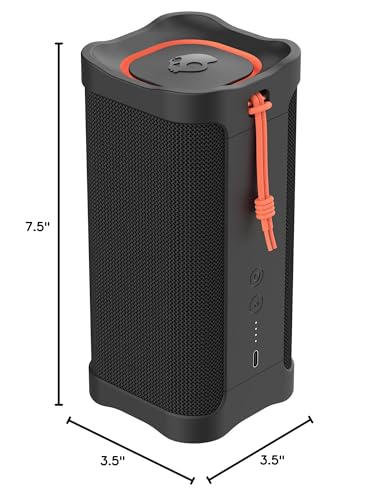
Portable Bluetooth speakers have become the soundtrack to our lives, whether we're hosting backyard barbecues, heading to the beach, or just want better audio than our phone can deliver. But with hundreds of options flooding the market, choosing the right one can feel overwhelming. Today, we're diving deep into two speakers that take completely different approaches to portable audio: the budget-friendly Skullcandy Terrain XL and the premium JBL Pulse 5.
These speakers represent two distinct philosophies in portable audio design. The Terrain XL focuses on delivering maximum battery life and solid performance at an aggressive price point, while the Pulse 5 combines premium audio with an eye-catching visual experience that costs significantly more. Understanding which approach better suits your needs will help you make the right choice.
Before we compare these specific models, let's talk about what actually matters in a portable speaker. Audio quality is obviously crucial, but it's more nuanced than just "loud equals good." You want balanced frequency response, which means the speaker reproduces bass, mids, and treble in proper proportion without one range overpowering the others. Dynamic range—the difference between the quietest and loudest sounds—helps music feel alive and engaging.
Battery life has become increasingly important as we use speakers for longer periods away from power sources. Durability matters too, especially water resistance ratings like IPX7 (can be submerged briefly) or IP67 (dustproof and waterproof). Connectivity features like multi-device pairing and speaker linking can transform how you use your speaker.
The "portable" aspect involves more than just size and weight. Carrying straps, rugged construction, and stable placement all contribute to real-world usability. Finally, special features—whether that's customizable EQ through smartphone apps or unique pairing capabilities—can justify higher prices if they match your specific needs.
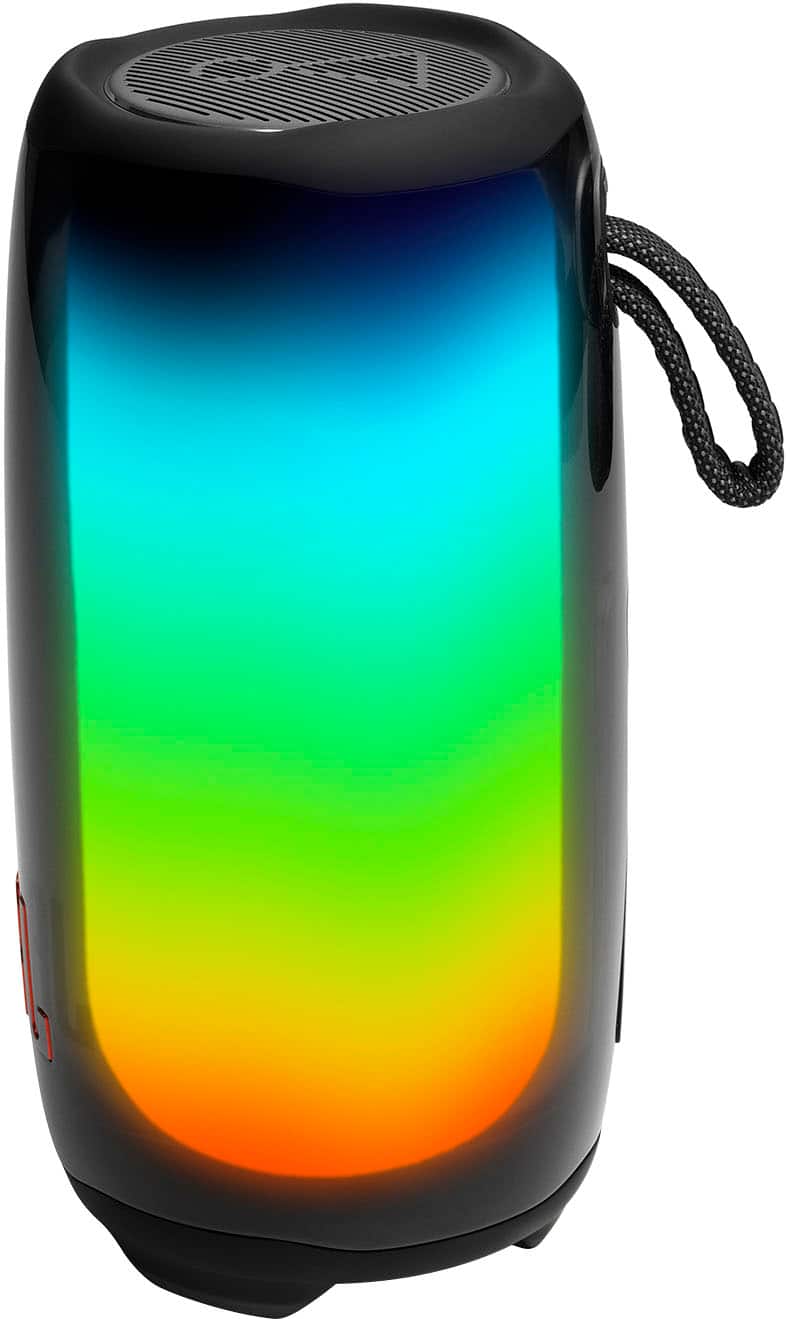
The JBL Pulse 5 launched in 2023 as the latest evolution of JBL's popular Pulse series, which pioneered the concept of speakers with synchronized light shows. Each generation has refined both the audio engineering and LED capabilities, with the Pulse 5 featuring an expanded transparent body for more dramatic visual effects. JBL's focus has been on premium positioning, targeting users who want both excellent sound and entertainment value.
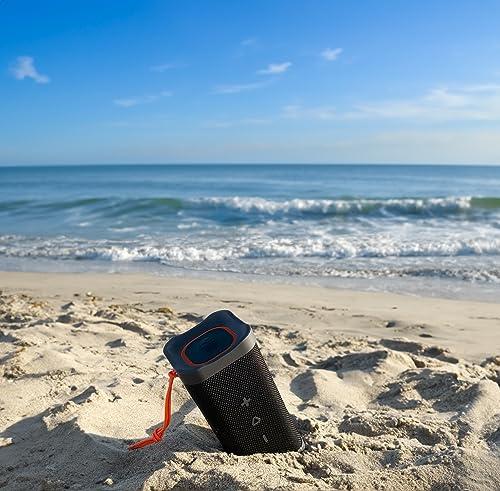
The Skullcandy Terrain XL represents a different strategy entirely. Released as part of Skullcandy's push into the outdoor speaker market, it prioritizes practical features like extended battery life and aggressive pricing over premium audio refinement. Since its release, Skullcandy has emphasized building an ecosystem of interconnectable speakers, allowing users to start with one unit and expand their setup over time.
These different release philosophies explain why the speakers target such different price points and user needs, with pricing gaps that have remained consistent since their respective launches.
Sound quality represents the most significant divide between these speakers, and the differences are immediately apparent when you hear them side by side. The JBL Pulse 5 delivers 40 watts of total power through a sophisticated driver arrangement: a 30-watt woofer handles bass and mids, while a dedicated 10-watt tweeter manages high frequencies. This separation allows each driver to specialize in its optimal frequency range, resulting in cleaner, more detailed sound reproduction.
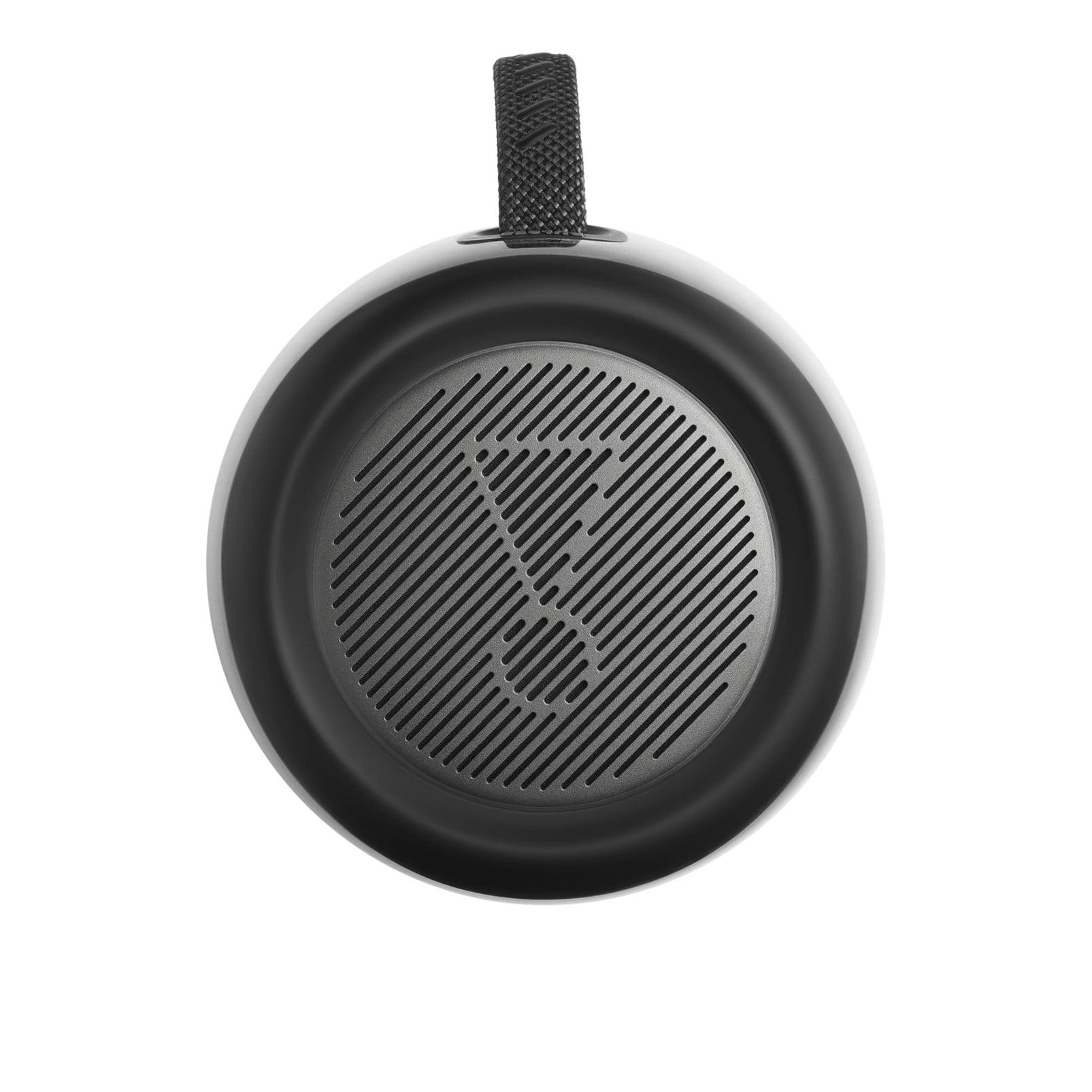
The speaker's upfiring design creates 360-degree sound projection, meaning audio radiates in all directions rather than just forward. This makes the Pulse 5 excellent for central placement in rooms or outdoor spaces where people gather around the speaker rather than sitting directly in front of it. The frequency response spans 58Hz to 20kHz, covering nearly the full range of human hearing with authority.
In contrast, the Skullcandy Terrain XL uses a more traditional approach with 20 watts distributed across dual front-firing woofers and passive radiators. Passive radiators are essentially speakers without magnets that vibrate sympathetically with the active drivers, helping boost bass response without requiring additional power. However, this setup creates what audio engineers call a "V-shaped" sound signature.
This V-shape means the Terrain XL emphasizes bass and treble while the crucial midrange frequencies—where vocals and most instruments live—get less attention. In practical terms, you'll hear thumping bass and crisp cymbal crashes, but guitar solos and vocal nuances may sound recessed or unclear. This tuning choice isn't necessarily wrong, but it prioritizes impact over accuracy.
The difference becomes more pronounced at higher volumes. The Pulse 5 maintains composure even when pushed hard, though it can become slightly treble-forward—a tendency that's easily corrected through the JBL Portable app's customizable EQ settings. The Terrain XL struggles more with distortion at maximum volume, particularly in the high frequencies where harsh, gritty artifacts can creep in.
For home theater use, the JBL Pulse 5 works surprisingly well as a supplementary speaker for casual movie watching. Its balanced midrange ensures dialogue remains clear and natural, while the 360-degree design fills rooms with ambient sound effects. The Terrain XL is less suitable here due to its recessed mids, which can make dialogue sound muffled or distant.
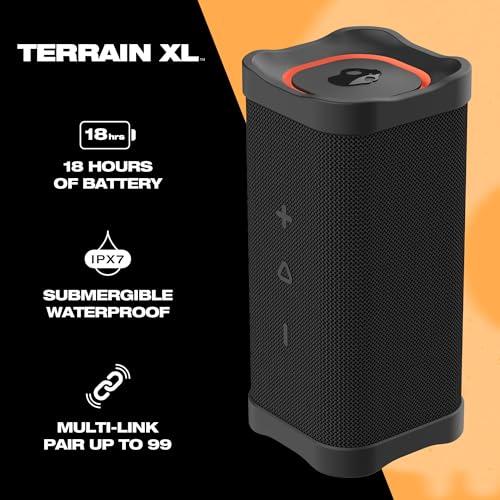
Here's where the Skullcandy Terrain XL absolutely dominates. With up to 18 hours of playback at moderate volumes, it outlasts nearly every competitor in its size class. This isn't just marketing fluff—real-world testing consistently shows the Terrain XL delivering exceptional runtime that makes it ideal for camping trips, all-day beach sessions, or any scenario where charging opportunities are limited.
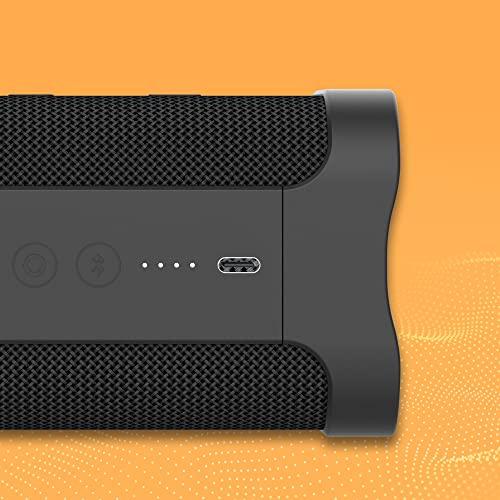
The JBL Pulse 5 offers respectable 12-hour battery life, but that 6-hour difference represents a full additional day of moderate use. Both speakers charge via USB-C ports with similar 4-5 hour charge times, but the Terrain XL's battery chemistry and power management clearly prioritize longevity over peak performance.
It's worth noting that battery life varies significantly with volume levels and content. Bass-heavy music draws more power, and maximum volume can cut runtime in half for both speakers. The Terrain XL maintains its advantage across all use scenarios, though the gap narrows at very high volumes where its smaller amplifiers work less efficiently.
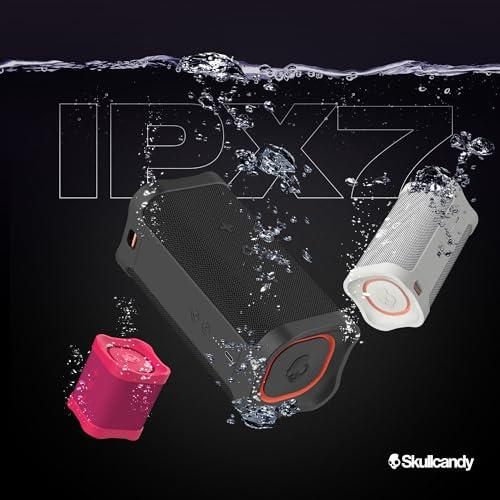
Both speakers meet high durability standards, but their approaches differ meaningfully. The Terrain XL carries an IPX7 rating, meaning it can survive complete submersion up to one meter deep for 30 minutes. This makes it genuinely waterproof for pool parties or accidental dunking, though it lacks official dust protection ratings.
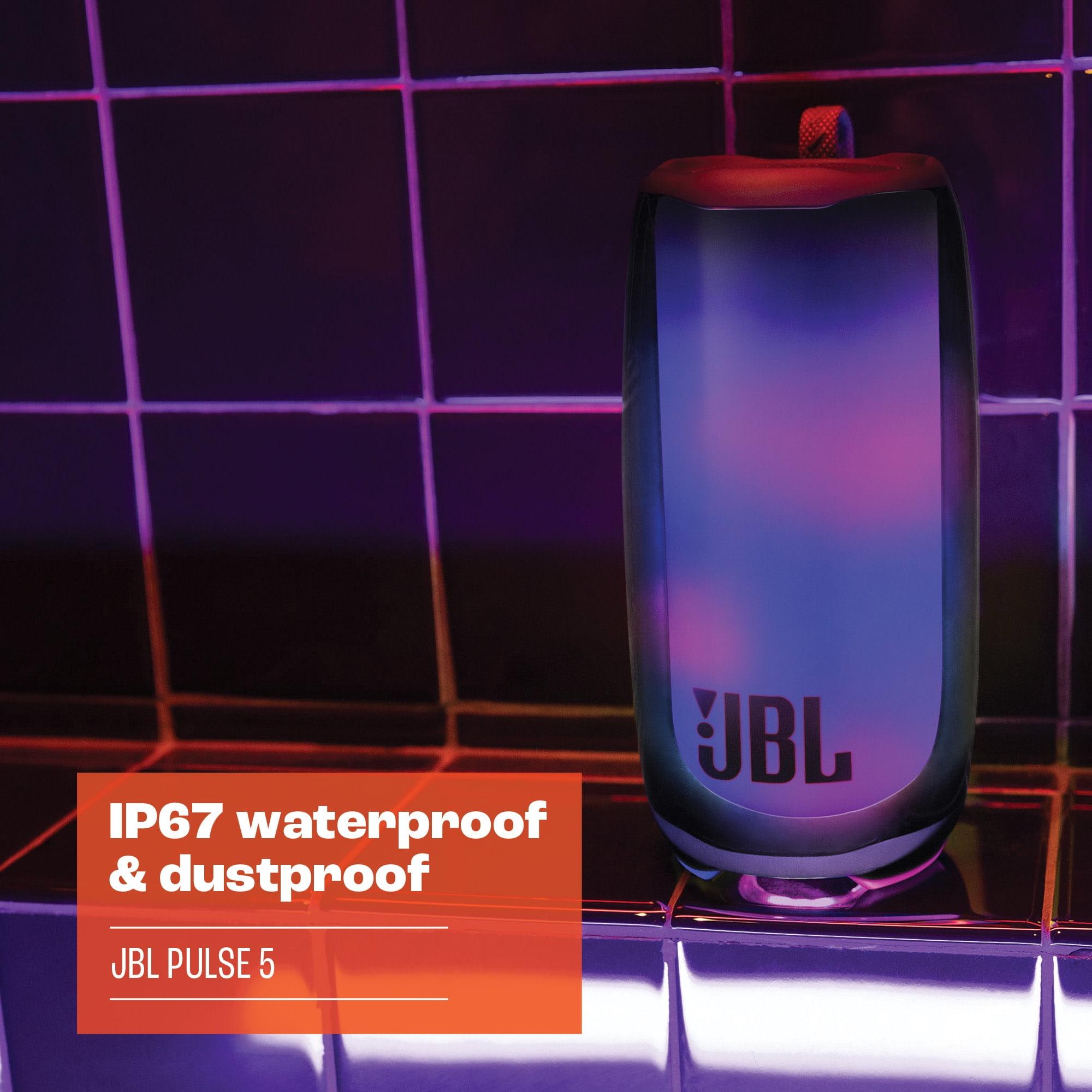
The JBL Pulse 5 ups the ante with IP67 certification, adding comprehensive dust protection to its waterproof capabilities. In practical terms, this means better protection against sand at beaches or dust during outdoor adventures. The "6" rating indicates complete dust-tight construction, while "7" confirms waterproof performance equivalent to the Terrain XL.
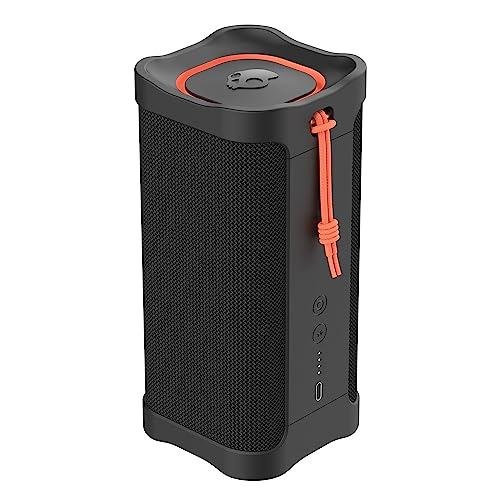
Build quality feels distinctly different between the two. The Terrain XL uses a fabric-wrapped body with silicone end caps, creating a lightweight (2.07 pounds) speaker that's easy to carry but feels somewhat plasticky. The included nylon wrist strap is functional but basic.
The Pulse 5 weighs more at 3.2 pounds, but that extra weight comes from more substantial construction materials and the LED lighting system. The transparent outer shell that enables the light show is made from durable polycarbonate, while internal components feel more solidly mounted. The carrying strap is also more robust and comfortable for extended carrying.
Modern speakers need to do more than just play music from one device, and this is where philosophical differences become stark. The JBL Pulse 5 supports multi-point Bluetooth connectivity, allowing simultaneous connections to two devices. This means you and a friend can both stay connected, taking turns controlling music without the tedious process of disconnecting and reconnecting.
The JBL Portable app transforms the Pulse 5 into a highly customizable device. Beyond the obvious light show controls—where you can adjust colors, patterns, and synchronization sensitivity—the app provides a full parametric equalizer. This lets you boost bass for hip-hop, enhance mids for rock music, or create completely custom sound profiles for different genres or listening environments.
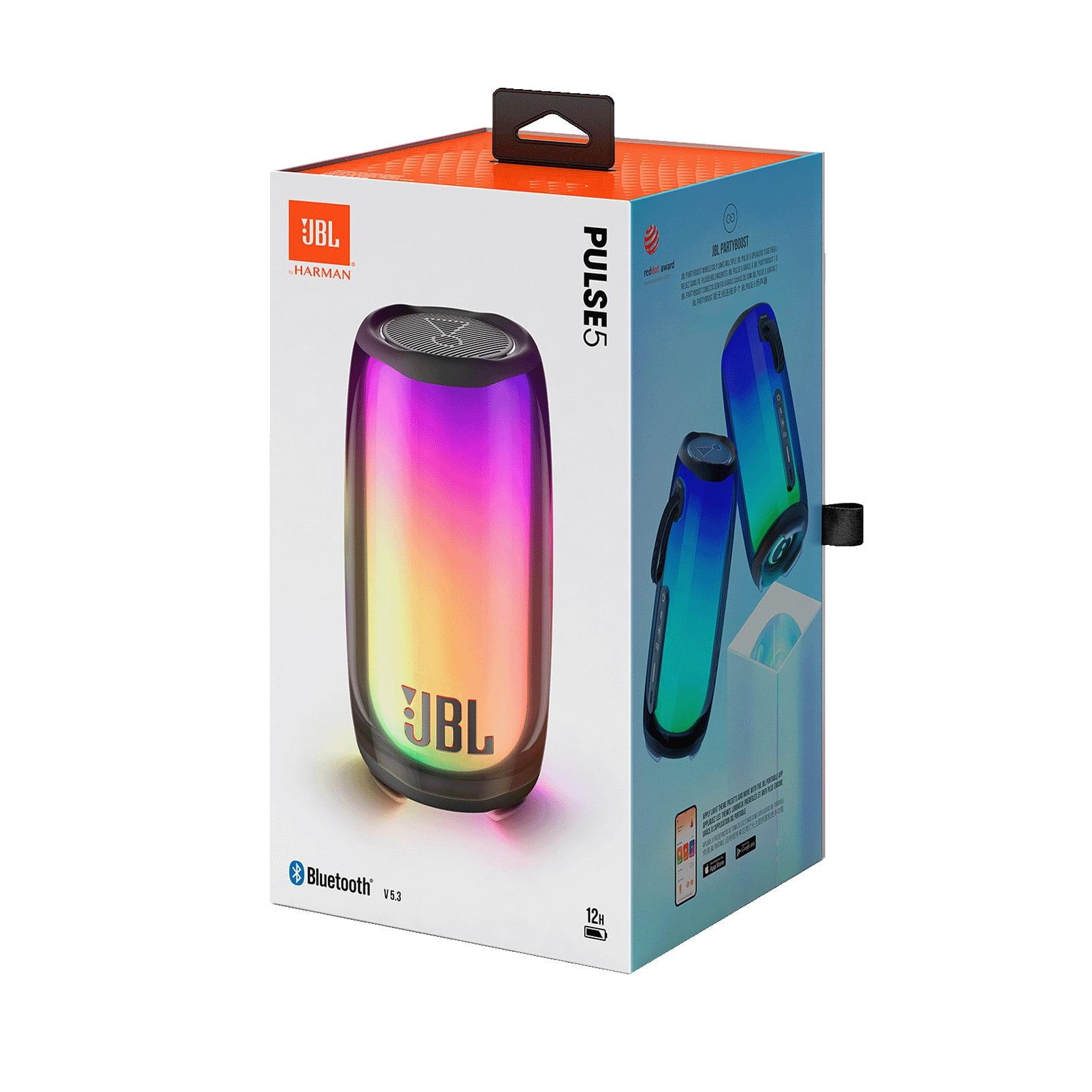
JBL's PartyBoost technology allows multiple compatible speakers to link together, though you need identical models to achieve true left-right stereo separation. For whole-home audio or larger gatherings, this ecosystem approach works well if you're willing to invest in multiple JBL units.
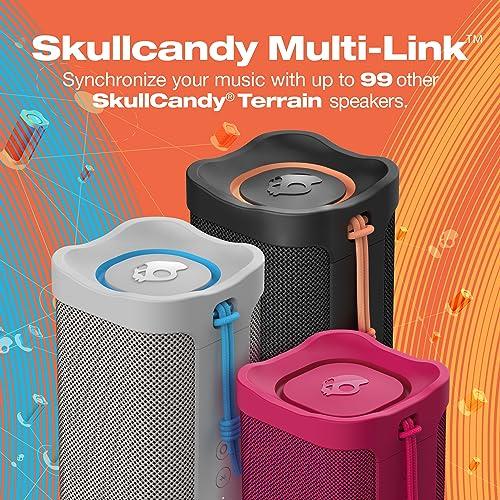
The Skullcandy Terrain XL takes a deliberately simpler approach. It connects to only one device at a time and offers no app support whatsoever. What it lacks in sophistication, it makes up for with its unique Multi-Link technology, which allows pairing with up to 99 other Terrain series speakers—an almost absurdly high number that speaks to Skullcandy's confidence in the ecosystem.
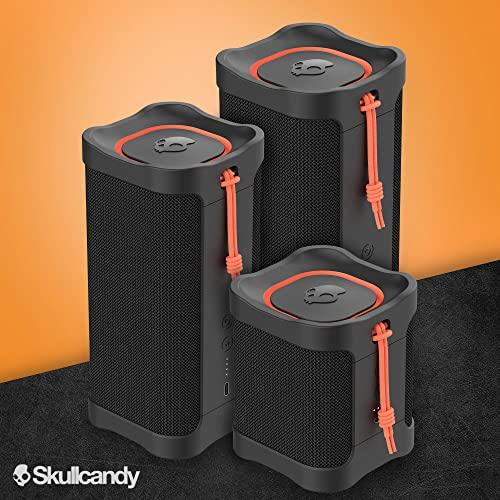
More impressively, Multi-Link allows stereo pairing between different Terrain models. You can pair a Terrain XL with a regular Terrain or Terrain Mini for left-right stereo sound, something most speaker ecosystems can't accomplish. This flexibility makes it easier and cheaper to build a multi-speaker setup over time.
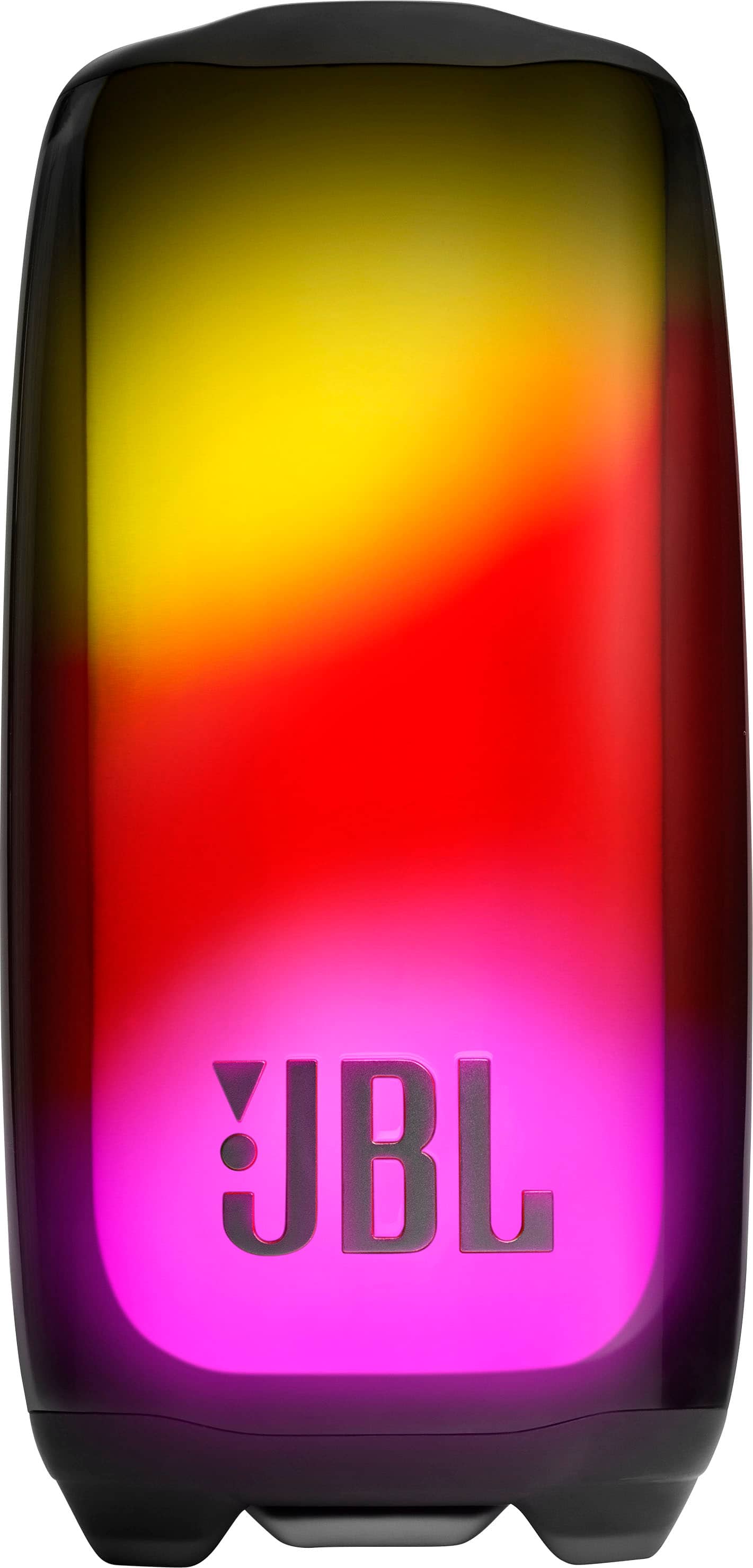
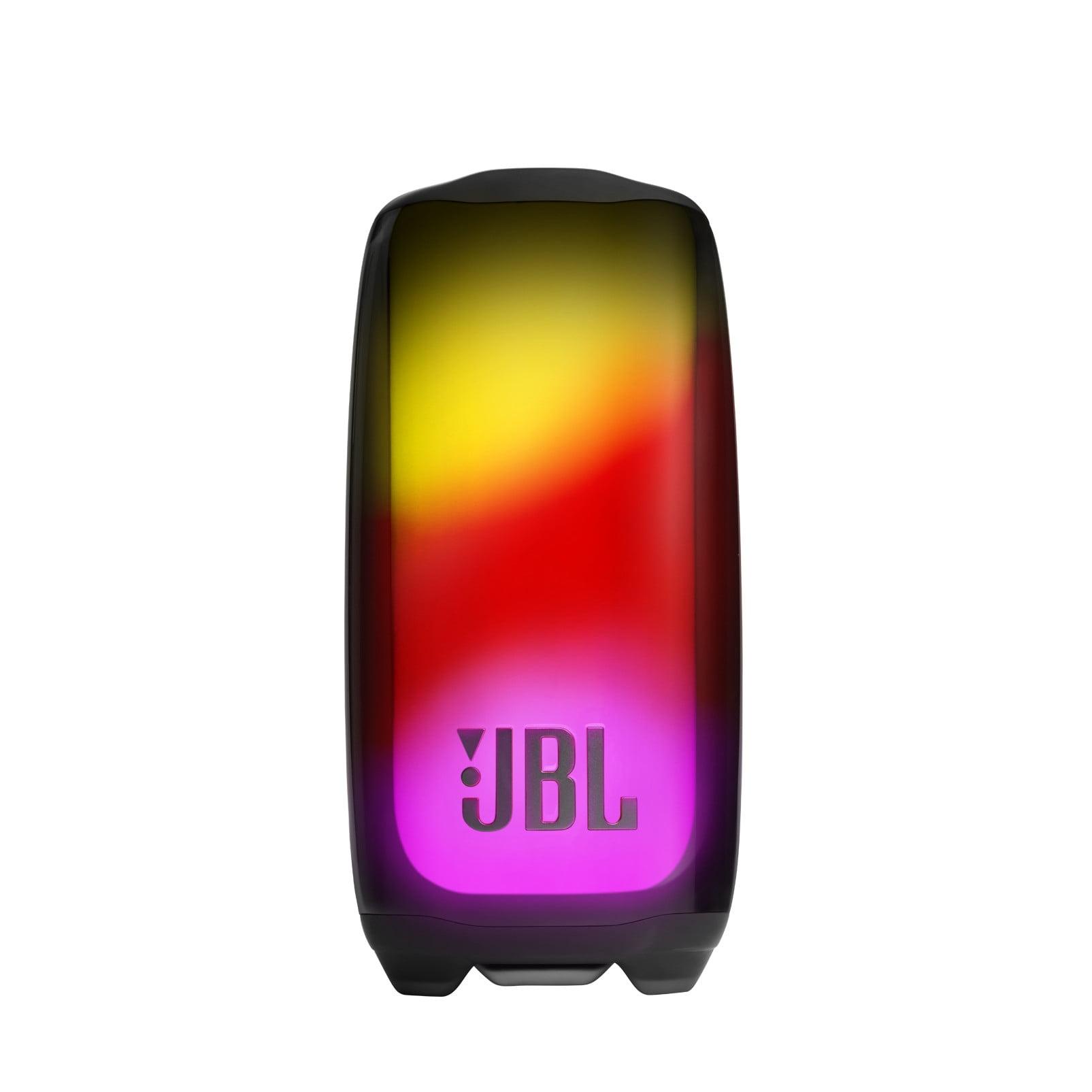
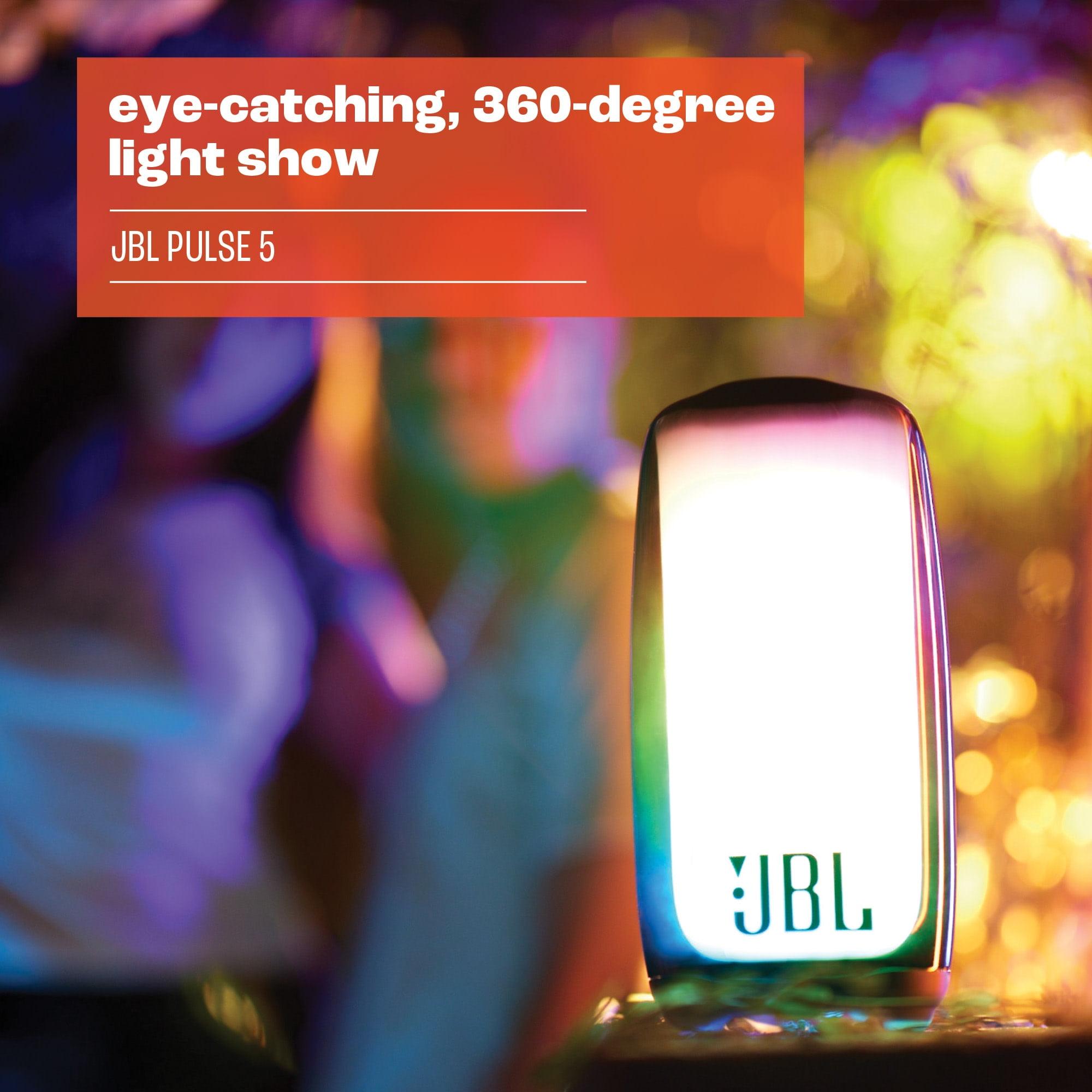
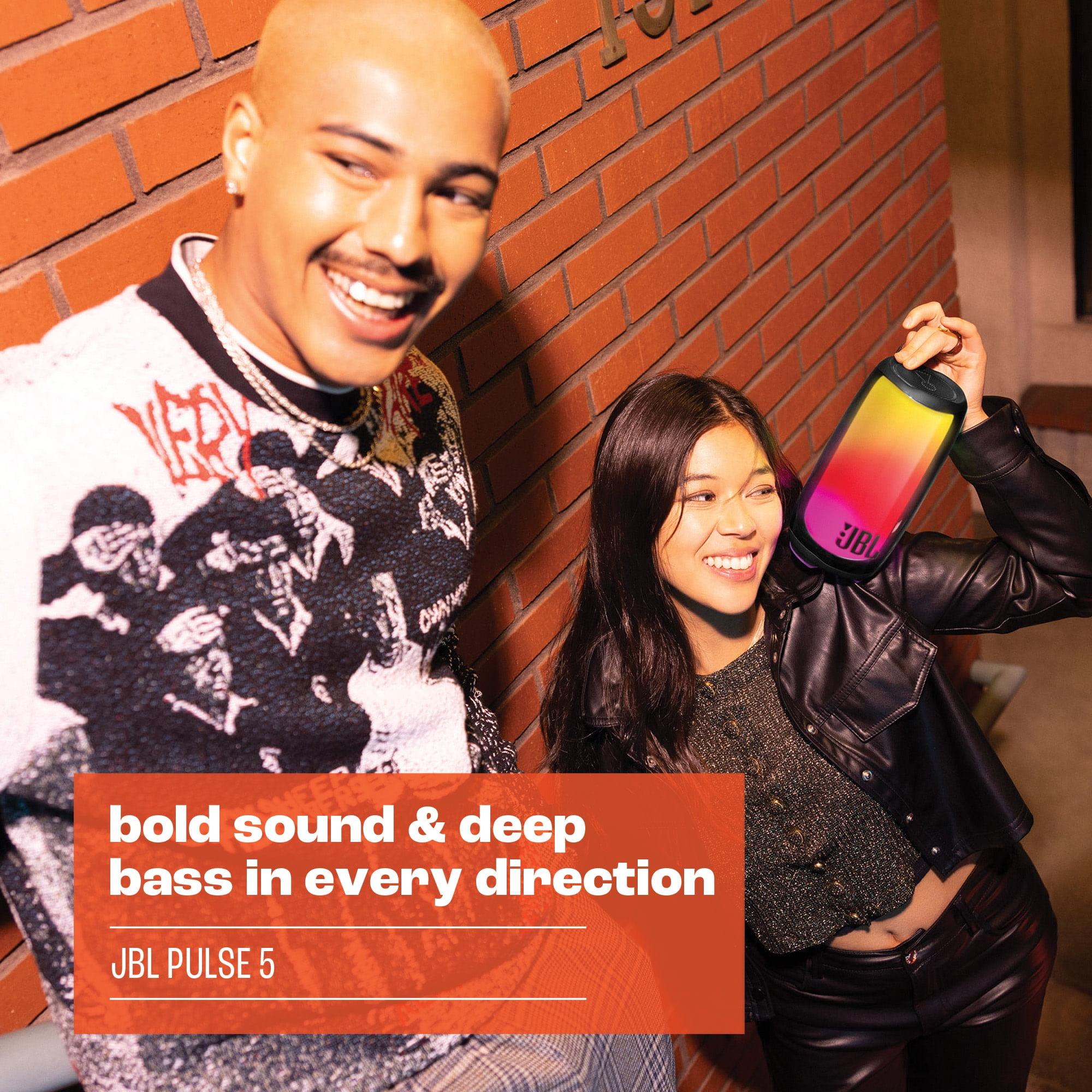
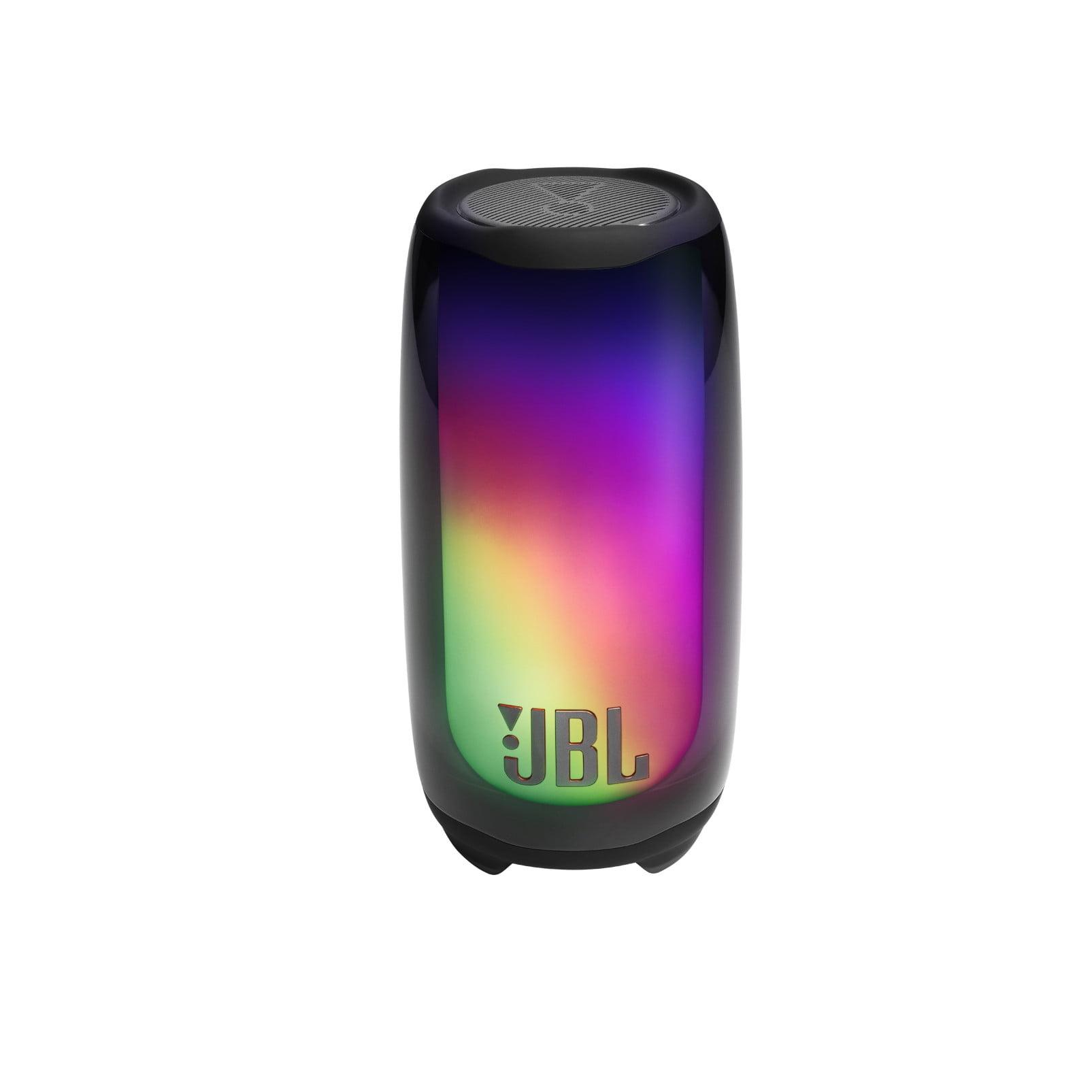
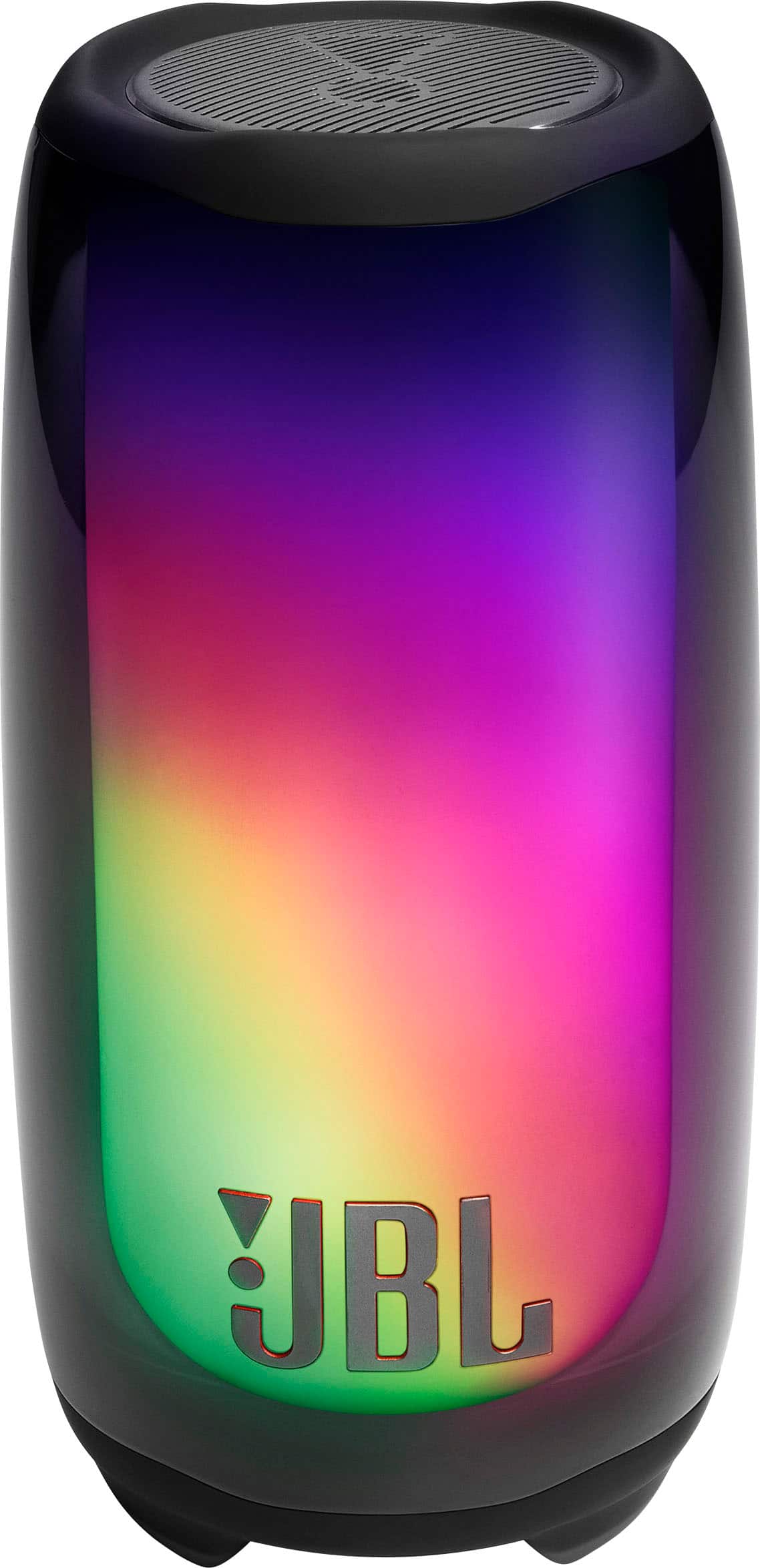
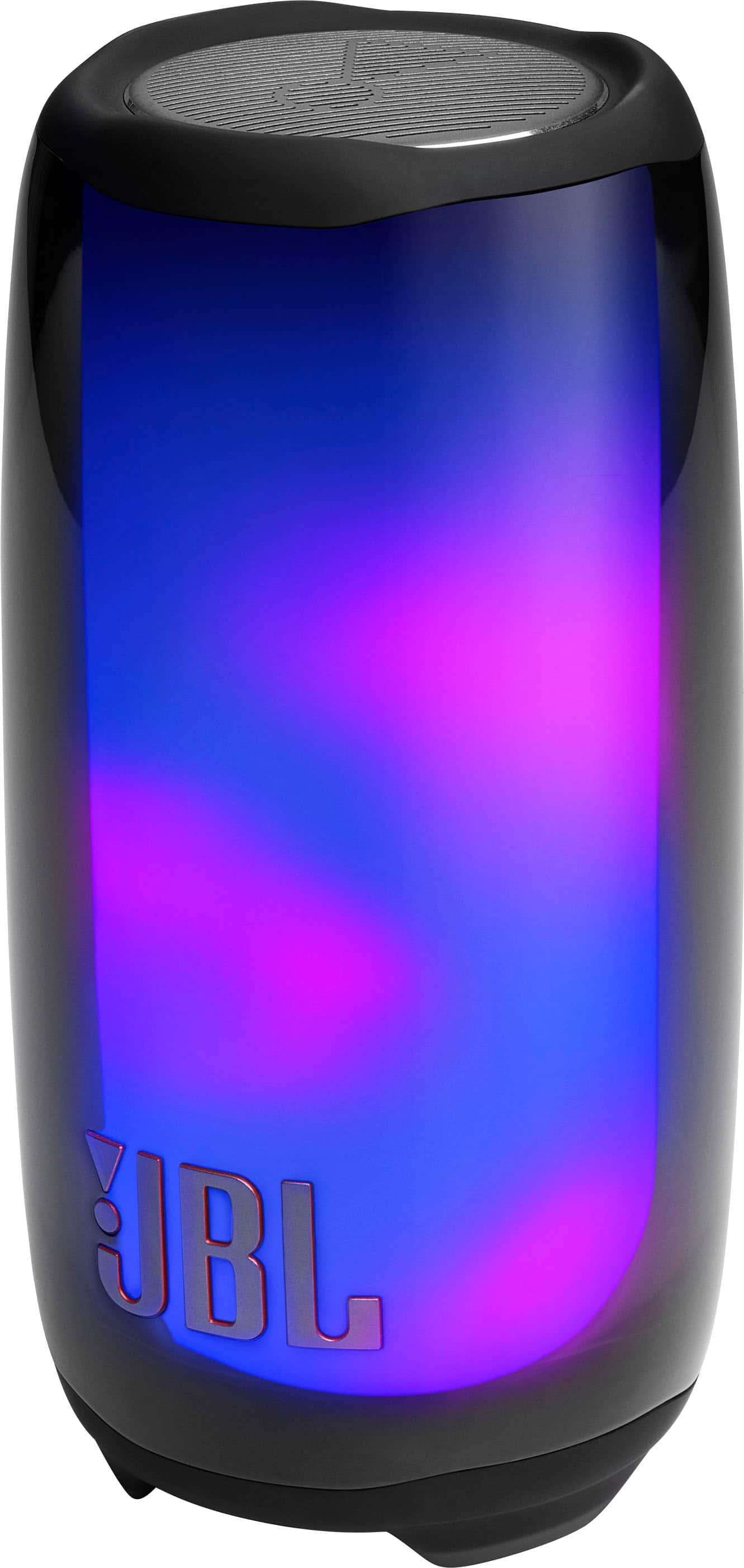
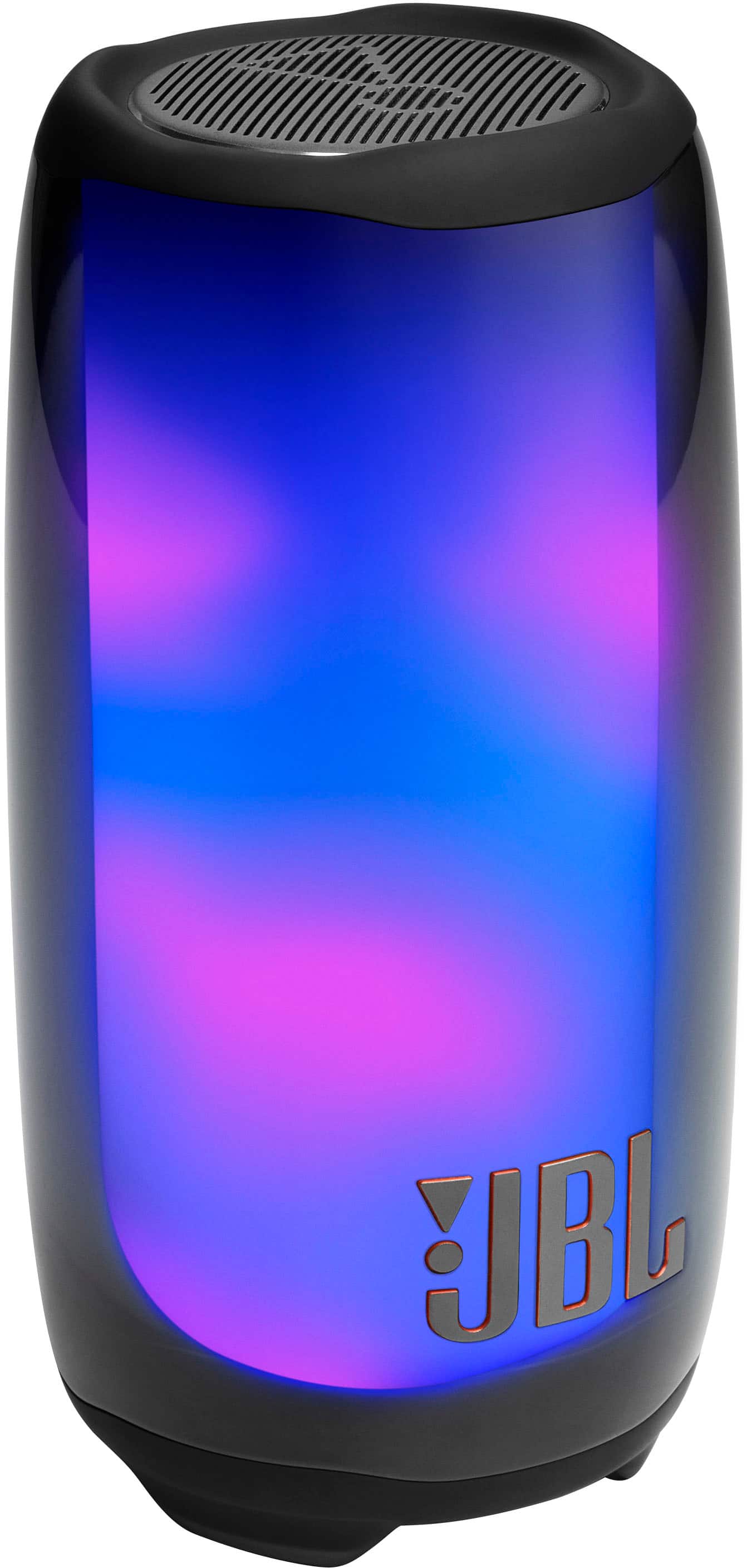
The JBL Pulse 5's signature feature sets it apart from nearly every other portable speaker: a full 360-degree LED light show that synchronizes with your music. This isn't just a gimmicky addition—the lighting system is sophisticated enough to create genuine ambiance for parties, outdoor gatherings, or even quiet evening listening sessions.
The expanded transparent body provides more surface area for light effects compared to previous Pulse generations, creating more dramatic and immersive visual displays. Colors can be customized through the app, and the system intelligently responds to different musical elements—bass hits trigger different effects than cymbal crashes or vocal peaks.
This feature transforms the Pulse 5 from a simple audio device into an entertainment centerpiece. For outdoor dinner parties, poolside gatherings, or even indoor mood lighting, the visual component adds value that justifies the premium pricing for many users.
The Terrain XL offers no visual features beyond basic LED indicators for power and connectivity status. This keeps costs down and battery life up, but it also means the speaker serves purely functional rather than entertainment purposes.
At the time of writing, these speakers occupy completely different price tiers, with the Terrain XL typically costing less than half the price of the Pulse 5. This isn't a minor difference—it represents the gap between impulse purchase territory and considered investment.
The Terrain XL delivers legitimate value for budget-conscious buyers. Despite its audio limitations, it provides adequate sound quality, exceptional battery life, and genuine waterproof protection at a price point that makes it accessible to students, casual listeners, or anyone who needs basic portable audio without breaking the bank.
The JBL Pulse 5 justifies its premium pricing through superior audio engineering, comprehensive app integration, premium build quality, and unique visual features. If you're someone who appreciates the nuances of well-reproduced music and wants a speaker that serves multiple entertainment purposes, the extra cost delivers proportional value.
The Skullcandy Terrain XL makes sense for specific user profiles. College students living in dorms will appreciate the combination of affordability, long battery life, and true waterproof protection for shower use. Outdoor enthusiasts who need reliable audio for camping, hiking, or beach trips benefit from the exceptional runtime and rugged construction. Budget-conscious families wanting a decent speaker for backyard gatherings get legitimate performance without the premium price tag.
The JBL Pulse 5 targets users with different priorities and higher budgets. Music enthusiasts who can discern audio quality differences will appreciate the balanced sound signature and customizable EQ. Party hosts who want their speaker to serve as both audio and visual entertainment find genuine value in the light show capabilities. Anyone building a premium smart home ecosystem benefits from the sophisticated app integration and multi-device connectivity.
For home theater supplementation, the Pulse 5 works significantly better thanks to its balanced midrange reproduction and 360-degree sound projection. The Terrain XL can serve as background audio but struggles with dialogue clarity in movies or TV shows.
These speakers succeed in different ways because they target different needs. The Terrain XL prioritizes practical value—maximum battery life and adequate performance at minimum cost. It's honest about its limitations while excelling in areas that matter most to budget-conscious users.
The Pulse 5 represents premium positioning done right. Yes, it costs significantly more, but it delivers proportionally better performance across multiple dimensions: audio quality, build materials, smart features, and unique visual capabilities that no direct competitor can match.
Consider your primary use cases honestly. If you need a reliable, long-lasting speaker for outdoor activities and basic music playback, the Terrain XL delivers exceptional value that's hard to beat at its price point. If you want premium audio quality, entertainment features, and sophisticated connectivity in a speaker that serves as both functional device and conversation starter, the Pulse 5 justifies its higher cost through superior execution across every meaningful metric.
The choice ultimately comes down to whether you prioritize maximum value or premium experience—and both speakers excel at their respective goals.
| Skullcandy Terrain XL | JBL Pulse 5 |
|---|---|
| Audio Power Output - Higher wattage typically means louder maximum volume and better dynamics | |
| 20W total (dual woofers + passive radiators) | 40W total (30W woofer + 10W dedicated tweeter) |
| Sound Signature - Determines how balanced and natural music reproduction sounds | |
| V-shaped (emphasized bass/highs, recessed mids) | Balanced with customizable EQ via app |
| Battery Life - Critical for extended outdoor use and camping trips | |
| Up to 18 hours (exceptional endurance) | Up to 12 hours (solid but shorter runtime) |
| Water/Dust Protection - Essential durability rating for outdoor adventures | |
| IPX7 waterproof (submersible, no dust rating) | IP67 dustproof and waterproof (superior protection) |
| Weight and Portability - Affects comfort during transport and hiking | |
| 2.07 lbs with nylon wrist strap | 3.2 lbs with sturdy carrying strap |
| Bluetooth Connectivity - Modern convenience features for device management | |
| Single device connection, Bluetooth 5.3 | Multi-point (2 devices), Bluetooth 5.3 |
| App Integration - Enables sound customization and advanced features | |
| No app support (fixed sound tuning) | Full JBL Portable app with EQ and light controls |
| Special Features - Unique capabilities that justify premium pricing | |
| Multi-Link pairing with any Terrain model | 360-degree synchronized LED light show |
| Speaker Linking - Ability to create multi-room or stereo setups | |
| Up to 99 speakers, stereo with different models | PartyBoost with identical JBL speakers only |
| Price Tier - Value positioning affects purchase decision significantly | |
| Budget-friendly (under $60 typically) | Premium tier (around $150 range) |
The JBL Pulse 5 delivers significantly better sound quality with its 40-watt output, balanced frequency response, and dedicated tweeter for clear highs. The Skullcandy Terrain XL has a V-shaped sound signature that emphasizes bass and treble while muting midrange frequencies, making vocals and instruments less detailed.
The Skullcandy Terrain XL offers exceptional 18-hour battery life, making it ideal for extended outdoor use and camping trips. The JBL Pulse 5 provides 12 hours of playback, which is solid but 6 hours shorter than the Terrain XL.
Both speakers are waterproof, but the JBL Pulse 5 has superior IP67 rating with complete dust and water protection. The Skullcandy Terrain XL features IPX7 waterproof rating that handles submersion but lacks official dust protection, though it's still very durable for outdoor use.
The JBL Pulse 5 supports multi-point Bluetooth connectivity, allowing two devices to stay connected simultaneously. The Skullcandy Terrain XL only connects to one device at a time, requiring manual disconnection and reconnection when switching between phones or tablets.
The JBL Pulse 5 works better for home theater use thanks to its balanced midrange that keeps dialogue clear and its 360-degree sound projection that fills rooms effectively. The Terrain XL is less suitable due to its recessed mids, which can make movie dialogue sound muffled.
The JBL Pulse 5 achieves higher maximum volumes thanks to its 40-watt power output versus the 20-watt Skullcandy Terrain XL. The Pulse 5 also maintains better sound quality at high volumes without the distortion issues that can affect the Terrain XL.
Only the JBL Pulse 5 offers app integration through the JBL Portable app, providing full EQ customization and light show controls. The Skullcandy Terrain XL has no app support and uses fixed sound tuning that cannot be adjusted.
The Skullcandy Terrain XL is more portable at 2.07 pounds with a basic nylon wrist strap, making it easier to carry for hiking or travel. The JBL Pulse 5 weighs 3.2 pounds with a sturdier carrying strap but feels more substantial due to its premium construction.
The Skullcandy Terrain XL provides excellent value in the budget category with 18-hour battery life and adequate sound quality. The JBL Pulse 5 costs significantly more but justifies the premium through superior audio quality, unique LED light show, and advanced connectivity features.
Both speakers support multi-speaker setups but differently. The Skullcandy Terrain XL uses Multi-Link technology to pair up to 99 Terrain speakers, including stereo pairing with different Terrain models. The JBL Pulse 5 uses PartyBoost but requires identical JBL models for stereo mode.
The JBL Pulse 5 stands out with its 360-degree synchronized LED light show that creates visual entertainment beyond just audio. The Skullcandy Terrain XL offers exceptional battery endurance and flexible speaker pairing that works across different Terrain models.
The Skullcandy Terrain XL excels for outdoor adventures with its 18-hour battery life, lightweight design, and waterproof protection at an affordable price point. While the JBL Pulse 5 offers better sound quality and dust protection, its higher cost and shorter battery life make it less practical for extended outdoor use.
We've done our best to create useful and informative comparisons to help you decide what product to buy. Our research uses advanced automated methods to create this comparison and perfection is not possible - please contact us for corrections or questions. These are the sites we've researched in the creation of this article: youtube.com - skullcandy.eu - youtube.com - blog.bestbuy.ca - support.skullcandy.com - youtube.com - youtube.com - walmart.com - versus.com - youtube.com - skullcandy.ae - versus.com - skullcandy.com - youtube.com - consumerreports.org - gearjunkie.com - newegg.com - manuals.plus - bestbuy.com - electronicexpress.com - skullcandy.com - digitaltrends.com - youtube.com - target.com - rtings.com - jbl.com - jblonlinestore.com - harmanaudio.com - assistivetech.com.au - stereoguide.com - mm.jbl.com - jbl.com - creativeaudio.net

Privacy Policy
Terms and Conditions - Affiliate Policy
Home Security
© Copyright 2008-2026.
11816 Inwood Rd #1211, Dallas, TX 75244