


When you're shopping for a portable Bluetooth speaker, it's easy to get overwhelmed by the sheer number of options. But sometimes the choice comes down to a fundamental question: Do you want a speaker that can fill a space with sound, or one that disappears into your daily routine? That's exactly the decision you'll face when comparing the Skullcandy Terrain XL and JBL Clip 4.
These two speakers, both released around 2021, represent completely different philosophies in portable audio design. The Terrain XL is what I'd call a "portable powerhouse" – it's designed to be your go-to speaker for gatherings, camping trips, and situations where you need to fill a space with sound. The Clip 4, on the other hand, is the ultimate personal companion speaker, built for people who want great audio to follow them everywhere without the bulk.
Before diving into specifics, it's worth understanding what makes a good portable speaker. The most important factors are power output (measured in watts, which determines how loud it can get), battery life, build quality, and of course, sound quality. Water resistance has become standard, but the level of protection varies significantly between models.
The frequency response range tells you what sound frequencies the speaker can reproduce – humans can hear roughly 20Hz to 20,000Hz, with lower numbers being bass and higher numbers being treble. Driver size and configuration (the actual speakers inside the housing) dramatically affect what you'll hear, especially in the bass department where larger drivers typically perform better.
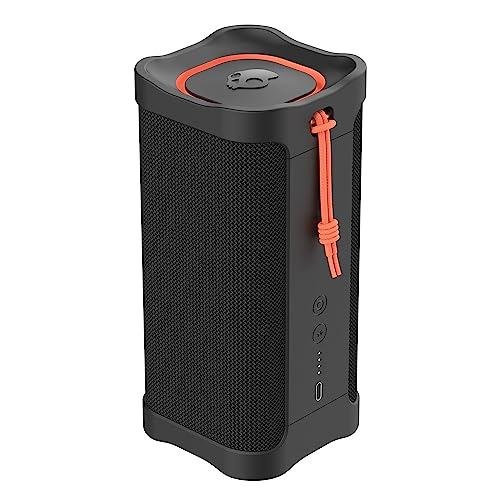
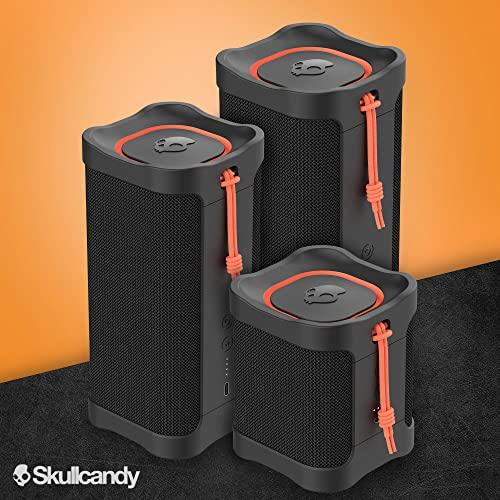
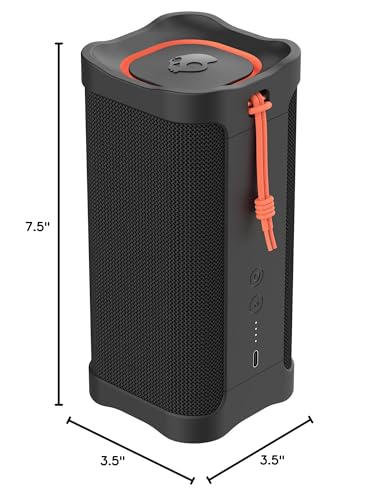
The first thing you'll notice when comparing these speakers is their completely different approaches to portability. The Skullcandy Terrain XL measures 7.5 inches tall and weighs just over 2 pounds, making it what I'd call "grab-and-go portable" rather than truly compact. It features a rectangular design that sits stable on surfaces, wrapped in waterproof fabric with silicone end caps for protection against drops and bumps.
What makes the Terrain XL interesting is its dual front-firing woofers paired with dual passive radiators. Passive radiators are essentially speakers without magnets that move in response to air pressure from the active drivers – they help extend bass response without requiring additional power or amplification. This setup, combined with 20 watts of total power output, gives the speaker significantly more room-filling capability than you'd expect from something this size.
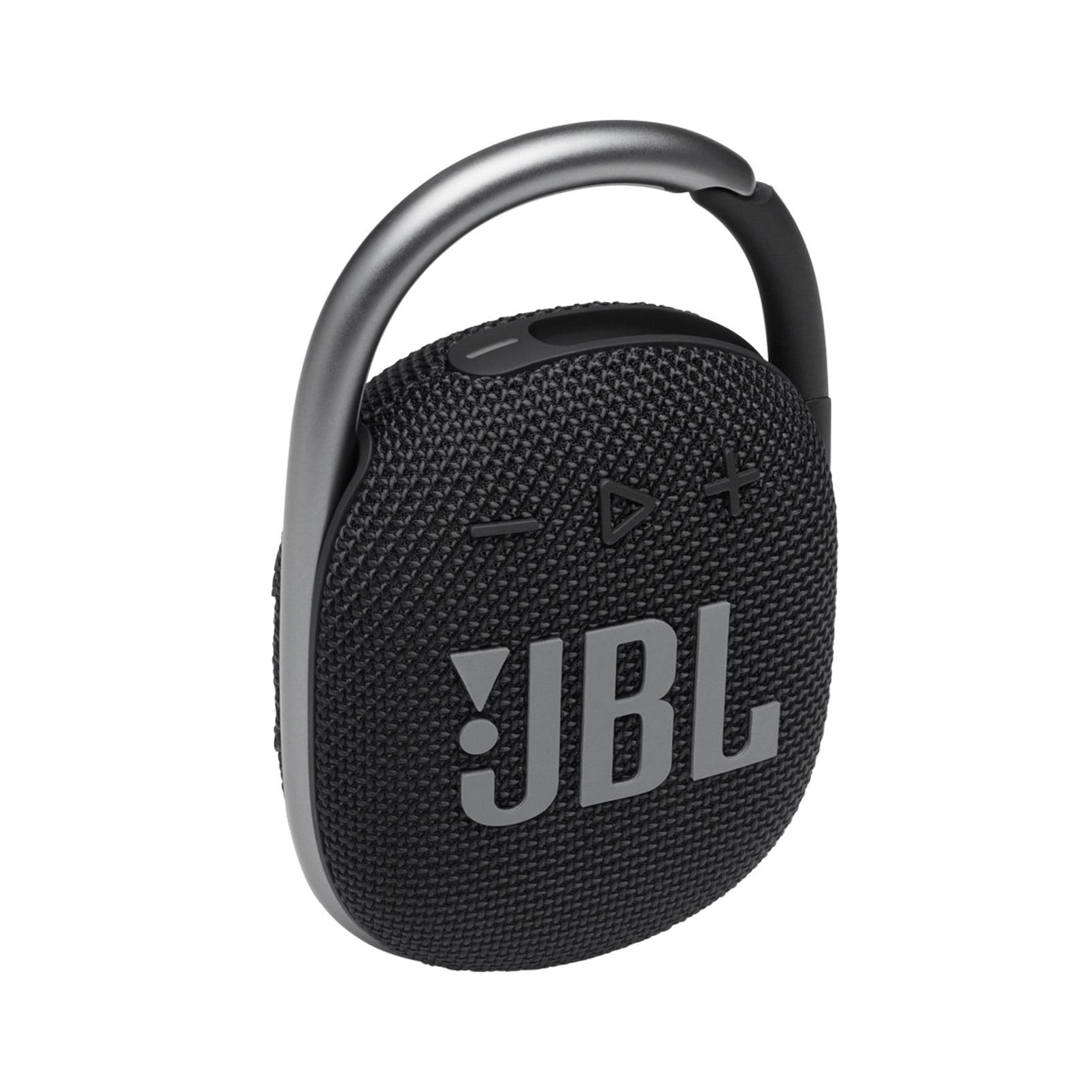
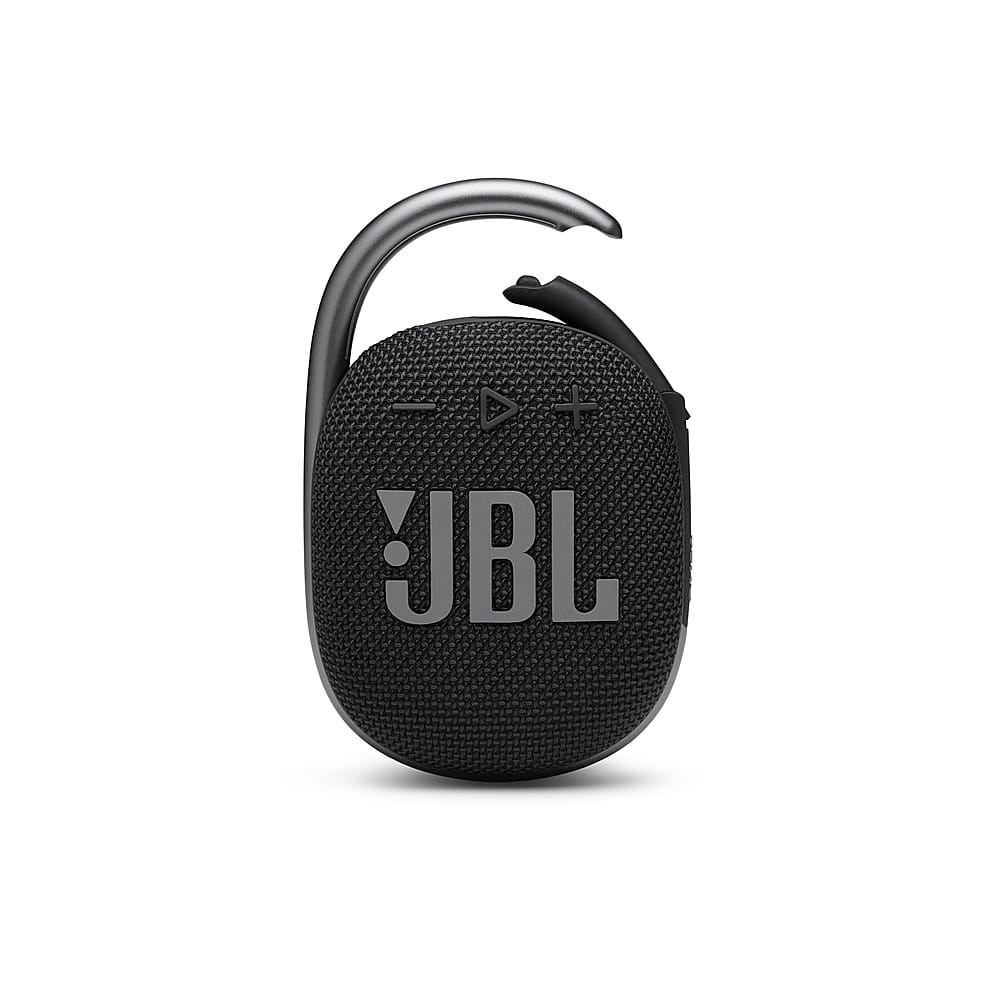
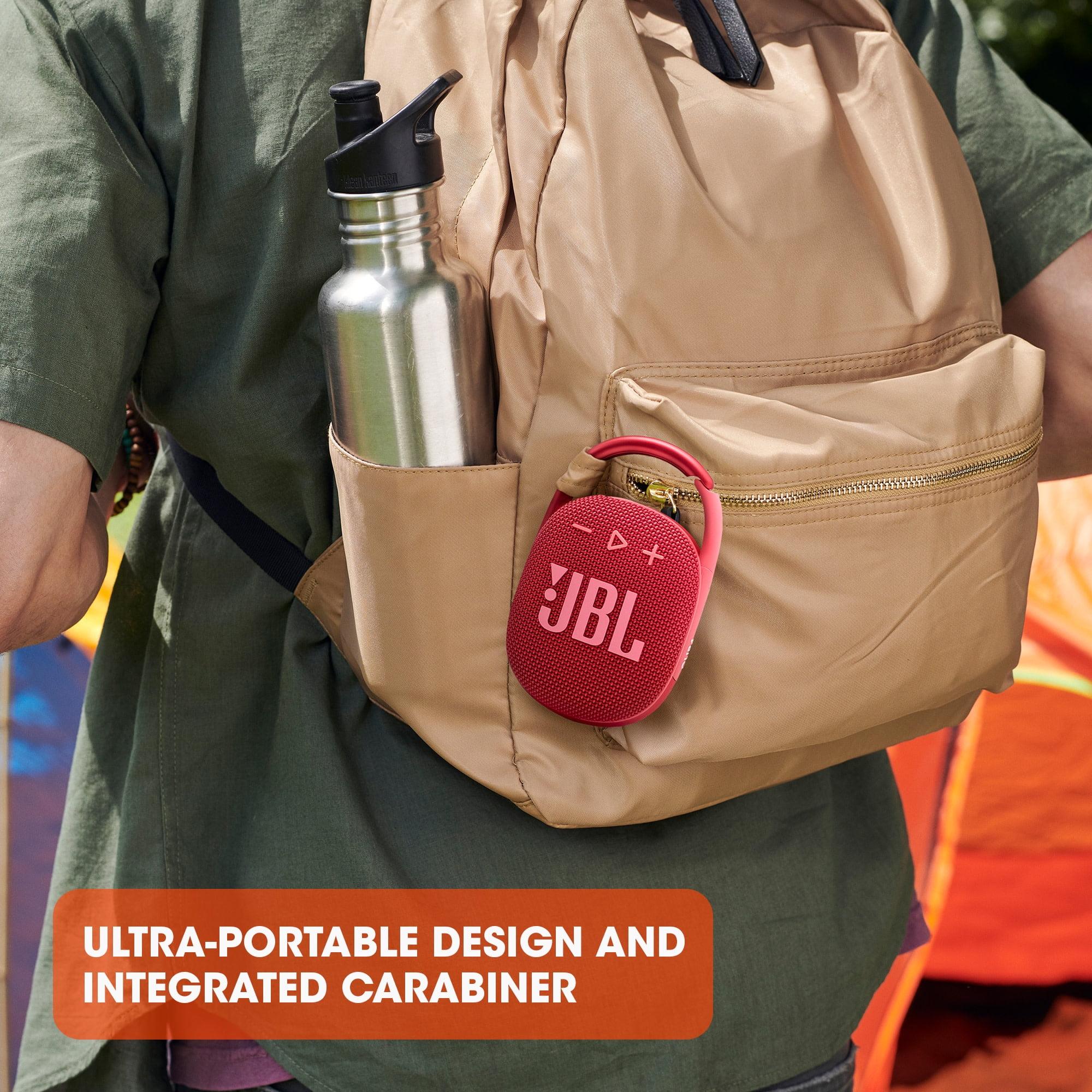
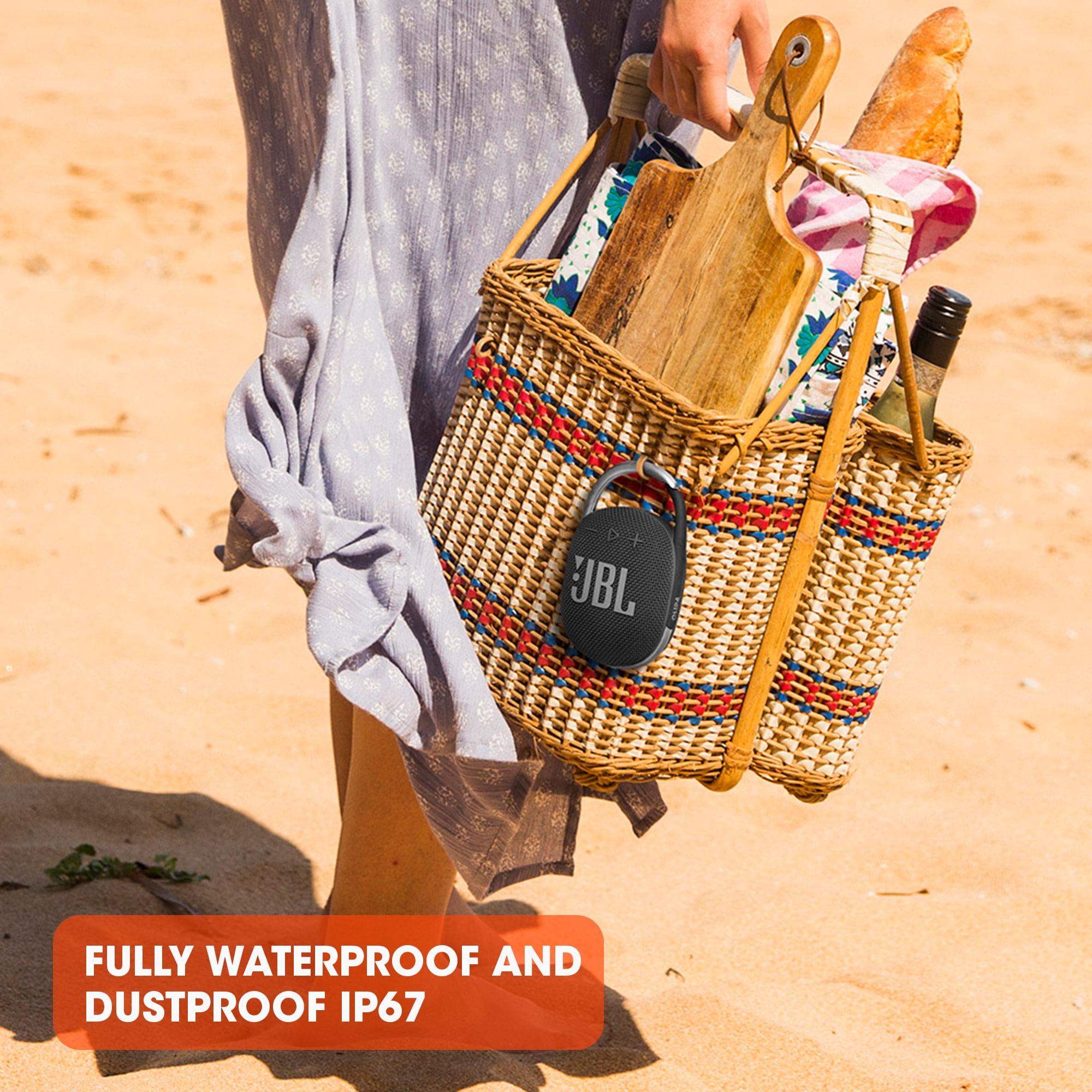
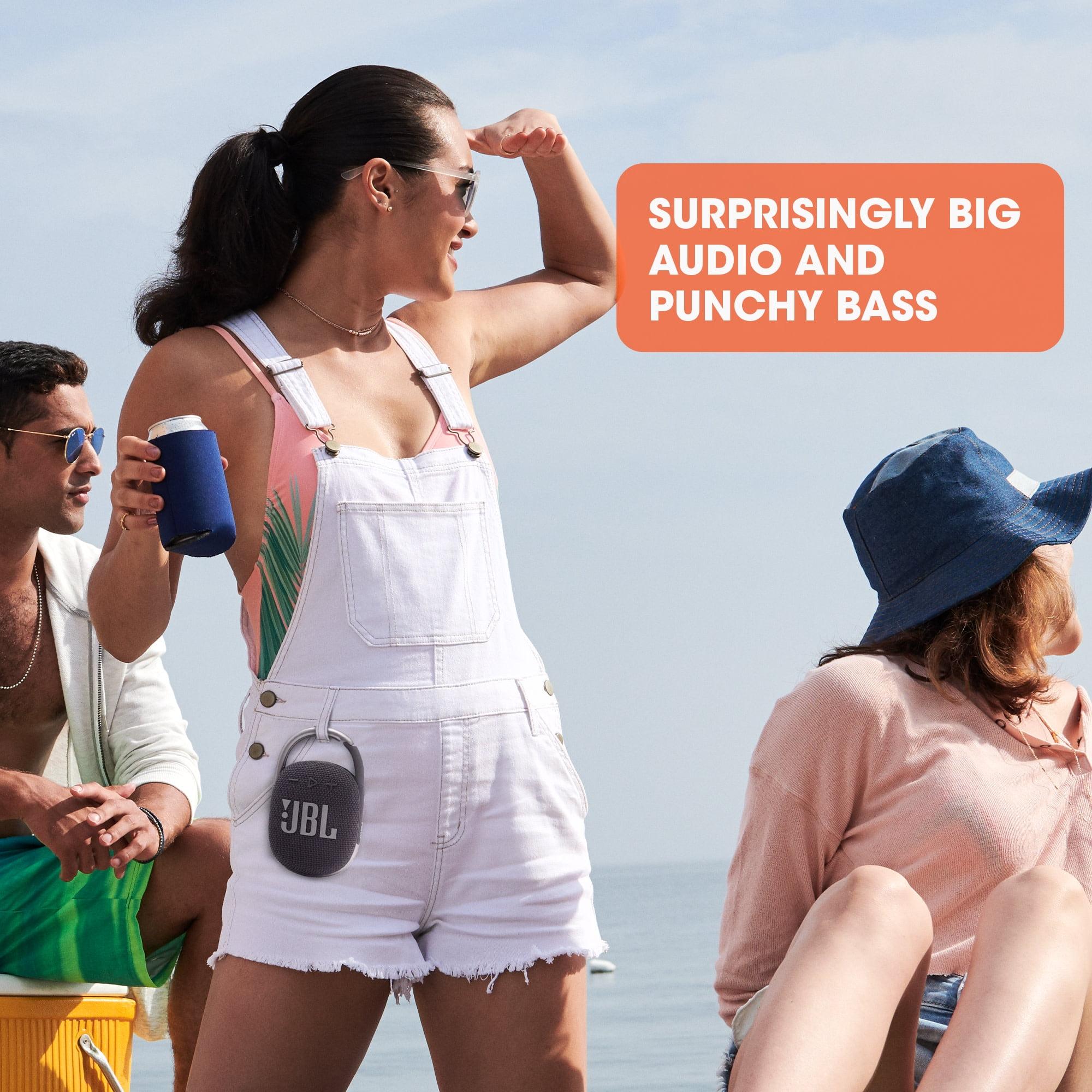
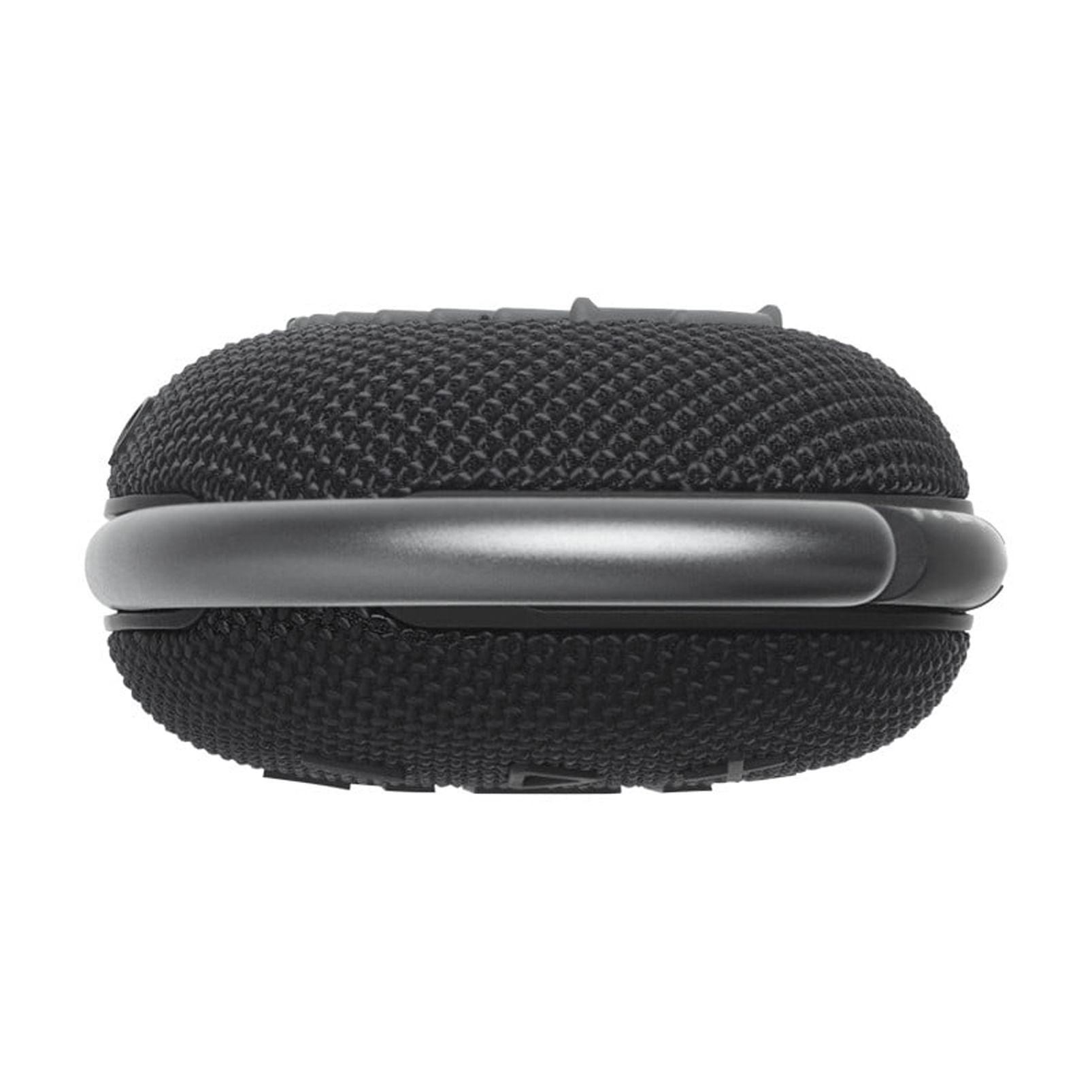
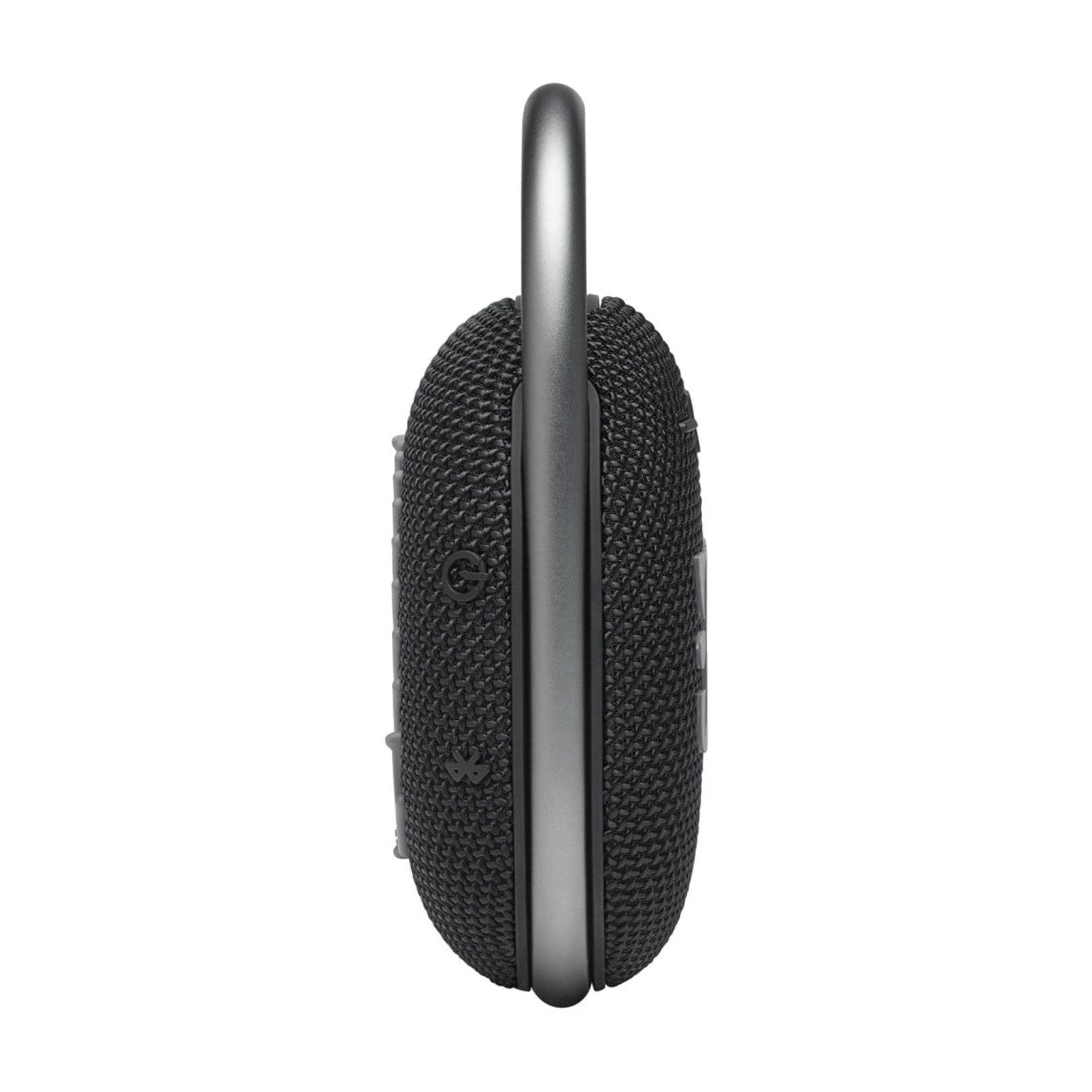
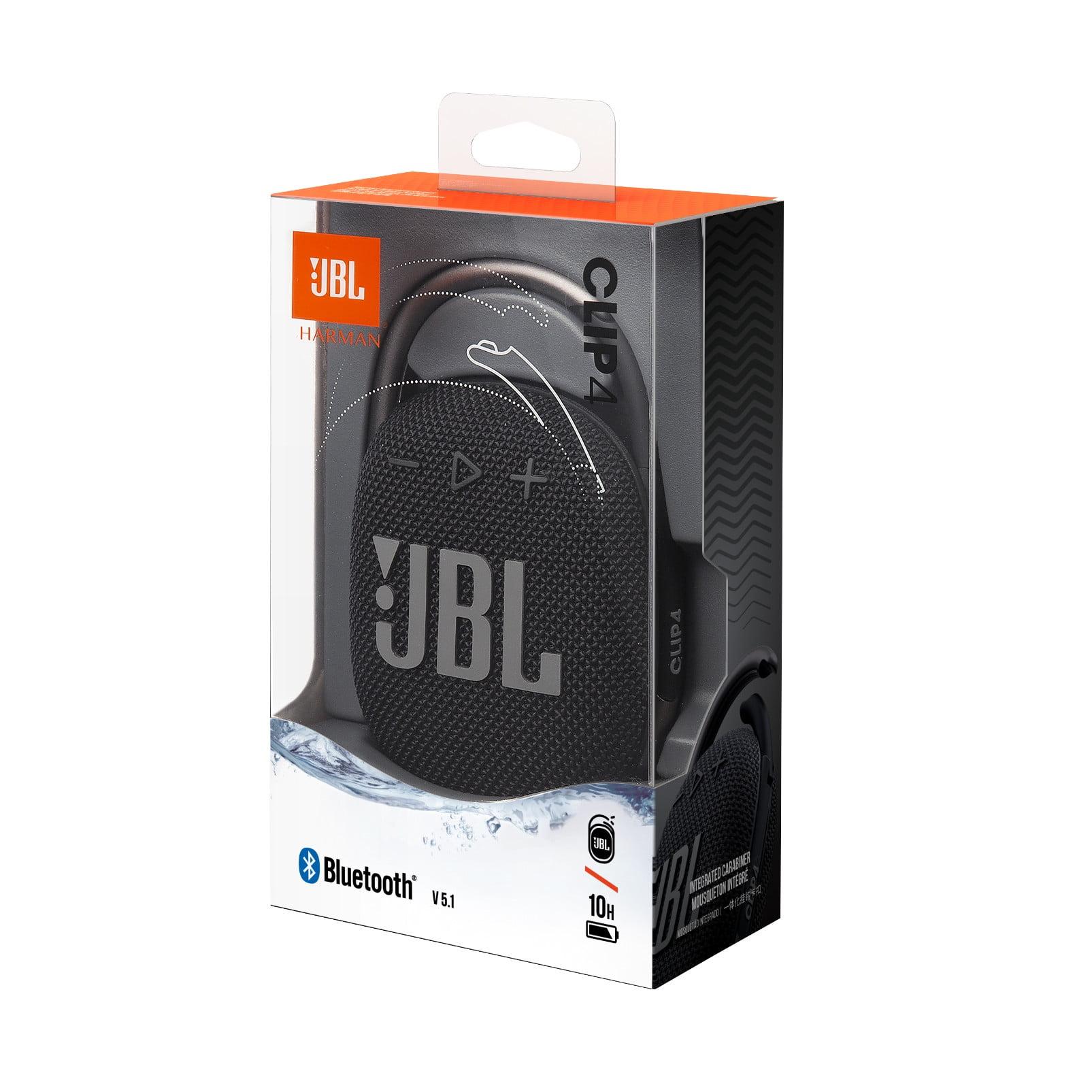
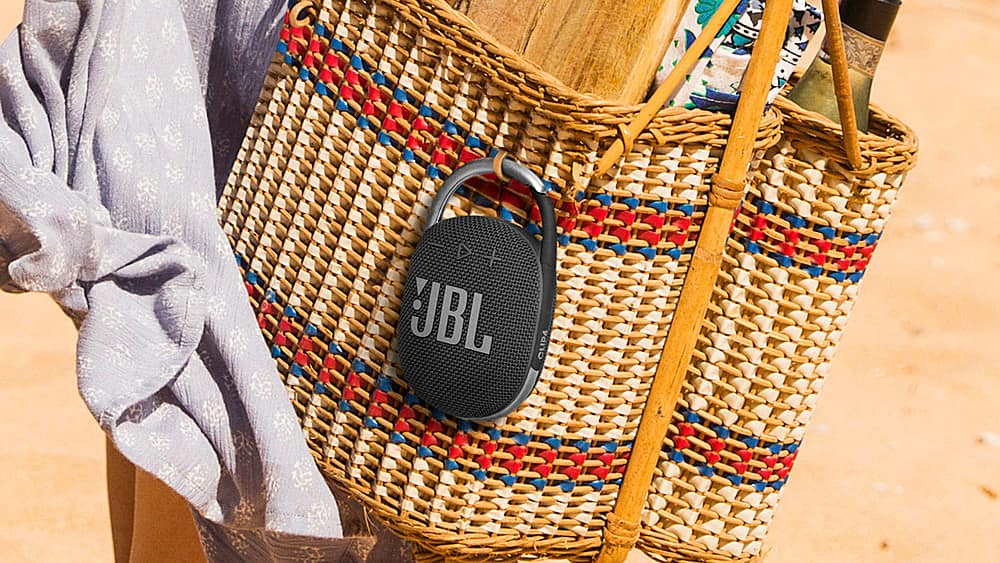
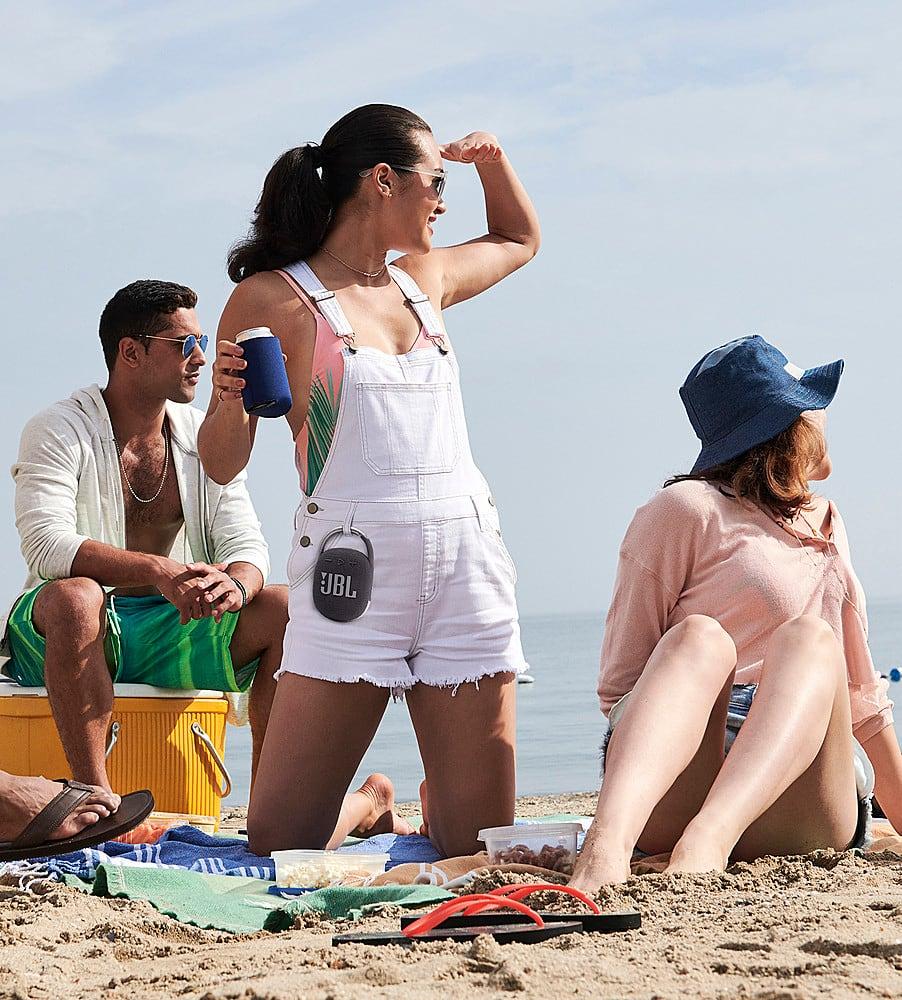
The JBL Clip 4, in contrast, weighs just over half a pound and features JBL's signature integrated carabiner design. This isn't just a carrying handle – it's a fully functional clip that lets you attach the speaker to backpack straps, belt loops, or bike handlebars. The oval shape fits naturally in your hand and the fabric wrapping gives it a premium feel despite the compact size.
At 5 watts of power with a single 40mm driver, the Clip 4 isn't trying to compete on raw volume. Instead, it focuses on being the speaker you can take literally anywhere without thinking about it. The carabiner design is genuinely useful – I've found that clip-on speakers tend to get used more often simply because they're so convenient to grab and attach to whatever you're carrying.
This is where the biggest difference between these speakers becomes apparent. The Terrain XL delivers 20 watts compared to the Clip 4's 5 watts – that's a four-to-one power advantage that translates directly into volume capability and bass response.
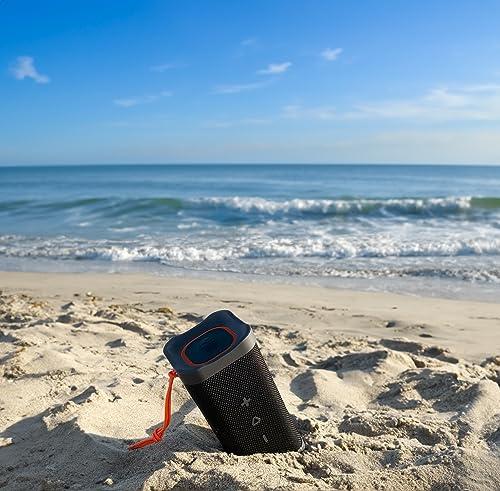
In practical terms, the Terrain XL can comfortably fill a medium-sized room or provide background music for a small outdoor gathering. It gets loud enough to overcome moderate ambient noise, making it suitable for beach trips, camping, or backyard barbecues where you need the music to reach everyone.
The Clip 4, with its lower power output, is designed for more intimate listening scenarios. It's perfect for personal use while hiking, as background music in a quiet office, or for small group conversations where you don't want to dominate the environment with sound. The volume limitation isn't necessarily a weakness – it's a design choice that prioritizes portability and battery efficiency over raw output.
When evaluating volume performance, it's important to consider not just maximum loudness, but how the speaker performs at different volume levels. The Terrain XL tends to sound best at moderate to high volumes where its drivers can move enough air to produce satisfying bass. At lower volumes, the sound can feel somewhat thin due to its V-shaped tuning (more on that later).
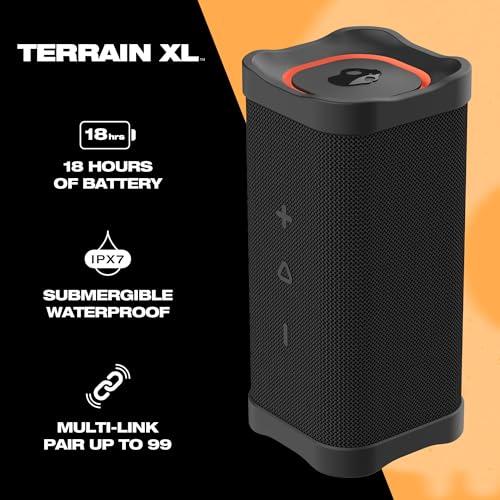
Battery performance tells an interesting story about these speakers' intended use cases. The Terrain XL boasts an impressive 18-hour battery life at moderate volume levels, though this drops to around 8 hours when you're pushing it to maximum volume. This extended runtime makes it ideal for weekend camping trips or all-day outdoor events where you won't have access to charging.
The Clip 4 offers 10 hours of advertised playtime, which typically translates to 6-7 hours of real-world use at comfortable listening levels. While this might seem shorter, it's actually quite good for such a compact speaker. The smaller battery means faster charging – just 3 hours to full capacity compared to the Terrain XL's 4.5-5 hour charge time.
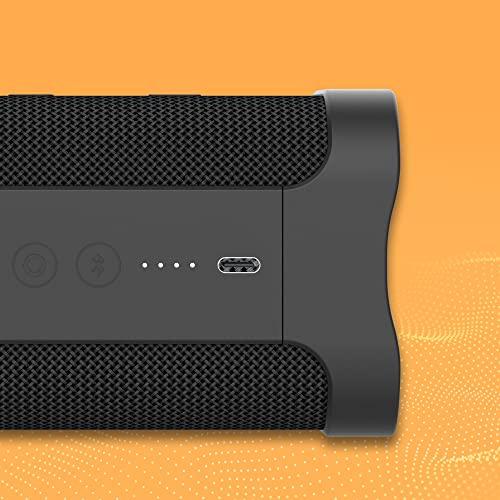
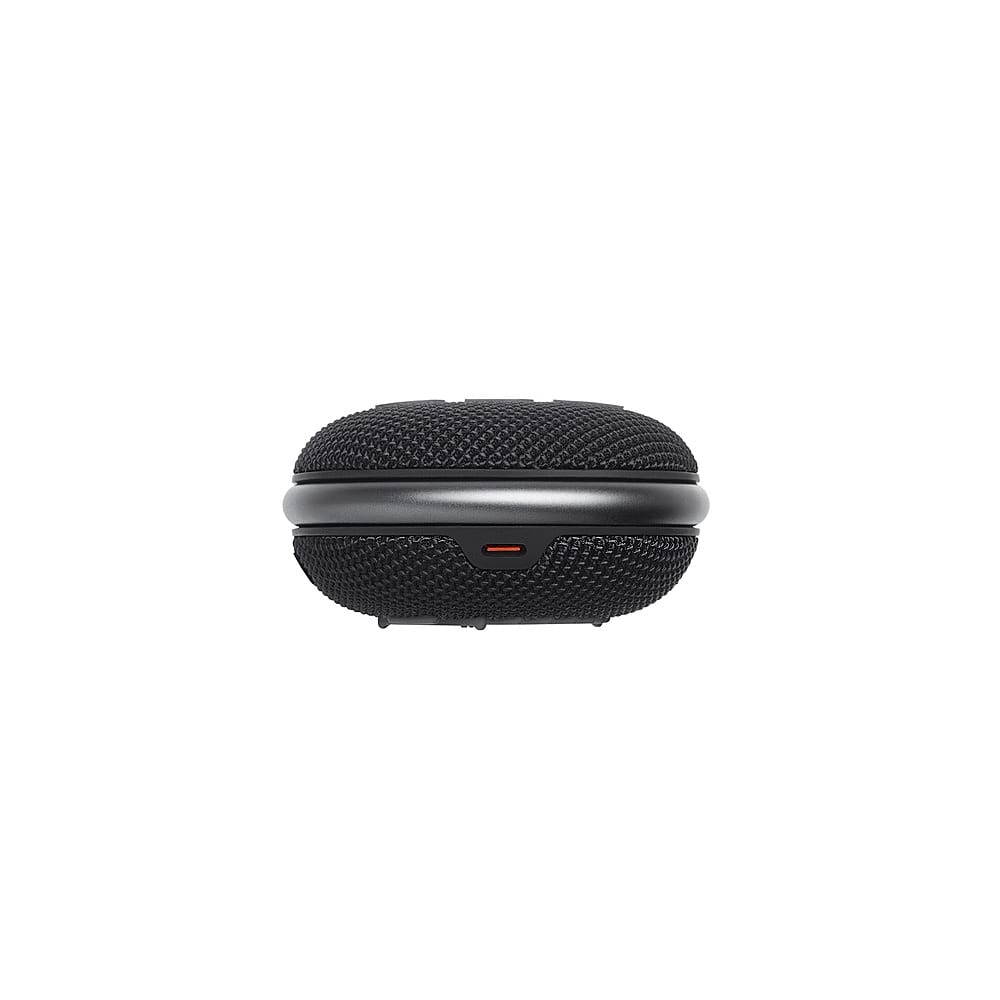
Both speakers use USB-C charging, which is convenient since it's the same connector used by most modern smartphones and tablets. This standardization means you're less likely to forget the right cable when traveling.
This is where things get really interesting from a technical perspective. The Terrain XL uses what's called a V-shaped sound signature, which means it emphasizes bass frequencies and treble while somewhat neglecting the midrange. This tuning makes music sound exciting and punchy – drums hit hard, vocals cut through, and there's plenty of energy in the mix.
However, this V-shaped approach comes with trade-offs. Instruments that live in the midrange, like guitars and pianos, can sound somewhat recessed or lacking in detail. At higher volumes, the emphasized treble can become harsh, and some users report distortion in the highs when really pushing the speaker's limits.
The JBL Clip 4 takes a more balanced approach despite its size constraints. JBL has decades of experience in speaker design, and it shows in how they've tuned this compact driver. The frequency response is more even across the spectrum, which means voices sound clearer and instrumental music retains more detail. The trade-off is less dramatic bass impact – physics simply limits how much low-end a small driver can produce.
What's particularly noteworthy about the Terrain XL is its lack of EQ adjustment options. Unlike many modern speakers that connect to smartphone apps for customization, Skullcandy has locked in their tuning. You get what they've decided sounds good, which may or may not match your preferences.
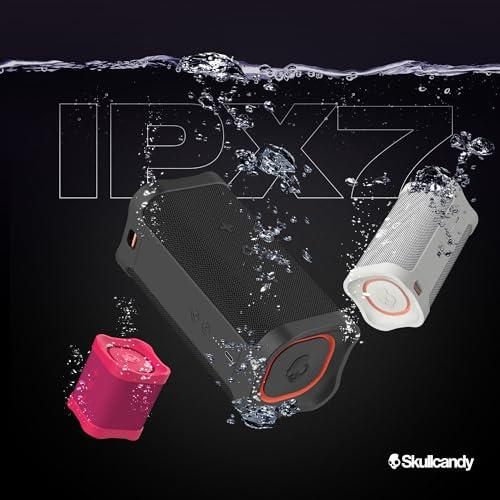
Both speakers offer excellent protection against the elements, but with slightly different approaches. The Terrain XL carries an IPX7 rating, meaning it can be submerged in up to one meter of water for 30 minutes. This makes it suitable for poolside use or even accidental drops in water.
The JBL Clip 4 goes a step further with IP67 rating. That "6" indicates complete dust protection in addition to water resistance equivalent to IPX7. For outdoor activities in dusty or sandy environments, this extra dust protection can extend the speaker's lifespan significantly.
The build quality approaches differ as well. The Terrain XL uses a waterproof woven fabric mesh that's designed to maximize audio transmission while providing protection. The silicone end caps protect the most vulnerable areas from drops and impacts.
JBL wraps the Clip 4 entirely in fabric with strategic reinforcement around the carabiner mounting point. This all-fabric approach feels premium and provides good grip, though the integrated carabiner means there are more potential failure points than a simple strap design.
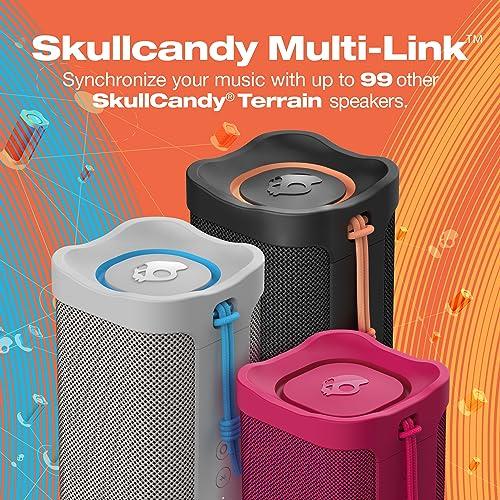
Here's where the Terrain XL shows some genuine innovation. Skullcandy's Multi-Link technology allows you to connect up to 99 speakers together for synchronized playback. More importantly, any two Terrain series speakers can be paired for true stereo sound – left and right channel separation – regardless of whether they're the same model.
This means you could pair a Terrain XL with a smaller Terrain Mini for stereo sound, which is unusual in the speaker world. Most manufacturers require identical models for stereo pairing. The setup is simple too – just triple-press the power button on both speakers and they'll automatically configure themselves for left and right channels.
The Clip 4 likely supports JBL's PartyBoost technology (though this isn't explicitly confirmed in all sources), which would allow pairing with other JBL speakers for synchronized audio. However, JBL typically requires matching models for true stereo separation.
Both speakers use Bluetooth 5.1 or newer, which provides stable connections up to about 33 feet and improved battery efficiency compared to older Bluetooth versions. Neither speaker supports connecting to multiple devices simultaneously – you'll need to manually switch between your phone and tablet if you want to change audio sources.
While neither speaker is designed primarily for home theater use, they can serve as convenient audio sources for casual movie watching, especially outdoors or in secondary rooms. The Terrain XL has enough power and bass response to provide satisfying audio for outdoor movie nights or in a bedroom where you don't want a full sound system.
The challenge with both speakers for serious home theater use is their mono design – they're single-channel speakers rather than stereo pairs. The Terrain XL's stereo pairing capability could address this if you're willing to invest in two units, creating a proper left-right soundstage for movies.
For casual streaming video or background audio while cooking, either speaker works well. The Clip 4's carabiner design actually makes it useful in kitchens where you can clip it to cabinet handles or pot racks, keeping it out of the way while cooking.
At the time of writing, both speakers are competitively priced in the $40-60 range, representing excellent value in their respective categories. The Terrain XL offers exceptional value for buyers prioritizing power and battery life – you're getting 20 watts and 18-hour runtime at a price point where many competitors offer half the power or battery life.
The JBL Clip 4, while more expensive per watt of power, represents strong value for ultra-portable audio. JBL's brand reputation for sound quality, combined with the unique carabiner design and superior build quality, justifies the premium over generic clip-on speakers.
When evaluating value, consider the total cost of ownership. The Terrain XL's longer battery life means less frequent charging, and its stereo pairing capability means you could eventually add a second unit for dramatically improved sound quality. The Clip 4's convenience factor and durability mean it's likely to see more daily use, potentially providing better value through frequency of use.
Since their 2021 releases, both speakers have benefited from improved Bluetooth implementations and manufacturing refinements, though the core designs remain unchanged. The Bluetooth 5.1+ technology in both speakers was relatively new at launch and provides meaningful improvements over older Bluetooth versions in terms of connection stability and power efficiency.
The Terrain XL's Multi-Link technology was particularly innovative at launch, offering cross-model pairing that most manufacturers still don't support. This feature has aged well and remains a genuine differentiator in the market.
JBL's carabiner design on the Clip 4 has proven durable in real-world use, addressing concerns about the mechanical reliability of integrated mounting solutions. The fabric wrapping has also held up well to UV exposure and regular handling.
The Skullcandy Terrain XL makes sense for people who prioritize power and versatility over ultimate portability. If you're the person who brings music to gatherings, goes on camping trips where you want to fill a campsite with sound, or simply prefers speakers with enough volume to overcome ambient noise, the Terrain XL delivers exceptional value.
It's also the better choice if you think you might eventually want stereo sound – the ability to add a second Terrain series speaker later for true left-right separation is genuinely useful and cost-effective compared to buying a stereo pair upfront.
The JBL Clip 4 is ideal for people who want audio to seamlessly integrate into their active lifestyle. If you're someone who exercises regularly, travels frequently, or simply values convenience over maximum volume, the Clip 4's carabiner design and compact size make it the obvious choice.
The Clip 4 is also better for people who prioritize sound quality over volume. JBL's more balanced tuning and superior midrange clarity make it better for spoken content like podcasts and audiobooks, as well as acoustic music where instrumental detail matters more than bass impact.
These speakers succeed by targeting completely different use cases. The Terrain XL is a portable speaker designed for stationary use – it goes where you go, then provides powerful, long-lasting audio for groups. The Clip 4 is a personal audio companion designed to disappear into your routine while providing surprisingly good sound quality.
Your choice should align with how you actually use portable speakers. If you find yourself wishing your current speaker were louder or lasted longer, the Terrain XL solves those problems directly. If you want great audio that never gets in your way, the Clip 4's carabiner design and balanced sound make it hard to beat.
Both speakers represent excellent value in their respective categories, and both have proven their durability and reliability since launch. The decision ultimately comes down to whether you prioritize power and battery life or ultimate portability and convenience – and fortunately, either choice will serve you well for years to come.
| Skullcandy Terrain XL | JBL Clip 4 |
|---|---|
| Power Output - Determines maximum volume and room-filling capability | |
| 20 watts (4x more powerful for group listening) | 5 watts (optimized for personal/intimate use) |
| Battery Life - Critical for extended outdoor use without charging | |
| 18 hours at moderate volume, 8 hours at max | 10 hours advertised, 6-7 hours real-world use |
| Size & Weight - Affects true portability and carrying comfort | |
| 7.5" x 3.5" x 3.5", 2.07 lbs (medium portable) | 5.3" x 3.4" x 1.8", 0.53 lbs (ultra-compact) |
| Water Protection - Essential for outdoor and poolside use | |
| IPX7 (submersible to 1 meter for 30 minutes) | IP67 (submersible + complete dust protection) |
| Carrying Design - How you transport and position the speaker | |
| Nylon wrist strap, sits stable on surfaces | Integrated carabiner clips to bags/belts/gear |
| Driver Configuration - Affects sound quality and bass response | |
| Dual front-firing woofers + dual passive radiators | Single 40mm driver (limited but well-tuned) |
| Sound Signature - The character and balance of audio output | |
| V-shaped (emphasized bass/treble, recessed mids) | Balanced with slight bass emphasis |
| Multi-Speaker Pairing - Expand sound with additional units | |
| Multi-Link: pairs any Terrain model for stereo | Likely PartyBoost compatible with other JBL speakers |
| Bluetooth Technology - Connection stability and range | |
| Bluetooth 5.3, 33-foot range | Bluetooth 5.1, standard range |
| Frequency Response - Range of sound frequencies reproduced | |
| 30Hz low-end (impressive bass extension) | 100Hz-20kHz (limited bass, clear highs) |
| EQ Customization - Ability to adjust sound to your preferences | |
| No app support or EQ adjustment available | Fixed tuning (no app-based customization) |
| Charging Time - How long to fully recharge the battery | |
| 4.5-5 hours via USB-C | 3 hours via USB-C (faster charging) |
The Skullcandy Terrain XL is significantly louder with 20 watts of power compared to the JBL Clip 4's 5 watts. The Terrain XL can fill medium-sized rooms and handle outdoor gatherings, while the Clip 4 is designed for personal listening and intimate spaces.
The Skullcandy Terrain XL offers up to 18 hours of battery life at moderate volume, making it ideal for extended camping trips or all-day events. The JBL Clip 4 provides 10 hours of advertised playtime, which typically translates to 6-7 hours of real-world use at comfortable listening levels.
The JBL Clip 4 is much more portable, weighing only 0.53 pounds with an integrated carabiner that clips to bags, belts, or gear. The Skullcandy Terrain XL weighs 2.07 pounds and uses a wrist strap, making it "grab-and-go portable" but less convenient for active use.
The JBL Clip 4 offers more balanced sound with clearer mids and less distortion, making it better for vocals and acoustic music. The Skullcandy Terrain XL has a V-shaped sound signature with emphasized bass and treble, which makes music sound exciting but can lack detail in the midrange frequencies.
Yes, both are waterproof but with different ratings. The Skullcandy Terrain XL has IPX7 rating for water submersion up to 1 meter. The JBL Clip 4 features IP67 rating, which includes the same water protection plus complete dust resistance, making it better for sandy or dusty environments.
The Skullcandy Terrain XL provides exceptional value for power and battery life, delivering 4x more watts and longer runtime. The JBL Clip 4 offers better value for portability and sound quality per dollar, with JBL's reputation for audio engineering and the unique carabiner design.
Neither the Skullcandy Terrain XL nor JBL Clip 4 can connect to multiple devices simultaneously. Both require manual switching between audio sources like your phone and tablet. However, both support modern Bluetooth 5.1+ for stable connections.
The Skullcandy Terrain XL is significantly better for camping and group outdoor activities due to its 20-watt power output, 18-hour battery life, and ability to pair with other Terrain speakers for even more volume. The Clip 4 works better for solo camping or small group activities.
The JBL Clip 4 charges faster at 3 hours to full capacity, while the Skullcandy Terrain XL takes 4.5-5 hours due to its much larger battery. Both use convenient USB-C charging, so you can use the same cable as most modern smartphones.
The Skullcandy Terrain XL offers unique Multi-Link technology that allows pairing with any other Terrain series speaker for true stereo sound, even different models. The JBL Clip 4 likely supports JBL's PartyBoost for connecting multiple speakers, but typically requires identical models for stereo separation.
The Skullcandy Terrain XL produces significantly more bass due to its dual woofers and passive radiators, with frequency response extending down to 30Hz. The JBL Clip 4 is limited by its small size, starting at 100Hz, but delivers tighter, more controlled bass within its range.
The Skullcandy Terrain XL works better for casual home theater use due to its higher power output and bass response, especially for outdoor movie nights. Both speakers are mono (single channel), so neither is ideal for serious home theater, though the Terrain XL's stereo pairing capability could create a proper left-right setup with two units.
We've done our best to create useful and informative comparisons to help you decide what product to buy. Our research uses advanced automated methods to create this comparison and perfection is not possible - please contact us for corrections or questions. These are the sites we've researched in the creation of this article: youtube.com - skullcandy.eu - youtube.com - blog.bestbuy.ca - support.skullcandy.com - youtube.com - youtube.com - walmart.com - versus.com - youtube.com - skullcandy.ae - versus.com - skullcandy.com - youtube.com - consumerreports.org - gearjunkie.com - newegg.com - manuals.plus - bestbuy.com - electronicexpress.com - skullcandy.com - youtube.com - outeraudio.com - jbl.com - rtings.com - youtube.com - jbl.com - harmanaudio.com - youtube.com - ggelectronics.com - greentoe.com - soundstagexperience.com

Privacy Policy
Terms and Conditions - Affiliate Policy
Home Security
© Copyright 2008-2026.
11816 Inwood Rd #1211, Dallas, TX 75244