

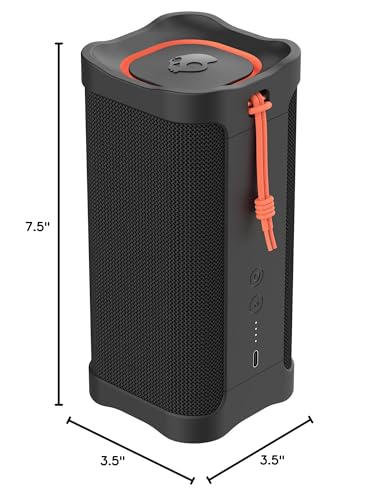
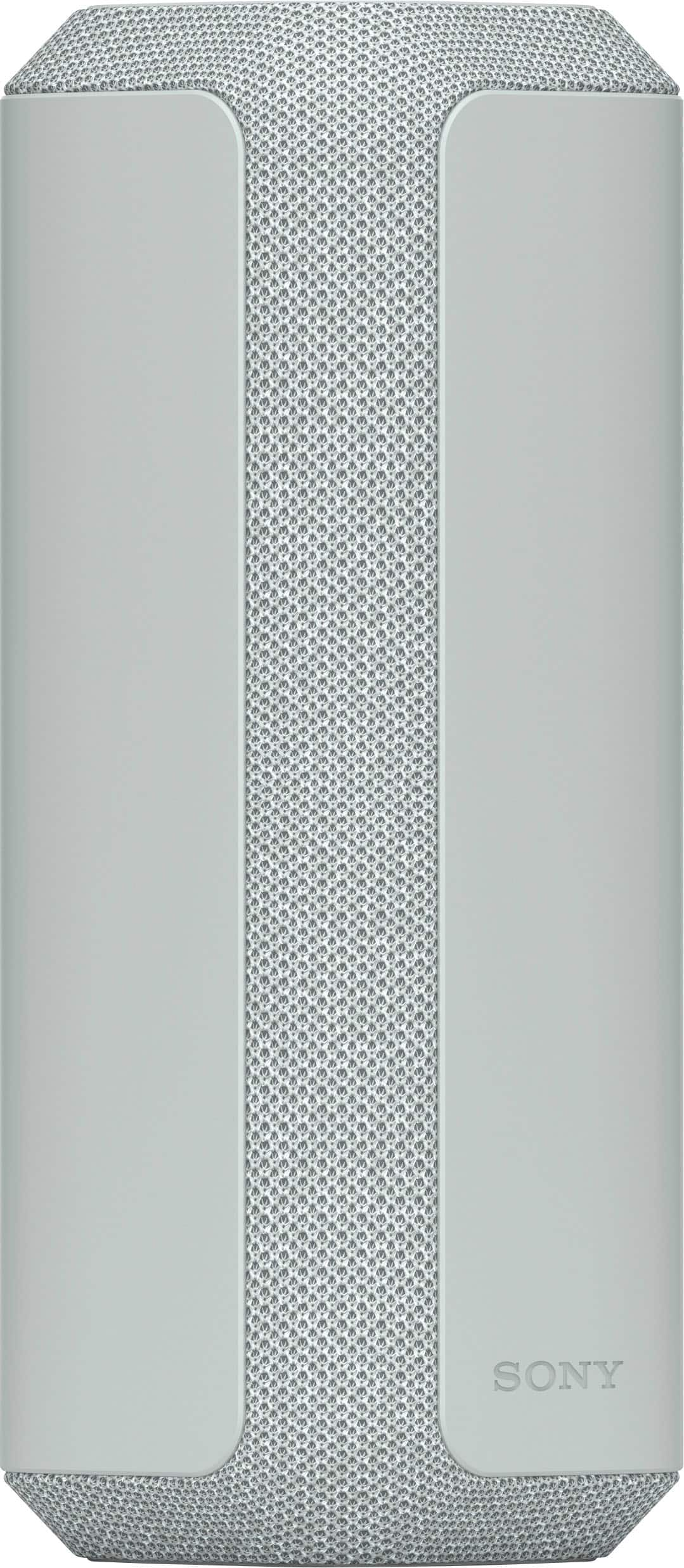
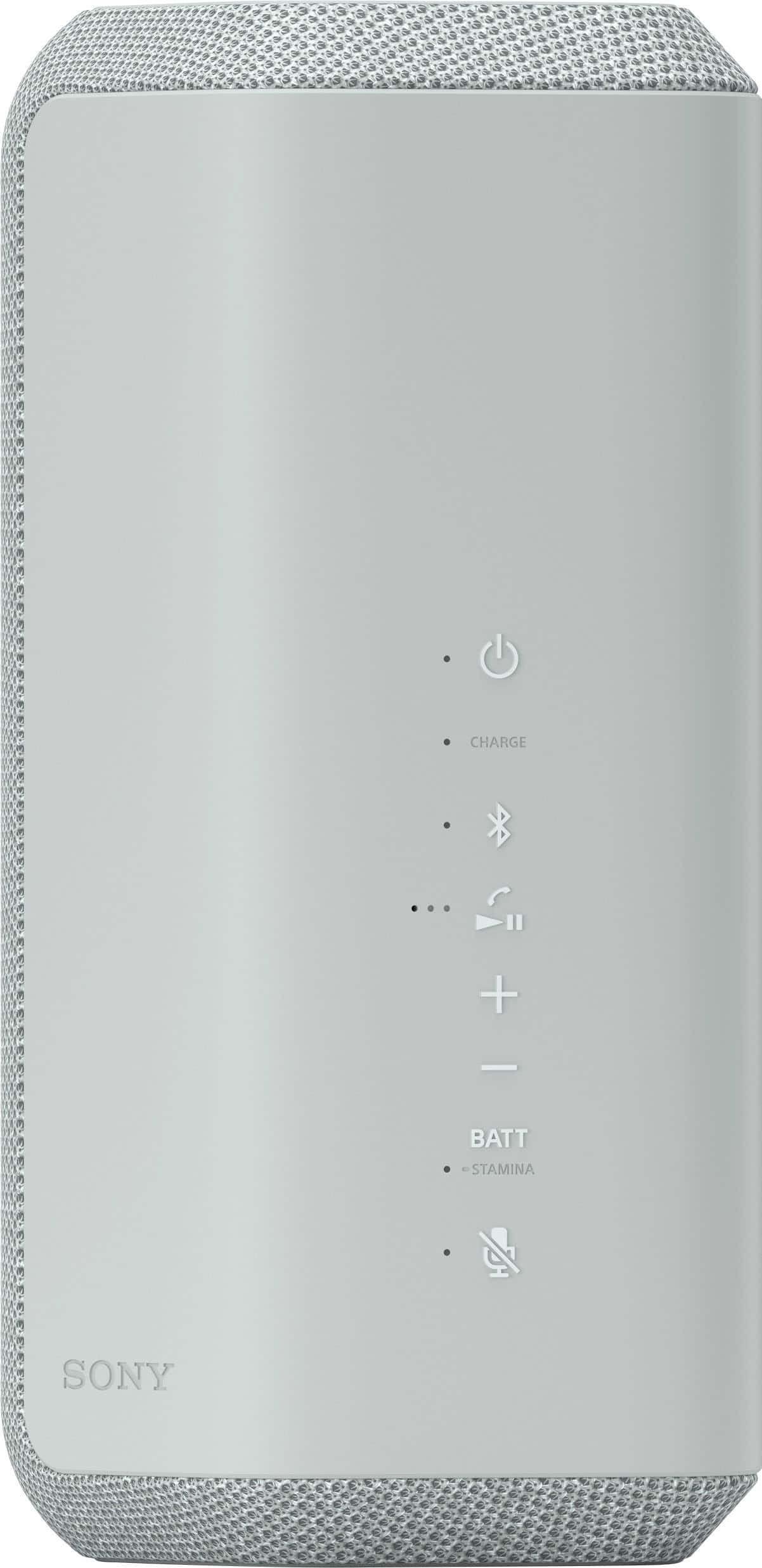
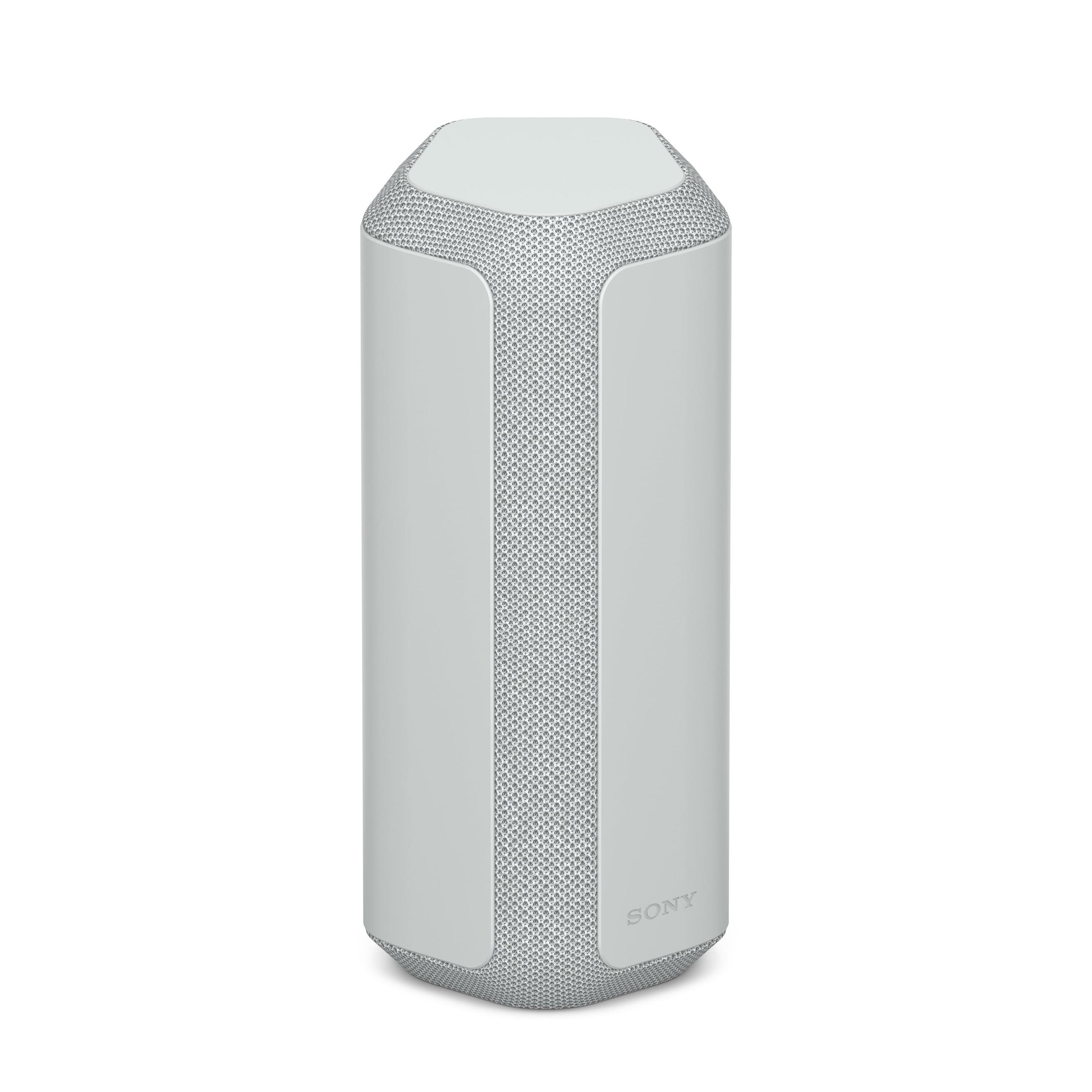




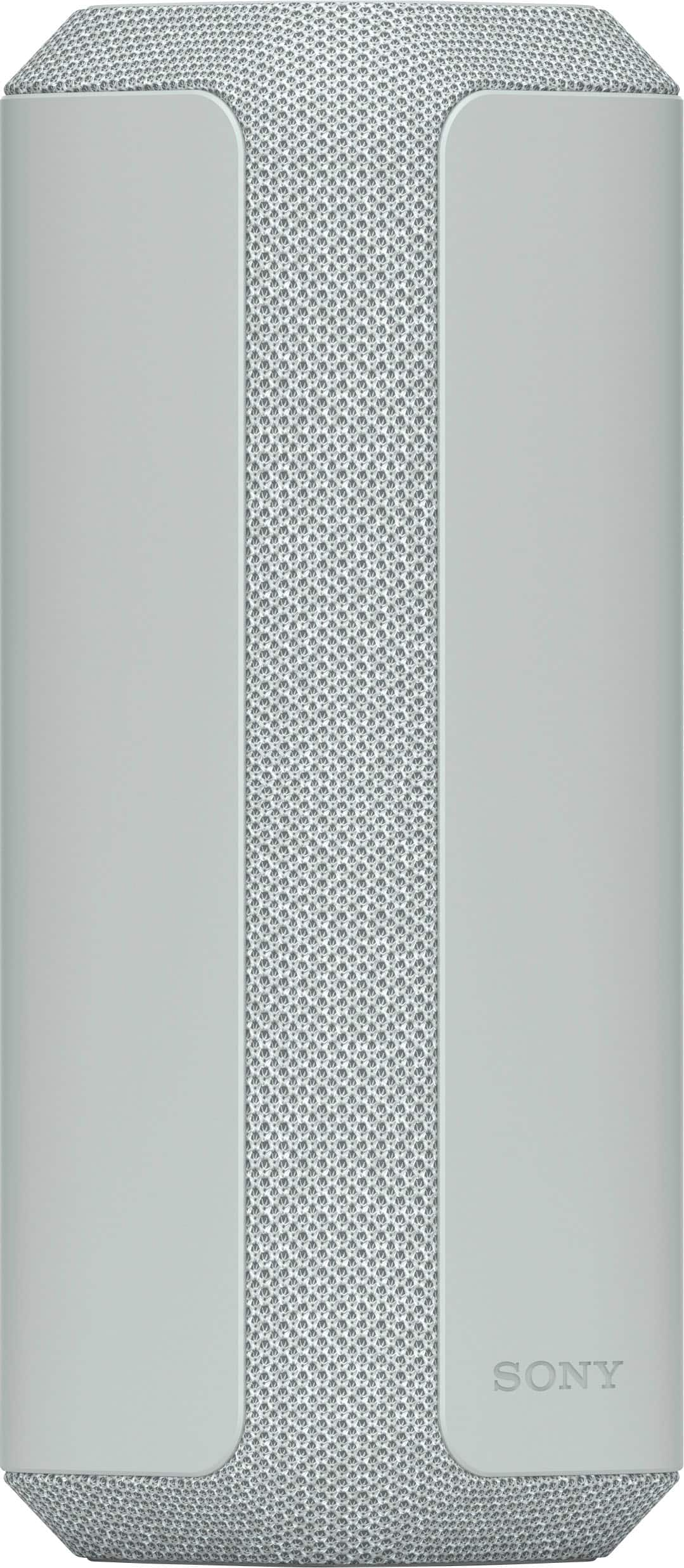
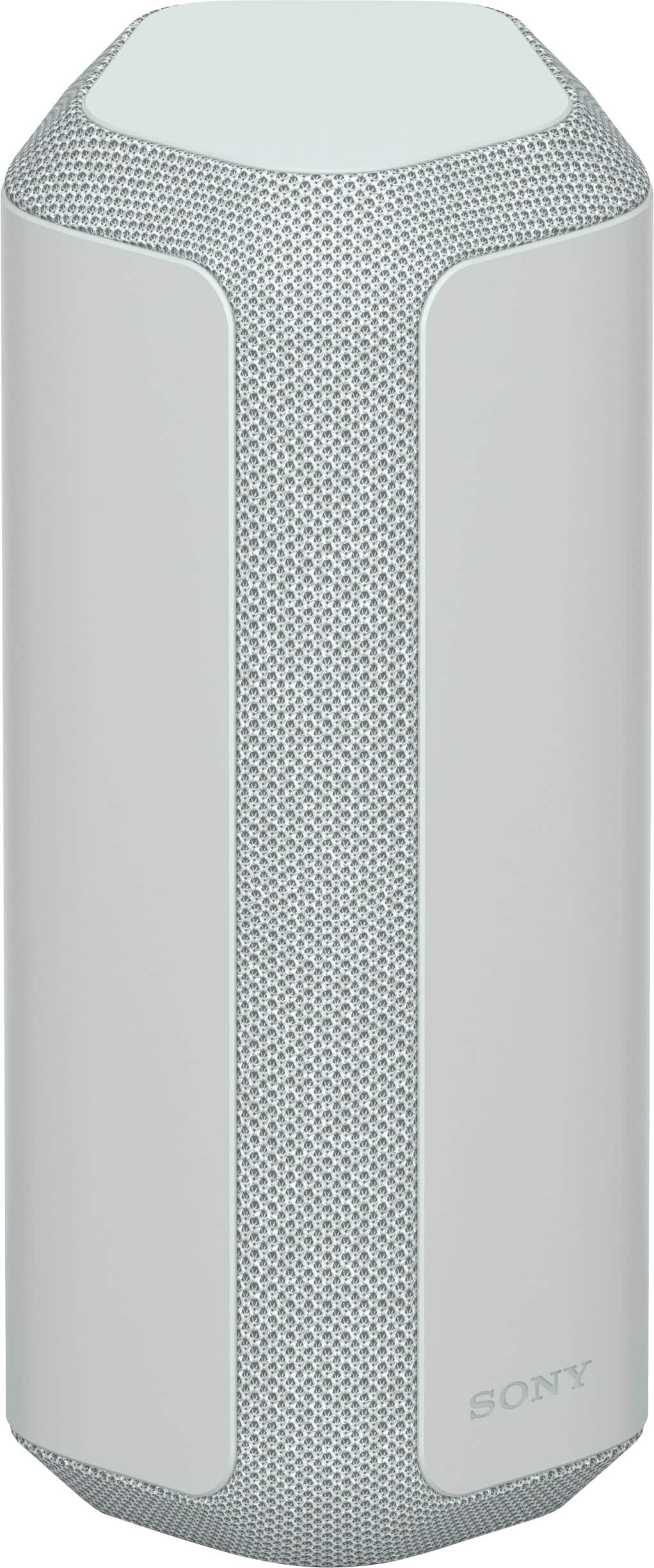
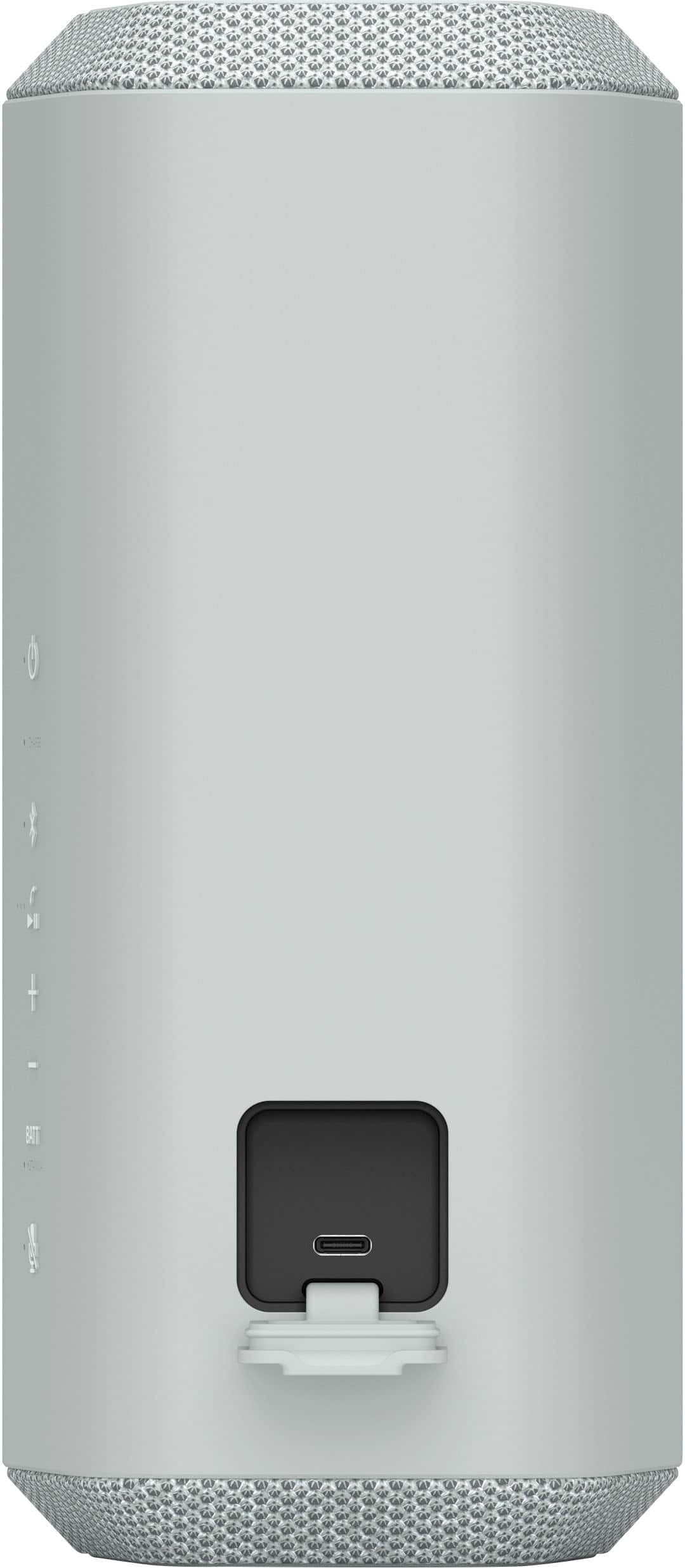
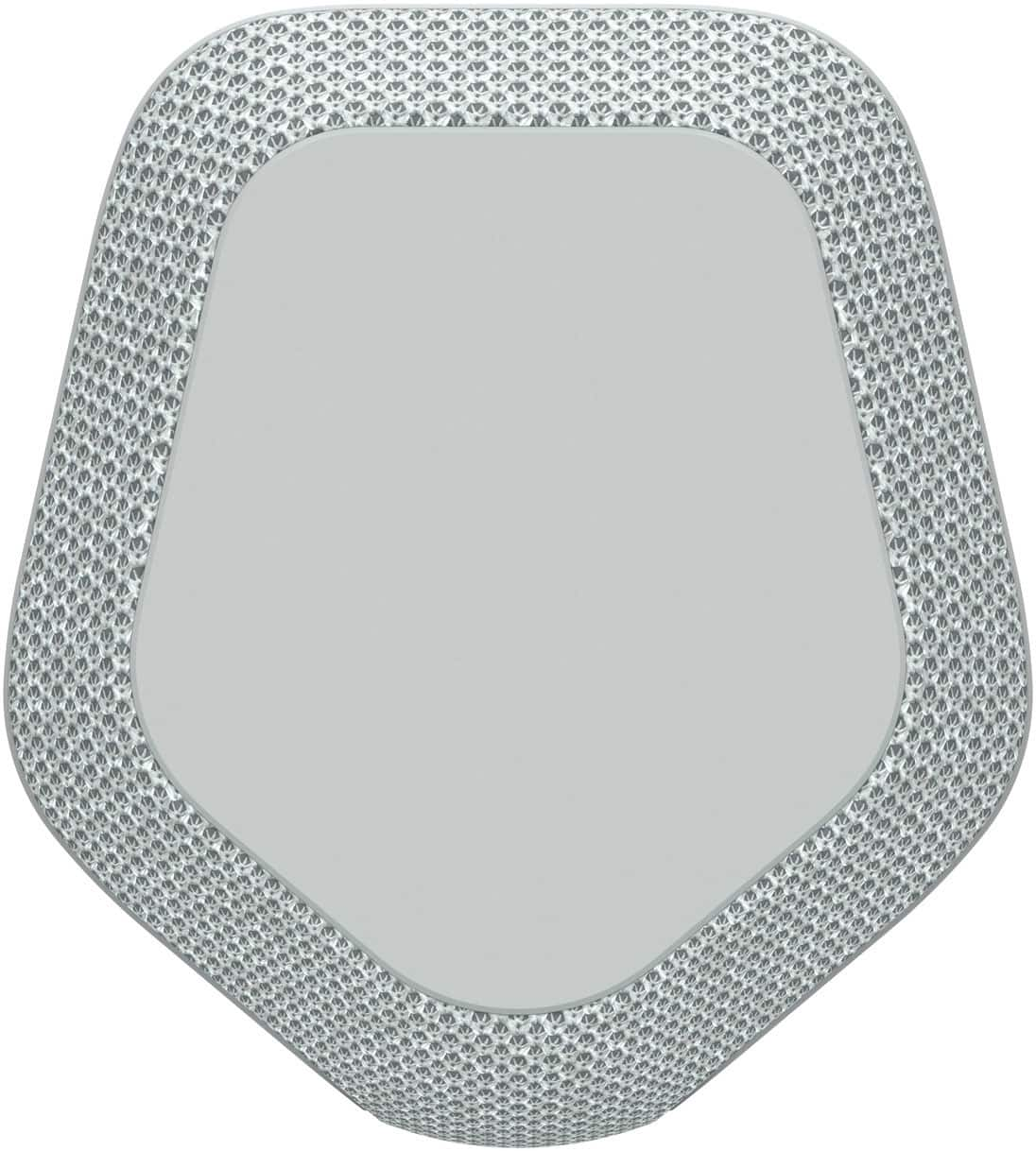
When you're shopping for a portable Bluetooth speaker in 2024, you'll quickly discover that the market has split into distinct camps. On one side, you have budget-friendly options that prioritize basic functionality and aggressive pricing. On the other, premium speakers pack advanced audio technology and premium features that command higher prices. The Skullcandy Terrain XL and Sony XE300 represent these two philosophies perfectly, making them an ideal comparison for anyone trying to decide where to spend their money.
Both speakers launched in recent years—the Terrain XL as part of Skullcandy's outdoor-focused lineup and the XE300 in 2022 as Sony's mid-range portable offering. Since then, the portable speaker market has continued evolving with better battery technology, improved Bluetooth codecs (the compression methods that determine audio quality over wireless connections), and more sophisticated driver designs (the components that actually produce sound).
Before diving into specifics, it's worth understanding what separates good portable speakers from mediocre ones. The most critical factors are sound quality, battery life, durability, and connectivity features. Sound quality involves how accurately a speaker reproduces music across different frequencies—bass (low notes), mids (vocals and most instruments), and highs (cymbals, strings). Battery life determines how long you can enjoy your music without hunting for a charger. Durability, especially water resistance, matters when you're taking speakers outdoors. Finally, connectivity features like multi-device pairing and speaker linking can significantly enhance your listening experience.
The performance metrics that matter most depend on your intended use. For casual outdoor listening, decent sound quality and long battery life often trump audiophile-level precision. For home use or critical listening, sound quality becomes paramount. Understanding these priorities helps you choose between speakers that excel in different areas.
The audio performance gap between the Skullcandy Terrain XL and Sony XE300 is substantial and immediately noticeable. The Sony XE300 employs several advanced technologies that the Terrain XL simply doesn't match.
Sony's X-Balanced Speaker Unit represents a significant engineering achievement. Unlike traditional circular drivers, this system uses a non-circular diaphragm (the vibrating surface that creates sound waves). This unusual shape maximizes the vibrating surface area within the speaker's constraints, producing more sound pressure—essentially more volume and bass—while reducing distortion. Think of it like having a larger drum head in the same sized drum; you get more impactful sound without the unwanted noise that comes from pushing a smaller driver too hard.
Even more impressive is the XE300's Line-Shape Diffuser technology, borrowed from professional concert sound systems. Traditional speakers create a point source of sound that weakens as you move away from the center. The Line-Shape Diffuser creates a line source instead, spreading sound energy more evenly across a wider area. This means everyone at your gathering gets consistent audio quality, not just the person sitting directly in front of the speaker.
The Sony also includes dual passive radiators—essentially additional drivers without magnets that vibrate sympathetically with the main drivers to enhance bass response. Combined with Sony's DSEE (Digital Sound Enhancement Engine) and Clear Audio+ processing, which attempt to restore detail lost in compressed music files, the XE300 delivers noticeably richer, more balanced sound.
In contrast, the Skullcandy Terrain XL takes a much simpler approach. It uses standard dual front-firing woofers with dual passive radiators—a perfectly adequate setup, but without the engineering sophistication of Sony's system. More problematically, the Terrain XL exhibits what audio engineers call a "V-shaped" sound signature. This means it emphasizes bass and highs while neglecting midrange frequencies where most vocals and instruments live.
This V-shaped tuning can make music sound exciting initially—punchy bass and crisp highs grab your attention. However, it quickly becomes fatiguing during longer listening sessions, and you'll miss the detail and clarity in vocals and instruments that make music engaging. The Terrain XL also lacks any EQ (equalizer) options, so you're stuck with Skullcandy's tuning choices whether you like them or not.
Based on our research of user reviews and expert evaluations, the difference is stark. The Sony XE300 consistently receives praise for its balanced, detailed sound that works well across different music genres. The Terrain XL, while adequate for casual listening, struggles with complex musical passages and shows its limitations when you want to really hear what your music has to offer.
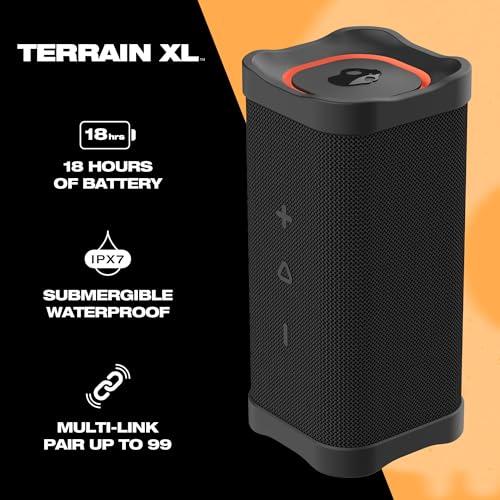
Battery performance reveals another significant gap between these speakers. The Sony XE300 officially rates at 24 hours of playback compared to the Terrain XL's 18 hours. However, real-world performance depends heavily on volume levels and the type of music you're playing—bass-heavy tracks drain batteries faster.
More importantly, the Sony includes quick charging technology that provides 70 minutes of playback from just 10 minutes of charging. When you're heading out and realize your speaker is dead, this feature becomes invaluable. The Terrain XL requires the full 4.5 to 5-hour charge cycle, making it less practical for spontaneous use.
Sony's Battery Care technology also helps preserve long-term battery health by preventing overcharging—a common cause of battery degradation in portable electronics. This attention to battery longevity suggests the XE300 will maintain its performance longer over years of use.
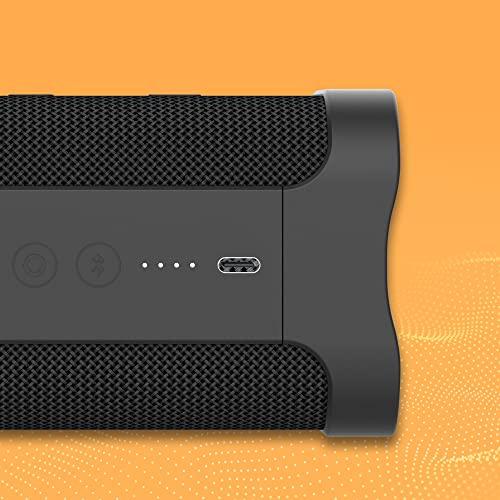
Both speakers charge via USB-C, which is convenient since it matches most modern phones and tablets. However, neither offers wireless charging, which would be a nice premium feature at these price points.
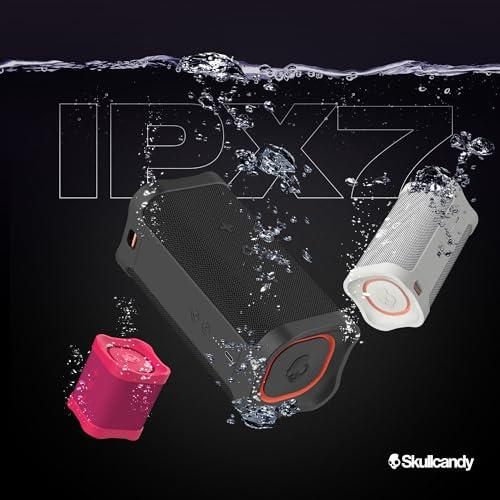
Both speakers achieve IPX7/IP67 water resistance ratings, meaning they can survive submersion in up to one meter of water for 30 minutes. For practical purposes, this means rain, splashes, and even accidental drops in shallow water won't damage them. The Sony's IP67 rating adds dust protection, which matters if you frequently use your speaker at beaches or construction sites.
Where they differ is in overall build philosophy. The Sony XE300 weighs 1.3 kilograms and feels substantial in your hands. The materials feel premium, with a rubberized exterior that resists scratches and provides good grip. However, this weight makes it less ideal for hiking or situations where every gram matters.
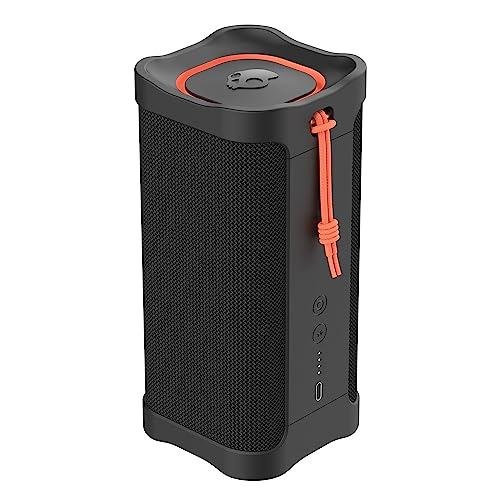
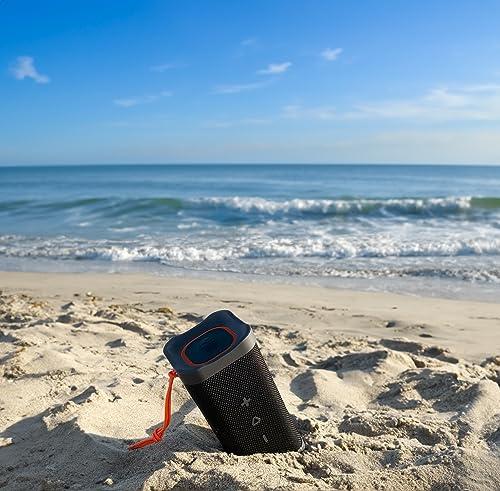
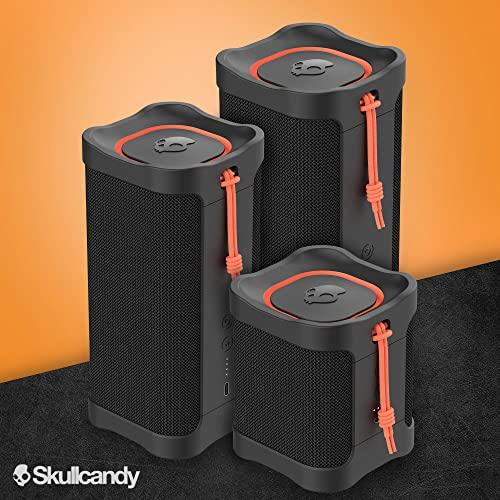
The Skullcandy Terrain XL takes the opposite approach, weighing just 635 grams—less than half the Sony's weight. It includes a built-in wrist strap and feels designed for maximum portability. The trade-off is that it feels less robust, though it should still handle normal outdoor use without problems.
For stationary use—backyard parties, poolside listening, or home use—the Sony's premium build quality and weight aren't drawbacks. For active use where you're carrying the speaker significant distances, the Terrain XL's lighter weight becomes a real advantage.
The connectivity comparison reveals the Sony XE300's more sophisticated approach to modern wireless audio. Its Bluetooth 5.2 implementation supports multipoint connection, allowing you to connect two devices simultaneously. This means you can seamlessly switch between your phone and laptop without re-pairing, or friends can easily add their music to the queue without disconnecting your device.
The Sony also supports LDAC, a high-resolution audio codec that can transmit much more data than standard Bluetooth. If you have high-quality music files or streaming service subscriptions that offer lossless audio, LDAC lets you hear more of that detail. The Terrain XL uses standard SBC codec, which is adequate but compresses audio more aggressively.
For speaker pairing, both offer interesting but different approaches. The Sony XE300 supports Party Connect, which can link up to 100 compatible Sony speakers for synchronized playback. More practically, you can pair two XE300 units for true stereo sound, with one handling left channel and one handling right channel audio.
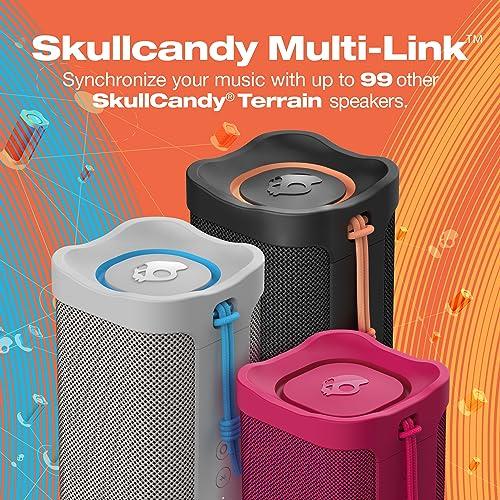
The Skullcandy Terrain XL offers Multi-Link technology that connects up to 99 speakers, but with a unique twist: you can pair different models within the Terrain series for stereo sound. This flexibility is unusual in the speaker world, where most brands require identical models for stereo pairing.
The Sony XE300 integrates with Sony's Music Center app, providing access to custom EQ settings, firmware updates, and music streaming service integration. The Terrain XL has no app support, limiting your ability to customize or update the speaker's functionality.
While neither speaker targets home theater use specifically, their capabilities differ significantly in this context. The Sony XE300's Line-Shape Diffuser technology and balanced sound signature make it surprisingly effective for casual TV watching or movie streaming on tablets and laptops. The even sound distribution means dialogue remains clear even when you're not positioned directly in front of the speaker.
The XE300's multipoint connection also proves useful for home theater scenarios—you can keep it connected to both your TV and phone, switching between them as needed. The custom EQ options let you optimize the sound for different content types.
The Terrain XL's V-shaped sound signature is less ideal for dialogue-heavy content like movies or TV shows. The emphasized bass and highs can make explosions and music sound dramatic but often muddy speech and subtle sound effects. For music-focused use in home settings, this might be acceptable, but for mixed content, the Sony proves more versatile.
At the time of writing, these speakers occupy different price tiers, with the Sony XE300 commanding a significant premium over the Skullcandy Terrain XL. This price difference reflects genuine performance gaps rather than just brand positioning.
The Terrain XL represents excellent value for budget-conscious buyers, especially when frequently available promotional pricing brings it well below its official retail price. You get adequate sound quality, solid build quality, excellent portability, and impressive battery life. For casual outdoor use, background music, or situations where losing or damaging the speaker would be particularly painful, it's a smart choice.
However, the Sony XE300 justifies its premium pricing with measurably better performance across almost every category. The superior audio quality alone makes a compelling case for spending more if music fidelity matters to you. Add the longer battery life, premium build quality, advanced connectivity features, and app integration, and you're getting significantly more capability for the additional cost.
The value equation also depends on your intended use case and how long you plan to keep the speaker. For occasional outdoor use or as a backup speaker, the Terrain XL makes financial sense. For primary use or situations where audio quality significantly impacts your enjoyment, the Sony delivers better long-term satisfaction per dollar spent.
After extensive research into user experiences and expert evaluations, clear recommendations emerge for different user profiles and scenarios.
Choose the Skullcandy Terrain XL if portability is your highest priority. At 635 grams, it's genuinely easy to carry on hikes, bike rides, or travel. The 18-hour battery life handles long outdoor adventures, and the water resistance provides peace of mind around water. The aggressive pricing, especially during sales, makes it accessible to students, casual users, or anyone who wants decent portable sound without a significant investment.
The Terrain XL also makes sense as a secondary speaker—something you keep in a garage, workshop, or guest room where audio quality isn't critical but having music available is nice. Its durability and low cost mean you won't worry about it getting damaged in these environments.
However, choose the Sony XE300 if audio quality matters to your listening experience. The advanced driver technology, balanced sound signature, and EQ options deliver genuinely engaging music reproduction that makes extended listening sessions enjoyable rather than fatiguing. The 24-hour battery life and quick charging make it more practical for regular use.
The Sony is also the better choice for shared listening experiences. The Line-Shape Diffuser technology ensures everyone gets good sound quality, not just the person sitting closest to the speaker. The multipoint connection and app integration make it more convenient when multiple people want to contribute music.
For home use, whether as a secondary TV speaker, kitchen music source, or bedroom audio system, the XE300's superior sound quality and connectivity flexibility provide better long-term satisfaction. The premium build quality suggests it will maintain performance and appearance longer than the more budget-oriented Terrain XL.
Both the Skullcandy Terrain XL and Sony XE300 succeed in their intended roles, but they target fundamentally different user needs and budgets. The Terrain XL maximizes value and portability for budget-conscious users who want reliable outdoor audio without premium pricing. The XE300 delivers premium audio performance and features for users willing to pay more for better sound quality and advanced functionality.
The decision ultimately comes down to your priorities: maximum portability and value, or superior audio quality and features. Both speakers will serve you well within their intended use cases, but understanding these differences ensures you'll choose the one that best matches your specific needs and budget constraints.
| Skullcandy Terrain XL | Sony XE300 |
|---|---|
| Audio Quality - The most critical factor for music enjoyment | |
| V-shaped sound signature with harsh highs and neglected mids, no EQ options | Balanced sound with X-Balanced drivers, Line-Shape Diffuser, and custom EQ |
| Battery Life - Determines how long you can listen without charging | |
| 18 hours at moderate volume, 8 hours at max volume | 24 hours plus quick charge (70 min from 10 min charge) |
| Weight & Portability - Critical for hiking and active use | |
| 635g with built-in wrist strap (highly portable) | 1,300g premium build (twice as heavy but more durable) |
| Water Resistance - Essential for outdoor and poolside use | |
| IPX7 (submersible to 1 meter for 30 minutes) | IP67 (submersible plus dust protection) |
| Bluetooth & Connectivity - Affects device compatibility and convenience | |
| Bluetooth 5.3, single device only, basic SBC codec | Bluetooth 5.2, multipoint (2 devices), LDAC high-res codec |
| Speaker Pairing - For stereo sound and party modes | |
| Multi-Link up to 99 speakers, can pair different Terrain models | Party Connect up to 100 speakers, stereo pairing with identical units |
| App Integration - For customization and firmware updates | |
| No app support, no customization options | Sony Music Center app with EQ, updates, streaming integration |
| Value Proposition - What you get for your money | |
| Excellent budget option with basic features and high portability | Premium pricing justified by superior audio tech and features |
| Best Use Cases - Who should choose each speaker | |
| Casual outdoor use, hiking, budget-conscious buyers, secondary speaker | Primary speaker, audio enthusiasts, home use, shared listening |
The Sony XE300 delivers significantly better sound quality than the Skullcandy Terrain XL. The Sony features advanced X-Balanced drivers and Line-Shape Diffuser technology that creates balanced, detailed audio across all frequencies. In contrast, the Terrain XL has a harsh V-shaped sound signature that emphasizes bass and highs while neglecting midrange frequencies where vocals and instruments live.
The Sony XE300 offers 24 hours of battery life compared to 18 hours on the Skullcandy Terrain XL. However, the Sony also includes quick charging that provides 70 minutes of playback from just 10 minutes of charging, while the Terrain XL requires a full 4.5-5 hour charge cycle.
The Skullcandy Terrain XL is much more portable, weighing only 635 grams compared to the Sony XE300's 1,300 grams. The Terrain XL includes a built-in wrist strap and is designed specifically for active outdoor use, making it ideal for hiking, camping, and travel.
Yes, both speakers offer excellent water protection. The Skullcandy Terrain XL has IPX7 rating while the Sony XE300 has IP67 rating. Both can be submersed in up to 1 meter of water for 30 minutes. The Sony adds dust protection with its IP67 rating, making it slightly better for beach and dusty environments.
The Sony XE300 supports multipoint connection, allowing you to connect two devices simultaneously and switch between them seamlessly. The Skullcandy Terrain XL only connects to one device at a time, requiring you to disconnect and reconnect when switching between devices.
This depends on your priorities. The Skullcandy Terrain XL offers excellent value for budget-conscious buyers who need basic portable audio with good battery life. The Sony XE300 justifies its higher price with superior sound quality, longer battery life, and premium features like custom EQ and multipoint connectivity.
The Sony XE300 works better for home theater use thanks to its balanced sound signature and Line-Shape Diffuser technology that spreads sound evenly. The clear midrange reproduction makes dialogue easier to understand. The Terrain XL's V-shaped sound can muddy speech and isn't ideal for movie watching.
Both speakers support stereo pairing but with different approaches. The Sony XE300 can pair with another identical XE300 for true stereo sound. The Skullcandy Terrain XL offers unique flexibility by allowing stereo pairing with different models in the Terrain series, not just identical speakers.
The Sony XE300 integrates with Sony's Music Center app, offering custom EQ settings, firmware updates, and streaming service integration. The Skullcandy Terrain XL has no app support, meaning you're limited to its fixed sound tuning with no customization options.
The Sony XE300 uses Bluetooth 5.2 with support for high-quality LDAC codec and multipoint connectivity. The Skullcandy Terrain XL features Bluetooth 5.3 but only supports basic SBC codec and single device connections. The Sony offers better audio quality over Bluetooth for compatible devices.
The Sony XE300 excels at group listening thanks to its Line-Shape Diffuser technology that spreads sound evenly, ensuring everyone gets good audio quality regardless of position. Both speakers can link multiple units, but the Sony's balanced sound signature works better for diverse music tastes at parties.
Choose the Skullcandy Terrain XL if you prioritize portability, budget-friendly pricing, and basic outdoor functionality. Choose the Sony XE300 if you want superior audio quality, premium features like custom EQ and multipoint connectivity, and don't mind the extra weight and cost for better performance.
We've done our best to create useful and informative comparisons to help you decide what product to buy. Our research uses advanced automated methods to create this comparison and perfection is not possible - please contact us for corrections or questions. These are the sites we've researched in the creation of this article: youtube.com - skullcandy.eu - youtube.com - blog.bestbuy.ca - support.skullcandy.com - youtube.com - youtube.com - walmart.com - versus.com - youtube.com - skullcandy.ae - versus.com - skullcandy.com - youtube.com - consumerreports.org - gearjunkie.com - newegg.com - manuals.plus - bestbuy.com - electronicexpress.com - skullcandy.com - bestbuy.com - sony.co.uk - soundguys.com - bestbuy.com - cgmagonline.com - sony.com - sony.com - bestbuy.com - sony.com - electronics.sony.com - helpguide.sony.net

Privacy Policy
Terms and Conditions - Affiliate Policy
Home Security
© Copyright 2008-2026.
11816 Inwood Rd #1211, Dallas, TX 75244