

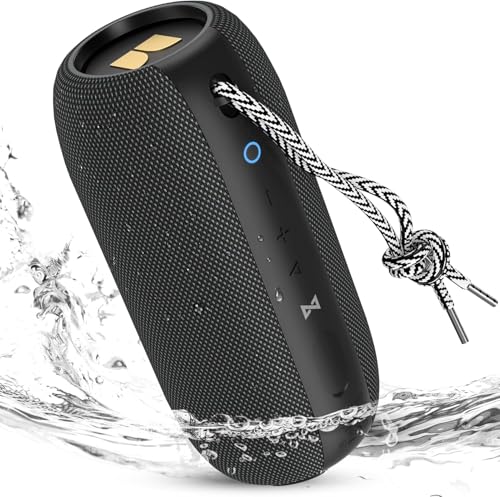

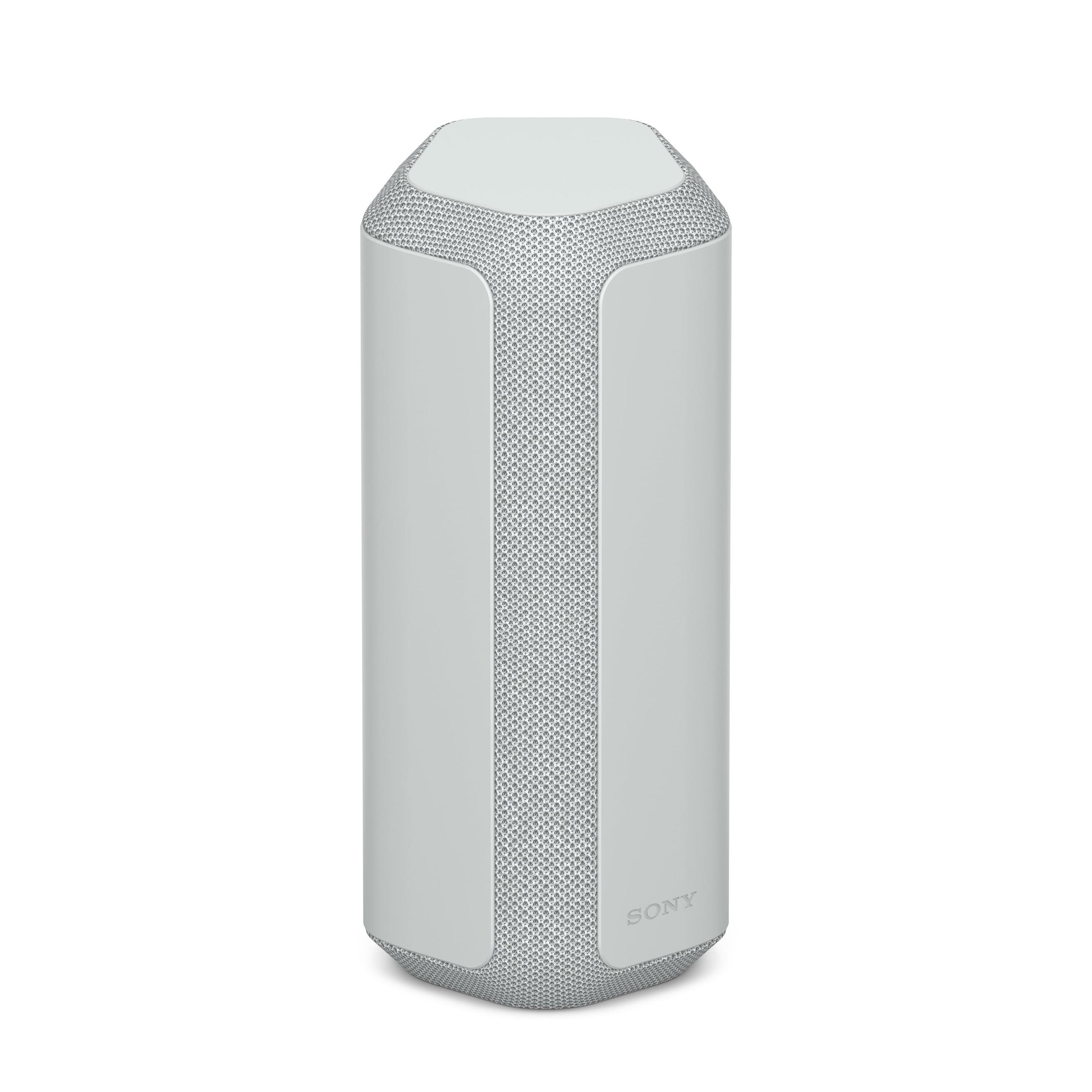




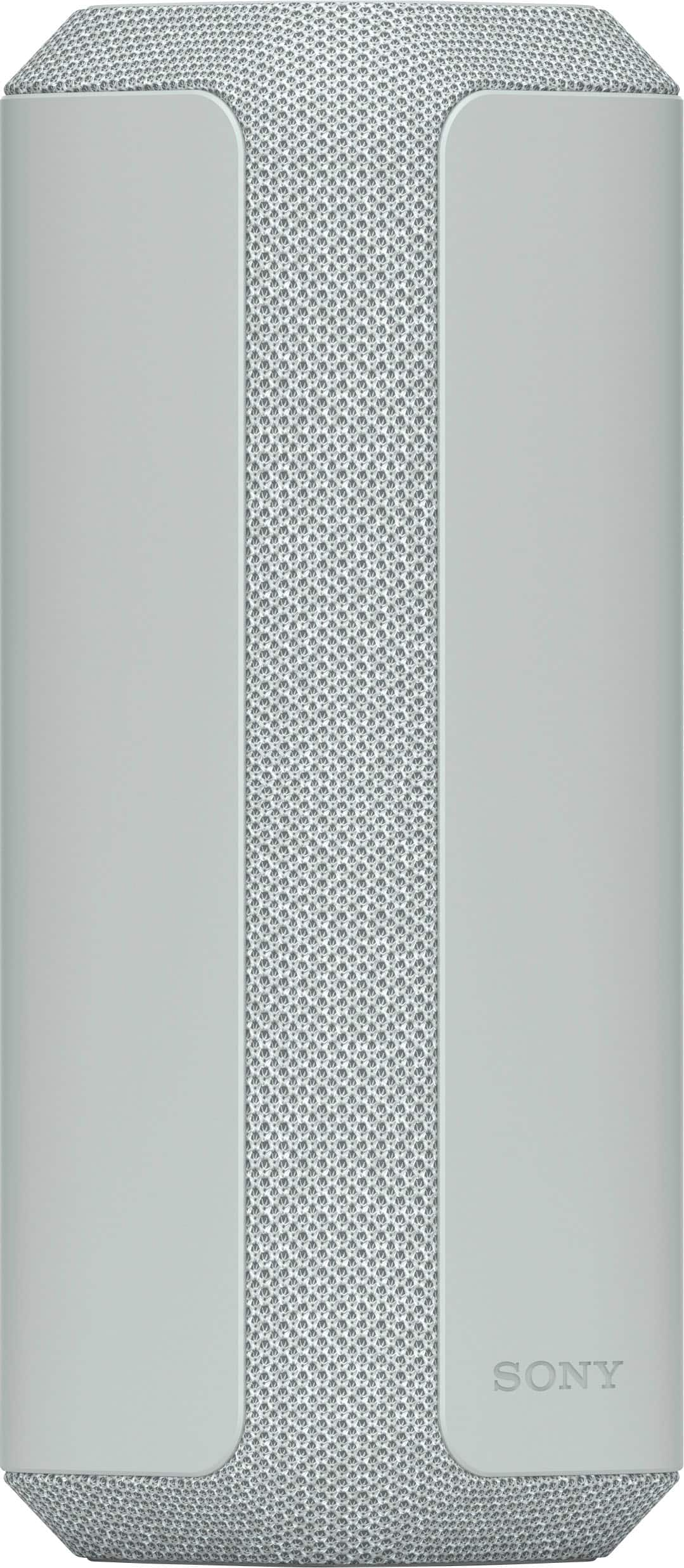
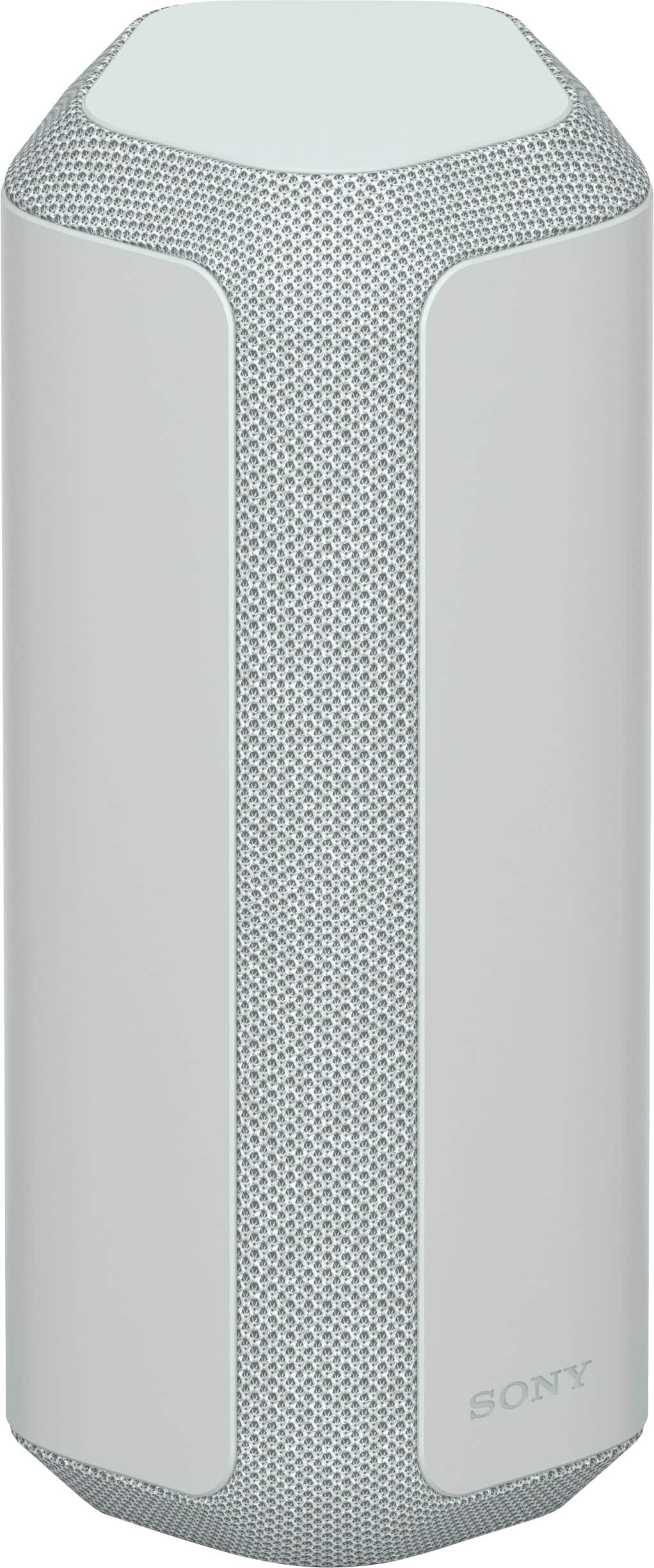
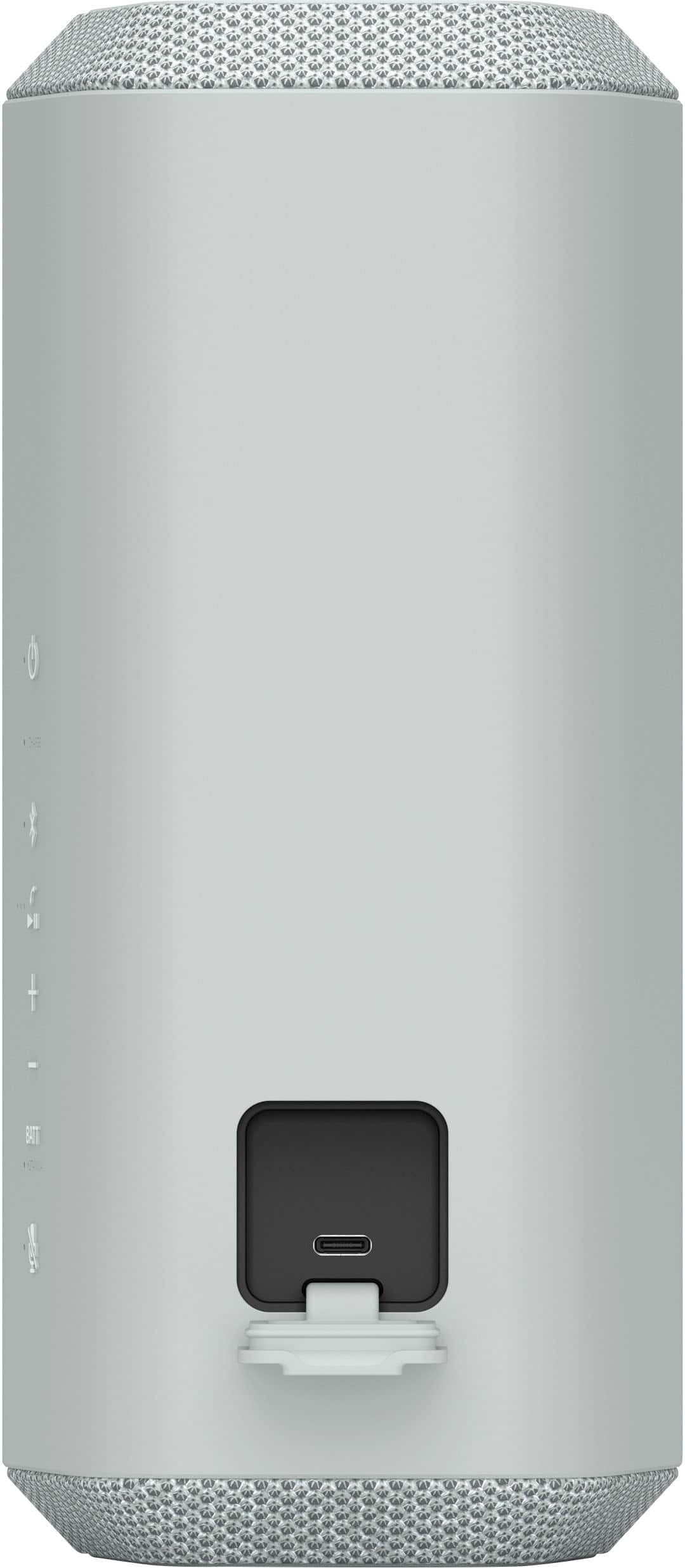
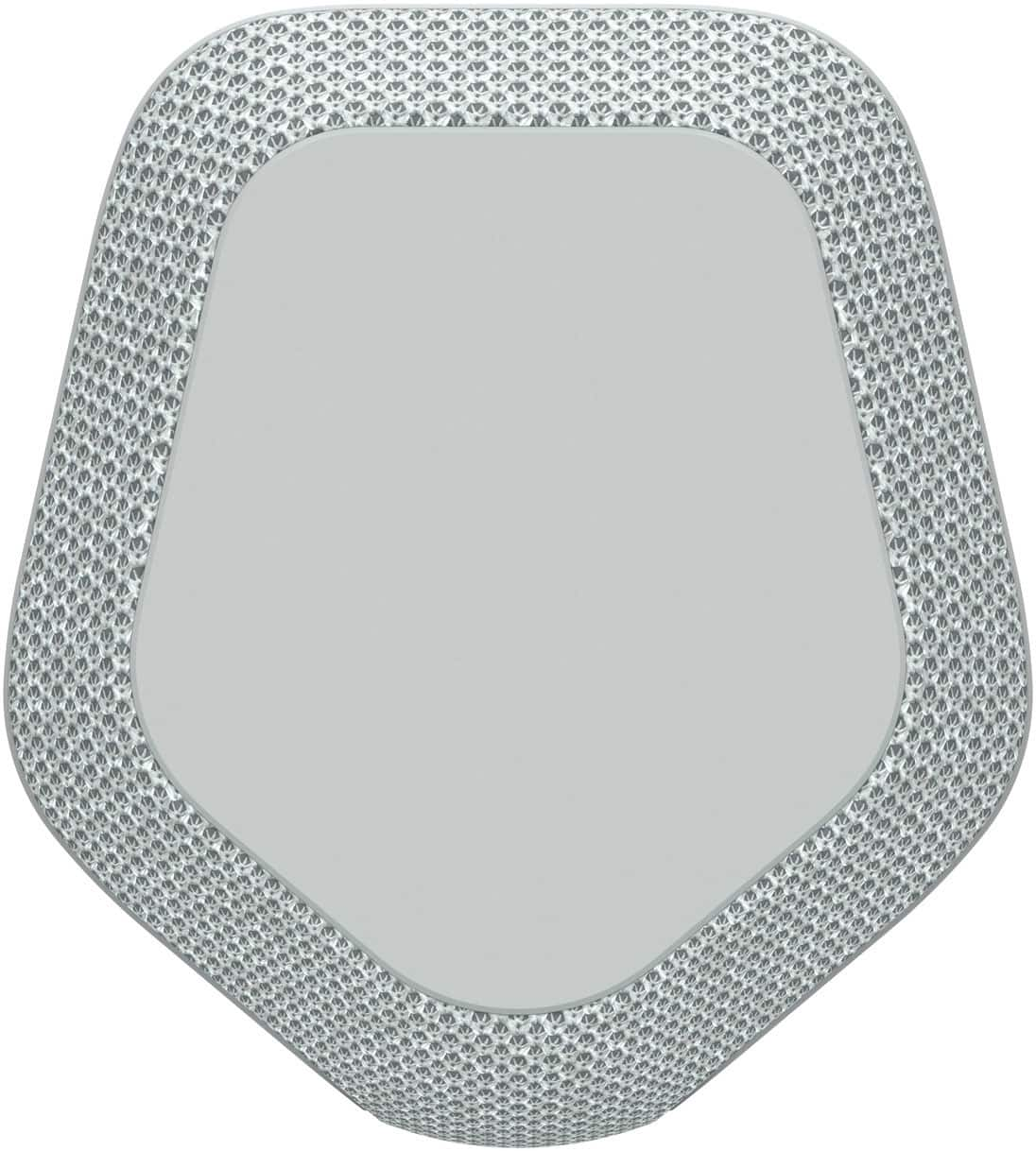
If you're shopping for a portable Bluetooth speaker, you've probably noticed there are hundreds of options out there, ranging from tiny pocketable speakers to boom boxes that could power a block party. The Monster S320 Superstar and Sony XE300 both landed on our radar as solid mid-range options, but they take completely different approaches to delivering great sound on the go.
After diving deep into user reviews, expert opinions, and technical specifications, we found these speakers represent two distinct philosophies in portable audio design. One prioritizes raw power and marathon battery life, while the other focuses on sophisticated sound engineering and smart features. Let's break down exactly what sets them apart and help you figure out which one fits your lifestyle.
Before we dive into the specifics, it's worth understanding what separates good portable speakers from great ones. The challenge with portable audio is balancing multiple competing demands: you want loud, clear sound, but also long battery life. You need something tough enough for outdoor adventures, but light enough to actually carry. You want rich bass response, but in a package small enough to fit in a backpack.
The most important performance metrics we focus on are power output (measured in watts), battery life, water resistance ratings, and sound dispersion patterns. Power output directly affects how loud your speaker can get and how well it fills large spaces. Battery life determines whether your speaker will last through a full day at the beach or die halfway through your camping trip. Water resistance ratings like IPX7 and IP67 tell you exactly how much moisture and dust your speaker can handle.
Sound dispersion is often overlooked but crucial - some speakers beam audio in one direction like a flashlight, while others spread sound in a full circle. The difference matters when you're trying to share music with a group of friends sitting around a campfire.
The Monster S320 Superstar and Sony XE300 represent two fundamentally different approaches to portable audio. Released around 2022, both speakers arrived during a period when manufacturers were pushing harder than ever to differentiate their products in an increasingly crowded market.
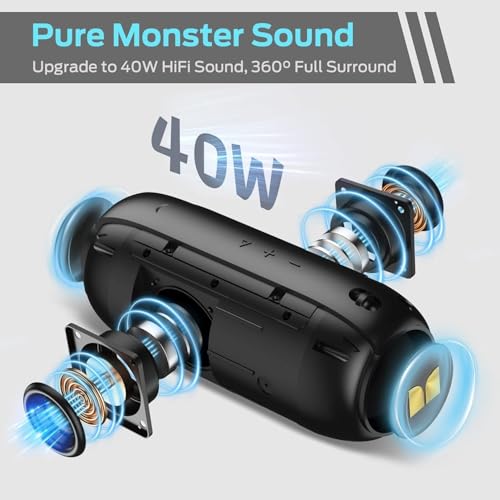
The Monster S320 comes from Monster's legacy of "bigger is better" audio engineering - the same company that made those chunky gold-plated audio cables popular in the 90s and 2000s. With the S320, they've packed 40 watts of power into a relatively compact package, focusing on delivering concert-level volume and bass response that can actually be felt, not just heard.
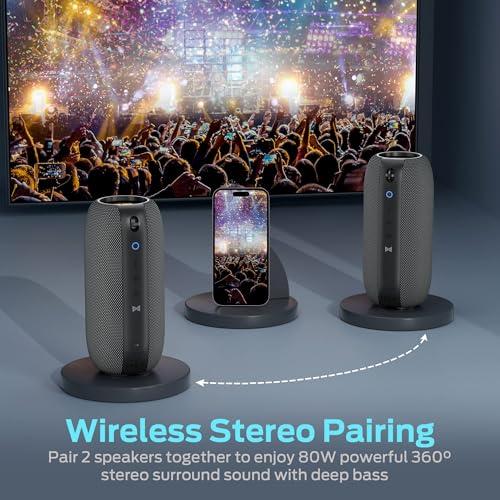
What makes the Monster S320 unique is its True Wireless Stereo (TWS) capability, which lets you pair two speakers wirelessly for a combined 80-watt sound system. This isn't just marketing fluff - when you double up on speakers, you create true left-right stereo separation that can transform your listening experience from "pretty good" to "why did I bother bringing a camping playlist when I could have just brought my entire music library?"
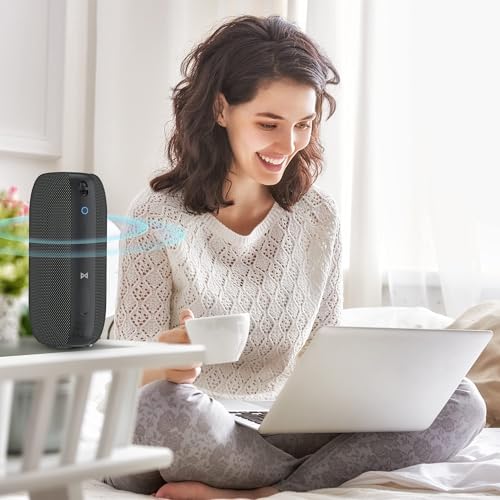
The speaker's 360-degree sound dispersion means it radiates audio in all directions equally, like a campfire spreading warmth. This is perfect for outdoor gatherings where people naturally spread out in a circle, but it also means you're not wasting audio energy by pointing sound at empty space when you're listening alone.
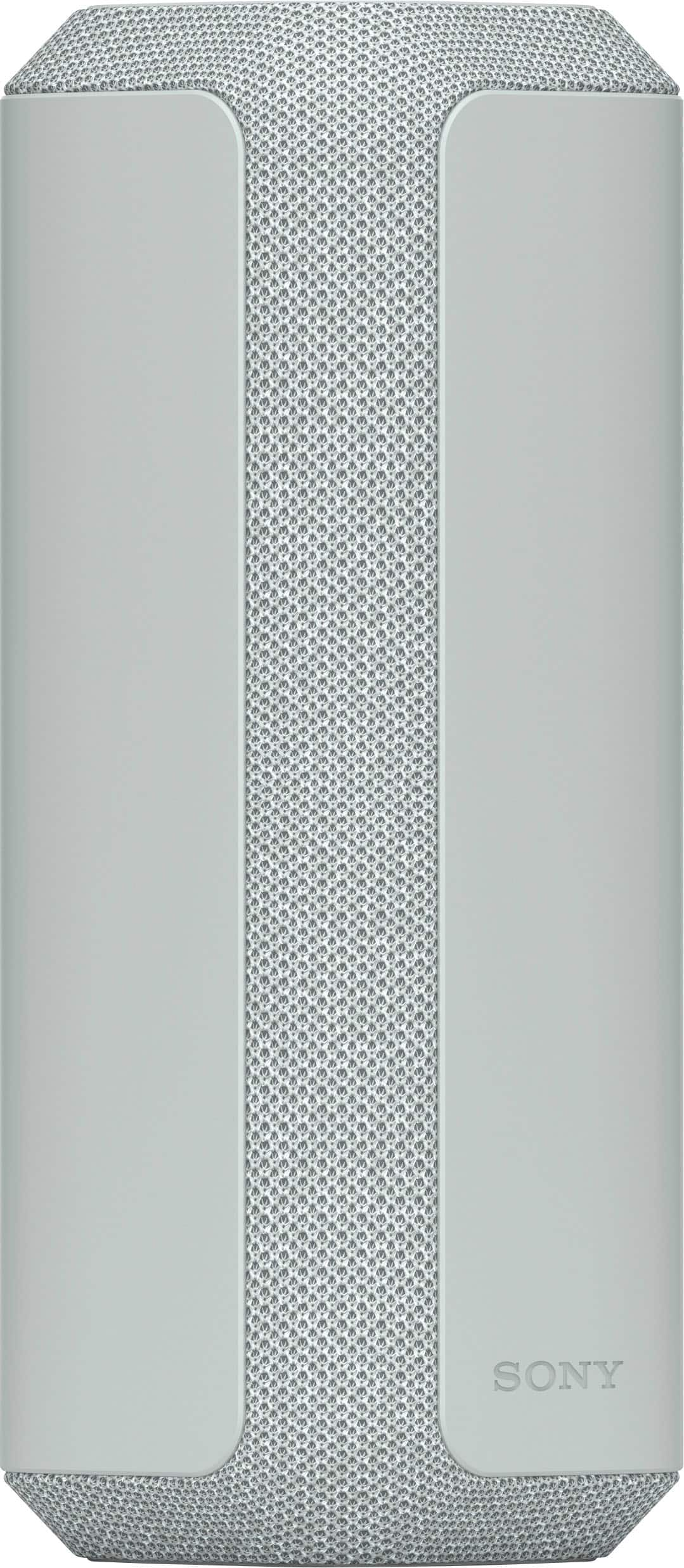
Sony took a completely different path with the XE300, applying technology borrowed from their professional audio division. The Line-Shape Diffuser technology comes directly from concert sound systems, designed to spread audio evenly across wide venues without losing clarity or volume.
The X-Balanced Speaker Unit is where Sony really shows off their engineering chops. Instead of using traditional circular speaker drivers, they've developed rectangular ones that fit more efficiently into the speaker housing. This means more of the internal space is actually producing sound rather than just taking up room. Think of it like comparing a round pizza to a rectangular sheet pizza of the same size - you get more actual pizza with the rectangular shape.
Sony's approach also emphasizes digital signal processing - the computer chips inside the speaker that modify the audio signal before it reaches your ears. The ClearAudio+ feature automatically adjusts the sound based on what type of music you're playing, while the graphic equalizer in Sony's companion app lets you fine-tune bass, mids, and treble to your exact preferences.
When it comes to raw power, the Monster S320 wins decisively with its 40-watt output compared to the Sony XE300's more modest (but unspecified) power rating. In practical terms, this means the Monster can get significantly louder and maintain better sound quality at high volumes.
But watts aren't everything. The Sony XE300 compensates for lower power with more efficient drivers and better acoustic design. Users consistently report that while it might not reach ear-splitting volumes, it delivers cleaner, more balanced sound at moderate to high listening levels. The Monster tends to be the choice when you need to fill a large outdoor space or compete with background noise, while the Sony excels in smaller gatherings where sound quality matters more than pure volume.
From our research into user experiences, the difference becomes most apparent in outdoor settings. The Monster S320 can maintain clear audio at distances where the Sony XE300 starts to sound thin and distant. However, the Sony's superior driver technology means it handles complex music - think orchestral pieces or jazz with lots of instruments playing simultaneously - with less distortion and better instrument separation.
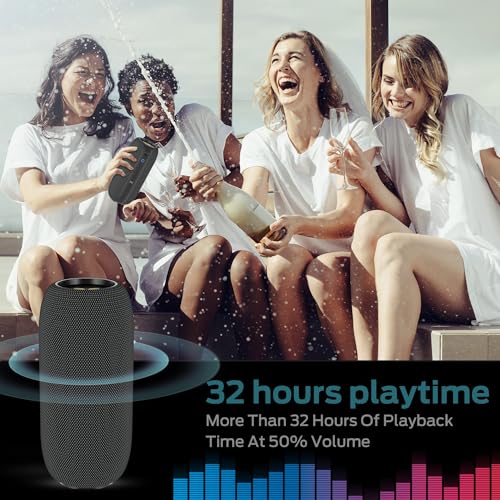
This is where the Monster S320 absolutely dominates. With 32 hours of continuous playback at moderate volume levels, it's essentially the marathon runner of portable speakers. That's enough to last through an entire weekend camping trip, multiple beach days, or weeks of daily commuting without needing to hunt for a charging cable.
The Sony XE300 provides a more typical 17 hours of real-world usage, which is still plenty for most situations but requires more planning. However, Sony includes intelligent power management features that the Monster lacks. The Battery Care technology monitors charging patterns and adjusts the charging curve to prevent battery degradation over time - essentially helping your speaker maintain its battery life for years instead of months.
Sony also wins on charging convenience with its quick-charge feature that provides 70 minutes of playback from just 10 minutes of charging. This is incredibly useful for those "oh no, my speaker is dead and people are coming over in an hour" moments that we've all experienced.
The practical difference means the Monster S320 is better for extended adventures where charging opportunities are limited, while the Sony XE300 works better for daily use where you can easily top up the battery when needed.
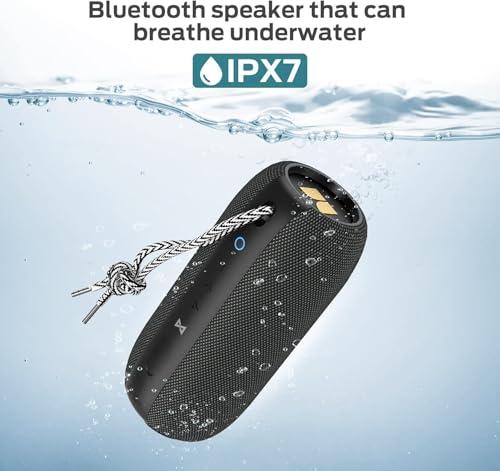
Both speakers target active users, but they define "rugged" differently. The Monster S320 carries an IPX7 water resistance rating, which means it can survive complete submersion in up to one meter of water for 30 minutes. It's also specifically marketed as shockproof, suggesting it can handle the inevitable drops and bumps that come with outdoor adventures.
The Sony XE300 ups the ante with an IP67 rating - the same water resistance as the Monster, but with the addition of complete dust protection. The "6" in that rating means absolutely no dust can get inside the speaker, while the Monster's IPX7 rating doesn't specify dust protection at all. For desert camping, beach use, or construction site environments, this difference matters more than you might expect.
In terms of real-world durability, both speakers have earned positive reviews from users who've put them through typical outdoor abuse. The Monster's rubberized exterior provides excellent grip and impact resistance, though it shows scratches and dirt more readily than Sony's mixed-material approach. The Sony XE300's fabric speaker covers can absorb water when the speaker gets wet, but this doesn't seem to affect sound quality or long-term durability.
This is where personal preferences and use cases really start to matter. The Monster S320 is tuned for excitement and impact. It emphasizes bass response and dynamic range - the difference between quiet and loud parts of songs. This makes it excellent for hip-hop, electronic music, rock, and other genres where you want to feel the beat as much as hear it.
The Sony XE300 takes a more balanced approach, with particular attention paid to midrange clarity where vocals and most instruments live. The X-Balanced drivers reduce distortion, which means instruments and voices sound more natural and separated from each other, rather than blending into a wall of sound.
For home theater use, both speakers can connect via Bluetooth to TVs and streaming devices, but they serve different purposes. The Monster S320 works well for action movies and sports where you want that extra bass impact and don't mind if dialogue isn't perfectly crisp. The Sony XE300 is better for dialogue-heavy content like documentaries, dramas, or news where vocal clarity is paramount.
The stereo pairing capabilities also differ significantly. The Monster S320's TWS feature creates true left-right stereo separation that can dramatically improve your listening experience with properly mixed music. Sony's Party Connect feature can link multiple speakers, but it's more about creating a multi-room audio system than improving stereo imaging.
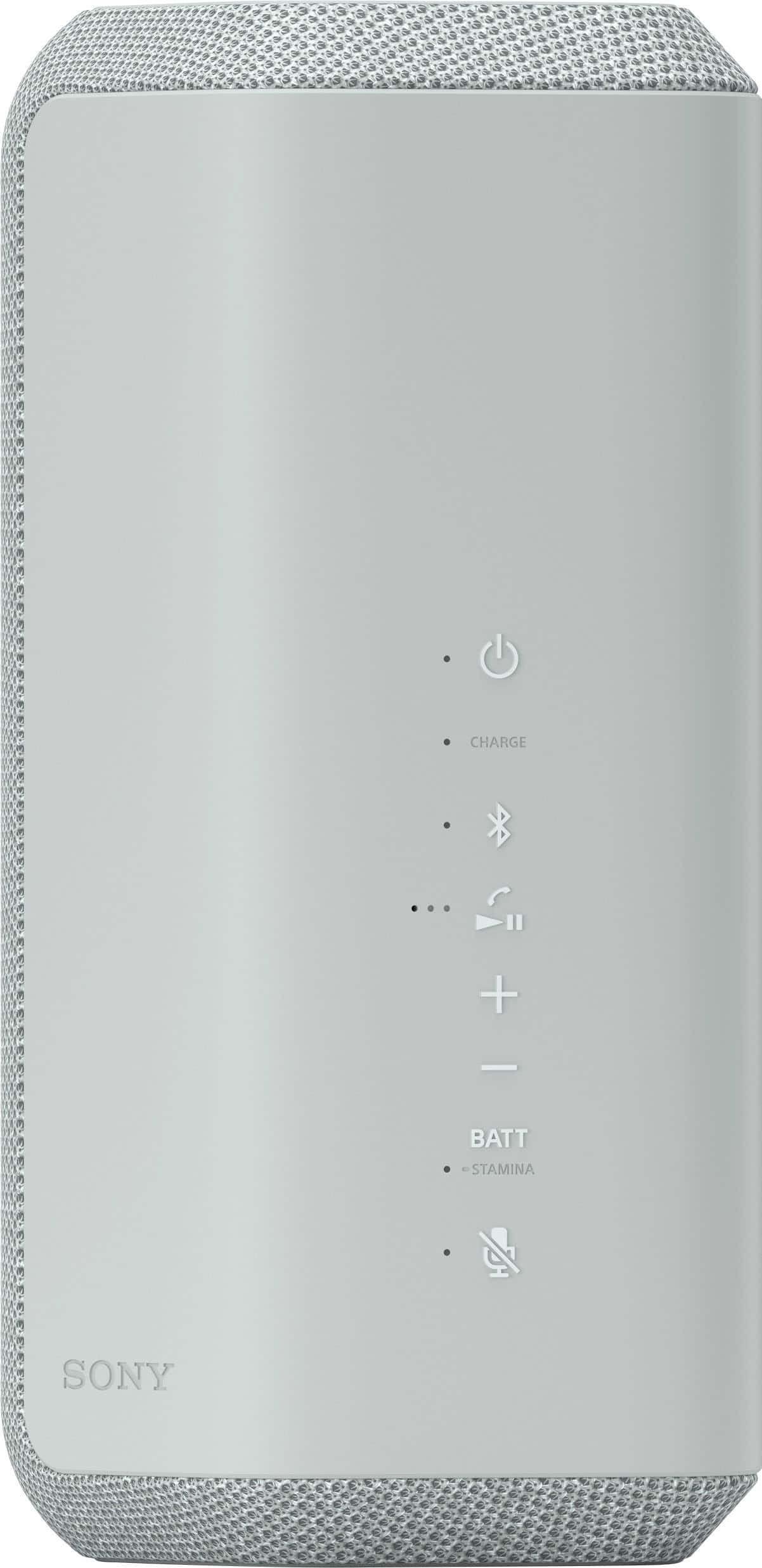
Modern Bluetooth speakers aren't just about playing music - they're increasingly becoming smart home devices. The Sony XE300 embraces this trend with comprehensive app support through Sony Music Center and Fiestable apps. These aren't just basic remote controls; they offer deep customization options, party lighting effects, and even DJ-style controls for mixing tracks.
The Monster S320 keeps things simpler with basic smartphone integration and voice assistant support through your connected device. This isn't necessarily a weakness - some users prefer straightforward operation without needing to download apps or navigate complex menus.
Bluetooth connectivity quality matters for daily use, and both speakers perform well here. The Sony XE300 supports higher-quality audio codecs like LDAC, which can transmit more audio data for better sound quality with compatible devices. It also offers multipoint connectivity, letting you connect two devices simultaneously - perfect for households where multiple people want to share DJ duties.
At the time of writing, these speakers occupy different price tiers, with the Monster S320 positioned as a value-focused option while the Sony XE300 commands a premium. The question isn't just which speaker costs less, but which delivers better value for your specific needs.
The Monster S320 offers exceptional performance-per-dollar, particularly in battery life and power output. If you calculate the cost per hour of battery life or per watt of power output, it's hard to find better deals in the portable speaker market. This makes it an obvious choice for budget-conscious buyers who don't want to compromise on core performance.
The Sony XE300 justifies its higher price through sophisticated engineering and feature density. You're paying for X-Balanced drivers, advanced digital signal processing, comprehensive app support, and Sony's reputation for long-term software support. For users who want their speaker to integrate seamlessly into a connected lifestyle and provide audiophile-level customization, the premium makes sense.
After analyzing user reviews, expert opinions, and technical specifications, clear usage patterns emerge for each speaker.
Choose the Monster S320 Superstar if you're an outdoor enthusiast who needs reliability above all else. Its 32-hour battery life and rugged construction make it perfect for camping trips, beach days, tailgating, or any situation where charging opportunities are limited and durability matters. The 40-watt power output and 360-degree sound dispersion also make it ideal for parties and large gatherings where you need to fill big spaces with sound.
The Monster S320 is also the clear choice for budget-conscious buyers who want maximum performance without premium pricing. If you're a college student, young professional, or anyone who wants great sound without breaking the bank, the Monster delivers exceptional value.
Go with the Sony XE300 if you're looking for a sophisticated audio experience that adapts to different situations. Its advanced features, customizable sound, and superior app integration make it perfect for users who want one speaker that works equally well for solo listening, video watching, conference calls, and social gatherings.
The Sony XE300 is also better suited for urban environments where dust protection matters, or for users who prioritize sound quality refinement over pure volume. If you listen to complex music genres like jazz, classical, or acoustic folk where instrument separation and vocal clarity matter more than bass impact, the Sony's engineering advantages become apparent.
Both the Monster S320 Superstar and Sony XE300 succeed at what they set out to do, but they're designed for different types of users. The Monster maximizes core performance - power, battery life, and durability - while keeping complexity to a minimum. The Sony provides a more complete, sophisticated experience with advanced features and customization options that justify its premium pricing.
Our research suggests most users will be happy with either choice, but the decision comes down to your priorities. If you need a speaker that simply works exceptionally well at the basics of portable audio - getting loud, lasting long, and surviving adventures - the Monster S320 is hard to beat. If you want a speaker that integrates seamlessly into your digital lifestyle and provides audiophile-level control over your listening experience, the Sony XE300 is worth the investment.
The portable speaker market continues evolving rapidly, with new models launching regularly and prices fluctuating based on market conditions. Both of these speakers represent solid choices that should serve you well for years, regardless of which direction the market heads next.
| Monster S320 Superstar | Sony XE300 |
|---|---|
| Power Output - Directly affects maximum volume and ability to fill large spaces | |
| 40W (80W when paired via TWS) | Lower power output (unspecified, but noticeably quieter) |
| Battery Life - Critical for extended outdoor use and travel | |
| 32 hours continuous playback | 17 hours real-world usage (24 hours claimed) |
| Sound Dispersion - Affects how evenly sound spreads to listeners | |
| True 360° stereo sound (omnidirectional) | Directional with Line-Shape Diffuser (wider than typical but not 360°) |
| Water/Dust Resistance - Protection level for outdoor adventures | |
| IPX7 waterproof (submersible, no dust rating specified) | IP67 (submersible + completely dust-tight) |
| Bluetooth Connectivity - Affects connection stability and audio quality | |
| Bluetooth 5.0, standard codecs | Bluetooth 5.2, supports LDAC high-res codec |
| Speaker Pairing - Ability to connect multiple speakers for bigger sound | |
| TWS pairing creates 80W stereo system | Party Connect links multiple speakers (not true stereo) |
| Smart Features - App integration and customization options | |
| Basic controls, voice assistant support | Comprehensive apps with graphic EQ, party features, multipoint connection |
| Charging Speed - How quickly you can get back to listening | |
| Standard USB-C charging (3 hours full charge) | Quick charge: 70 minutes playback from 10-minute charge |
| Build Philosophy - What the manufacturer prioritized in design | |
| Maximum power and battery life, rugged simplicity | Balanced performance with sophisticated audio engineering |
| Best Use Cases - Where each speaker excels | |
| Extended outdoor adventures, large gatherings, budget-conscious buyers | Daily versatility, audiophile customization, smart home integration |
The Monster S320 Superstar is significantly louder with its 40W power output compared to the Sony XE300. The Monster can fill large outdoor spaces and compete with background noise much better, making it ideal for parties and gatherings where maximum volume matters.
The Monster S320 Superstar offers exceptional 32 hours of continuous playback, nearly double the Sony XE300's 17 hours of real-world usage. However, the Sony includes quick charging that provides 70 minutes of playback from just 10 minutes of charging.
Both speakers handle outdoor conditions well, but differently. The Monster S320 has IPX7 waterproofing and shockproof construction for rugged adventures. The Sony XE300 offers IP67 rating with complete dust protection in addition to water resistance, making it slightly better for dusty environments like beaches or construction sites.
Yes, but they work differently. The Monster S320 Superstar uses True Wireless Stereo (TWS) to pair two speakers for genuine left-right stereo separation and 80W combined power. The Sony XE300 can connect multiple speakers through Party Connect, but it's more for multi-room audio than true stereo pairing.
The Sony XE300 generally provides better sound quality with its X-Balanced drivers, advanced digital processing, and customizable EQ through the Sony Music Center app. The Monster S320 emphasizes powerful bass and dynamic sound that's exciting for genres like hip-hop and rock, while the Sony offers more balanced, refined audio reproduction.
Both speakers can connect to TVs via Bluetooth, but serve different purposes. The Monster S320 Superstar works well for action movies and sports where you want impactful bass. The Sony XE300 is better for dialogue-heavy content like dramas and documentaries due to its clearer midrange reproduction and lower Bluetooth latency.
The Monster S320 Superstar typically offers better value for budget-conscious buyers, delivering exceptional battery life and power output at a lower price point. The Sony XE300 costs more but justifies the premium through sophisticated features, better app integration, and superior audio engineering.
The Sony XE300 has comprehensive app support with Sony Music Center for detailed EQ customization and Fiestable for party features. The Monster S320 keeps things simple with basic controls and voice assistant support, which some users prefer for straightforward operation without complex menus.
While both are portable, the Sony XE300 has a more ergonomic design despite being slightly heavier. The Monster S320 Superstar is more compact but the 32-hour battery life makes it ideal for extended trips where charging opportunities are limited.
Both speakers support hands-free calling, but the Sony XE300 has superior call quality with echo cancelling technology and multipoint connection for seamless switching between devices. The Monster S320 offers basic call functionality with its built-in microphone.
The Monster S320 Superstar emphasizes bass impact and can deliver more powerful low-end response, especially when two speakers are paired for 80W output. The Sony XE300 has good bass through its dual passive radiators but focuses more on balanced sound across all frequencies.
Both speakers are well-built, but the Sony XE300 benefits from Sony's established reputation for long-term software support and regular app updates. The Monster S320 focuses on hardware durability with its rugged construction and simpler electronics that have fewer potential points of failure over time.
We've done our best to create useful and informative comparisons to help you decide what product to buy. Our research uses advanced automated methods to create this comparison and perfection is not possible - please contact us for corrections or questions. These are the sites we've researched in the creation of this article: youtube.com - runbazaar.com - youtube.com - exceldisc.com - youtube.com - 961souq.com - walmart.com - eshtir.com - mct-audio.com - hk.monsterstore.com - alibaba.com - cdn.tgdd.vn - device.report - manualslib.com - alibaba.com - bestbuy.com - sony.co.uk - soundguys.com - bestbuy.com - cgmagonline.com - sony.com - sony.com - bestbuy.com - sony.com - electronics.sony.com - helpguide.sony.net

Privacy Policy
Terms and Conditions - Affiliate Policy
Home Security
© Copyright 2008-2026.
11816 Inwood Rd #1211, Dallas, TX 75244