

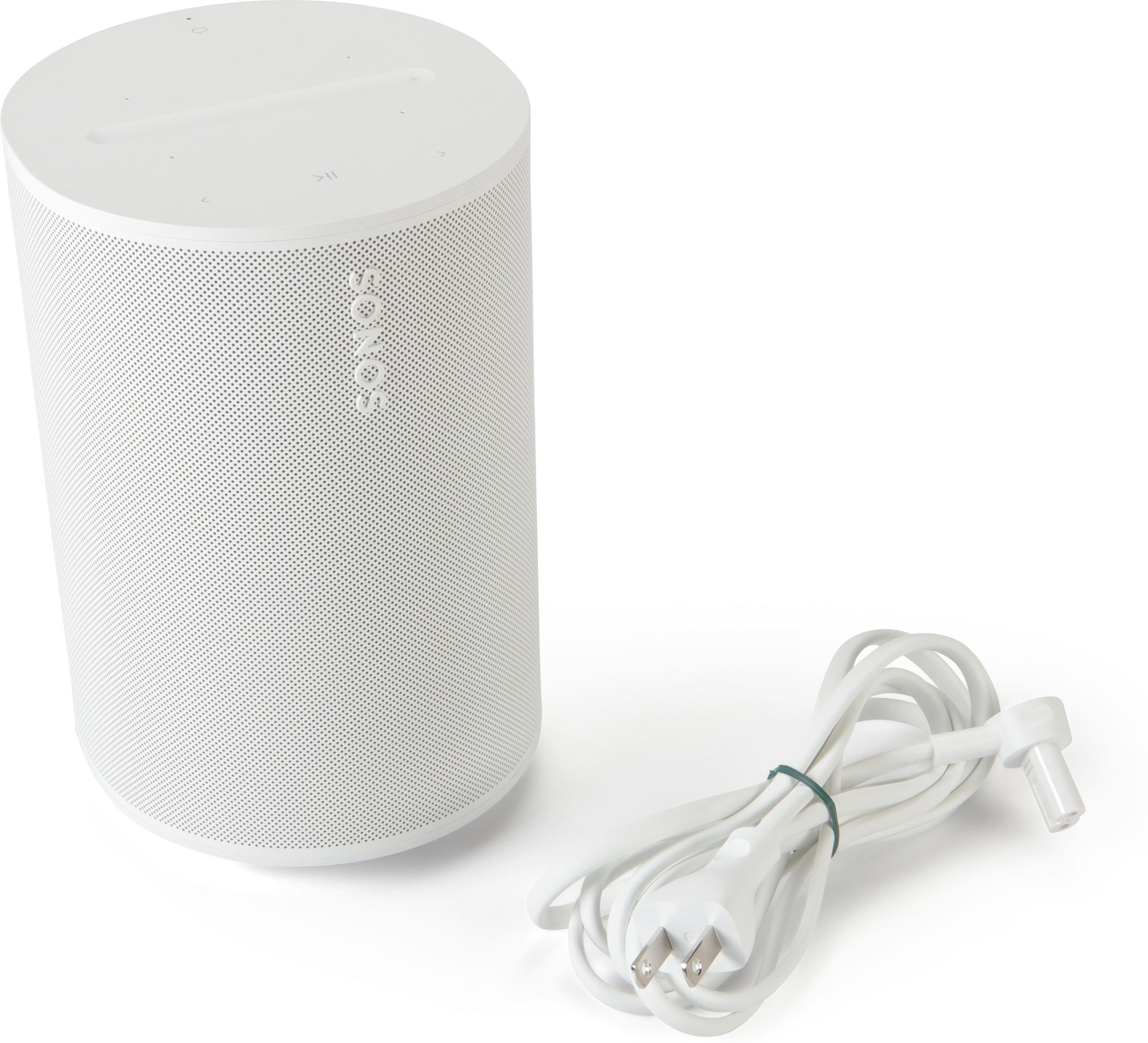

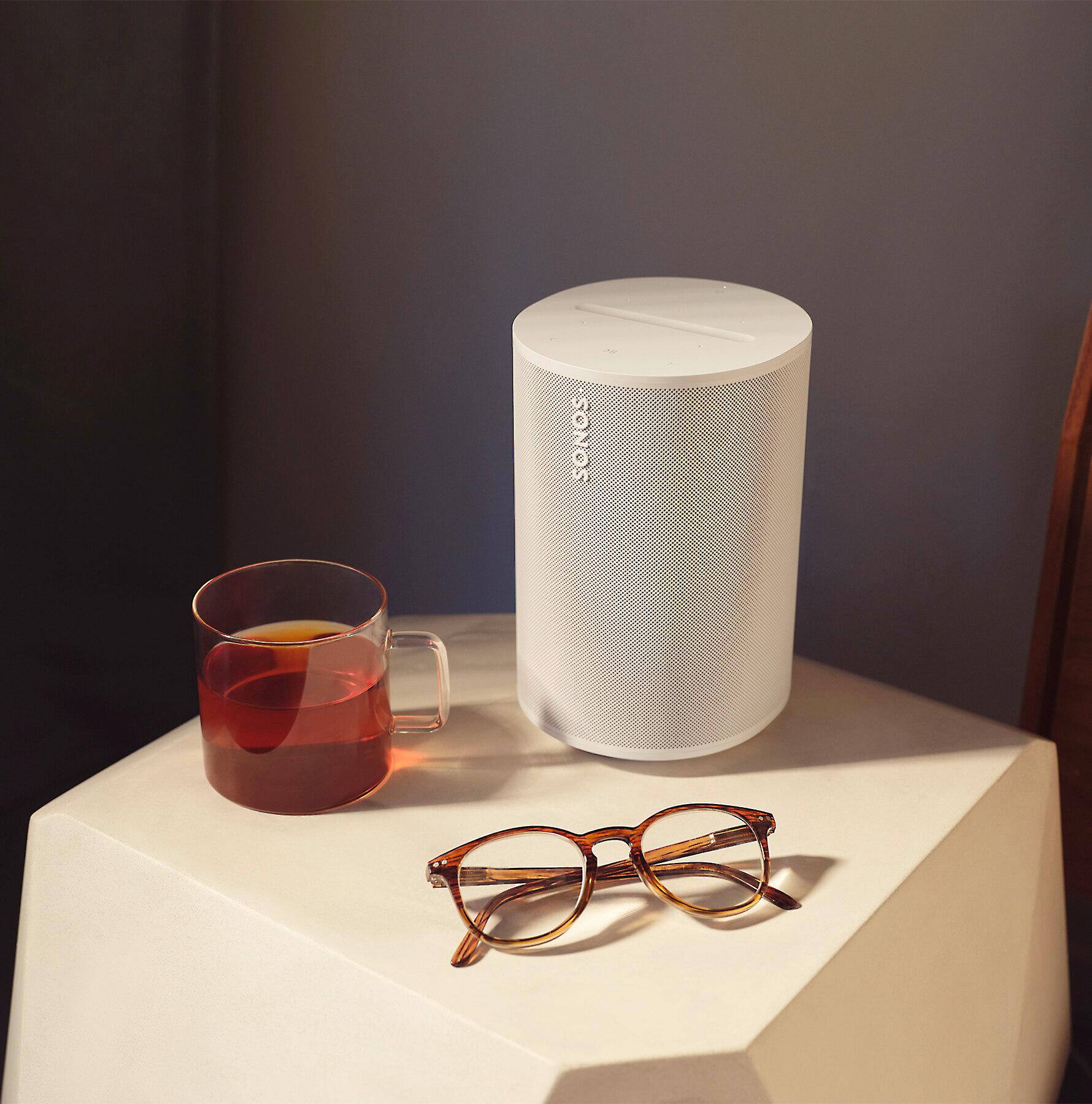
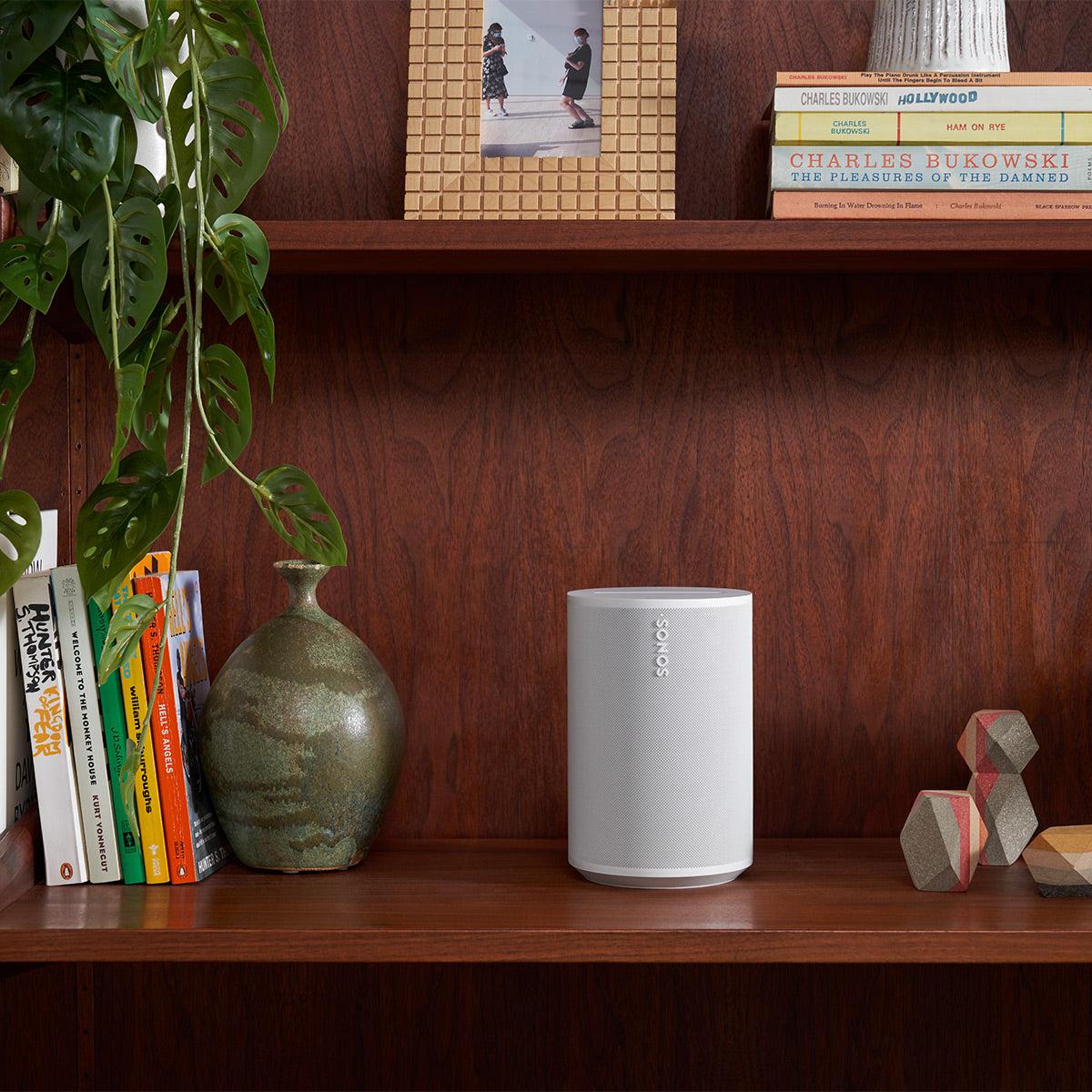
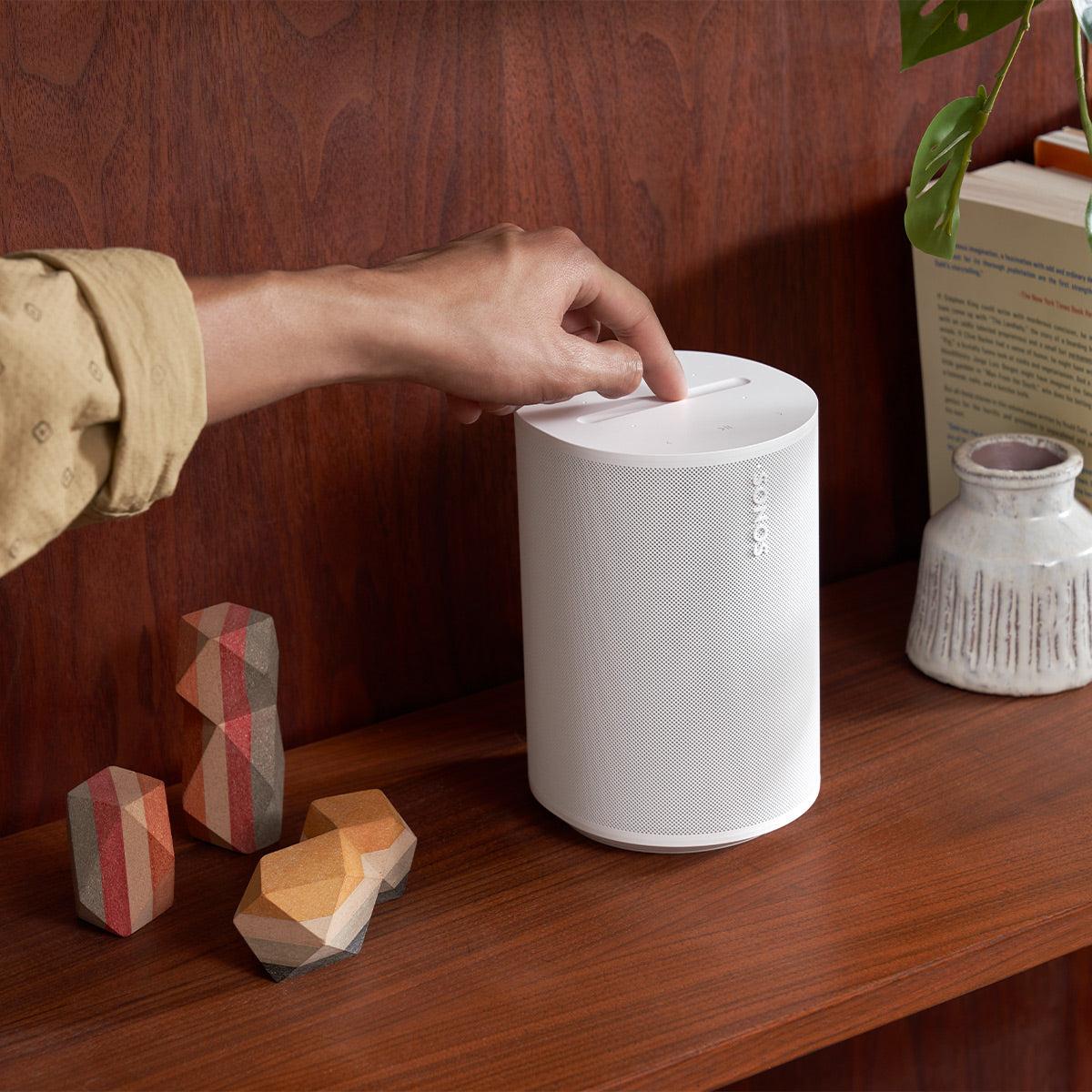




Looking for a wireless speaker in 2024? Two popular but very different options are the $249 Sonos Era 100 and the $199 Sony XE300 (often available for under $100). While both deliver excellent wireless audio, they're designed for distinct use cases that are worth understanding before making a choice.
Today's wireless speakers have evolved far beyond simple Bluetooth boxes. They now range from sophisticated whole-home audio components to rugged portable units that can handle beach parties. The technology inside has advanced significantly, with features like room correction, smart assistants, and high-resolution audio support becoming common.
The Sonos Era 100 and Sony XE300 represent two different approaches to wireless audio. Let's dive into what makes each unique and who they're best suited for.
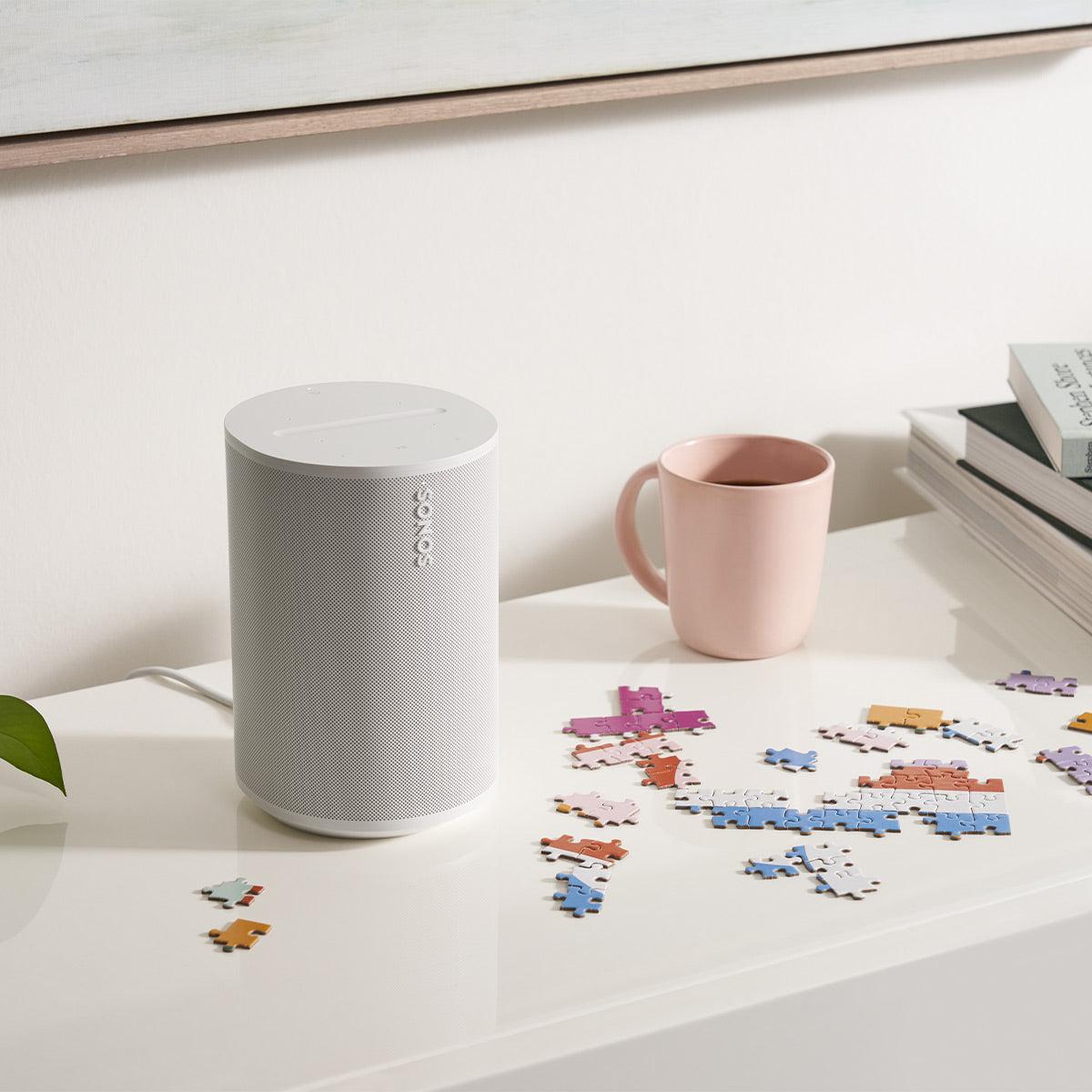
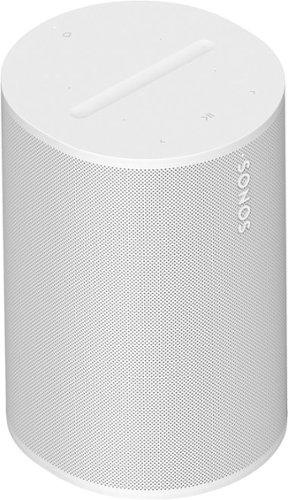
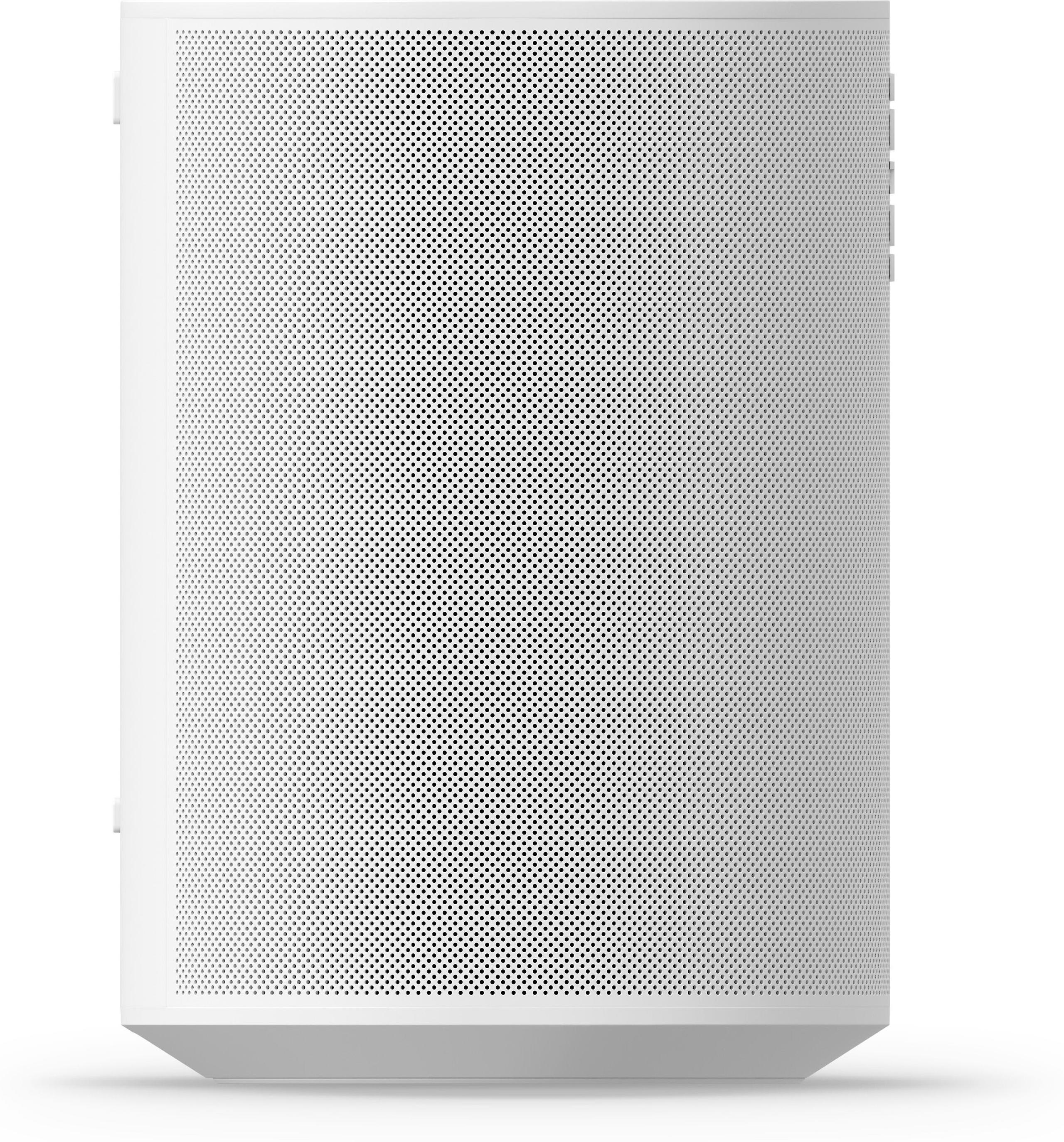
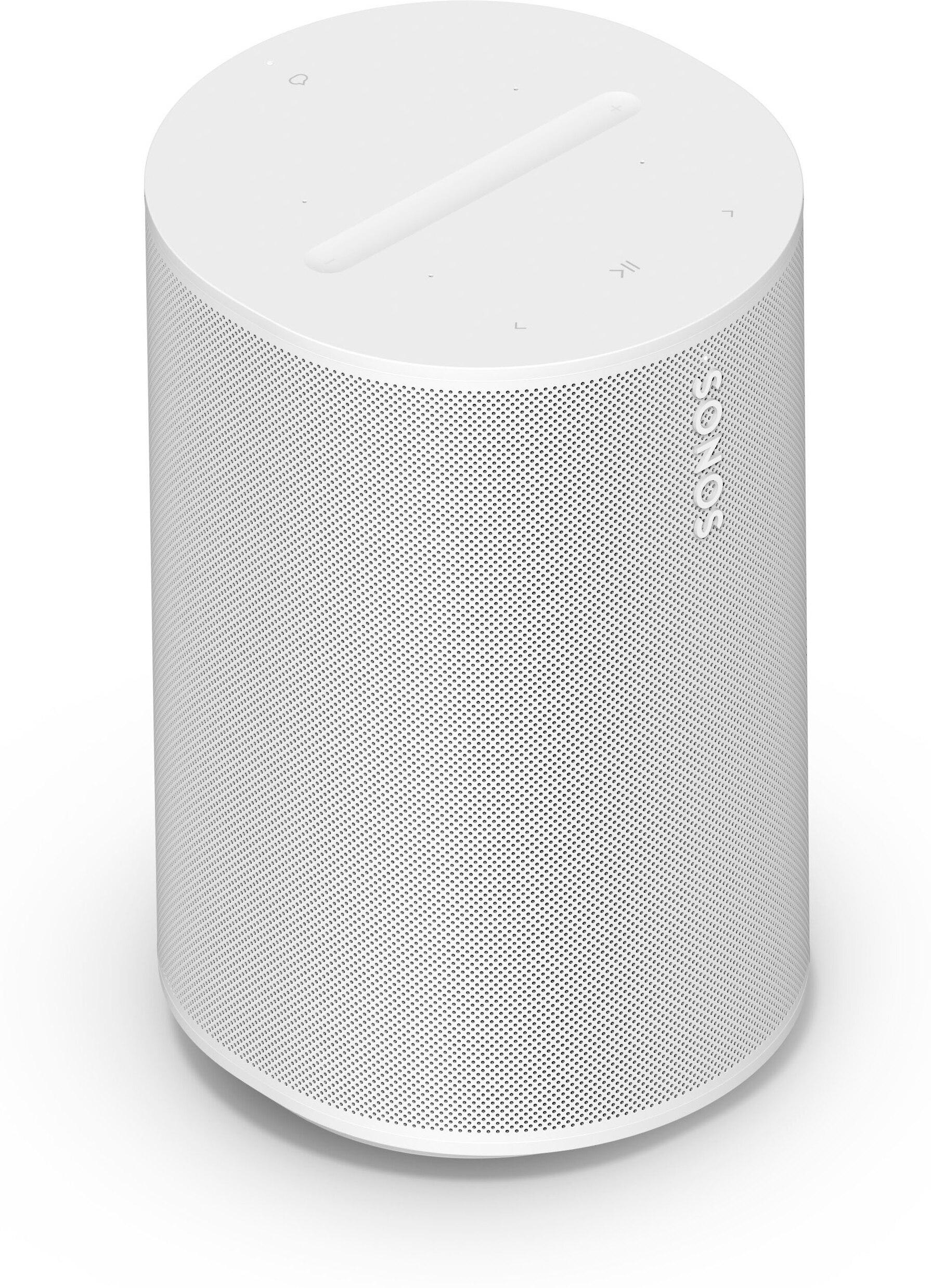
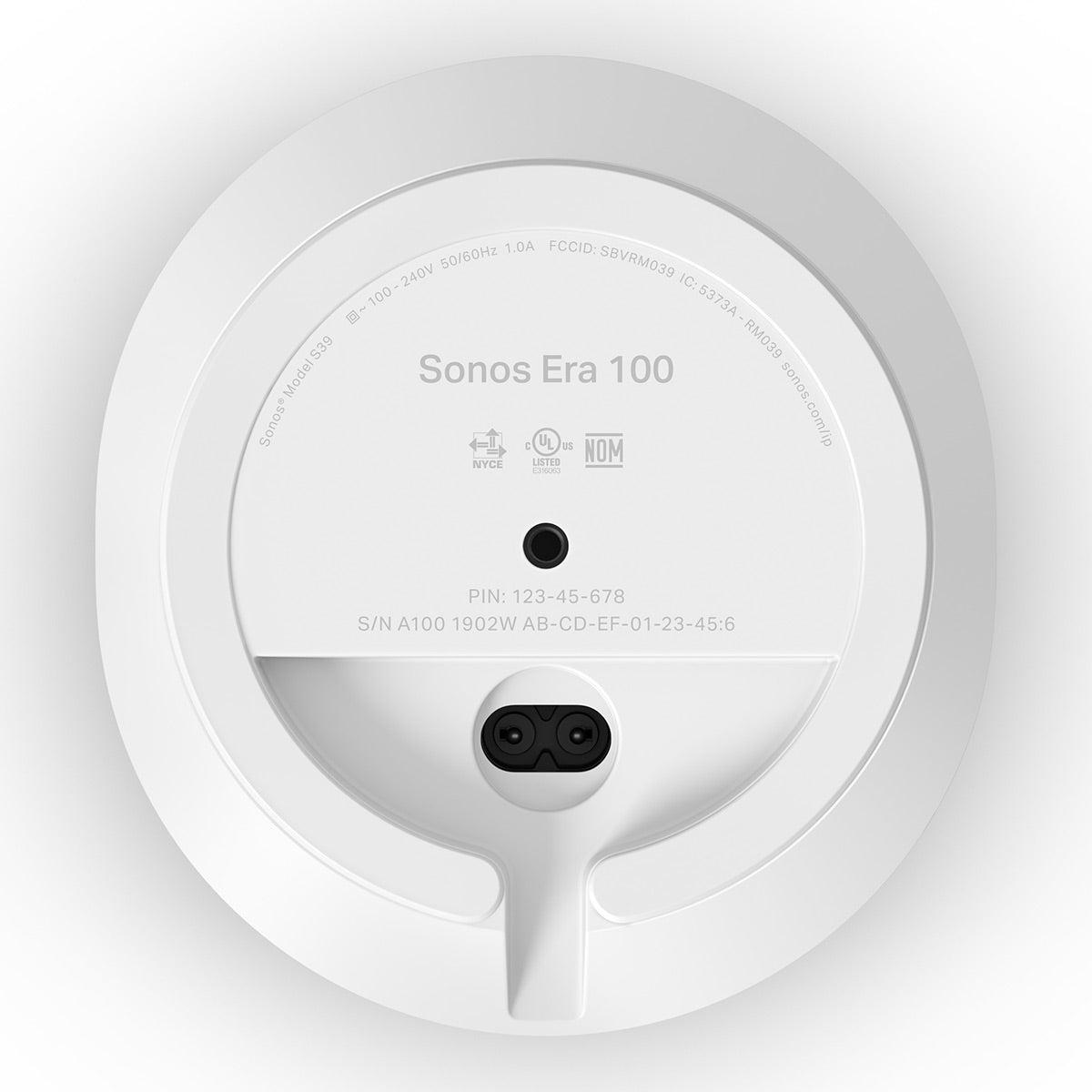
Released in March 2023, the Era 100 represents Sonos's latest thinking in home audio. It's designed as a permanent fixture in your home, requiring constant power but delivering consistently excellent sound. The Era 100 improved on its predecessor (the Sonos One) with better stereo separation and stronger bass response, thanks to its new dual-angled tweeters and larger midwoofer.
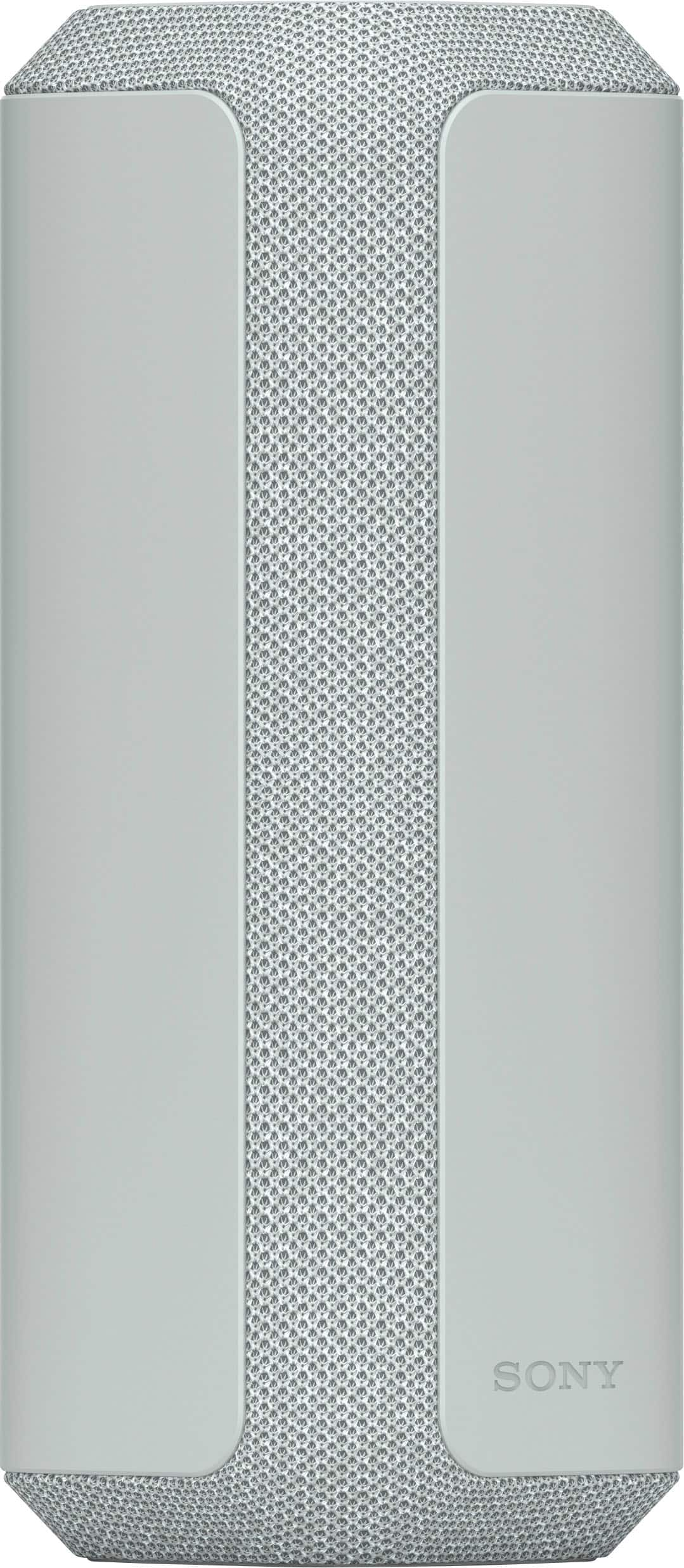
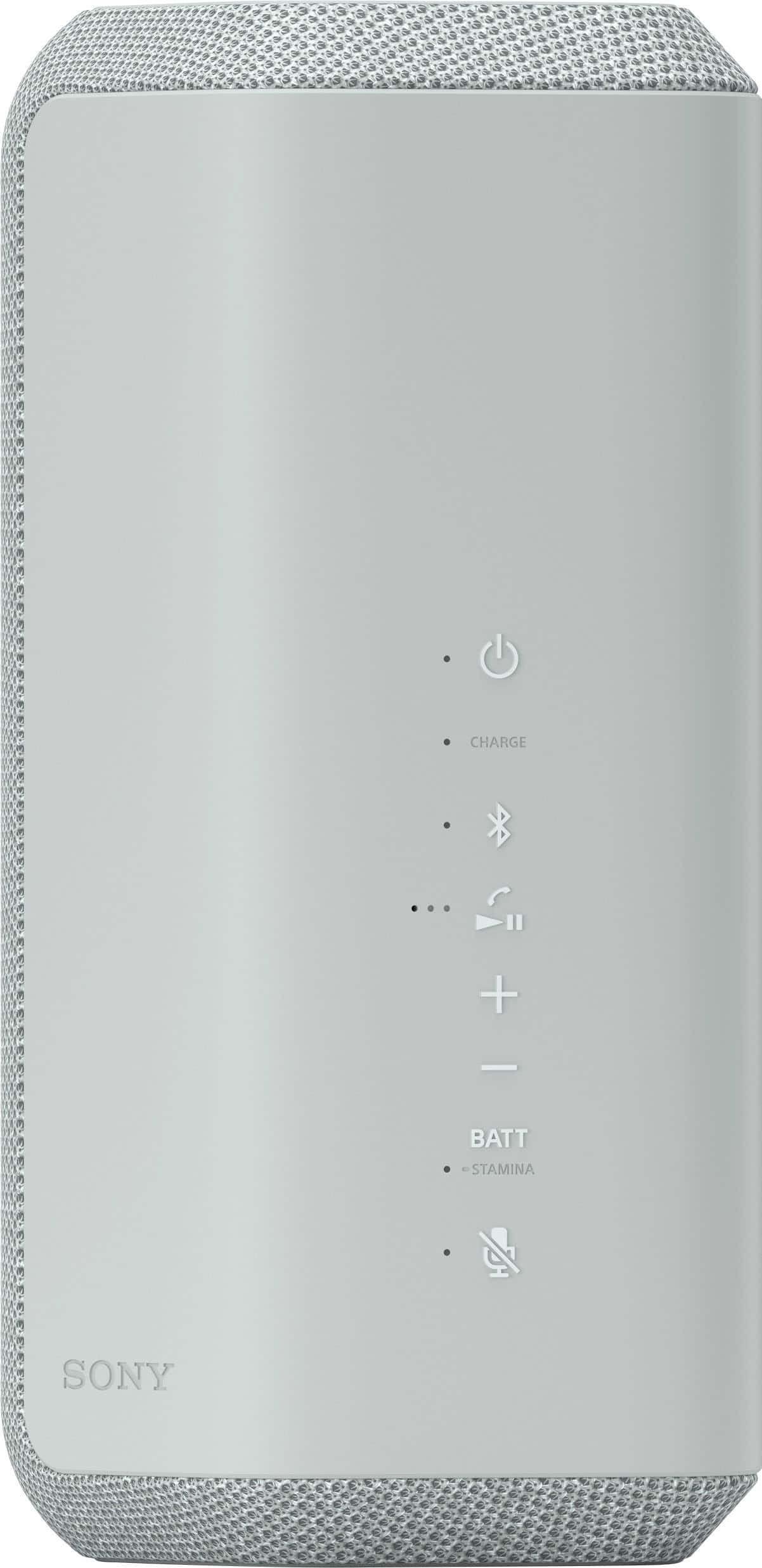
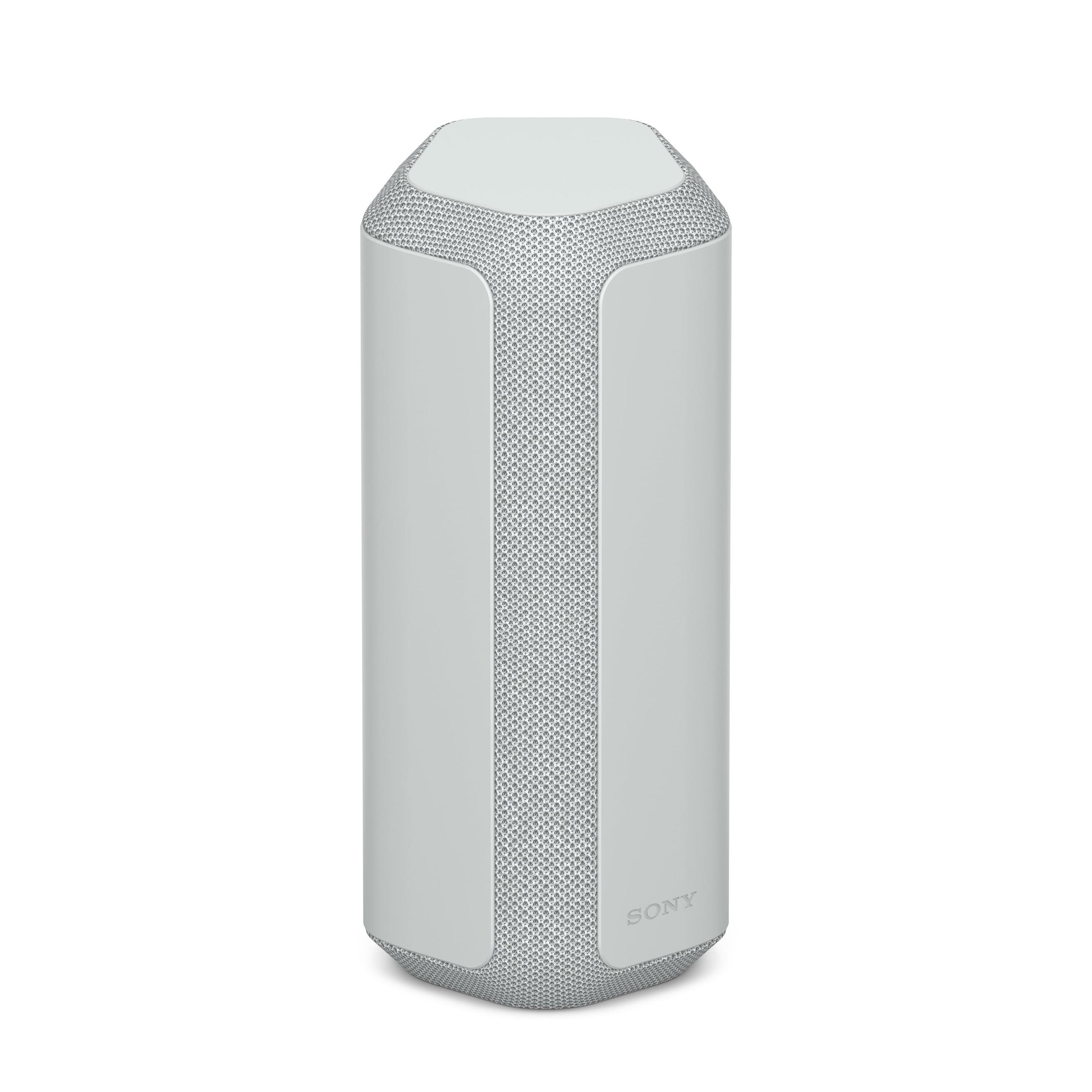
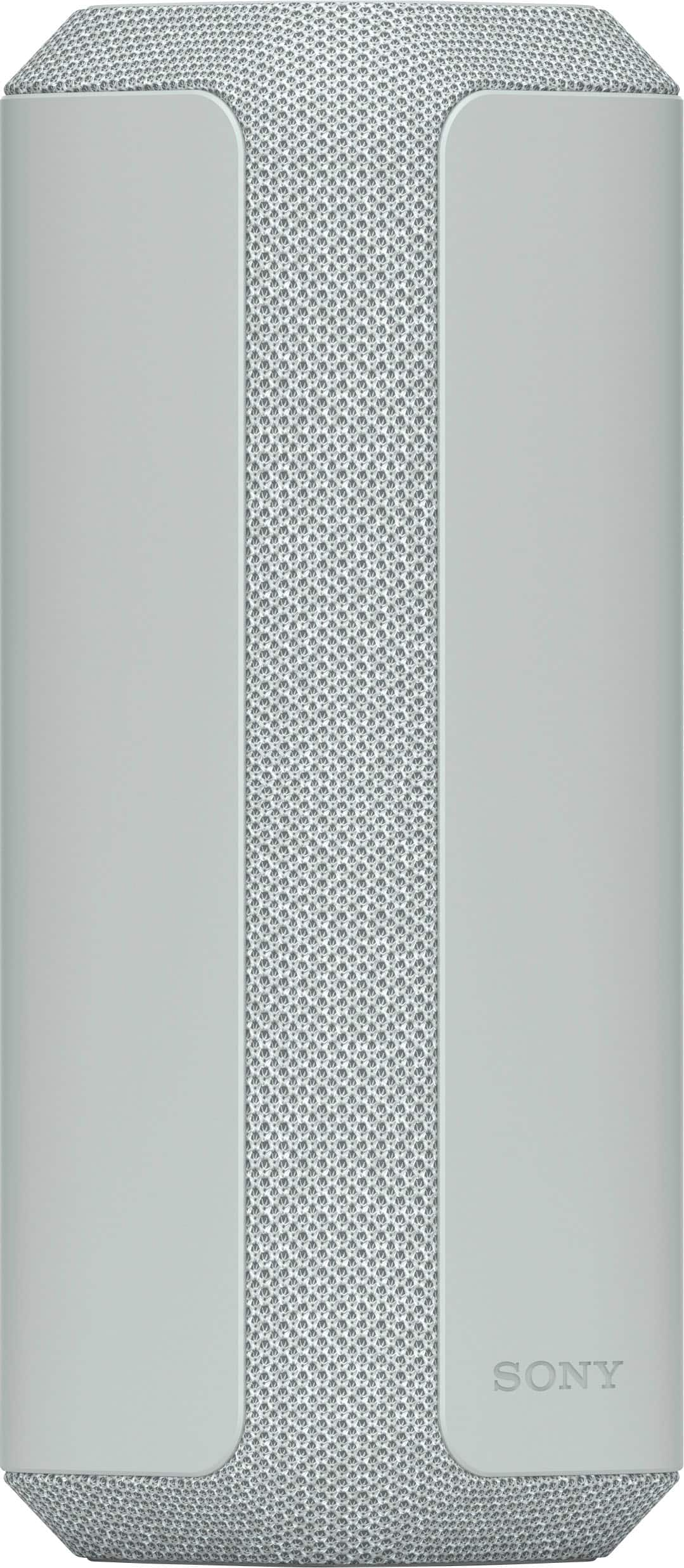
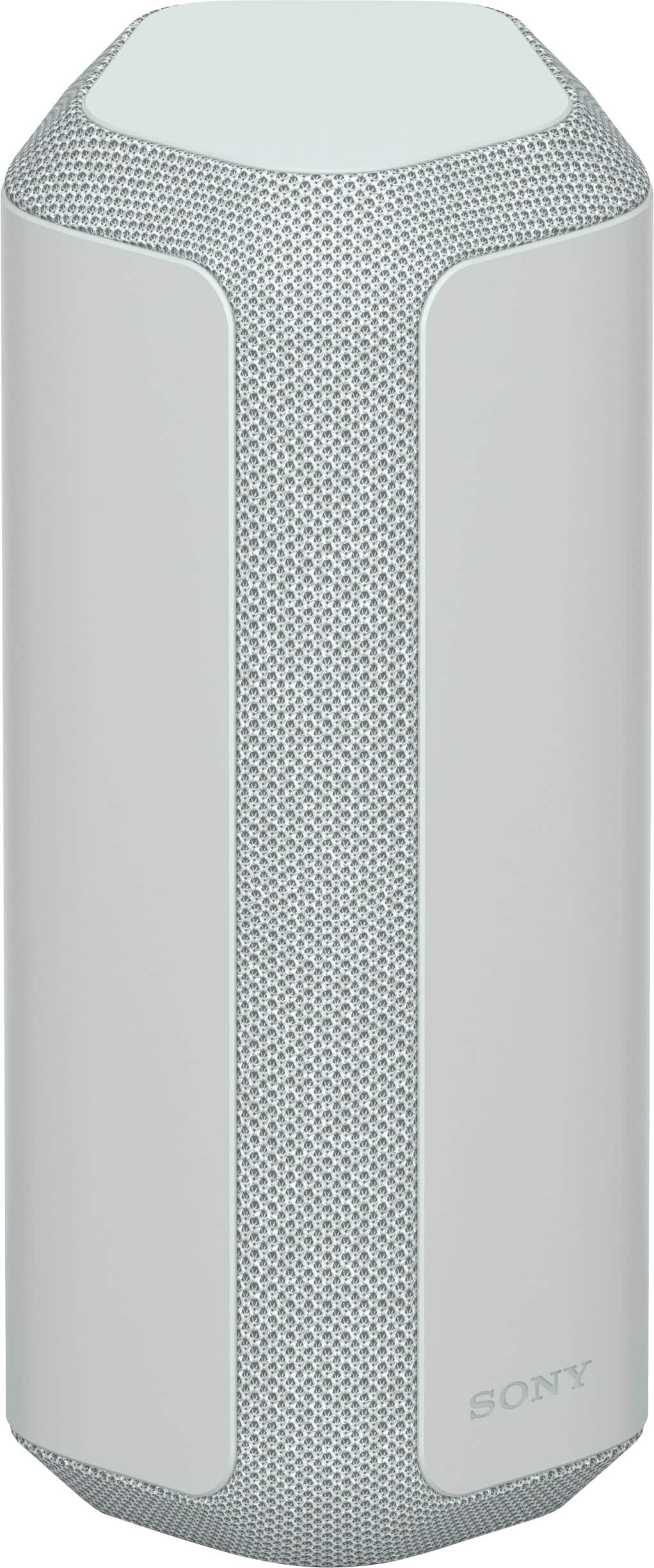
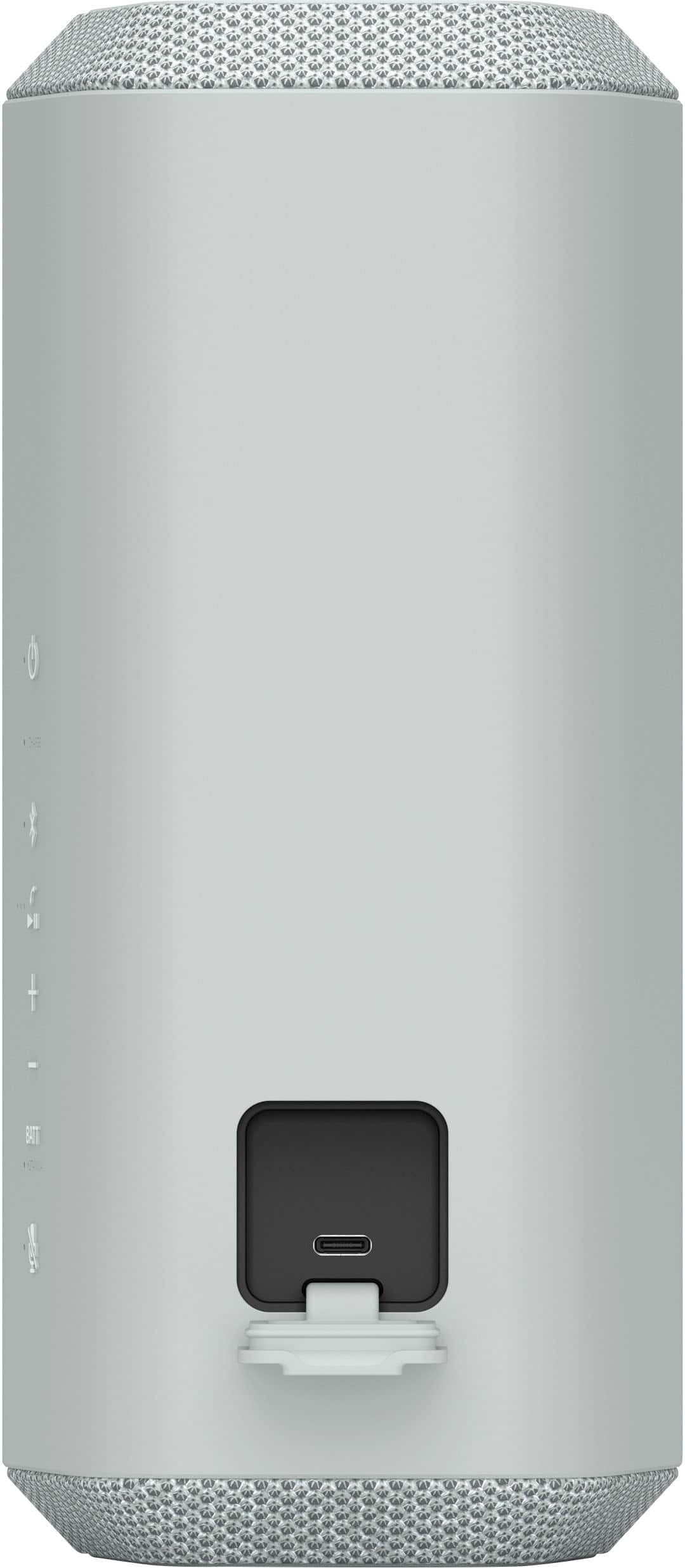
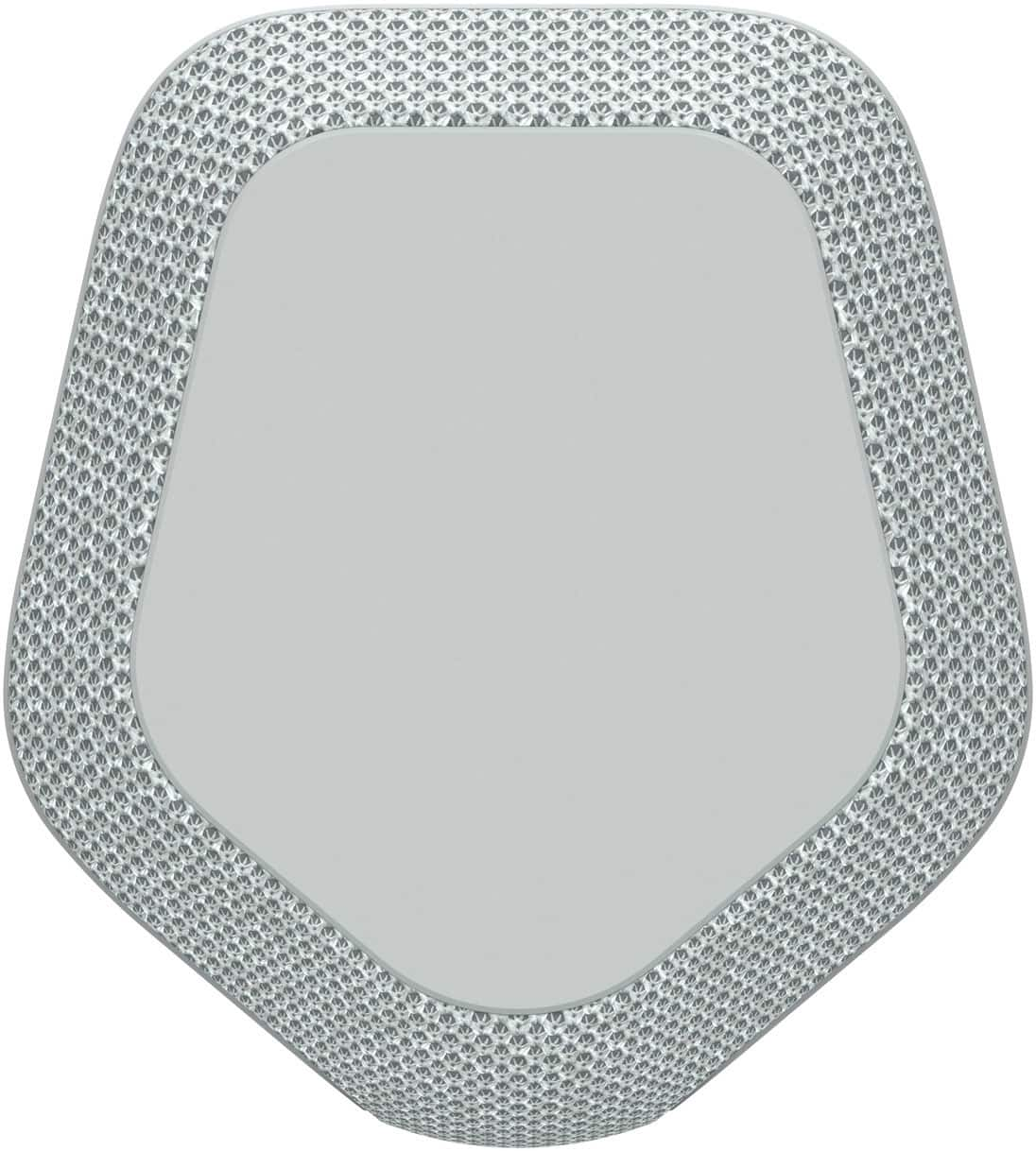
Launched in mid-2022, the XE300 takes a different approach. It's built for versatility, with an IP67 water and dust resistance rating (meaning it can survive being submerged in 1 meter of water for 30 minutes) and 24-hour battery life. Sony's innovative Line-Shape Diffuser technology, adapted from professional concert systems, helps it project sound more evenly in outdoor spaces.
The Sonos Era 100 excels at filling indoor spaces with rich, detailed sound. Its dual tweeters create true stereo separation - something rare in single speakers this size. The larger midwoofer delivers surprisingly impactful bass for a compact speaker. Most impressively, Sonos's Trueplay room correction technology (now available for both iOS and Android) automatically adjusts the speaker's output to match your room's acoustics.
The Sony XE300 takes a different approach to sound. Its X-Balanced Speaker Unit (a non-circular speaker design that maximizes cone area while reducing distortion) delivers punchy bass that works well outdoors. The Line-Shape Diffuser helps maintain sound quality even when you're not directly in front of the speaker - crucial for outdoor gatherings. However, the directional nature of this design means it doesn't create the same room-filling effect as the Era 100.
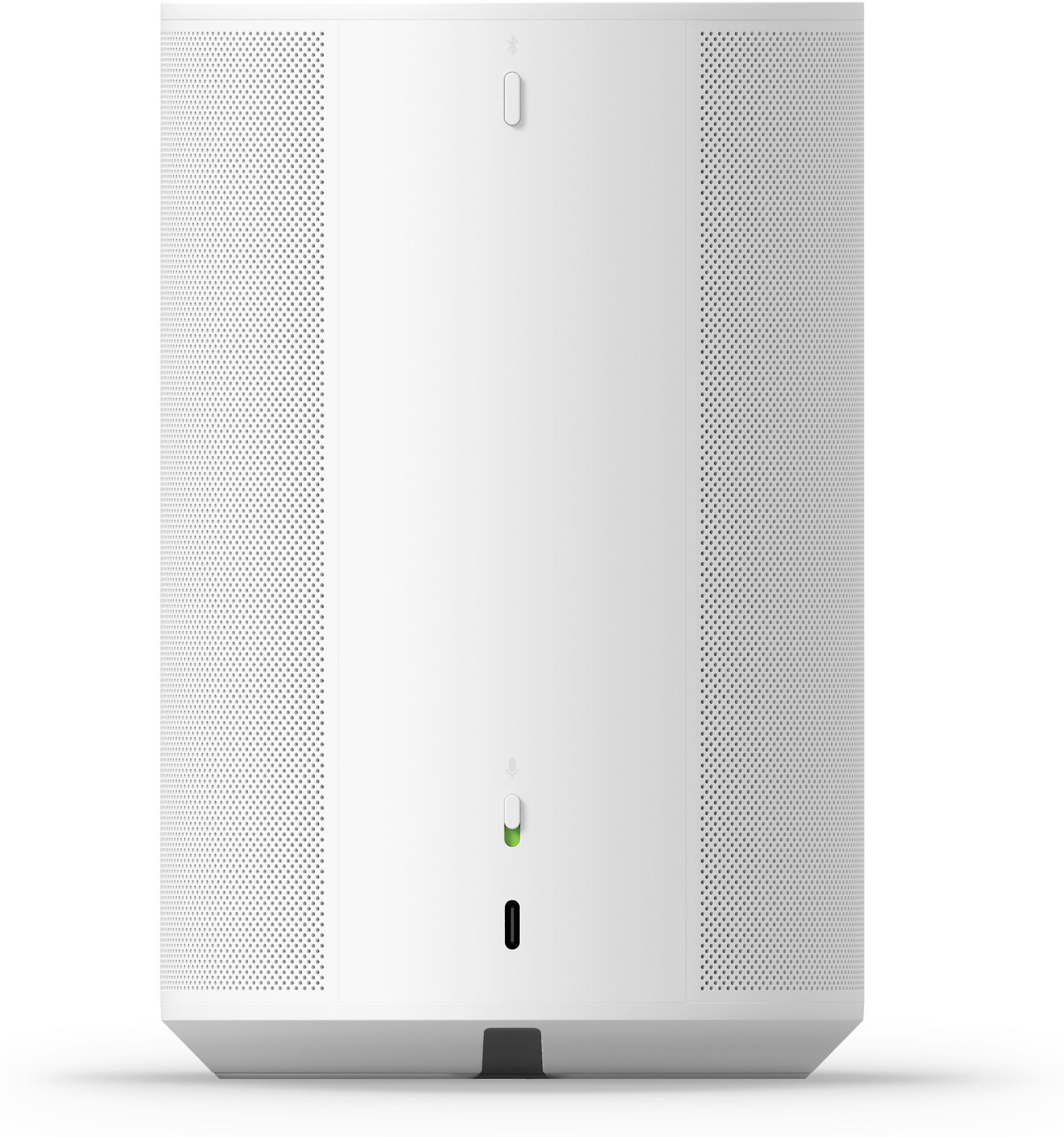
The Era 100's strength lies in its flexibility. It primarily uses WiFi for high-resolution streaming but also supports Bluetooth and AirPlay 2. This WiFi foundation enables seamless multi-room audio and integration with most major streaming services. The speaker can be part of a larger Sonos system, including home theater setups when used as rear surrounds with a Sonos soundbar.
The XE300 focuses on Bluetooth connectivity, supporting high-quality codecs like LDAC (Sony's proprietary format that can transmit nearly three times the data of standard Bluetooth). While it lacks WiFi, it can pair with multiple devices simultaneously and link with other compatible Sony speakers for stereo or party modes.
The Era 100 integrates with Amazon Alexa and Sonos Voice Control, though notably lacks Google Assistant support due to ongoing legal disputes. Its app experience is polished, offering extensive control over sound settings and multi-room coordination.
The XE300 takes a simpler approach, with basic app controls through Sony's Music Center app. While it lacks built-in voice assistants, you can access your phone's assistant through the speaker when connected.
If you're considering either speaker for home theater use, the Era 100 has a clear advantage. Two Era 100s can serve as rear surrounds in a Sonos home theater setup, creating immersive surround sound. The XE300, while excellent for portable use, isn't designed for home theater integration.
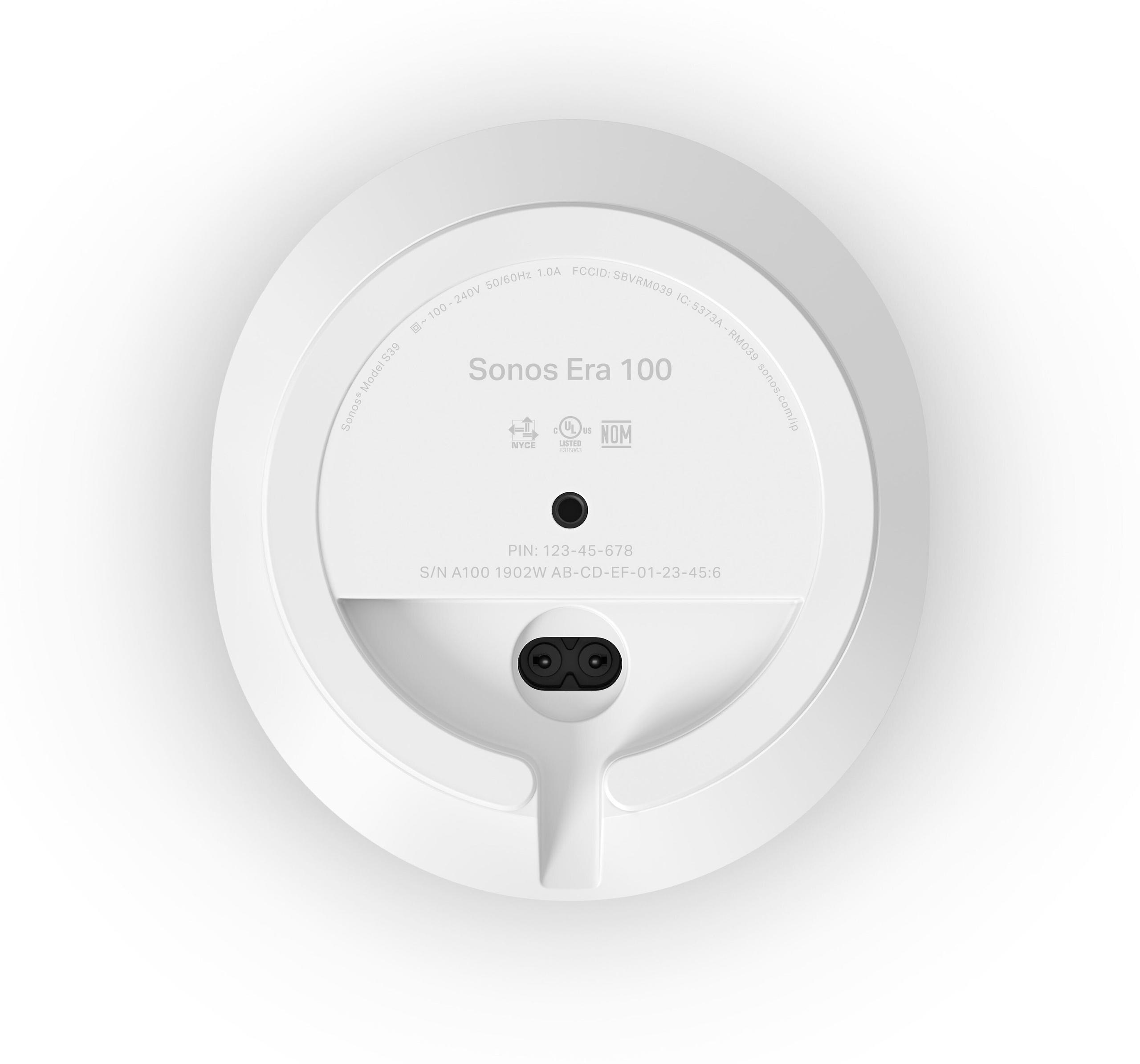
At $249, the Era 100 represents a premium investment in home audio. However, its integration capabilities, regular software updates, and potential role in a larger system make it a solid long-term choice for home audio enthusiasts.
The XE300's current street price of around $80-100 makes it an excellent value, especially considering its durability and versatility. While it may not integrate into a whole-home system, its portability and rugged design offer different kinds of value.
The decision between these speakers should primarily depend on your intended use:
Choose the Sonos Era 100 if:
Choose the Sony XE300 if:
Both speakers represent significant technological advances in their categories. The Era 100's improved driver design and expanded platform support show Sonos's commitment to evolving their home audio experience. The XE300's adoption of concert-inspired sound diffusion technology demonstrates Sony's innovative approach to portable audio.
Looking ahead, both companies continue to update their products through firmware improvements. Sonos regularly adds new features and streaming service support, while Sony focuses on codec and sound quality enhancements.
These speakers exemplify the diverse needs of modern audio consumers. The Era 100 excels at delivering premium home audio with extensive integration options, while the XE300 offers impressive portable performance with durability to match. Your choice should ultimately align with how and where you'll use the speaker most often.
Remember that while both can play music wirelessly, they're designed for different primary uses. The Era 100 is about creating a permanent, high-quality home audio solution, while the XE300 prioritizes flexibility and portability. Consider your specific needs carefully, and choose the speaker that best matches your lifestyle and listening habits.
| Sonos Era 100 | Sony XE300 |
|---|---|
| Price - Total investment considering typical street prices | |
| $249 (fixed retail price) | $199 MSRP (often available for $79-99) |
| Primary Use Case - Most important factor for buying decision | |
| Permanent home audio installation | Portable indoor/outdoor speaker |
| Sound Architecture - Impacts audio quality and dispersion | |
| Dual angled tweeters + dedicated woofer for true stereo | Line-Shape Diffuser + X-Balanced Speaker for directional sound |
| Connectivity - Determines streaming flexibility | |
| WiFi, AirPlay 2, Bluetooth 5.0 | Bluetooth 5.2 with LDAC, AAC, SBC codecs |
| Smart Features - Additional functionality beyond audio | |
| Voice assistants, room correction, multi-room audio | Basic app controls, party connect mode |
| Durability - Environmental resistance | |
| Indoor use only, no water resistance | IP67 water/dust proof, shock resistant |
| Power Source - Affects placement and portability | |
| AC power only (needs outlet) | 24-hour rechargeable battery |
| System Integration - Future expansion possibilities | |
| Full Sonos ecosystem compatibility, home theater capable | Can pair with other Sony speakers for stereo/party modes |
| Room Correction - Optimizes sound for space | |
| Trueplay automatic tuning (iOS + Android) | Manual EQ adjustments only |
| Size & Weight - Installation or carrying considerations | |
| 18.25 x 12 x 13 cm, 2.0 kg | 10.5 x 23.8 x 11.9 cm, 1.3 kg |
| Additional Features - Extra value considerations | |
| USB-C line in (with adapter), humidity resistant | Quick charging (70min play from 10min charge), multi-point connection |
The $249 Sonos Era 100 is better for home use with its WiFi streaming, room correction, and permanent installation design. The Sony XE300 is primarily designed for portable use and lacks whole-home integration features.
The Sonos Era 100 costs $249, while the Sony XE300 has an MSRP of $199 but is often available for $79-99, making it significantly more affordable.
The Sony XE300 is designed for outdoor use with IP67 water/dust resistance and battery power. The Era 100 requires AC power and isn't weather-resistant, making it unsuitable for outdoor use.
The Sonos Era 100 offers superior indoor sound quality with true stereo separation and room correction. The XE300 focuses on directional sound projection that works well outdoors but doesn't match the Era 100's room-filling capabilities.
The Sony XE300 is better for parties with its portable design, water resistance, and Party Connect feature. The Era 100 is designed more for permanent home listening.
The Sonos Era 100 works with Amazon Alexa and Sonos Voice Control. The XE300 can only access your phone's voice assistant when connected via Bluetooth.
Only the Sony XE300 has a battery, lasting about 24 hours per charge. The Sonos Era 100 requires constant AC power.
The Sony XE300 is more durable with its IP67 rating and rugged design. The Era 100 is designed for indoor use only with basic humidity resistance.
The Sonos Era 100 can be integrated into a Sonos home theater system as rear surrounds. The Sony XE300 isn't designed for home theater use.
We've done our best to create useful and informative comparisons to help you decide what product to buy. Our research uses advanced automated methods to create this comparison and perfection is not possible - please contact us for corrections or questions. These are the sites we've researched in the creation of this article: goodhousekeeping.com - tomsguide.com - techradar.com - youtube.com - whathifi.com - dxomark.com - rtings.com - abt.com - sonos.com - bhphotovideo.com - sonos.com - sonos.com - audiolab.com - en.community.sonos.com - bestbuy.com - sony.co.uk - soundguys.com - bestbuy.com - cgmagonline.com - sony.com - sony.com - bestbuy.com - sony.com - electronics.sony.com - helpguide.sony.net

Privacy Policy
Terms and Conditions - Affiliate Policy
Home Security
© Copyright 2008-2026.
11816 Inwood Rd #1211, Dallas, TX 75244