

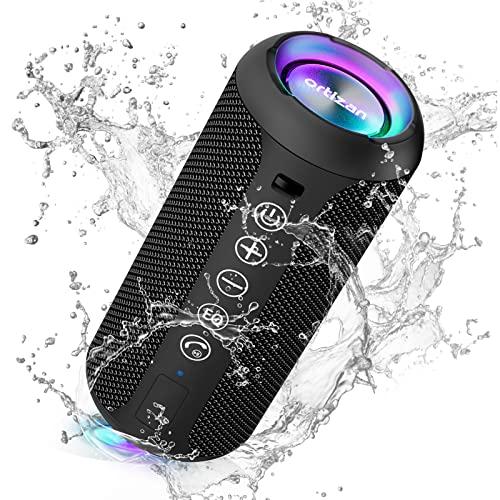




When shopping for a portable Bluetooth speaker in 2024, you're faced with hundreds of options spanning from $20 budget models to $400 premium powerhouses. The sweet spot for most people falls somewhere in between—speakers that deliver solid performance without breaking the bank. Today we're comparing two speakers that represent different philosophies in this competitive space: the Ortizan X10 and the Sony XE300.
The portable speaker market has exploded since smartphones ditched headphone jacks around 2016-2017. What started as simple wireless audio devices have evolved into sophisticated entertainment systems with advanced digital signal processing (DSP)—computer chips that optimize audio in real-time—and multi-speaker networking capabilities. Both speakers we're examining were released in the 2022 timeframe, representing current-generation Bluetooth technology and modern user expectations.
Before diving into specifics, let's establish what separates good portable speakers from mediocre ones. The most critical factors are audio quality, battery life, durability, and connectivity features. But here's what many buyers don't realize: these factors often compete with each other. Longer battery life usually means heavier weight. Better sound quality typically requires larger drivers that reduce portability. The best speakers find clever engineering solutions to minimize these trade-offs.
The Ortizan X10 and Sony XE300 represent two distinct approaches to solving these challenges. The Ortizan prioritizes practical features like extended battery life and multiple connectivity options at an accessible price point. The Sony focuses on sophisticated audio processing and premium build quality, positioning itself as a more upmarket option.
The Ortizan X10 delivers 24 watts of power through dual 12-watt drivers—the small speakers that convert electrical signals into sound waves. This is impressive output for a speaker in its price range, where many competitors offer 15-20 watts maximum. More watts generally mean louder maximum volume and better dynamic range (the difference between the quietest and loudest sounds), though wattage alone doesn't determine sound quality.
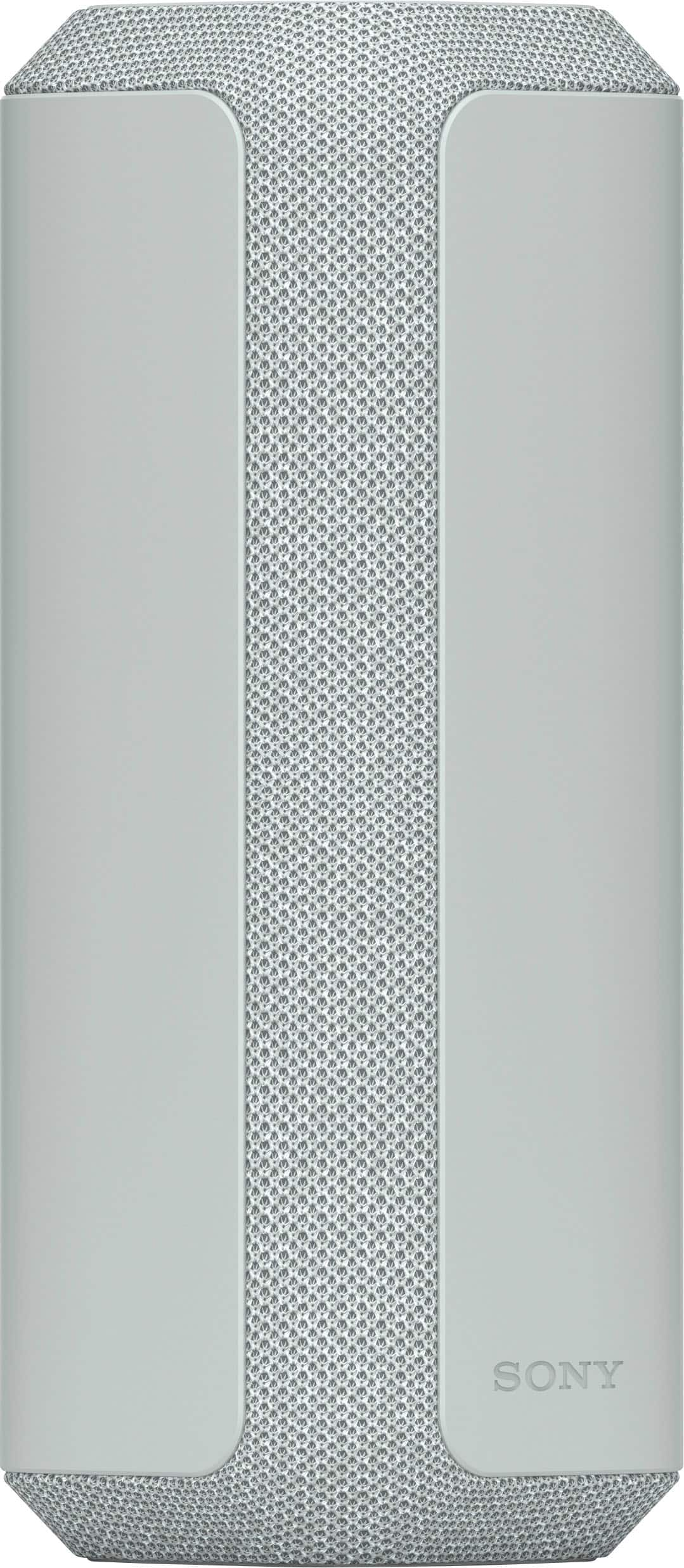
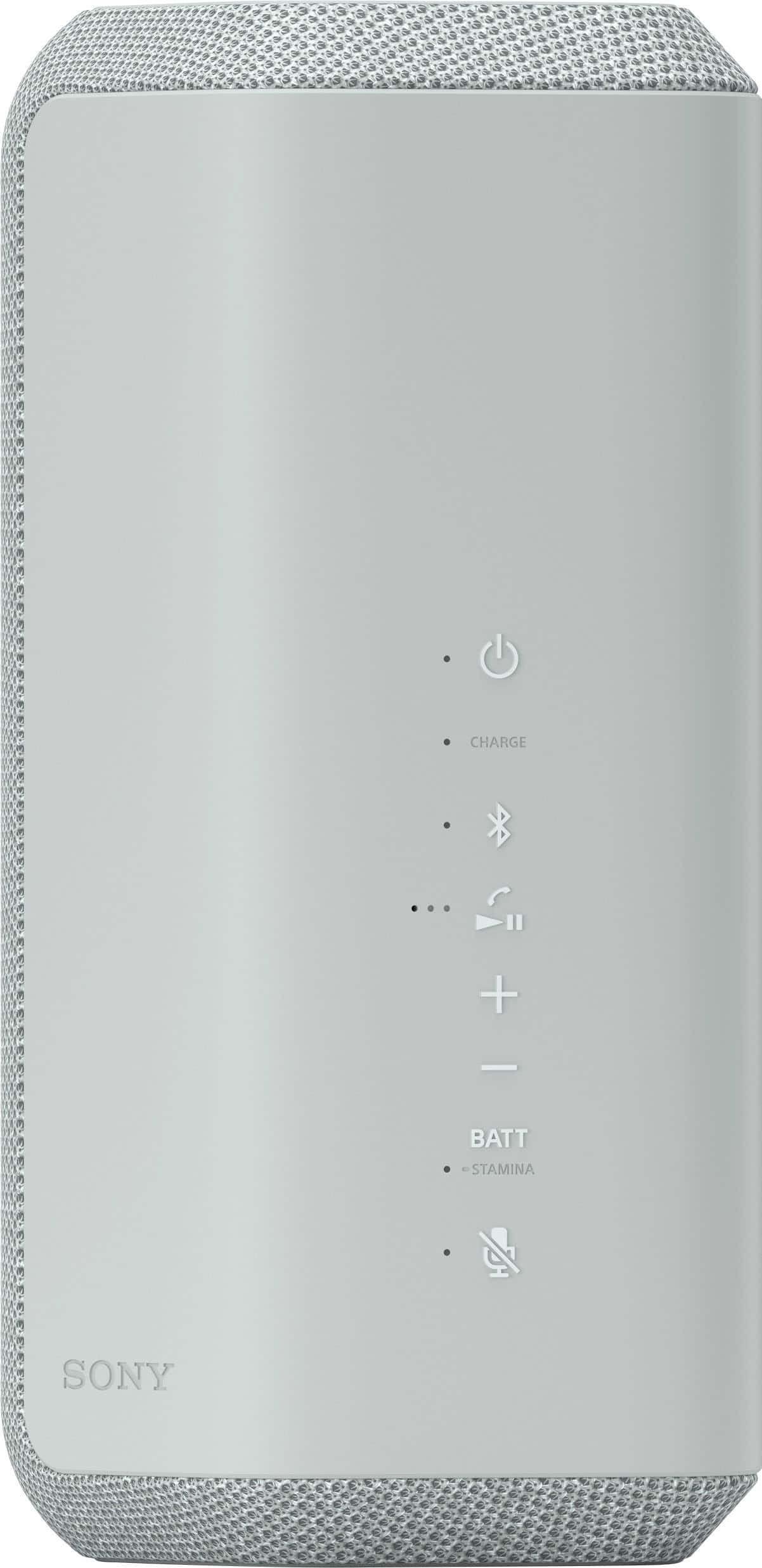
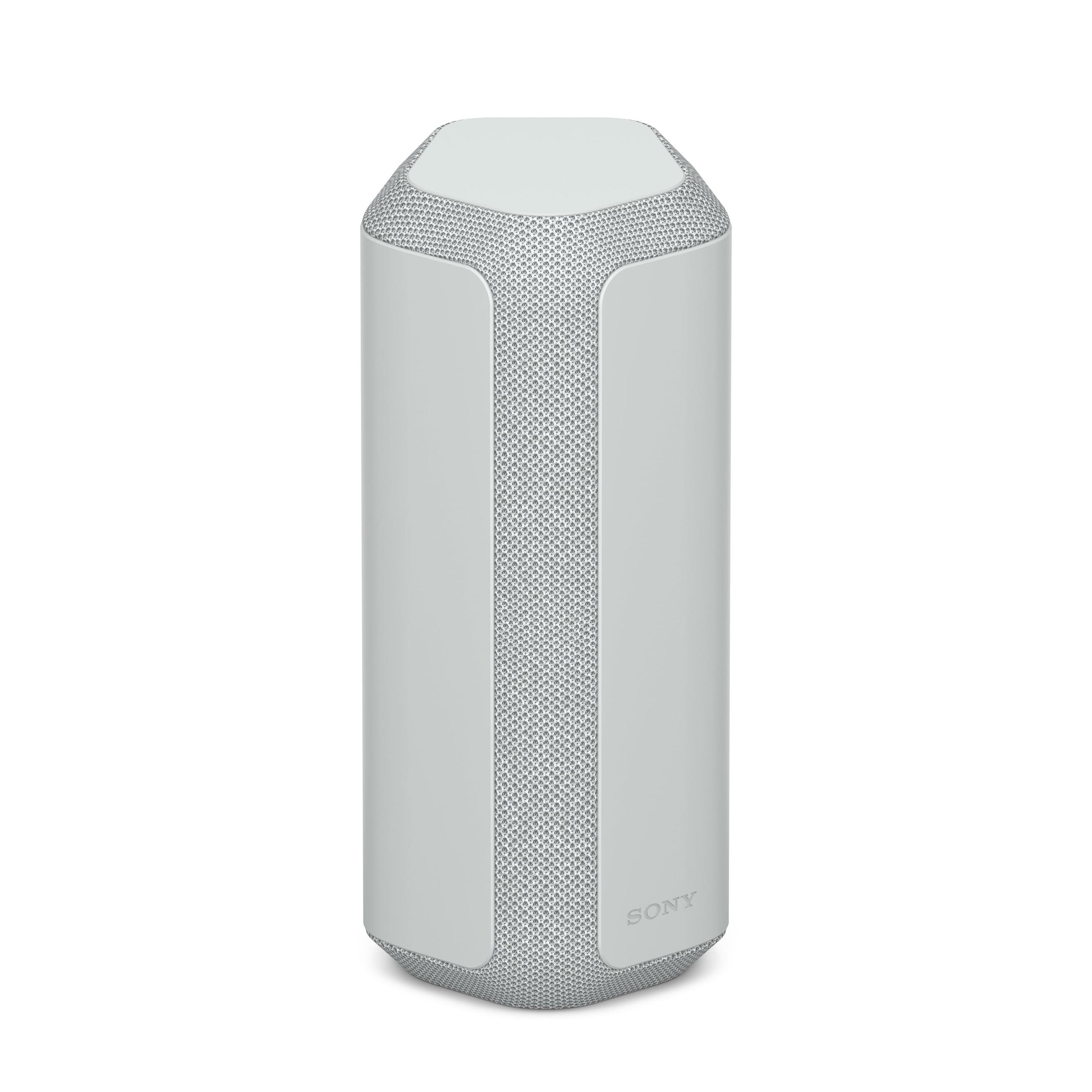
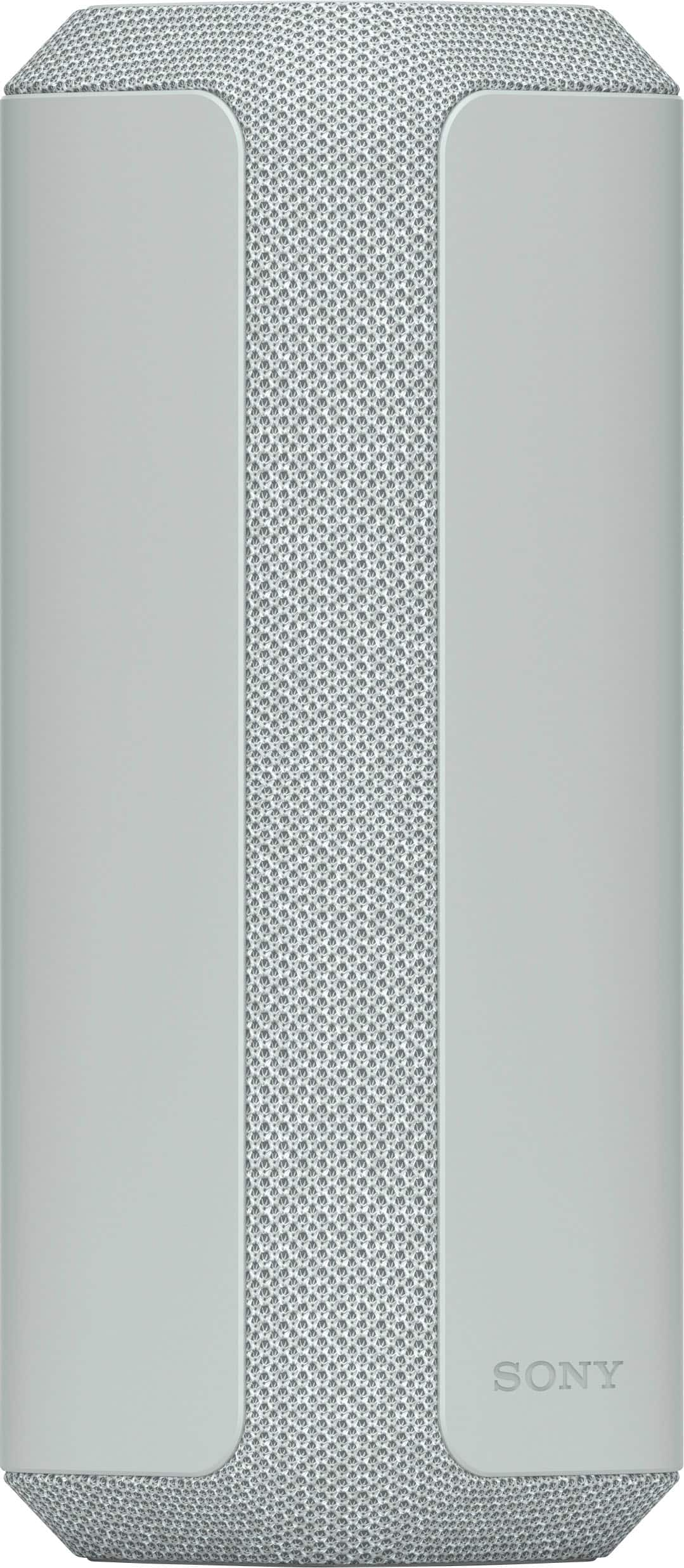
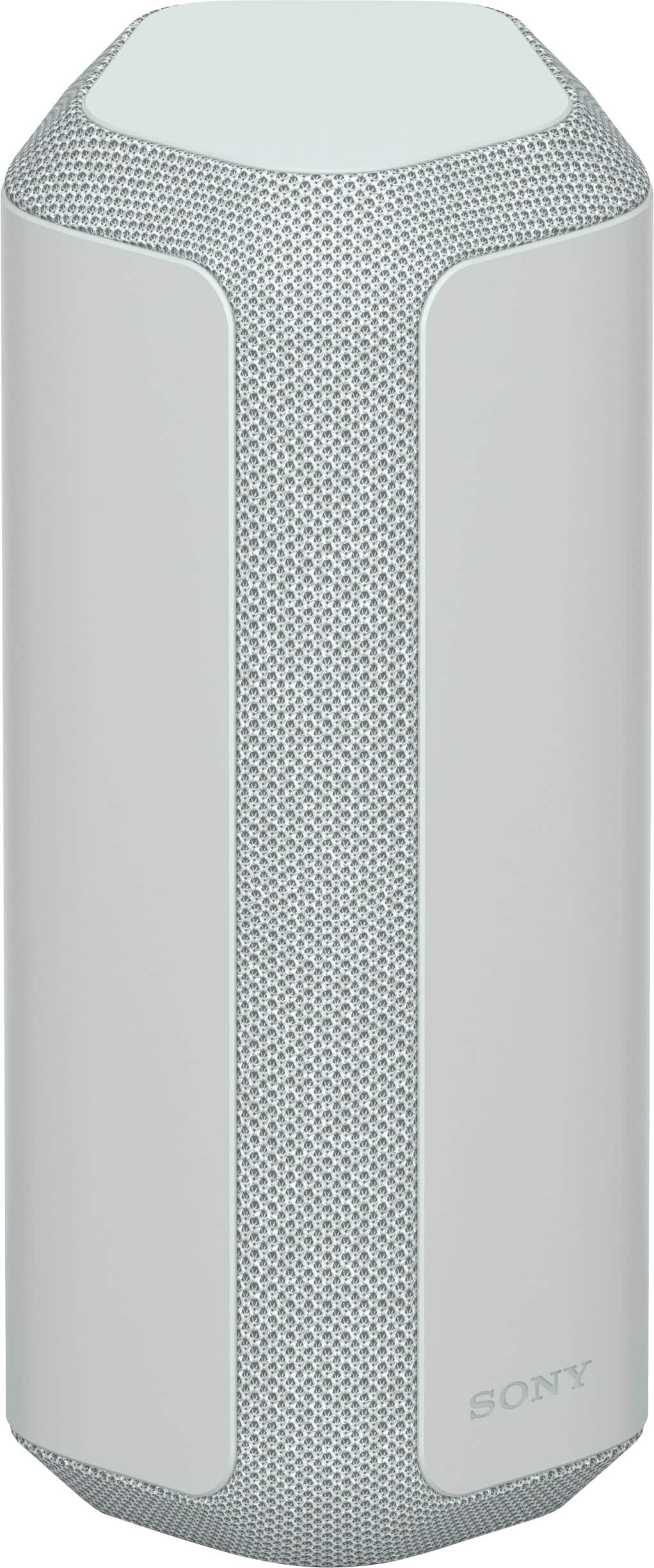
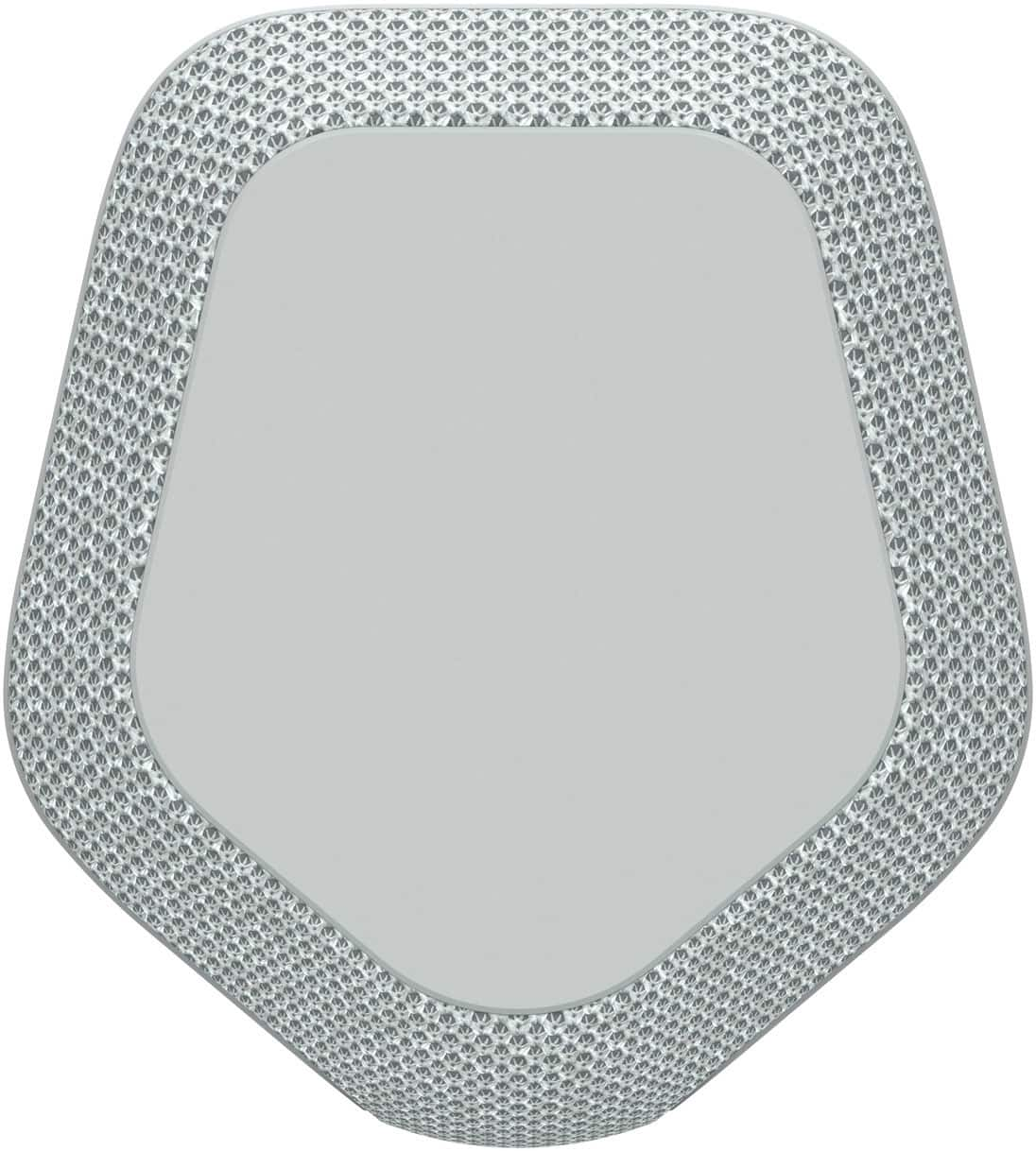
The Sony XE300 takes a different approach with its X-Balanced Speaker Units. Instead of traditional circular drivers, Sony uses a non-circular diaphragm—the part that moves back and forth to create sound. This unusual shape maximizes the surface area within the speaker enclosure, theoretically producing more sound pressure (louder bass) while reducing distortion. It's similar to how a rectangular subwoofer can move more air than a round one of the same height.
Bass reproduction separates decent speakers from truly enjoyable ones, especially for modern music genres. The Ortizan X10 uses proprietary BASSBOOM technology combined with digital signal processing to enhance low-frequency response. In practical terms, this means algorithms analyze the audio signal and boost bass frequencies while preventing the drivers from over-extending and creating distortion.
The Sony XE300 employs dual passive radiators alongside its main drivers. Passive radiators are essentially speakers without magnets that vibrate sympathetically with the active drivers, extending bass response without requiring additional power. Think of them as acoustic amplifiers that help smaller speakers produce deeper, more powerful low-end frequencies.
Based on user reviews and technical analysis, both speakers deliver satisfying bass for their size, but with different characteristics. The Ortizan X10 provides punchy, exciting bass that enhances electronic music and hip-hop. The Sony XE300 offers more controlled, accurate bass reproduction that works better across diverse musical genres.
Here's where these speakers diverge significantly. The Ortizan X10 claims 360-degree sound distribution, though real-world testing suggests it's closer to 270 degrees due to button placement blocking some acoustic output. Still, this omnidirectional approach means the speaker sounds relatively consistent regardless of your position around it.
The Sony XE300 features Line-Shape Diffuser technology, inspired by professional concert audio systems. This creates what acoustics engineers call a "line source"—instead of sound radiating from a point (like traditional speakers), it disperses from a line. The result is more even sound distribution across wide areas, though the speaker maintains a somewhat directional character.
For home theater use, neither speaker is designed as a TV soundbar replacement, but the Sony XE300 performs better in this role due to its clearer midrange reproduction and more controlled sound staging. The dialogue clarity improvement over TV speakers is noticeable, though dedicated soundbars remain the better choice for serious home theater enhancement.
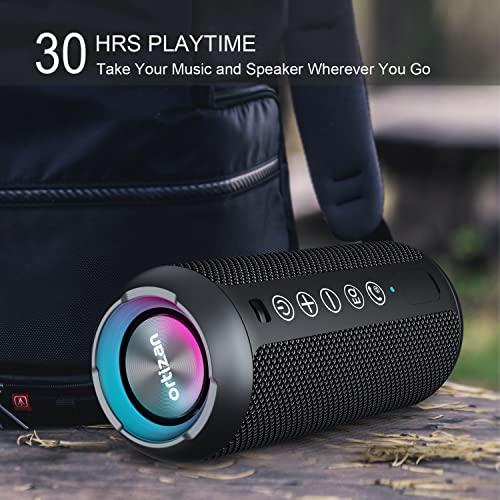
Battery performance often determines real-world satisfaction more than audio specs. The Ortizan X10 claims 30 hours of playback, which testing suggests is accurate at moderate volume levels (around 65 dB SPL—roughly the volume of normal conversation). This exceptional endurance comes from efficient Class D amplification and aggressive power management that dims lights and reduces processor speed during playback.
The Sony XE300 advertises 24 hours but real-world testing reveals approximately 17 hours of actual use at similar volume levels. This discrepancy between advertised and actual battery life is unfortunately common in the industry, where manufacturers test under ideal laboratory conditions rather than typical usage patterns.
Why does this difference matter? Consider a weekend camping trip: the Ortizan X10 could potentially last the entire weekend without charging, while the Sony XE300 would need a mid-trip recharge. For daily use, both offer multi-day performance, but the Ortizan provides significantly more peace of mind for extended adventures.
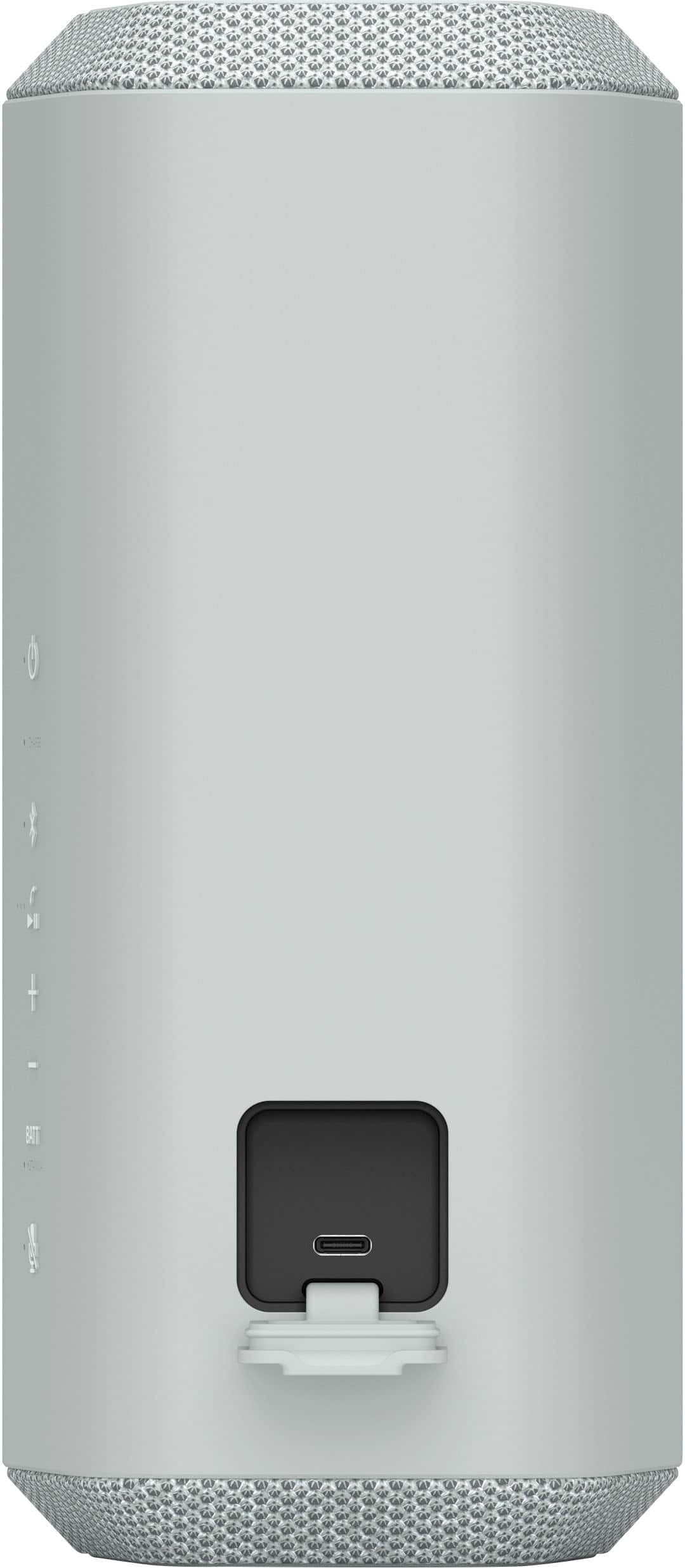
Both speakers feature fast charging capabilities. The Sony XE300 provides 70 minutes of playback from a 10-minute charge, while the Ortizan X10 reaches full capacity in under three hours. These quick-charge features help mitigate battery life differences for users with regular access to power sources.
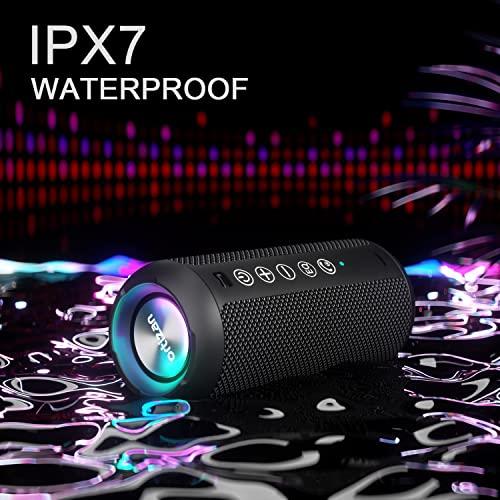
Water resistance ratings can be confusing, so let's clarify what these numbers actually mean. The Ortizan X10 carries an IPX7 rating, meaning it can survive submersion up to three feet deep for 30 minutes. The "X" indicates no official dust protection rating, though the speaker's fabric construction provides reasonable dust resistance in practice.
The Sony XE300 earns an IP67 rating—the "6" means complete dust protection after eight hours in a dust chamber, while the "7" matches the Ortizan's water resistance. For most users, both ratings provide excellent protection for poolside use, beach trips, and outdoor adventures.
Build quality extends beyond water resistance. The Sony XE300 features a predominantly rubberized exterior that feels premium but shows scratches and dirt easily. The Ortizan X10 uses a fabric-wrapped design that hides wear better but may absorb odors over time. Both include practical features like integrated lanyards for carrying, though the Sony's feels more robust.
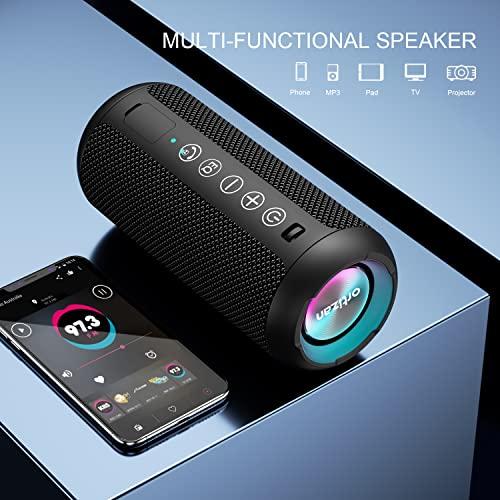
Modern portable speakers serve as entertainment hubs, not just audio devices. The Ortizan X10 offers impressive connectivity versatility with Bluetooth 5.0, auxiliary input, and microSD card support up to 32GB. The SD card functionality is particularly valuable for users who want offline music playback or live in areas with poor cellular coverage.
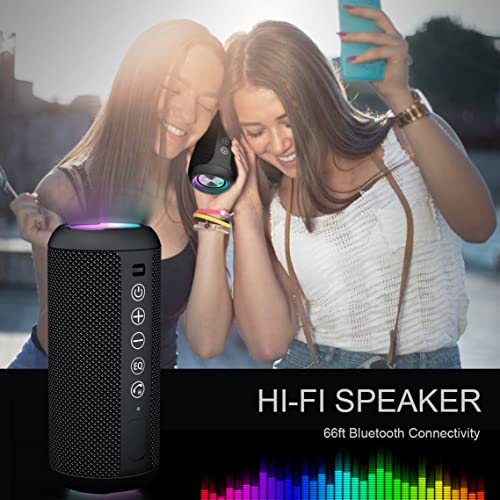
The Sony XE300 focuses on advanced Bluetooth capabilities with version 5.2, offering improved range (up to 98 feet versus 66 feet for the Ortizan) and multipoint connection—the ability to connect two devices simultaneously. You can have your phone and laptop connected, seamlessly switching between podcast playback and video call audio.
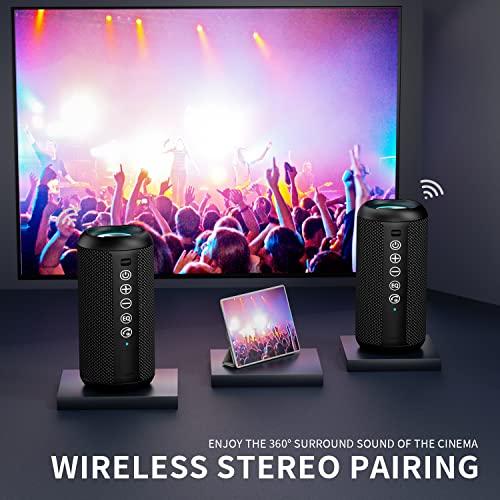
Both speakers support True Wireless Stereo pairing, allowing two identical speakers to create a wider soundstage. However, Sony's Party Connect technology goes further, supporting up to 100 connected speakers for large event scenarios. While most users will never need 100 speakers, the underlying technology demonstrates Sony's more sophisticated wireless implementation.
The Sony XE300 also supports LDAC, Sony's high-resolution Bluetooth codec that can transmit more audio data than standard Bluetooth. If you have an Android device that supports LDAC or Sony's own audio equipment, you'll experience noticeably better sound quality, especially with high-quality music files.
The smartphone app experience reveals another significant difference between these speakers. The Ortizan X10 offers basic functionality without dedicated app support, relying on simple button controls and standard Bluetooth pairing. This simplicity appeals to users who want plug-and-play functionality without additional software complexity.
The Sony XE300 integrates with Sony's Music Center app, providing comprehensive EQ customization, firmware updates, and multi-speaker management. The companion Fiestable app adds party-focused features like gesture control and DJ effects. While some users find these apps unnecessary, they significantly enhance the speaker's capabilities for those willing to invest time in setup and customization.
For home theater integration, the Sony app allows precise sound tuning to match your room acoustics—a feature that budget speakers rarely offer. You can boost dialogue frequencies for TV watching or emphasize bass for music playback, adapting the speaker's character to different content types.
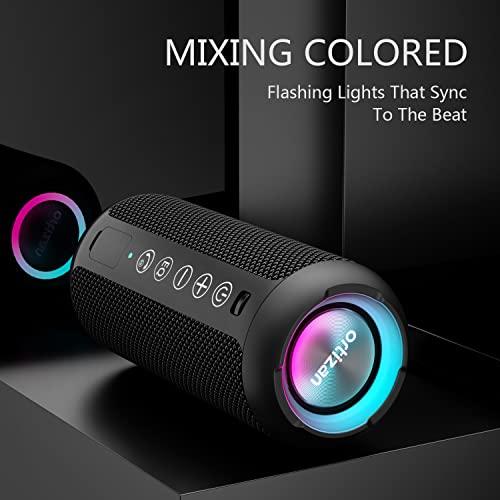
The Ortizan X10 includes RGB LED lighting that pulses and changes colors in sync with music playback. This might seem gimmicky, but it genuinely enhances outdoor gatherings and creates ambient lighting for evening use. The lights can operate independently of music or be disabled entirely for battery conservation.
The Sony XE300 incorporates ClearAudio+ technology, which automatically analyzes audio content and applies optimized processing. This feature works particularly well with compressed music from streaming services, enhancing clarity and presence that's often lost in highly compressed audio files.
Both speakers include built-in microphones for hands-free calling, but the Sony XE300 features echo cancellation technology that provides noticeably clearer voice calls. If you frequently use your speaker for conference calls or voice chats, this improvement justifies the price difference alone.
The Ortizan X10 excels in outdoor scenarios where battery life and weather resistance matter most. Its 30-hour runtime means worry-free camping trips, beach days, or backyard parties. The LED lighting adds entertainment value for evening gatherings, while the lanyard and compact design make it easy to carry on hikes or bike rides.
The Sony XE300 performs better as a home audio solution. Its sophisticated sound processing and app-based EQ make it adaptable to different rooms and listening preferences. The Line-Shape Diffuser technology works particularly well in medium-sized rooms, providing more even sound coverage than traditional point-source speakers.
Neither speaker is designed for professional audio applications, but the Sony XE300 handles spoken word content better due to its clearer midrange reproduction and echo cancellation features. For casual presentations or video calls, it provides a meaningful upgrade over laptop speakers or basic Bluetooth alternatives.
At the time of writing, these speakers occupy different price tiers, with the Ortizan X10 positioned as a value-focused option and the Sony XE300 commanding a premium for its brand reputation and advanced features.
The Ortizan X10 delivers exceptional value by focusing on core functionality that matters most to typical users: long battery life, good sound quality, and reliable operation. You're getting premium features like 24W output and comprehensive connectivity at a price point where many competitors offer significantly less capability.
The Sony XE300 asks buyers to pay more for sophisticated audio processing, premium build quality, and comprehensive app integration. If you value brand reliability, advanced features, and nuanced sound quality, the premium makes sense. However, casual listeners who primarily want background music for outdoor activities might not appreciate these refinements enough to justify the additional cost.
Both speakers succeed in their intended markets, making this choice largely dependent on your priorities and use cases. The Ortizan X10 represents exceptional value for users who want reliable, long-lasting performance without paying for features they won't use. Its 30-hour battery life alone makes it compelling for outdoor enthusiasts and frequent travelers.
The Sony XE300 justifies its premium through genuine technological advantages in audio processing, build quality, and feature sophistication. If you're building a home audio ecosystem or want a speaker that adapts to different listening scenarios, the additional investment makes sense.
Neither speaker is perfect—the Ortizan X10 sacrifices some audio refinement for battery life, while the Sony XE300 trades runtime for processing sophistication. However, both deliver solid performance that exceeds many competitors in their respective price ranges.
For most buyers, the decision comes down to whether extended battery life (Ortizan) or advanced audio features (Sony) better matches their primary use cases. Both represent smart purchases that will provide years of reliable service, just with different strengths and ideal scenarios.
| Ortizan X10 Portable Bluetooth Speaker 24W | Sony XE300 Portable Bluetooth Speaker |
|---|---|
| Power Output - Determines maximum volume and dynamic range | |
| 24W stereo (dual 12W drivers) | Not specified by manufacturer |
| Battery Life - Most critical for outdoor and extended use | |
| 30 hours advertised (matches real-world testing) | 24 hours advertised (17 hours actual in testing) |
| Bluetooth Technology - Affects connection stability and range | |
| Bluetooth 5.0 with 66-foot range | Bluetooth 5.2 with 98-foot range |
| Water/Dust Protection - Essential for outdoor durability | |
| IPX7 (submersible to 3 feet, no dust rating) | IP67 (dust-proof plus water-resistant) |
| Speaker Technology - Impacts sound quality and distribution | |
| BASSBOOM technology with 360° sound claim (actually ~270°) | X-Balanced Speaker Units with Line-Shape Diffuser |
| Connectivity Options - Flexibility for different audio sources | |
| Bluetooth, AUX-in, microSD card (up to 32GB) | Bluetooth only with multipoint connection |
| Audio Codecs - Higher quality wireless transmission | |
| Standard SBC codec | SBC, AAC, and LDAC (high-resolution) |
| Multi-Speaker Features - For larger listening areas | |
| True Wireless Stereo (TWS) pairing | Party Connect (up to 100 speakers) |
| App Integration - Customization and advanced features | |
| Basic controls, no dedicated app | Sony Music Center and Fiestable apps |
| Special Features - Unique selling points | |
| RGB LED light show synced to music | ClearAudio+ automatic sound optimization |
| Weight and Portability - Important for travel use | |
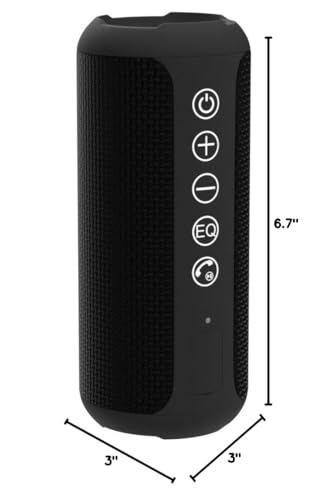
| Approximately 1.1 lbs | 2.87 lbs |
| Audio Processing - Sound quality enhancements | |
| Digital signal processor with 3 EQ modes | DSEE technology with custom bass/mid/treble EQ |
| Charging Speed - Convenience for daily use | |
| Full charge in under 3 hours | 70 minutes playtime from 10-minute charge |
The Ortizan X10 significantly outperforms the Sony XE300 in battery life, offering 30 hours of continuous playbook compared to the Sony's 17 hours of actual usage (despite Sony's 24-hour claim). This makes the Ortizan X10 ideal for camping trips, outdoor events, and extended use without charging access.
The Sony XE300 justifies its higher price through superior audio processing, IP67 dust and water protection, advanced Bluetooth 5.2 connectivity, and comprehensive app integration. However, the Ortizan X10 offers exceptional value with longer battery life, multiple connectivity options, and solid performance at a lower price point.
The Ortizan X10 excels for outdoor use due to its 30-hour battery life, RGB lighting effects for nighttime gatherings, and lighter weight for portability. While the Sony XE300 offers superior dust protection with its IP67 rating, the Ortizan's extended runtime makes it more practical for camping and beach trips.
Neither the Ortizan X10 nor Sony XE300 is designed as a dedicated TV soundbar, but the Sony XE300 performs better for home theater use due to its clearer dialogue reproduction, sophisticated audio processing, and customizable EQ settings through the Sony Music Center app.
The Ortizan X10 delivers 24W of power output, providing impressive maximum volume for its price range. The Sony XE300 doesn't specify wattage but focuses on sound quality over raw power. Both speakers get loud enough for outdoor gatherings, though the Ortizan X10 may have a slight edge in pure volume.
Both speakers support multi-speaker connectivity, but differently. The Ortizan X10 offers True Wireless Stereo (TWS) pairing for connecting two identical speakers. The Sony XE300 features Party Connect technology that can link up to 100 compatible Sony speakers, making it more scalable for large events.
The Sony XE300 delivers superior sound quality through its X-Balanced Speaker Units, Line-Shape Diffuser technology, and ClearAudio+ processing. It offers more controlled bass, clearer midrange, and better overall audio sophistication compared to the Ortizan X10, which prioritizes punchy, exciting sound over accuracy.
Both speakers offer excellent water protection. The Ortizan X10 has IPX7 rating (submersible to 3 feet for 30 minutes), while the Sony XE300 features IP67 rating (dust-proof plus water-resistant). Both are safe for poolside use, beach trips, and accidental submersion.
The Sony XE300 excels for streaming with LDAC codec support for higher-quality Bluetooth transmission and ClearAudio+ technology that enhances compressed streaming audio. The Ortizan X10 works well with streaming apps but lacks advanced audio processing features.
Both the Ortizan X10 and Sony XE300 include built-in microphones for hands-free calling. However, the Sony XE300 provides superior call quality with echo cancellation technology and clearer voice reproduction, making it better suited for conference calls and voice chats.
The Ortizan X10 provides more versatile connectivity with Bluetooth, AUX input, and microSD card support (up to 32GB), allowing offline music playback. The Sony XE300 focuses on advanced Bluetooth features like multipoint connection (two devices simultaneously) but lacks auxiliary and SD card options.
The Sony XE300 offers comprehensive app support through Sony Music Center and Fiestable apps, providing custom EQ settings, firmware updates, and party features. The Ortizan X10 relies on simple button controls without dedicated app support, appealing to users who prefer straightforward operation without additional software complexity.
We've done our best to create useful and informative comparisons to help you decide what product to buy. Our research uses advanced automated methods to create this comparison and perfection is not possible - please contact us for corrections or questions. These are the sites we've researched in the creation of this article: reviewindetail.com - manuals.plus - newegg.com - walmart.com - nerdtechy.com - aliexpress.com - youtube.com - h5.lazada.com.ph - youtube.com - manuals.plus - walmart.com - ortizan.com - youtube.com - youtube.com - ubuy.com.pk - manuals.plus - youtube.com - aliexpress.com - aliexpress.com - ortizan.com - youtube.com - heartwood.church - device.report - bestbuy.com - sony.co.uk - soundguys.com - bestbuy.com - cgmagonline.com - sony.com - sony.com - bestbuy.com - sony.com - electronics.sony.com - helpguide.sony.net

Privacy Policy
Terms and Conditions - Affiliate Policy
Home Security
© Copyright 2008-2026.
11816 Inwood Rd #1211, Dallas, TX 75244