

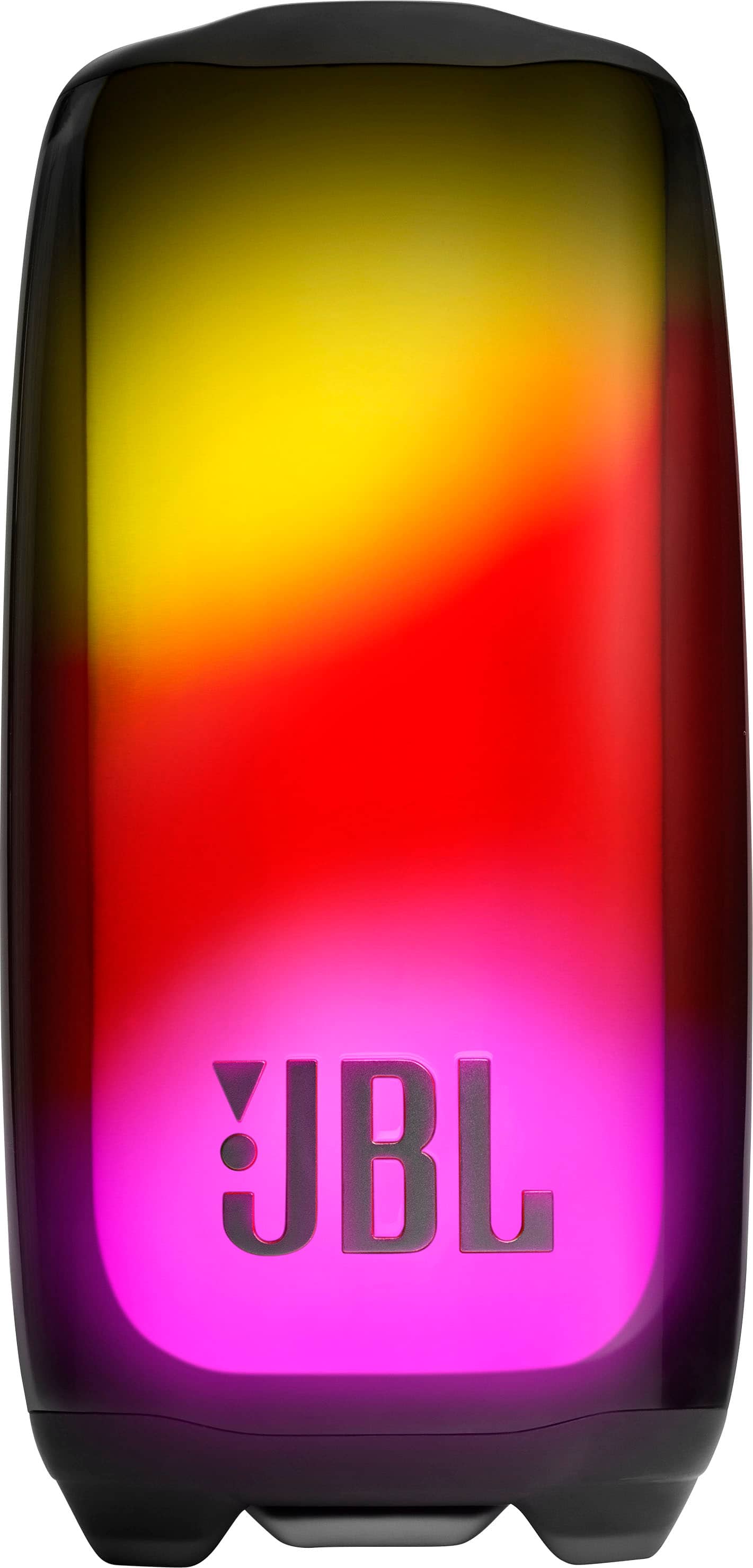
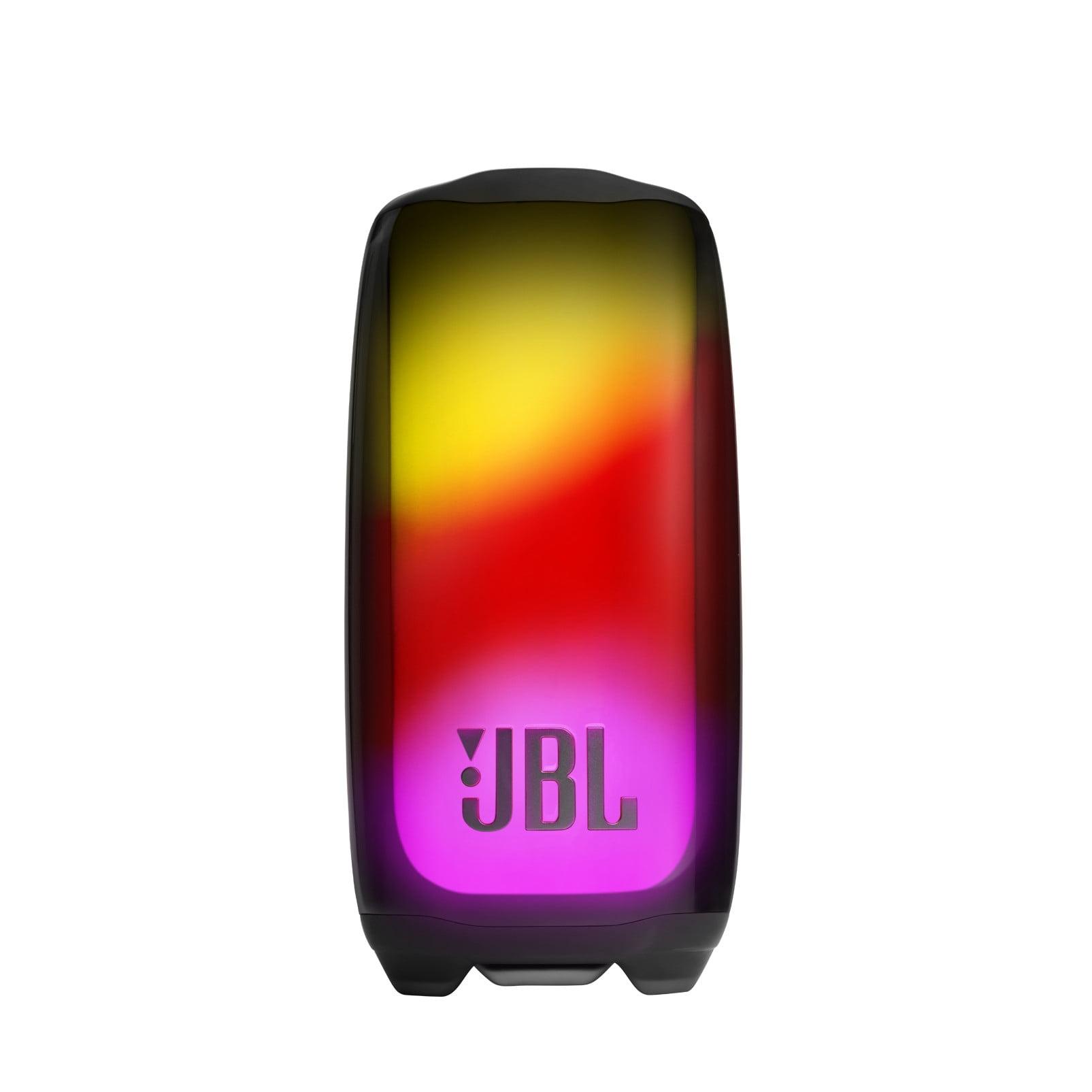
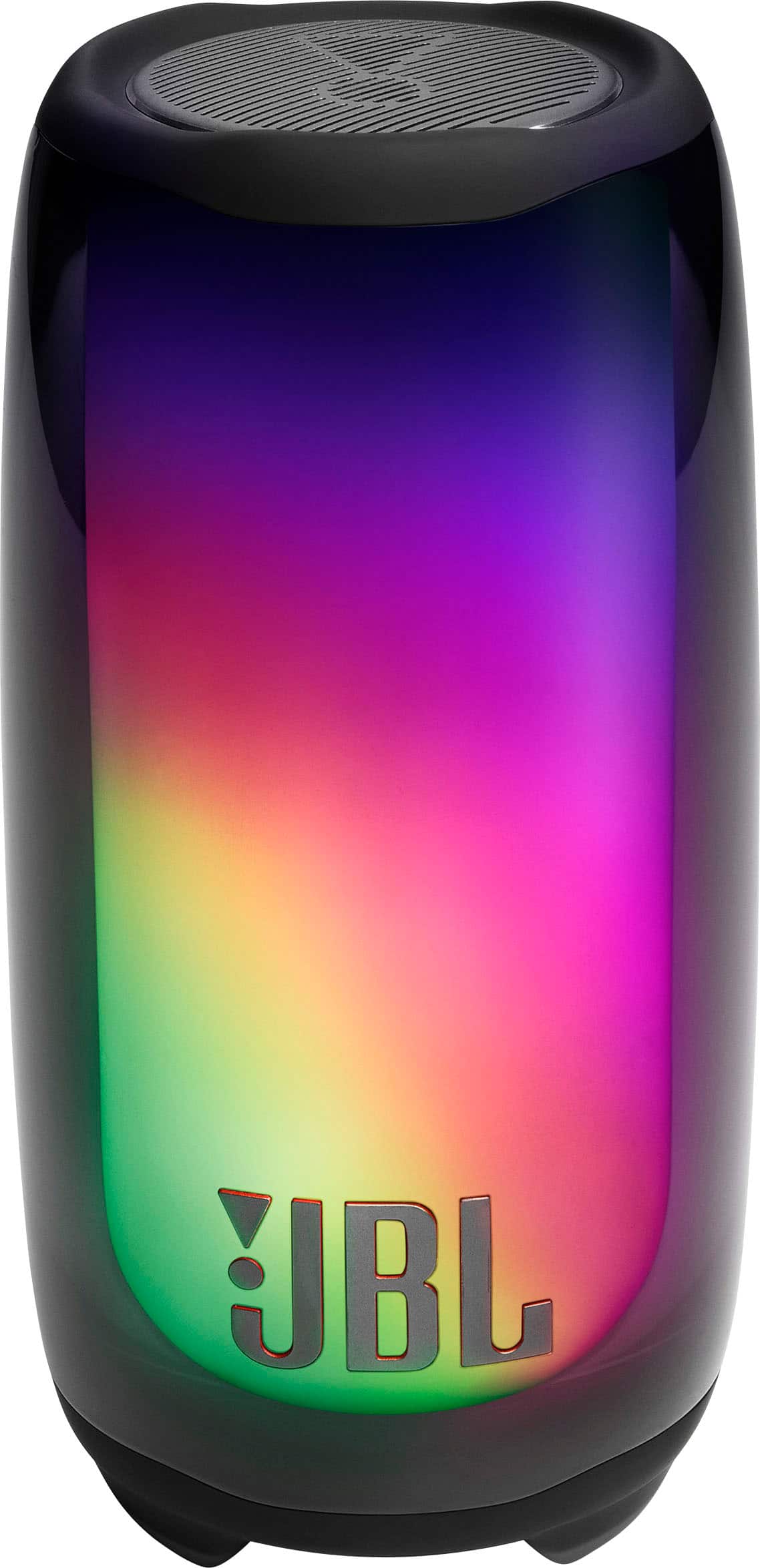
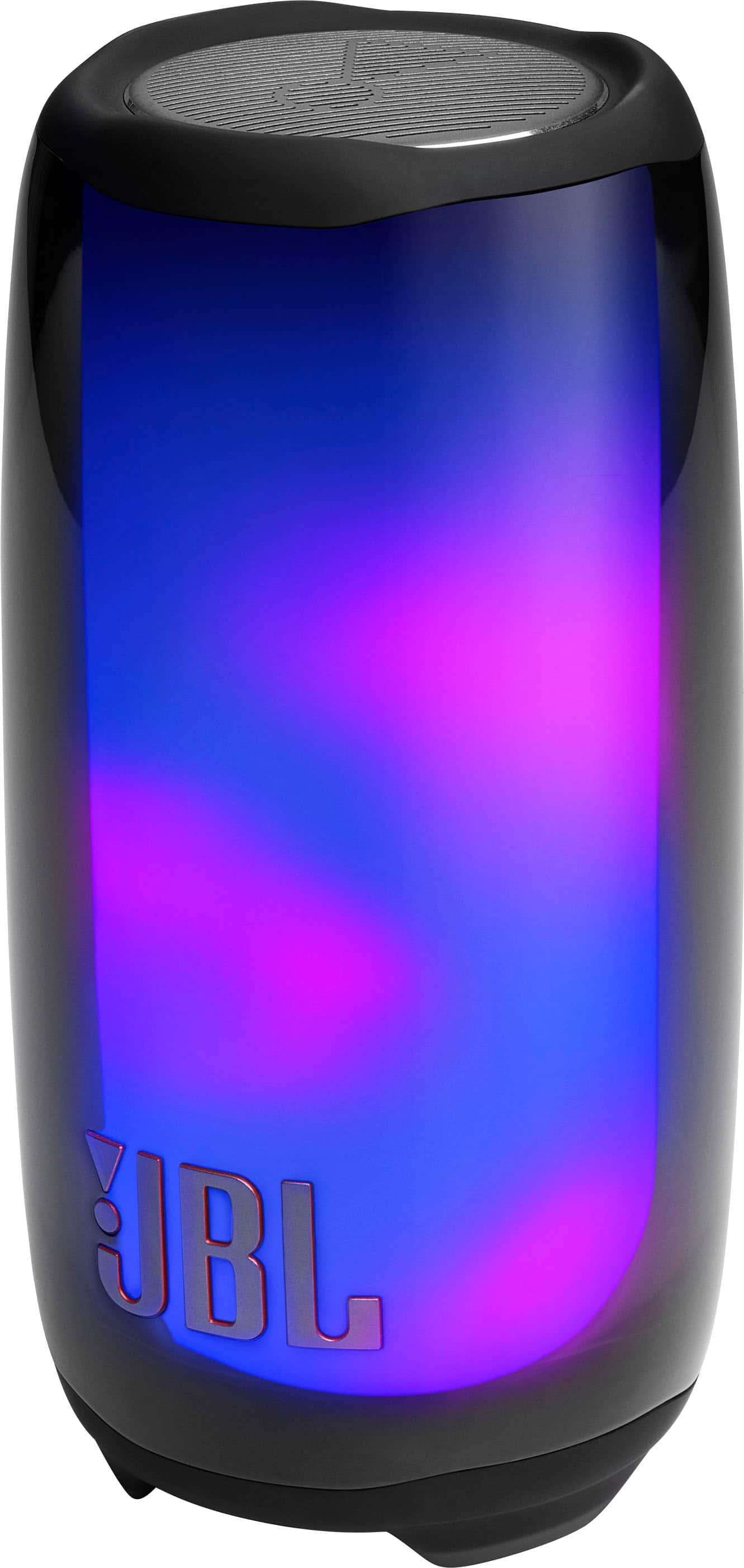
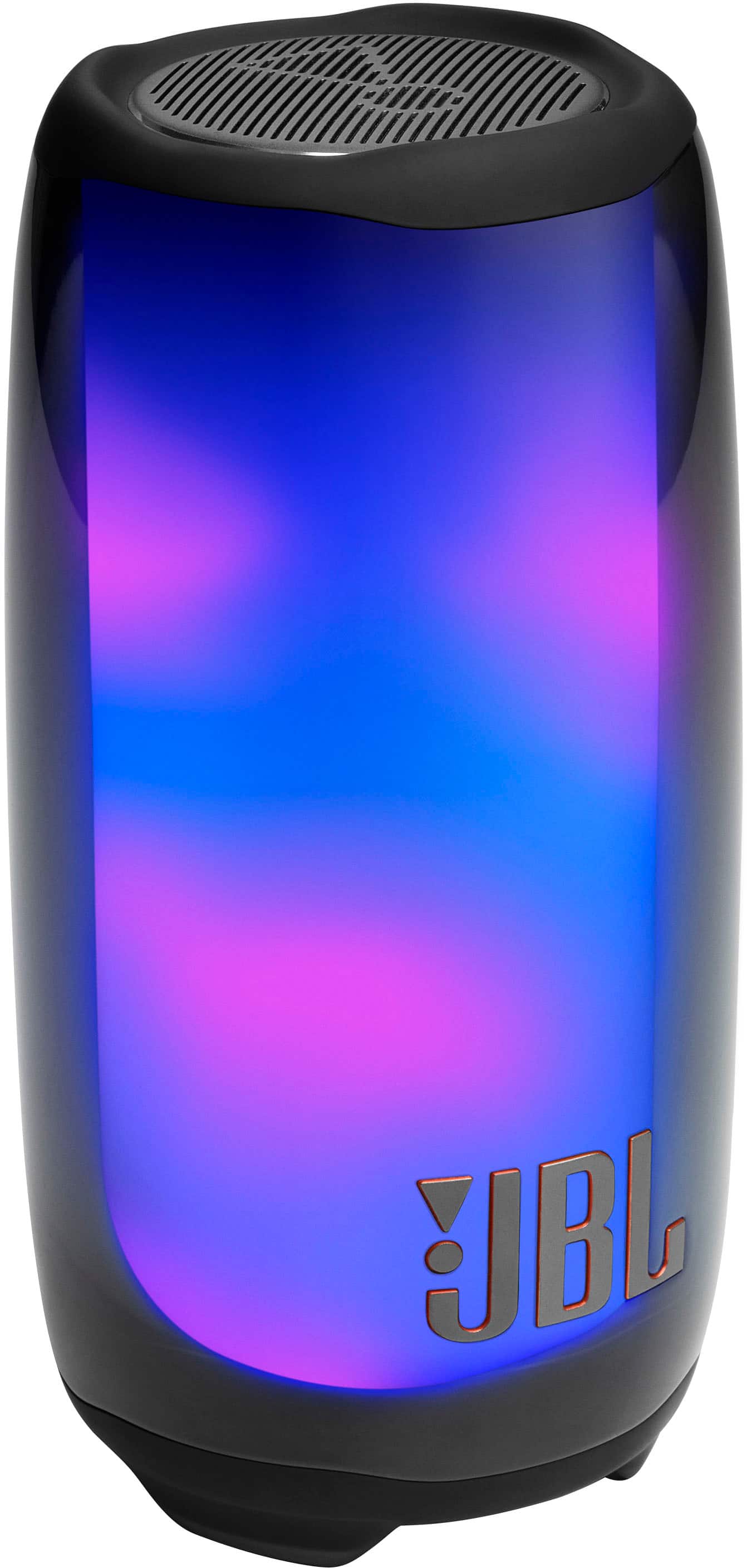
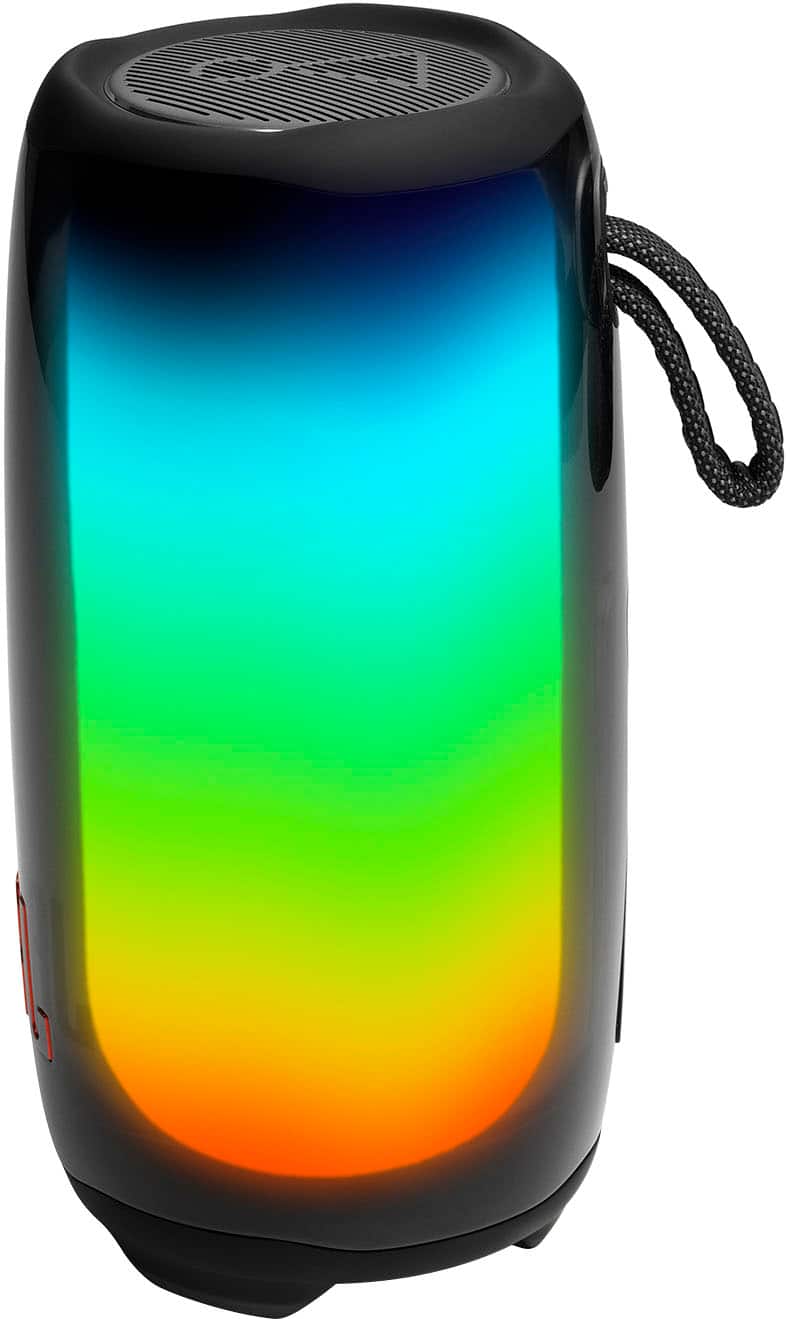
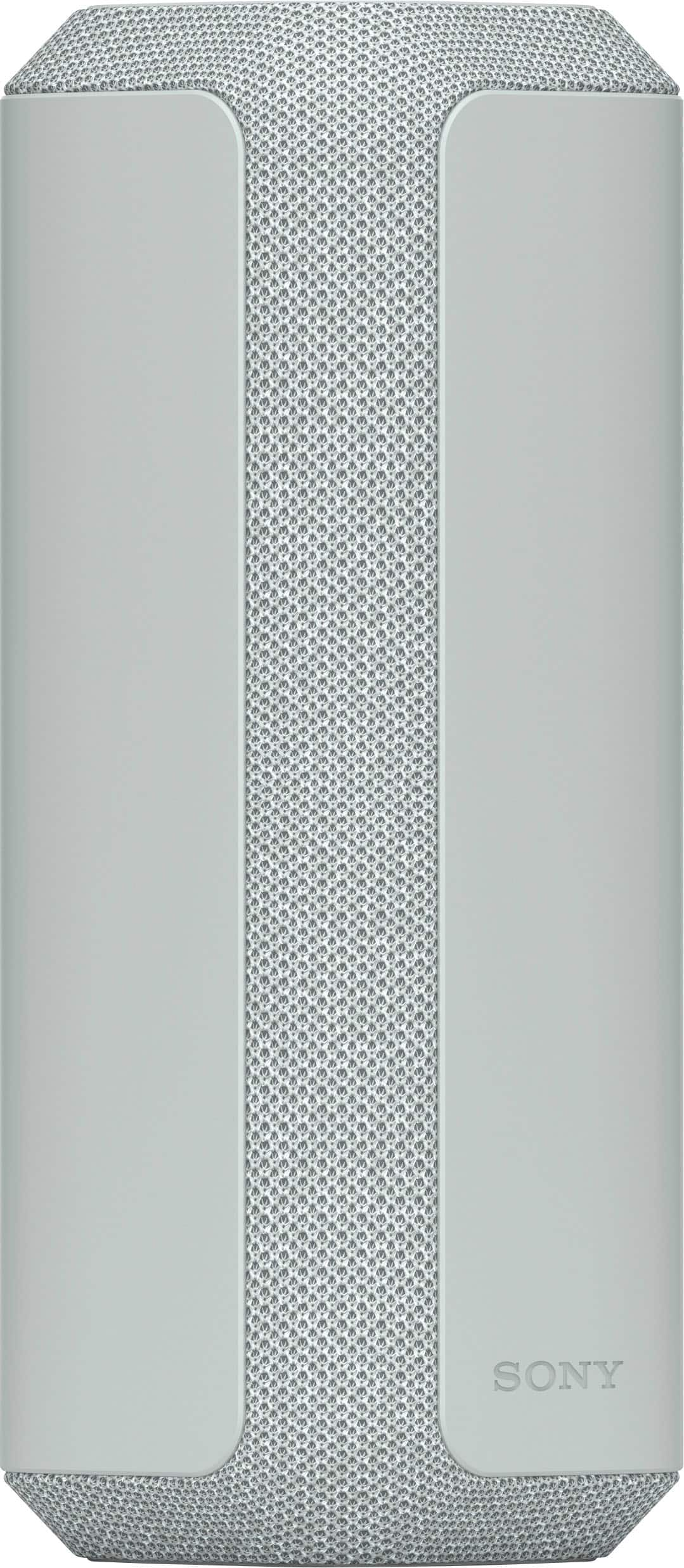
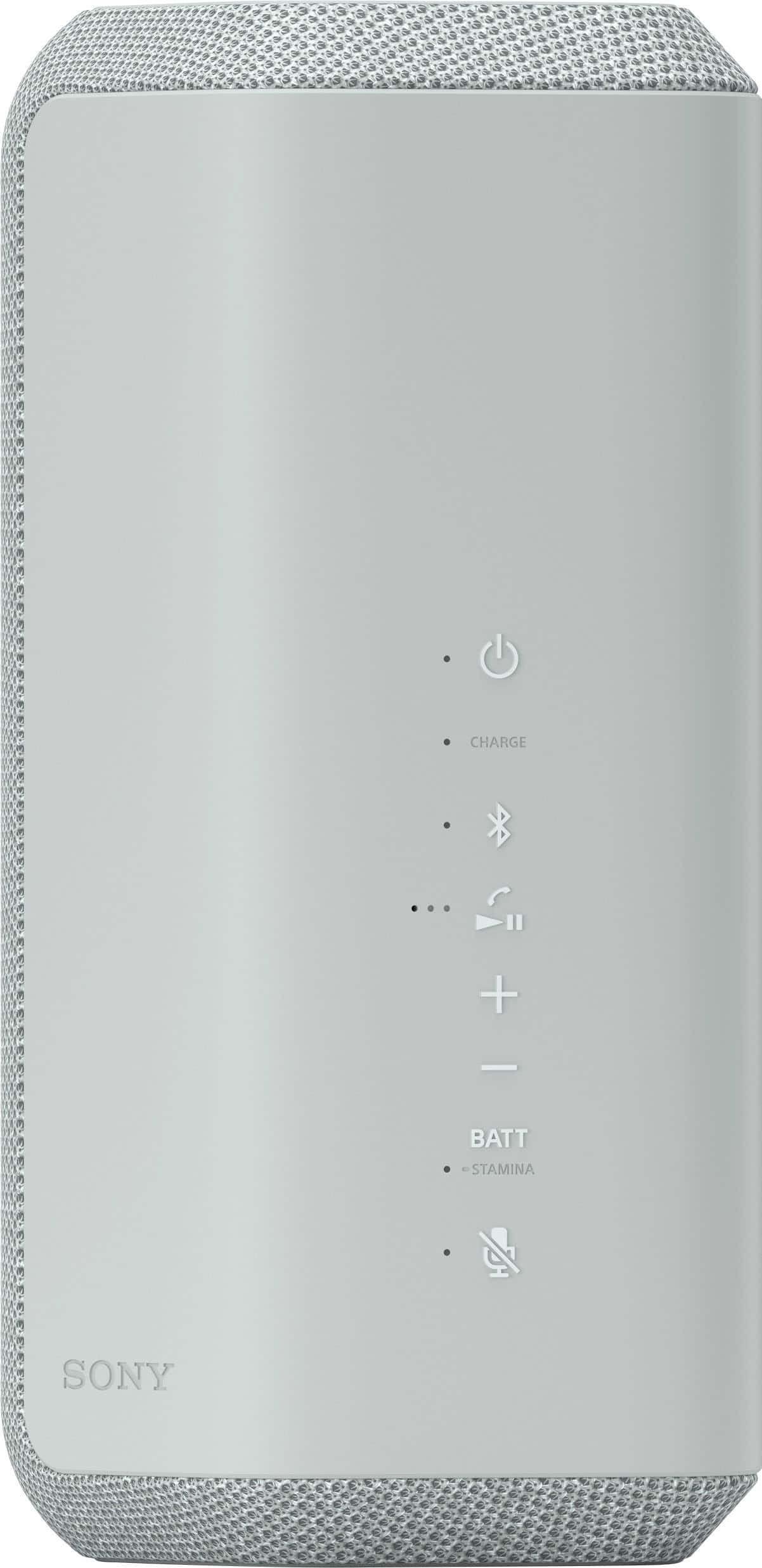
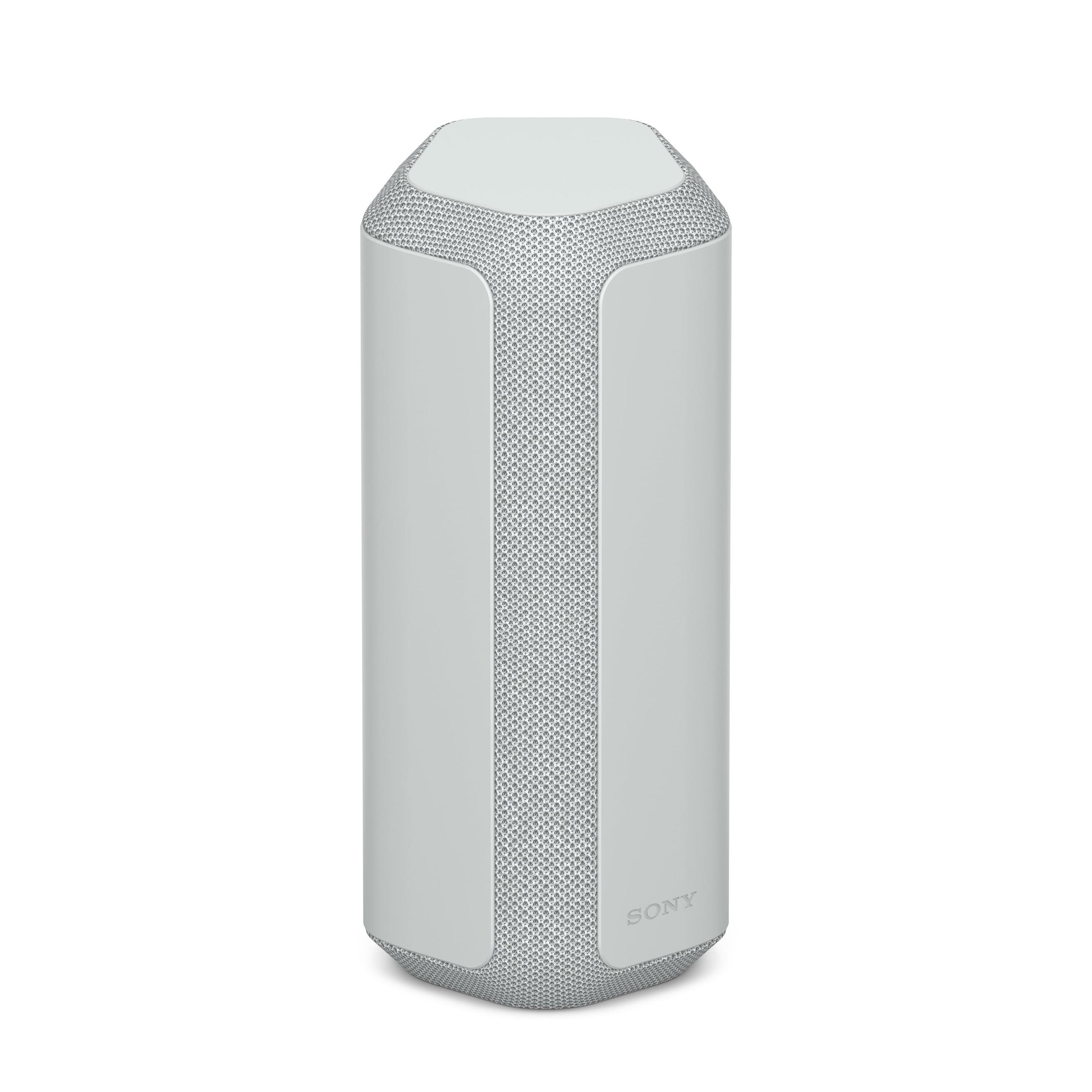




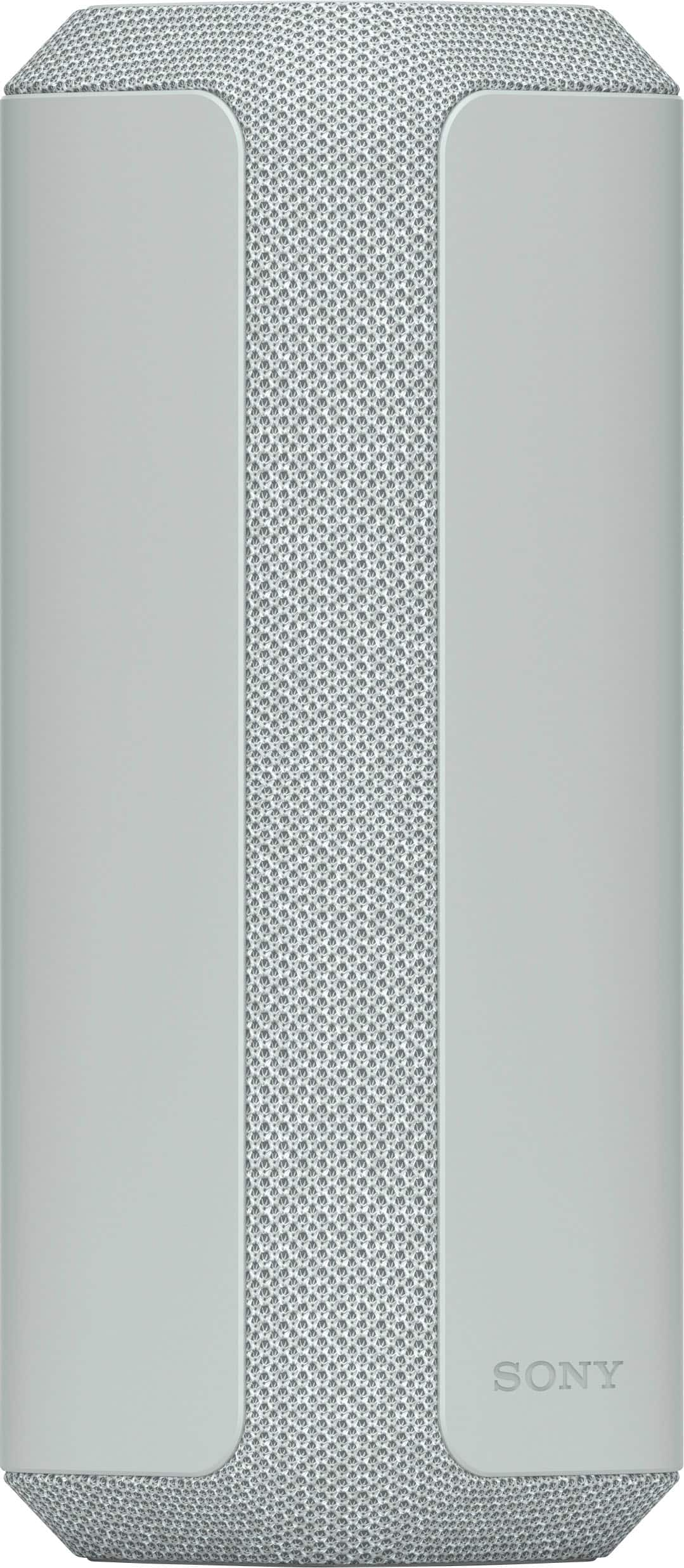
The portable speaker market has evolved significantly, with manufacturers pushing boundaries in both sound quality and features. Today we're comparing two premium offerings released in mid-2022: the JBL Pulse 5 ($249.99) and Sony XE300 ($199.99). Both speakers represent the latest in portable audio technology, but they take distinctly different approaches to delivering value.
Before diving into specifics, let's consider what makes a great portable speaker. Sound quality naturally tops the list, but factors like battery life, durability, and special features can significantly impact your experience. Modern portable speakers need to handle everything from backyard BBQs to beach days while delivering clear, powerful audio that can compete with ambient noise.
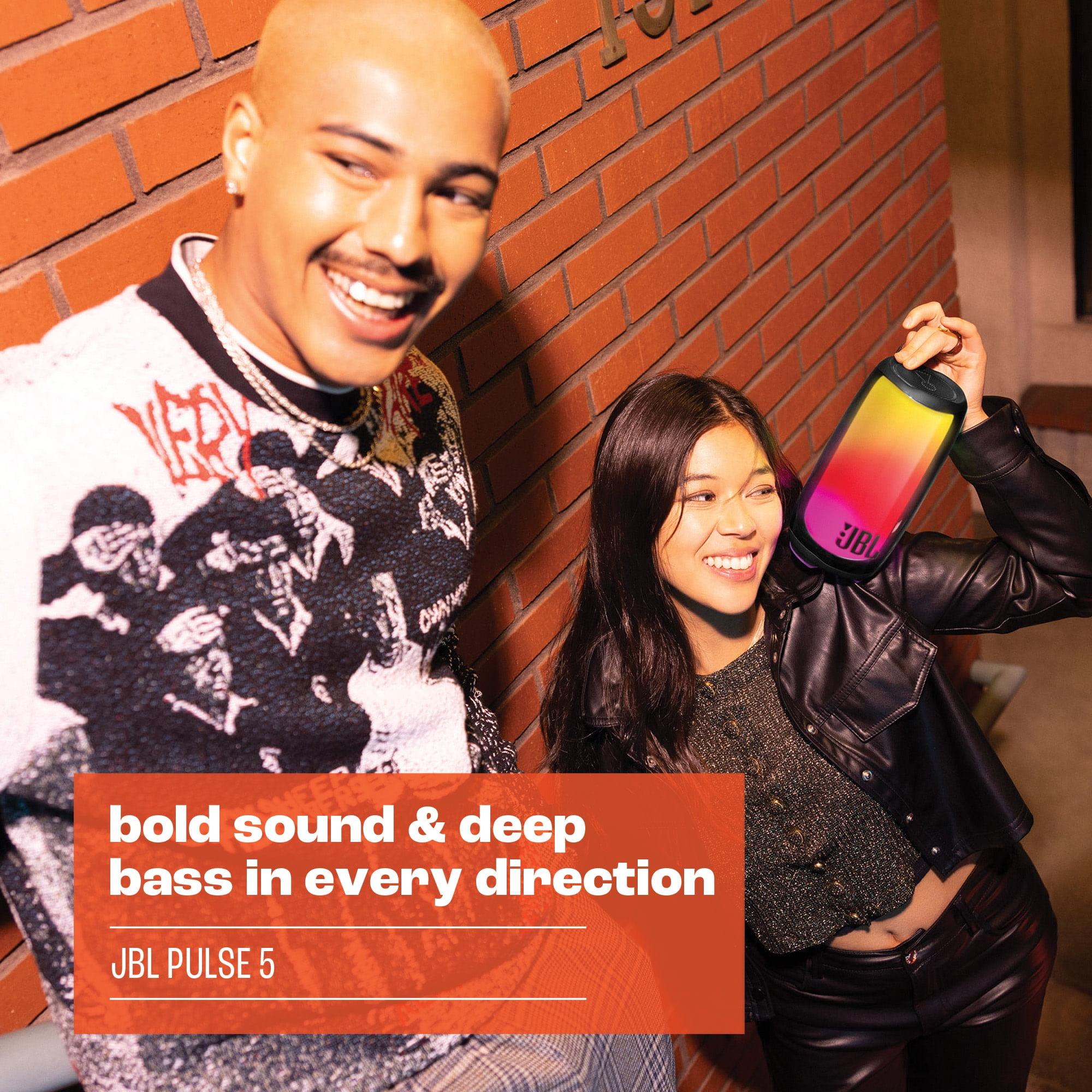
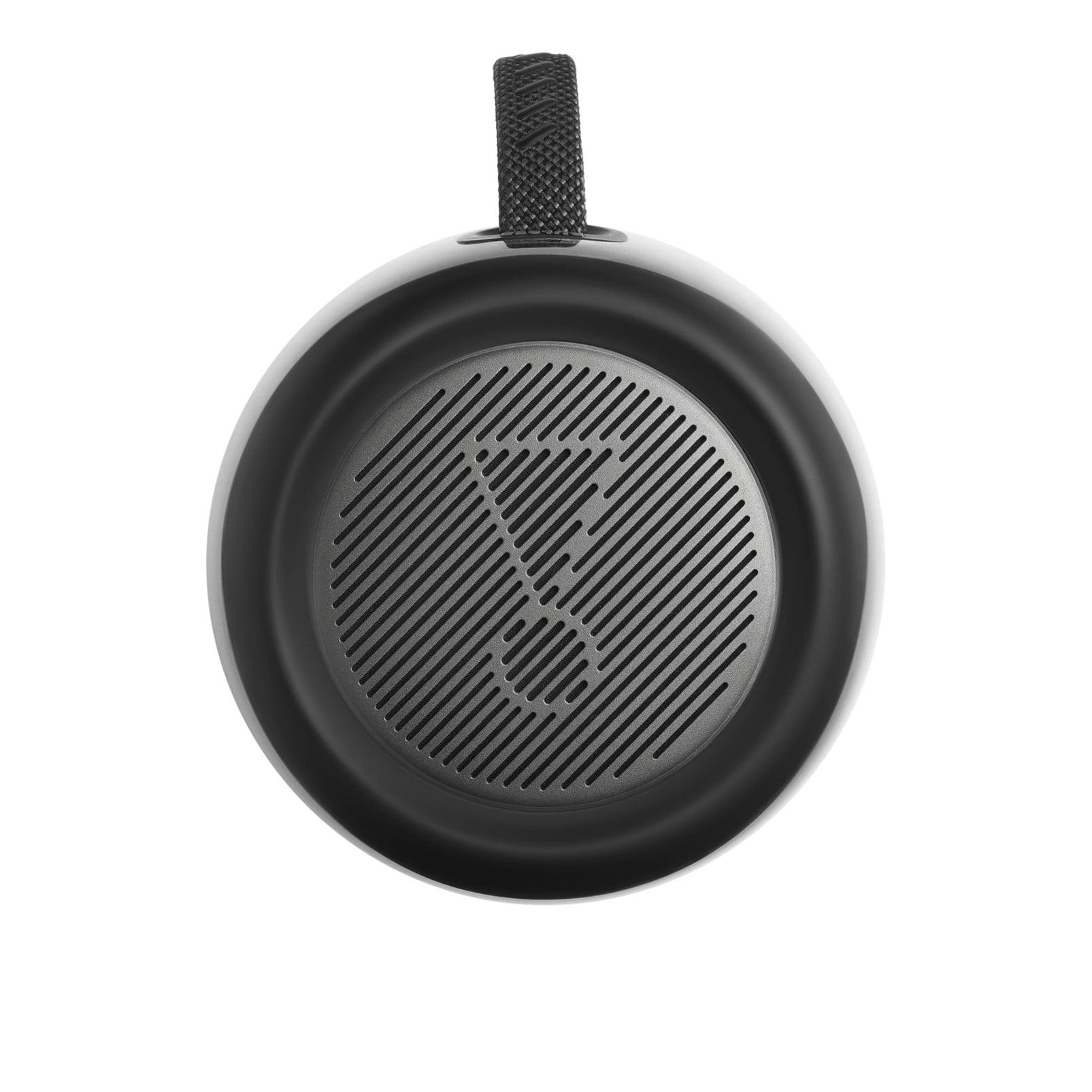
The Pulse 5 employs a 30W woofer and 10W tweeter configuration with a passive radiator, creating a 360-degree soundstage. This design excels in open spaces where people gather around the speaker. The sound signature leans towards the bass-heavy side - typical of JBL - but maintains clarity in the mids and highs. At maximum volume, there's minimal distortion thanks to JBL's digital signal processing (DSP).
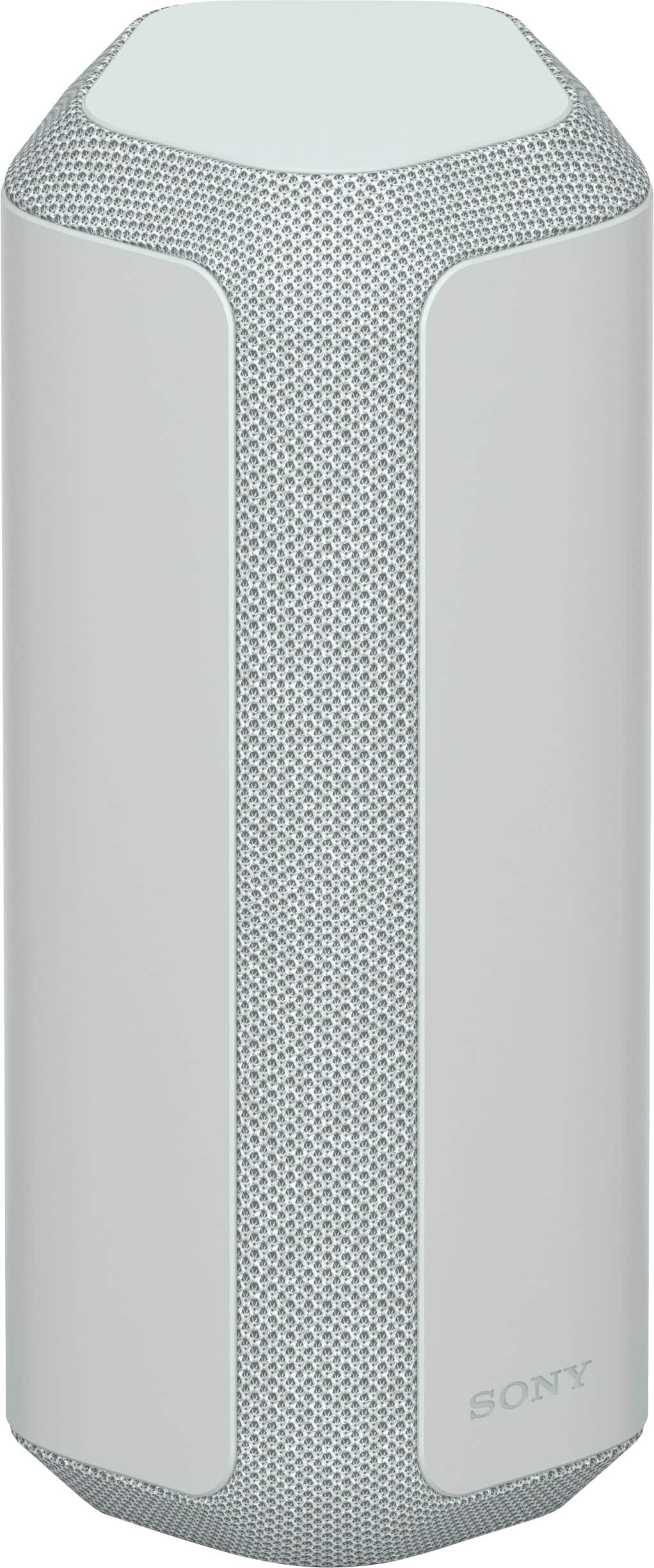
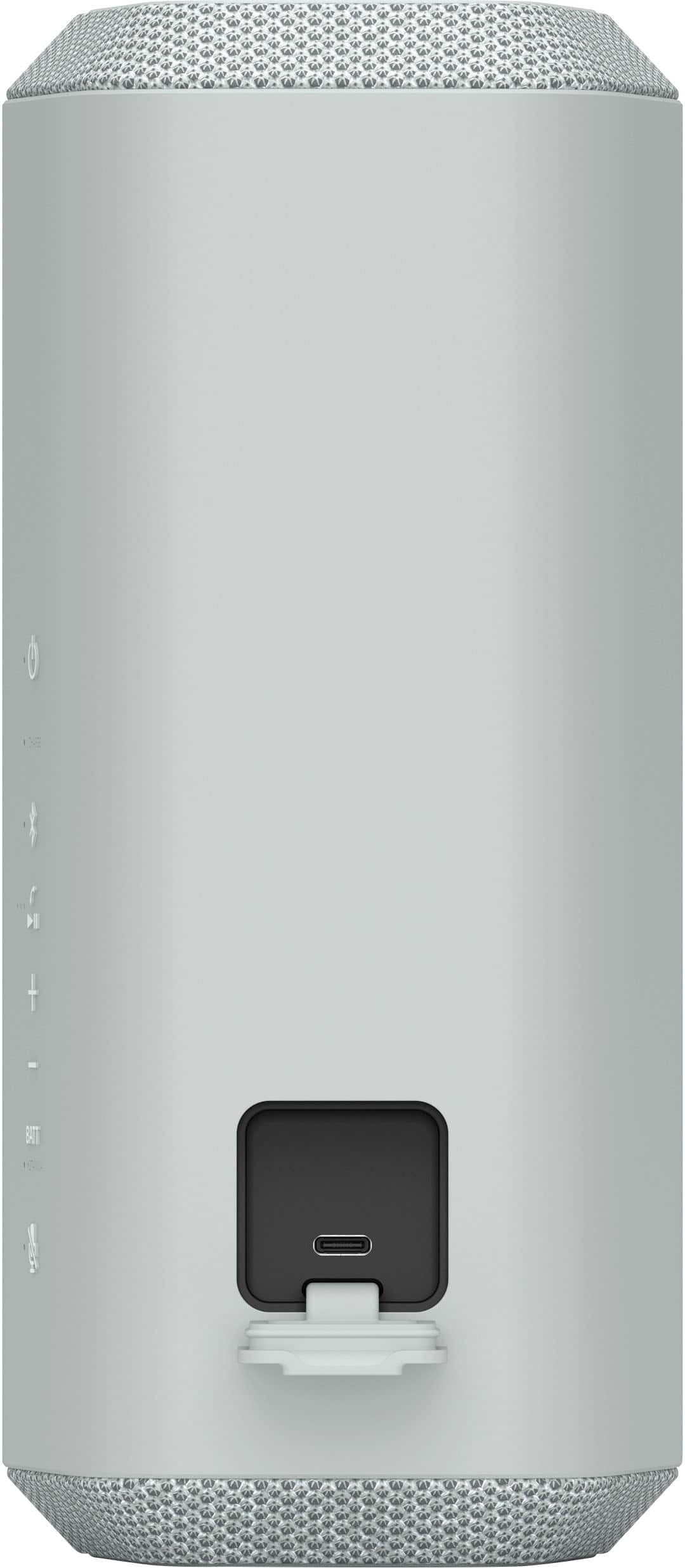
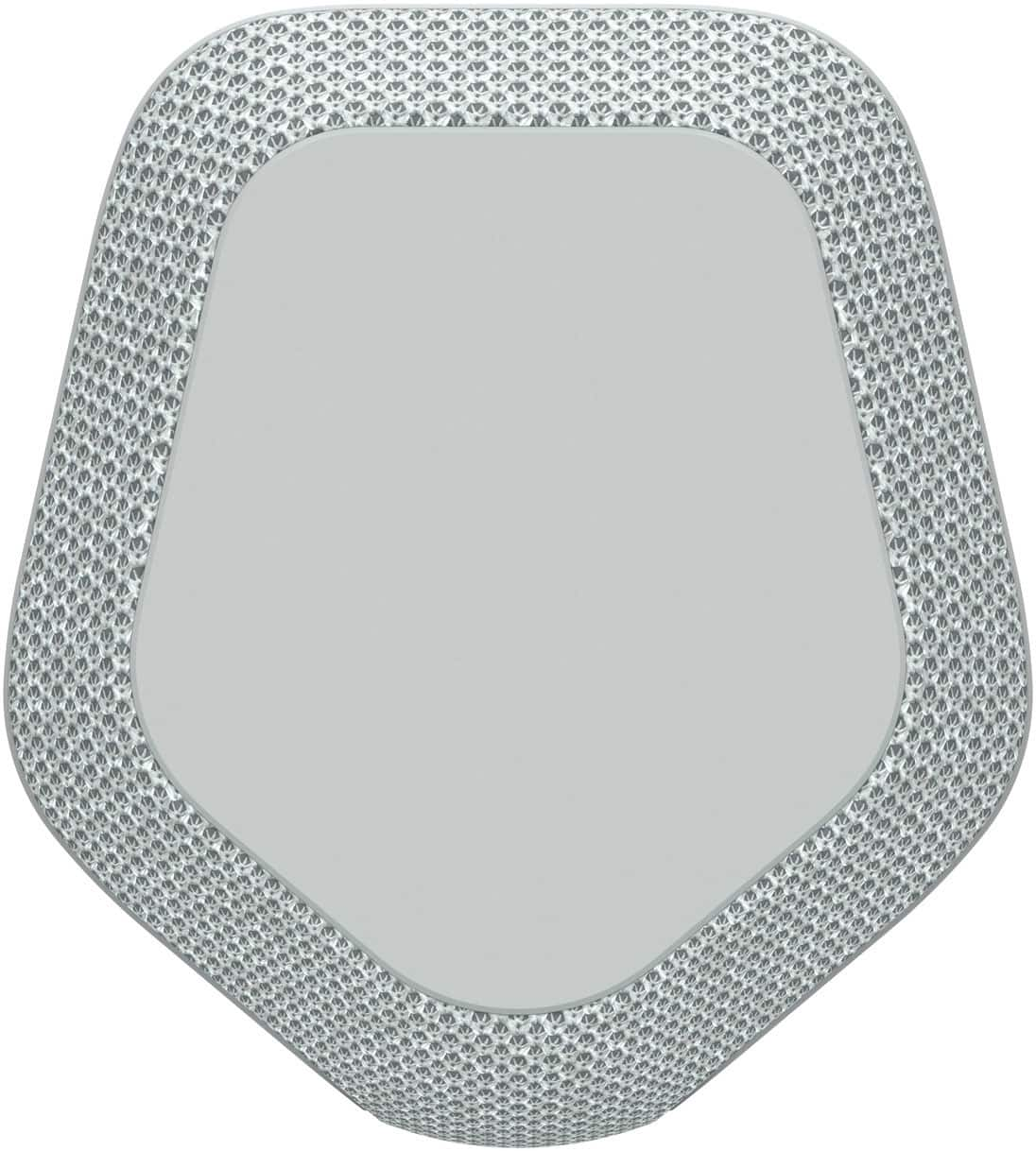
The XE300 takes a different path with its Line-Shape Diffuser technology, which spreads sound horizontally rather than in all directions. Sony's X-Balanced Speaker Unit (a non-circular speaker design) increases the diaphragm area while reducing distortion. The result is remarkably clear audio with precise mids and controlled bass. The dual passive radiators ensure bass notes remain punchy without overwhelming the mix.
In testing, both speakers handle different music genres well, but their strengths become apparent in specific scenarios:
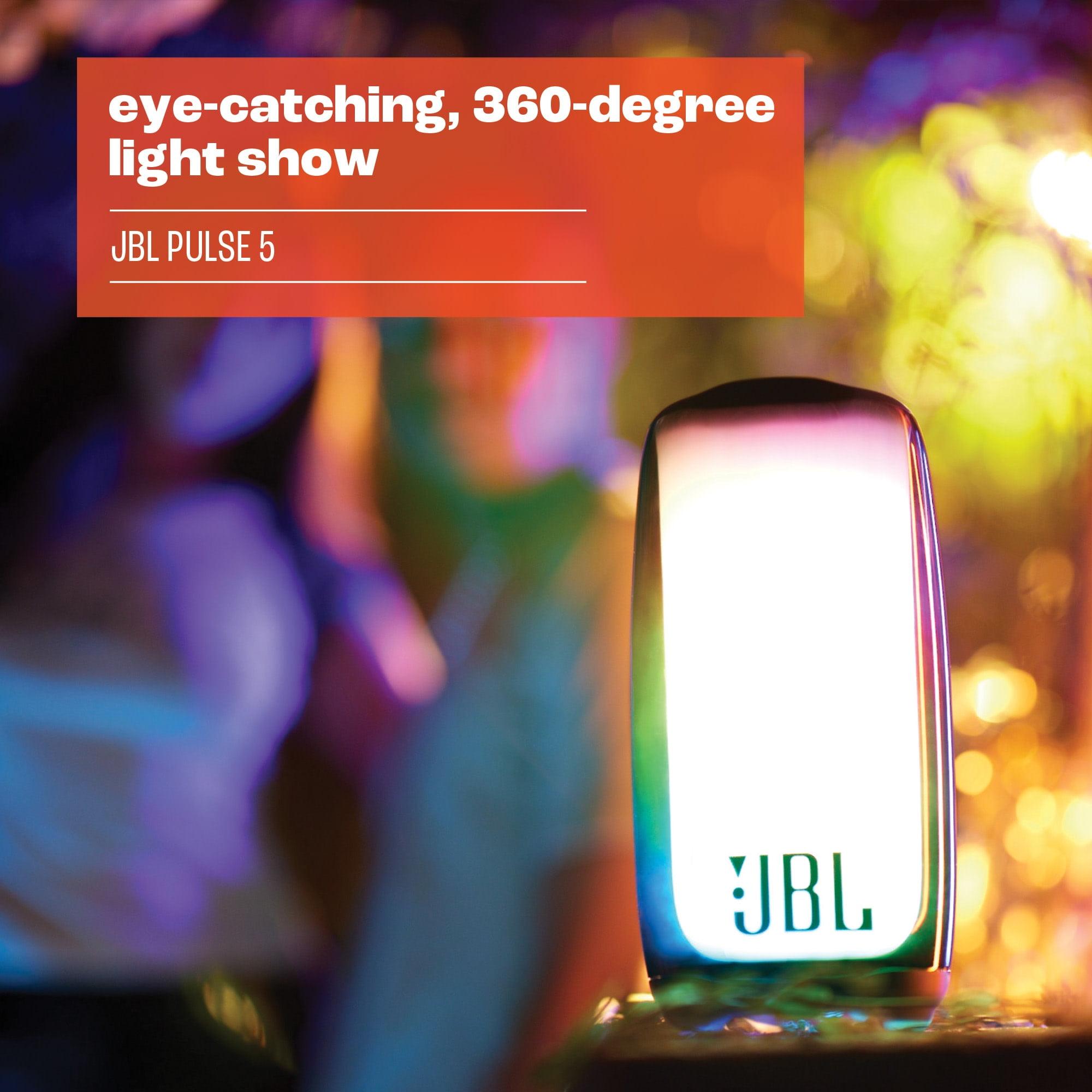
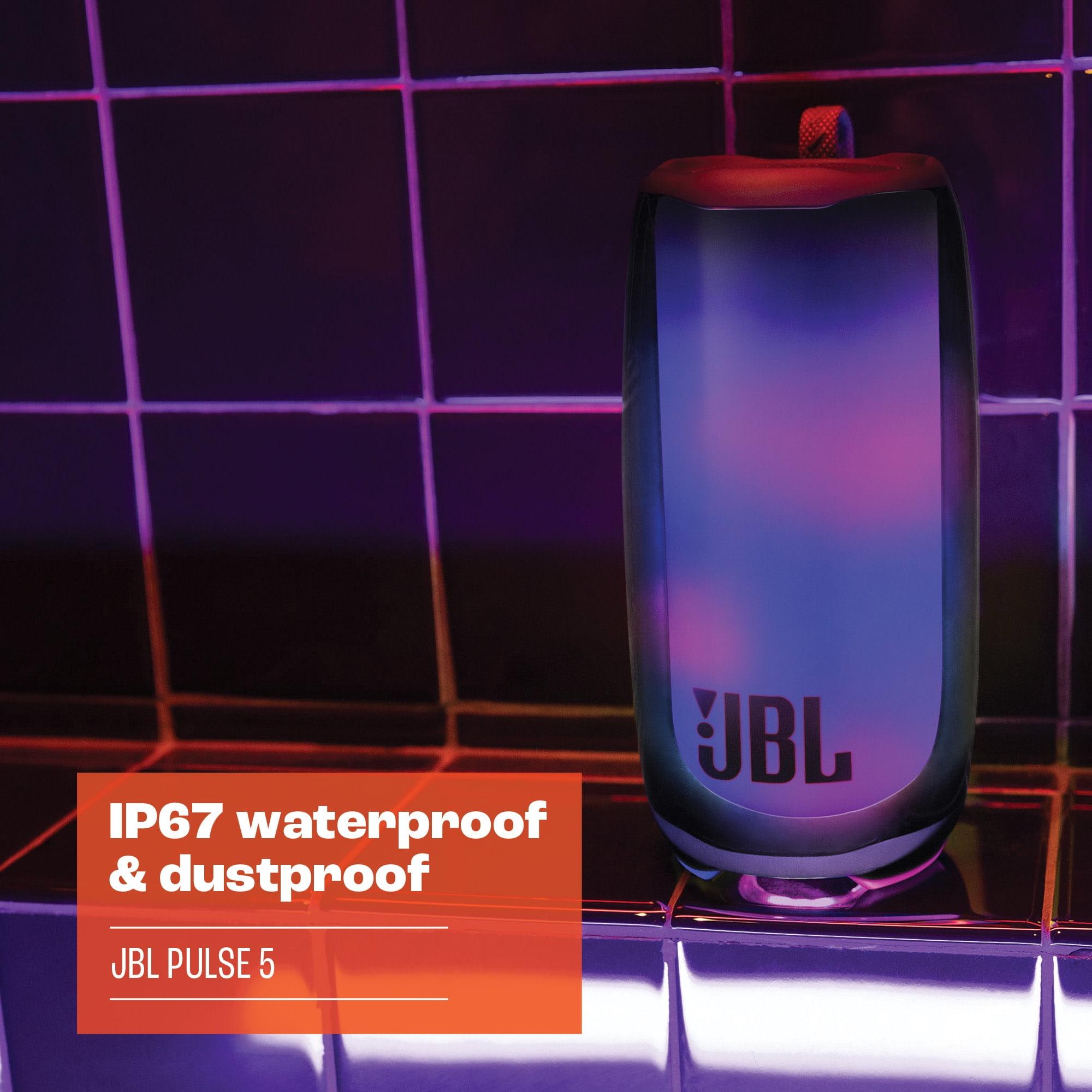
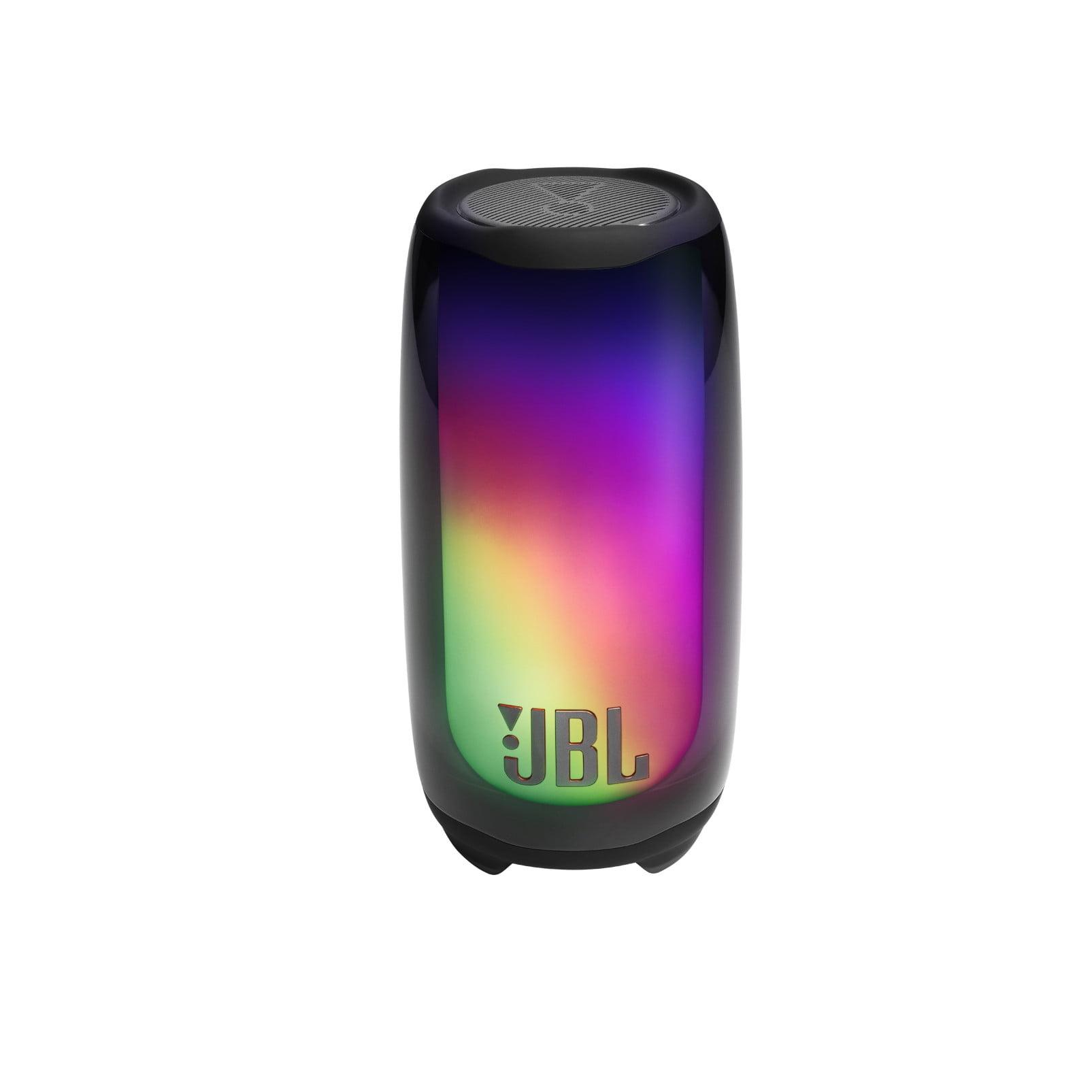
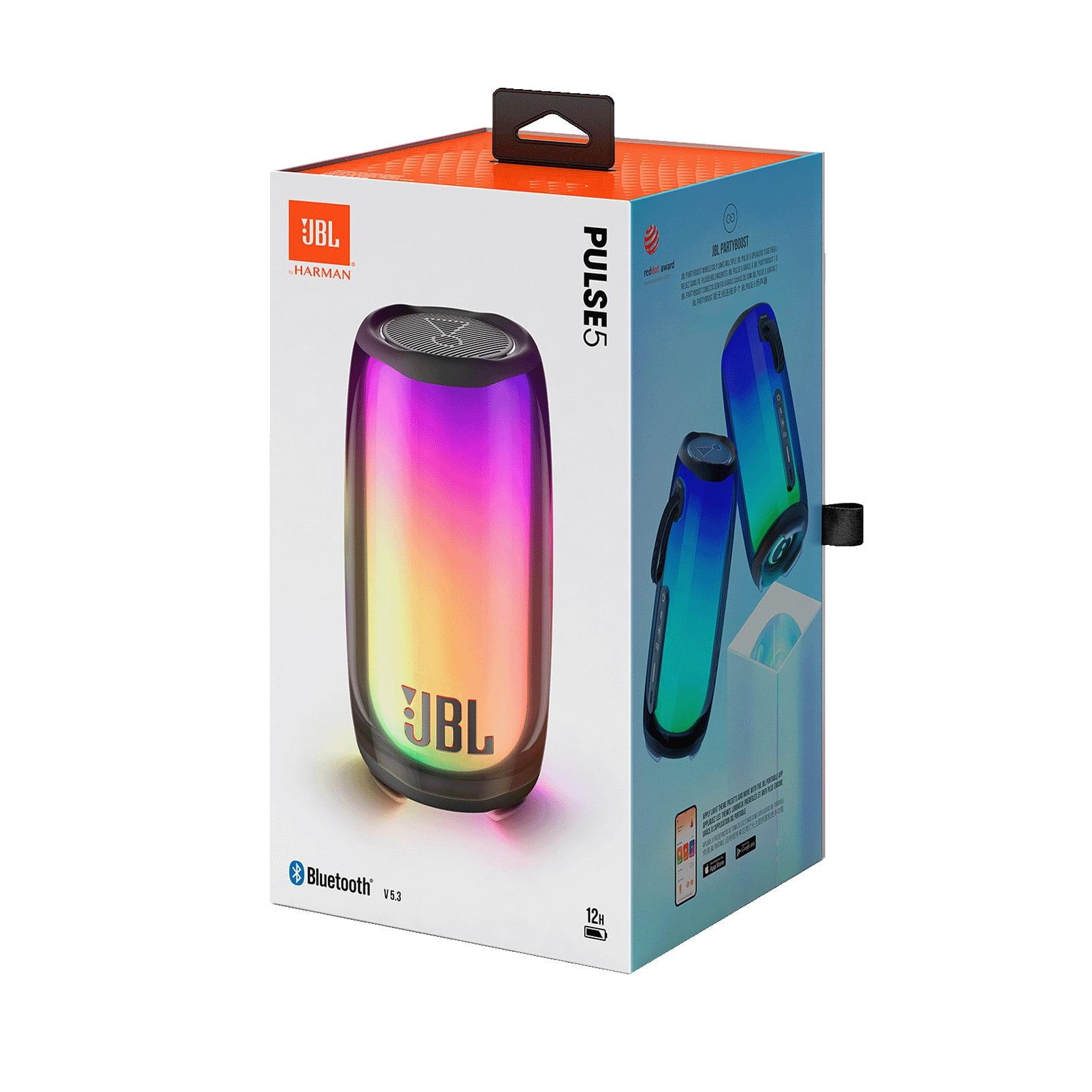
The Pulse 5 builds on its predecessor's success with an expanded transparent outer body and more sophisticated LED patterns. The light show syncs with music through improved algorithms, creating more dynamic visual effects. It's not just a gimmick - the implementation genuinely enhances the listening experience, especially in low-light environments.
The XE300 introduces several technical innovations:
Both speakers feature IP67 ratings, meaning they're:
The Pulse 5's larger size (21.4 x 10.7 x 13.2 cm) contrasts with the XE300's more compact form (23.8 x 10.5 x 11.9 cm). The weight difference is notable - the Pulse 5 at 1.47kg versus the XE300's 1.3kg.
Both speakers offer Bluetooth 5.x connectivity, but Sony edges ahead with LDAC support for high-resolution audio. The companion apps differ significantly:
The JBL Pulse 5 justifies its higher price through:
The Sony XE300 offers better value for:
Both speakers represent excellent choices in the premium portable speaker market, but they serve different needs. The JBL Pulse 5 creates an experience that goes beyond just listening to music, while the Sony XE300 focuses on delivering superior sound in a more practical package. Your choice should align with how you'll primarily use the speaker and whether the light show feature justifies the price premium.
For most users seeking pure audio performance and practicality, the Sony XE300 represents the better value. However, if you're looking to make a statement and create an atmosphere, the JBL Pulse 5's unique combination of sound and light makes it worth the extra investment.
| JBL Pulse 5 | Sony XE300 |
|---|---|
| Price - Base investment required | |
| $249.99 MSRP | $199.99 MSRP |
| Output Power - Determines maximum volume and clarity | |
| 40W total (30W woofer + 10W tweeter) | 30W combined output |
| Battery Life - Critical for portable use | |
| 12 hours (less with light show) | 24 hours rated (15-18 real world) |
| Sound Distribution - Affects placement flexibility | |
| 360-degree omnidirectional sound | Directional with Line-Shape Diffuser |
| Special Features - Unique capabilities that add value | |
| LED light show, PartyBoost multi-speaker linking | LDAC codec, quick charging, Battery Care |
| Size - Impacts portability | |
| 21.4 x 10.7 x 13.2 cm (larger) | 23.8 x 10.5 x 11.9 cm (more compact) |
| Weight - Affects carrying convenience | |
| 1.47 kg | 1.3 kg |
| Durability Rating - Protection from elements | |
| IP67 waterproof/dustproof | IP67 waterproof/dustproof |
| Bluetooth Version - Affects connection stability | |
| 5.3 (latest version) | 5.2 with LDAC support |
| Charging Time - Convenience factor | |
| 4 hours for full charge | 4.5 hours (10min quick charge = 70min playback) |
| Sound Signature - Different listening preferences | |
| Bass-heavy, party-oriented sound | Balanced, clarity-focused audio |
| Additional Connectivity - Flexibility in use | |
| PartyBoost for JBL speakers only | Multi-point connection, stereo pair feature |
| App Features - Control and customization | |
| Basic EQ, light show controls | Advanced EQ, sound modes, Battery Care |
The JBL Pulse 5 is better for parties and social gatherings with its 360-degree sound and light show, while the Sony XE300 offers better value and sound quality for personal listening.
The JBL Pulse 5 costs $50 more at $249.99. It's worth it if you value the LED light show and 360-degree sound. If you prioritize sound quality and battery life, the Sony XE300 at $199.99 is a better value.
The Sony XE300 has superior battery life with 15-18 hours of real-world use, compared to the JBL Pulse 5's 12 hours (which reduces further when using the light show).
Both the JBL Pulse 5 and Sony XE300 have identical IP67 waterproof and dustproof ratings, making them equally durable for outdoor use.
The Sony XE300 offers clearer mids and more balanced sound, while the JBL Pulse 5 provides stronger bass and 360-degree audio coverage.
Yes, both can be paired with their own brand's compatible speakers. The JBL Pulse 5 uses PartyBoost, while the Sony XE300 uses Party Connect.
The Sony XE300 is more portable at 1.3kg and has a more compact design, compared to the JBL Pulse 5 which weighs 1.47kg and has a larger form factor.
Both are equally weatherproof, but the JBL Pulse 5 is better for group gatherings with its 360-degree sound, while the Sony XE300 works better for directed listening.
The Sony XE300 includes a microphone with echo cancelling for clear calls, while the JBL Pulse 5 doesn't have calling capabilities.
The JBL Pulse 5 has slightly newer Bluetooth 5.3, while the Sony XE300 uses 5.2 but adds LDAC support for higher quality audio streaming.
The JBL Pulse 5 takes 4 hours for a full charge, while the Sony XE300 takes 4.5 hours but offers quick charging (70 minutes playback from 10 minutes charge).
The JBL Pulse 5 is superior for parties with its LED light show, 360-degree sound, and stronger bass response. The Sony XE300 is better suited for smaller gatherings where directed sound is preferred.
We've done our best to create useful and informative comparisons to help you decide what product to buy. Our research uses advanced automated methods to create this comparison and perfection is not possible - please contact us for corrections or questions. These are the sites we've researched in the creation of this article: digitaltrends.com - youtube.com - target.com - rtings.com - jbl.com - jblonlinestore.com - harmanaudio.com - assistivetech.com.au - stereoguide.com - mm.jbl.com - jbl.com - creativeaudio.net - bestbuy.com - sony.co.uk - soundguys.com - bestbuy.com - cgmagonline.com - sony.com - sony.com - bestbuy.com - sony.com - electronics.sony.com - helpguide.sony.net

Privacy Policy
Terms and Conditions - Affiliate Policy
Home Security
© Copyright 2008-2026.
11816 Inwood Rd #1211, Dallas, TX 75244