






Portable Bluetooth speakers have become essential gadgets for anyone who wants better audio quality than what their phone or laptop can deliver. Whether you're hosting a backyard barbecue, taking a speaker to the beach, or just want something with more punch for your apartment, these wireless speakers bridge the gap between tinny device audio and full-sized sound systems. But with options ranging from ultra-cheap to premium-priced, how do you know which route makes sense?
Today we're comparing two speakers that represent completely different philosophies: the budget-focused BolaButty X-Go C27C and the premium Sony XE300. These speakers, released in 2022 and 2021 respectively, showcase how much the Bluetooth speaker market has evolved since the early days of crackling wireless audio and short battery life.
Before diving into specifics, let's establish what actually matters in a portable Bluetooth speaker. The most critical factors are sound quality (how good does it actually sound?), battery life (will it last through your event?), durability (can it handle outdoor use?), and connectivity reliability (will it stay connected and pair easily?).
Sound quality encompasses several technical aspects: frequency response (how well it reproduces different pitches), volume capability (how loud can it get without distorting?), and soundstage (how wide and immersive the audio feels). For portable speakers, we also care about how well they maintain sound quality at outdoor distances—many speakers sound fine up close but fall apart when you're across the yard.
Battery life specifications can be misleading since manufacturers often test at lower volumes with certain features disabled. Real-world battery performance under typical usage conditions—moderate to high volume with all features active—tells a very different story than lab specifications.
Durability isn't just about surviving drops; water resistance ratings like IPX5 (splash-resistant) versus IP67 (fully submersible) make huge differences in where and how you can use your speaker. The difference between these ratings determines whether you're limited to poolside use versus actual beach and camping adventures.
The BolaButty X-Go C27C, released in 2022, represents what's possible when manufacturers focus on delivering core functionality at rock-bottom prices. At the time of writing, it costs roughly one-sixth the price of premium competitors while incorporating surprisingly advanced features.
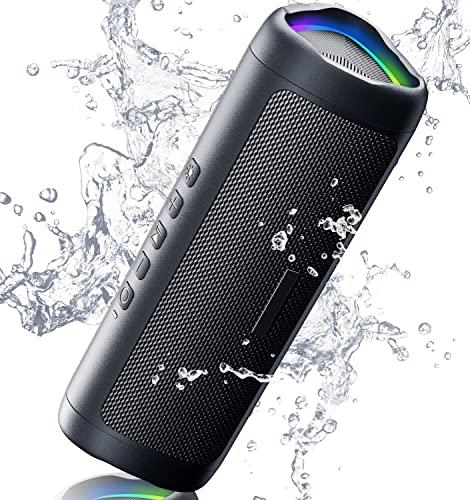
This speaker uses a distinctive triangular prism design that serves both aesthetic and functional purposes. The shape provides two stable resting positions and helps with stereo separation despite its compact size. The hard plastic construction feels budget-appropriate but includes thoughtful touches like rubber feet for stability and a rubberized control surface.
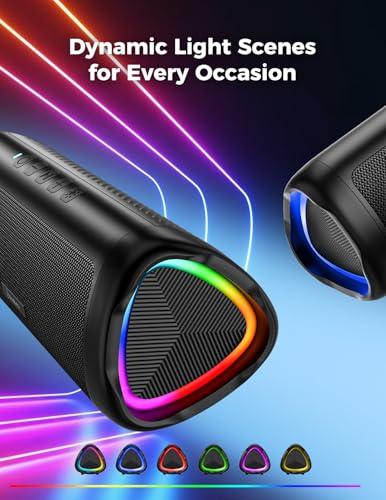
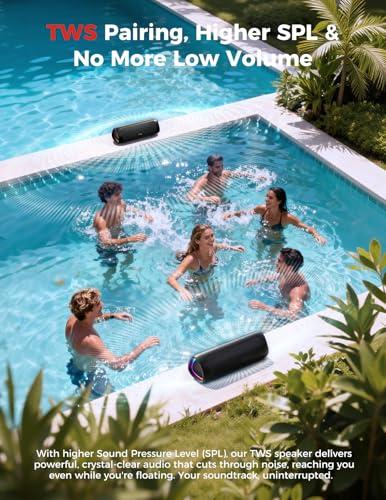
What's impressive about the BolaButty is its feature set. It includes RGB lighting that syncs with your music—turning the passive radiators (which help produce bass) into a light show. True Wireless Stereo (TWS) capability lets you pair two units together for actual stereo separation, something typically reserved for much pricier speakers. The inclusion of both Bluetooth 5.3 and a 3.5mm AUX input means you can connect virtually any audio source.
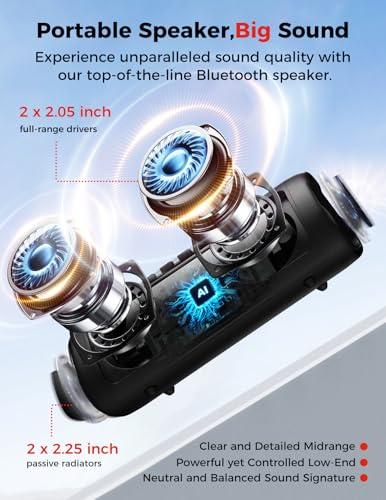
The speaker's 10-watt output comes from dual 2-inch drivers backed by passive radiators. While that might not sound impressive on paper, user reports consistently praise its ability to maintain clean audio even at maximum volume—something many budget speakers fail catastrophically at.
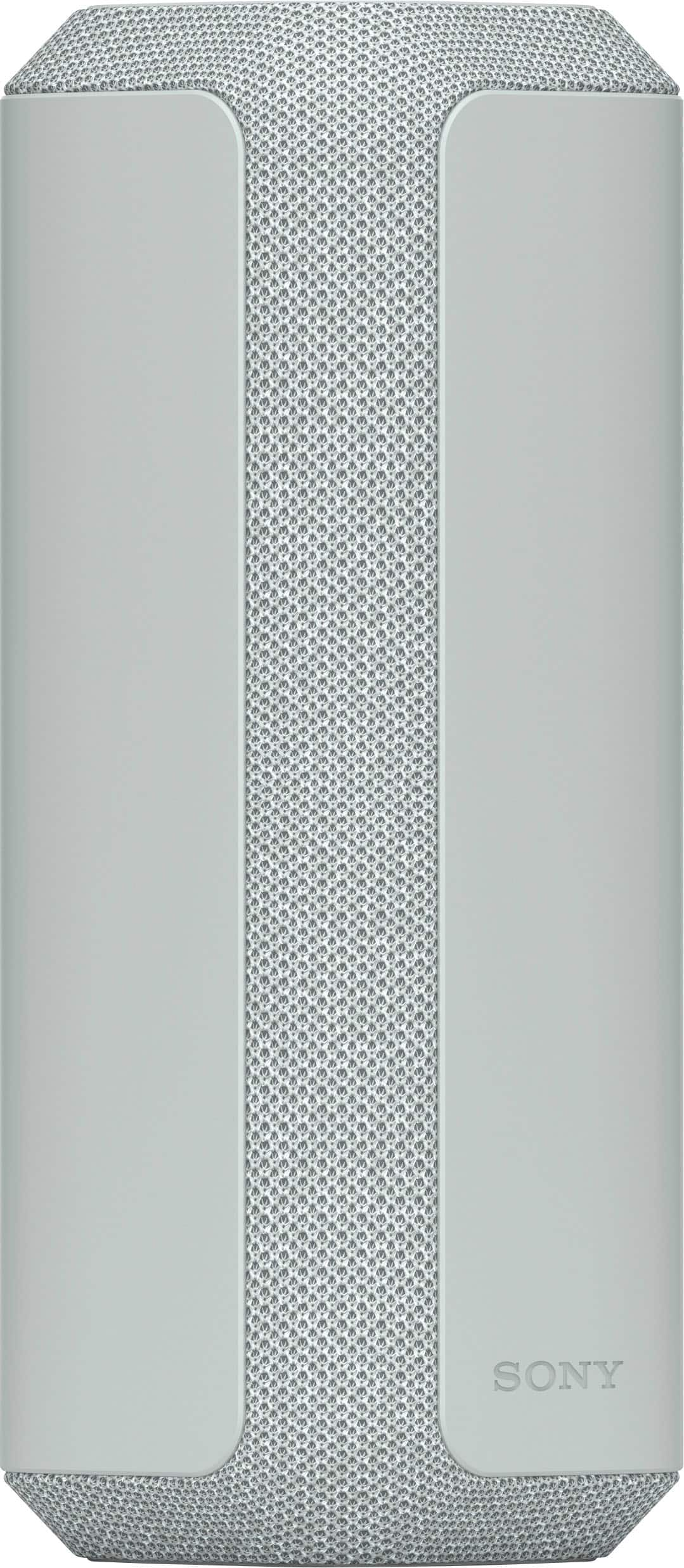
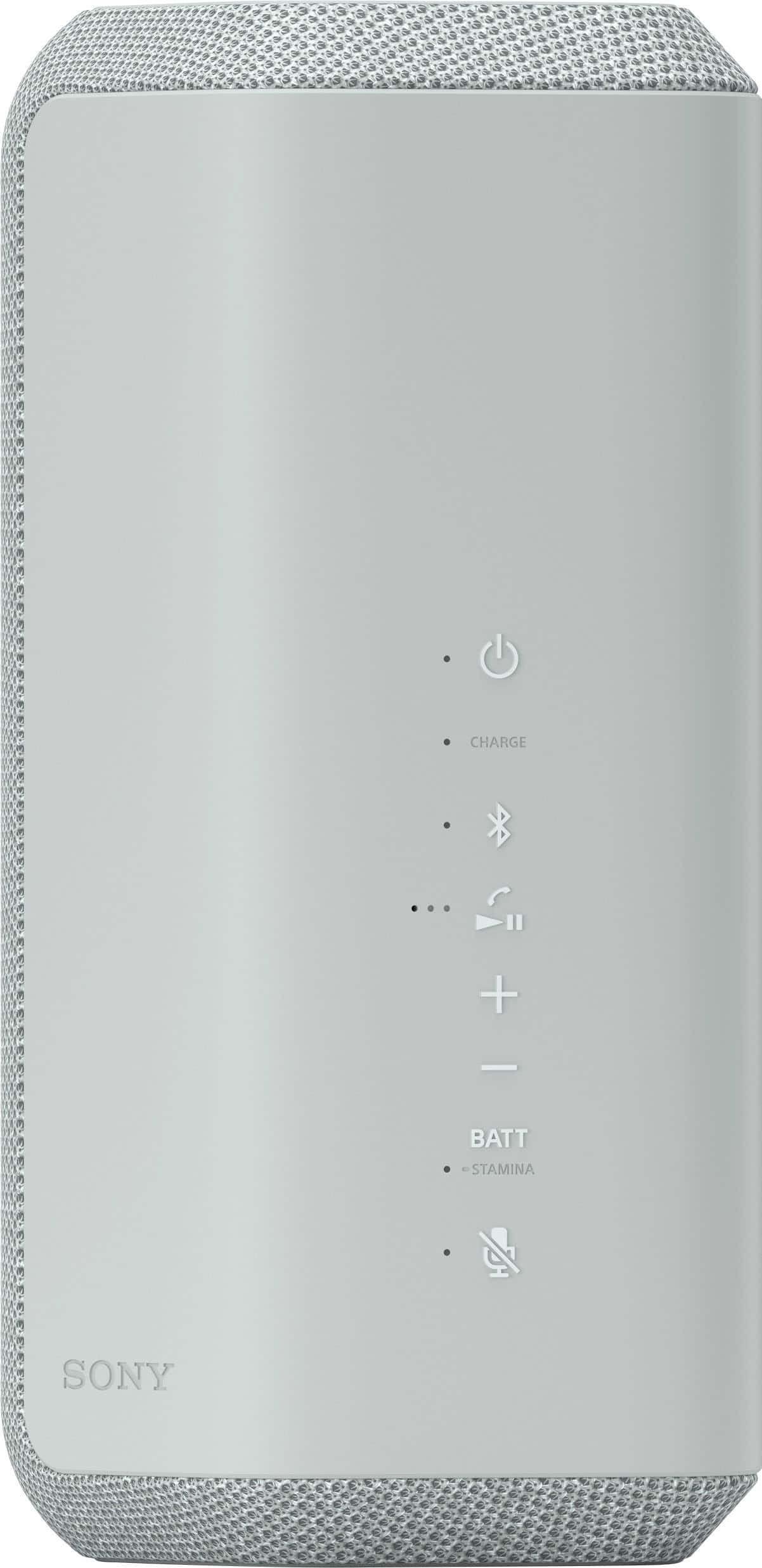
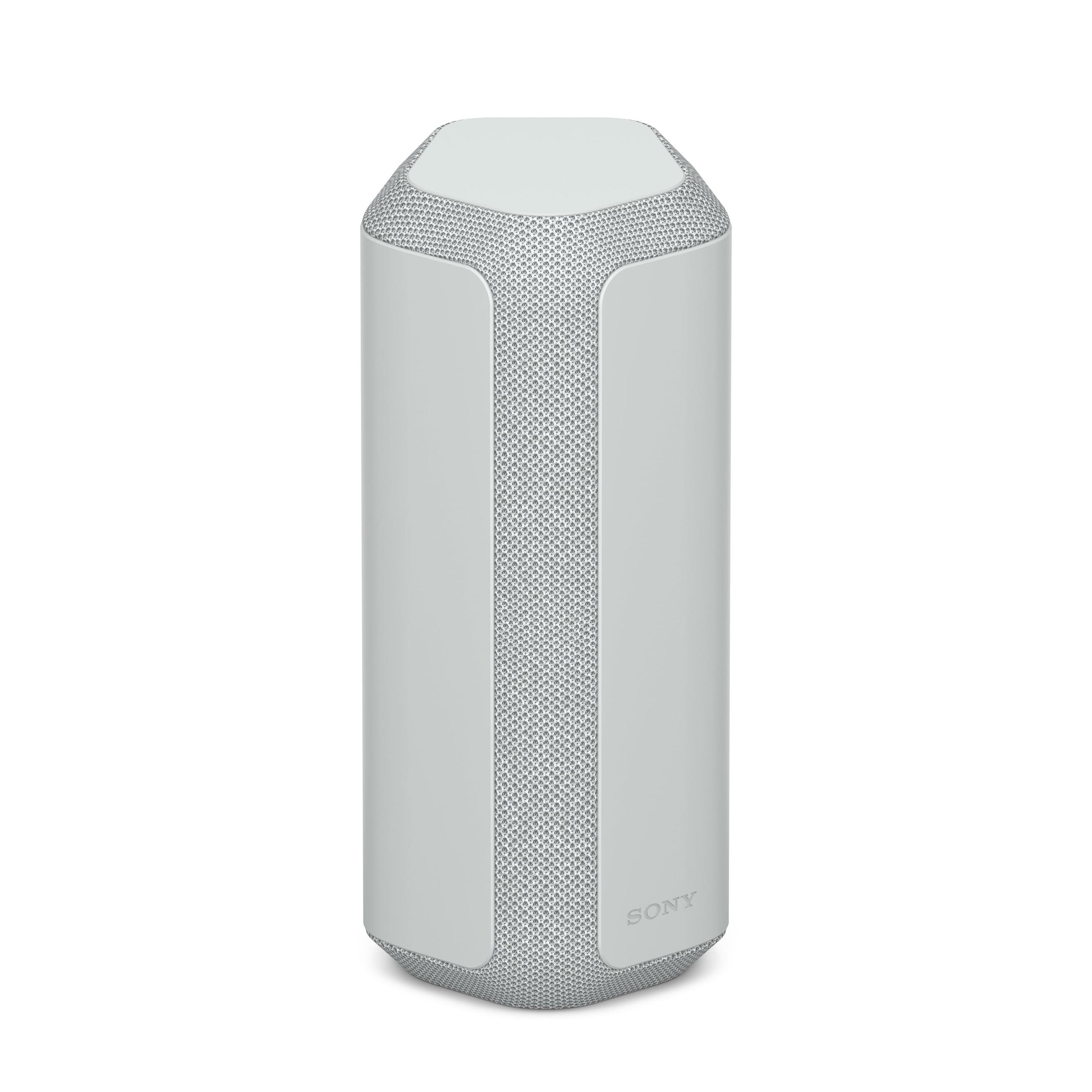
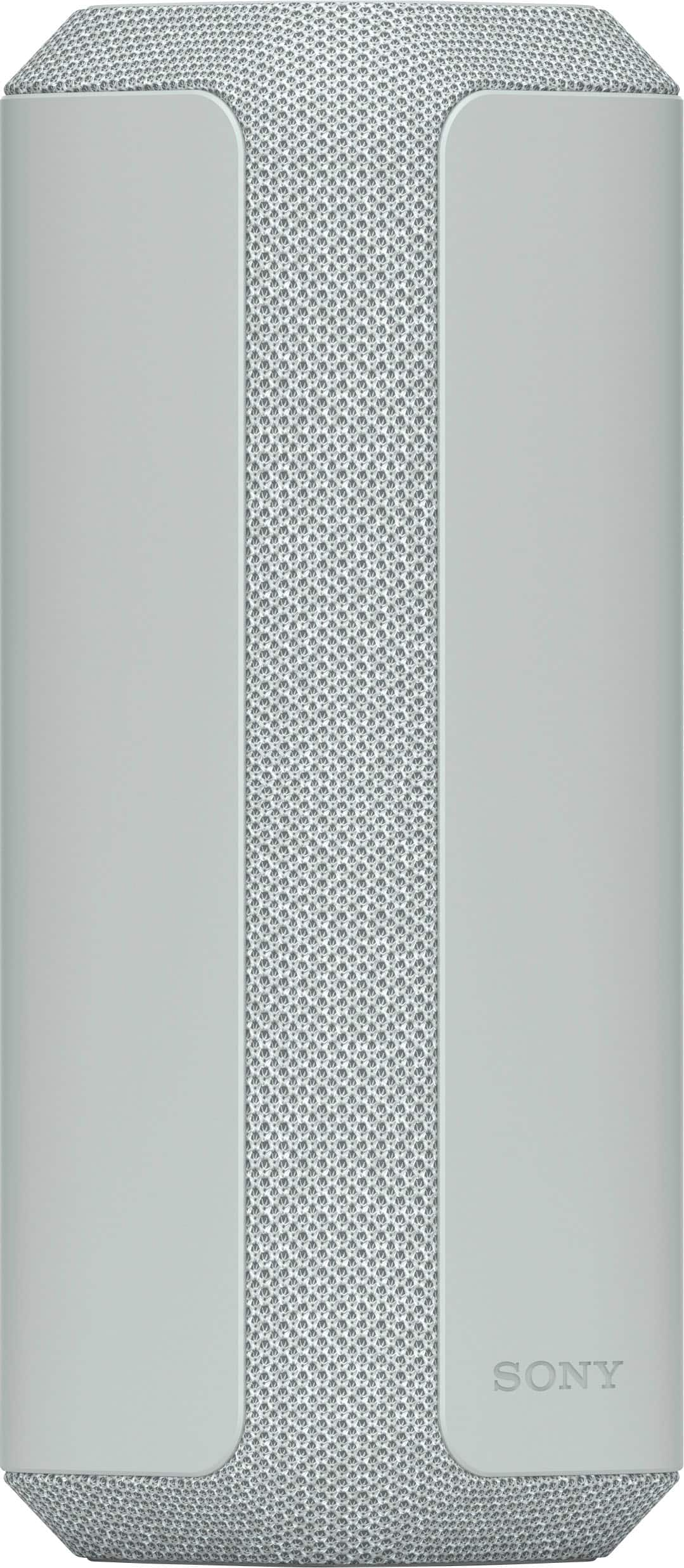
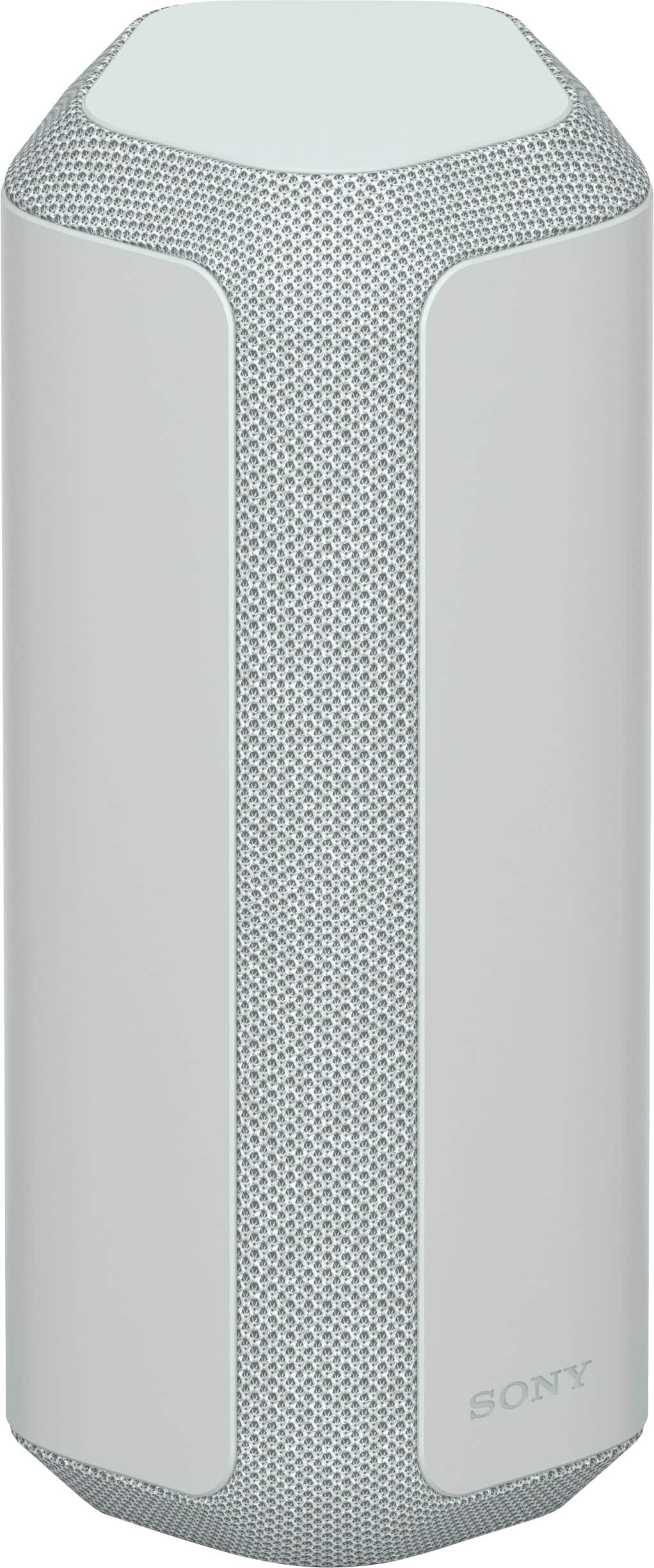
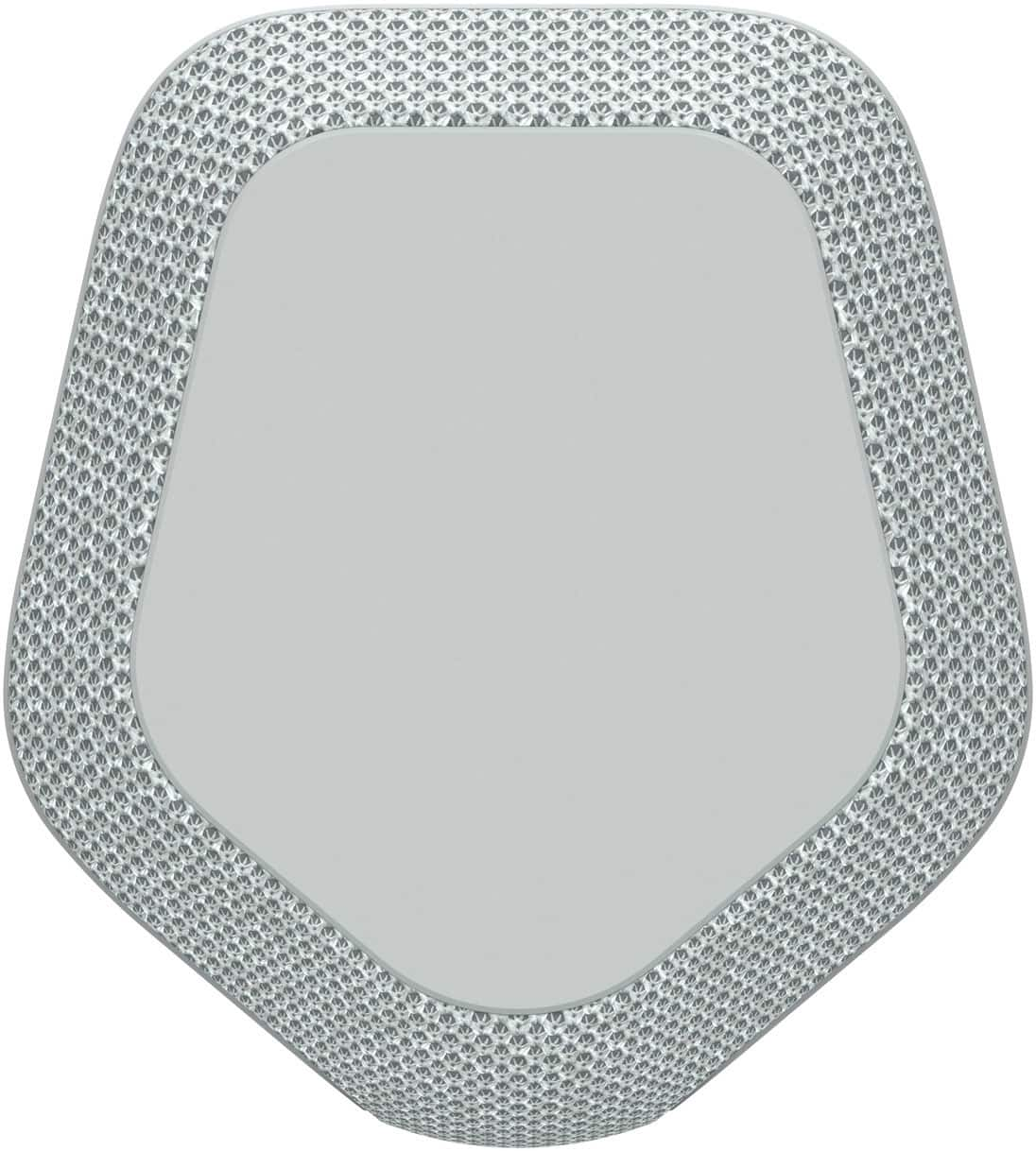
Sony's approach with the XE300, launched in 2021, focuses on advanced audio engineering and professional-grade durability. This speaker incorporates Sony's Line-Shape Diffuser technology, borrowed from professional concert sound systems. This diffuser creates what's called a "line source," distributing sound energy more evenly across a wider area compared to traditional point-source speakers.
The technical highlight is Sony's X-Balanced Speaker Unit, which uses non-circular diaphragms (the part of the speaker that moves to create sound). This unusual shape maximizes the surface area within the speaker's footprint, theoretically increasing sound pressure while reducing distortion. Combined with dual passive radiators, this system aims to deliver more impactful bass response than conventional round drivers.
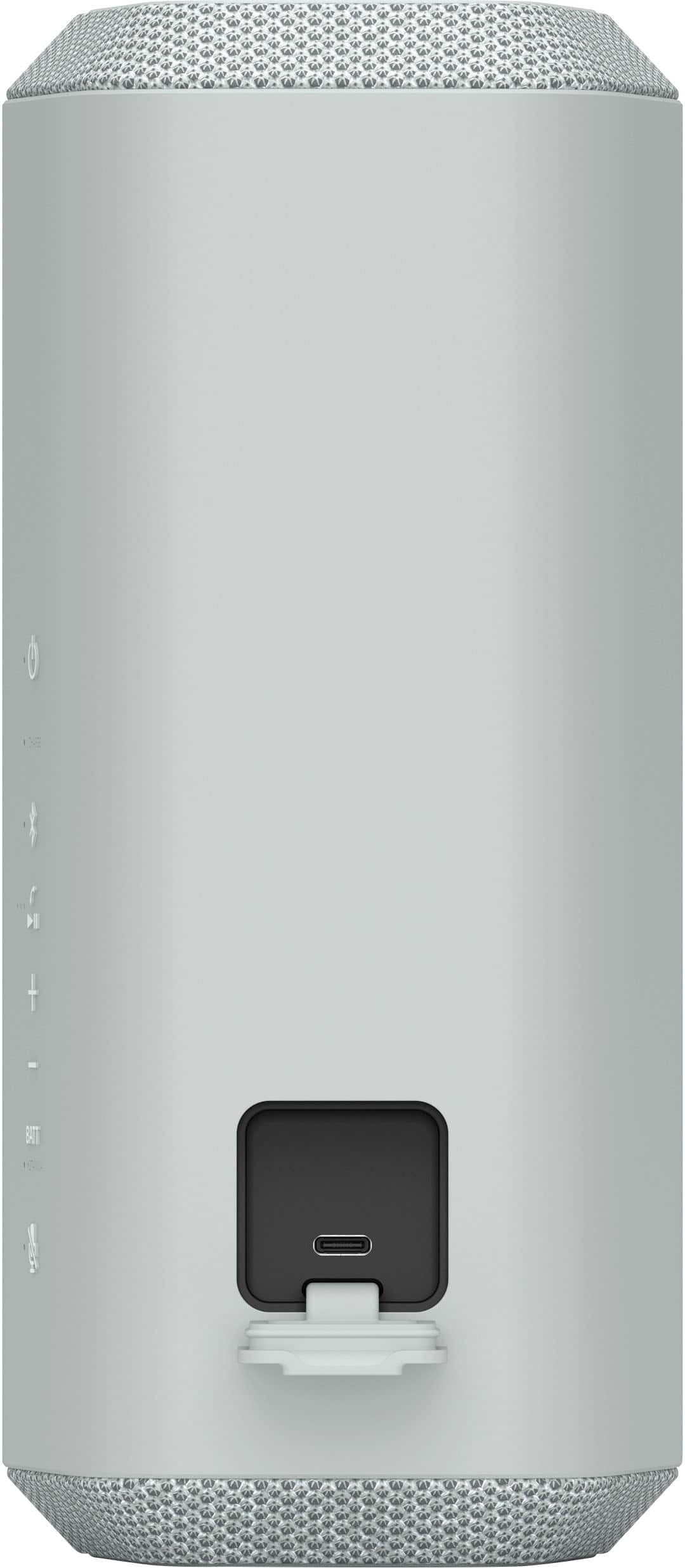
Sony's commitment to durability shows in the IP67 rating. Unlike the BolaButty's IPX5 splash resistance, IP67 means complete dust protection and submersion capability up to one meter for 30 minutes. This rating transforms the speaker from a "keep away from the pool" device into something you can literally drop in shallow water without worry.
The Sony XE300 also supports advanced Bluetooth features including multipoint connection (pairing with two devices simultaneously) and LDAC codec support. LDAC transmits roughly three times more data than standard Bluetooth audio, potentially delivering higher sound quality when streaming from compatible devices.
This comparison reveals interesting insights about price versus performance in audio equipment. Based on extensive user feedback and professional reviews, the BolaButty X-Go C27C punches well above its weight class in sound quality, while the Sony XE300 delivers premium audio with some surprising limitations.
The BolaButty achieves something remarkable for its price point: clean audio reproduction without distortion at maximum volume. Many budget speakers sound acceptable at moderate levels but fall apart when pushed hard, introducing harsh distortion that makes loud playback unusable. Users consistently report that the BolaButty maintains clarity even when cranked up, making it genuinely useful for outdoor gatherings where volume matters.
However, the BolaButty's bass response is best described as adequate rather than impressive. The passive radiators provide some low-end extension, but this isn't a speaker that will rattle windows or provide the deep, punchy bass that some music genres demand. For general listening—pop, rock, acoustic, podcasts—it performs admirably, but bass-heavy electronic music reveals its limitations.
The Sony XE300 delivers noticeably superior overall audio quality, with professional reviews specifically highlighting impressive bass response from its X-Balanced drivers and passive radiator system. The Line-Shape Diffuser technology does seem to provide better sound distribution, making the audio less directional than typical compact speakers.
But here's where things get interesting: the Sony suffers from compression at maximum volume that actually degrades audio quality when pushed hard. This means while it sounds better at moderate levels, it doesn't necessarily outperform the BolaButty in loud outdoor scenarios where many portable speakers get used. Professional reviewers noted that the soundstage remains "narrow and directional" despite the advanced diffuser technology.
For home theater use, neither speaker really excels, though both can serve as quick upgrades over TV speakers for casual viewing. The Sony's better bass response and clearer dialogue reproduction give it an edge, but at moderate volumes where compression isn't an issue.
This category reveals one of the most significant differences between these speakers, and it's not what you'd expect based on specifications alone.
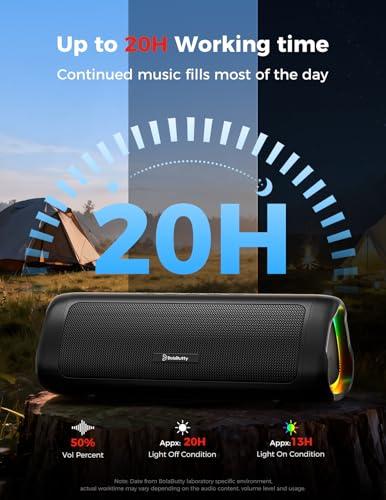
Both manufacturers claim 24-hour battery life, but real-world performance tells a very different story. The BolaButty X-Go C27C actually delivers close to its advertised battery life under realistic conditions. User testing shows 8-9 hours at 70% volume with RGB lighting active, extending to over 20 hours at moderate volume with lighting disabled. This means the 24-hour claim is achievable with reasonable usage patterns.
The Sony XE300 presents a massive discrepancy between marketing and reality. Professional testing revealed actual battery life of approximately 11 hours and 40 minutes—roughly half the advertised 24 hours. This represents one of the most criticized aspects of an otherwise well-engineered speaker.
Sony partially compensates with excellent fast-charging capability: 10 minutes of charging provides 70 minutes of playback, which helps manage the shorter battery life. The speaker also includes Battery Care technology that prevents overcharging and maintains long-term battery health. But for users who need all-day performance without access to charging, this becomes a significant limitation.
The battery performance difference illustrates an important point about value in consumer electronics. Sometimes the budget option actually delivers more reliable real-world performance than the premium alternative, despite lower-quality components.
Modern Bluetooth speakers need to do more than just play music wirelessly, and both speakers include features that were considered advanced just a few years ago.
The BolaButty X-Go C27C uses Bluetooth 5.3, which offers improved power efficiency and connection stability compared to older Bluetooth versions. While connection range specifications vary between sources (some claim 33 feet, others up to 100 feet), users report reliable performance within typical home and outdoor environments.
The Sony XE300 implements Bluetooth 5.2 with multipoint connection, meaning you can pair it with two devices simultaneously—your phone and tablet, for example—and switch between them seamlessly. This feature, combined with support for advanced audio codecs like LDAC, positions it for more sophisticated use cases.
Sony's integration with their Music Center app provides graphic EQ controls, speaker linking for multi-room setups, and firmware updates. The BolaButty takes a simpler approach without app dependency, which some users prefer for straightforward operation.
The BolaButty's inclusion of a 3.5mm AUX input proves surprisingly valuable in real-world use. While most devices support Bluetooth, having a wired option eliminates potential connection issues and works with older devices or gaming consoles that might have problematic Bluetooth implementations.
The construction quality difference between these speakers reflects their price positioning, but both prove suitable for their intended use cases.
The BolaButty X-Go C27C uses hard plastic construction that feels appropriately budget-oriented without being flimsy. The triangular design actually contributes to durability by providing stable resting positions and distributing impact forces across edges rather than flat surfaces. Rubber feet prevent sliding, and the overall weight of 1.2 pounds makes it genuinely portable.
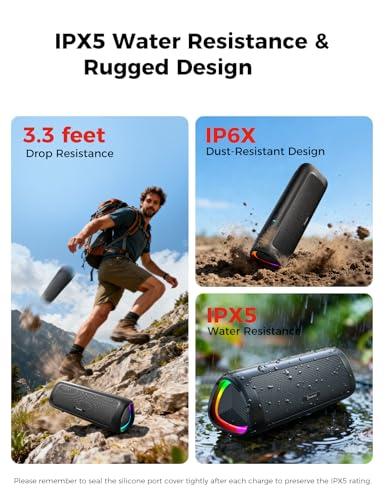
The IPX5 water resistance rating handles typical outdoor scenarios well—poolside splashes, light rain, accidental spills—but full submersion should be avoided. For most users' outdoor activities, this level of protection proves adequate.
Sony's approach emphasizes professional-grade durability with mixed results. The mostly rubberized exterior provides good grip and impact resistance, though it tends to collect dirt and show scratches easily. The IP67 rating represents a significant step up in protection, allowing complete dust sealing and submersion up to one meter.
For users who plan serious outdoor adventures—beach camping, hiking in unpredictable weather, boat trips—the Sony's superior protection rating justifies the price premium. For typical backyard and poolside use, the BolaButty's IPX5 rating handles most scenarios at much lower cost.
At the time of writing, the price difference between these speakers represents roughly a 5-6x cost multiplier for the Sony XE300 over the BolaButty X-Go C27C. This creates an interesting value analysis that challenges conventional assumptions about price-performance relationships.
The BolaButty delivers approximately 80-90% of typical portable speaker functionality at a fraction of premium pricing. Its genuine battery performance, clean audio reproduction, and useful features like RGB lighting and TWS pairing make it nearly risk-free for budget-conscious buyers. Even if it fails after a year or two, the replacement cost remains minimal.
The Sony commands its premium through superior audio quality, professional-grade durability, and advanced connectivity features. However, the battery life disappointment and volume compression issues prevent it from being a clear upgrade across all use cases.
For casual users who want good sound, reliable battery life, and basic outdoor capability, the BolaButty represents extraordinary value. The money saved could buy several backup units or be allocated toward other audio equipment.
For power users requiring maximum durability, advanced features, and the best possible audio quality at moderate volumes, the Sony's premium makes sense despite its limitations.
These speakers represent two valid approaches to portable audio, each with clear use cases where they excel.
Choose the BolaButty X-Go C27C if you want reliable, no-compromise functionality at budget pricing. It's ideal for casual outdoor use, apartment listening, travel, and anyone who values genuine battery performance over premium features. The risk-free pricing makes it perfect for first-time portable speaker buyers or as backup/secondary units.
The Sony XE300 makes sense for users who prioritize audio quality and professional-grade durability over value optimization. It's the better choice for demanding outdoor environments, serious music listening, and users who need advanced connectivity features despite the battery life trade-off.
Neither speaker transforms portable audio, but both serve their intended markets effectively. The BolaButty proves that good enough can be genuinely good at the right price, while the Sony demonstrates that premium pricing still requires trade-offs even from established manufacturers.
In an ideal world, you'd get the Sony's audio quality and durability with the BolaButty's battery performance and value pricing. Since that doesn't exist, understanding these trade-offs helps you choose the speaker that best matches your priorities and budget constraints.
| BolaButty X-Go C27C | Sony XE300 |
|---|---|
| Sound Quality - Core audio performance and clarity | |
| 10W dual drivers, clean at max volume, moderate bass | X-Balanced drivers with impressive bass, compression at max volume |
| Battery Life - Real-world performance vs marketing claims | |
| 20+ hours realistic usage, matches 24hr claim at lower volumes | 11h 40min actual vs 24hr claimed (50% shortfall) |
| Water Resistance - Protection level for outdoor use | |
| IPX5 splash-resistant (poolside safe, avoid submersion) | IP67 dust/waterproof (submersible to 1m for 30min) |
| Bluetooth Version - Connection stability and range | |
| 5.3 with solid range and stability | 5.2 with multipoint pairing (2 devices simultaneously) |
| Charging Speed - Time to get back to full power | |
| Standard USB-C, ~3 hours full charge | Fast charging: 10min = 70min playback |
| Audio Codecs - Sound quality over Bluetooth | |
| Standard SBC/AAC codecs | Advanced LDAC support for higher quality streaming |
| Special Features - Unique capabilities that add value | |
| RGB lighting, TWS stereo pairing, 3.5mm AUX input | Line-Shape Diffuser, app EQ controls, voice assistant |
| Build Quality - Durability and premium feel | |
| Hard plastic with rubber accents, lightweight (1.2 lbs) | Rubberized exterior, professional grade but shows scratches |
| Value Proposition - Performance per dollar spent | |
| Exceptional budget option delivering 80-90% of premium features | Premium audio quality with trade-offs in battery and volume |
The BolaButty X-Go C27C offers exceptional value as a budget option, delivering about 80-90% of premium speaker functionality at a fraction of the cost. The Sony XE300 provides superior audio quality and durability but costs significantly more. For casual users, the BolaButty represents better value, while the Sony justifies its premium for users needing professional-grade features.
The BolaButty X-Go C27C delivers genuine battery performance, achieving 20+ hours at moderate volume and matching its 24-hour claim under proper conditions. The Sony XE300 significantly underperforms its 24-hour marketing claim, delivering only about 11 hours and 40 minutes in real-world testing—roughly half the advertised time.
The Sony XE300 offers superior overall audio quality with impressive bass response from its X-Balanced drivers. However, the BolaButty X-Go C27C maintains cleaner audio at maximum volume without distortion, while the Sony suffers from compression when pushed hard. For moderate listening, Sony wins; for loud outdoor use, performance is surprisingly close.
The BolaButty X-Go C27C has IPX5 splash resistance, suitable for poolside use and light rain but not submersion. The Sony XE300 features IP67 rating with complete dust protection and submersion capability up to 1 meter for 30 minutes. For serious outdoor adventures, the Sony offers superior protection.
Both speakers achieve adequate volume for their size, but the BolaButty X-Go C27C maintains better audio quality at maximum volume. The Sony XE300 gets "decently loud" but experiences compression issues that degrade sound quality when pushed to its limits, making the volume advantage less meaningful in practice.
Both the BolaButty X-Go C27C and Sony XE300 include built-in microphones for hands-free calling. The Sony features echo cancelling technology for improved call clarity, giving it an edge for conference calls and business use.
The BolaButty X-Go C27C supports True Wireless Stereo (TWS) pairing with another identical unit for stereo sound. The Sony XE300 offers Party Connect, allowing you to link up to 100 compatible Sony speakers. Both provide stereo expansion, but Sony's system works with a broader range of speakers.
The Sony XE300 excels in charging speed with fast charging that provides 70 minutes of playback from just 10 minutes of charging. The BolaButty X-Go C27C uses standard USB-C charging requiring about 3 hours for a full charge, but its superior battery life means less frequent charging overall.
The Sony XE300 delivers notably better bass response thanks to its X-Balanced Speaker Units and dual passive radiators. The BolaButty X-Go C27C provides adequate but not impressive bass—suitable for most music but lacking the punch that electronic and hip-hop genres often demand.
The BolaButty X-Go C27C uses Bluetooth 5.3 for reliable connections, while the Sony XE300 features Bluetooth 5.2 with multipoint connection (pairing two devices simultaneously) and advanced LDAC codec support for higher-quality audio streaming from compatible devices.
The BolaButty X-Go C27C includes a 3.5mm AUX input for wired connections to devices without Bluetooth or when you want to avoid wireless interference. The Sony XE300 only supports Bluetooth connectivity, limiting options for wired audio sources.
The Sony XE300 features professional-grade construction with IP67 rating and premium materials, suggesting better long-term durability despite showing scratches easily. The BolaButty X-Go C27C uses budget-appropriate plastic construction that may not last as long, but its low replacement cost reduces the risk of this limitation.
We've done our best to create useful and informative comparisons to help you decide what product to buy. Our research uses advanced automated methods to create this comparison and perfection is not possible - please contact us for corrections or questions. These are the sites we've researched in the creation of this article: youtube.com - ifixit.com - qtooth.com - bolabutty.com - youtube.com - youtube.com - youtube.com - youtube.com - youtube.com - youtube.com - review-rating.com - youtube.com - youtube.com - poshmark.com - youtube.com - device.report - bestbuy.com - sony.co.uk - soundguys.com - bestbuy.com - cgmagonline.com - sony.com - sony.com - bestbuy.com - sony.com - electronics.sony.com - helpguide.sony.net

Privacy Policy
Terms and Conditions - Affiliate Policy
Home Security
© Copyright 2008-2026.
11816 Inwood Rd #1211, Dallas, TX 75244