

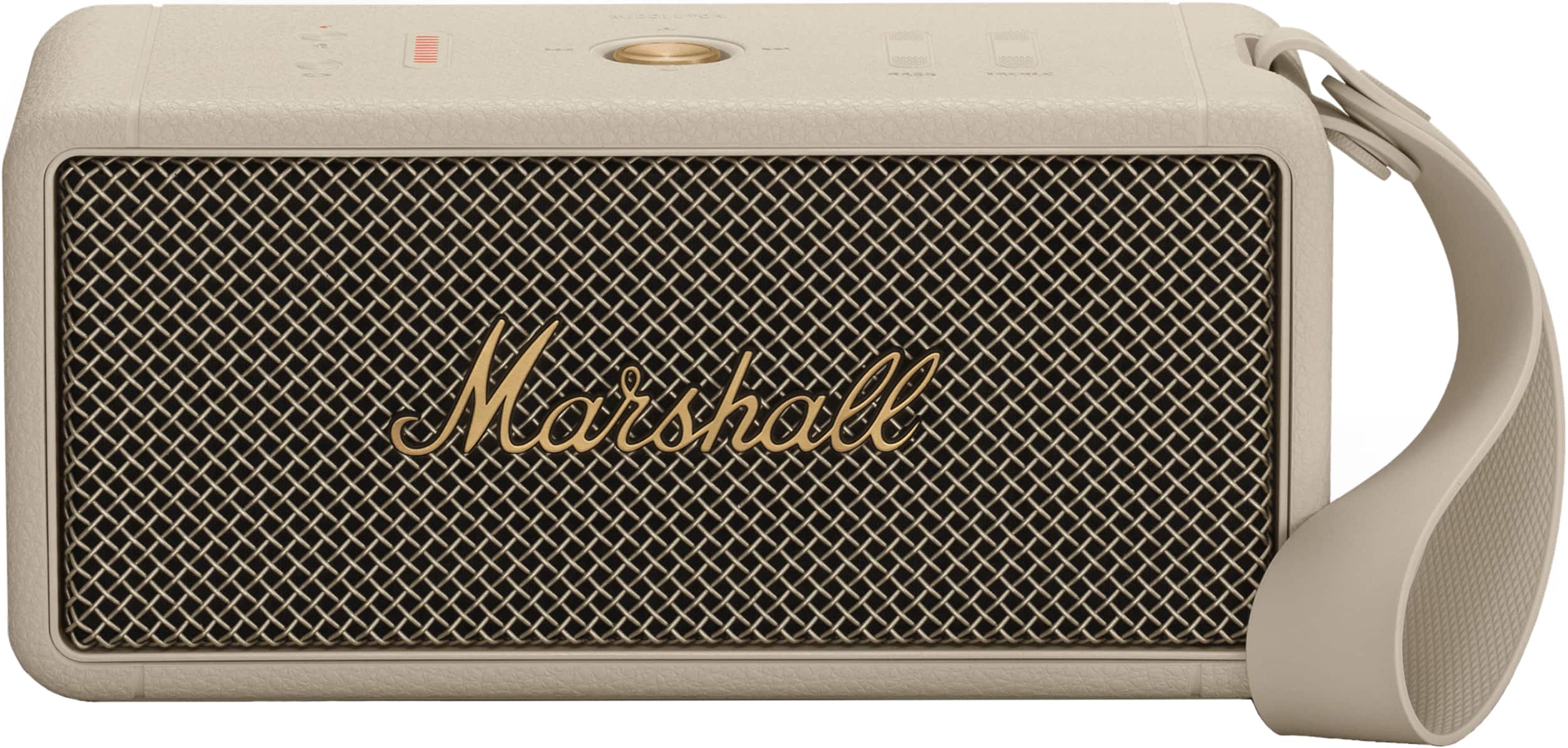
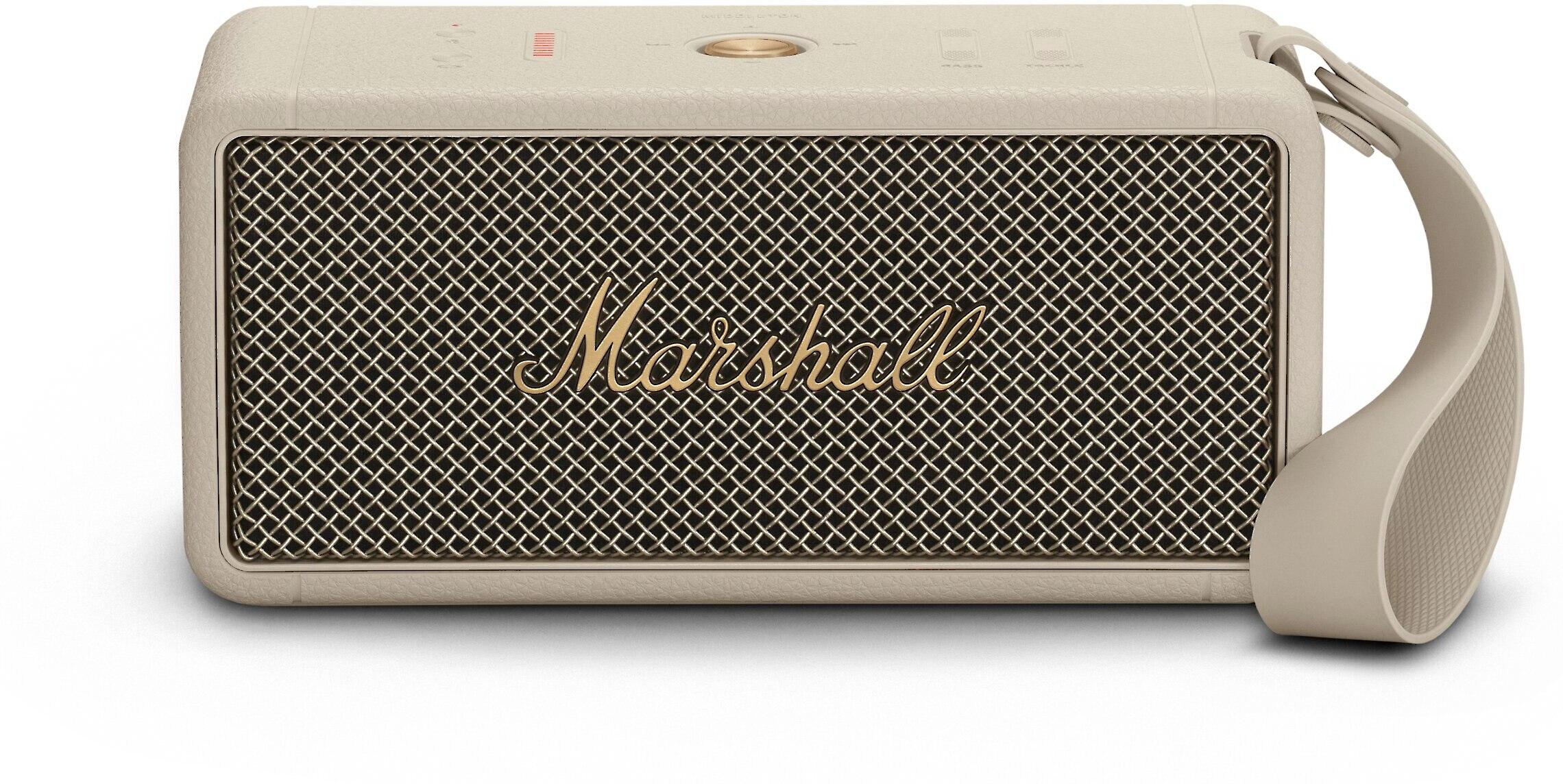


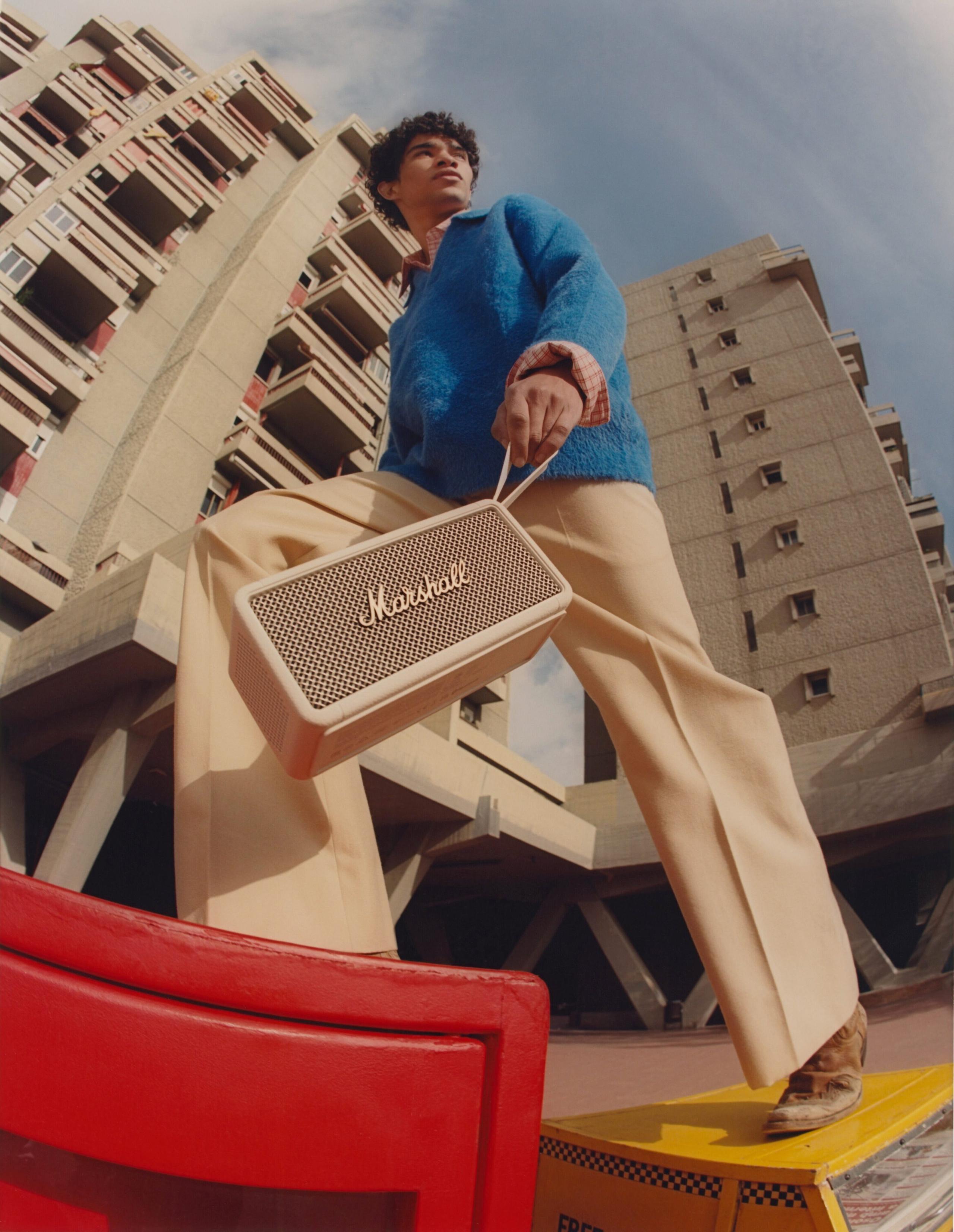
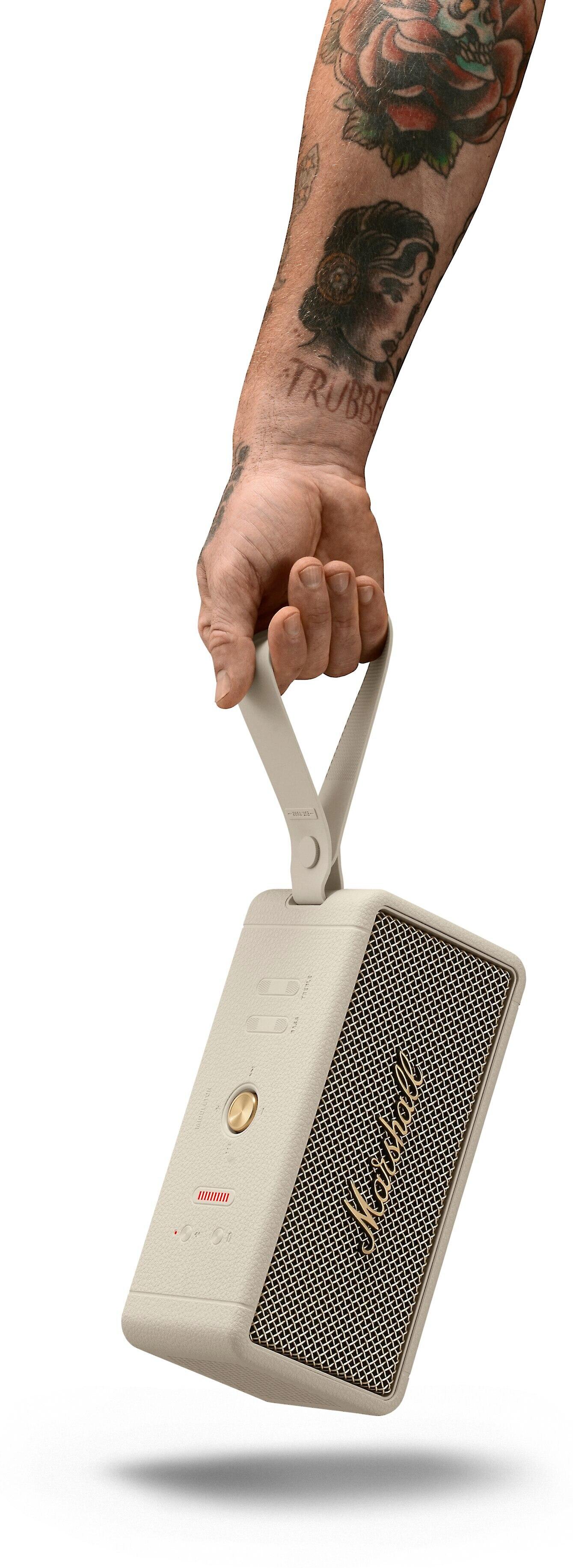
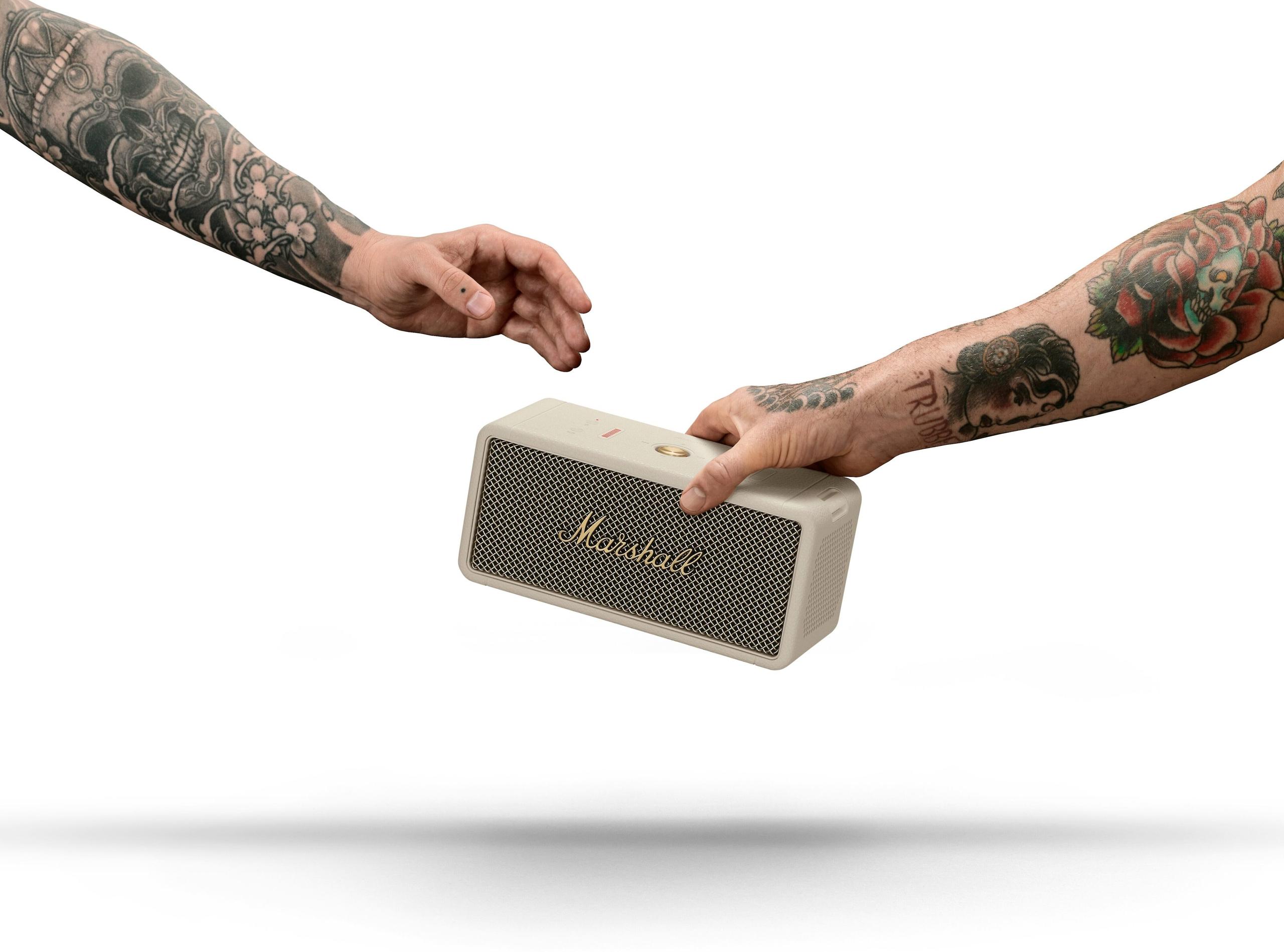
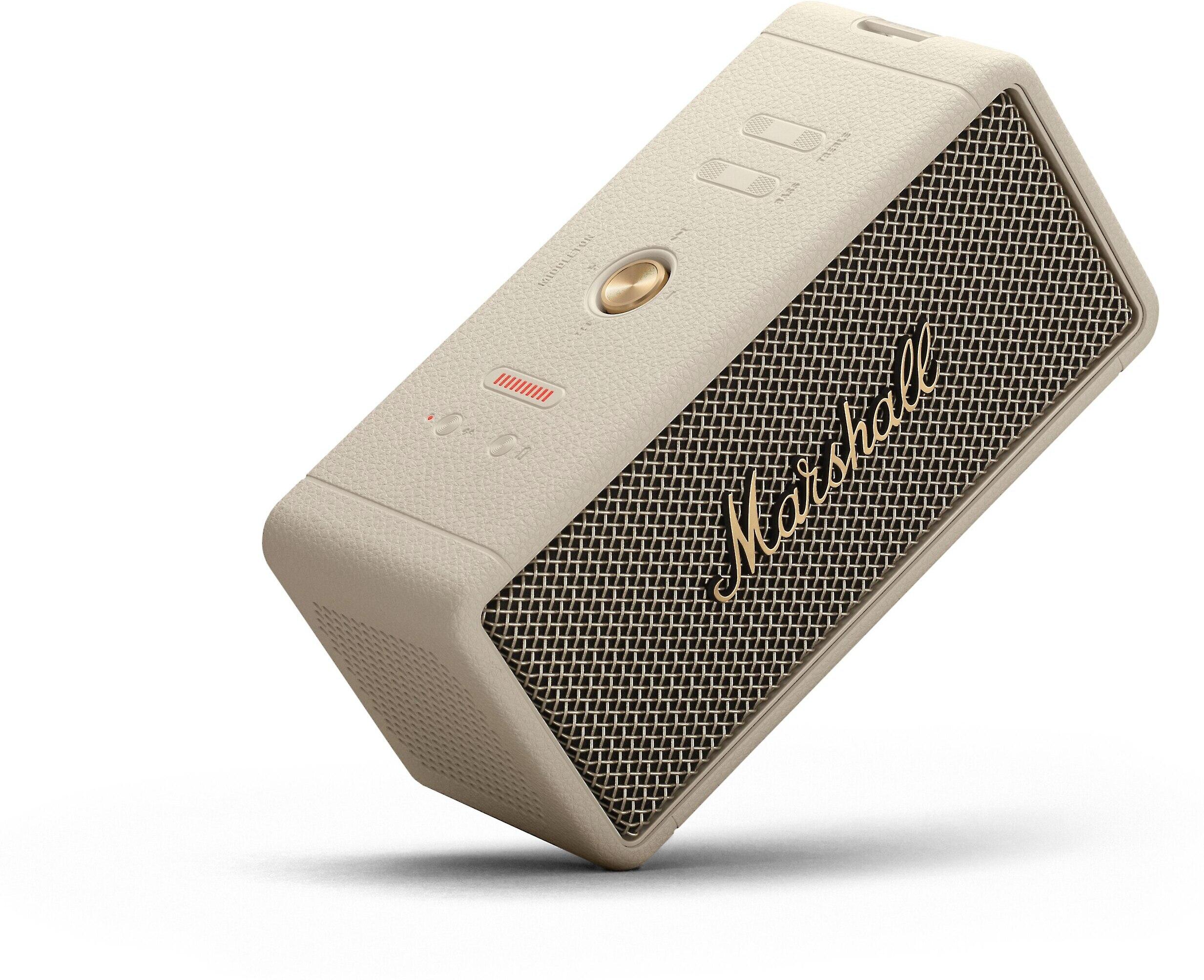



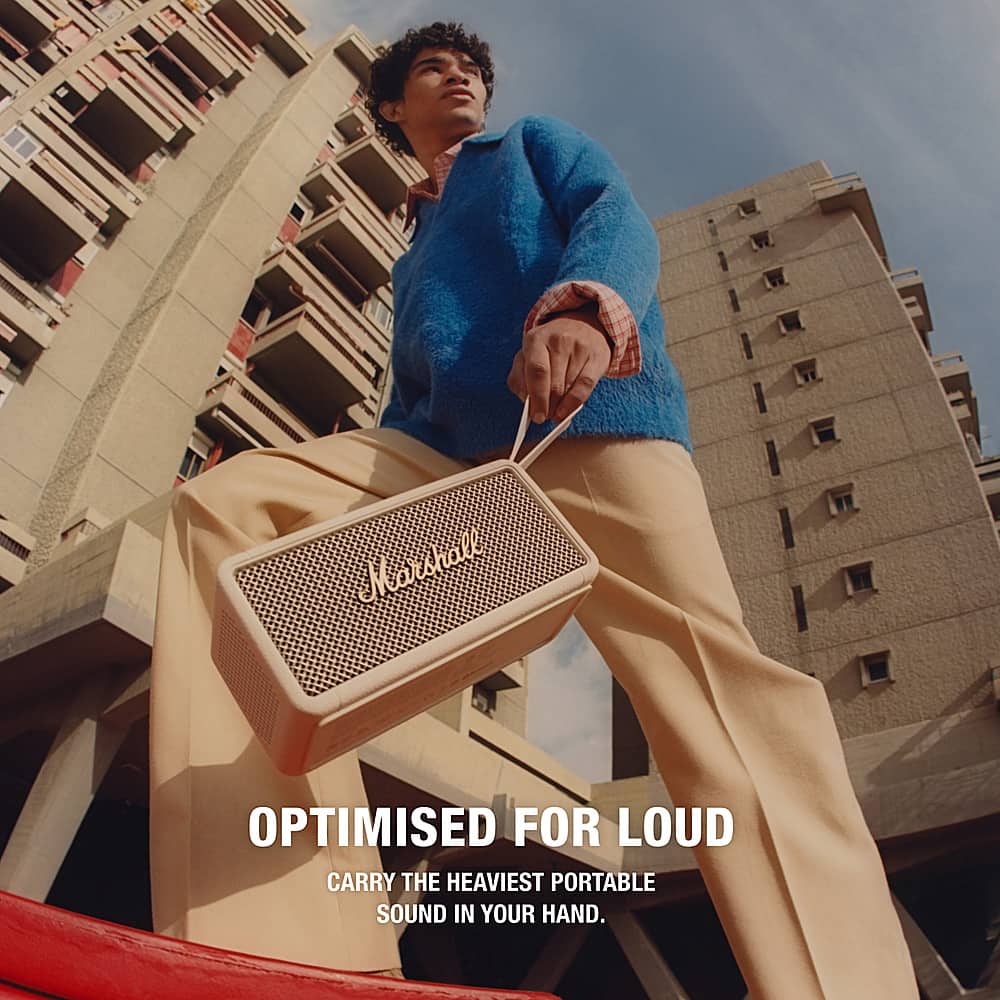
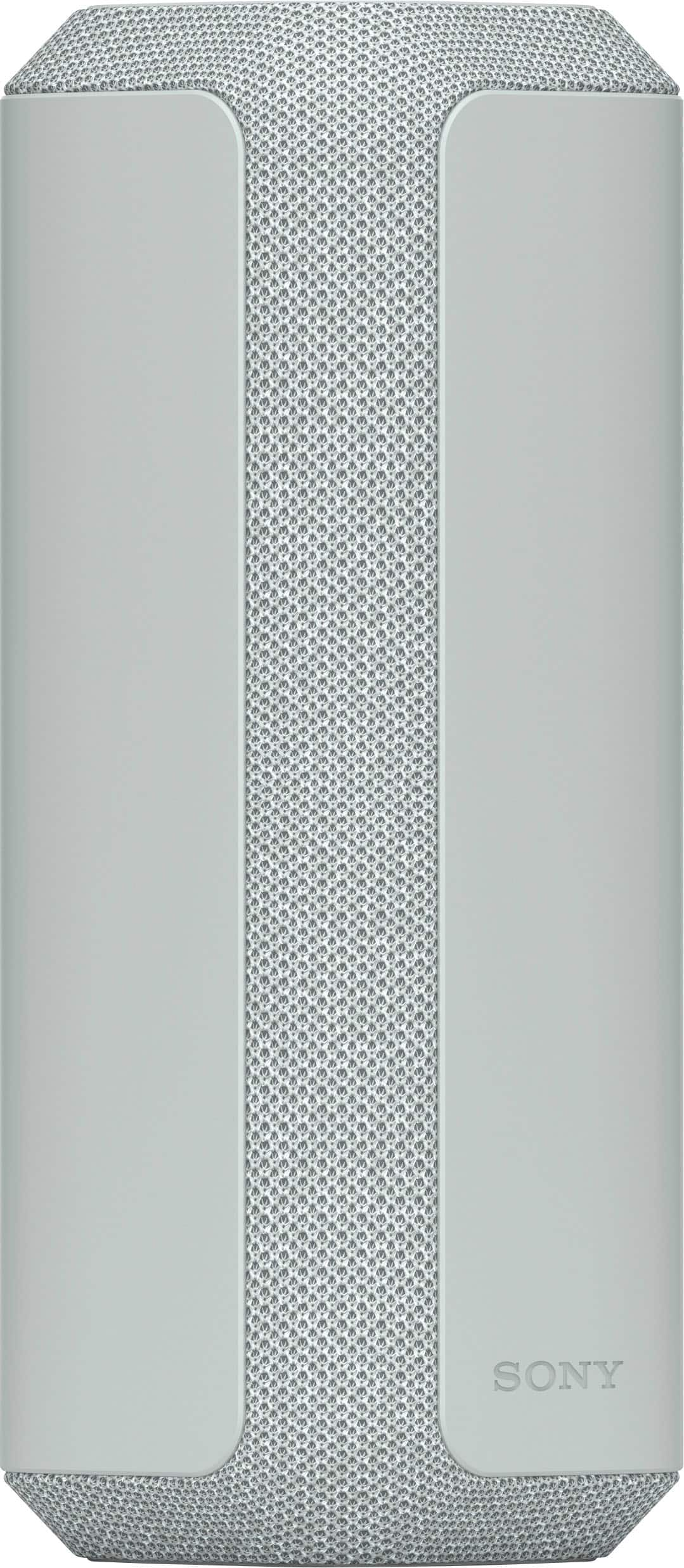
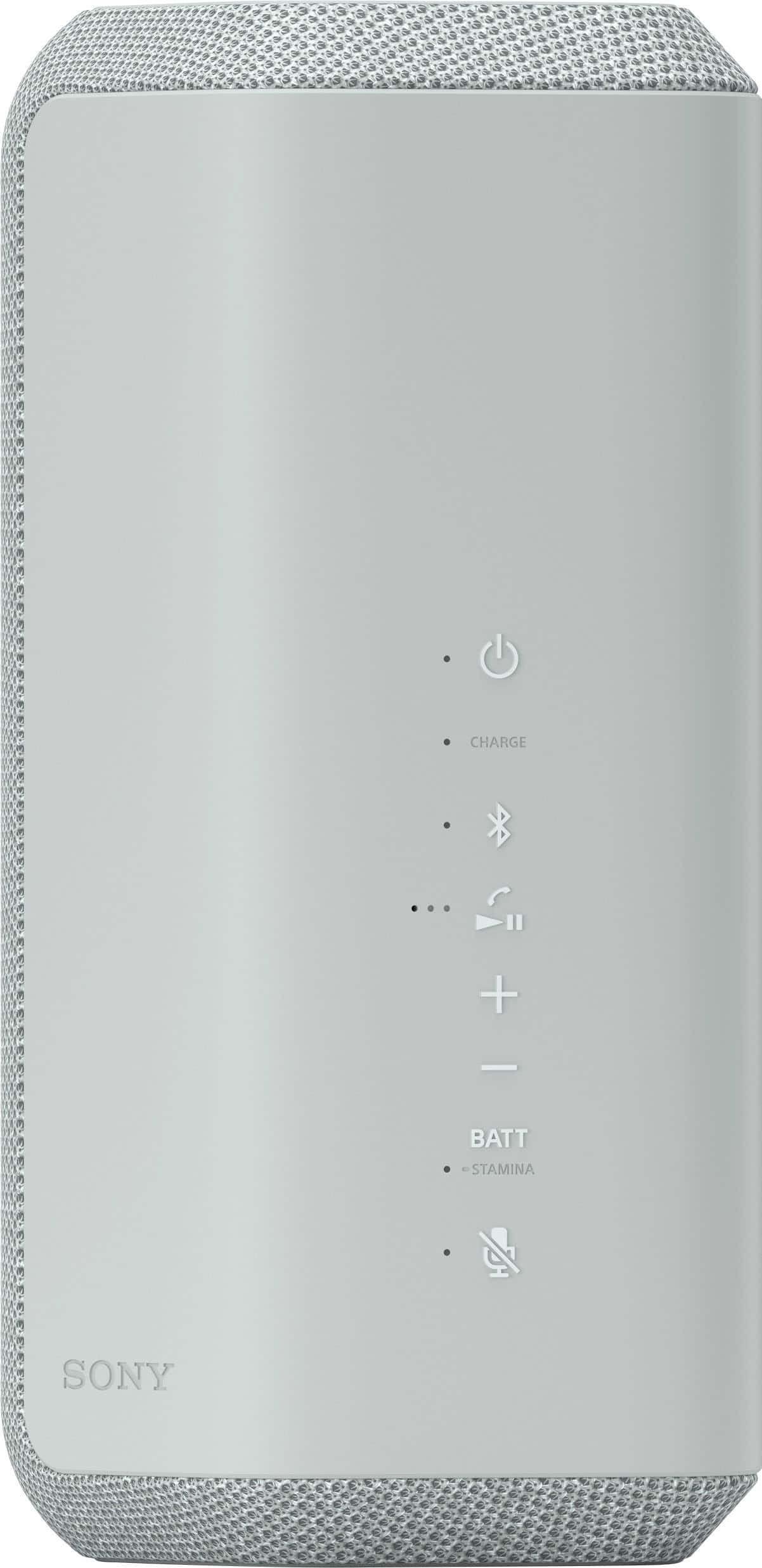
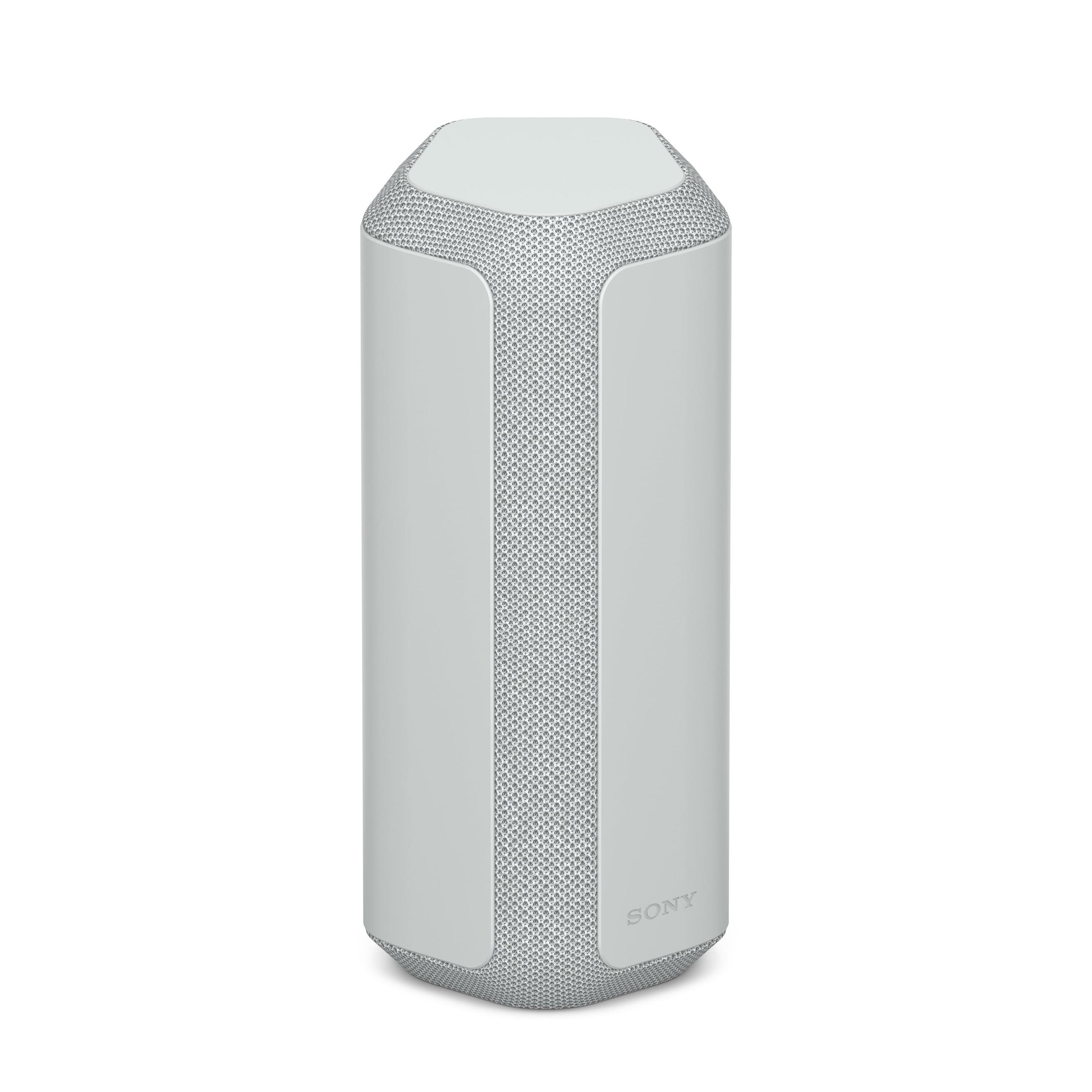



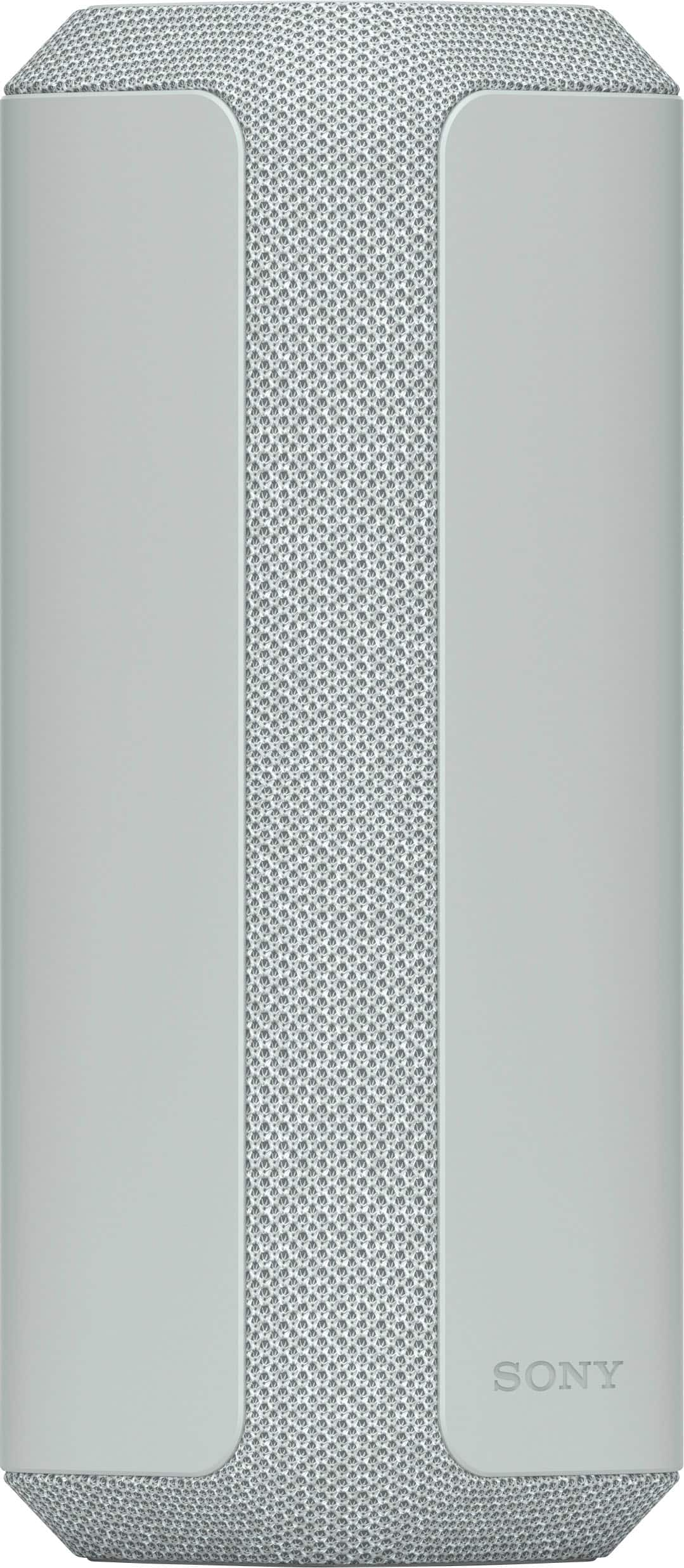
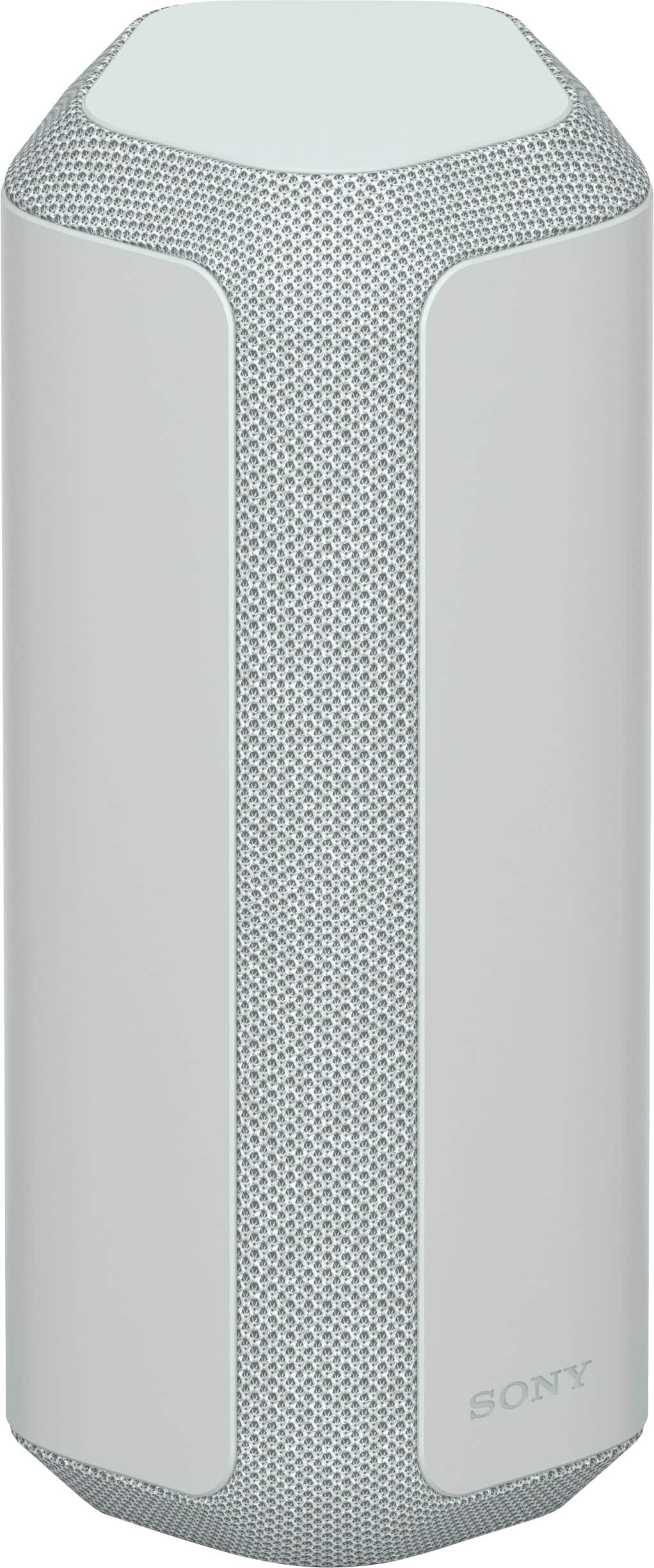
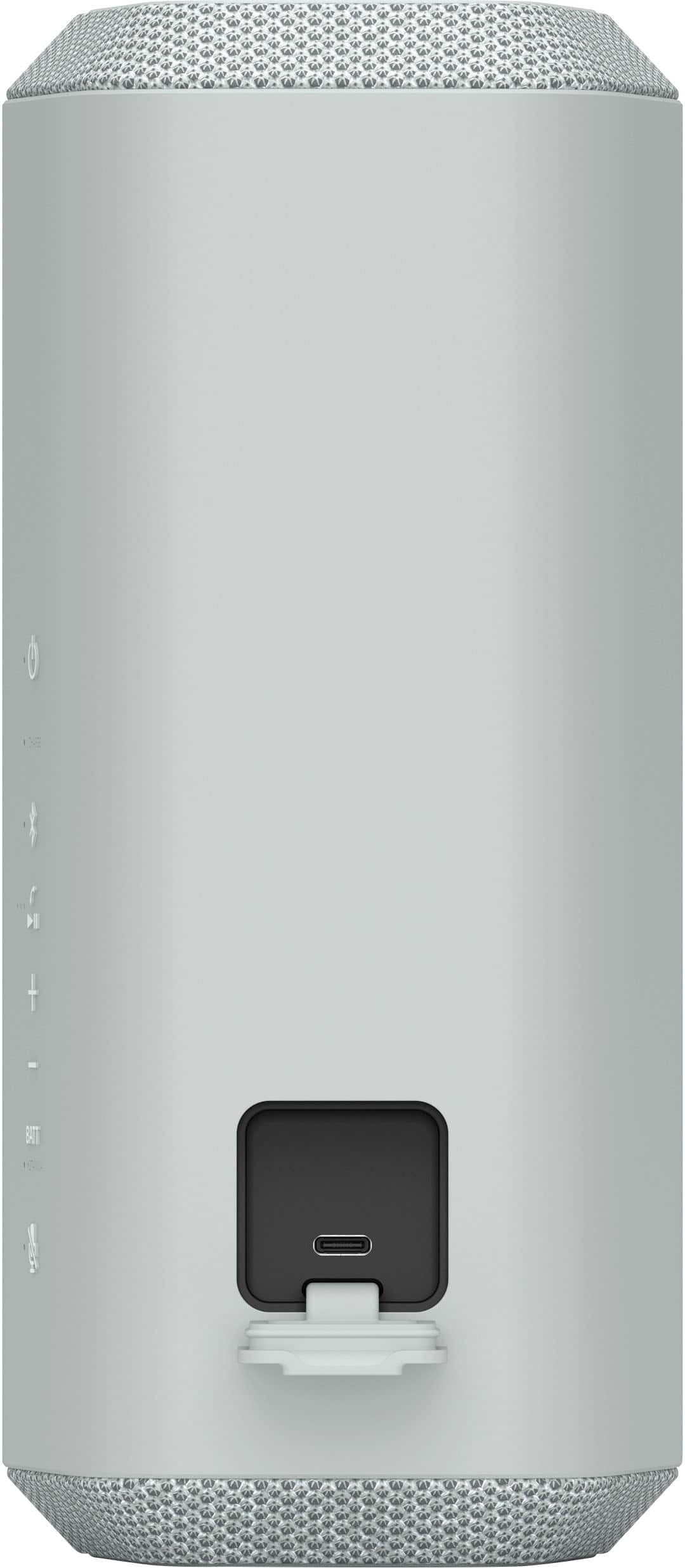
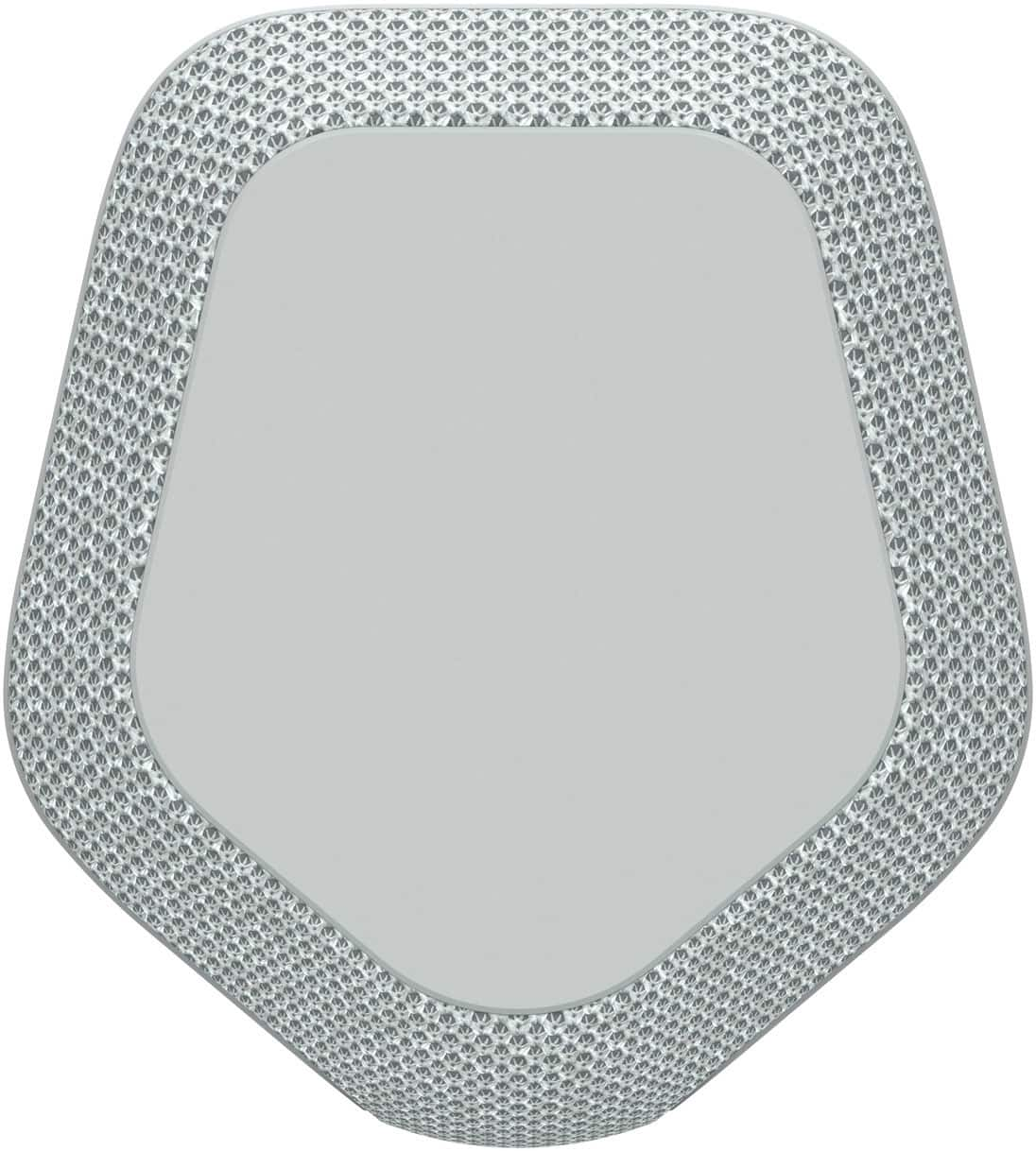
When it comes to portable Bluetooth speakers, two recent entries have caught the attention of audio enthusiasts: the Marshall Middleton ($299) and the Sony XE300 ($199). Let's dive into what makes each speaker unique and help you decide which might be right for your needs.
Modern portable speakers have come a long way from the tinny, battery-hungry devices of the past. Today's speakers pack sophisticated audio processing, weatherproofing, and impressive battery life into increasingly compact packages. Both these speakers, released within months of each other (Sony in August 2022, Marshall in January 2023), represent the latest in portable audio technology.
The Marshall Middleton takes a unique approach with its True Stereophonic technology, which creates a 360-degree soundstage - imagine sound coming at you from all directions rather than just the front. This isn't just marketing speak; the speaker uses four carefully positioned drivers (two 3-inch woofers and two 0.6-inch tweeters) to create this effect. In practice, this means you can place the speaker anywhere in a room and get consistent sound quality.
The Sony XE300 employs what they call a Line-Shape Diffuser, which spreads sound horizontally rather than in all directions. This technology, borrowed from professional concert systems, helps the speaker project sound further in outdoor settings. Sony's X-Balanced Speaker Unit (their non-circular speaker design) aims to maximize the speaker cone's surface area while reducing distortion.
In real-world listening, these different approaches yield distinct results:
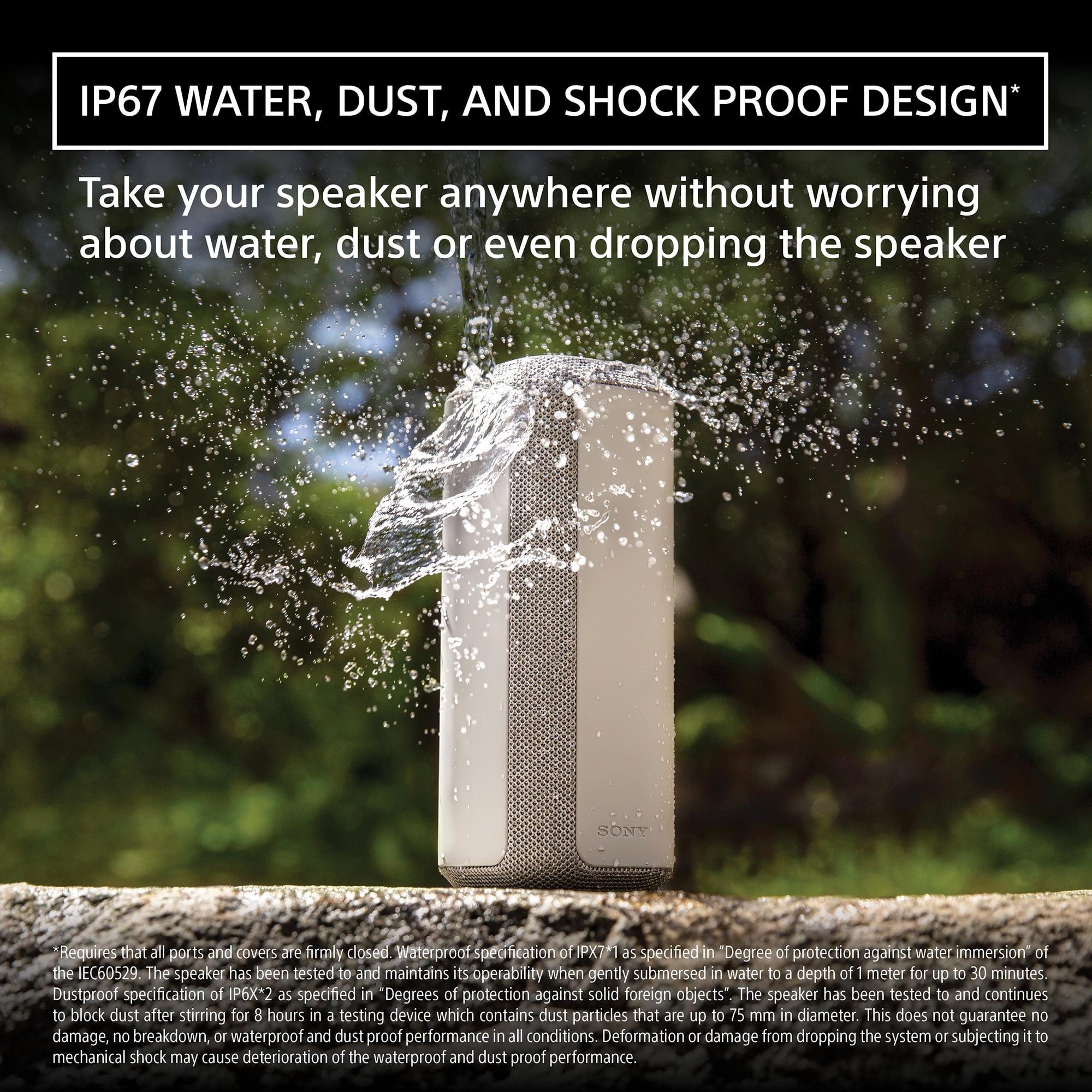
Both speakers feature IP67 ratings, meaning they're fully dustproof and can handle being submerged in water up to 1 meter deep for 30 minutes. However, their approaches to durability differ:
The Marshall takes a more premium route with:
The Sony opts for practicality with:
Battery technology has seen significant improvements in recent years, and both speakers benefit from this:
Marshall Middleton:
Sony XE300:
Here's where personal preference really comes into play. The Marshall Middleton provides physical controls for everything, including dedicated bass and treble knobs. This old-school approach means you can make adjustments without pulling out your phone.
The Sony XE300 takes a more modern route, relying on its companion app for deep control. While basic functions have physical buttons, features like EQ adjustment require the app. The benefit? More precise control and the ability to save presets.
Marshall's Stack Mode:
Sony's Party Connect:
The price difference between these speakers ($100 MSRP) raises important value considerations:
Marshall Middleton ($299):
Sony XE300 ($199):
After extensive testing in various environments, here's how they stack up:
Indoor Use:
Outdoor Use:
Party Scenarios:
Choose the Marshall Middleton if:
Go with the Sony XE300 if:
Both speakers represent significant improvements over their predecessors, with better battery life, improved durability, and more sophisticated sound processing. The choice ultimately comes down to your personal preferences for sound signature, control style, and budget.
Remember, the best speaker is the one that fits your specific needs and use cases. Whether you choose the premium approach of the Marshall Middleton or the feature-rich value of the Sony XE300, you'll be getting a capable portable speaker that can handle whatever you throw at it.
| Marshall Middleton | Sony XE300 |
|---|---|
| Price - Initial investment consideration | |
| $299 MSRP (premium positioning) | $199 MSRP (frequently discounted to $129) |
| Sound Architecture - Determines audio quality and coverage | |
| True Stereophonic with 2x 3" woofers + 2x 0.6" tweeters | Line-Shape Diffuser with X-Balanced Speaker Unit |
| Power Output - Impacts maximum volume and clarity | |
| 60W total (2x 20W woofers + 2x 10W tweeters) | Not specified, but testing shows lower max volume |
| Battery Life - Critical for portable use | |
| 20+ hours playback, 20min charge = 2hrs play | 24+ hours playback, 10min charge = 70min play |
| Durability Rating - Important for outdoor use | |
| IP67 waterproof/dustproof, metal grille construction | IP67 waterproof/dustproof, rubberized exterior |
| Weight - Affects portability | |
| 4.0 lbs (heavier but more solid feel) | 2.43 lbs (more portable) |
| Sound Adjustments - Control over audio profile | |
| Physical bass/treble knobs, no app required | App-based EQ controls, more precise but less convenient |
| Multi-Speaker Features - Expandability options | |
| Stack Mode for wireless pairing with other Middletons | Party Connect links up to 100 compatible Sony speakers |
| Additional Features - Extra functionality | |
| Power bank capability, premium materials | Built-in mic for calls, Battery Care technology |
| Bluetooth Version - Connection quality/range | |
| Bluetooth 5.1 with SBC codec | Bluetooth 5.2 with SBC, AAC, LDAC codecs |
| Size - Physical footprint | |
| 9.06" x 4.29" x 3.74" (classic amp styling) | 9.09" x 3.07" x 5.39" (modern design) |
The Marshall Middleton offers better overall sound quality and premium build, while the Sony XE300 provides better value and stronger bass. The Marshall is better for acoustic and vocal music, while the Sony excels with electronic and bass-heavy genres.
If sound clarity and build quality are your priorities, the Marshall Middleton at $299 is worth the premium over the Sony XE300 at $199. However, if you're budget-conscious and prefer stronger bass, the Sony offers better value.
The Marshall Middleton has higher power output at 60W total and generally plays louder with less distortion than the Sony XE300.
The Sony XE300 edges out with 24 hours compared to the Marshall Middleton's 20 hours, though both offer quick charging capabilities.
Yes, both speakers have IP67 waterproof/dustproof ratings. The Sony XE300 projects sound further outdoors, while the Marshall Middleton maintains better clarity at a distance.
The Sony XE300 is significantly lighter at 2.43 lbs compared to the Marshall Middleton at 4 lbs, making it more portable for everyday carry.
Both can connect to additional speakers - the Marshall Middleton has Stack Mode for connecting to other Middletons, while the Sony XE300 can connect with up to 100 compatible Sony speakers.
The Marshall Middleton features physical knobs for direct control, while the Sony XE300 relies more on app-based controls. Your preference depends on whether you prefer physical or digital controls.
Both the Marshall Middleton and Sony XE300 are equally waterproof and dustproof with IP67 ratings, though the Marshall has a more premium metal construction.
The Sony XE300 delivers stronger bass performance compared to the more balanced sound of the Marshall Middleton.
The Sony XE300 includes a built-in microphone for calls, while the Marshall Middleton does not have this feature.
The Sony XE300 has slightly better connectivity with Bluetooth 5.2 and support for more codecs, while the Marshall Middleton uses Bluetooth 5.1 with basic codec support.
We've done our best to create useful and informative comparisons to help you decide what product to buy. Our research uses advanced automated methods to create this comparison and perfection is not possible - please contact us for corrections or questions. These are the sites we've researched in the creation of this article: t3.com - whatsthebest.co.uk - youtube.com - techradar.com - timesofindia.indiatimes.com - crutchfield.com - bestbuy.com - camelcamelcamel.com - marshall.com - marshall.com - crutchfield.com - corporatespecialties.com - rtings.com - itworld.com.my - bestbuy.com - sony.co.uk - soundguys.com - bestbuy.com - cgmagonline.com - sony.com - sony.com - bestbuy.com - sony.com - electronics.sony.com - helpguide.sony.net

Privacy Policy
Terms and Conditions - Affiliate Policy
Home Security
© Copyright 2008-2026.
11816 Inwood Rd #1211, Dallas, TX 75244