

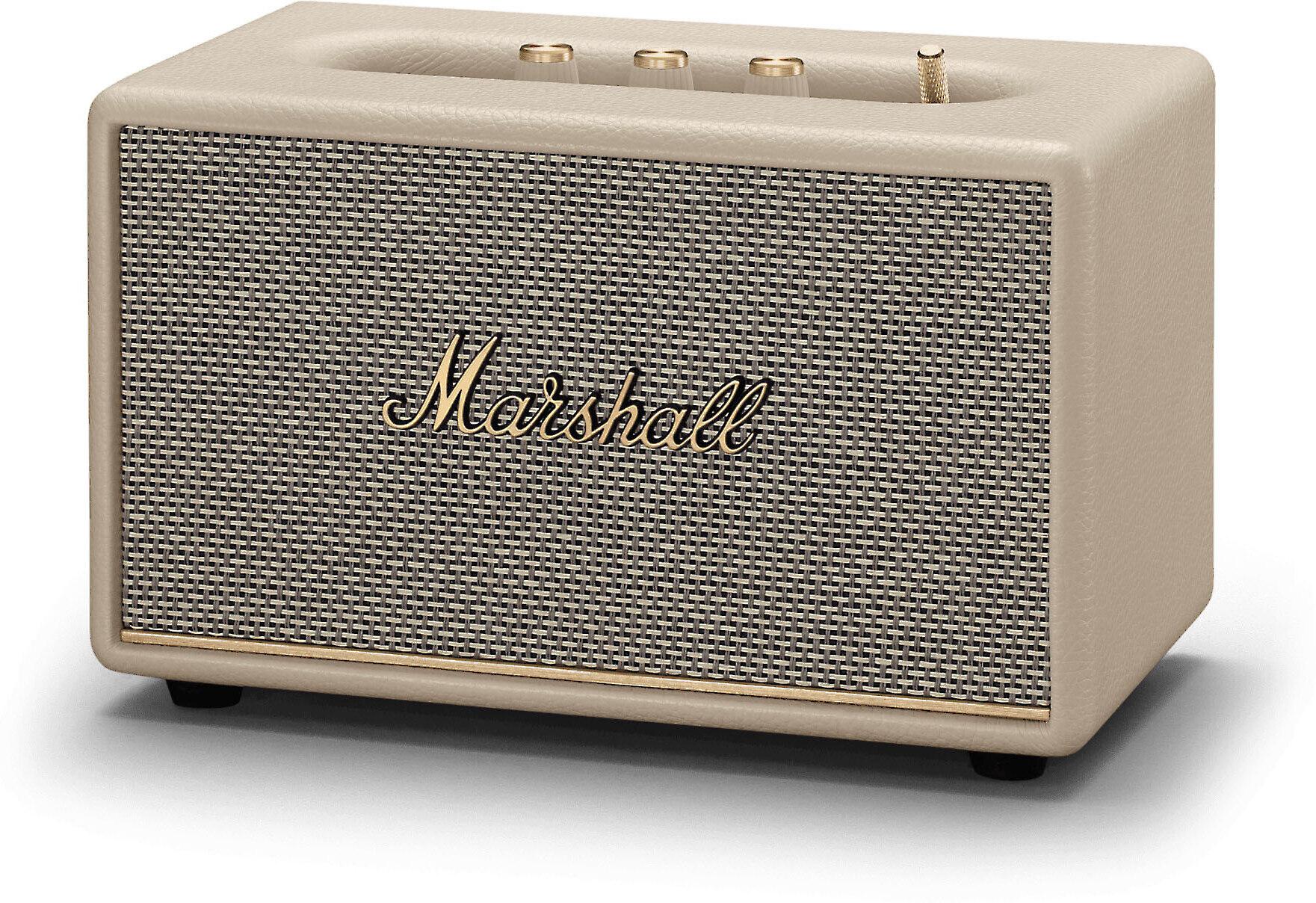
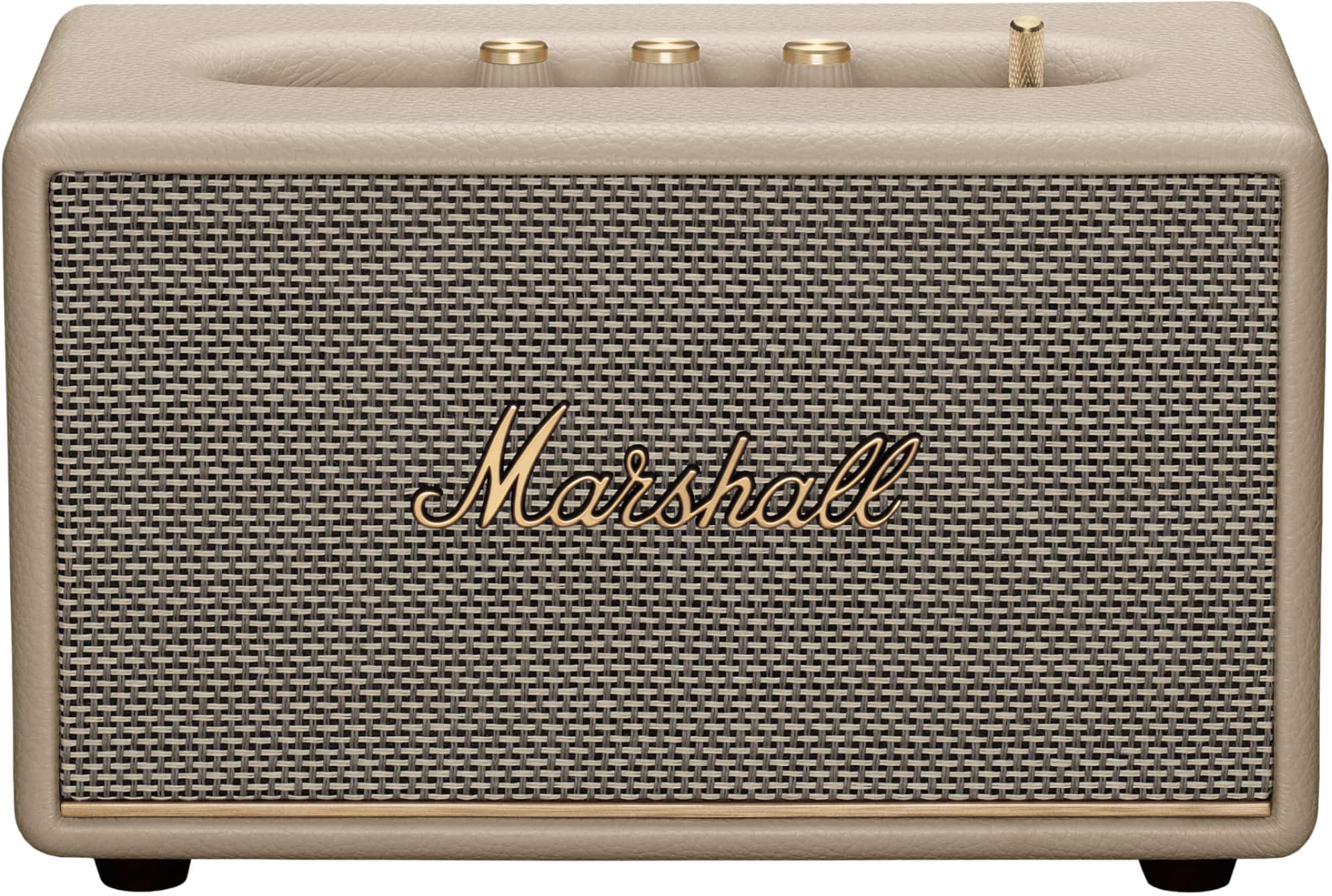
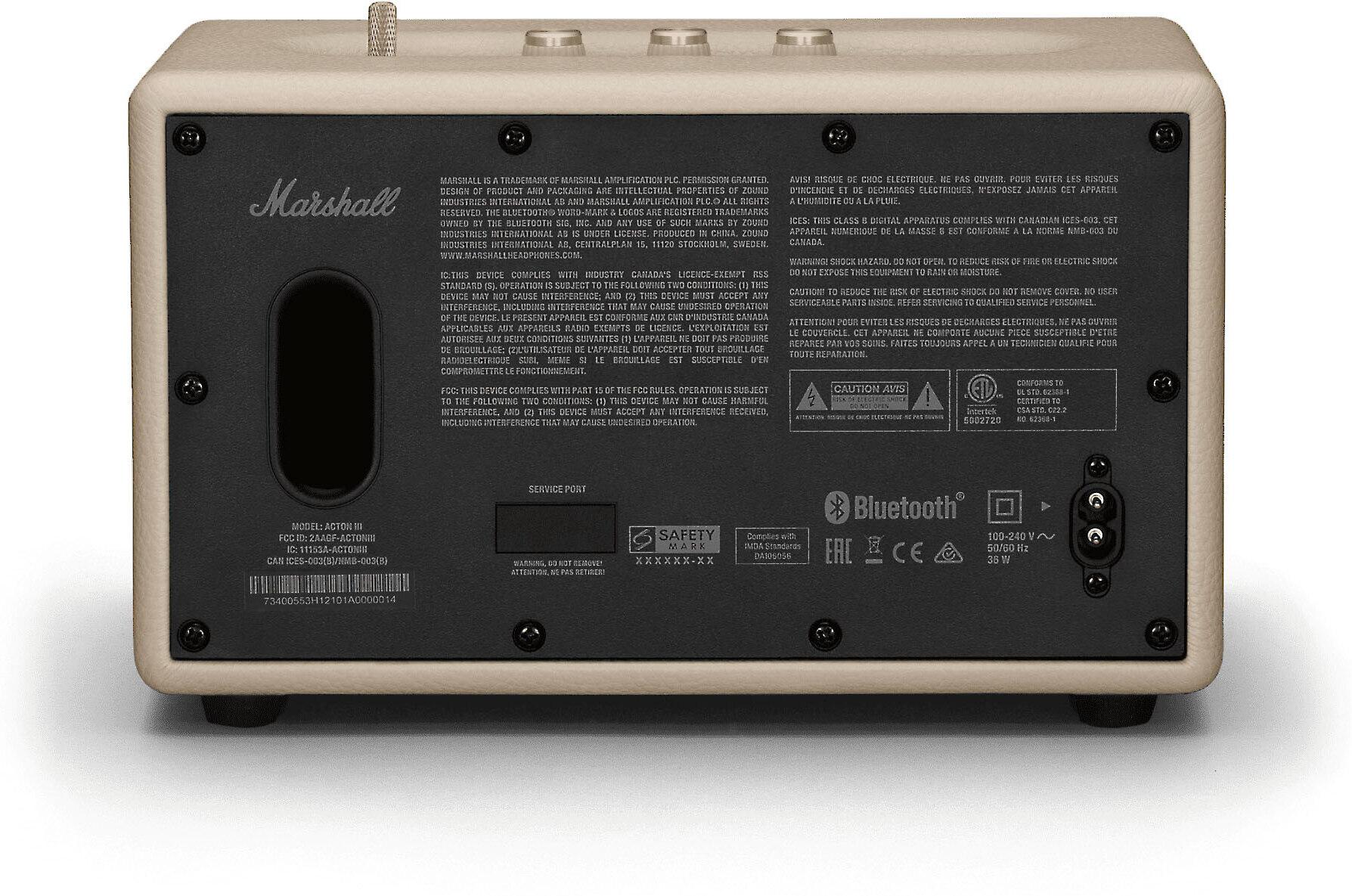
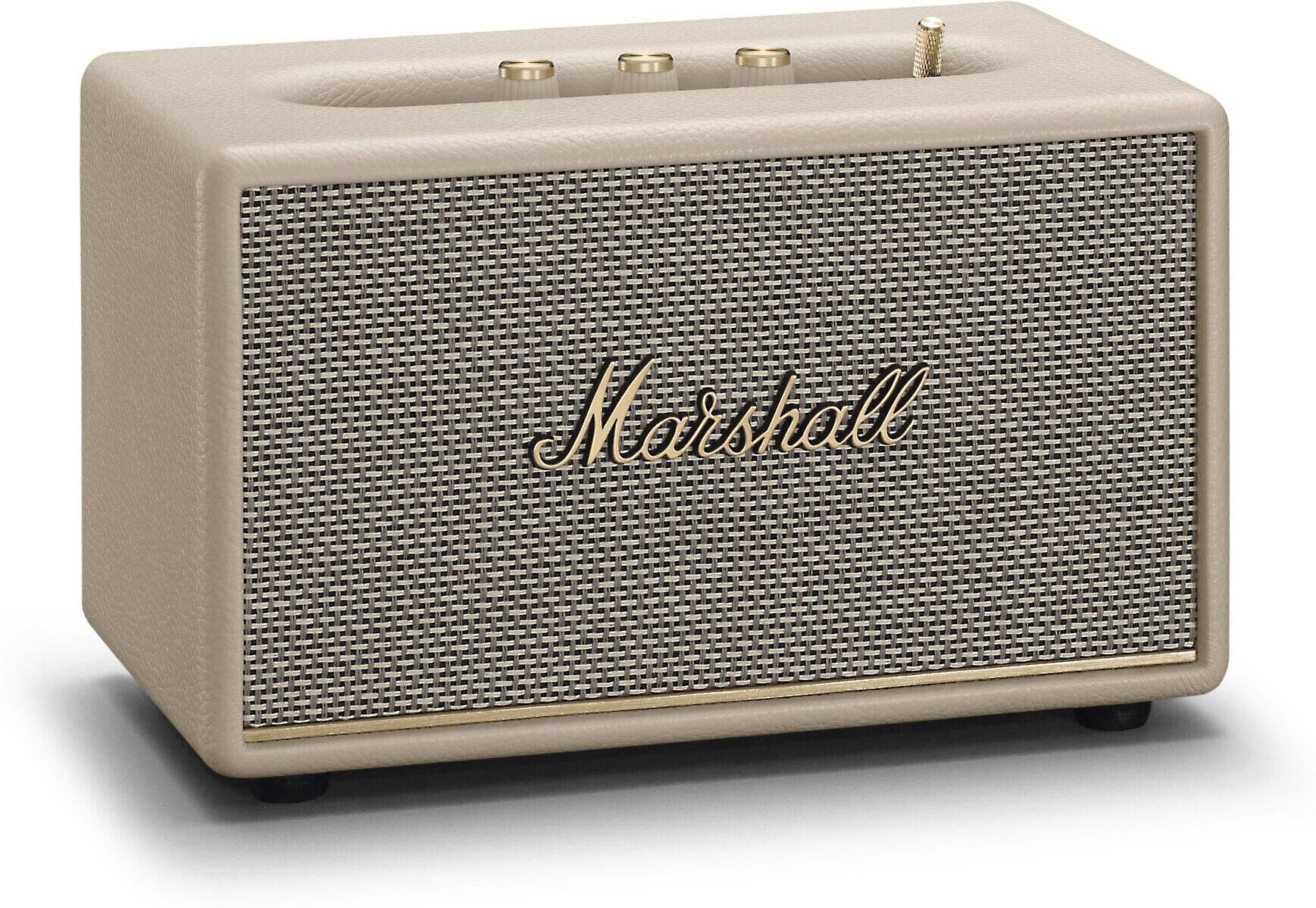
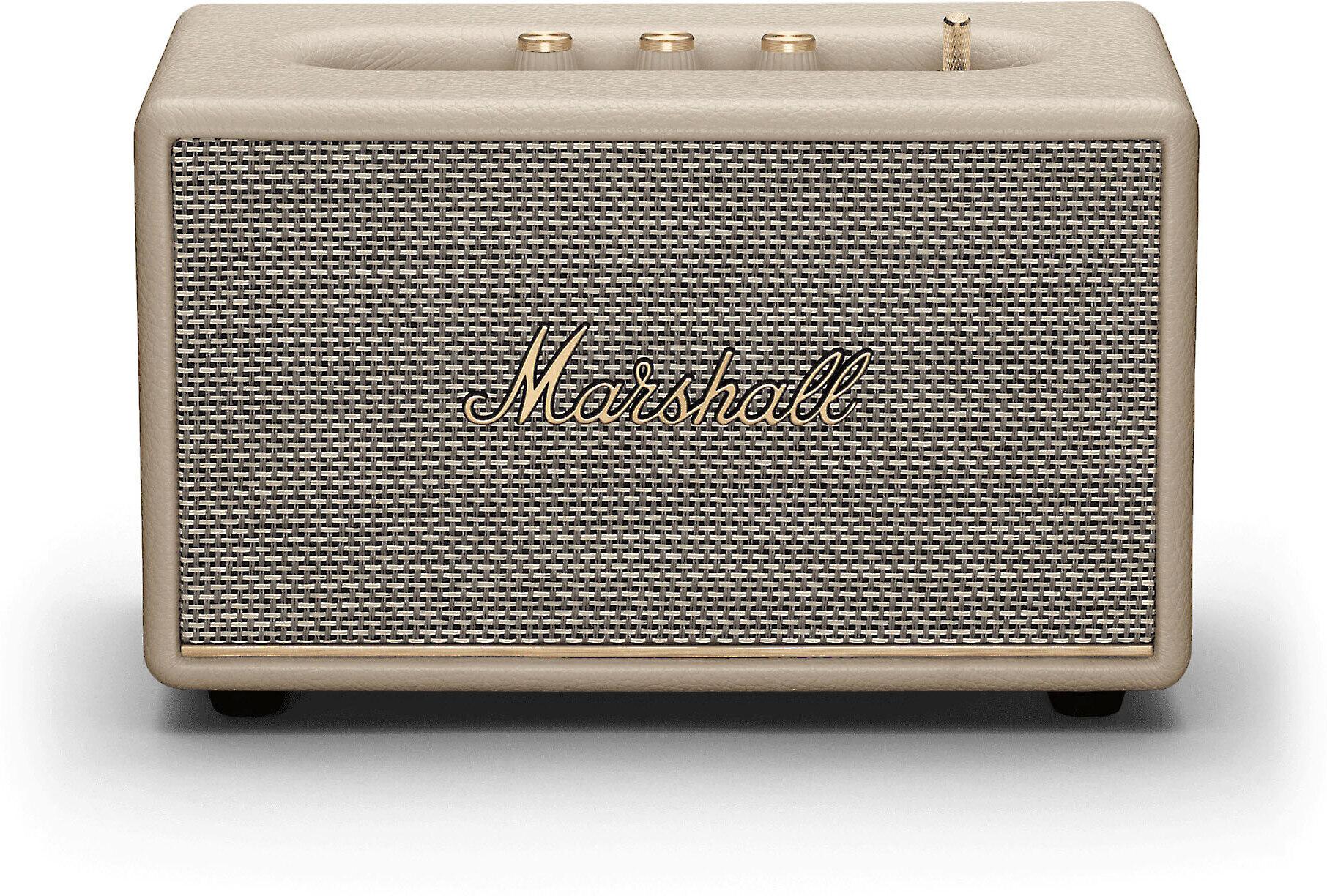


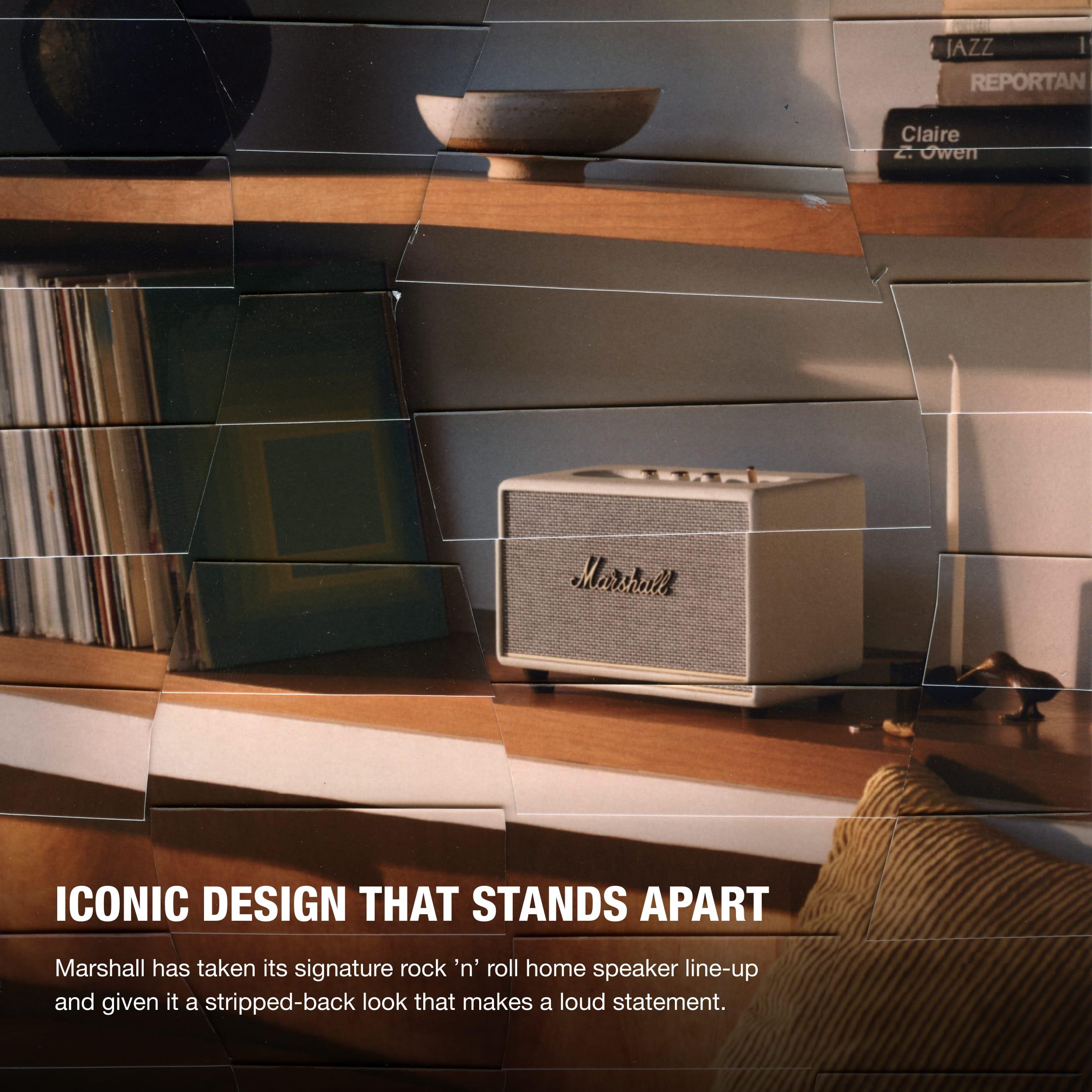
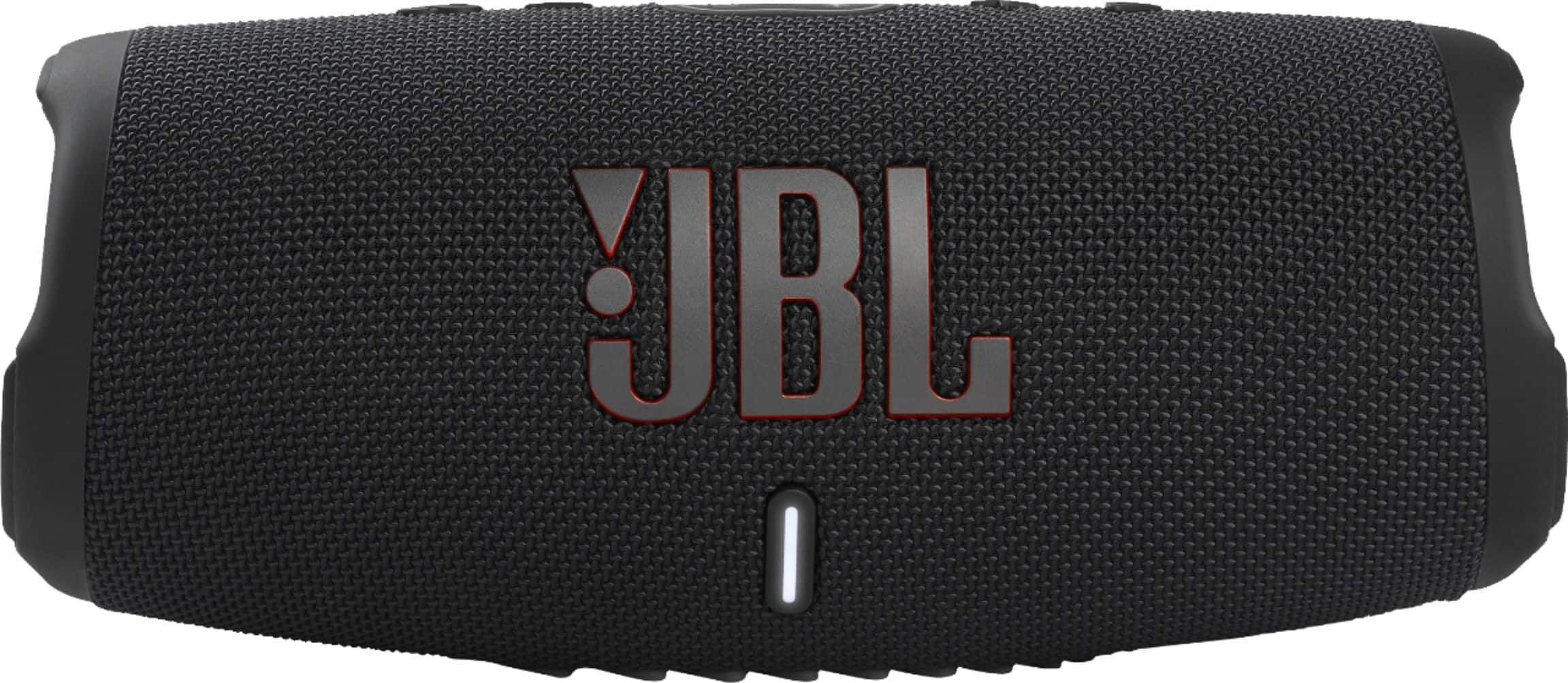
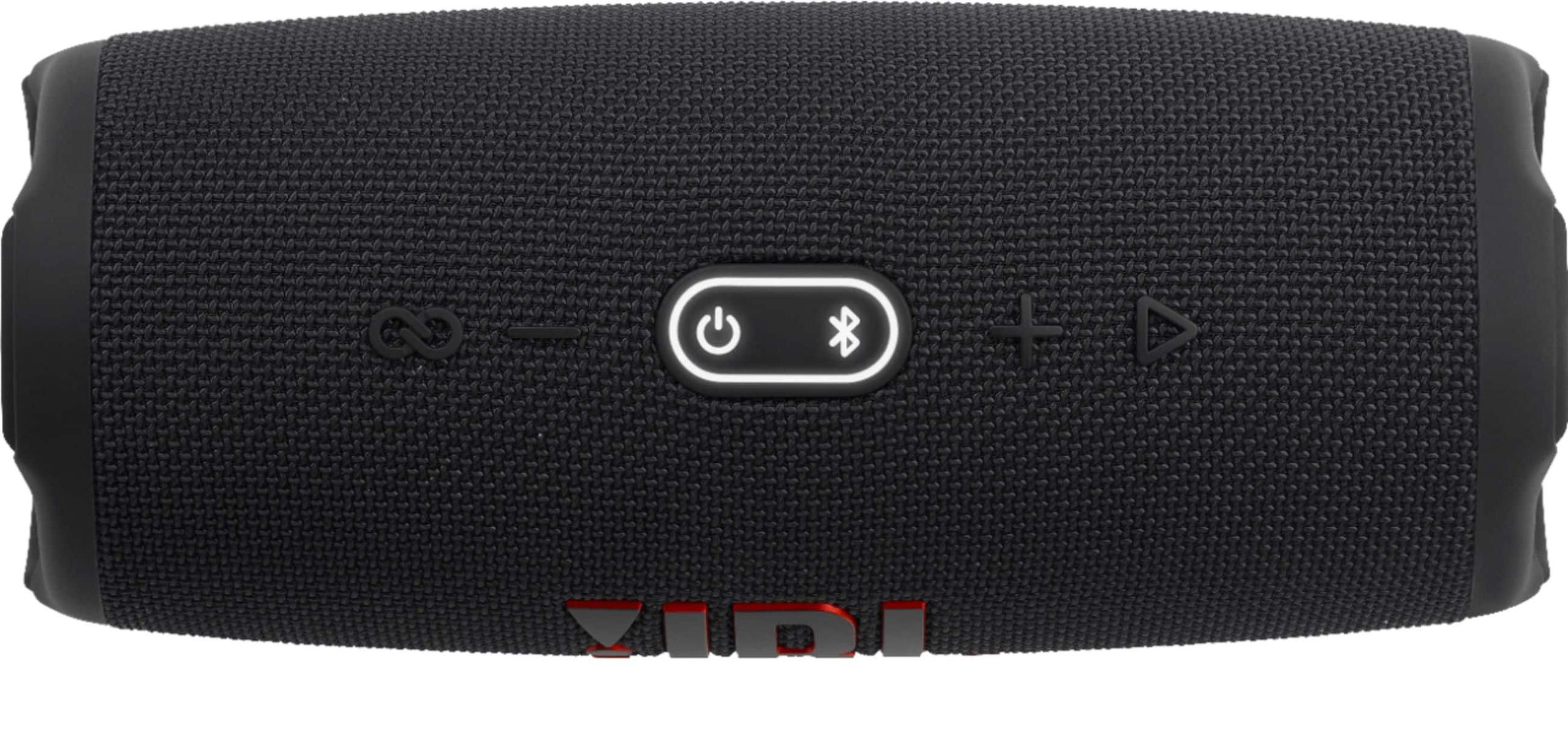
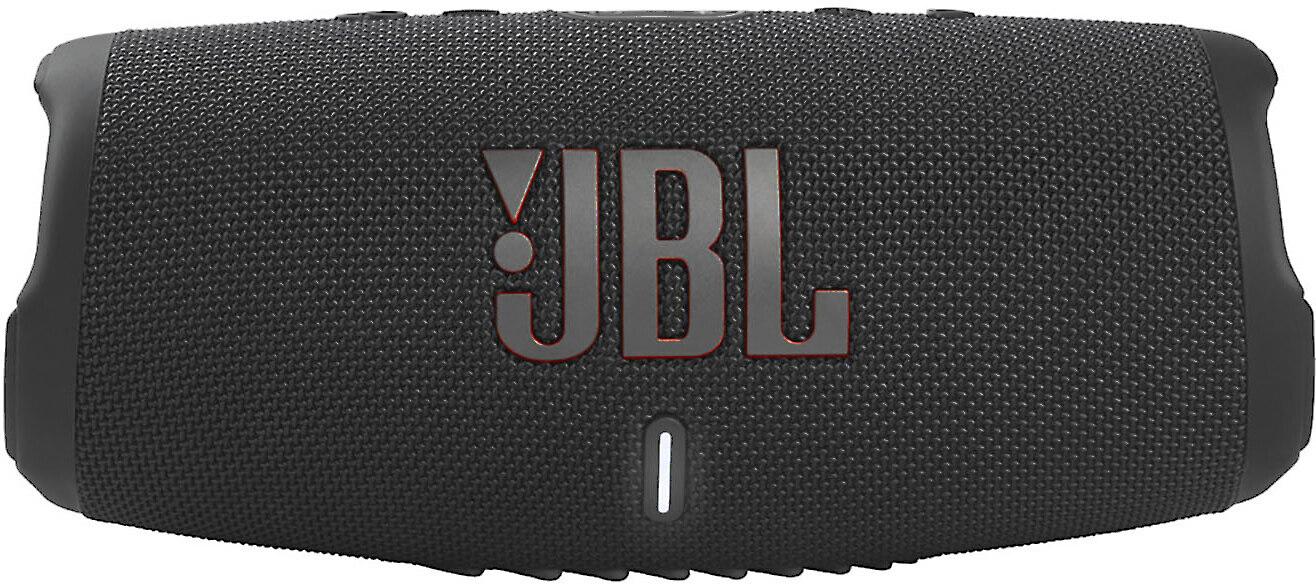
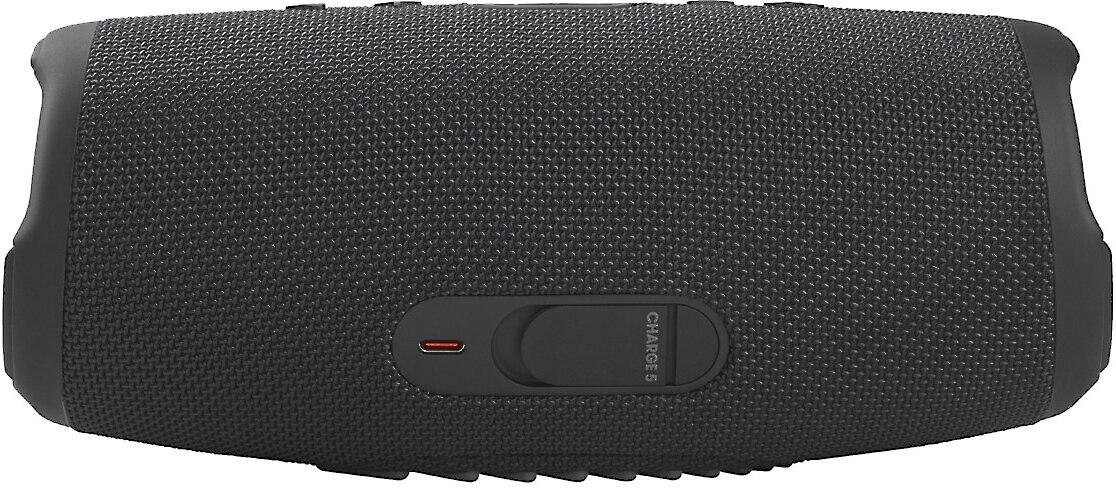
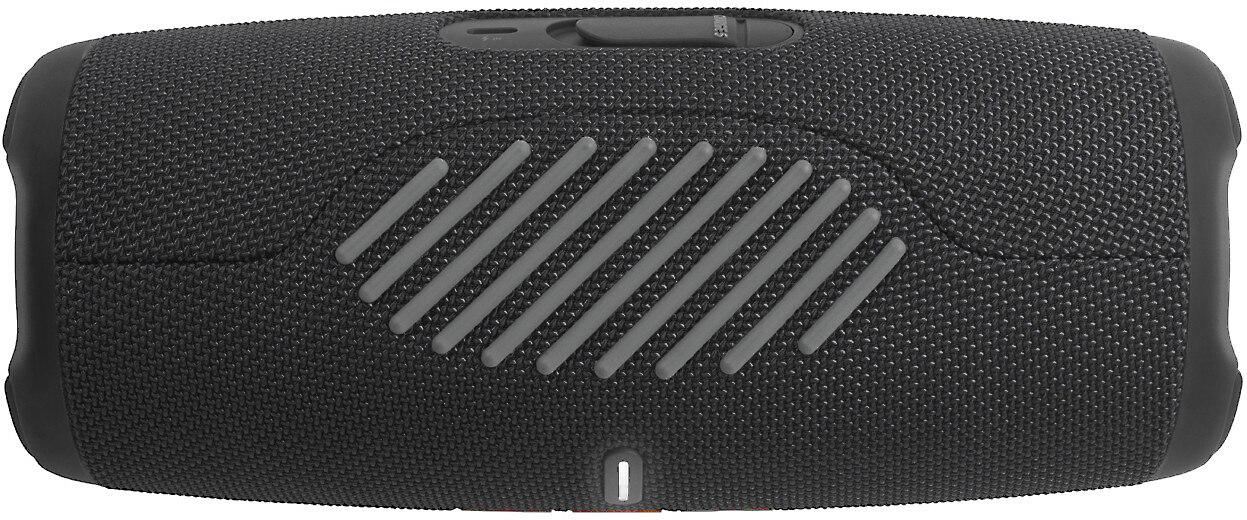
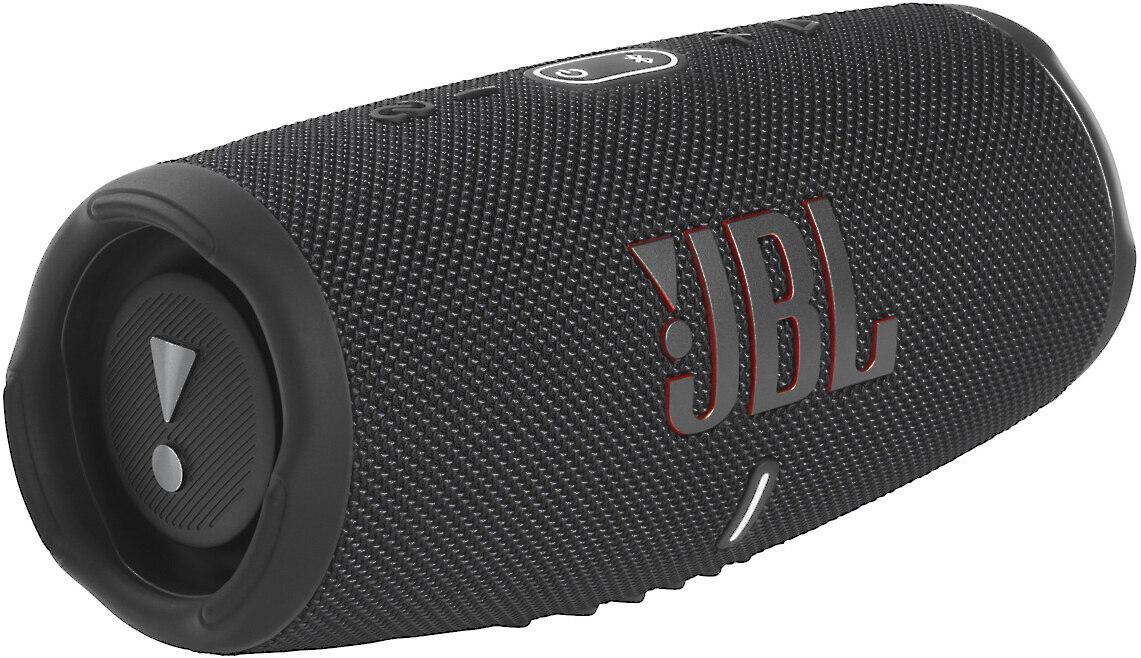
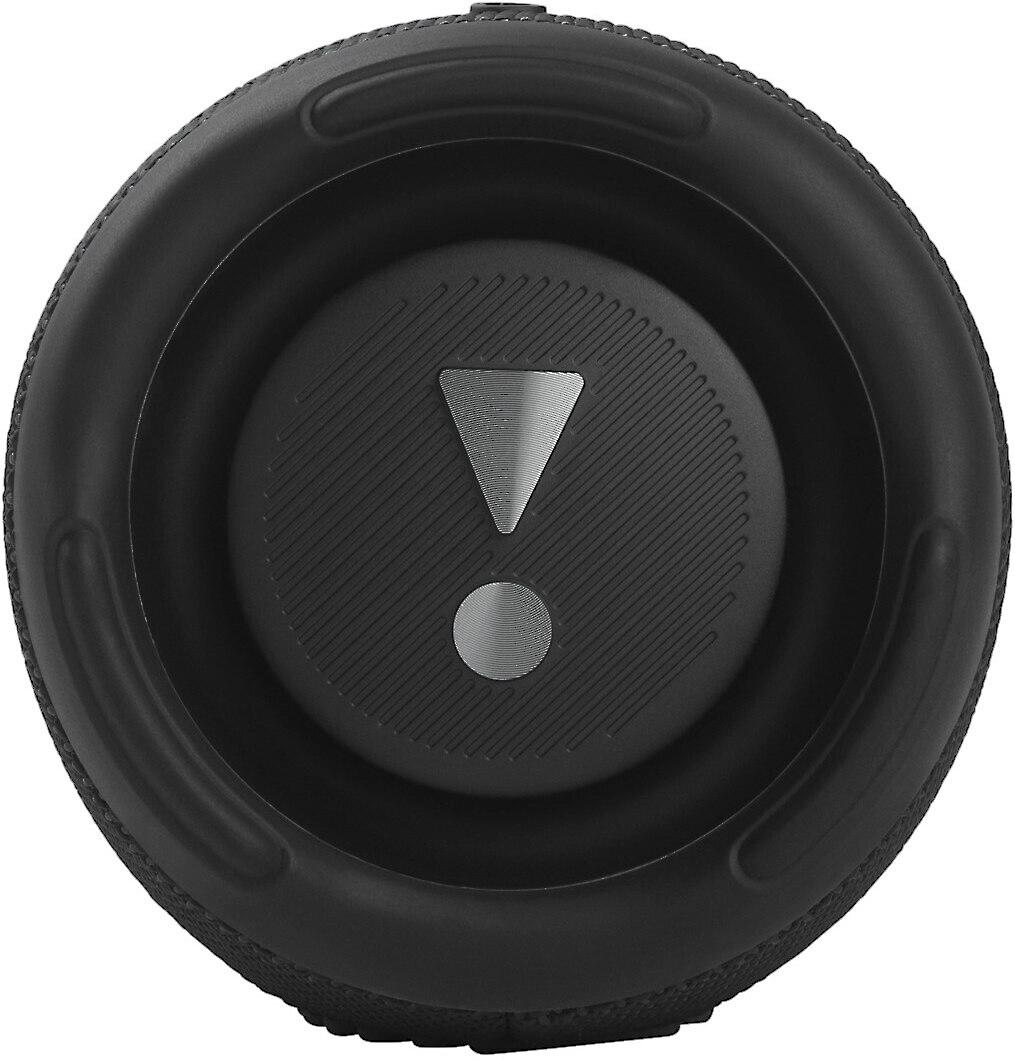

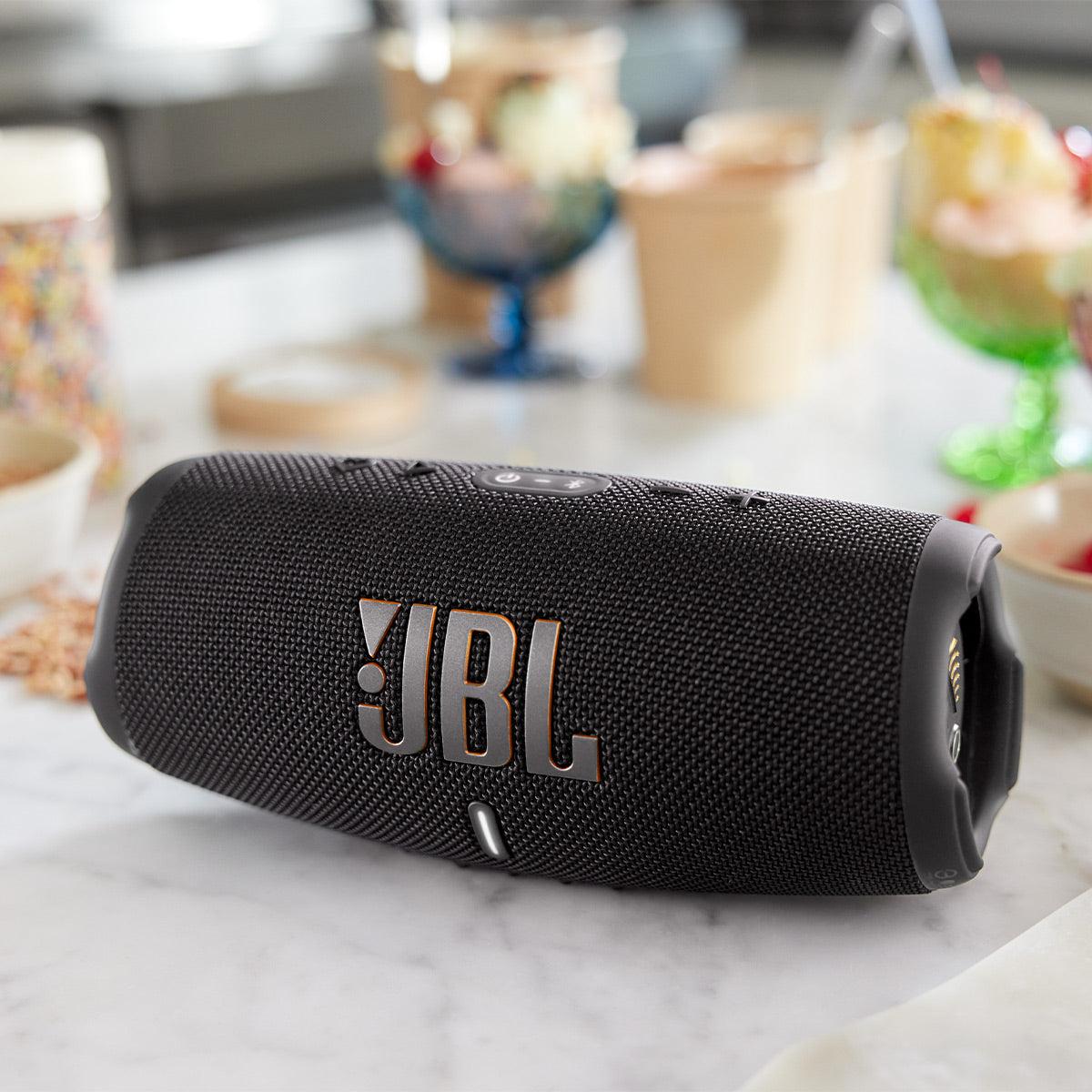
Bluetooth speakers have come a long way from their origins as simple wireless audio devices. Today's market offers increasingly sophisticated options, from premium home units to rugged portable powerhouses. Released in August 2022, the $279.99 Marshall Acton III represents the latest in home audio technology, while the $179.95 JBL Charge 5, launched in January 2021, showcases the capabilities of modern portable speakers.
These two speakers exemplify distinct approaches to wireless audio. The Marshall Acton III follows the traditional home audio philosophy - prioritizing sound quality and control in a stationary format. It's designed for those who want outstanding audio in a fixed location, with the convenience of wireless connectivity but without compromising on sound quality.
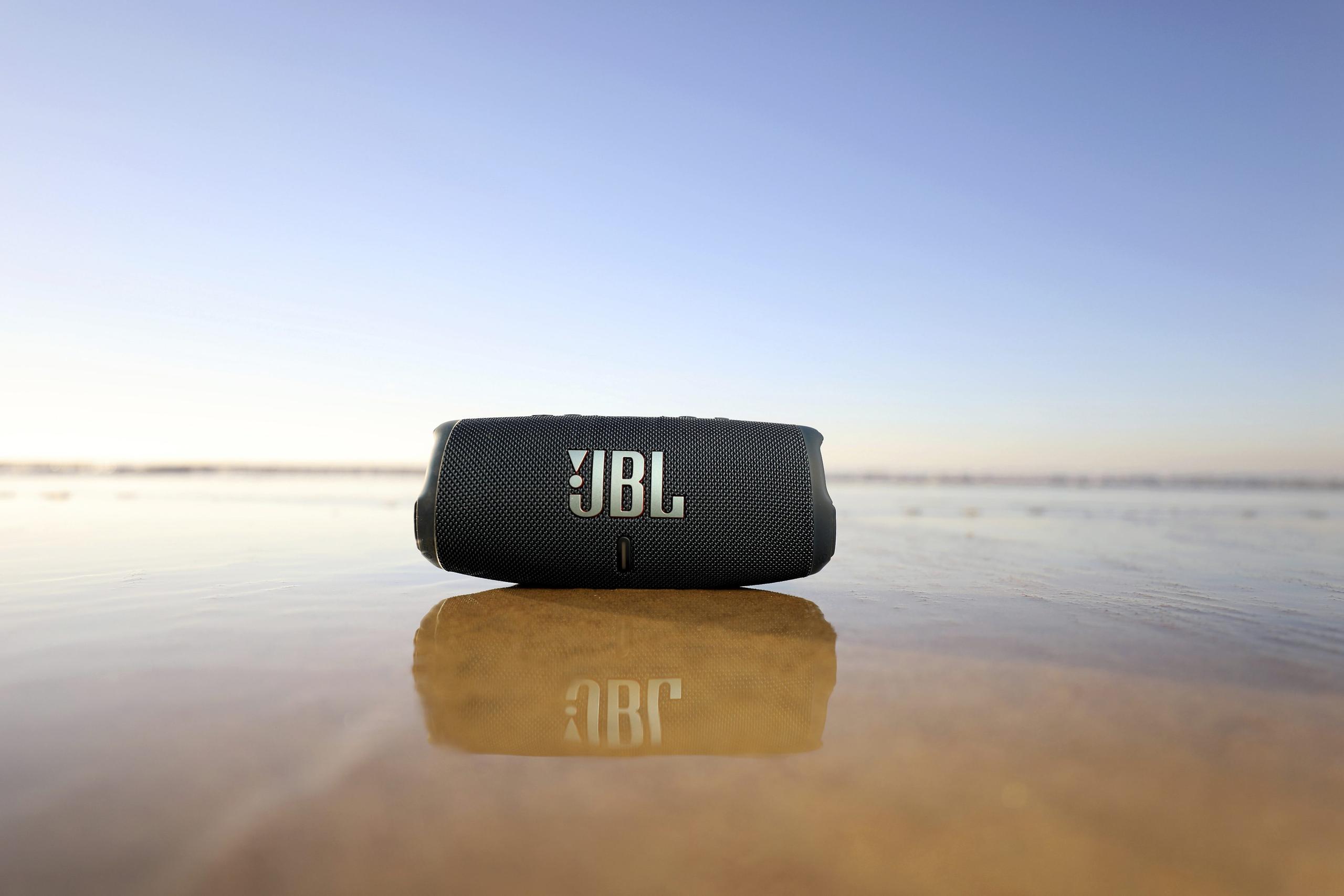
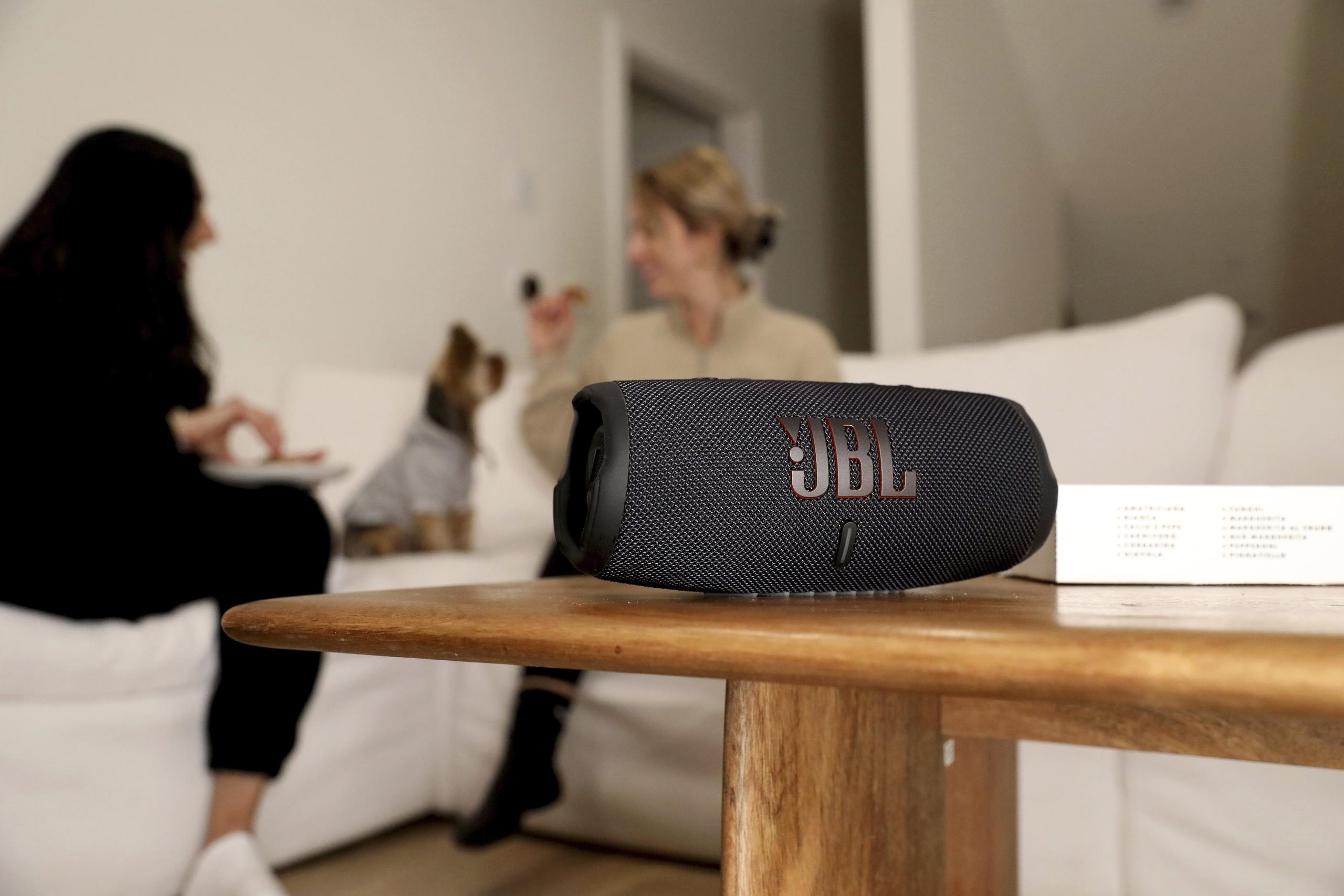
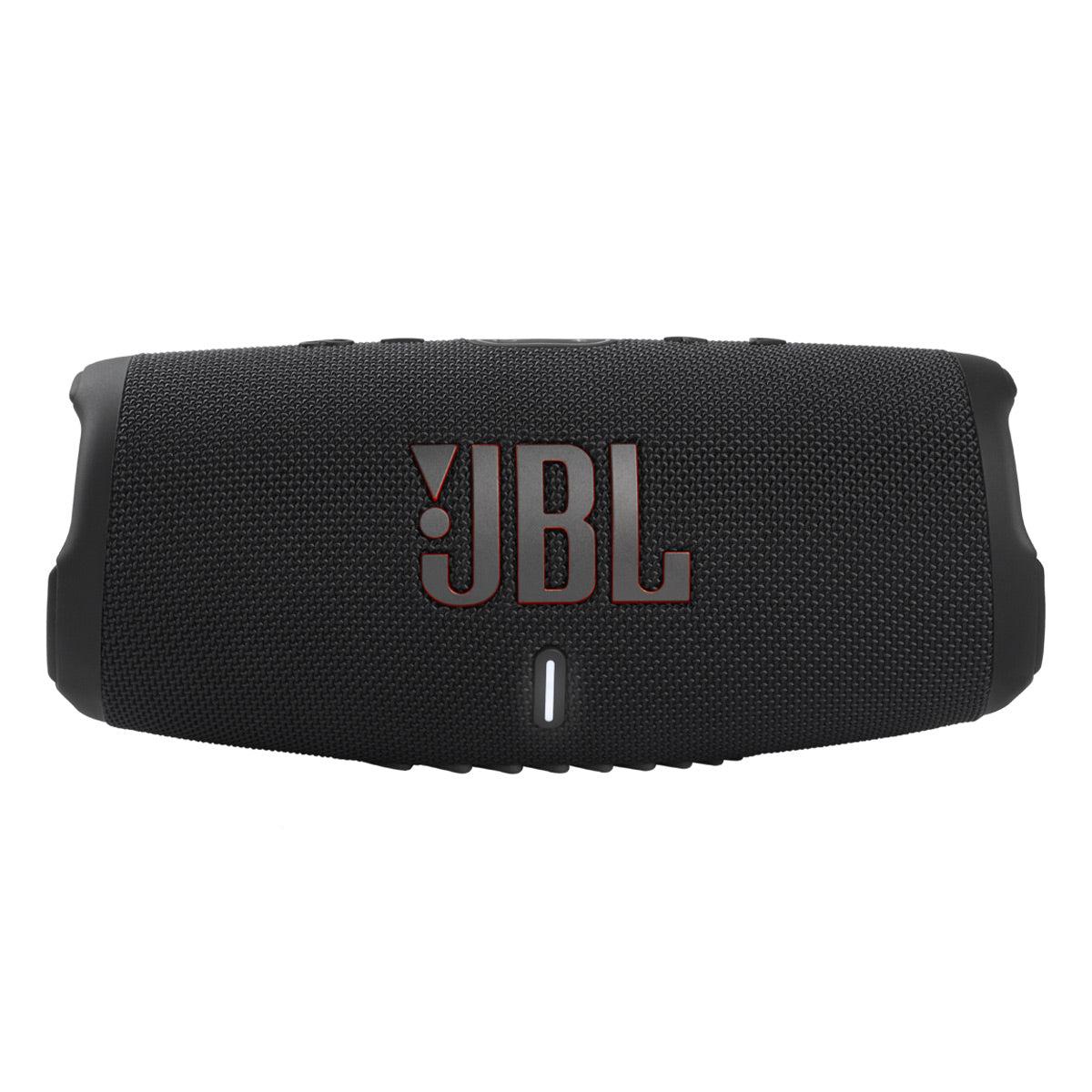
The JBL Charge 5 takes a different route, focusing on versatility and durability. It's built for those who want good sound quality that travels with them, whether to the beach, on camping trips, or just moving from room to room.
The Acton III employs a sophisticated three-driver system: two 15-watt tweeters (small speakers specialized for high frequencies) and one 30-watt woofer (for bass and mid-range). This configuration, totaling 60 watts of power, allows for true stereo separation and precise sound reproduction. The speaker's frequency response of 45-20,000 Hz means it can reproduce deeper bass notes than many comparable speakers.
A standout feature is the Dynamic Loudness function, which automatically adjusts frequency balance based on volume level. This means you'll hear clear, well-balanced audio whether listening at low volumes late at night or cranking it up for a party.
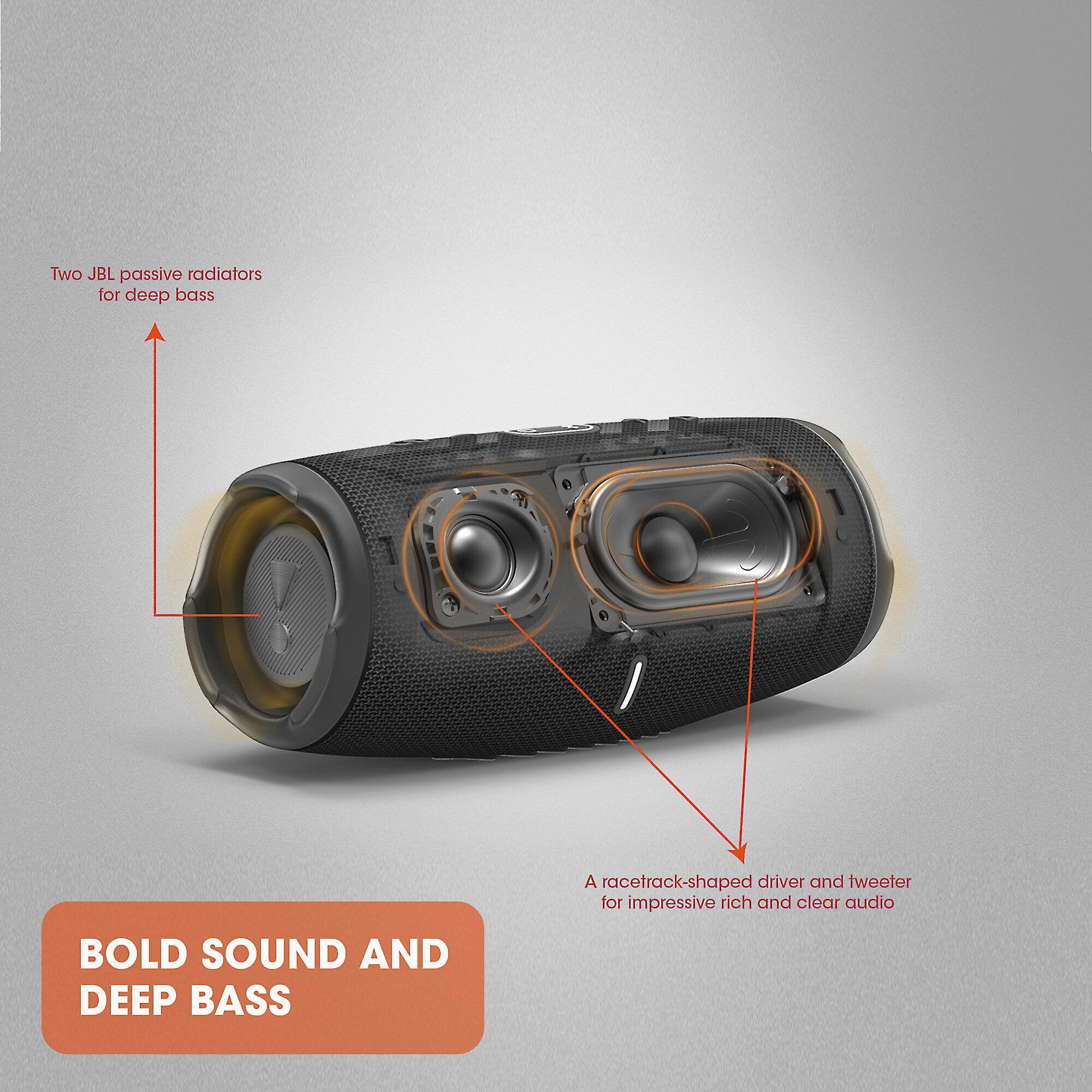
The Charge 5 uses a different approach, with a racetrack-shaped woofer, separate tweeter, and dual passive radiators (which help enhance bass without requiring additional power). While its 40-watt total power output is lower than the Marshall's, JBL has optimized this system for outdoor use, where sound dispersion and volume capabilities matter more than subtle audio details.
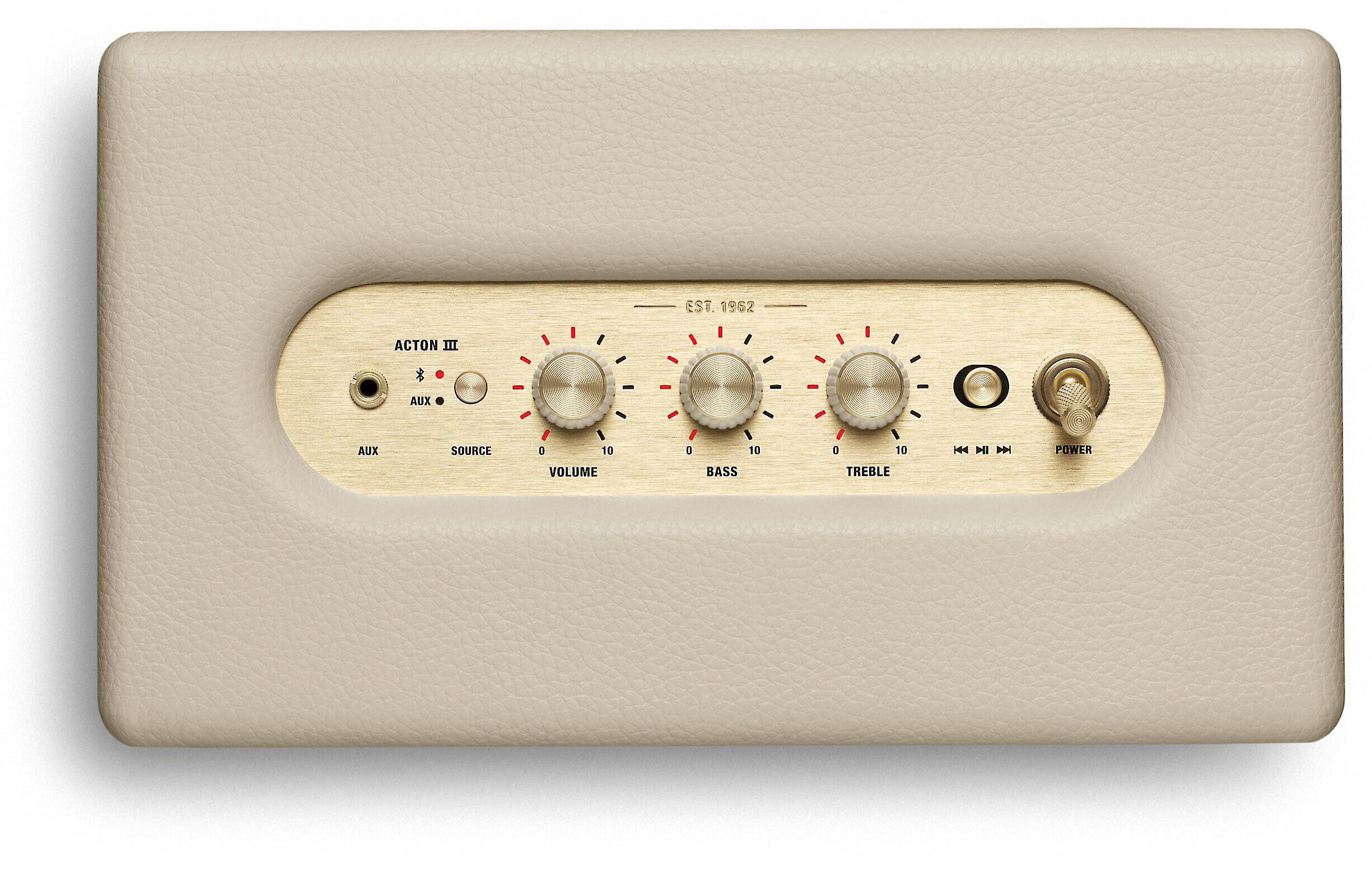
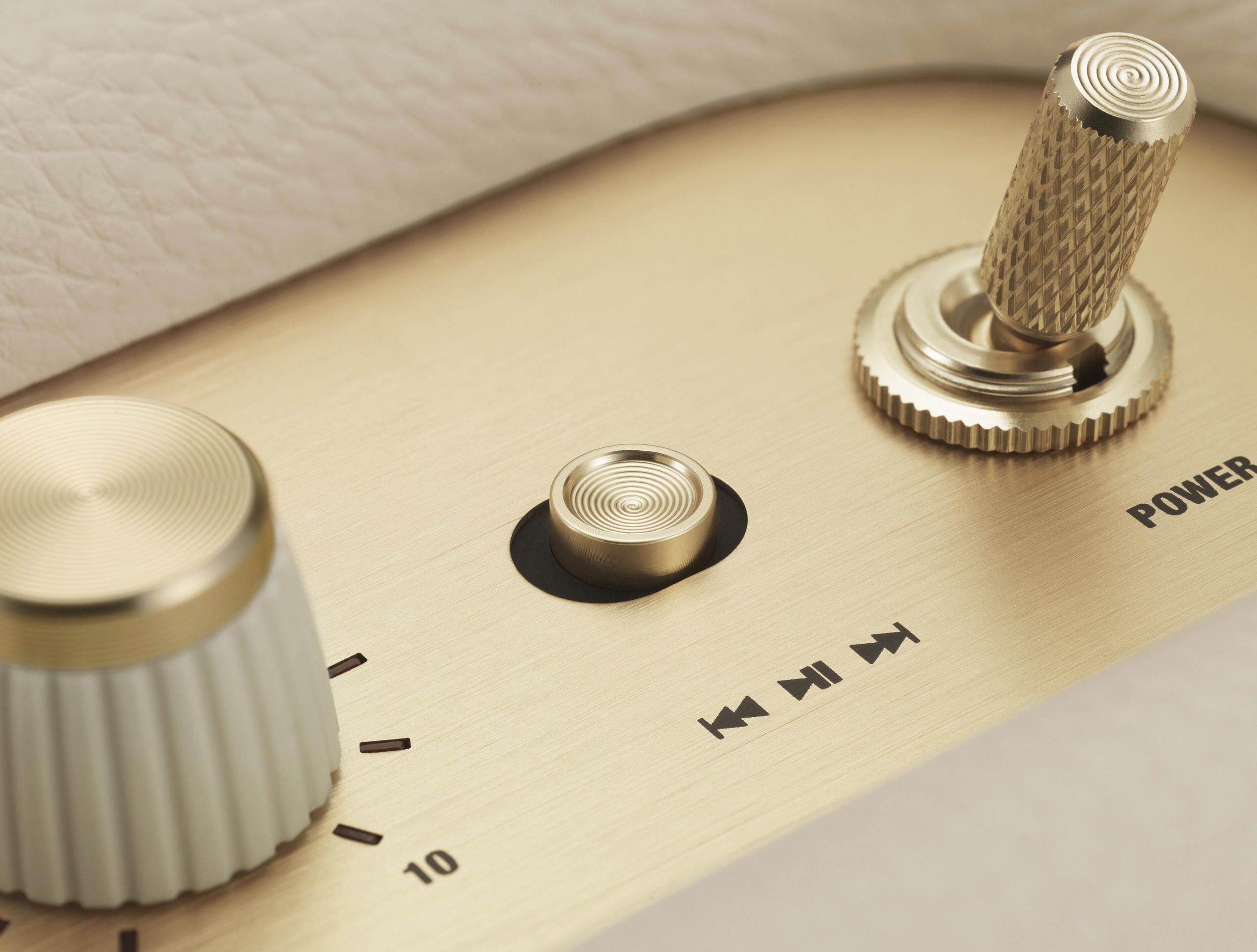
In practical use, these speakers show their strengths in different scenarios. The Acton III excels in indoor environments where listeners can appreciate its superior stereo imaging and refined sound balance. The physical control knobs for bass and treble allow real-time sound adjustment, something particularly valuable when switching between different music genres or audio sources.
The Charge 5 shines in challenging environments where the Acton III wouldn't dare venture. Its IP67 rating means it's fully dustproof and can be submerged in water up to 1 meter deep for 30 minutes. While it may not match the Marshall's refined sound in a quiet room, it produces impressive volume and clarity in outdoor spaces where ambient noise is a factor.
While neither speaker is primarily designed for home theater use, they can serve different roles in a home entertainment setup. The Acton III could work well as a secondary audio system in a bedroom or office where its stereo separation and balanced sound would be appreciated for both music and TV audio.
The Charge 5 is less suited for permanent home theater use but offers unique flexibility. It can serve as a portable TV speaker when needed, such as for outdoor movie nights or temporary setups.
The Acton III represents several improvements over its predecessor, including:
The Charge 5 brought notable upgrades from the Charge 4:
When considering value, it's important to look beyond the initial price difference. The Marshall Acton III at $279.99 represents a significant investment but offers premium sound quality and could serve as a primary audio system for many years. Its lack of battery means no degradation in performance over time.
The $179.95 JBL Charge 5 offers exceptional value for those needing portability. While its battery will eventually degrade, its durability and versatility make it a solid investment for active users.
The choice between these speakers ultimately comes down to your primary use case and priorities:
Choose the Marshall Acton III if:
Choose the JBL Charge 5 if:
In my experience testing both speakers, the Acton III provides noticeably better sound quality in controlled environments, while the Charge 5's versatility makes it indispensable for outdoor activities. The Acton III's sound stage and clarity are impressive for its size, though it can't match the Charge 5's ability to handle adverse conditions.
Both speakers excel in their intended use cases. The Marshall Acton III is a premium home audio solution that prioritizes sound quality and control, while the JBL Charge 5 offers outstanding versatility and durability for those needing a portable solution. Your choice should align with how and where you'll primarily use the speaker, rather than focusing solely on specifications or price.
| Marshall Acton III ($279.99) | JBL Charge 5 ($179.95) |
|---|---|
| Total Power Output - Determines maximum volume and sound clarity | |
| 60W (2x15W tweeters + 30W woofer) | 40W (30W woofer + 10W tweeter) |
| Sound Architecture - Impacts audio quality and sound staging | |
| Two tweeters + one woofer with stereo separation | Single tweeter + racetrack woofer with dual passive radiators |
| Frequency Response - Range of bass to treble the speaker can produce | |
| 45-20,000 Hz (deeper bass response) | 60-20,000 Hz (slightly less bass extension) |
| Connectivity - How you can connect devices | |
| Bluetooth 5.2, 3.5mm aux input | Bluetooth 5.1, no aux input |
| Portability & Power - Affects where and how you can use it | |
| AC powered only, not portable | 20-hour battery life, portable design |
| Environmental Protection - Durability and usage conditions | |
| Indoor use only, no water resistance | IP67 waterproof and dustproof |
| Extra Features - Additional functionality beyond basic audio | |
| Physical EQ controls, Dynamic Loudness | Power bank function, PartyBoost multi-speaker linking |
| Size & Weight - Important for placement or carrying | |
| 260 x 170 x 150 mm, stationary design | 223 x 96.5 x 94 mm, 960g portable design |
| Primary Use Case - Best suited for these scenarios | |
| Home audio, permanent indoor placement | Outdoor events, travel, portable use |
| Build Quality & Materials - Durability and environmental impact | |
| 70% recycled plastic, vegan materials, premium finish | Rugged design with protective rubber housing |
For indoor home use, the Marshall Acton III offers superior sound quality. For portable and outdoor use, the JBL Charge 5 is the better choice. They serve different purposes, so "better" depends on your needs.
The Marshall Acton III costs $279.99, while the JBL Charge 5 is priced at $179.95, making it $100 less expensive.
The JBL Charge 5 is designed for outdoor use with IP67 waterproofing. The Marshall Acton III is not weather-resistant and requires AC power, making it unsuitable for outdoor use.
The Marshall Acton III offers better overall sound quality with superior stereo separation and more refined audio control. The JBL Charge 5 still sounds good but prioritizes volume and durability over subtle audio details.
The JBL Charge 5 has a 20-hour battery life. The Marshall Acton III doesn't have a battery and requires constant AC power.
Yes, both speakers feature Bluetooth connectivity. The Marshall Acton III uses Bluetooth 5.2, while the JBL Charge 5 uses Bluetooth 5.1.
The JBL Charge 5 is better for parties due to its portability, water resistance, and PartyBoost feature for connecting multiple speakers. The Marshall Acton III offers better sound quality but is limited by its need for AC power.
The Marshall Acton III has physical knobs for bass and treble adjustment. The JBL Charge 5 offers EQ adjustment through its smartphone app.
The JBL Charge 5 is more durable with its IP67 rating and rugged design. The Marshall Acton III is well-built but designed for indoor use only.
The JBL Charge 5 can charge phones and other devices through its USB port. The Marshall Acton III does not have this feature.
The Marshall Acton III has better sound quality for small indoor spaces. The JBL Charge 5 is more compact but designed for larger, open areas.
Neither speaker requires additional accessories. The Marshall Acton III comes with a power cable, and the JBL Charge 5 includes a USB-C charging cable.
We've done our best to create useful and informative comparisons to help you decide what product to buy. Our research uses advanced automated methods to create this comparison and perfection is not possible - please contact us for corrections or questions. These are the sites we've researched in the creation of this article: bestbuy.com - youtube.com - bestbuy.com - pocket-lint.com - bestbuy.com - crutchfield.com - premiumsound.com.au - marshall.com - 2001audiovideo.com - youtube.com - t3.com - bestbuy.com - youtube.com - techradar.com - outeraudio.com - youtube.com - soundguys.com - howtogeek.com - jbl.com - abt.com - youtube.com - harmanaudio.com - homedepot.com - bhphotovideo.com - dxomark.com

Privacy Policy
Terms and Conditions - Affiliate Policy
Home Security
© Copyright 2008-2026.
11816 Inwood Rd #1211, Dallas, TX 75244