

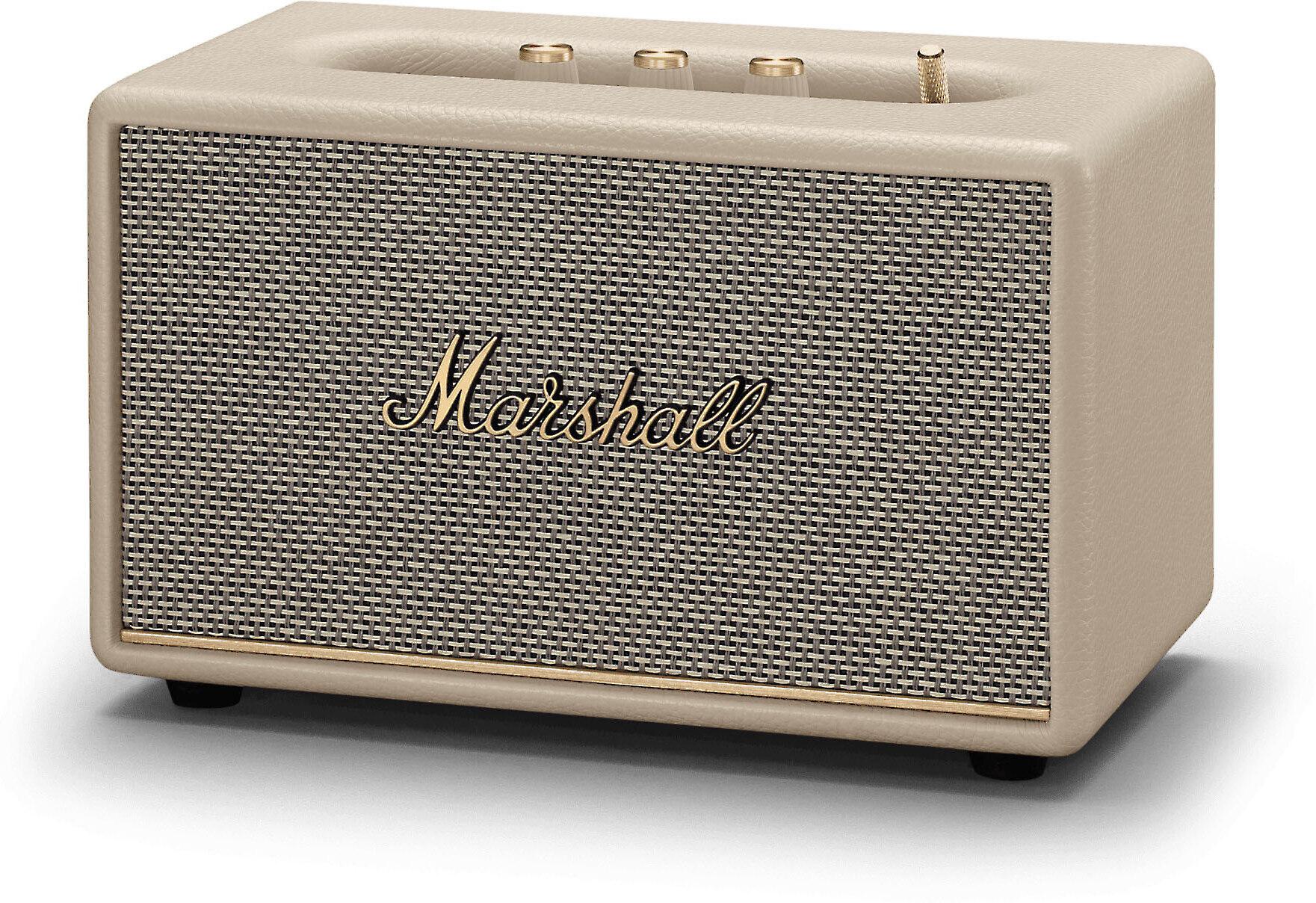
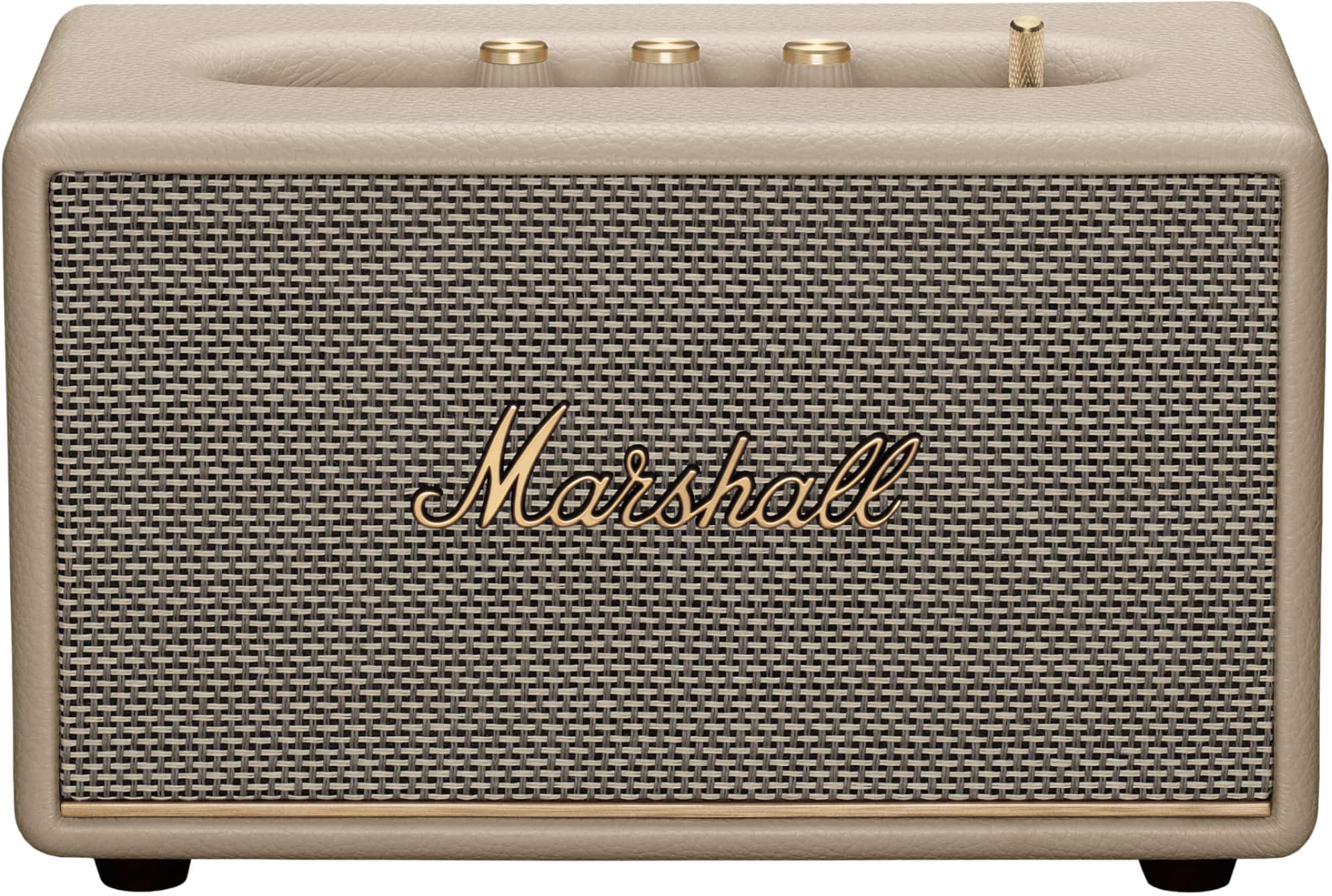
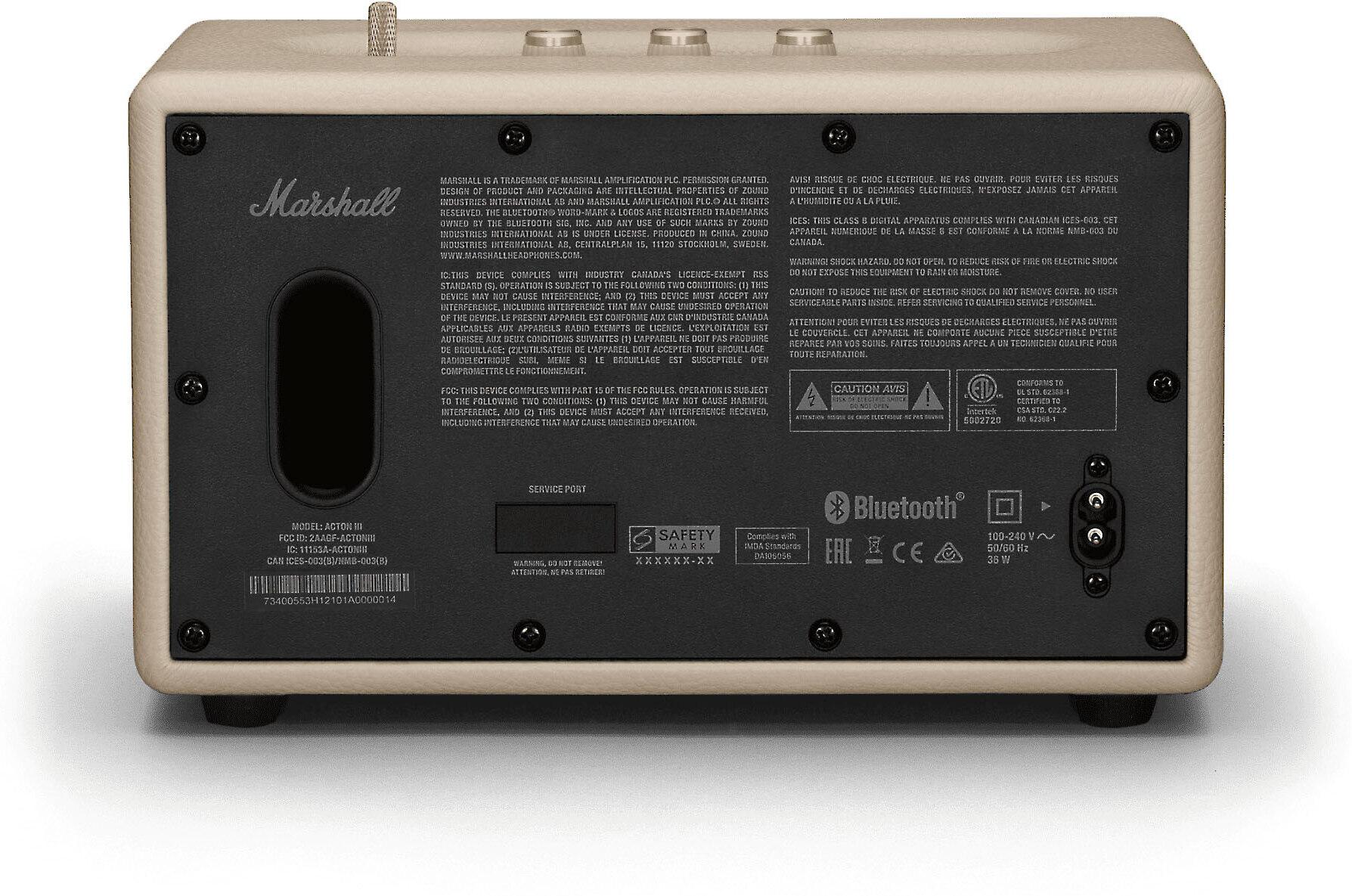
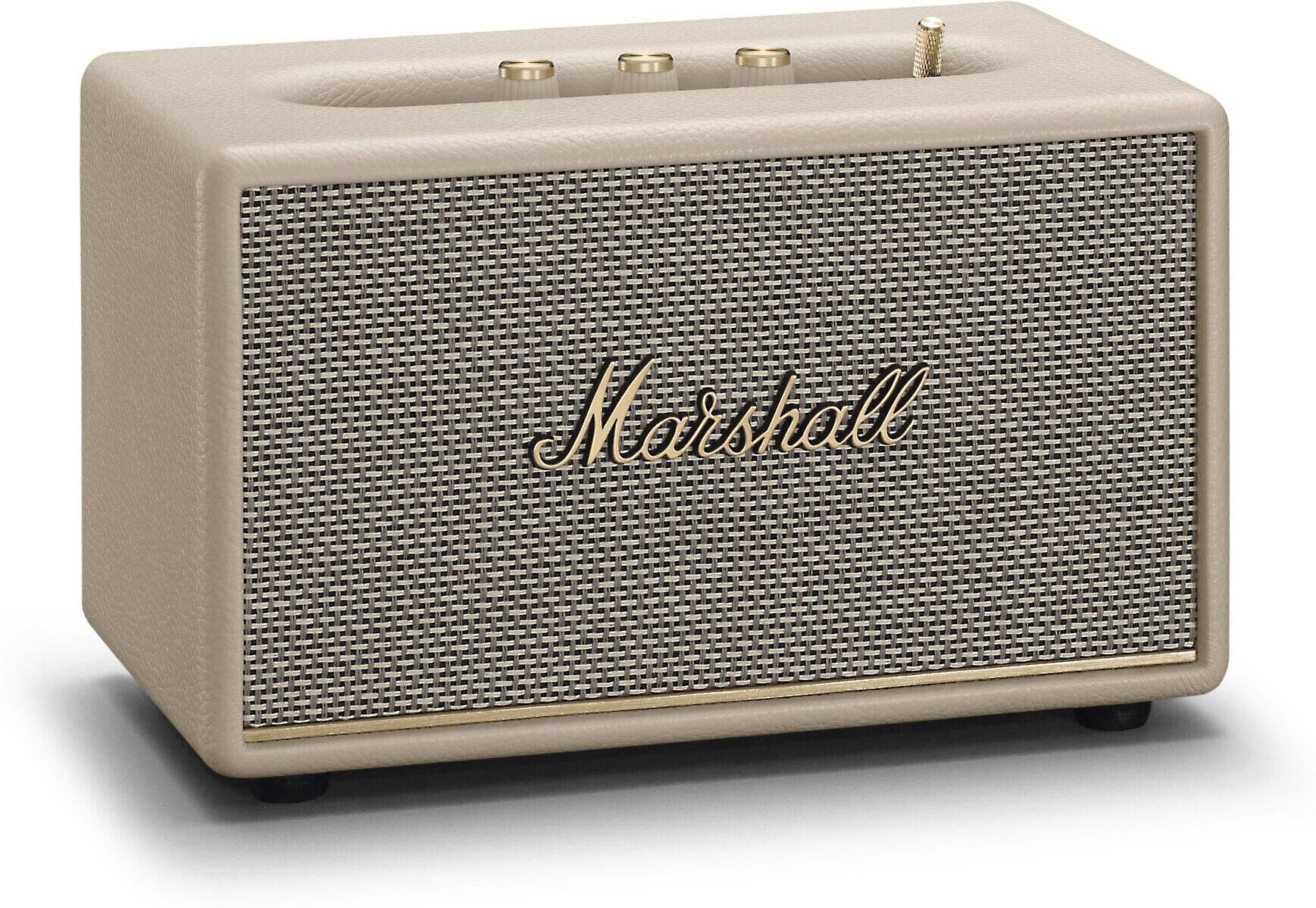

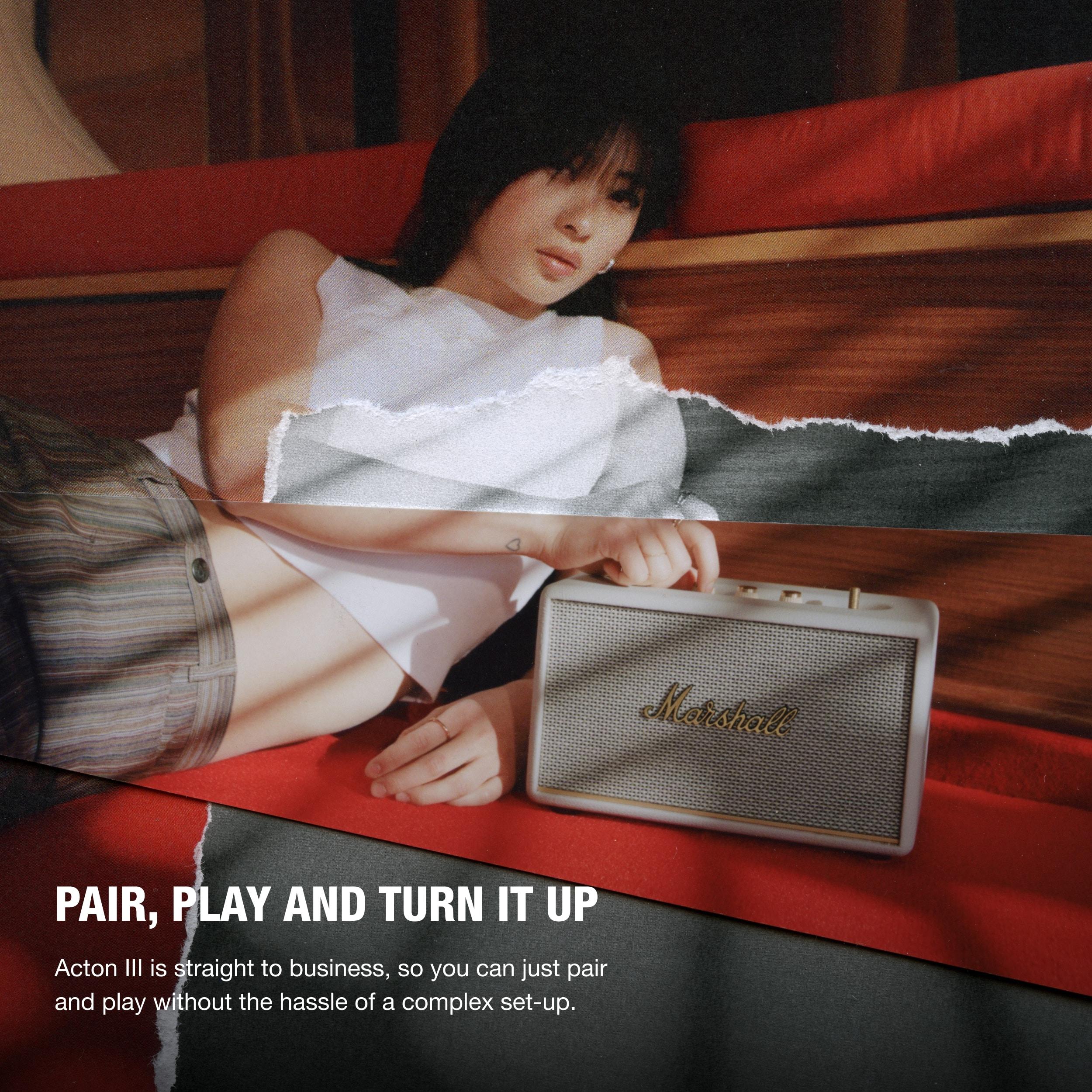


In the competitive world of premium Bluetooth speakers, the $279 Marshall Acton III and $229 Bose SoundLink Revolve+ II represent two distinct approaches to delivering high-quality audio. Let's explore how these speakers stack up against each other and help you decide which best suits your needs.
Today's premium Bluetooth speakers have evolved far beyond simple wireless playback devices. They now incorporate advanced audio processing, sophisticated driver designs, and thoughtful features that enhance their versatility. The key considerations when choosing between them typically include sound quality, connectivity options, ease of use, and adaptability to different environments.
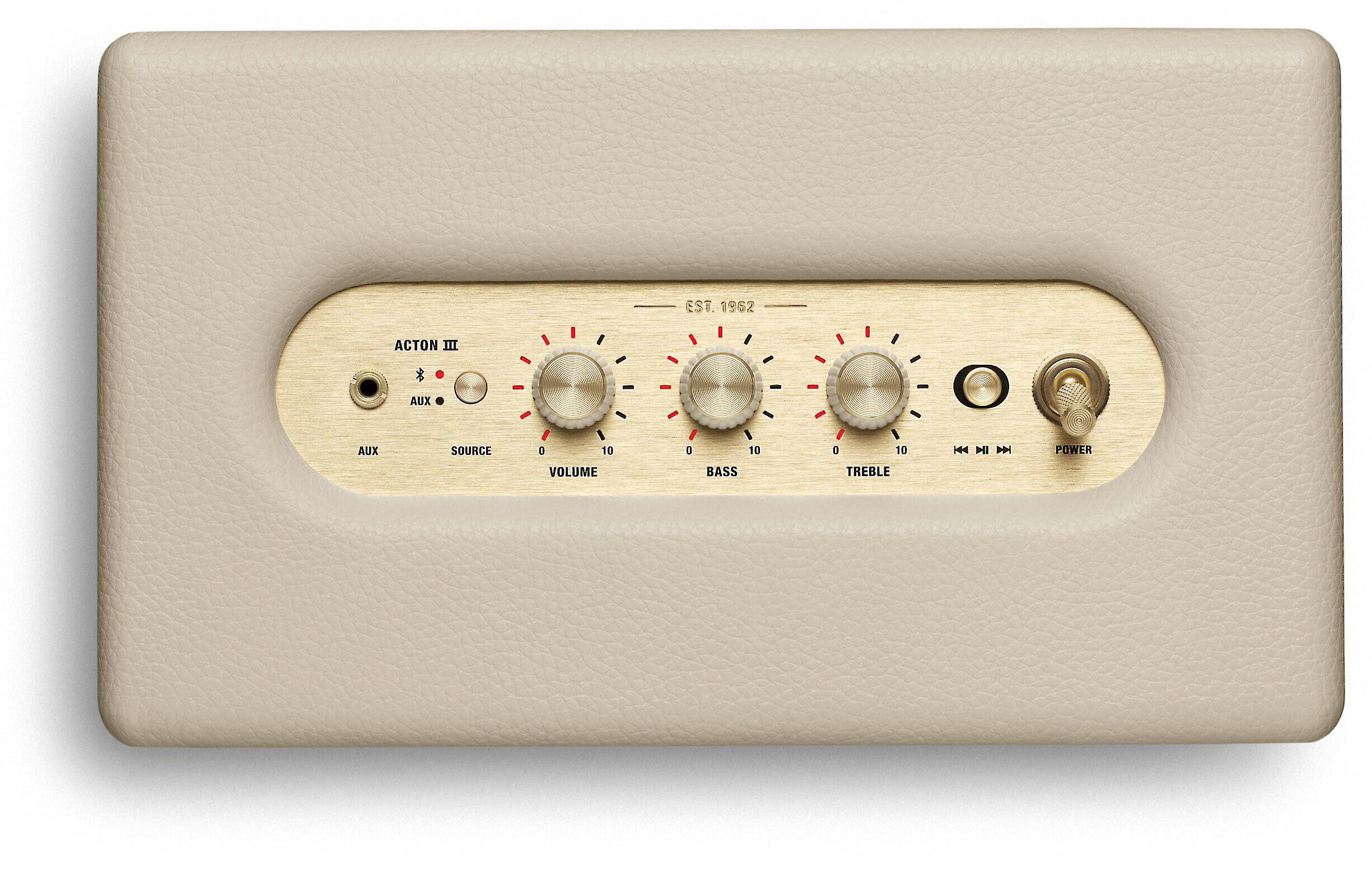
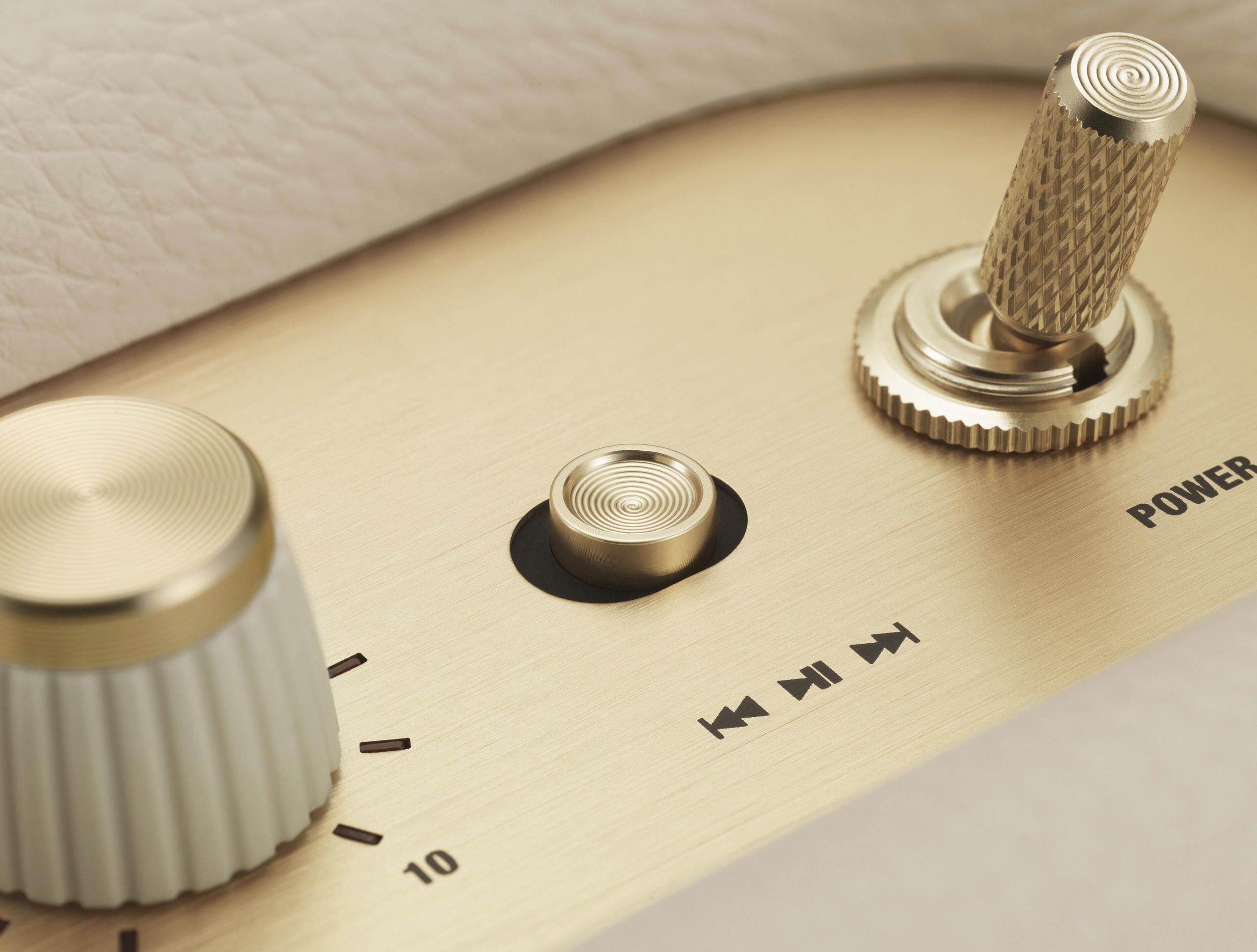
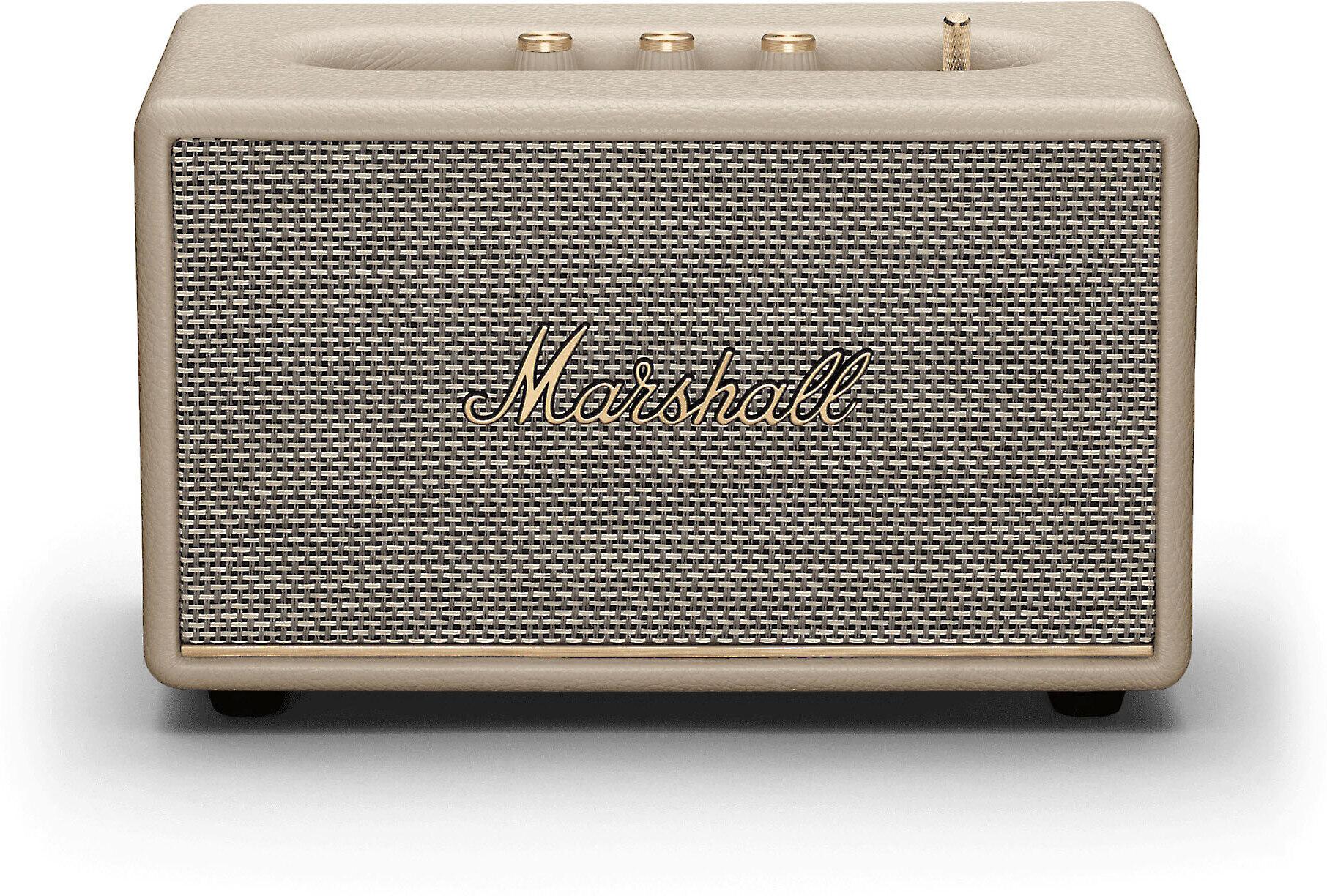
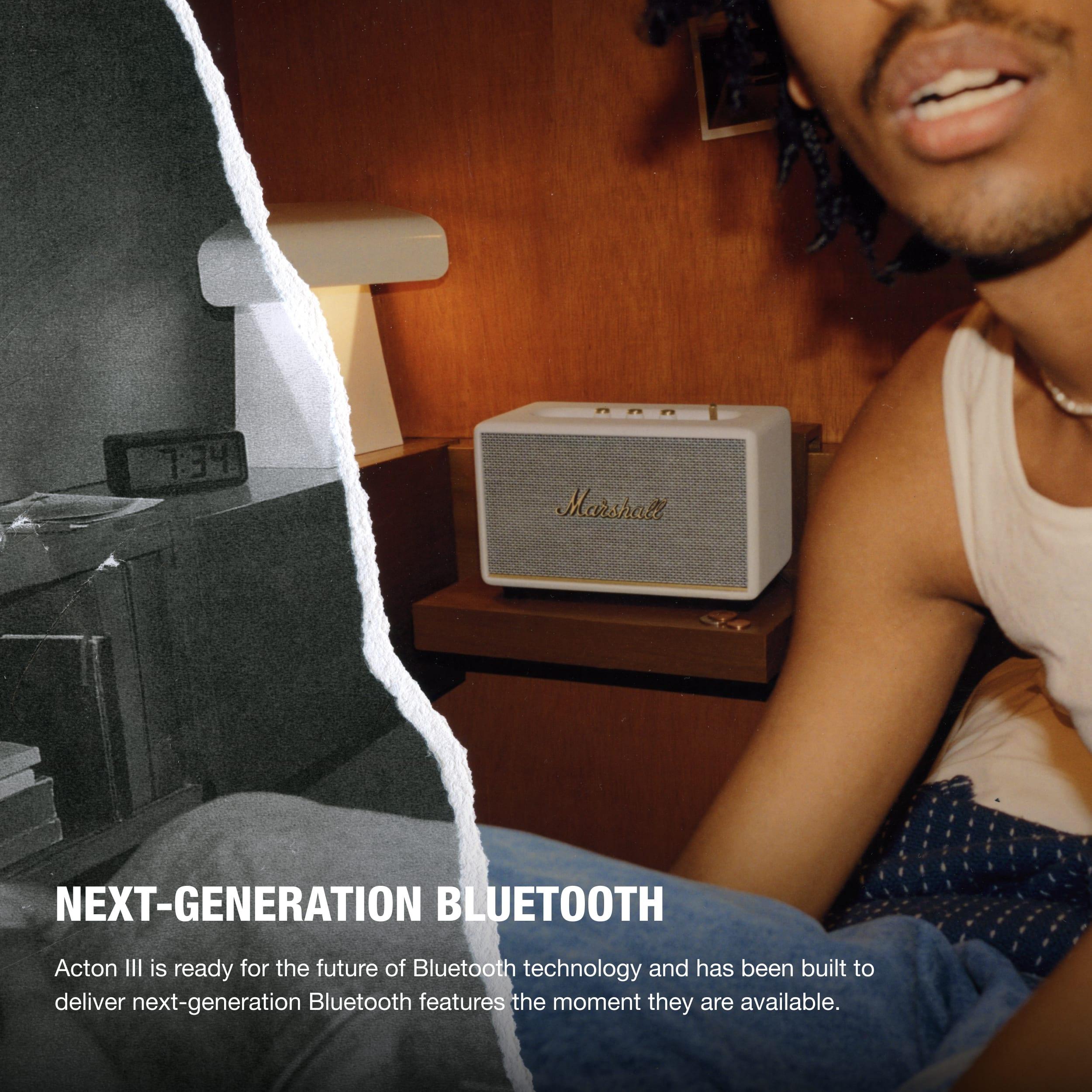
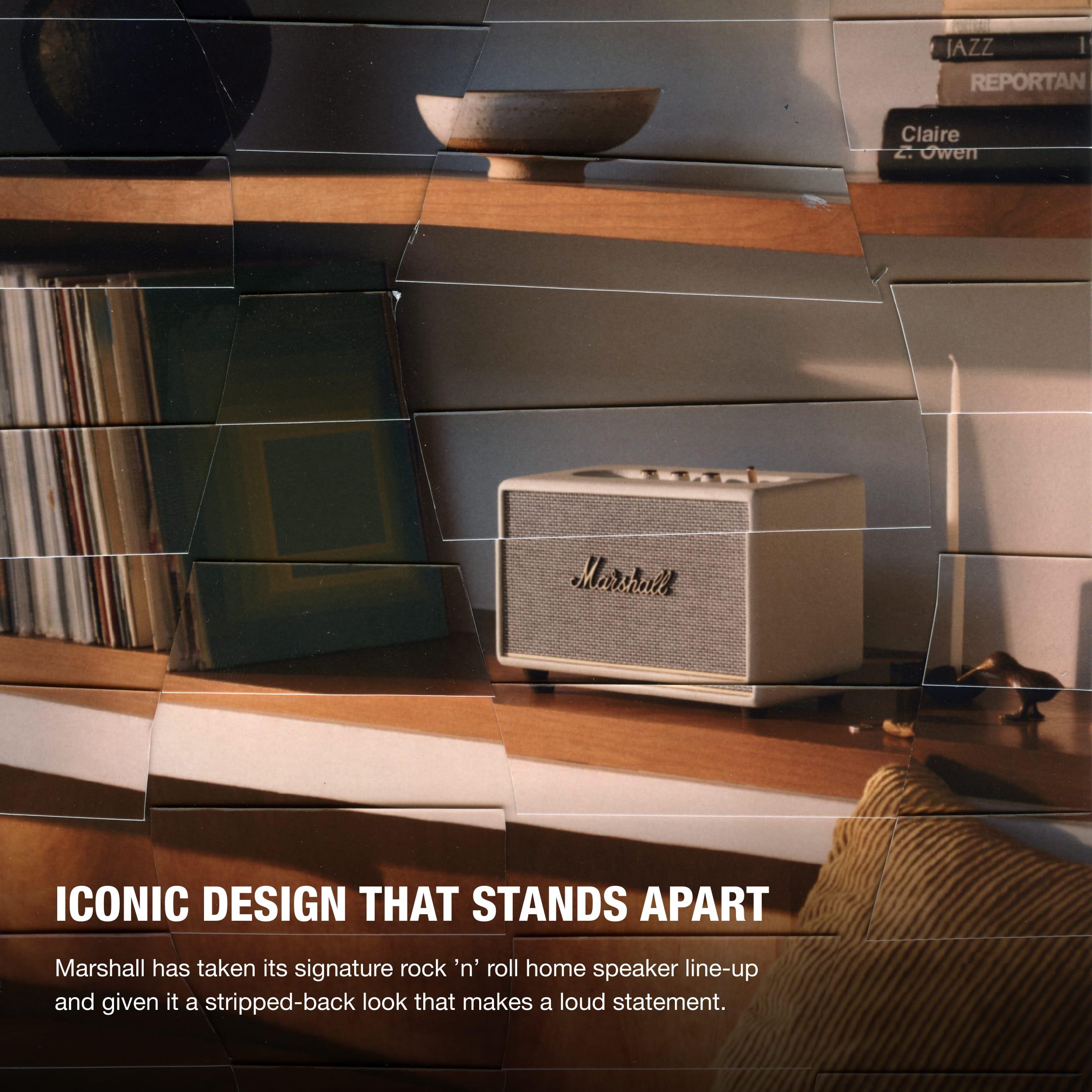
The Marshall Acton III, released in 2022, carries forward the iconic Marshall amplifier aesthetic while incorporating modern technology. Its design prioritizes sound quality and control, featuring physical knobs that give precise adjustment over volume, bass, and treble. The speaker's construction uses 70% recycled plastic and vegan materials, showing Marshall's commitment to sustainability.
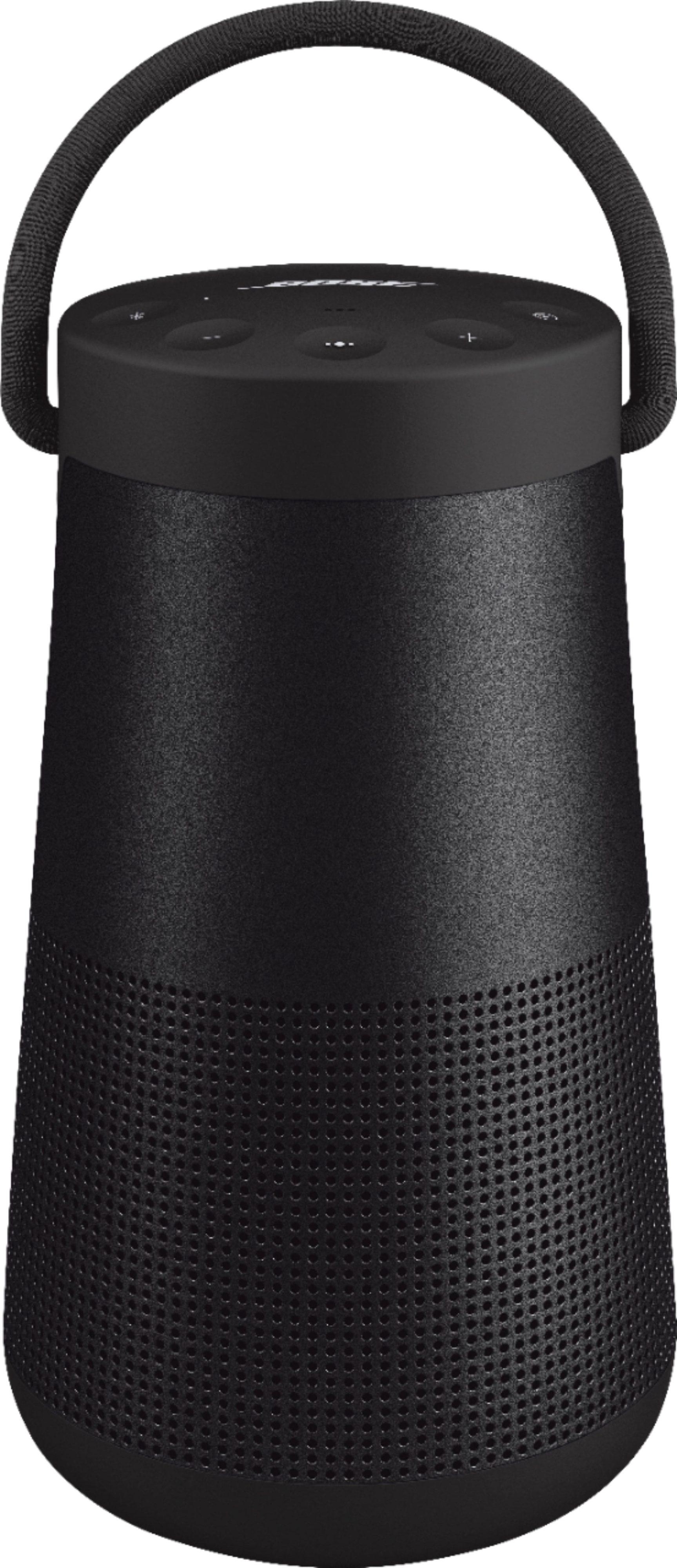
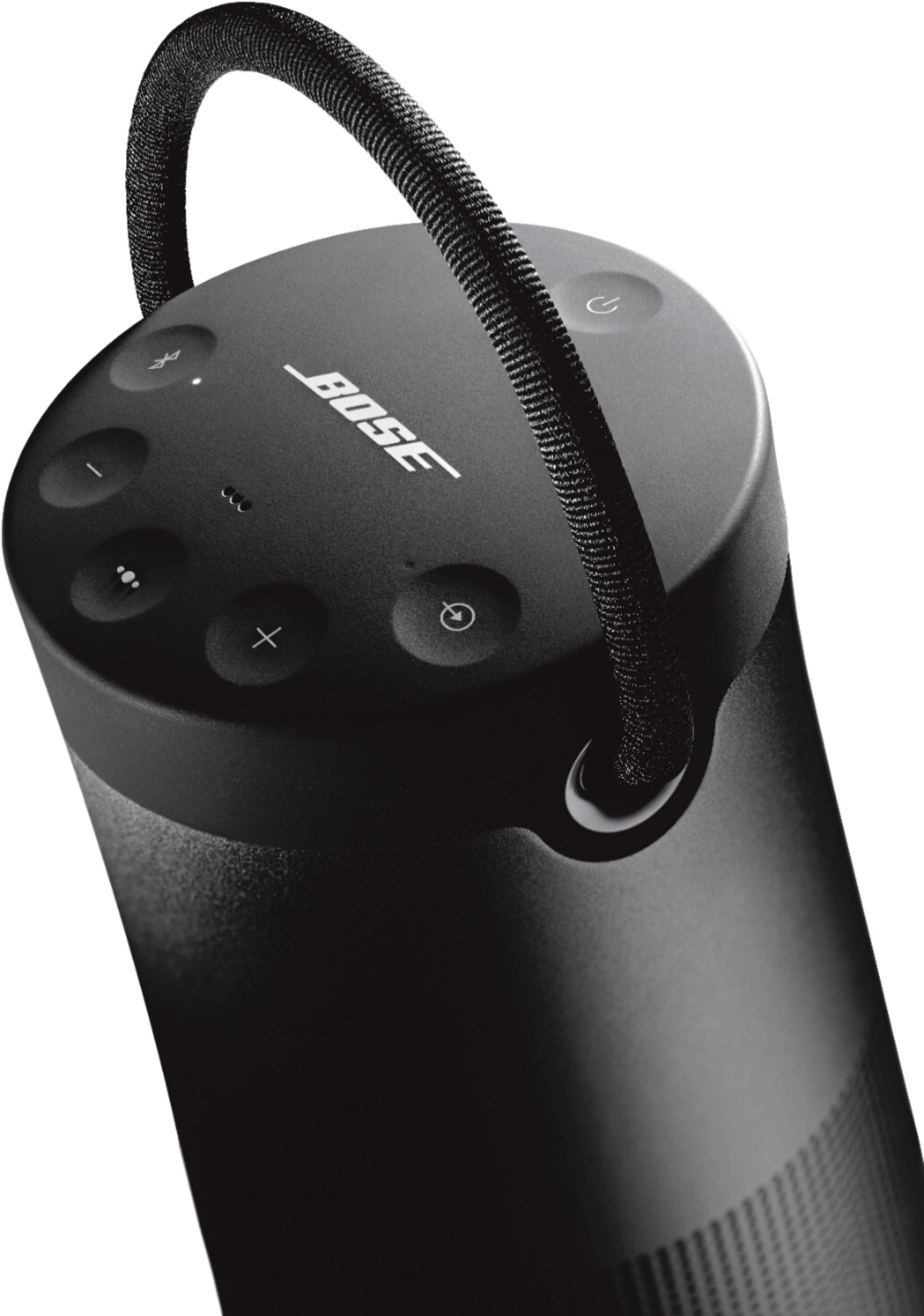
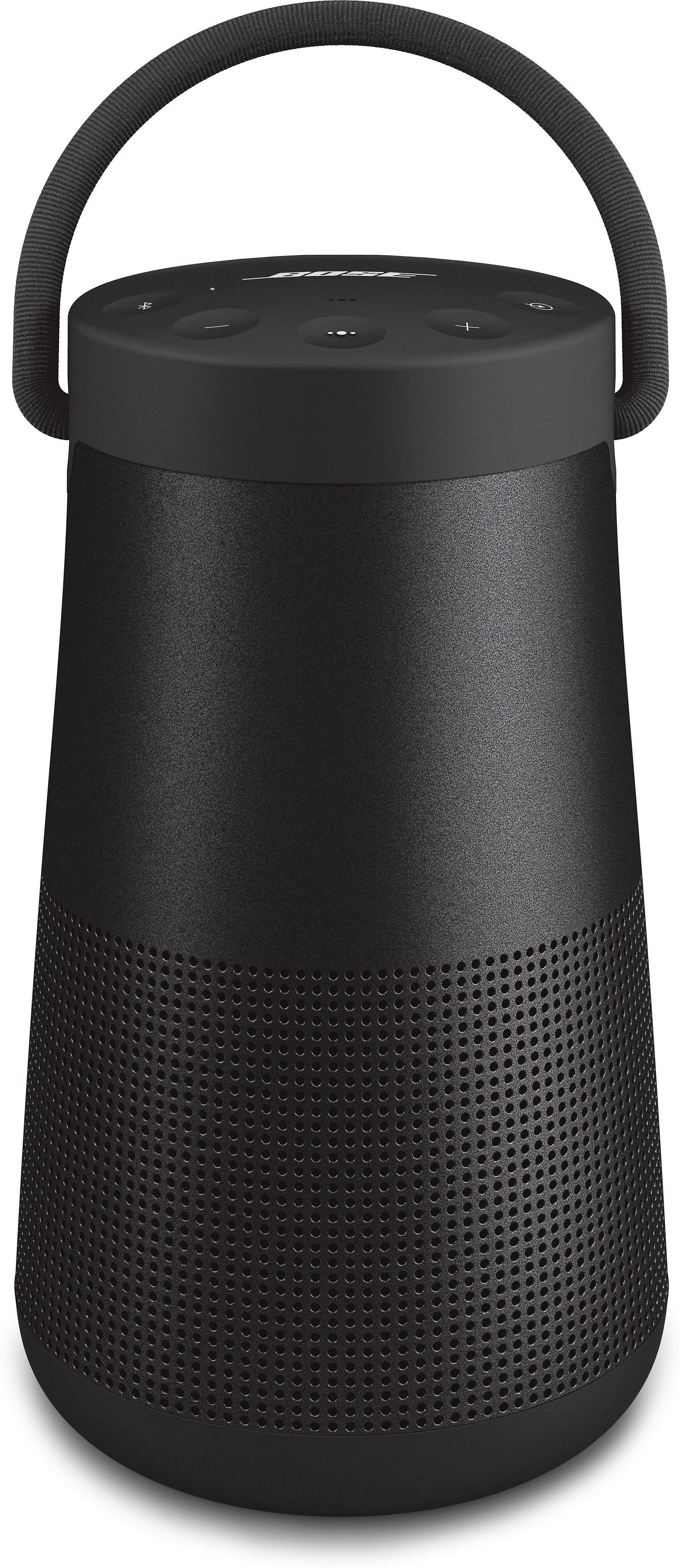
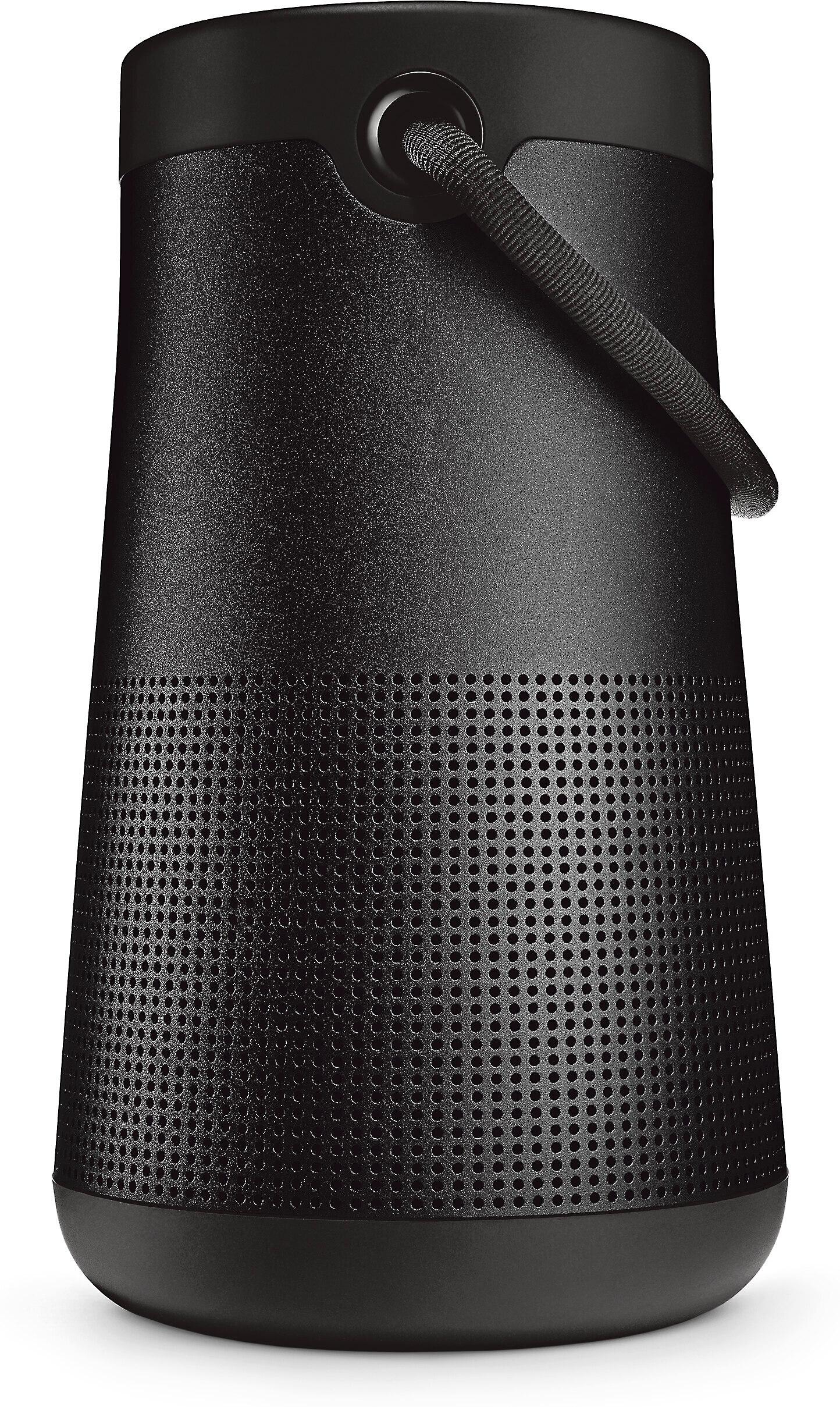
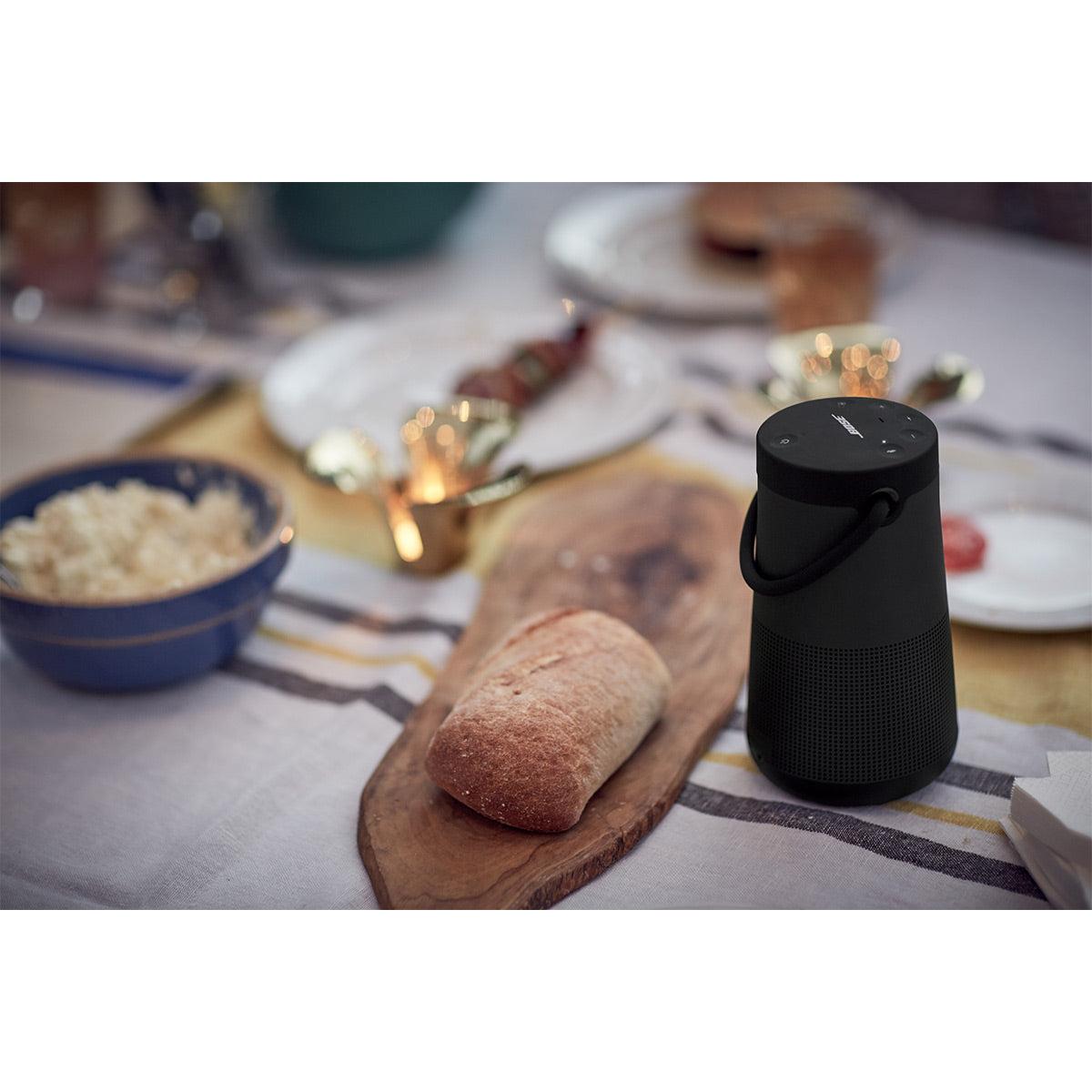
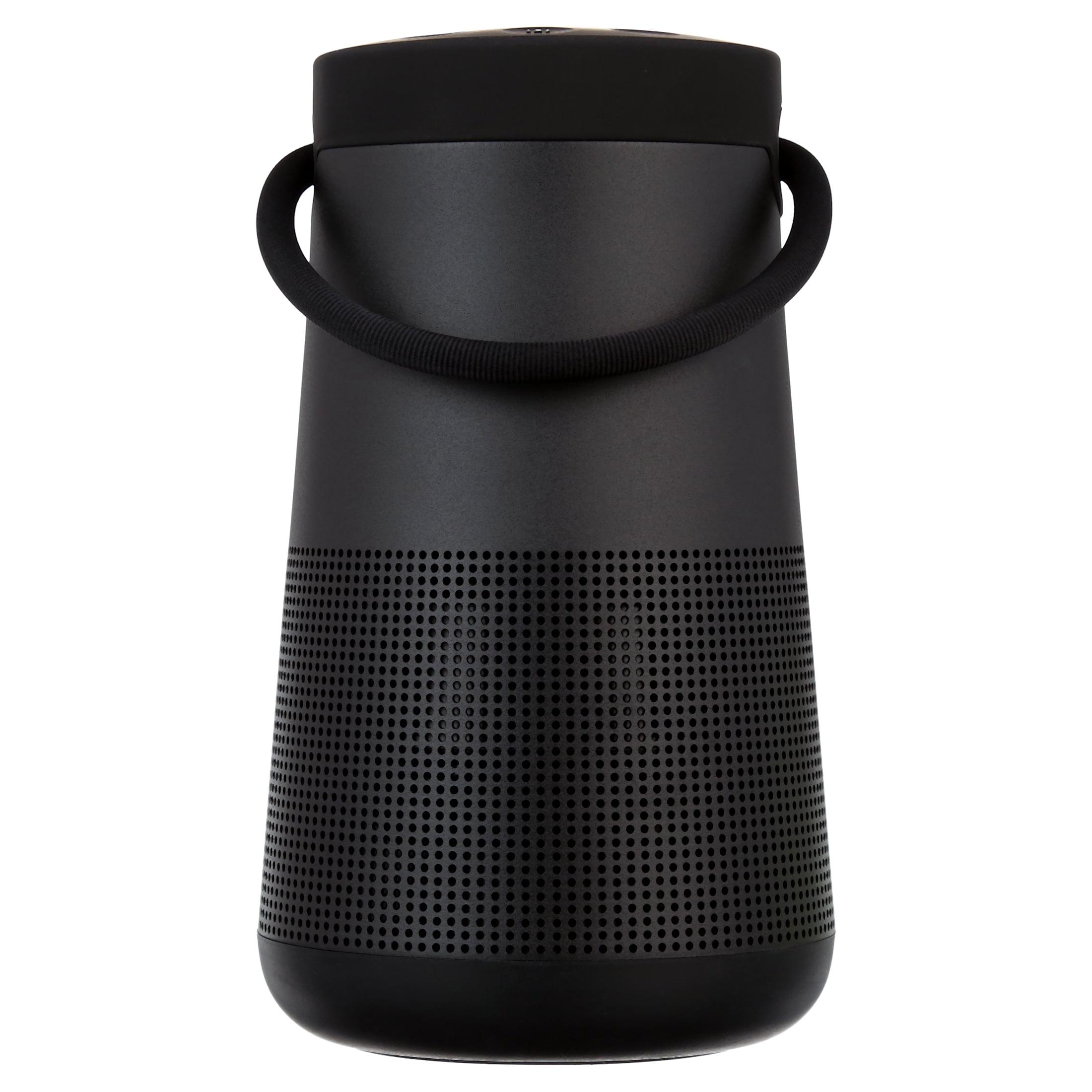
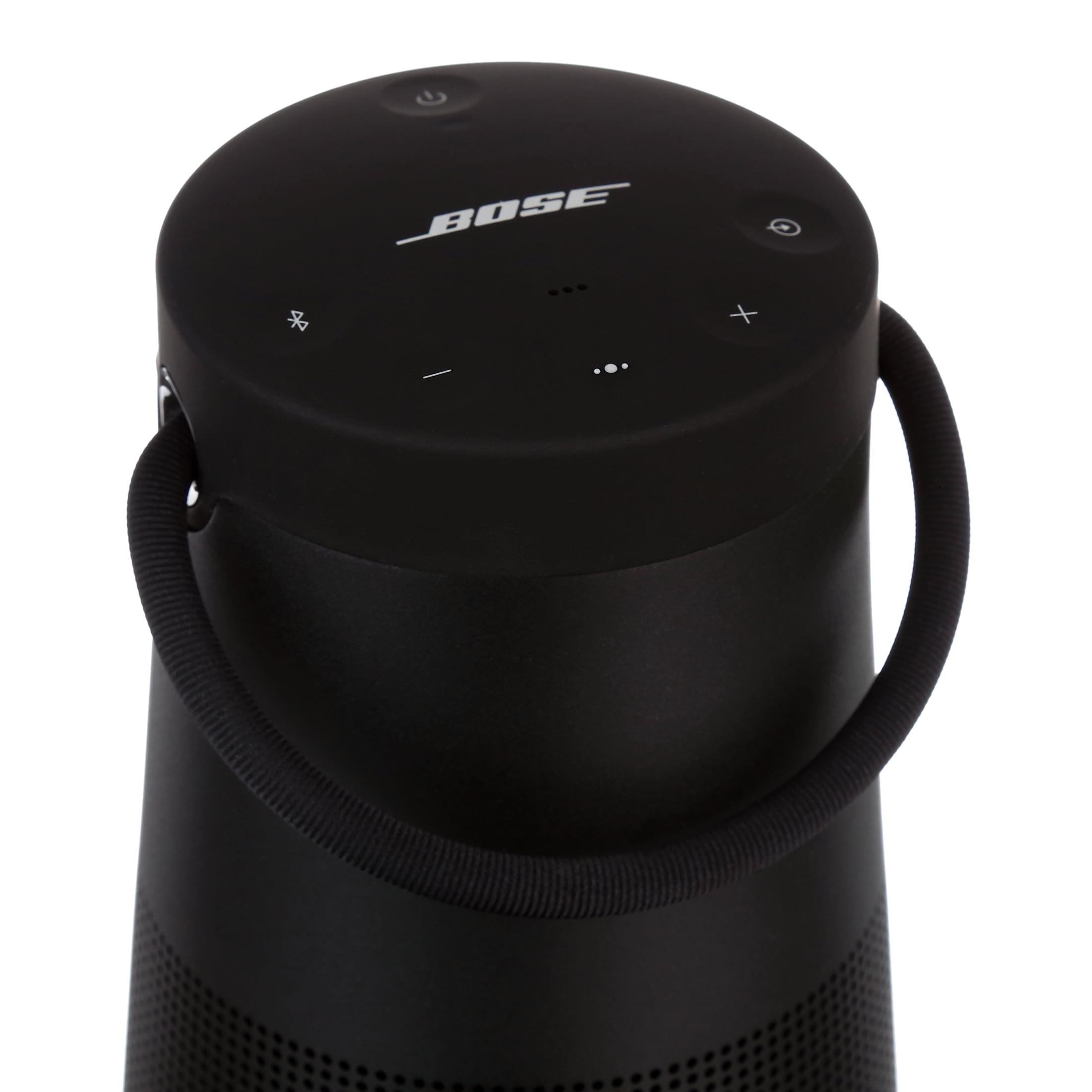
In contrast, the Bose Revolve+ II, launched in 2021, takes a more modern approach with its cylindrical design. The 360-degree sound distribution system represents Bose's solution to room-filling audio, using an omnidirectional acoustic deflector (which spreads sound evenly in all directions) and downward-firing full-range transducer (the main speaker driver).
The Acton III employs a traditional stereo setup with three dedicated amplifiers: one 30-watt amp for the woofer (bass speaker) and two 15-watt amps for the tweeters (high-frequency speakers). This configuration creates a powerful 60-watt total output that excels at reproducing both detailed highs and deep bass.
The speaker's "Dynamic Loudness" feature automatically adjusts frequency response based on volume level, ensuring balanced sound whether you're listening quietly or at full volume. This is particularly noticeable when playing bass-heavy music, where the low frequencies remain clear and controlled rather than becoming muddy or overwhelming.
Bose takes a different approach with their 360-degree sound system. While specific wattage isn't disclosed, the speaker uses dual passive radiators (speaker components that enhance bass response without requiring additional power) combined with a single full-range driver. This setup creates an immersive sound field that's consistent regardless of listener position.
The Revolve+ II excels at creating an even sound distribution, making it ideal for gatherings where people are spread throughout a space. However, it doesn't quite match the Acton III's bass response or maximum volume capabilities.
The Marshall Acton III features Bluetooth 5.2, the latest standard at its release, providing improved range and stability compared to earlier versions. This means fewer dropouts and better audio synchronization, especially noticeable when watching videos or gaming.
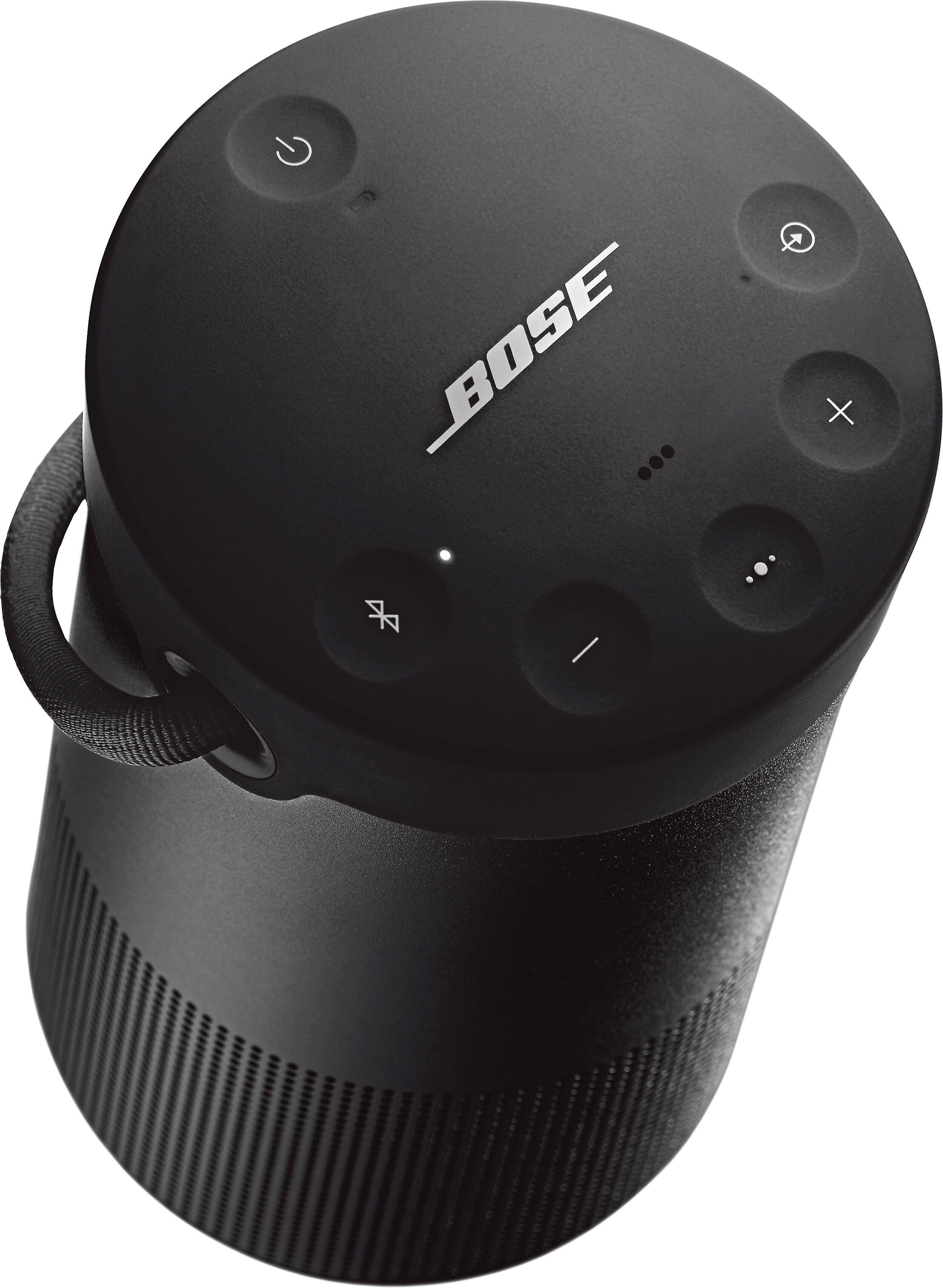
The Bose Revolve+ II uses Bluetooth 4.2 but adds NFC (Near Field Communication) for quick pairing with compatible devices. It also supports multi-point connection, allowing two devices to remain connected simultaneously - useful for households where multiple people want to control the music.
While neither speaker is specifically designed for home theater use, the Marshall Acton III's superior power output and stereo separation make it the better choice for enhancing TV audio. Its 3.5mm input allows direct connection to most TVs, though it lacks optical input or HDMI connectivity.
The Bose Revolve+ II clearly wins in portability. Its IP55 rating means it's protected against dust and water splashes, making it suitable for outdoor use. The 17-hour battery life and built-in handle make it perfect for picnics, beach trips, or moving from room to room.
When considering value, we need to look beyond pure price comparison. The Marshall Acton III's higher price point ($279) delivers superior sound quality and power, plus the latest Bluetooth technology. It's a better value for users prioritizing audio performance in a fixed location.
The Bose Revolve+ II, despite its lower price ($229), offers greater versatility through its portable design and weather resistance. The value proposition here centers on flexibility and ease of use rather than pure audio performance.
In testing, the Marshall consistently delivers more impactful sound, especially noticeable with genres like rock, hip-hop, or electronic music where bass response matters. The physical controls provide a satisfying way to dial in exactly the sound you want.
The Bose shines in social settings, where its 360-degree sound coverage ensures everyone gets the same listening experience. It's particularly effective for podcasts and acoustic music, where clarity and even distribution matter more than raw power.
Consider these key factors when making your choice:
In conclusion, both the Marshall Acton III and Bose Revolve+ II excel in their intended use cases. The Marshall delivers superior audio performance for dedicated home use, while the Bose offers unmatched portability and versatility. Your choice should align with how and where you'll most often use the speaker, rather than purely focusing on price or specifications.
| Marshall Acton III ($279) | Bose SoundLink Revolve+ II ($229) |
|---|---|
| Power Output - Determines maximum volume and sound clarity | |
| 60W total (30W woofer + 2x15W tweeters) | Not disclosed, single full-range driver |
| Sound Distribution - Affects how sound fills the room | |
| Traditional directional stereo | 360-degree omnidirectional coverage |
| Connectivity - Latest standards provide better range and stability | |
| Bluetooth 5.2, 3.5mm aux input | Bluetooth 4.2, NFC pairing, 3.5mm aux input |
| Portability - Consider where you'll use the speaker | |
| AC power only, 6.28 lbs, stationary design | 17-hour battery, 2 lbs, built-in handle |
| Environmental Protection - Important for outdoor use | |
| No water resistance | IP55 water and dust resistant |
| Physical Controls - Affects ease of use | |
| Analog knobs for volume, bass, treble | Digital buttons, voice prompts |
| Build Quality and Materials - Impacts durability and sustainability | |
| 70% recycled plastic, vegan materials | Aluminum body, fabric handle |
| Size - Consider your available space | |
| 10.24 x 6.69 x 5.91 inches | 7.25 x 4.13 x 4.13 inches |
| Multi-Speaker Features - Expands usage options | |
| No multi-speaker pairing | Party Mode and Stereo Mode available |
| Additional Features - Extra functionality | |
| Dynamic Loudness, app control | Voice assistant support, NFC pairing |
The Marshall Acton III ($279) is better for dedicated home use due to its superior 60W power output and traditional stereo sound. The Bose Revolve+ II ($229) is more versatile but doesn't match the Marshall's room-filling sound quality.
The Marshall Acton III delivers better overall sound quality with more powerful bass and clearer highs thanks to its dedicated woofer and tweeters. The Bose Revolve+ II offers more balanced, omnidirectional sound but with less impact.
The Bose Revolve+ II is designed for outdoor use with IP55 water resistance and battery power. The Marshall Acton III requires AC power and isn't water-resistant, making it unsuitable for outdoor use.
The Bose Revolve+ II is significantly more portable at 2 lbs with a built-in handle and 17-hour battery life. The Marshall Acton III is a stationary speaker requiring constant power connection.
The Marshall Acton III features newer Bluetooth 5.2 technology for better range and stability, while the Bose Revolve+ II uses Bluetooth 4.2 but adds NFC pairing capability.
Both speakers can connect to TVs via 3.5mm auxiliary input, but neither offers advanced TV connectivity like HDMI or optical inputs. The Marshall Acton III provides better TV sound due to its higher power output.
The Bose Revolve+ II is better for parties due to its 360-degree sound coverage and portability. It also offers Party Mode when paired with a second unit. The Marshall Acton III provides louder volume but from a fixed position.
The Marshall Acton III is priced higher at $279 but offers better sound quality. The Bose Revolve+ II costs $229 and provides more versatility with its portable design and weather resistance.
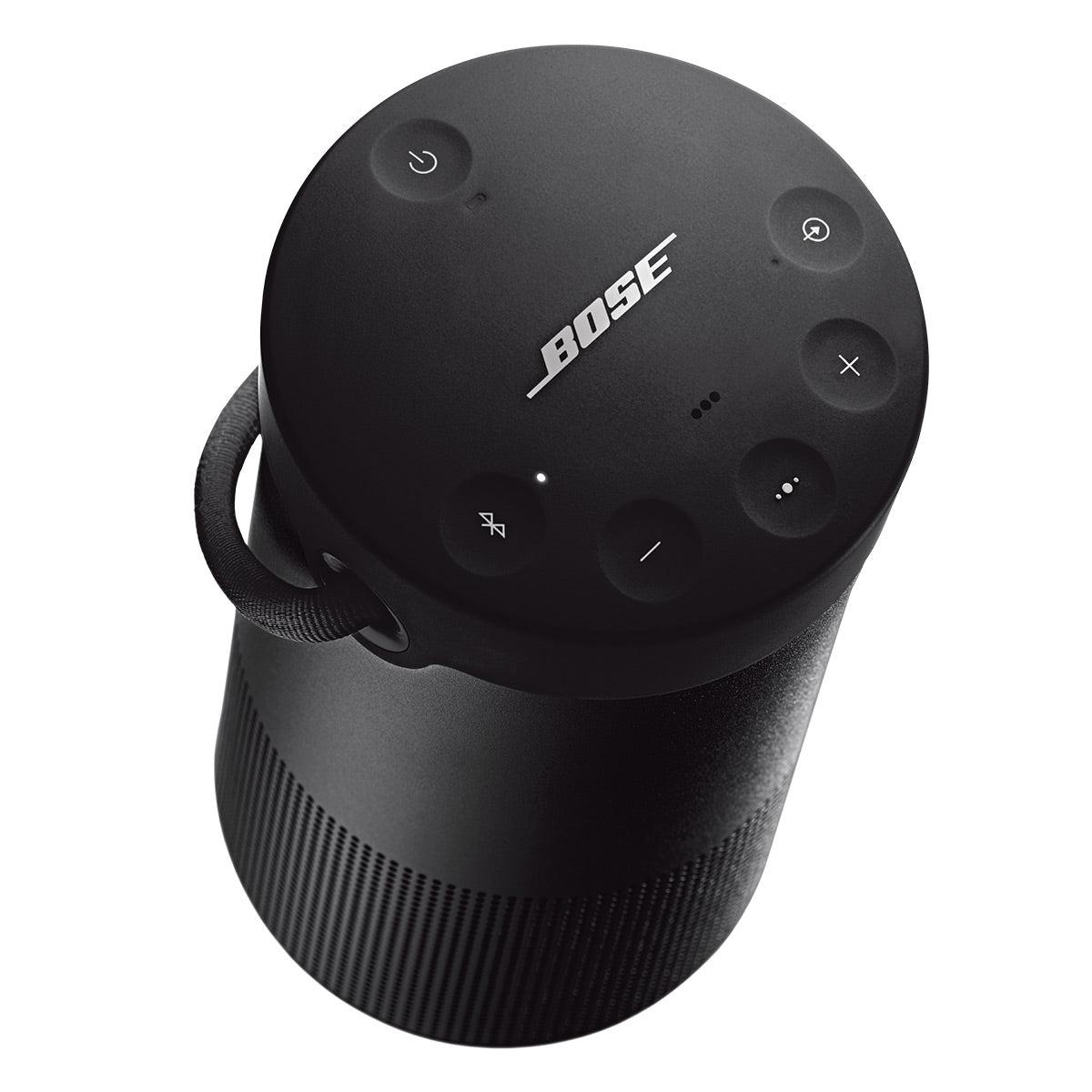
The Marshall Acton III features intuitive analog knobs for volume, bass, and treble control. The Bose Revolve+ II uses digital buttons and voice prompts, which some users find less precise.
The Bose Revolve+ II can be paired with another unit for stereo or party mode. The Marshall Acton III doesn't offer multi-speaker pairing capabilities.
The Marshall Acton III is built for longevity as a permanent home speaker, while the Bose Revolve+ II battery lasts 17 hours per charge and is designed for portable use.
The Bose Revolve+ II has a smaller footprint and its 360-degree sound works well in small spaces. The Marshall Acton III is larger but provides more powerful sound if space permits.
We've done our best to create useful and informative comparisons to help you decide what product to buy. Our research uses advanced automated methods to create this comparison and perfection is not possible - please contact us for corrections or questions. These are the sites we've researched in the creation of this article: bestbuy.com - youtube.com - bestbuy.com - pocket-lint.com - bestbuy.com - crutchfield.com - premiumsound.com.au - marshall.com - 2001audiovideo.com - youtube.com - t3.com - bestbuy.com - youtube.com - rtings.com - dxomark.com - youtube.com - bestbuy.com - techradar.com - bhphotovideo.com - boselatam.com - nfm.com - bose.com - support.bose.com - bose.com - abt.com - bose.com

Privacy Policy
Terms and Conditions - Affiliate Policy
Home Security
© Copyright 2008-2026.
11816 Inwood Rd #1211, Dallas, TX 75244