

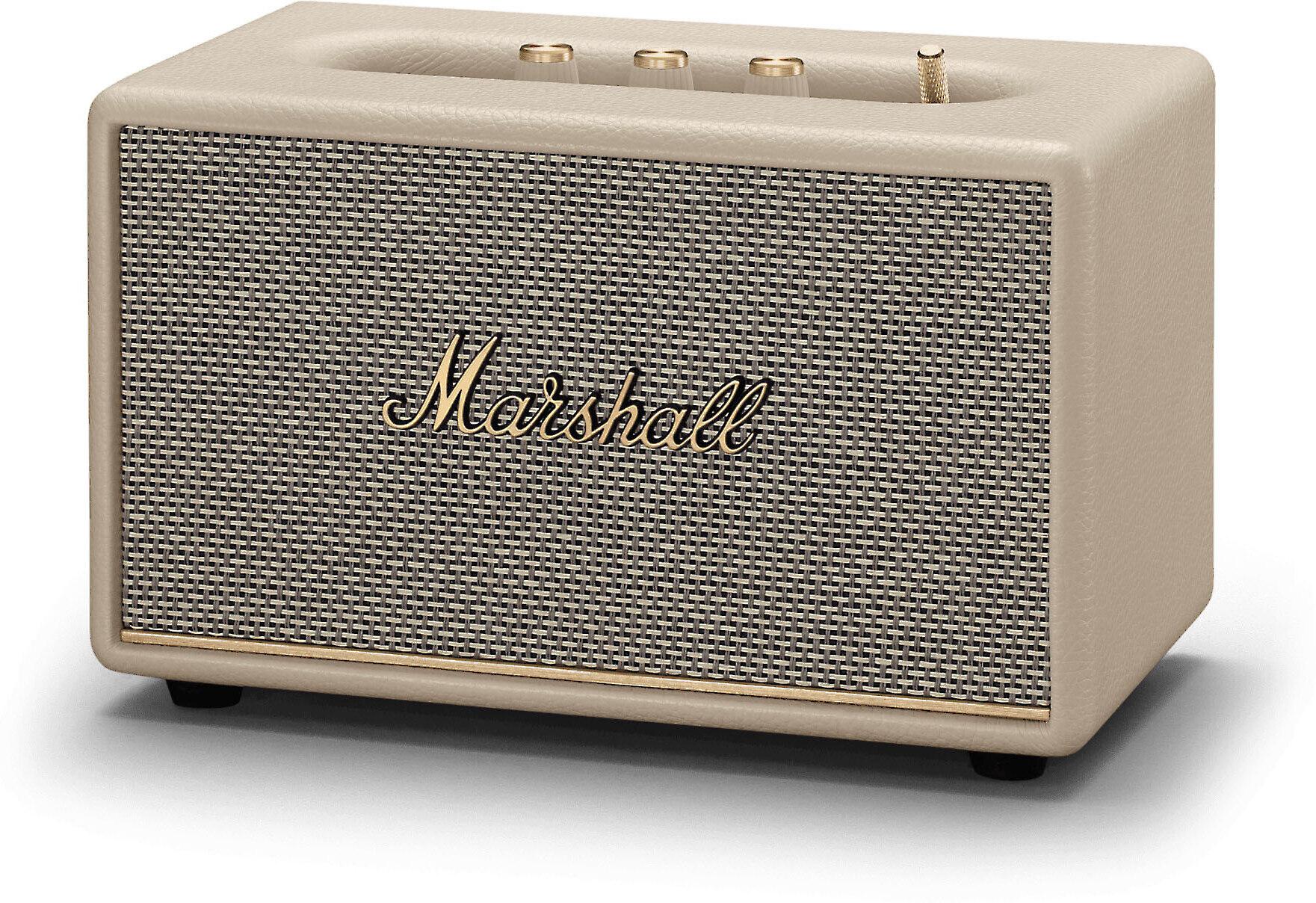
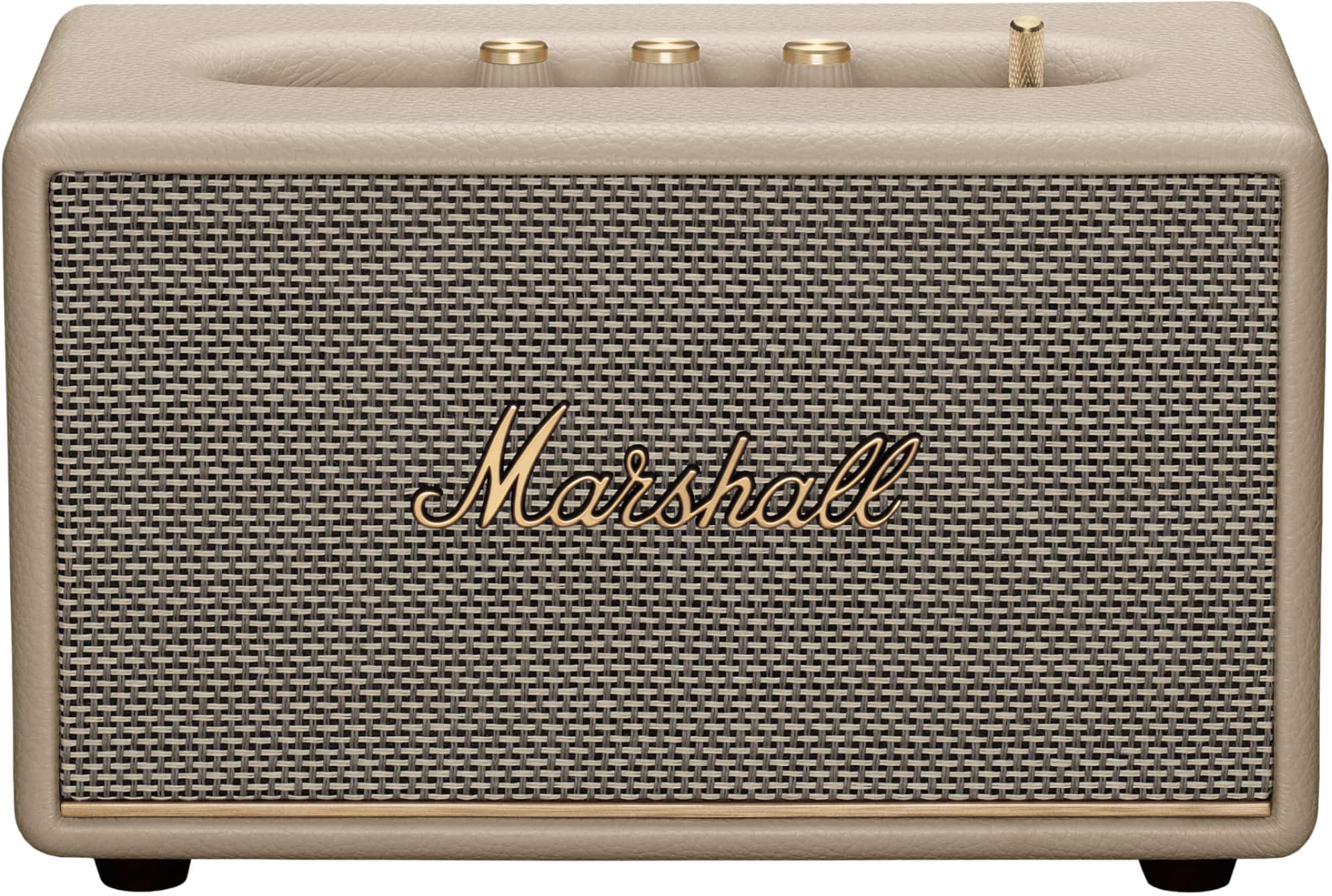
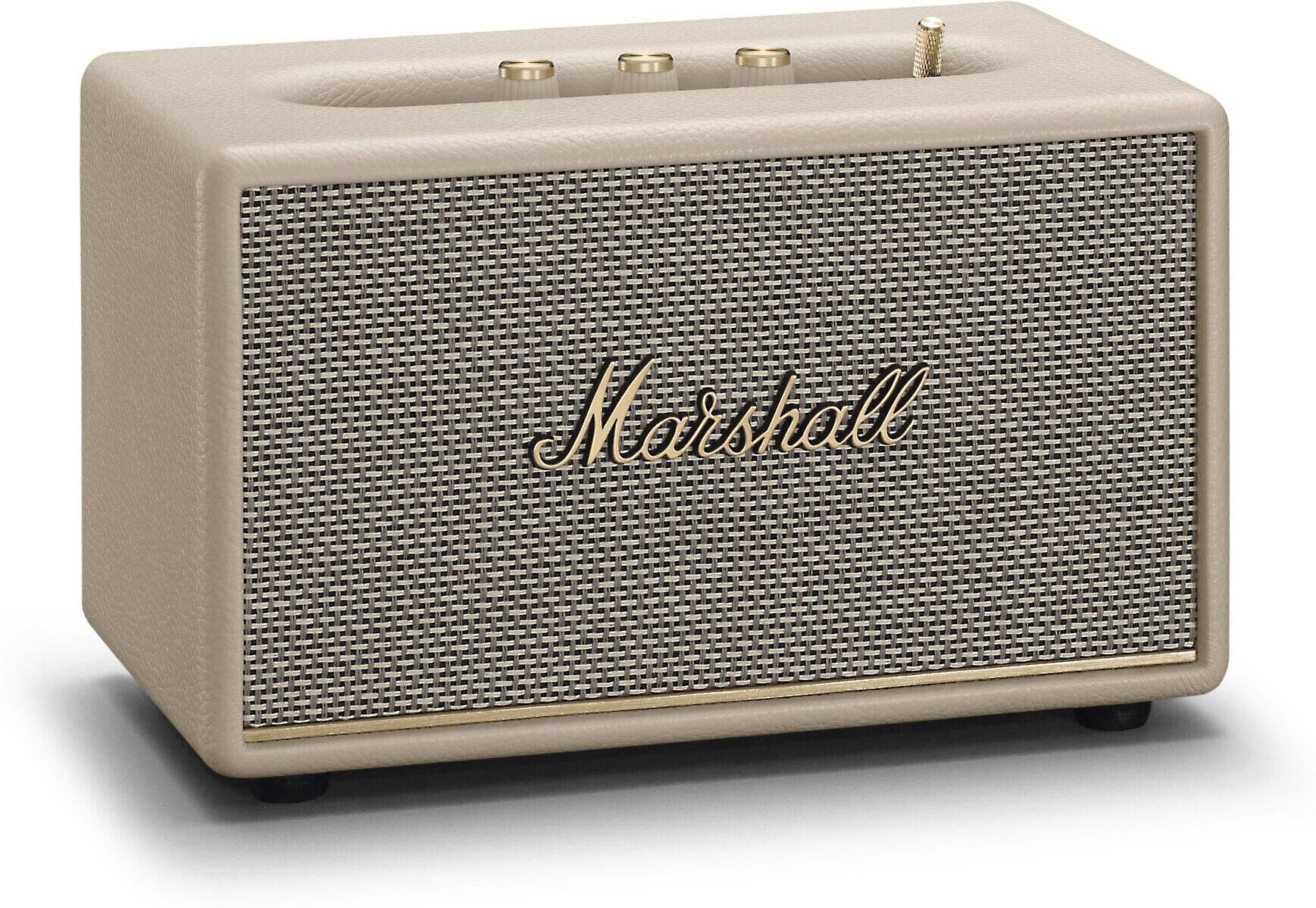

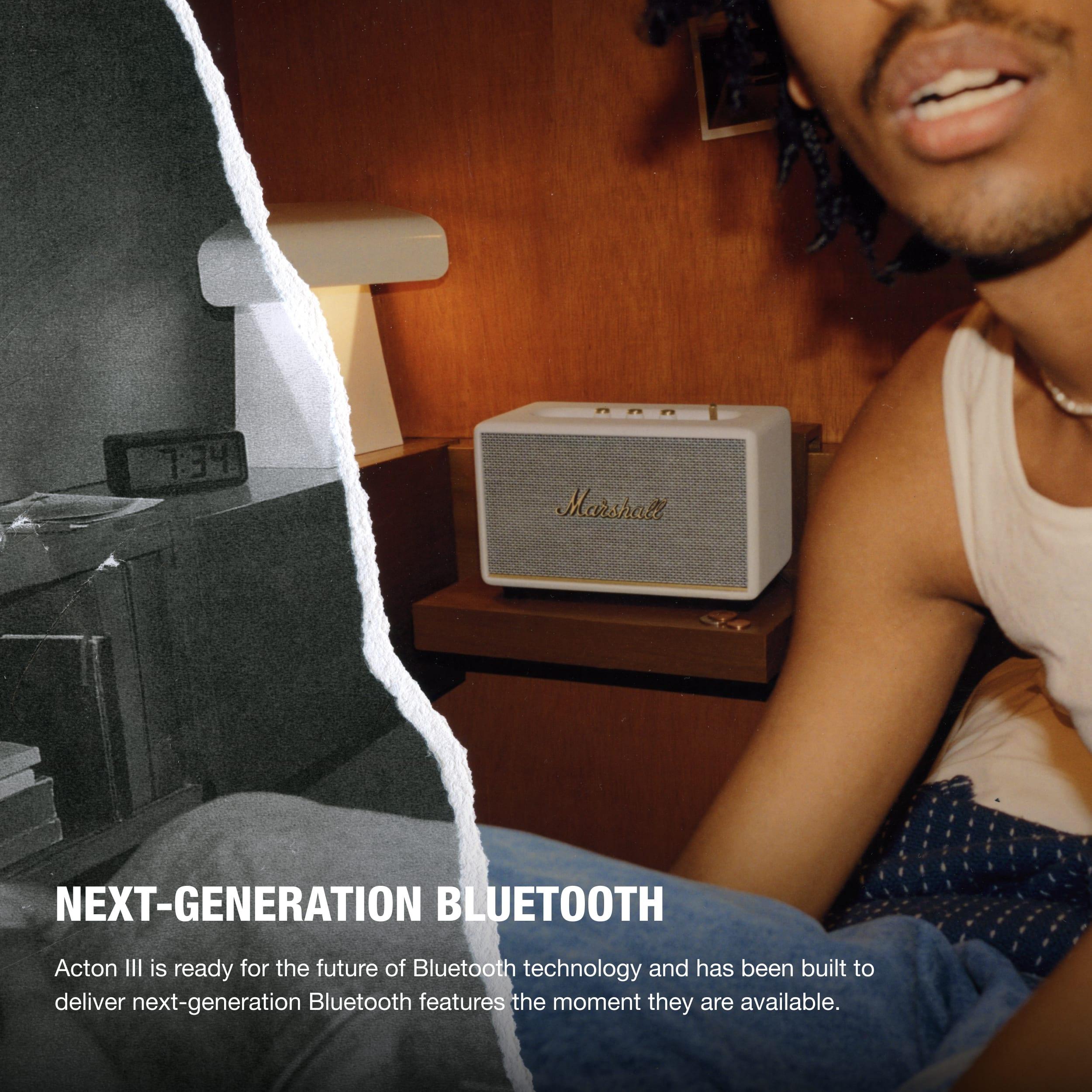
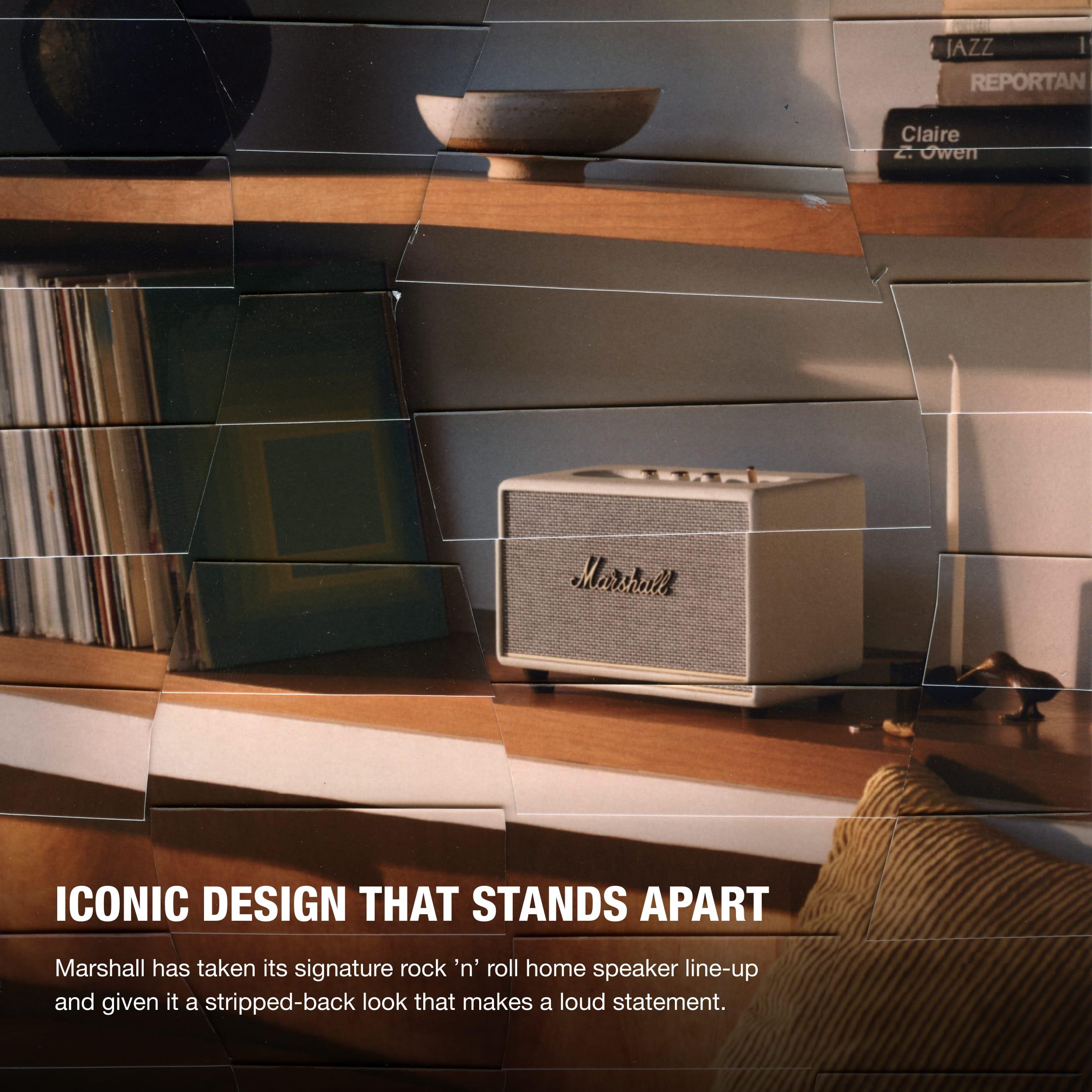
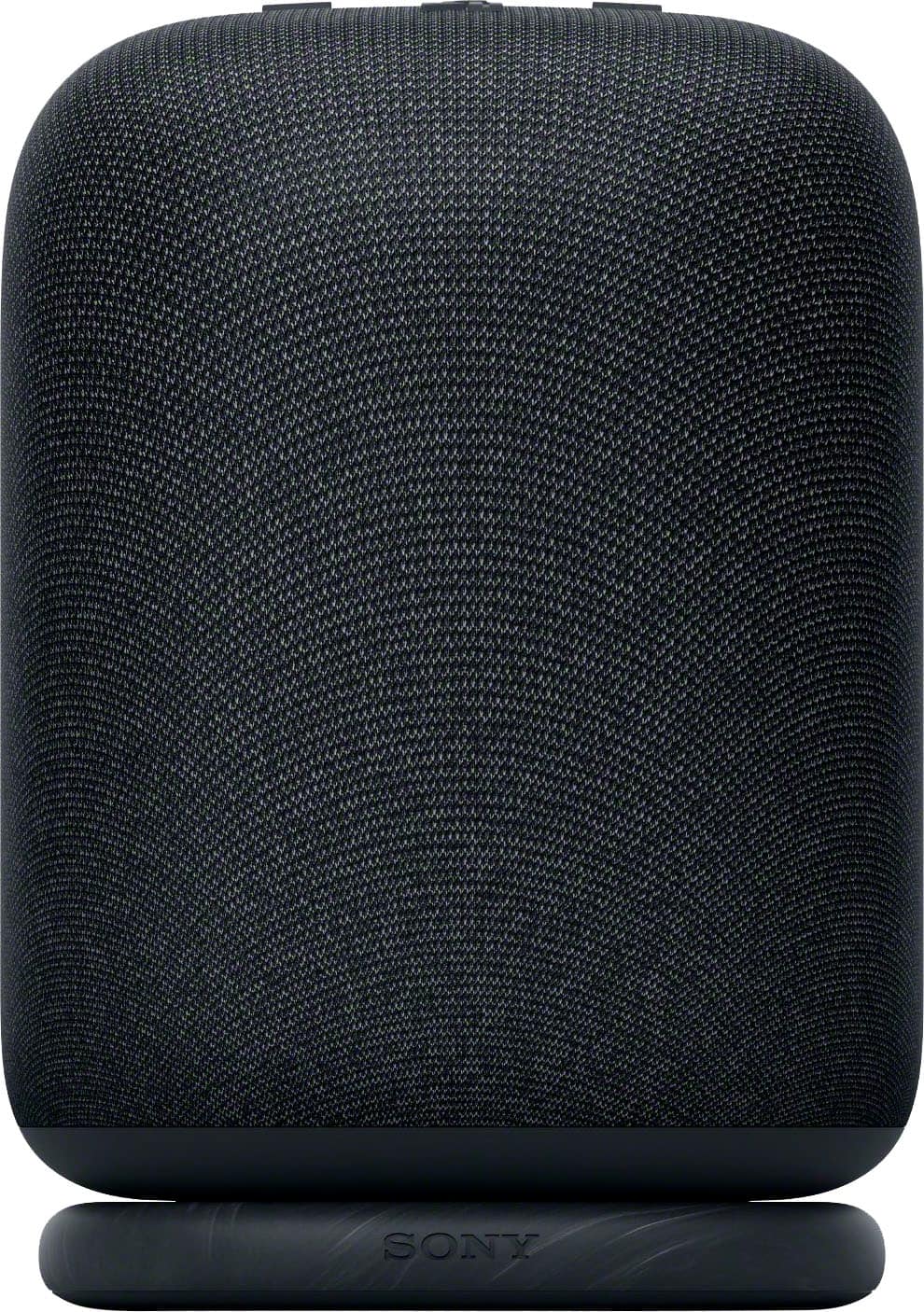

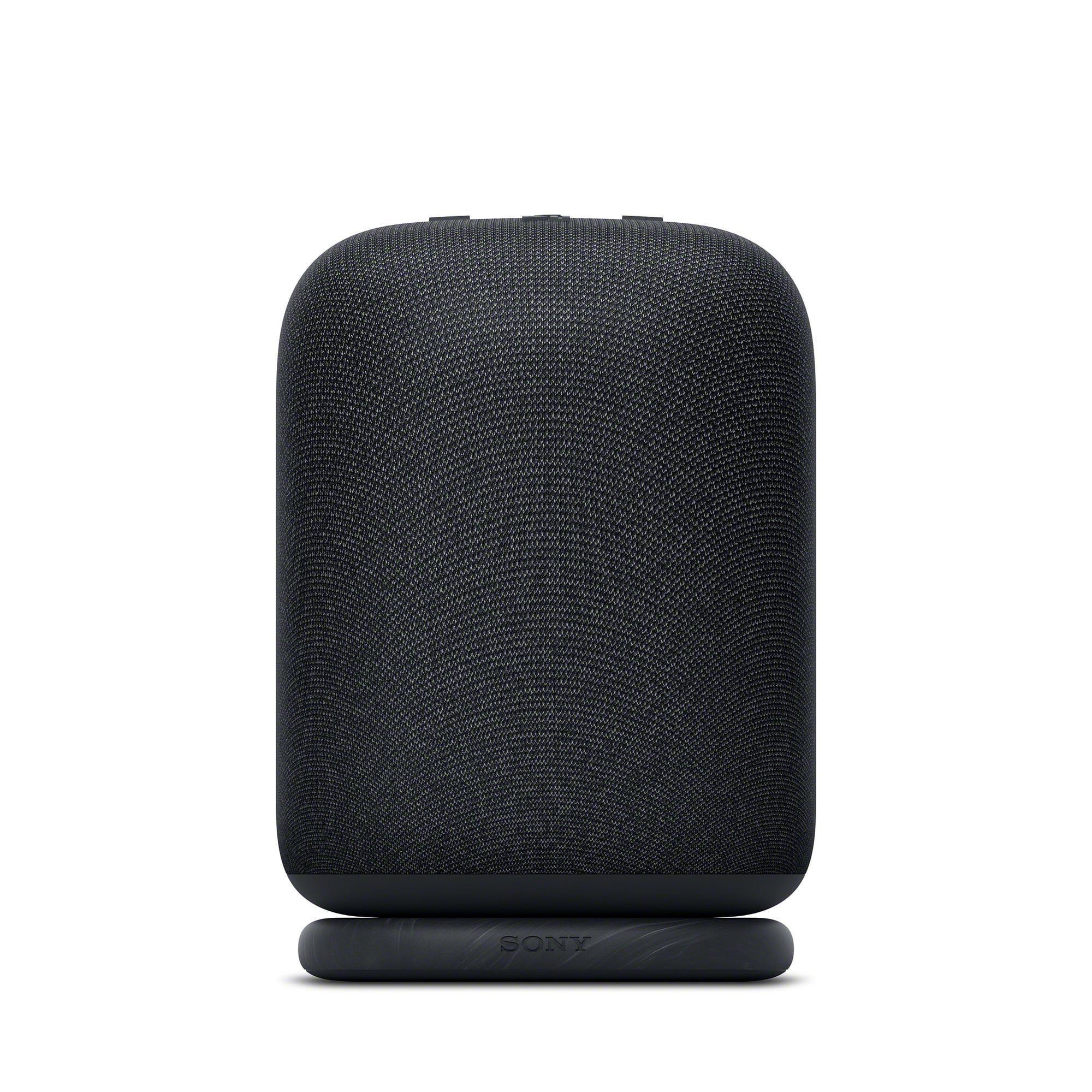


When it comes to home audio in 2024, we're seeing an interesting divide between traditional high-quality speakers and more flexible modern solutions. Let's dive deep into two popular but very different approaches - the Marshall Acton III ($279) and the Sony LinkBuds Speaker ($179).
The audio landscape has changed dramatically in recent years. While traditional speakers focused purely on sound quality, modern devices need to balance audio performance with features like portability and smart connectivity. Both these products, released in 2022, represent different philosophies in addressing these needs.
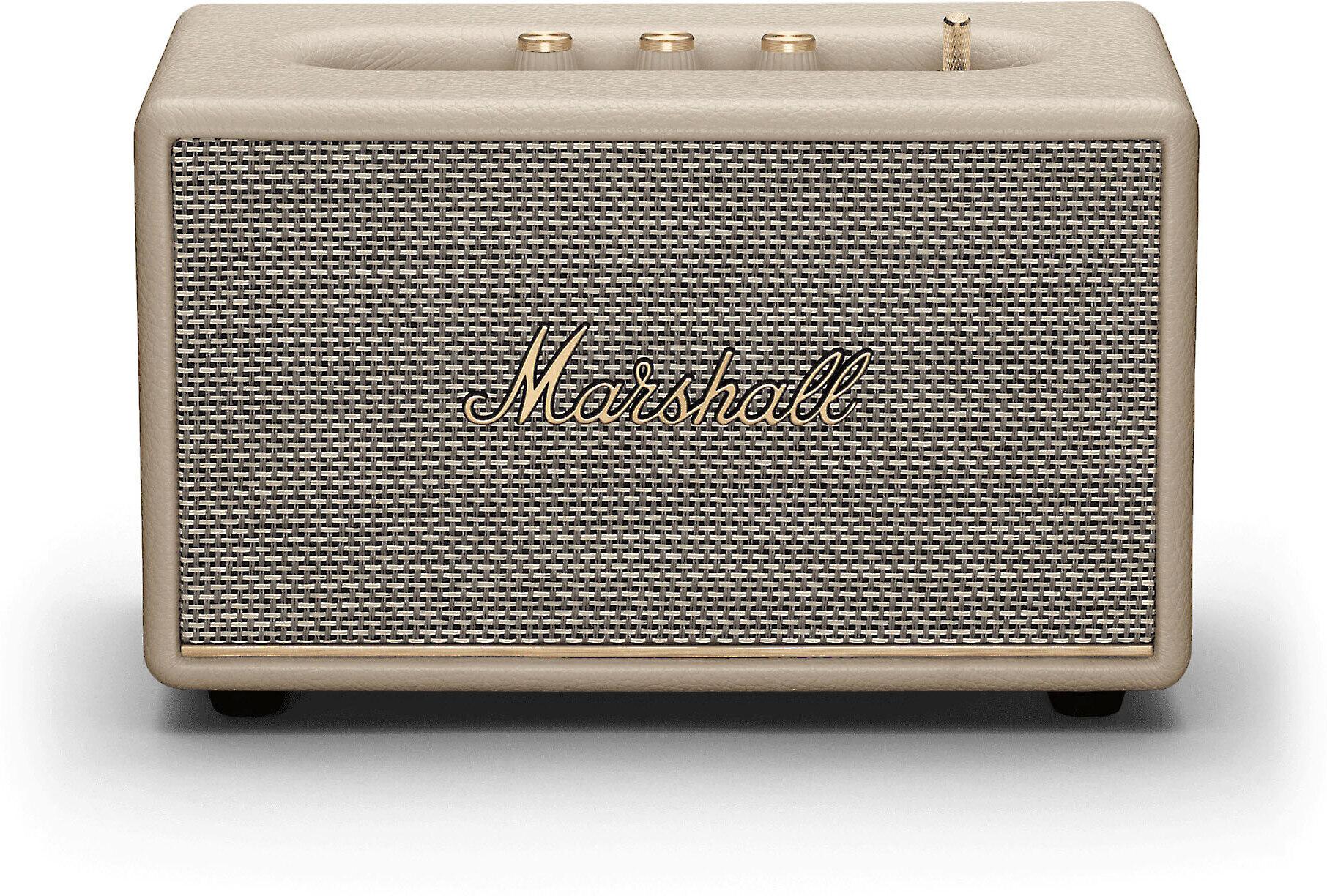
The Marshall Acton III follows the traditional path - it's a powerful, mains-powered speaker that prioritizes sound quality and classic aesthetics. Think of it as a mini version of those iconic Marshall guitar amps you've seen on stage. On the flip side, the Sony LinkBuds represents the modern, flexible approach - portable, water-resistant, and ready to move with you.
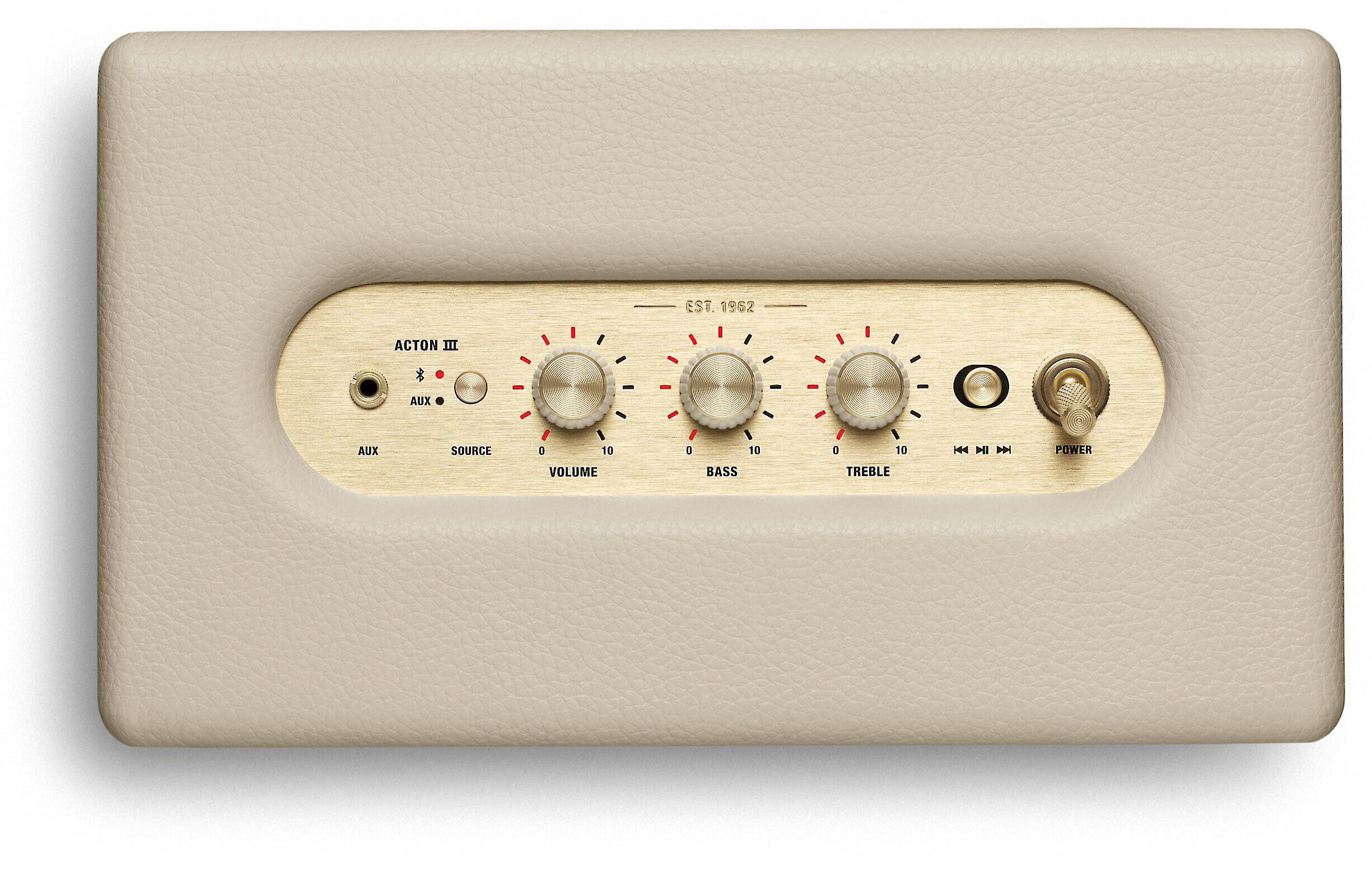
The Marshall packs serious audio hardware into its compact frame. With 60 watts of total power (that's more than many TV soundbars), split between a 30W woofer and two 15W tweeters, it creates what audio engineers call a 2.1 system. The woofer handles your bass frequencies, while the tweeters deliver crisp highs.
What makes this setup special is the "Dynamic Loudness" feature. It's like having a smart sound engineer constantly adjusting your music - at low volumes, it boosts certain frequencies to maintain balance, while at high volumes, it keeps everything controlled and clear.
The Sony takes a different approach, using a single full-range driver with passive radiators. While it can't match the raw power of the Marshall, it's engineered for balanced sound in various environments. The built-in Sound Diffusion Processor helps create a wider soundstage than you'd expect from a portable speaker.
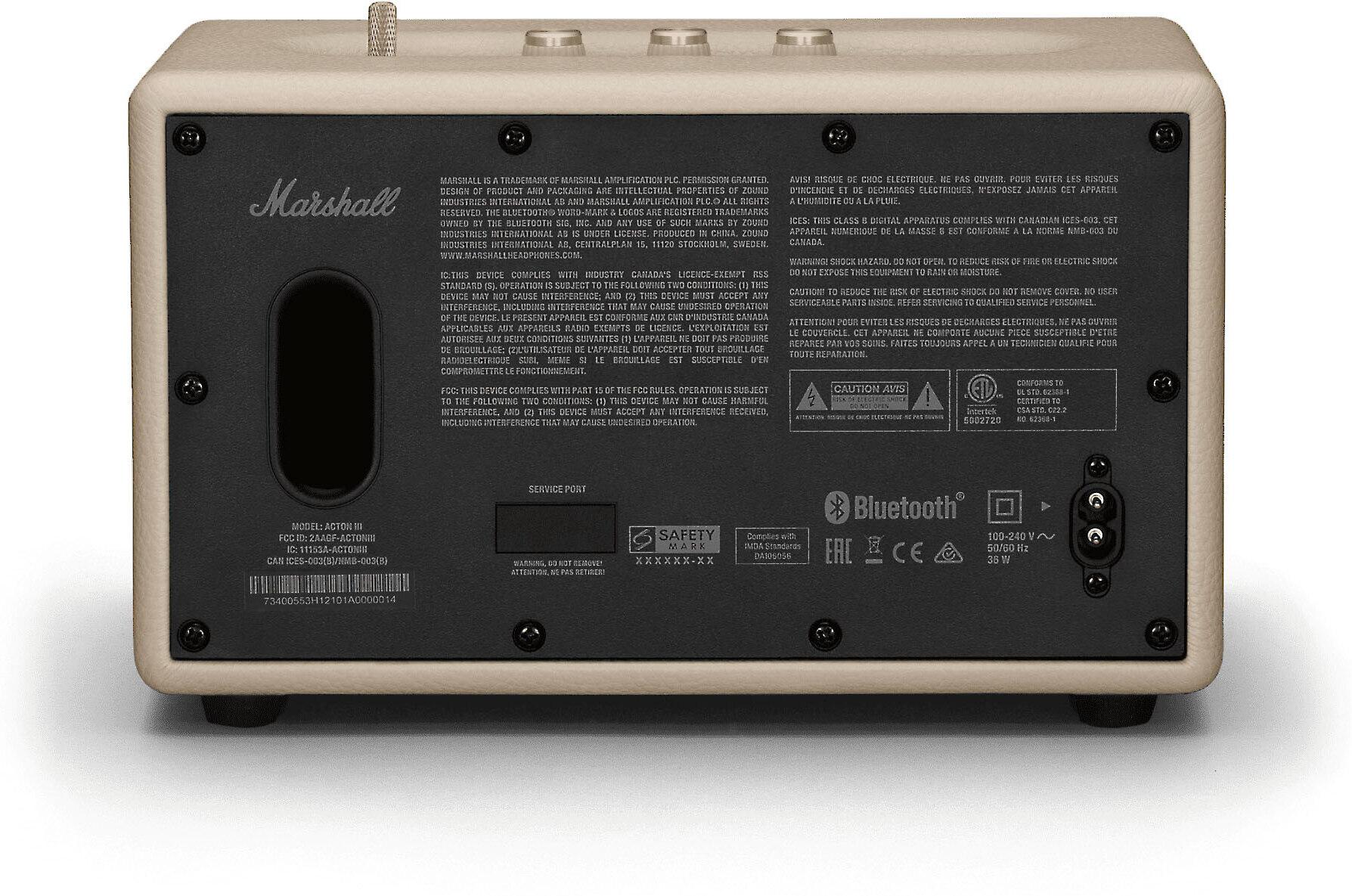
If you're thinking about home theater use, the Marshall Acton III has some clear advantages. Its 3.5mm input means you can connect it directly to your TV or streaming device, and the powerful output makes it suitable for movie watching. However, it lacks modern features like HDMI-ARC or optical inputs that you'd find on dedicated soundbars.
Here's where the differences really matter:
The Marshall excels at:
The Sony shines when:
Since its 2022 release, the Acton III has received several firmware updates improving its Placement Compensation feature. This clever bit of tech uses digital signal processing (DSP) to adjust the sound based on nearby walls or surfaces - think of it as automatic room correction.
The LinkBuds' multipoint connection feature is particularly impressive - it can maintain active connections with two devices simultaneously and intelligently switch between them. Combined with fast-pair technology for both Android and Windows devices, it's clear Sony prioritized convenience and flexibility.
When considering value, we need to look beyond just the price difference. The Marshall Acton III at $279 represents an investment in sound quality and style. It's a permanent solution that should last many years, though it's limited to where you can plug it in.
The Sony LinkBuds at $179 offers more flexibility but makes some compromises on pure audio quality. However, its portability and water resistance mean you'll likely find more opportunities to use it.
The Marshall requires constant power but never needs charging. The Sony offers impressive 25-hour battery life and quick charging - 10 minutes gets you 70 minutes of playback. This difference fundamentally affects how you'll use each device.
Consider your primary use case:
Choose the Marshall Acton III if:
Go for the Sony LinkBuds if:
Both these devices highlight interesting trends in audio technology. The Marshall shows how traditional audio companies are adapting to the digital age while maintaining their heritage. The Sony demonstrates how modern speakers are becoming more versatile and user-friendly.
In 2024, choosing between the Marshall Acton III and Sony LinkBuds really comes down to your priorities. The Marshall offers superior sound quality and classic appeal, while the Sony provides modern flexibility and features. Neither is objectively "better" - they're just designed for different needs.
Remember that great sound can come in many forms, and the best speaker is the one that fits your lifestyle and listening habits. Whether you choose the room-filling power of the Marshall or the go-anywhere convenience of the Sony, both represent solid choices in their respective categories.
| Marshall Acton III ($279) | Sony LinkBuds Speaker ($179) |
|---|---|
| Total Power Output - Determines maximum volume and sound quality | |
| 60W total (30W woofer + 2x15W tweeters) | Single driver (power not specified) |
| Sound Architecture - Impacts audio clarity and bass response | |
| 2.1 system with dedicated woofer and tweeters | Single full-range driver with passive radiators |
| Connectivity - Affects how you can use the speaker | |
| Bluetooth 5.2 + 3.5mm aux input | Bluetooth 5.2 with multipoint connection |
| Portability - Determines where you can use it | |
| Mains-powered only, no battery | 25-hour battery life, portable design |
| Water Resistance - Important for versatile usage | |
| None | IPX4 (splash resistant) |
| Sound Customization - Allows tailoring to your preferences | |
| Physical bass/treble controls + app EQ | App-based EQ control |
| Special Features - Adds value beyond basic audio | |
| Dynamic Loudness, Placement Compensation | Auto Switch, Quick Access, multipoint connection |
| Size and Weight - Affects placement options | |
| 10.24 x 6.69 x 5.91 in, 6.28 lb | 1.69 x 2.36 x 1.09 in, 1.23 oz |
| Frequency Response - Range of sounds speaker can produce | |
| 45-20,000 Hz (deeper bass) | 20-20,000 Hz (standard range) |
| Build Quality and Design - Impacts durability and aesthetics | |
| Premium materials, classic Marshall design | Modern compact design, durable build |
| Value Proposition - What you get for the money | |
| Higher price but superior sound quality | More affordable with greater flexibility |
The Marshall Acton III ($279) is better for dedicated home use due to its superior 60W power output and room-filling sound. The Sony LinkBuds ($179) is more suited for flexible, multi-room use but doesn't match the Marshall's audio quality.
The Marshall Acton III delivers notably better sound quality with its 2.1 speaker system and 60W total power. The Sony LinkBuds offers good but less powerful audio through its single driver system.
The Sony LinkBuds is designed for outdoor use with IPX4 water resistance and battery power. The Marshall Acton III requires a power outlet and isn't water-resistant, making it indoor-only.
The Sony LinkBuds is significantly more portable at just 1.23 oz with a compact design and 25-hour battery life. The Marshall Acton III is a stationary speaker requiring constant power connection.
Both offer Bluetooth 5.2, but the Sony LinkBuds adds multipoint connection for multiple devices. The Marshall Acton III includes a 3.5mm aux input for wired connections.
The Sony LinkBuds at $179 offers better value if you need portability and flexibility. The Marshall Acton III at $279 is worth the premium if sound quality is your priority.
The Marshall Acton III works better for TV audio with its 3.5mm input and powerful sound. The Sony LinkBuds can connect via Bluetooth but isn't optimized for TV use.
The Marshall Acton III provides stronger bass with its dedicated 30W woofer. The Sony LinkBuds offers decent bass through passive radiators but can't match the Marshall's power.
Both speakers are compatible with any Bluetooth device. The Marshall Acton III adds wired connectivity, while the Sony LinkBuds offers easier switching between multiple devices.
The Marshall Acton III should last longer as a stationary speaker with no battery to degrade. The Sony LinkBuds battery life will diminish over time but is replaceable.
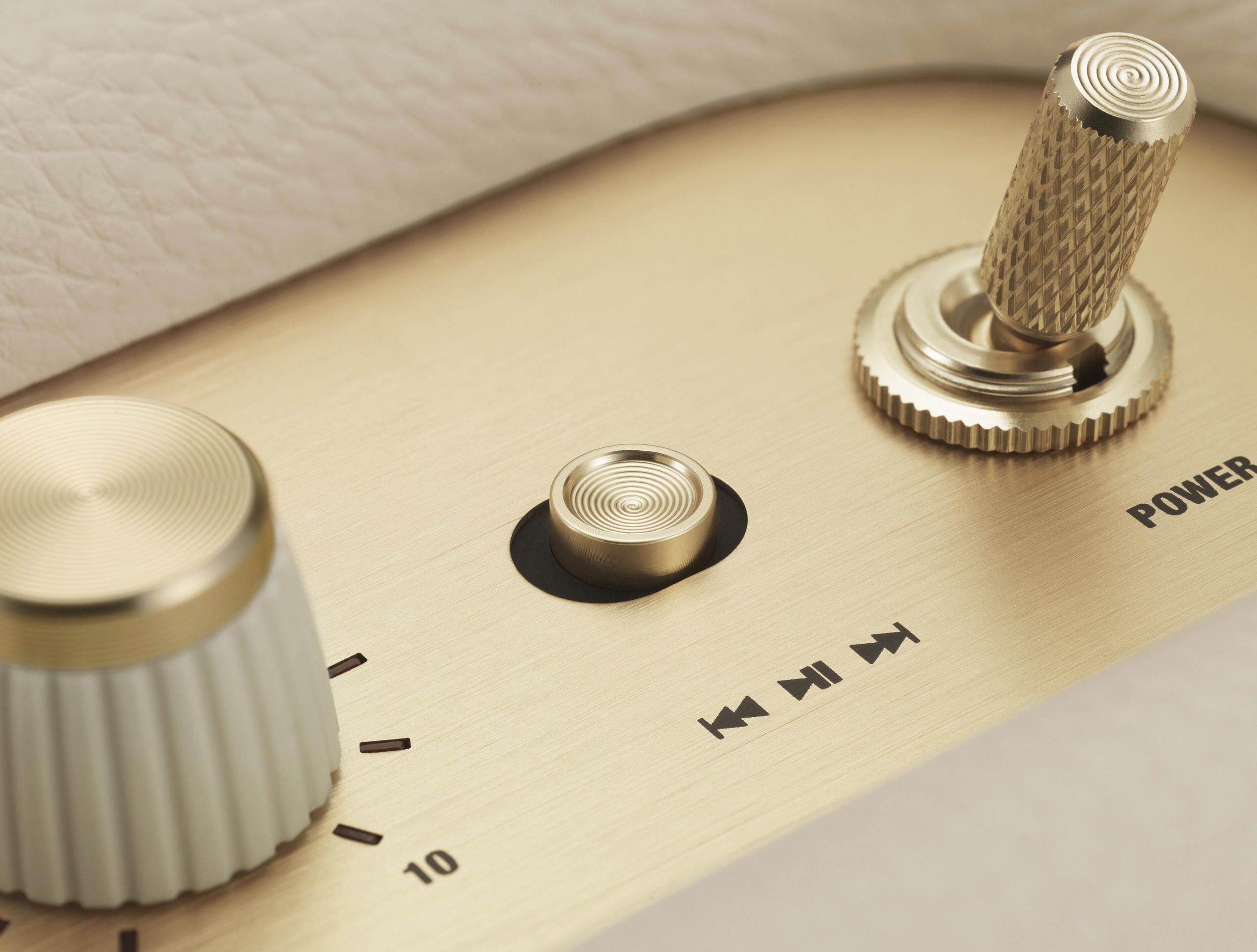
Both speakers offer app control. The Marshall Acton III also provides physical controls for volume, bass, and treble. The Sony LinkBuds relies more on app-based adjustments.
The Marshall Acton III is better for parties with its powerful, room-filling sound. The Sony LinkBuds works better for smaller gatherings or outdoor events where portability matters.
We've done our best to create useful and informative comparisons to help you decide what product to buy. Our research uses advanced automated methods to create this comparison and perfection is not possible - please contact us for corrections or questions. These are the sites we've researched in the creation of this article: bestbuy.com - youtube.com - bestbuy.com - pocket-lint.com - bestbuy.com - crutchfield.com - premiumsound.com.au - marshall.com - 2001audiovideo.com - youtube.com - t3.com - bestbuy.com - youtube.com - sony.com - center.lv - youtube.com - youtube.com - sony.com - walmart.com - youtube.com - sony.com

Privacy Policy
Terms and Conditions - Affiliate Policy
Home Security
© Copyright 2008-2026.
11816 Inwood Rd #1211, Dallas, TX 75244