


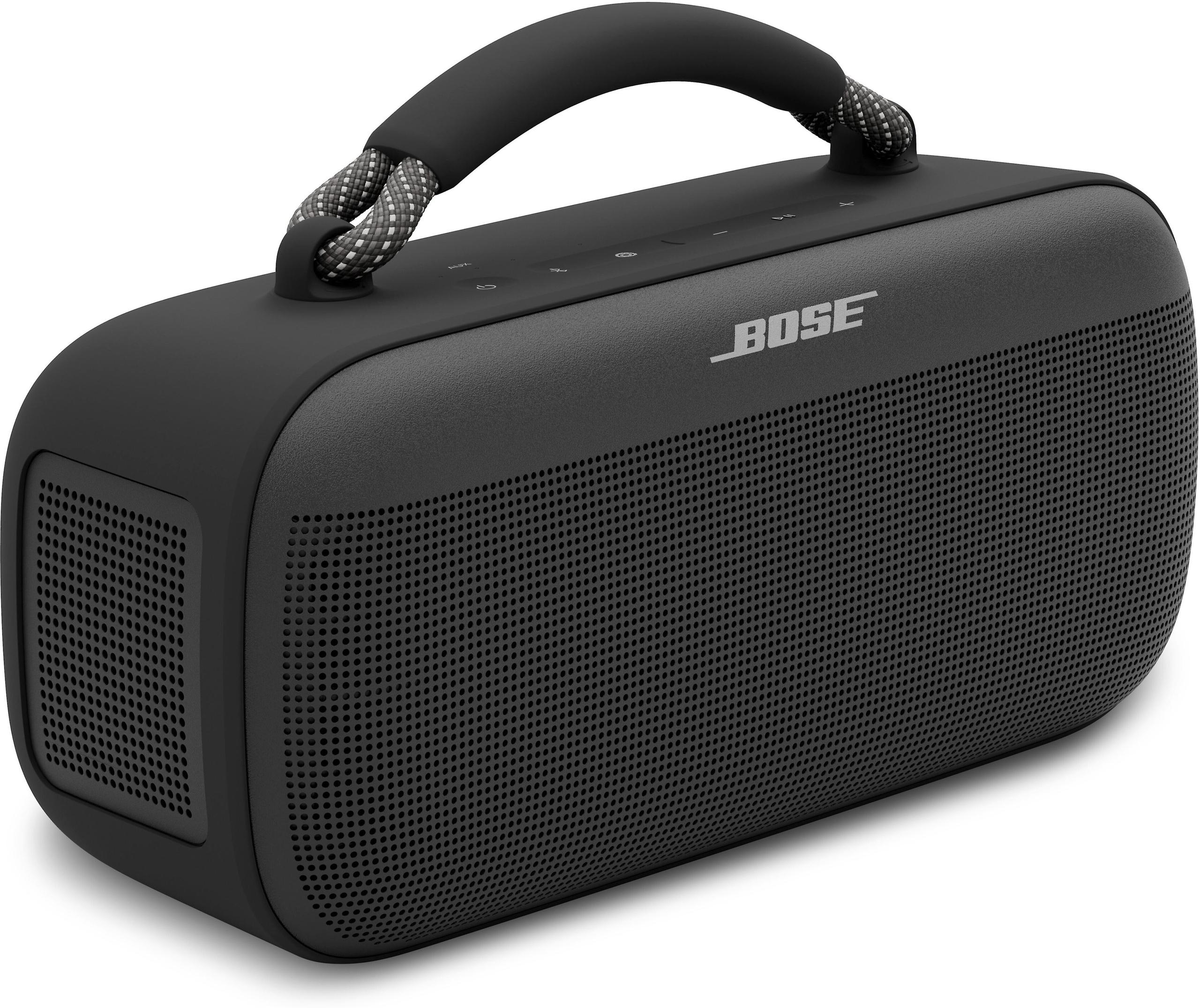

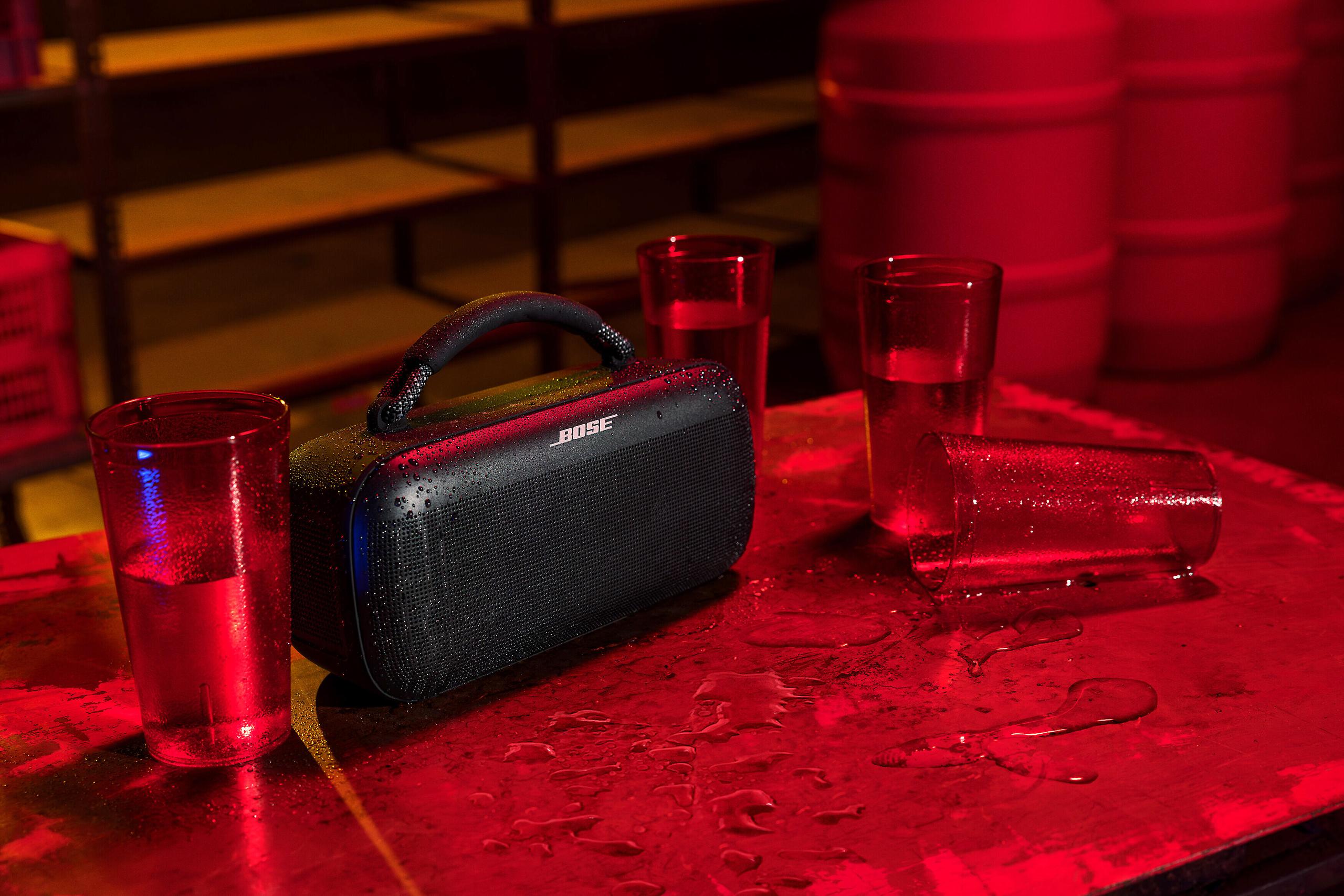
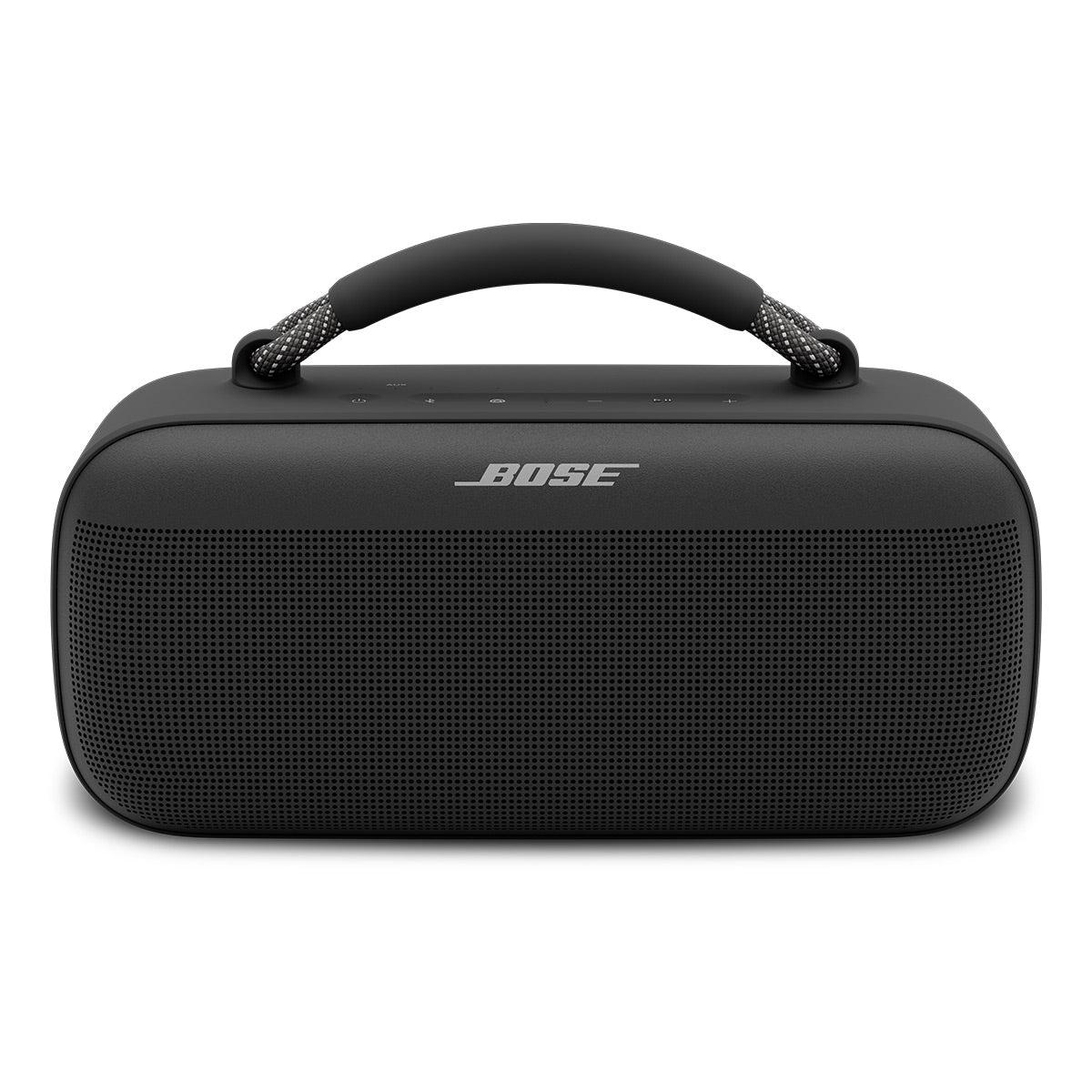
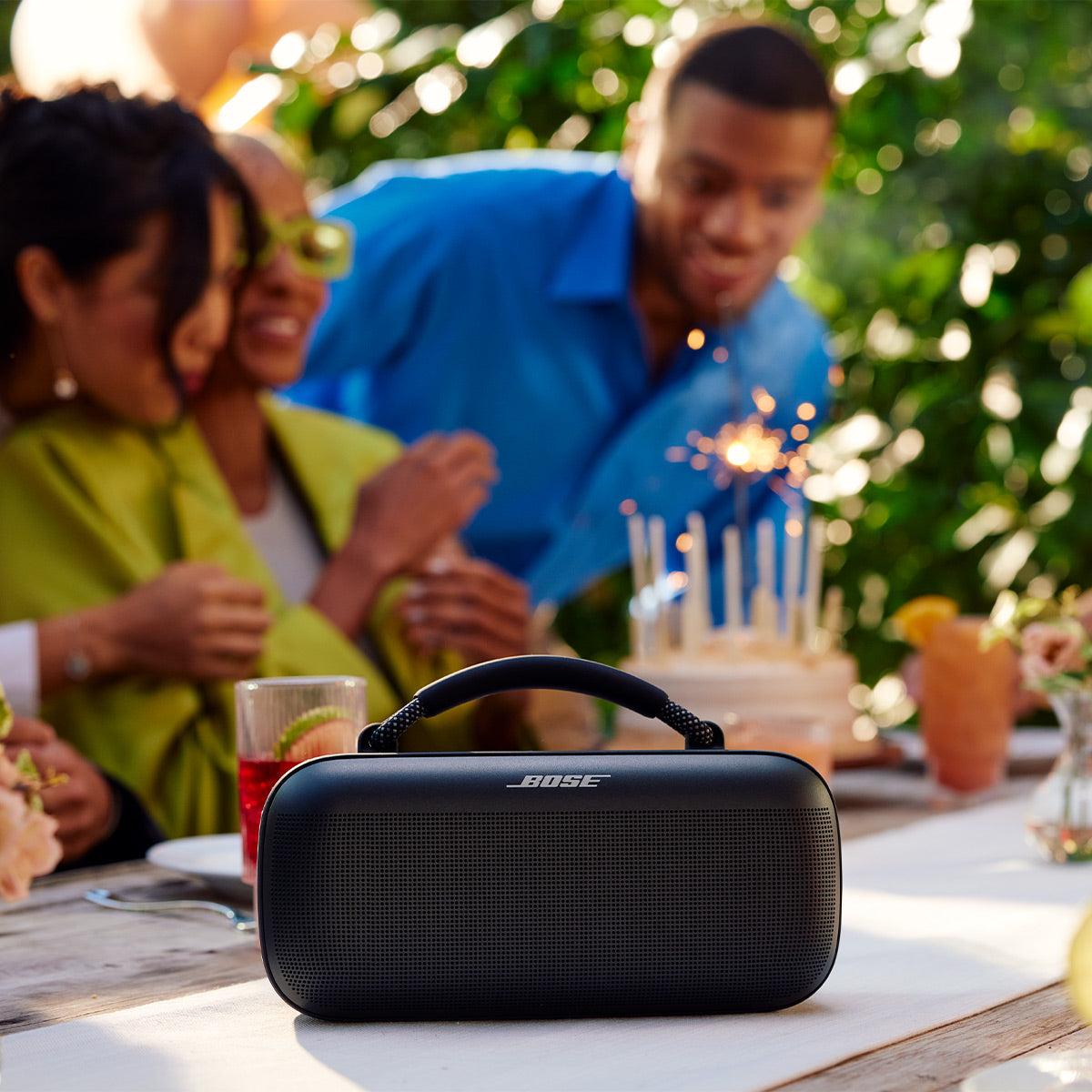
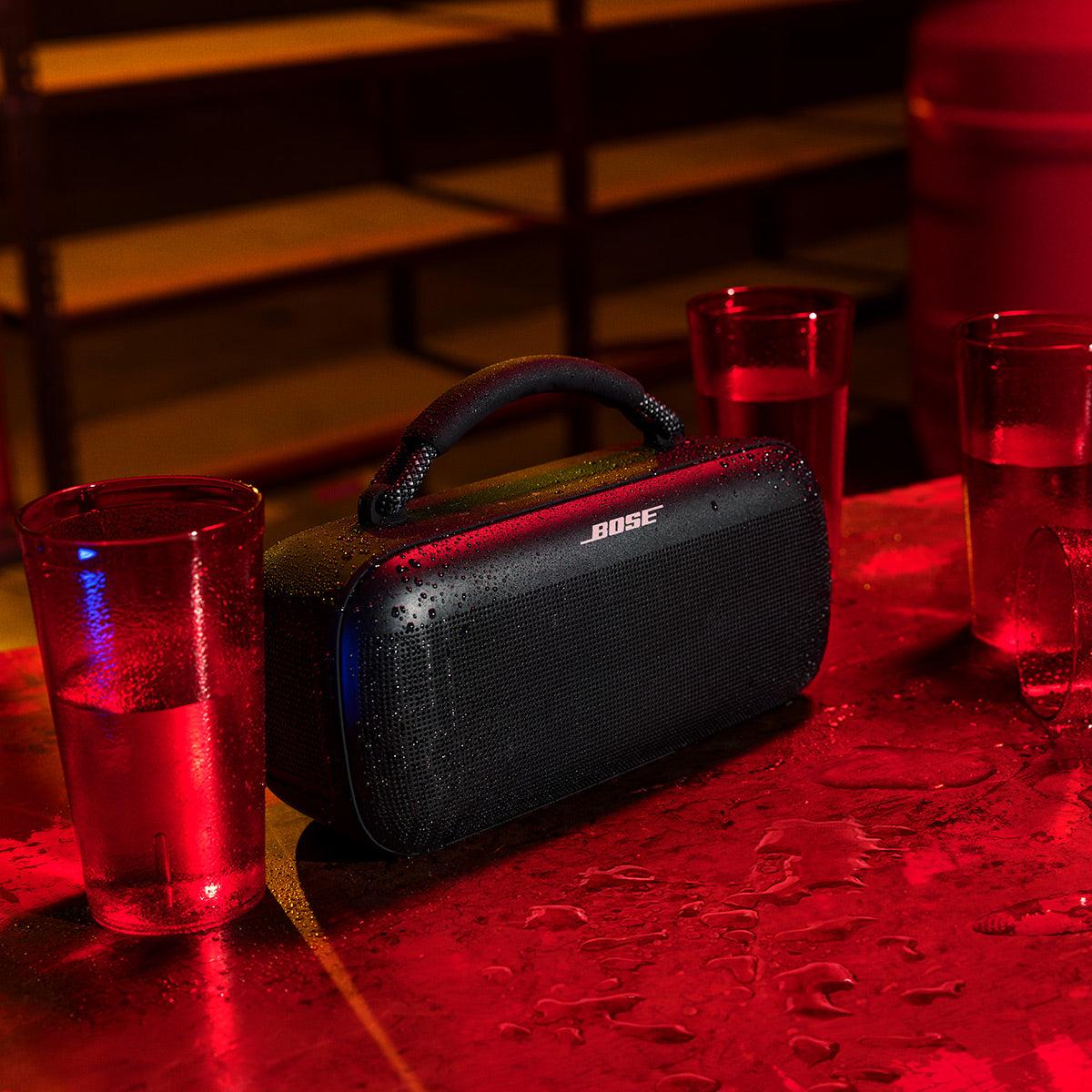

When it comes to premium Bluetooth speakers, two standout options are the $279 Marshall Acton III and the $399 Bose SoundLink Max. While they might seem similar at first glance, these speakers take quite different approaches to delivering high-quality audio. Let's dive into what makes each unique and who they're best suited for.
Modern Bluetooth speakers have come a long way from the tinny, portable units of a decade ago. They now offer impressive sound quality that can rival traditional wired speakers, with added convenience features that make them more versatile than ever. The technology has matured to the point where you can get serious audio performance from relatively compact units.
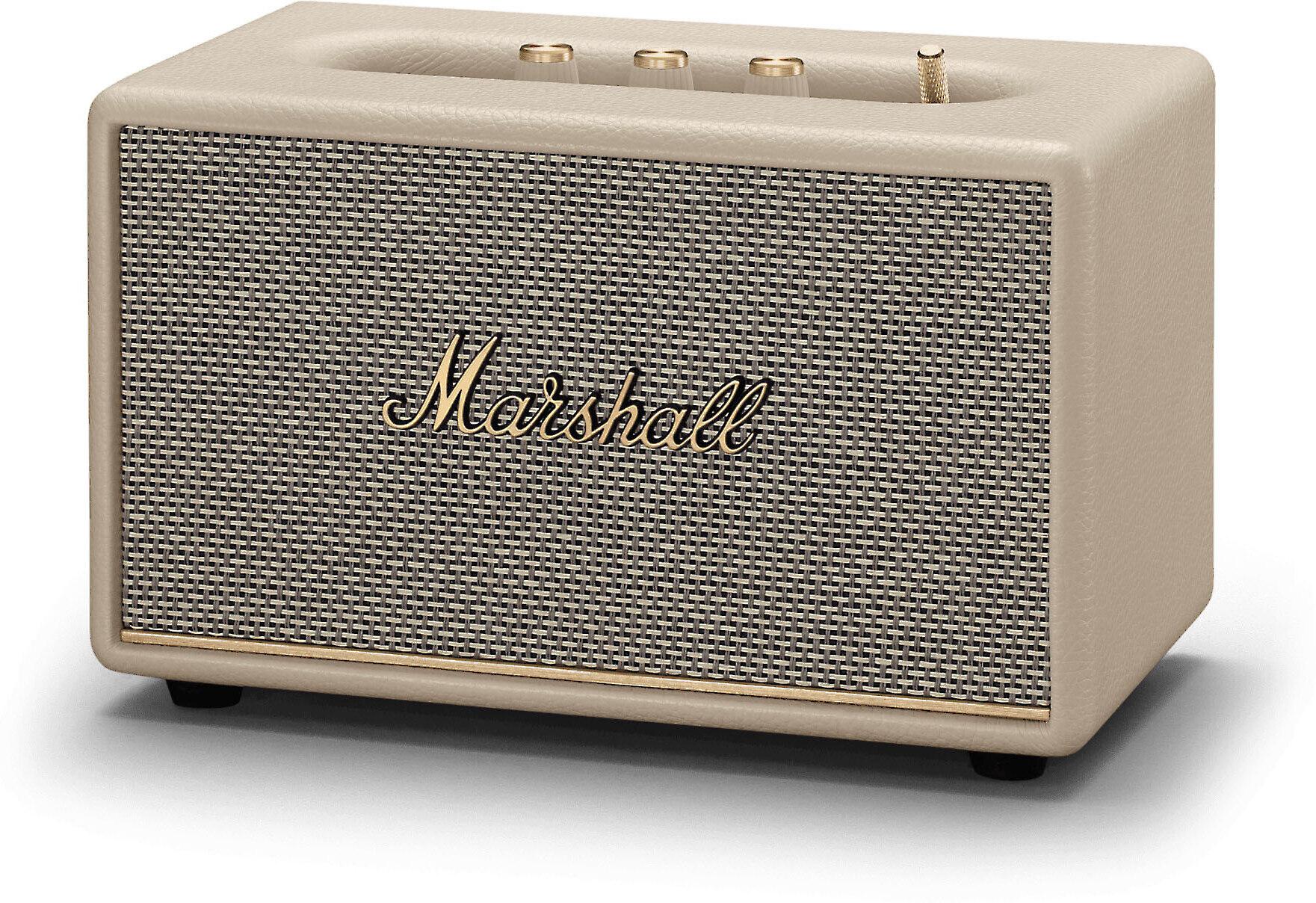
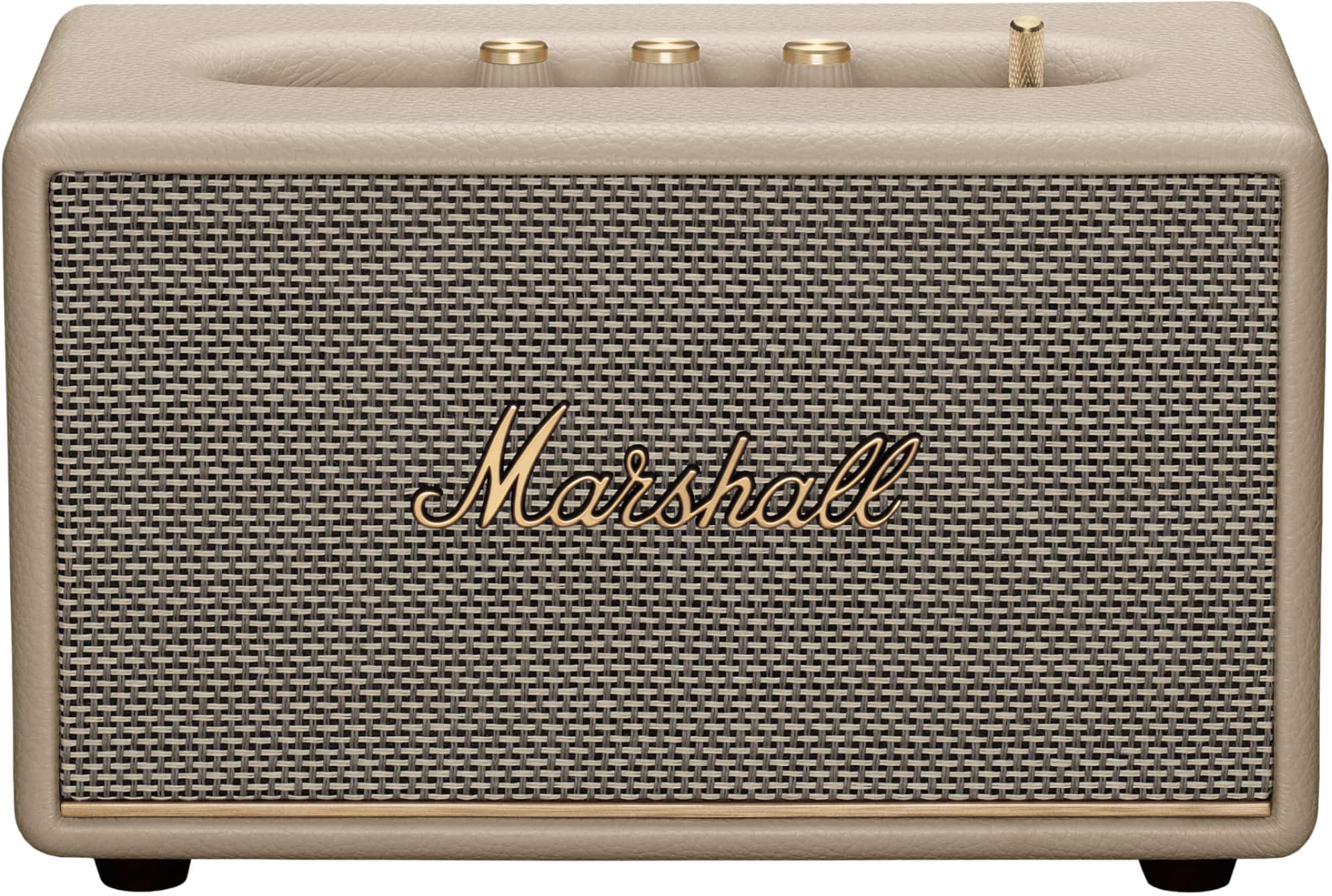
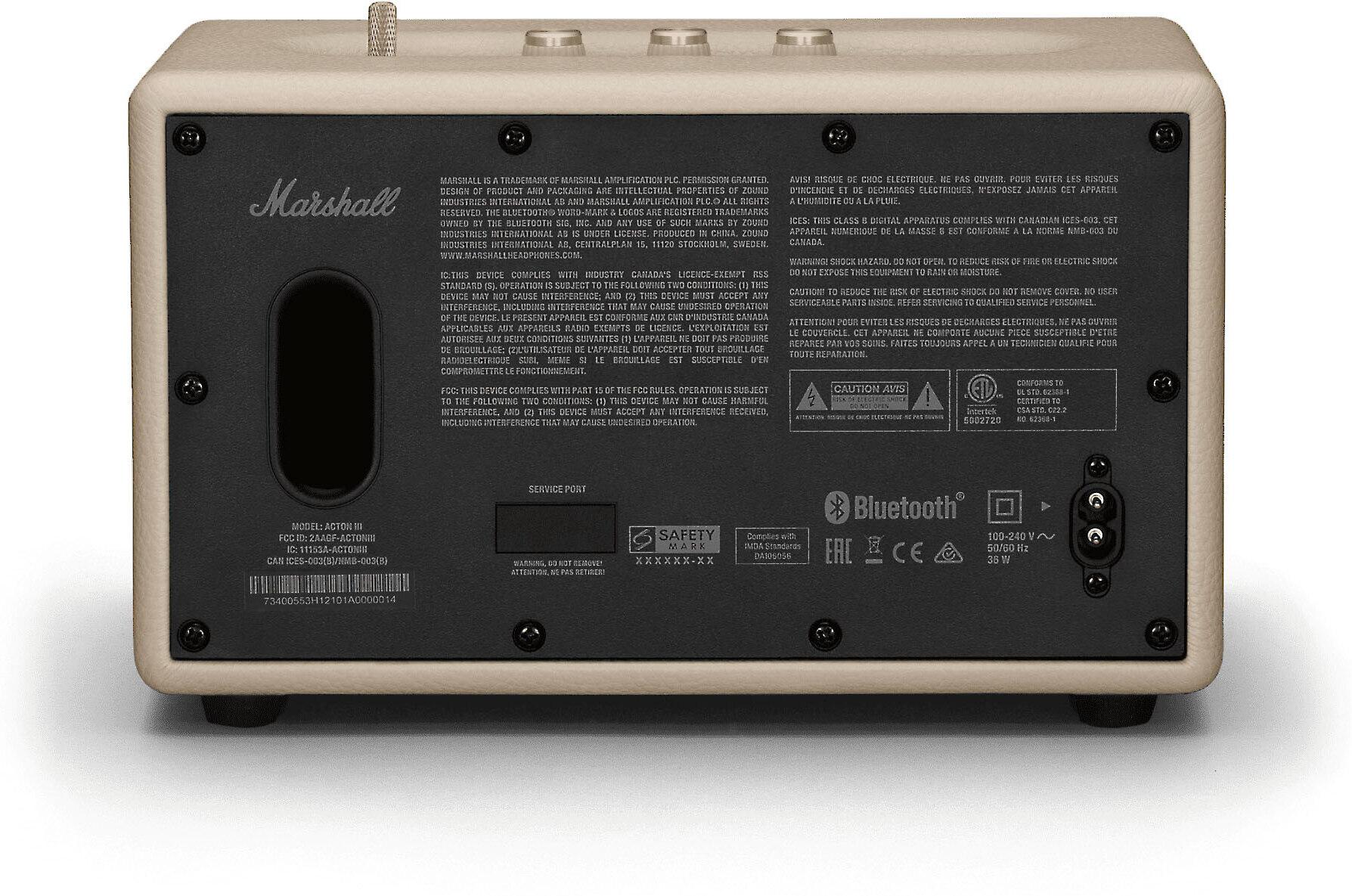
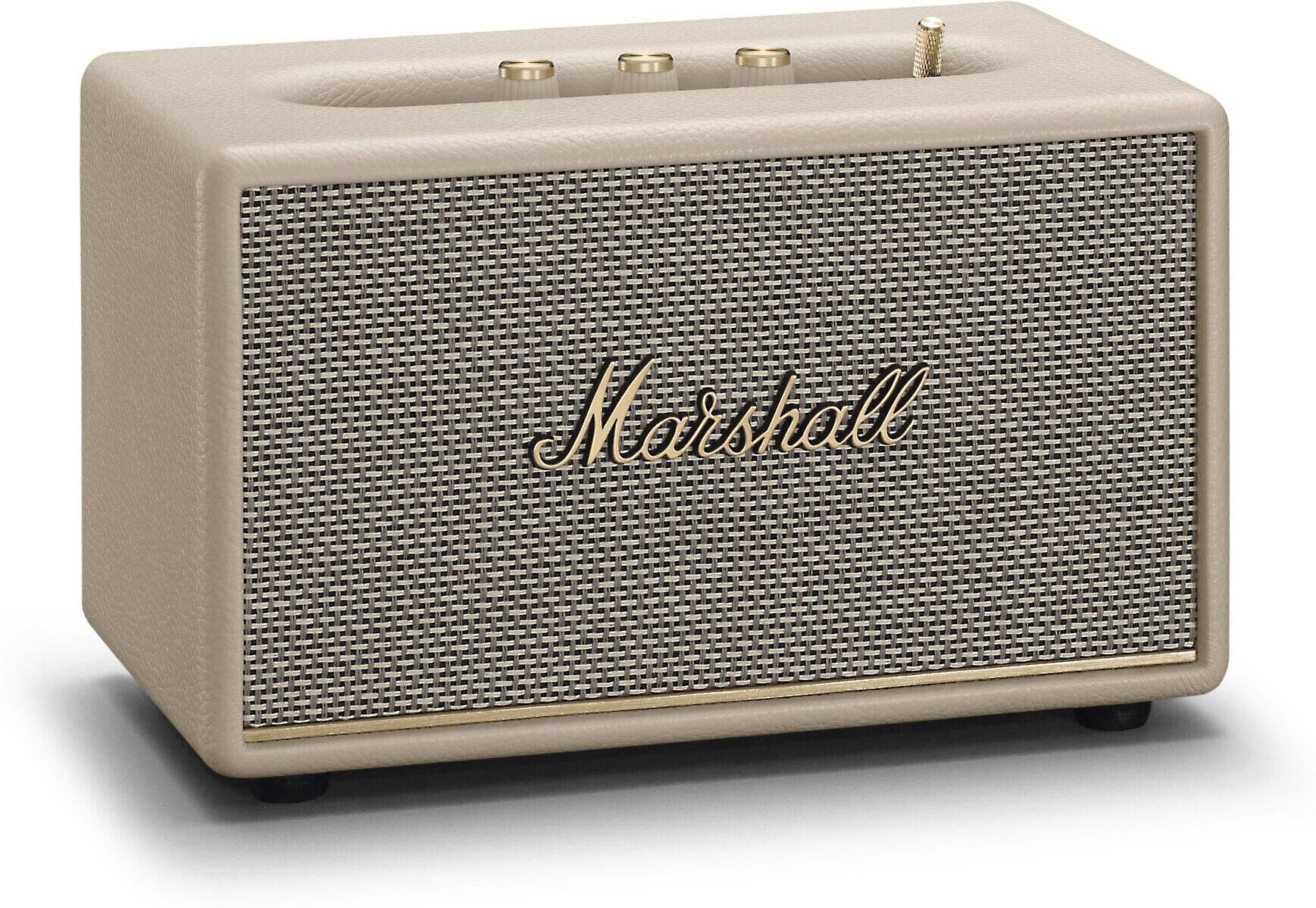
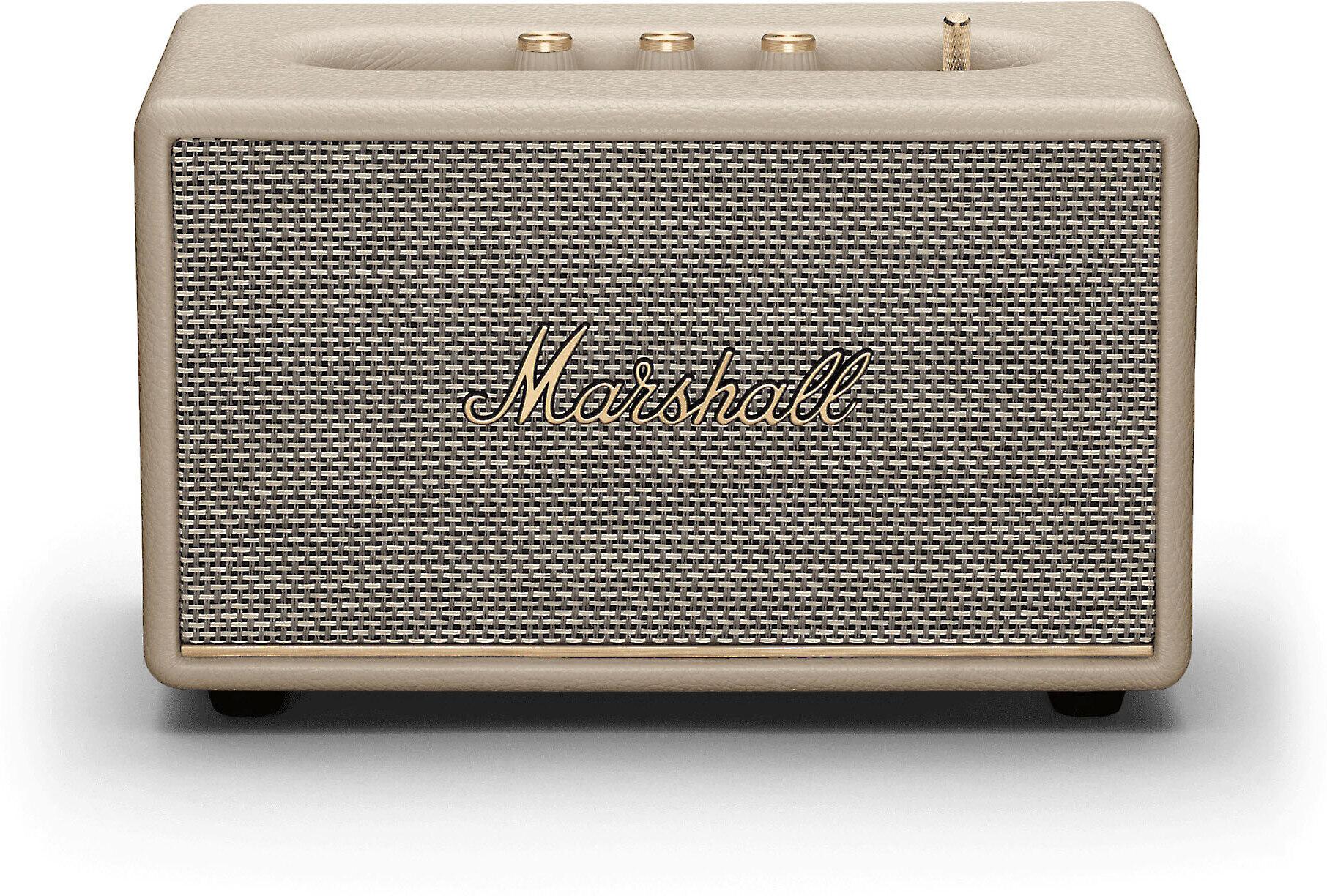
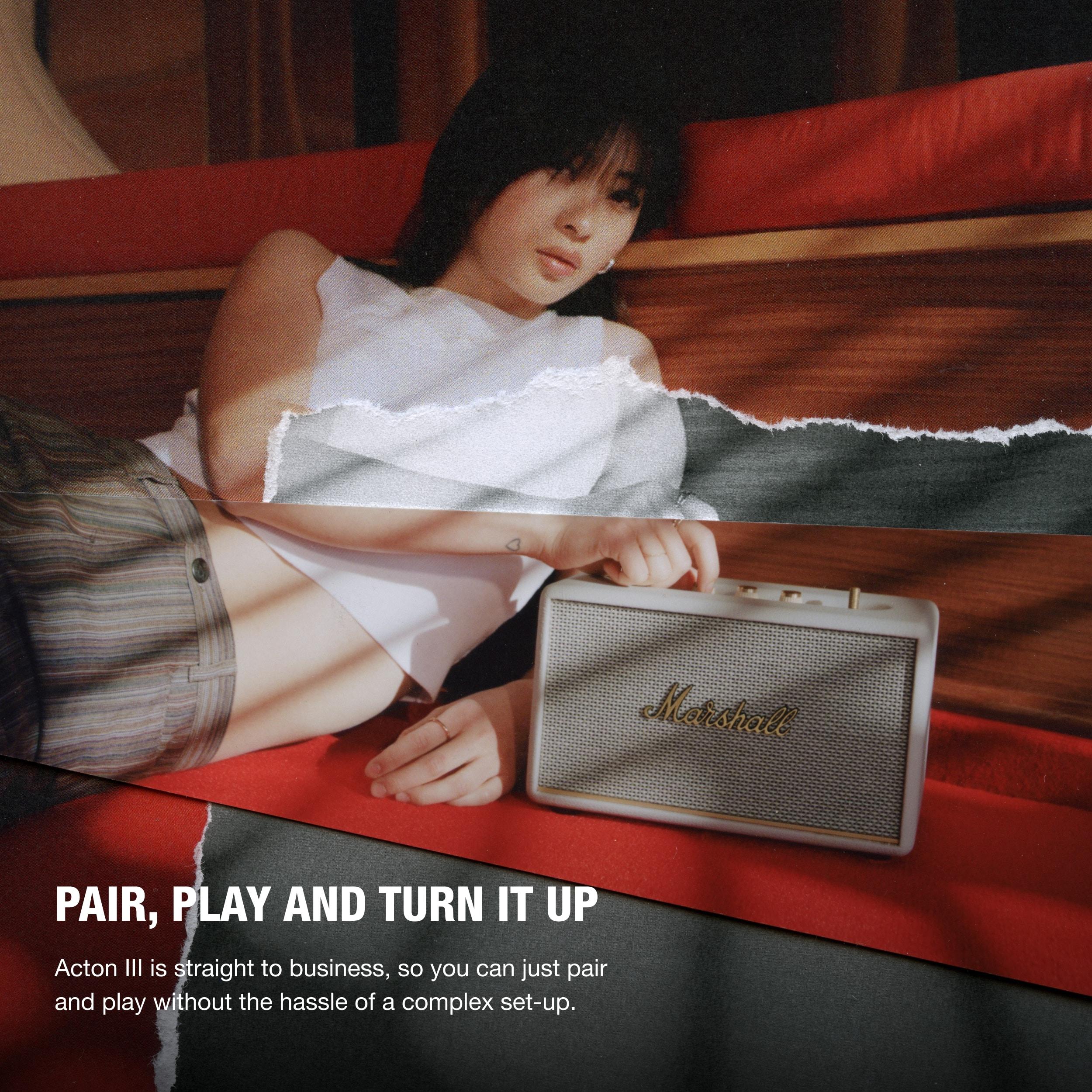
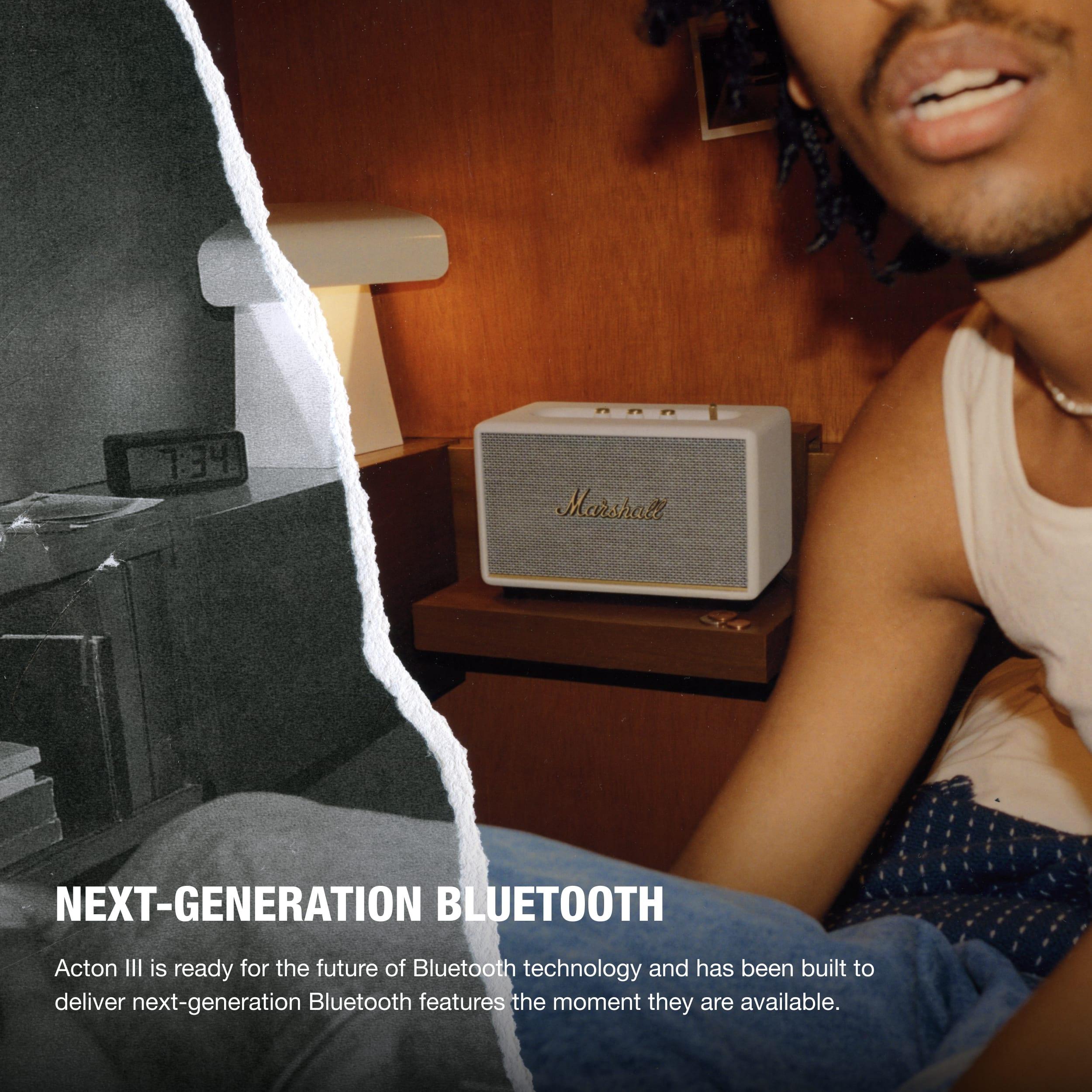
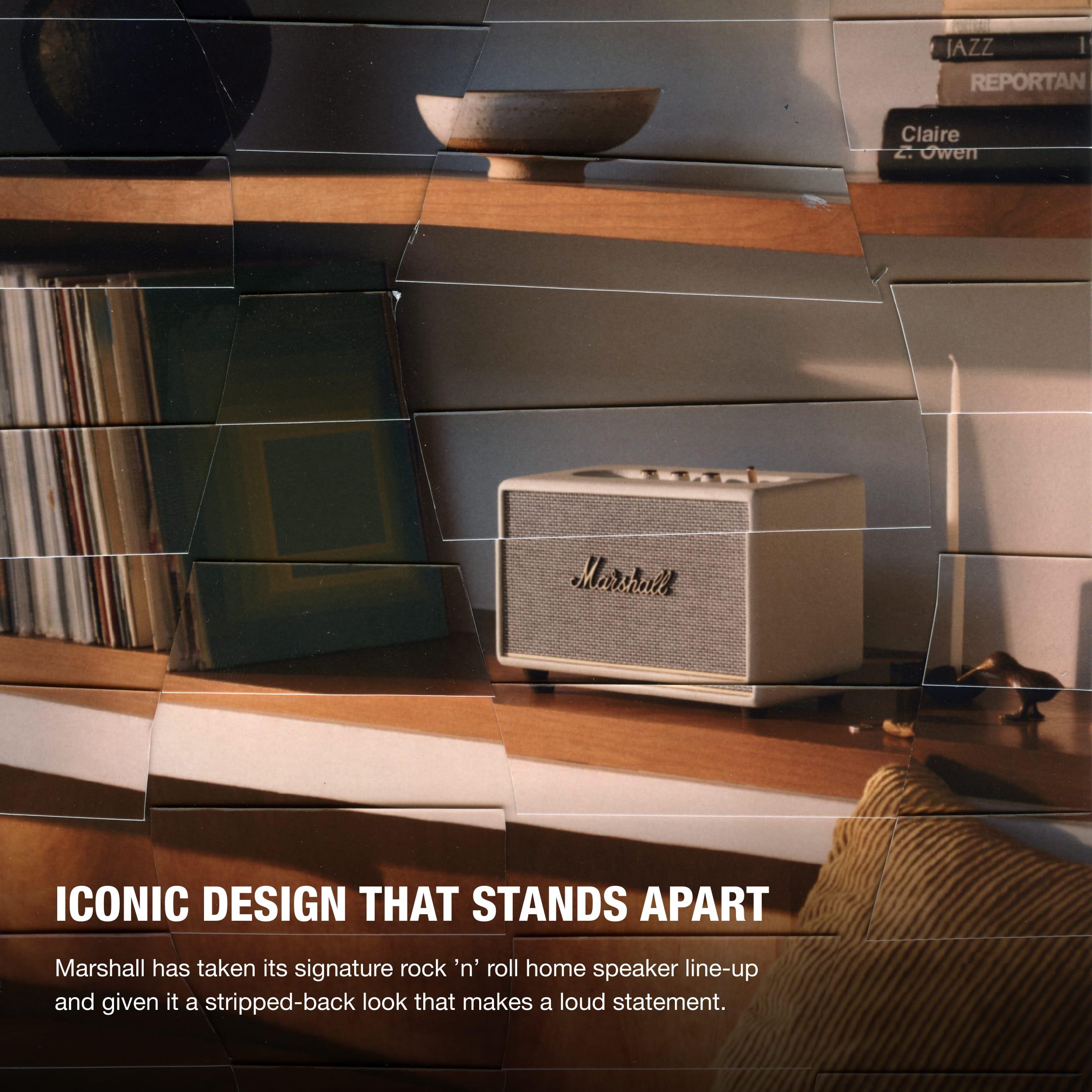
The Marshall Acton III, released in 2023, represents a classic home audio approach with modern technology. It's a mains-powered unit that prioritizes sound quality and ease of use, wrapped in Marshall's iconic aesthetic. Think of it as a traditional bookshelf speaker reimagined for the wireless age.
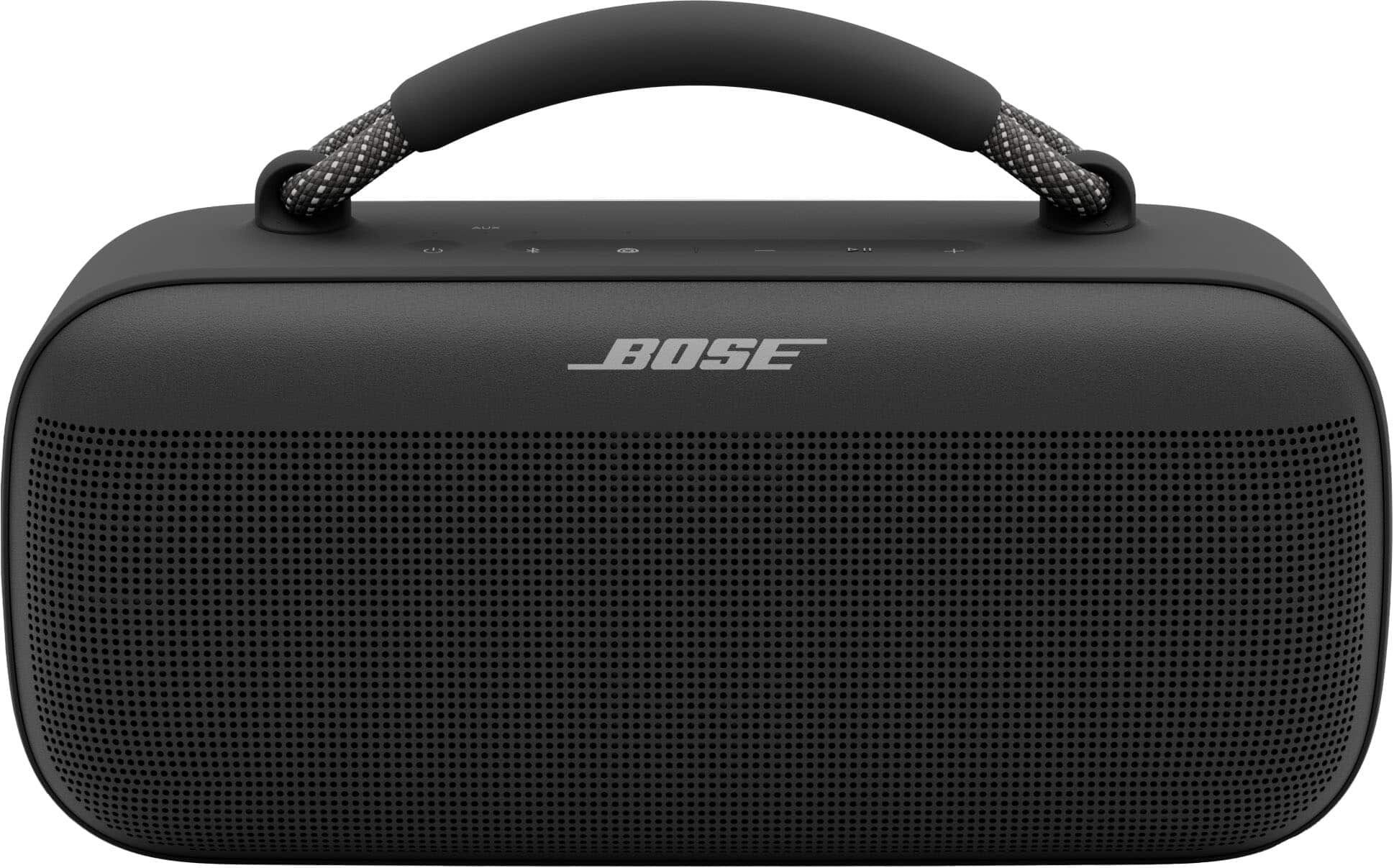
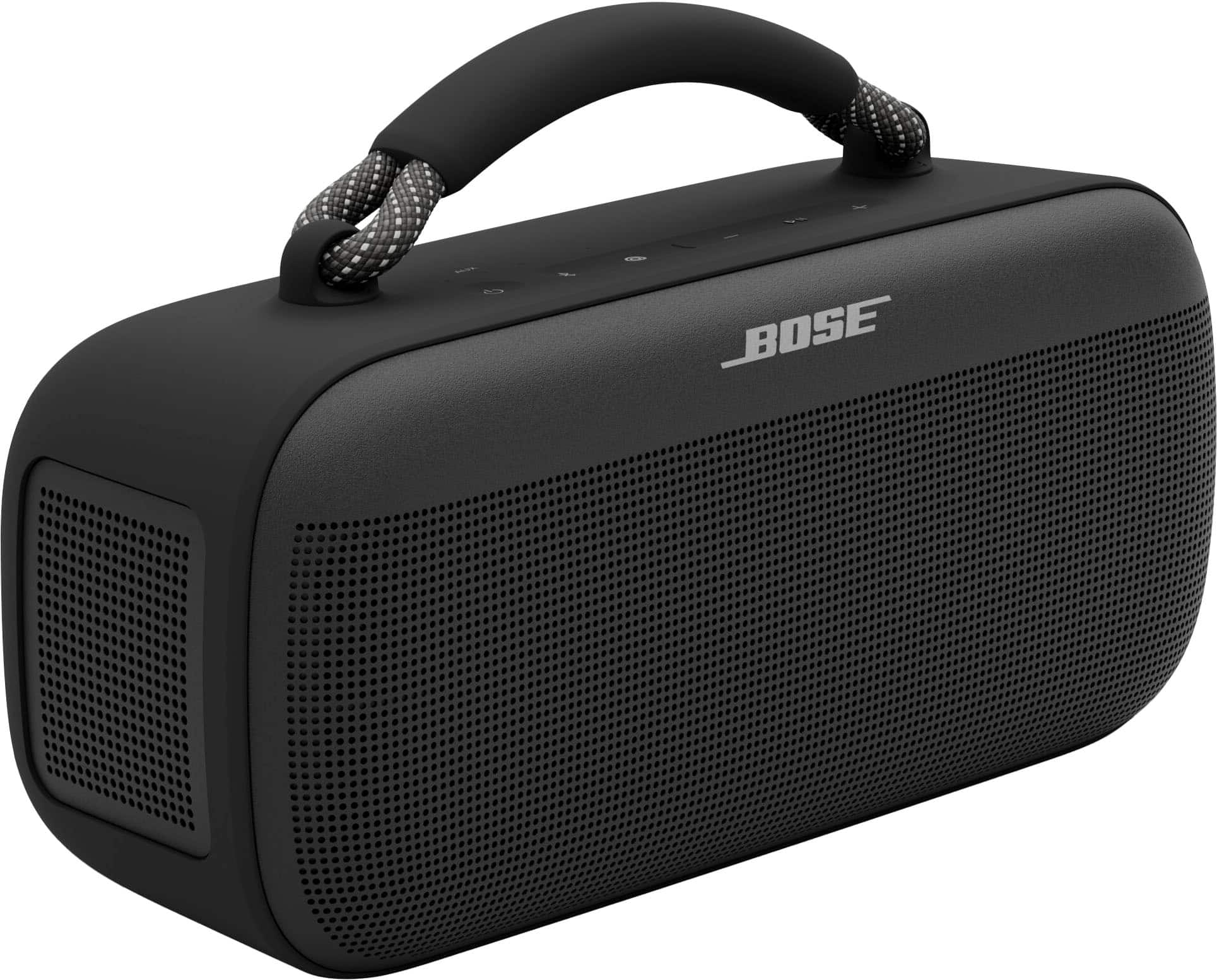
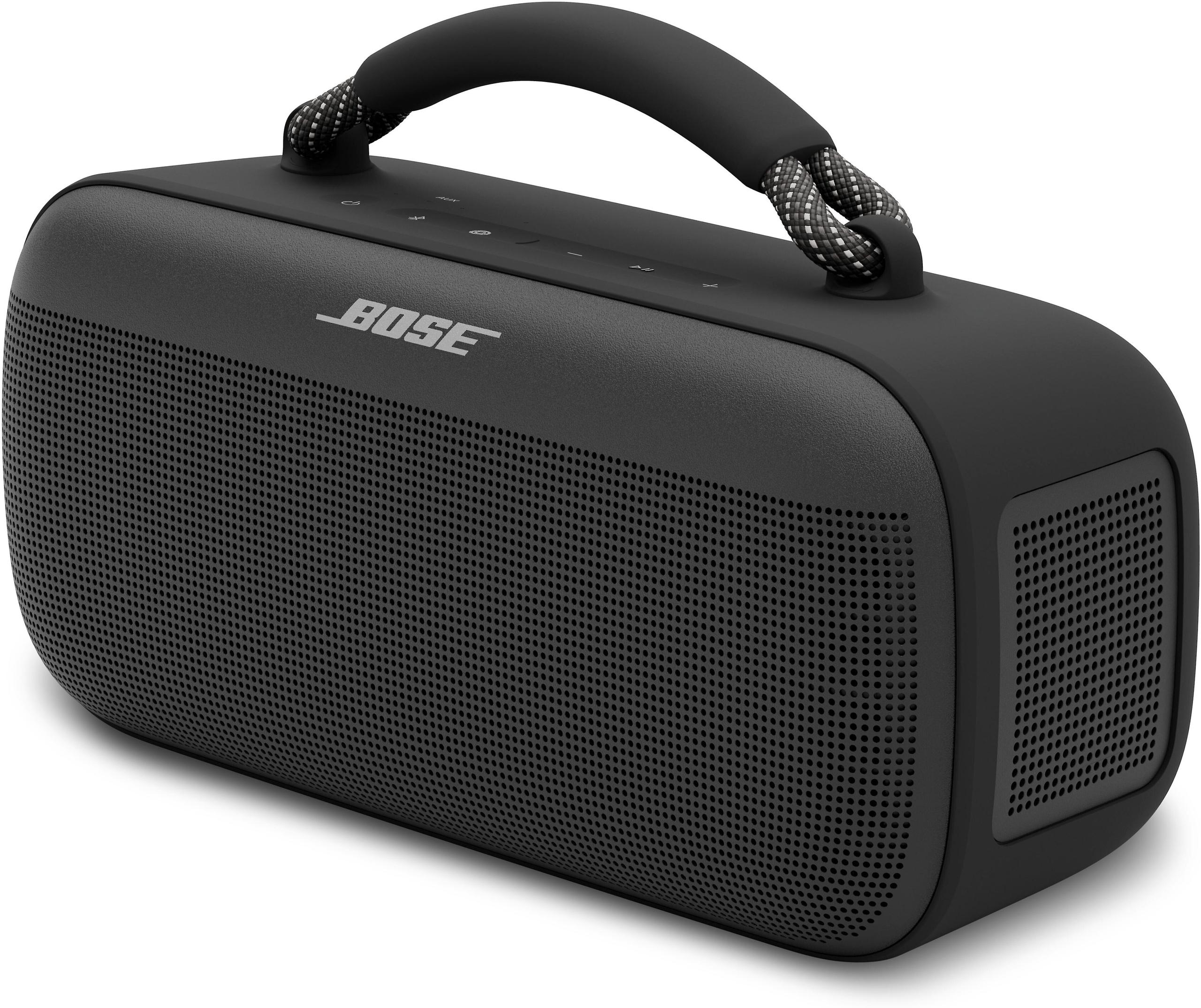
The Bose SoundLink Max, released in early 2024, takes a more versatile approach. It's designed to deliver high-quality audio whether you're in your living room or at the beach. This newer release incorporates some of the latest audio technology, including Snapdragon Sound and advanced Bluetooth codecs.
The Acton III uses a two-way speaker design - that means it has separate speakers for high and low frequencies. It pairs two 0.75-inch tweeters (for high frequencies) with a 4-inch woofer (for low frequencies). Each tweeter gets 15 watts of power, while the woofer gets 30 watts. This separation of frequencies allows for clearer, more detailed sound.
The speaker's Dynamic Loudness feature is particularly clever - it automatically adjusts the tonal balance based on volume level. At lower volumes, it boosts certain frequencies to maintain fullness, while at higher volumes, it keeps everything balanced to prevent distortion.
Bose takes a different approach with their Articulated Array speaker design. While they're less forthcoming about specific driver sizes and power ratings, the system uses three active transducers combined with two passive radiators. Passive radiators are unpowered speakers that move in response to air pressure from the powered speakers, helping to produce deeper bass from a compact enclosure.
The SoundLink Max includes Bose's latest digital signal processing (DSP) technology, which helps maintain clean sound even at high volumes - particularly important for outdoor use where you're often competing with ambient noise.
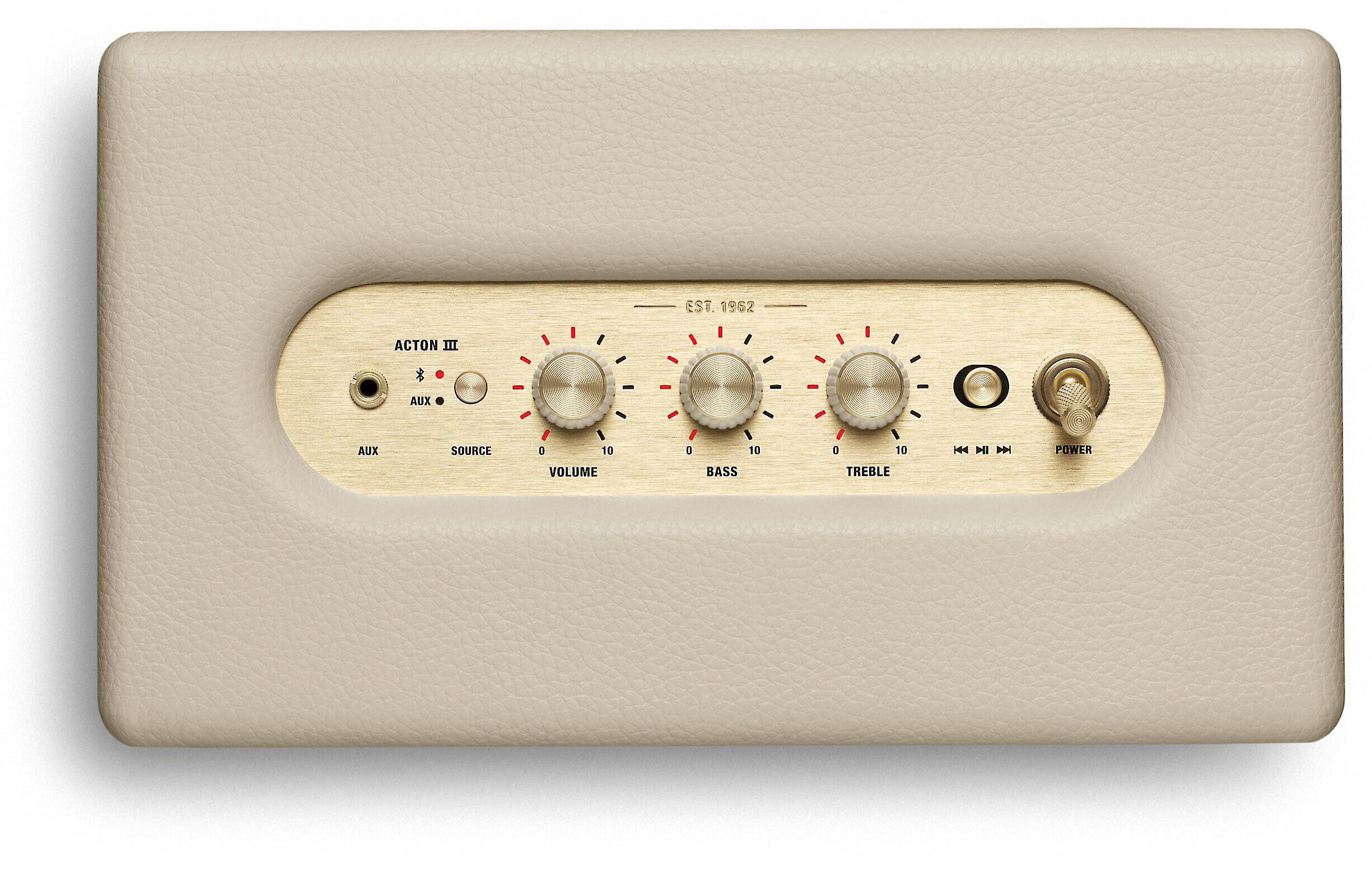
Having spent time with both speakers, I can say they each excel in different scenarios. The Marshall Acton III really shines in indoor spaces, particularly rooms around 200-300 square feet. Its sound signature is warm and rich, with excellent clarity in the midrange - perfect for vocals and acoustic instruments. The physical knobs for bass and treble adjustment make it easy to dial in exactly the sound you want.
The Bose SoundLink Max impresses with its ability to maintain sound quality in varying environments. While it might not quite match the Marshall's refinement in an ideal indoor setting, it delivers more consistent performance across different scenarios. The speaker produces surprisingly powerful bass for its size, and the 360-degree sound design helps it fill outdoor spaces effectively.
Both speakers include Bluetooth 5+ (5.2 for Marshall, 5.4 for Bose), which provides stable connections and good range. However, Bose takes the lead in advanced features:
The Marshall keeps things simpler but includes thoughtful touches like room compensation through its app, which adjusts the sound based on speaker placement.
While neither speaker is primarily designed for home theater use, they can serve as auxiliary speakers in certain situations. The Marshall's consistent power supply and room compensation make it a decent option for adding audio to a secondary viewing area. The Bose's portability means it could work well for outdoor movie nights, though you'll want to consider the slight audio delay inherent in Bluetooth connections.
The durability difference is significant. The Bose's IP67 rating means it's fully dustproof and can handle being submerged in water up to 1 meter deep for 30 minutes. The Marshall has no water resistance rating and is designed purely for indoor use.
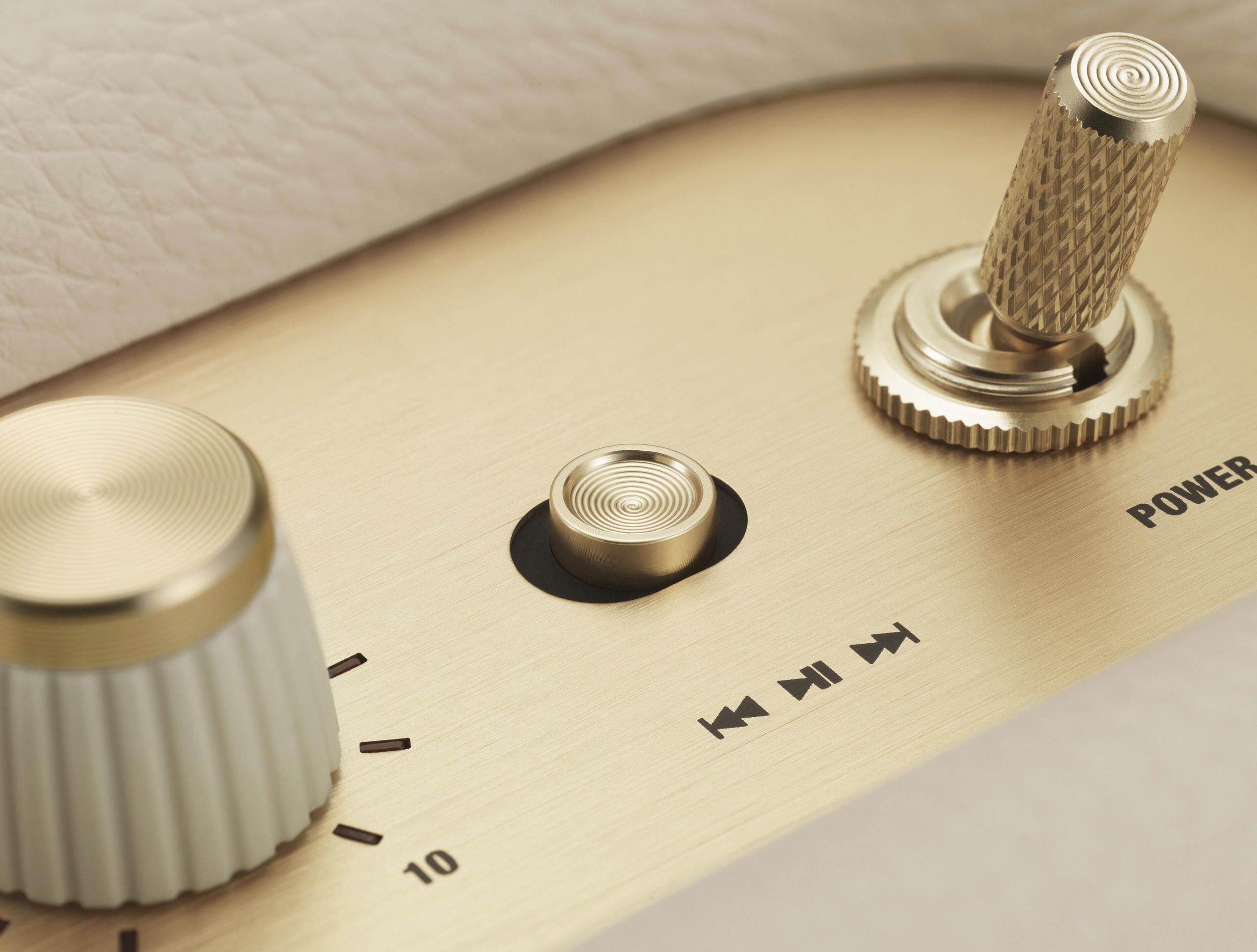
In terms of design, the Marshall's vintage aesthetic with physical knobs and classic styling makes it a statement piece. The Bose takes a more modern approach with a rugged yet refined look that works well in any setting.
At $279, the Marshall Acton III represents solid value for a home-based Bluetooth speaker, especially considering its sound quality and build. The $399 Bose SoundLink Max asks for a bigger investment but justifies it with greater versatility and more advanced features.
Your choice should primarily depend on how you plan to use the speaker:
Choose the Marshall Acton III if:
Choose the Bose SoundLink Max if:
The extra $120 for the Bose buys you significantly more versatility, but if you're primarily using it in one room, the Marshall delivers excellent value and arguably better pure audio quality in that specific scenario.
Remember, the best speaker is the one that fits your specific needs and use cases. Consider how and where you'll use it most often, and let that guide your decision.
| Marshall Acton III ($279) | Bose SoundLink Max ($399) |
|---|---|
| Power Output - Determines maximum volume and sound clarity | |
| 60W total (30W woofer, 2x15W tweeters) | Not specified, but comparable output |
| Speaker Configuration - Affects sound separation and quality | |
| Two-way: 4" woofer, two 0.75" tweeters | Three transducers with two passive radiators |
| Portability - Critical for flexible use cases | |
| AC power only, not portable | 20-hour battery life, portable with handle |
| Durability - Important for versatile usage | |
| No water resistance | IP67 waterproof and dustproof |
| Bluetooth Version - Affects connection quality and range | |
| Bluetooth 5.2, 30ft range | Bluetooth 5.4, 30ft range with multi-point |
| Physical Controls - Impacts ease of use | |
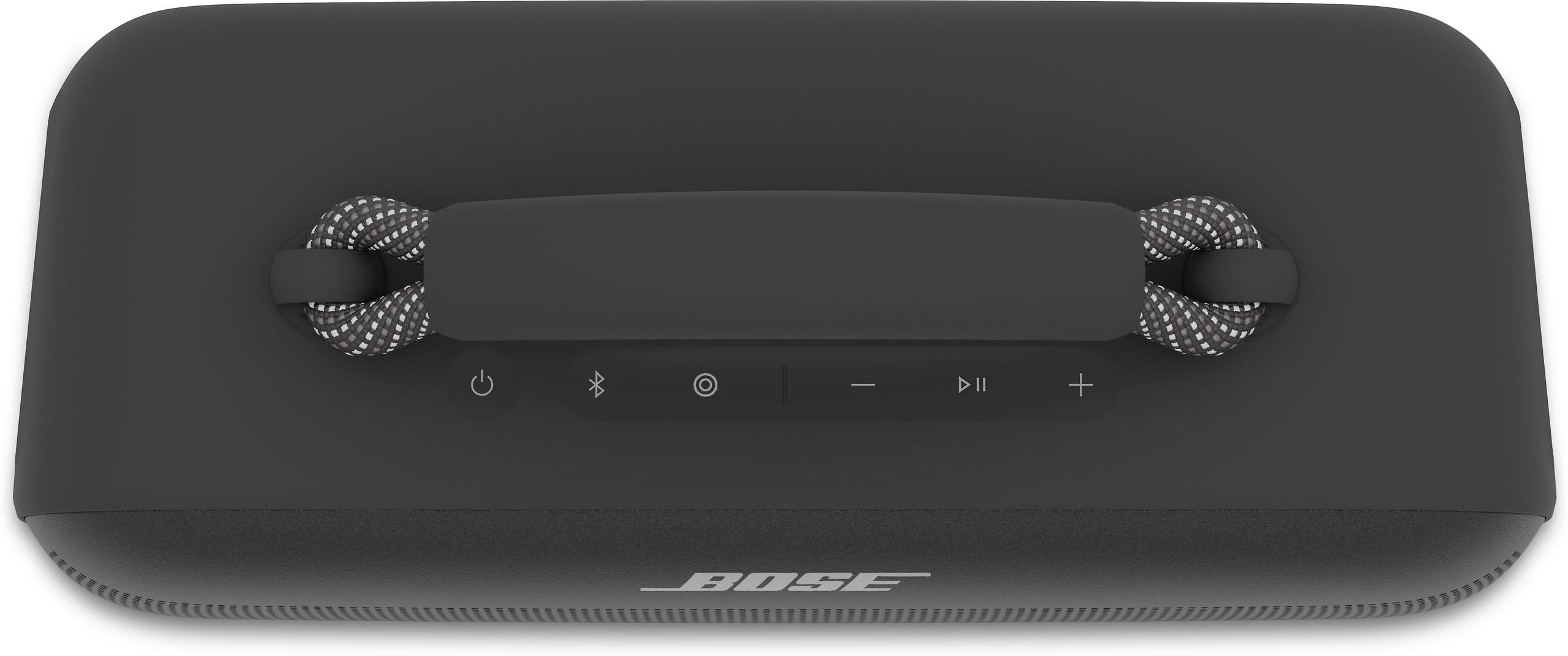
| Dedicated bass/treble knobs, volume dial | Button controls for playback and volume |
| Additional Features - Adds value and versatility | |
| Room compensation, app EQ control | Device charging, SimpleSync, Google Fast Pair |
| Size and Weight - Affects placement options | |
| 10.24" x 6.69" x 5.91", 6.28 lbs | 10.42" x 4.73" x 4.13", 4.9 lbs |
| Connectivity Options - Provides flexibility | |
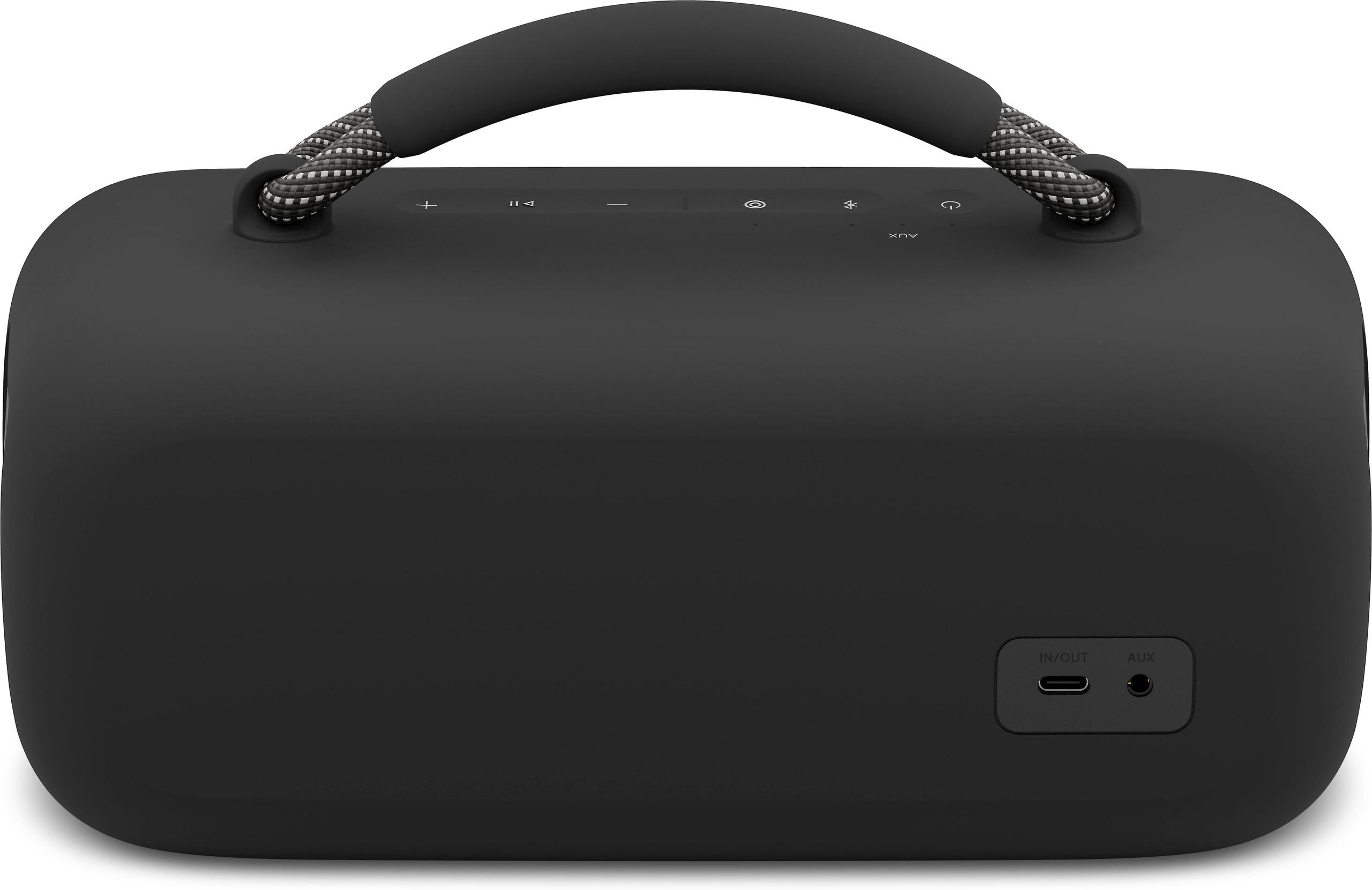
| Bluetooth, 3.5mm aux input | Bluetooth, 3.5mm aux, USB-C charging |
| Sound Optimization - Enhances audio quality | |
| Dynamic Loudness, placement compensation | Bose digital signal processing, outdoor optimization |
| Value-Added Features - Justifies price difference | |
| Classic design, premium materials | Portable power bank, water resistance, multi-device support |
The $279 Marshall Acton III generally offers better sound quality in indoor settings due to its dedicated two-way speaker system and room compensation features. However, the $399 Bose SoundLink Max maintains more consistent sound quality across different environments, especially outdoors.
If you need portability and durability, yes. The Bose SoundLink Max justifies its higher price with 20-hour battery life, waterproofing, and device charging capabilities. If you're only using it indoors, the Marshall Acton III offers better value.
The Bose SoundLink Max is specifically designed for outdoor use with IP67 waterproofing and portable design. The Marshall Acton III requires AC power and isn't water-resistant, making it unsuitable for outdoor use.
The Bose SoundLink Max is better for parties due to its portability and ability to maintain clear sound at high volumes in varied environments. The Marshall Acton III works well for indoor parties but lacks mobility.
The Bose SoundLink Max offers up to 20 hours of battery life at moderate volume. The Marshall Acton III doesn't have a battery and requires constant AC power.
The Bose SoundLink Max offers more connectivity options, including multi-point Bluetooth 5.4, USB-C charging, and aux input. The Marshall Acton III provides Bluetooth 5.2 and aux input.
Both speakers can connect to TVs with Bluetooth capability or via 3.5mm aux cable, but neither is specifically designed for TV audio. Some latency may occur with Bluetooth connections.
The Marshall Acton III offers more intuitive control with physical knobs for volume, bass, and treble. The Bose SoundLink Max uses button controls and app-based adjustments.
The Bose SoundLink Max can connect with other Bose speakers through SimpleSync. The Marshall Acton III doesn't offer multi-speaker pairing.
The Bose SoundLink Max is significantly more durable with IP67 water and dust resistance. The Marshall Acton III is designed for indoor use only.
Both speakers are similarly sized, but the Marshall Acton III is slightly heavier at 6.28 lbs compared to the Bose SoundLink Max at 4.9 lbs. The size difference isn't significant enough to affect sound quality.
Either speaker works well in small spaces, but the Marshall Acton III offers better room compensation features for optimizing sound in fixed locations. The Bose SoundLink Max provides more flexibility in placement and movement.
We've done our best to create useful and informative comparisons to help you decide what product to buy. Our research uses advanced automated methods to create this comparison and perfection is not possible - please contact us for corrections or questions. These are the sites we've researched in the creation of this article: bestbuy.com - youtube.com - bestbuy.com - pocket-lint.com - bestbuy.com - crutchfield.com - premiumsound.com.au - marshall.com - 2001audiovideo.com - youtube.com - t3.com - bestbuy.com - youtube.com - staples.com - 365wholesale.com - bose.com - bose.com - bestbuy.com - soundguys.com - staples.com - techforless.com - bestbuy.com - assets.bose.com

Privacy Policy
Terms and Conditions - Affiliate Policy
Home Security
© Copyright 2008-2026.
11816 Inwood Rd #1211, Dallas, TX 75244