

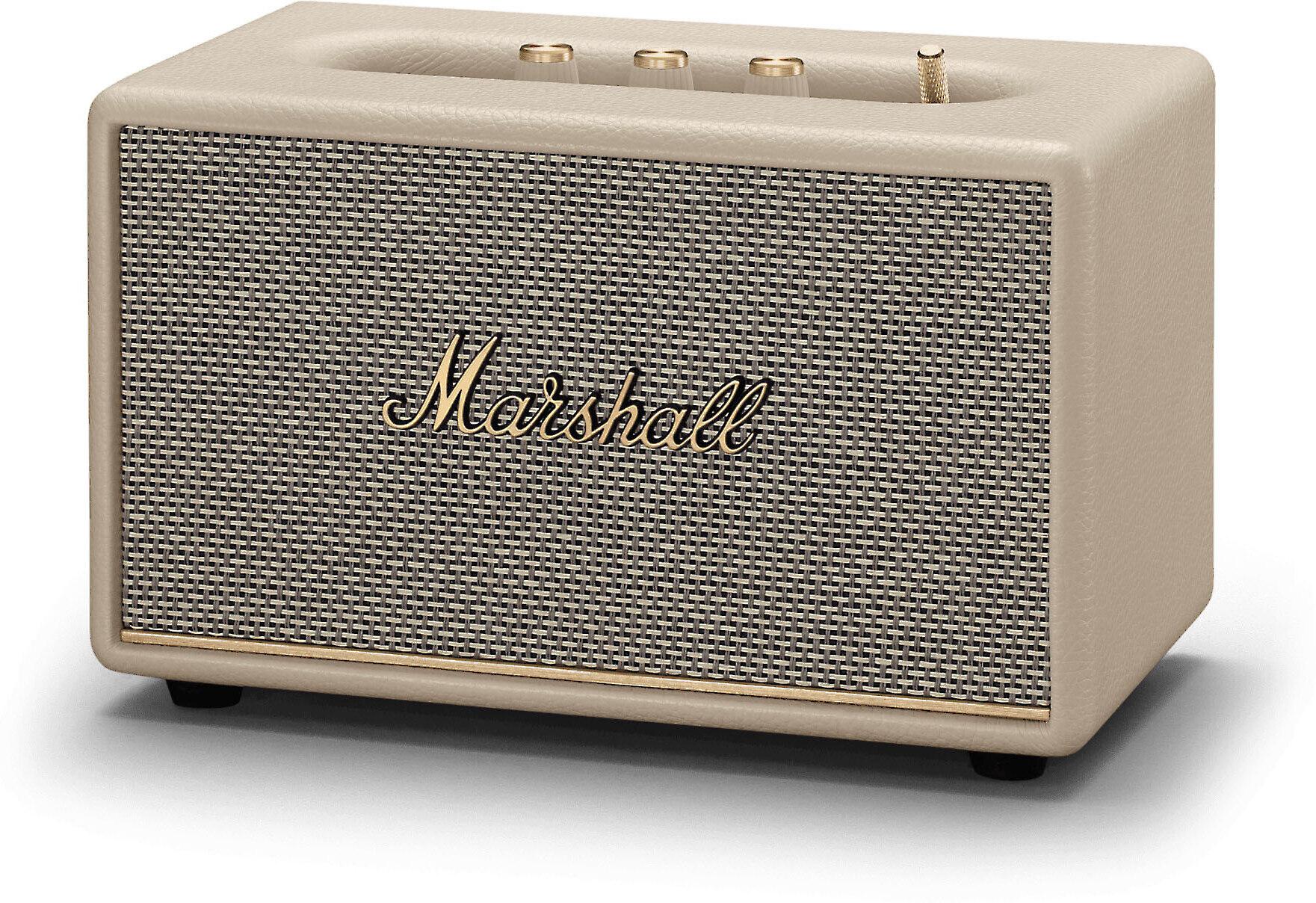
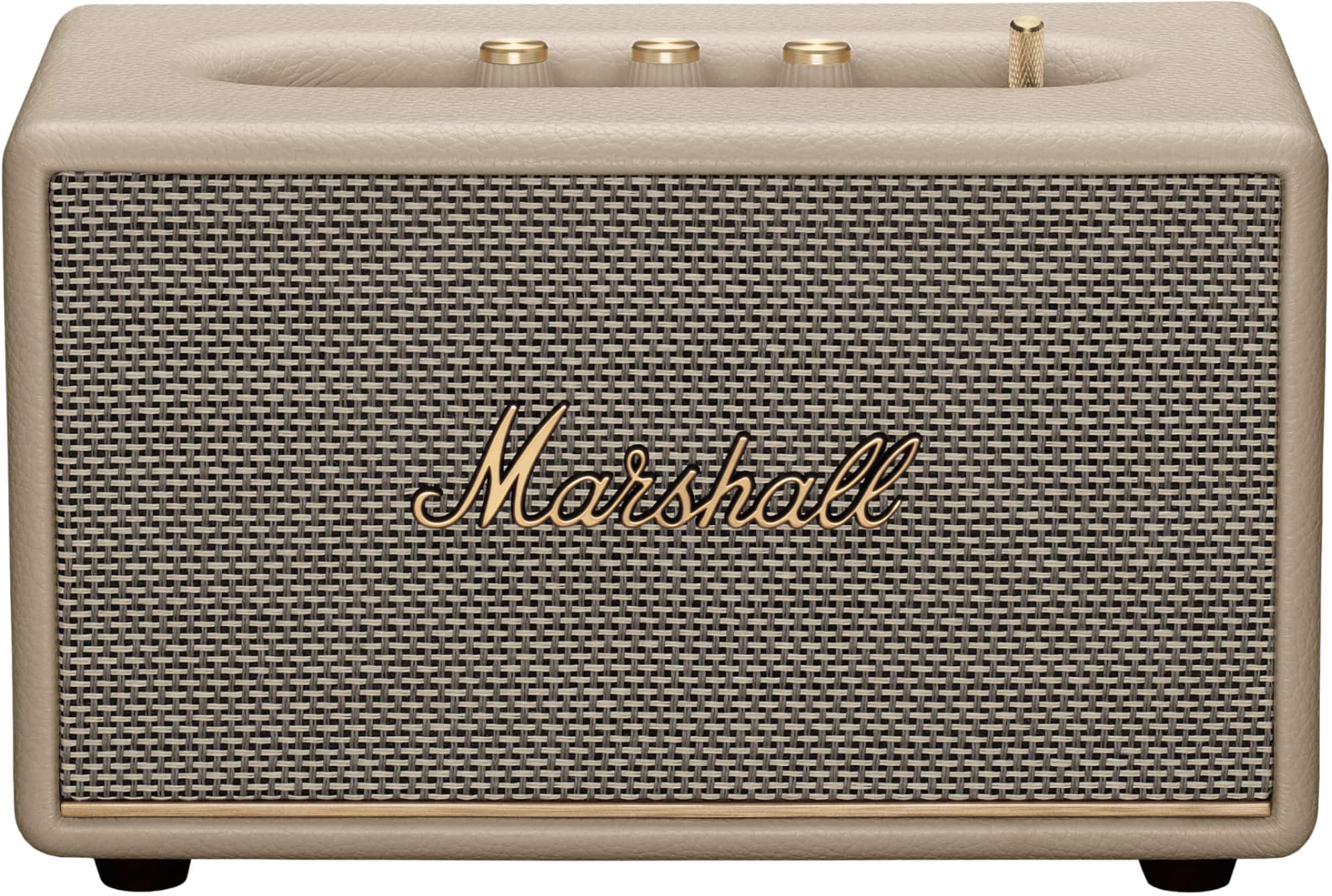
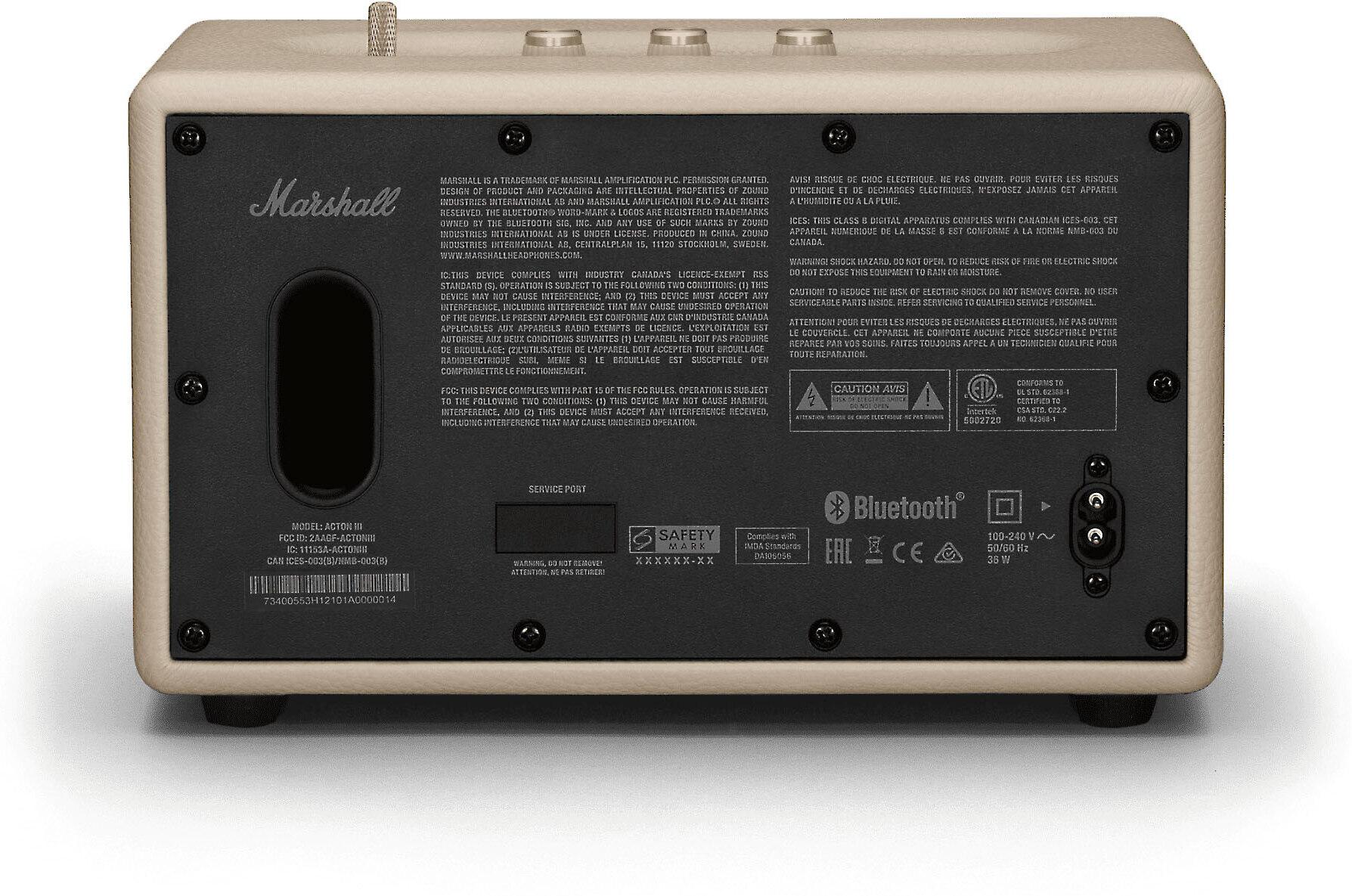
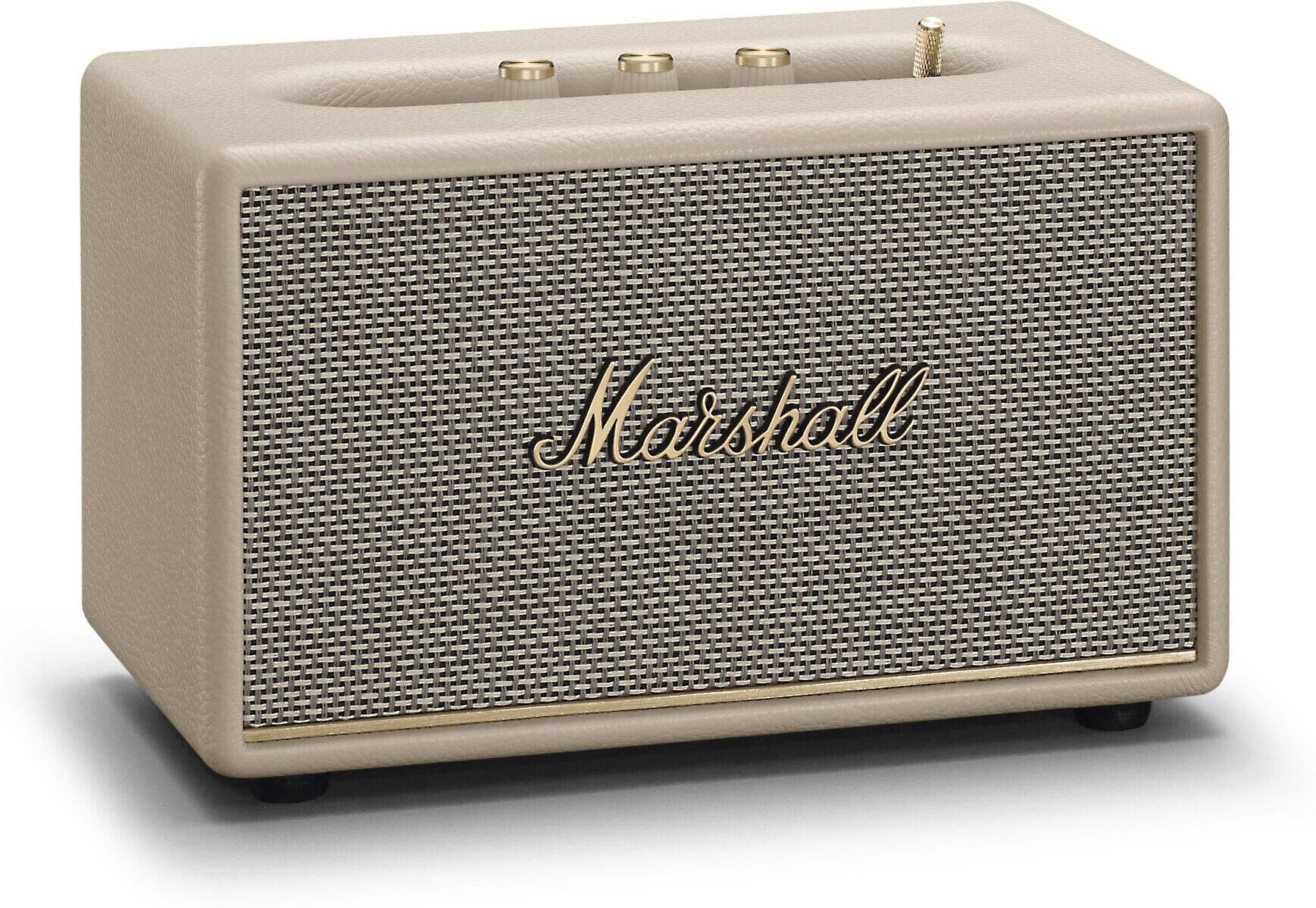
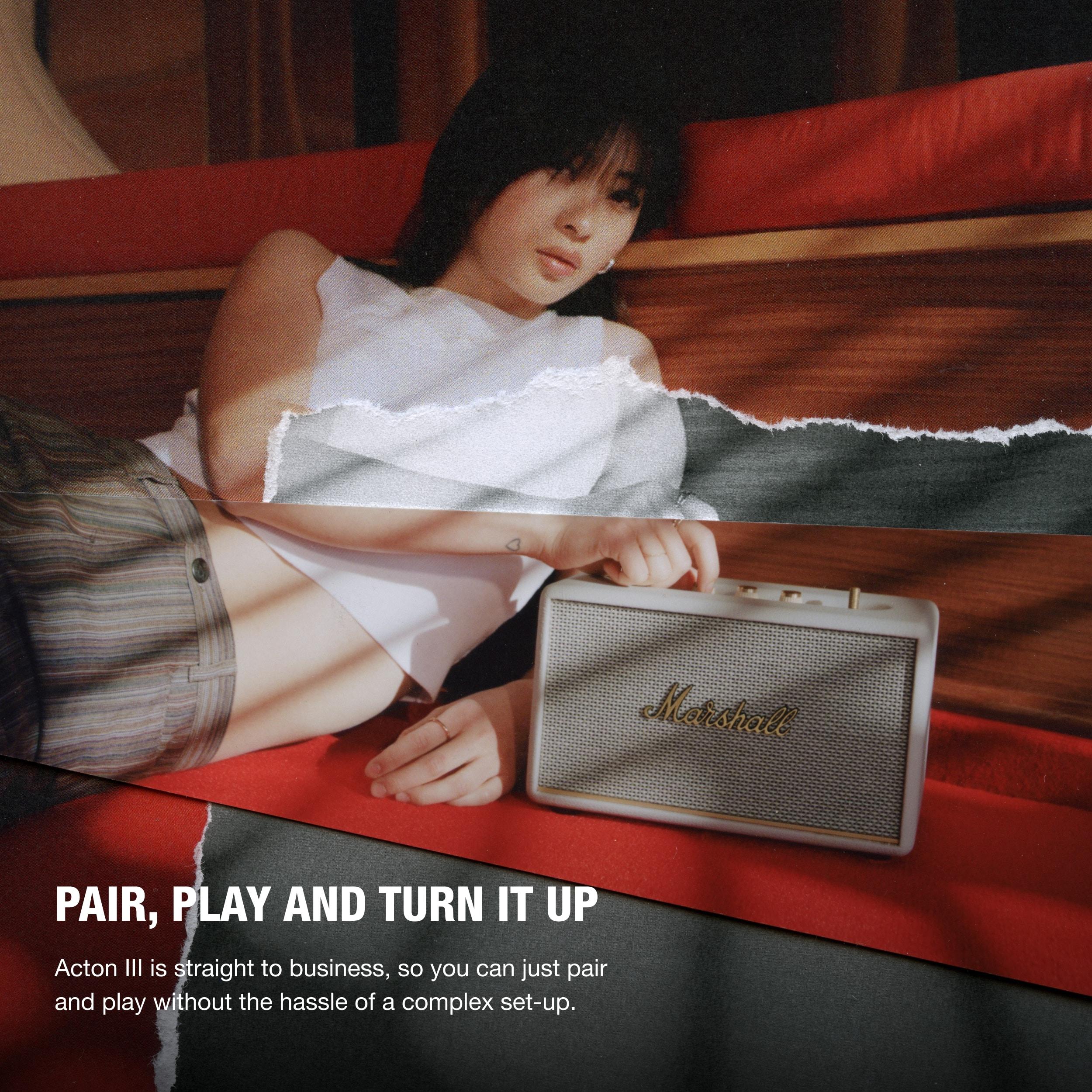
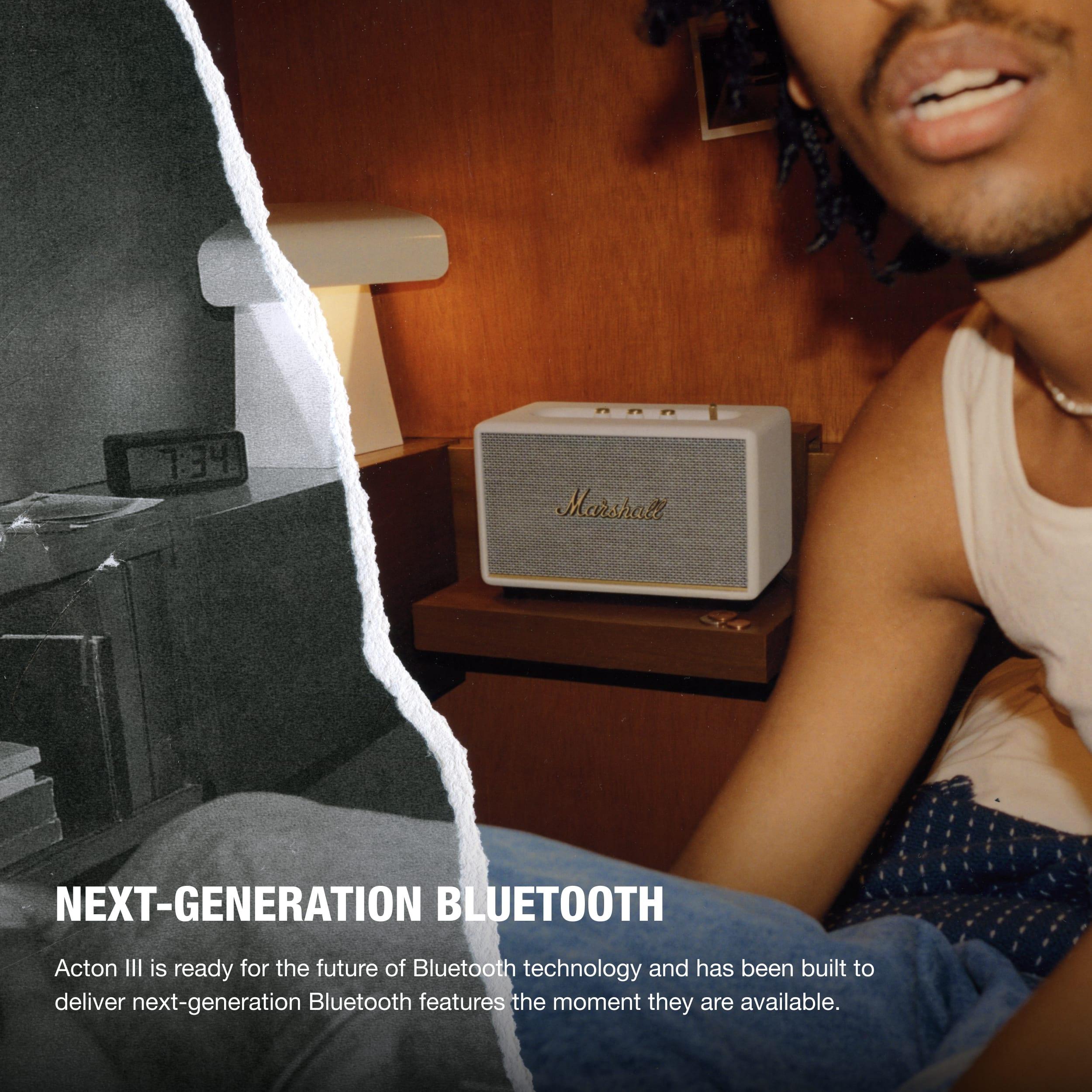
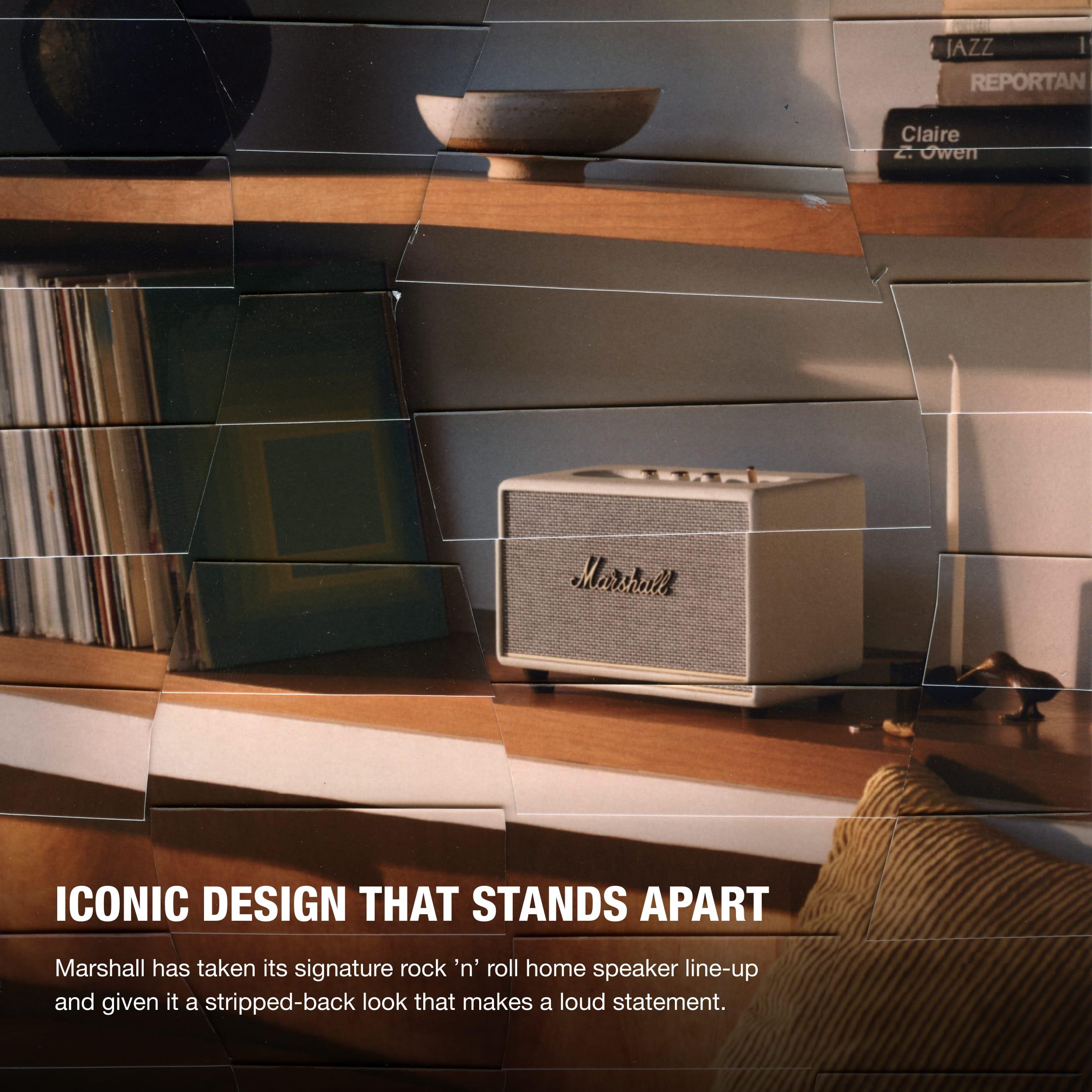
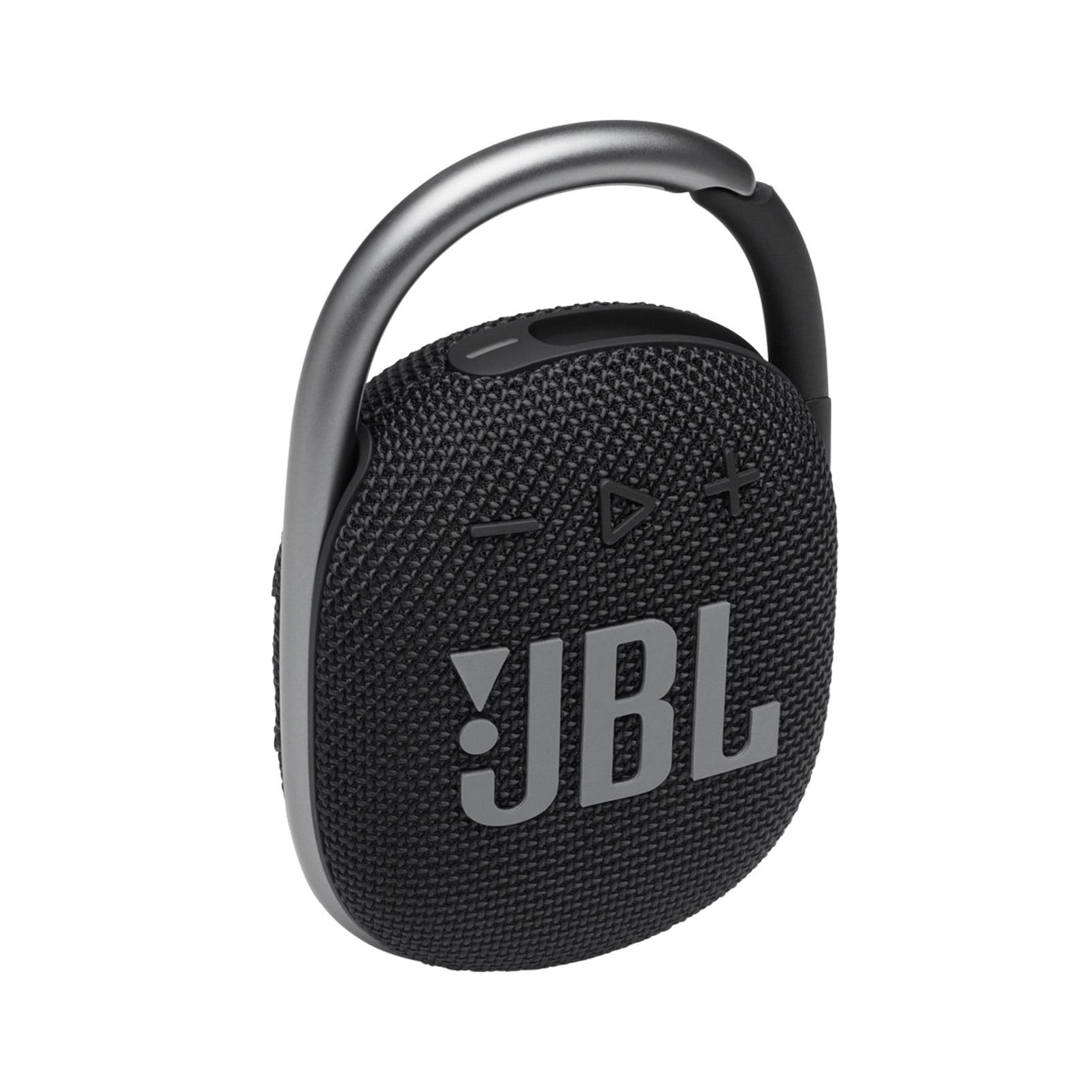



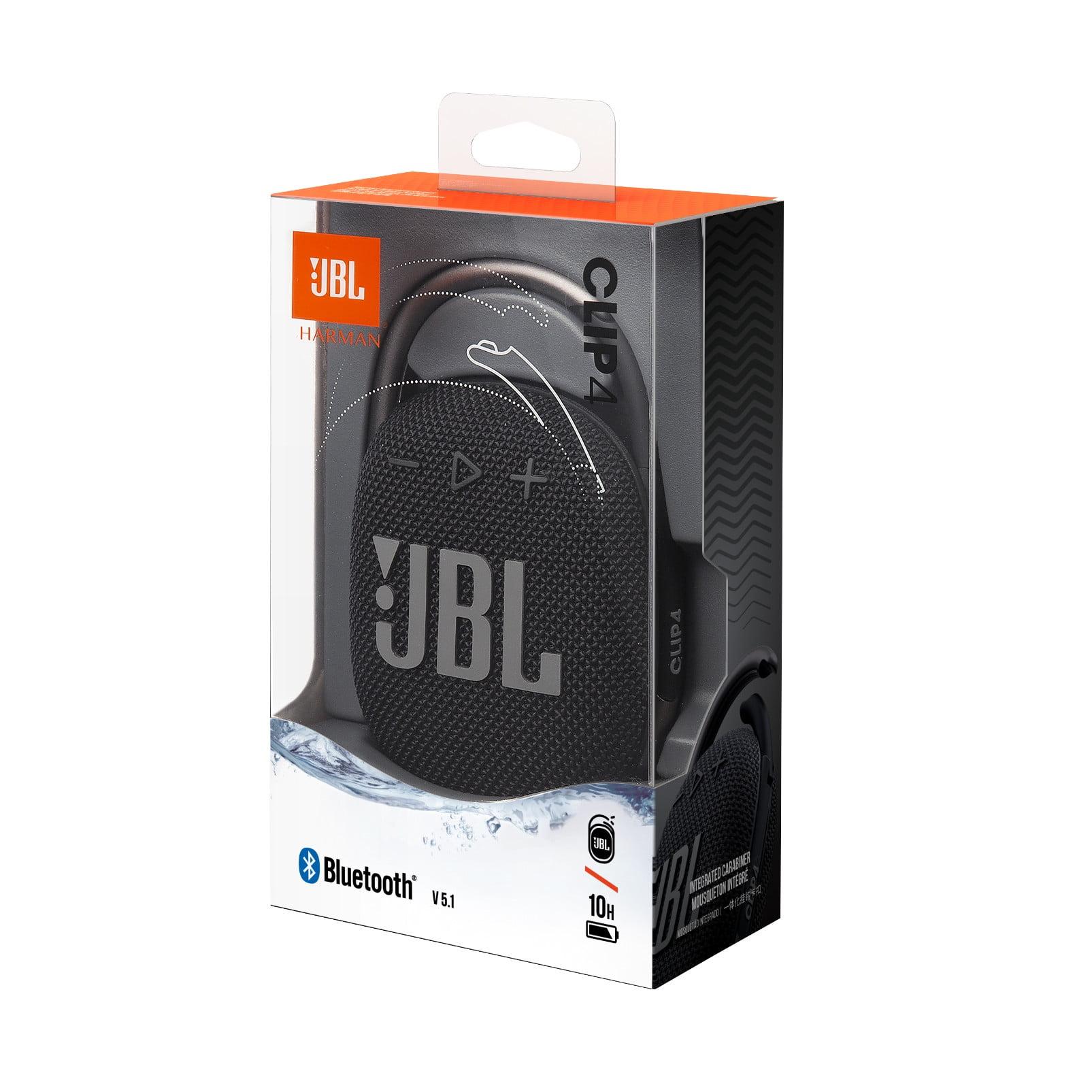
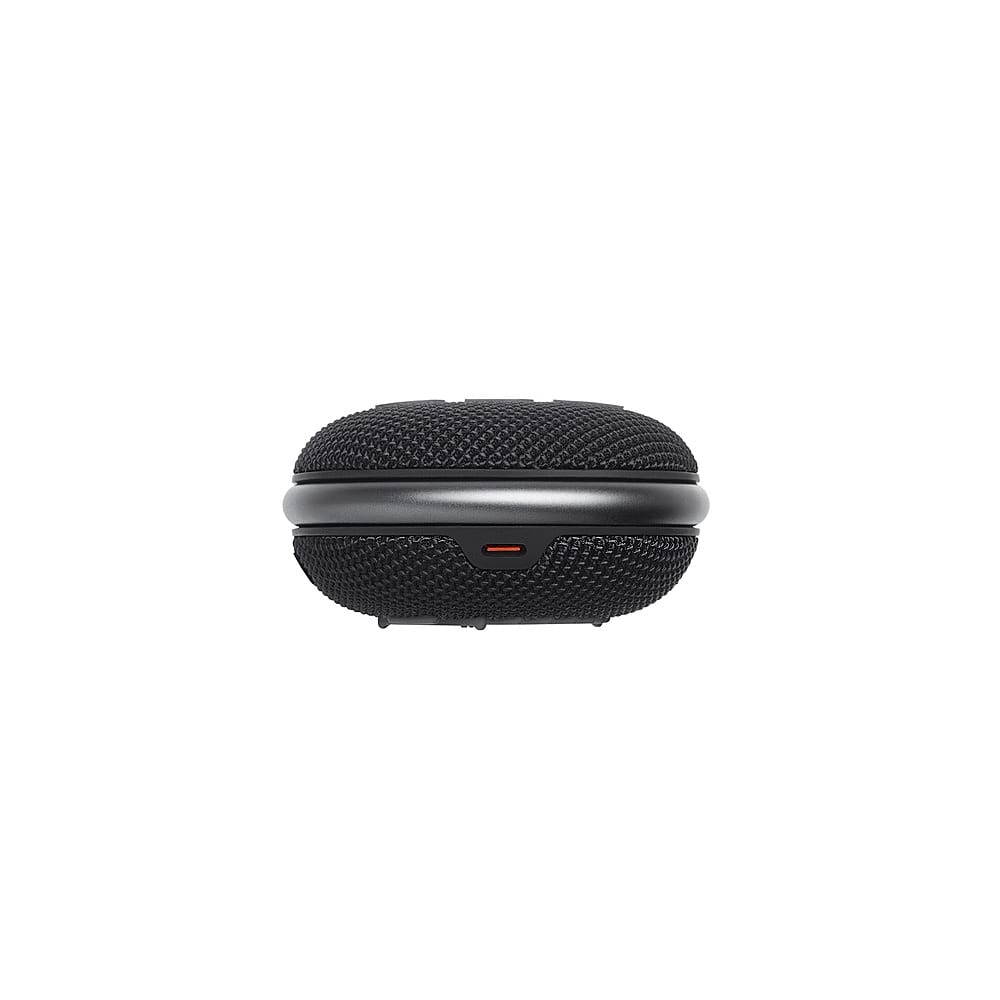

When it comes to Bluetooth speakers, one size definitely doesn't fit all. Today we're comparing two very different approaches to portable audio: the premium home-focused Marshall Acton III ($279.99) and the ultra-portable JBL Clip 4 ($33.20).
Bluetooth speakers have evolved significantly over the past decade. While early models struggled with connectivity and sound quality, modern speakers offer impressive performance in various form factors. The two speakers we're examining today represent opposite ends of the spectrum - one prioritizing sound quality and room-filling power, the other focusing on portability and durability.
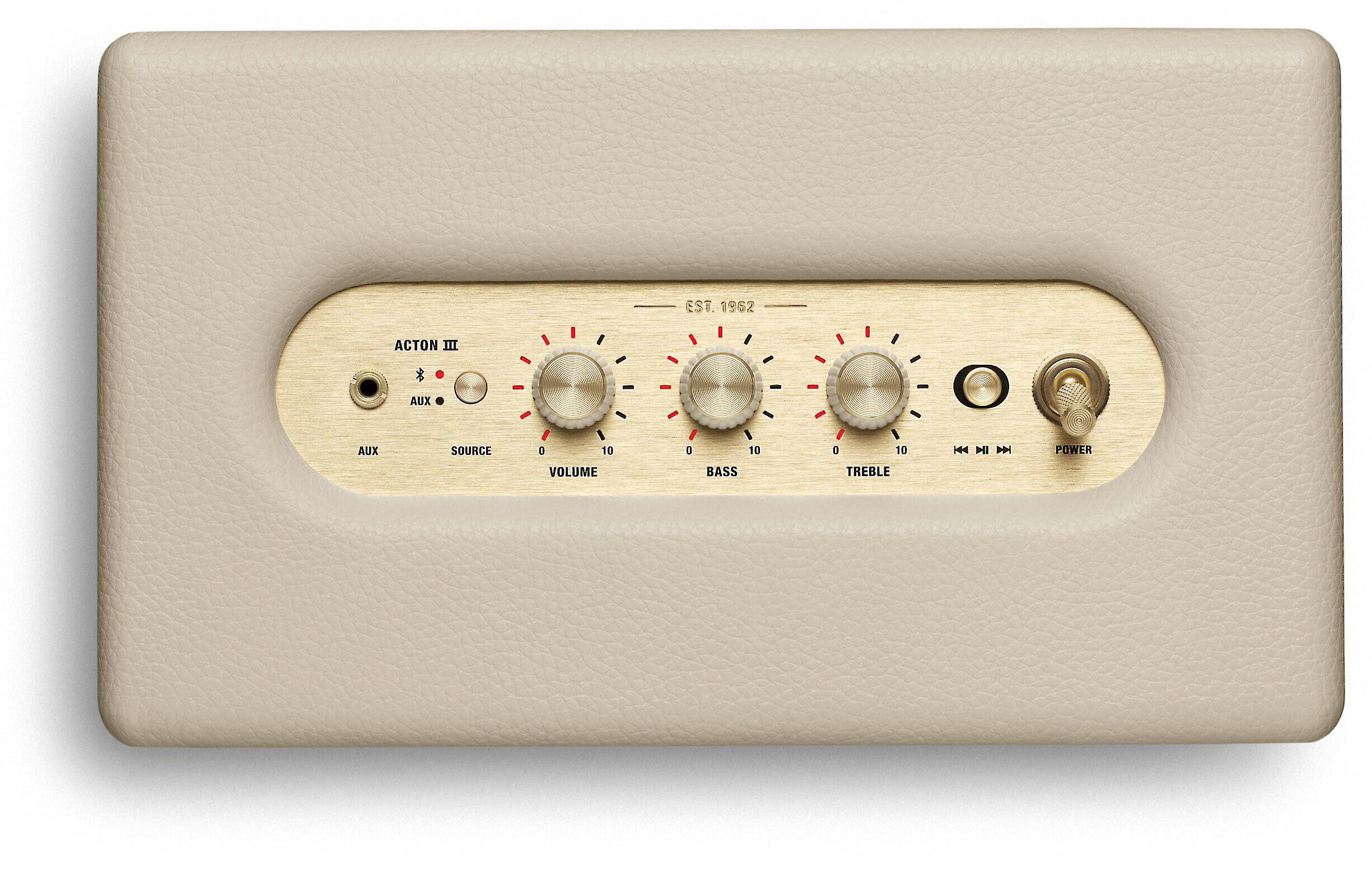
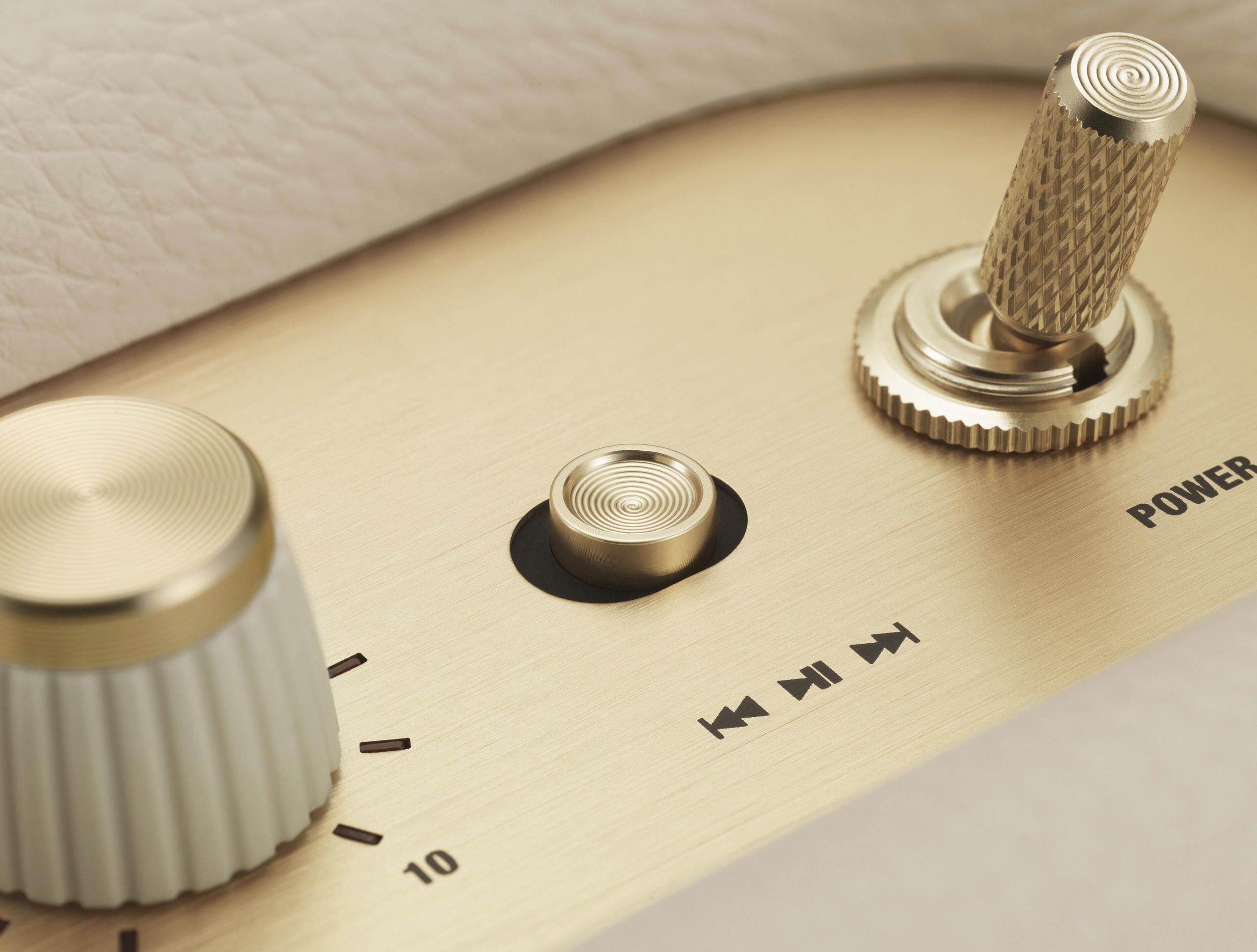
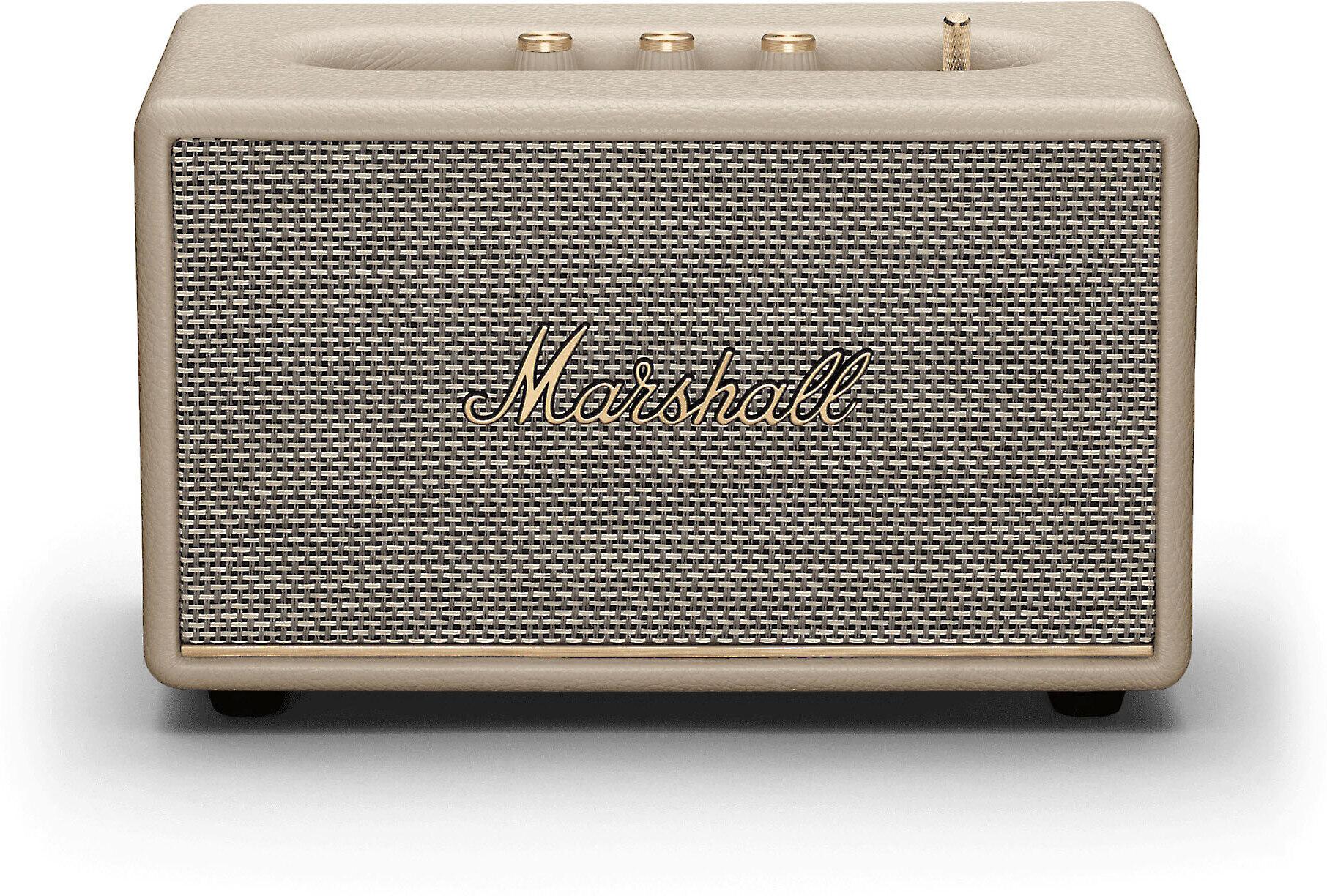
The Marshall Acton III, released in 2022, continues Marshall's tradition of bringing their iconic guitar amp aesthetic to home audio. This third generation improves upon its predecessors with more powerful amplification and upgraded Bluetooth 5.2, which enables higher quality audio streaming and better device connectivity. The speaker's design, featuring classic Marshall styling and brass-finished controls, makes it as much a piece of home decor as an audio device.
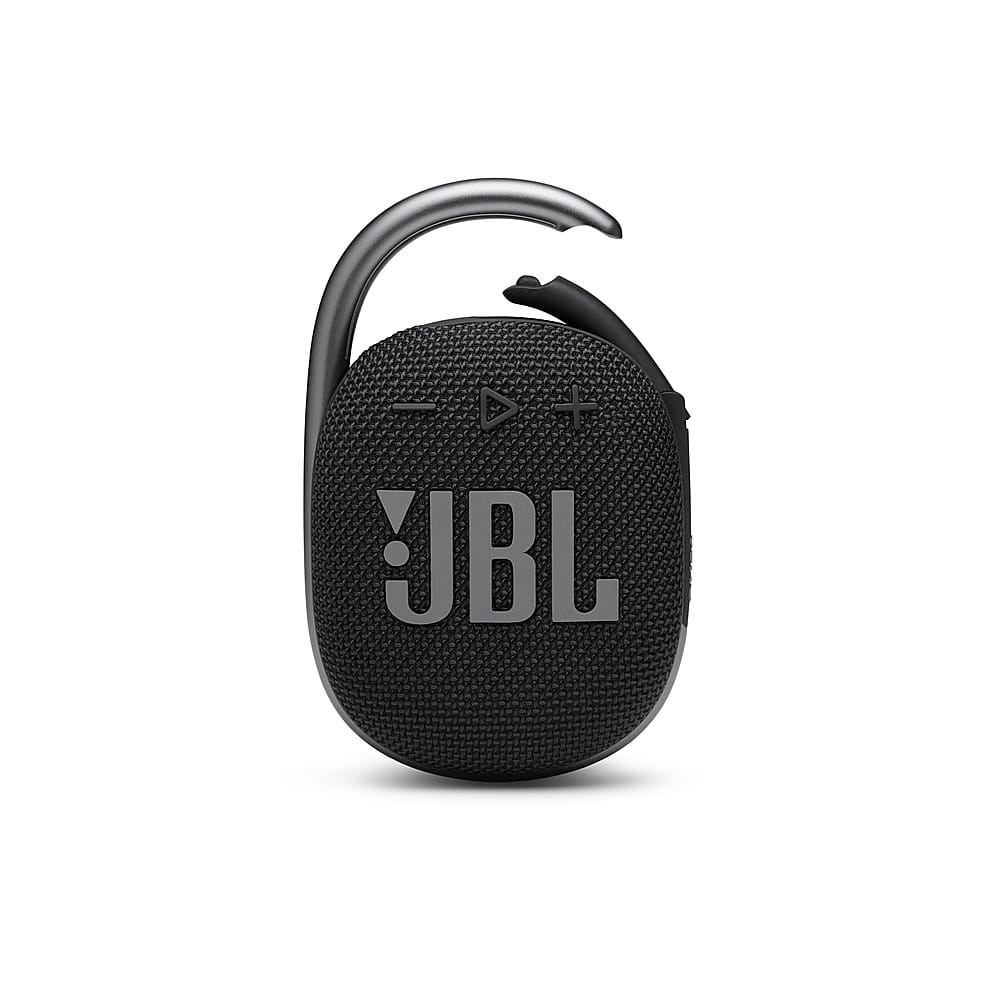
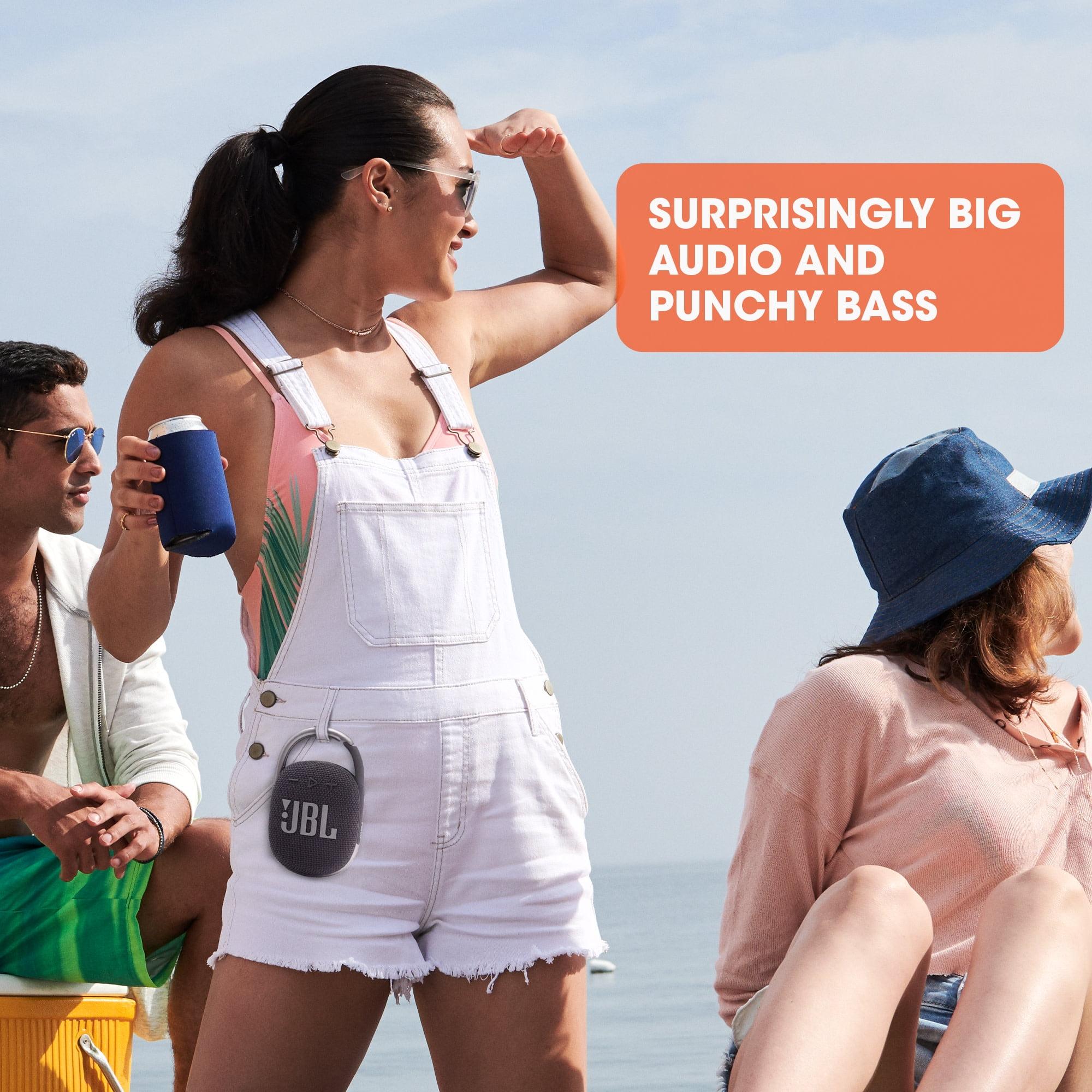
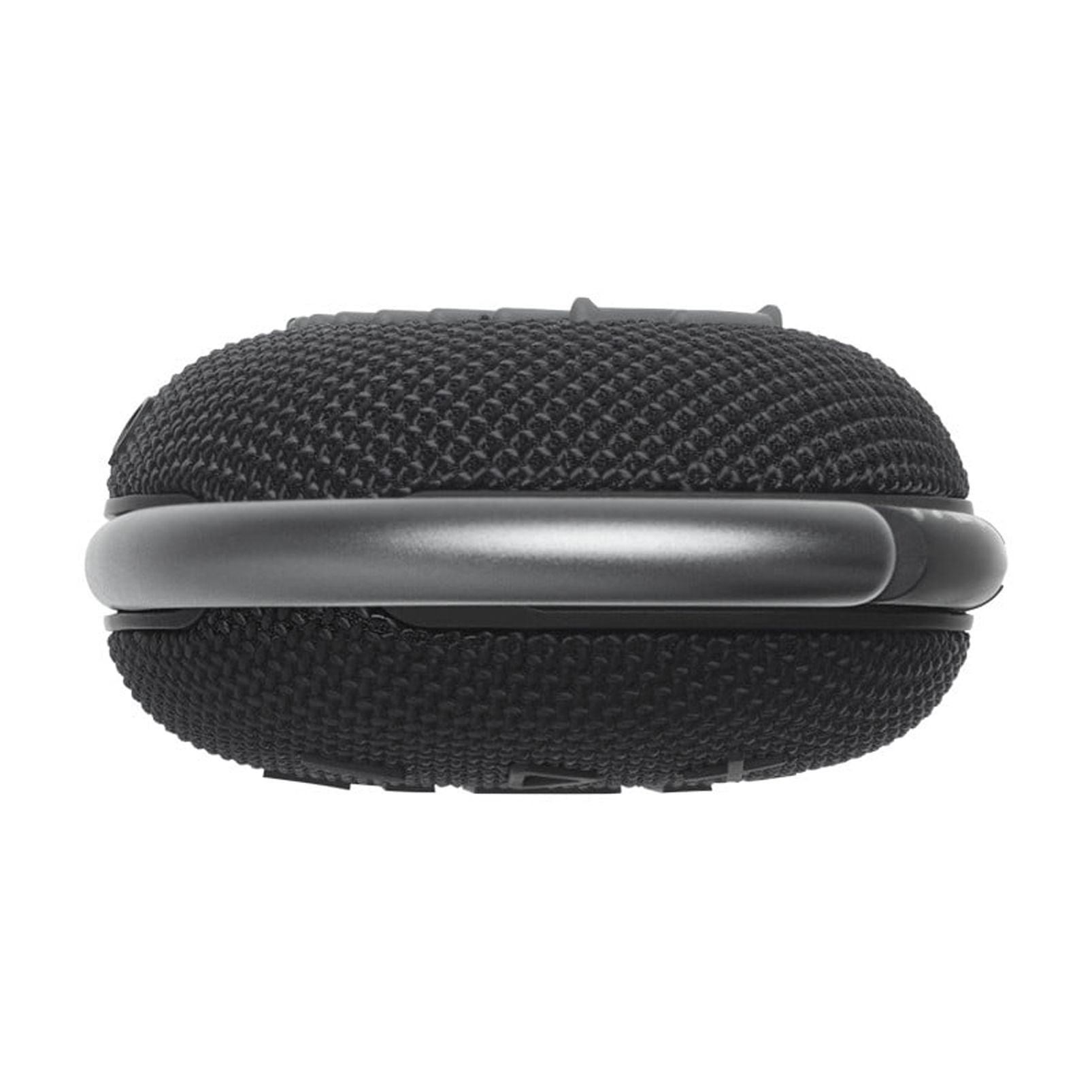
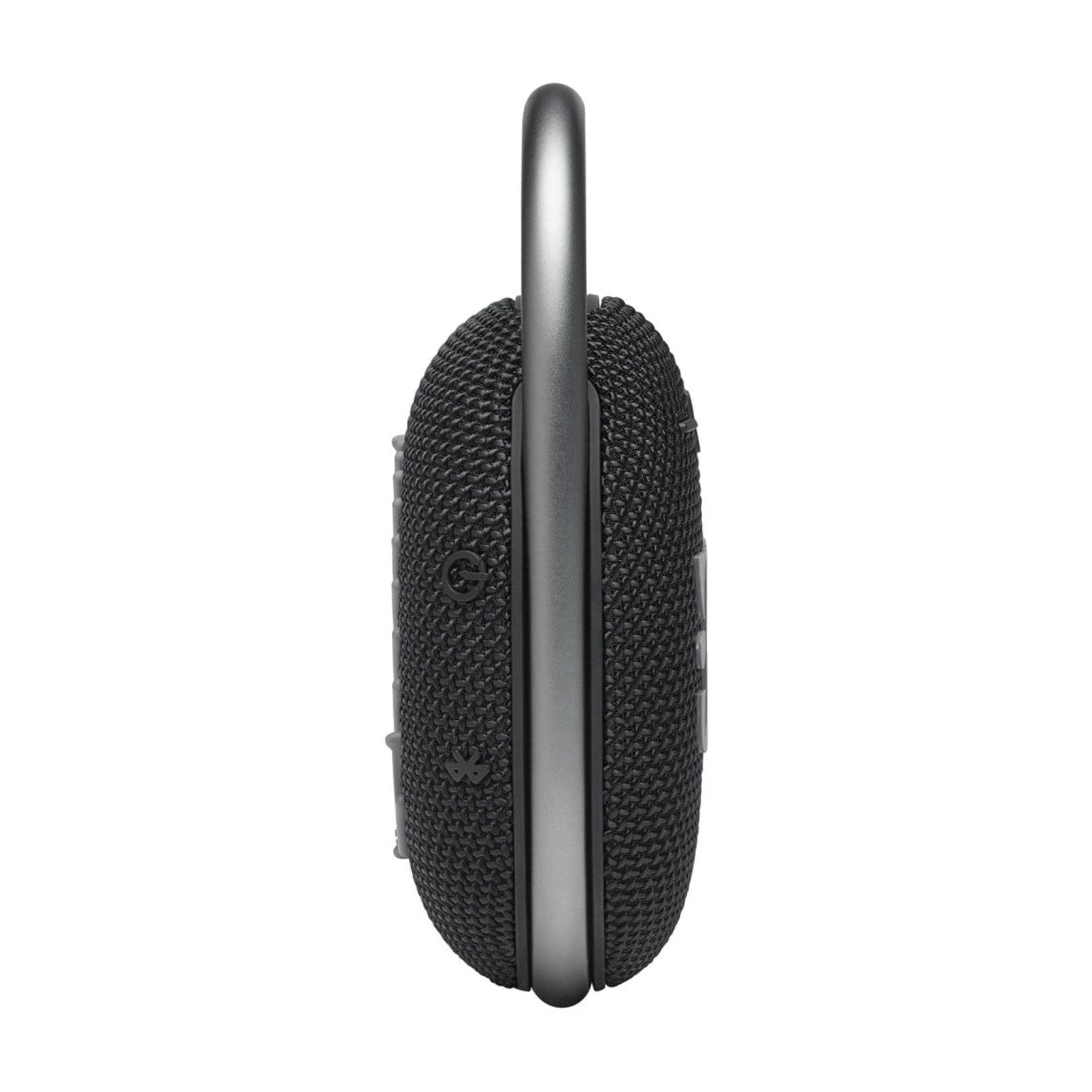
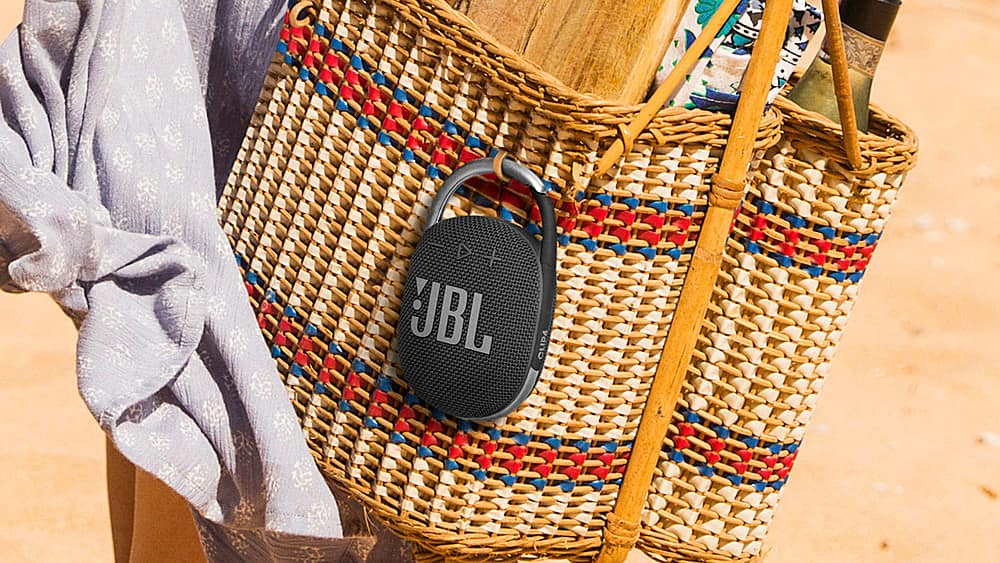
In contrast, the JBL Clip 4, launched in 2020, represents the latest evolution of JBL's ultra-portable speaker line. The fourth generation brought significant improvements to durability and sound quality, with a redesigned housing and more powerful driver than its predecessor. The integrated carabiner, a signature feature, was strengthened and enlarged for better versatility.
The Acton III's audio architecture is impressive for its size. It employs a three-driver system:
This configuration enables true stereo sound, with the tweeters angled outward to create a wider soundstage - the perceived width and depth of the audio. The frequency response of 45Hz-20kHz means it can reproduce nearly the full range of human hearing, with bass notes you can feel.
The speaker's "Dynamic Loudness" feature automatically adjusts frequency balance based on volume level, ensuring consistent sound quality whether you're listening at low volumes late at night or cranking it up for a party. This is particularly noticeable with bass frequencies, which our ears perceive differently at various volumes.
The Clip 4 takes a different approach, using a single 5-watt driver to deliver surprisingly capable sound from a tiny package. Its frequency response of 100Hz-20kHz means it can't produce deep bass, but JBL's tuning emphasizes mid-bass frequencies to create the impression of fuller sound.
The speaker uses digital signal processing (DSP) to prevent distortion at high volumes, though this can sometimes result in a slightly compressed sound when pushed to its limits. For its intended use - personal listening at moderate volumes - the sound quality is remarkably good.
Having tested both speakers extensively, their different capabilities become clear in practical use:
The Marshall Acton III excels in:
The JBL Clip 4 shines in:
The Acton III's Bluetooth 5.2 implementation supports future features like LE Audio, which promises better sound quality and the ability to broadcast to multiple speakers simultaneously. The physical controls are a highlight, with tactile knobs for volume, bass, and treble adjustment. The Marshall app provides additional EQ control and speaker placement compensation, which adjusts the sound based on the speaker's position in your room.
The Clip 4's Bluetooth 5.1 connectivity is solid and reliable, though it lacks the advanced features of the Acton III. Controls are simple and straightforward, with large buttons for volume and playback. There's no companion app, which means no EQ adjustment, but the fixed tuning is well-balanced for most uses.
At $279.99, the Marshall Acton III represents a significant investment. However, when compared to other home audio solutions offering similar sound quality and features, it's reasonably priced. The build quality and design suggest it will last many years, making the cost easier to justify.
The JBL Clip 4, typically found between $33.20-$79.95, offers exceptional value for its capabilities. The durability and versatility make it a practical choice for anyone needing portable audio, and the current discounted pricing makes it an especially attractive option.
While neither speaker is designed specifically for home theater use, the Acton III can serve as a capable TV speaker when space or budget doesn't allow for a full surround system. Its stereo separation and strong bass response make it suitable for movies and TV shows, though it lacks features like a dedicated center channel for dialogue or HDMI connectivity.
The choice between these speakers comes down to your primary use case:
Choose the Marshall Acton III if:
Choose the JBL Clip 4 if:
Both speakers represent current trends in their respective categories. The Acton III's support for future audio standards suggests longevity, while the Clip 4's robust design and proven track record make it a safe bet for portable use. While they serve different purposes, both deliver excellent performance for their intended uses.
Remember that these speakers aren't mutually exclusive - many audio enthusiasts might benefit from having both: the Marshall Acton III for home listening and the JBL Clip 4 for outdoor adventures. Your specific needs and usage scenarios should guide your decision more than raw specifications or price alone.
| Marshall Acton III | JBL Clip 4 |
|---|---|
| Price - Base Investment | |
| $279.99 (premium home audio) | $33.20-79.95 (affordable portable) |
| Power Output - Impacts maximum volume and sound clarity | |
| 60W total (2x15W tweeters + 30W woofer) | 5W single driver |
| Frequency Response - Determines bass depth and overall sound range | |
| 45-20,000 Hz (deep bass capable) | 100-20,000 Hz (limited bass) |
| Size - Affects placement flexibility and portability | |
| 10.24 x 6.69 x 5.91 inches (stationary) | 3.4 x 5.3 x 1.8 inches (ultra-portable) |
| Weight - Important for mobility | |
| 6.28 lbs (permanent placement) | 0.53 lbs (highly portable) |
| Durability Rating - Critical for outdoor use | |
| No water resistance (indoor only) | IP67 (waterproof/dustproof) |
| Power Source - Impacts placement and usage | |
| AC power only (requires outlet) | 10-hour rechargeable battery |
| Sound Configuration - Affects audio quality and stereo separation | |
| 2-way stereo with dedicated woofer | Single full-range driver (mono) |
| Connectivity - Available input options | |
| Bluetooth 5.2 + 3.5mm aux input | Bluetooth 5.1 only |
| Control Options - How you adjust sound | |
| Physical knobs + app EQ control | Basic buttons, no EQ adjustment |
| Special Features - Additional functionality | |
| Dynamic Loudness, placement compensation, app control | Integrated carabiner, waterproof design |
The Marshall Acton III ($279.99) is significantly better for home use with its room-filling sound and 60W of power. The JBL Clip 4 ($33.20) is designed for portable use and lacks the power for whole-room audio.
The Marshall Acton III offers superior sound quality with its three-speaker system and wider frequency range. The JBL Clip 4 has good sound for its size but can't match the bass response and clarity of the Acton III.
The JBL Clip 4 is specifically designed for outdoor use with IP67 waterproofing. The Marshall Acton III is not weather-resistant and requires AC power, making it unsuitable for outdoor use.
Only the JBL Clip 4 has a battery, lasting up to 10 hours. The Marshall Acton III requires constant AC power.
The JBL Clip 4 is ultra-portable at just 0.53 lbs with a built-in carabiner. The Marshall Acton III weighs 6.28 lbs and needs AC power, making it a stationary speaker.
The Marshall Acton III can connect to TVs via its 3.5mm aux input. The JBL Clip 4 only offers Bluetooth connectivity, making it less suitable for TV use.
The JBL Clip 4 offers excellent value for portable use at $33.20-79.95. The Marshall Acton III at $279.99 provides good value for those needing premium home audio.
The Marshall Acton III offers extensive control with physical knobs and app-based EQ. The JBL Clip 4 has basic volume controls only.
The Marshall Acton III is better for indoor parties with its powerful sound. The JBL Clip 4 works well for small outdoor gatherings but lacks volume for larger events.
Both the Marshall Acton III and JBL Clip 4 use Bluetooth 5+ and work with virtually all modern phones.
The Marshall Acton III has significantly better bass with its dedicated 30W woofer. The JBL Clip 4 has limited bass response due to its small size.
Neither the Marshall Acton III nor the JBL Clip 4 is designed for video calls as they don't include microphones.
We've done our best to create useful and informative comparisons to help you decide what product to buy. Our research uses advanced automated methods to create this comparison and perfection is not possible - please contact us for corrections or questions. These are the sites we've researched in the creation of this article: bestbuy.com - youtube.com - bestbuy.com - pocket-lint.com - bestbuy.com - crutchfield.com - premiumsound.com.au - marshall.com - 2001audiovideo.com - youtube.com - t3.com - bestbuy.com - youtube.com - youtube.com - outeraudio.com - jbl.com - rtings.com - youtube.com - jbl.com - harmanaudio.com - youtube.com - ggelectronics.com - greentoe.com - soundstagexperience.com

Privacy Policy
Terms and Conditions - Affiliate Policy
Home Security
© Copyright 2008-2026.
11816 Inwood Rd #1211, Dallas, TX 75244