

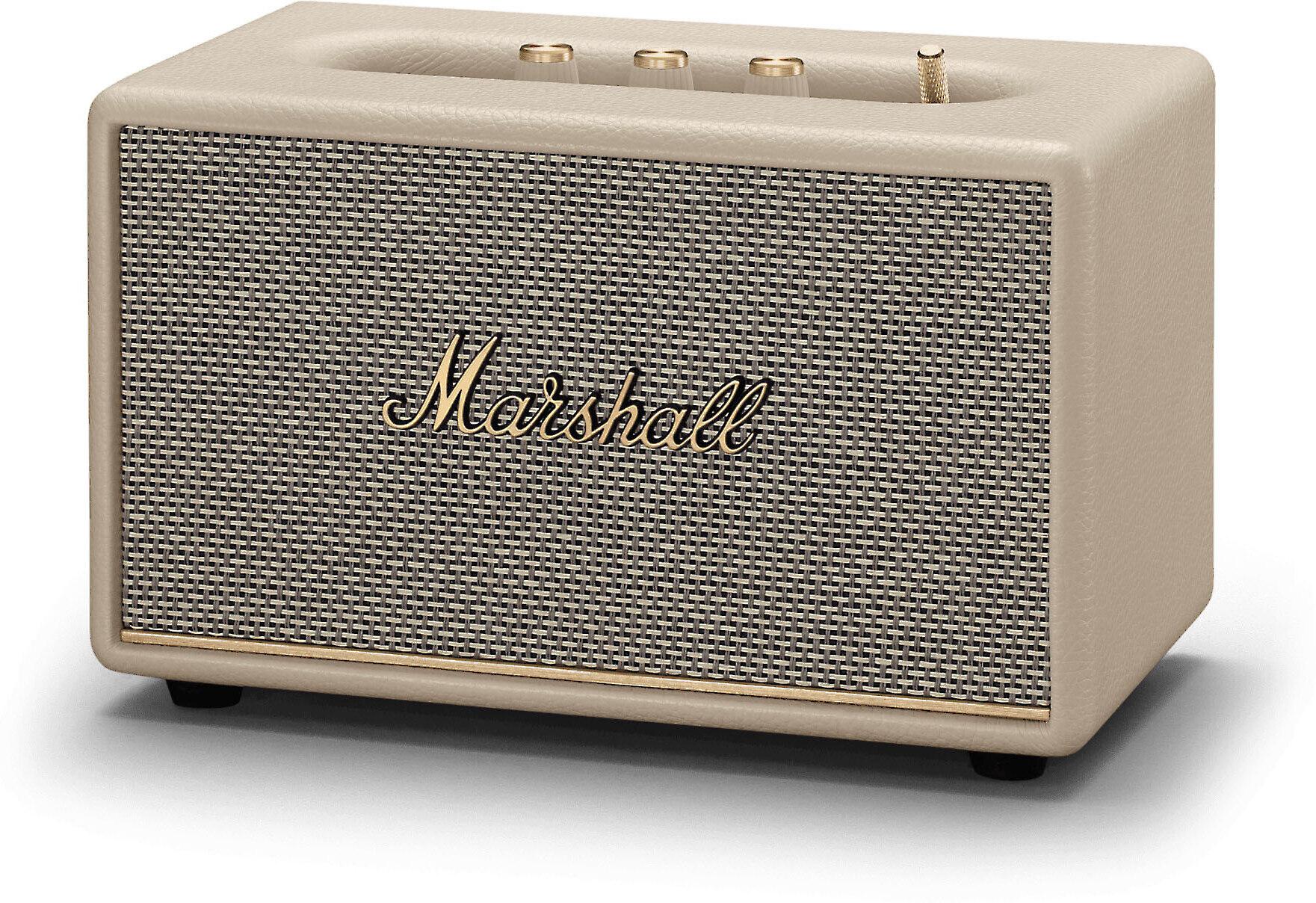
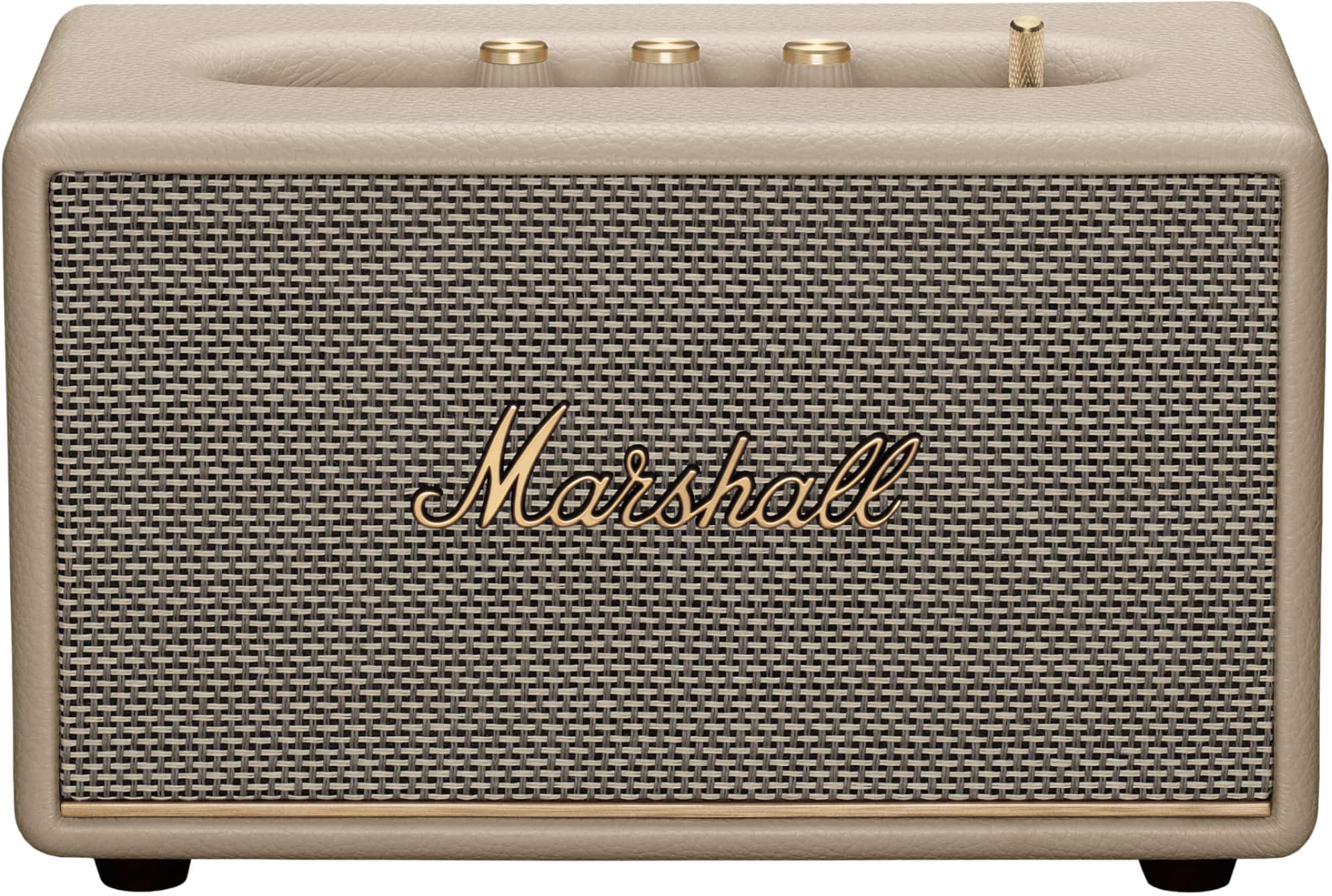
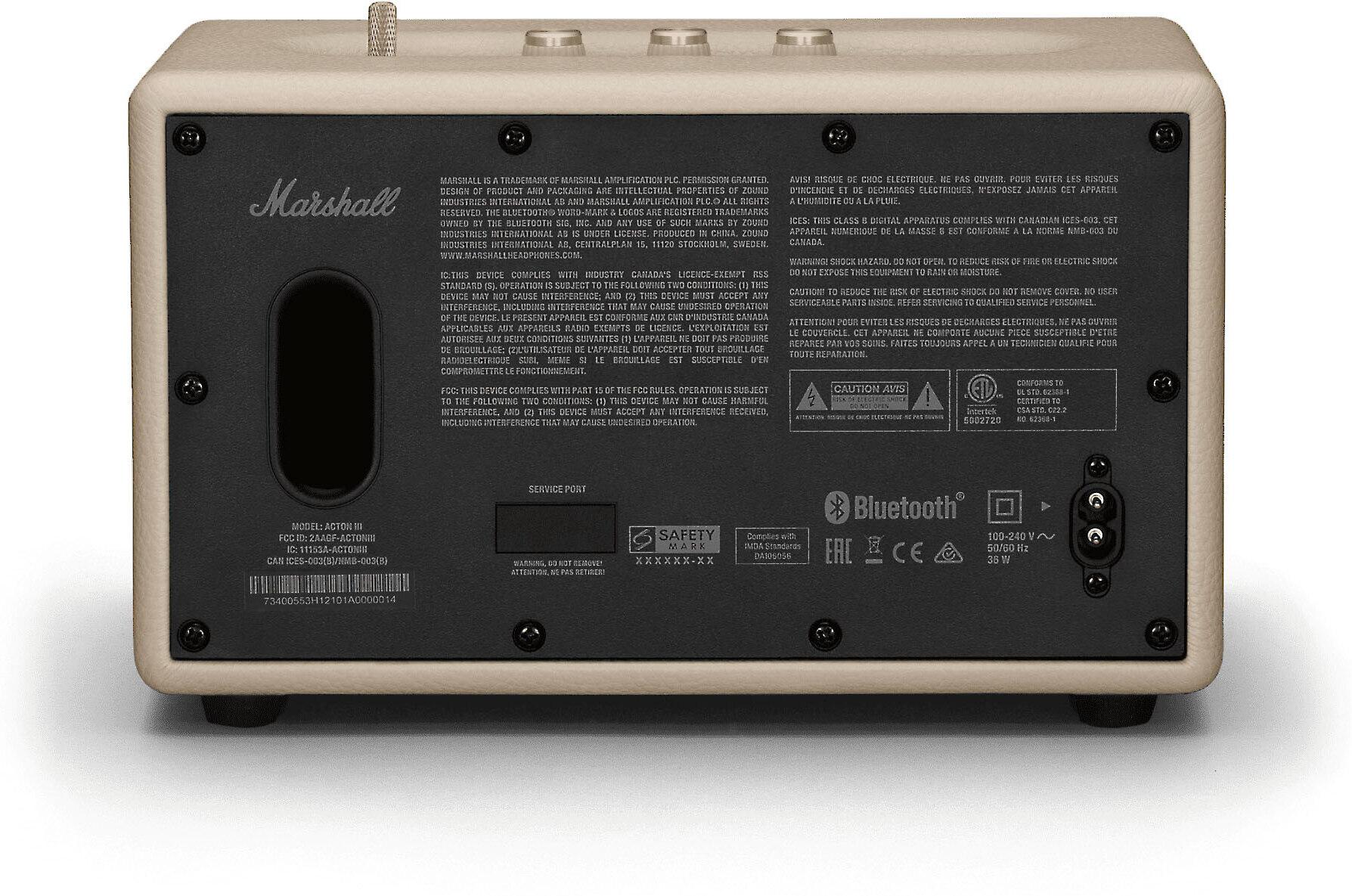
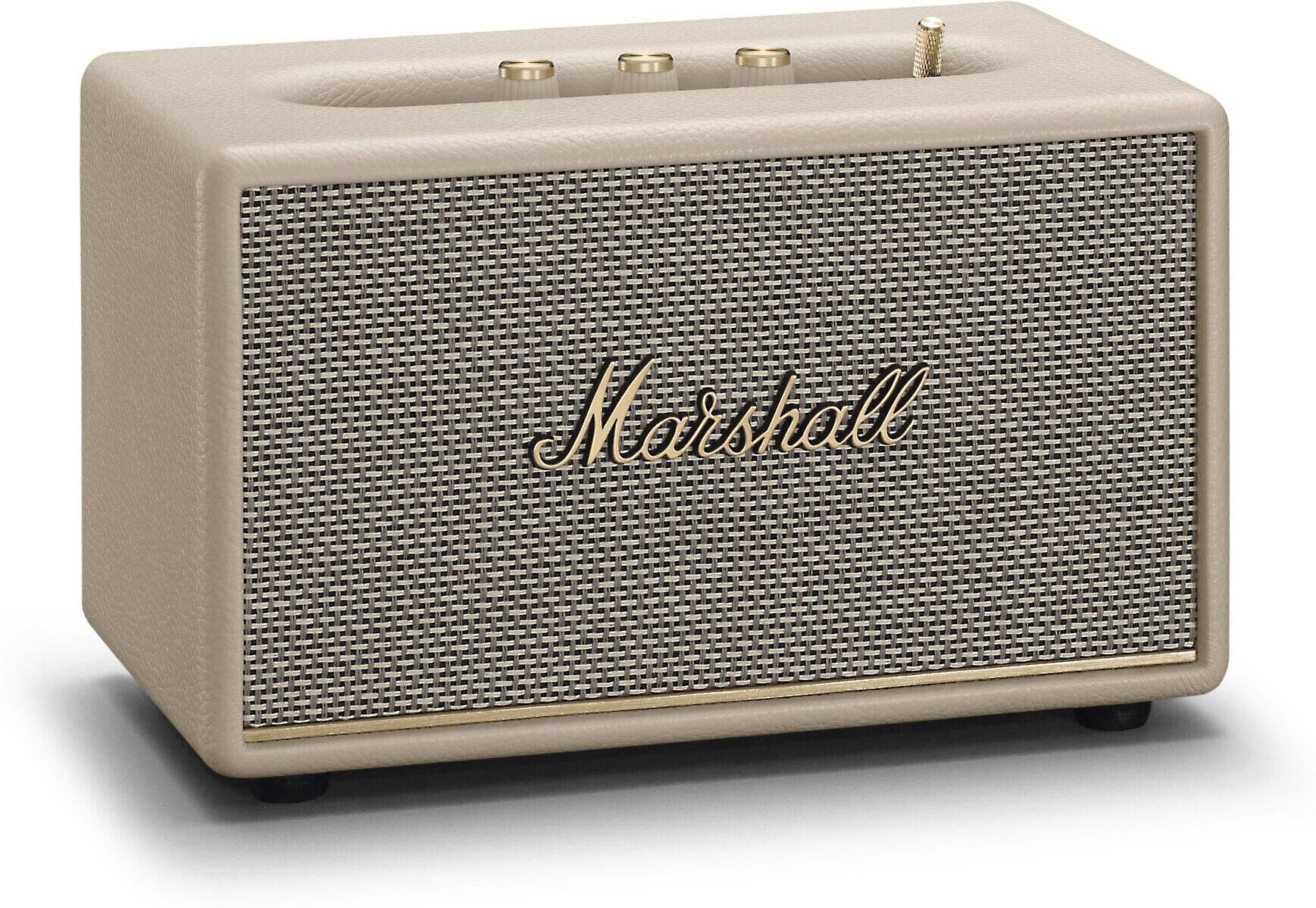
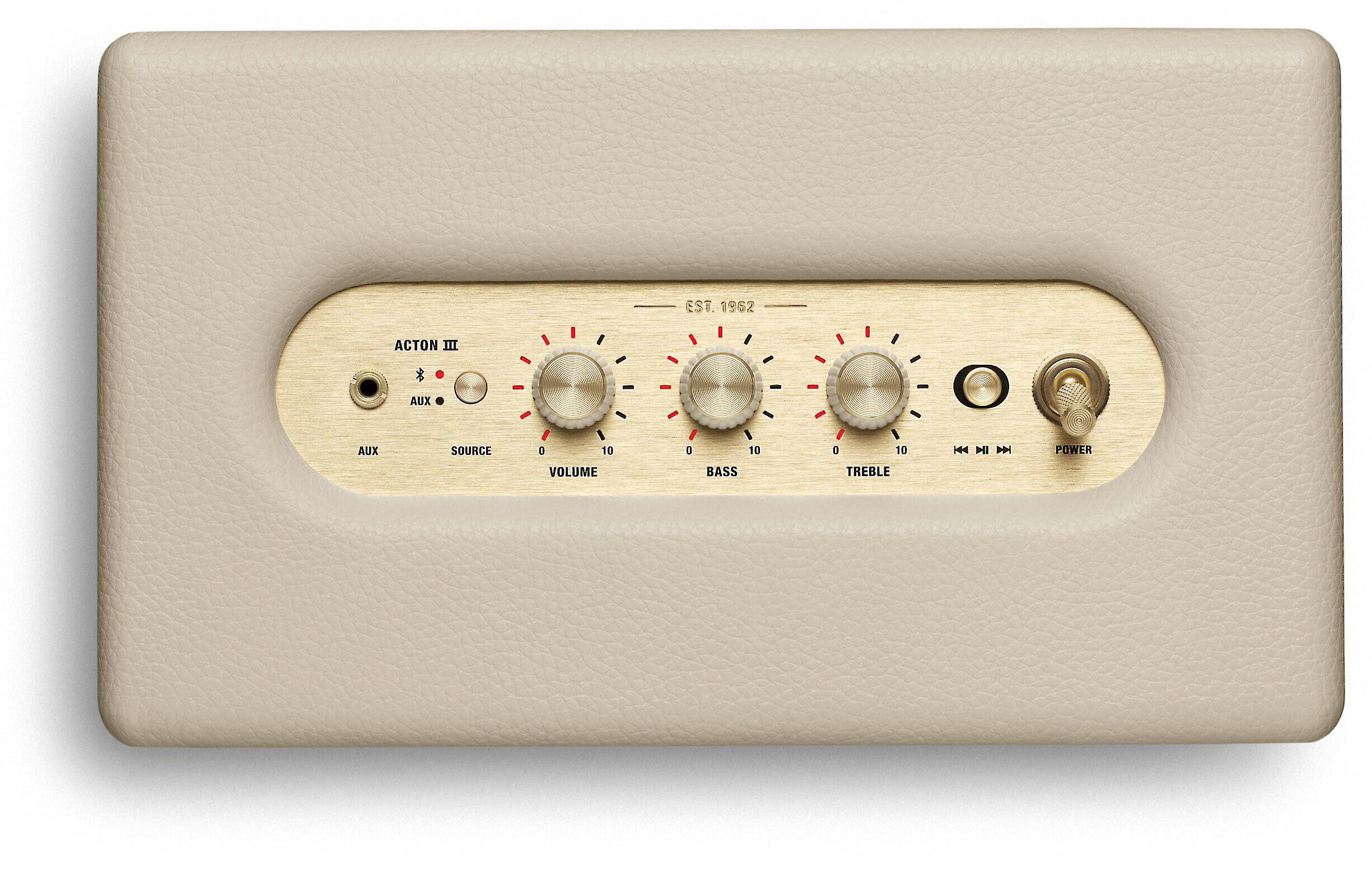
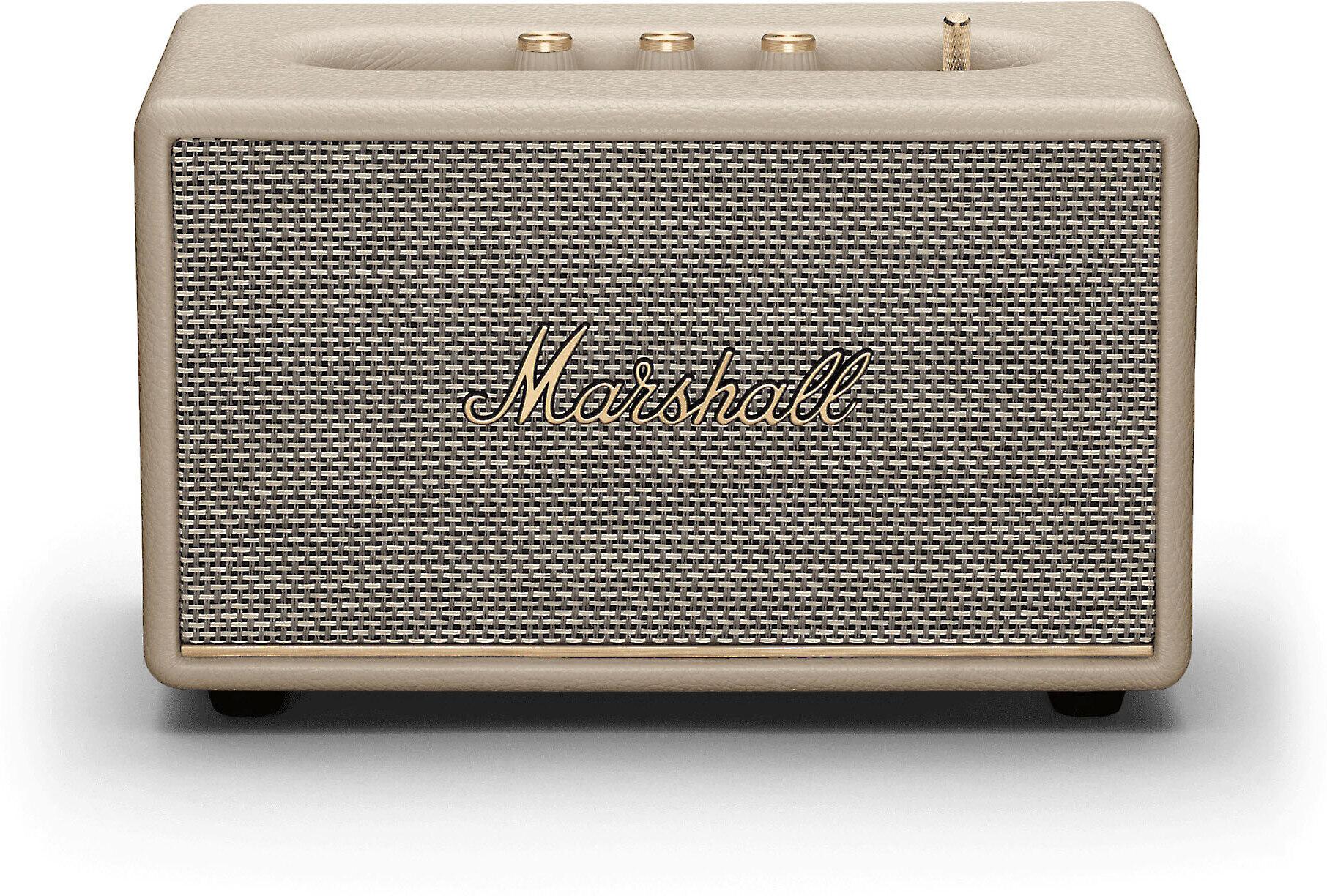

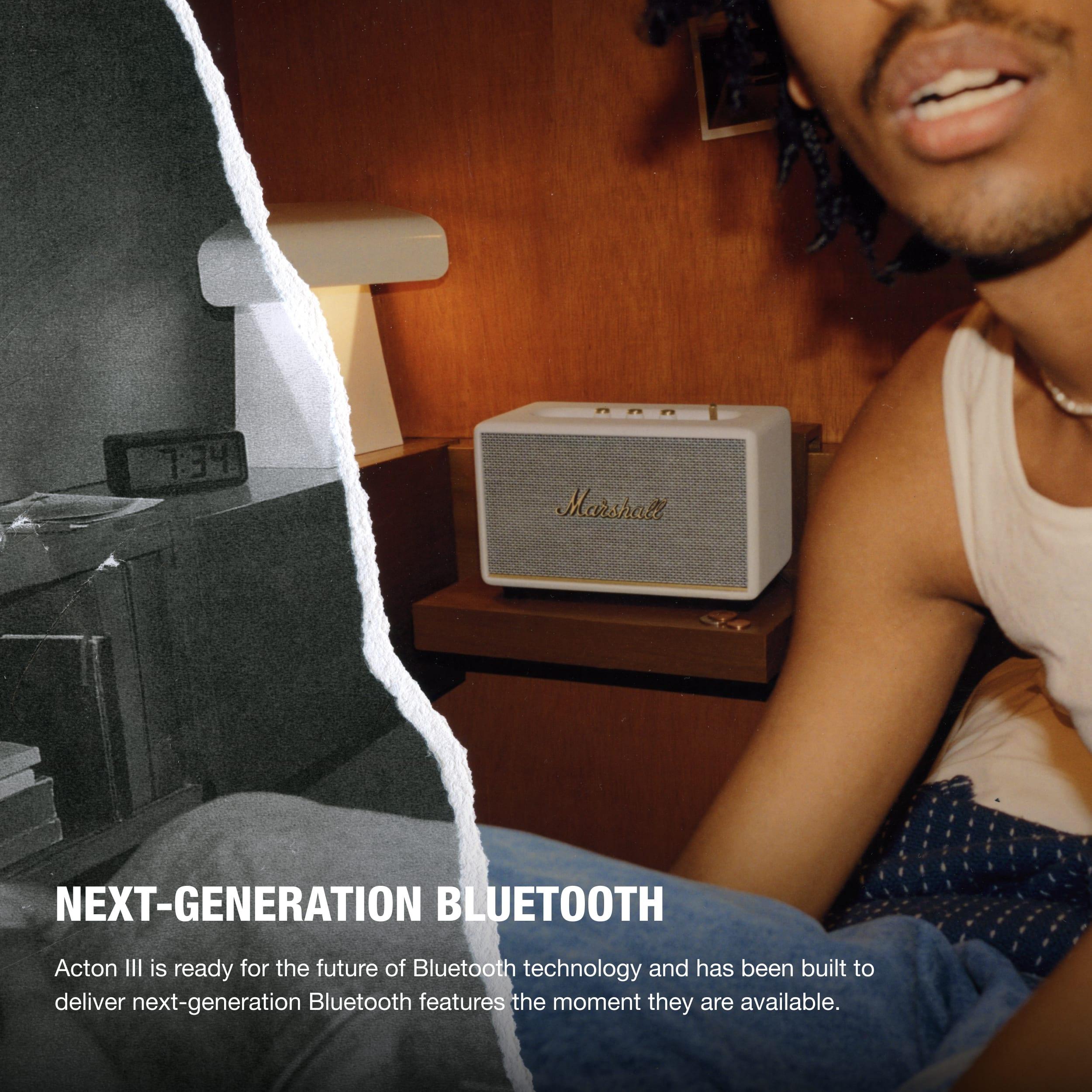
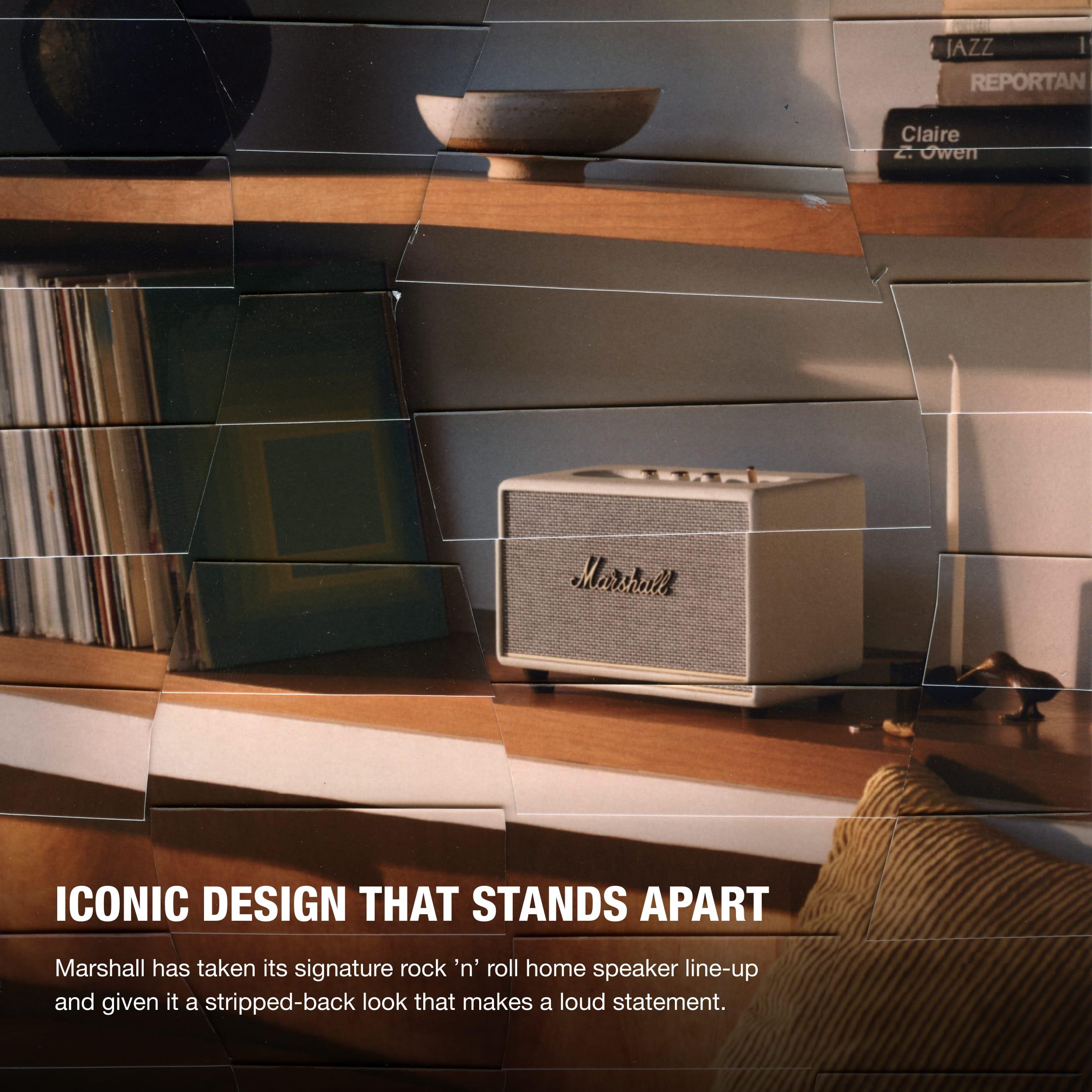
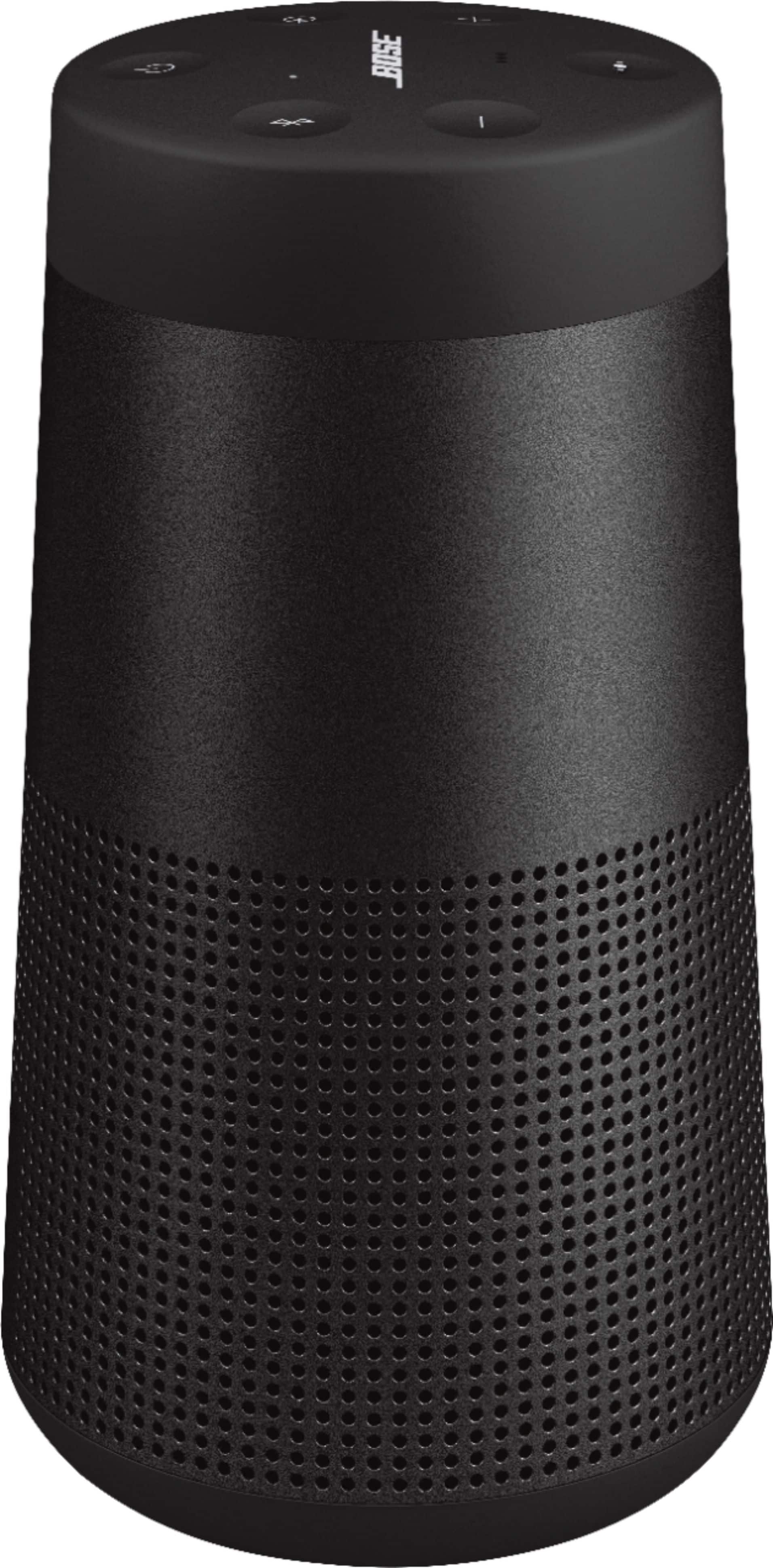
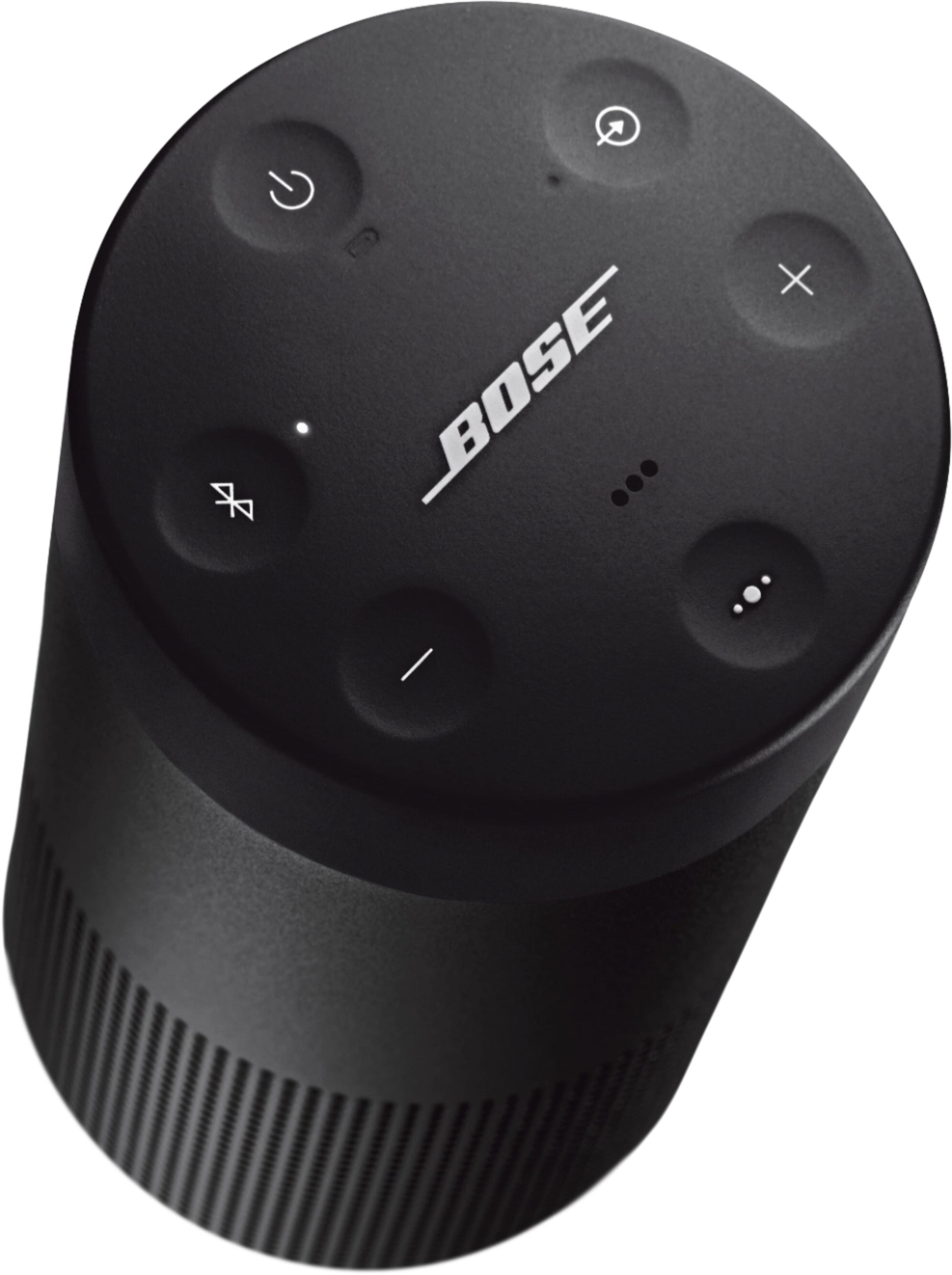
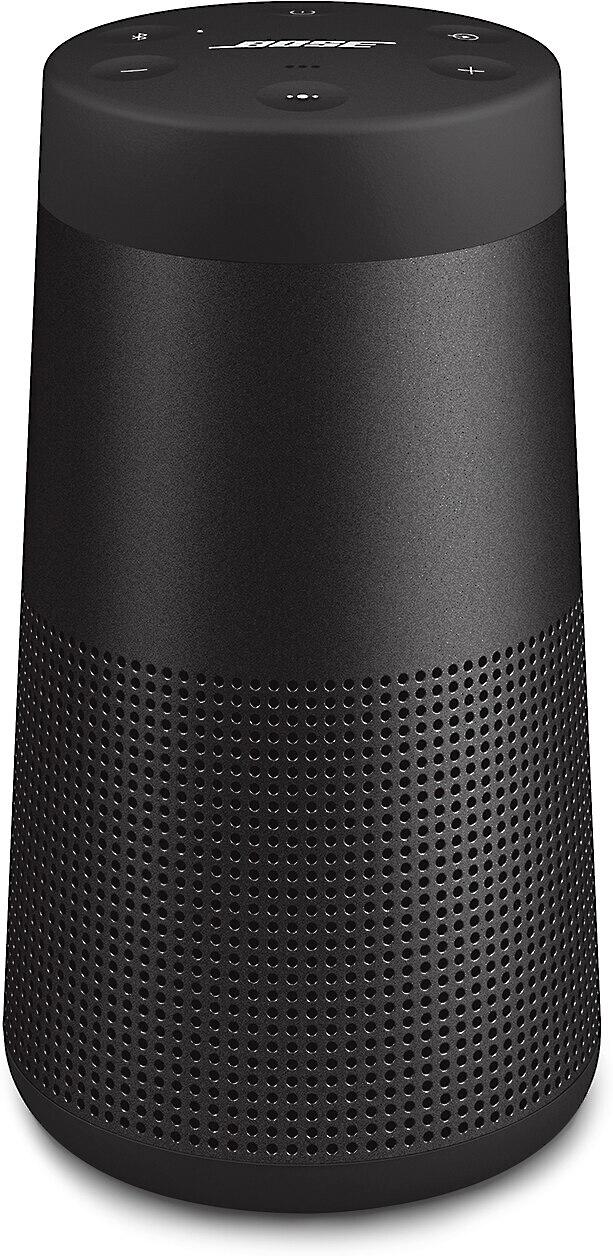
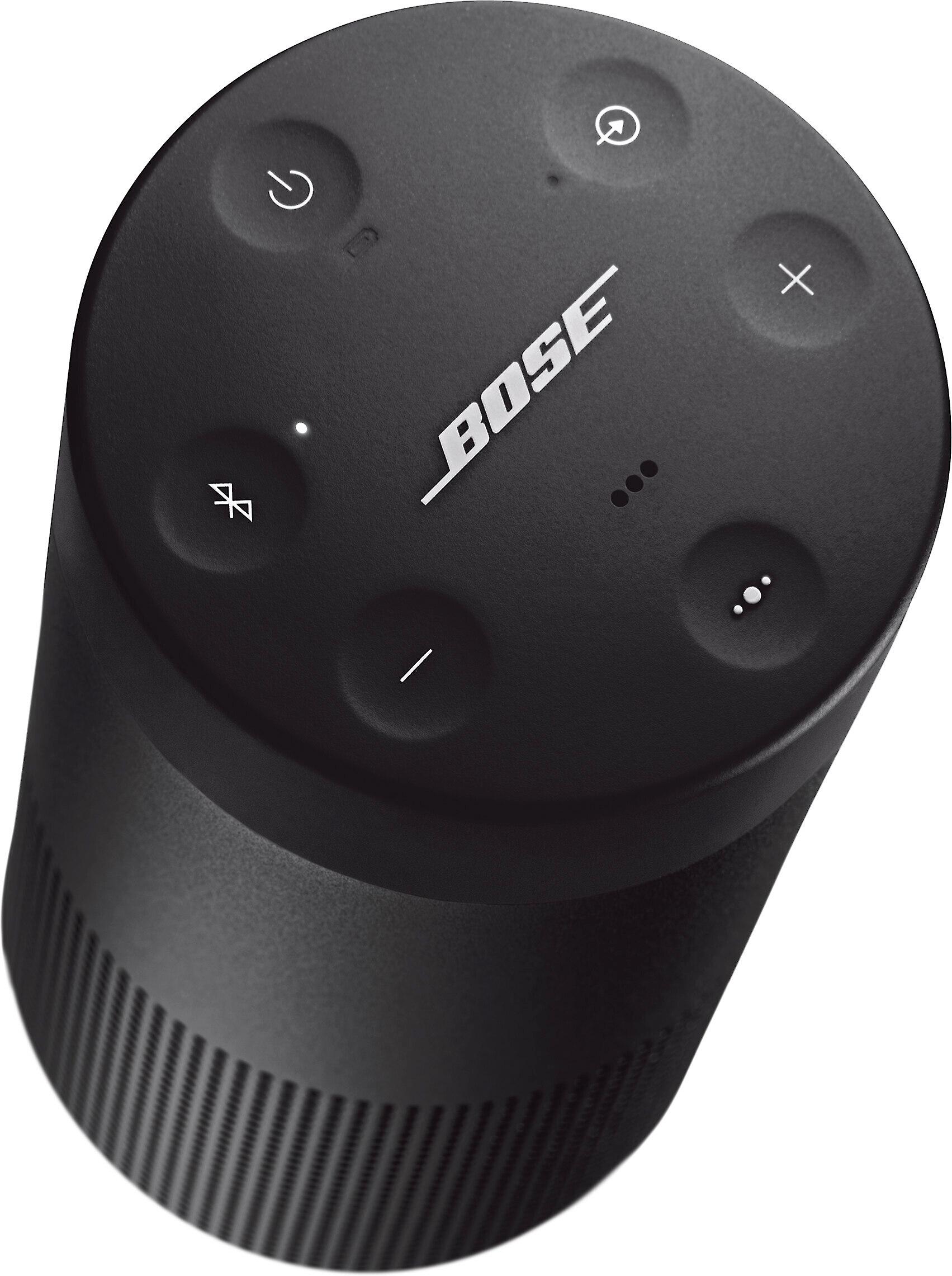
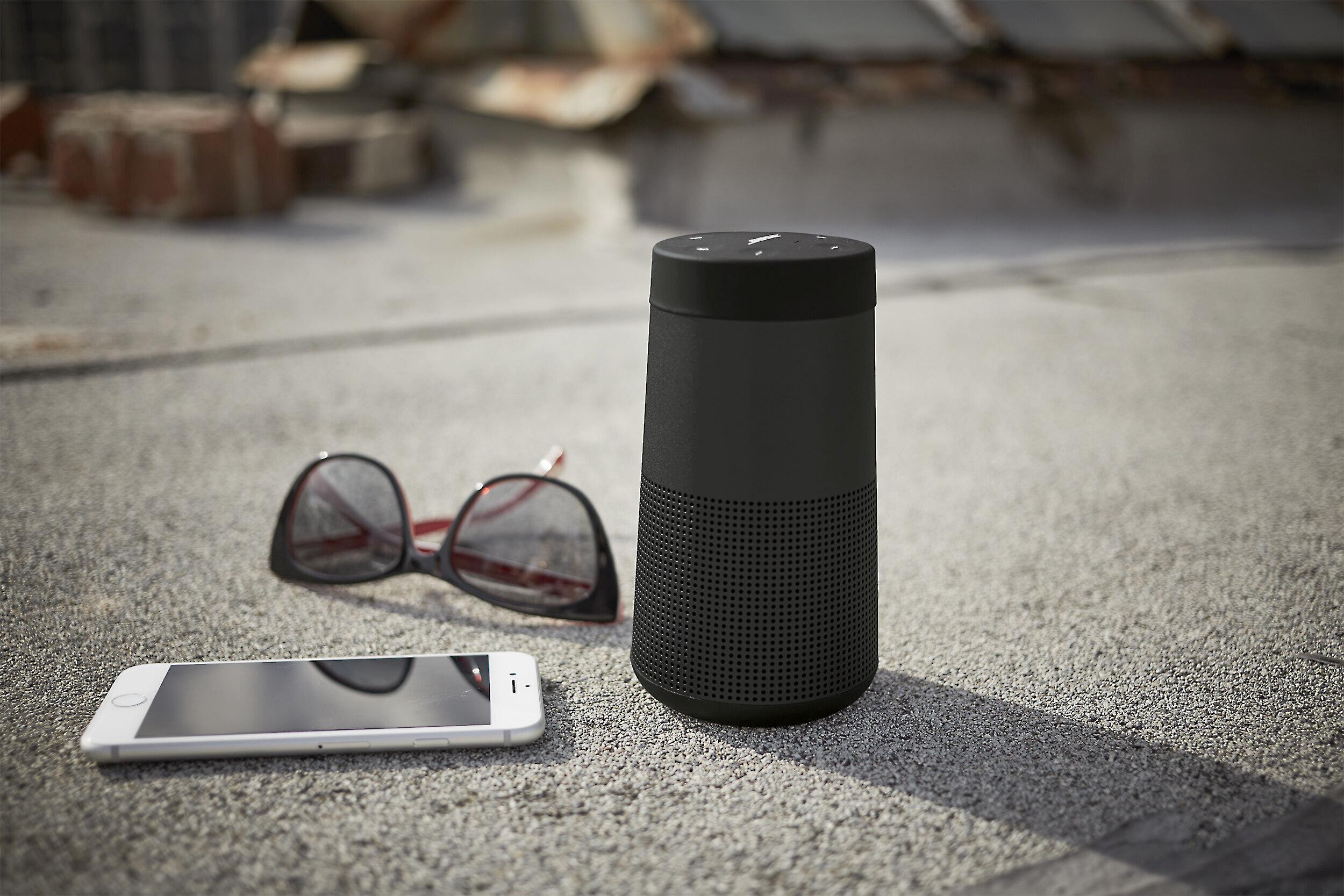
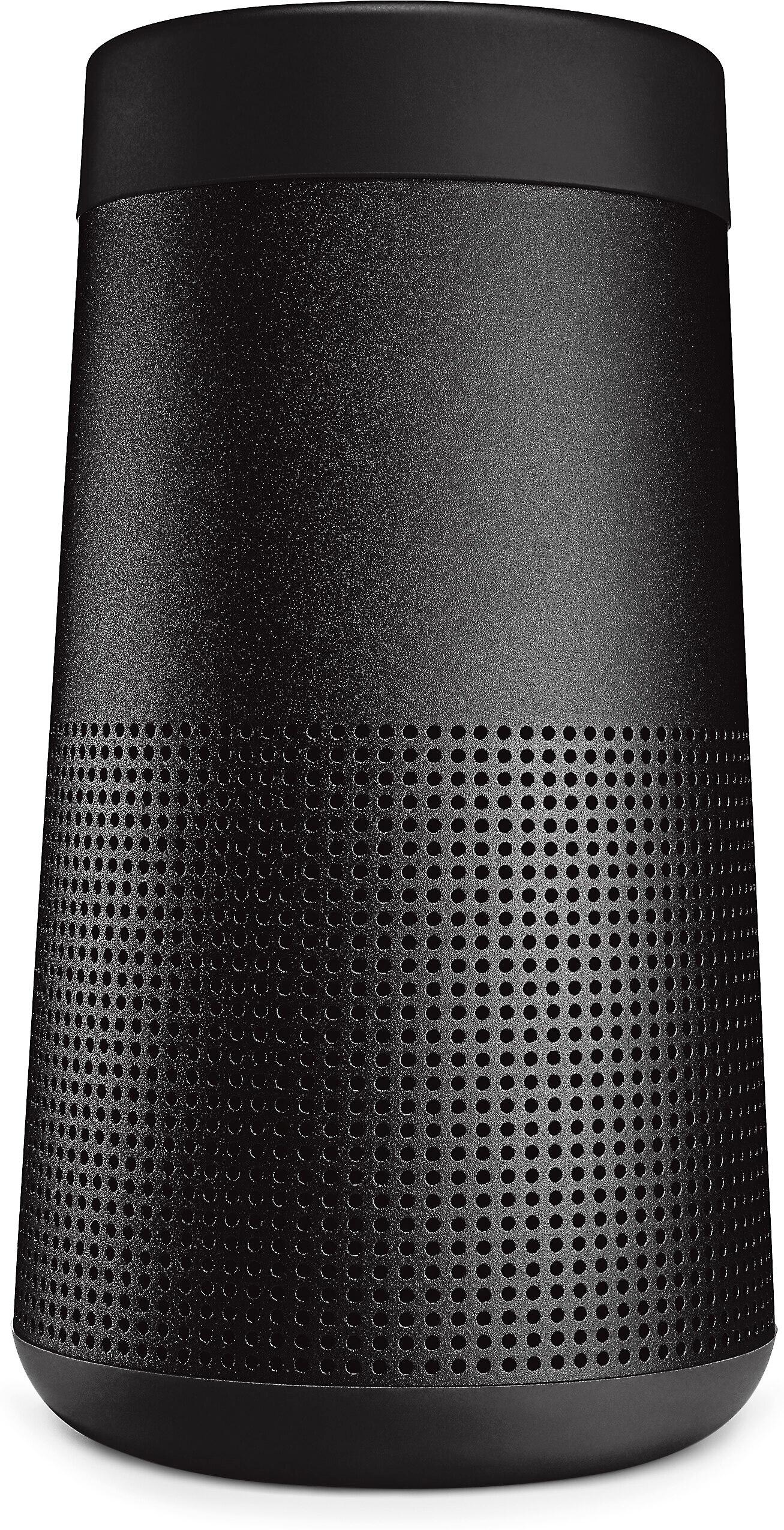

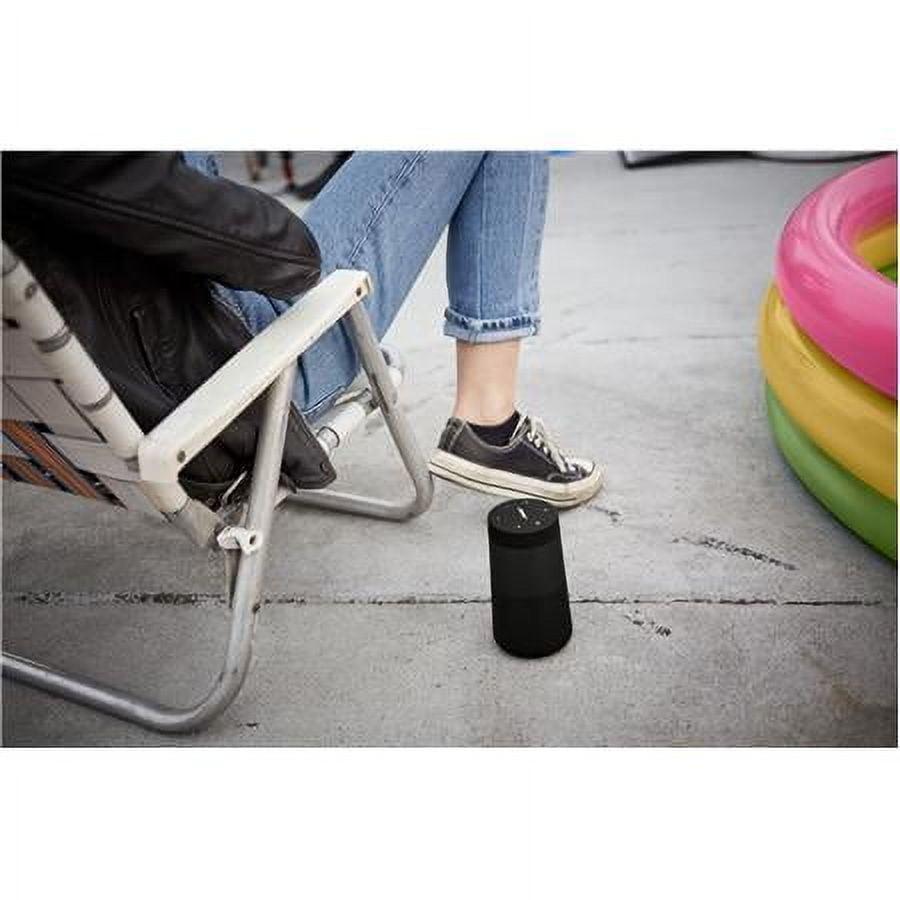

When it comes to filling your space with music, the Marshall Acton III ($279.99) and Bose SoundLink Revolve II ($219.99) represent two distinct philosophies in modern Bluetooth speaker design. Let's explore how these speakers serve different needs and which might be right for your situation.
Bluetooth speakers have evolved significantly over the past decade. While early models struggled with connectivity and sound quality, modern speakers deliver impressive audio experiences through advanced digital signal processing (DSP) and refined driver designs. The two speakers we're comparing today showcase how different approaches can serve different user needs.
The Marshall Acton III, released in 2022, represents a traditional home audio approach with modern connectivity. Meanwhile, the Bose SoundLink Revolve II, launched in 2021, embraces portability and innovative 360-degree sound distribution.
The Acton III employs a classic stereo design with dedicated drivers - think of it as a miniature version of a professional sound system. Its 4-inch woofer (the larger speaker that handles bass) and two 0.75-inch tweeters (smaller speakers for high frequencies) work together to create a detailed soundstage. With 60 watts of total power, it can fill even larger rooms with clear, dynamic sound.
What's particularly impressive is Marshall's Dynamic Loudness feature, which automatically adjusts frequency response as you change volume. This means you'll hear balanced sound whether playing quietly for background music or cranking it up for a party. The bass stays tight and controlled, while vocals remain clear and natural.
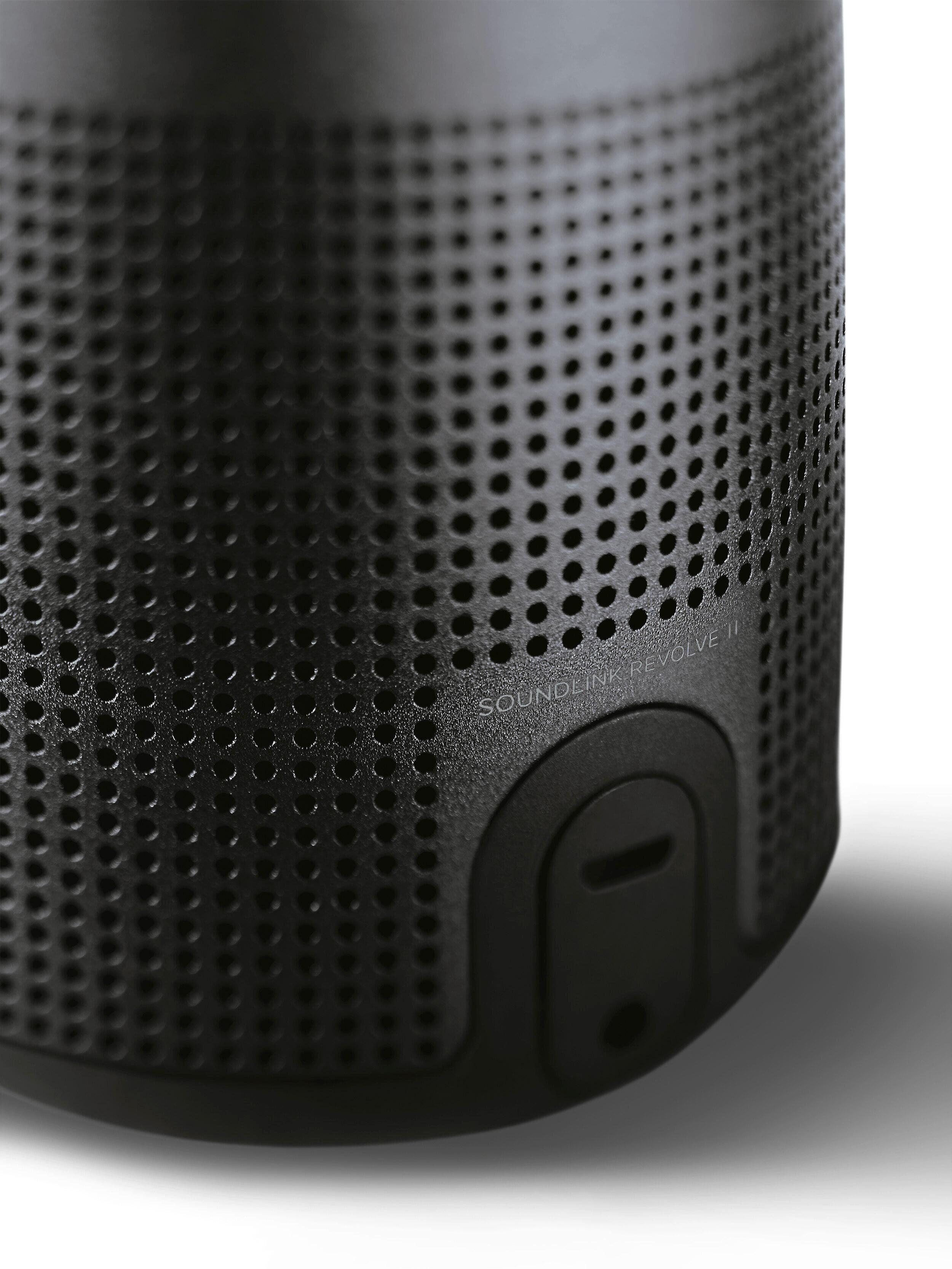
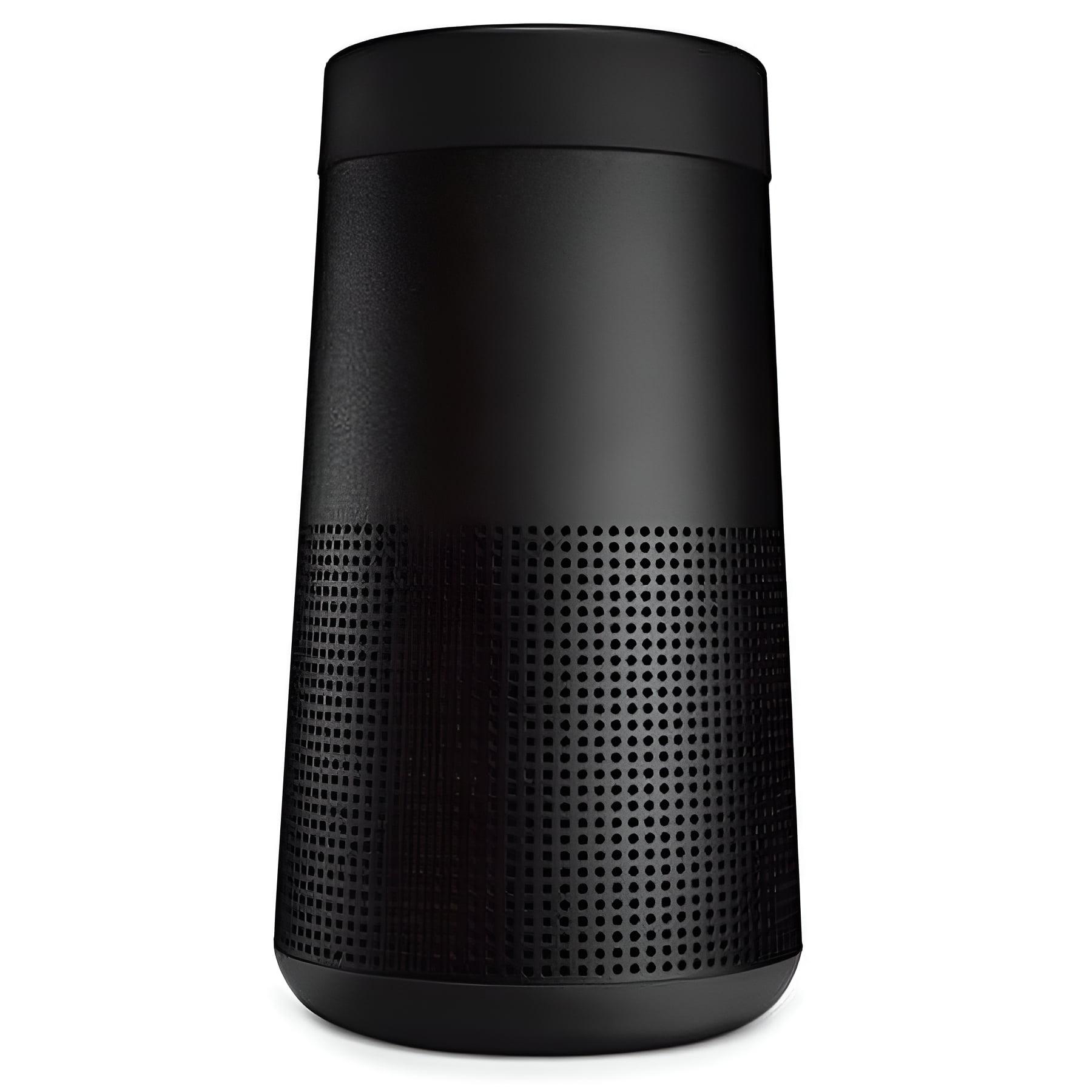
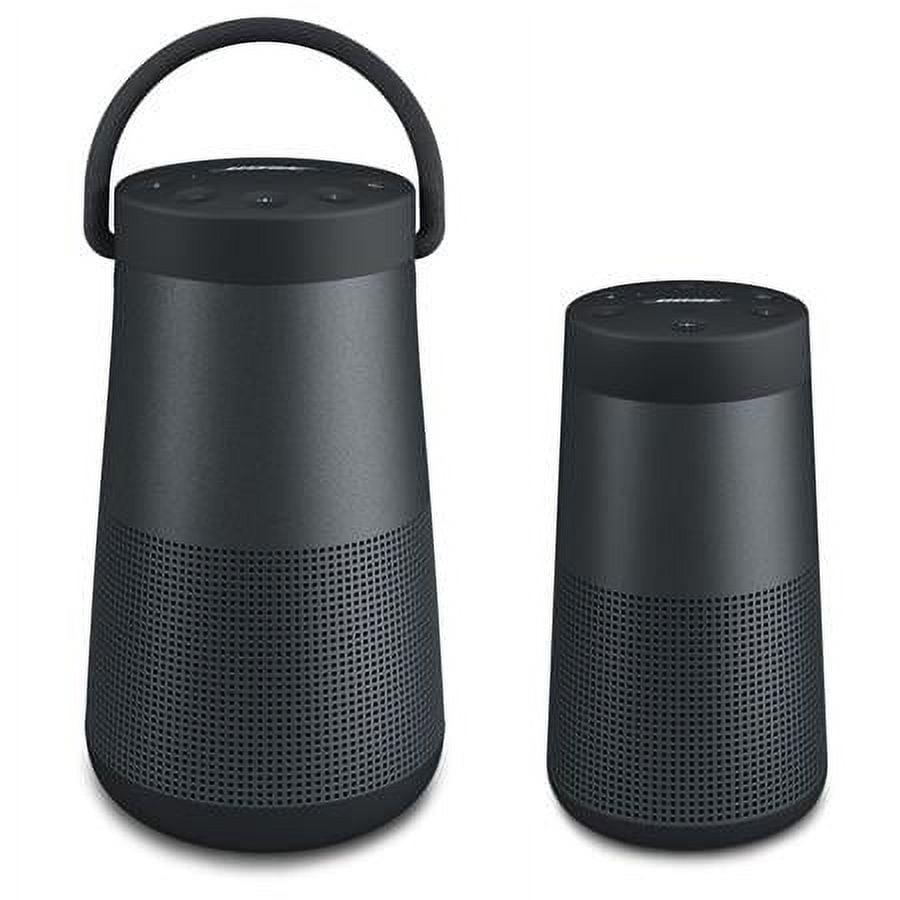
The Revolve II takes a different approach with its cylindrical design and omnidirectional sound. A single full-range driver works with dual passive radiators (which help enhance bass without requiring power) to create consistent sound in all directions. While it can't match the Acton III's raw power, its sound distribution technology makes it incredibly versatile for different spaces and listening positions.
Having tested both speakers extensively, here's how they perform in everyday situations:
The Acton III really shines as a TV audio upgrade, especially in smaller rooms. Its stereo separation and powerful output create an engaging experience for movies and shows. The dedicated woofer provides impact for explosions and action scenes, while the tweeters ensure dialog remains clear.
The Revolve II, while capable of TV audio duty through its aux input, isn't ideal for this use case. Its 360-degree design, while great for music, doesn't provide the directional audio you want for video content.
For music, both speakers have their strengths:
The Acton III excels with:
The Revolve II stands out for:
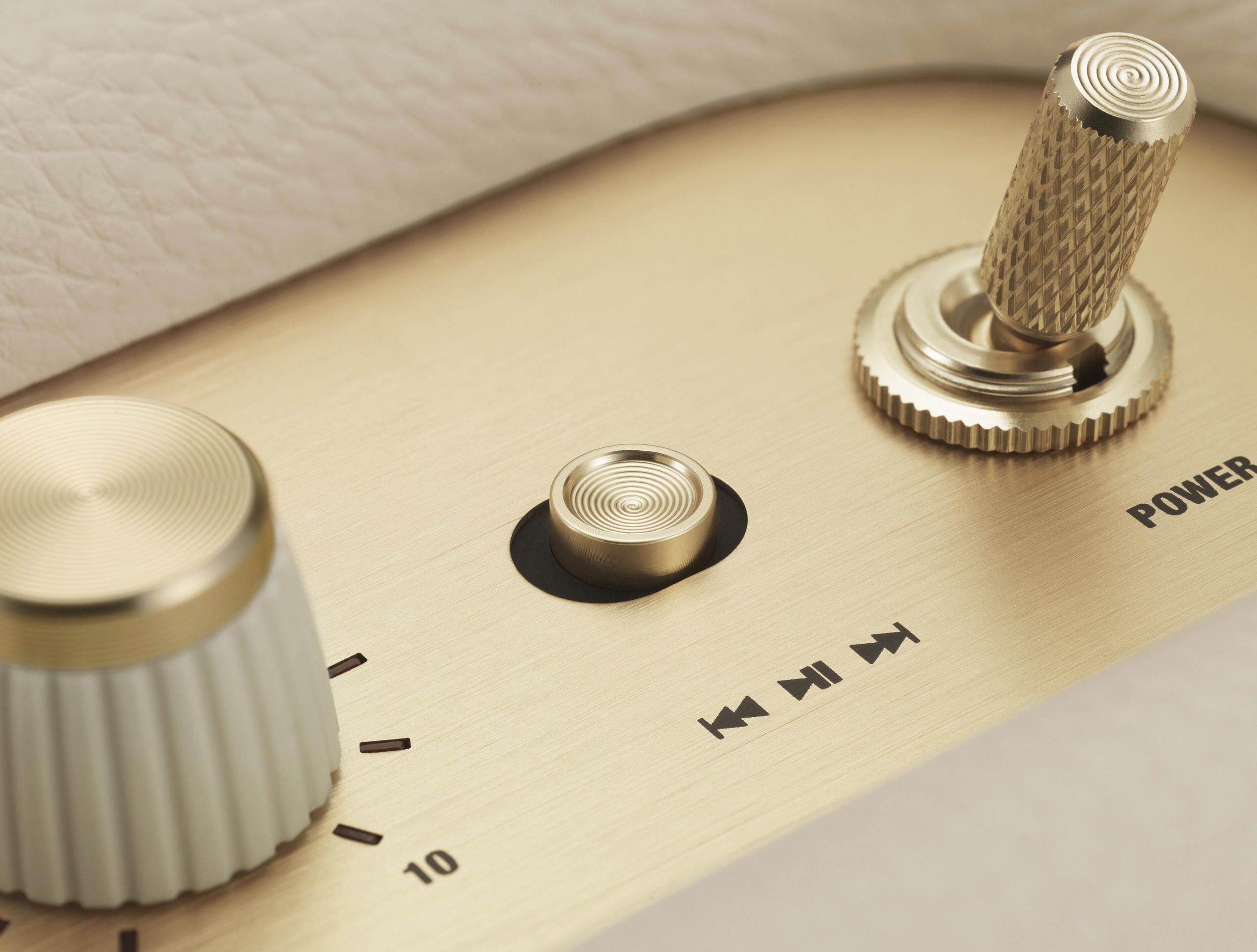
The Acton III's Bluetooth 5.2 implementation provides excellent range and stability. The Marshall app offers extensive EQ control and the ability to save presets. The physical knobs for bass and treble adjustment are a nice touch, providing immediate control without reaching for your phone.
The Revolve II's Bluetooth 4.2 connection is reliable, though not as advanced as the Marshall's. However, it offers features more suited to its portable nature:
Marshall has created a speaker that feels substantial and premium, with a weight of 6.28 pounds and classic amp-inspired aesthetics. The materials are high-quality, including 70% recycled plastic and vegan materials - a nice nod to sustainability.
Bose took a more modern approach with the Revolve II, using aluminum and durable plastics to create a lightweight (1.5 pounds) but robust speaker. Its IPX4 water resistance means it can handle splashes and light rain, making it more versatile for outdoor use.
The Marshall Acton III at $279.99 represents good value for:
The Bose SoundLink Revolve II at $219.99 makes sense for:
Consider these key questions:
Choose the Marshall Acton III if you:
Go with the Bose SoundLink Revolve II if you:
Both speakers show how far Bluetooth audio has come. The Acton III's Dynamic Loudness and placement compensation demonstrate modern DSP capabilities, while the Revolve II's 360-degree sound distribution showcases innovative acoustic design.
Since their releases, both have received firmware updates improving stability and features. Marshall's app continues to add functionality, while Bose has refined their speaker-linking capabilities.
These speakers excel in their intended use cases. The Marshall Acton III delivers superior sound quality and power for dedicated home use, while the Bose SoundLink Revolve II offers incredible flexibility and portability. Your choice should align with how you'll primarily use the speaker, keeping in mind that both represent quality investments in their respective categories.
Remember, the best speaker is the one that fits your specific needs and usage patterns. Consider your space, listening habits, and whether you value sound quality over portability when making your final decision.
| Marshall Acton III | Bose SoundLink Revolve II |
|---|---|
| Price - Initial Investment | |
| $279.99 (higher but justified for home audio) | $219.99 (premium portable pricing) |
| Power Output - Determines maximum volume and sound clarity | |
| 60W total (30W woofer + 2x15W tweeters) | Not specified by manufacturer (estimated 20-30W) |
| Speaker Configuration - Impacts sound quality and stereo separation | |
| 4" woofer + two 0.75" tweeters (traditional stereo) | Single full-range driver + dual passive radiators (360° sound) |
| Frequency Response - Range of bass to treble the speaker can produce | |
| 45-20,000 Hz (deeper bass extension) | 65-20,000 Hz (less low-end capability) |
| Connectivity - How you connect devices | |
| Bluetooth 5.2 + 3.5mm aux input | Bluetooth 4.2 + 3.5mm aux input + NFC |
| Portability - Where and how you can use it | |
| AC powered only, 6.28 lbs (stationary home use) | 13-hour battery, 1.5 lbs (highly portable) |
| Water Resistance - Outdoor and bathroom use capability | |
| None (indoor use only) | IP55 rated (water and dust resistant) |
| Sound Distribution - How sound fills the room | |
| Traditional forward-firing stereo | 360-degree omnidirectional sound |
| Extra Features - Additional functionality | |
| App EQ control, physical knobs for bass/treble | Speakerphone, multi-speaker pairing, remembers devices |
| Size - Space requirements and placement options | |
| 10.24 x 6.69 x 5.91 inches (needs dedicated space) | 5.97 x 3.24 x 3.24 inches (highly compact) |
| Build Quality - Durability and materials | |
| Premium materials, 70% recycled plastic, vegan | Aluminum body, durable plastic, weather resistant |
| Best Use Case - Primary intended purpose | |
| Home audio system, critical listening, TV sound | Portable audio, outdoor use, multi-room flexibility |
The Marshall Acton III is better for dedicated home use due to its higher power output (60W), traditional stereo design, and superior bass response. The Bose SoundLink Revolve II is more portable but doesn't match the Acton III's room-filling sound quality.
The Marshall Acton III delivers better overall sound quality with its dedicated woofer and tweeters, offering clearer separation between frequencies and deeper bass. The Revolve II provides good sound but can't match the Acton III's audio performance.
The Bose SoundLink Revolve II is designed for outdoor use with IP55 water resistance and battery power. The Marshall Acton III requires AC power and isn't water-resistant, making it unsuitable for outdoor use.
The Bose SoundLink Revolve II is significantly more portable at 1.5 lbs with a 13-hour battery life. The Marshall Acton III weighs 6.28 lbs and requires constant AC power, making it a stationary speaker.
The Marshall Acton III costs $279.99, while the Bose SoundLink Revolve II is priced at $219.99. The $60 difference reflects the Marshall's higher power output and superior sound quality.
The Marshall Acton III works better with TVs due to its stereo design and higher power output, providing clearer dialogue and better sound separation. The Revolve II's 360-degree design isn't ideal for TV audio.
The Bose SoundLink Revolve II can pair with other Bose speakers for stereo or party mode. The Marshall Acton III doesn't offer multi-speaker pairing capabilities.
The Marshall Acton III features newer Bluetooth 5.2 technology for better range and stability, while the Bose SoundLink Revolve II uses Bluetooth 4.2, which is still reliable but not as advanced.
The Marshall Acton III is larger at 10.24 x 6.69 x 5.91 inches, requiring dedicated space. The Bose SoundLink Revolve II is more compact at 5.97 x 3.24 x 3.24 inches.
The Marshall Acton III provides superior bass response with its dedicated 30W woofer and frequency response down to 45Hz. The Bose SoundLink Revolve II offers good but less powerful bass through its passive radiators.
Both speakers offer app control. The Marshall Acton III app provides EQ settings and firmware updates, while the Bose SoundLink Revolve II app offers similar features plus multi-speaker pairing controls.
Value depends on your needs. The Marshall Acton III offers better value for home audio quality, while the Bose SoundLink Revolve II provides better value for portability and versatility. Choose based on your primary use case.
We've done our best to create useful and informative comparisons to help you decide what product to buy. Our research uses advanced automated methods to create this comparison and perfection is not possible - please contact us for corrections or questions. These are the sites we've researched in the creation of this article: bestbuy.com - youtube.com - bestbuy.com - pocket-lint.com - bestbuy.com - crutchfield.com - premiumsound.com.au - marshall.com - 2001audiovideo.com - youtube.com - t3.com - bestbuy.com - youtube.com - dxomark.com - bose.com - youtube.com - rtings.com - consumerreports.org - soundguys.com - boselatam.com - boselatam.com - bose.com - adorama.com - leedsworldrefill.com - bose.com - bestbuy.com

Privacy Policy
Terms and Conditions - Affiliate Policy
Home Security
© Copyright 2008-2026.
11816 Inwood Rd #1211, Dallas, TX 75244