

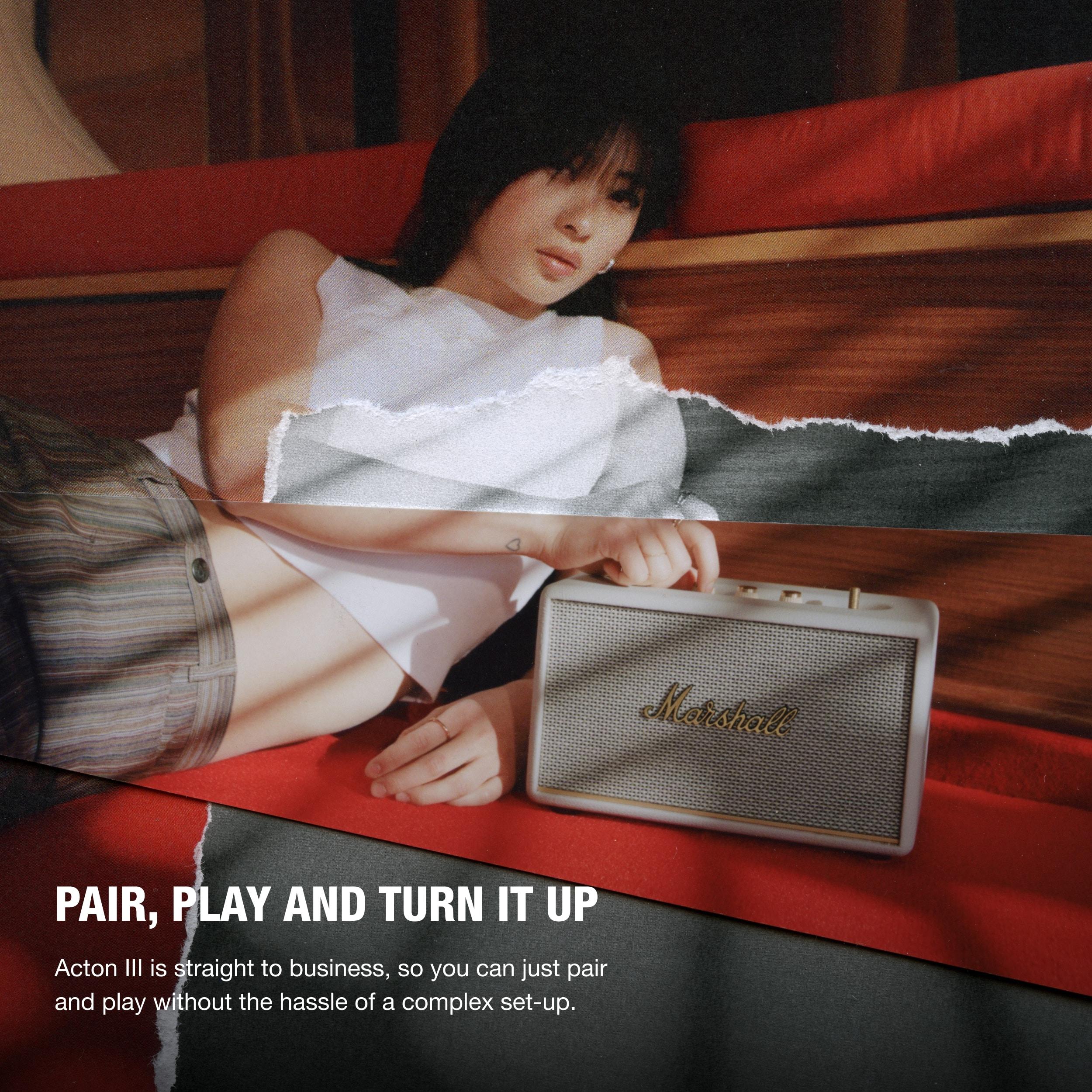
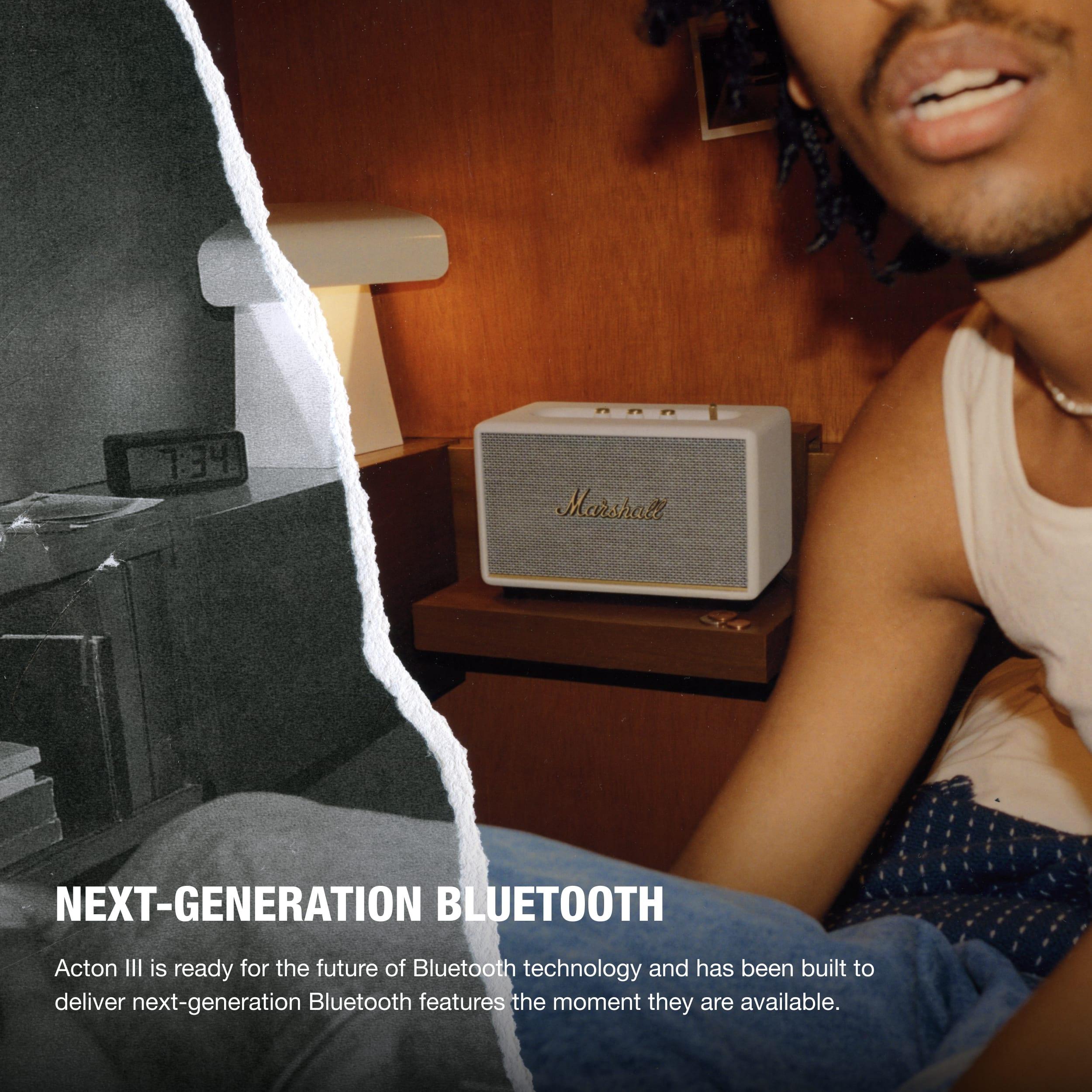
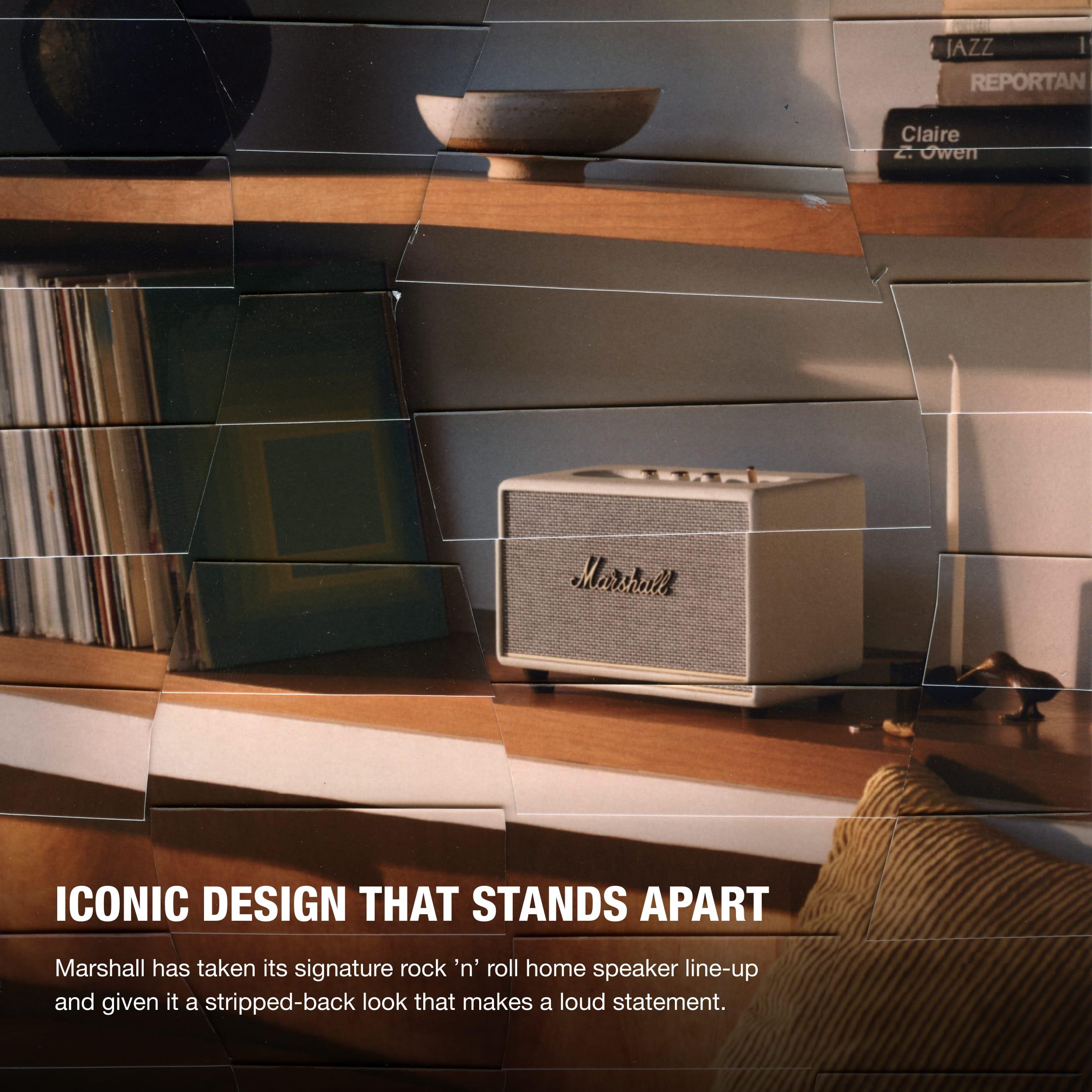
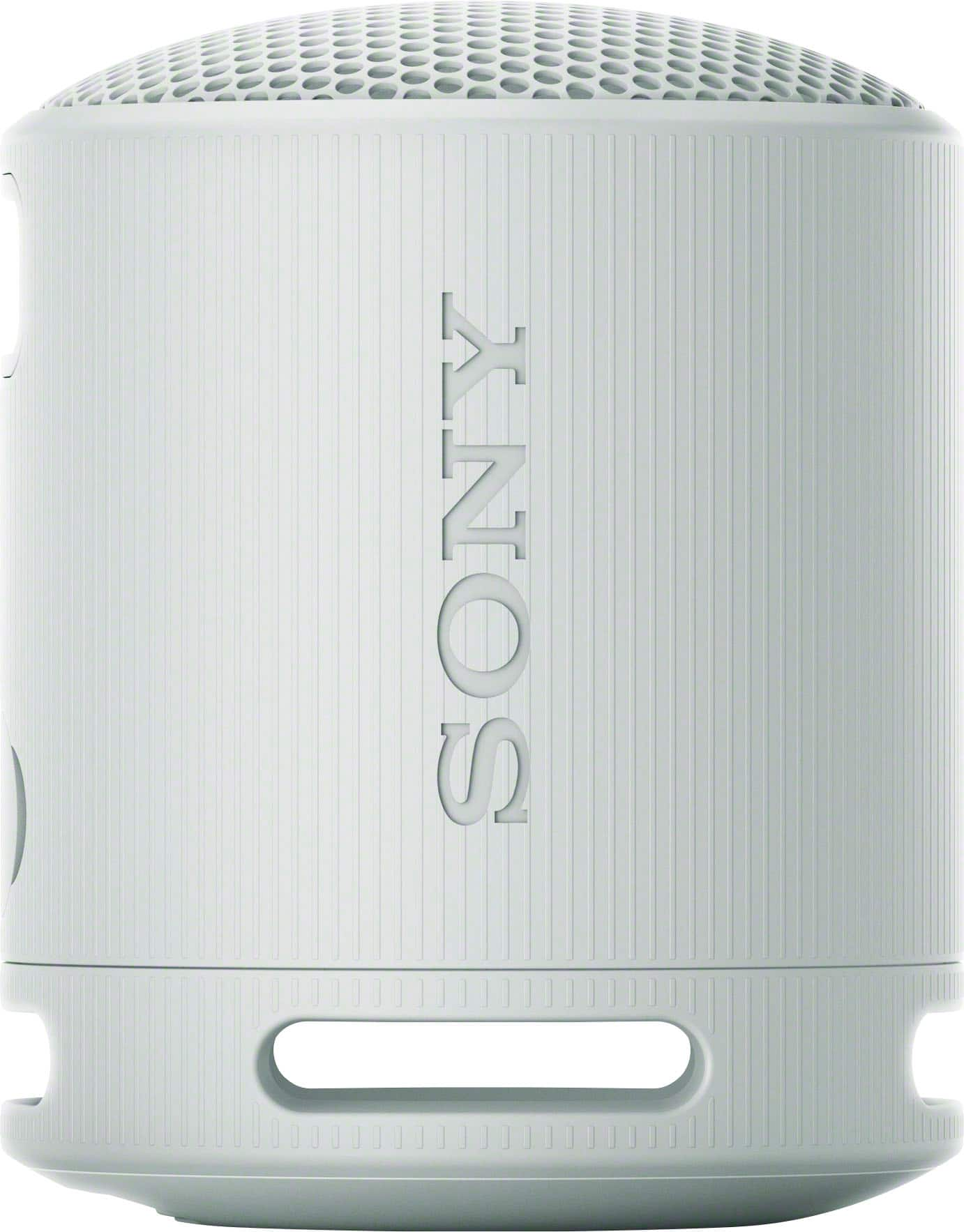


When it comes to Bluetooth speakers in 2024, the options can be overwhelming. Today, we're comparing two very different approaches: the premium $279 Marshall Acton III and the ultra-portable $58 Sony XB100. While both stream music via Bluetooth, they serve distinctly different needs.
Bluetooth speakers have evolved significantly over the past few years. We're now seeing a clear division between home audio solutions and portable companions. The key differences typically revolve around sound quality, volume capability, portability, and durability. What's interesting is how these two speakers represent opposite ends of this spectrum.
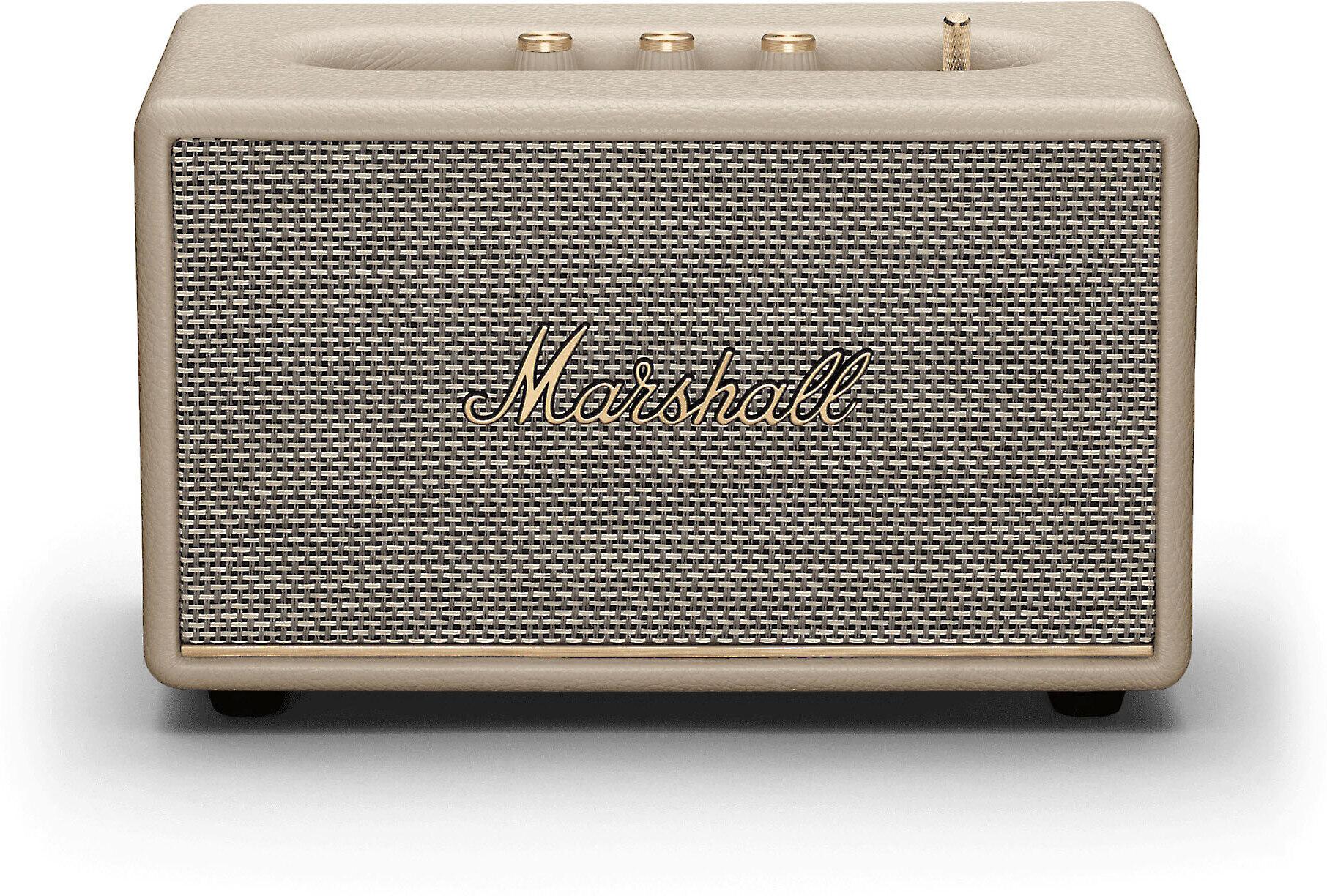
The Marshall Acton III, released in late 2022, takes the home audio approach. It's essentially a powered bookshelf speaker with Bluetooth capabilities. Meanwhile, the Sony XB100, launched in 2023, represents the latest in portable speaker technology, with impressive features packed into a surprisingly small package.
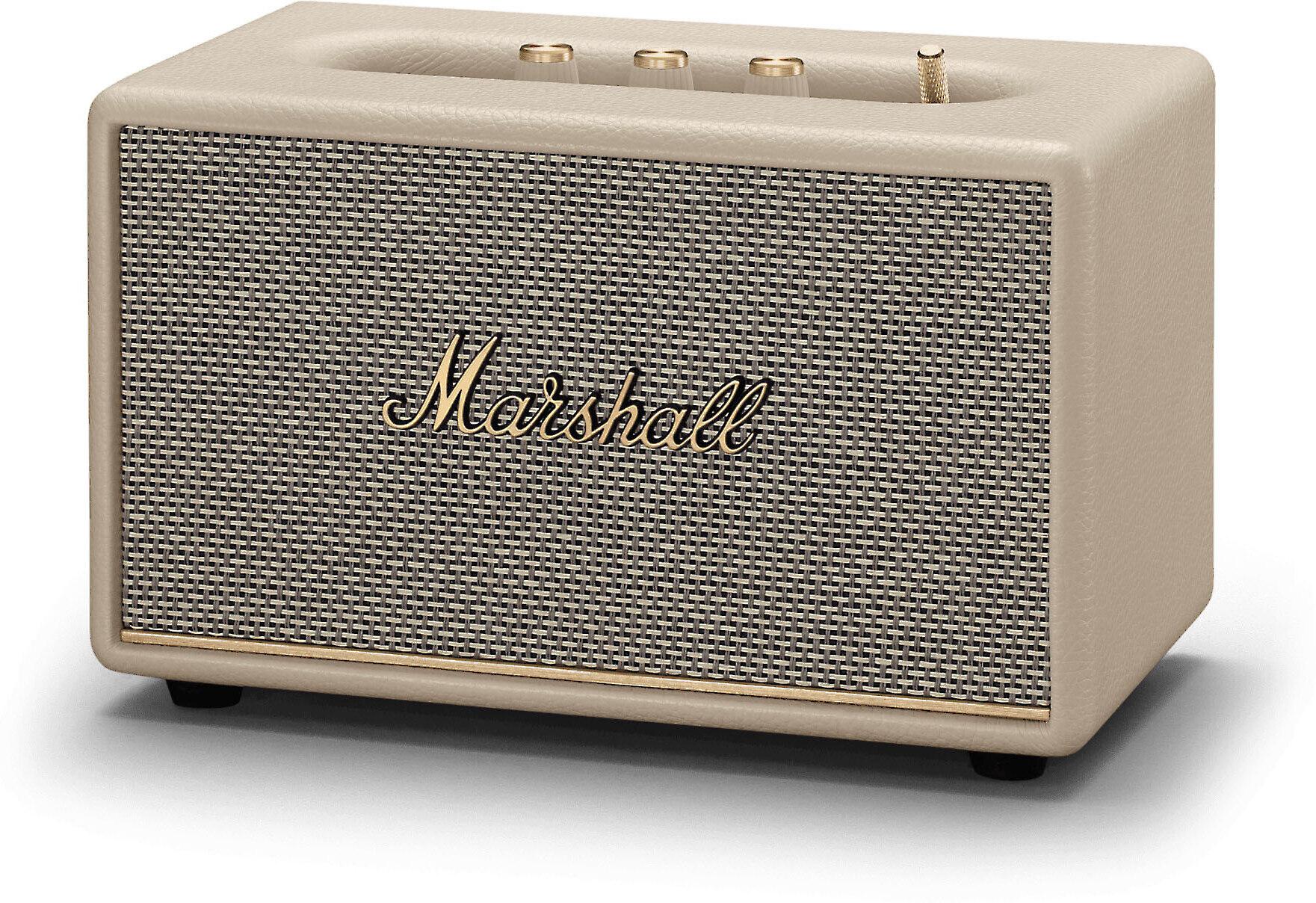
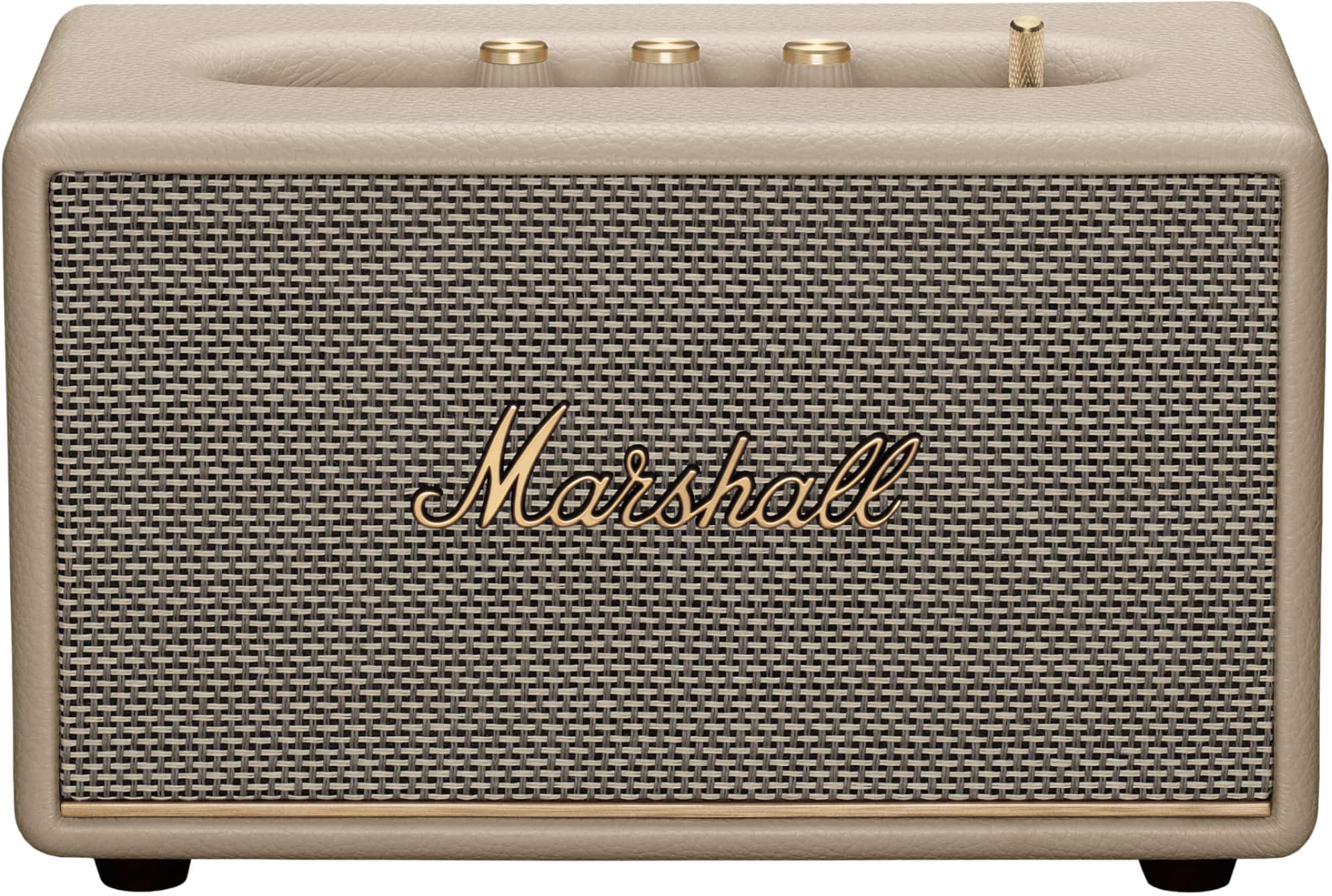
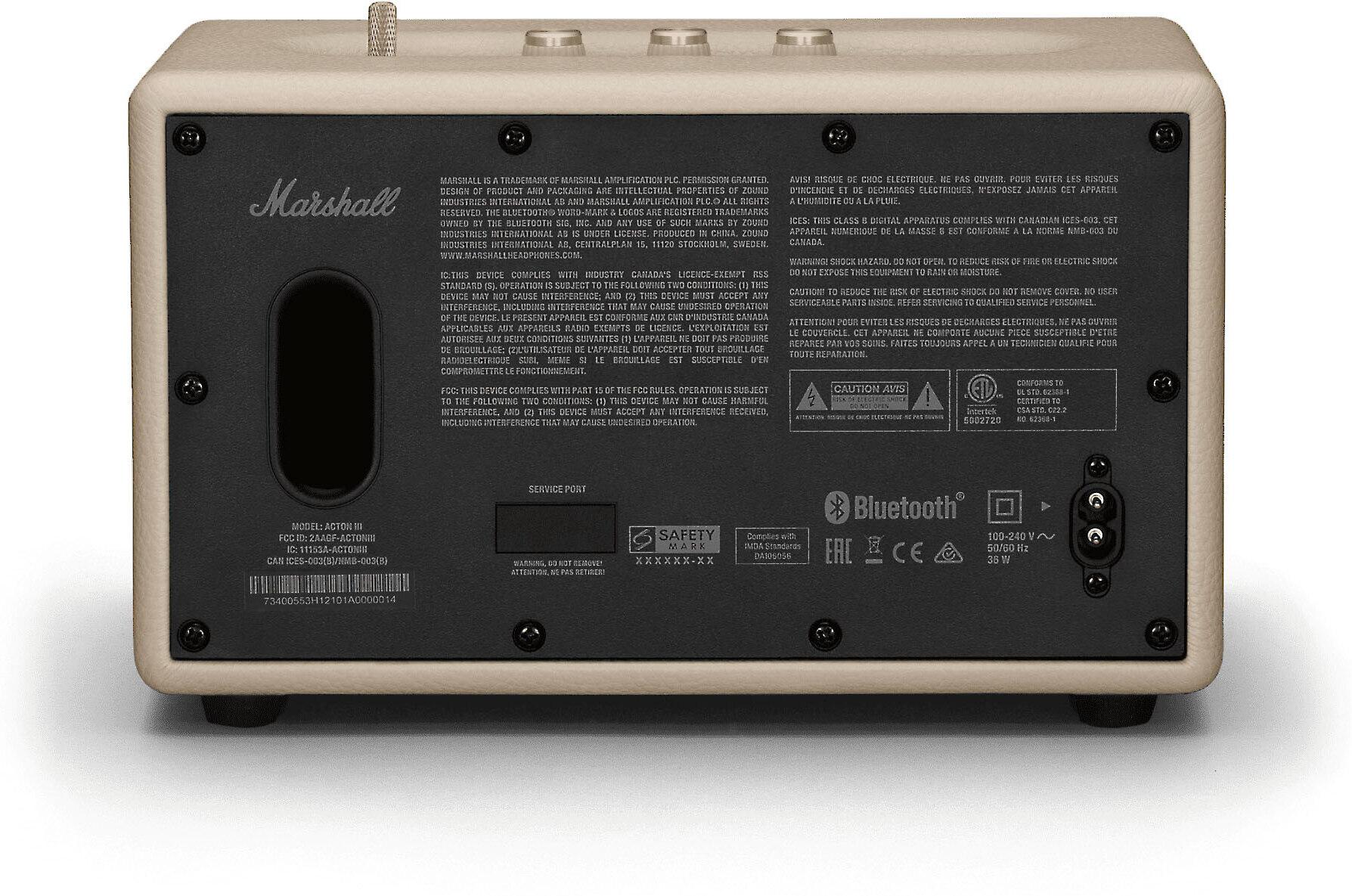
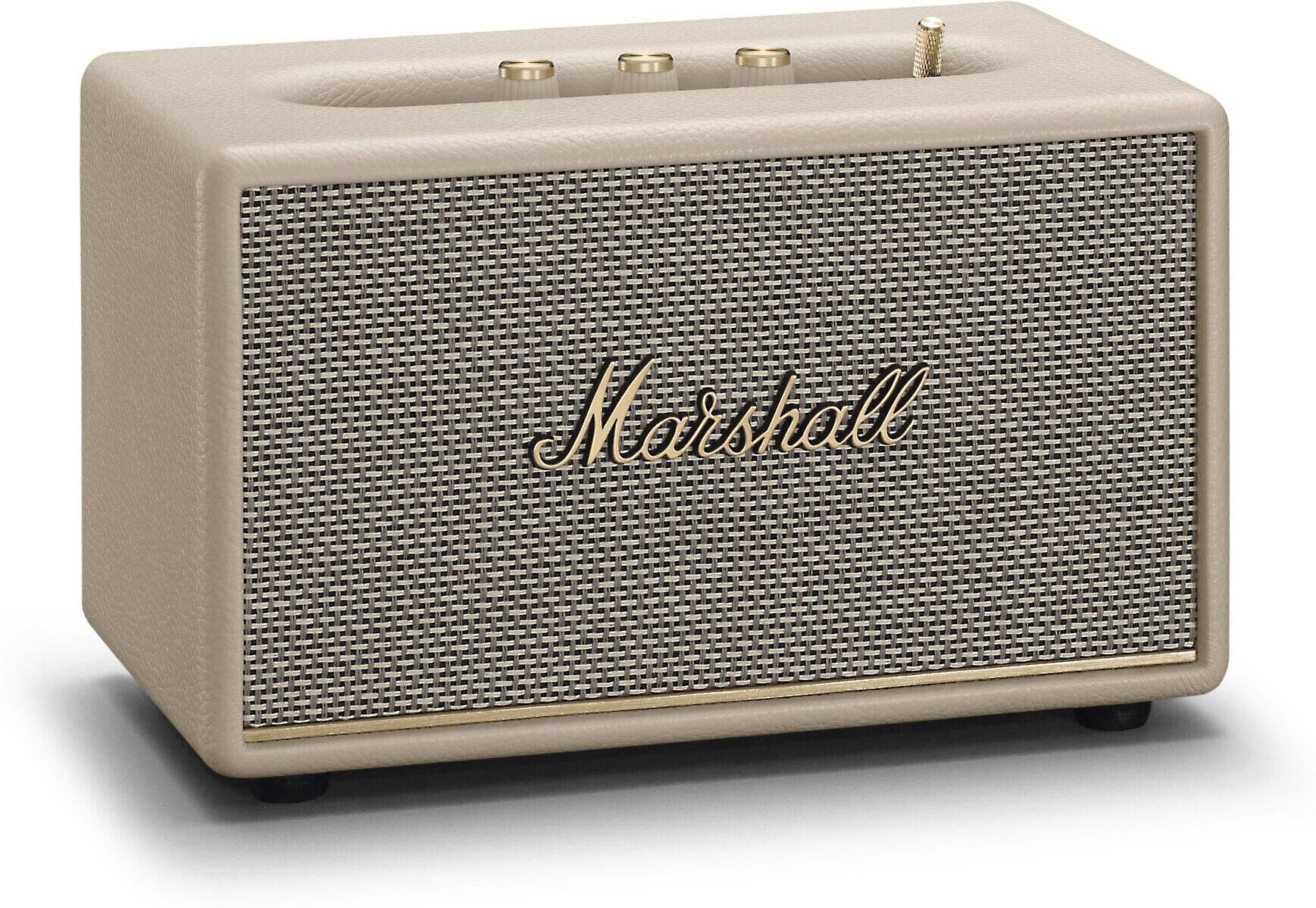
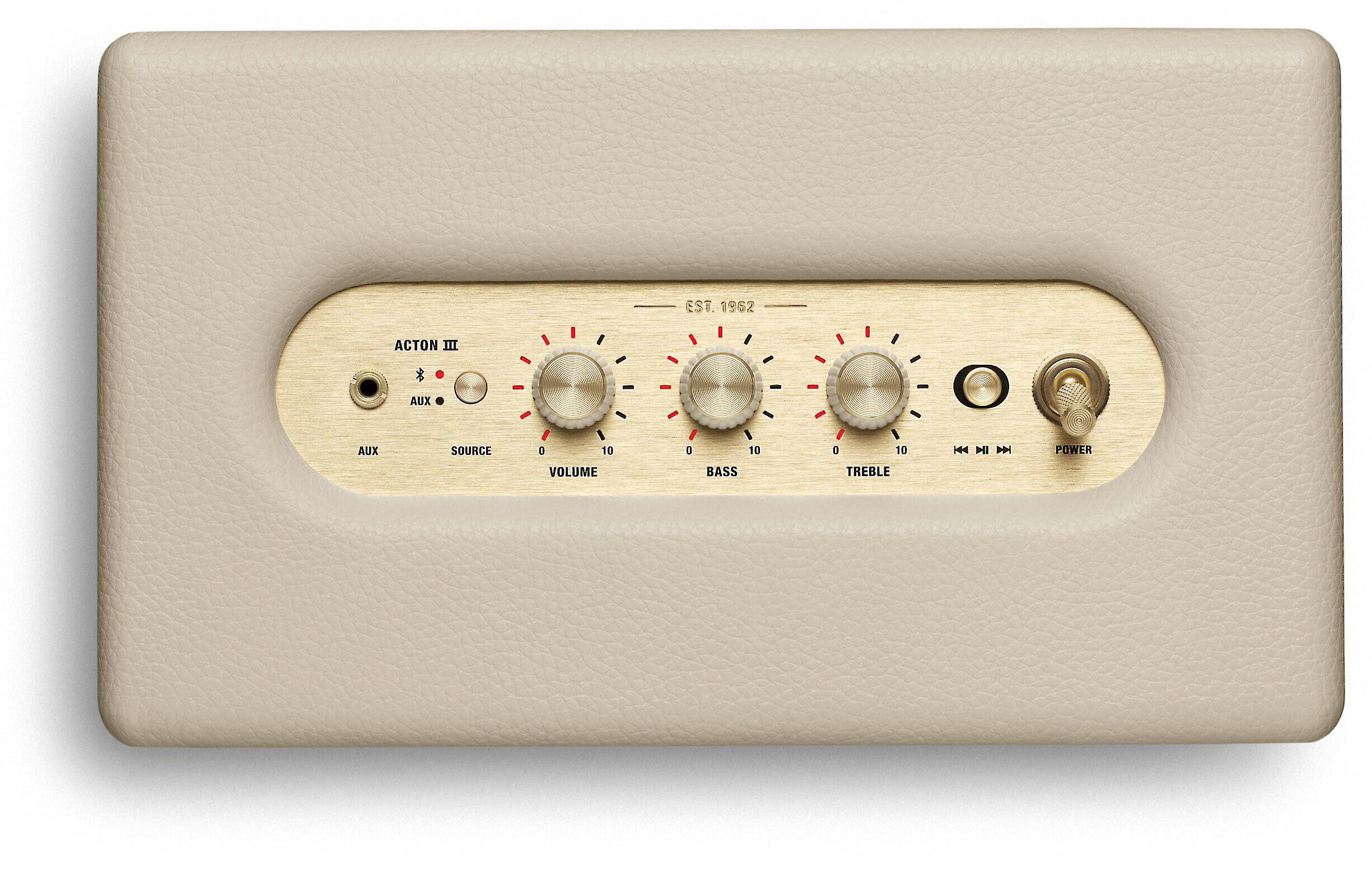
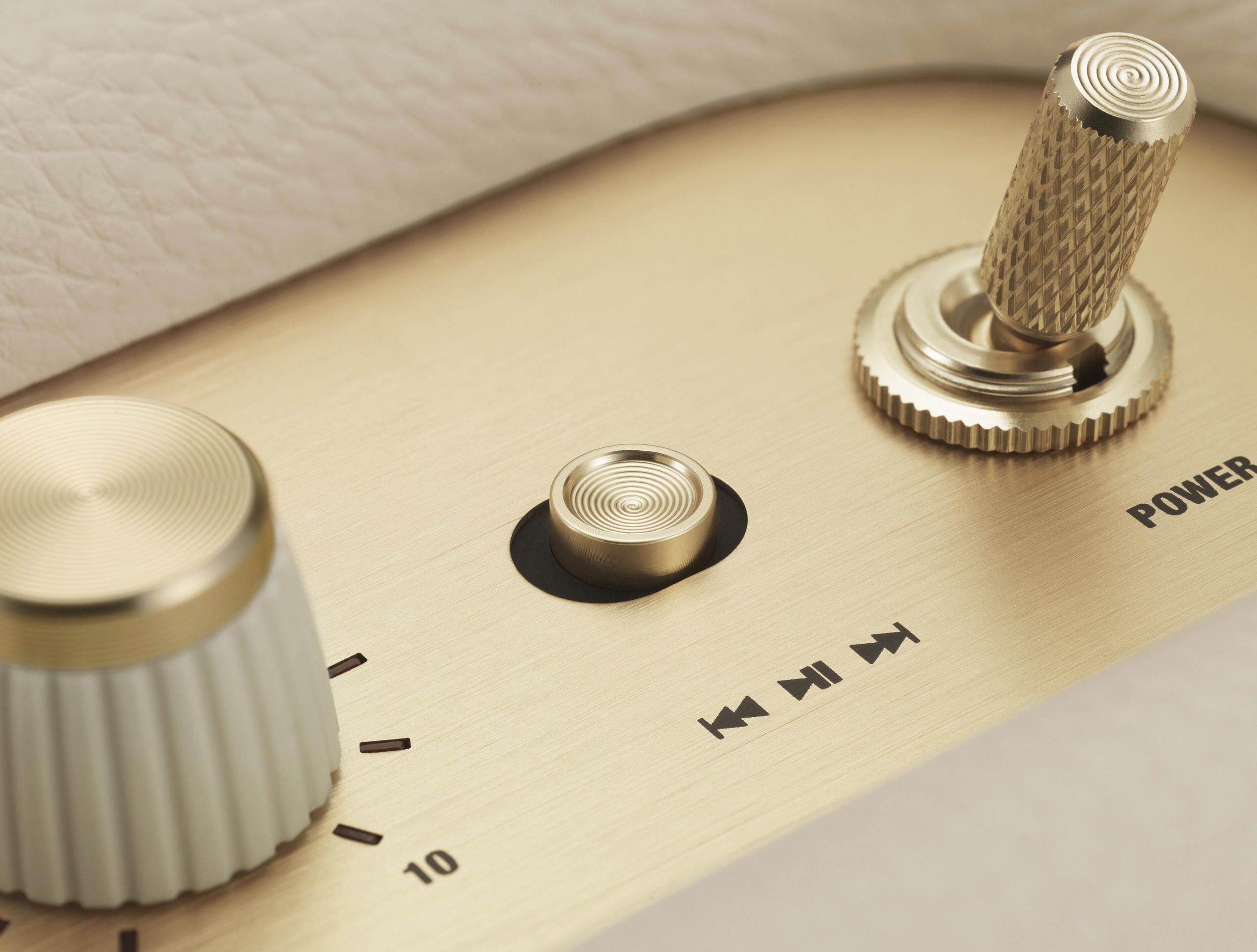
Marshall's approach reflects their heritage in professional audio. The Acton III features classic amp styling with metal grilles and tactile control knobs. It's substantially built at 6.28 pounds and sized like a small bookshelf speaker. The construction uses 70% recycled plastic and vegan materials - a nice environmental touch.
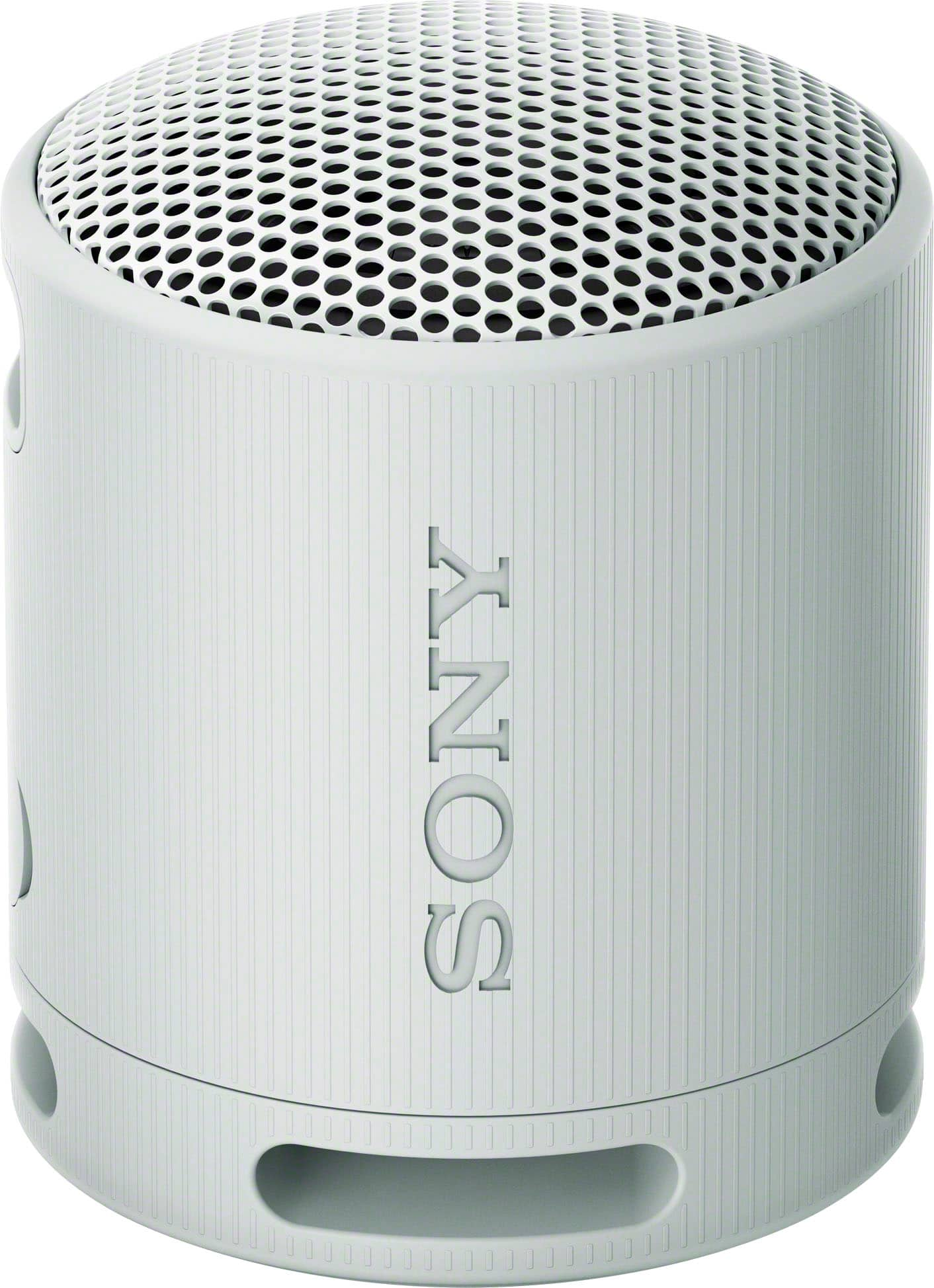
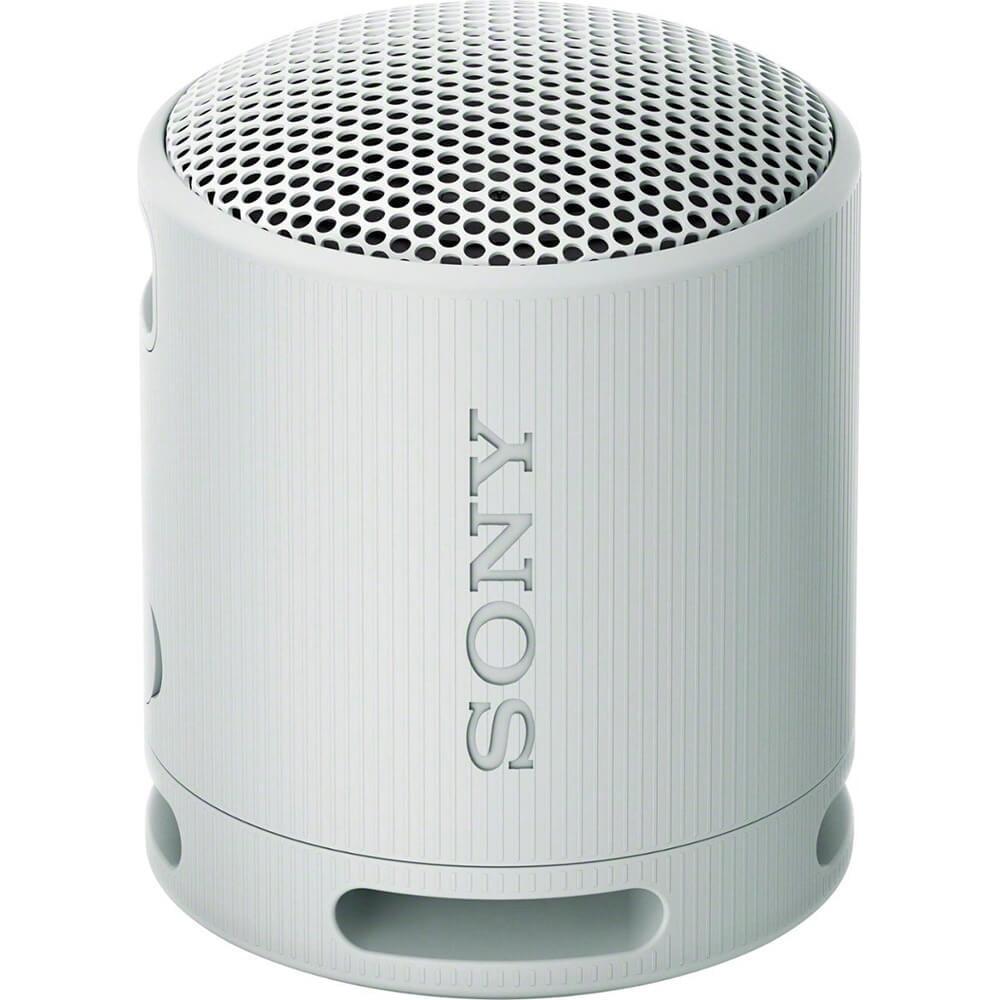
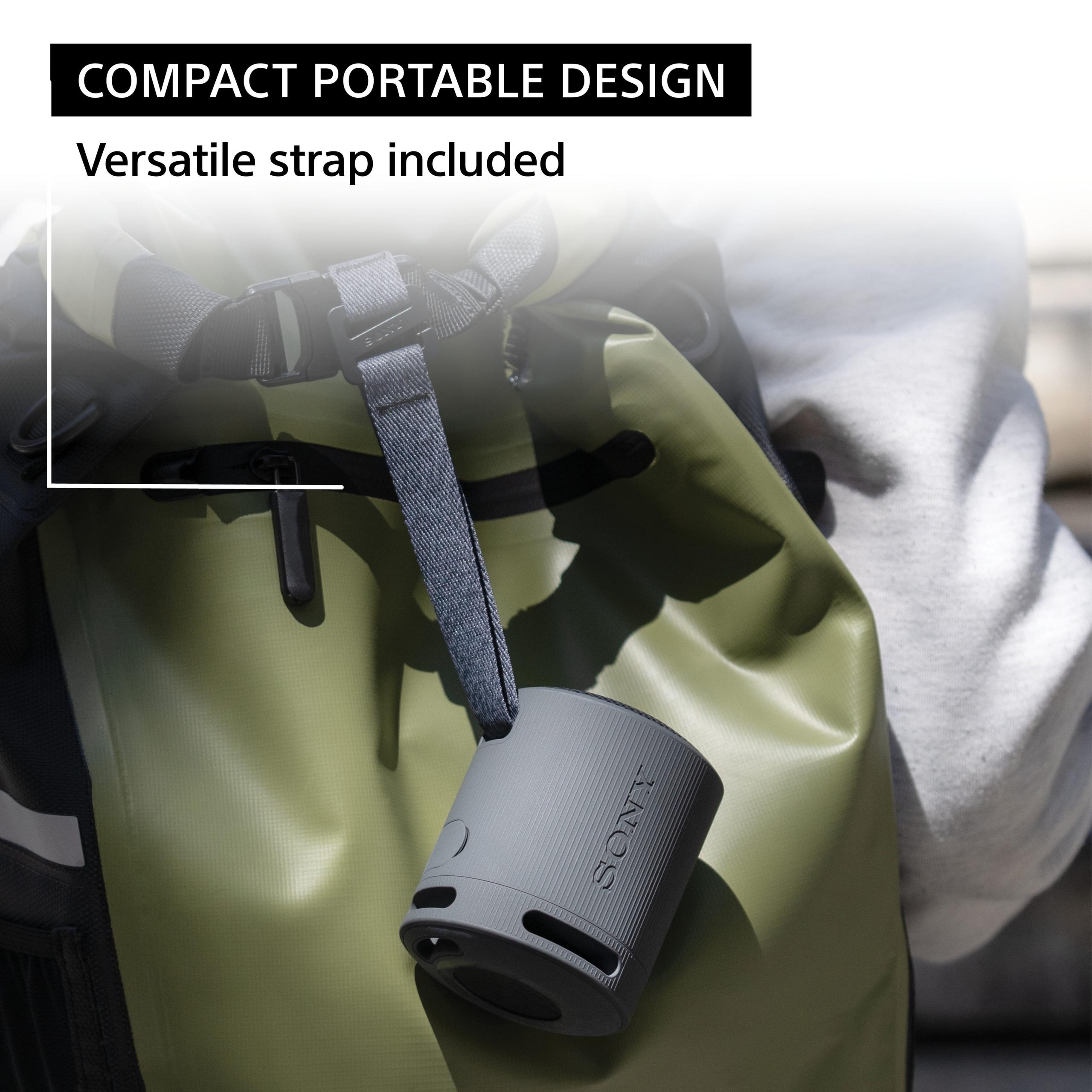
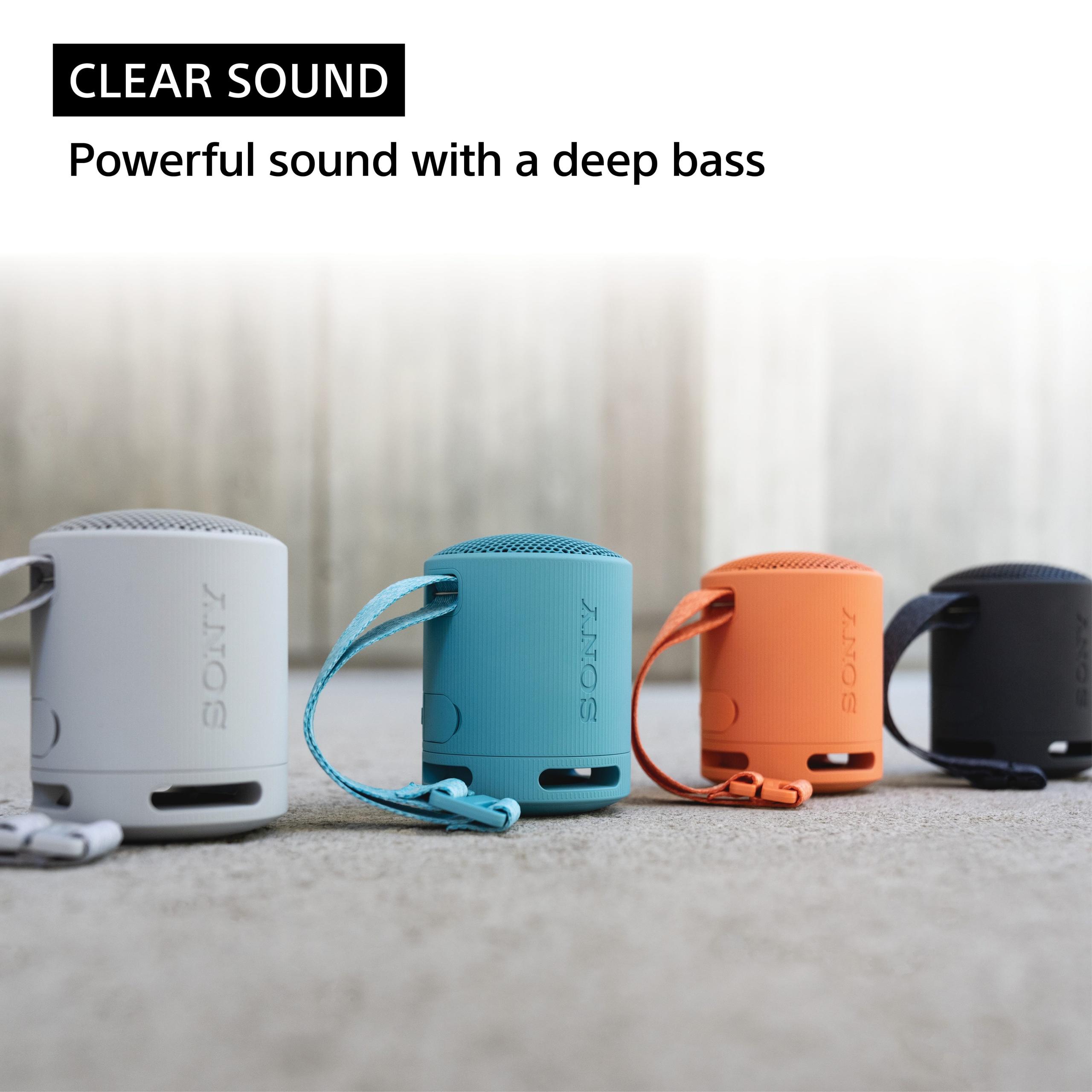
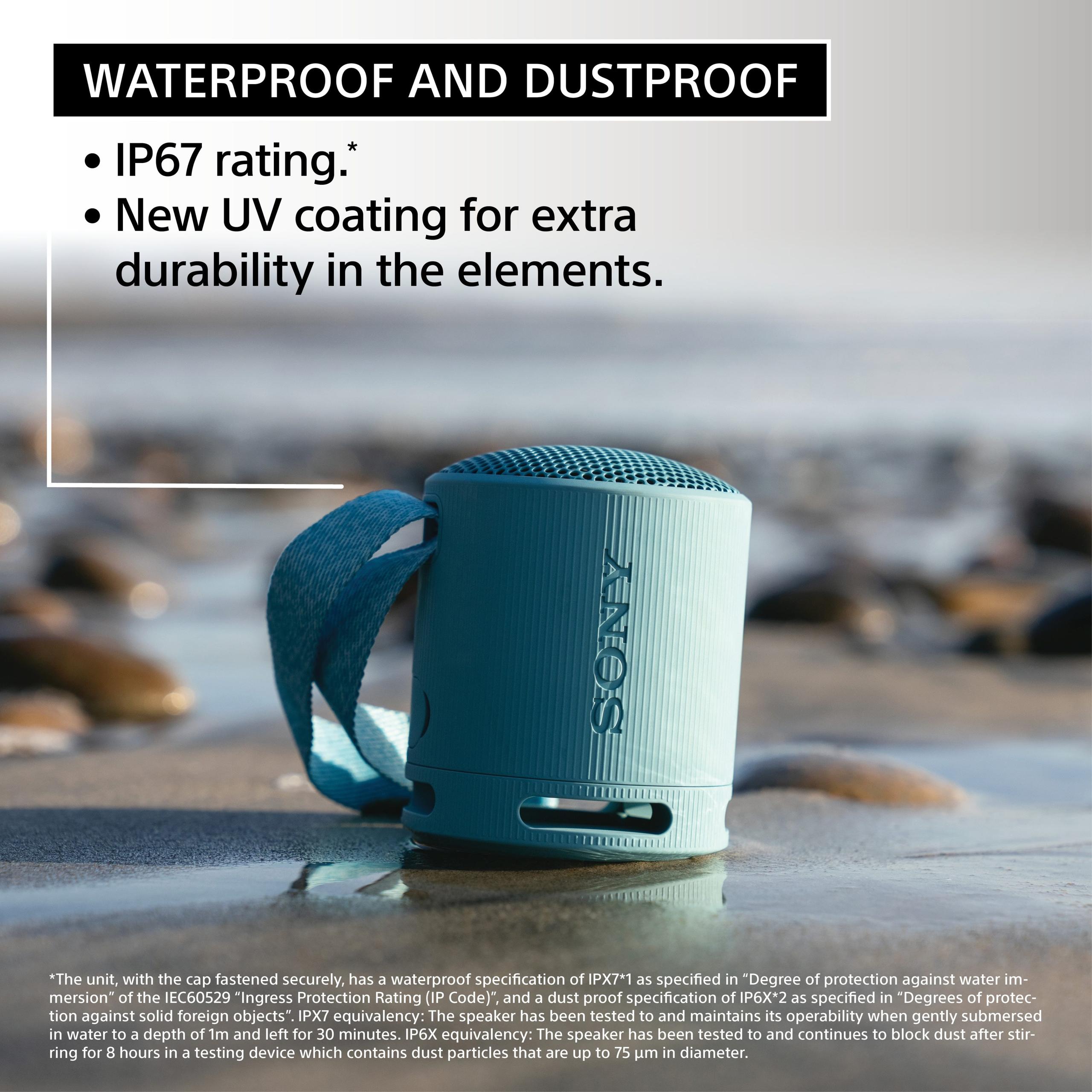
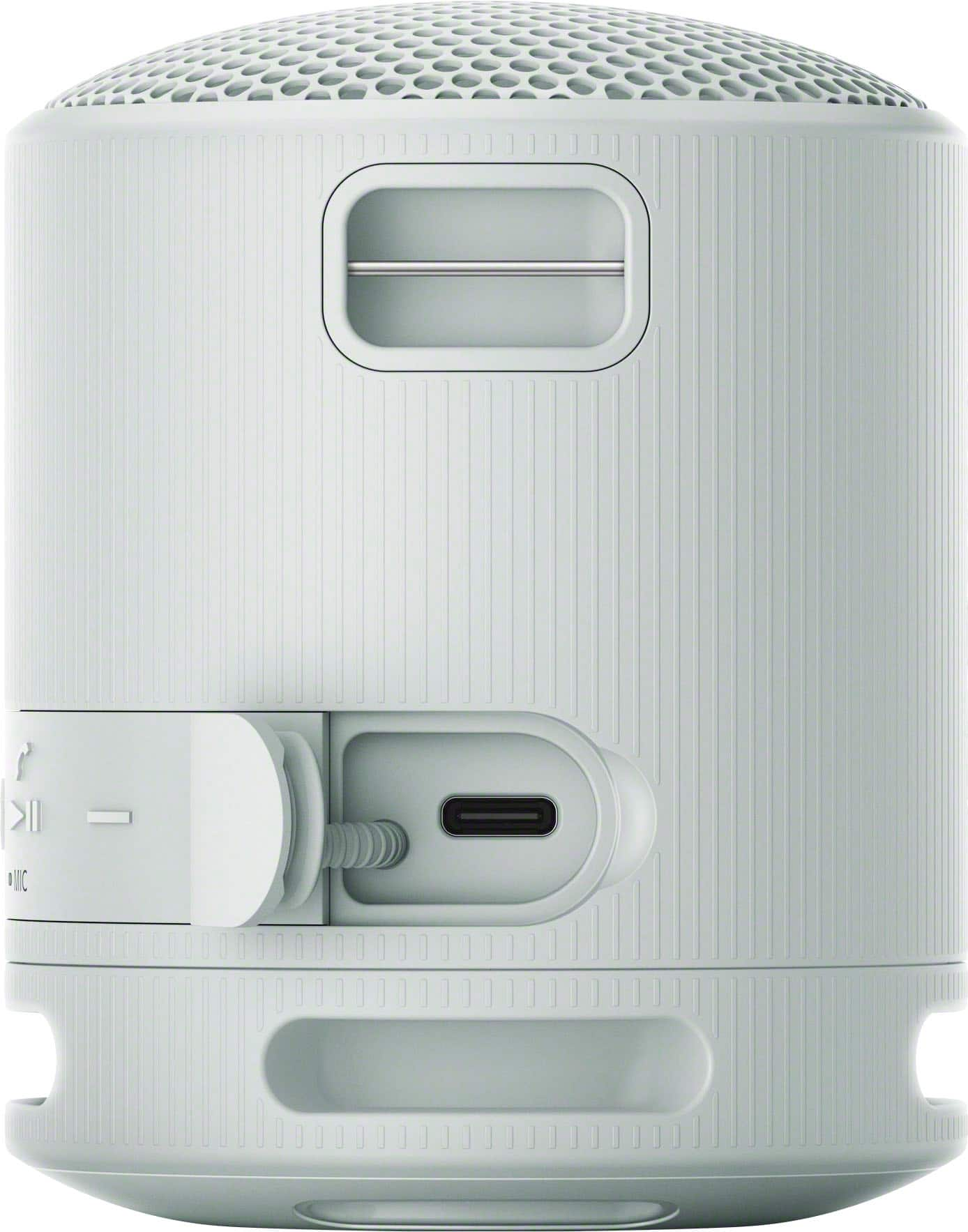
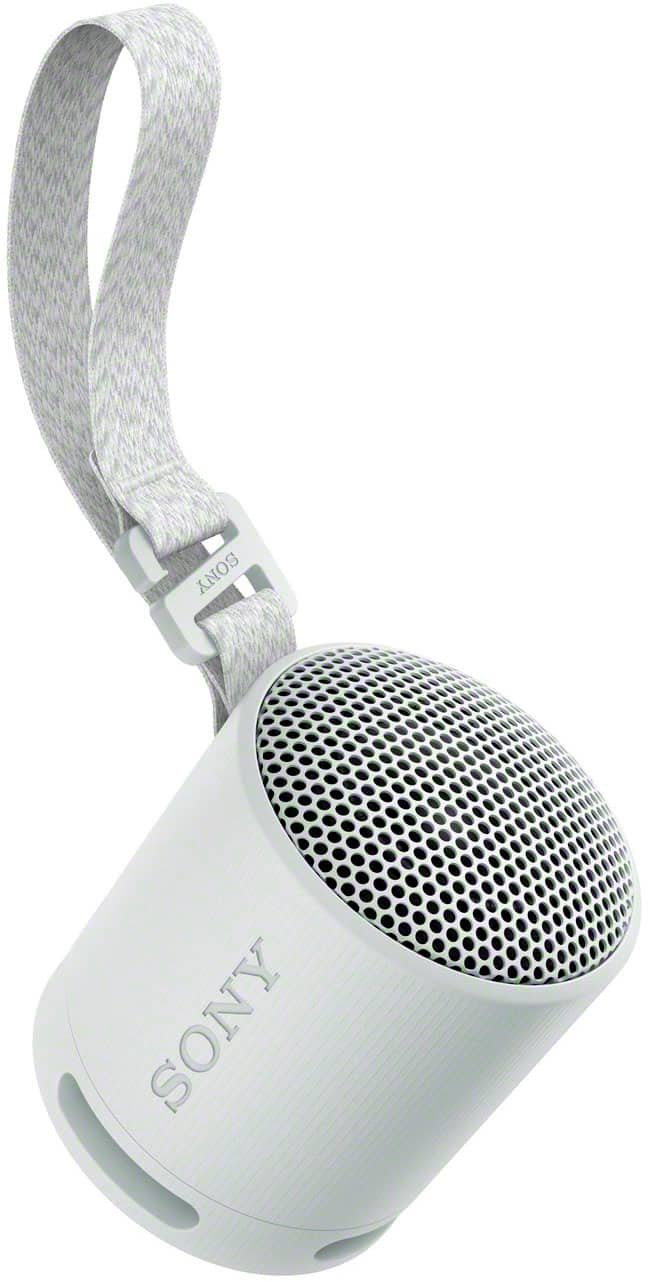
Sony took a different route with the XB100. Its cylindrical design prioritizes portability and durability. The IP67 rating means it's fully dustproof and can handle water immersion up to 1 meter - something I've tested personally during beach trips. At just 0.6 pounds, it's genuinely pocket-sized.
The Acton III's sound quality impresses with its three-amplifier system:
This configuration, known as a 2-way system, separates high and low frequencies for clearer sound. The speaker's "Dynamic Loudness" feature automatically adjusts tonal balance at different volumes - something I've found particularly useful when listening at lower levels late at night.
The frequency response of 45-20,000 Hz means it can reproduce deep bass notes that smaller speakers simply can't reach. In practice, this translates to hearing the full range of instruments in your music, from bass drums to cymbals.
Sony's approach focuses on maximizing performance within portable constraints. The single full-range driver is enhanced by a passive radiator - essentially a speaker cone that moves in response to air pressure inside the cabinet, reinforcing bass notes.
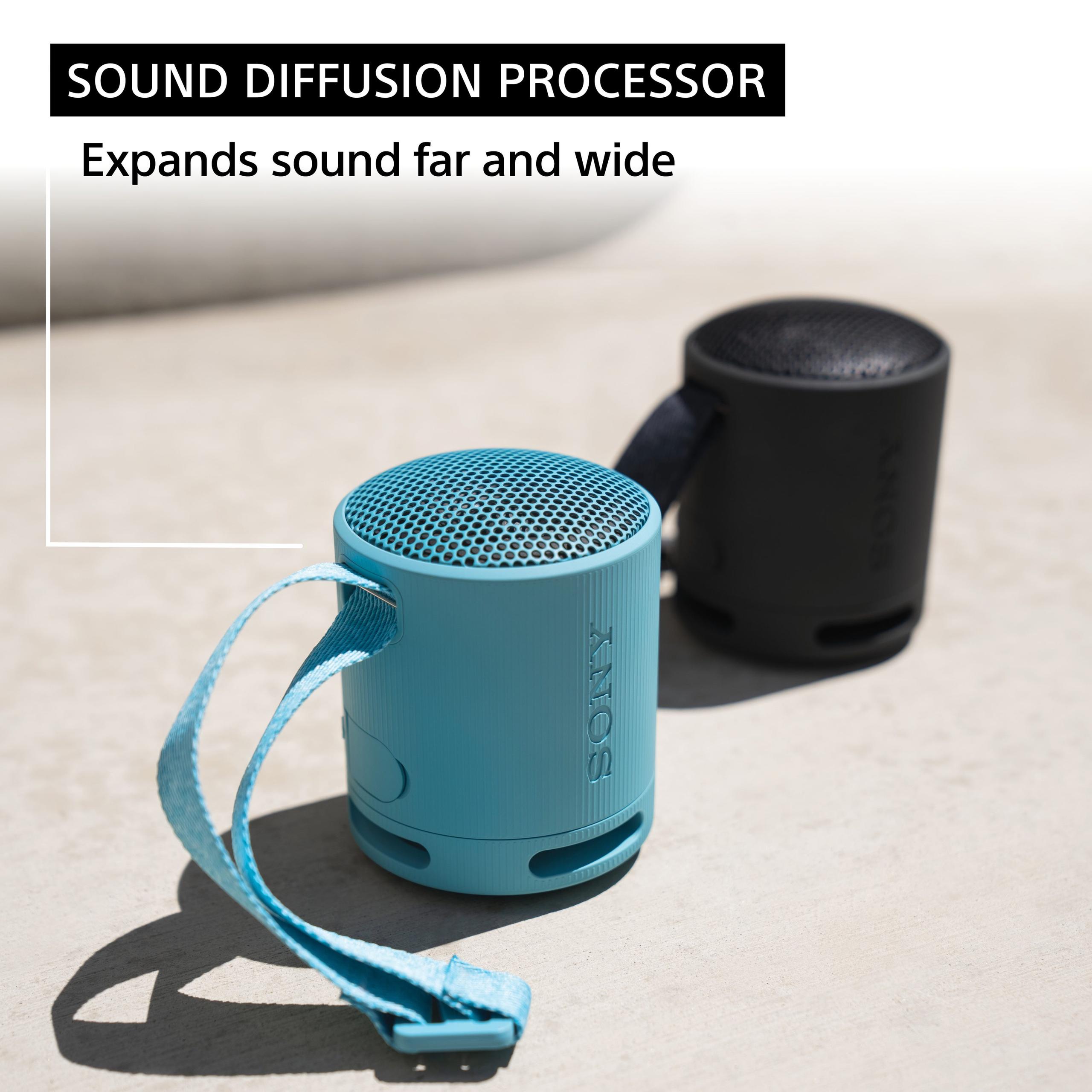
The Sound Diffusion Processor helps spread audio more evenly, making placement less critical. While it can't match the Marshall's raw power or bass extension, it produces surprisingly full sound for its size. I've found it more than adequate for personal listening or small gatherings.
The Marshall Acton III excels in home settings. Its power supply requirement becomes an advantage, delivering consistent high-volume performance without battery concerns. The physical EQ controls make quick adjustments intuitive, while the app offers deeper customization.
For home theater use, the Acton III can serve as a significant upgrade from TV speakers. However, note that Bluetooth's inherent audio delay might require using the 3.5mm input for perfect video sync.
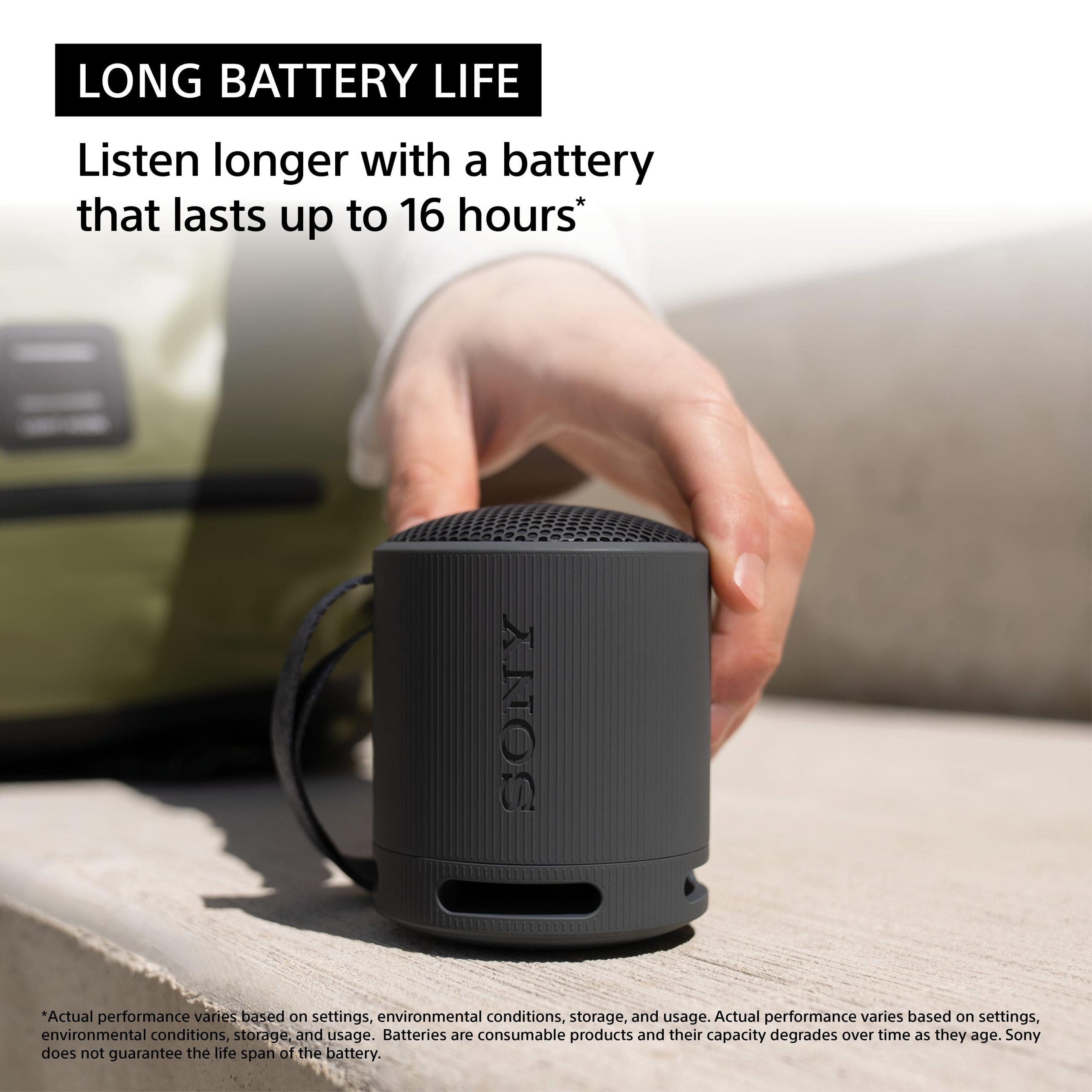
The Sony XB100 shines in mobility. Its 16-hour battery life has proven reliable in my testing, easily lasting through long beach days or camping trips. The waterproofing isn't just marketing - it's genuinely worry-free around water.
The speakerphone functionality, with echo cancellation, makes it a capable conference call device. This versatility adds significant value for remote workers or anyone who takes calls on the go.
The Acton III introduced several improvements over its predecessor:
The XB100 represents impressive engineering:
At $279, the Marshall costs nearly five times more than the Sony. However, comparing them purely on price misses the point - they serve different needs. The Marshall's premium price reflects its role as a primary audio system, while the Sony's $58 price point makes it an accessible portable option.
Both speakers represent current trends in their respective categories. The Marshall Acton III shows how traditional home audio can embrace wireless technology while maintaining sound quality. The Sony XB100 demonstrates how much performance can be packed into an ultra-portable format.
For most users, the decision will come down to intended use rather than direct comparison. The Marshall Acton III serves as an excellent primary speaker system, while the Sony XB100 excels as a go-anywhere companion. Many audio enthusiasts might even find value in owning both - using the Marshall at home and the Sony for outdoor adventures.
Remember, the best speaker is the one that fits your specific needs and usage patterns. Consider how and where you'll use it most often, and choose accordingly.
| Marshall Acton III ($279) | Sony XB100 ($58) |
|---|---|
| Power Output - Determines maximum volume and sound clarity | |
| 60W total (30W woofer + 2x15W tweeters) | Single driver (power not specified) |
| Audio Configuration - Impacts sound quality and stereo separation | |
| 2-way system with dedicated woofer and tweeters | Single full-range driver with passive radiator |
| Size & Weight - Affects portability and placement options | |
| 10.24 x 6.69 x 5.91 in, 6.28 lbs | 2.99 dia. x 3.74 in, 0.6 lbs |
| Power Source - Determines mobility and usage scenarios | |
| AC power only (100-240V) | Rechargeable battery (16 hour life) |
| Environmental Protection - Important for outdoor use | |
| None | IP67 waterproof and dustproof |
| Bluetooth Version - Affects connection stability and range | |
| Bluetooth 5.2, ~30ft range | Bluetooth 5.3, similar range |
| Additional Inputs - Provides connection flexibility | |
| 3.5mm aux input | None |
| Sound Customization - Allows tailoring to personal preference | |
| Physical EQ knobs + app control | Basic app control only |
| Special Features - Adds value beyond basic audio | |
| Dynamic Loudness, placement compensation | Stereo pairing, hands-free calls, Sound Diffusion Processor |
| Frequency Response - Shows bass capability | |
| 45-20,000 Hz (deep bass capable) | Not specified (limited bass due to size) |
| Construction Quality - Impacts durability and aesthetics | |
| Premium materials, 70% recycled plastic, vegan leather | UV-resistant plastic, recycled materials |
The $279 Marshall Acton III is significantly better for home use with its powerful 60W output and room-filling sound. The $58 Sony XB100 is designed primarily for portable use and won't deliver the same home audio experience.
The Marshall Acton III delivers superior sound quality with its 2-way speaker system and dedicated amplifiers. The Sony XB100 has good sound for its size but can't match the Marshall's audio performance.
The Sony XB100 is ideal for outdoor use with IP67 waterproofing and battery power. The Marshall Acton III requires AC power and isn't weather-resistant, making it unsuitable for outdoor use.
The Sony XB100 offers 16 hours of battery life. The Marshall Acton III doesn't have a battery and must be plugged in continuously.
The Marshall Acton III is better for indoor parties with its higher volume output and deeper bass. The Sony XB100 works best for small gatherings or personal listening.
Yes, both speakers use Bluetooth - the Marshall Acton III uses version 5.2 and the Sony XB100 uses 5.3. Both connect easily to smartphones and other Bluetooth devices.
The Marshall Acton III produces significantly better bass with its dedicated 30W woofer. The Sony XB100 has decent bass for its size but can't match the Marshall's low-end performance.
The Sony XB100 offers excellent value at $58 for a portable speaker. The Marshall Acton III at $279 is pricier but justifies its cost with superior sound quality and power.
The Sony XB100 has built-in speakerphone functionality with echo cancellation. The Marshall Acton III doesn't support hands-free calling.
The Sony XB100 is more durable with its IP67 rating and compact design. The Marshall Acton III is well-built but designed for indoor use only.
The Sony XB100 allows stereo pairing with another XB100. The Marshall Acton III doesn't support multi-speaker connectivity.
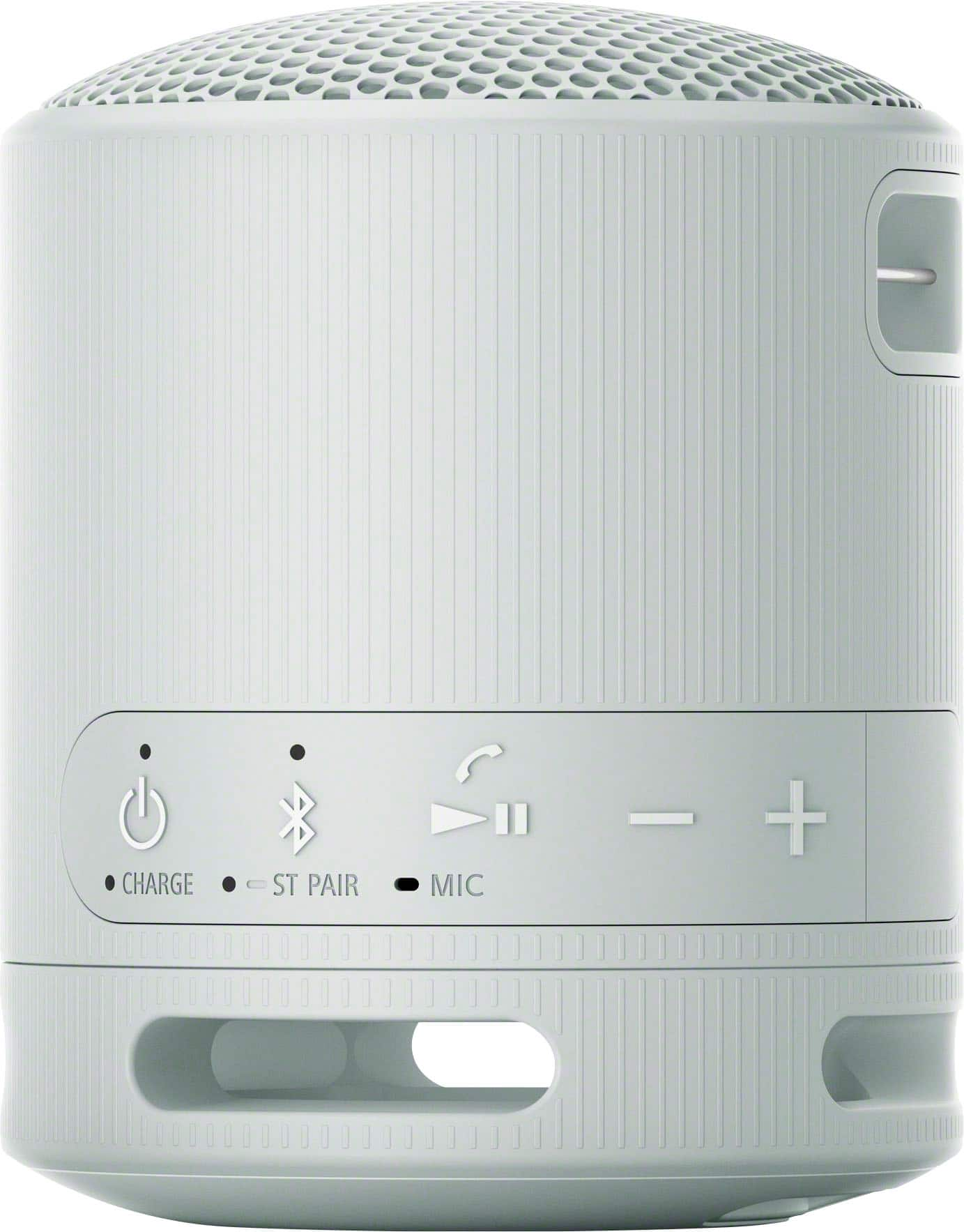
The Marshall Acton III features physical knobs for volume, bass, and treble control. The Sony XB100 has basic buttons and app control. Most users find physical controls more intuitive.
We've done our best to create useful and informative comparisons to help you decide what product to buy. Our research uses advanced automated methods to create this comparison and perfection is not possible - please contact us for corrections or questions. These are the sites we've researched in the creation of this article: bestbuy.com - youtube.com - bestbuy.com - pocket-lint.com - bestbuy.com - crutchfield.com - premiumsound.com.au - marshall.com - 2001audiovideo.com - youtube.com - t3.com - bestbuy.com - youtube.com - techradar.com - bestbuy.com - bestbuy.com - tomsguide.com - electronics.sony.com - sony-asia.com - sony.com - sony.com - thesonyshop.ca - cornellstore.com - bestbuy.com

Privacy Policy
Terms and Conditions - Affiliate Policy
Home Security
© Copyright 2008-2026.
11816 Inwood Rd #1211, Dallas, TX 75244