

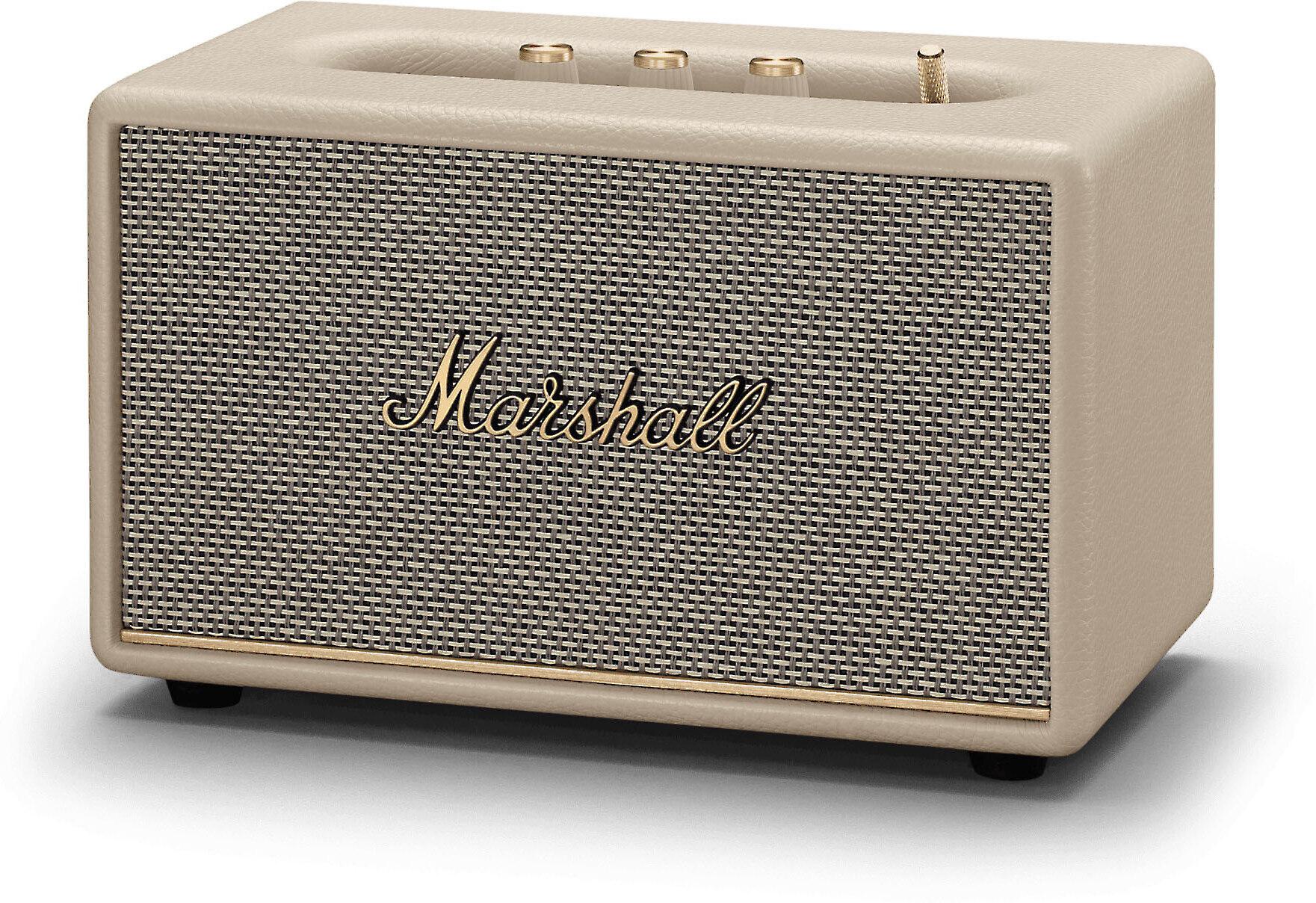
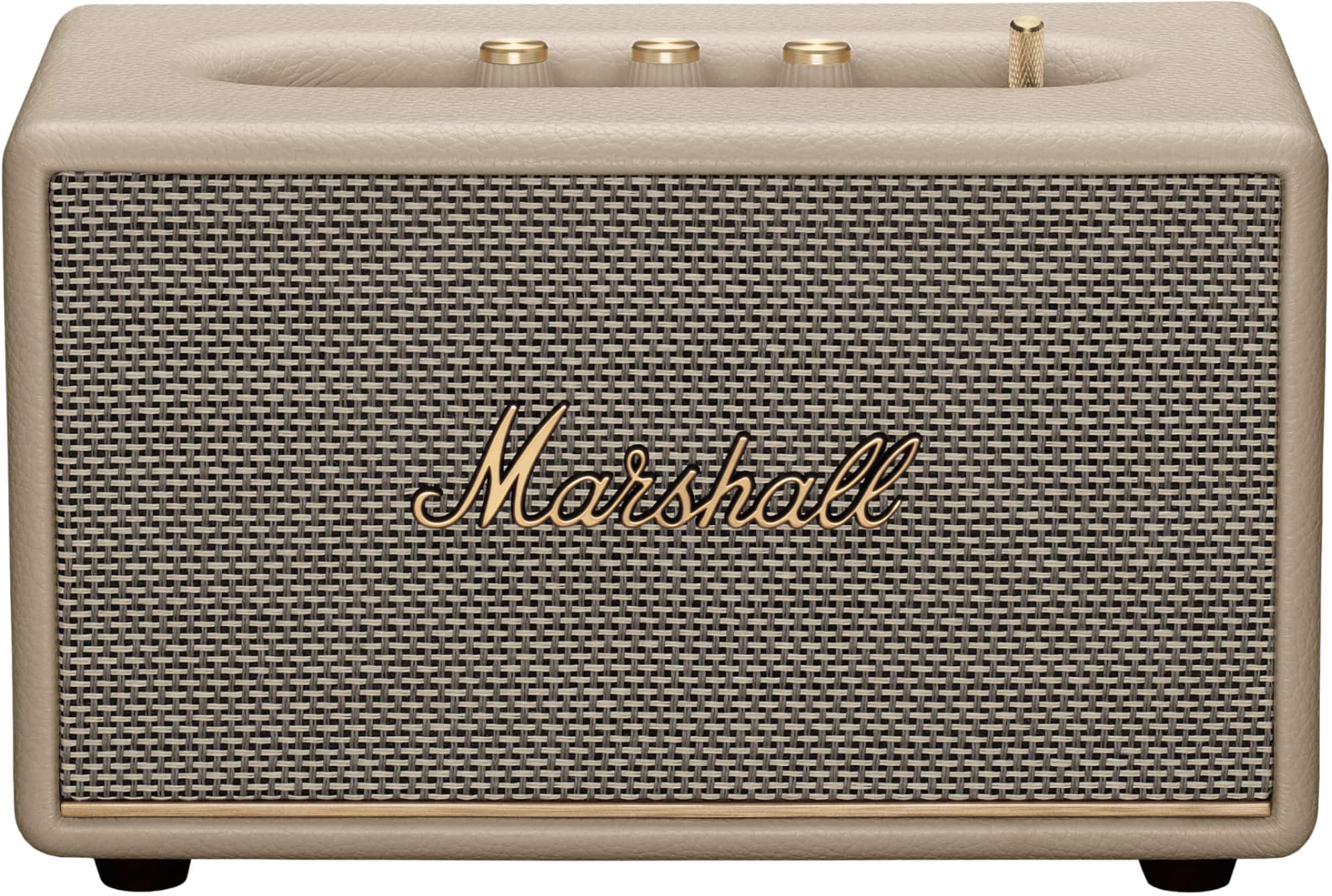
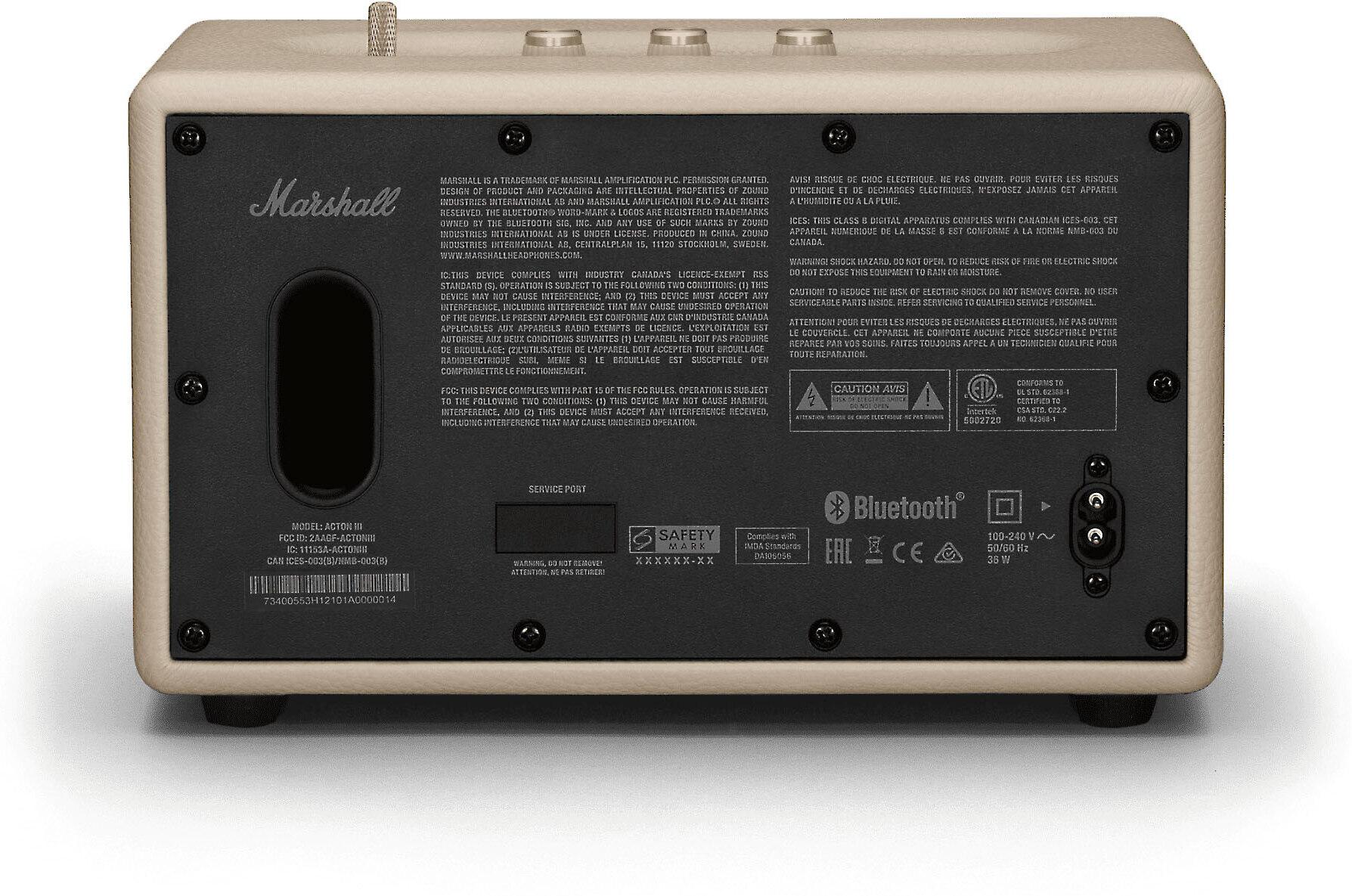
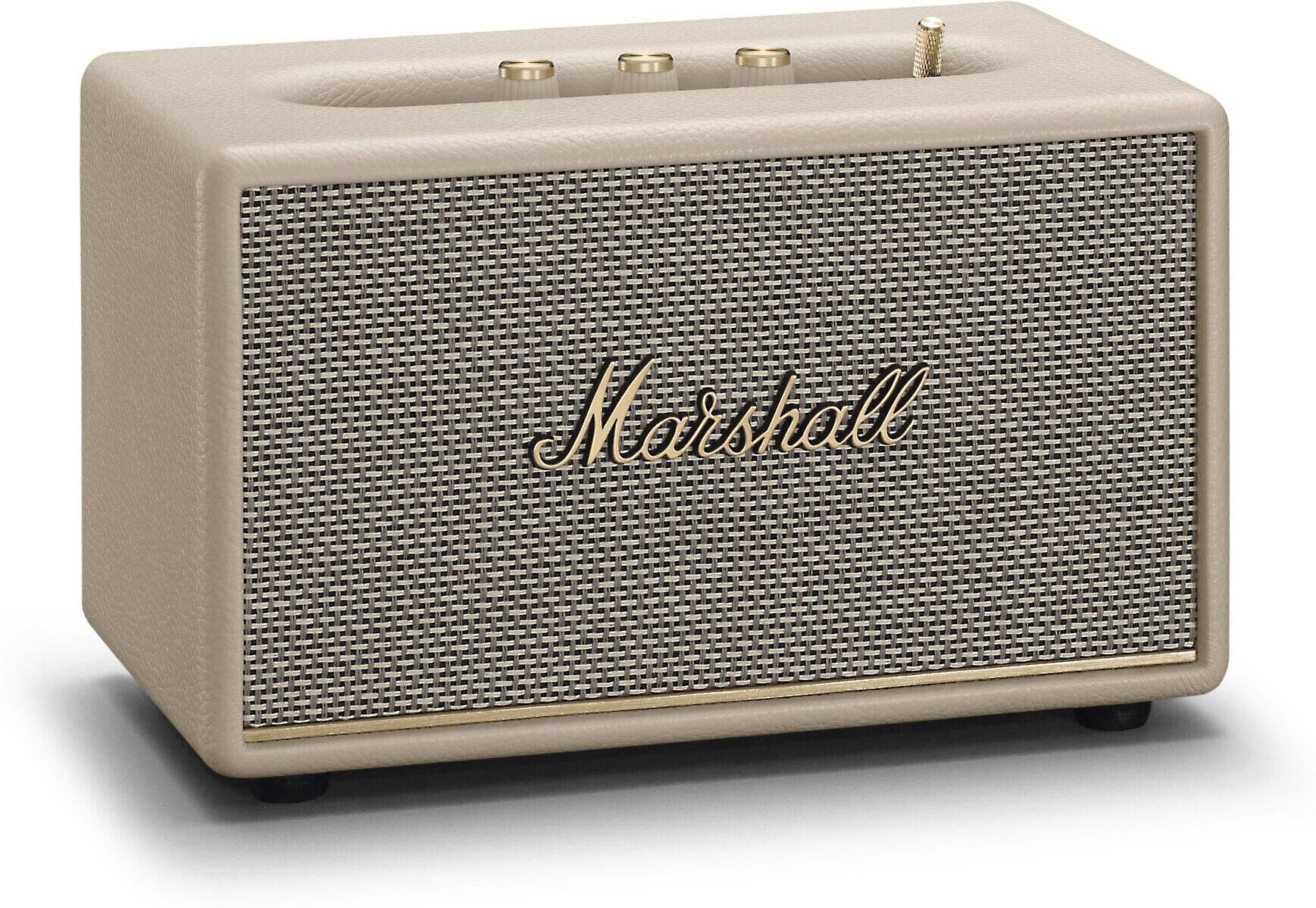

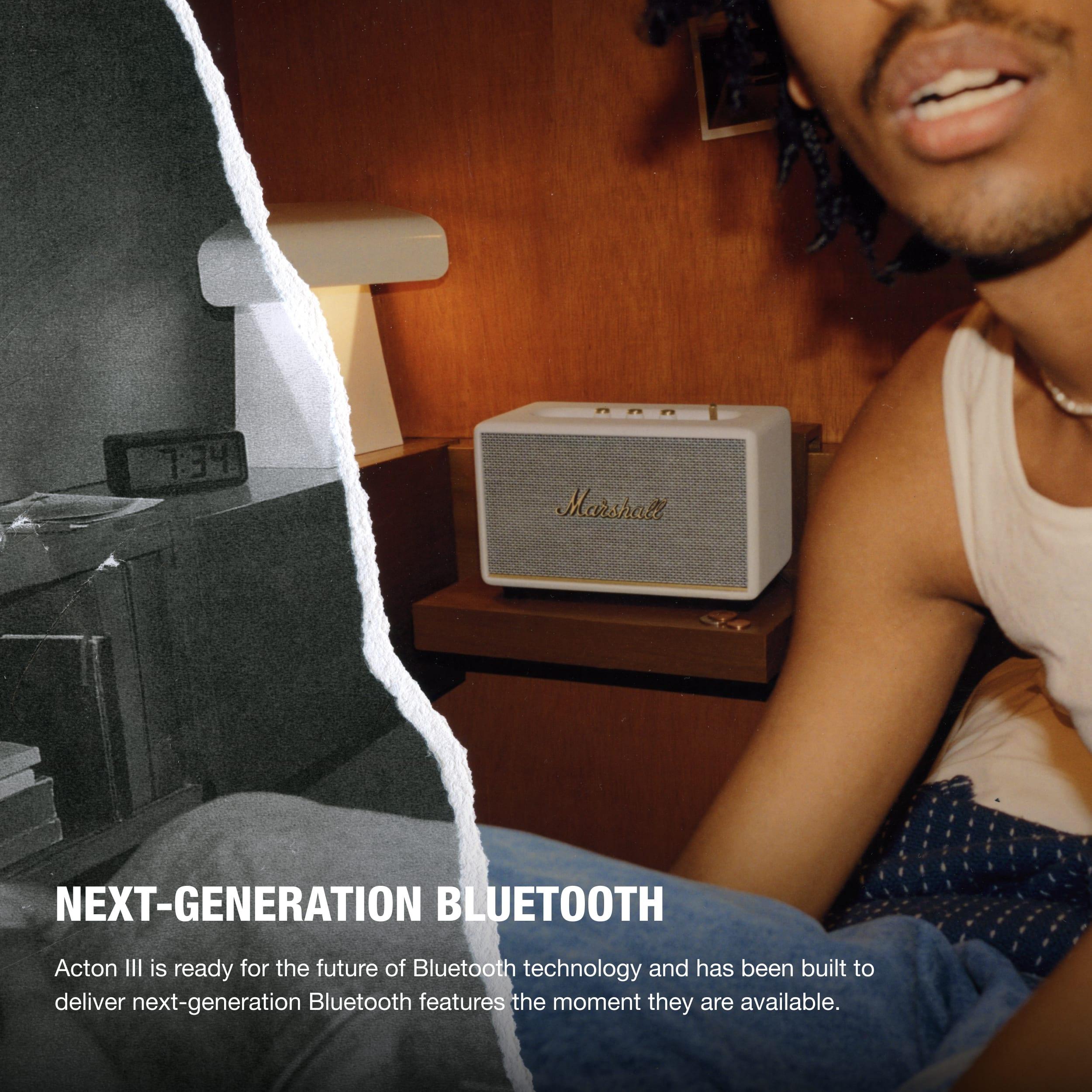
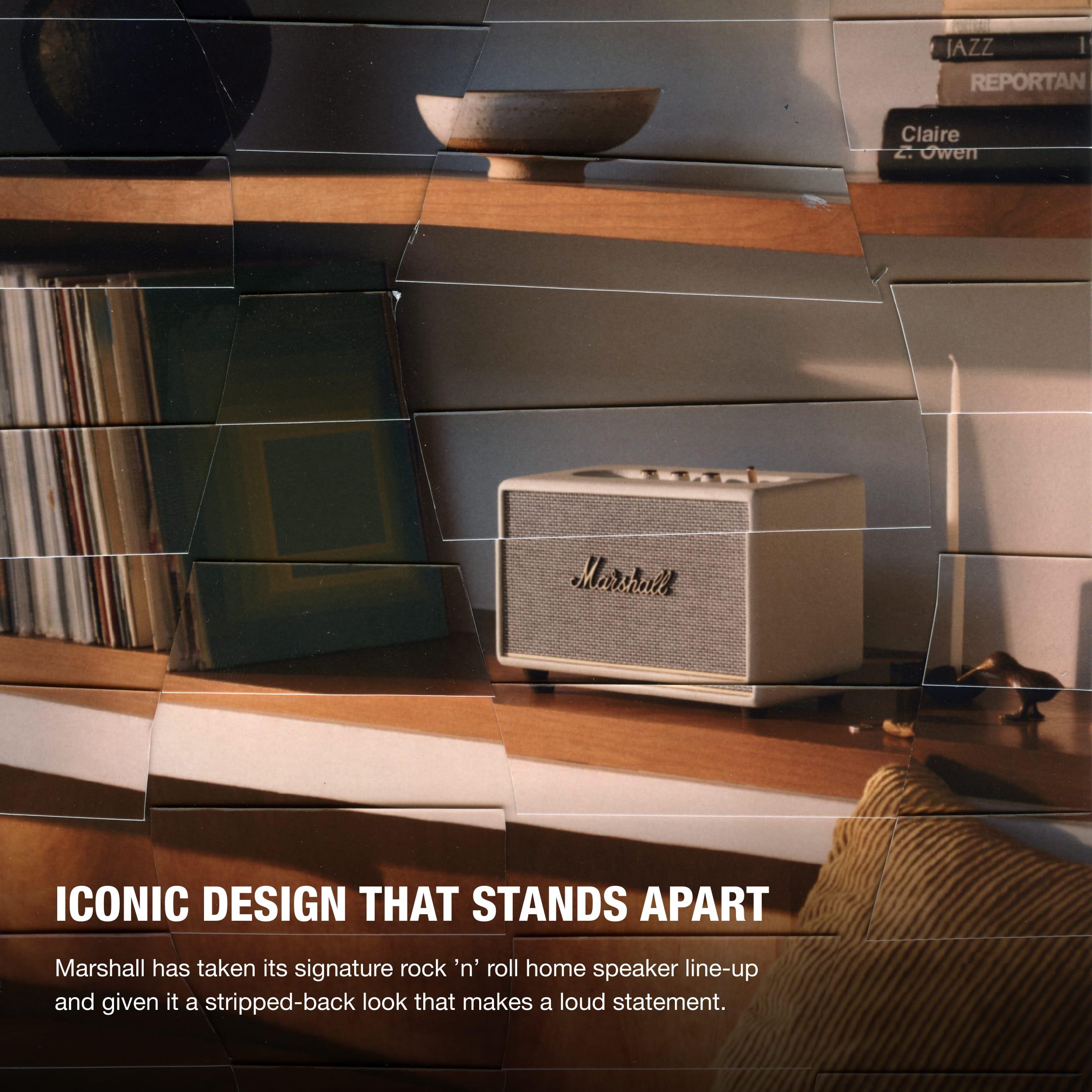
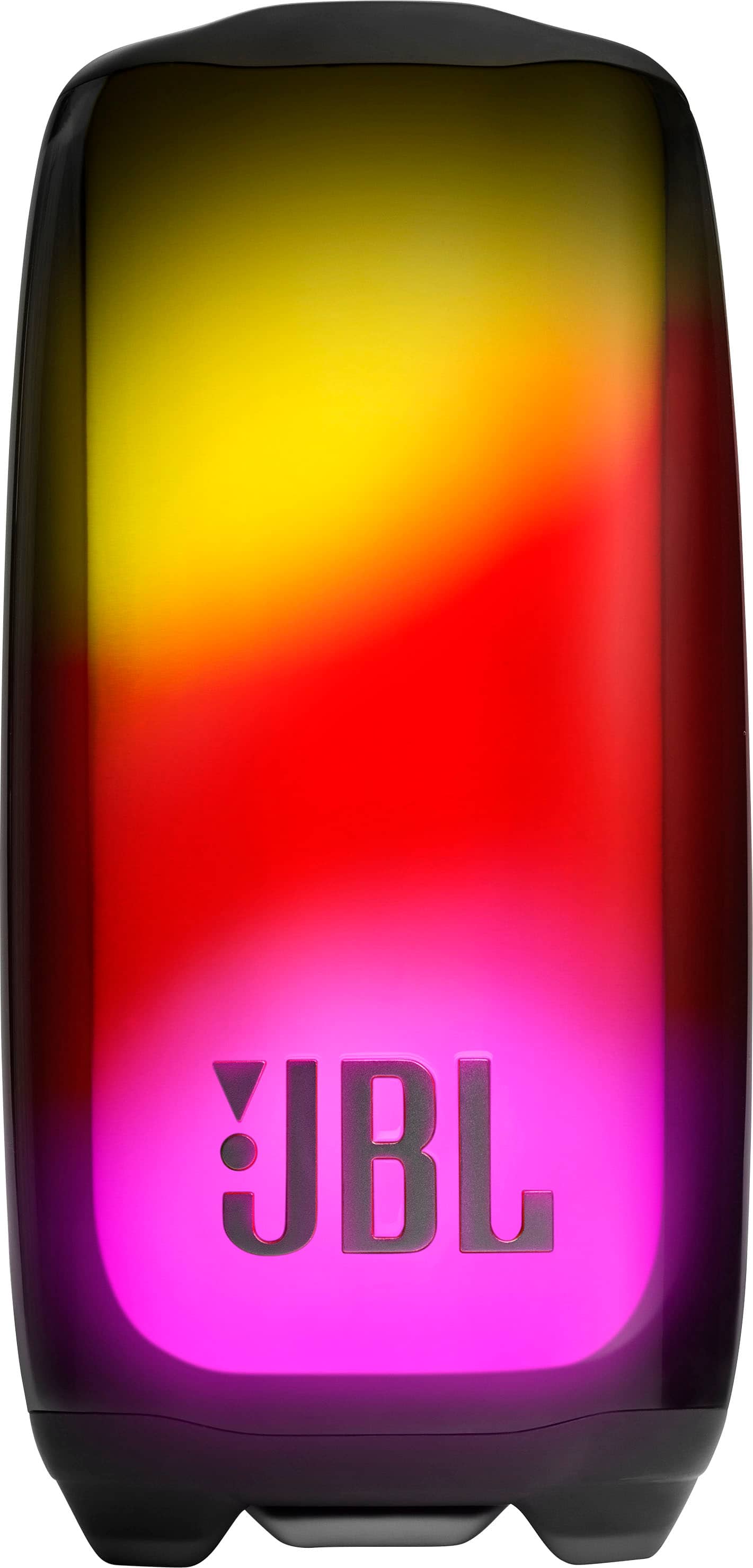
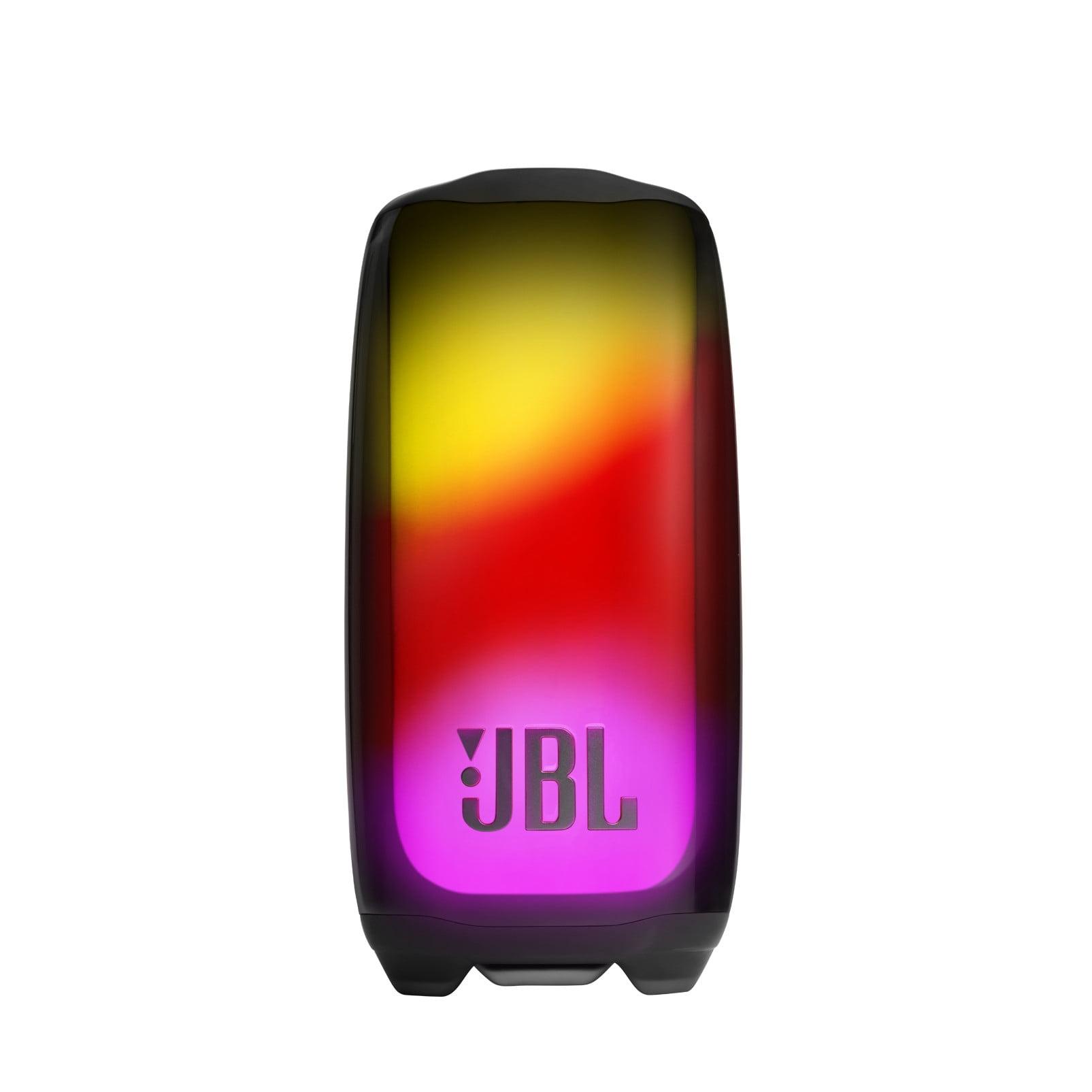
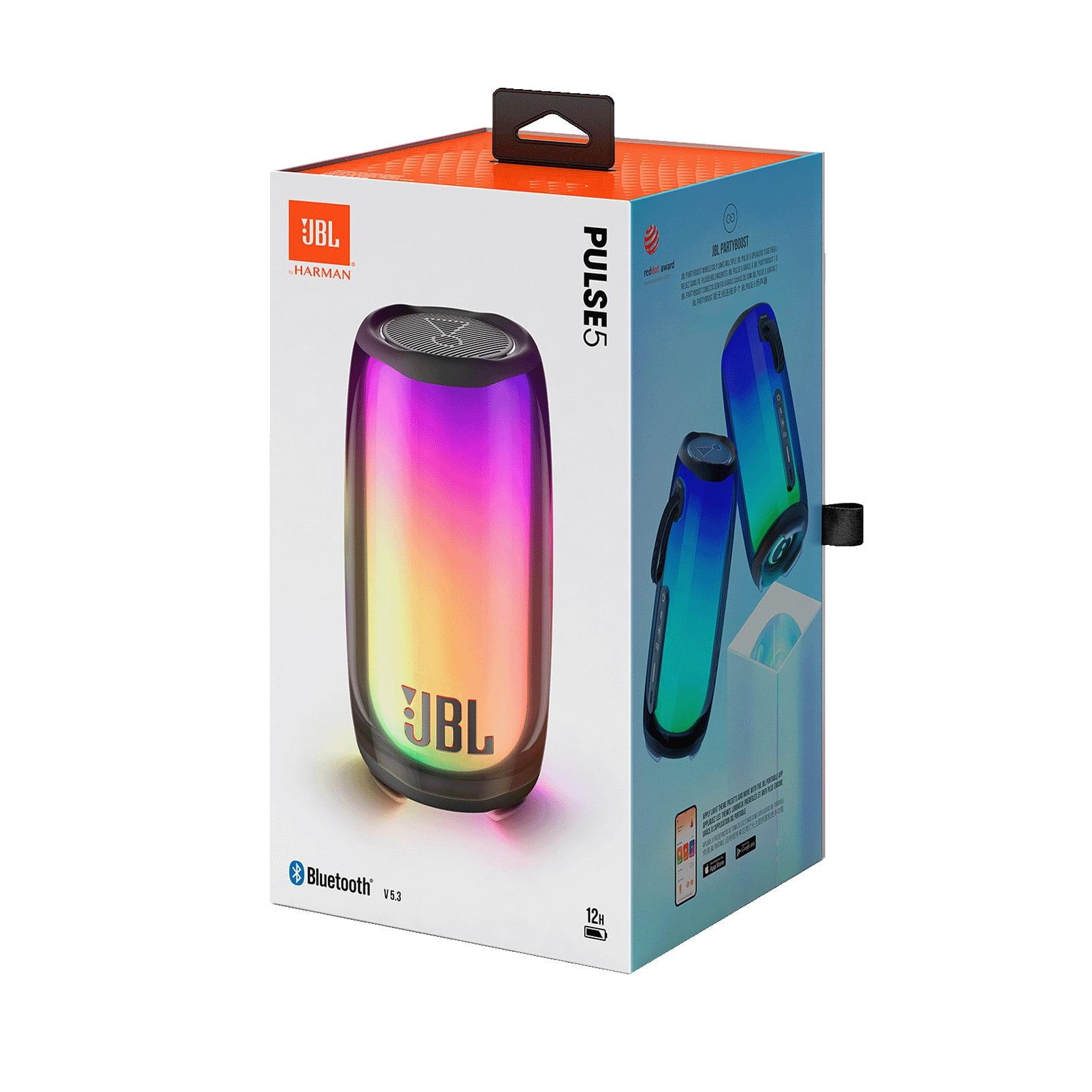
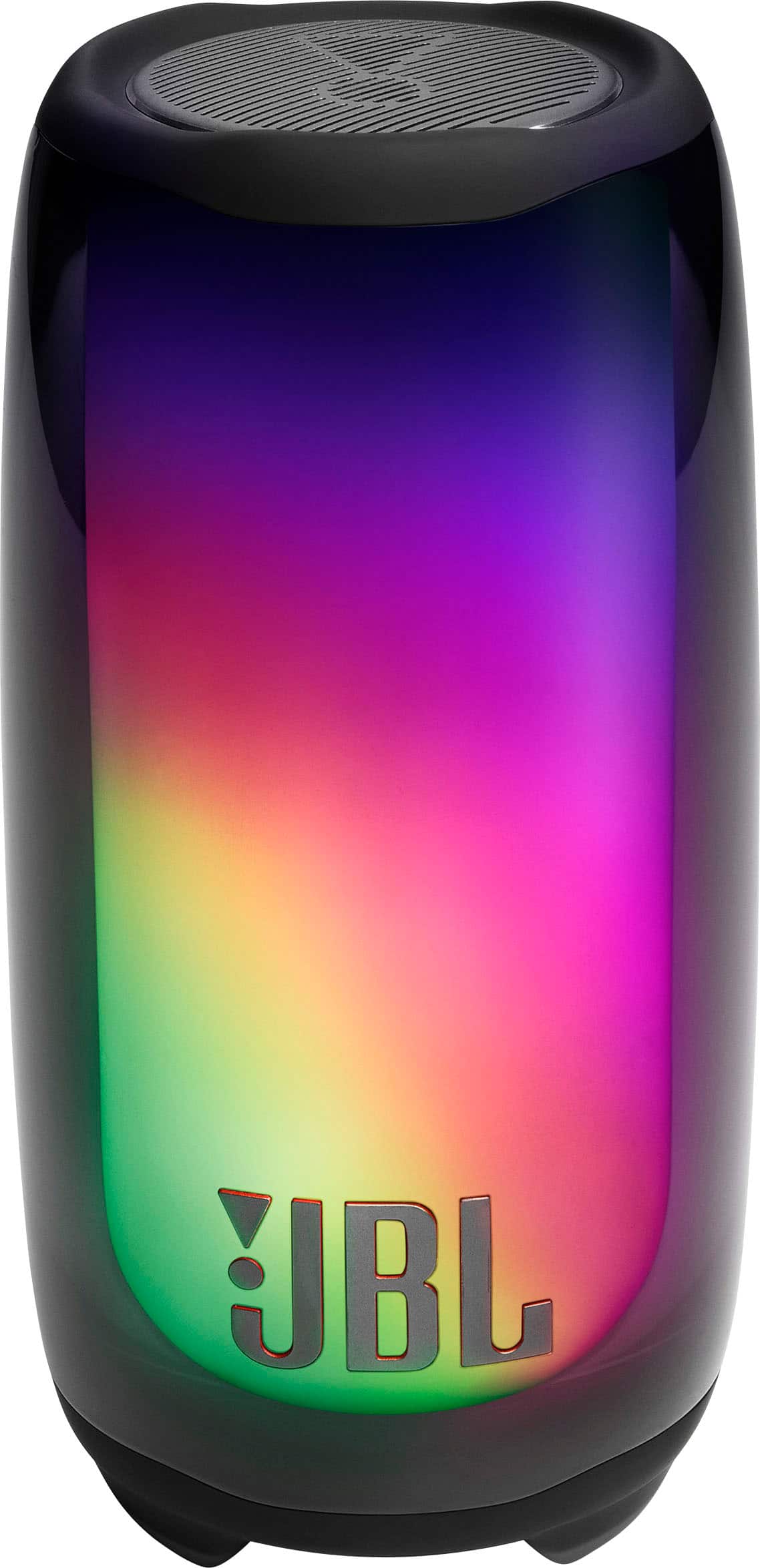
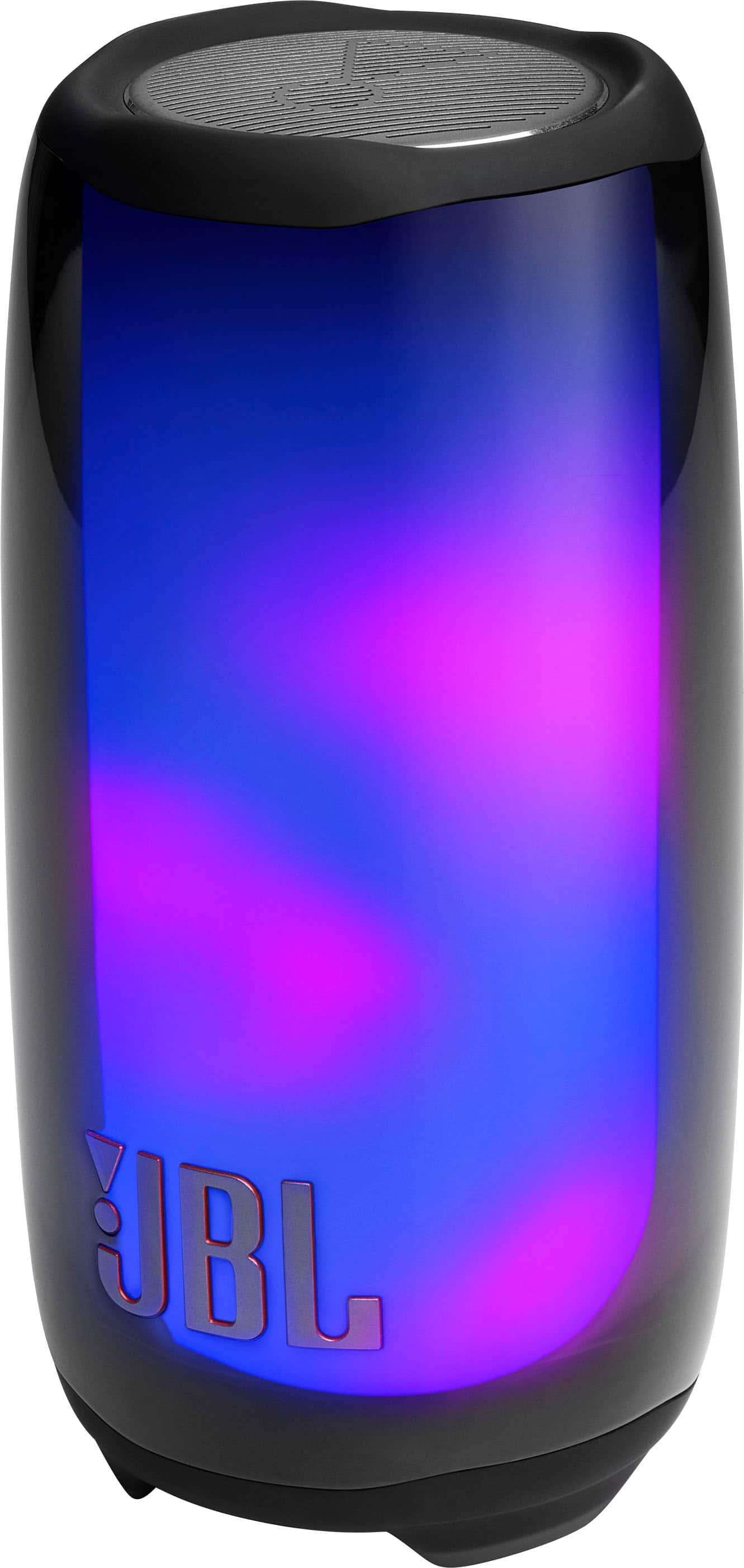
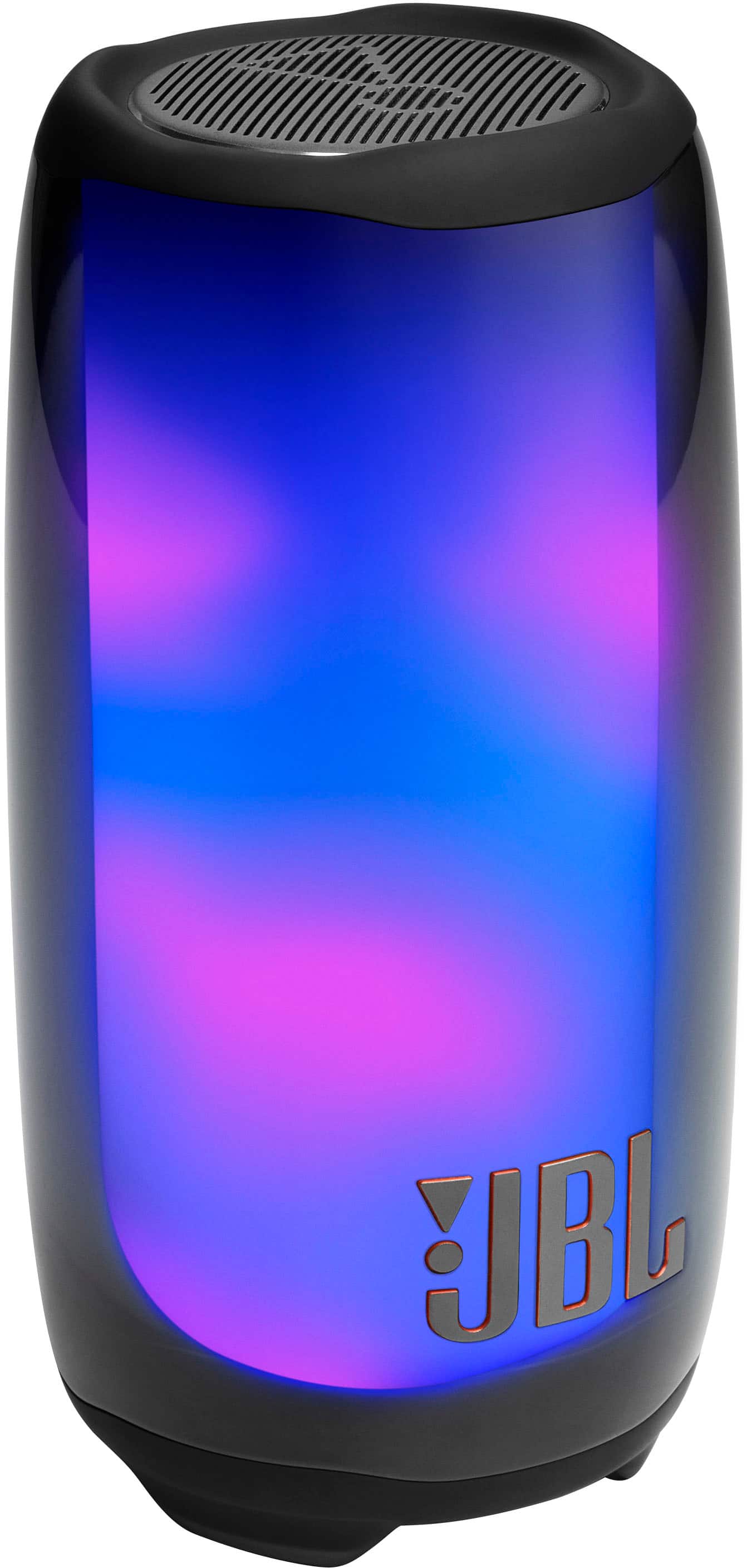
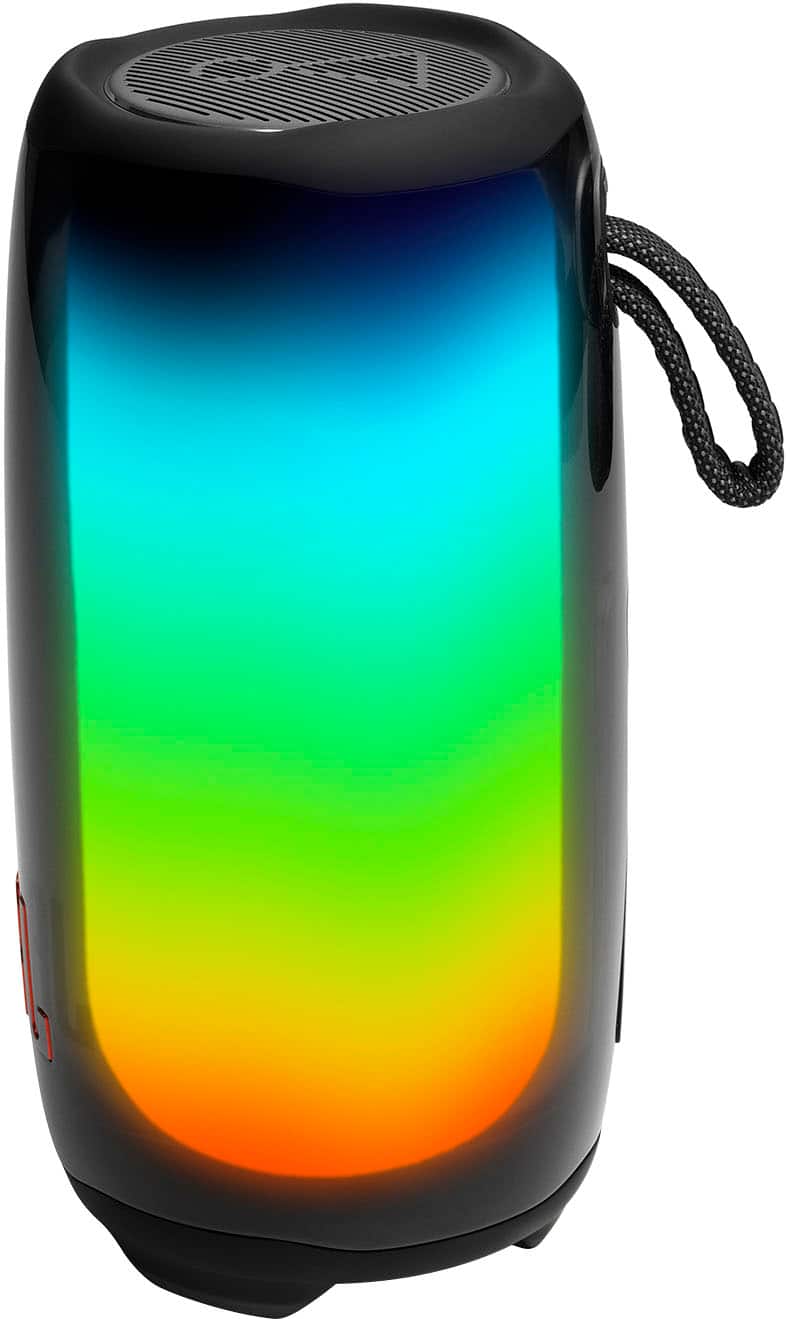
When it comes to wireless audio in 2024, the Marshall Acton III ($280) and JBL Pulse 5 ($200) represent two distinct approaches to Bluetooth speakers. Released in late 2022, both speakers bring modern features to different use cases. Let's explore how these speakers serve different needs and help you decide which matches your listening style.
Bluetooth speakers have evolved far beyond simple wireless playback devices. Today's models offer everything from room-filling home audio to portable party systems with light shows. The key is understanding which features matter most for your intended use.
The Marshall Acton III follows the home audio tradition, focusing on sound quality and ease of use in a fixed location. Meanwhile, the JBL Pulse 5 embraces mobility and entertainment features, targeting those who want their music anywhere, anytime.
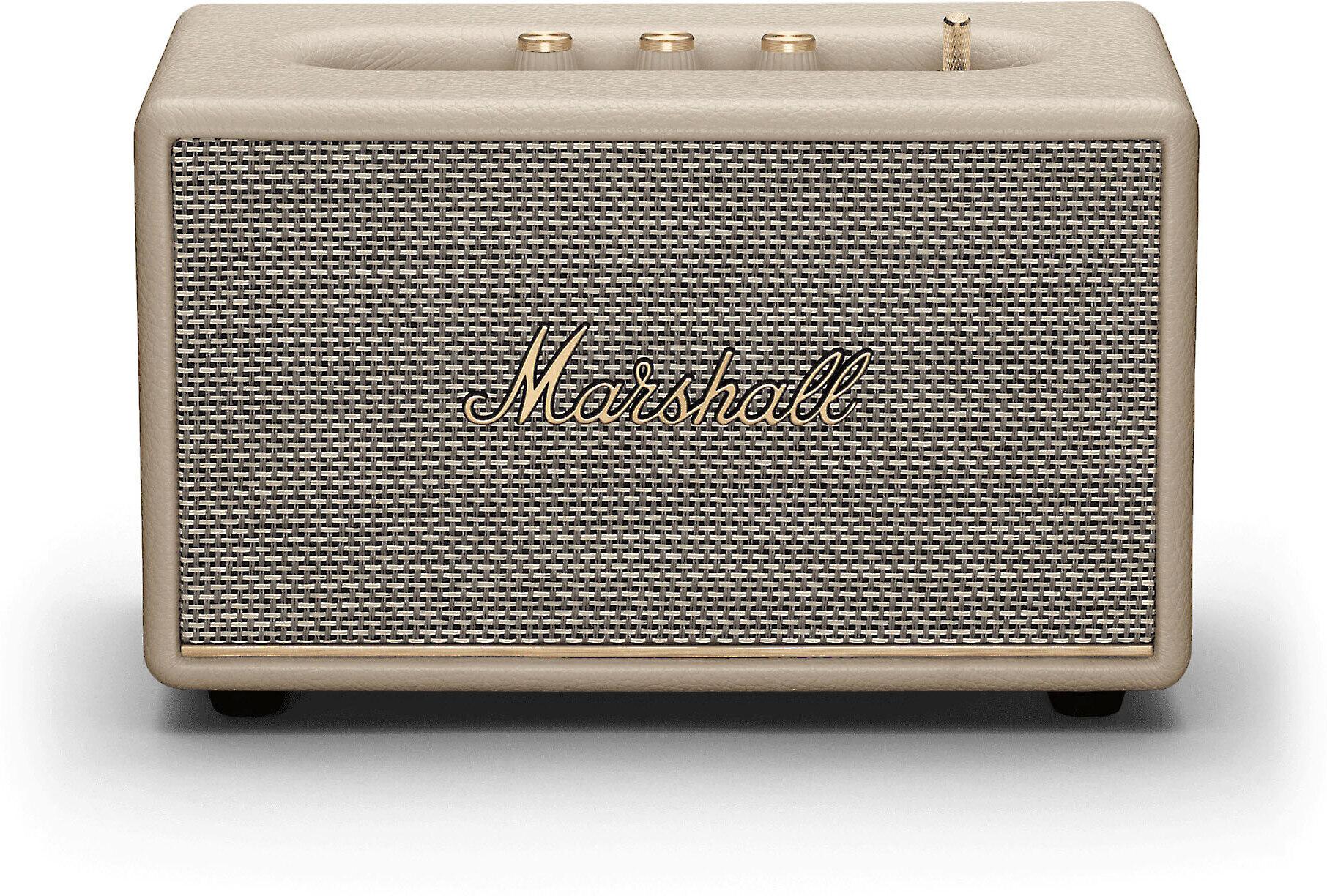
The Marshall Acton III shines in home environments, where its 60-watt system (split between one 30W woofer and two 15W tweeters) can really stretch its legs. The speaker uses a classic stereo design with dedicated drivers for different frequencies - this means your music sounds more detailed and spacious compared to single-driver systems.
The frequency response range of 45-20,000 Hz indicates solid bass performance for its size. In practical terms, this means you'll hear the low end in most music clearly, from bass guitars to electronic beats, without the muddiness that plagues some portable speakers.
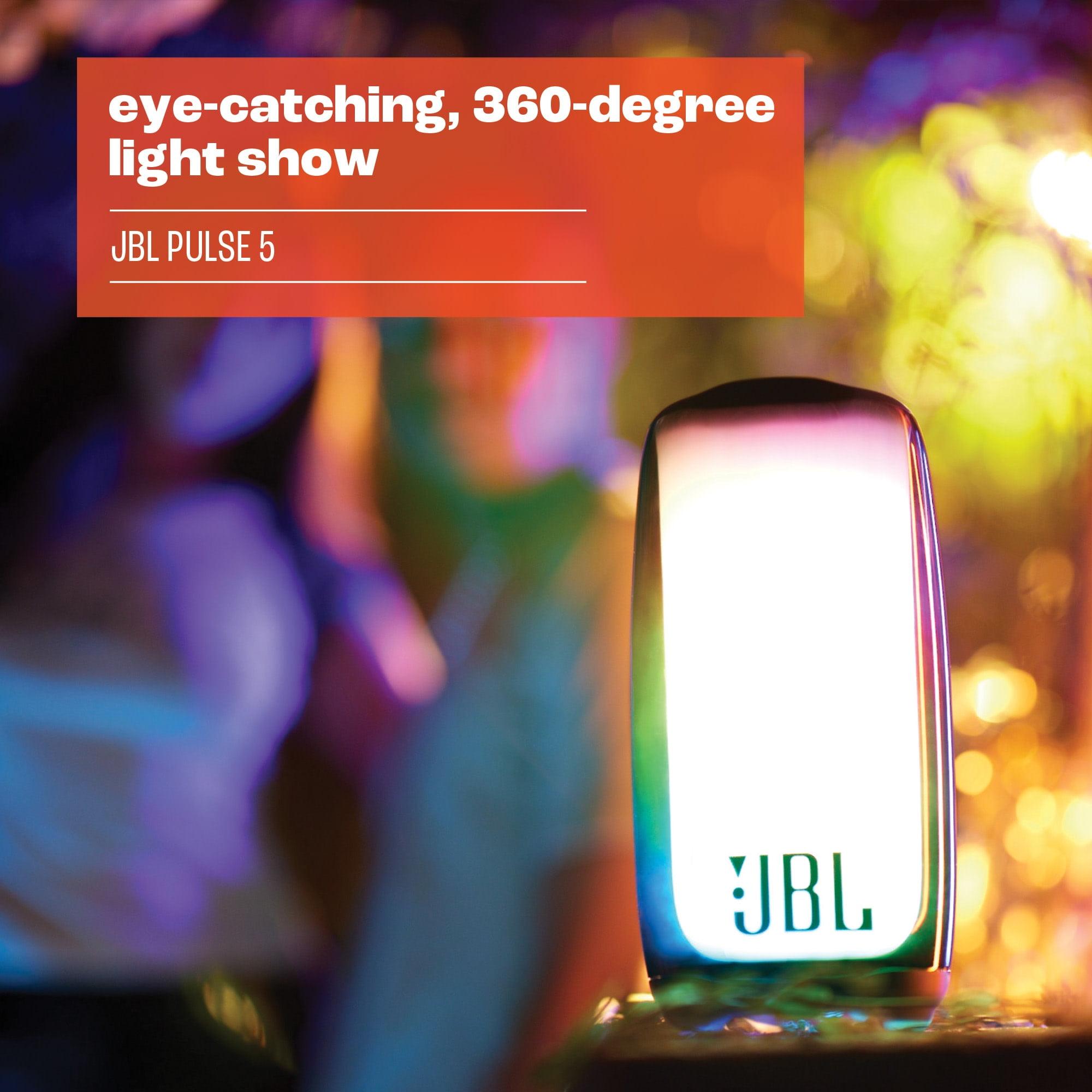
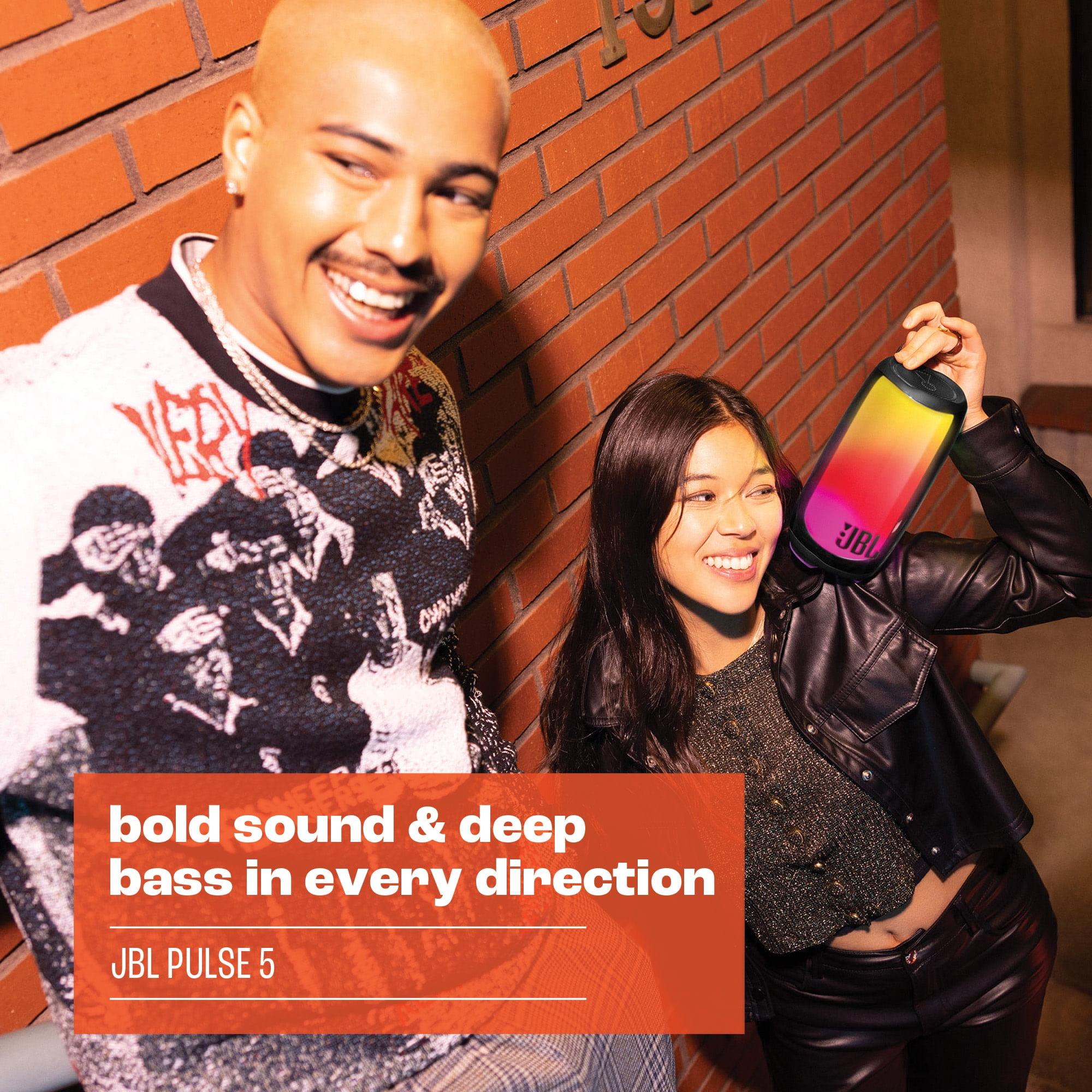
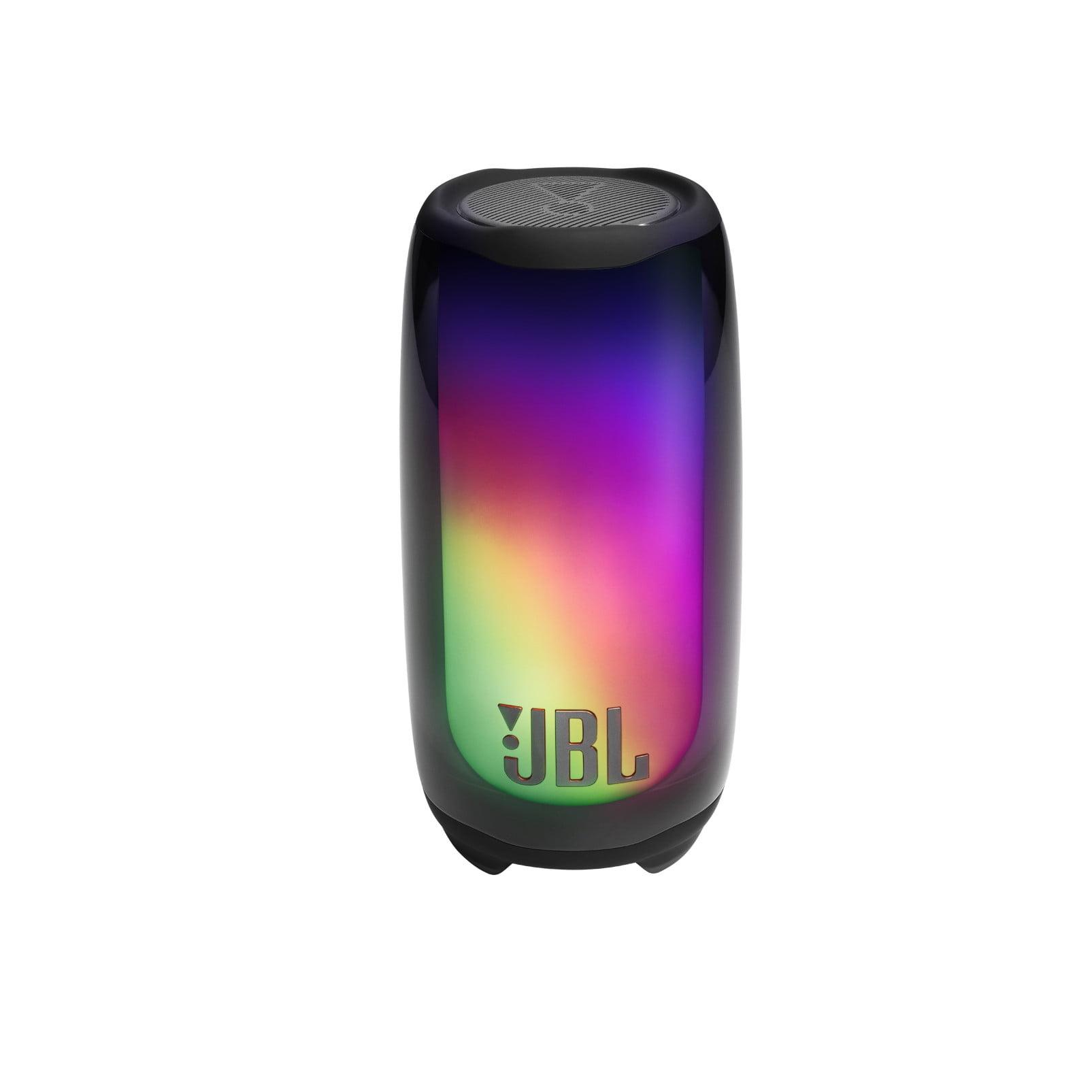
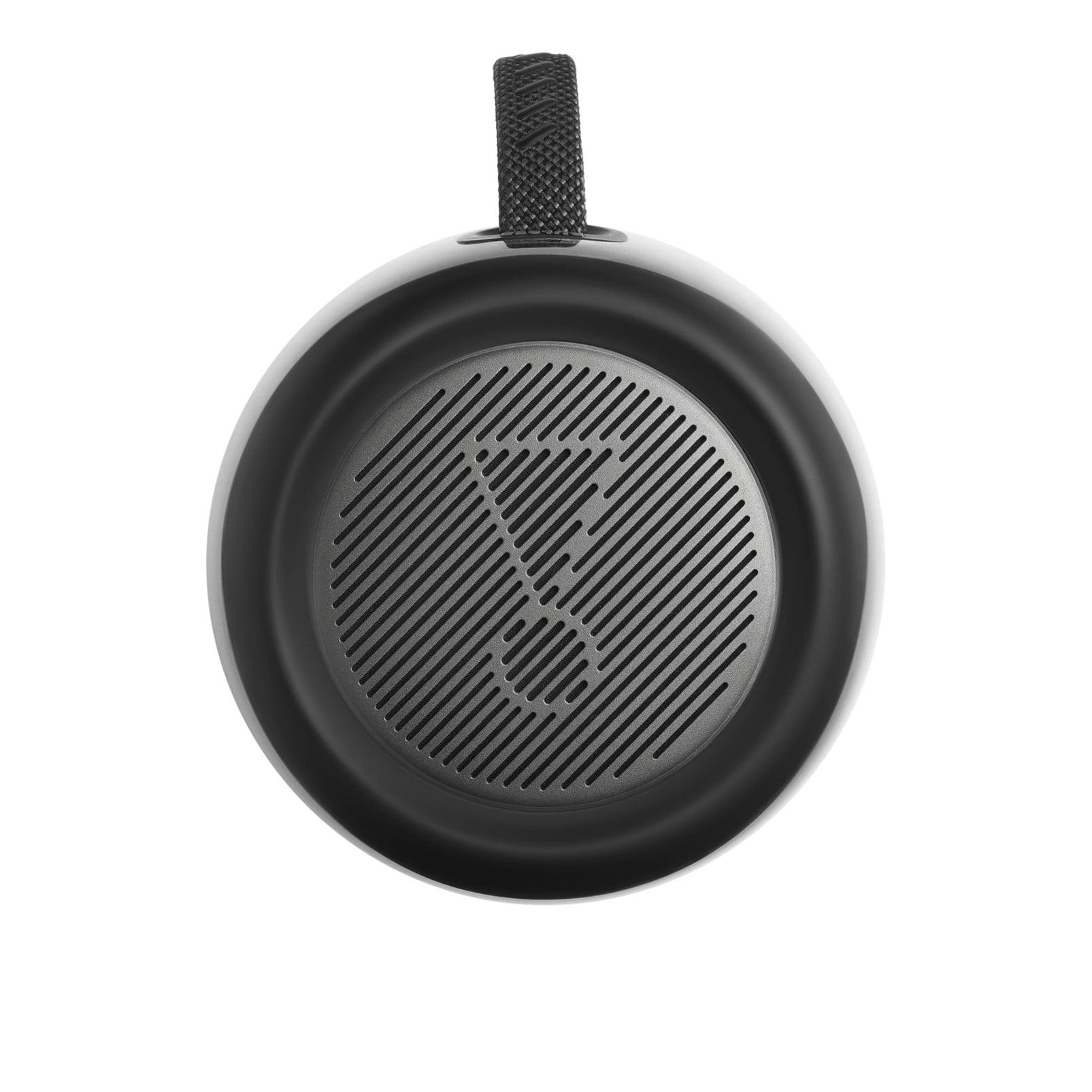
The JBL Pulse 5 takes a different approach with its 40-watt system. While it produces impressive volume for its size, the 360-degree sound projection means you trade some stereo separation for wider coverage. It's designed to fill spaces with sound rather than create a precise stereo image.
In actual use, the Marshall's sound signature is more refined and balanced. You can hear distinct separation between instruments, and the stereo field (the way sounds are positioned from left to right) is more pronounced. This makes it excellent for dedicated listening sessions where you're sitting in one spot.
The Pulse 5 excels in social settings where people move around. Its 360-degree sound means everyone gets similar audio quality regardless of position. While it can't match the Marshall's bass response or stereo separation, it produces energetic, crowd-pleasing sound that works well for parties or outdoor gatherings.
Since its release, the Acton III has introduced several improvements over previous models:
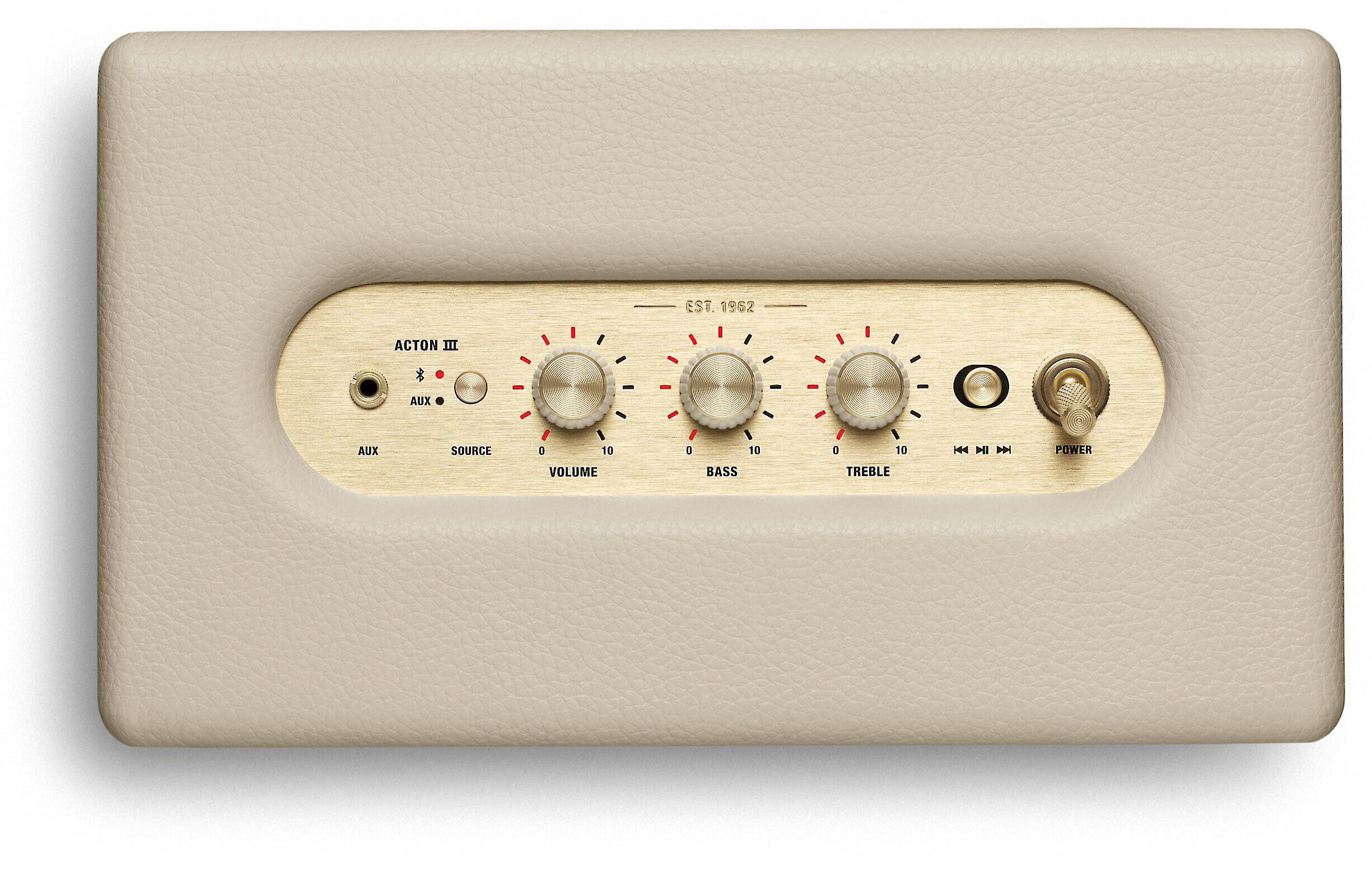
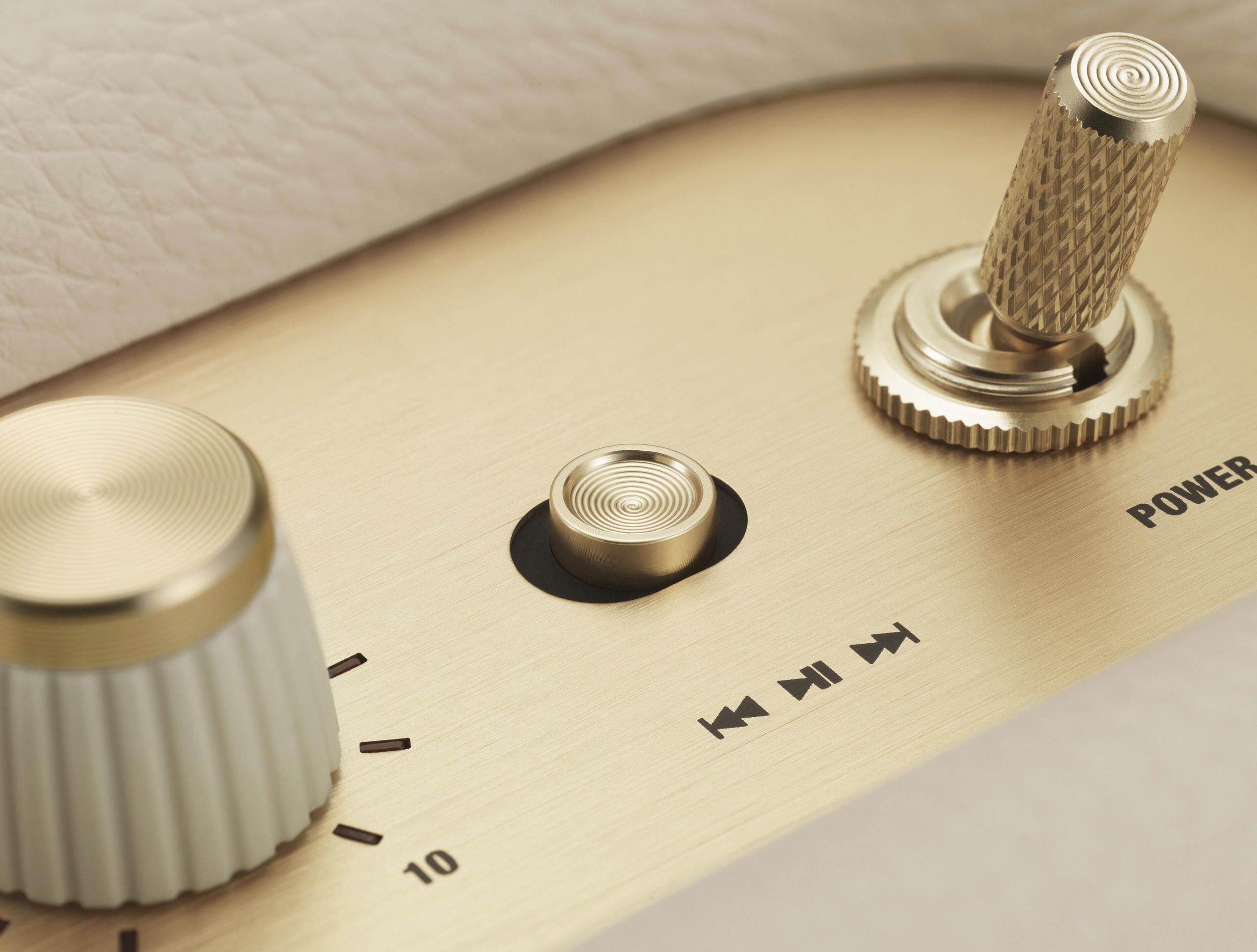
The speaker's physical controls deserve special mention - the brass-finished knobs provide tactile control over volume, bass, and treble, feeling more precise than typical button controls.
The Pulse 5 brings its own technical innovations:
The Marshall Acton III excels as a home audio solution. It's perfect for:
The JBL Pulse 5 shows its strength in flexibility:
When considering value, look beyond the price difference. The Marshall's higher cost includes:
The JBL's lower price point delivers:
For home theater use, the Marshall Acton III provides better integration:
While the Pulse 5 can serve as a TV speaker, it's not ideal due to:
Choose the Marshall Acton III if:
Go for the JBL Pulse 5 when:
Both speakers represent excellent choices within their intended use cases. The Marshall Acton III serves as a more serious audio component, while the JBL Pulse 5 offers greater flexibility and fun features. Your choice should align with how you primarily plan to use the speaker, keeping in mind that better sound quality often comes at the cost of portability, and vice versa.
| Marshall Acton III | JBL Pulse 5 |
|---|---|
| Price - Initial investment consideration | |
| $279.99 | $199.99 |
| Power Output - Determines maximum volume and sound clarity | |
| 60W total (30W woofer + 2x15W tweeters) | 40W total (30W woofer + 10W tweeter) |
| Frequency Response - Range of bass to treble reproduction | |
| 45-20,000 Hz (deeper bass extension) | 58-20,000 Hz (less low-end reach) |
| Connectivity - How you can connect devices | |
| Bluetooth 5.2, 3.5mm aux input | Bluetooth 5.3, no aux input |
| Portability - Where and how you can use it | |
| AC-powered only, stationary use | 12-hour battery life, fully portable |
| Physical Size - Space requirements and mobility | |
| 10.24 x 6.69 x 5.91 inches (fixed placement) | 8.5 x 5.2 x 4.2 inches (compact, portable) |
| Durability Features - Environmental resistance | |
| Indoor use only | IP67 waterproof and dustproof |
| Sound Configuration - How audio is delivered | |
| Stereo with dedicated L/R channels | 360-degree omnidirectional sound |
| Special Features - Additional functionality | |
| App EQ control, placement compensation | LED light show, PartyBoost linking, app control |
| Construction - Build quality and materials | |
| Premium materials, 70% recycled plastic | Durable plastic with transparent outer shell |
| Weight - Impacts portability | |
| 6.28 lbs (designed for fixed placement) | 3.2 lbs (optimized for carrying) |
| Intended Use Case - Primary design purpose | |
| Home audio, dedicated listening space | Portable entertainment, outdoor events |
The Marshall Acton III ($279.99) is better for home use due to its superior sound quality, dedicated stereo drivers, and fixed placement design. The JBL Pulse 5 ($199.99) is designed primarily for portable use.
The Marshall Acton III offers better overall sound quality with its 60W system and dedicated stereo drivers. The JBL Pulse 5's 40W system provides good sound but prioritizes 360-degree coverage over audio precision.
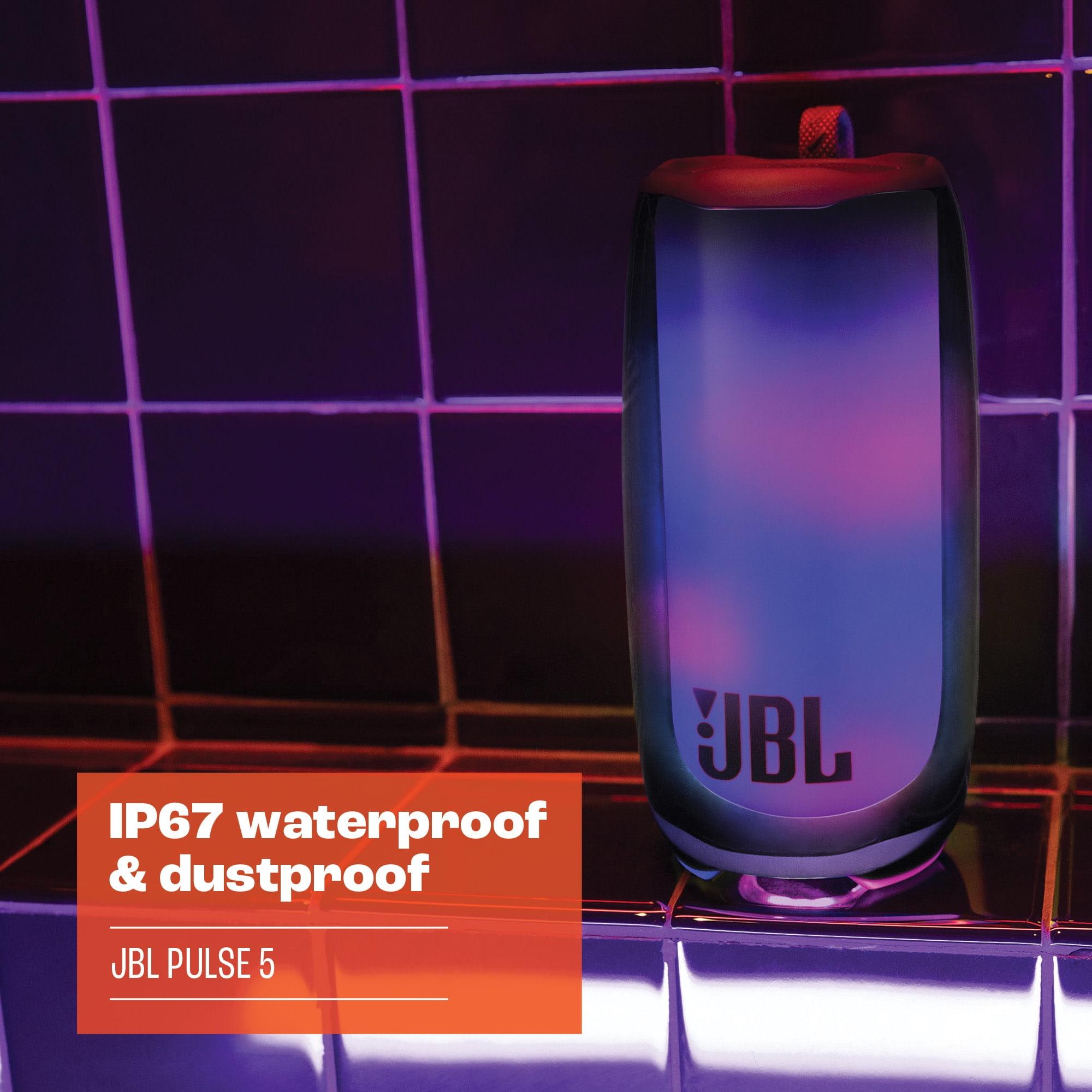
The JBL Pulse 5 is specifically designed for outdoor use with IP67 waterproofing and battery power. The Marshall Acton III requires AC power and isn't weather-resistant, making it indoor-only.
The Marshall Acton III has more power with 60W total output (30W woofer + 2x15W tweeters), while the JBL Pulse 5 delivers 40W total (30W woofer + 10W tweeter).
The JBL Pulse 5 offers 12 hours of battery life. The Marshall Acton III doesn't have a battery and requires constant AC power.
The JBL Pulse 5 is better for parties with its portable design, LED light show, waterproofing, and 360-degree sound. The Marshall Acton III is better suited for home listening.
The Marshall Acton III has a 3.5mm aux input for TV connection. The JBL Pulse 5 only offers Bluetooth connectivity.
The Marshall Acton III produces better bass with its 45Hz low-frequency response, compared to the JBL Pulse 5's 58Hz bottom end.
The JBL Pulse 5 can be moved between rooms easily. The Marshall Acton III needs to remain plugged in at a fixed location.
The JBL Pulse 5 is more durable with IP67 waterproof and dustproof ratings. The Marshall Acton III is well-built but designed for indoor use only.
The JBL Pulse 5 offers better value at $199.99 if you need portability and versatility. The Marshall Acton III at $279.99 provides better value for pure sound quality and home audio use.
Both speakers support Bluetooth multi-point connection. The Marshall Acton III adds a 3.5mm input, while the JBL Pulse 5 can connect to other JBL speakers via PartyBoost.
We've done our best to create useful and informative comparisons to help you decide what product to buy. Our research uses advanced automated methods to create this comparison and perfection is not possible - please contact us for corrections or questions. These are the sites we've researched in the creation of this article: bestbuy.com - youtube.com - bestbuy.com - pocket-lint.com - bestbuy.com - crutchfield.com - premiumsound.com.au - marshall.com - 2001audiovideo.com - youtube.com - t3.com - bestbuy.com - youtube.com - digitaltrends.com - youtube.com - target.com - rtings.com - jbl.com - jblonlinestore.com - harmanaudio.com - assistivetech.com.au - stereoguide.com - mm.jbl.com - jbl.com - creativeaudio.net

Privacy Policy
Terms and Conditions - Affiliate Policy
Home Security
© Copyright 2008-2026.
11816 Inwood Rd #1211, Dallas, TX 75244