

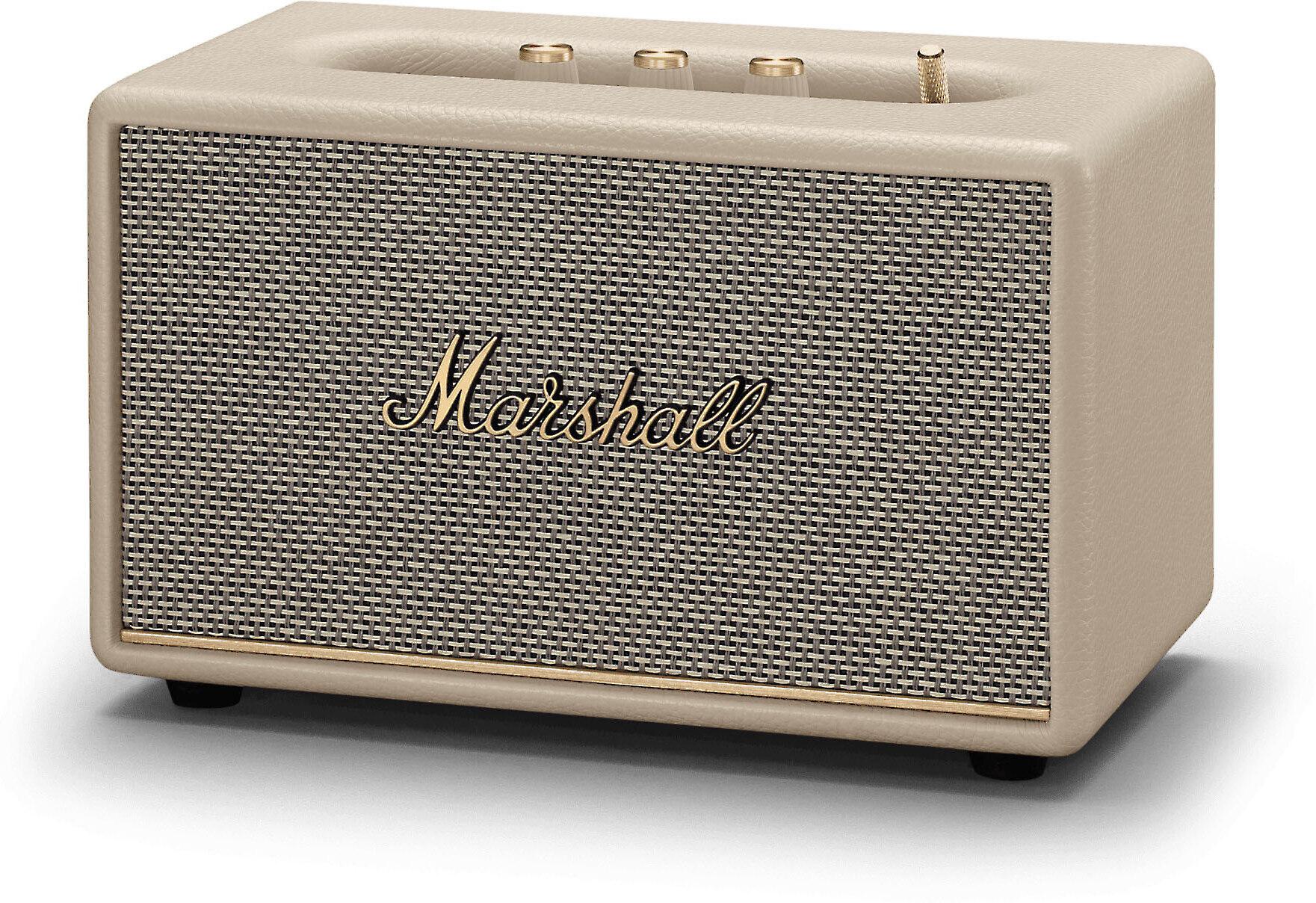
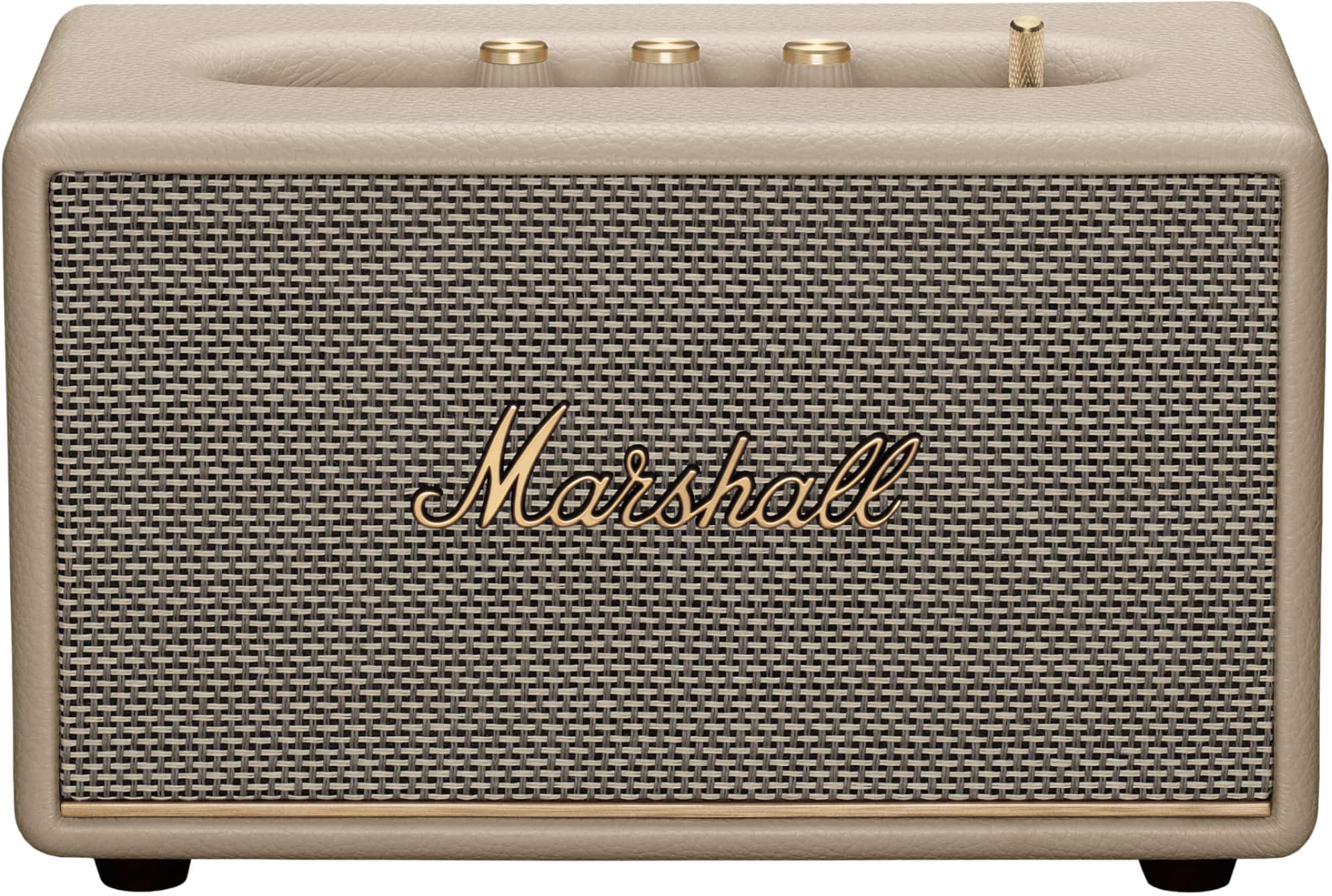
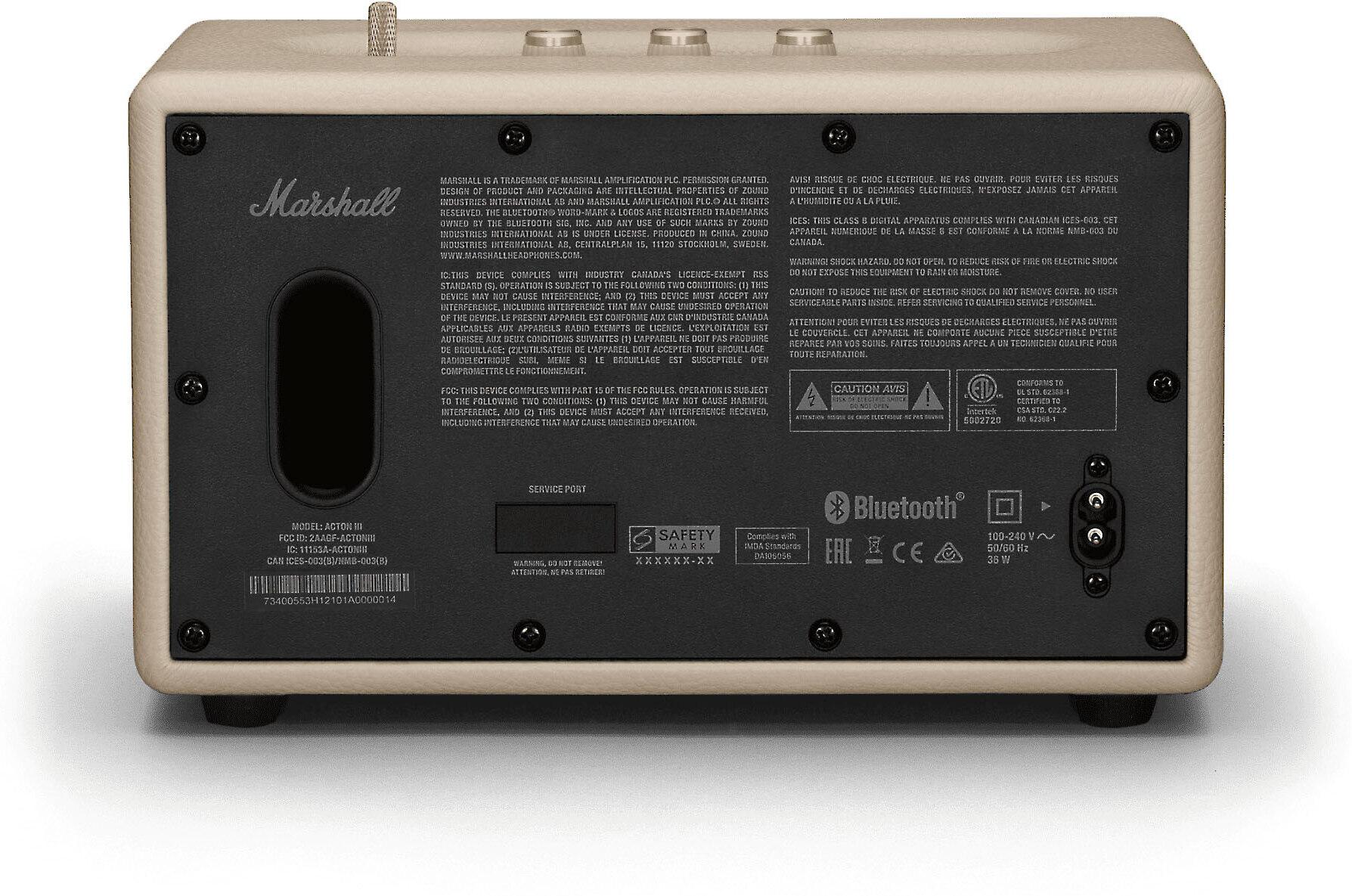
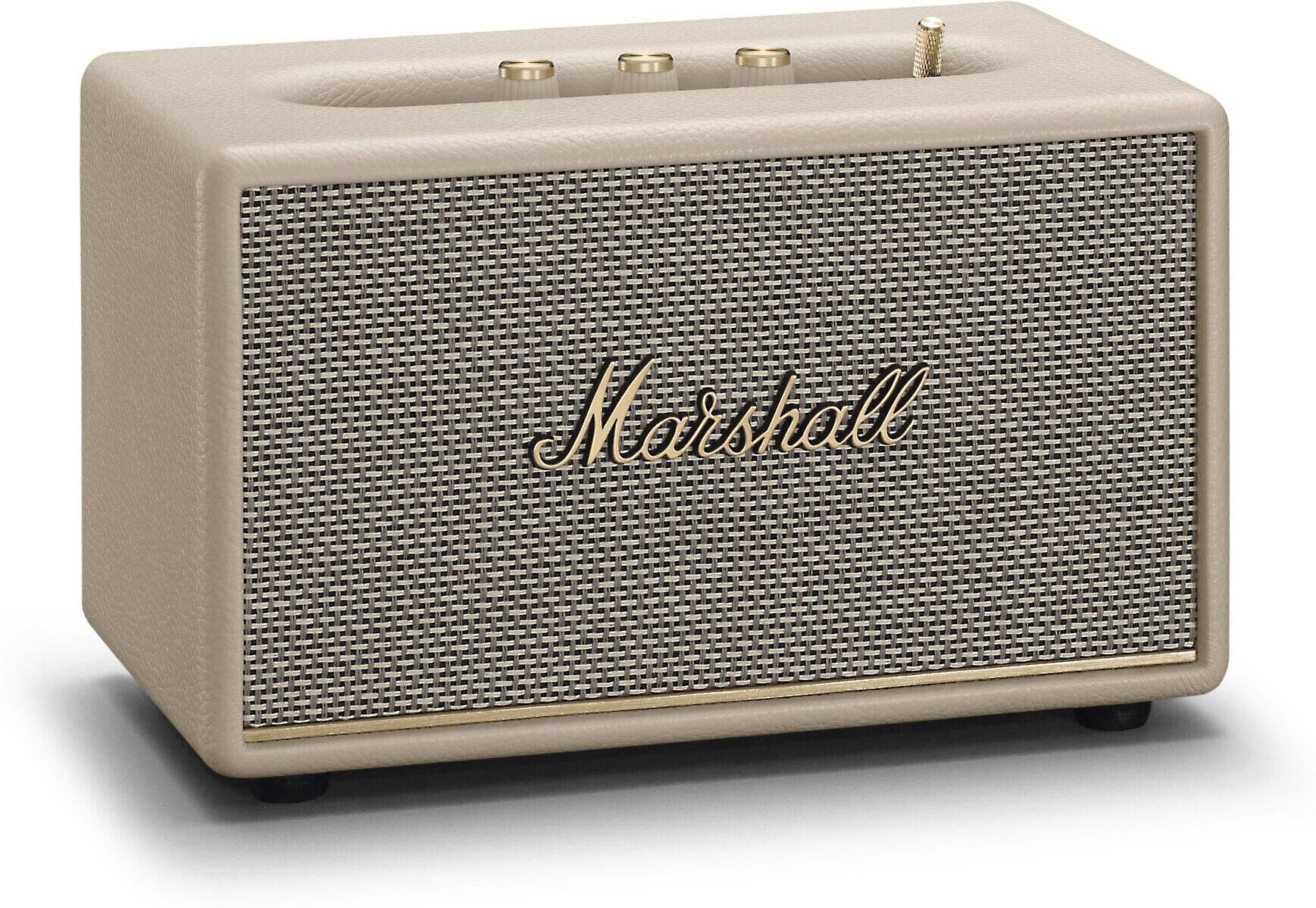
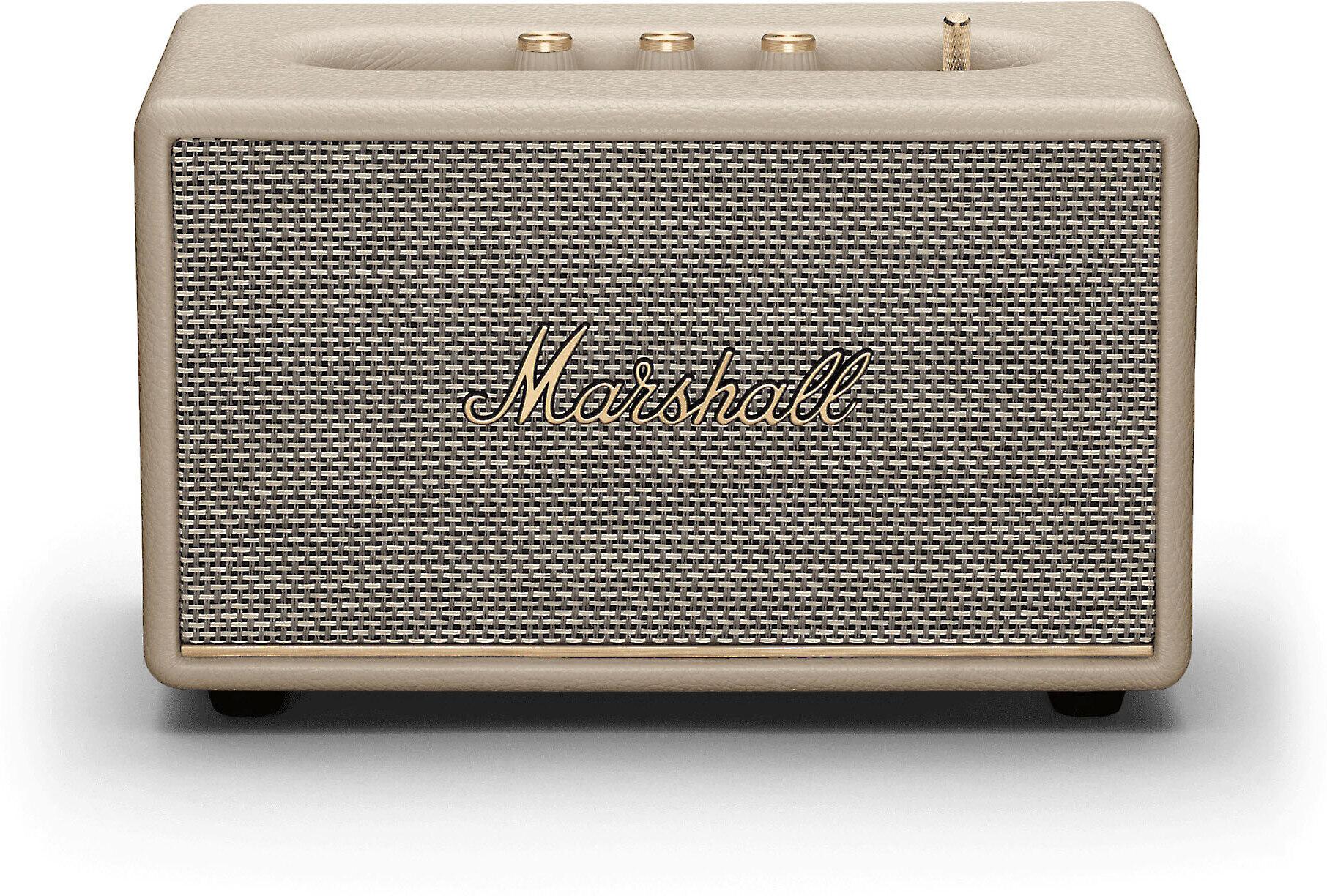

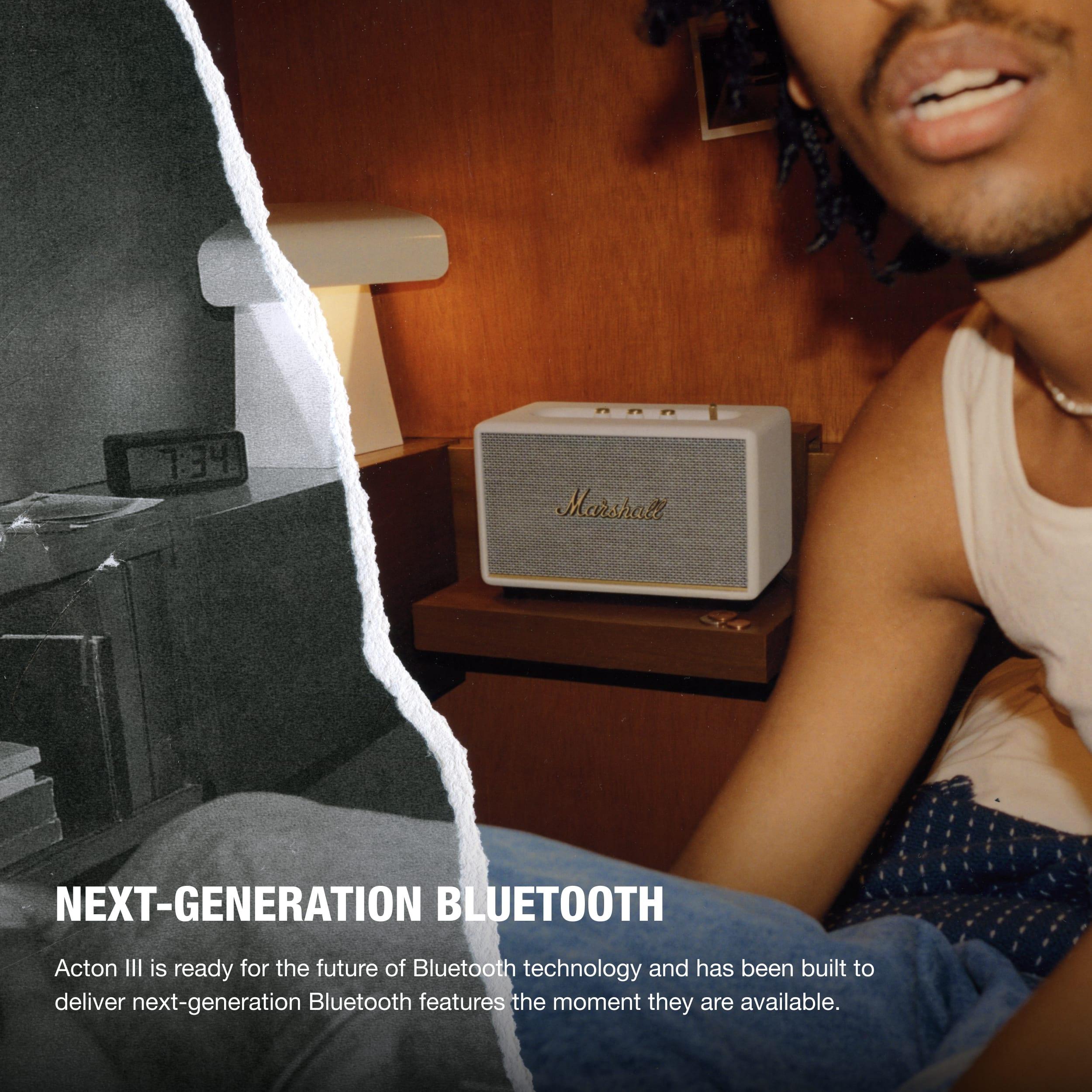
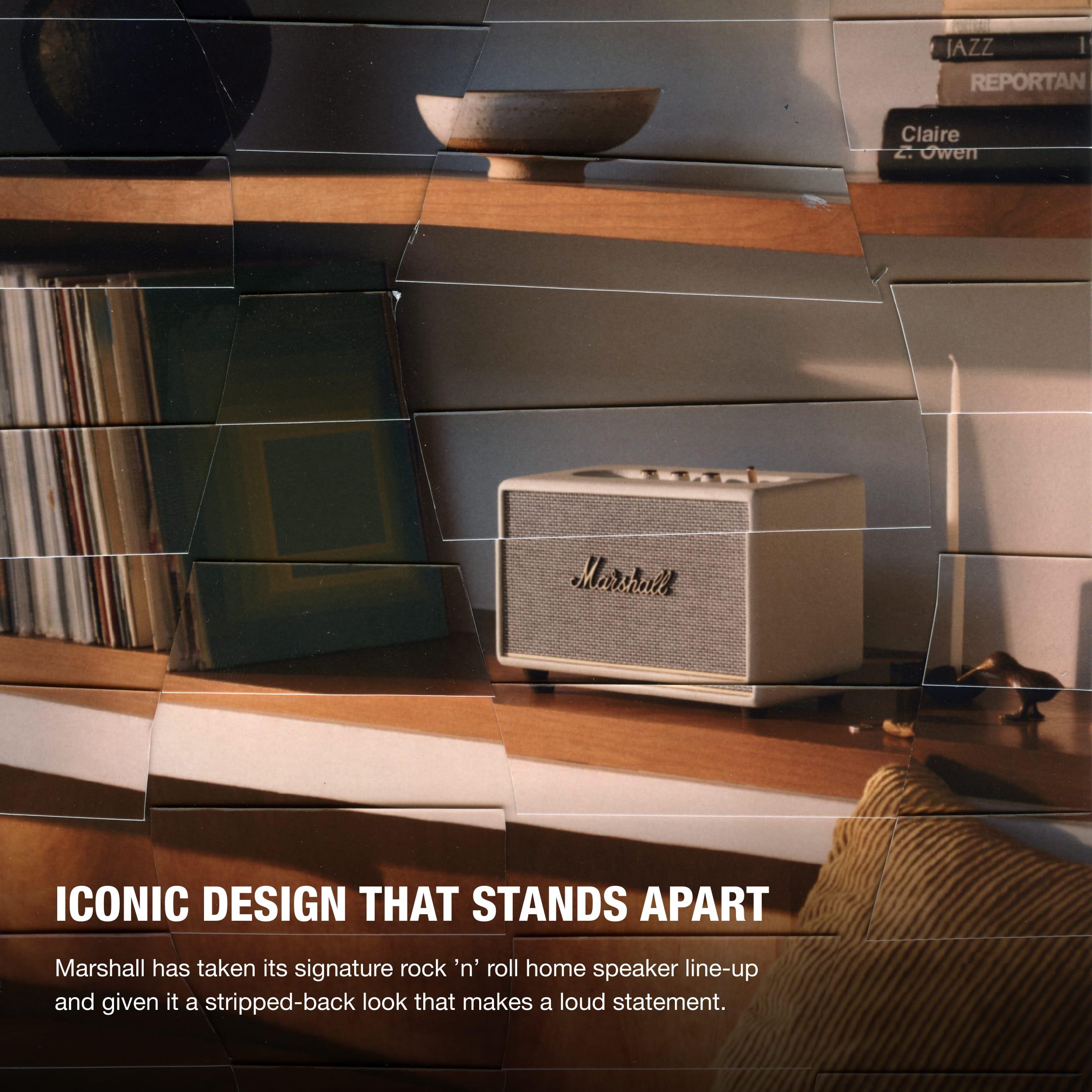
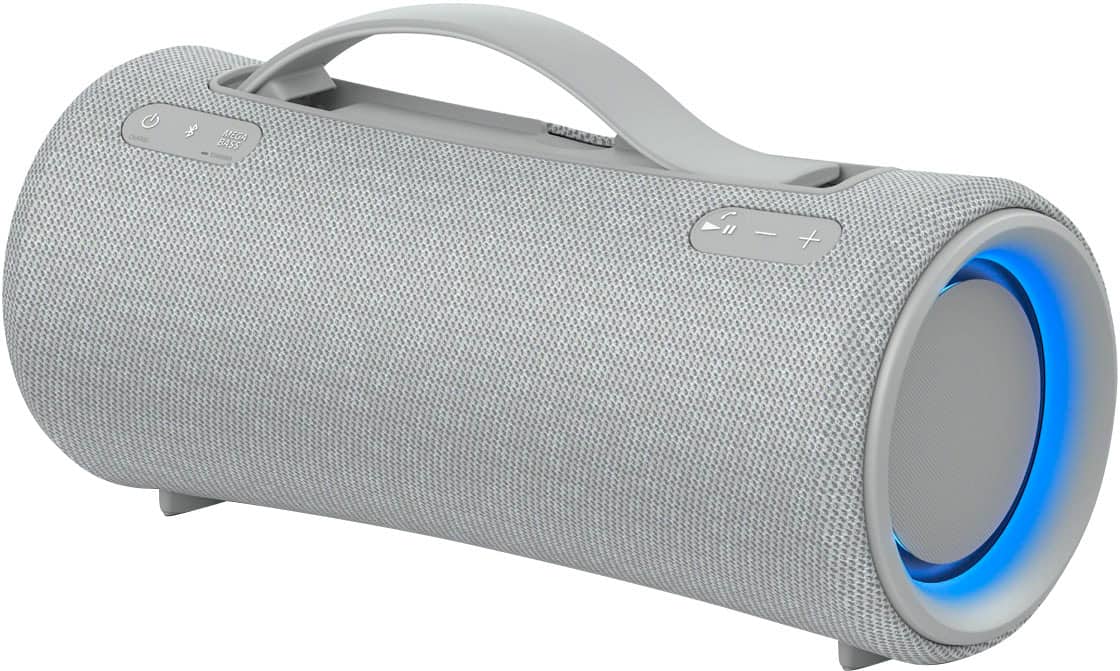
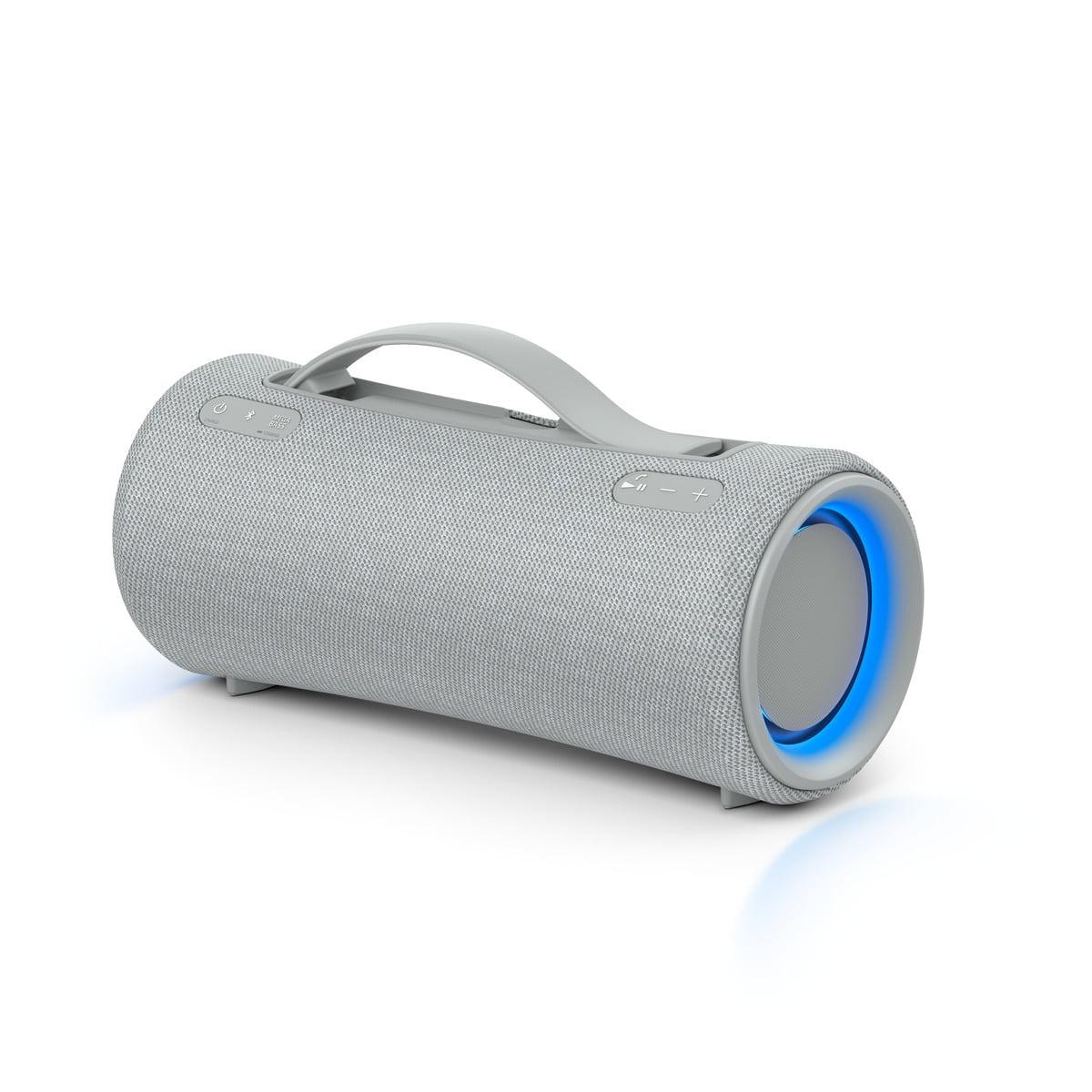



When it comes to wireless audio in 2024, Bluetooth speakers offer incredible convenience - but choosing between a dedicated home speaker and a portable option requires careful consideration. Let's dive deep into comparing the Marshall Acton III ($279) and Sony XG300 ($149), two popular but very different approaches to wireless sound.
Bluetooth speakers generally fall into two camps: home audio components designed for optimal sound in fixed locations, and portable units built to travel. While both types stream music wirelessly, their fundamental design priorities lead to distinct compromises and capabilities.
The home audio approach, exemplified by the Marshall Acton III, prioritizes sound quality through larger drivers, more powerful amplification, and careful acoustic tuning. Meanwhile, portable speakers like the Sony XG300 balance sound with durability, battery life, and weather resistance.
The Marshall's 60-watt system, with dedicated amplifiers for each driver (2x15W tweeters, 1x30W woofer), delivers notably more power than the Sony. This translates to cleaner, more dynamic sound at higher volumes. The speaker's two-way design, using separate drivers for high and low frequencies, allows each component to focus on its optimal range.
The Acton III's frequency response extends down to 45Hz, impressive for its size and enabling it to reproduce bass notes that the Sony can't reach. While the XG300's MEGA BASS feature artificially enhances low frequencies, it can't match the natural authority of the Marshall's dedicated woofer.
Marshall's angled tweeters create a wider soundstage - the perceived width and depth of the music. This makes it easier to hear separation between instruments and vocals, especially in complex recordings. The Sony, designed more for outdoor use where precise imaging matters less, produces a more focused sound field.
In practice, the Marshall excels with detailed music like jazz and classical, where its superior resolution reveals subtle nuances. The Sony shines in outdoor settings where its weather-sealed design and powerful midrange help it cut through ambient noise.
Both speakers launched in 2022 with Bluetooth 5.2, supporting modern features like simultaneous device connections. The Marshall's app offers placement compensation to optimize sound based on nearby walls, while Sony's app includes party lighting controls and EQ presets.
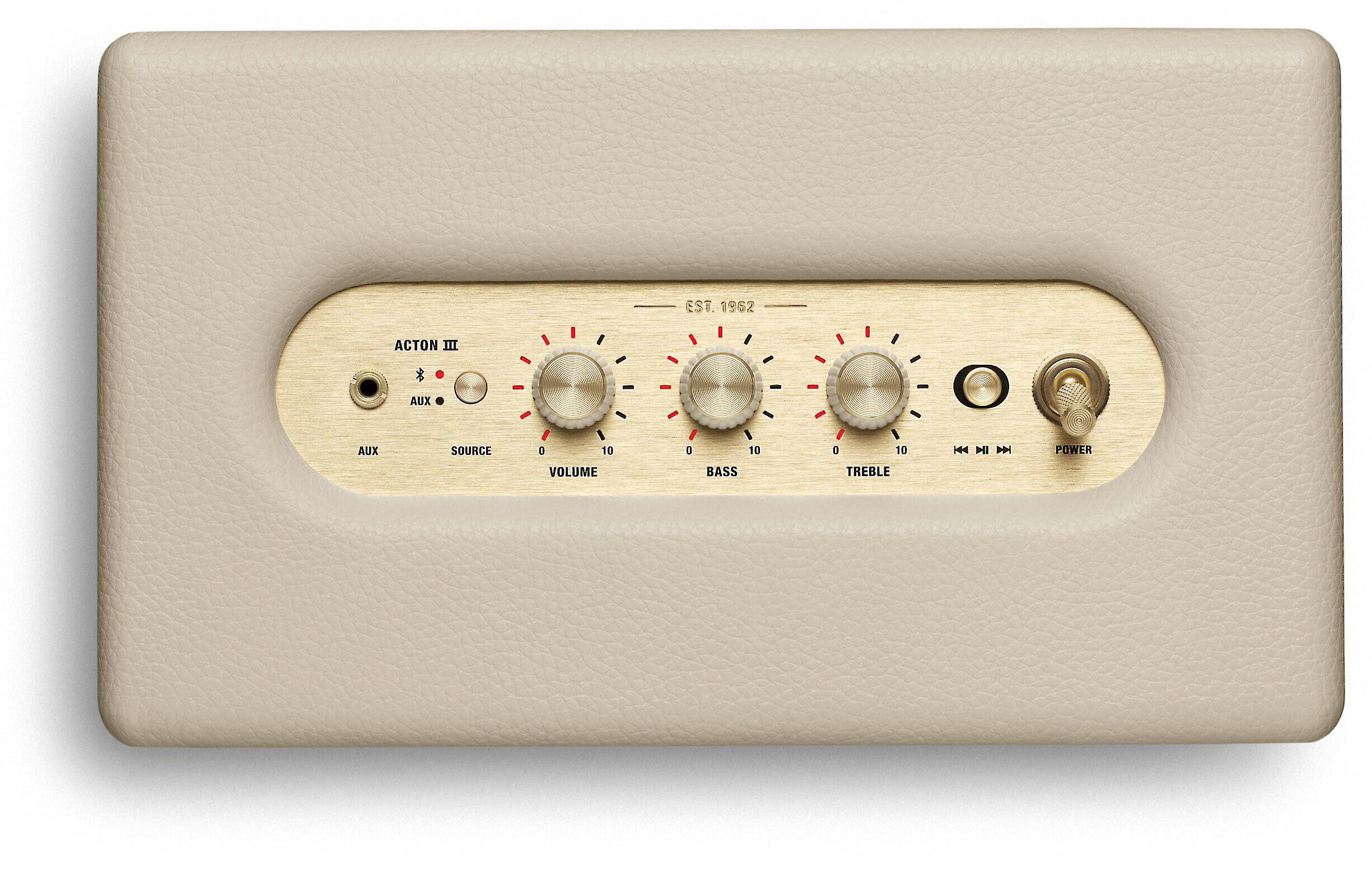
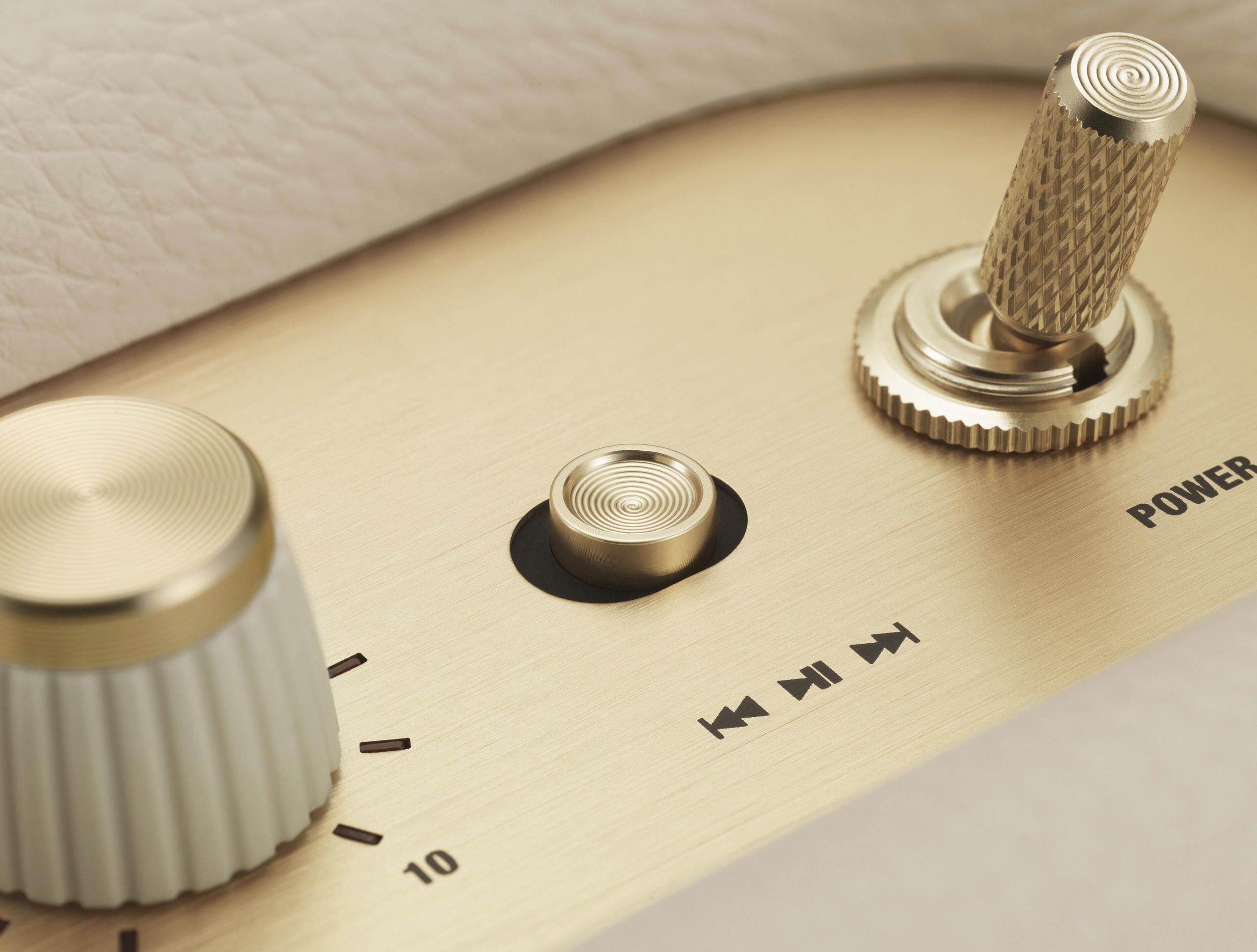
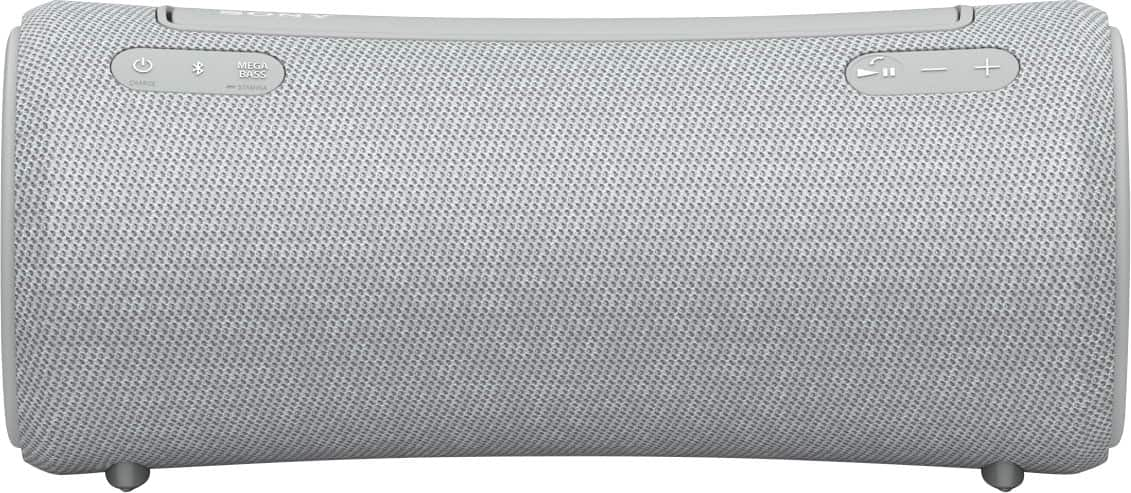
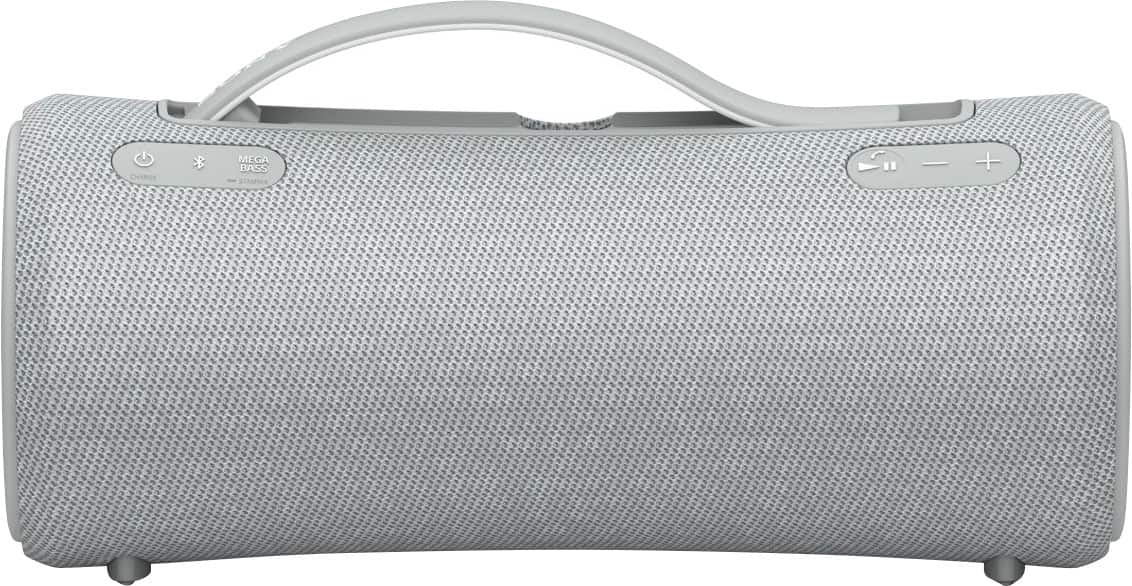
The Marshall's analog-style knobs provide tactile control over volume, bass, and treble - many users prefer this to touch controls. The Sony opts for weather-sealed buttons that, while less precise, better suit its portable nature.
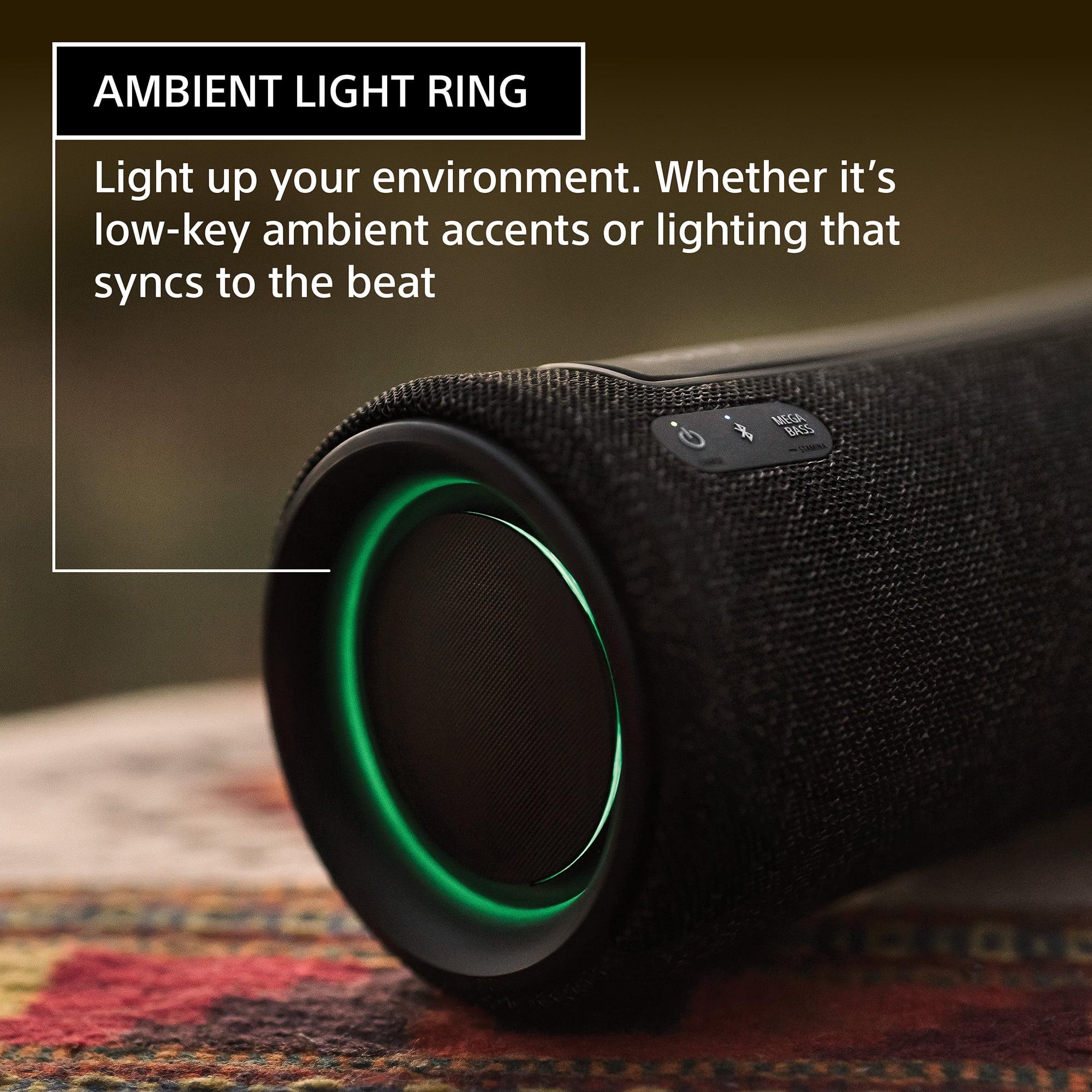
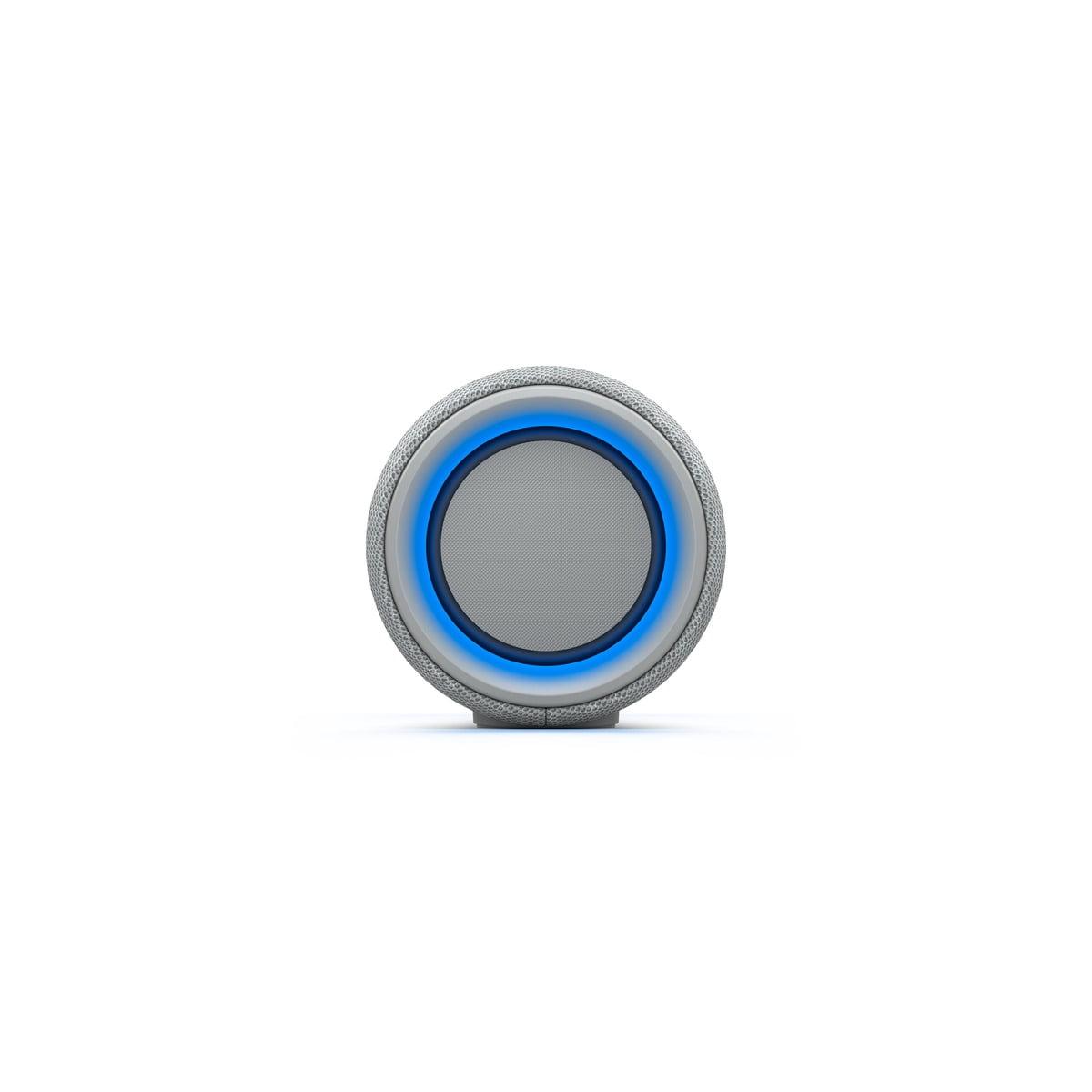
The XG300's IP67 rating means it's fully dustproof and can handle submersion in 1 meter of water for 30 minutes. Its built-in LED lighting system syncs with music for atmosphere. The Marshall trades these features for better sound quality components and more refined audio processing.
The Marshall Acton III makes an excellent TV speaker thanks to its wide soundstage and strong dialogue reproduction. Its always-on power means no charging worries, though it lacks a dedicated center channel for movie dialogue.
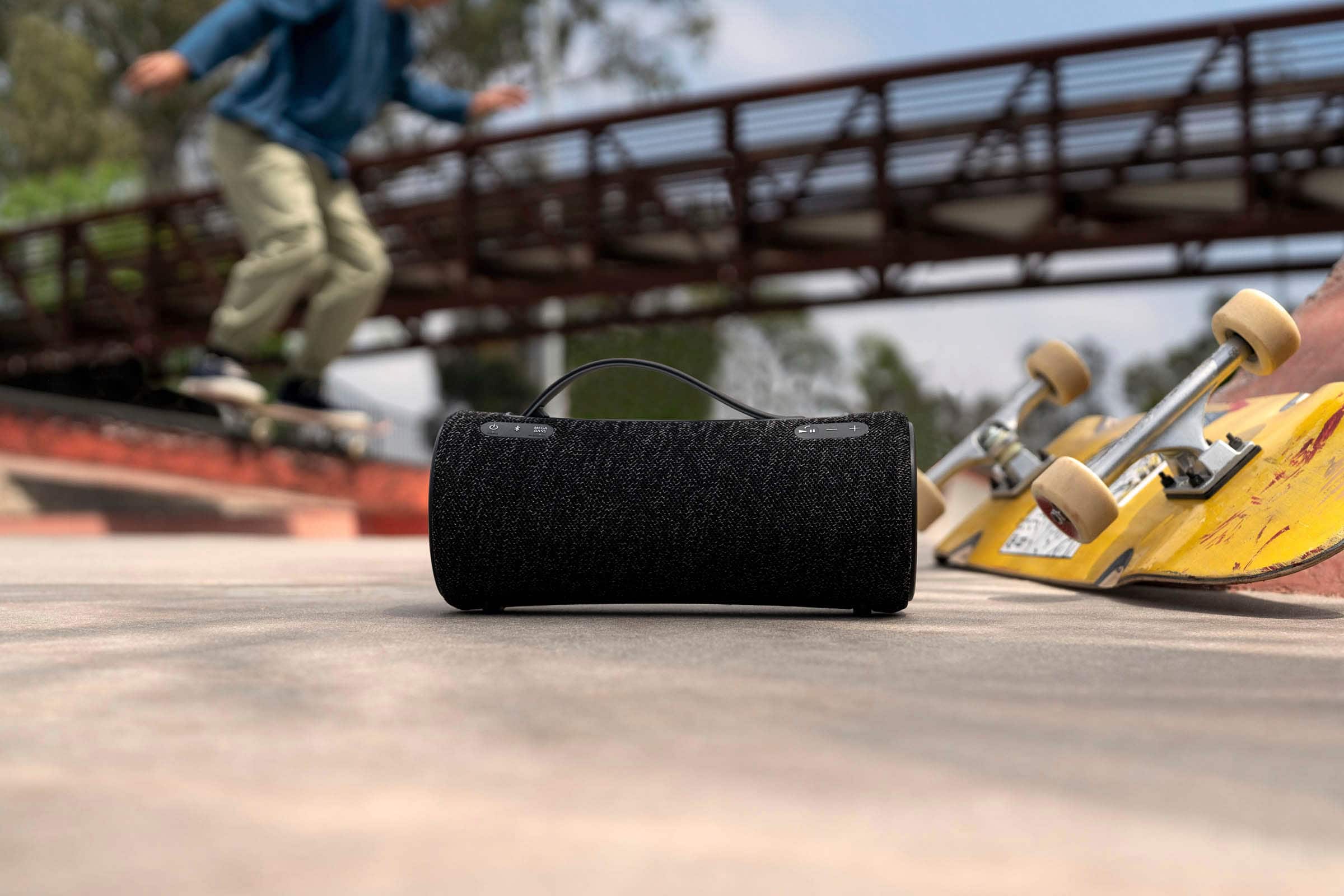
The Sony XG300 truly shines here with its 25-hour battery life, rugged construction, and carry handle. It's equally at home at the beach, poolside, or in the backyard, where the Marshall simply can't go.
For apartment dwellers or those wanting high-quality sound in a specific room, the Marshall's superior audio and classic looks make it a compelling choice. If you're frequently moving between spaces or want one speaker for both home and travel, the Sony's versatility is hard to beat.
The Marshall's $279 price point reflects its premium audio components and build quality. For pure sound quality per dollar, it's the better value - if you'll use it in a fixed location. The Sony's $149 price delivers remarkable versatility, making it an excellent value for users needing portability.
Consider these prices in context: A comparable home theater soundbar often costs $300+, while quality portable Bluetooth speakers typically range from $100-200. Both units are competitively priced within their categories.
Since their 2022 releases, both speakers have received firmware updates improving connectivity and adding features. The Marshall's Dynamic Loudness feature, which automatically adjusts frequency balance at different volumes, shows how digital processing can enhance traditional speaker design.
Sony's Party Connect feature, letting you link up to 100 compatible speakers, demonstrates the brand's focus on social listening experiences. While neither speaker supports Wi-Fi streaming, their Bluetooth 5.2 implementation provides nearly equivalent convenience for most users.
The choice ultimately comes down to your primary use case:
Choose the Marshall Acton III if:
Choose the Sony XG300 if:
Both speakers excel at their intended purposes - the key is matching those purposes to your needs. The Marshall offers superior sound in a fixed environment, while the Sony provides remarkable flexibility for mobile use. Consider where and how you'll use the speaker most often, and choose accordingly.
Remember that both speakers represent current technology, with features like Bluetooth 5.2 ensuring they'll remain relevant for years to come. Your choice should focus on the fundamental differences in their design philosophy rather than specific technical features.
| Marshall Acton III | Sony XG300 MEGA BASS |
|---|---|
| Price - Key factor in value assessment | |
| $279 (premium home audio pricing) | $149 (competitive portable pricing) |
| Total Power Output - Impacts maximum volume and clarity | |
| 60W total (2x15W tweeters + 30W woofer) | Not specified (likely 20-30W total) |
| Frequency Response - Determines bass depth and overall range | |
| 45-20,000 Hz (deeper bass extension) | 20-20,000 Hz (stated range, but less authority) |
| Driver Configuration - Affects sound quality and stereo separation | |
| Two 0.75" tweeters + one 4" woofer | Two tweeters + two woofers (sizes not specified) |
| Portability Features - Critical for mobile use | |
| None - AC power only | 25-hour battery, carry handle, IP67 waterproof |
| Connectivity - Important for modern devices | |
| Bluetooth 5.2, 3.5mm aux input | Bluetooth 5.2, USB-C, aux input |
| Special Features - Adds versatility | |
| Dynamic Loudness, placement compensation, physical EQ knobs | LED light show, Party Connect, MEGA BASS, app EQ |
| Size & Weight - Impacts placement options | |
| 10.24 x 6.69 x 5.91", 6.28 lbs | 12.52 x 5.43 x 5.35", 6.6 lbs |
| Use Case Optimization - Where each excels | |
| Indoor fixed locations, home theater, desktop | Outdoor events, travel, poolside, portable use |
| Sound Character - Different acoustic priorities | |
| Balanced, detailed, room-filling stereo | Bass-forward, outdoor-optimized projection |
| Build Quality - Affects longevity and durability | |
| Premium materials, classic design | Ruggedized, weather-resistant construction |
| Smart Features - Convenience additions | |
| Marshall app with basic EQ | Sony Music Center app with extensive features |
The Marshall Acton III is superior for home use due to its room-filling sound, dedicated amplifiers, and optimized indoor acoustics. While the Sony XG300 works indoors, it's designed primarily for portable use.
The Marshall Acton III costs $279, while the Sony XG300 is priced at $149. The $130 difference reflects the Marshall's premium audio components and home audio focus.
The Sony XG300 is specifically designed for outdoor use with IP67 waterproofing and battery power. The Marshall Acton III requires AC power and isn't weather-resistant, making it unsuitable for outdoor use.
The Marshall Acton III offers superior sound quality with better stereo separation, clearer highs, and more natural bass. The Sony XG300 focuses on outdoor-optimized sound with enhanced bass but less refined audio detail.
The Sony XG300 provides 25 hours of battery life. The Marshall Acton III doesn't have a battery and requires constant AC power.
The Sony XG300 is better for parties with its portability, LED light show, and Party Connect feature for linking multiple speakers. The Marshall Acton III offers better sound quality but less flexibility.
Both speakers can connect to TVs with Bluetooth or aux output. The Marshall Acton III performs better for TV audio due to its superior clarity and stereo separation.
The Marshall Acton III produces more natural, deeper bass with its 45Hz response. The Sony XG300 offers enhanced bass through its MEGA BASS feature but can't match the Marshall's low-end authority.
The Marshall Acton III is ideal for apartments with its compact size and room-optimized sound. The Sony XG300 works but offers features you might not need in a small space.
The Sony XG300 is more durable with its IP67 rating and ruggedized construction. The Marshall Acton III is well-built but designed for indoor use only.
Both speakers offer app control - the Marshall app provides basic EQ, while Sony's Music Center app offers more extensive features including light control and sound modes.
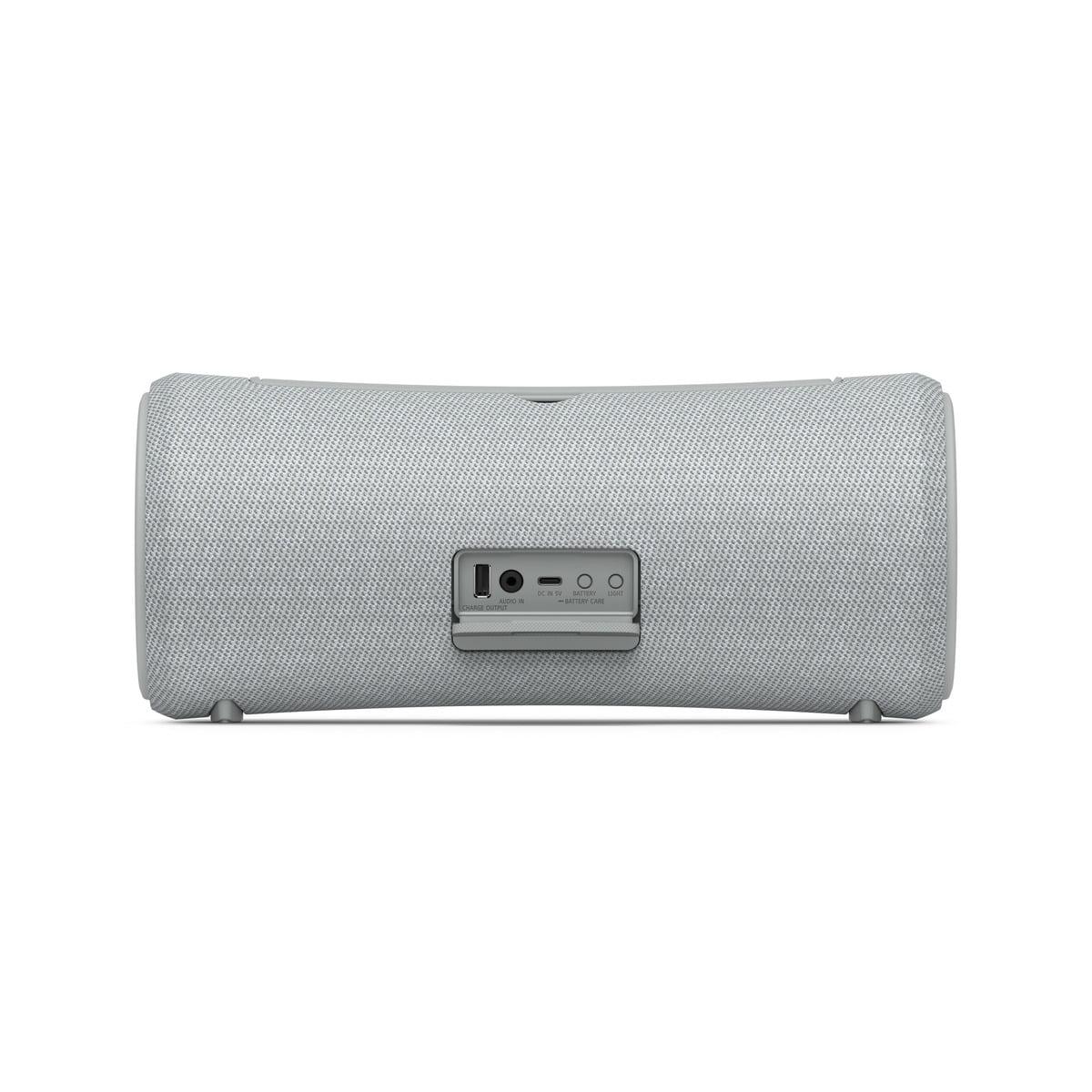
Both speakers feature Bluetooth 5.2, but the Sony XG300 adds USB-C connectivity. The Marshall Acton III includes a 3.5mm aux input for wired connections.
We've done our best to create useful and informative comparisons to help you decide what product to buy. Our research uses advanced automated methods to create this comparison and perfection is not possible - please contact us for corrections or questions. These are the sites we've researched in the creation of this article: bestbuy.com - youtube.com - bestbuy.com - pocket-lint.com - bestbuy.com - crutchfield.com - premiumsound.com.au - marshall.com - 2001audiovideo.com - youtube.com - t3.com - bestbuy.com - youtube.com - bestbuy.com - youtube.com - sony.ca - youtube.com - electronics.sony.com - sony.com - abt.com - helpguide.sony.net - bhphotovideo.com - rtings.com - thesonyshop.ca - helpguide.sony.net

Privacy Policy
Terms and Conditions - Affiliate Policy
Home Security
© Copyright 2008-2026.
11816 Inwood Rd #1211, Dallas, TX 75244