

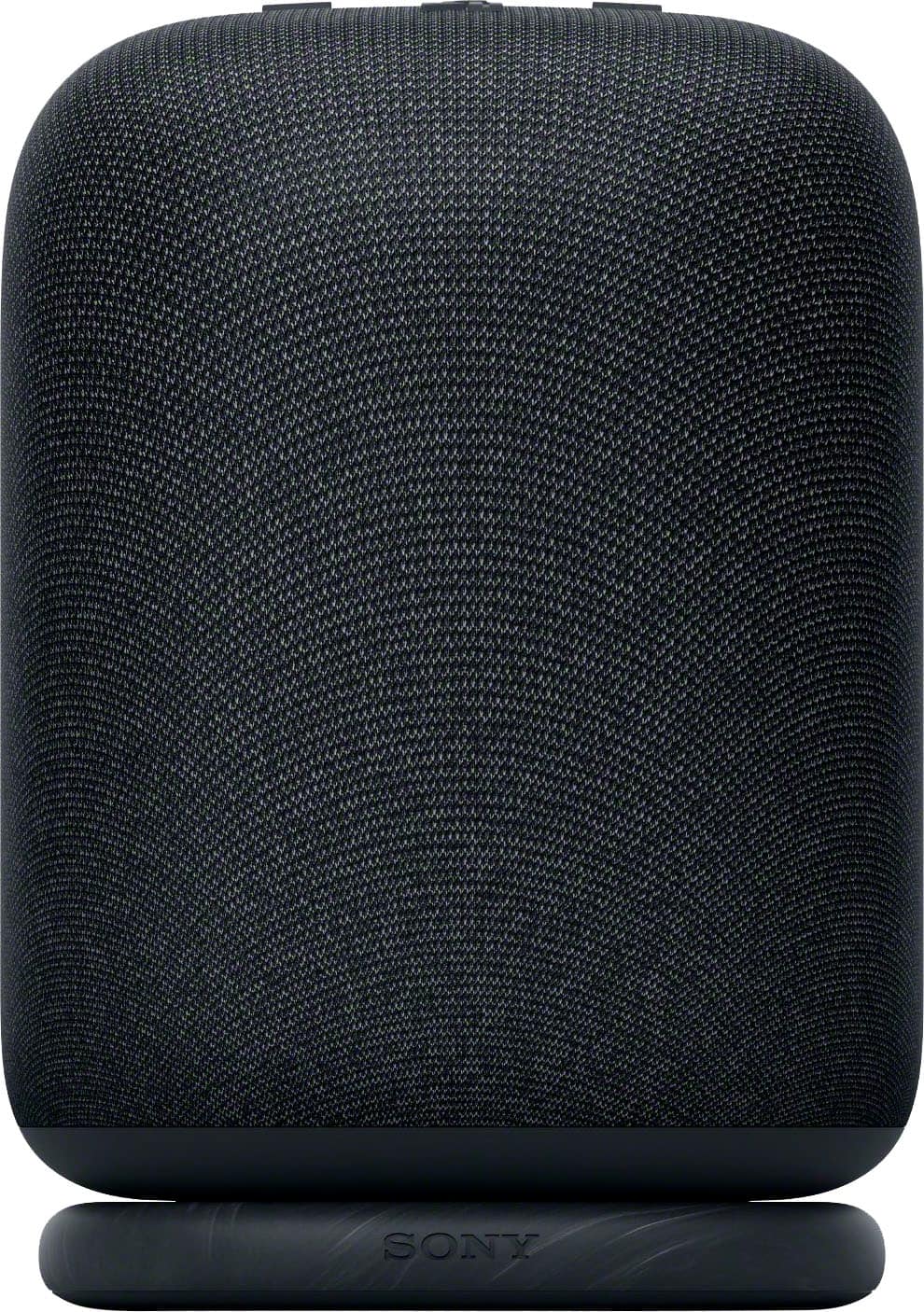

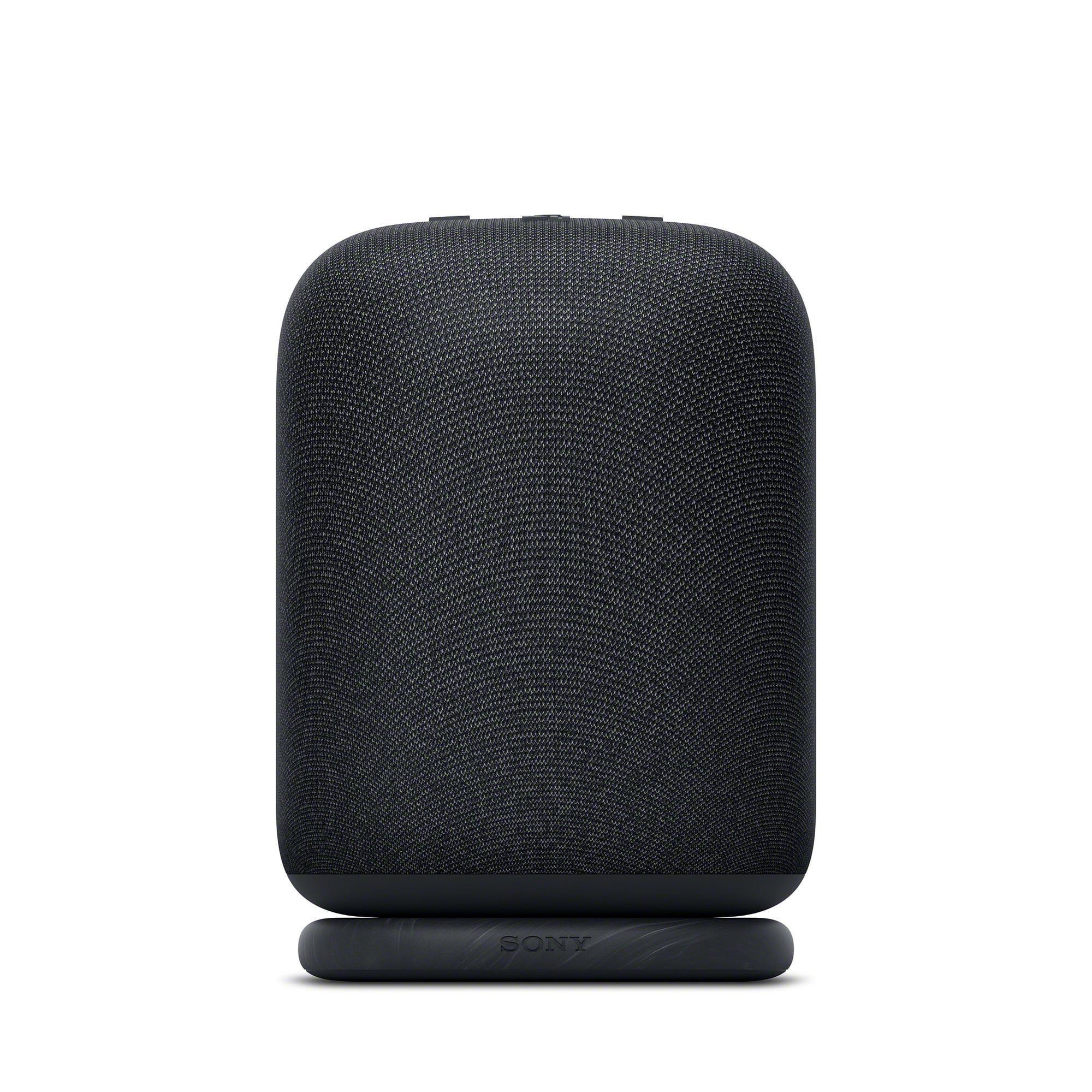


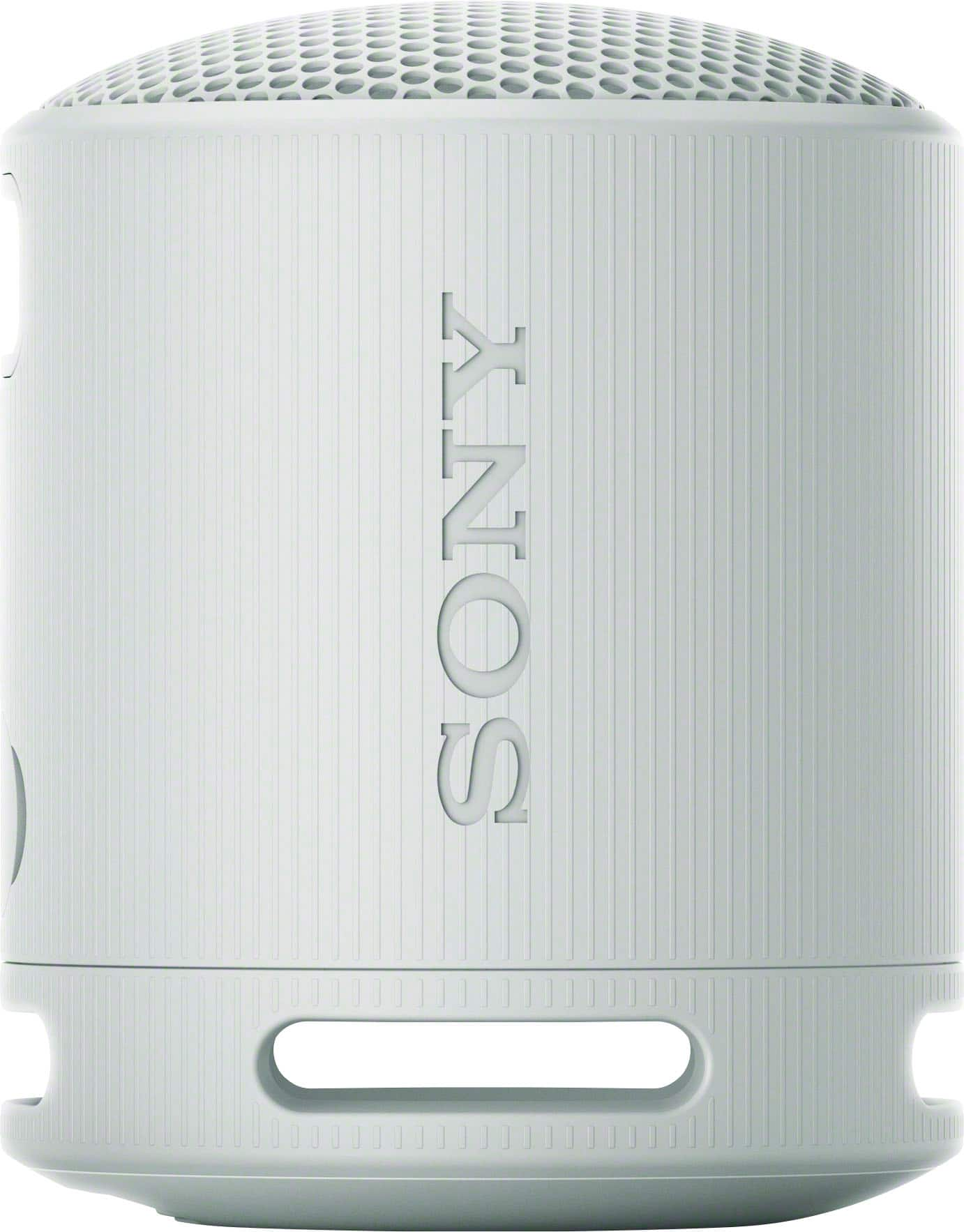
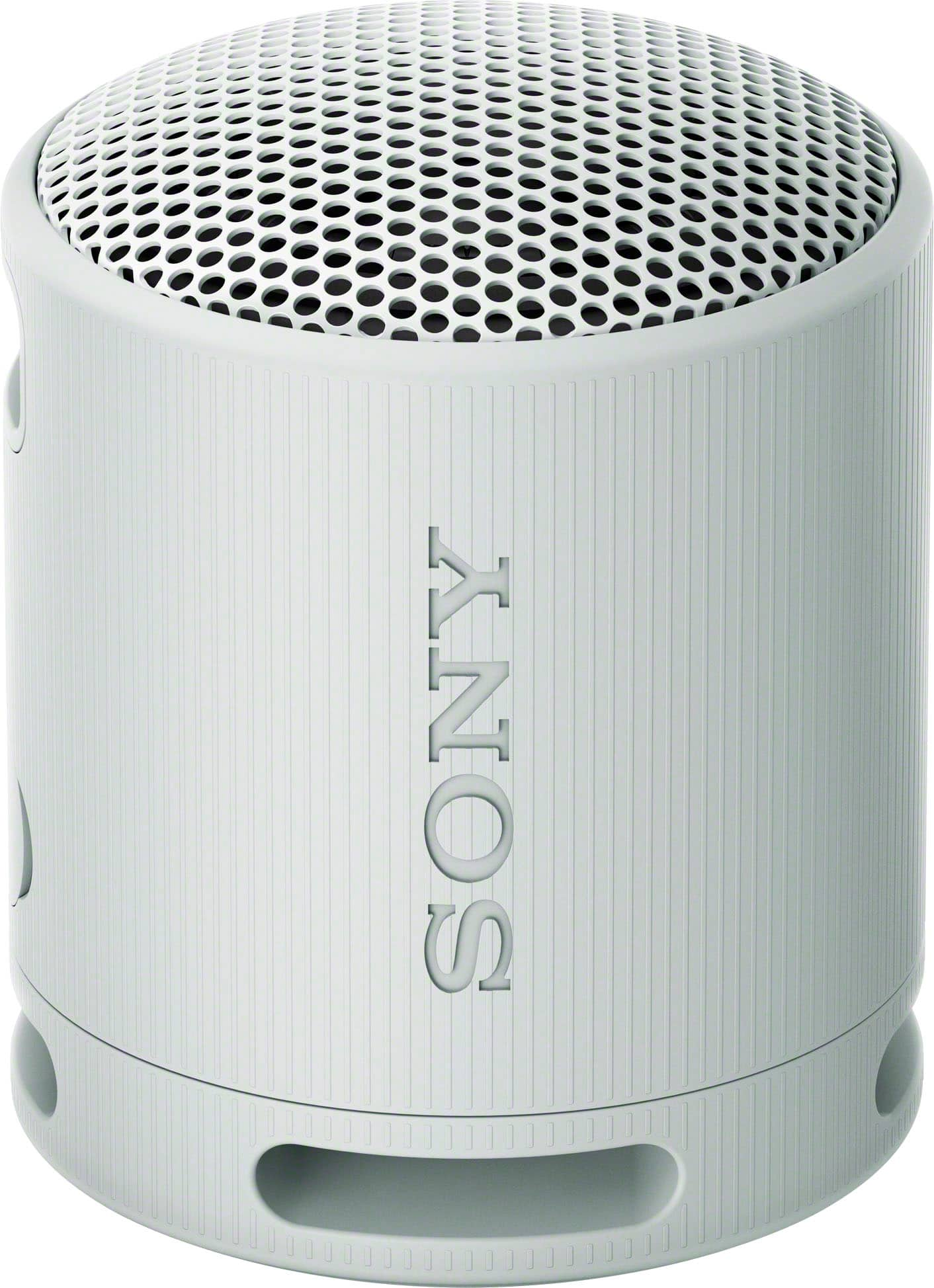
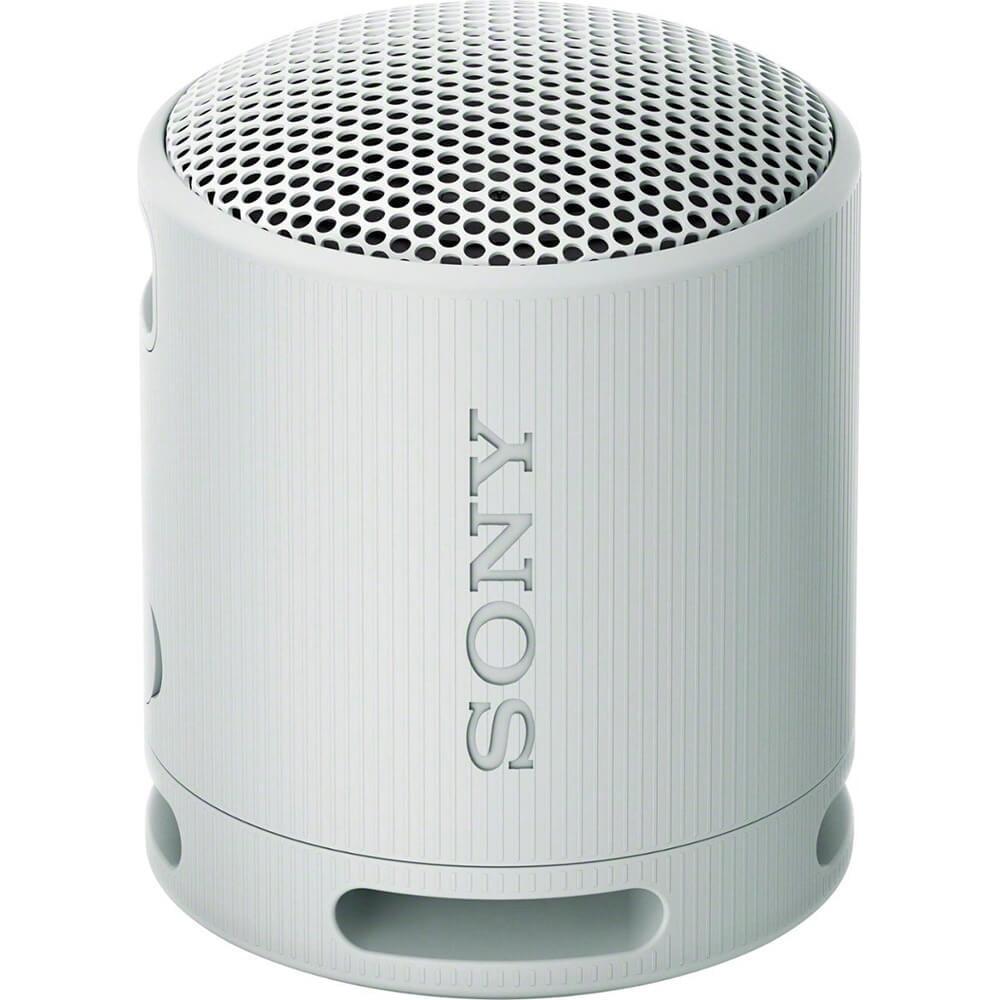
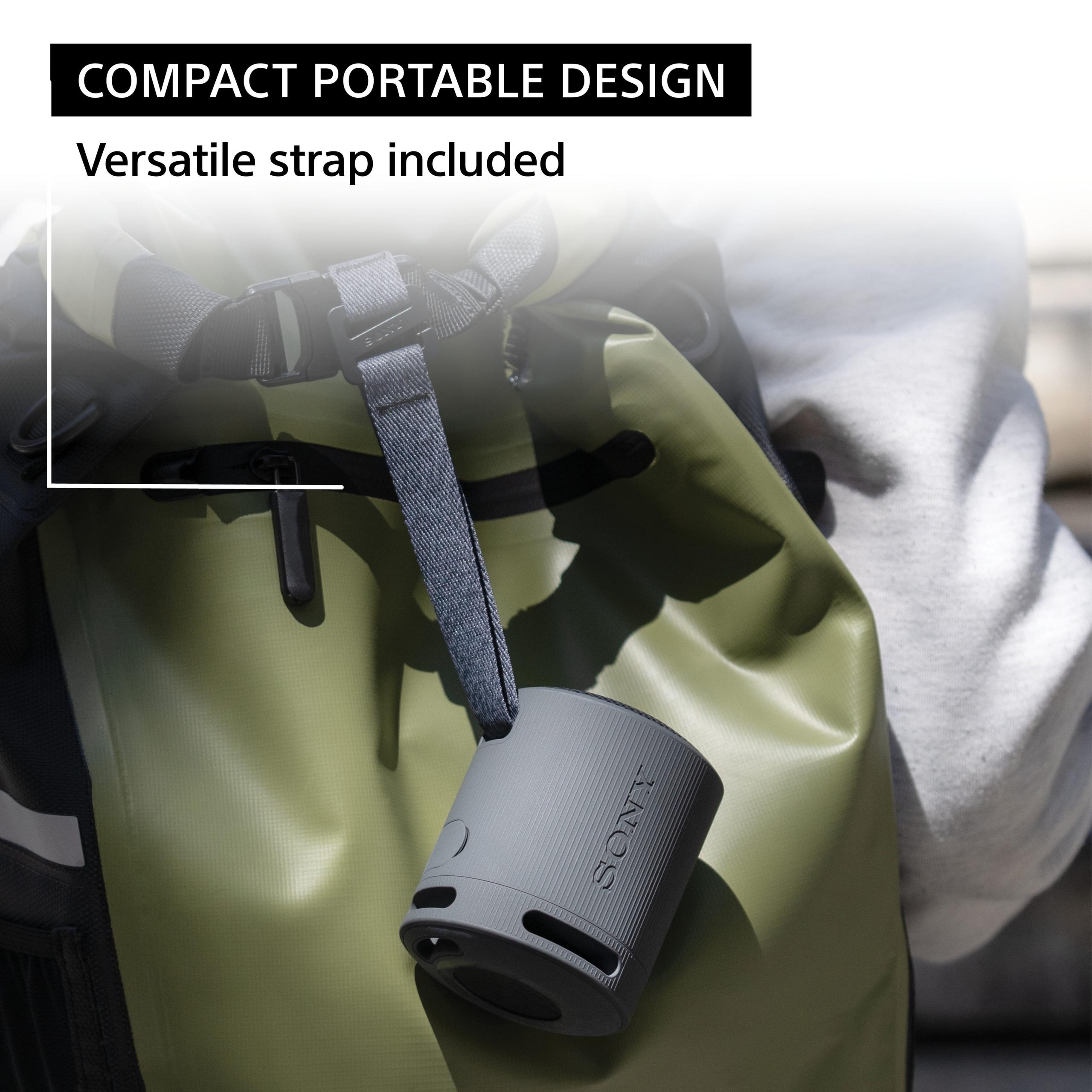
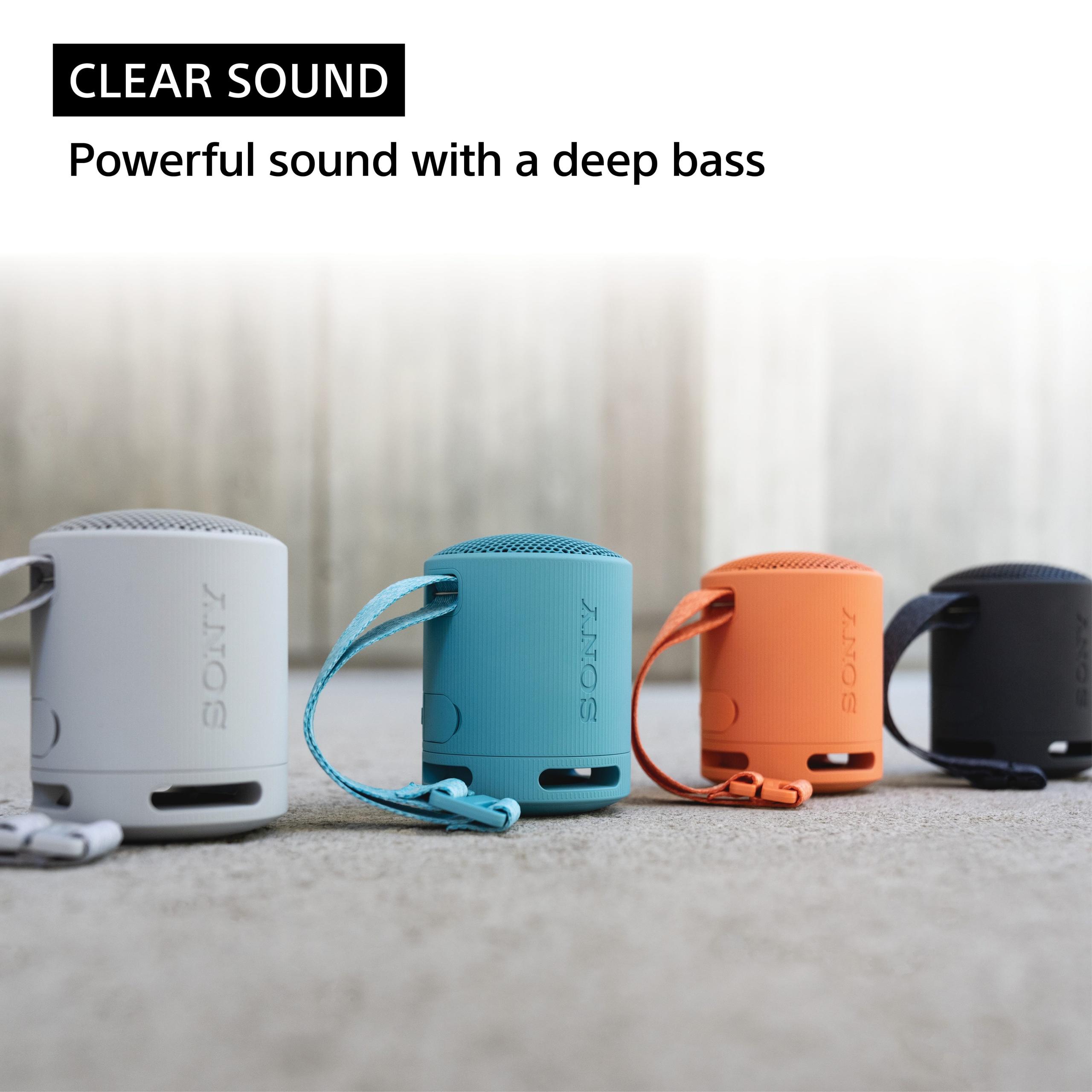
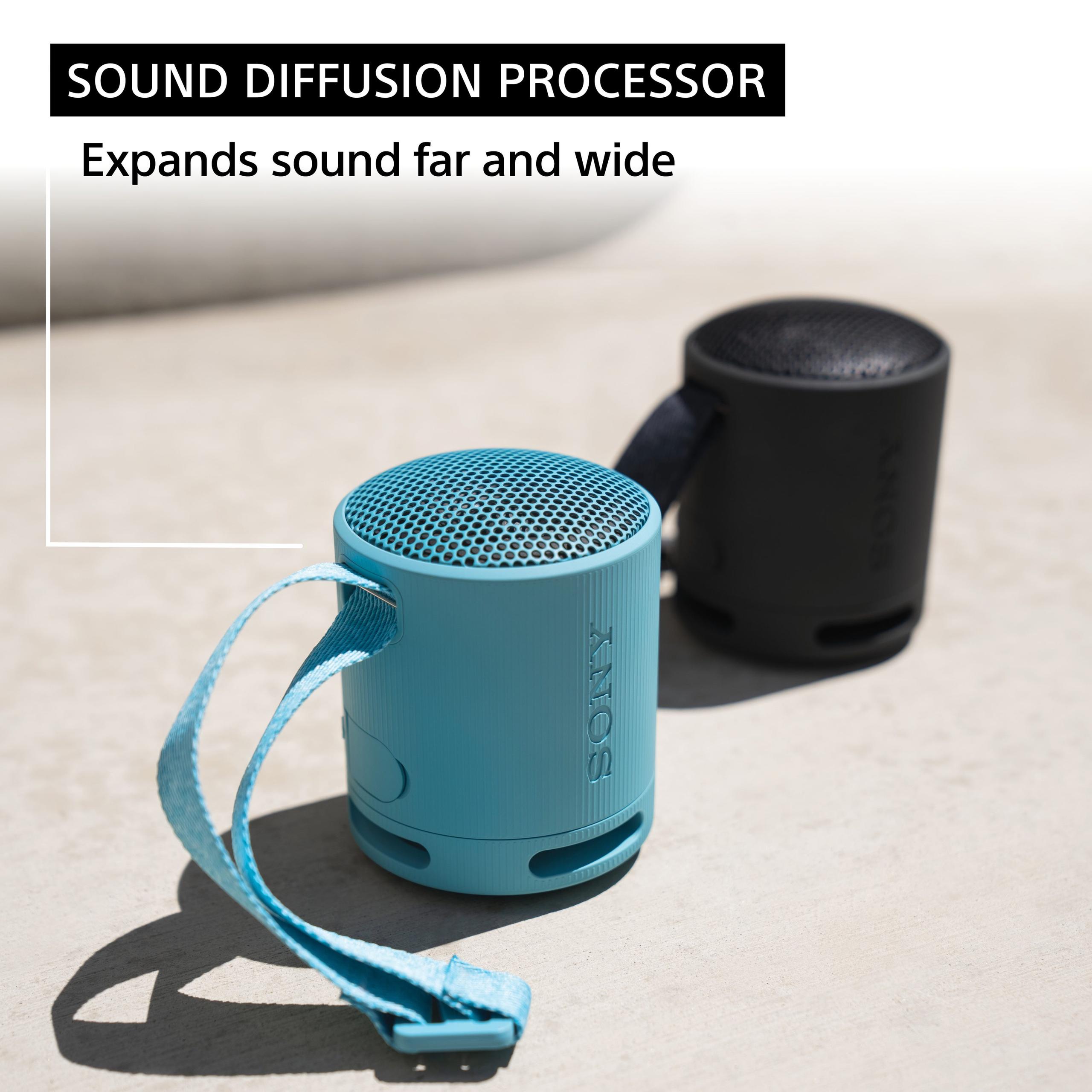


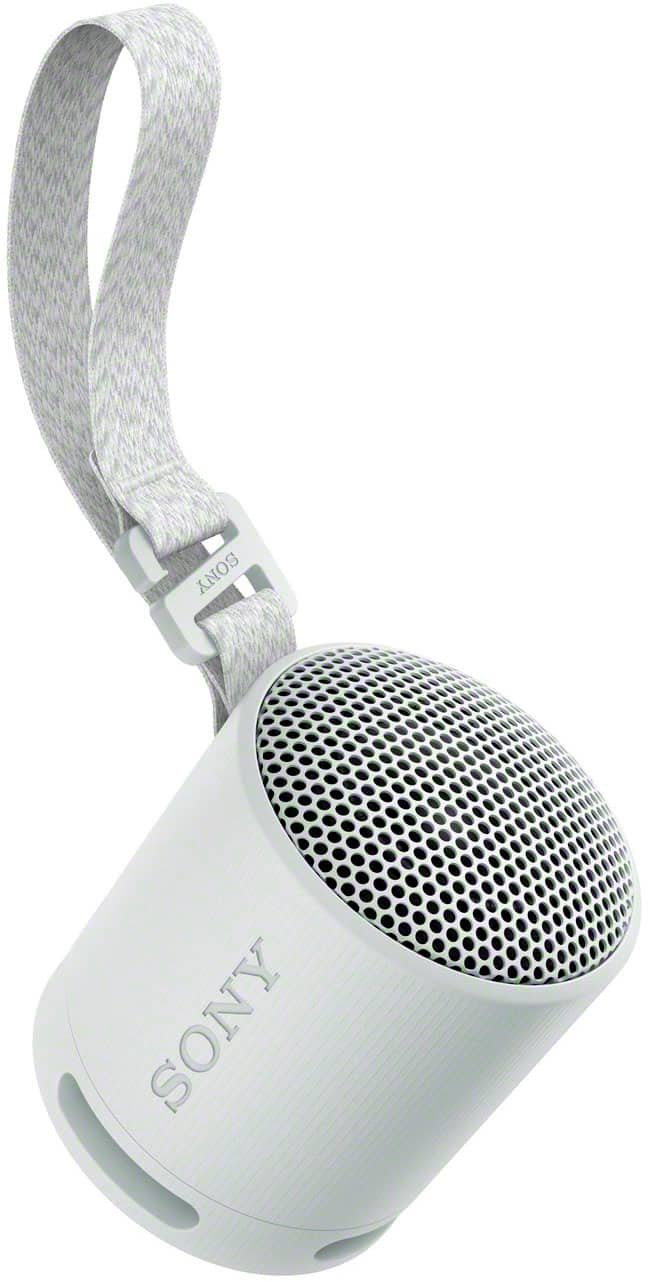
When Sony released the LinkBuds Wireless Portable Speaker ($179.99) in late 2023 and the XB100 Compact Bluetooth Speaker ($59.99) in mid-2023, they created two distinctly different solutions for portable audio. Let's dive into how these speakers compare and who they're best suited for.
Portable Bluetooth speakers have evolved significantly over the past few years. While basic wireless connectivity was once enough, today's market demands superior sound quality, robust features, and seamless integration with other devices. The key factors most buyers consider are sound quality, portability, battery life, and durability - but the weight given to each varies dramatically based on intended use.
The LinkBuds Speaker takes a premium approach with its two-way speaker system. This means it has separate drivers (speakers) for high and low frequencies - a dedicated tweeter for crisp highs and an X-Balanced Speaker unit for mids and bass. This separation allows each driver to focus on what it does best, resulting in clearer, more detailed sound.
In contrast, the XB100 uses a single full-range driver, which handles all frequencies. While this simplifies the design and keeps costs down, it means some compromise in sound quality. However, Sony has done impressive work with digital signal processing (DSP) to maximize performance from this simple setup.
Having tested both speakers, the LinkBuds clearly delivers superior audio quality. Its two-way system provides noticeably better clarity in complex music, especially when it comes to separating vocals from instruments. The bass response is also more natural and defined, rather than just present.
The XB100 still performs admirably for its size and price point. While it can't match the LinkBuds' clarity or bass response, it produces surprisingly good sound for something that fits in a cup holder. It's particularly strong with podcasts and simpler music genres.
The LinkBuds includes several sophisticated features:
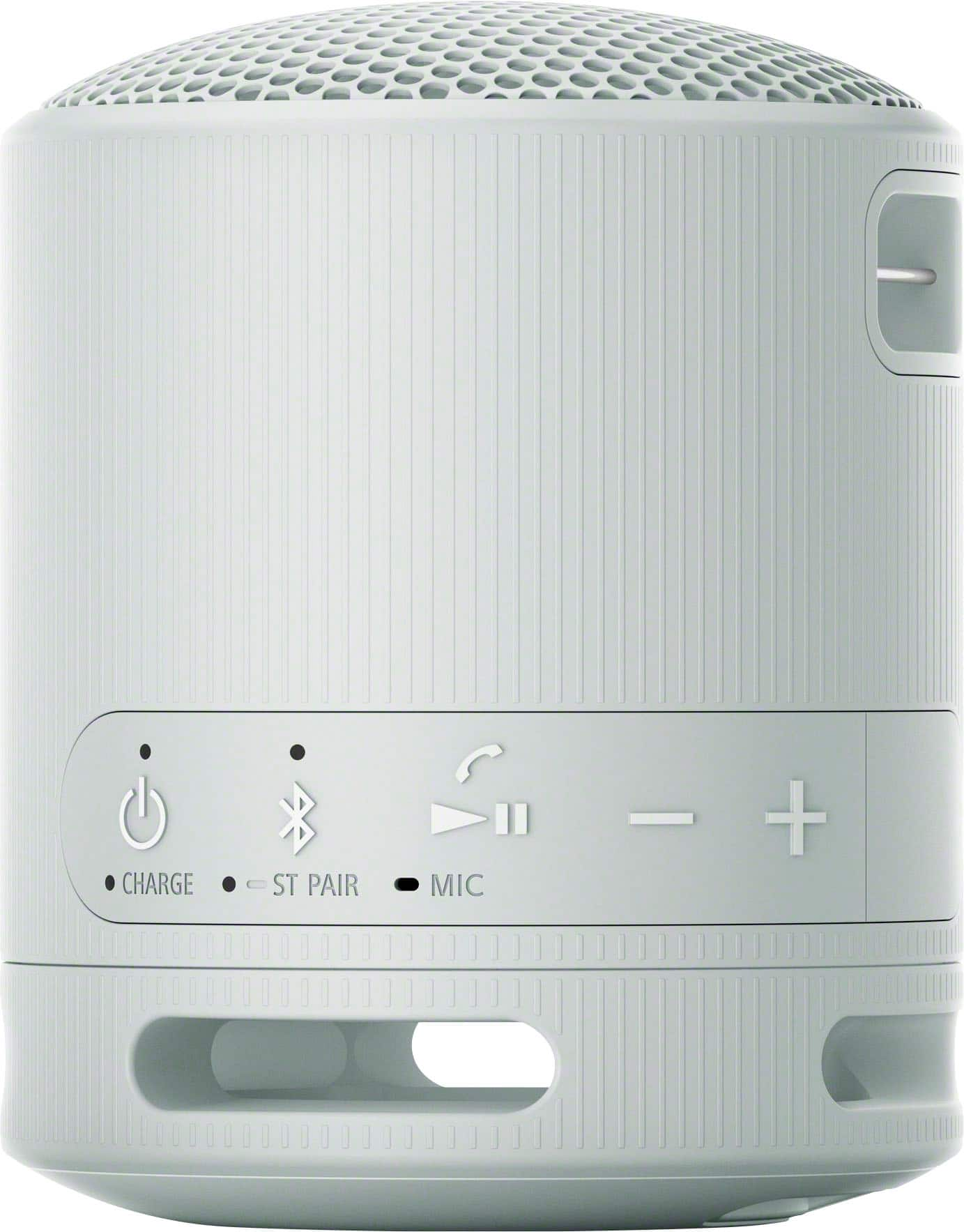
The XB100 focuses on the essentials:
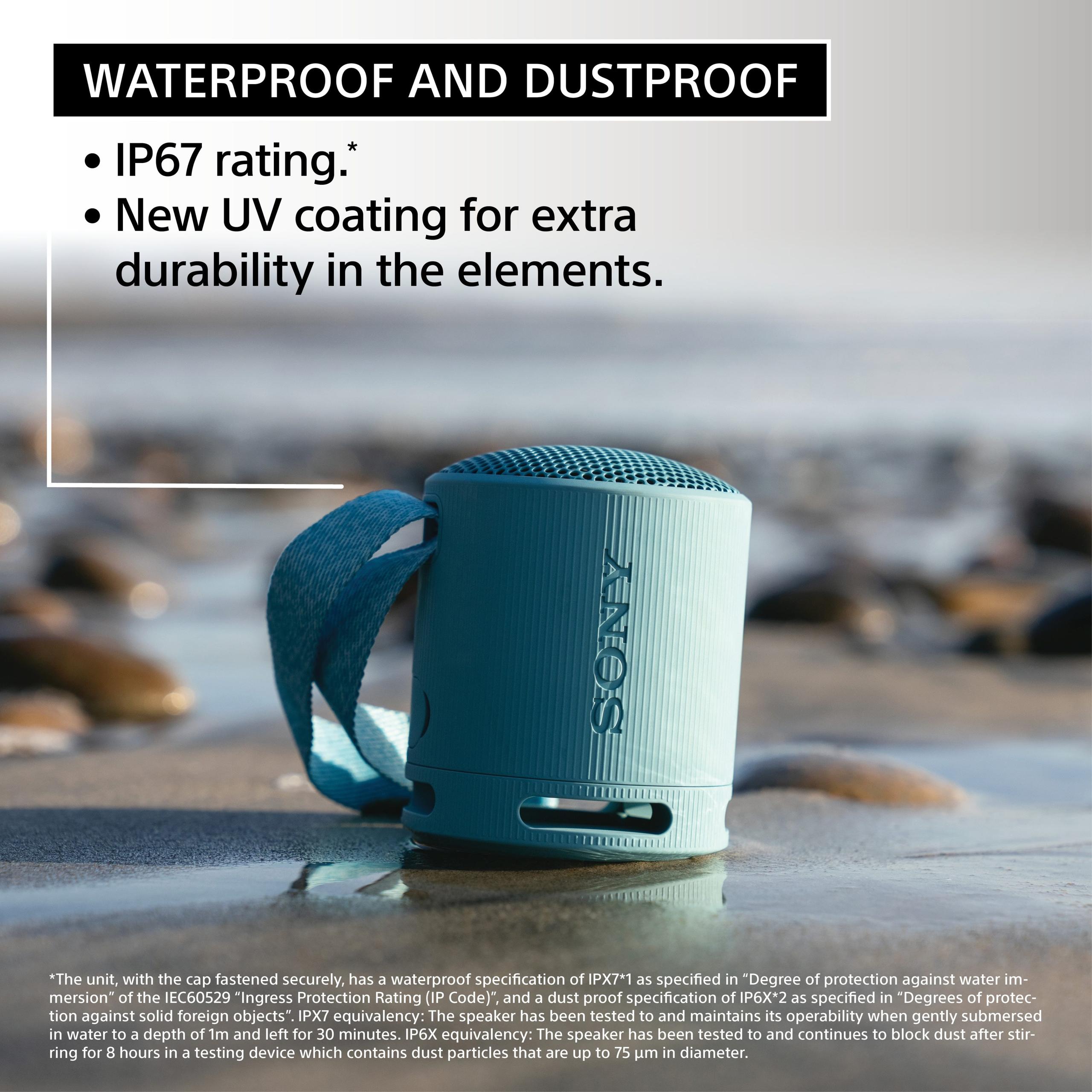
Here's where things get interesting - the less expensive XB100 actually offers superior weather protection with its IP67 rating (fully dustproof and waterproof up to 1 meter). The LinkBuds has an IPX4 rating, which only protects against splashes.
This difference reflects their intended use cases. The XB100 is designed for outdoor adventures, while the LinkBuds is more focused on home, office, and controlled environments where its superior sound quality can shine.
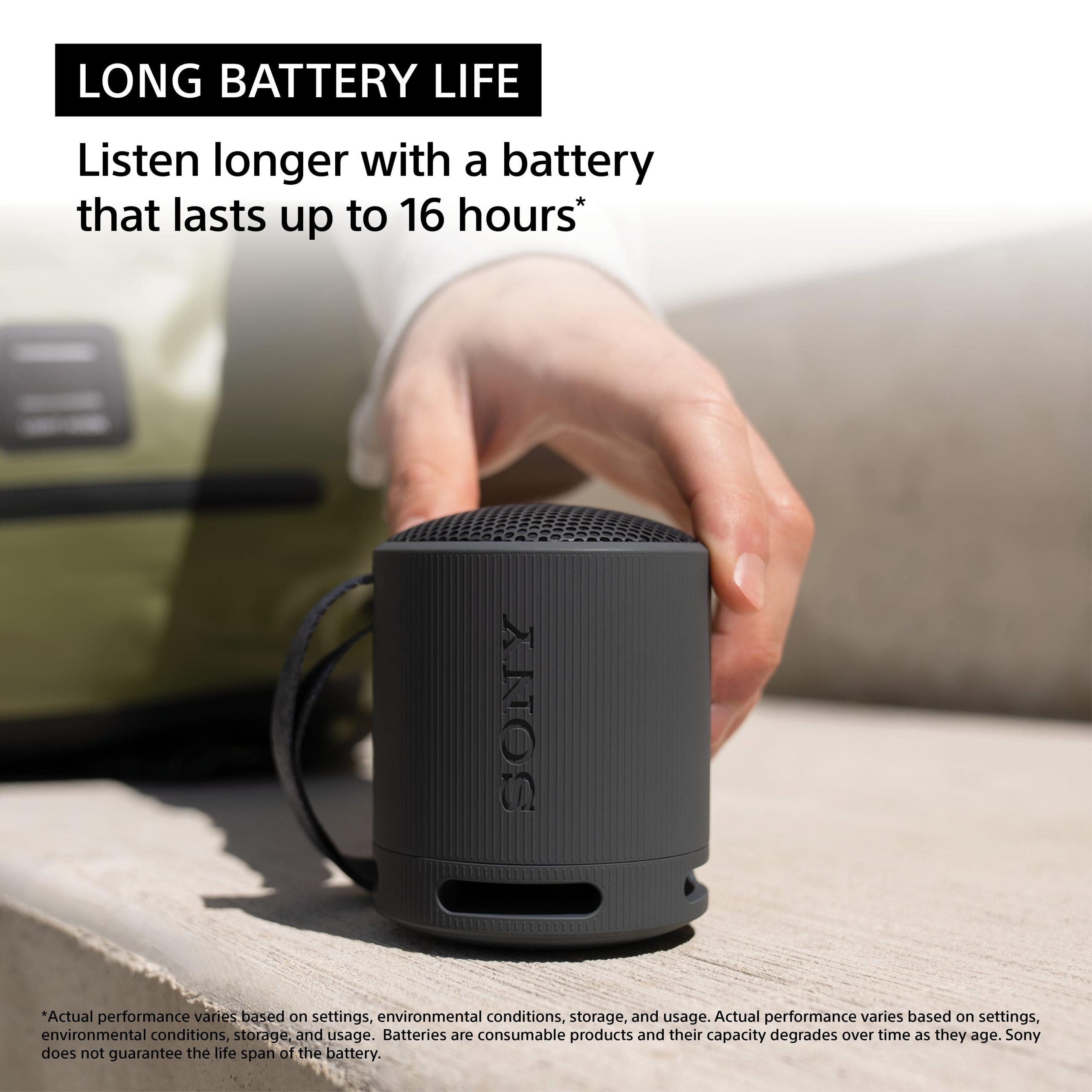
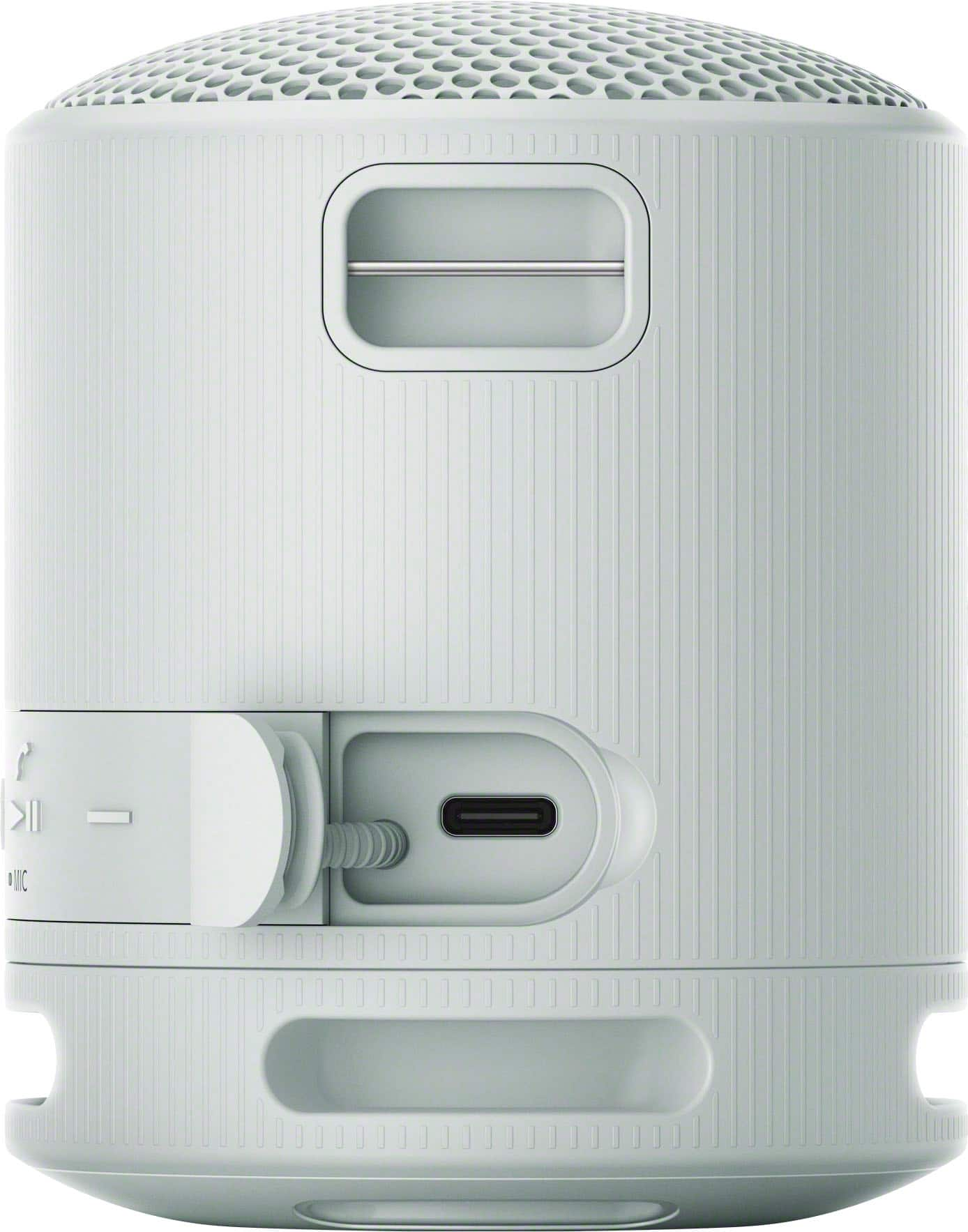
The LinkBuds offers impressive 25-hour battery life compared to the XB100's 16 hours. Both use USB-C charging, but the LinkBuds includes a dedicated charging cradle for added convenience. In real-world use, both easily last multiple days of normal use.
If you're already invested in Sony's audio ecosystem, the LinkBuds offers significant advantages. Its auto-switch feature means it can automatically take over playback from your Sony headphones when you get home - a surprisingly useful feature that works remarkably well.
The premium price brings:
The value proposition includes:
The LinkBuds Speaker excels in:
The XB100 shines in:
Choose the LinkBuds if:
Choose the XB100 if:
Since their releases in 2023, both speakers have held up well against newer competitors. The LinkBuds' advanced features and sound quality remain competitive in the premium portable speaker segment, while the XB100's value proposition has only improved as its street price has occasionally dropped below its original MSRP.
The technology in both speakers represents significant progress from previous generations, particularly in battery life and sound quality relative to size. The LinkBuds' auto-switch feature and the XB100's improved water resistance show Sony's focus on solving real-world usage problems rather than just adding features for marketing purposes.
These two speakers serve different markets and use cases, making direct comparison somewhat challenging. The LinkBuds Speaker is clearly the superior audio device, but the XB100 offers remarkable value and practicality for its price point.
For many users, the decision will come down to intended use rather than direct comparison. If you need a speaker for outdoor adventures or travel, the XB100's durability and portability make it the better choice despite its lower audio quality. If you're primarily using the speaker at home or in the office and want the best possible sound and features, the LinkBuds is worth the premium price.
Remember that both speakers come from Sony's well-regarded audio division, so either choice provides a quality product backed by a company with extensive experience in audio technology. The main question is which balance of features, durability, and price best matches your specific needs.
| Sony LinkBuds Wireless Speaker | Sony XB100 Compact Speaker |
|---|---|
| Price - Key factor in value assessment | |
| $179.99 (premium segment) | $59.99 (budget/ultra-portable segment) |
| Speaker System - Determines overall sound quality and clarity | |
| Two-way system with tweeter and woofer for superior clarity | Single full-range driver with basic sound separation |
| Size & Weight - Impacts portability and placement options | |
| 1.69 x 2.36 x 1.09", 1.23 oz | 2.99" x 3.74", 0.6 lbs |
| Water Resistance - Critical for outdoor use and durability | |
| IPX4 (splash resistant only) | IP67 (fully waterproof and dustproof) |
| Battery Life - Affects how often you need to recharge | |
| 25 hours (longer for home use) | 16 hours (sufficient for most portable needs) |
| Sound Quality Features - Important for audio performance | |
| Sound Diffusion Processor, 5-band EQ, CLEAR BASS | Basic DSP processing, no EQ adjustments |
| Connectivity Features - Impacts versatility and ease of use | |
| Multi-point connection, Auto-switch with Sony devices, app control | Basic Bluetooth 5.3, stereo pairing capability |
| Call Quality - Important for work-from-home use | |
| Premium isolated microphone, echo cancellation | Basic speakerphone functionality |
| Charging Method - Affects convenience | |
| Dedicated charging cradle + USB-C | USB-C only |
| Extra Features - Adds value for specific use cases | |
| Quick Access buttons, Sony ecosystem integration | Ultra-portable design, superior durability |
The Sony LinkBuds Wireless Speaker has notably better sound quality with its two-way speaker system, while the XB100 uses a basic single driver. The LinkBuds offers clearer vocals, better bass response, and superior overall clarity.
The Sony LinkBuds costs $179.99, while the Sony XB100 is priced at $59.99. The $120 difference reflects the LinkBuds' premium features and superior sound quality.
We've done our best to create useful and informative comparisons to help you decide what product to buy. Our research uses advanced automated methods to create this comparison and perfection is not possible - please contact us for corrections or questions. These are the sites we've researched in the creation of this article: sony.com - center.lv - youtube.com - youtube.com - sony.com - walmart.com - youtube.com - sony.com - techradar.com - bestbuy.com - bestbuy.com - tomsguide.com - electronics.sony.com - sony-asia.com - sony.com - sony.com - thesonyshop.ca - cornellstore.com - bestbuy.com

Privacy Policy
Terms and Conditions - Affiliate Policy
Home Security
© Copyright 2008-2026.
11816 Inwood Rd #1211, Dallas, TX 75244