

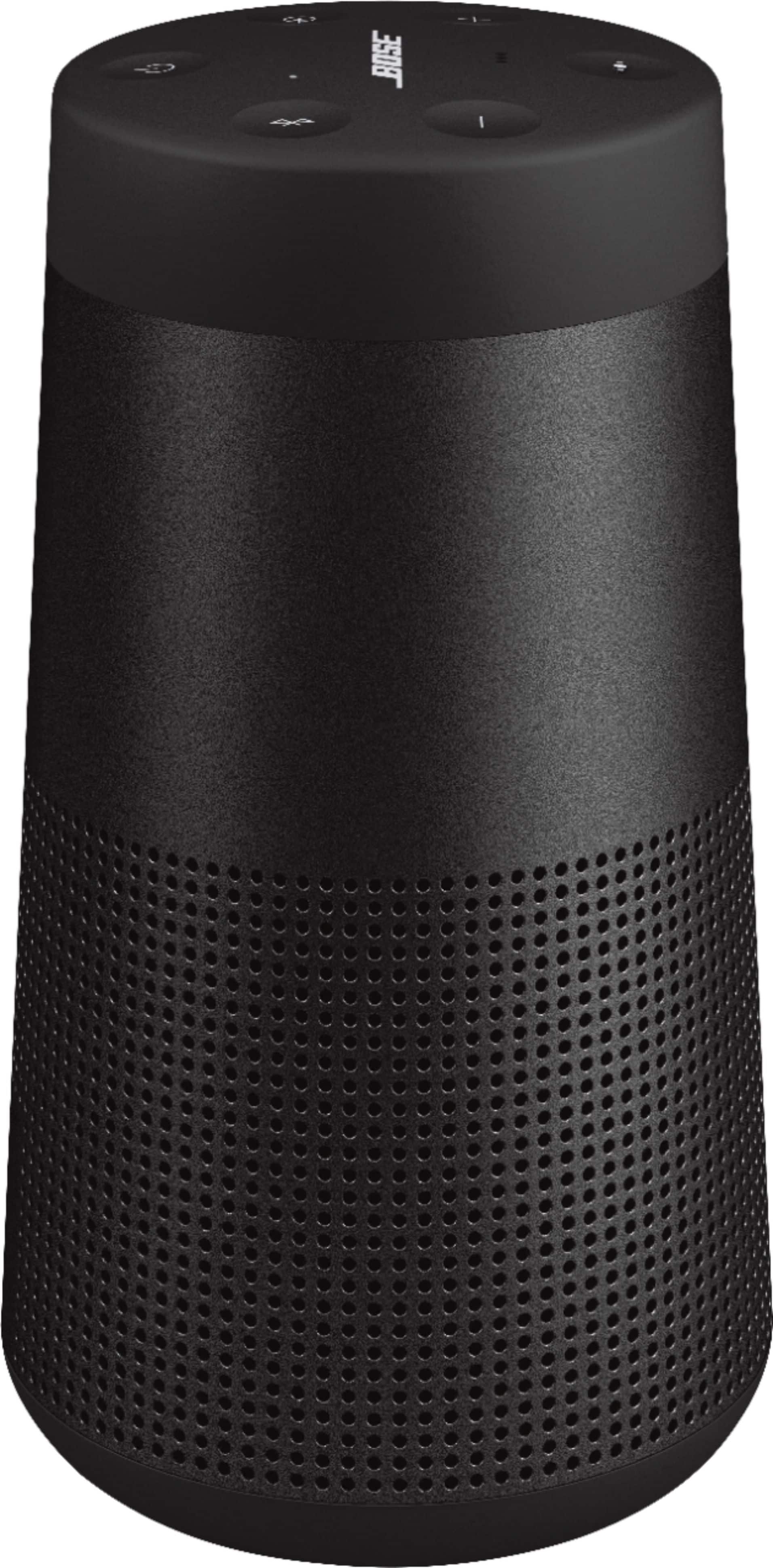
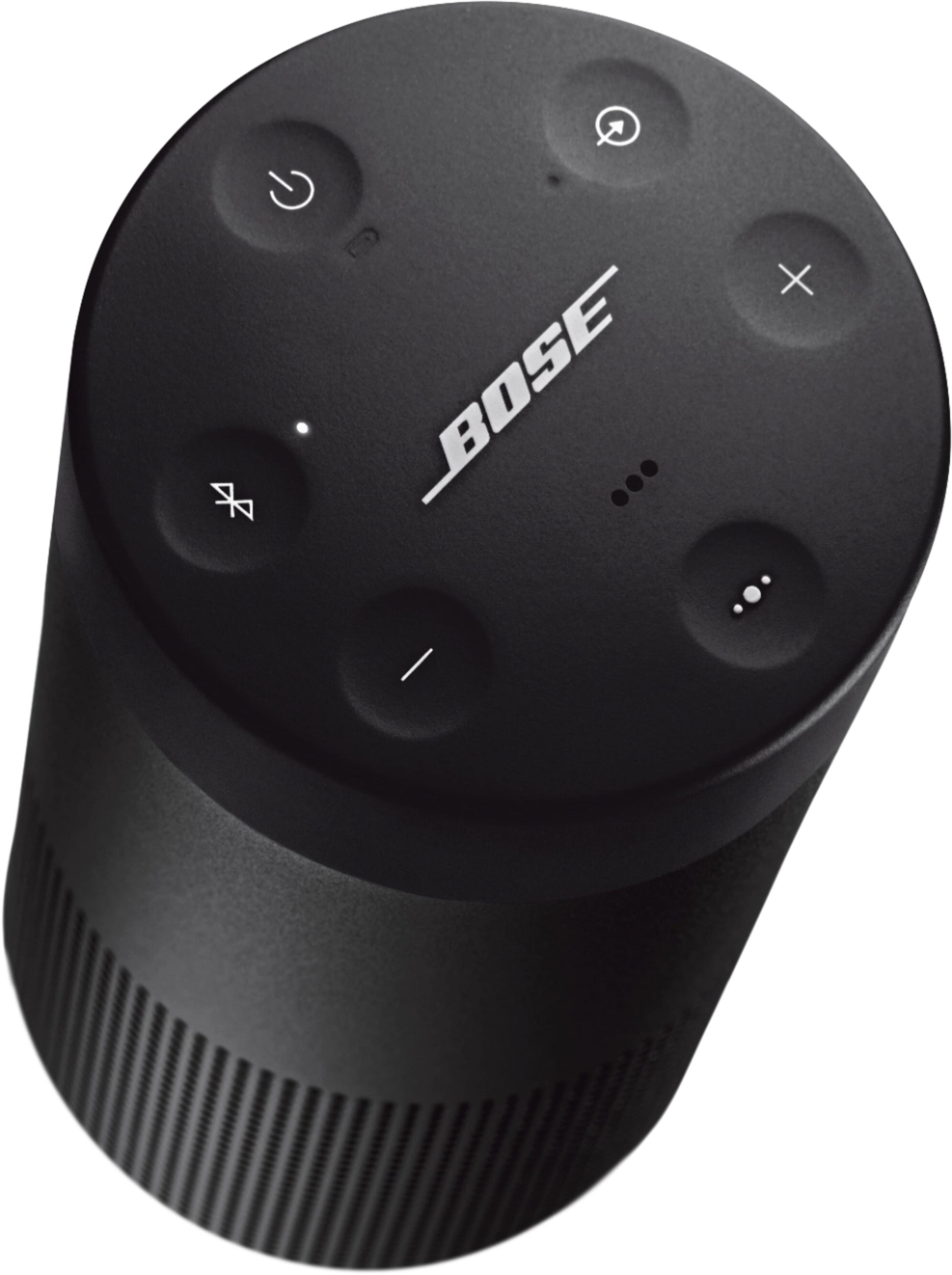
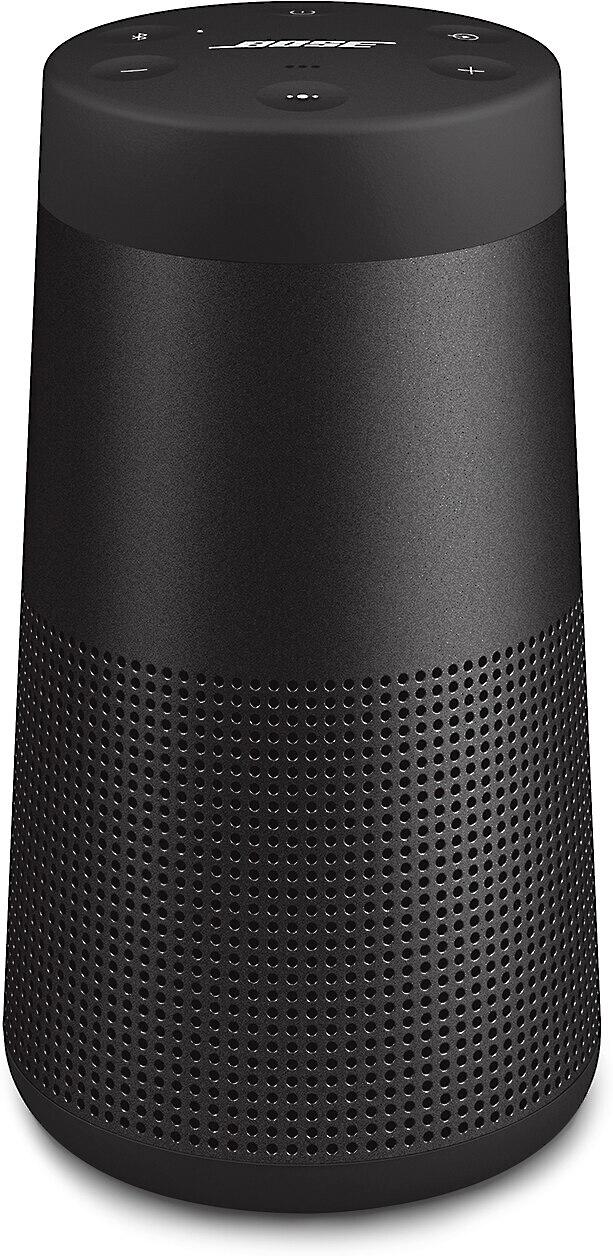
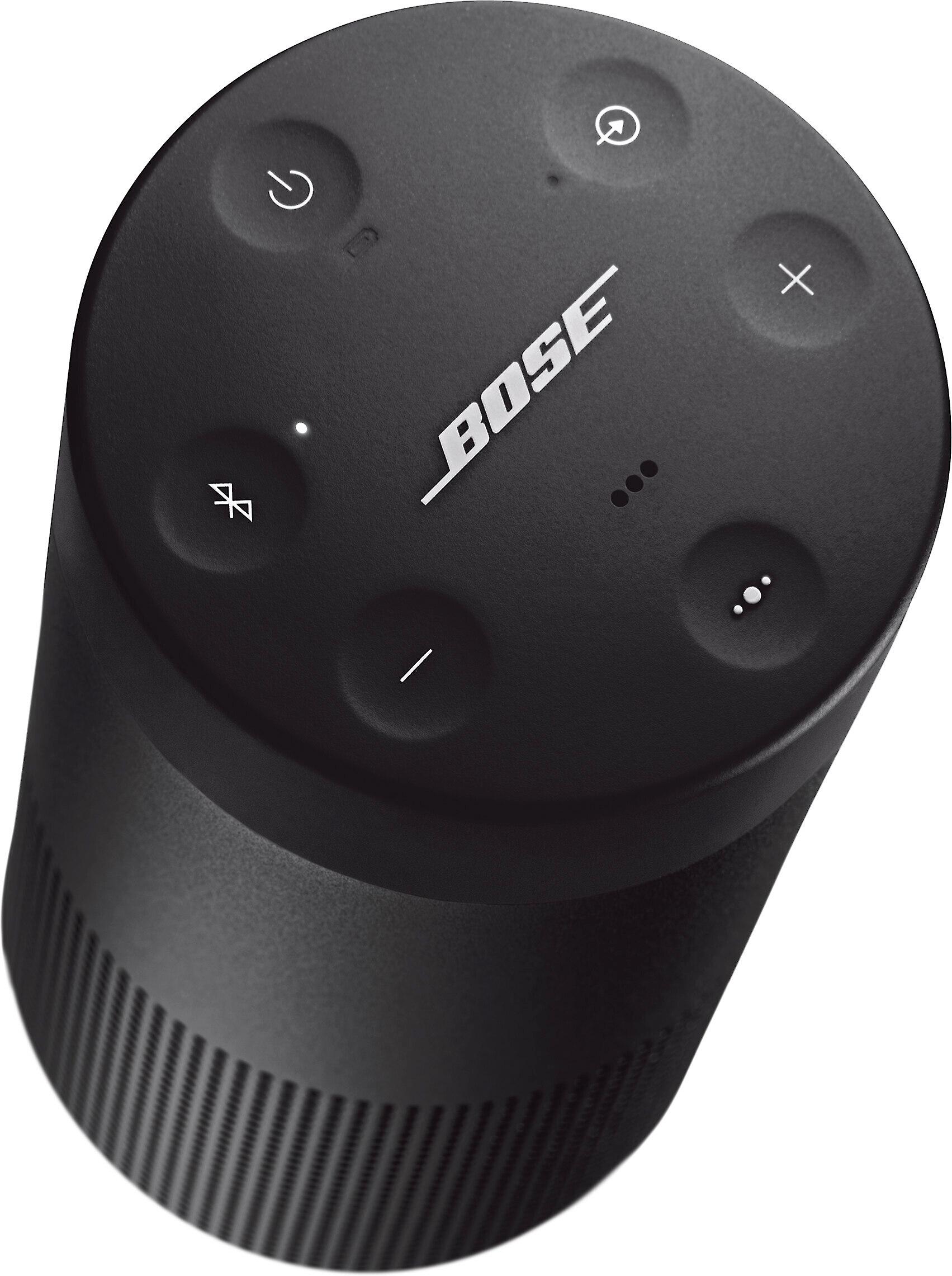
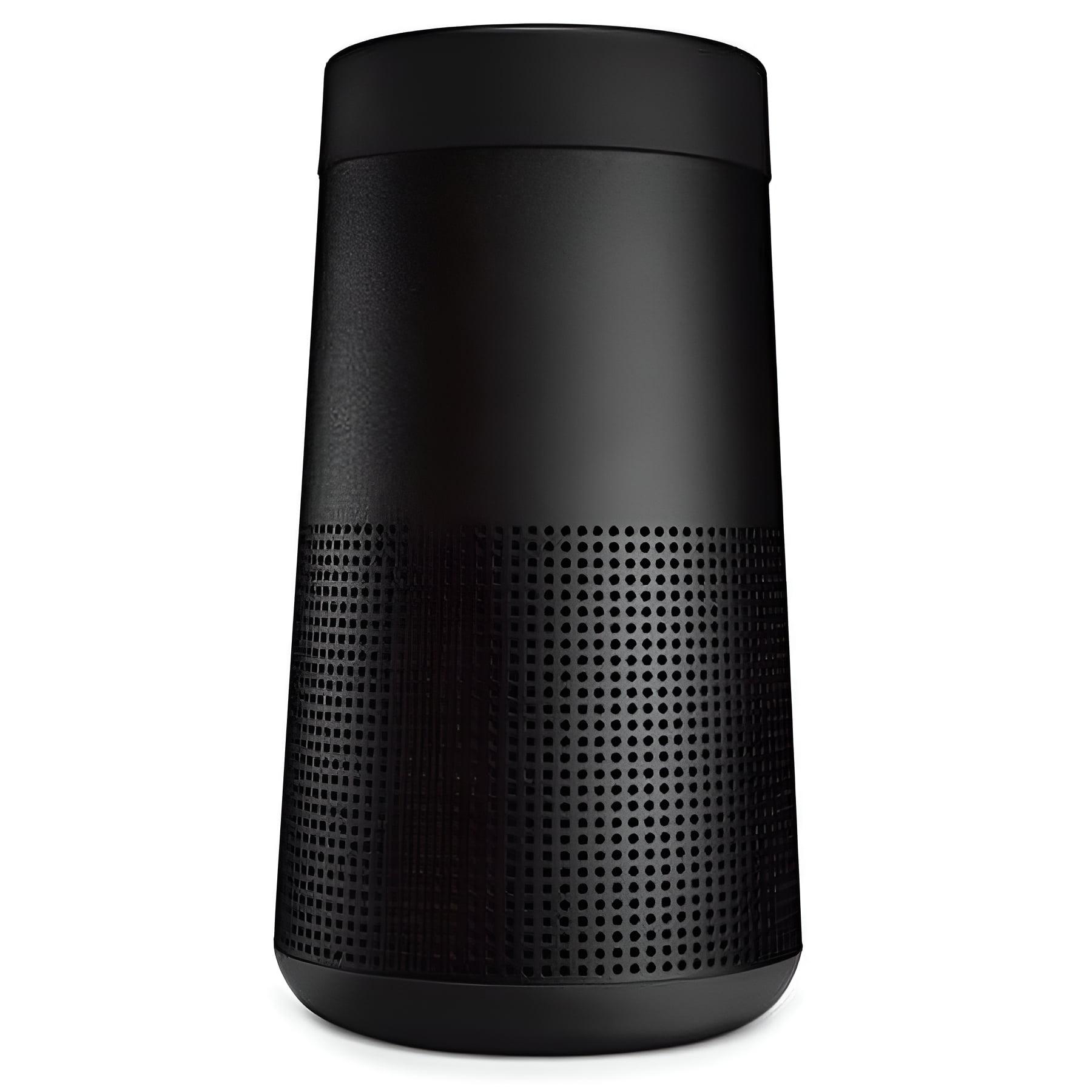
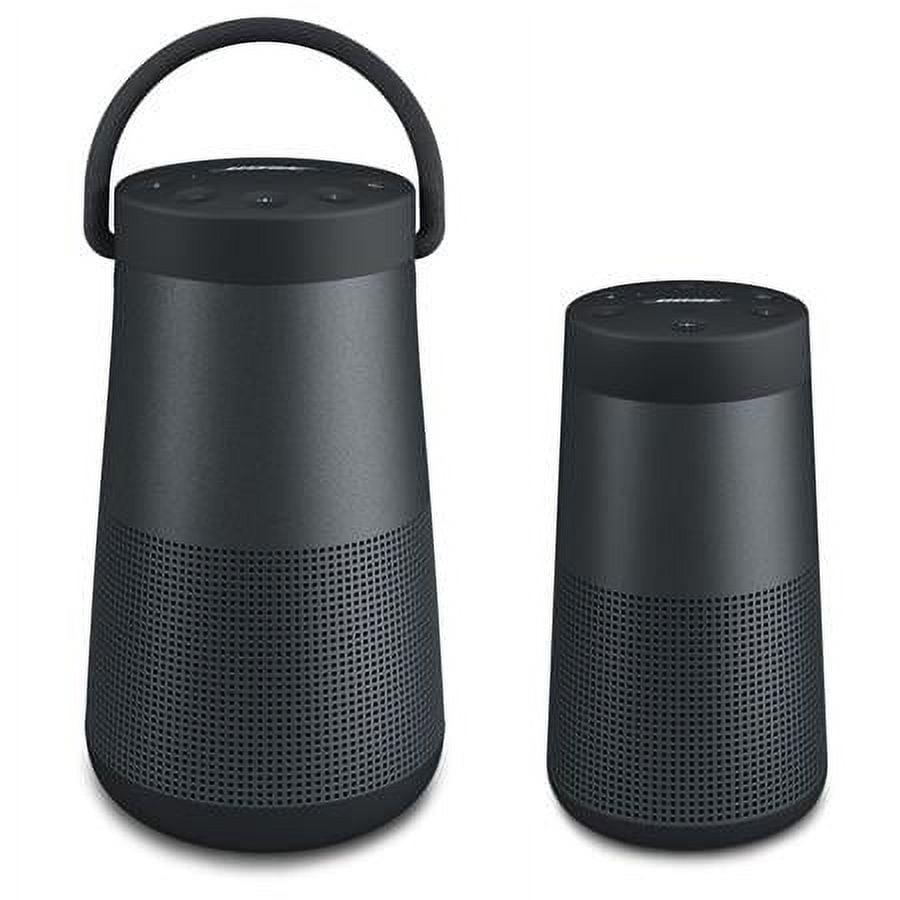

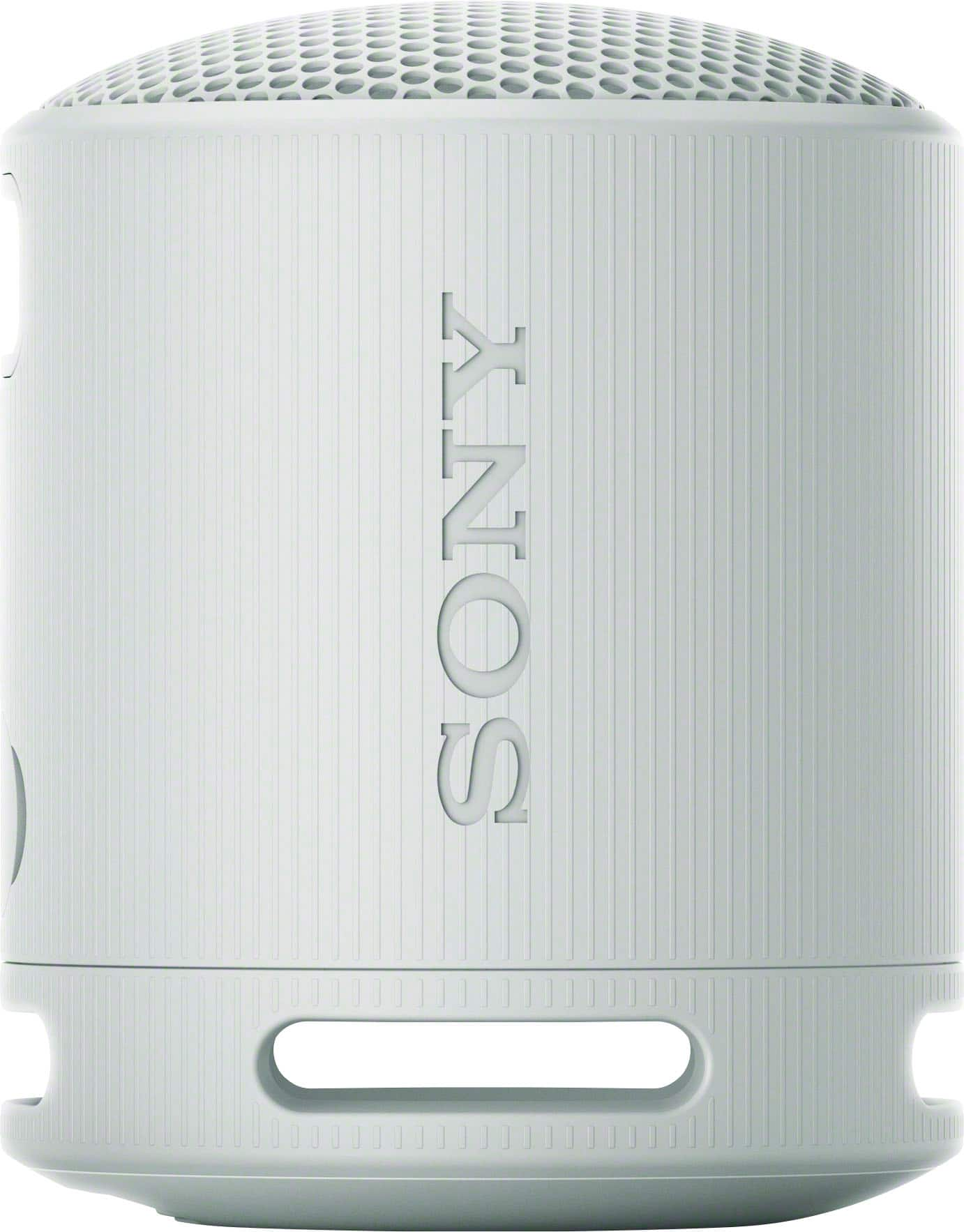
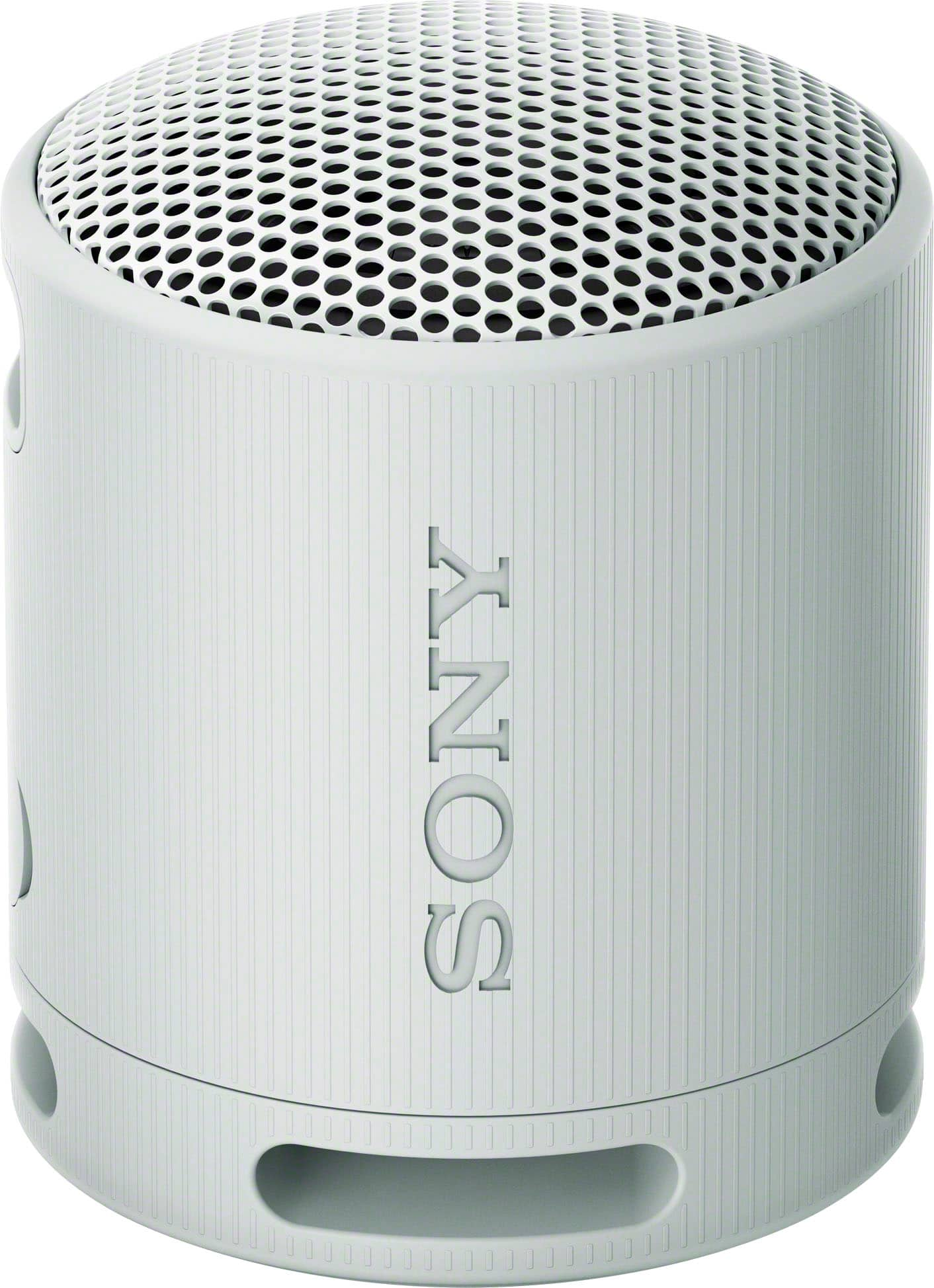
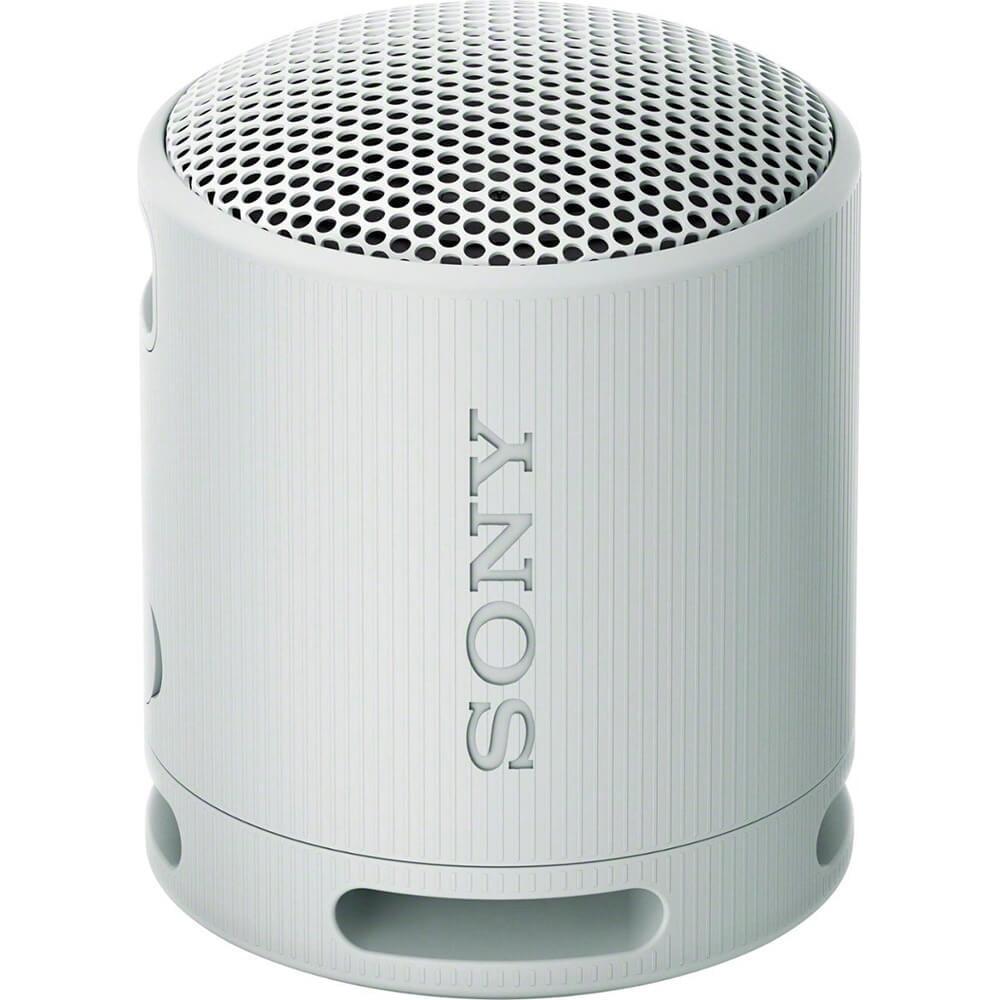


When it comes to portable Bluetooth speakers, the market offers options ranging from ultra-compact budget models to premium audio powerhouses. Today, we're comparing the premium Bose SoundLink Revolve II ($219.99) with the more affordable Sony XB100 ($59.99), helping you understand which speaker might better suit your needs.
Portable Bluetooth speakers have evolved significantly over the past decade. What started as simple wireless alternatives to wired speakers has grown into a diverse ecosystem of devices with varying features, sound qualities, and use cases. Modern speakers often include features like water resistance, long battery life, and enhanced sound processing technologies.
The key question isn't just about sound quality anymore - it's about finding the right balance of portability, durability, and audio performance for your specific needs.
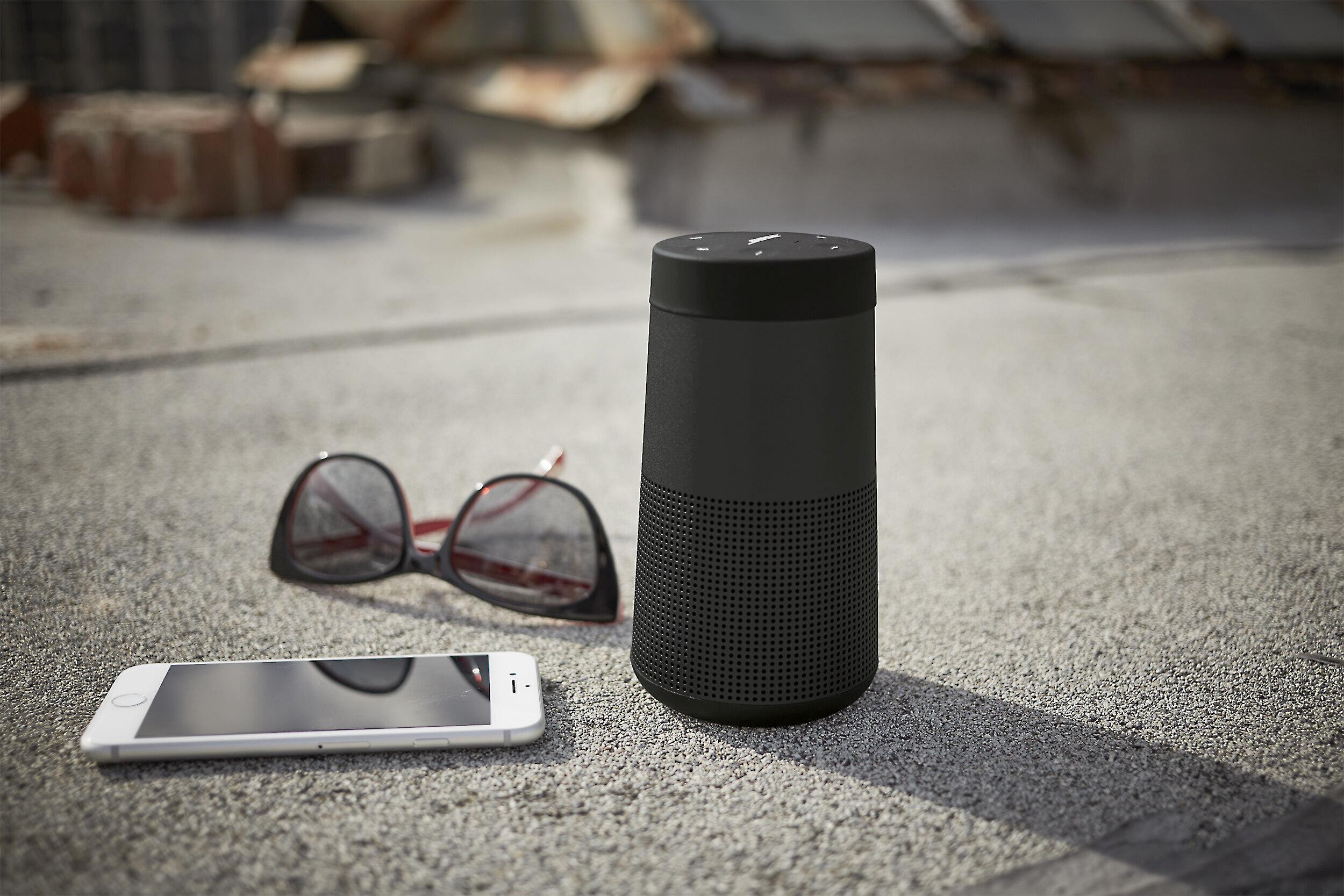
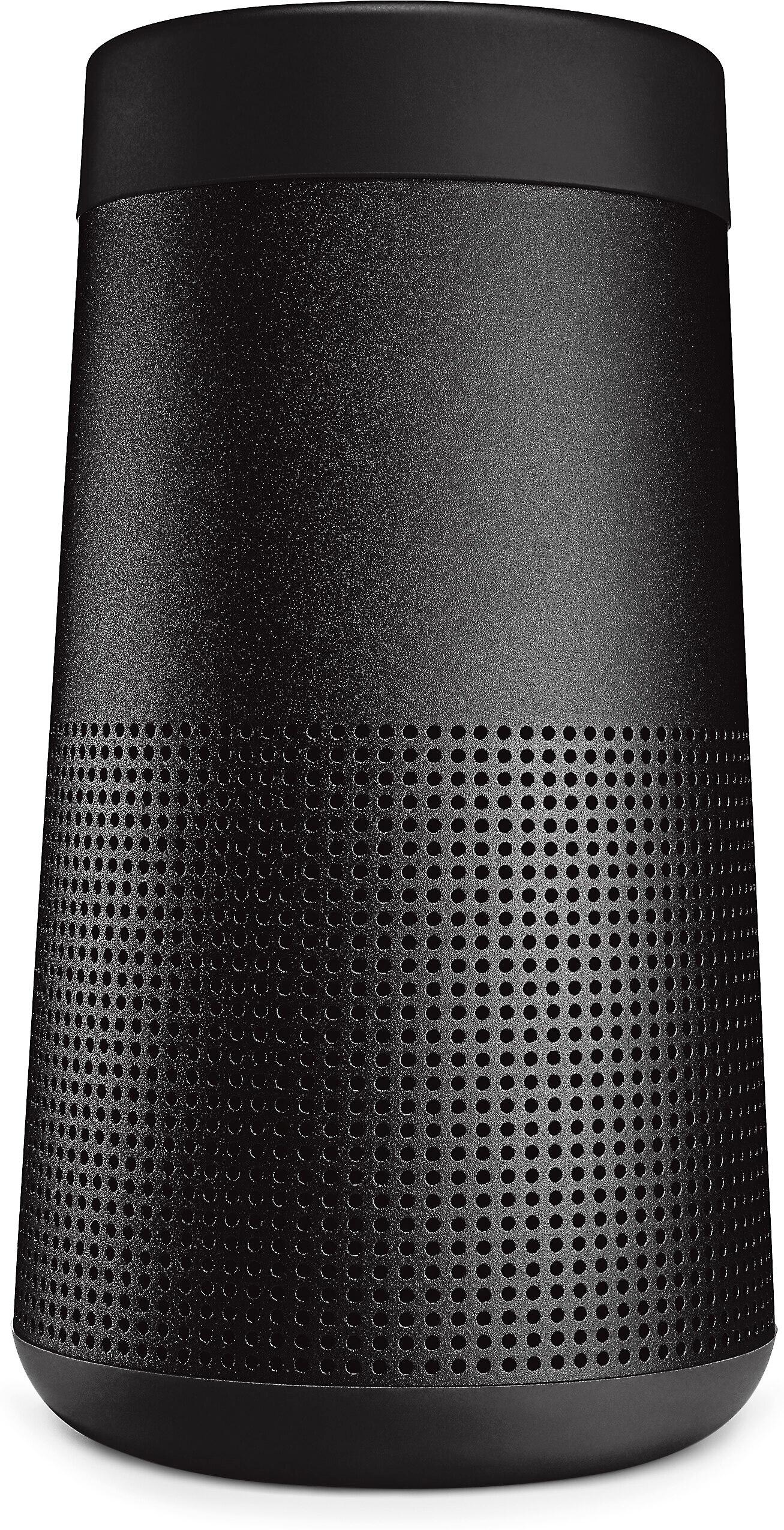
The Bose SoundLink Revolve II, released in February 2021, represents a premium approach to portable audio. Its cylindrical design creates 360-degree sound coverage, using sophisticated internal waveguides (special sound-directing channels) to distribute audio evenly in all directions. This technology helps create what audio engineers call "room-filling sound," where the audio seems to come from everywhere rather than a single point.
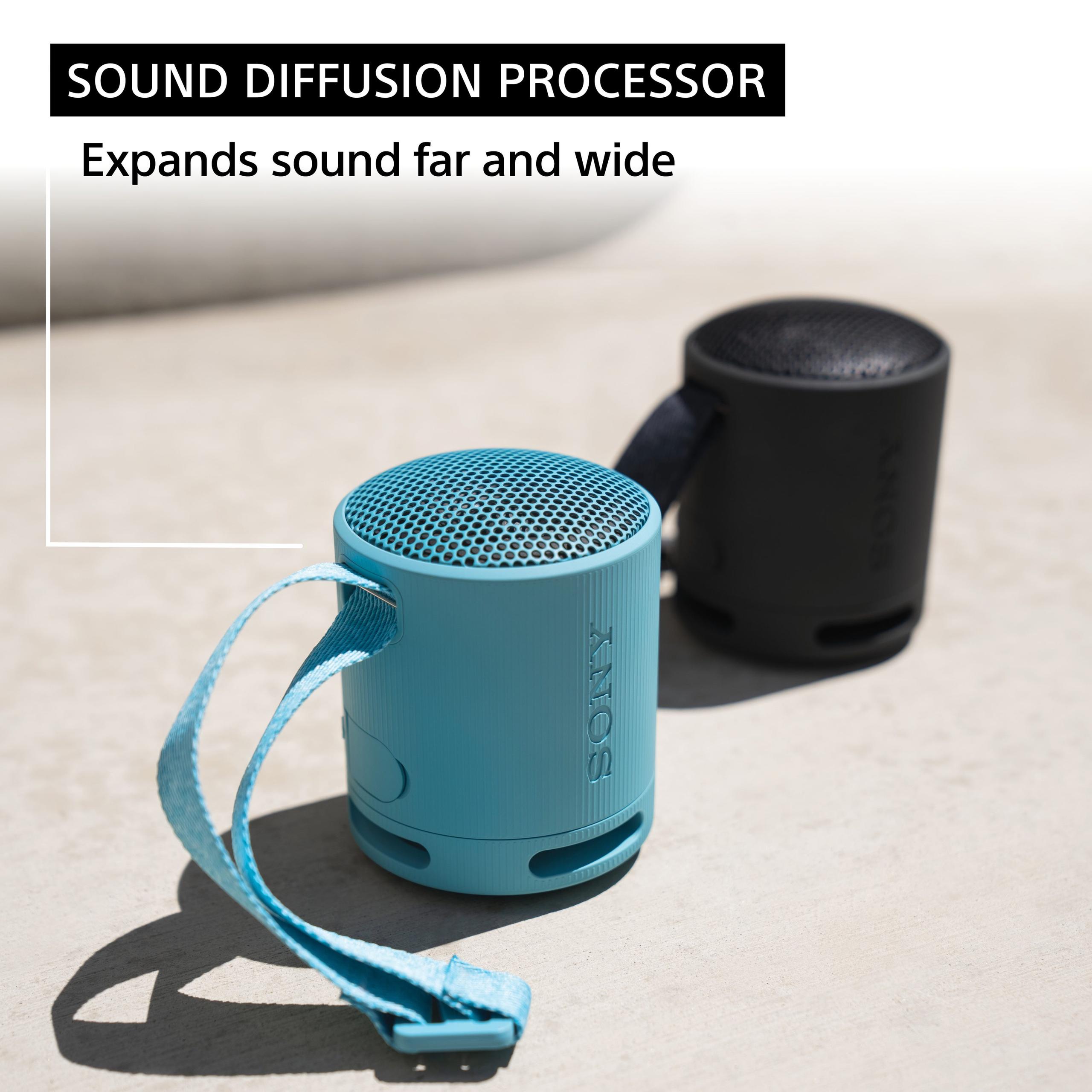
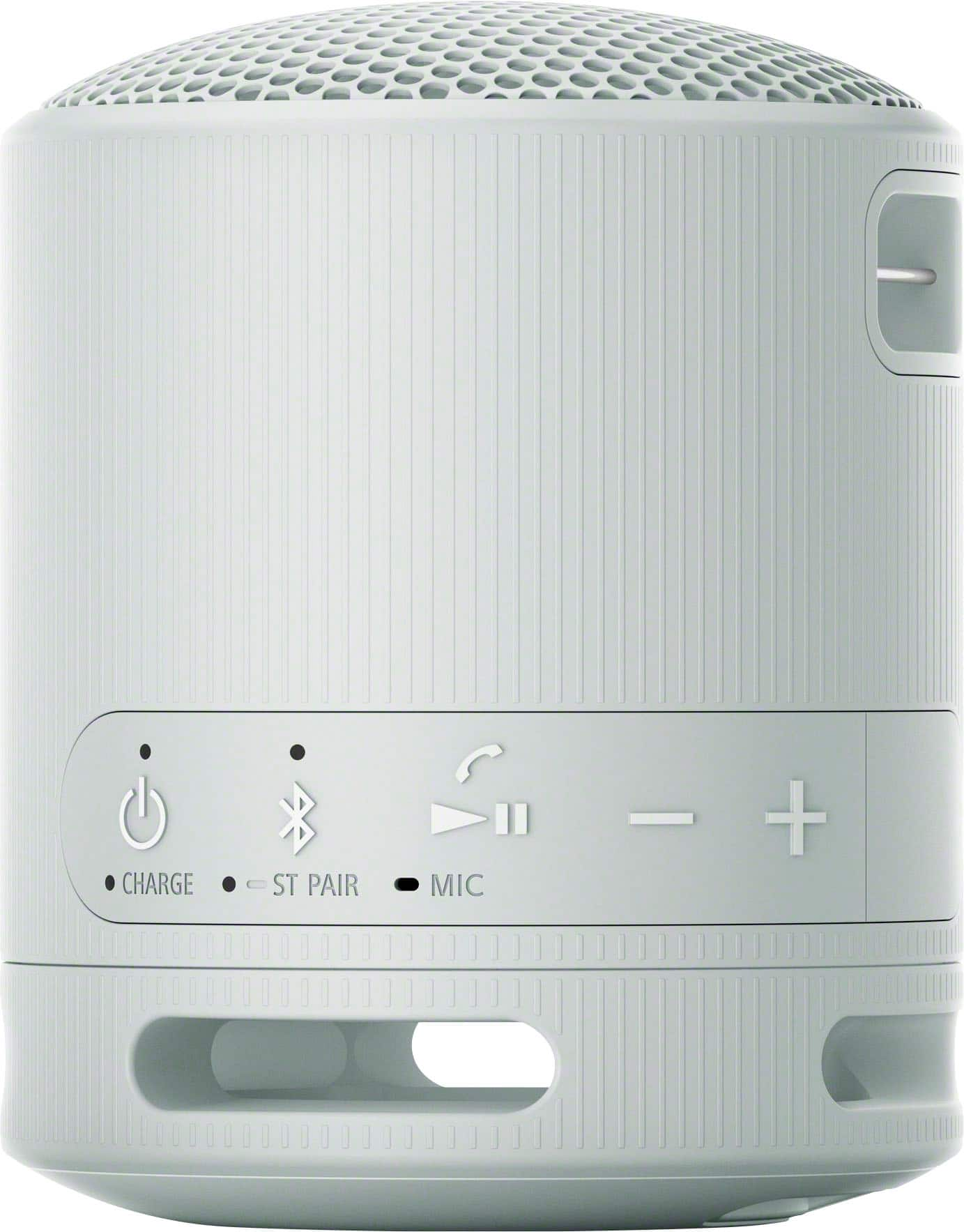
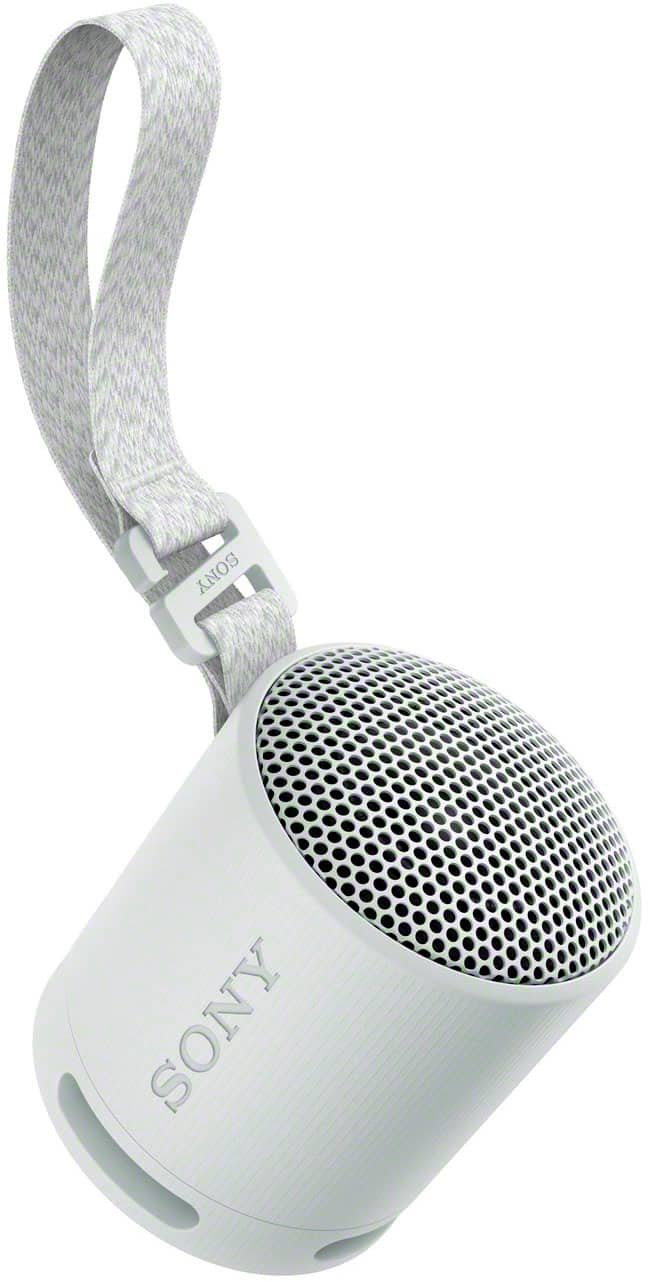
In contrast, the Sony XB100, launched in May 2023, takes a more focused approach. Its compact design prioritizes portability and directional sound, using Sony's Sound Diffusion Processor to create a wider soundstage (the perceived width and depth of the audio) from a single direction. While it doesn't attempt to fill a room like the Bose, it excels at near-field listening - when you're sitting relatively close to the speaker.
The SoundLink Revolve II delivers remarkably balanced audio across different types of music. Its larger driver and carefully tuned enclosure produce clear midrange frequencies (where most vocals and instruments live) and respectable bass response. In testing, it handles complex orchestral pieces as competently as it does bass-heavy electronic music.
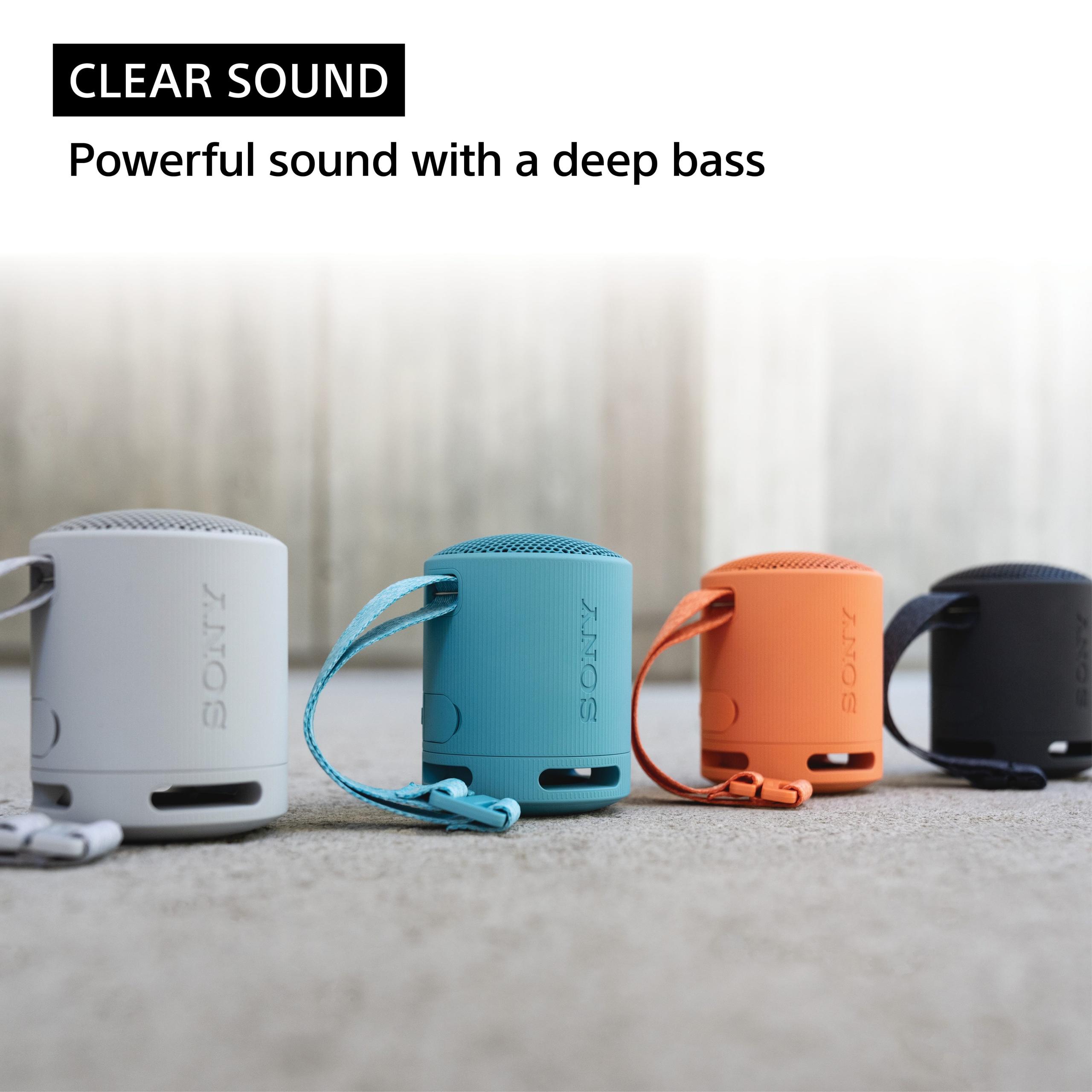
The XB100, despite its smaller size, impresses with its bass response thanks to Sony's Extra Bass technology - a combination of hardware design and digital signal processing that enhances low frequencies. However, it can't match the Bose's overall clarity and volume capability. Think of it as the difference between a small bookshelf speaker and a floor-standing speaker - both can sound good, but they serve different purposes.
The Revolve II can easily fill a medium-sized room (around 300 square feet) with clear, distortion-free sound. Its design maintains consistent audio quality even at higher volumes, though you might notice some compression (automatic volume reduction of certain frequencies) at maximum volume.
The XB100 operates best in smaller spaces or for personal listening. While it can get surprisingly loud for its size, it's not designed to be a party speaker. Its sweet spot is within about 6-10 feet of the listener.
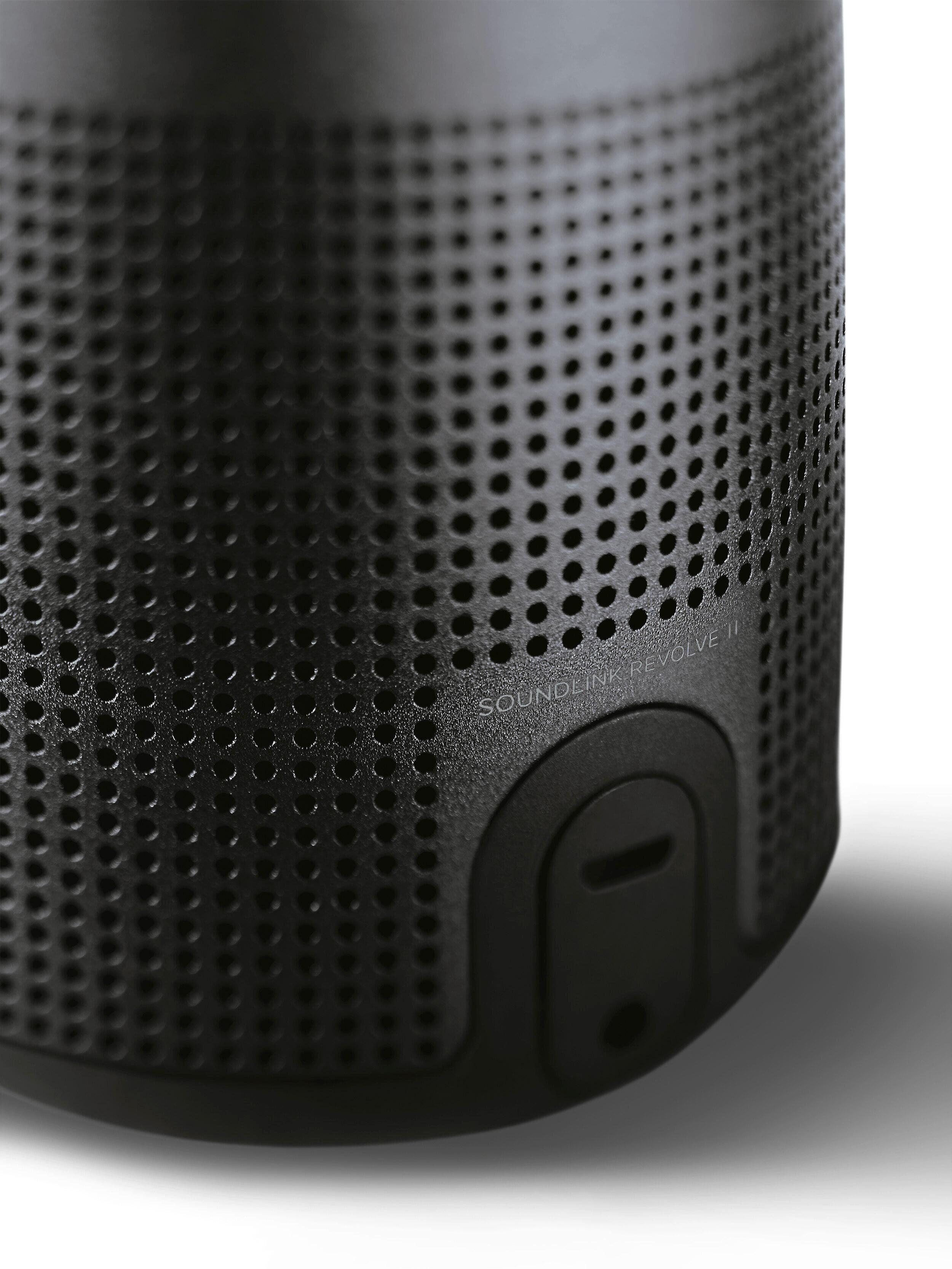
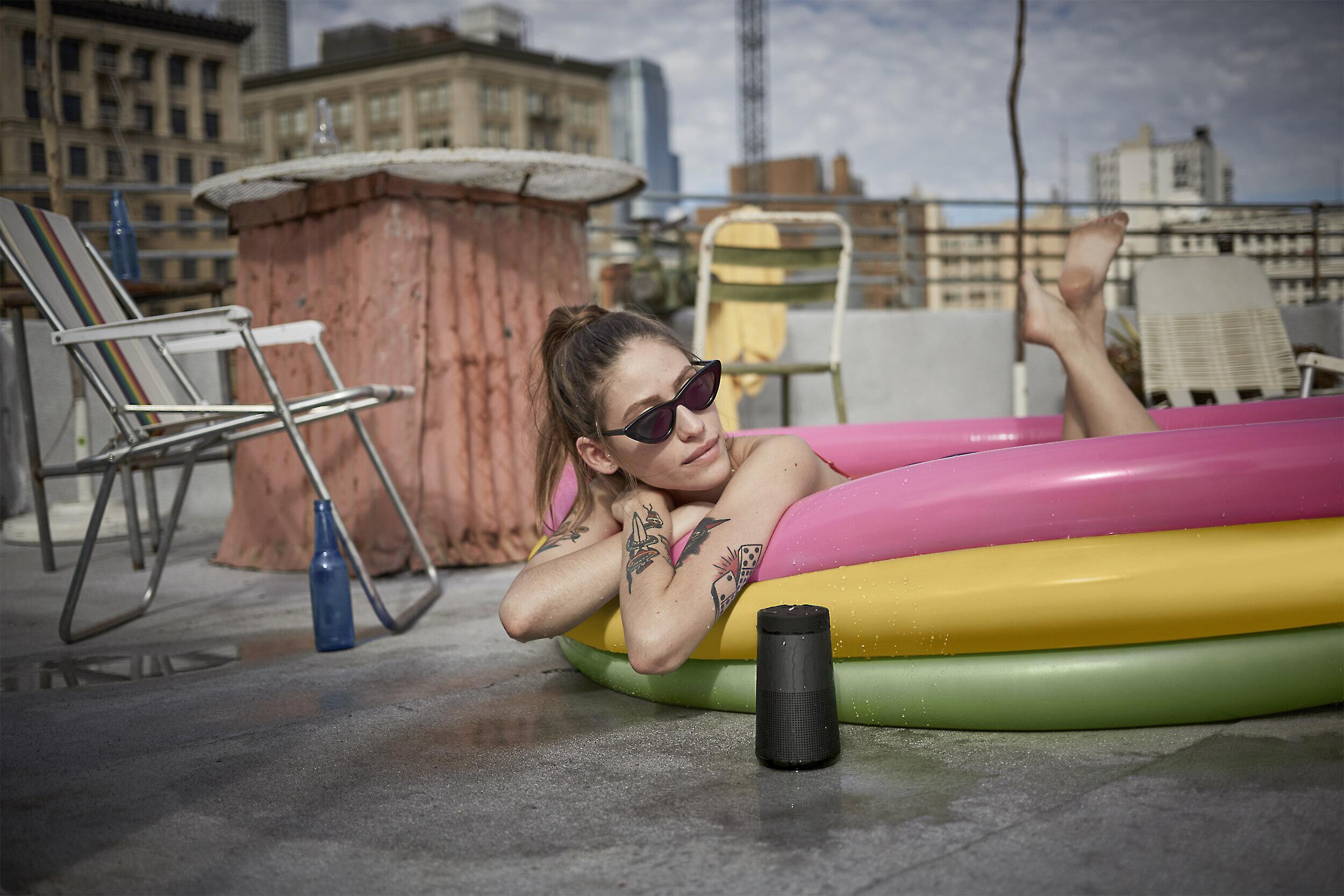
The Revolve II features an aluminum enclosure that feels premium and robust. Its IP55 rating means it's protected against dust and low-pressure water jets - good for splashes but not submersion. The design has remained largely unchanged since its release, suggesting Bose got things right the first time.
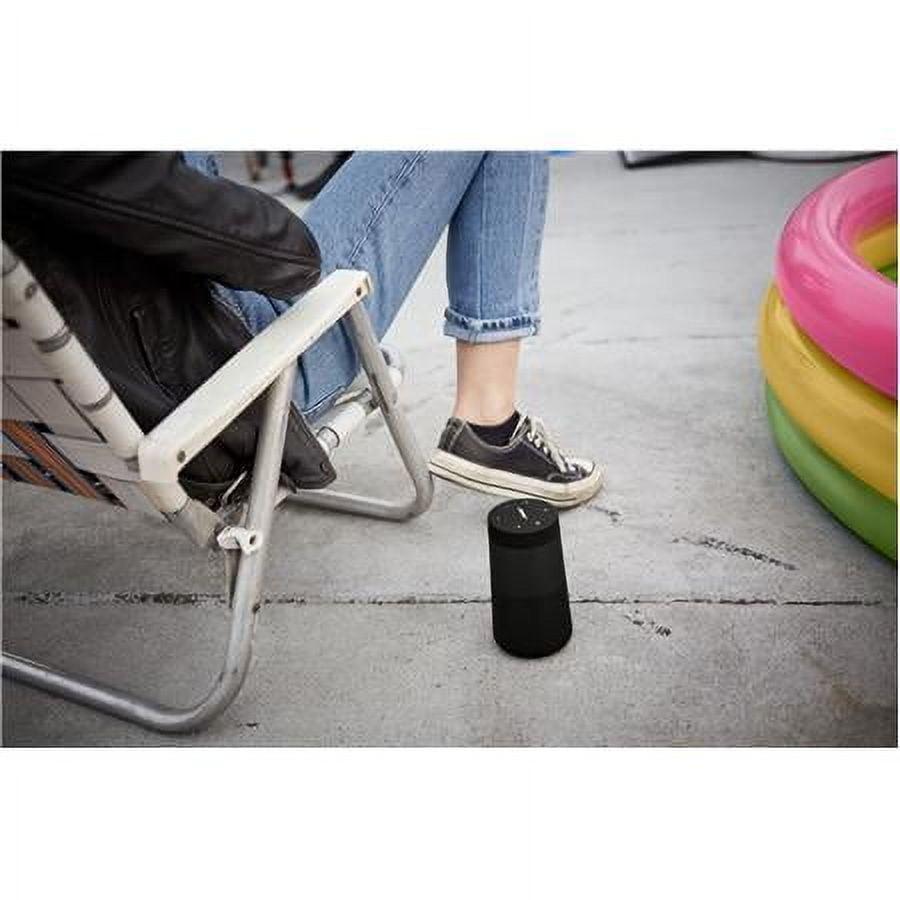
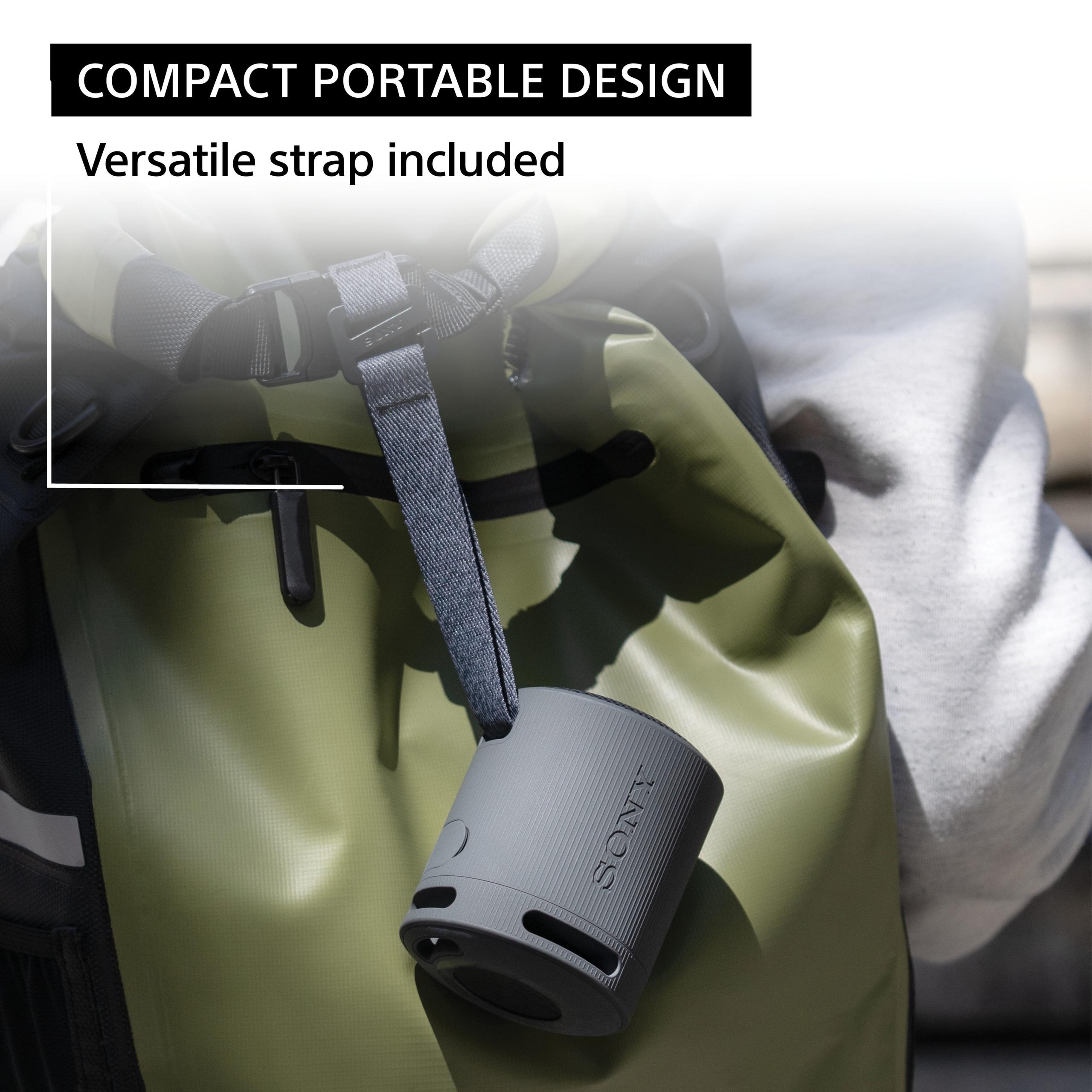
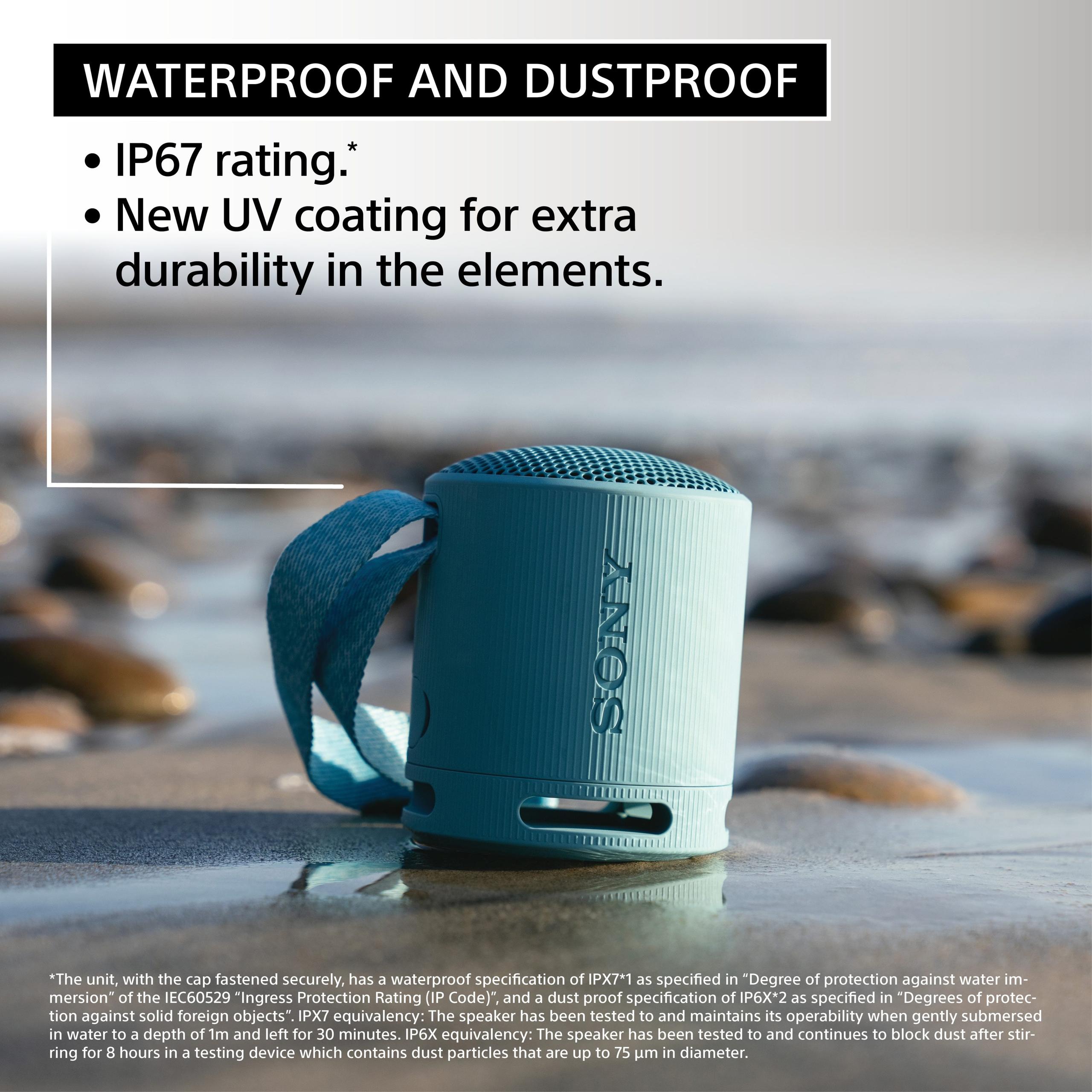
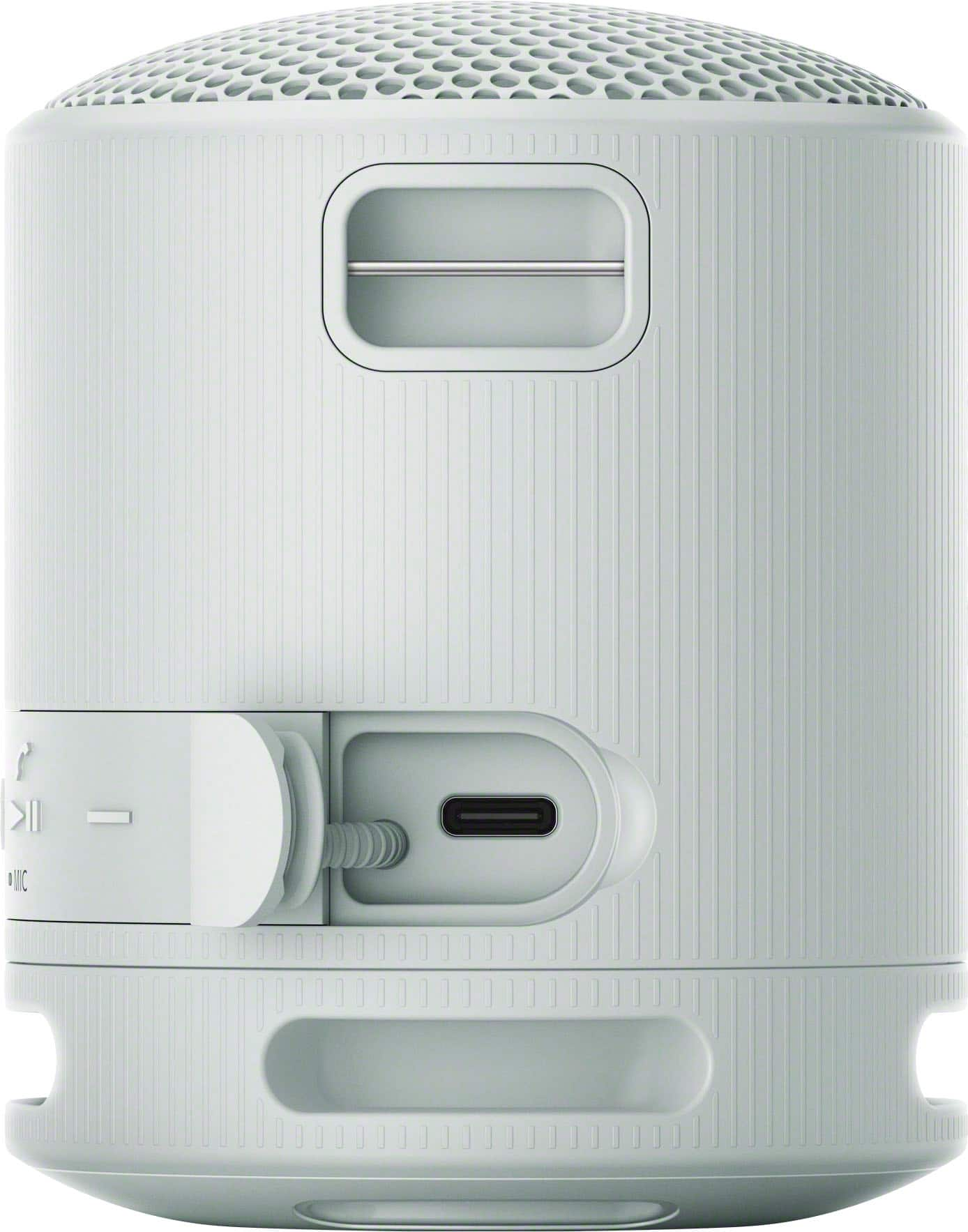
Sony's XB100 sports a more modern IP67 rating, making it fully dustproof and waterproof up to 1 meter for 30 minutes. Its plastic construction might feel less premium, but it's actually more practical for outdoor use. The UV coating helps prevent degradation from sun exposure - a thoughtful touch for a portable speaker.
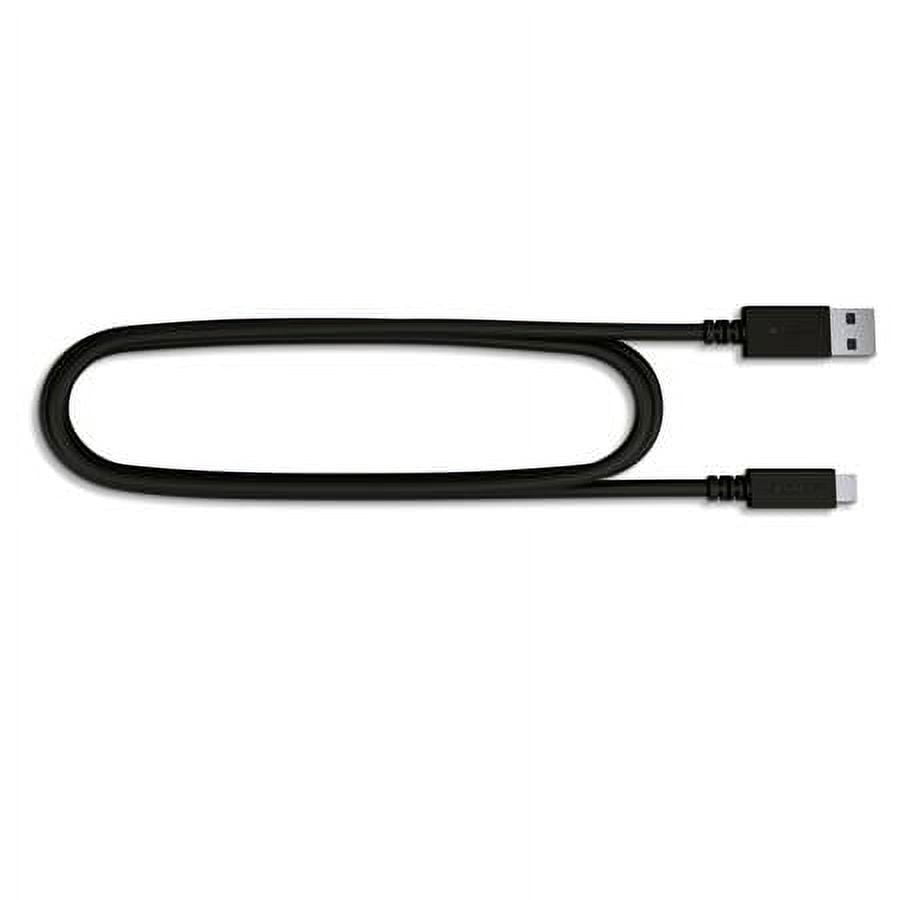
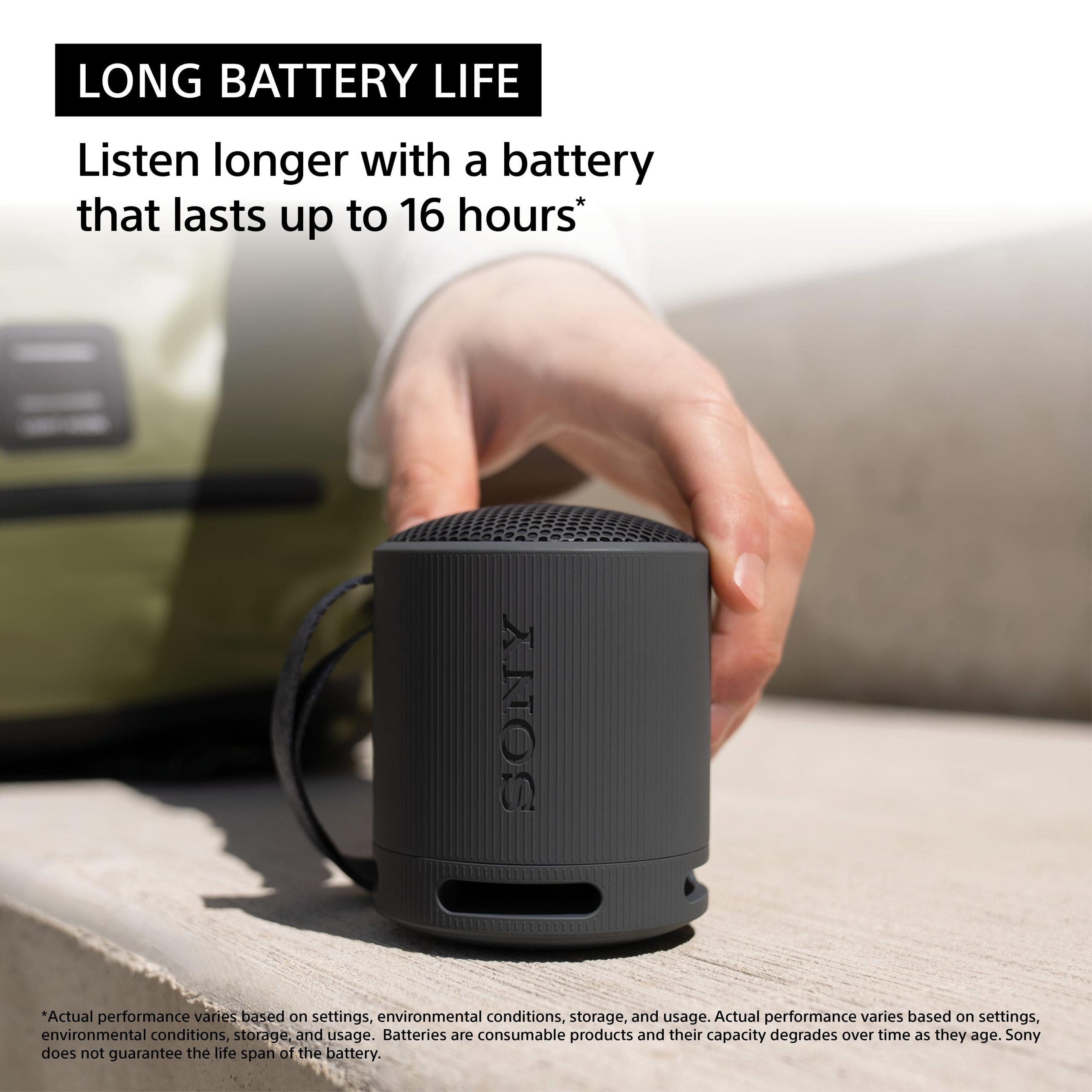
Battery technology has improved significantly since the Revolve II's release. Its 13-hour battery life is good, but the newer XB100 manages 16 hours from a smaller battery, thanks to more efficient components and better power management. The XB100 also features modern USB-C charging, while the Revolve II still uses older micro-USB technology.
Both speakers support the latest Bluetooth 5.0+ standards, ensuring stable connections and good range. The Revolve II can remember up to eight paired devices, while the XB100 handles up to four - a minor difference for most users.
The Bose SoundLink Revolve II justifies its higher price through superior sound quality, better build quality, and more versatile placement options. Its 360-degree sound makes it excellent for social gatherings or situations where speaker placement isn't ideal.
The Sony XB100 delivers impressive value, offering modern features like USB-C charging and better water resistance at a much lower price point. While it can't match the Bose's audio quality, it's more than capable for personal listening and small group settings.
Choose the Bose SoundLink Revolve II if:
Choose the Sony XB100 if:
For most casual users, the XB100 represents better value. Its combination of modern features, good sound quality, and excellent portability makes it a compelling choice at its price point. However, if you're an audio enthusiast or frequently use your speaker in larger spaces, the Revolve II's superior sound quality and room-filling capabilities might be worth the premium.
Both speakers represent different approaches to portable audio, and both excel in their intended use cases. The key is understanding your specific needs and choosing accordingly.
| Bose SoundLink Revolve II | Sony XB100 |
|---|---|
| Price - Key factor in value assessment | |
| $219.99 (premium pricing) | $59.99 (budget-friendly) |
| Size - Impacts portability and sound capability | |
| 5.97" x 3.24" x 3.24" (room-filling design) | 3.43" x 3.01" x 3.82" (ultra-portable) |
| Weight - Affects carrying convenience | |
| 1.46 lbs (substantial but manageable) | 0.6 lbs (extremely lightweight) |
| Sound Dispersion - How sound fills the space | |
| 360-degree omnidirectional sound | Directional with Sound Diffusion Processing |
| Water Resistance - Important for outdoor use | |
| IP55 (splash resistant) | IP67 (fully waterproof up to 1m) |
| Battery Life - Critical for portable use | |
| 13 hours (good for most uses) | 16 hours (excellent longevity) |
| Charging Port - Affects convenience | |
| Micro-USB (older standard) | USB-C (modern standard) |
| Audio Features - Sound enhancement capabilities | |
| Built-in EQ, voice assistant support | Extra Bass technology, stereo pairing |
| Build Quality - Durability and premium feel | |
| Aluminum construction, premium finish | Plastic construction with UV coating |
| Maximum Volume - Important for larger spaces | |
| 85dB (fills medium-sized rooms) | 75dB (best for personal listening) |
| Bluetooth Version - Connection stability | |
| 4.1 (30ft range) | 5.3 (33ft range, more stable) |
| Additional Features - Extra functionality | |
| Multi-device pairing, speakerphone, Bose Connect app | Party Connect, hands-free calling, Sony Music Center app |
| Warranty - Purchase protection | |
| 1-year limited warranty | 1-year limited warranty |
The Bose SoundLink Revolve II offers superior sound quality and 360-degree audio coverage, while the Sony XB100 provides better value and portability. The Bose is better for sound quality, while the Sony excels in affordability and convenience.
The Bose SoundLink Revolve II costs $219.99, while the Sony XB100 is priced at $59.99, making the Sony nearly four times less expensive.
The Sony XB100 offers 16 hours of battery life, slightly more than the Bose SoundLink Revolve II's 13 hours. Both provide enough power for all-day use.
The Sony XB100 has superior water resistance with an IP67 rating (fully waterproof), while the Bose SoundLink Revolve II has an IP55 rating (splash-resistant only).
The Sony XB100 is better suited for outdoor activities due to its lighter weight, better waterproofing, and UV-resistant coating. The Bose SoundLink Revolve II is more suitable for backyard parties where sound coverage is important.
The Bose SoundLink Revolve II is better for parties due to its louder volume and 360-degree sound coverage. The Sony XB100 is more suited for small gatherings or personal listening.
The Bose SoundLink Revolve II delivers superior sound quality with better clarity, balance, and room-filling capability. The Sony XB100 offers good sound for its size but can't match the Bose's audio performance.
The Sony XB100 is more portable at 0.6 lbs compared to the Bose SoundLink Revolve II's 1.46 lbs, making the Sony easier to carry in a bag or pocket.
Both speakers support pairing with a second unit. The Bose SoundLink Revolve II offers Party Mode, while the Sony XB100 supports stereo pairing with another XB100.
The Sony XB100 features newer Bluetooth 5.3 technology and USB-C charging, while the Bose SoundLink Revolve II uses older Bluetooth 4.1 and micro-USB charging.
Both are well-built, but the Bose SoundLink Revolve II features premium aluminum construction, while the Sony XB100 uses durable plastic. The Sony has better water resistance, making it more durable in wet conditions.
The Sony XB100 offers better value with modern features and good sound at a lower price point. The Bose SoundLink Revolve II justifies its higher price through superior sound quality and premium construction.
We've done our best to create useful and informative comparisons to help you decide what product to buy. Our research uses advanced automated methods to create this comparison and perfection is not possible - please contact us for corrections or questions. These are the sites we've researched in the creation of this article: dxomark.com - bose.com - youtube.com - rtings.com - consumerreports.org - soundguys.com - boselatam.com - boselatam.com - bose.com - adorama.com - leedsworldrefill.com - bose.com - bestbuy.com - techradar.com - bestbuy.com - bestbuy.com - tomsguide.com - electronics.sony.com - sony-asia.com - sony.com - sony.com - thesonyshop.ca - cornellstore.com - bestbuy.com

Privacy Policy
Terms and Conditions - Affiliate Policy
Home Security
© Copyright 2008-2026.
11816 Inwood Rd #1211, Dallas, TX 75244