



If you've been shopping for a portable Bluetooth speaker lately, you've probably noticed there are hundreds of options at every price point. Two speakers that consistently pop up in discussions are the Monster Shock Plus S21 and the Sony XB100. While both deliver solid performance at similar price points, they take completely different approaches to portable audio – and understanding these differences is crucial to making the right choice for your needs.
Before diving into specifics, let's talk about what actually matters in a portable Bluetooth speaker. The most important factor is sound quality, but this isn't just about being loud – it's about how well a speaker handles different frequencies (bass, mids, and treble) at various volume levels. A speaker might sound great at low volumes but become muddy or distorted when you crank it up for a party.
Battery life is equally critical since these are meant to be portable. There's nothing worse than your speaker dying halfway through a camping trip or backyard barbecue. Water resistance has become standard, but the ratings can be confusing – IPX6 means it can handle powerful water jets but not submersion, while IP67 can actually be dunked underwater for short periods.
Connectivity might seem straightforward (it's Bluetooth, right?), but newer versions like Bluetooth 5.3 and 5.4 offer better range, more stable connections, and improved battery efficiency. Some speakers also include additional inputs like AUX ports or USB connections, which can be surprisingly useful.
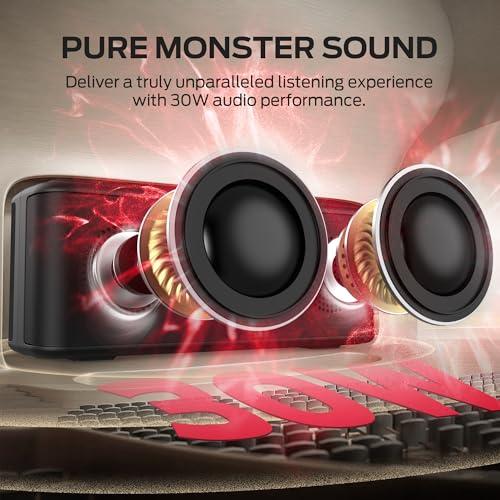
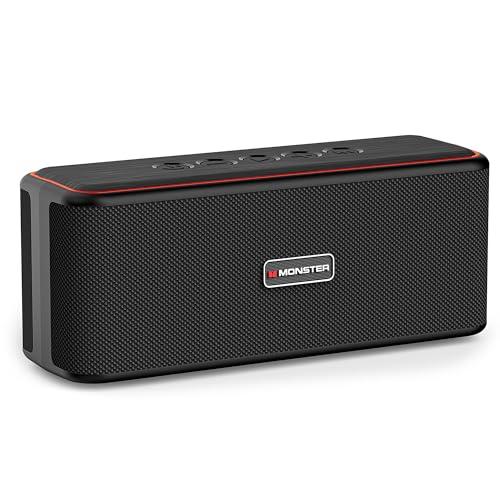
The Monster Shock Plus S21, released in 2023, represents Monster's return to the competitive portable speaker market after years of focusing on headphones and cables. What immediately sets it apart is its 30-watt power output – significantly higher than most speakers in this size category. To put this in perspective, many popular competitors top out at 20 watts, so you're getting about 50% more power.
This power advantage translates to real-world benefits. The Monster Shock Plus S21 can easily fill a medium-sized room or outdoor space with sound, and it maintains clarity even when pushed to maximum volume. The speaker uses what Monster calls "Pure Sound Technology," which is essentially advanced digital signal processing (DSP) – think of it as smart software that optimizes the audio signal to prevent distortion and maintain balance across all frequencies.
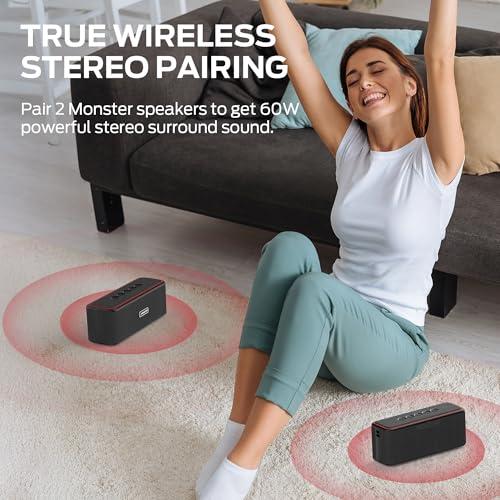
One of the most interesting features is True Wireless Stereo (TWS) pairing. This lets you connect two Monster Shock Plus S21 speakers wirelessly to create a proper stereo setup with left and right channels. When paired, you get a combined 60 watts of power and true stereo separation, which is a game-changer for outdoor gatherings or even as a budget home stereo system.
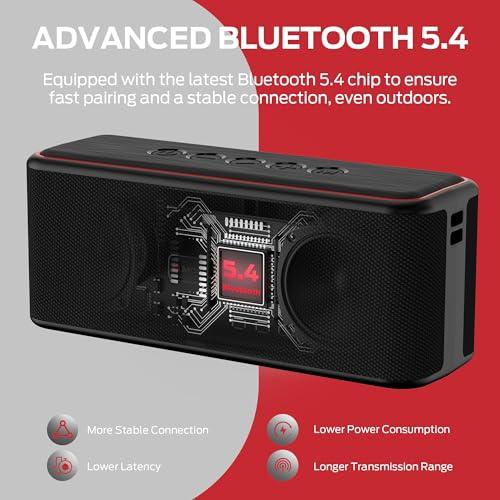
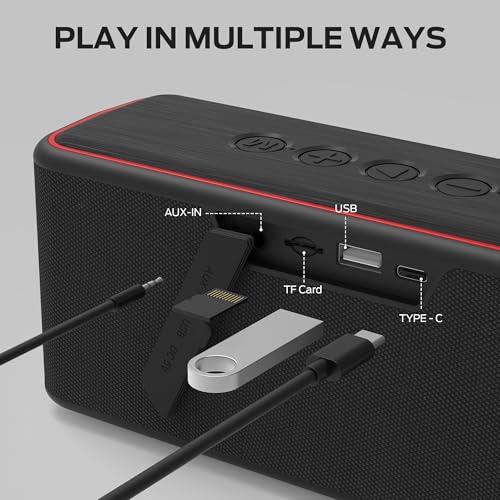
The connectivity options are extensive. Beyond Bluetooth 5.4 (which provides excellent range and stability), you get AUX input, USB-A and USB-C ports, and even a microSD card slot. This flexibility means you can play music from practically any source – your phone, laptop, a USB drive, or even directly from a memory card loaded with music files.
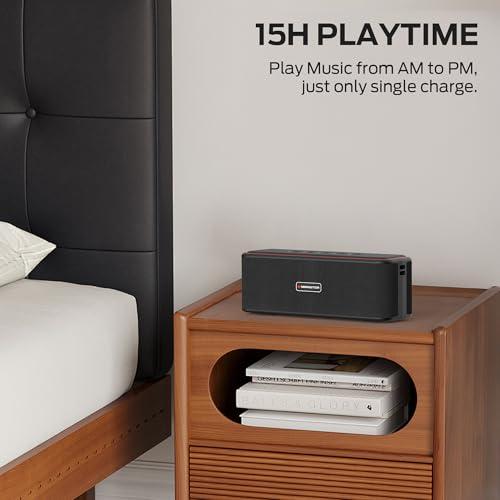
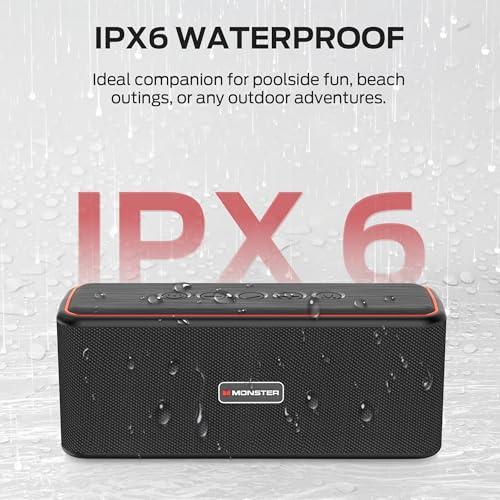
Battery life hits 15 hours, which is impressive given the power output. The charging is reasonably fast at about 2 hours via USB-C. Build quality feels solid, though the IPX6 water resistance means you need to be careful around pools – it can handle splashes and rain but shouldn't be submerged.
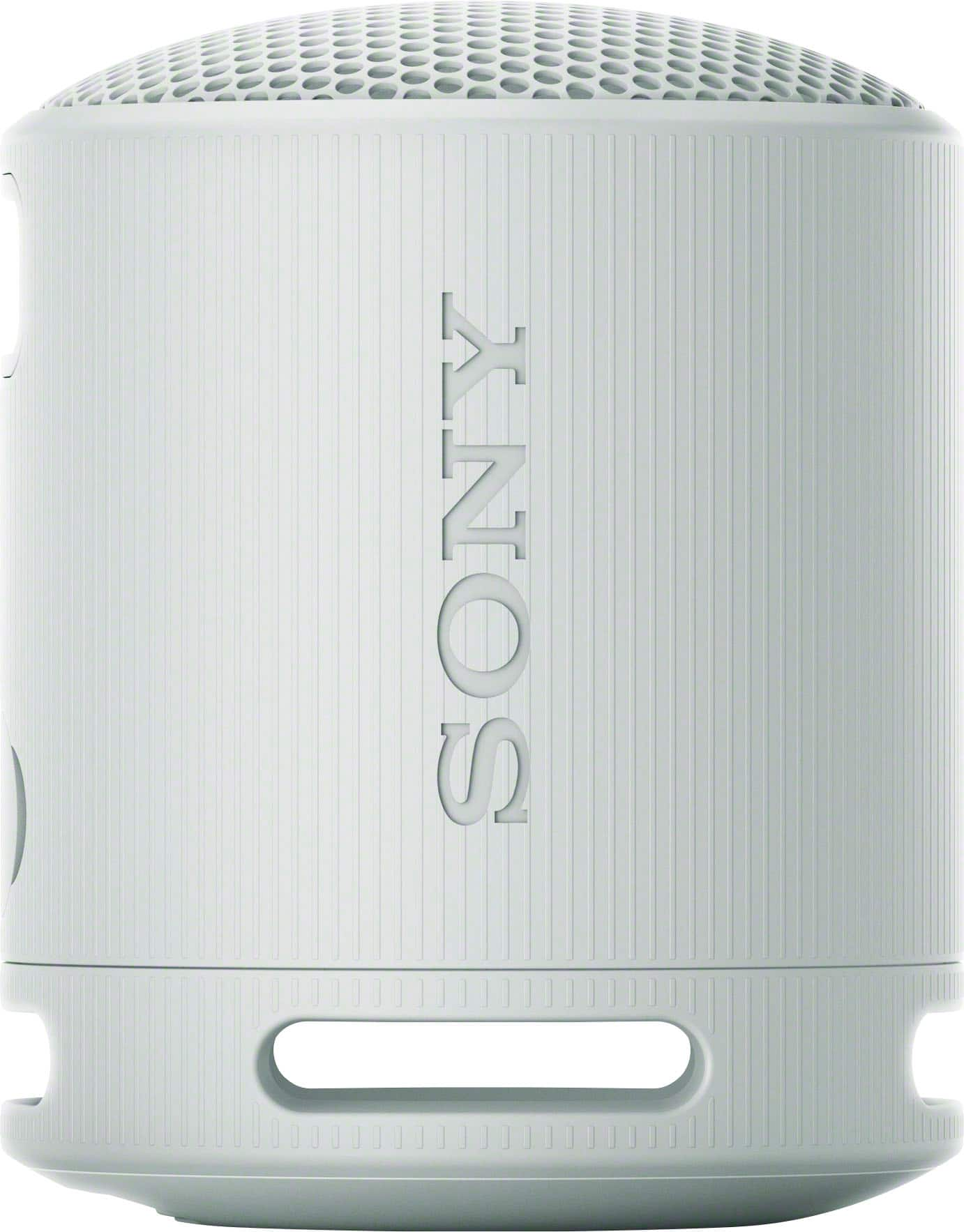
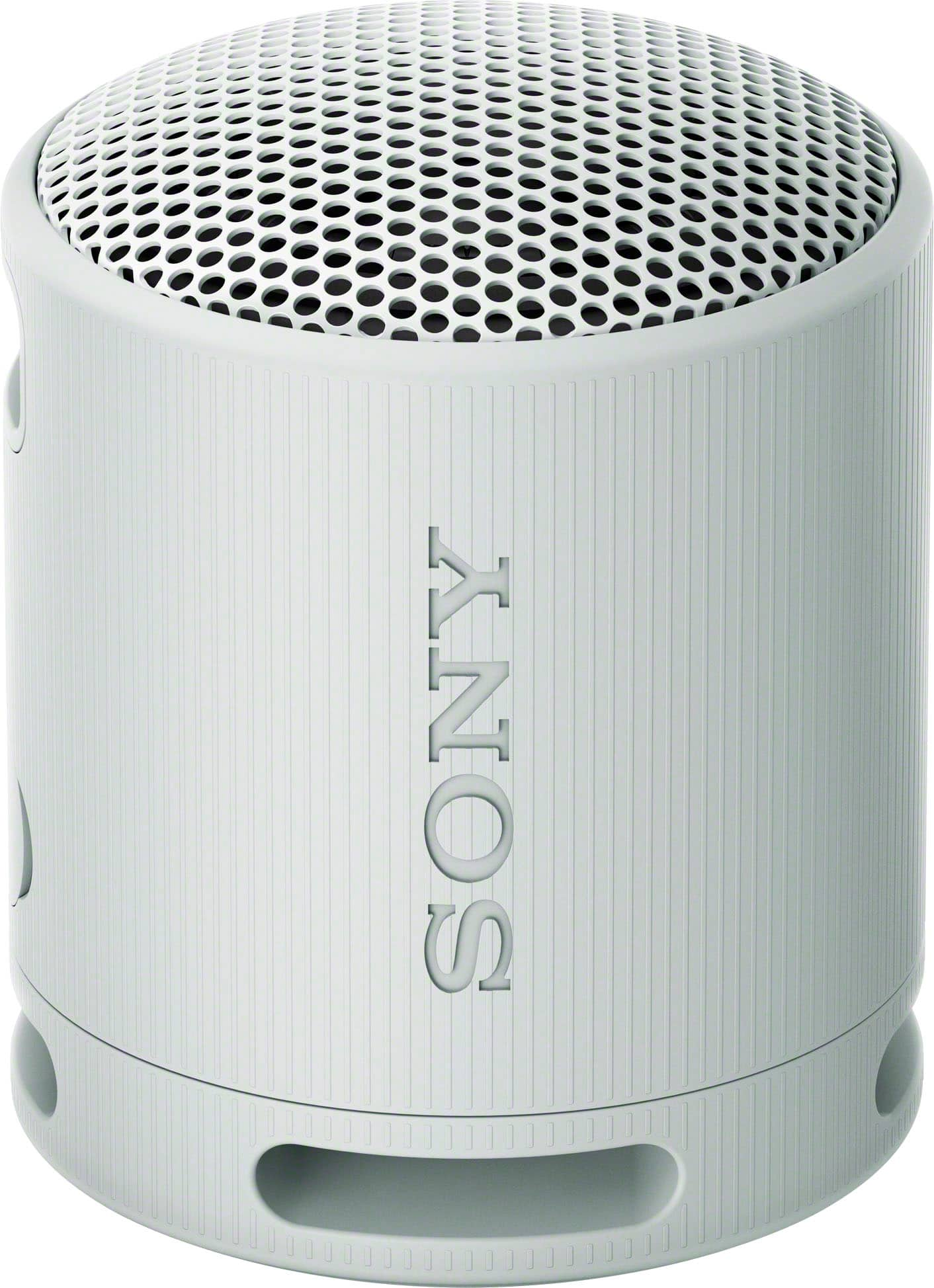
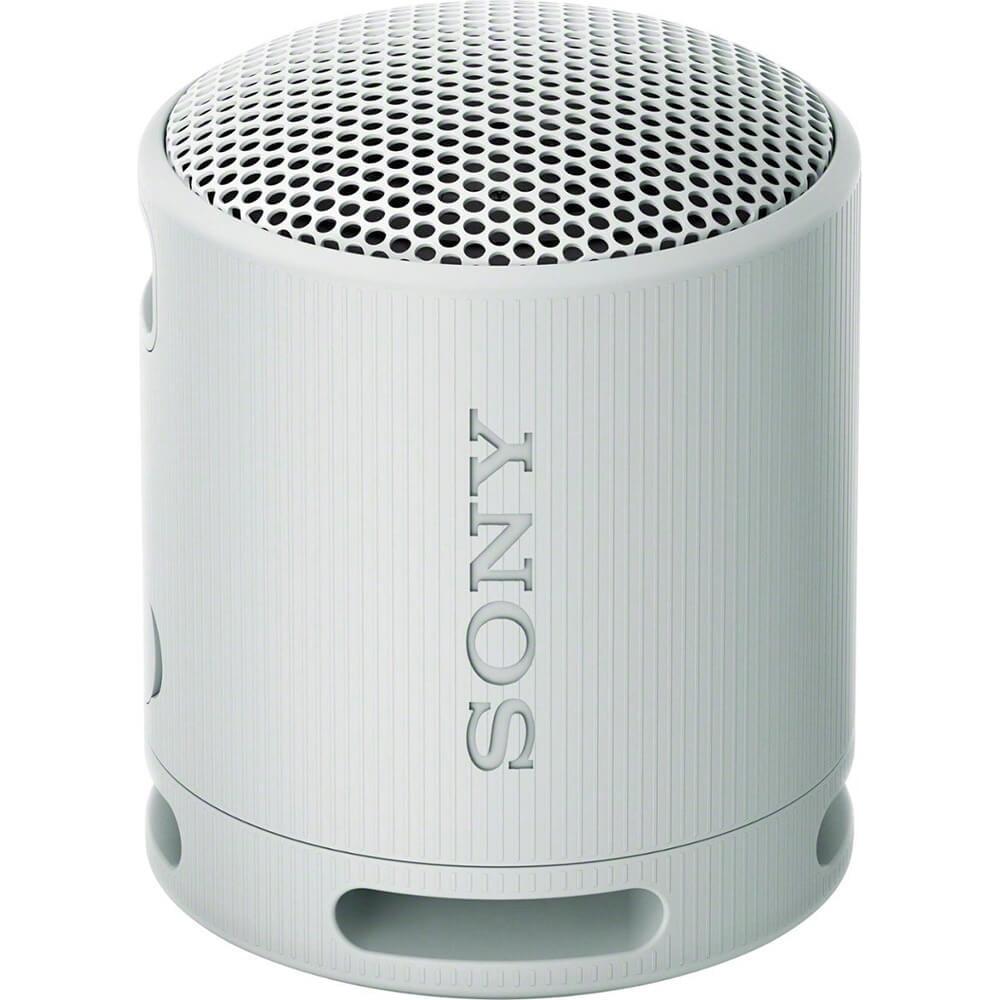
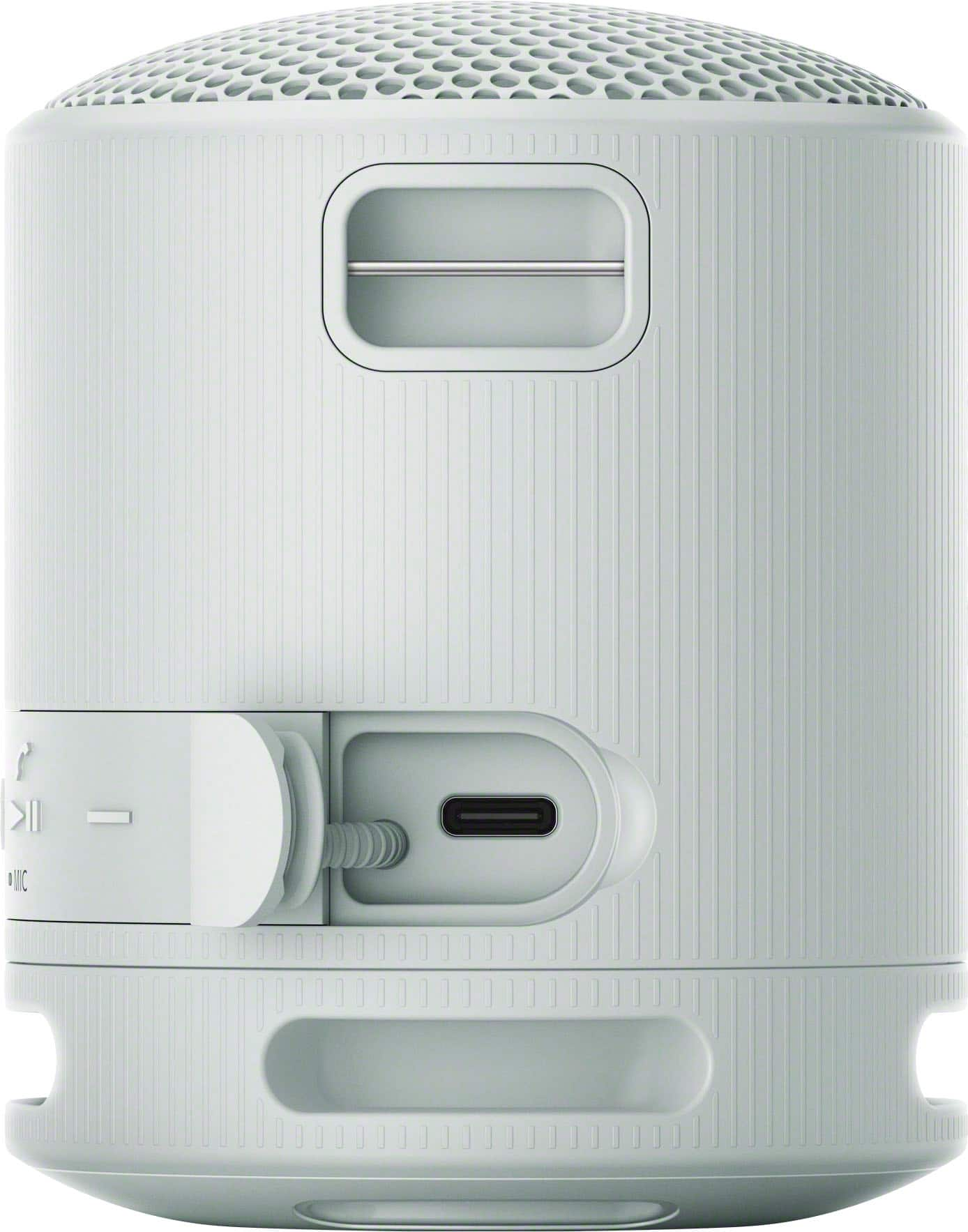
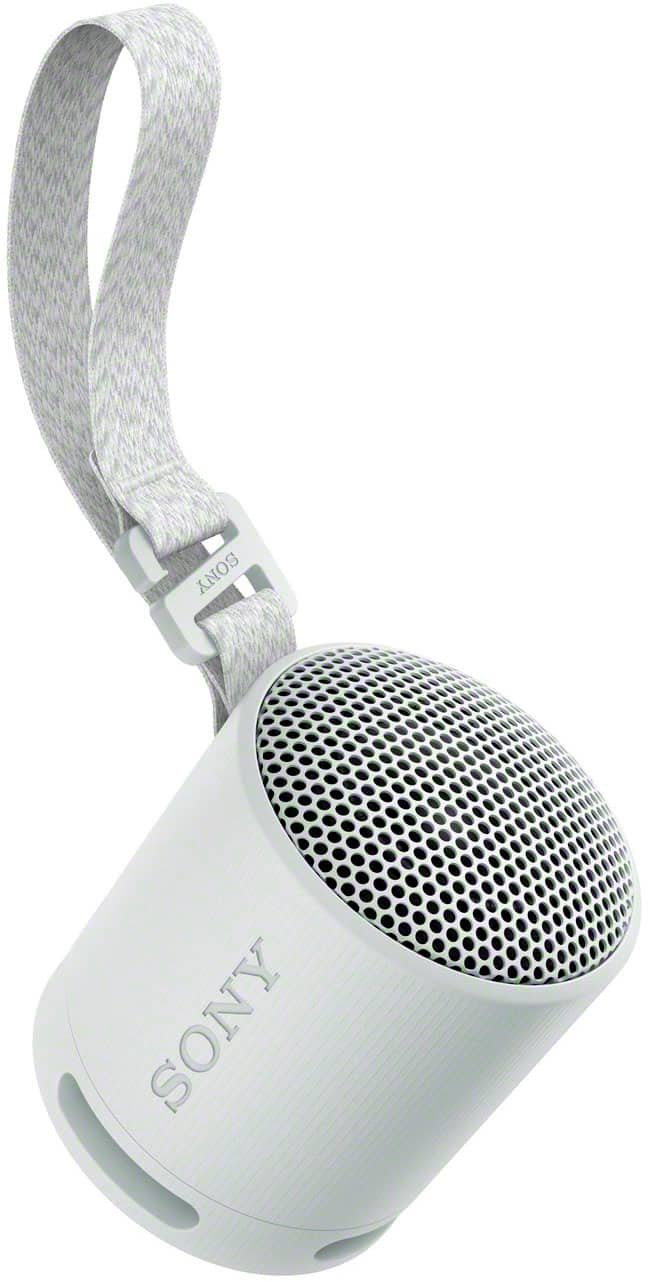
Sony took a completely different approach with the XB100, also released in 2023. This speaker is all about maximizing portability while maintaining surprising sound quality. At just 274 grams (about 0.6 pounds), it's roughly four times lighter than the Monster Shock Plus S21 and small enough to fit in most cup holders.
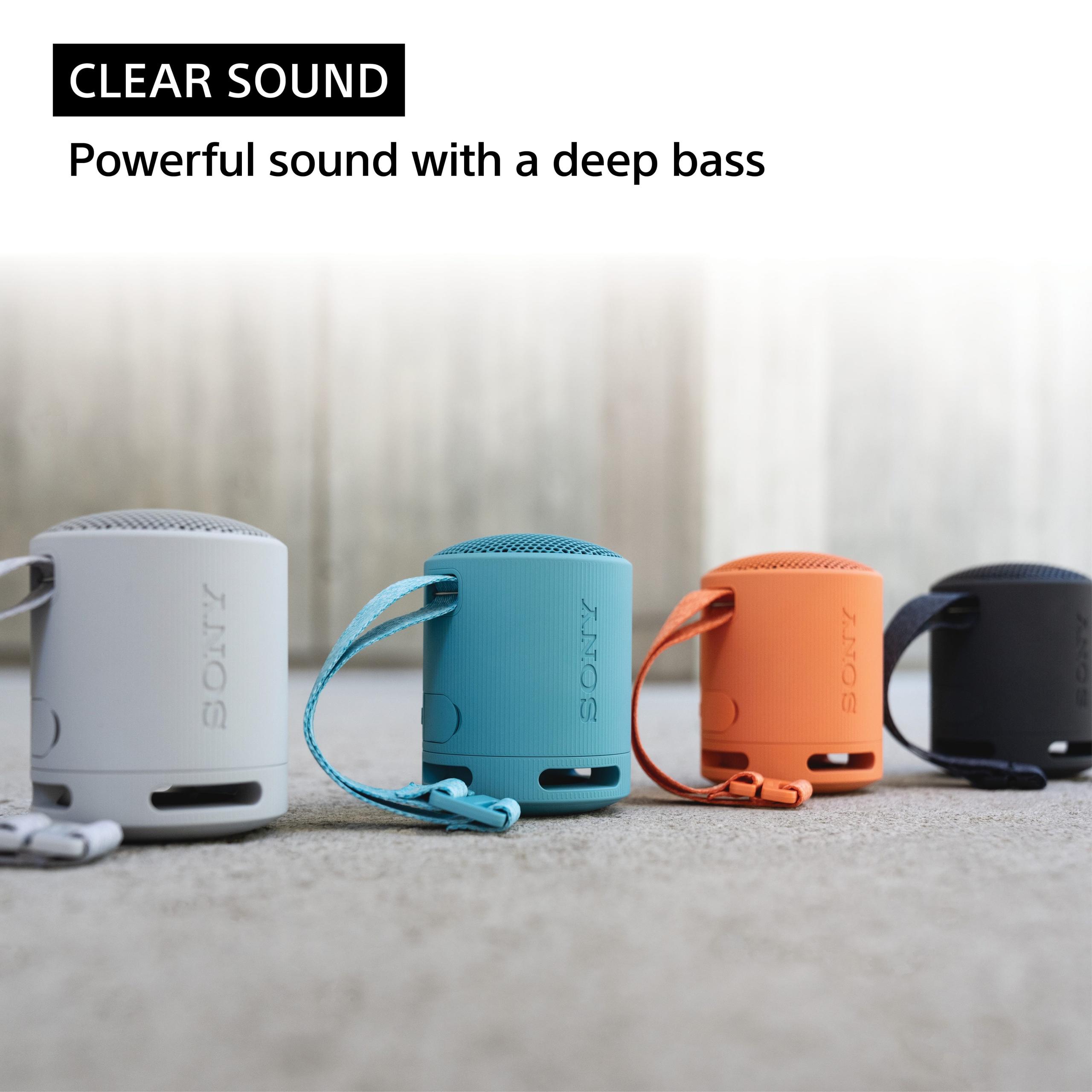
The "XB" in the name stands for "Extra Bass," and Sony delivers on this promise through clever engineering. Despite its tiny size, the XB100 includes a passive radiator – essentially a secondary driver that vibrates in response to the main speaker to enhance bass response. This is the same technology used in much larger speakers, and it's impressive to see it work effectively at this scale.
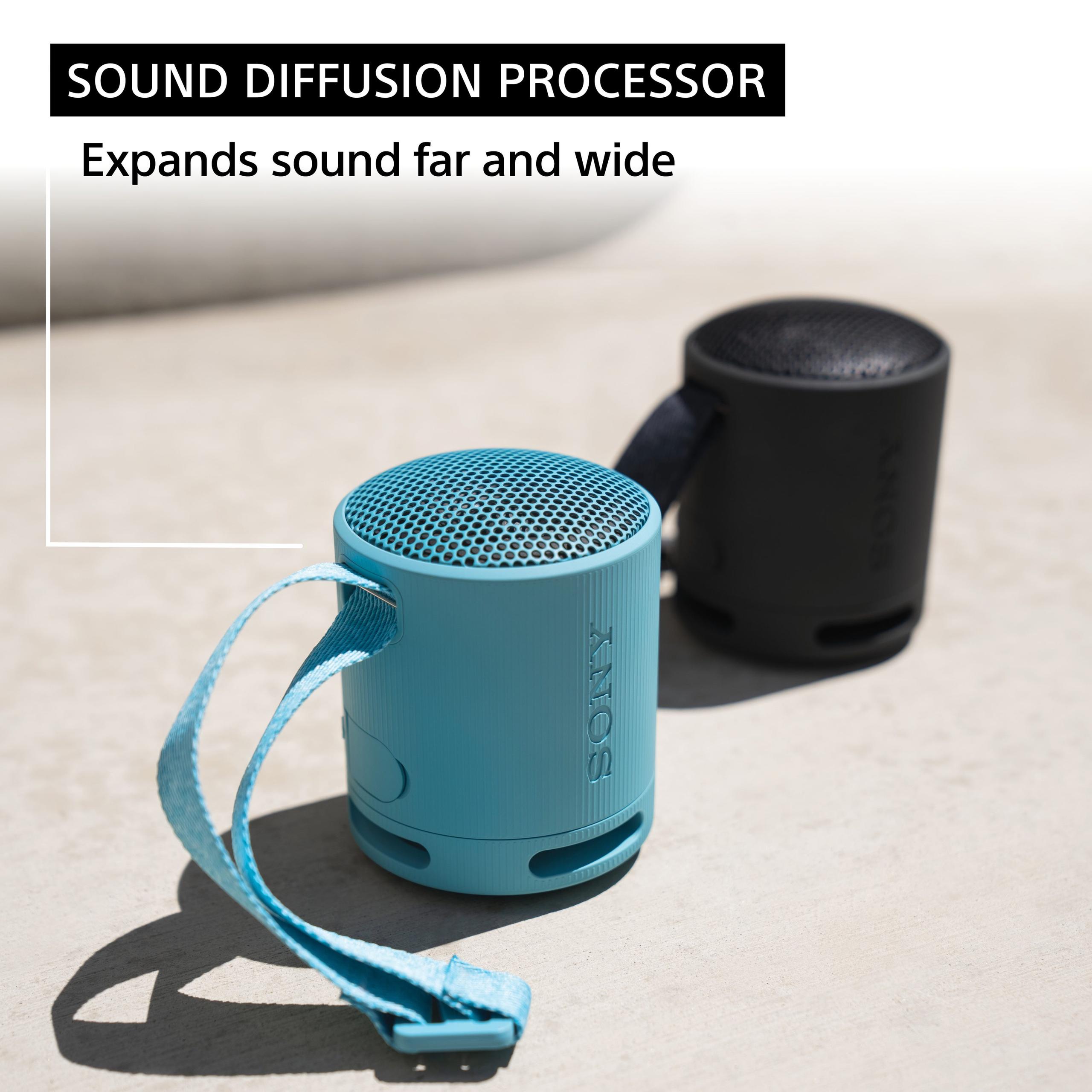
Sony's Sound Diffusion Processor is another interesting feature. This technology analyzes the audio signal and adjusts it to spread sound more evenly in different environments. It's particularly effective when you place the XB100 in the center of a small gathering – the sound seems to fill the space better than you'd expect from such a compact speaker.
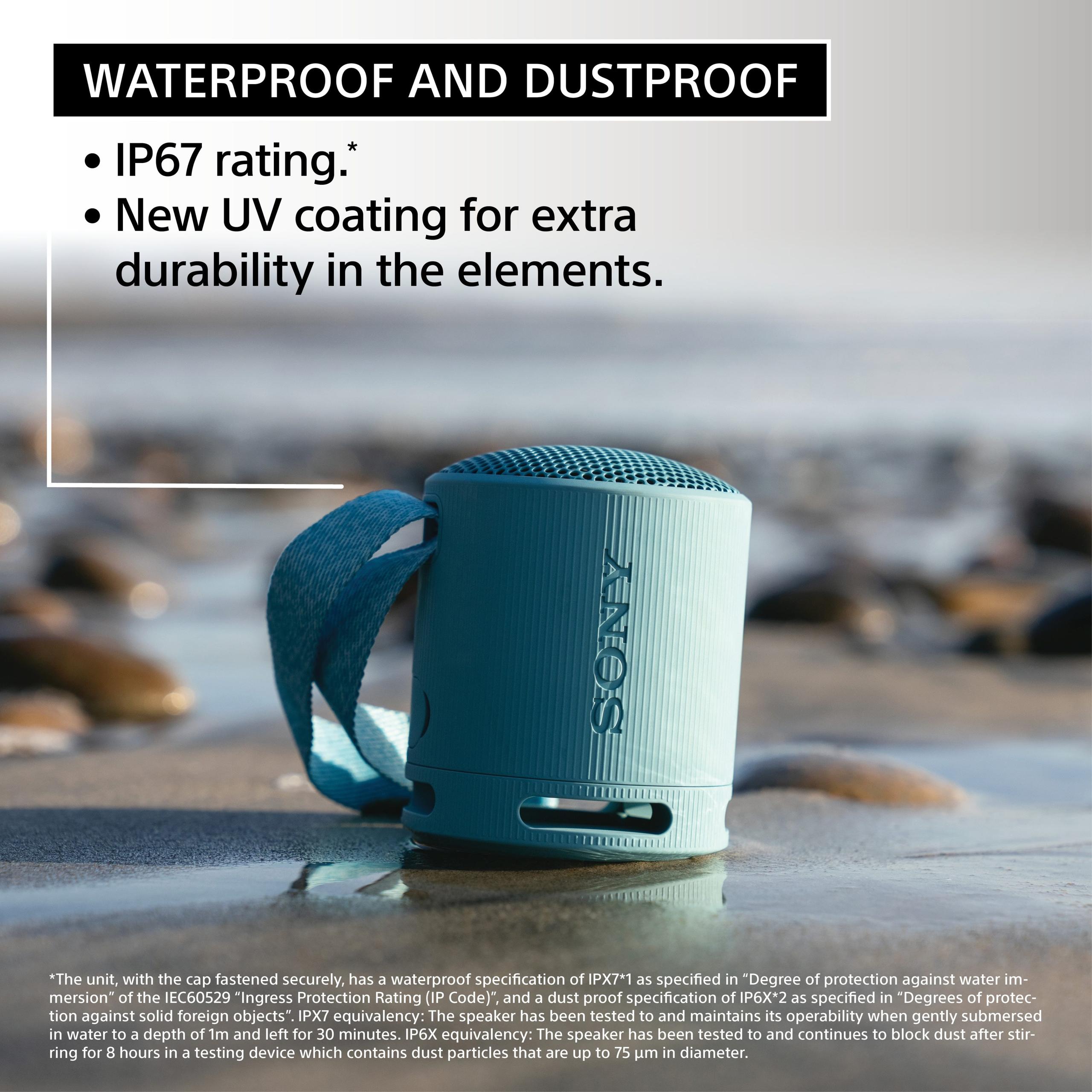
The IP67 rating is superior to most competitors. This means the XB100 is completely dustproof and can handle full submersion in water up to one meter deep for 30 minutes. For beach trips, pool parties, or dusty camping adventures, this extra protection is genuinely valuable.
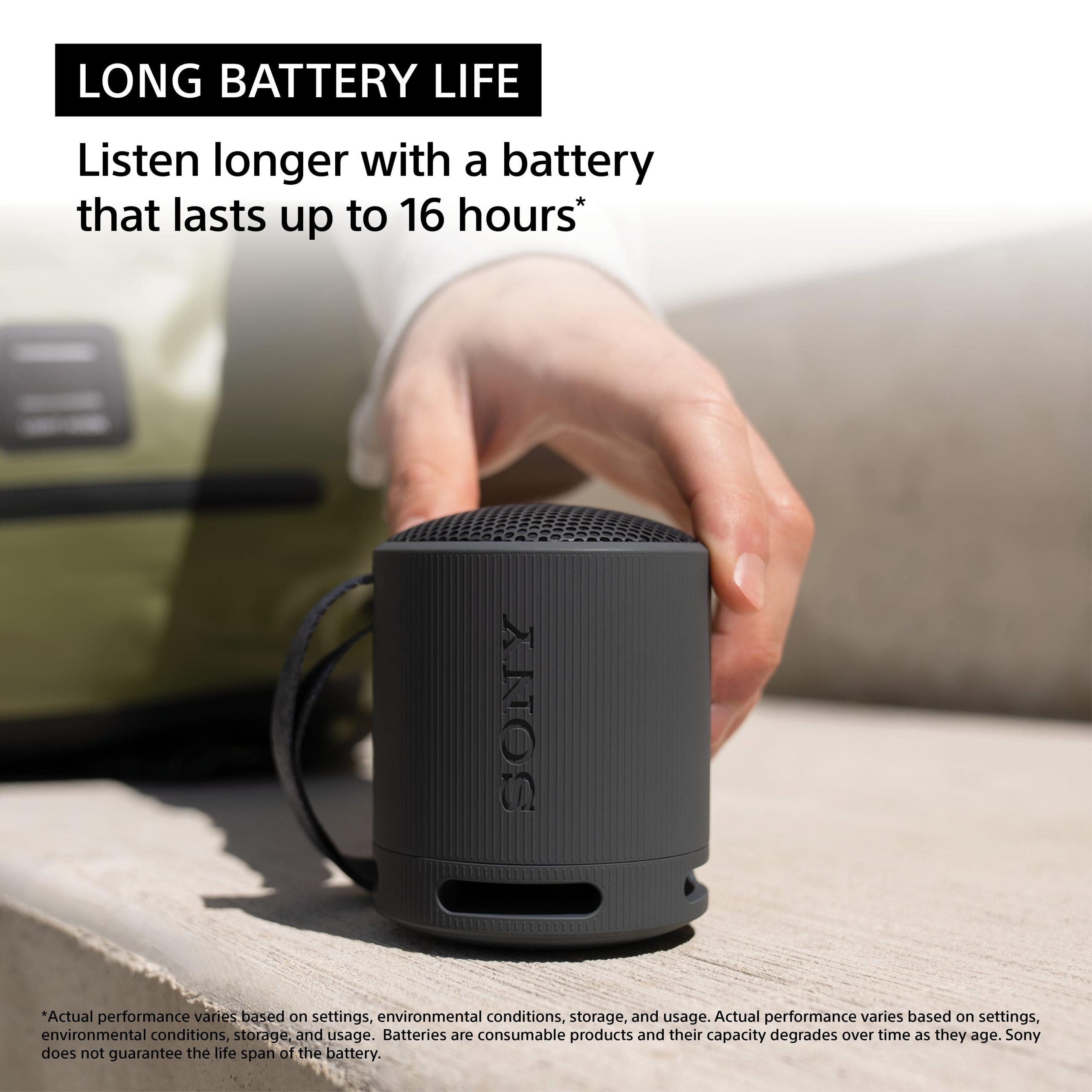
Battery life is excellent at 16 hours, slightly edging out the Monster Shock Plus S21. However, based on user reports, there's a quirk where the volume gradually decreases as the battery depletes – something to keep in mind for long listening sessions.
This is where the fundamental difference between these speakers becomes clear. The Monster Shock Plus S21 prioritizes overall audio fidelity and power, while the Sony XB100 optimizes for bass response within the constraints of its tiny form factor.
The Monster Shock Plus S21 delivers what audiophiles would consider a more "neutral" sound signature – it doesn't heavily emphasize any particular frequency range. This means vocals sound natural, instruments have proper separation, and both bass and treble are well-represented. When you're listening to complex music with multiple instruments, this balanced approach really shines.
The Sony XB100, by contrast, is deliberately bass-heavy. This works wonderfully for genres like hip-hop, electronic dance music, or pop tracks with prominent bass lines. However, it can make vocals sound slightly recessed, and the treble response isn't as crisp as you'd get from the Monster Shock Plus S21.
Power output plays a crucial role here. While Sony doesn't specify exact wattage for the XB100, it's clearly much lower than the Monster's 30 watts. This means the Monster Shock Plus S21 can get significantly louder without distortion – crucial for outdoor use or parties where you need to compete with ambient noise.
The size difference between these speakers is dramatic. The Monster Shock Plus S21 measures about 10 inches wide and weighs around 2 pounds, making it more of a "transportable" speaker than a truly portable one. You'll want a backpack or tote bag to carry it comfortably.
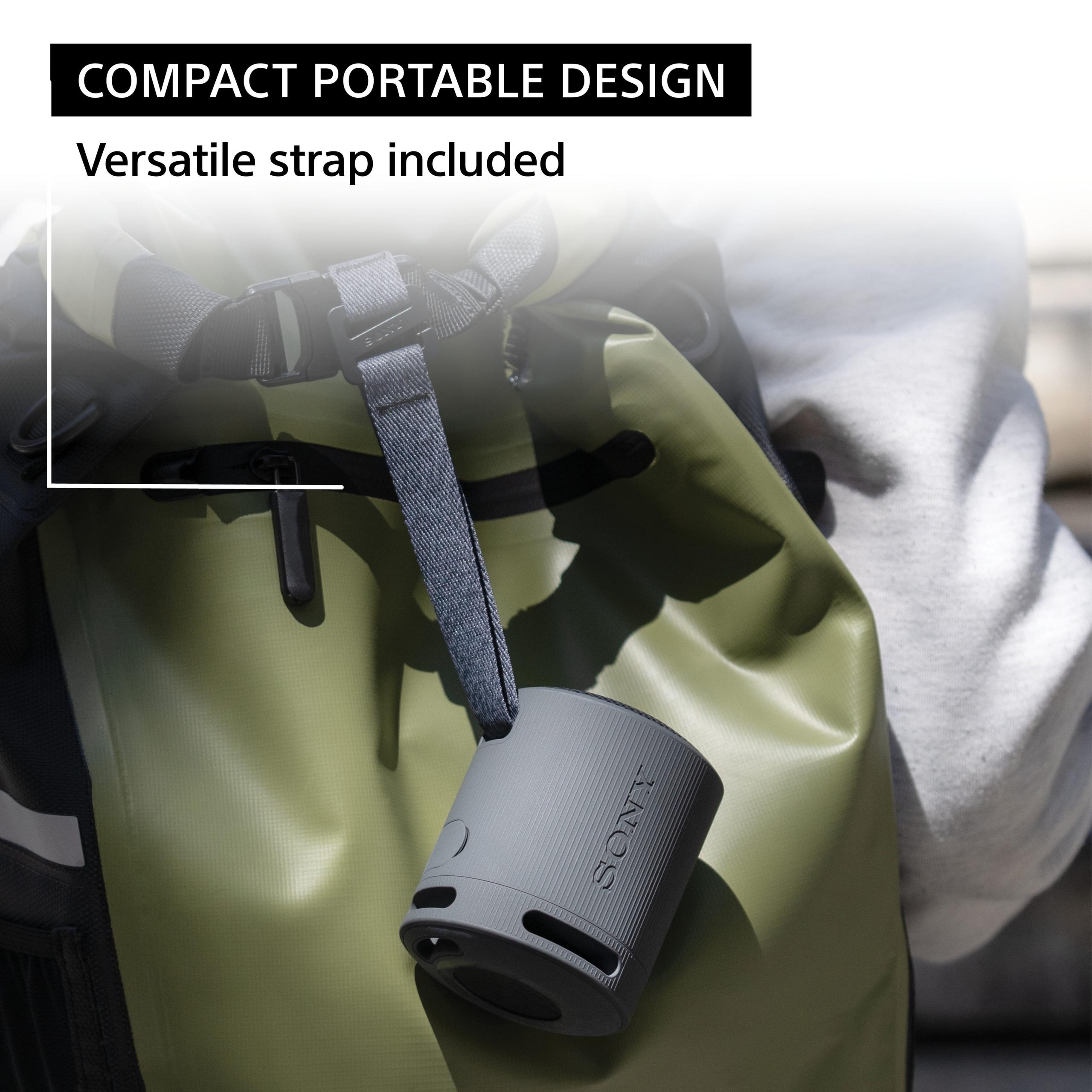
The Sony XB100 is genuinely pocket-sized (if you have large pockets) and comes with a clever strap system that lets you attach it to backpacks, belt loops, or bike frames. For hikers, commuters, or anyone who values minimal pack weight, this is a significant advantage.
But size isn't just about convenience – it affects sound quality too. The Monster Shock Plus S21's larger cabinet allows for bigger drivers and more internal air space, which contributes to its fuller sound and better bass response. Physics hasn't changed – bigger speakers generally sound better, all else being equal.
Both speakers are built for outdoor use, but they handle durability differently. The Sony XB100's IP67 rating means you can literally toss it in a backpack with wet swimsuits or use it in the shower without worry. The Monster Shock Plus S21's IPX6 rating is more about splash resistance – fine for poolside use or light rain, but submersion is off-limits.
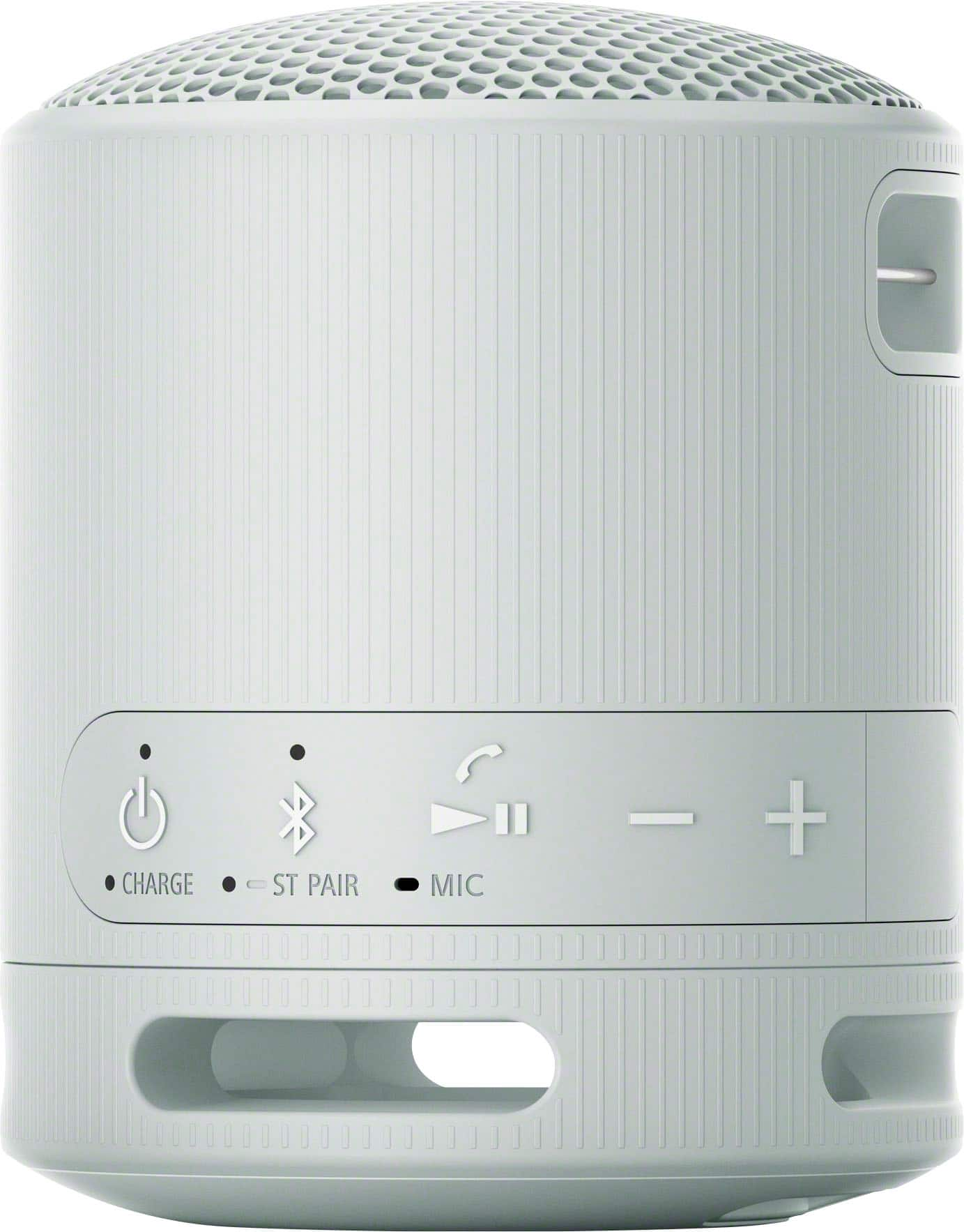
In terms of build quality, both feel solid for their respective categories. The Monster Shock Plus S21 has a more substantial feel with tactile buttons that provide good feedback. The Sony XB100 prioritizes lightness, and some users report that the control buttons feel a bit flimsy – a reasonable trade-off for the weight savings.
The Monster Shock Plus S21 wins decisively on connectivity options. Beyond excellent Bluetooth 5.4 performance, you get multiple wired inputs that can be genuinely useful. The AUX input works great for older devices or when you want to conserve phone battery. The USB ports let you charge your phone while playing music, and the microSD slot means you can load up a card with music for phone-free listening.
The Sony XB100 keeps things simple with Bluetooth 5.3 and basic hands-free calling. Sony's Music Center app provides some EQ adjustment, but the feature set is limited compared to some competitors.
Both speakers handle hands-free calling well, though the Monster Shock Plus S21's larger size allows for a better microphone setup, resulting in clearer voice pickup.
At the time of writing, both speakers typically sell in the $35-60 range, though the Monster Shock Plus S21 occasionally drops significantly lower during sales. This pricing puts them in fierce competition with established names like JBL and Ultimate Ears.
The Monster Shock Plus S21 offers exceptional value for the power and features you get. The 30-watt output, multiple connectivity options, and TWS capability would typically cost much more from premium brands. It's one of those rare products where the specifications seem almost too good for the price.
The Sony XB100 commands a slight premium for its ultra-portable design and superior water resistance. You're paying extra for engineering that packs surprisingly good sound into an incredibly small package – a worthwhile trade-off for many users.
While both are designed as portable speakers, they can serve different roles indoors. The Monster Shock Plus S21, especially when paired with a second unit via TWS, can function as a legitimate budget stereo system. The power output and balanced sound signature make it suitable for background music during dinner parties or even as computer speakers for a home office.
The Sony XB100 works better as a personal speaker – great for listening to podcasts while cooking, streaming music in a small bedroom, or providing sound for video calls. Its compact size means it doesn't dominate a space visually.
Choose the Monster Shock Plus S21 if you prioritize sound quality and versatility over ultimate portability. It's perfect for people who want one speaker that can handle everything from intimate acoustic music to pumping party playlists. The multiple connectivity options make it future-proof, and the TWS capability provides a clear upgrade path.
This speaker makes sense for college students who want dorm room audio that can also travel to outdoor gatherings, professionals who need reliable presentation audio, or anyone who values getting the most sound per dollar.
The Sony XB100 is ideal for active lifestyles where every ounce matters. If you're hiking, biking, or traveling frequently, its combination of tiny size, excellent water resistance, and surprisingly good bass response is hard to beat. It's also perfect for apartment dwellers who want good personal audio without disturbing neighbors.
These speakers represent two valid but different approaches to portable audio. The Monster Shock Plus S21 is the better choice if you want maximum performance and versatility – it's like getting a premium speaker at a budget price. The Sony XB100 excels when portability and durability are your top priorities, proving that good things really can come in small packages.
Both speakers punch above their weight class, but in different ways. Your choice ultimately depends on whether you value power and features (Monster Shock Plus S21) or portability and convenience (Sony XB100). Either way, you're getting solid performance and good value – just make sure you understand what you're prioritizing before making the call.
| Monster Shock Plus S21 Bluetooth Speaker | Sony XB100 Compact Bluetooth Speaker |
|---|---|
| Power Output - Determines maximum volume and room-filling capability | |
| 30W (60W with TWS pairing) - Can easily fill medium-large spaces | Lower wattage (unspecified) - Optimized for personal/small group use |
| Size & Weight - Critical for true portability and travel | |
| 10.08" x 4.02" x 2.99", ~2 lbs - Transportable but substantial | 2.99" diameter x 3.74" height, 0.6 lbs - Ultra-portable, fits in cupholders |
| Water Resistance - Protection level for outdoor use | |
| IPX6 - Splash resistant, handles rain but not submersion | IP67 - Fully waterproof and dustproof, can be submerged up to 1 meter |
| Battery Life - How long you can listen without charging | |
| 15 hours with consistent volume output | 16 hours but volume decreases as battery depletes |
| Charging Time - How quickly you can get back to full power | |
| 2 hours via USB-C - Fast recharge for extended use | Not specified - Standard charging via USB-C |
| Sound Profile - What type of music sounds best | |
| Balanced across frequencies - Natural vocals, clear highs, solid bass | Bass-heavy signature - Excellent for hip-hop/EDM, weaker treble response |
| Bluetooth Version - Connection stability and range | |
| 5.4 with 33-foot range - Latest tech for stable connections | 5.3 - Reliable but slightly older standard |
| Additional Connectivity - Flexibility beyond wireless | |
| AUX, USB-A, USB-C, microSD card - Multiple wired options | Bluetooth only - Wireless-focused design |
| Stereo Pairing - Ability to connect multiple speakers | |
| True Wireless Stereo (TWS) - Connect two Monster speakers for 60W stereo sound | Not available - Single speaker use only |
| Hands-Free Calling - Voice call quality and features | |
| Built-in mic with clear voice pickup | Echo cancelling technology for natural conversations |
| Best Use Cases - Where each speaker excels | |
| Parties, home audio, presentations - Power and versatility focused | Travel, hiking, personal use - Ultra-portability and durability focused |
| Value Proposition - What you get for your money | |
| Maximum performance per dollar - Premium features at budget price | Portability premium - Pay slightly more for exceptional compactness |
The Monster Shock Plus S21 is significantly louder with its 30-watt power output, making it better for parties and large outdoor gatherings. The Sony XB100 has much lower power output but is optimized for personal listening and small spaces. If you need volume to fill a room or compete with outdoor noise, the Monster Shock Plus S21 is the clear winner.
The Sony XB100 is far more portable, weighing only 0.6 pounds compared to the Monster Shock Plus S21's 2-pound weight. The Sony speaker fits in cupholders and comes with a strap for easy attachment to bags. The Monster Shock Plus S21 is more of a "transportable" speaker that requires a backpack or bag for comfortable carrying.
The Sony XB100 offers superior water protection with IP67 rating, meaning it's completely waterproof and can be submerged up to 1 meter for 30 minutes. The Monster Shock Plus S21 has IPX6 rating, which protects against splashes and rain but shouldn't be submerged. For beach trips or pool parties, the Sony XB100 provides better peace of mind.
The Monster Shock Plus S21 delivers better overall sound quality with its balanced frequency response, clearer vocals, and more detailed highs. The Sony XB100 emphasizes bass but lacks clarity in the treble range. For diverse music genres and critical listening, the Monster Shock Plus S21 is superior, while the Sony XB100 excels with bass-heavy music like hip-hop and EDM.
Yes, but only the Monster Shock Plus S21 supports True Wireless Stereo (TWS) pairing, allowing you to connect two speakers for 60 watts of stereo sound. This feature makes the Monster Shock Plus S21 suitable for larger gatherings or even as a budget home stereo system. The Sony XB100 doesn't offer speaker pairing capabilities.
The Sony XB100 technically offers slightly longer battery life at 16 hours versus the Monster Shock Plus S21's 15 hours. However, the Sony's volume decreases as the battery depletes, while the Monster Shock Plus S21 maintains consistent output throughout its battery cycle. Both provide excellent all-day listening for most users.
The Monster Shock Plus S21 provides extensive connectivity with Bluetooth 5.4, AUX input, USB-A, USB-C, and microSD card slots, making it compatible with virtually any device. The Sony XB100 focuses on wireless simplicity with Bluetooth 5.3 connectivity only. If you need wired connections or want to play music from USB drives or memory cards, the Monster Shock Plus S21 is more versatile.
Both speakers handle phone calls well, but with different strengths. The Monster Shock Plus S21 offers clearer voice pickup due to its larger microphone setup, while the Sony XB100 features echo cancelling technology for more natural conversations. Both are suitable for conference calls, but the Monster Shock Plus S21 might be better for professional use.
The Monster Shock Plus S21 typically offers better value with its 30-watt power output, multiple connectivity options, and TWS capability at a competitive price point. You're getting premium features usually found in more expensive speakers. The Sony XB100 commands a slight premium for its ultra-portable design and superior water resistance, which may be worth it for active users.
For outdoor gatherings where you need volume and sound quality, the Monster Shock Plus S21 is better with its powerful output and balanced sound. For hiking, camping, or beach activities where portability and water resistance matter most, the Sony XB100 is ideal. The Sony XB100's IP67 rating and lightweight design make it perfect for active outdoor lifestyles.
The Monster Shock Plus S21 is more suitable for home use, especially with its TWS pairing capability that creates a proper stereo system. Its balanced sound signature works well for background music during dinner parties or as computer speakers. The Sony XB100 is better for personal listening in bedrooms or as a portable speaker you move between rooms.
The Monster Shock Plus S21 charges faster at approximately 2 hours via USB-C and maintains consistent volume throughout battery life. It can also charge other devices through its USB ports. The Sony XB100 charges via USB-C but doesn't specify charging time, and users report volume decreasing as battery depletes. For extended listening sessions, the Monster Shock Plus S21 provides a more reliable experience.
We've done our best to create useful and informative comparisons to help you decide what product to buy. Our research uses advanced automated methods to create this comparison and perfection is not possible - please contact us for corrections or questions. These are the sites we've researched in the creation of this article: shopabunda.com - manuals.plus - popsci.com - armorsound.com - manuals.plus - youtube.com - shopstaff.net - thestreet.com - rtings.com - youtube.com - businessinsider.com - youtube.com - youtube.com - mensjournal.com - ratebud.ai - youtube.com - ebay.com - monsterstore.com - newegg.com - angelenaspensacola.com - techradar.com - bestbuy.com - bestbuy.com - tomsguide.com - electronics.sony.com - sony-asia.com - sony.com - sony.com - thesonyshop.ca - cornellstore.com - bestbuy.com

Privacy Policy
Terms and Conditions - Affiliate Policy
Home Security
© Copyright 2008-2026.
11816 Inwood Rd #1211, Dallas, TX 75244