



Finding the right portable Bluetooth speaker can feel overwhelming with so many options flooding the market. Today we're comparing two speakers that take completely different approaches to portable audio: the powerful Monster S320 Superstar and the ultra-compact Sony XB100. Both were released in 2023, representing the latest thinking in wireless speaker design, but they serve very different needs.
Before diving into specifics, let's establish what really matters in a portable Bluetooth speaker. The most important factors are sound quality (how good the music actually sounds), battery life (how long it plays before needing a charge), durability (can it survive drops, water, and outdoor use), size and weight (how easy it is to carry), and connectivity (how well it pairs with your devices and what extra features it offers).
The challenge with portable speakers is that physics doesn't lie - bigger speakers almost always sound better than smaller ones. That's because larger drivers (the parts that actually make sound) can move more air, creating deeper bass and louder volume. But bigger also means heavier and less convenient to carry. This fundamental trade-off shapes every decision manufacturers make.
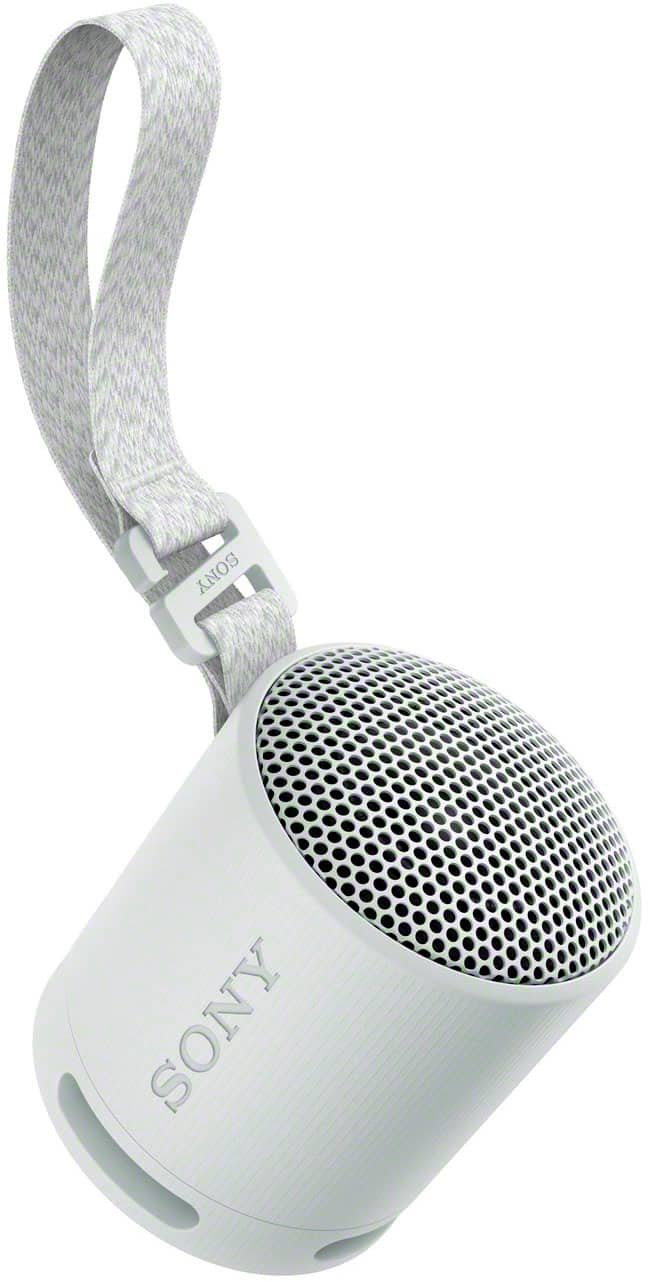
The Monster S320 and Sony XB100 represent opposite ends of the portable speaker spectrum. Monster decided to prioritize sound quality and battery life, creating a speaker that's still portable but doesn't sacrifice performance. Sony went all-in on portability, engineering a speaker small enough to fit in a cup holder while still delivering surprisingly good sound.
Released in 2023, both speakers benefit from recent advances in Bluetooth technology, battery efficiency, and digital signal processing (DSP) - the computer chips that fine-tune how speakers sound. However, they apply these improvements in completely different ways.
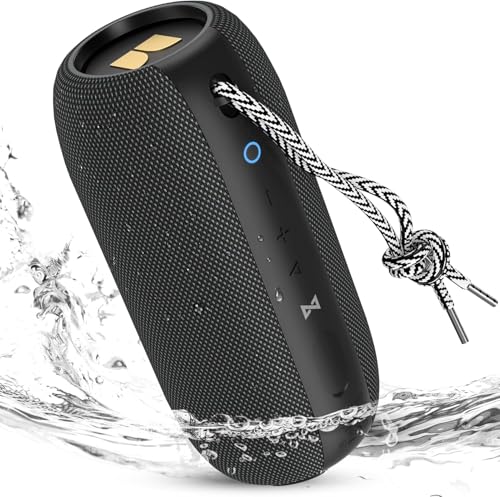
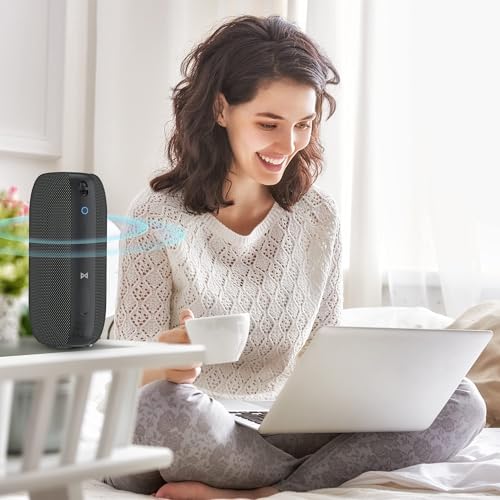
The size difference between these speakers is dramatic and immediately obvious. The Monster S320 measures 87×87×190mm and weighs 720 grams - about the size of a large water bottle. It includes a hand strap for carrying, clearly designed for someone who wants to bring great sound to a party, camping trip, or backyard gathering.
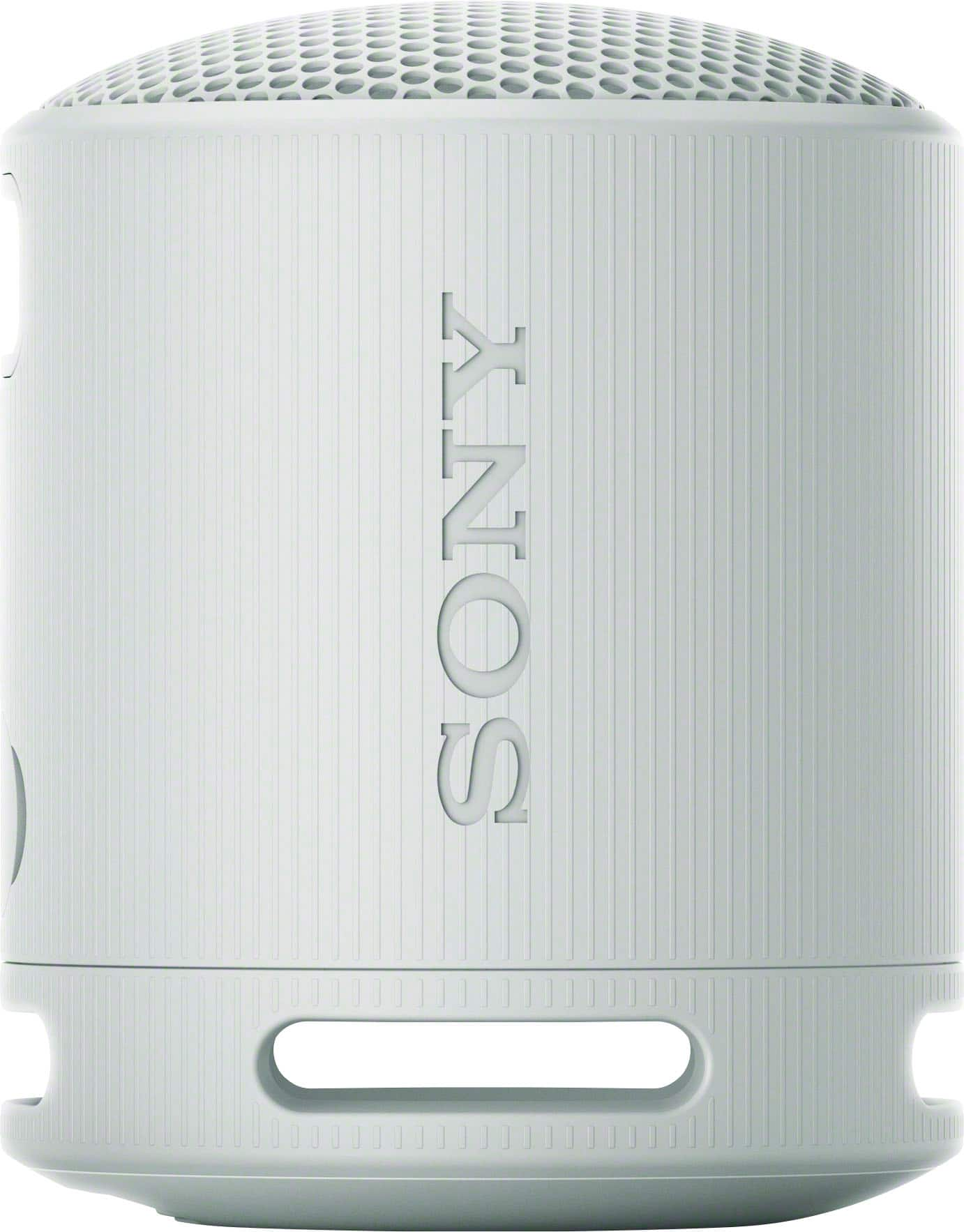
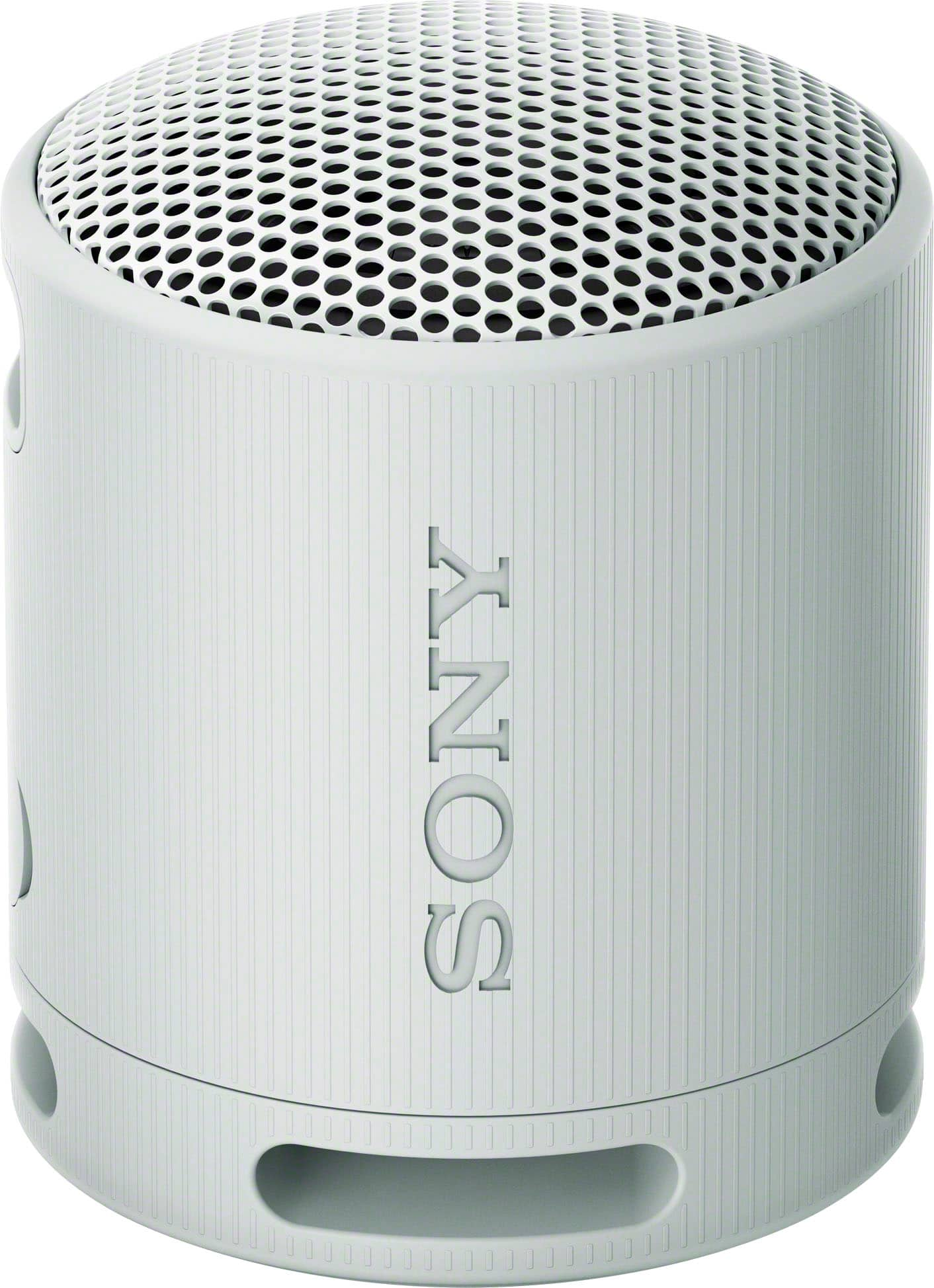
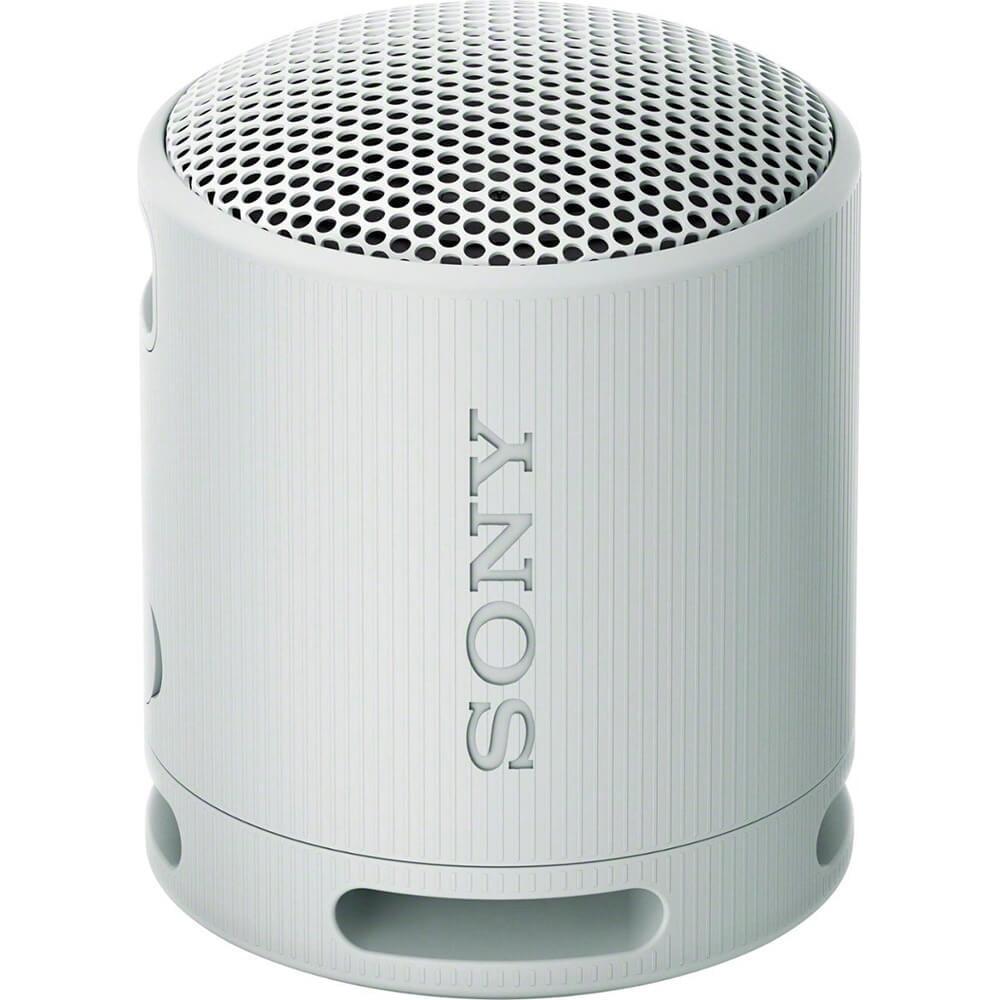
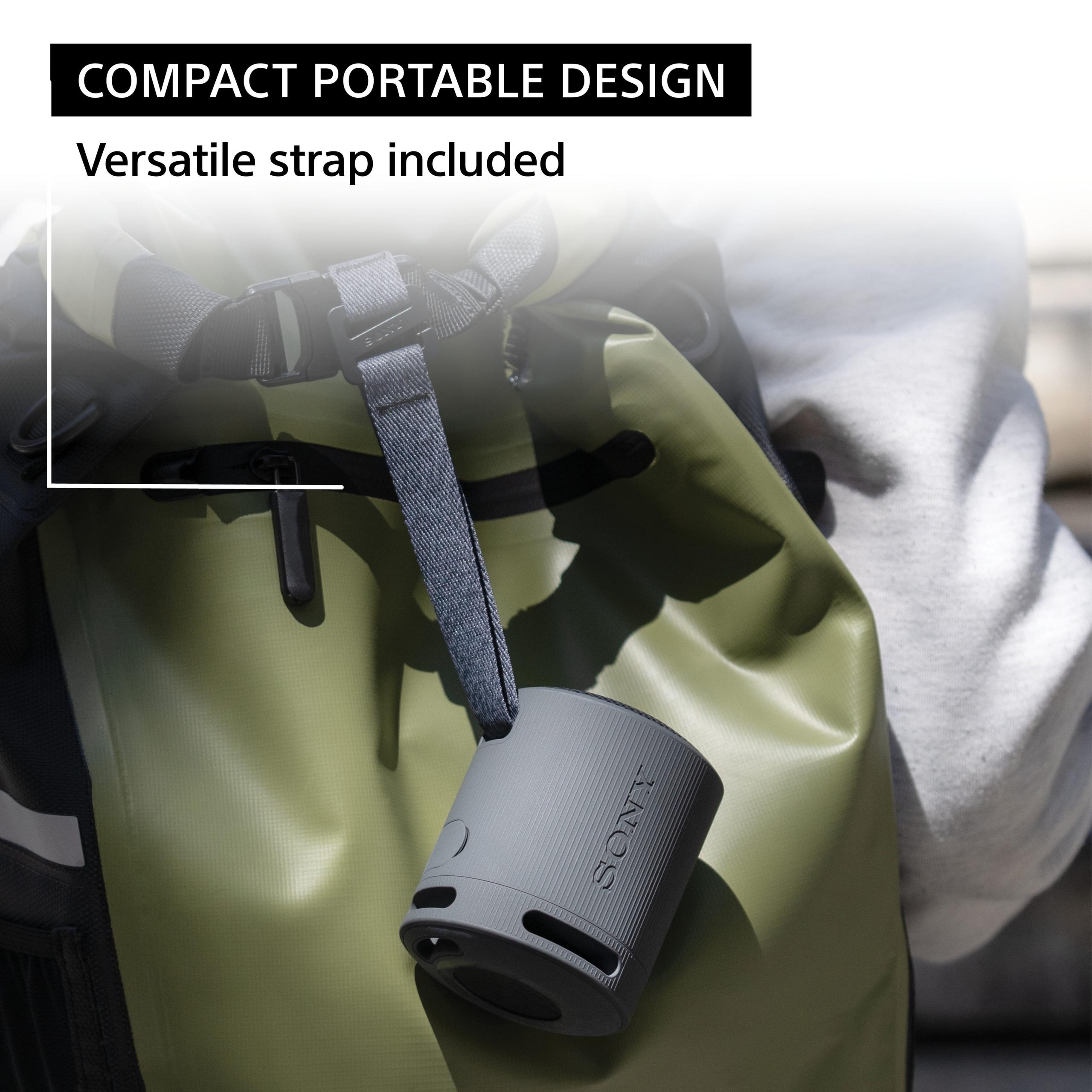
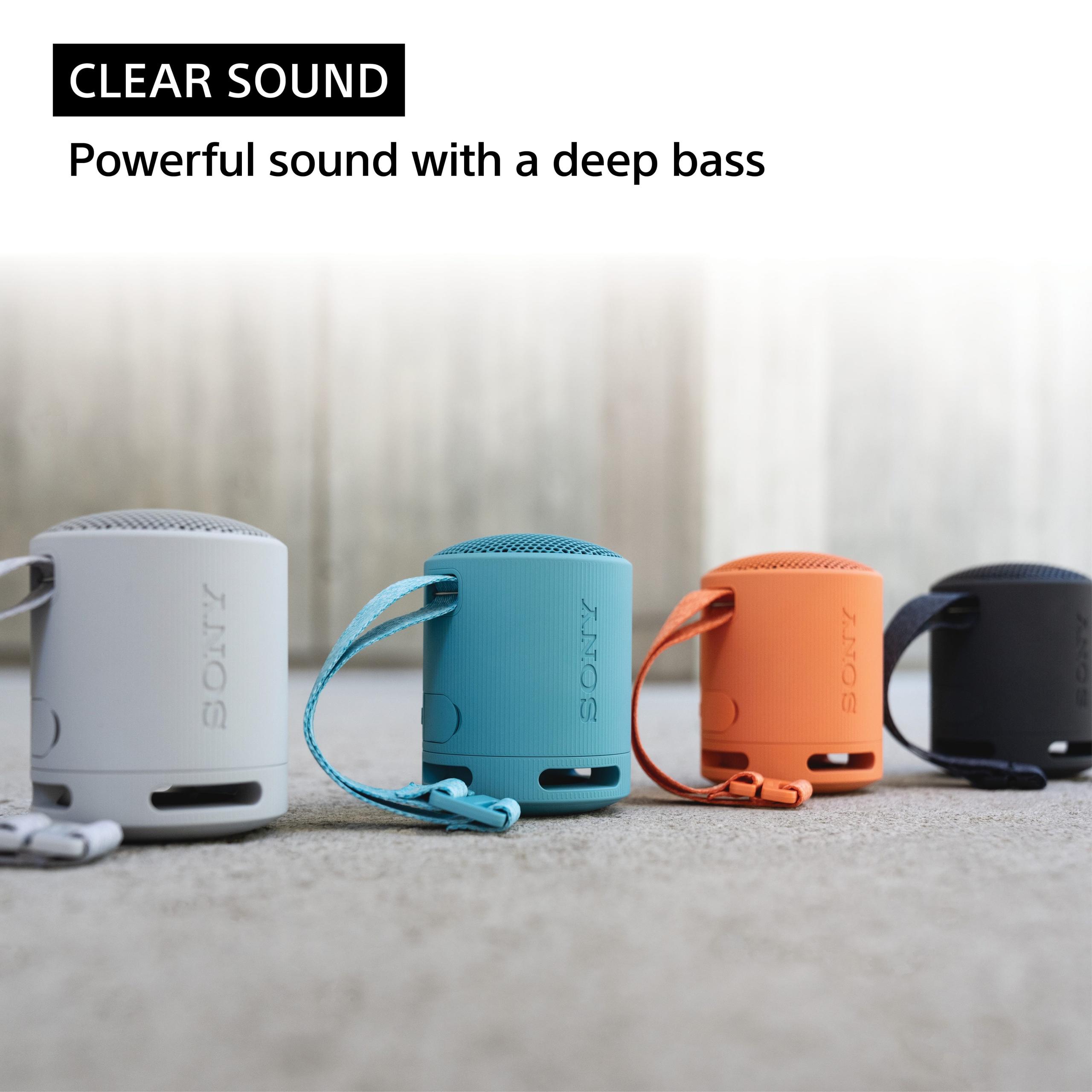
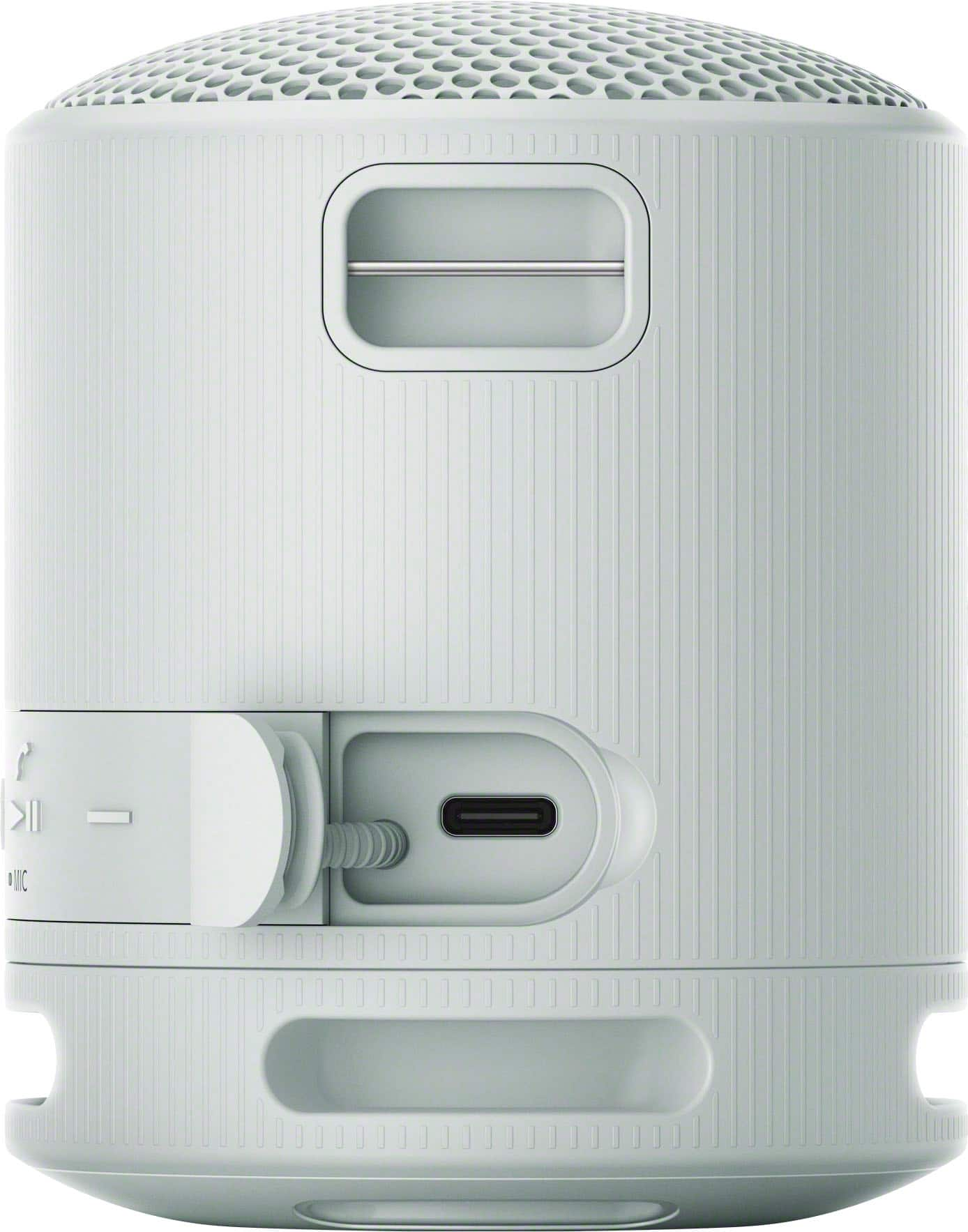
In contrast, the Sony XB100 is tiny at just 76mm in diameter and 274 grams - literally small enough to fit in most cup holders. Sony includes a versatile strap that can attach to backpacks, bikes, or almost anything else. This isn't just a minor convenience; it fundamentally changes how you'll use the speaker.
The Monster requires deliberate transport - you'll pack it for specific occasions. The Sony disappears into daily life - it can go everywhere your phone goes. Neither approach is wrong, but they serve completely different lifestyles.
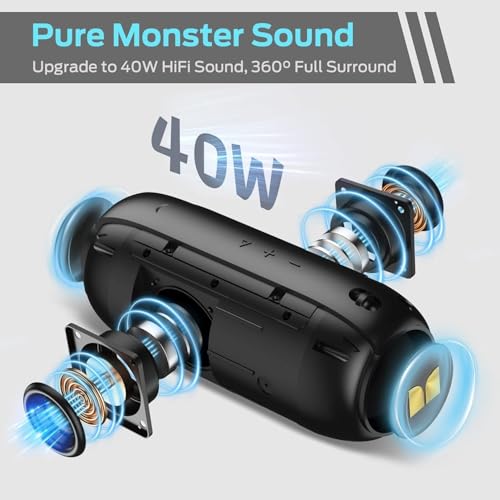
Here's where the Monster S320 shows its priorities clearly. With 40 watts of total output split between dual 2-inch drivers, it can fill large rooms and outdoor spaces with sound. The term "dual drivers" means it has two separate speaker cones working together, allowing for better stereo separation and more overall volume.
The Sony XB100 uses a single full-range driver - one speaker cone handling all frequencies from bass to treble. While Sony doesn't publish exact wattage figures, based on its 2.5-watt power consumption, it's likely producing around 5-8 watts of audio output. That's perfectly adequate for personal listening but won't compete in louder environments.
This power difference becomes crucial in real-world use. The Monster can easily overpower background noise at a BBQ or pool party. The Sony works great in quiet hotel rooms or for personal listening but struggles in noisy environments.
Bass response is where these speakers reveal their fundamental differences. The Monster S320 uses its dual-driver configuration to create genuine stereo bass, where low frequencies can be distributed between left and right channels. Its larger internal volume also allows for deeper bass extension - the ability to reproduce those low notes you feel in your chest.
The Sony XB100 employs a clever engineering trick called a passive radiator - essentially a second "driver" that doesn't have its own motor but vibrates in response to the main driver. This helps boost bass response beyond what you'd expect from such a small speaker, but it can't overcome physics entirely. The bass is impressive for the size but can't match larger speakers in depth or power.
Both speakers use digital signal processing (DSP) to optimize their sound, but in different ways. The Monster S320 features "Pure Monster Sound" technology, which appears to focus on maintaining dynamic range - the difference between quiet and loud parts of music - while boosting bass and treble to create an engaging sound signature.
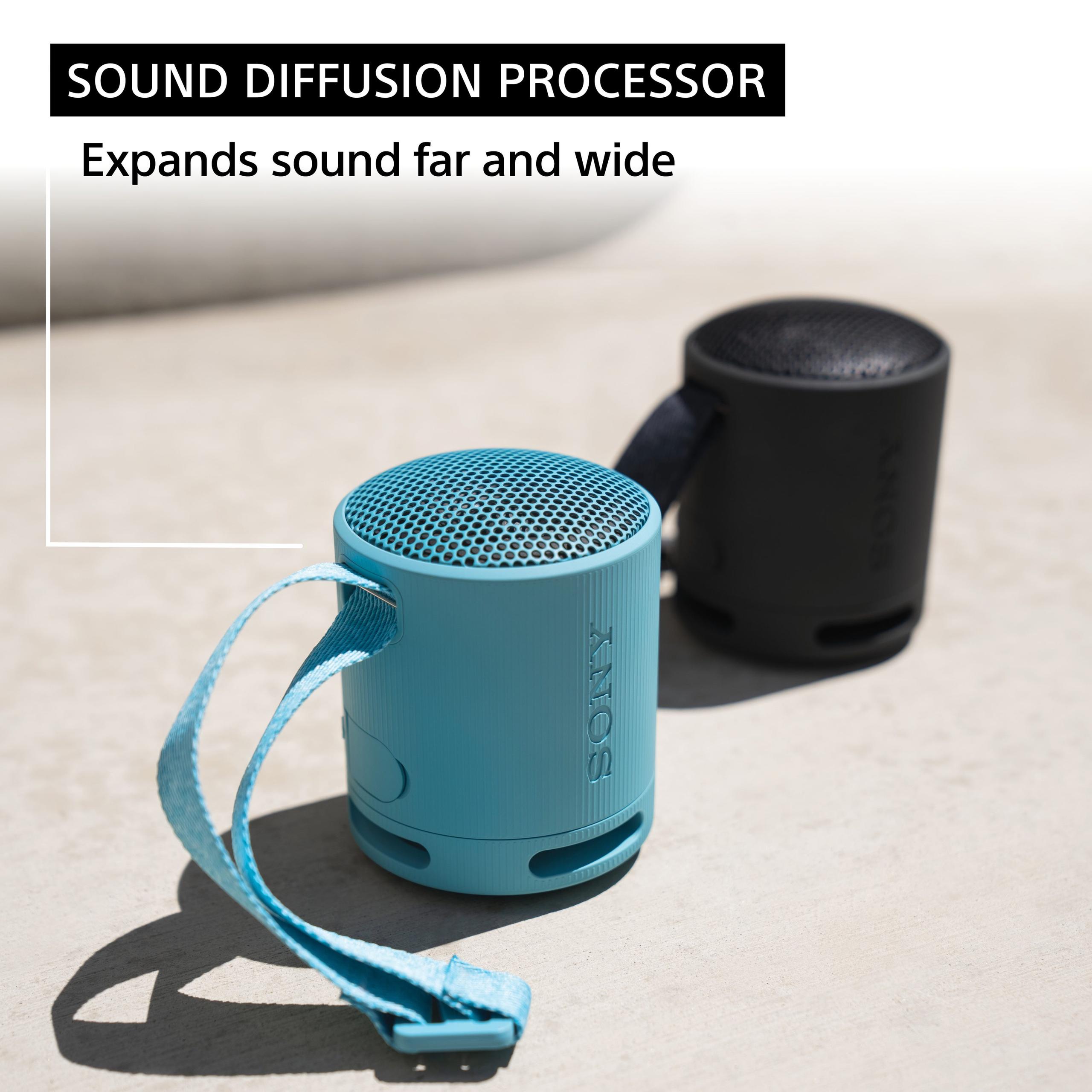
The Sony XB100 uses a "Sound Diffusion Processor" designed to spread sound evenly in all directions, compensating for its single-driver design. Sony's DSP also optimizes the speaker for upright placement on tables, where it performs best according to multiple reviews.
Both speakers support modern Bluetooth standards, but with interesting differences. The Monster S320 typically ships with Bluetooth 5.0, while the Sony XB100 uses the newer Bluetooth 5.3. The difference matters: Bluetooth 5.3 offers better energy efficiency, more stable connections, and slightly lower latency (delay between pressing play and hearing sound).
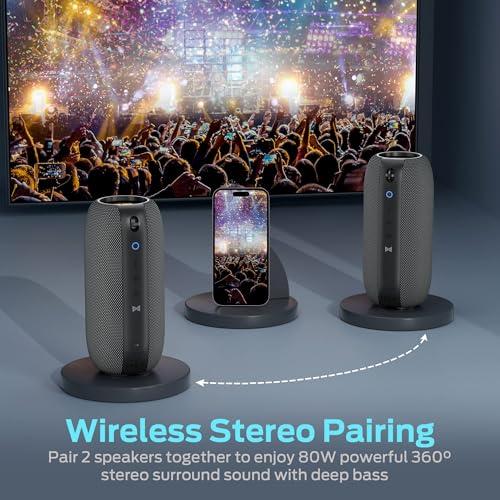
However, the Monster offers something Sony doesn't: True Wireless Stereo (TWS) pairing. This lets you connect two Monster S320 speakers wirelessly, creating true left-right stereo sound with a combined 80 watts of power. For parties or permanent installations, this flexibility adds significant value.
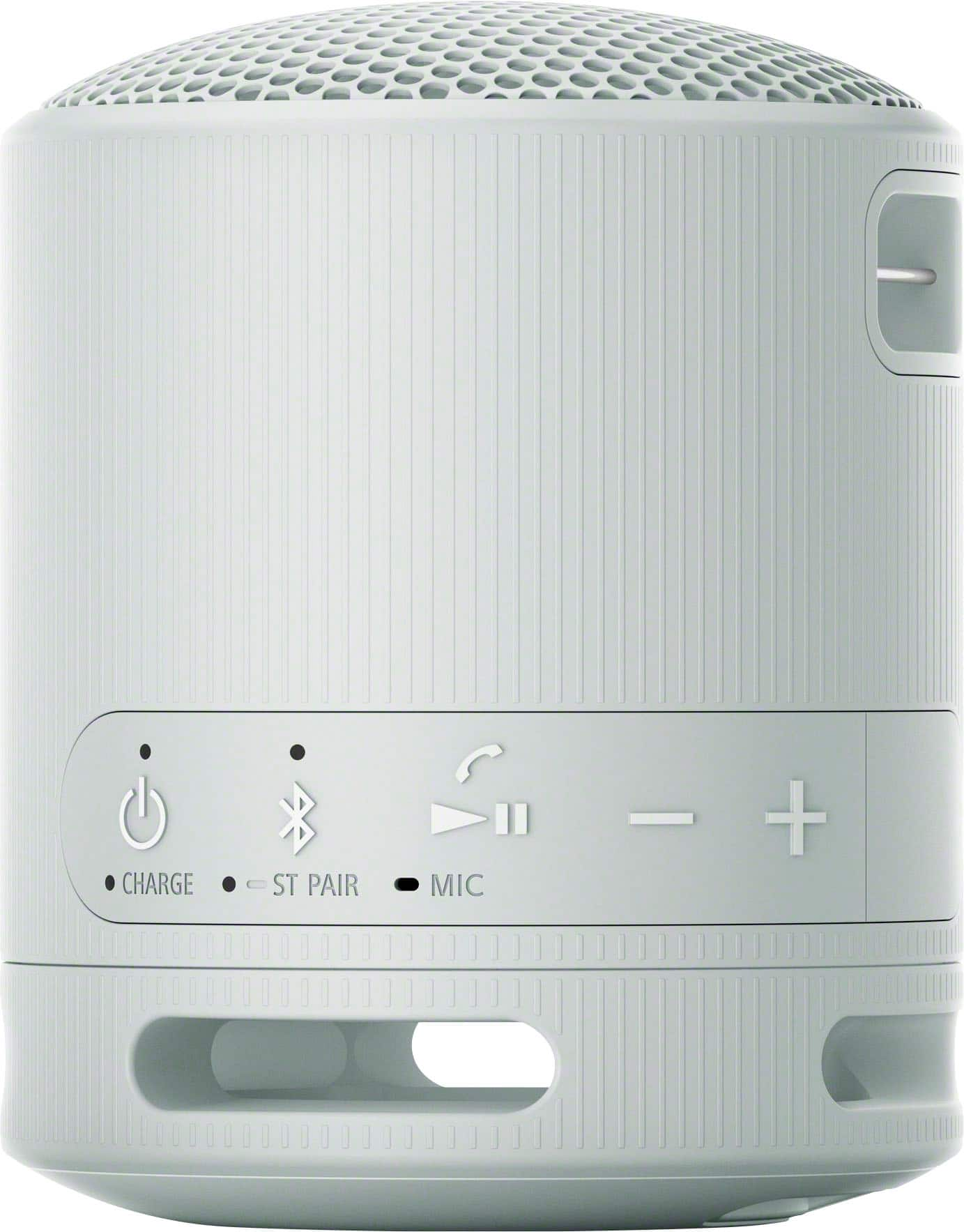
The Sony XB100 integrates with Sony's Music Center app, offering more sophisticated controls and sound customization than the Monster's basic button interface. It also features enhanced echo cancellation for phone calls - technology that reduces background noise and prevents that annoying effect where voices cut out during conversations.
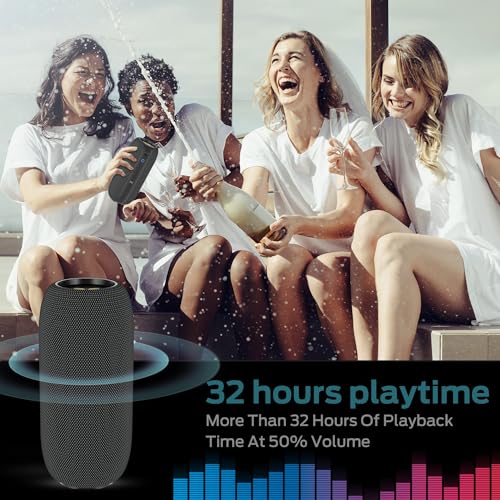
Battery performance reveals another fundamental difference in priorities. The Monster S320 claims up to 32 hours of playback at medium volume from its substantial 2500mAh battery. Even accounting for marketing optimism, real-world testing suggests 20-25 hours is realistic - genuinely impressive for a speaker this powerful.
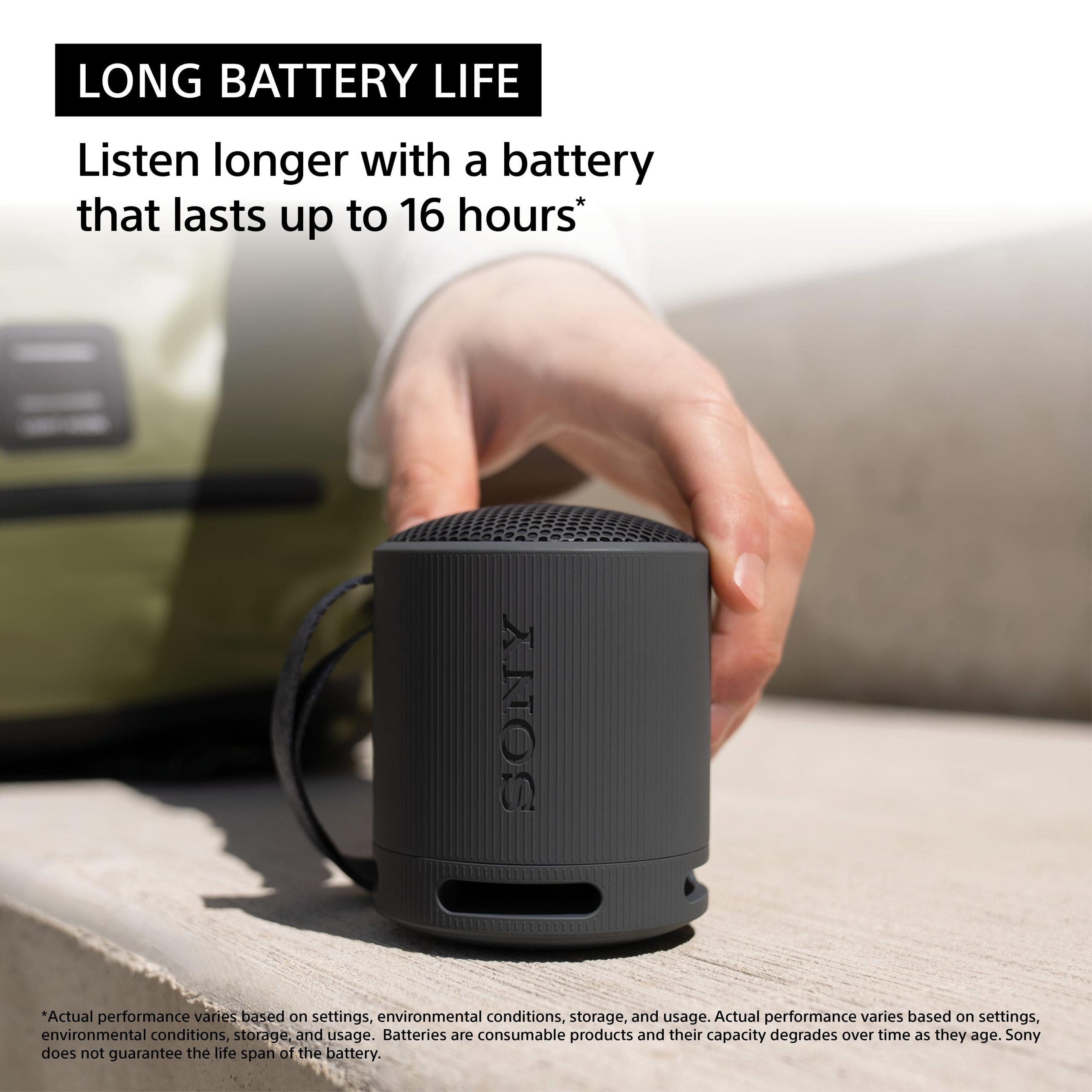
The Sony XB100 offers 16 hours of battery life, which is excellent considering its tiny size and efficient 2.5-watt power consumption. For most people, 16 hours covers multiple days of normal use.
Both speakers charge via USB-C, but the Monster's larger battery means longer charging times - about 3 hours for a full charge compared to the Sony's quicker top-ups.
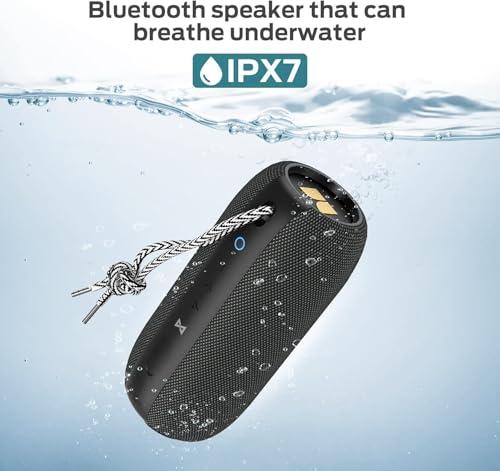
Water resistance is crucial for portable speakers, and both deliver here. The Monster S320 carries an IPX7 rating, meaning it can survive full submersion up to one meter for 30 minutes. It also claims to be shockproof and dustproof, though these aren't formally rated standards.
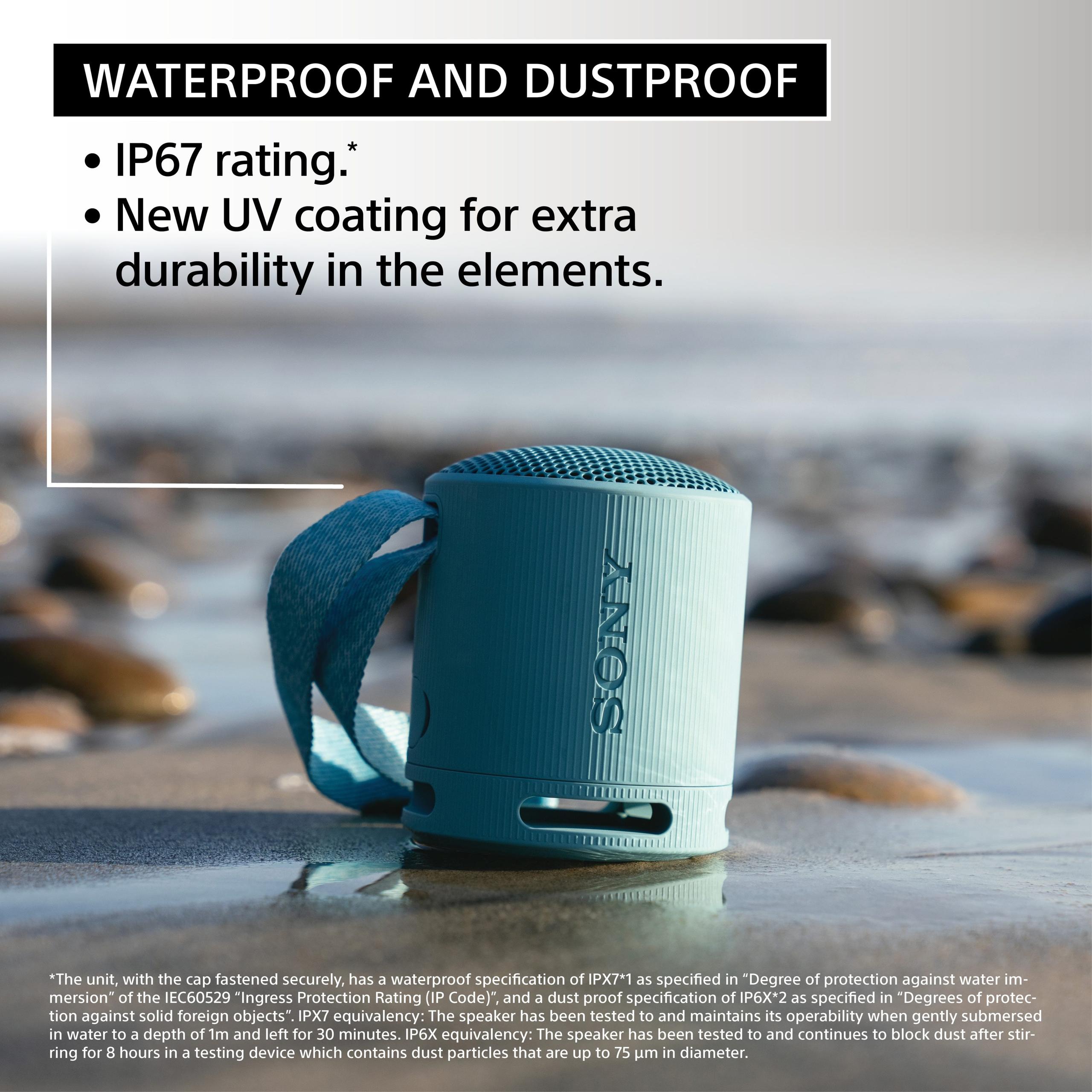
The Sony XB100 meets IP67 standards - the "6" means complete dust protection, while the "7" matches the Monster's water resistance. Sony's compact form factor actually provides some advantage here, as there's less surface area to seal and fewer places for water to intrude.
At the time of writing, these speakers typically fall into different price brackets, with the Monster S320 generally commanding a higher price point due to its larger drivers, extended battery, and TWS capabilities. The Sony XB100 usually costs significantly less, positioning it as exceptional value for ultra-portable use.
The value equation depends entirely on your priorities. The Monster delivers more absolute performance per dollar if you care about sound quality and battery life. The Sony offers better performance per gram and better convenience per dollar if portability matters most.
Based on extensive review analysis and user feedback, several patterns emerge clearly. The Monster S320 consistently impresses users with its room-filling volume and extended battery life. Multiple reviews note that it can adequately serve as a primary speaker for small apartments or dorm rooms, something the Sony simply cannot do.
The Sony XB100 earns praise for exceeding expectations given its size. Users consistently report surprise at how much bass and volume Sony squeezed into such a compact package. However, the same reviews often note limitations in noisy environments and when trying to fill larger spaces.
While neither speaker is designed for home theater use, the Monster S320's TWS pairing capability makes it interesting for certain applications. Two paired units can create a respectable 2.0 stereo system for casual TV watching or as rear surround speakers in a budget home theater setup.
The Sony XB100 works better as a personal audio device or bathroom speaker - places where its compact size provides clear advantages over traditional solutions.
The decision ultimately comes down to how you'll actually use the speaker. Choose the Monster S320 if you frequently entertain guests, spend time outdoors with groups, or want a speaker that can serve double duty as a home audio system. Its superior sound quality, extended battery life, and TWS pairing make it worth the extra size and weight for many users.
The Sony XB100 makes more sense if you're constantly on the move, live in small spaces, or prioritize having audio available everywhere you go. It's the better choice for commuters, frequent travelers, students, or anyone who values convenience above absolute sound quality.
Both speakers succeed at their intended purposes, but they serve fundamentally different needs. The Monster S320 is the better speaker by most objective measures - it's louder, sounds better, lasts longer, and offers more features. But the Sony XB100 is more likely to actually get used daily because of its incredible portability.
Consider your honest usage patterns. If you'll primarily use a portable speaker for occasional gatherings or dedicated listening sessions, the Monster's superior performance justifies its bulk. If you want audio everywhere you go with minimal fuss, Sony's engineering marvel makes more sense.
Neither choice is wrong - they're just different solutions to the eternal portable audio challenge of balancing performance with convenience. The best speaker is the one you'll actually use, and both of these excel in their respective niches.
| Monster S320 Superstar | Sony XB100 Compact |
|---|---|
| Audio Output Power - Determines maximum volume and room-filling capability | |
| 40W total (dual 10W drivers) with 360° sound | Single full-range driver (~5-8W estimated) |
| Size & Weight - Critical for portability vs performance trade-off | |
| 87×87×190mm, 720g (water bottle size) | 76mm diameter, 274g (fits in cup holders) |
| Battery Life - How long you can listen without charging | |
| Up to 32 hours at medium volume (2500mAh) | 16 hours typical use (excellent for size) |
| Water Resistance - Protection for outdoor and poolside use | |
| IPX7 waterproof plus shockproof/dustproof | IP67 waterproof and dustproof rated |
| Bluetooth Technology - Affects connection stability and features | |
| Bluetooth 5.0 with 10m range | Bluetooth 5.3 (newer, more efficient) |
| Stereo Pairing - Ability to connect two speakers for bigger sound | |
| True Wireless Stereo (TWS) pairs to 80W total | Speaker Add Function for stereo pairing |
| Bass Enhancement - Low-end sound quality and depth | |
| Dual drivers with deep bass extension | Passive radiator boosts bass for compact size |
| Additional Connectivity - Wired options and app integration | |
| AUX input, voice assistant support | Sony Music Center app, enhanced call quality |
| Charging Interface - Speed and convenience of power delivery | |
| USB-C fast charging (3 hour full charge) | USB-C charging with efficient power use |
| Best Use Case - Where each speaker excels most | |
| Parties, outdoor gatherings, home backup system | Daily carry, travel, personal listening spaces |
The Monster S320 Superstar is significantly louder with 40W of output power compared to the Sony XB100's estimated 5-8W output. The Monster can easily fill large rooms and outdoor spaces, while the Sony is better suited for personal listening and small areas.
The Monster S320 is much larger at 87×87×190mm and weighs 720g, about the size of a water bottle. The Sony XB100 is ultra-compact at just 76mm diameter and 274g, small enough to fit in most cup holders and carry everywhere.
The Monster S320 Superstar offers exceptional battery life with up to 32 hours of playback, while the Sony XB100 provides 16 hours. Both are impressive, but the Monster's longer runtime makes it ideal for extended outdoor use or multi-day trips.
Yes, both speakers are waterproof. The Monster S320 has an IPX7 rating and claims to be shockproof and dustproof, while the Sony XB100 meets IP67 standards for complete dust and water protection. Both can handle pool parties and outdoor adventures.
The Monster S320 Superstar delivers superior sound quality with dual drivers, deeper bass, and 360° stereo sound. The Sony XB100 sounds impressive for its tiny size but can't match the Monster's audio performance due to physical limitations.
Both speakers support pairing. The Monster S320 uses True Wireless Stereo (TWS) to connect two units for 80W combined output, while the Sony XB100 offers Speaker Add Function for stereo pairing. The Monster's pairing creates more dramatic sound improvement.
The Sony XB100 is far superior for travel due to its ultra-compact size and lightweight design. You can easily pack it anywhere, while the Monster S320 requires more deliberate packing but rewards you with much better sound quality at your destination.
The Sony XB100 uses newer Bluetooth 5.3 for more stable connections and better energy efficiency, while the Monster S320 Superstar typically uses Bluetooth 5.0. Both provide reliable connections, but Sony's newer standard offers slight technical advantages.
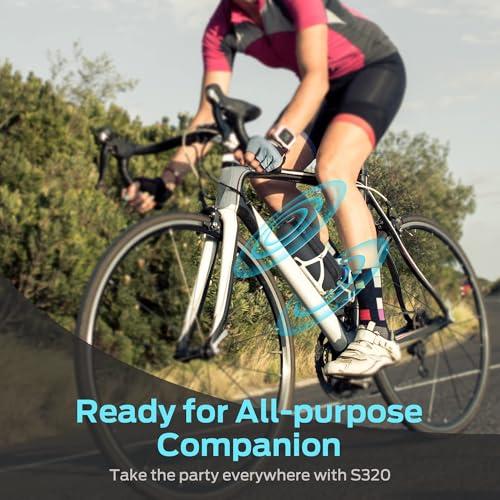
The Monster S320 excels outdoors with its powerful 40W output that can overcome wind and ambient noise, plus exceptional 32-hour battery life for camping trips. The Sony XB100 works outdoors but is better suited for quiet outdoor settings rather than large gatherings.
Neither speaker is designed for home theater, but the Monster S320 Superstar could serve as casual TV audio or rear surround speakers when paired via TWS. The Sony XB100 is too small for meaningful home theater use but works well as a personal audio device.
Value depends on your needs. The Monster S320 offers better performance per dollar with superior sound quality and features, while the Sony XB100 typically costs less and provides excellent portability value. Consider how you'll actually use the speaker most often.
The Monster S320 Superstar takes about 3 hours for a full charge due to its large 2500mAh battery, while the Sony XB100 charges faster thanks to its smaller battery and efficient power consumption. Both use convenient USB-C charging ports.
We've done our best to create useful and informative comparisons to help you decide what product to buy. Our research uses advanced automated methods to create this comparison and perfection is not possible - please contact us for corrections or questions. These are the sites we've researched in the creation of this article: youtube.com - runbazaar.com - youtube.com - exceldisc.com - youtube.com - 961souq.com - walmart.com - eshtir.com - mct-audio.com - hk.monsterstore.com - alibaba.com - cdn.tgdd.vn - device.report - manualslib.com - alibaba.com - techradar.com - bestbuy.com - bestbuy.com - tomsguide.com - electronics.sony.com - sony-asia.com - sony.com - sony.com - thesonyshop.ca - cornellstore.com - bestbuy.com

Privacy Policy
Terms and Conditions - Affiliate Policy
Home Security
© Copyright 2008-2026.
11816 Inwood Rd #1211, Dallas, TX 75244