

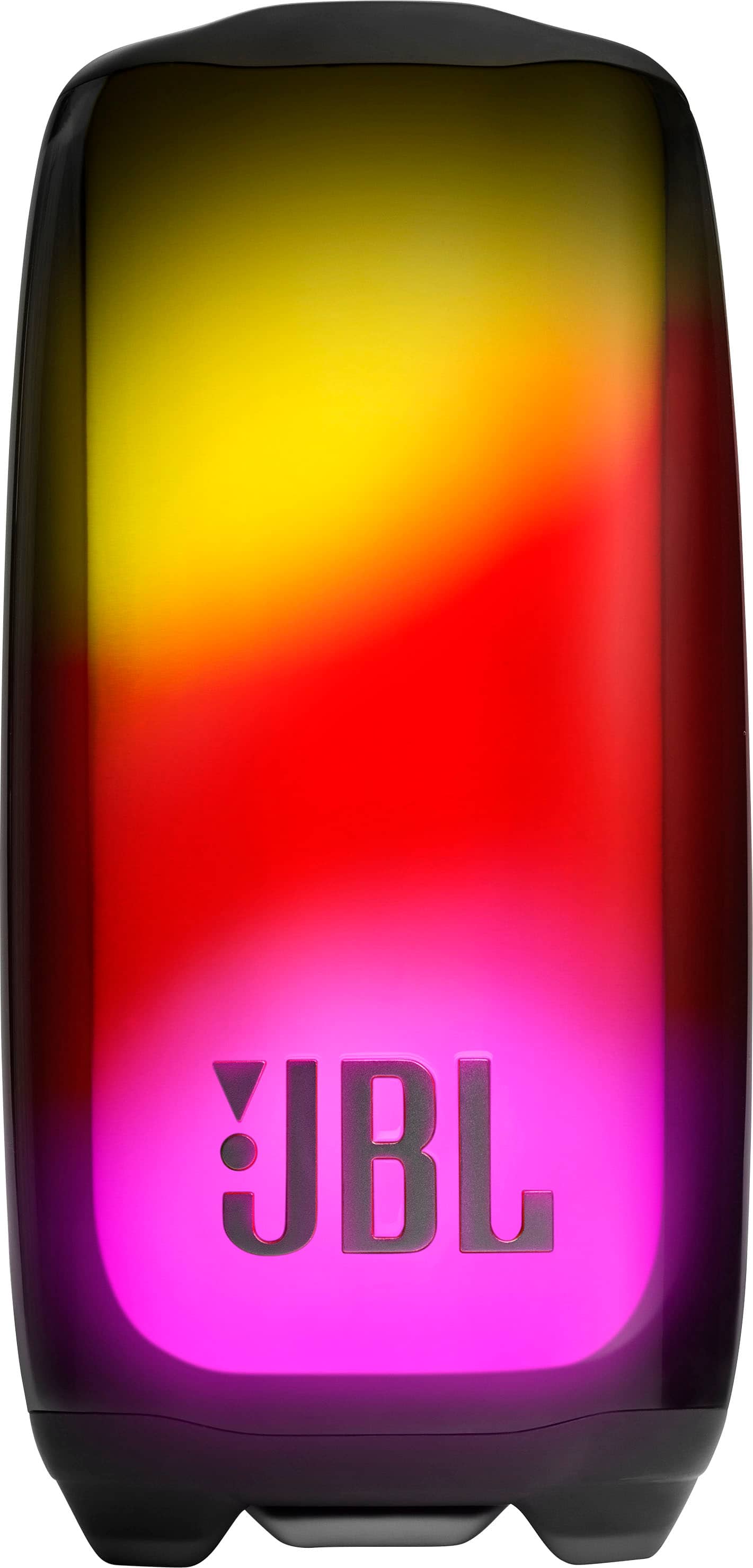
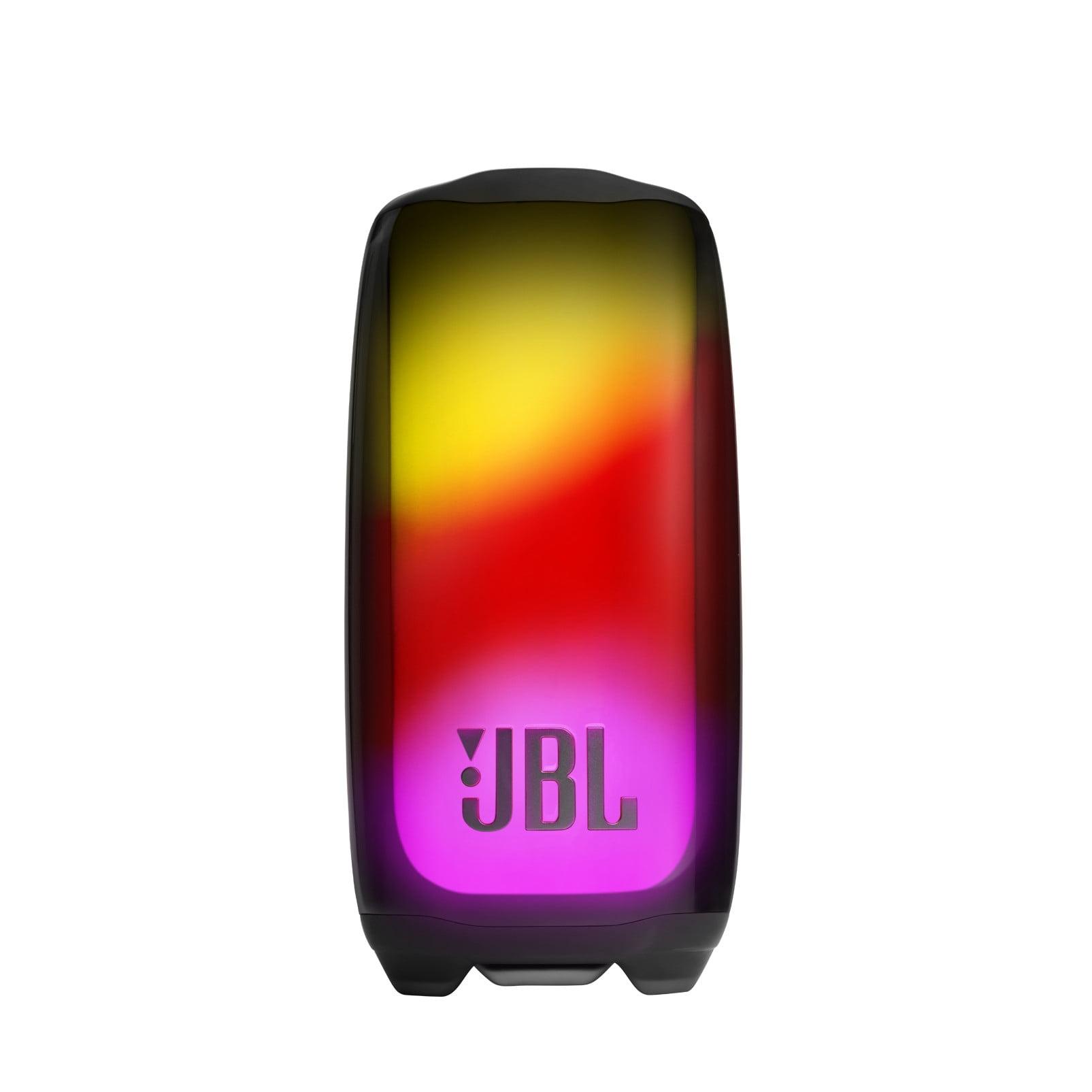
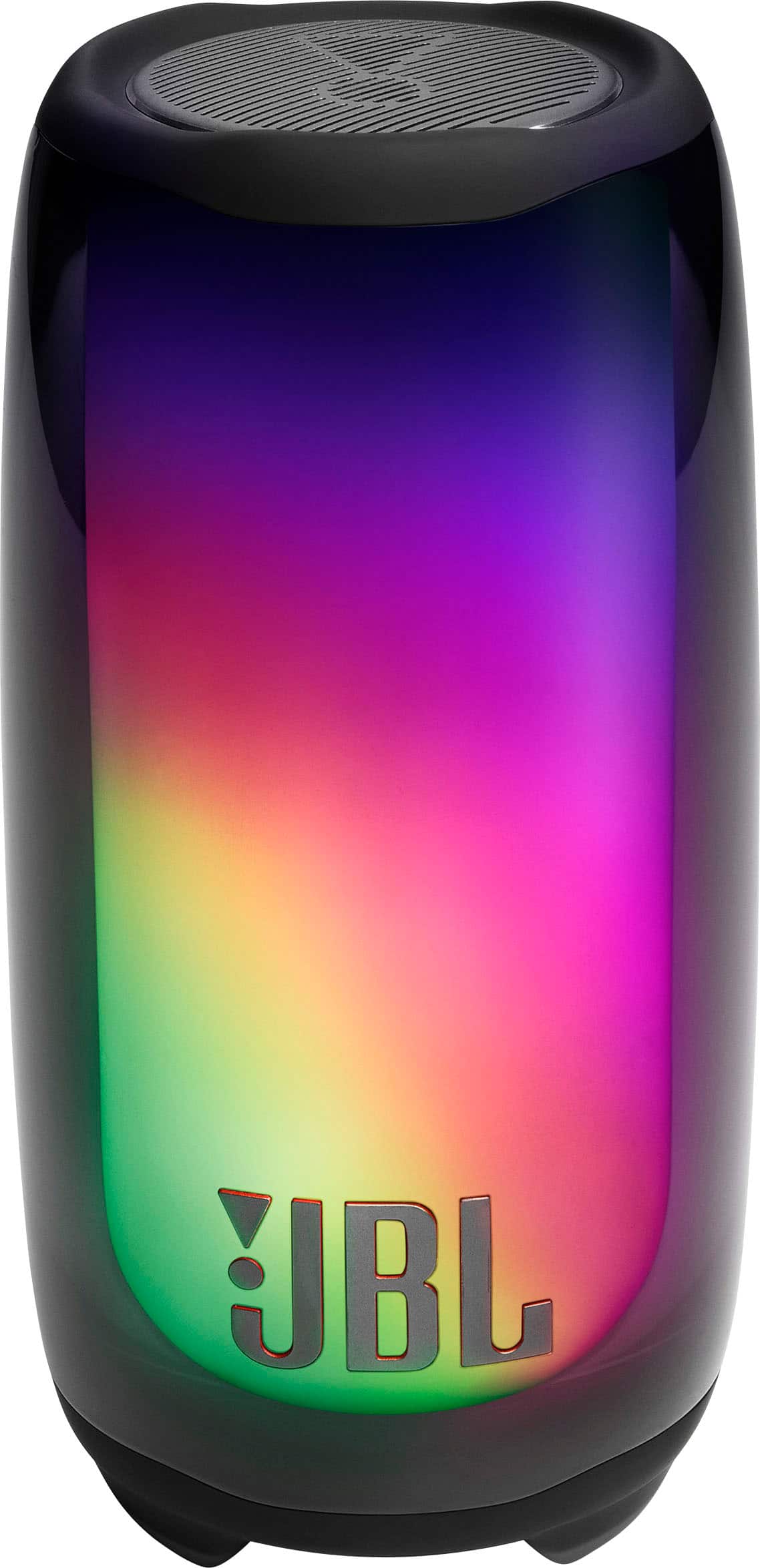
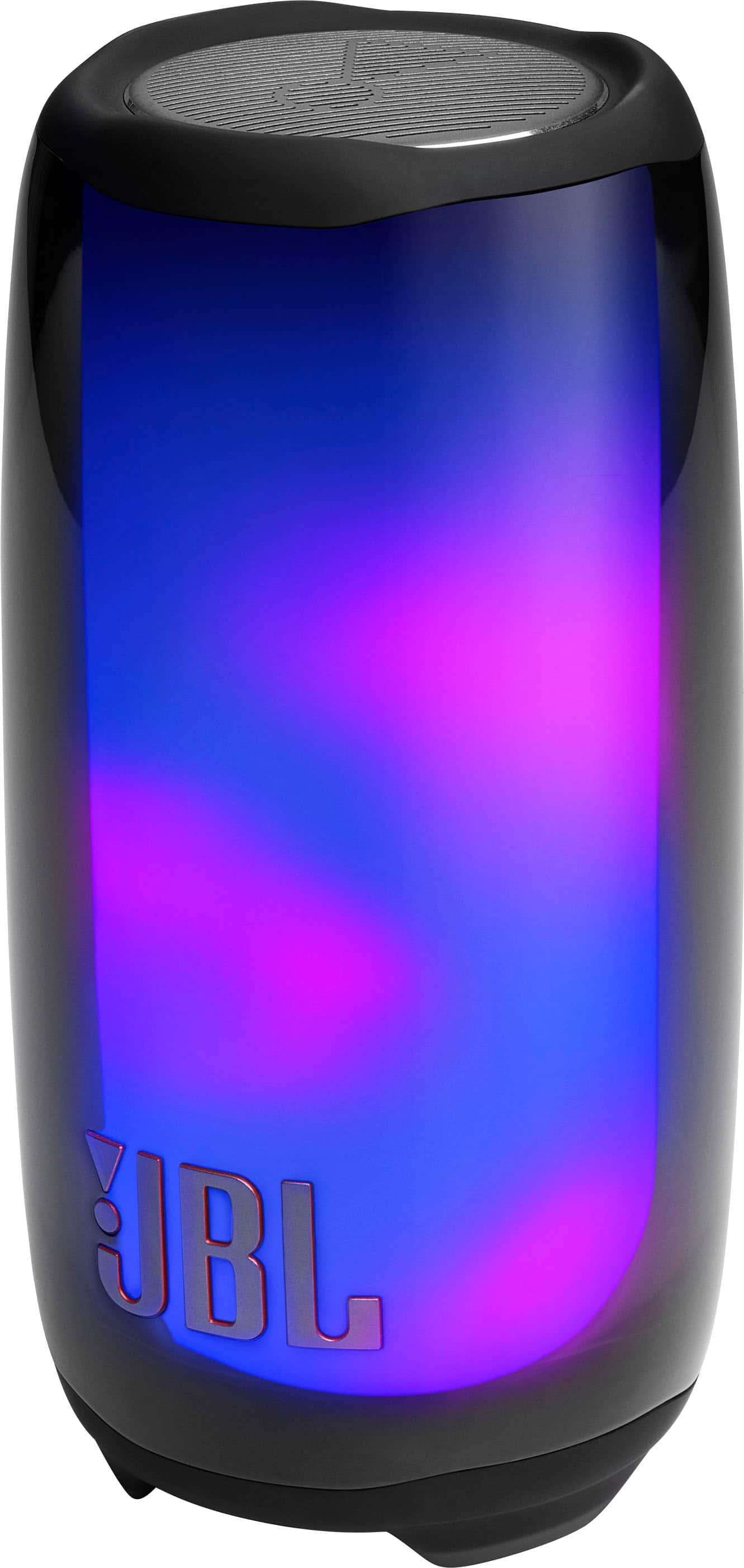
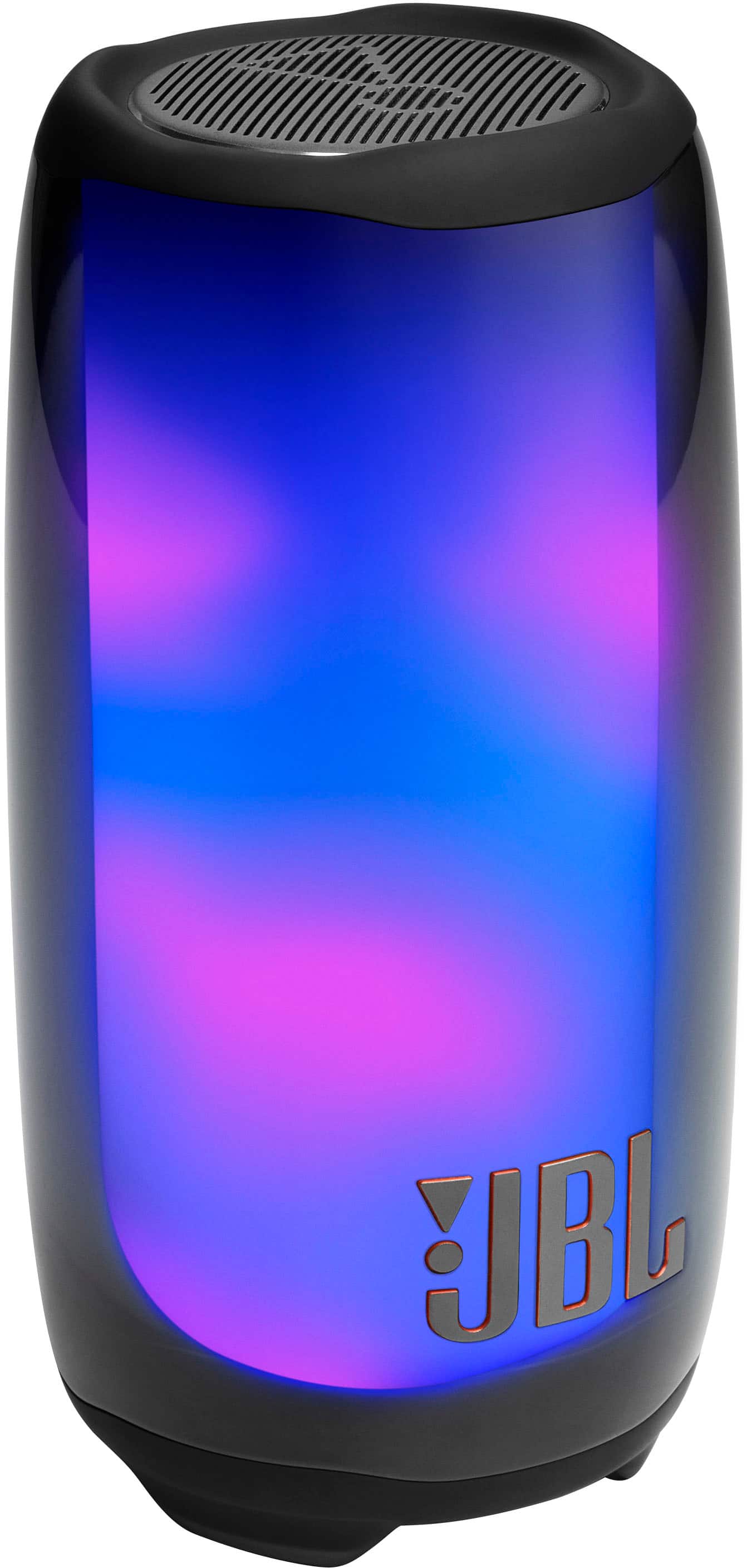
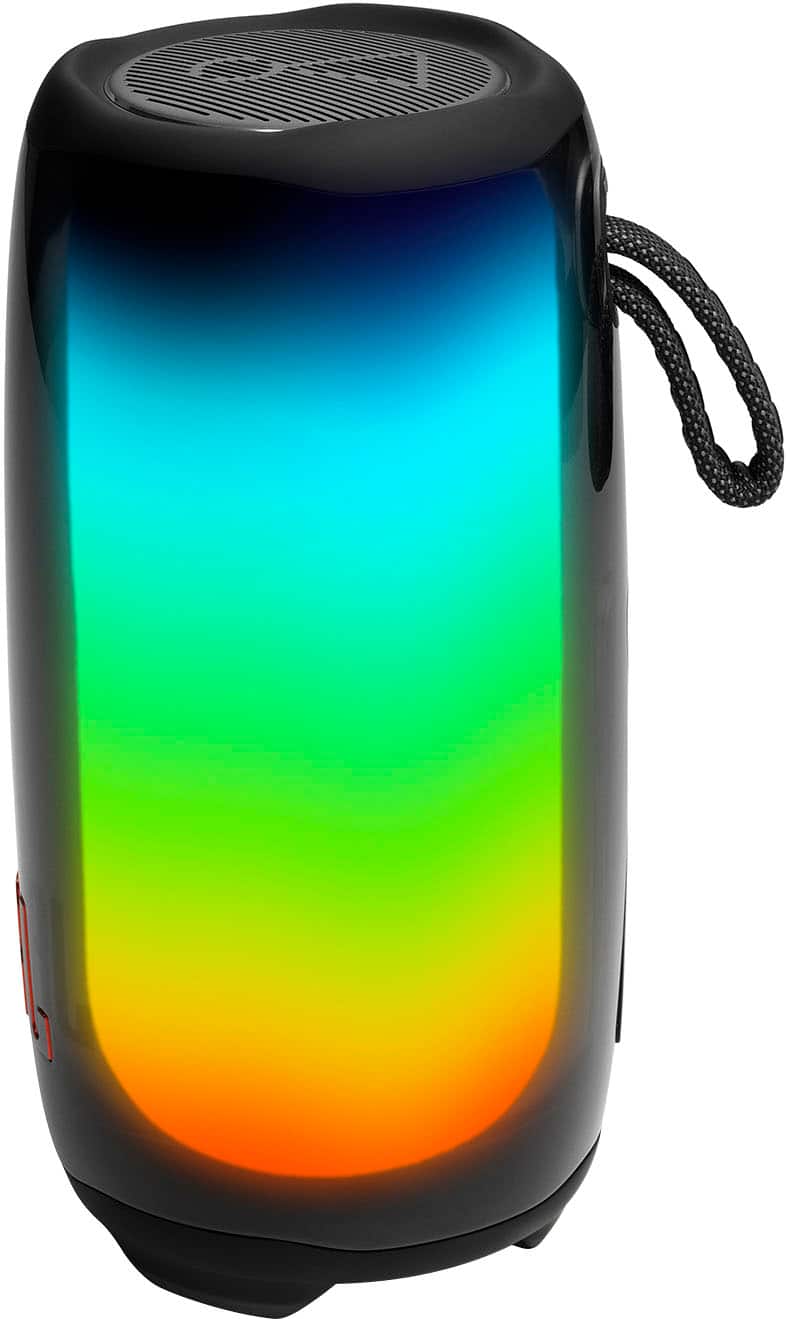
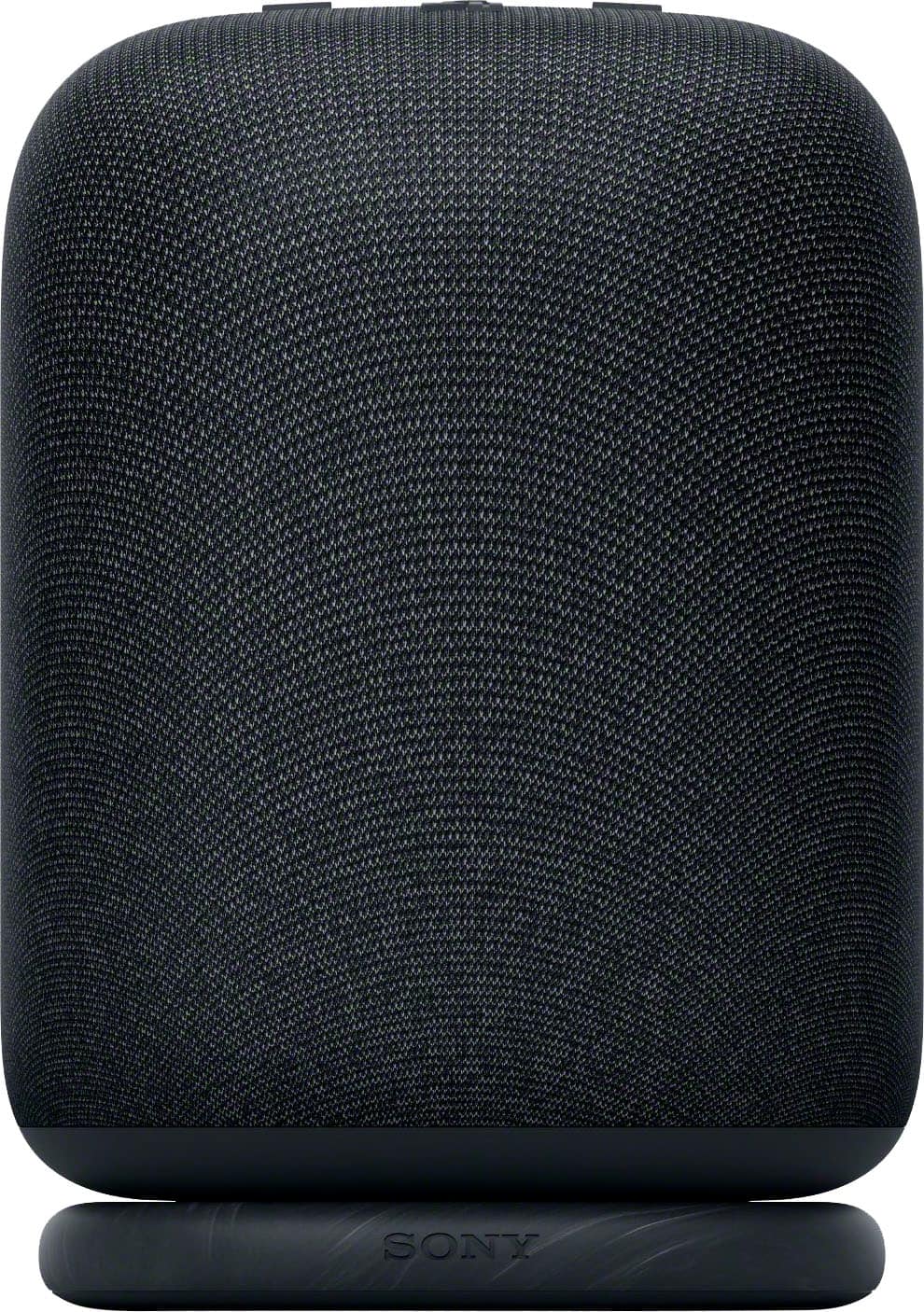

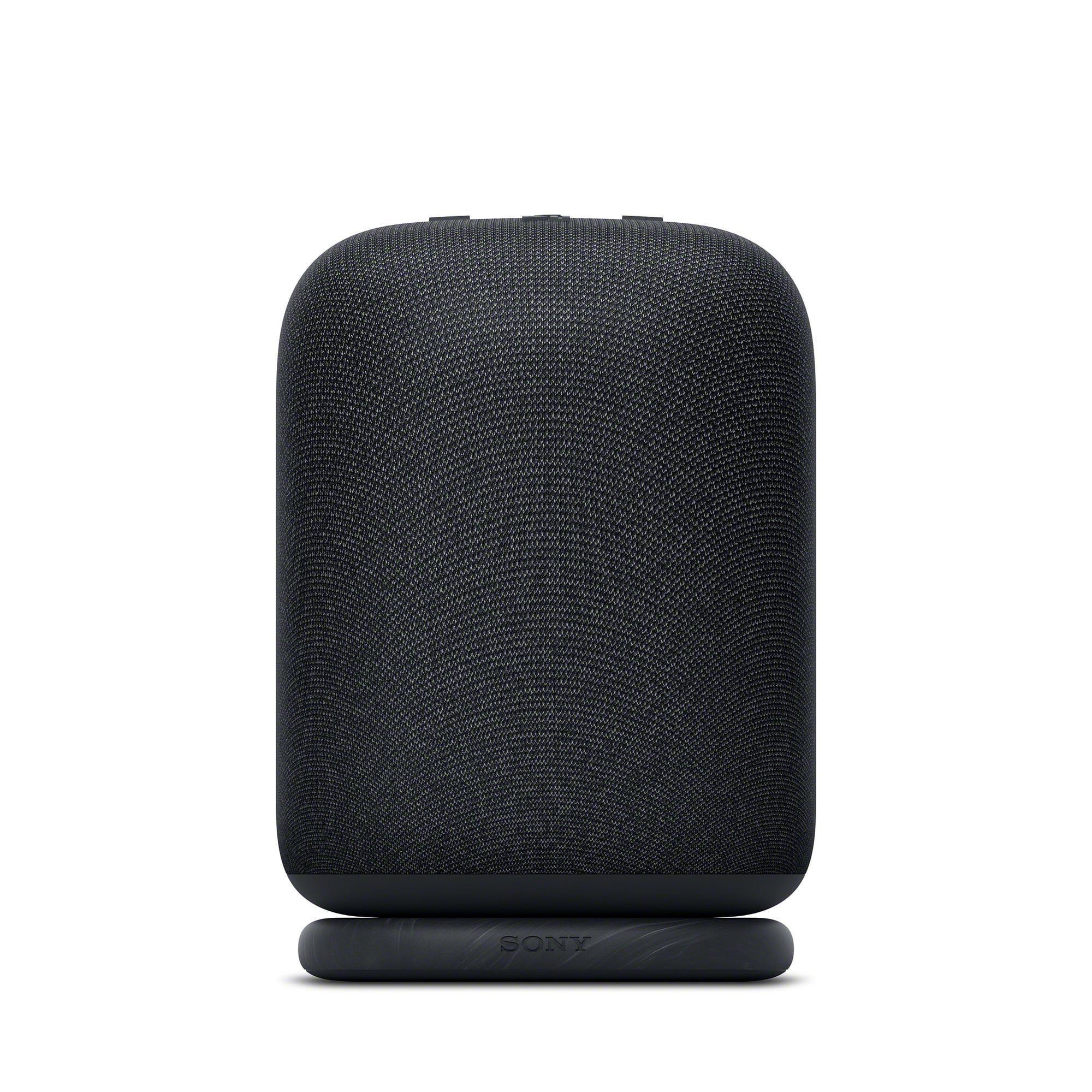


When it comes to portable audio in 2024, we're seeing an interesting divide between party-focused speakers and personal audio solutions. Let's dive into two popular but distinctly different options: the JBL Pulse 5 ($249) and the Sony LinkBuds Speaker ($179).
Portable audio has evolved dramatically over the past few years. Where basic Bluetooth speakers once dominated, we're now seeing specialized devices targeting specific use cases. The key difference between these two products illustrates this evolution perfectly - one focuses on social entertainment while the other prioritizes personal audio and home integration.
Released in early 2023, the JBL Pulse 5 represents the latest iteration of JBL's party speaker line, bringing significant improvements in sound quality and durability over its predecessor. The Sony LinkBuds Speaker, launched more recently, takes a different approach by focusing on seamless integration with Sony's audio ecosystem and home entertainment.
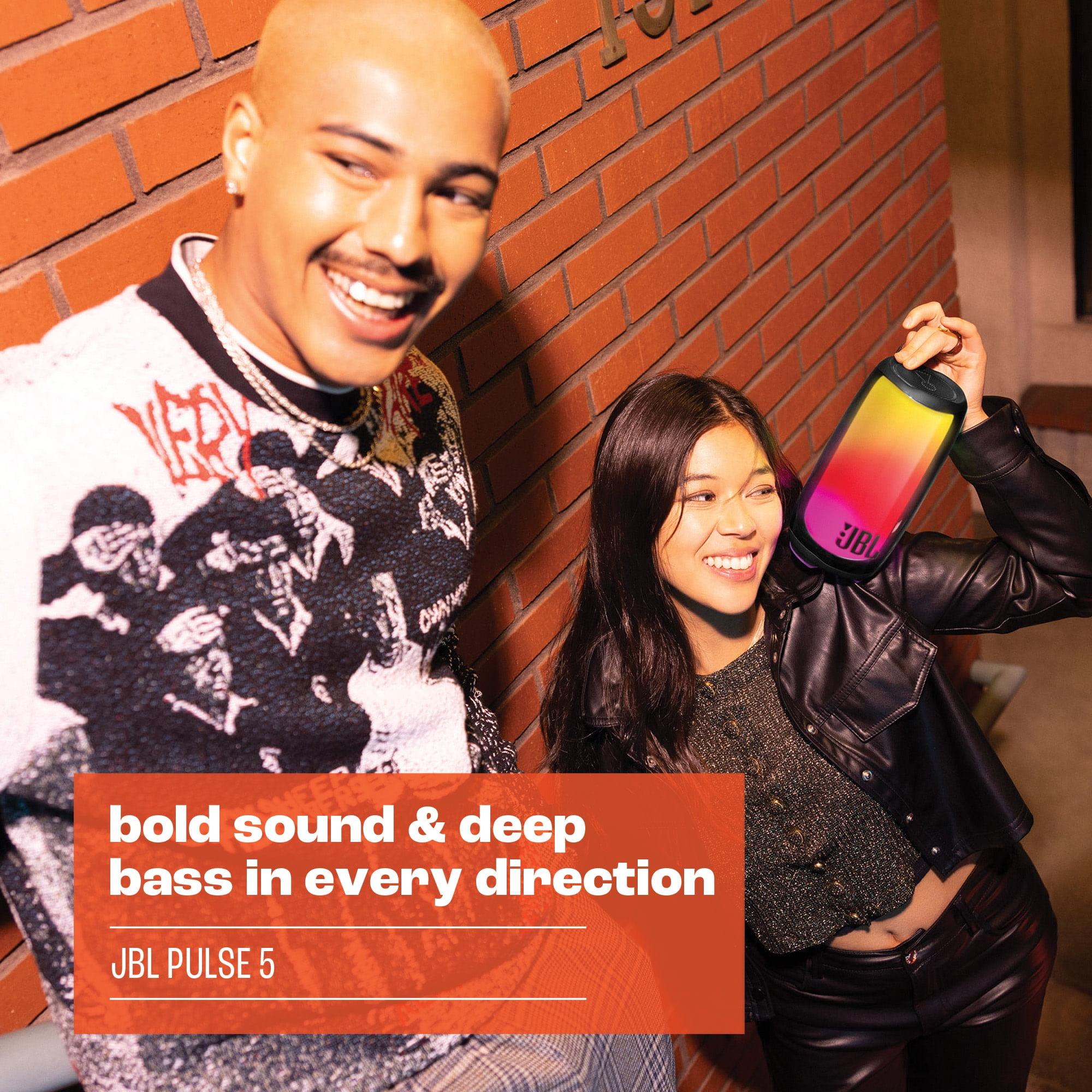
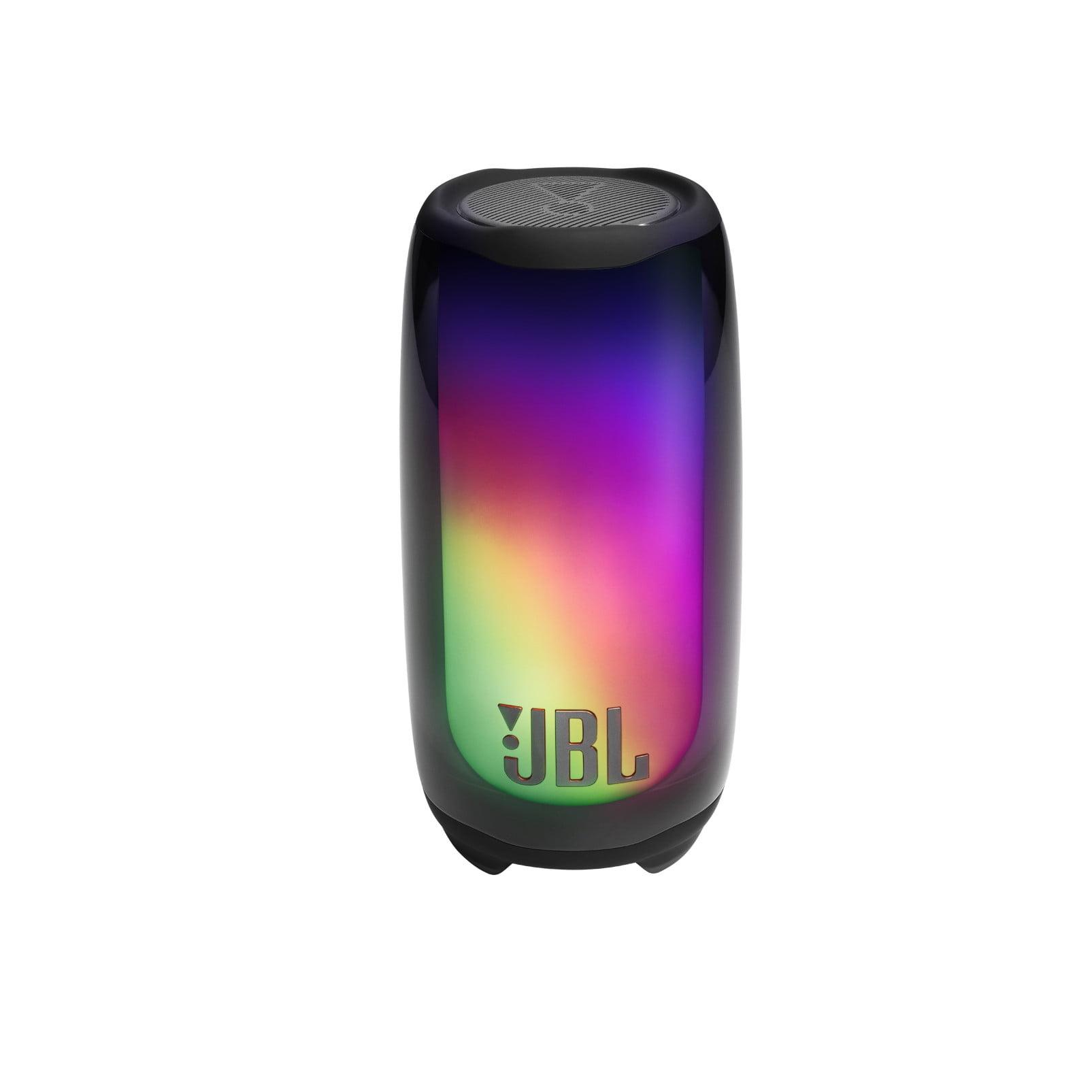
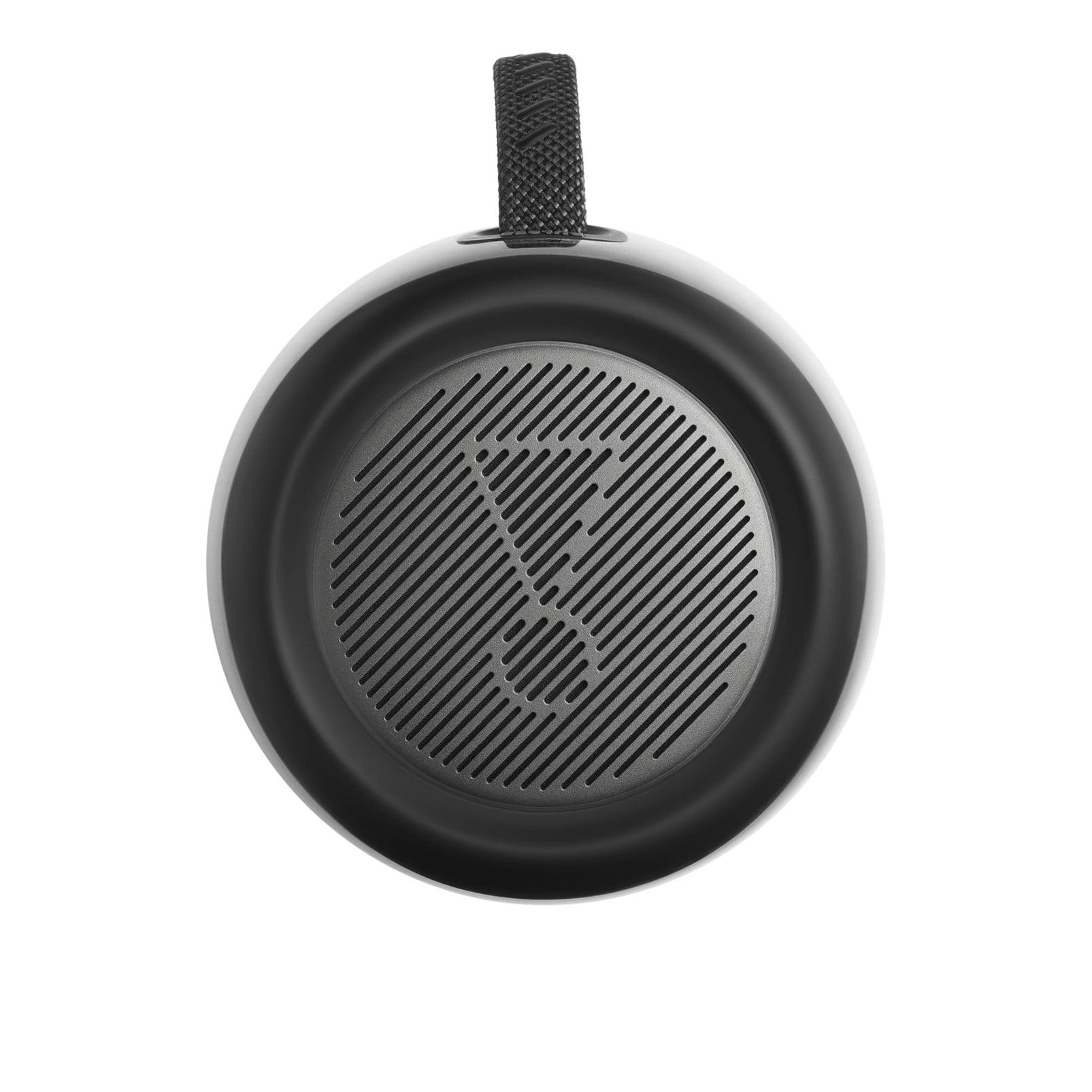
The Pulse 5's 40W total output (split between a 30W woofer and 10W tweeter) delivers impressive volume for its size. In testing spaces up to 500 square feet, the speaker fills the room convincingly. The 360-degree sound projection is particularly effective for outdoor gatherings, where traditional directional speakers might struggle.
The speaker's frequency response (58Hz - 20kHz) means it handles most music genres well, though bass-heavy tracks can show its limitations at maximum volume. The built-in Digital Signal Processing (DSP) helps prevent distortion, but you'll notice some compression kicking in at higher volumes - a common trait in portable speakers.
The LinkBuds Speaker takes a markedly different path, optimizing for clarity over raw power. Its two-way speaker system, featuring Sony's X-Balanced Speaker unit (a non-circular speaker design that maximizes sound pressure while maintaining clarity), delivers notably clean audio at moderate volumes.
What's particularly impressive is the Sound Diffusion Processor, which uses digital processing to create a wider soundstage than you'd expect from a speaker this size. While it won't match the Pulse 5's raw volume, the sound quality at normal listening levels is arguably more refined.
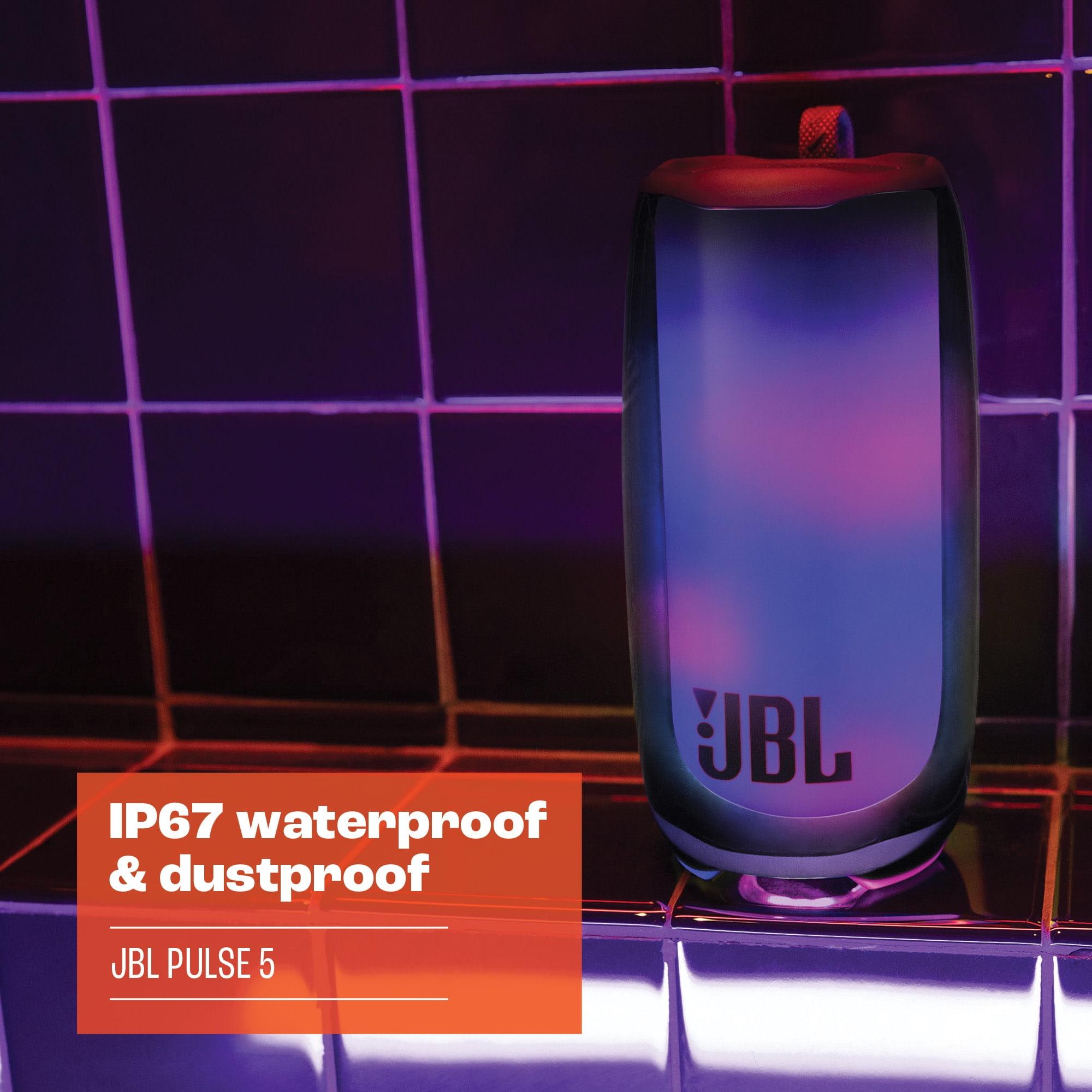
The environmental durability differences between these speakers significantly impact their practical use cases. The Pulse 5's IP67 rating means it's fully dustproof and can handle submersion in water up to 1 meter for 30 minutes - perfect for poolside use or unexpected rain. I've personally used it during several beach outings without issue.
The LinkBuds Speaker's IPX4 rating offers basic splash resistance, suitable for kitchen countertop use but not outdoor adventures. This limitation reflects its intended use case as a home audio solution rather than an outdoor party speaker.
At $249, the JBL Pulse 5 commands a premium price, but its feature set helps justify the cost:
The Sony LinkBuds Speaker offers different value propositions at $179:
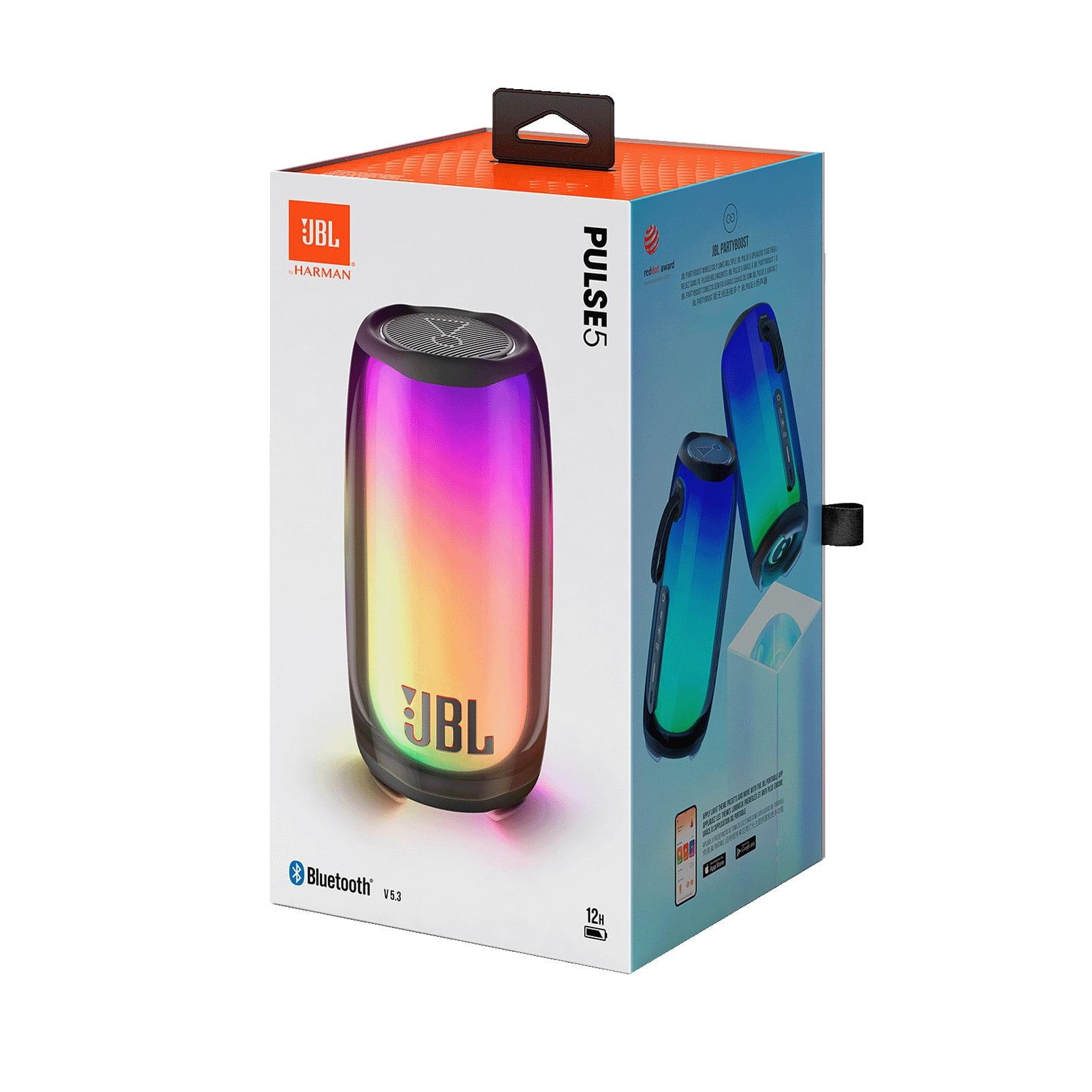
The Pulse 5 introduces several technical improvements over previous models, including enhanced LED brightness and more efficient power management. The upgraded Bluetooth 5.3 implementation supports higher-quality audio codecs and more stable connections.
Sony's speaker brings innovations in digital signal processing, particularly with its Sound Diffusion Processor. This technology analyzes the audio input in real-time to optimize the sound field, creating an impression of wider sound dispersion than physically possible from the compact driver arrangement.
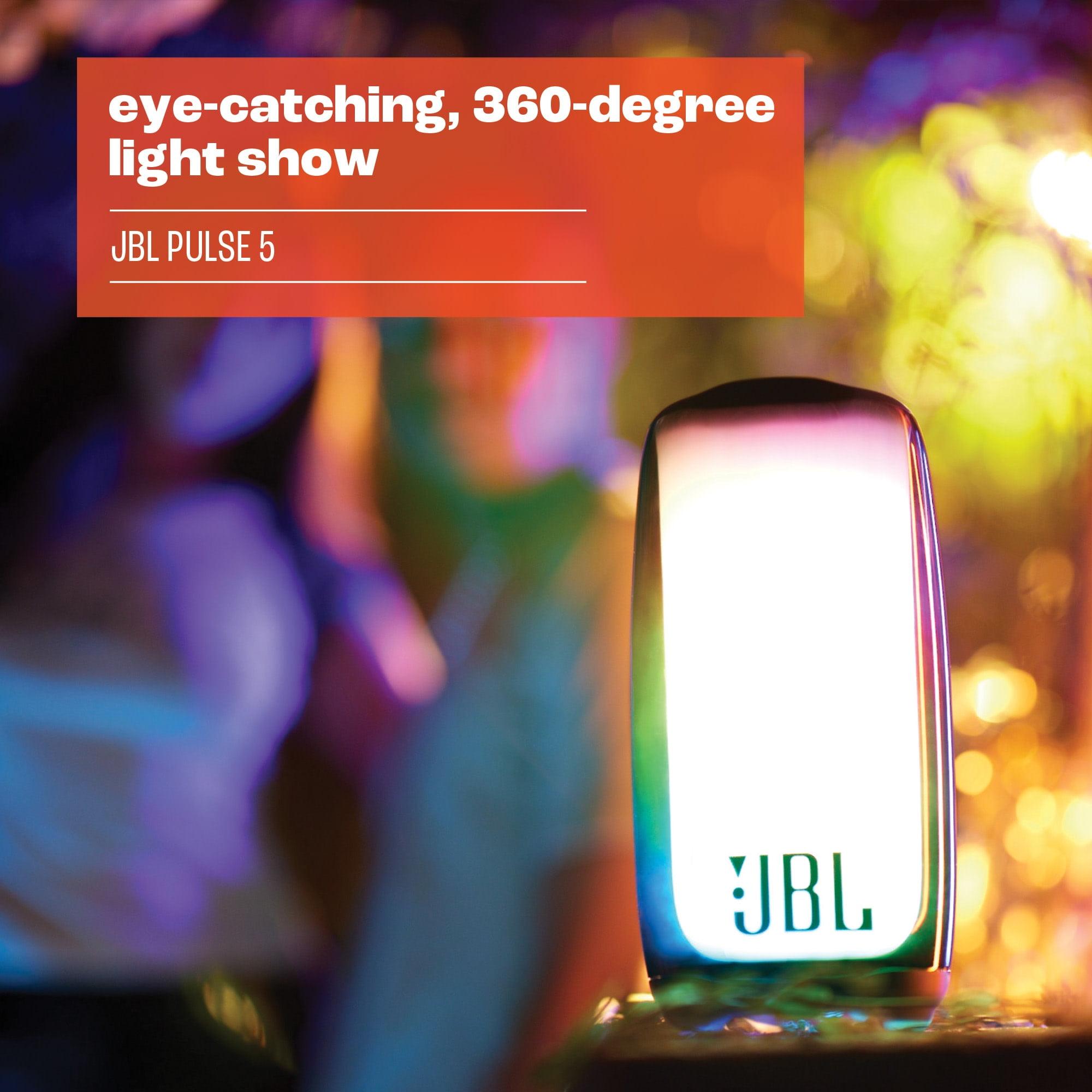
In practical use, these speakers serve distinctly different scenarios. The Pulse 5 excels at outdoor gatherings, where its combination of weather resistance, powerful sound, and light show creates an engaging atmosphere. The bass response, while not earth-shattering, provides enough impact for most party situations.
The LinkBuds Speaker shines in home settings, where its vocal clarity and balanced sound signature make it equally suitable for music, podcasts, and video calls. The auto-switching feature proves particularly useful when moving between devices - for example, automatically pausing music when a call comes in.
While neither device is primarily designed for home theater use, they can serve different auxiliary roles. The LinkBuds Speaker's lower latency and clearer dialogue reproduction make it a better choice for TV audio, particularly in smaller rooms or as a secondary speaker.
The Pulse 5's broader sound dispersion could work in a casual home theater setup, but its slight audio delay over Bluetooth makes it less ideal for video content.
Choose the JBL Pulse 5 if:
Choose the Sony LinkBuds Speaker if:
Both devices represent the current state of their respective niches, but they serve fundamentally different purposes. The JBL Pulse 5 is the life of the party, while the Sony LinkBuds Speaker is more like a sophisticated home companion. Your choice should align with your primary use case rather than trying to force one device to serve both roles.
| JBL Pulse 5 | Sony LinkBuds Speaker |
|---|---|
| Power Output - Determines maximum volume and sound quality at high levels | |
| 40W total (30W woofer + 10W tweeter) | Not specified, estimated 15-20W total |
| Battery Life - Critical for portable use | |
| 12 hours | 25 hours |
| Water/Dust Resistance - Important for outdoor use and durability | |
| IP67 (fully dustproof, waterproof to 1m) | IPX4 (splash resistant only) |
| Audio Features - Impact on sound quality and usability | |
| PartyBoost multi-speaker pairing, EQ customization, 360° sound | Sound Diffusion Processor, auto-switching, echo cancellation |
| Connectivity - Affects device compatibility and connection quality | |
| Bluetooth 5.3, dual device connection | Bluetooth (version unspecified), multipoint connection |
| Special Features - Additional value considerations | |
| 360° LED light show, outdoor ambient modes | Smart home integration, optimized call quality |
| Size/Weight - Affects portability | |
| 21.4 x 13.2 x 10.7 cm, 1.47 kg | 1.69 x 2.36 x 1.09 inches, 35g |
| Price - Value proposition | |
| $249.99 (premium features justify cost) | $179.99 (competitive for home audio) |
| Primary Use Case - Helps determine best fit | |
| Outdoor/party focus, larger spaces | Home audio, personal listening, calls |
| Sound Signature - Different priorities for different users | |
| Bass-forward, powerful but can be harsh at max volume | Balanced, clear vocals, refined at moderate volume |
The JBL Pulse 5 is significantly better for outdoor use with its IP67 waterproof rating and louder volume. The Sony LinkBuds Speaker only has IPX4 splash resistance and is designed primarily for indoor use.
The Sony LinkBuds Speaker offers superior battery life at 25 hours, compared to the JBL Pulse 5's 12 hours per charge.
The JBL Pulse 5 costs $249.99, while the Sony LinkBuds Speaker is more affordable at $179.99.
The JBL Pulse 5 is definitely better for parties with its 360-degree LED light show, louder volume, and PartyBoost feature for connecting multiple speakers.
Both offer good sound quality but differ in approach - the JBL Pulse 5 provides more powerful bass and volume, while the Sony LinkBuds Speaker offers clearer vocals and more balanced sound at moderate volumes.
The Sony LinkBuds Speaker is optimized for calls with echo cancellation and clear voice reproduction. The JBL Pulse 5 can handle calls but isn't specifically designed for this purpose.
The Sony LinkBuds Speaker is significantly smaller and lighter at 35g, while the JBL Pulse 5 weighs 1.47kg but includes a carrying strap.
Both speakers support multiple device connections. The JBL Pulse 5 uses Bluetooth 5.3 for dual device connection, while the Sony LinkBuds Speaker offers smart auto-switching between devices.
The Sony LinkBuds Speaker is better suited for home use with its smart home integration and optimized indoor audio. The JBL Pulse 5 may be overkill for typical home listening.
Yes, both the JBL Pulse 5 and Sony LinkBuds Speaker work with any Bluetooth-enabled phone, regardless of brand.
The JBL Pulse 5 can handle rain with its IP67 rating, but the Sony LinkBuds Speaker should be kept away from rain due to its limited IPX4 rating.
The better value depends on your needs - the Sony LinkBuds Speaker at $179.99 offers better value for home use and calls, while the JBL Pulse 5 at $249.99 provides better value for outdoor and party use.
We've done our best to create useful and informative comparisons to help you decide what product to buy. Our research uses advanced automated methods to create this comparison and perfection is not possible - please contact us for corrections or questions. These are the sites we've researched in the creation of this article: digitaltrends.com - youtube.com - target.com - rtings.com - jbl.com - jblonlinestore.com - harmanaudio.com - assistivetech.com.au - stereoguide.com - mm.jbl.com - jbl.com - creativeaudio.net - sony.com - center.lv - youtube.com - youtube.com - sony.com - walmart.com - youtube.com - sony.com

Privacy Policy
Terms and Conditions - Affiliate Policy
Home Security
© Copyright 2008-2026.
11816 Inwood Rd #1211, Dallas, TX 75244