

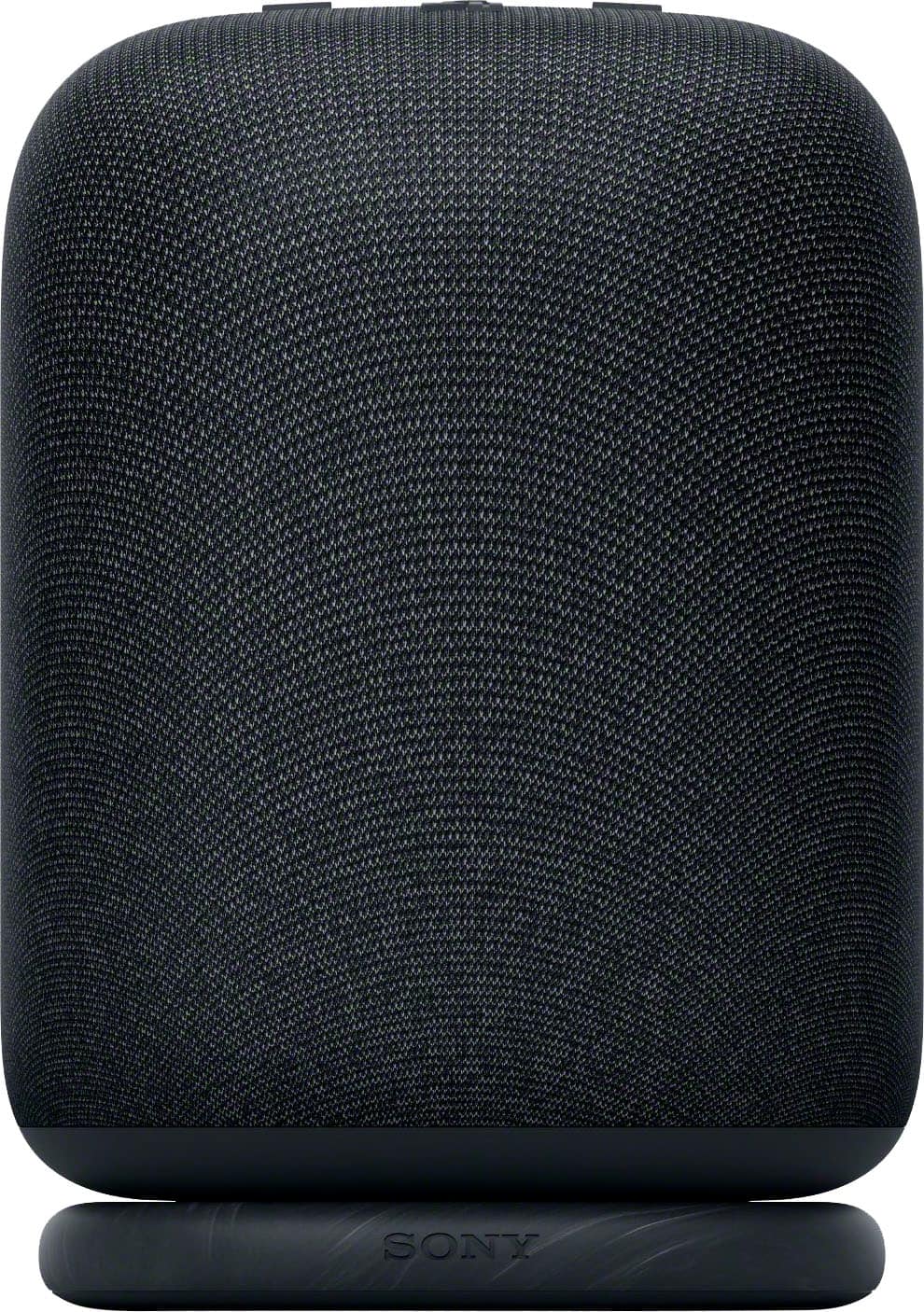

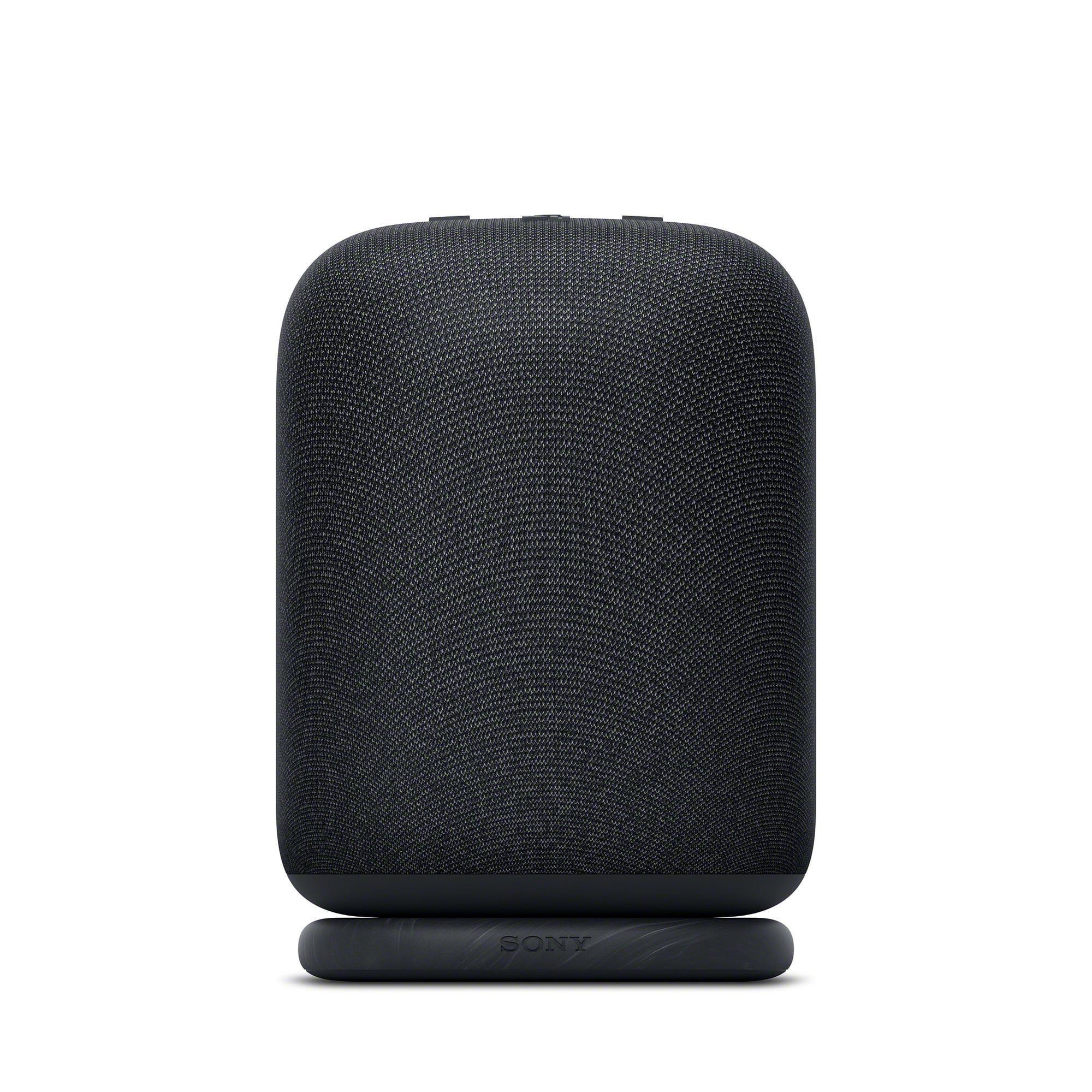


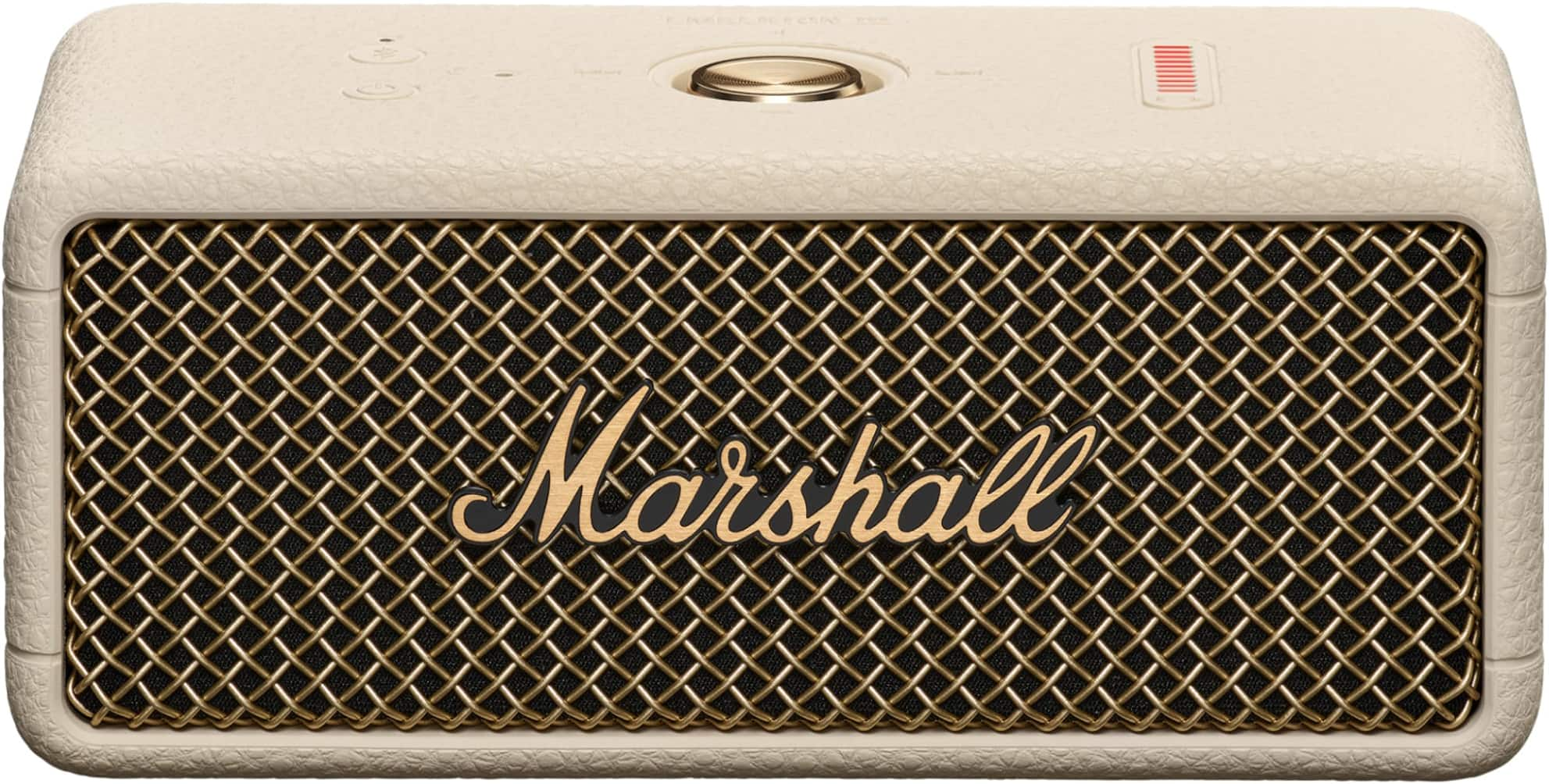
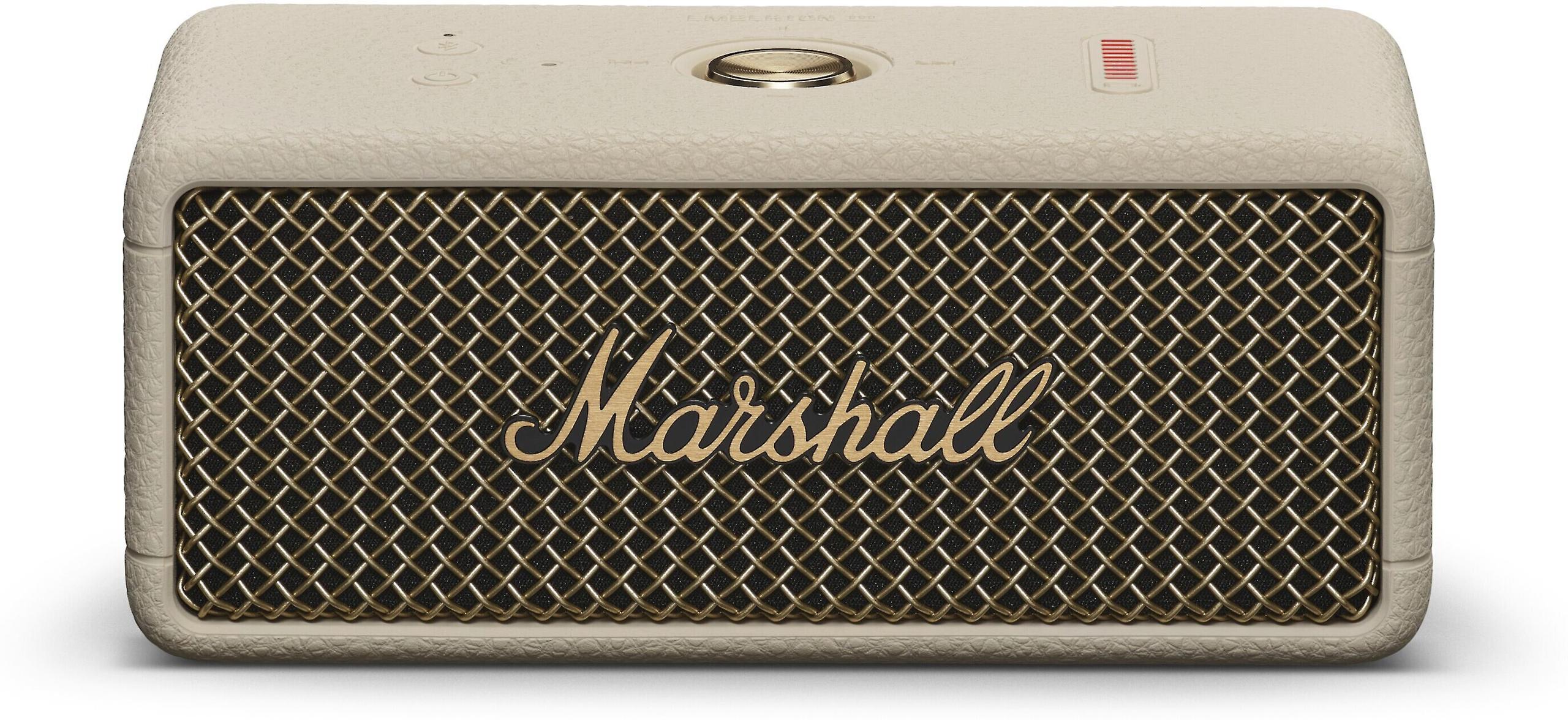
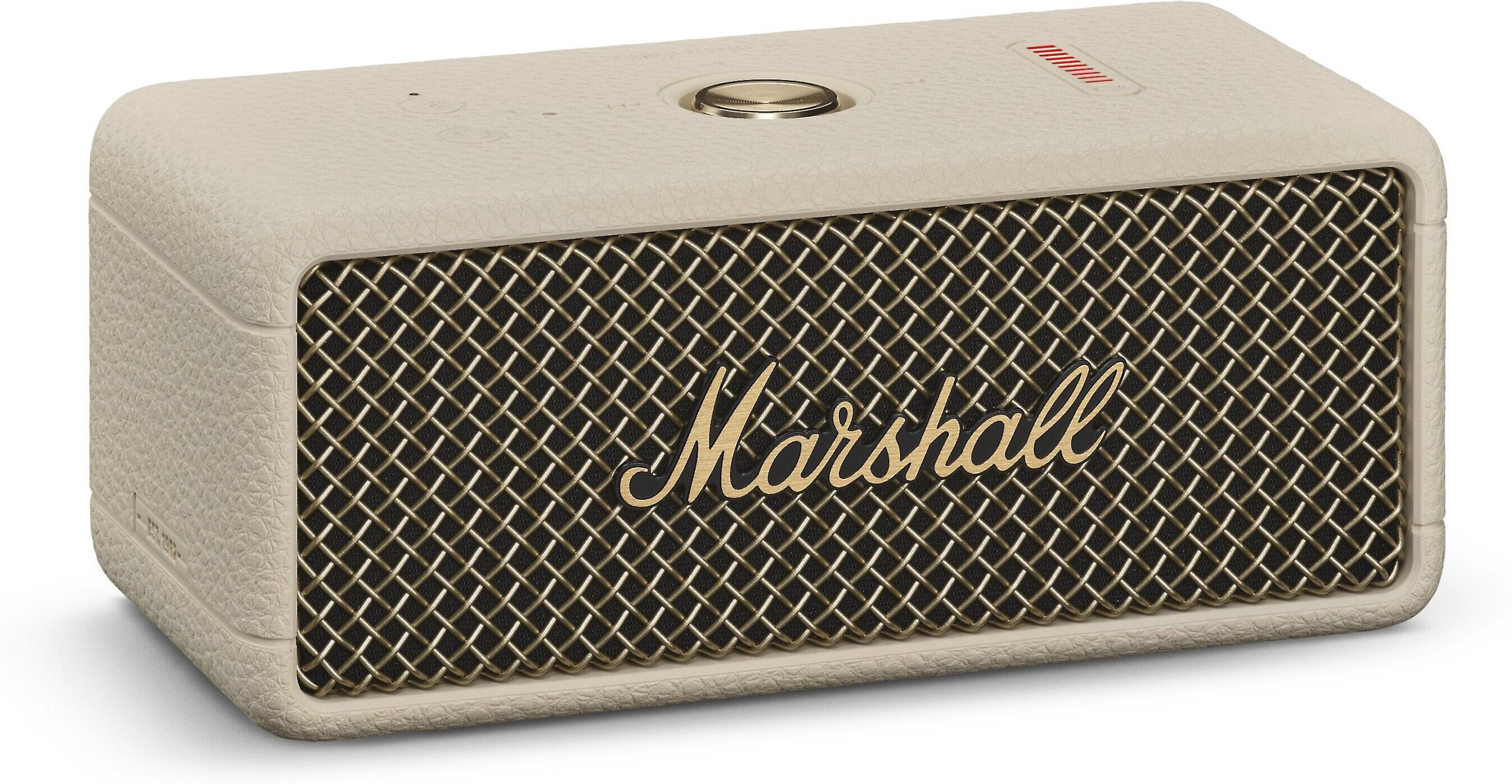

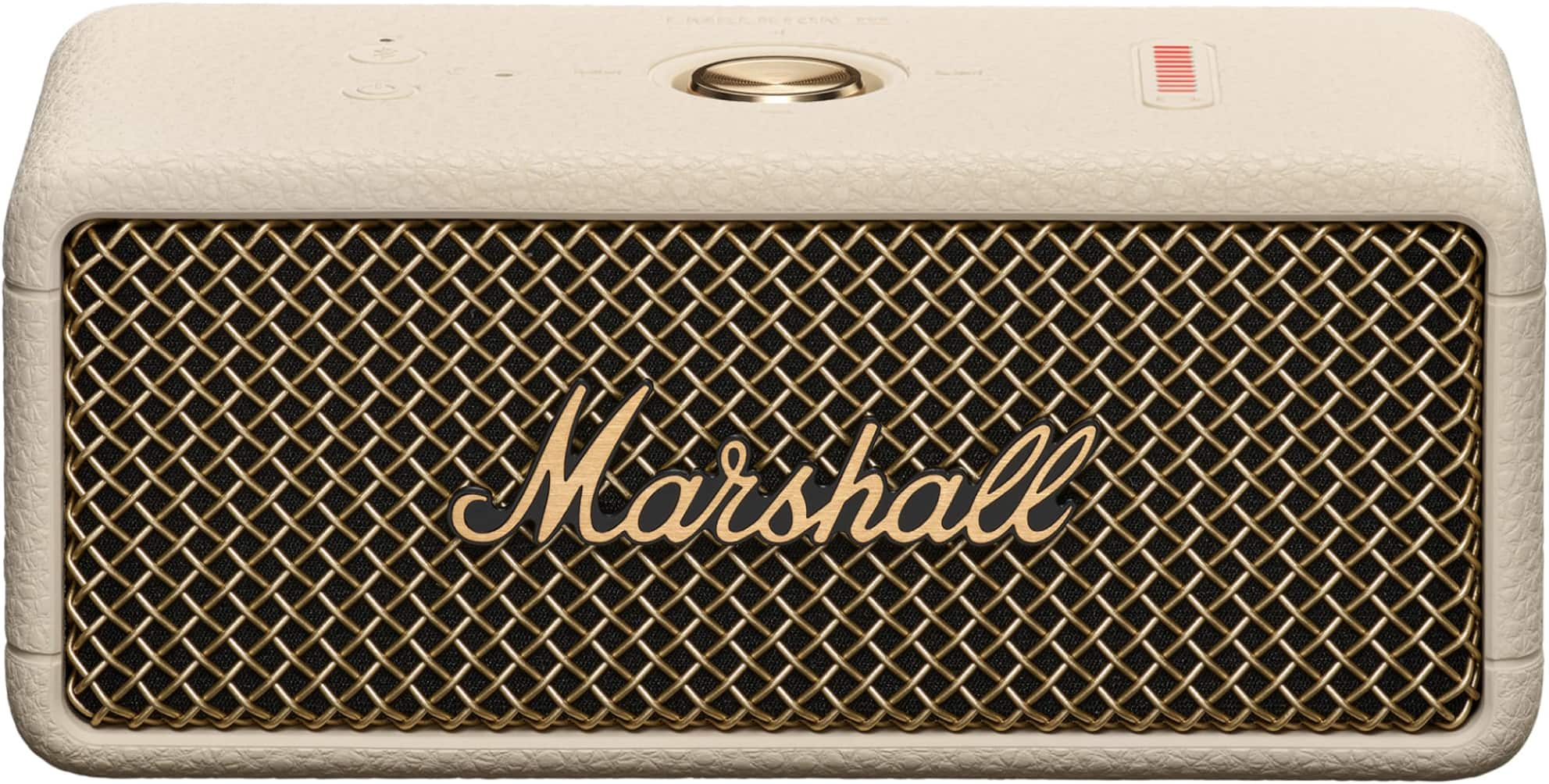

When it comes to portable Bluetooth speakers, the Sony LinkBuds Wireless Speaker ($179.99) and Marshall Emberton III ($169.99) represent two different approaches to bringing music wherever you go. Let's dive into what makes each unique and who they're best suited for.
Modern portable speakers have evolved far beyond simple battery-powered music boxes. They now integrate smart features, companion apps, and sophisticated audio processing while maintaining the core requirements of good sound, reliable battery life, and durability. Both Sony and Marshall have brought interesting innovations to the category in these latest releases.
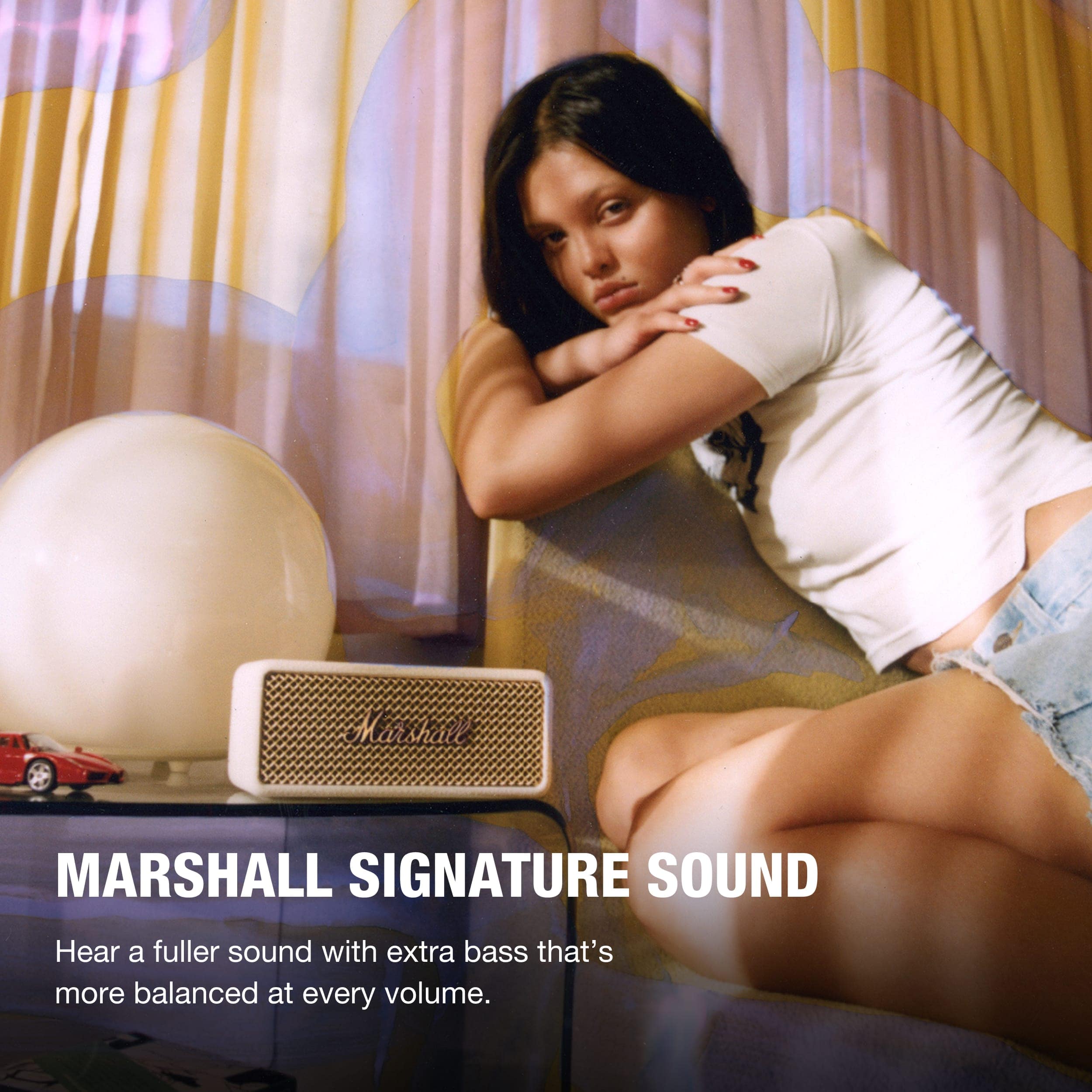
The Marshall Emberton III clearly leads in bass reproduction, thanks to its dual passive radiators and more powerful 38W amplifiers (up from 10W in the previous version). This provides noticeably more impact in bass-heavy music and better overall sound at higher volumes. The Sony LinkBuds Speaker takes a different approach, using its Sound Diffusion Processor to create a wider soundstage that works well in home environments, though with less low-end punch.
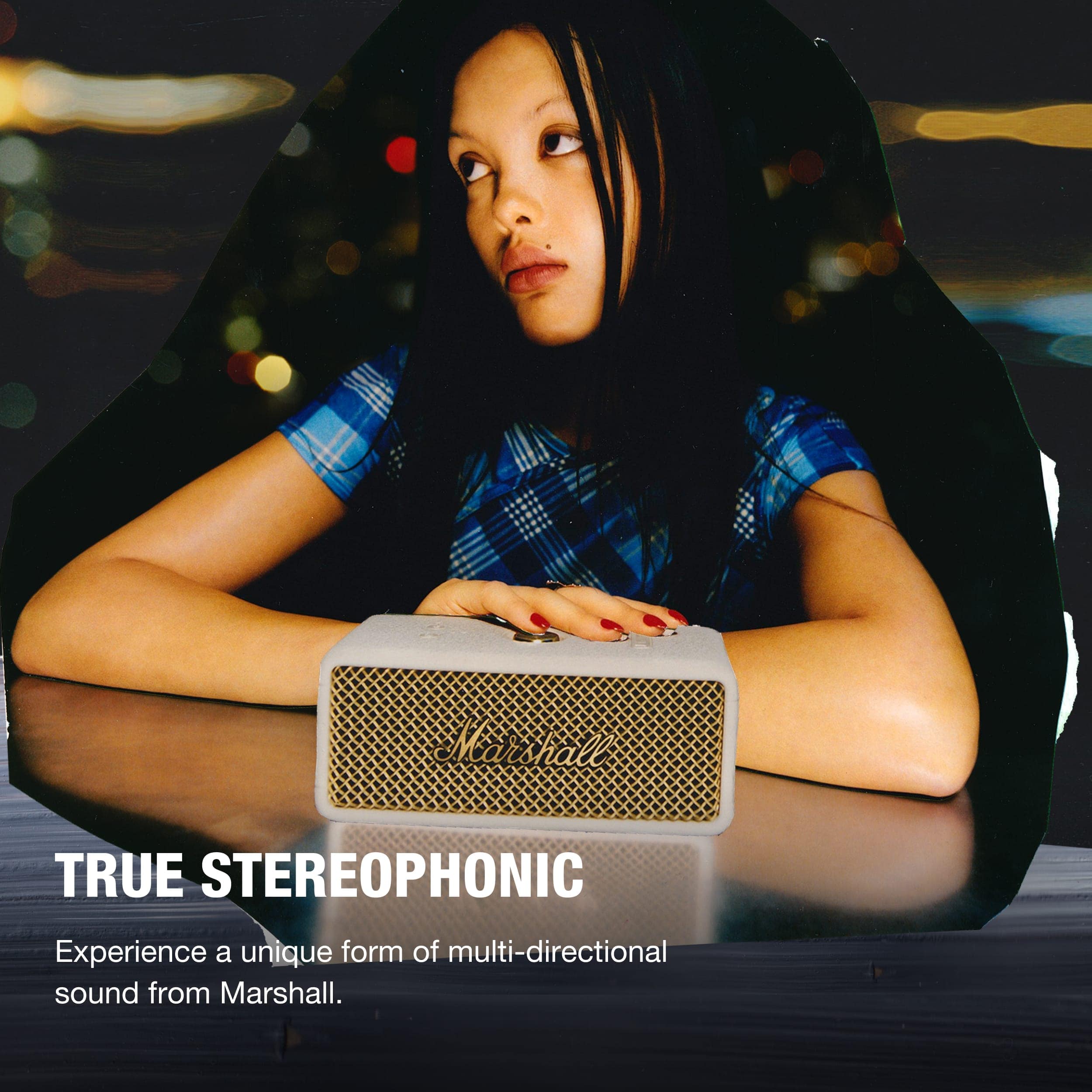
Both speakers handle mid-range frequencies well, which is crucial for vocal clarity. The Emberton III's True Stereophonic technology creates an impressive 360-degree sound field that maintains consistent quality regardless of listening position. Sony's speaker excels in near-field listening, with particularly clear dialogue reproduction that makes it excellent for podcast listening or as a desktop speaker.
Marshall's speaker can reach higher volumes without distortion, making it better suited for outdoor use or larger rooms. Sony's offering maintains composure at moderate volumes but can strain when pushed to maximum levels - though this aligns with its intended use case as a personal or small-room speaker.
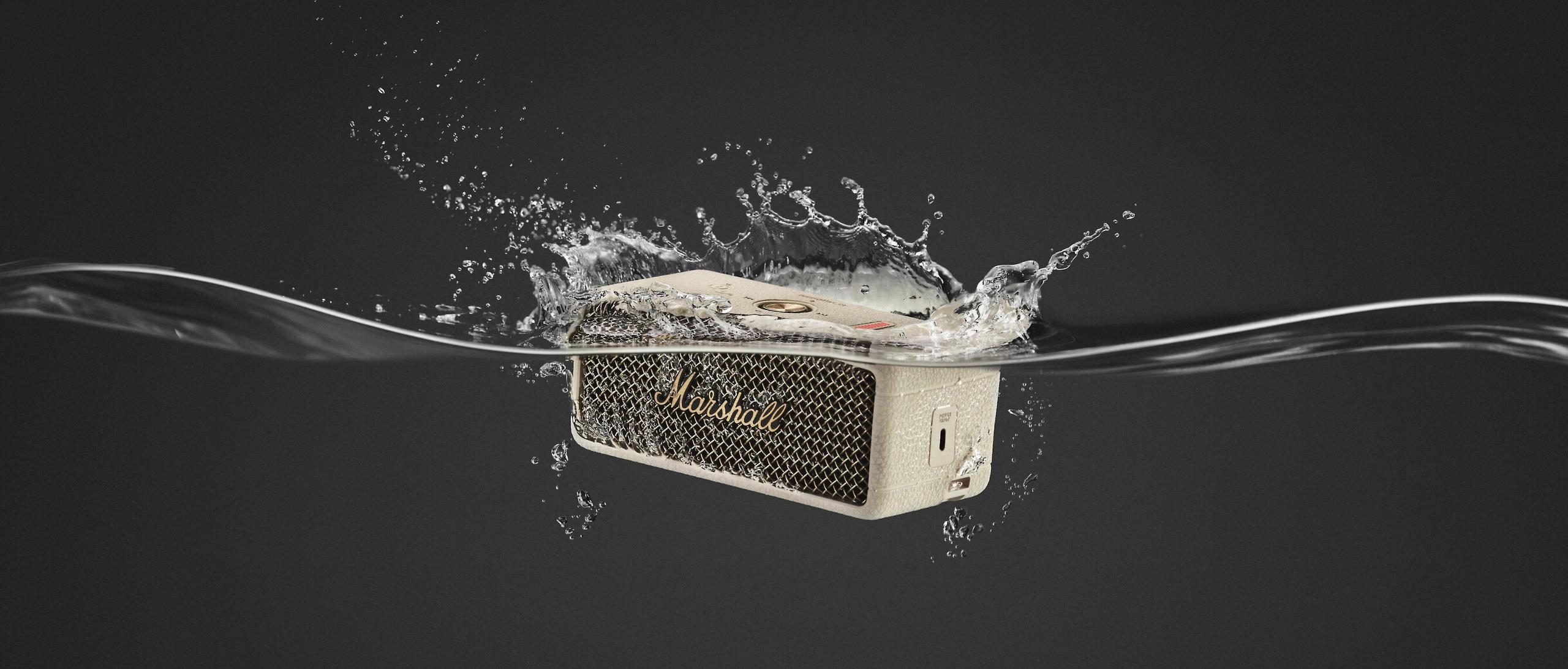
The durability difference between these speakers is significant. The Marshall Emberton III features IP67 water and dust resistance, meaning it can be submerged in water for 30 minutes without damage. The Sony LinkBuds Speaker carries an IPX4 rating, protecting only against splashes - fine for kitchen counters but not pool parties.
Marshall's speaker feels more rugged overall, with its rubberized housing and metal grille designed for outdoor use. Sony's lighter construction prioritizes portability and aesthetic integration into home environments.
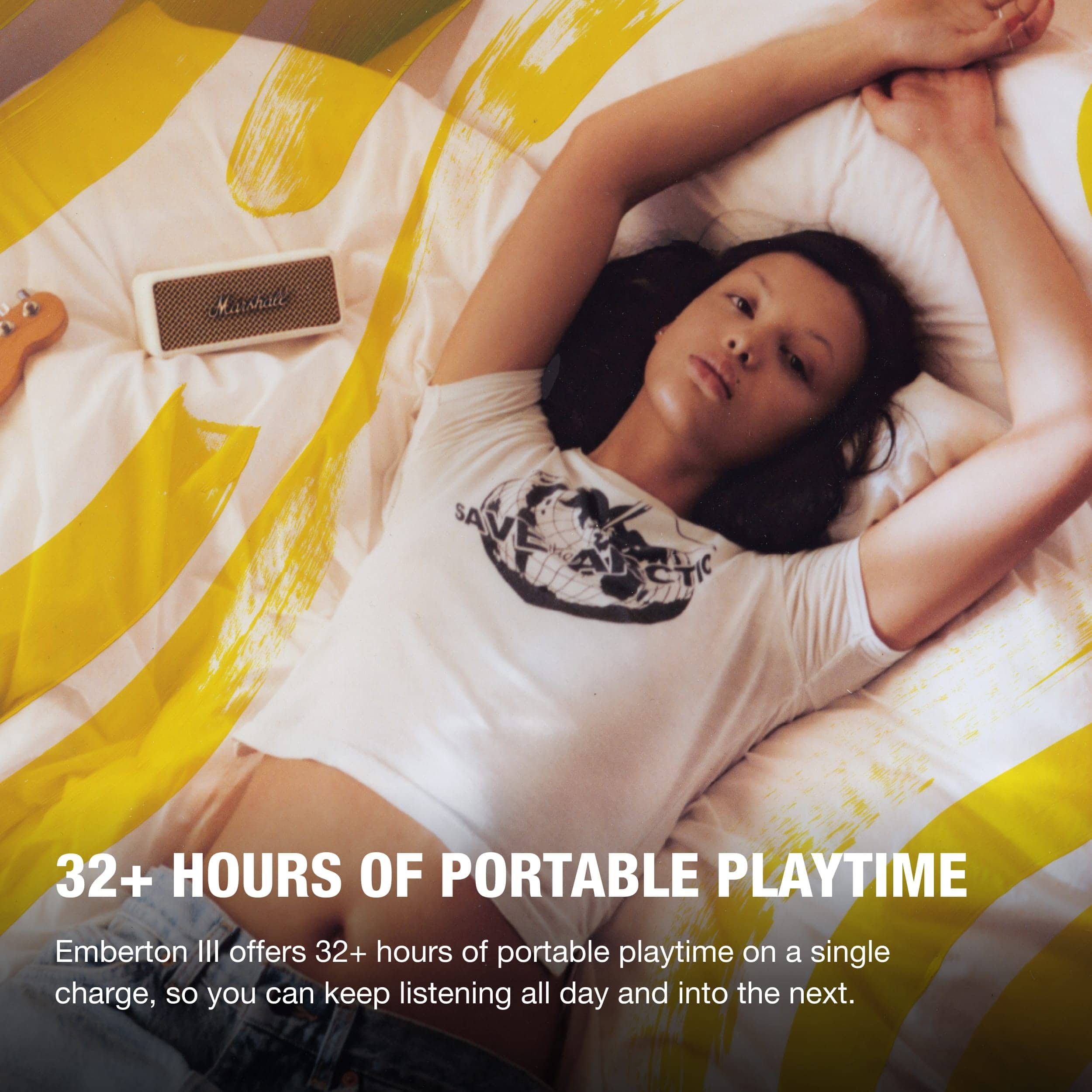
Battery technology has improved significantly in recent generations. The Emberton III now offers 32 hours of playback - a remarkable feat given its powerful amplification. Its quick-charge capability provides 6 hours of use from just 20 minutes of charging, perfect for last-minute adventures.
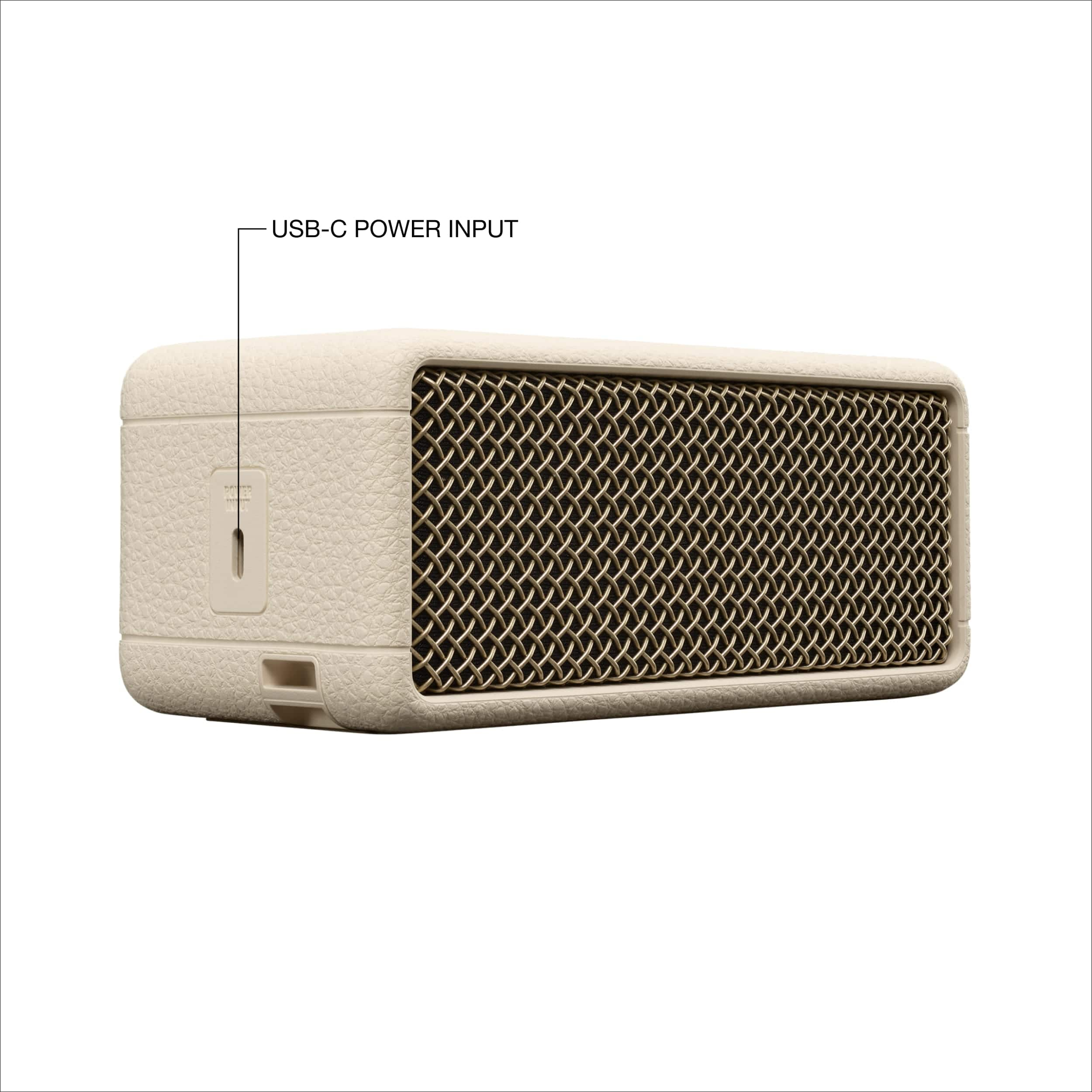
Sony's 25-hour battery life is still impressive, though it lacks the same rapid charging capabilities. Both use USB-C charging, which is convenient for compatibility with modern devices.
The Sony LinkBuds Speaker shines in its integration with other Sony products. Its Auto Switch feature seamlessly hands off audio between LinkBuds headphones and the speaker - imagine walking home with headphones, then having your music automatically transition to the speaker when you enter your room. This level of ecosystem intelligence is impressive.
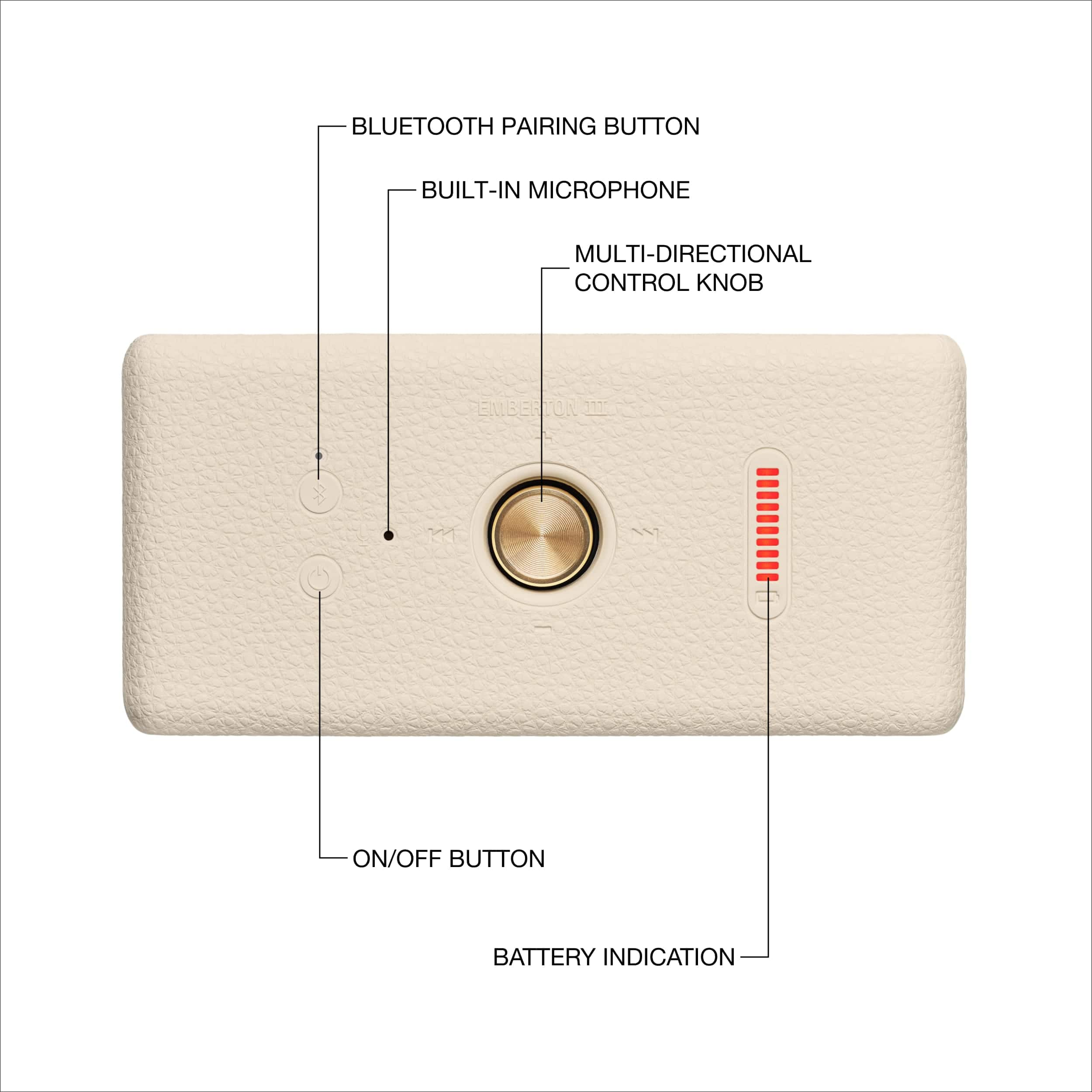
The Marshall Emberton III focuses on audio fundamentals while adding modern conveniences like a built-in microphone for calls and the Marshall app for EQ adjustment. The promised Auracast support (coming via firmware update) will enable broadcasting to multiple compatible speakers - though this feature's real-world utility remains to be seen.
At $169.99, the Marshall speaker offers better pure audio performance and durability for its price. The Sony, at $179.99, justifies its slightly higher cost through its smart features and ecosystem integration.
Having tested both speakers extensively, I've found the Emberton III more versatile for different environments. Its robust sound works well both indoors and out, and the improved amplification makes a noticeable difference compared to its predecessor.
The Sony speaker excels in more controlled environments, particularly as part of a larger Sony audio setup. Its sound diffusion technology creates an impressive sense of space for its size, though it can't match the Marshall's raw power.
Choose the Sony LinkBuds Speaker if:
Go for the Marshall Emberton III if:
Both speakers represent significant improvements over their predecessors, but they serve different needs. The Marshall excels as a traditional portable speaker with modern features, while the Sony creates a more integrated, smart home audio experience. Your choice should align with how and where you'll use the speaker most often.
| Sony LinkBuds Wireless Speaker | Marshall Emberton III |
|---|---|
| Price - Initial Investment | |
| $179.99 | $169.99 |
| Sound Output - Core audio performance capability | |
| Two-way speaker with X-Balanced unit, good clarity but limited bass | 2x 2" drivers with dual passive radiators, superior bass response |
| Water Resistance - Durability for outdoor use | |
| IPX4 (splash resistant only) | IP67 (fully waterproof, submersible) |
| Battery Life - Time between charges | |
| 25 hours | 32 hours |
| Fast Charging Capability - Convenience for quick power | |
| Not specified | 6 hours playback from 20-min charge |
| Weight - Portability factor | |
| 1.23 oz (extremely portable) | 1.5 lbs (more substantial) |
| Special Features - Extra functionality | |
| Auto Switch, Sound Diffusion Processor, Sony ecosystem integration | True Stereophonic 360° sound, built-in mic, future Auracast support |
| Sound Customization - Audio adjustment options | |
| 5-band EQ + CLEAR BASS setting | Marshall app with 3 EQ presets |
| Connectivity - Device pairing options | |
| Multipoint connection, seamless Sony device switching | Bluetooth 5.3 LE, supports multiple device pairing |
| Ideal Use Case - Best application | |
| Indoor use, Sony ecosystem integration, desktop listening | Outdoor activities, parties, versatile environments |
The Marshall Emberton III offers better overall sound quality and durability, while the Sony LinkBuds Speaker excels in smart features and ecosystem integration. Choose Marshall for outdoor use and better audio, Sony for smart home integration.
The Sony LinkBuds Speaker costs $179.99, while the Marshall Emberton III is priced at $169.99, making them very close competitors in terms of price.
The Marshall Emberton III offers 32 hours of playback compared to the Sony LinkBuds Speaker's 25 hours. Marshall also includes fast charging for 6 hours of playback from a 20-minute charge.
The Marshall Emberton III is fully waterproof (IP67) and ideal for outdoor use. The Sony LinkBuds Speaker has only IPX4 splash resistance and is better suited for indoor use.
The Marshall Emberton III delivers superior sound quality with better bass response and higher volume capability. The Sony LinkBuds Speaker offers good clarity but can't match Marshall's power and bass response.
Both speakers support multiple device connections. The Sony LinkBuds Speaker offers seamless switching between Sony devices, while the Marshall Emberton III uses standard Bluetooth multipoint connectivity.
The Sony LinkBuds Speaker is significantly lighter at 1.23 oz compared to the Marshall Emberton III's 1.5 lbs, making Sony the more portable option.
Neither speaker has built-in voice assistant capabilities, but both the Sony LinkBuds Speaker and Marshall Emberton III can play audio from your phone's voice assistant.
The Sony LinkBuds Speaker is better suited for small spaces with its Sound Diffusion Processor and compact size, while the Marshall Emberton III might be more powerful than needed.
Yes, both offer sound customization. The Sony LinkBuds Speaker has a 5-band equalizer and CLEAR BASS setting, while the Marshall Emberton III provides preset EQ options through its app.
The Marshall Emberton III is significantly more durable with its IP67 rating and rugged construction compared to the Sony LinkBuds Speaker's more delicate build and IPX4 rating.
The Marshall Emberton III is better suited for parties with its louder volume, stronger bass, and waterproof design. The Sony LinkBuds Speaker is better for background music at smaller gatherings.
We've done our best to create useful and informative comparisons to help you decide what product to buy. Our research uses advanced automated methods to create this comparison and perfection is not possible - please contact us for corrections or questions. These are the sites we've researched in the creation of this article: sony.com - center.lv - youtube.com - youtube.com - sony.com - walmart.com - youtube.com - sony.com - techradar.com - bgr.com - androidcentral.com - crutchfield.com - goodhousekeeping.com - bhphotovideo.com - youtube.com - youtube.com - timesofindia.indiatimes.com - bestbuy.com - group.marshall.com

Privacy Policy
Terms and Conditions - Affiliate Policy
Home Security
© Copyright 2008-2026.
11816 Inwood Rd #1211, Dallas, TX 75244