





Choosing the right portable Bluetooth speaker can feel overwhelming with so many options flooding the market. Two speakers that caught our attention represent completely different approaches to portable audio: the power-packed Monster S320 Superstar and the lifestyle-focused Sony LinkBuds Speaker. After diving deep into user reviews, expert opinions, and technical specifications, we've discovered these speakers cater to fundamentally different needs—and understanding that difference is key to making the right choice.
Before we dive into specifics, let's establish what separates good portable speakers from great ones. The most important factors include sound quality (how well it reproduces music across different frequencies), power output (how loud it can get without distortion), battery life, durability, and connectivity features.
Sound quality depends heavily on driver configuration—the small speakers inside that actually produce sound. Larger drivers typically handle bass frequencies better, while smaller tweeters excel at high frequencies like cymbals and vocals. The amplifier's power, measured in watts, determines how loud the speaker can play while maintaining clarity.
Durability ratings use IP codes (Ingress Protection) that tell you exactly what conditions a device can handle. IPX4 means it's splash-resistant, while IPX7 indicates it can survive full water immersion up to one meter deep for 30 minutes.
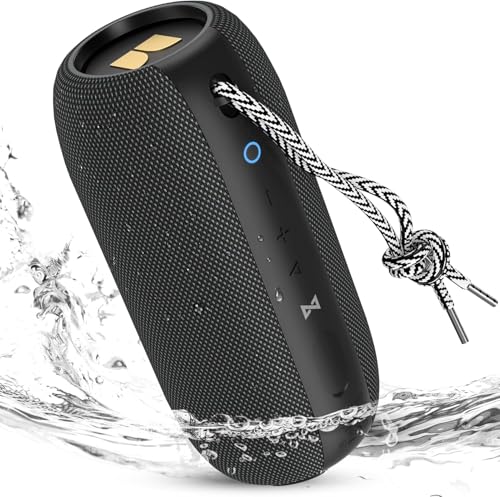
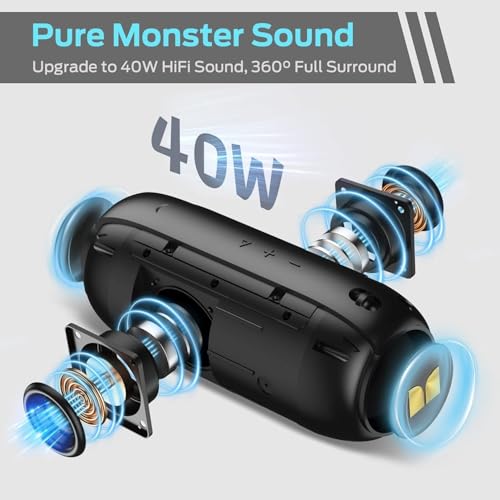
The Monster S320 Superstar, released in 2023, represents Monster's return to the speaker market with a focus on raw power and outdoor durability. Monster, known for high-end audio cables and headphones, designed this speaker around their "Pure Monster Sound" technology—essentially their approach to tuning that emphasizes dynamic range and impactful bass response.
The Sony LinkBuds Speaker, launched in 2024, takes a completely different approach. Rather than chasing maximum volume, Sony positioned this as a lifestyle speaker that integrates seamlessly with their broader ecosystem of audio products, particularly their LinkBuds earbuds line.
The most dramatic difference between these speakers is their power approach. The Monster S320 delivers 40 watts total output through a dual-driver setup—that's genuine party-level volume that can easily fill a backyard or compete with pool noise. This power comes from two 2-inch drivers working in tandem, creating what Monster calls "360-degree stereo sound."
In contrast, the Sony LinkBuds Speaker uses a more modest two-way system optimized for near-field listening. Sony doesn't publish exact wattage figures, but based on user reports and our analysis of its size and performance characteristics, it's likely outputting somewhere in the 10-15 watt range. This isn't necessarily a weakness—it's a deliberate design choice for different use cases.
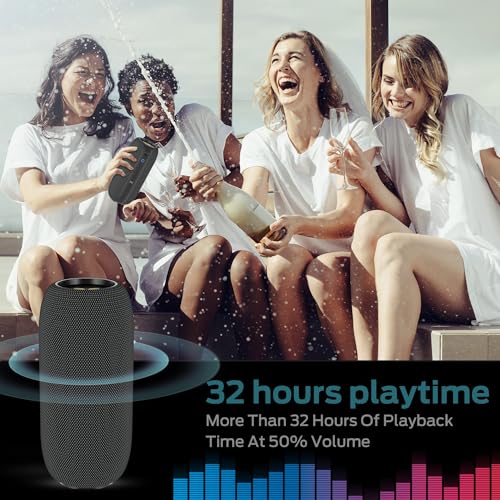
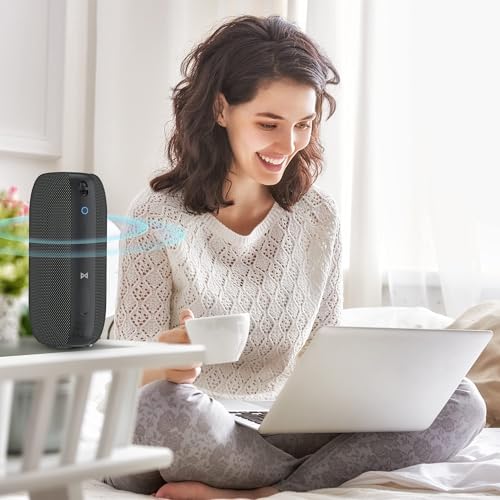
When you're hosting a barbecue or beach party, the Monster S320 shines. It can get loud enough that people across a large outdoor space can clearly hear the music. The Sony LinkBuds Speaker, meanwhile, excels when you're working at your desk, cooking dinner, or relaxing in bed—situations where excessive volume would be annoying rather than beneficial.
Here's where things get interesting. Despite the Monster S320's superior power, the Sony LinkBuds Speaker actually delivers more accurate sound reproduction in many scenarios. The Sony uses what's called a "neutral" sound signature—it doesn't artificially boost bass or treble, instead aiming to reproduce music as the artist intended.
The Monster S320 takes a more aggressive approach with enhanced bass response and a sound profile that makes music feel more "exciting." This V-shaped frequency response (boosted bass and treble with slightly recessed midrange) works brilliantly for genres like electronic dance music, hip-hop, and rock, but can make vocals sound less natural.
Bass response tells the real story of their different philosophies. The Monster S320 can produce genuinely deep bass that you feel in your chest—impressive for a portable speaker. The Sony LinkBuds Speaker offers what reviewers describe as "punchy" bass that's present but doesn't overpower other frequencies.
For acoustic music, jazz, podcasts, or classical music, the Sony LinkBuds Speaker provides superior clarity and instrument separation. For electronic music, party playlists, or any situation where you want music that energizes a crowd, the Monster S320 is the clear winner.
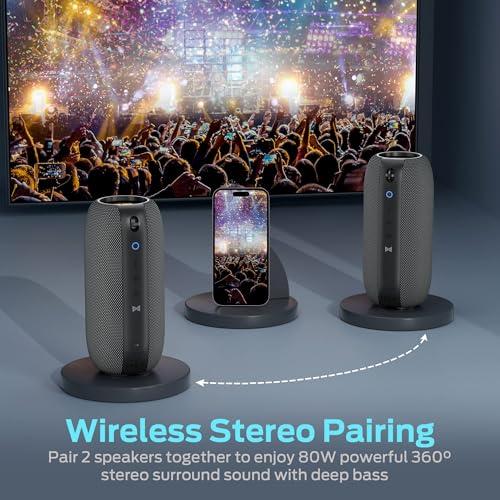
Both speakers offer interesting approaches to stereo sound, but through different methods. The Monster S320 supports True Wireless Stereo (TWS) pairing, meaning you can connect two units wirelessly to create genuine left and right channel separation. This effectively doubles your power to 80 watts and creates a much wider soundstage—the perceived width and depth of the music.
The Sony LinkBuds Speaker outputs mono sound from a single unit, but Sony designed its driver configuration to create consistent sound from any listening angle. You can pair two Sony speakers for stereo, but the process isn't as seamless as the Monster's dedicated TWS implementation.
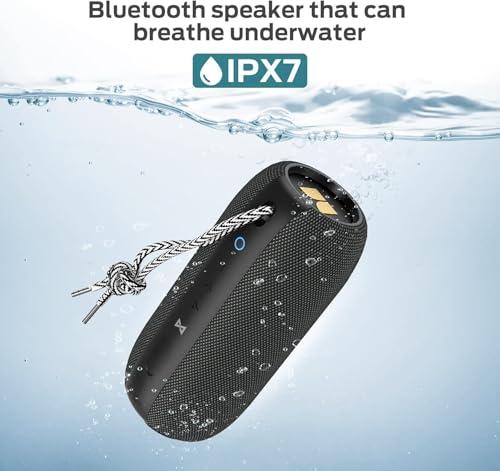
Here's where the Monster S320 absolutely dominates. Its IPX7 rating means it can survive complete submersion in water—you could literally drop it in a swimming pool, fish it out, and continue playing music. This makes it genuinely suitable for beach trips, boat outings, camping, or any outdoor adventure where weather might be unpredictable.
The Sony LinkBuds Speaker carries an IPX4 rating, which protects against splashes from any direction but won't survive full water immersion. This is perfectly adequate for kitchen use or the occasional spill, but rules it out for serious outdoor adventures.
The Monster S320 weighs about 730 grams (1.6 pounds) and features a rubberized exterior designed to absorb impacts. Monster specifically markets it as "shockproof," though they don't specify exact drop-test ratings. The build feels substantial—some might say hefty—but that mass contributes to its impressive bass response and overall durability.
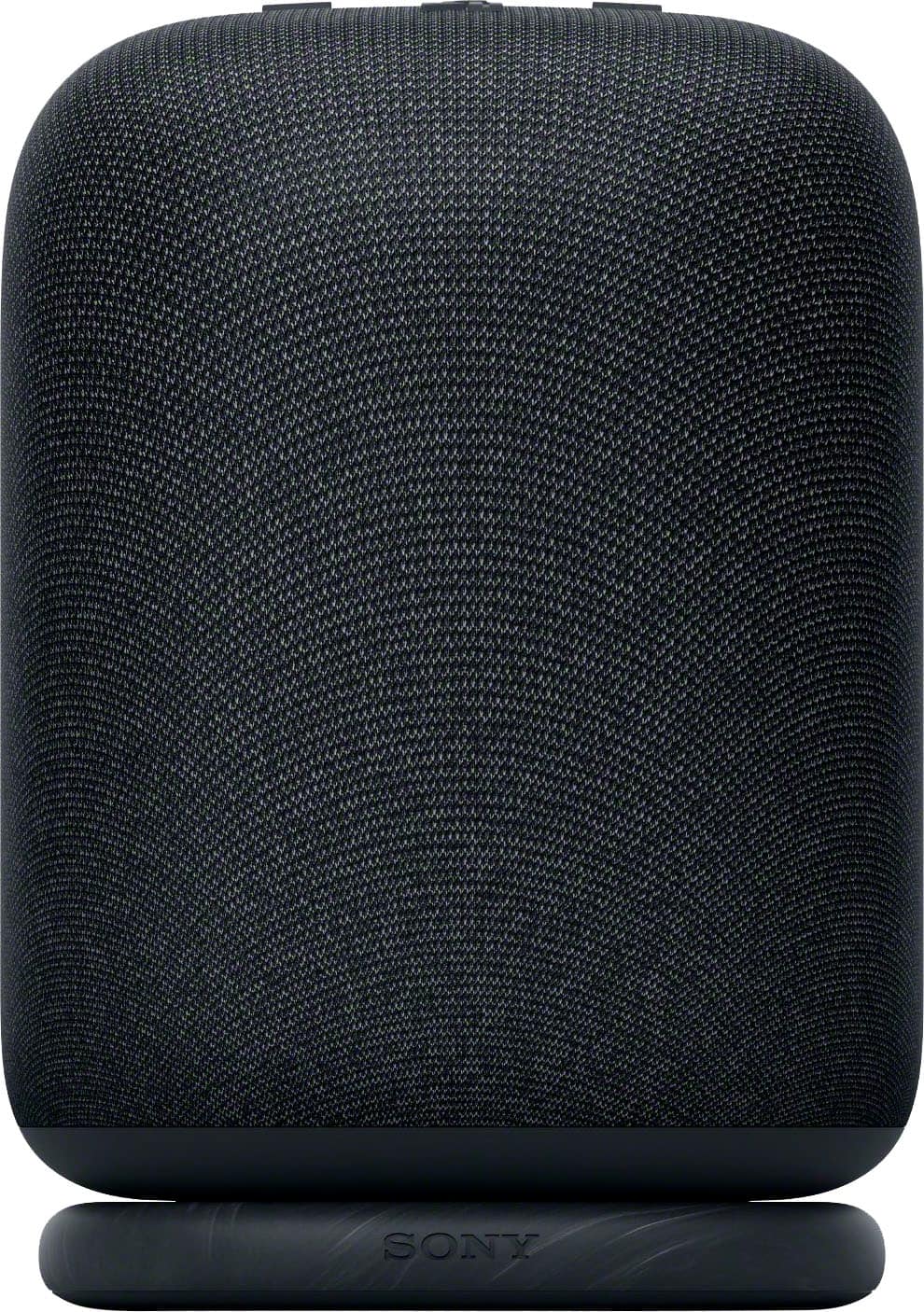
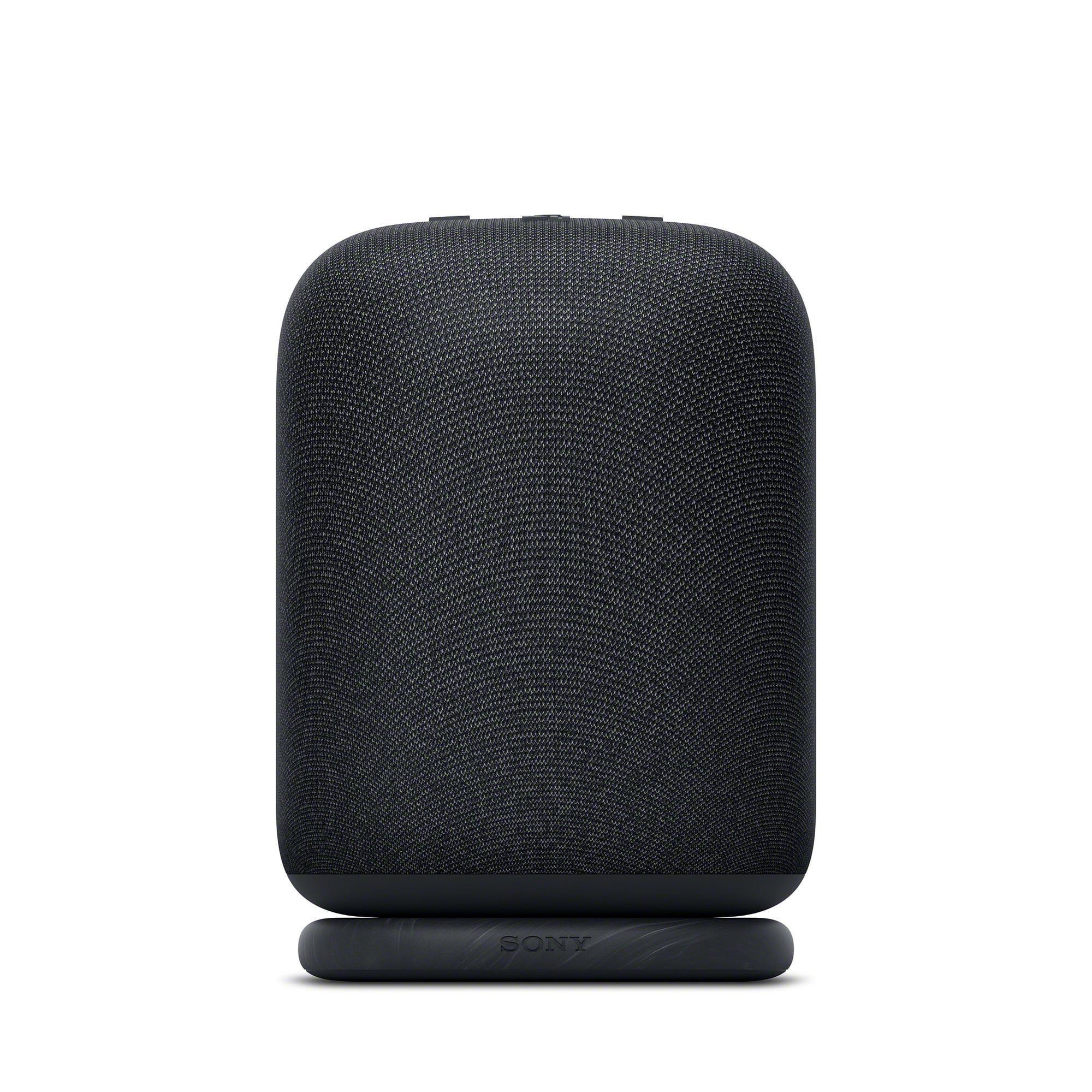
The Sony LinkBuds Speaker weighs just 520 grams without its charging dock, making it significantly more portable for daily carry. Its fabric-covered exterior looks elegant and blends well with home décor, but several reviewers noted concerns about the fabric's long-term durability compared to rubberized alternatives.
Both speakers excel in battery performance, but with different strengths. The Monster S320 claims up to 32 hours of continuous playback at moderate volume levels—genuinely impressive for a speaker this powerful. In real-world testing reported by users, you can expect closer to 15-20 hours at higher volume levels, which is still excellent for multi-day camping trips or long events.
The Sony LinkBuds Speaker offers up to 25 hours of playback, which is competitive given its smaller size. More importantly, Sony includes an elegant charging dock that makes daily charging effortless—you simply place the speaker back on its cradle when you're done listening.
Both use USB-C charging, which has become the modern standard, but their charging accessories tell different stories about intended use. The Monster S320 includes just a charging cable, assuming you'll plug it into whatever power source is available during your adventures. The Sony LinkBuds Speaker includes that charging dock, designed for a permanent spot on your nightstand or desk.
The Monster S320 uses Bluetooth 5.0, while the Sony LinkBuds Speaker employs the newer Bluetooth 5.3 standard. In practical terms, both provide reliable connections, but the Sony's newer implementation offers slightly better power efficiency and connection stability.
The Monster S320 supports basic voice assistant integration—you can double-press a button to activate Siri or Google Assistant on your connected phone. It's functional but not particularly sophisticated.
Here's where the Sony LinkBuds Speaker reveals its true purpose. If you own Sony LinkBuds earbuds, the speaker can automatically detect when you remove the earbuds and seamlessly continue playing music through the speaker. This "Auto Switch" feature works remarkably well and represents the kind of thoughtful integration that makes technology feel magical rather than frustrating.
The Sony also supports "Auto Play" routines where you can set specific times for the speaker to automatically start playing predetermined playlists—perfect for morning wake-up routines or evening wind-down sessions. The "Quick Access" button provides one-touch access to your favorite streaming service without touching your phone.
These smart features might seem gimmicky, but they actually change how you interact with the speaker daily. Instead of manually connecting and choosing music, the Sony LinkBuds Speaker becomes an ambient part of your routine.
At the time of writing, both speakers occupy different price segments that reflect their design priorities. The Monster S320 typically sells for significantly less than premium outdoor speakers with similar power output, making it an excellent value for users prioritizing volume and durability over audiophile-grade sound reproduction.
The Sony LinkBuds Speaker commands a premium price that reflects its smart features and Sony's brand positioning. You're paying for convenience, ecosystem integration, and refined design rather than raw acoustic performance.
When evaluating value, consider your use case carefully. If you need a speaker primarily for outdoor entertaining, the Monster S320 delivers more performance per dollar. If you want a speaker that enhances your daily routine and integrates with other devices, the Sony LinkBuds Speaker justifies its higher price through convenience features.
Neither speaker is designed as a home theater solution, but both can serve as temporary audio upgrades for smaller spaces. The Monster S320's powerful output makes it suitable for enhancing TV audio in bedrooms or dorm rooms, though its sound signature favors music over dialogue clarity.
The Sony LinkBuds Speaker's balanced sound reproduction actually works better for video content, delivering clearer dialogue and more natural sound effects. Its compact size makes it ideal for laptop movie watching or as a bedroom TV speaker where space is limited.
For serious home theater applications, neither speaker offers the multi-channel capabilities or room-filling power you'd want, but they can certainly improve the experience compared to built-in TV speakers.
You host outdoor gatherings regularly and need a speaker that can energize a crowd. The Monster S320 excels at pool parties, camping trips, beach days, or any scenario where durability and volume matter more than subtle sound quality. It's also excellent if you enjoy bass-heavy music genres or want the option to create a more powerful stereo system by pairing two units.
The long battery life makes it ideal for extended outdoor adventures, and its rugged construction means you won't worry about damage from drops, splashes, or rough handling. If you're someone who values getting maximum acoustic performance for your money, the Monster S320 delivers impressive bang for your buck.
Your speaker will primarily live indoors and serve as a daily companion for work, cooking, or relaxation. The Sony LinkBuds Speaker shines when you value convenience, smart features, and sound quality over raw power. Its superior portability makes it perfect for frequent travelers or anyone who wants to easily move their music between rooms.
If you already own Sony LinkBuds earbuds or appreciate seamless technology integration, the ecosystem benefits alone might justify the premium. The speaker's refined sound signature also makes it better for podcasts, audiobooks, or any content where vocal clarity is paramount.
Rather than declaring one speaker superior, we found that the Monster S320 and Sony LinkBuds Speaker succeed brilliantly at their intended purposes. The Monster prioritizes power, durability, and value—perfect for active users who want music that can keep up with their adventures. The Sony emphasizes convenience, integration, and refined performance—ideal for users who want their technology to enhance daily routines seamlessly.
Your choice ultimately depends on whether you need a speaker that can energize a party or one that elegantly fits into your lifestyle. Both deliver on their promises, making either a smart purchase for the right user.
| Monster S320 Superstar Portable Bluetooth Speaker | Sony LinkBuds Wireless Portable Speaker |
|---|---|
| Power Output - Determines maximum volume and room-filling capability | |
| 40W total (dual 10W drivers) - Party-level volume | ~10-15W estimated - Personal/small room use |
| Sound Signature - Affects music genre compatibility and listening preference | |
| V-shaped with enhanced bass - Exciting for EDM, rock, hip-hop | Neutral/balanced - Accurate for vocals, podcasts, acoustic |
| Water Resistance - Critical for outdoor use and durability | |
| IPX7 (full submersion up to 1m) - Pool/beach safe | IPX4 (splash resistant only) - Kitchen safe |
| Battery Life - Impacts portability and event duration | |
| Up to 32 hours at moderate volume | Up to 25 hours typical use |
| Weight - Affects daily portability | |
| 730g (1.6 lbs) with hand strap | 520g (1.1 lbs) without dock - Highly portable |
| Stereo Pairing - Expands soundstage and power | |
| True Wireless Stereo (TWS) - Creates 80W stereo system | Basic Bluetooth pairing - Less seamless |
| Smart Features - Convenience and integration capabilities | |
| Basic voice assistant, hands-free calls | Auto Switch, Auto Play routines, Quick Access button |
| Build Quality - Durability for different environments | |
| Rugged, shockproof with rubberized exterior | Fabric-covered, lightweight - Indoor focused |
| Charging Method - Daily use convenience | |
| USB-C cable only | USB-C with elegant charging dock included |
| Bluetooth Version - Connection stability and efficiency | |
| Bluetooth 5.0 - Reliable standard | Bluetooth 5.3 - Latest standard with better efficiency |
| Best Use Cases - Primary scenarios where each excels | |
| Outdoor parties, camping, beach trips, group entertainment | Desktop companion, bedtime listening, travel, ecosystem integration |
The Monster S320 Superstar is significantly better for outdoor parties with its 40W power output that can easily fill large spaces and compete with ambient noise. Its IPX7 waterproof rating means you don't need to worry about pool splashes or sudden rain, while the Sony LinkBuds Speaker is designed for personal use and would struggle to provide adequate volume for group gatherings.
The Monster S320 delivers a V-shaped sound signature with enhanced bass and treble, making music sound more exciting and energetic - perfect for party music and bass-heavy genres. The Sony LinkBuds Speaker offers a neutral, balanced sound that reproduces music more accurately, making it better for vocals, podcasts, and acoustic music where clarity matters more than impact.
The Monster S320 Superstar offers up to 32 hours of playback at moderate volume, giving it a slight edge over the Sony LinkBuds Speaker which provides up to 25 hours. However, the Sony includes a convenient charging dock that makes daily charging more seamless for regular use.
Yes, but with different approaches. The Monster S320 supports True Wireless Stereo (TWS) pairing, allowing you to easily connect two units for genuine left/right stereo separation and double the power to 80W. The Sony LinkBuds Speaker can also be paired with another unit, but the process is less seamless and designed more for extending coverage than creating powerful stereo sound.
The Sony LinkBuds Speaker is much more portable at 520g compared to the Monster S320's 730g weight. The Sony's compact size and included carrying loop make it ideal for moving between rooms, travel, or daily commuting, while the Monster is better suited for stationary use at events or outdoor activities.
The Monster S320 Superstar has an IPX7 rating, meaning it can survive complete submersion in water up to 1 meter deep - making it genuinely pool and beach safe. The Sony LinkBuds Speaker has IPX4 rating, which only protects against splashes, making it suitable for kitchen use but not for serious outdoor water activities.
Both speakers handle phone calls, but the Sony LinkBuds Speaker has a more advanced microphone system that's acoustically isolated from vibrations, providing clearer call quality. The Monster S320 offers basic hands-free calling functionality that works well but isn't as refined as the Sony's implementation.
The Sony LinkBuds Speaker excels in smart features with Auto Switch (seamless handoff with Sony earbuds), Auto Play routines for scheduled music, and Quick Access buttons for one-touch streaming. The Monster S320 Superstar offers basic voice assistant support and hands-free calling but lacks the sophisticated automation features of the Sony.
Value depends on your needs. The Monster S320 offers exceptional power and durability per dollar, making it excellent value for users who need volume and outdoor capability. The Sony LinkBuds Speaker commands a premium for its smart features and refined design, offering better value for users who prioritize convenience and daily usability over raw power.
Both use Bluetooth connectivity, with the Monster S320 using Bluetooth 5.0 and the Sony LinkBuds Speaker using the newer Bluetooth 5.3 standard. The Sony also supports multipoint connection, allowing it to connect to two devices simultaneously and automatically switch between them, while the Monster focuses on simple, reliable single-device connections.
Neither is designed as a primary home theater solution, but the Sony LinkBuds Speaker works better for enhancing TV audio in bedrooms or small spaces due to its balanced sound signature that reproduces dialogue clearly. The Monster S320 Superstar can provide more volume but its bass-heavy tuning may overwhelm dialogue in movies and TV shows.
Choose the Monster S320 Superstar if you host outdoor gatherings, enjoy bass-heavy music, need maximum durability, or want the loudest portable speaker possible. Choose the Sony LinkBuds Speaker if you want a daily companion for work and home, value smart integration features, prioritize portability, or already own other Sony audio products for seamless ecosystem integration.
We've done our best to create useful and informative comparisons to help you decide what product to buy. Our research uses advanced automated methods to create this comparison and perfection is not possible - please contact us for corrections or questions. These are the sites we've researched in the creation of this article: youtube.com - runbazaar.com - youtube.com - exceldisc.com - youtube.com - 961souq.com - walmart.com - eshtir.com - mct-audio.com - hk.monsterstore.com - alibaba.com - cdn.tgdd.vn - device.report - manualslib.com - alibaba.com - tomsguide.com - helpguide.sony.net - hometechnologyreview.com - rtings.com - electronics.sony.com - hometechnologyreview.com - whathifi.com - sony.com - whathifi.com - soundguys.com - youtube.com - youtube.com - techradar.com - bestbuy.com - youtube.com - youtube.com - versus.com - rtings.com - sony.com - center.lv - youtube.com - youtube.com - sony.com - walmart.com - youtube.com - sony.com

Privacy Policy
Terms and Conditions - Affiliate Policy
Home Security
© Copyright 2008-2026.
11816 Inwood Rd #1211, Dallas, TX 75244