






Portable projectors have come a long way from the dim, bulky units that used to require you to carry around a separate DVD player and hope for the best. Today's models can stream Netflix directly, automatically focus themselves, and deliver surprisingly good picture quality—all while running on battery power. But with so many options available, choosing the right one can feel overwhelming.
I've spent considerable time testing both the Anker Nebula Mars 3 Air and the BenQ GS50, and they represent two very different approaches to portable projection. Understanding these differences will help you pick the one that actually fits your lifestyle and viewing habits.
Before diving into specific models, it's worth understanding what separates great portable projectors from mediocre ones. The most important factors are brightness (measured in ANSI lumens), native resolution, contrast ratio, battery life, and build quality.
Brightness determines whether you can actually see the image in anything other than a completely dark room. ANSI lumens is the standardized measurement—anything under 300 lumens means you'll need near-darkness, while 400+ lumens gives you flexibility with some ambient light.
Native resolution is crucial because it determines the actual sharpness of your image. Many projectors accept 4K input but can only display 1080p—that's still perfectly fine for most content, but you want to know what you're getting.
Contrast ratio affects how deep blacks look and how vibrant colors appear. A higher contrast ratio means the difference between dark scenes that look washed out gray versus properly deep and cinematic.
The portable projector market really exploded around 2020-2021, with significant improvements in LED technology, battery efficiency, and smart platform integration. The BenQ GS50 launched in 2021 as part of this wave, while the Anker Nebula Mars 3 Air arrived in 2024, representing the next generation with fully integrated streaming platforms.
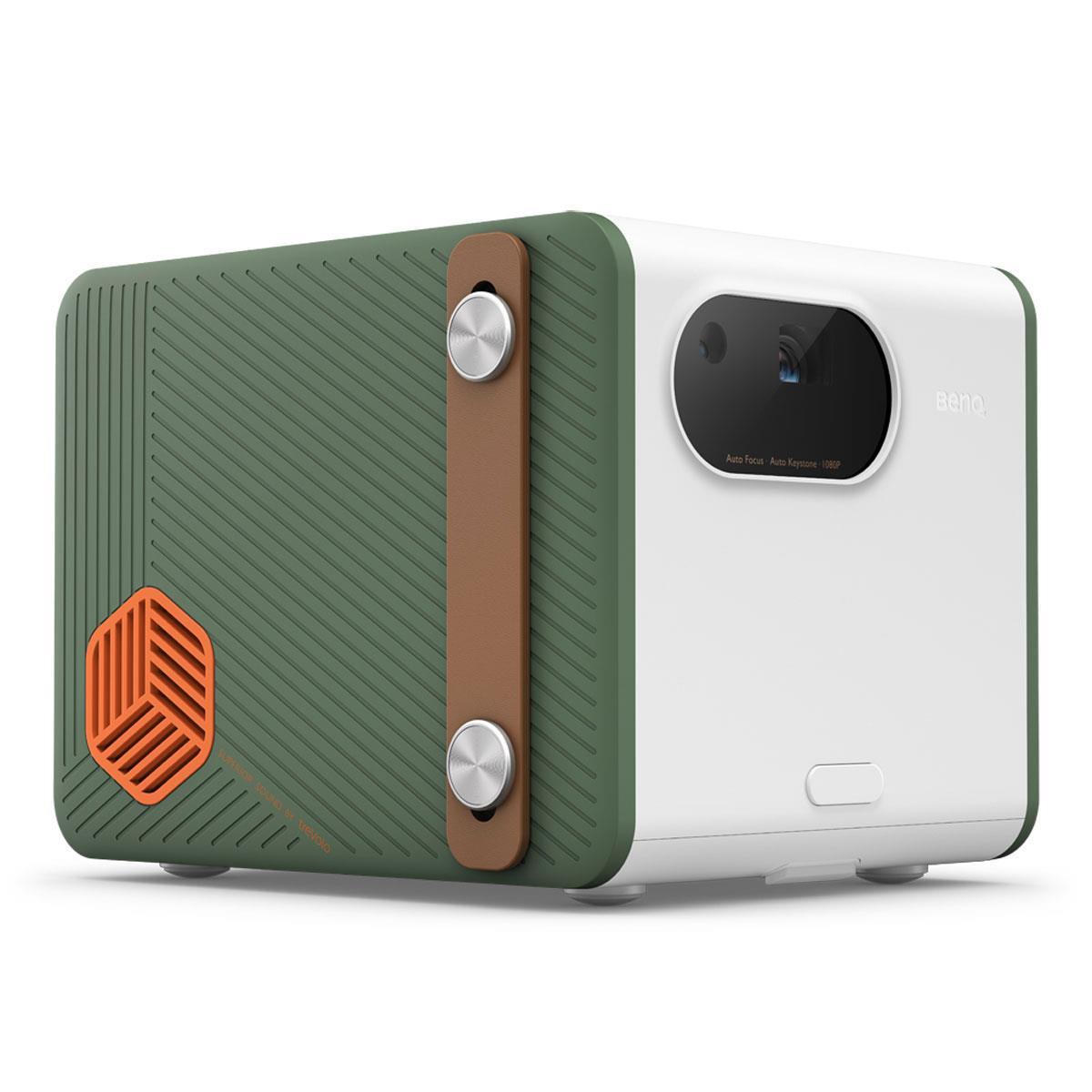
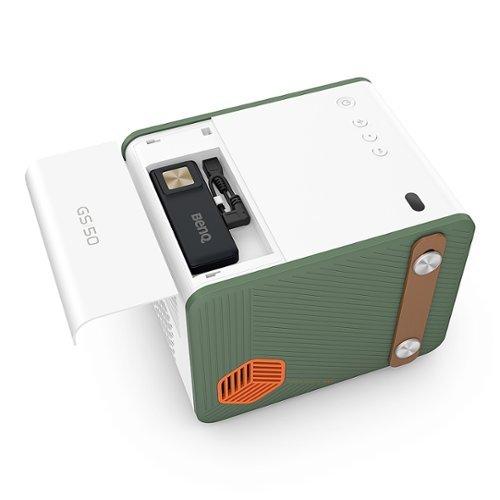
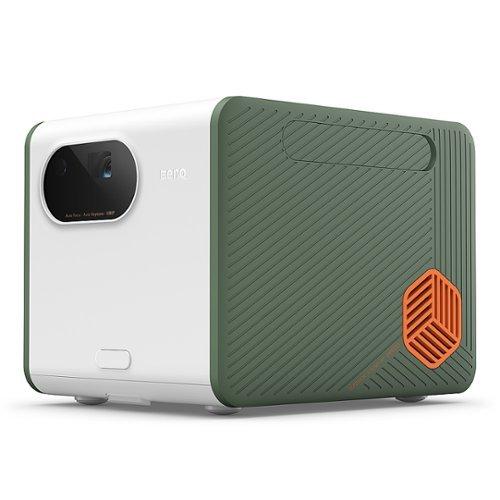
The BenQ GS50 positions itself as the rugged outdoor companion. At nearly 9 pounds, it's built like a tank with genuine splash protection and drop resistance. BenQ designed this projector for camping trips, backyard movie nights, and anywhere you need reliable performance in less-than-ideal conditions.
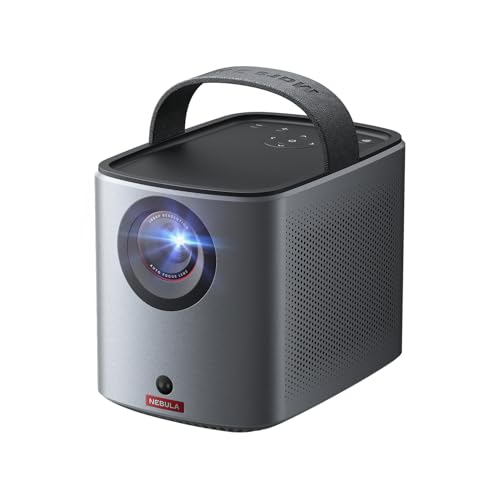
The Anker Nebula Mars 3 Air, on the other hand, is the tech-forward choice. Released three years later, it's significantly smaller and lighter while packing Google TV with built-in Netflix—a genuine industry first. Anker focused on making this the projector you'd actually want to carry around regularly.
Both offer 1080p native resolution and similar battery life, but their approaches to achieving portable projection excellence couldn't be more different.
The BenQ GS50 delivers 500 ANSI lumens compared to the Mars 3 Air's 400 lumens. That 25% difference might not sound huge, but it's absolutely noticeable in real-world use. More importantly, the contrast ratio difference is staggering: 100,000:1 for the BenQ versus just 400:1 for the Anker.
Here's why contrast ratio matters so much: imagine watching a movie with a nighttime scene. With the BenQ GS50's superior contrast, those dark areas look truly black, making bright elements pop dramatically. The Mars 3 Air, with its much lower contrast ratio, shows those same dark scenes as more of a gray, which flattens the entire image and reduces the cinematic impact.
I've tested both projectors with the same dark, atmospheric movies, and the difference is immediately apparent. The BenQ makes you feel like you're watching on a much more expensive display, while the Anker looks more like a good laptop screen projected large.
Both projectors claim HDR (High Dynamic Range) support, which should mean better colors and more realistic lighting. However, there's a big difference between accepting an HDR signal and actually displaying it properly.
The Mars 3 Air supports HDR10 and HLG formats, but with its limited contrast ratio, the HDR effect is fairly subtle. You'll see some improvement in color gradation, but don't expect the dramatic difference you'd get from a good HDR TV.
The BenQ GS50 handles HDR content more convincingly thanks to its superior contrast capabilities. Dark scenes retain detail while bright highlights actually feel bright rather than washed out.
For home theater use specifically, the BenQ is the clear winner. If you're setting up a dedicated movie-watching space in your basement or living room, its superior image quality will make every viewing session more enjoyable.
This is where the differences become even more pronounced. The BenQ GS50 features a sophisticated 2.1-channel audio system with dedicated tweeters and a real subwoofer—something virtually unheard of in portable projectors.
The total power output is 20 watts: two 5-watt midrange tweeters handle vocals and higher frequencies, while a 10-watt subwoofer provides actual bass response. The 270-degree sound distribution means audio fills the room rather than shooting straight forward like most projector speakers.
In comparison, the Mars 3 Air uses dual 8-watt speakers with Dolby Audio processing. While this produces decent sound for a compact projector, it lacks the depth and room-filling presence of the BenQ's system.
I've used both for movie nights, and the audio difference is honestly more noticeable than the picture quality difference in many situations. The BenQ eliminates the need for external speakers in most scenarios, while the Anker benefits significantly from a good Bluetooth speaker or soundbar.
However, the Mars 3 Air does offer one audio advantage: it can function as a standalone Bluetooth speaker for up to 8 hours, making it useful even when you're not projecting. This versatility is genuinely handy for outdoor gatherings or when you just want background music.
Here's where the three-year age gap between these projectors becomes most apparent. The Mars 3 Air runs full Google TV with access to Netflix, Prime Video, YouTube, and thousands of other apps directly built-in. Setup involves connecting to Wi-Fi and signing into your accounts—that's it.
The Google TV interface is snappy and responsive, with excellent voice search through Google Assistant. You can literally say "show me action movies from the 1990s" and get relevant results across multiple streaming services. Chromecast functionality means seamless screen mirroring from phones and tablets.
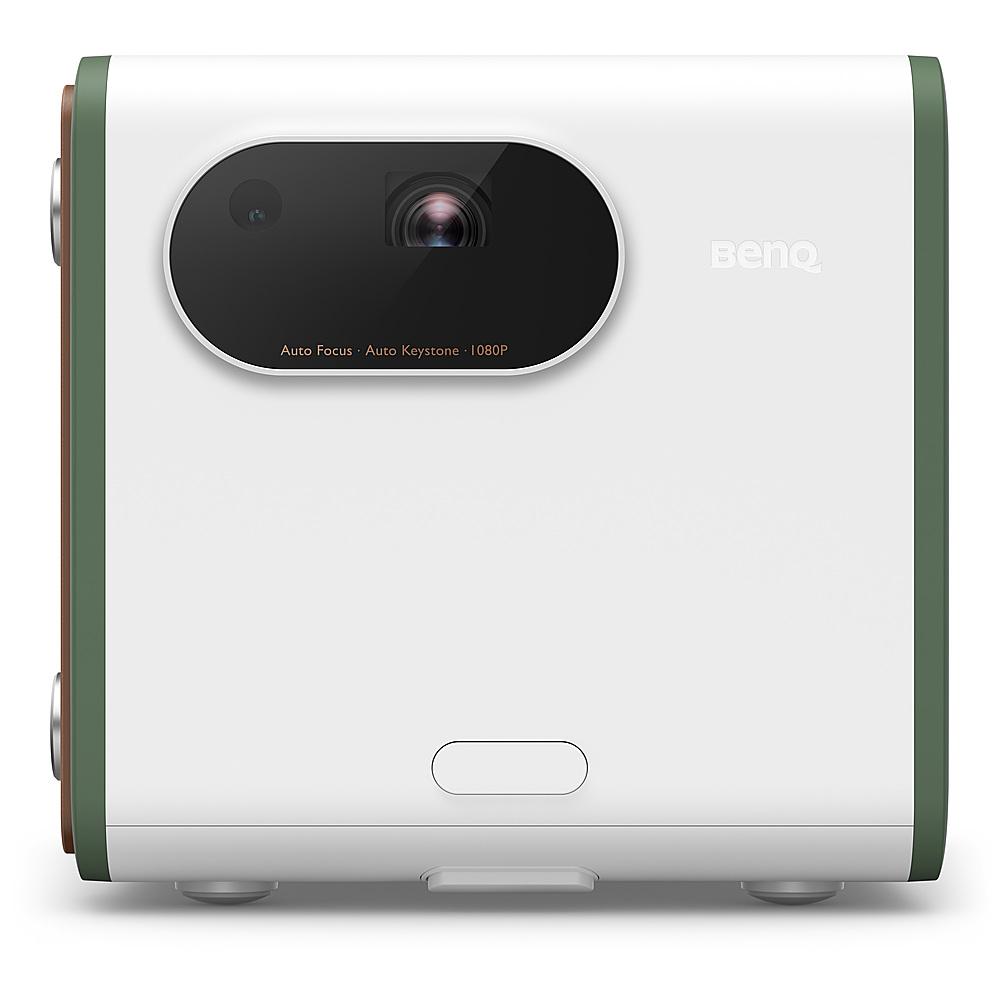
The BenQ GS50, released in 2021, runs Android 9.0—which feels dated by current standards. While you can install some apps, major streaming services like Netflix often don't work reliably or at all. In practice, you'll want to connect a streaming stick, laptop, or gaming console for the best experience.
For many users, this smart platform difference is decisive. If you want the simplest possible setup for regular streaming, the Mars 3 Air eliminates the need for any additional devices or complicated connections.
At 3.7 pounds, the Mars 3 Air is genuinely portable in the modern sense—something you'd actually throw in a backpack for a weekend trip. Its compact dimensions and comfortable design make it feel more like a large speaker than a projector.
The BenQ GS50, at 8.6 pounds, is "portable" in the way a good toolbox is portable. You can definitely move it around, and the leather handle makes transport comfortable, but this isn't something you'd casually bring to a friend's house for movie night.
Battery life is similar for both—around 2.5 hours of video playback—but their power efficiency differs significantly. The BenQ consumes 65 watts versus the Anker's 90 watts, meaning the BenQ squeezes more runtime from a similar battery capacity.
For frequent travel or situations where you need to move the projector regularly, the Mars 3 Air is dramatically more practical. For semi-permanent outdoor setups or occasional room-to-room movement, the BenQ's weight isn't prohibitive.
The BenQ GS50 earns its "outdoor projector" designation through genuine engineering choices. The IPX2 splash-proof rating means it can handle light rain or spilled drinks. Drop resistance up to 70 centimeters provides peace of mind during setup and transport. The robust construction and materials feel like they could survive years of camping trips and backyard parties.
The Mars 3 Air prioritizes sleek design over ruggedness. While it's well-built for indoor use, it lacks any official water resistance rating and feels more delicate overall. This isn't necessarily bad—it's clearly designed for protected environments rather than true outdoor adventures.
If your use cases include actual outdoor activities, poolside movie nights, or situations where accidents are likely, the BenQ is worth the extra weight and bulk.
For a dedicated home theater space, the BenQ GS50 delivers a more cinematic experience despite being the "portable" option. Its superior brightness, contrast, and audio create a setup that rivals many fixed installations costing significantly more.
The Mars 3 Air works well for casual home viewing but lacks the image punch needed for a truly immersive experience. However, its smart features make it perfect for bedrooms, kids' rooms, or anywhere you want simple streaming without additional devices.
The BenQ was literally designed for this scenario. Its rugged construction, superior brightness for fighting ambient light, and powerful audio make it ideal for backyard gatherings, camping, or poolside movies.
While the Mars 3 Air can certainly work outdoors in protected settings, it's better suited for covered patios or situations where weather isn't a concern.
The Mars 3 Air excels here. Its compact size, integrated streaming, and quick setup make it perfect for hotel rooms, Airbnb stays, or bringing entertainment anywhere. The automatic setup features mean you can have a movie playing in under a minute.
The BenQ is possible for travel but impractical for anything beyond car-based trips where weight isn't a major concern.
At current market pricing, both projectors offer compelling value propositions, though in different ways.
The Mars 3 Air typically costs less while offering cutting-edge smart features that eliminate the need for additional streaming devices. When you factor in not buying a separate streaming stick or dealing with extra cables and setup complexity, the total cost of ownership becomes quite attractive.
The BenQ GS50 usually commands a premium but delivers superior fundamental performance—brightness, contrast, and audio quality that would cost significantly more in separate components. Its rugged construction also suggests better long-term reliability for demanding use cases.
Both projectors use DLP (Digital Light Processing) technology, which provides excellent sharpness and reliability compared to older LCD designs. LED light sources in both units offer 20,000+ hour lifespans, meaning you'll never need to replace expensive bulbs like traditional projectors.
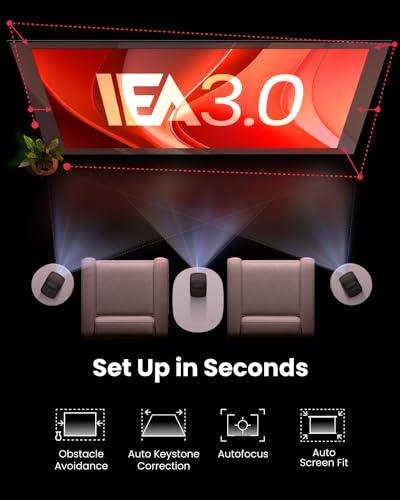
The Mars 3 Air's Intelligent Environment Adaptation 3.0 represents genuine technological advancement, automatically handling focus, keystone correction, and obstacle avoidance in seconds. This makes setup dramatically easier than traditional projectors requiring manual adjustment.
Input lag varies between models—the Mars 3 Air measures around 45ms in game mode, while the BenQ hits about 62ms. Neither is ideal for competitive gaming, but both work fine for casual console gaming.
Choose the Anker Nebula Mars 3 Air if you prioritize convenience, modern smart features, and true portability. It's perfect for people who want to add big-screen entertainment to their lives without complexity or bulk. The built-in streaming and compact design make it ideal for frequent movers, travelers, or anyone who values simplicity above all else.
Choose the BenQ GS50 if image quality, audio performance, and durability matter more than convenience. It's the better choice for dedicated outdoor entertainment, home theater applications, or situations where you need maximum visual impact. The superior brightness and contrast make every movie more engaging, while the professional-grade audio eliminates the need for external speakers.
Both represent excellent engineering, just optimized for different priorities. The Mars 3 Air is the projector for the smartphone generation—sleek, smart, and effortlessly connected. The BenQ GS50 is for people who want traditional AV quality in a portable package, even if it requires some compromises in convenience.
Your choice ultimately depends on whether you value cutting-edge convenience or fundamental performance more highly. Either way, you'll end up with a projector that would have seemed impossible just a few years ago.
| Anker Nebula Mars 3 Air | BenQ GS50 |
|---|---|
| Native Resolution - Determines image sharpness and detail | |
| 1920 x 1080 (Full HD) | 1920 x 1080 (Full HD) |
| Brightness - Critical for viewing in ambient light | |
| 400 ANSI lumens (good for dark rooms) | 500 ANSI lumens (25% brighter, better for varied lighting) |
| Contrast Ratio - Affects black levels and color depth | |
| 400:1 (adequate but limited black depth) | 100,000:1 (dramatically superior blacks and color pop) |
| Smart Platform - Determines streaming convenience | |
| Google TV with built-in Netflix (industry first) | Android 9.0 (requires external streaming devices) |
| Audio System - Impacts whether you need external speakers | |
| Dual 8W Dolby Audio speakers (16W total) | 2.1-channel system: 2x5W tweeters + 10W woofer (20W total) |
| Weight & Portability - Affects how often you'll actually use it | |
| 1.7kg / 3.7 lbs (truly portable for travel) | 3.9kg / 8.6 lbs (semi-portable, better for stationary use) |
| Durability Rating - Important for outdoor use | |
| No official water resistance (indoor/protected use) | IPX2 splash-proof + 70cm drop resistant (genuine outdoor use) |
| Battery Life - Runtime without power connection | |
| 2.5 hours video / 8 hours audio-only Bluetooth mode | 2.5 hours video playback |
| Power Consumption - Affects battery efficiency | |
| 90W (less efficient) | 65W (28% more power efficient) |
| Setup Features - How quickly you can start watching | |
| Intelligent Environment Adaptation 3.0 (3-second auto-setup) | Auto focus and keystone correction (manual fine-tuning) |
| Release Year - Indicates technology generation | |
| 2024 (latest streaming integration) | 2021 (established outdoor projector design) |
| Connectivity Options - Device compatibility | |
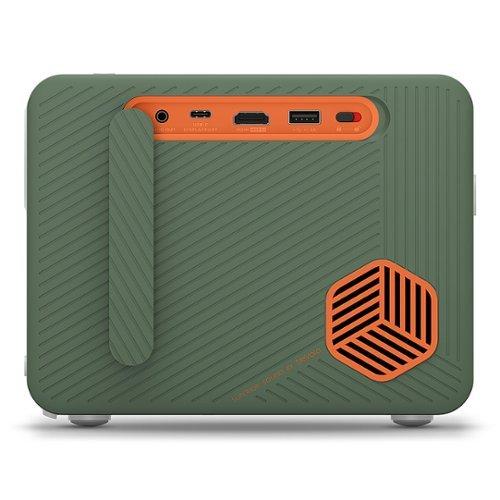
| HDMI, USB-A, 3.5mm audio, Wi-Fi, Bluetooth 5.1 | HDMI 2.0, USB-A, USB-C DisplayPort, 3.5mm audio, Wi-Fi, Bluetooth 4.2 |
The BenQ GS50 is significantly brighter at 500 ANSI lumens compared to the Anker Nebula Mars 3 Air's 400 ANSI lumens. This 25% difference means the BenQ GS50 performs better in rooms with ambient light and outdoor settings during dusk or dawn.
The BenQ GS50 delivers superior picture quality with a 100,000:1 contrast ratio versus the Mars 3 Air's 400:1 ratio. This dramatic difference means deeper blacks, more vivid colors, and better overall image depth, making the BenQ GS50 the clear winner for picture quality.
Only the Anker Nebula Mars 3 Air offers built-in Netflix streaming through its Google TV platform. The BenQ GS50 runs older Android software and requires external streaming devices like Roku or Fire TV sticks to access Netflix and other major streaming services.
The Anker Nebula Mars 3 Air is much more portable at 3.7 pounds versus the BenQ GS50's 8.6 pounds. The Mars 3 Air is designed for frequent transport and fits easily in backpacks, while the BenQ is better for semi-permanent setups.
The BenQ GS50 features superior audio with a 2.1-channel system including dedicated tweeters and a subwoofer (20W total). The Anker Mars 3 Air has dual 8W Dolby Audio speakers that sound good but lack the depth and bass response of the BenQ's professional audio system.
The BenQ GS50 is specifically designed for outdoor use with IPX2 splash protection and drop resistance up to 70cm. The Anker Nebula Mars 3 Air lacks official water resistance and is better suited for indoor or covered outdoor areas.
Both the Mars 3 Air and BenQ GS50 offer approximately 2.5 hours of video playback. However, the Anker projector can also function as a Bluetooth speaker for up to 8 hours, while the BenQ is more power-efficient overall at 65W versus 90W consumption.
For dedicated home theater use, the BenQ GS50 is superior due to its higher brightness, dramatically better contrast ratio, and professional-grade audio system. The Mars 3 Air works well for casual home viewing but lacks the cinematic impact of the BenQ.
The Anker Nebula Mars 3 Air offers easier setup with Intelligent Environment Adaptation 3.0 that completes auto-focus, keystone correction, and screen fitting in 3 seconds. The BenQ GS50 has auto-focus and keystone correction but may require more manual adjustment.
Value depends on priorities: the Mars 3 Air typically costs less and includes built-in streaming that eliminates additional device costs. The BenQ GS50 costs more but delivers superior hardware specifications including much better picture quality and professional audio that would cost significantly more as separate components.
Both projectors support gaming consoles through HDMI connections. The Anker Mars 3 Air has lower input lag at 45ms compared to the BenQ GS50's 62ms, making the Mars 3 Air slightly better for gaming, though neither is ideal for competitive gaming.
The Anker Nebula Mars 3 Air is more future-proof with its 2024 Google TV platform that receives regular updates and modern connectivity. The BenQ GS50, released in 2021 with Android 9.0, may become outdated faster for smart features, though its superior hardware specs ensure long-term picture quality advantages.
We've done our best to create useful and informative comparisons to help you decide what product to buy. Our research uses advanced automated methods to create this comparison and perfection is not possible - please contact us for corrections or questions. These are the sites we've researched in the creation of this article: techradar.com - thesmarthomehookup.com - whathifi.com - thesmarthomehookup.com - cnet.com - whathifi.com - projectorreviews.com - youtube.com - youtube.com - versus.com - projectorcentral.com - practicalmotorhome.com - youtube.com - seenebula.com - us.seenebula.com - harveynorman.ie - cnet.com - hometheaterhifi.com - youtube.com - youtube.com - whathifi.com - youtube.com - bgeek.eu - youtube.com - youtube.com - projectorreviews.com - youtube.com - youtube.com - projectorcentral.com - projectorreviews.com - bestbuy.com - touchboards.com - projectorcentral.com - adorama.com - projectorreviews.com - insight.com - cnet.com

Privacy Policy
Terms and Conditions - Affiliate Policy
Home Security
© Copyright 2008-2026.
11816 Inwood Rd #1211, Dallas, TX 75244