

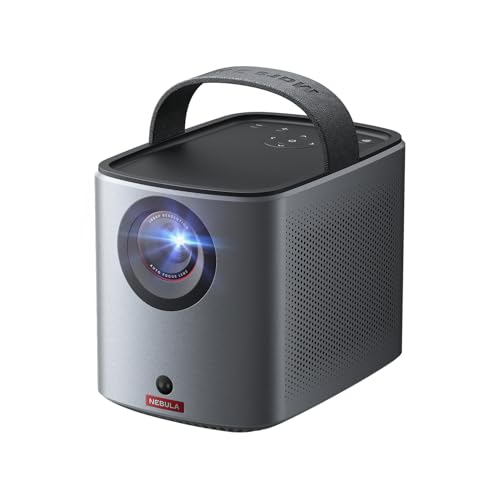




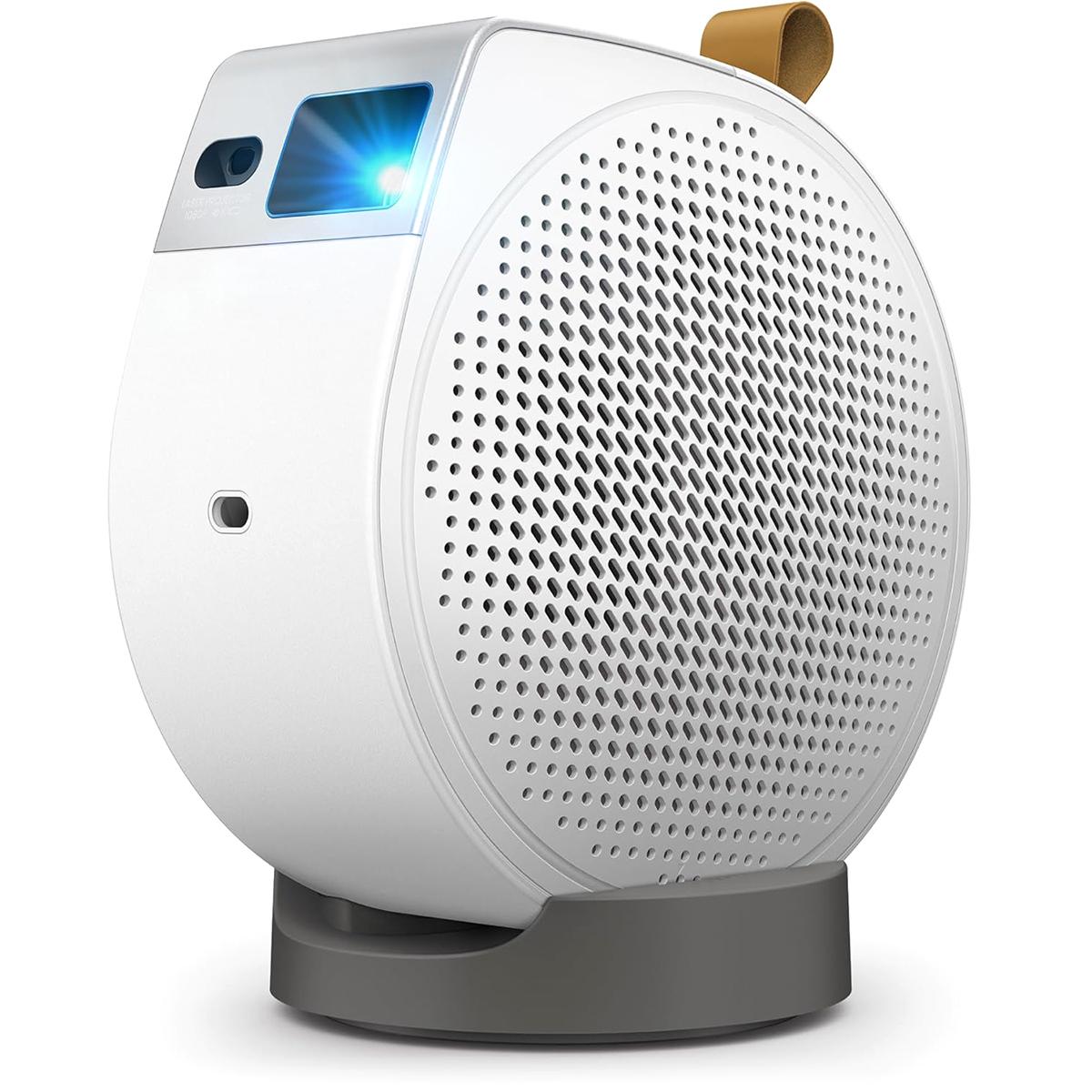
Portable projectors have come a long way from the dim, bulky business presentation tools we used to know. Today's models pack impressive brightness, smart TV platforms, and surprisingly good built-in audio into packages you can actually carry around. Two projectors released in 2024 represent very different approaches to this growing market: the Anker Nebula Mars 3 Air and the BenQ GV50.
At the time of writing, these projectors sit in different price brackets, with the Mars 3 Air targeting budget-conscious buyers and the GV50 commanding a premium for specialized features. But which one actually delivers better value for your specific needs? Let's dive deep into what matters most when choosing a portable projector.
Before we compare these specific models, it's worth understanding what makes portable projectors tick. Unlike traditional home theater projectors that need permanent mounting and external streaming devices, portable projectors integrate everything into one package. They include built-in batteries, wireless connectivity, streaming apps, and speakers – essentially creating a complete entertainment system in a device you can move around.
The key trade-offs in this category revolve around balancing portability with performance. Smaller, lighter projectors are easier to carry but typically sacrifice brightness and audio quality. Battery life becomes crucial since you're not always near an outlet. And the built-in smart features need to work reliably since you can't easily add external devices in many portable scenarios.
Two major technological shifts have defined the portable projector market in recent years. First, the integration of full smart TV platforms like Google TV has eliminated the need for external streaming devices. Second, improvements in LED and laser light sources have pushed brightness levels higher while extending operational lifespans. The Mars 3 Air and GV50 both benefit from these advances but implement them differently.
Let's start with brightness, measured in ANSI lumens – basically how much light the projector can output. The BenQ GV50 delivers 500 ANSI lumens compared to the Mars 3 Air's 400 lumens. That 100-lumen difference might not sound like much, but it translates to roughly 25% more brightness, which can be the difference between a watchable image and a washed-out disappointment in rooms with ambient light.
But here's where it gets interesting: the GV50 uses laser phosphor technology while the Mars 3 Air relies on LED illumination. Laser projectors maintain their brightness and color accuracy much better over time. After a year of regular use, an LED projector might drop to 80-90% of its original brightness, while a laser projector will still be pumping out nearly full brightness. The GV50's laser is rated for 20,000 to 30,000 hours – that's potentially 15 years of typical use.
Contrast ratio is where these projectors really diverge. The Mars 3 Air offers a modest 400:1 contrast ratio, which is typical for budget portable projectors. The GV50 claims a dramatically higher 100,000:1 dynamic contrast ratio. In practical terms, this means the BenQ can display much deeper blacks and brighter whites simultaneously, creating more realistic images with better depth perception.
Both projectors support HDR10 and HLG (Hybrid Log-Gamma – essentially broadcast HDR), which helps squeeze more color and contrast out of compatible content. However, HDR really shines when you have high contrast ratios to work with, giving the GV50 a clear advantage here.
For home theater use, these differences matter significantly. The GV50 will deliver a more cinema-like experience with deeper blacks and more vibrant colors. The Mars 3 Air produces a perfectly watchable image, but you'll notice the difference side-by-side, especially in darker scenes.
One area where portable projectors have historically fallen short is audio. Tiny speakers crammed into small enclosures rarely produce satisfying sound. Both of these projectors buck that trend, but in different ways.
The Mars 3 Air features dual 8-watt speakers for 16 watts total, enhanced with Dolby Audio processing. That's already impressive for a projector this size, and the sound quality is genuinely good for most content. Plus, it can function as a Bluetooth speaker when you're not watching movies, providing up to 8 hours of music playback.
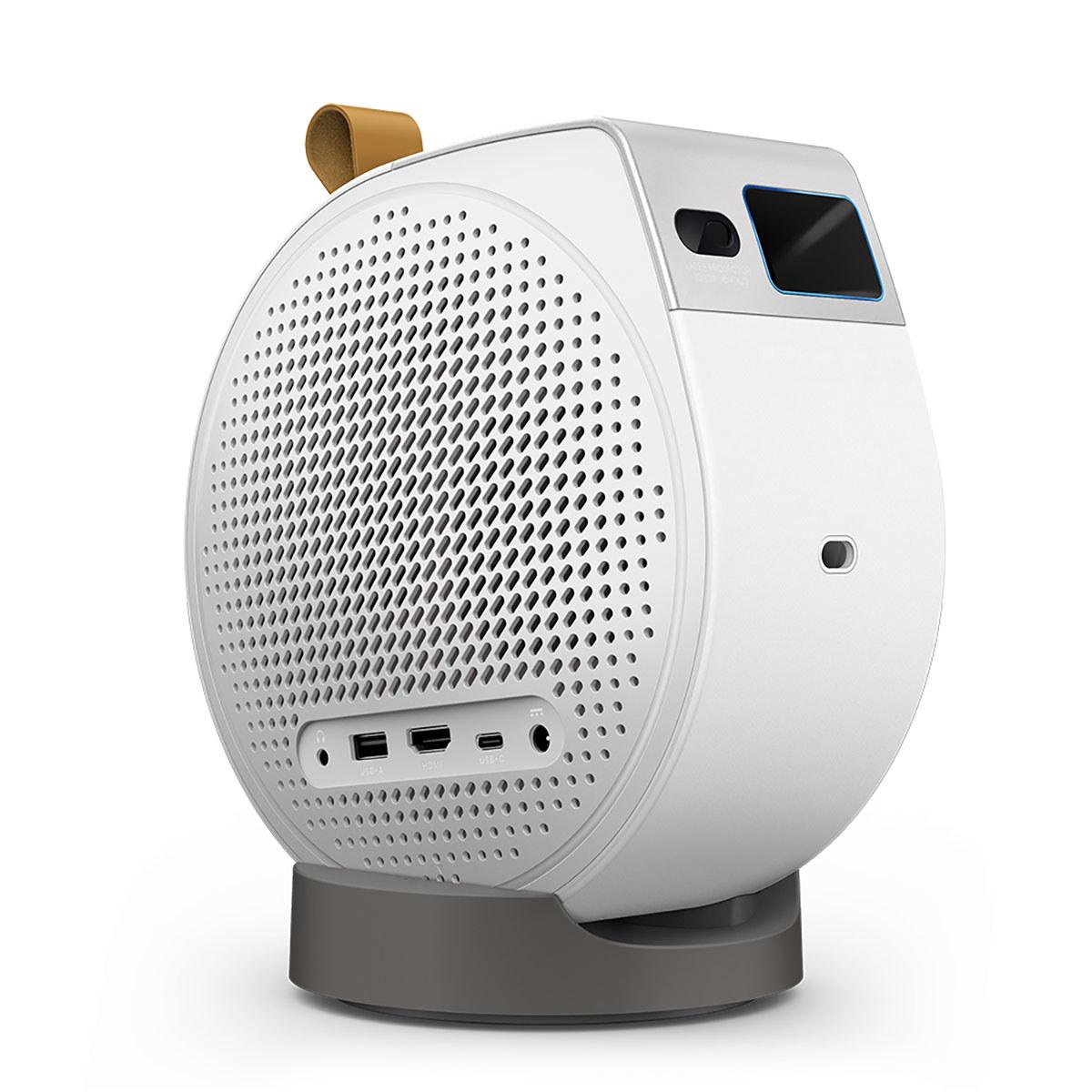
The GV50 takes audio more seriously with an 18-watt 2.1-channel system. That means dedicated left and right speakers plus a separate subwoofer for bass response. Real bass from a portable projector is almost unheard of, but the BenQ delivers it. The difference is immediately noticeable – explosions have actual thump, and music has fullness that typical projector speakers can't match.
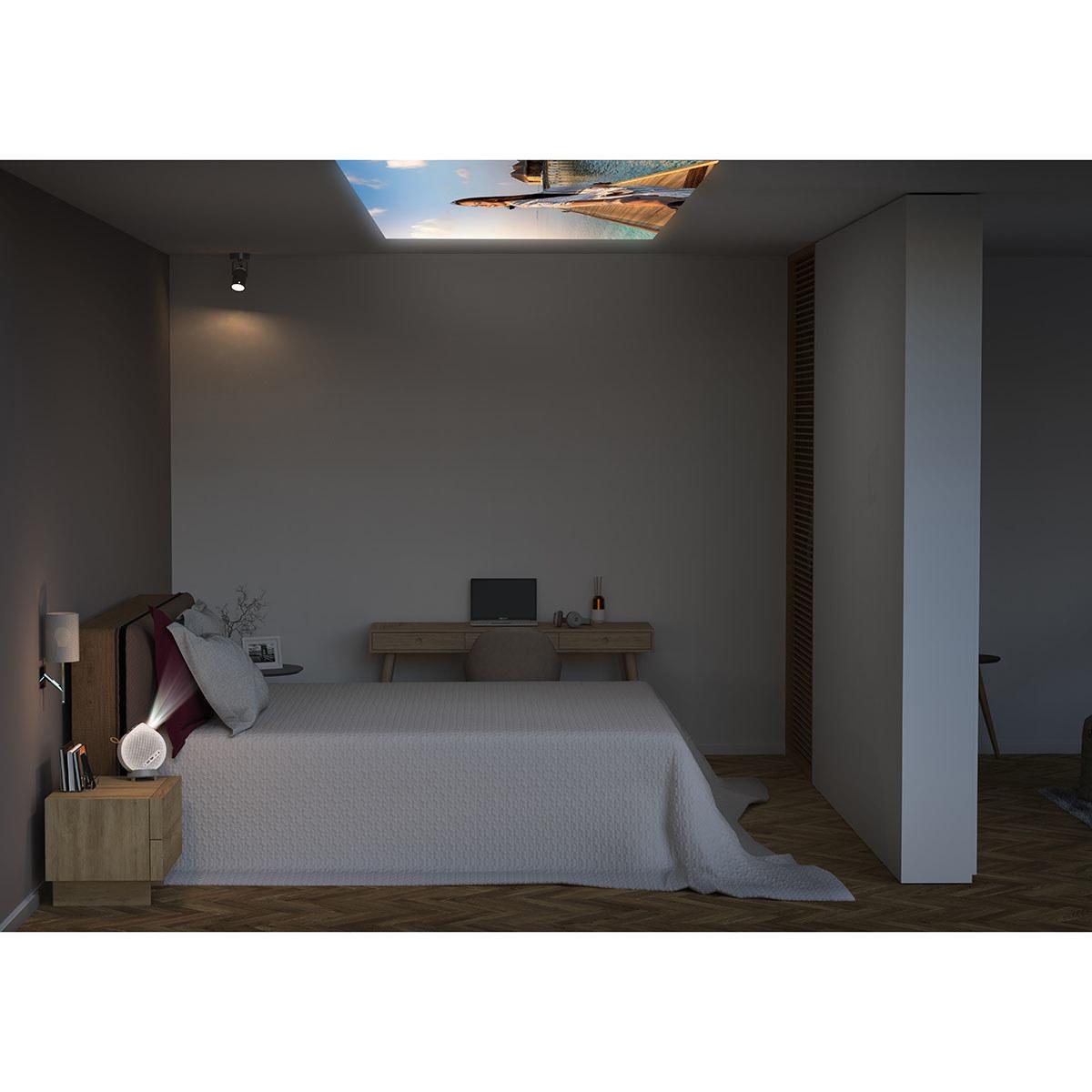
For bedroom ceiling projection – one of the GV50's signature features – BenQ has developed special ceiling audio modes. These optimize the sound when you're lying down and the projector is positioned above you, ensuring dialogue stays clear and effects don't get muffled by bedding or pillows.
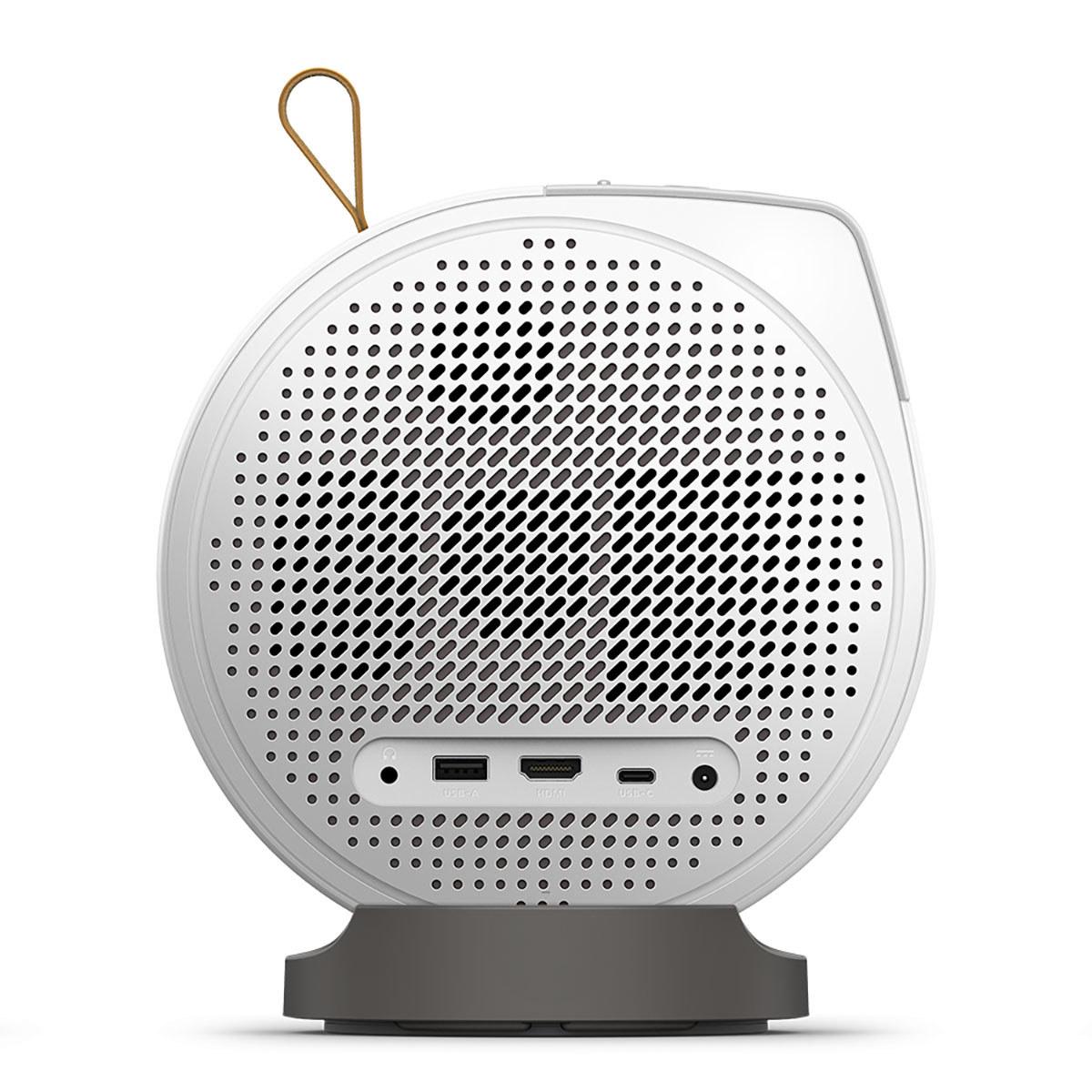
If you're planning to use your projector as part of a home theater setup, both offer audio output jacks for connecting external speakers or soundbars. But for self-contained viewing, the GV50 has a clear advantage in audio quality.
This is where the Mars 3 Air claims a unique victory. It's the world's first portable projector with built-in Netflix support through its Google TV platform. That might sound like marketing speak, but it's actually a big deal. Most projectors require you to cast Netflix from your phone or use an external streaming device because Netflix restricts its app to certified hardware.
Having Netflix built-in means you can grab the Mars 3 Air, plop it down anywhere with Wi-Fi, and start watching your favorite shows immediately. No phone required, no casting headaches, no external dongles. The remote even has dedicated Netflix and Prime Video buttons for instant access.
The GV50 runs the same Google TV platform but without certified Netflix support, so you'll need to cast from your phone or connect an external device. For many users, this is a minor inconvenience. For others, especially those planning outdoor movie nights or travel use, the Mars 3 Air's built-in Netflix is a genuine advantage.
Both projectors support Google Assistant voice commands, Chromecast built-in, and AirPlay for iOS devices. They connect to Wi-Fi networks (both 2.4GHz and 5GHz bands) and can mirror content from phones, tablets, or laptops wirelessly.
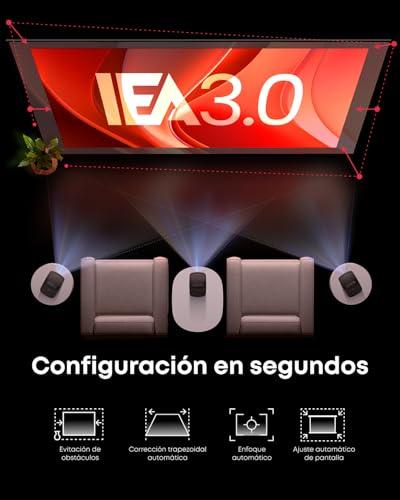
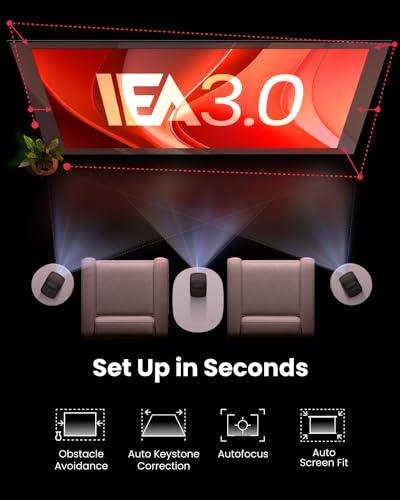
Here's where these projectors reveal their fundamentally different design philosophies. The Mars 3 Air is optimized for traditional projection scenarios – setting it on a table or shelf and projecting onto a wall or screen. Its Intelligent Environment Adaptation 3.0 automatically adjusts focus, corrects keystone distortion (when the image looks like a trapezoid instead of a rectangle), and can even work around obstacles in the projection path.
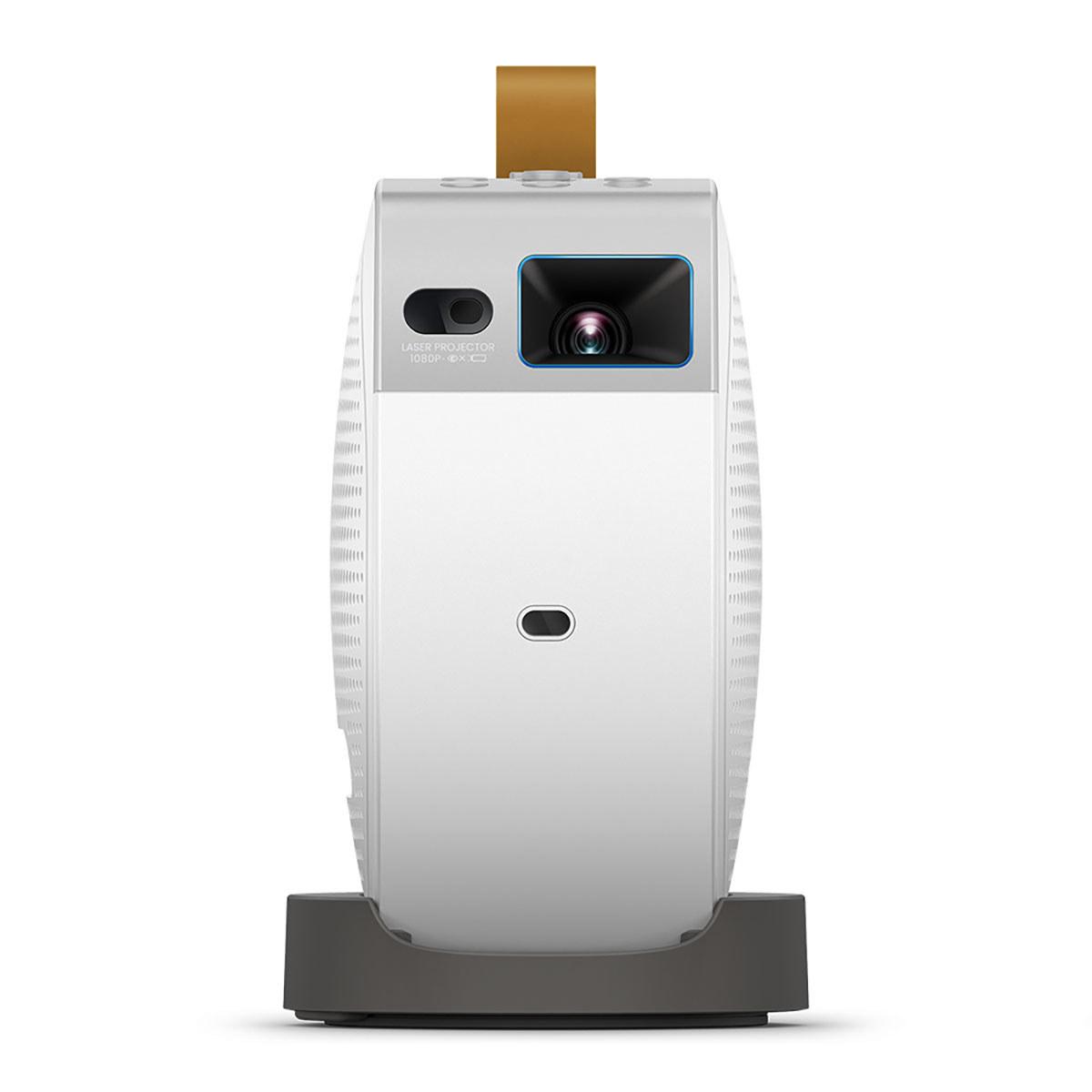
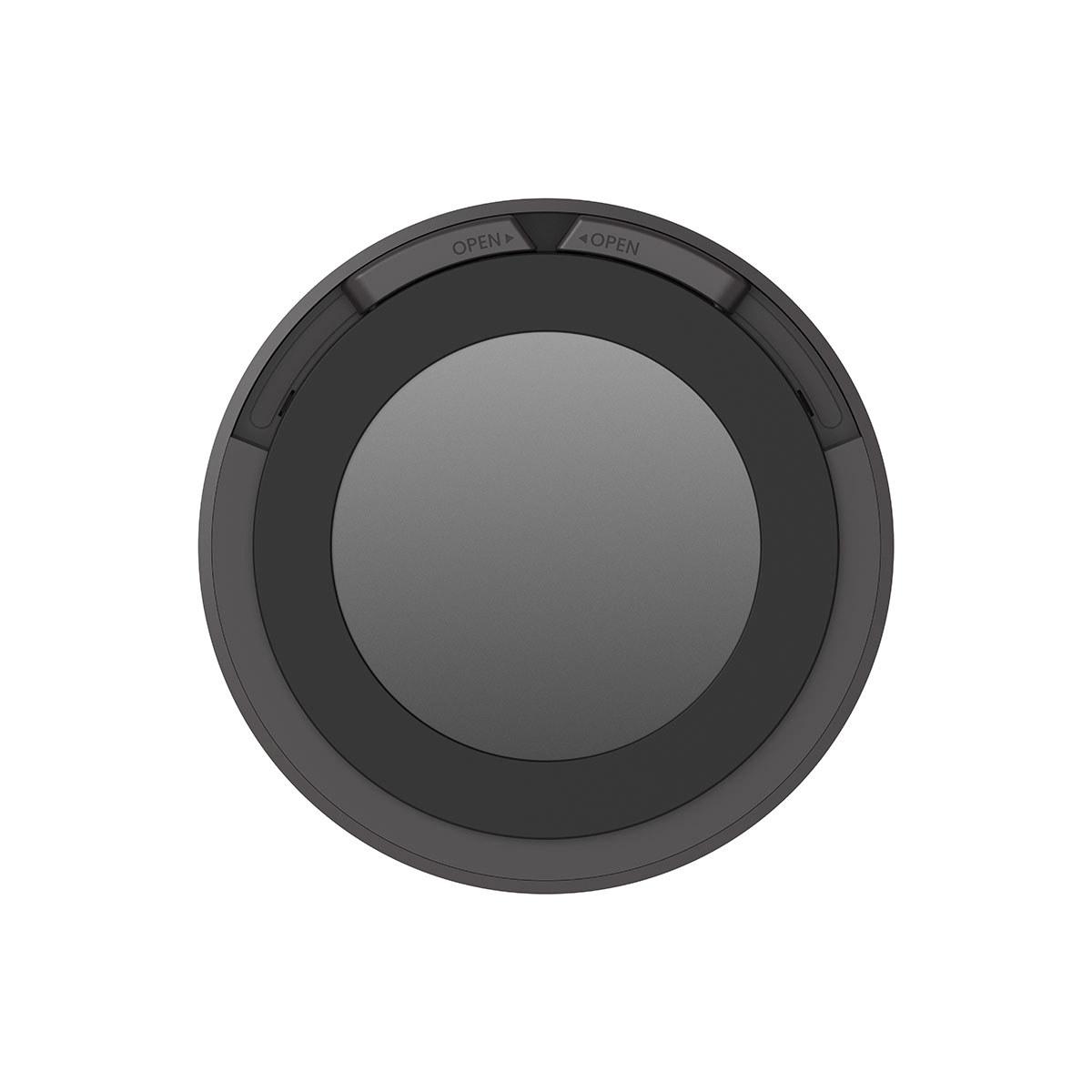
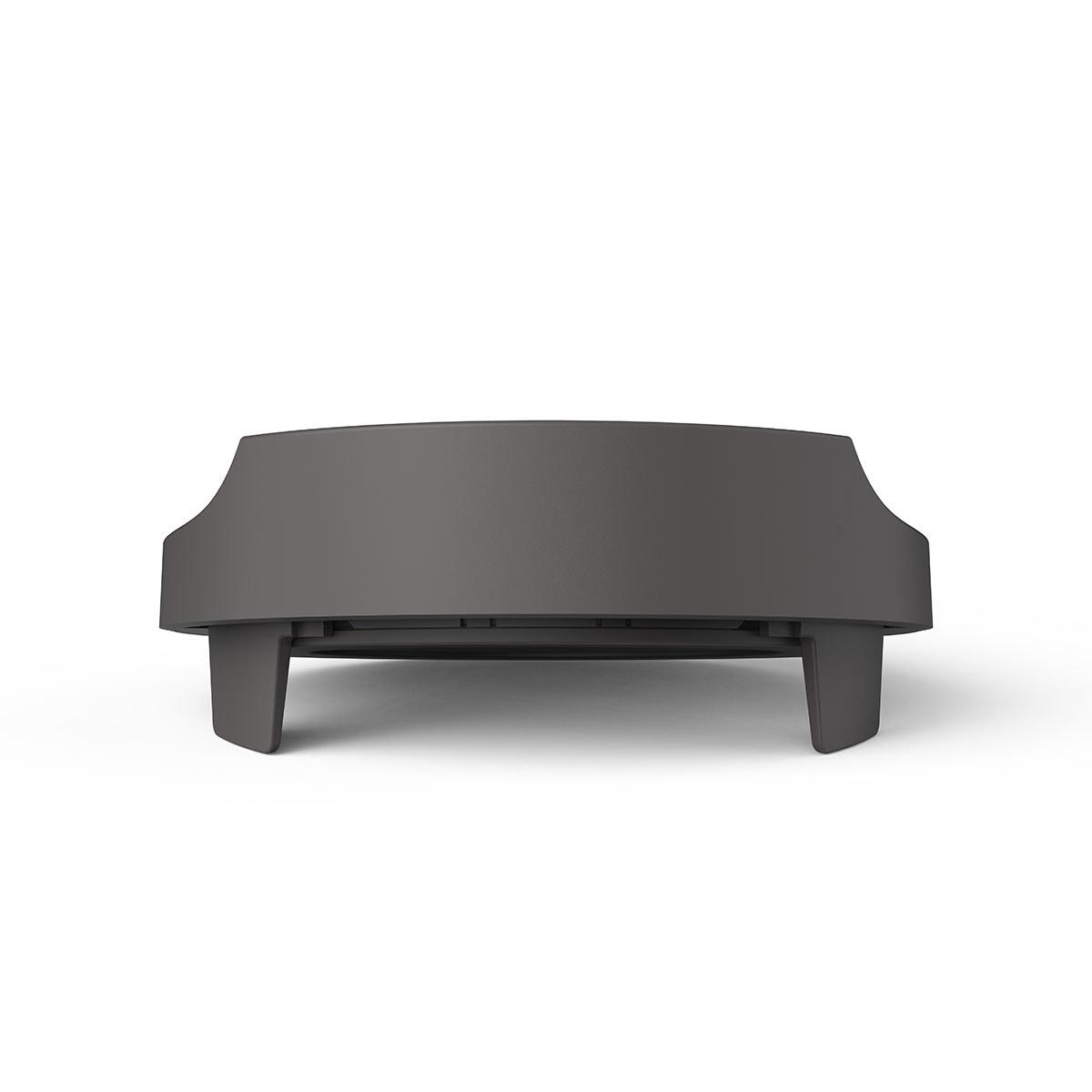
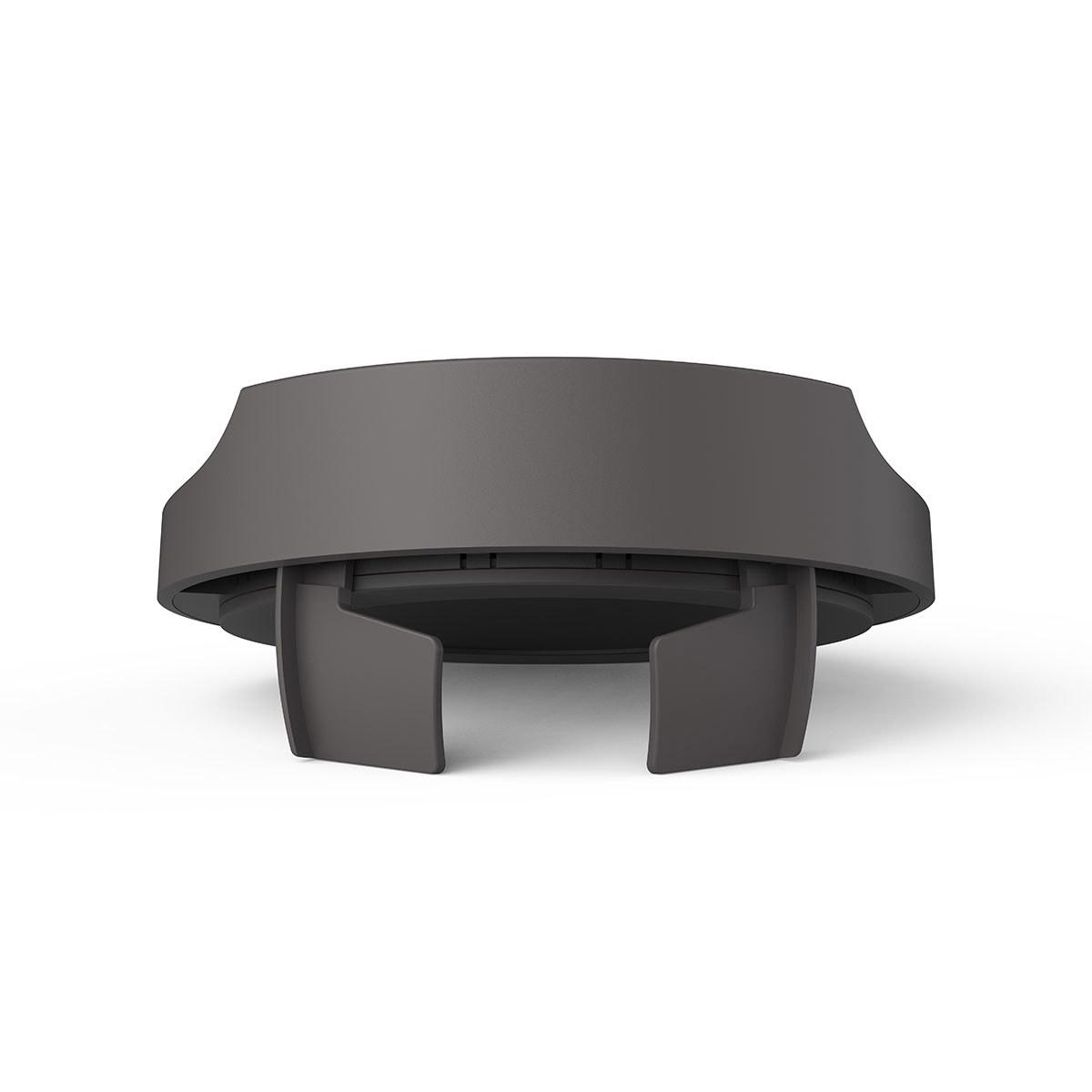
The BenQ GV50 takes a radically different approach with its flexible base design. It can tilt 135 degrees vertically and rotate 360 degrees, specifically enabling ceiling projection from a bedside position. Imagine lying in bed and having a 100-inch screen projected on your ceiling – that's the GV50's signature use case.
This isn't just a gimmick. Ceiling projection opens up entirely new ways to use a projector. Kids can watch cartoons while lying on their bedroom floors. You can enjoy late-night movies without disturbing a sleeping partner since the light isn't shining toward the bed. For people with mobility limitations, ceiling viewing can be more comfortable than traditional setups.
Both projectors can create image sizes from about 30 inches to 150 inches, with throw ratios of 1.2:1. This means you need to position the projector about 2.6 feet away for a 30-inch image or 13 feet away for a 150-inch image. The GV50's flexible mounting system makes it much easier to achieve these distances in non-traditional orientations.
Battery performance is where both projectors shine compared to older portable models. The Mars 3 Air provides up to 2.5 hours of video playback on a single charge, while the GV50 offers a similar 2-2.5 hour runtime. In real-world testing, both can handle a feature film on a single charge, though brightness settings and content type will affect actual runtime.
The Mars 3 Air weighs 3.7 pounds and includes a built-in carrying handle, making it slightly more travel-friendly. The GV50 is a bit heavier at 4.6 pounds due to its more complex base mechanism and larger audio drivers, but it's still very portable.
Both projectors can operate while plugged in, so you're not limited to battery power at home. They charge via their included power adapters in about 3 hours. For outdoor use, portable power banks can extend viewing time, though you'll need high-capacity units due to the projectors' 85-90 watt power consumption.
When considering the total cost of ownership, the GV50's laser light source provides a significant advantage. While the Mars 3 Air's LED system is rated for the projector's lifetime, it will gradually dim and shift color over years of use. The GV50's laser maintains consistent performance for decades.
This longevity difference becomes important if you plan to use your projector regularly. A projector that maintains its brightness and color accuracy for 15+ years provides better value than one that noticeably degrades after 3-5 years, even if the initial purchase price is higher.
Both projectors operate quietly, around 28 decibels, which is quieter than most laptops under load. This low noise level is crucial for bedroom use or quiet viewing environments.
For dedicated home theater use, both projectors can integrate into larger systems through their HDMI inputs and audio outputs. However, they're really designed as self-contained units rather than components in larger systems.
The GV50's higher brightness and contrast make it more suitable for rooms where you can't achieve complete darkness. Its superior audio system also reduces the need for additional speakers in smaller rooms.
The Mars 3 Air's built-in Netflix support makes it ideal for casual home theater use where convenience trumps ultimate performance. Set it up once, and family members can easily start their own viewing sessions without technical complications.
The Anker Nebula Mars 3 Air is the clear choice for buyers prioritizing value and convenience. At the time of writing, it offers exceptional features for its price point. Choose it if you want built-in Netflix, plan to use it primarily for traditional wall projection, or are new to portable projectors and want to test the waters without a major investment.
The Mars 3 Air is particularly appealing for families with mixed technical comfort levels. Its simplified setup and built-in streaming eliminate potential frustration points that might discourage use.
The BenQ GV50 justifies its premium pricing through superior performance and unique capabilities. Choose it if ceiling projection appeals to you, if audio quality is important, or if you want professional-grade image quality with long-term reliability.
The GV50 makes sense for serious portable projector users who will push the device's capabilities and benefit from its advanced features. Its laser light source and superior contrast ratio provide a more premium viewing experience that's noticeable in daily use.
Both projectors succeed in their intended markets, but they serve different user needs. The Mars 3 Air democratizes smart projection technology, offering impressive capability at an accessible price point. The GV50 pushes the boundaries of what's possible in portable projection, introducing new use cases through its flexible design and premium components.
Your choice should align with how you plan to use the projector. For occasional movie nights and family entertainment where budget matters, the Mars 3 Air delivers outstanding value. For users who want the best possible portable projection experience and plan to use unique features like ceiling projection, the GV50 offers capabilities you simply can't get elsewhere.
Either way, both represent the current state of the art in portable projection – a far cry from the dim, complicated projectors of just a few years ago. The future of big-screen entertainment is definitely getting more portable, and both of these projectors prove that portable no longer means compromised.
| Anker Nebula Mars 3 Air | BenQ GV50 |
|---|---|
| Brightness - Critical for viewing in rooms with ambient light | |
| 400 ANSI lumens (good for darkened rooms) | 500 ANSI lumens (25% brighter, better for moderate ambient light) |
| Light Source Technology - Affects longevity and color consistency | |
| LED (20,000+ hour lifespan, gradual brightness decline) | Laser phosphor (20,000-30,000 hours, maintains brightness over time) |
| Contrast Ratio - Determines depth and black levels | |
| 400:1 (adequate for casual viewing) | 100,000:1 dynamic (dramatically better blacks and image depth) |
| Audio System - Important for self-contained viewing | |
| Dual 8W speakers, 16W total (good quality, includes Bluetooth speaker mode) | 18W 2.1-channel with subwoofer (superior bass response and fullness) |
| Netflix Support - Convenience factor for streaming | |
| Built-in Netflix app (world's first portable projector with native Netflix) | Requires casting or external device (standard Google TV limitations) |
| Projection Flexibility - Determines setup options | |
| Traditional wall projection with auto-correction | 135° tilt + 360° rotation for ceiling projection |
| Battery Life - Runtime for portable use | |
| Up to 2.5 hours video playback | Up to 2.5 hours video playback (similar performance) |
| Weight - Affects true portability | |
| 3.7 lbs with carrying handle (more travel-friendly) | 4.6 lbs with flexible base (heavier due to advanced mounting system) |
| Smart Platform - Streaming and interface quality | |
| Google TV with certified Netflix, Prime, YouTube | Google TV without Netflix certification (casting required) |
| Price Positioning - Value consideration at time of writing | |
| Budget-friendly entry point with premium features | Premium pricing justified by laser technology and unique capabilities |
| Best For - Target user scenarios | |
| Budget buyers wanting Netflix built-in and traditional projection | Users wanting ceiling projection, superior audio, and long-term durability |
The BenQ GV50 is brighter with 500 ANSI lumens compared to the Anker Nebula Mars 3 Air's 400 ANSI lumens. This 25% difference means the GV50 performs better in rooms with ambient light, while the Mars 3 Air works best in darkened environments.
Only the Anker Nebula Mars 3 Air has built-in Netflix support - it's the world's first portable projector with native Netflix. The BenQ GV50 requires you to cast Netflix from your phone or use an external streaming device due to Netflix's certification requirements.
The BenQ GV50 has superior audio with its 18W 2.1-channel system including a dedicated subwoofer for real bass response. The Mars 3 Air offers good sound with dual 8W speakers and Dolby Audio, plus it can function as a Bluetooth speaker for music.
The GV50 features a unique flexible base that tilts 135 degrees and rotates 360 degrees, specifically designed for ceiling projection from beside your bed. The Mars 3 Air uses a traditional design optimized for wall projection with automatic image correction.
Both the Anker Nebula Mars 3 Air and BenQ GV50 provide approximately 2-2.5 hours of video playback on a single charge, which is enough for most movies. Both can also operate while plugged in for unlimited viewing time.
The Mars 3 Air is more portable at 3.7 pounds with a built-in carrying handle, making it ideal for travel. The GV50 weighs 4.6 pounds due to its more complex base mechanism but is still considered portable for its feature set.
The BenQ GV50 delivers superior image quality with higher brightness, dramatically better contrast (100,000:1 vs 400:1), and laser technology that maintains color accuracy over time. The Mars 3 Air provides good image quality suitable for casual viewing in dark rooms.
The GV50 offers better long-term value with its laser light source lasting 20,000-30,000 hours while maintaining brightness and color accuracy. The Mars 3 Air provides excellent upfront value but its LED technology may gradually dim over years of use.
Both projectors can integrate into home theater setups through HDMI inputs and audio outputs. The BenQ GV50 is better suited for dedicated home theater use due to higher brightness and superior contrast, while the Mars 3 Air excels for casual family movie nights.
Both the Anker Nebula Mars 3 Air and BenQ GV50 run Google TV with access to streaming apps, Google Assistant voice control, and wireless casting from phones and tablets. The key difference is the Mars 3 Air's exclusive built-in Netflix support.
The BenQ GV50 is specifically designed for bedroom use with its ceiling projection capability and special audio modes optimized for lying down. The Mars 3 Air works well for traditional bedside wall projection but can't project onto the ceiling.
The Mars 3 Air offers exceptional value for budget-conscious buyers with built-in Netflix and solid performance. The GV50 commands a premium price but justifies it with laser technology, superior image quality, unique ceiling projection, and better audio - making it worthwhile for users who will utilize these advanced features.
We've done our best to create useful and informative comparisons to help you decide what product to buy. Our research uses advanced automated methods to create this comparison and perfection is not possible - please contact us for corrections or questions. These are the sites we've researched in the creation of this article: techradar.com - thesmarthomehookup.com - whathifi.com - thesmarthomehookup.com - cnet.com - whathifi.com - projectorreviews.com - youtube.com - youtube.com - versus.com - projectorcentral.com - practicalmotorhome.com - youtube.com - seenebula.com - us.seenebula.com - harveynorman.ie - thewellnessinsider.asia - bhphotovideo.com - thetechnovore.com - howtogeek.com - projectorcentral.com - projectorcentral.com - techradar.com - adorama.com - projectorcentral.com - youtube.com - youtube.com - whathifi.com - youtube.com - cdw.com - projectorcentral.com - youtube.com

Privacy Policy
Terms and Conditions - Affiliate Policy
Home Security
© Copyright 2008-2026.
11816 Inwood Rd #1211, Dallas, TX 75244