





Picture this: you're planning a backyard movie night or want to bring the big-screen experience to your bedroom without mounting anything to the ceiling. Portable projectors have become incredibly popular over the past few years, and for good reason. They promise to deliver that cinema experience anywhere you want it, all while fitting in a bag smaller than most laptops.
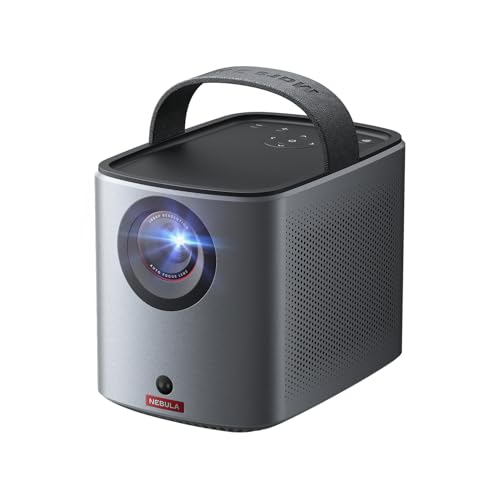
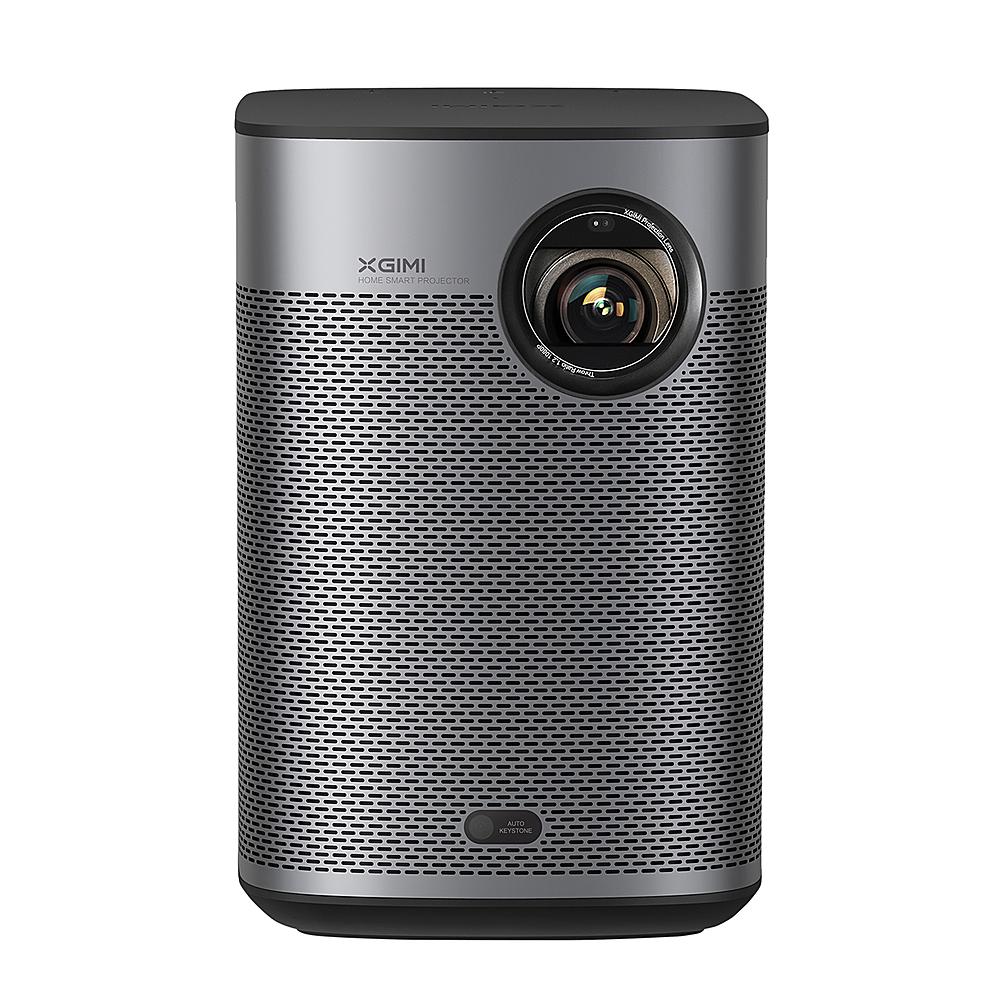
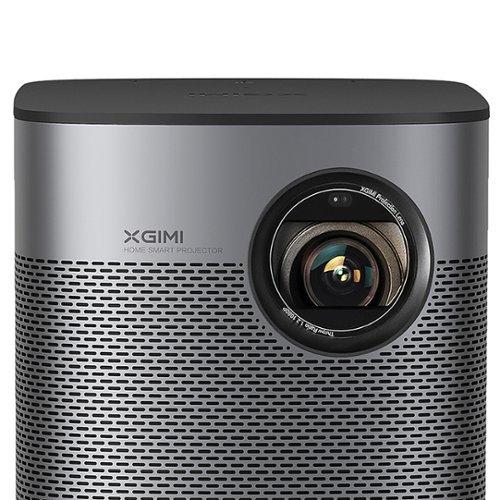
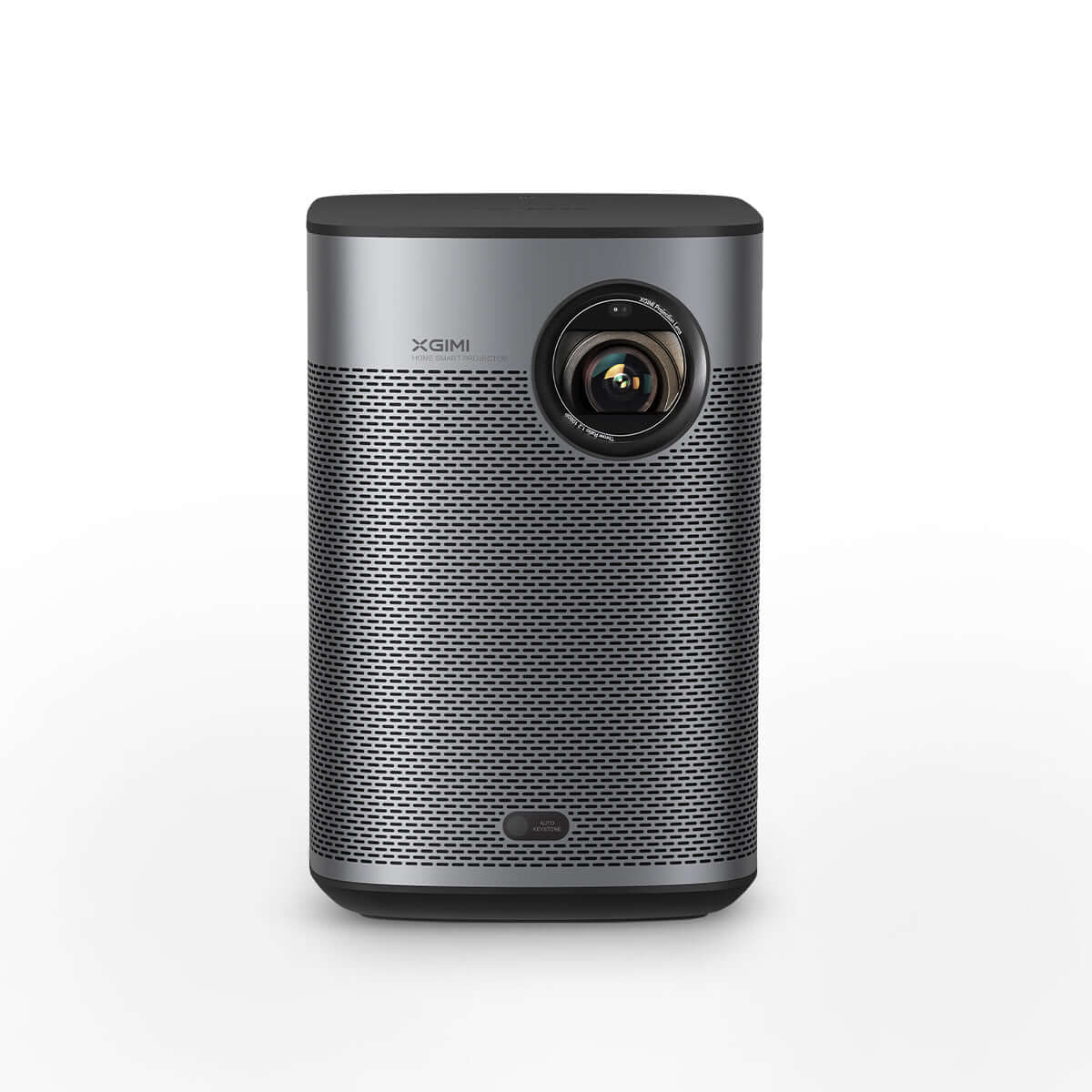
But here's the thing—not all portable projectors are created equal. Today, we're diving deep into two popular models: the Anker Nebula Mars 3 Air and the XGIMI Halo+. Both launched in 2022, representing the current generation of what portable projection technology can achieve. Since their release, they've become go-to recommendations in the portable projector space, but they take notably different approaches to solving the same problem.
Before we jump into comparing these specific models, let's talk about what makes portable projectors different from their larger, traditional counterparts. The fundamental challenge is physics: you're trying to cram a bright light source, sophisticated optics, audio system, battery, and computer into something you can easily carry around.
Traditional home theater projectors can weigh 15-30 pounds and require permanent mounting because they prioritize maximum brightness and image quality above all else. Portable projectors, on the other hand, make calculated trade-offs. They sacrifice some brightness and contrast to achieve true portability, typically weighing between 2-4 pounds.
The key considerations when shopping for a portable projector center around managing these trade-offs effectively. Brightness versus battery life is the most important balance—brighter projectors drain batteries faster. True portability means considering not just weight, but also setup complexity and durability for travel. Image quality in realistic conditions matters more than specifications measured in completely dark rooms, since you'll often use these in environments with some ambient light.
Audio integration is crucial because you won't always have external speakers available. The smart platform determines how easily you can access your streaming services without additional devices. Setup convenience through features like auto-focus and keystone correction (which automatically adjusts for angled projection) can make the difference between actually using your projector regularly or having it collect dust.
When you see brightness specifications, manufacturers often use different measurement standards that can be misleading. ANSI lumens (American National Standards Institute) provide the most reliable standard, measuring brightness across multiple points on the projected image rather than just the brightest spot.
The XGIMI Halo+ claims 700-900 lumens depending on the source, while the Anker Mars 3 Air rates at 400 ANSI lumens. In practice, however, both projectors deliver surprisingly similar real-world brightness—around 450 lumens when measured consistently. This highlights why it's important to look beyond marketing specifications.
What matters more than raw brightness is how each projector handles color accuracy. During testing, the Mars 3 Air consistently produces more natural, accurate colors that look right when displaying skin tones, landscapes, and familiar objects. The Halo+, despite its higher claimed brightness, exhibits a noticeable pink tint that makes everything look slightly artificial. This color accuracy difference becomes especially apparent when watching movies or TV shows where natural-looking colors matter.
Both projectors support HDR10 (High Dynamic Range), which expands the range between the brightest and darkest parts of an image, creating more realistic contrast. The Mars 3 Air additionally supports HLG (Hybrid Log-Gamma), another HDR standard commonly used for broadcast television. However, don't expect the dramatic HDR impact you'd get from a premium TV—portable projectors simply don't have the brightness headroom to make HDR truly pop.
The contrast ratio—the difference between the brightest and darkest parts of an image—measures around 370:1 for both projectors. This is respectable for portable projectors but nowhere near the 1000:1+ you'd expect from dedicated home theater equipment.
Here's where things get interesting. Audio quality often gets overlooked in projector reviews, but it's absolutely critical for portable units since you won't always have external speakers available.
The Mars 3 Air features dual 8W speakers with Dolby Audio processing, while the Halo+ uses dual 5W Harman/Kardon-tuned speakers. On paper, you might expect the Harman/Kardon branding to indicate superior sound, but real-world testing tells a different story.
The Mars 3 Air delivers notably more expansive, well-rounded audio that fills a room effectively. It avoids the thin, harsh sound that plagues most portable projectors. The Halo+, despite its premium audio branding, produces more localized sound that doesn't project as well into larger spaces.
Both projectors can function as Bluetooth speakers when not projecting, but the Mars 3 Air excels here with up to 8 hours of music playback time. This dual functionality adds real value—you can use it as a high-quality speaker during the day and switch to movie mode in the evening.
Battery specifications tell only part of the story. The Mars 3 Air officially provides 2.5 hours of video playback, while the Halo+ offers about 2 hours. In practice, you can often squeeze slightly more runtime by reducing brightness in darker environments.
But true portability extends beyond just battery life. The Mars 3 Air weighs 1.7 kg (3.7 pounds) and includes thoughtful design touches like a built-in carrying strap and recessed lens protection. The Halo+ is heavier and bulkier, making it less convenient for frequent transport.
One feature that sets the Mars 3 Air apart is its IPX3 water resistance rating. This means it can handle light rain or splashes, making it genuinely suitable for outdoor use. The Halo+ lacks weather protection, limiting its outdoor versatility.
Noise levels matter more than you might think, especially for bedroom use or quiet environments. The Mars 3 Air operates at just 28 decibels—quieter than most laptops—while the Halo+ runs at 30 decibels. This difference is subtle but noticeable in quiet spaces.
This is where the Mars 3 Air really shines. It's the world's first portable projector to run Google TV with built-in Netflix support. Let me explain why this matters so much.
Most portable projectors, including the Halo+, require workarounds to access Netflix. Netflix restricts its app on many Android-based projector platforms due to content protection requirements. This typically means casting from your phone, using a separate streaming device, or relying on less convenient workarounds.
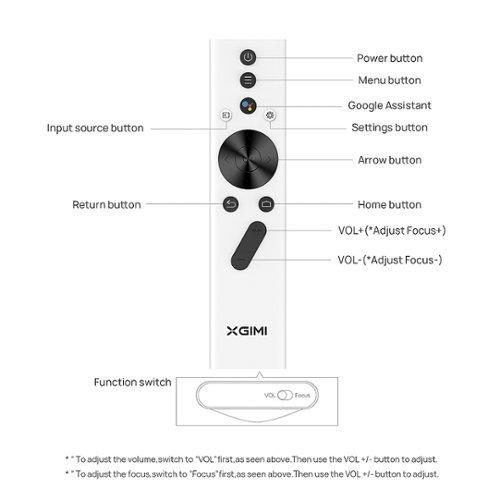
The Mars 3 Air eliminates this hassle entirely. You get direct access to Netflix, Prime Video, YouTube, and thousands of other apps through Google TV's polished interface. Google TV also includes excellent voice search through Google Assistant and integrates seamlessly with Chromecast for screen mirroring.
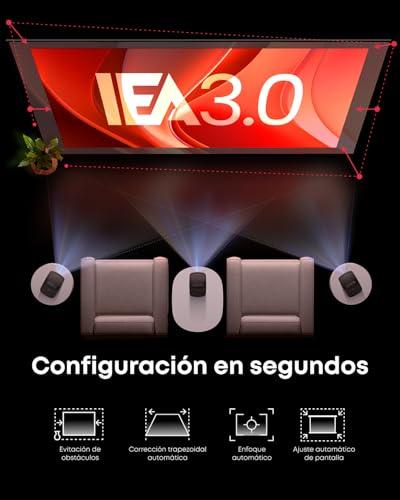
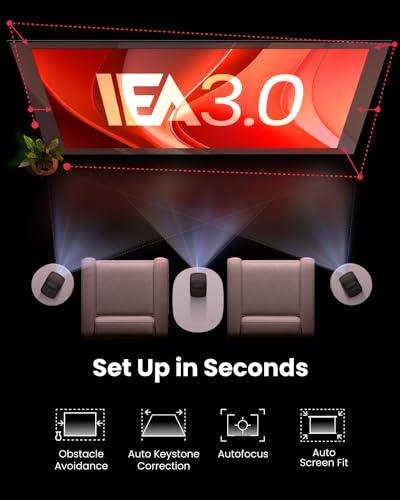
Both projectors feature intelligent setup systems that automatically adjust focus and correct keystone distortion (the trapezoidal shape you get when projecting at an angle). The Mars 3 Air's Intelligent Environment Adaptation 3.0 goes further, detecting obstacles in the projection area and automatically resizing the image to avoid them. This means you can project onto a wall with picture frames or furniture and the system will adjust accordingly.
The Halo+ includes lens shift capability, which allows vertical adjustment of the projected image without moving the projector itself. This can be helpful for positioning flexibility, though it's less critical given the auto-keystone correction both projectors offer.
At the time of writing, the Halo+ typically costs about 20% more than the Mars 3 Air, despite delivering comparable or inferior performance in most categories. This price premium is difficult to justify given the real-world performance differences.
The Mars 3 Air offers better value through more accurate colors, superior audio quality, longer battery life, a more versatile streaming platform, better portability features, and quieter operation. The Halo+ primarily competes on brand recognition and a slightly different design aesthetic.
When considering long-term value, the Mars 3 Air's LED light source is rated for 30,000 hours compared to the Halo+'s 25,000 hours. Both should last well over a decade with typical use, but the longer rating adds peace of mind.
Software support also factors into long-term value. Google TV typically receives more consistent updates than the Android TV platform used by the Halo+, ensuring better app compatibility and security updates over time.
While these are portable projectors, many people use them as primary entertainment devices in bedrooms or smaller living spaces. For dedicated home theater use, both have limitations you should understand.
The brightness levels, while adequate for portable use, mean you'll need fairly dark rooms for the best experience. Neither projector produces enough light to compete with ambient lighting from windows or bright room lighting. Think of them as better suited for evening and nighttime viewing rather than daytime entertainment.
For home theater setup, the Mars 3 Air's quieter operation becomes more important during dialogue-heavy content. Its superior audio quality also reduces the immediate need for external speakers, though serious home theater enthusiasts will eventually want to add a soundbar or speaker system.
The throw ratio (the relationship between distance from screen and image size) is similar for both projectors at around 1.2:1. This means you'll need about 10 feet of distance to achieve a 100-inch image. Both projectors can produce images from 30 inches up to 150+ inches, giving you flexibility for different room sizes.
The Mars 3 Air includes several technical innovations worth highlighting. Its powered auto-focus system continuously maintains sharp images even if the projector gets bumped or moved slightly. The obstacle avoidance feature uses computer vision to detect objects in the projection path and automatically adjusts the image geometry—something that's genuinely useful in real-world setups.
The Halo+'s cylindrical design isn't just aesthetic—it allows for better heat dissipation, which can help maintain consistent brightness and extend LED life. However, this advantage is theoretical rather than noticeable in daily use.
Both projectors use DLP (Digital Light Processing) technology, which produces sharp, detailed images with good color reproduction. DLP projectors typically handle motion better than LCD alternatives, making them suitable for sports and action movies.
After extensive comparison, the Mars 3 Air emerges as the better choice for most users. Its combination of superior real-world performance, better value, and more convenient features make it the more practical option.
Choose the Mars 3 Air if you:
Choose the Halo+ if you:
The portable projector market has matured significantly since both of these models launched in 2022. While both the Mars 3 Air and Halo+ represent competent options, the Mars 3 Air delivers better overall value and performance for most users.
The Mars 3 Air succeeds by focusing on what actually matters in portable projection: accurate colors, quality audio, convenient streaming, true portability, and reliable performance. The Halo+ isn't a bad projector, but it doesn't justify its premium pricing through meaningful performance advantages.
For most people considering a portable projector in 2024, the Mars 3 Air offers the best combination of features, performance, and value. It's the projector I'd recommend to friends and family looking to add big-screen entertainment to their lives without the complexity and expense of traditional home theater setups.
The portable projector category continues evolving rapidly, with improvements in brightness, battery life, and smart features arriving regularly. Both of these 2022 models remain competitive, but the Mars 3 Air's superior execution of the fundamentals makes it the safer choice for most buyers.
| Anker Nebula Mars 3 Air | XGIMI Halo+ |
|---|---|
| Native Resolution - Both deliver sharp 1080p Full HD | |
| 1920 x 1080 (Full HD) | 1920 x 1080 (Full HD) |
| Brightness - Real-world performance matters more than specs | |
| 400 ANSI lumens (measured ~450 lumens actual) | 700 ISO lumens claimed (measured ~450 lumens actual) |
| Color Accuracy - Critical for natural-looking content | |
| Excellent color reproduction, natural skin tones | Pink tint affects color accuracy |
| Audio System - Built-in speakers eliminate need for external audio | |
| Dual 8W Dolby Audio (superior sound quality) | Dual 5W Harman/Kardon (thinner sound despite branding) |
| Battery Life - Determines how long you can watch without power | |
| 2.5 hours video playback, 8 hours Bluetooth speaker | 2 hours video playback |
| Weight & Portability - Affects how often you'll actually move it | |
| 1.7kg with carry strap, IPX3 water resistant | 1.6kg, larger form factor, no weather protection |
| Operating System - Determines streaming app access and ease of use | |
| Google TV with built-in Netflix support | Android TV (Netflix requires workarounds) |
| Smart Features - Auto-setup capabilities for hassle-free use | |
| Intelligent Environment Adaptation 3.0 with obstacle avoidance | Auto-focus, auto-keystone, lens shift capability |
| Noise Level - Important for bedroom use or quiet environments | |
| 28 dB (whisper quiet) | 30 dB (slightly more noticeable) |
| LED Lifespan - Long-term durability and replacement costs | |
| 30,000 hours rated life | 25,000 hours rated life |
| HDR Support - Enhanced contrast for compatible content | |
| HDR10, HLG support | HDR10 support |
| Connectivity - Standard ports for external devices | |
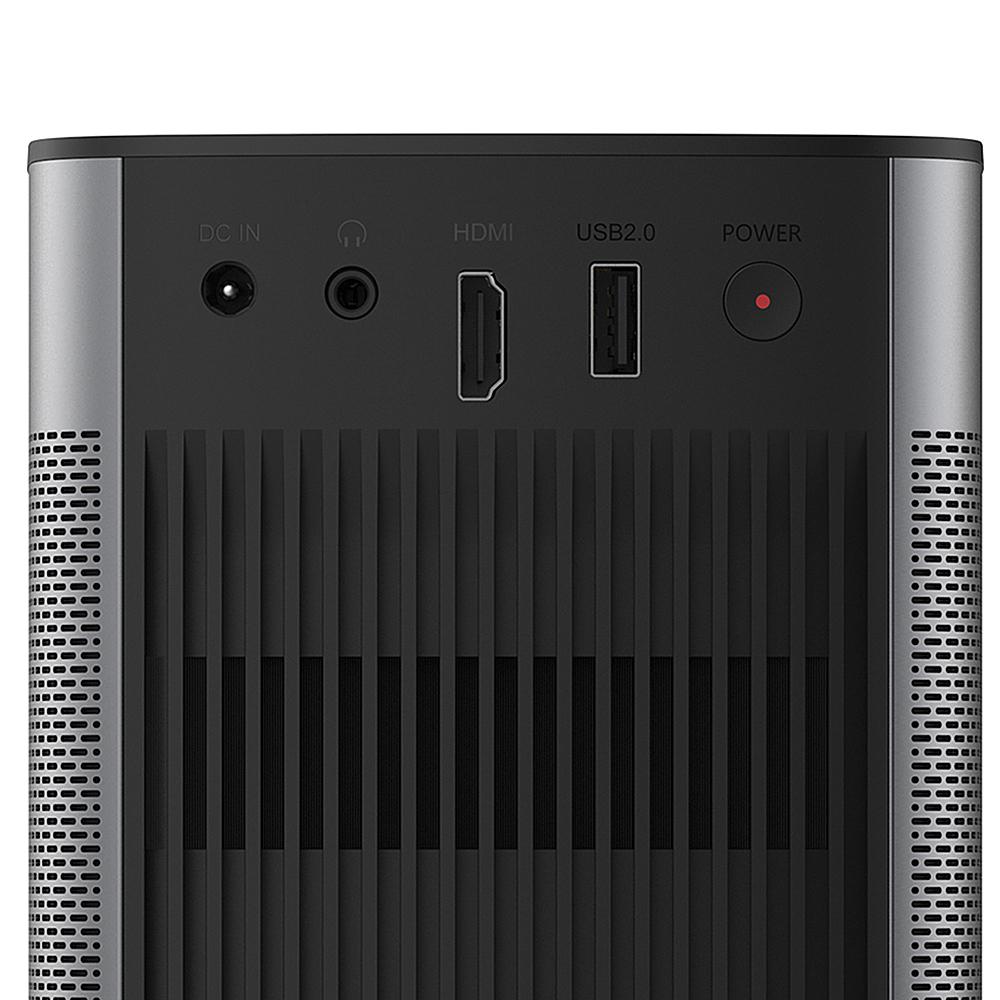
| HDMI, USB-A, 3.5mm audio, Wi-Fi 5, Bluetooth 5.1 | HDMI with eARC, USB, Wi-Fi 5, Bluetooth 5.0 |
| Throw Ratio - Distance needed for different screen sizes | |
| 1.2:1 (10 feet for 100" image) | 1.2:1 (10 feet for 100" image) |
| Value Proposition - Performance per dollar at time of writing | |
| Better overall performance at lower price point | Premium pricing without proportional performance gains |
Despite the XGIMI Halo+ claiming higher brightness specs (700-900 lumens vs 400 ANSI lumens), both projectors deliver similar real-world brightness around 450 lumens when measured consistently. The Anker Nebula Mars 3 Air actually produces more accurate, natural colors, while the Halo+ exhibits a pink tint that affects image quality.
The Anker Mars 3 Air offers 2.5 hours of video playback compared to the XGIMI Halo+'s 2 hours. Additionally, the Mars 3 Air can function as a Bluetooth speaker for up to 8 hours, making it more versatile for outdoor use and camping trips.
The Anker Mars 3 Air delivers superior audio quality with its dual 8W Dolby Audio speakers, producing more expansive and well-rounded sound. The XGIMI Halo+ features Harman/Kardon-tuned 5W speakers, but they produce thinner, more localized sound despite the premium branding.
The Anker Mars 3 Air is the first portable projector with built-in Netflix support through Google TV, allowing direct access without workarounds. The XGIMI Halo+ runs Android TV but requires casting from your phone or using external devices to access Netflix due to content protection restrictions.
The Anker Mars 3 Air is more travel-friendly with its built-in carry strap, IPX3 water resistance rating, and compact design. The XGIMI Halo+ is slightly lighter but larger in form factor and lacks weather protection, making it less suitable for outdoor adventures.
Both projectors work well for bedroom or small room home theater setups, but the Mars 3 Air has advantages with quieter operation (28dB vs 30dB), more accurate colors, and superior built-in audio. Neither is bright enough for well-lit rooms, so both require controlled lighting for optimal viewing.
Both offer 1080p Full HD resolution with similar contrast ratios around 370:1. The key difference is color accuracy - the Anker Mars 3 Air produces more natural, accurate colors while the XGIMI Halo+ has a noticeable pink tint that makes content look less realistic.
The Anker Mars 3 Air provides better overall value, typically costing about 20% less than the XGIMI Halo+ while delivering superior performance in most categories including color accuracy, audio quality, battery life, and streaming capabilities.
Both projectors feature auto-focus and auto-keystone correction for easy setup. The Mars 3 Air includes advanced Intelligent Environment Adaptation 3.0 with obstacle avoidance that automatically adjusts the image around furniture or wall decorations. The Halo+ offers lens shift capability for vertical image adjustment.
The Anker Mars 3 Air operates more quietly at 28 decibels compared to the XGIMI Halo+'s 30 decibels. This difference is particularly noticeable in quiet environments like bedrooms or during dialogue-heavy content.
Both projectors provide similar connectivity with HDMI, USB-A, Wi-Fi 5, and Bluetooth support. The XGIMI Halo+ includes HDMI eARC support, while the Mars 3 Air offers Bluetooth 5.1 (vs 5.0) and includes a 3.5mm audio output for headphones or external speakers.
The Anker Mars 3 Air is better suited for outdoor use with its IPX3 water resistance, longer 8-hour Bluetooth speaker mode, built-in carry strap, and superior audio that projects better in open spaces. The XGIMI Halo+ lacks weather protection and has shorter battery life for extended outdoor sessions.
We've done our best to create useful and informative comparisons to help you decide what product to buy. Our research uses advanced automated methods to create this comparison and perfection is not possible - please contact us for corrections or questions. These are the sites we've researched in the creation of this article: techradar.com - thesmarthomehookup.com - whathifi.com - thesmarthomehookup.com - cnet.com - whathifi.com - projectorreviews.com - youtube.com - youtube.com - versus.com - projectorcentral.com - practicalmotorhome.com - youtube.com - seenebula.com - us.seenebula.com - harveynorman.ie - bestbuy.com - bestbuy.com - youtube.com - projectorcentral.com - staples.com - youtube.com - rtings.com - us.xgimi.com - youtube.com - cnet.com - us.xgimi.com - youtube.com - marieclaire.com - youtube.com - youtube.com - youtube.com - youtube.com - odpbusiness.com - bhphotovideo.com - bestbuy.com - projectorcentral.com - us.xgimi.com - global.xgimi.com - projectorscreen.com - petra.com - eu.xgimi.com - us.xgimi.com - global.xgimi.com

Privacy Policy
Terms and Conditions - Affiliate Policy
Home Security
© Copyright 2008-2026.
11816 Inwood Rd #1211, Dallas, TX 75244