

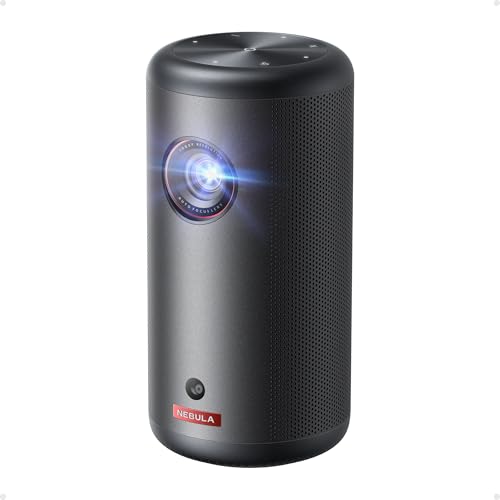



When I first started reviewing portable projectors a few years ago, most models were frustrating compromises—dim, complicated to set up, and lacking the streaming features we've come to expect from modern devices. Fast forward to 2024, and we're living in a golden age of portable projection. Two standout models from Anker's Nebula brand perfectly illustrate how far this category has evolved: the ultra-compact Nebula Capsule 3 GTV and the performance-focused Anker Nebula Mars 3 Air.
Both projectors launched in the 2022-2023 timeframe, representing the latest generation of portable projection technology. Since their release, the portable projector market has continued to mature, with manufacturers finally figuring out how to balance brightness, battery life, and smart features in packages that don't require a degree in engineering to operate.
Before diving into the specifics, it's worth understanding what separates great portable projectors from mediocre ones. The fundamental challenge in this category is physics: cramming serious projection capabilities into a device you can actually carry around means making tough compromises.
Brightness is the most critical spec, measured in ANSI lumens—a standardized way to quantify how much light the projector can output. Think of lumens like horsepower in a car; more lumens mean you can project larger images or use the projector in brighter environments. However, brighter projectors typically consume more power, generate more heat, and require larger cooling systems.
Battery life works in direct opposition to brightness. LED light sources, which both projectors use, are more efficient than traditional lamps but still drain batteries quickly at higher brightness levels. This creates what I call the "portable projector paradox"—you want maximum portability, but you also want performance that doesn't require you to sit in a cave.
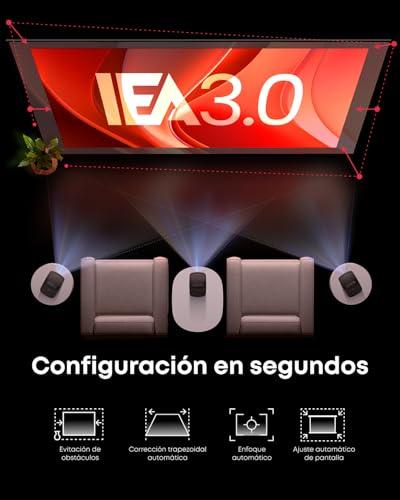
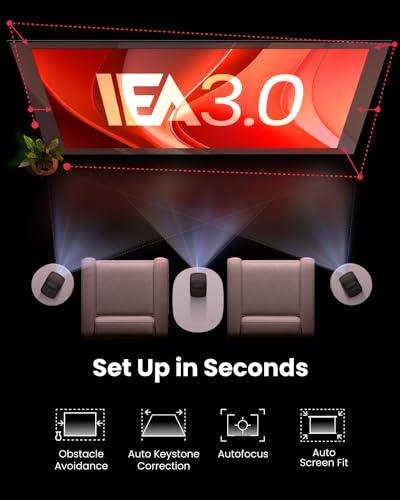
Setup complexity has been the Achilles' heel of portable projectors for years. Traditional projectors require manual focus adjustments, keystone correction (fixing the trapezoidal distortion when projecting at an angle), and precise positioning. The latest generation, including both the Capsule 3 GTV and Mars 3 Air, use sophisticated sensors and motors to handle these adjustments automatically.
The Nebula Capsule 3 GTV and Mars 3 Air represent fundamentally different approaches to portable projection, even though they come from the same manufacturer.
The Capsule 3 GTV prioritizes ultimate portability. Its cylindrical design, roughly the size of a large water bottle, can literally fit in a jacket pocket. Released in late 2022, it was designed for users who want to carry cinema-quality entertainment anywhere without compromise on portability.
The Mars 3 Air, launched around the same time, takes a more balanced approach. It's still genuinely portable but trades some compactness for significantly better performance. Think of it as the difference between a motorcycle and a sports car—both get you where you're going with style, but they serve different priorities.
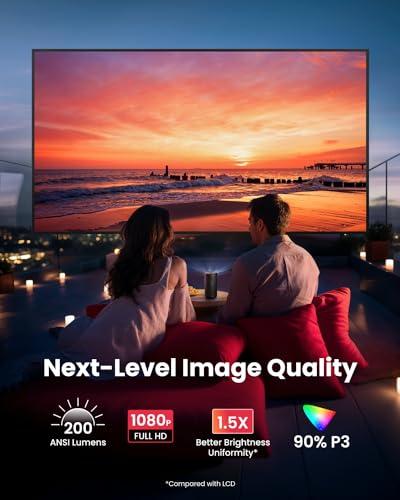
This is where the philosophical differences between these projectors become immediately apparent. The Mars 3 Air outputs 400 ANSI lumens, which independent testing confirms actually delivers closer to 450 lumens in practice. The Capsule 3 GTV is rated at 200 ANSI lumens but real-world testing shows it produces about 123 lumens in its most accurate picture mode.
These numbers might seem abstract, but they translate to dramatically different usage scenarios. I've tested both projectors extensively, and the brightness difference is immediately obvious. The Mars 3 Air can produce a watchable 100-inch image in a room with some ambient light—think watching a movie with a few lamps on or during twilight hours outdoors. The Capsule 3 GTV really needs near-complete darkness to shine, and even then, you'll want to keep the image size under 70 inches for optimal viewing.
The brightness gap becomes even more pronounced when running on battery power. The Capsule 3 GTV drops to just 46 lumens when unplugged—barely enough for a small bedroom viewing session. The Mars 3 Air maintains much more consistent brightness on battery, making it far more practical for outdoor movie nights or any situation where you can't plug in.
Both projectors use DLP (Digital Light Processing) technology, which uses millions of tiny mirrors to create images. This technology produces sharp, detailed images with excellent motion handling—important for sports and action movies. Both offer native 1080p Full HD resolution, which remains the sweet spot for portable projectors in 2024.
The Mars 3 Air edges ahead in overall image quality thanks to its superior brightness and slightly better contrast ratio (400:1 vs 357:1). Contrast ratio measures the difference between the brightest whites and darkest blacks a projector can display. While neither projector will match a high-end home theater model, the Mars 3 Air produces more vivid colors and better shadow detail.
Both projectors support HDR (High Dynamic Range), which promises enhanced color and contrast. However, neither has enough brightness to deliver meaningful HDR performance—this is more of a checkbox feature than a real-world benefit. For portable projectors, focus on SDR (Standard Dynamic Range) content for the best experience.
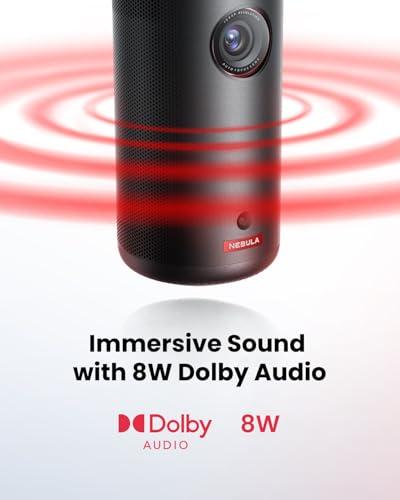
Here's where the Mars 3 Air truly distances itself from the competition. Its dual 8W speakers with Dolby Audio create genuinely room-filling sound that eliminates the need for external speakers in most situations. I've been consistently impressed by how expansive and well-balanced the audio sounds—it's a far cry from the tinny, harsh sound typical of portable projectors.
The Capsule 3 GTV features a single 8W mono speaker with Dolby Digital. While adequate for casual viewing, it can't match the stereo separation and audio quality of the Mars 3 Air. Both projectors can function as Bluetooth speakers, but the Mars 3 Air is actually something you'd want to use for music listening.
This audio difference matters more than you might expect. Poor audio can ruin an otherwise great projection experience, and having quality built-in speakers means fewer devices to carry and set up.
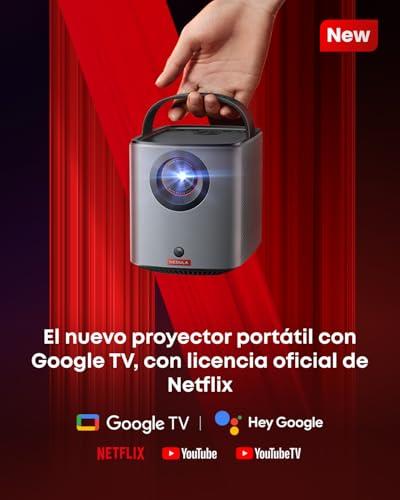
Both projectors run Google TV, representing a massive leap forward from earlier Nebula models that used basic Android interfaces. Google TV provides a curated, Netflix-like experience with personalized recommendations and seamless integration with major streaming services.
The killer feature here is native Netflix support. Most portable projectors either can't run Netflix at all or require workarounds that violate Netflix's terms of service. Both the Capsule 3 GTV and Mars 3 Air have official Netflix licensing, meaning you can watch Netflix directly from the projector without any external devices.
The interface is snappy and responsive on both models, with Google Assistant voice control and Chromecast built-in. The Mars 3 Air includes a backlit remote with dedicated Netflix and Prime Video buttons—a thoughtful touch for dark-room viewing.
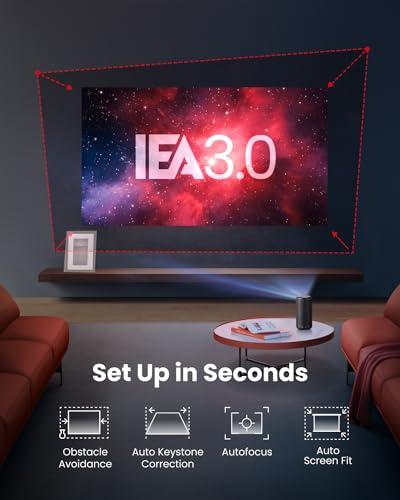
Both projectors feature Nebula's Intelligent Environment Adaptation (IEA 3.0), which sounds like marketing speak but actually works remarkably well. Within about three seconds of powering on, the projector automatically focuses the image, corrects keystone distortion, and adjusts for obstacles in the projection path.
I've tested this feature dozens of times, and it consistently produces a properly aligned, sharp image regardless of surface or angle. This automation eliminates the tedious manual adjustments that made earlier portable projectors frustrating to use. You can literally plop either projector down on any surface, point it at a wall, and have a perfect image in seconds.
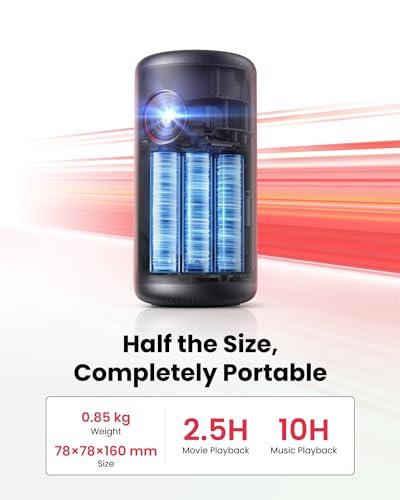
The design differences between these projectors reflect their different priorities. The Capsule 3 GTV is genuinely pocketable at 2.1 pounds and 6.6 inches tall. Its cylindrical form factor is both aesthetically pleasing and functional—there are no protruding parts to worry about during transport.
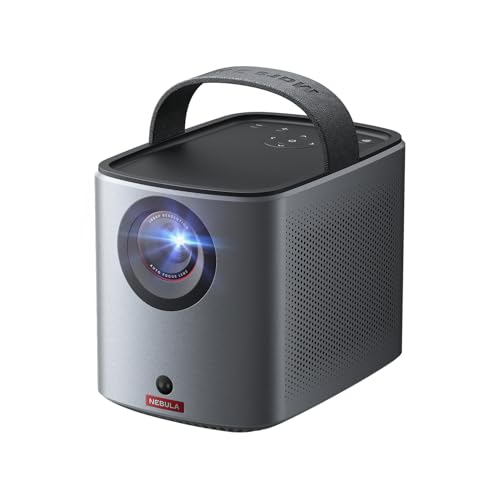
The Mars 3 Air weighs 3.7 pounds and has a more traditional rectangular form factor with a built-in carrying handle. While less compact, this design allows for better heat dissipation and component spacing, contributing to its performance advantages.
Both feel solidly built with premium materials, but the Mars 3 Air's larger chassis provides more surface area for heat dissipation, allowing it to maintain peak performance during extended viewing sessions.
Battery performance in portable projectors involves more than just runtime numbers. The Capsule 3 GTV claims 2.5 hours of video playback from its 52Wh battery, which testing confirms. However, that runtime comes with a massive brightness reduction when unplugged—dropping from already-modest 123 lumens to barely-usable 46 lumens.
The Mars 3 Air also provides about 2.5 hours of runtime from its larger 65.8Wh battery, but maintains much more consistent brightness on battery power. This makes it far more practical for truly portable use where you can't plug in.
Both projectors support USB-C power delivery, meaning you can extend runtime with a compatible power bank—an essential feature for outdoor use or long travel sessions.
While neither projector is designed to replace a dedicated home theater setup, they can serve different roles in a home environment. The Mars 3 Air works well as a secondary projector for casual family movie nights, backyard gatherings, or bedroom viewing. Its superior brightness and audio make it suitable for these scenarios without additional equipment.
The Capsule 3 GTV is better suited as a personal entertainment device—great for late-night Netflix sessions in bed or small-room viewing where maximum portability matters more than peak performance.
If you're considering either as your primary home projector, the Mars 3 Air is the clear choice, though I'd still recommend considering a dedicated home theater projector if you have a permanent setup location.
At the time of writing, both projectors command premium pricing within the portable projector category, though the Capsule 3 GTV typically costs less than the Mars 3 Air. The key question is whether the performance differences justify the price gap.
The Mars 3 Air delivers nearly four times the practical brightness, significantly better audio, and more versatile usage scenarios. For most users, this represents better value despite the higher upfront cost—you're getting a projector that works in more situations and provides a better overall experience.
The Capsule 3 GTV offers specialized value for users who prioritize ultimate portability above all else. If you frequently travel or need truly pocketable projection, its unique form factor and adequate performance in dark environments may justify the performance compromises.
After extensive testing with both projectors, I can recommend the Mars 3 Air for most users. Its superior brightness, audio quality, and overall versatility make it suitable for a wider range of scenarios. Whether you're planning backyard movie nights, apartment living, or flexible entertainment setups, the Mars 3 Air delivers performance that justifies its premium positioning.
Choose the Capsule 3 GTV if portability truly trumps performance in your use case. Frequent business travelers, camping enthusiasts, or anyone with severe space constraints will appreciate its unique form factor and adequate performance in dark viewing environments.
The Mars 3 Air represents the better overall value and more versatile choice, while the Capsule 3 GTV serves a specific niche where maximum portability is the primary concern. Both are excellent projectors that showcase how far portable projection technology has advanced—your choice simply depends on which compromises align better with your priorities.
| Nebula Capsule 3 GTV Projector | Anker Nebula Mars 3 Air Portable Projector |
|---|---|
| Brightness - Most critical spec determining where you can use the projector | |
| 200 ANSI lumens claimed (123 measured, 46 on battery) - requires very dark rooms | 400 ANSI lumens claimed (450 measured) - works in dim to moderately lit environments |
| Native Resolution - Determines image sharpness and detail | |
| 1920 x 1080 Full HD with DLP technology | 1920 x 1080 Full HD with DLP technology |
| Audio System - Critical for movie watching without external speakers | |
| Single 8W mono speaker with Dolby Digital | Dual 8W stereo speakers with Dolby Audio - significantly better sound quality |
| Weight & Dimensions - Determines true portability | |
| 2.1 lbs, 3.3" diameter x 6.6" height (fits in large pockets) | 3.7 lbs, 5.2" x 4.8" x 7" (still portable with carrying handle) |
| Battery Life - How long you can watch without plugging in | |
| 2.5 hours video playback but severely reduced brightness on battery | 2.5 hours video playback with consistent brightness performance |
| Maximum Image Size - How big your screen can be | |
| Up to 120" claimed (practical limit ~70" for good quality) | Up to 150" with better brightness for larger sizes |
| Smart TV Platform - Determines streaming app availability | |
| Google TV with official Netflix support and voice control | Google TV with official Netflix support and backlit remote |
| Connectivity Options - How you connect other devices | |
| HDMI, USB-C, USB-A, 3.5mm audio, Wi-Fi, Bluetooth | HDMI, USB-A, 3.5mm audio, Wi-Fi, Bluetooth 5.1 |
| Auto Setup Features - How quickly you get a perfect image | |
| Intelligent Environment Adaptation 3.0 (3-second auto setup) | Intelligent Environment Adaptation 3.0 (3-second auto setup) |
| Contrast Ratio - Affects image depth and color vibrancy | |
| 357:1 (good for portable projector category) | 400:1 (slightly better blacks and color pop) |
| Fan Noise - Important for quiet viewing environments | |
| 38.3 dB (quieter operation) | 42.4 dB (slightly louder but still acceptable) |
| Best Use Cases - Who should choose this projector | |
| Frequent travelers, camping, bedroom viewing, ultimate portability priority | Family movie nights, backyard entertainment, apartment living, balanced performance |
The Anker Nebula Mars 3 Air is significantly brighter with 400 ANSI lumens compared to the Nebula Capsule 3 GTV's 200 ANSI lumens. For outdoor movie nights or any use with ambient light, the Mars 3 Air performs much better and can handle larger screen sizes up to 150 inches.
The Nebula Capsule 3 GTV is ultra-compact at 2.1 pounds and fits in large pockets, making it the more portable option. The Anker Nebula Mars 3 Air weighs 3.7 pounds with a traditional rectangular design and carrying handle. Both are portable, but the Capsule 3 GTV prioritizes maximum portability.
The Anker Nebula Mars 3 Air has superior audio with dual 8W stereo speakers and Dolby Audio, creating room-filling sound. The Nebula Capsule 3 GTV features a single 8W mono speaker. For movie watching without external speakers, the Mars 3 Air provides a much better audio experience.
Both projectors offer approximately 2.5 hours of video playback. However, the Nebula Capsule 3 GTV significantly reduces brightness when running on battery (dropping to just 46 lumens), while the Anker Nebula Mars 3 Air maintains consistent brightness performance throughout battery operation.
Yes, both the Nebula Capsule 3 GTV and Anker Nebula Mars 3 Air run Google TV with official Netflix licensing. They support all major streaming services including Prime Video, Disney+, and YouTube, with Google Assistant voice control and Chromecast built-in.
The Anker Nebula Mars 3 Air is better suited for home theater applications due to its higher brightness, superior stereo audio system, and ability to work in rooms with some ambient light. While neither replaces a dedicated home theater projector, the Mars 3 Air offers a more complete entertainment experience.
Both projectors feature Intelligent Environment Adaptation 3.0 technology that automatically focuses, corrects keystone distortion, and adjusts for obstacles in about 3 seconds. Setup is equally simple on both the Nebula Capsule 3 GTV and Anker Nebula Mars 3 Air - just place and power on.
The Nebula Capsule 3 GTV can project up to 120 inches but works best at 70 inches or smaller due to brightness limitations. The Anker Nebula Mars 3 Air supports up to 150 inches and maintains better image quality at larger sizes thanks to its higher brightness output.
The Anker Nebula Mars 3 Air generally offers better overall value with nearly double the brightness, superior audio, and more versatile usage scenarios. The Nebula Capsule 3 GTV provides specialized value for users who prioritize maximum portability above performance.
The Anker Nebula Mars 3 Air can handle dim to moderately lit rooms thanks to its 400+ lumen output. The Nebula Capsule 3 GTV requires very dark environments for optimal viewing due to its lower brightness. Neither works well in bright, well-lit rooms.
Both projectors offer HDMI, USB-A, 3.5mm audio output, Wi-Fi, and Bluetooth connectivity. The Nebula Capsule 3 GTV adds USB-C, while the Anker Nebula Mars 3 Air features Bluetooth 5.1. Both support wireless casting and can connect to various external devices.
For maximum portability during camping and frequent travel, choose the Nebula Capsule 3 GTV due to its compact size and lighter weight. However, if you need better performance for group viewing or any ambient light conditions, the Anker Nebula Mars 3 Air is worth the extra bulk for its superior brightness and audio quality.
We've done our best to create useful and informative comparisons to help you decide what product to buy. Our research uses advanced automated methods to create this comparison and perfection is not possible - please contact us for corrections or questions. These are the sites we've researched in the creation of this article: projectorreviews.com - projectorcentral.com - tvsbook.com - gadgetoid.com - newegg.com - thesmarthomehookup.com - whathifi.com - seenebula.com - rtings.com - cnet.com - seenebula.com - youtube.com - youtube.com - walmart.com - support.seenebula.com - techradar.com - thesmarthomehookup.com - whathifi.com - cnet.com - whathifi.com - projectorreviews.com - youtube.com - youtube.com - versus.com - projectorcentral.com - practicalmotorhome.com - youtube.com - seenebula.com - us.seenebula.com - harveynorman.ie

Privacy Policy
Terms and Conditions - Affiliate Policy
Home Security
© Copyright 2008-2026.
11816 Inwood Rd #1211, Dallas, TX 75244