



The portable projector market has exploded over the past few years, transforming from a niche product category into a genuine alternative to traditional home theater setups. But here's the thing: not all portable projectors are created equal, and the differences between models can make or break your viewing experience.
Today we're diving deep into two popular options that represent fundamentally different approaches to portable projection: the Anker Nebula Mars 3 Air and the TCL A1. At the time of writing, these projectors sit within about $20 of each other in price, but their design philosophies couldn't be more different. One prioritizes true anywhere-use portability, while the other focuses on semi-portable convenience with unique entertainment features.
Before we jump into the head-to-head comparison, let's talk about what makes a portable projector actually useful. The category has evolved rapidly since around 2020, when manufacturers started integrating smart TV platforms directly into projectors. This eliminated the need for external streaming devices like Roku or Apple TV, making the devices much more self-contained.
The key considerations that separate good portable projectors from great ones come down to several factors. True portability means having a built-in battery that actually lasts long enough to watch a movie without hunting for power outlets. Brightness levels determine whether you can use the projector anywhere beyond a completely dark room. Smart platform performance affects whether you'll enjoy using the device or get frustrated with slow, laggy interfaces. And audio quality decides whether you need to drag along external speakers for decent sound.
The most important thing to understand is the fundamental trade-off in this category: brightness versus battery life. Higher brightness requires more power, which either means shorter battery life or no battery at all. This creates two distinct sub-categories: truly portable battery-powered units and semi-portable AC-powered devices.
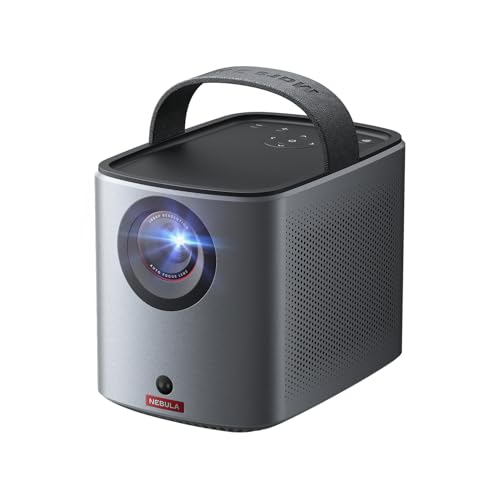
The Anker Nebula Mars 3 Air, released in early 2024, represents what I'd call the "true portable" philosophy. It's built around a substantial internal battery and uses DLP (Digital Light Processing) technology - a projection method that uses millions of tiny mirrors to create images. DLP typically provides better contrast and more accurate colors than LCD alternatives, though it can be more expensive to implement.
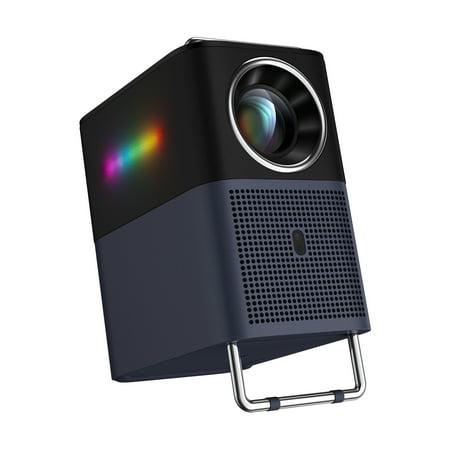
The TCL A1, which arrived later in 2024, takes the "semi-portable" approach. It's larger, requires wall power, but compensates with unique features like Light Sync - LED lights that pulse and change color in rhythm with your music. This creates an almost party-like atmosphere that goes beyond simple projection.
Let's talk about the most crucial aspect: how these projectors actually look when you're watching them. The Anker Mars 3 Air puts out 400 ANSI lumens using its DLP technology. ANSI lumens are the standardized way to measure projector brightness - think of lumens like the projector equivalent of horsepower for cars. The higher the number, the brighter the image, and the better it'll perform in rooms with some ambient light.
In real-world testing, the Mars 3 Air delivers what I'd call genuinely usable brightness. At 400 ANSI lumens, you can watch content in a moderately darkened room - think evening family room with the lights off but some light coming through windows. The DLP technology also means you get punchy, vibrant colors with good contrast between dark and light areas of the image.
The TCL A1, meanwhile, rates at 360 ISO lumens. Here's where it gets tricky: ISO lumens and ANSI lumens aren't directly comparable, but generally speaking, the TCL is noticeably dimmer. Reviews consistently mention that the TCL A1 really struggles with any ambient light whatsoever. Users report that even with thick window coverings during daytime, the image remains too dim to be enjoyable.
This brightness difference matters more than you might think. A projector that only works in completely dark rooms severely limits when and where you can use it. The Anker Mars 3 Air gives you flexibility to watch content during evening hours or in basements with some light leakage, while the TCL A1 demands cave-like conditions.
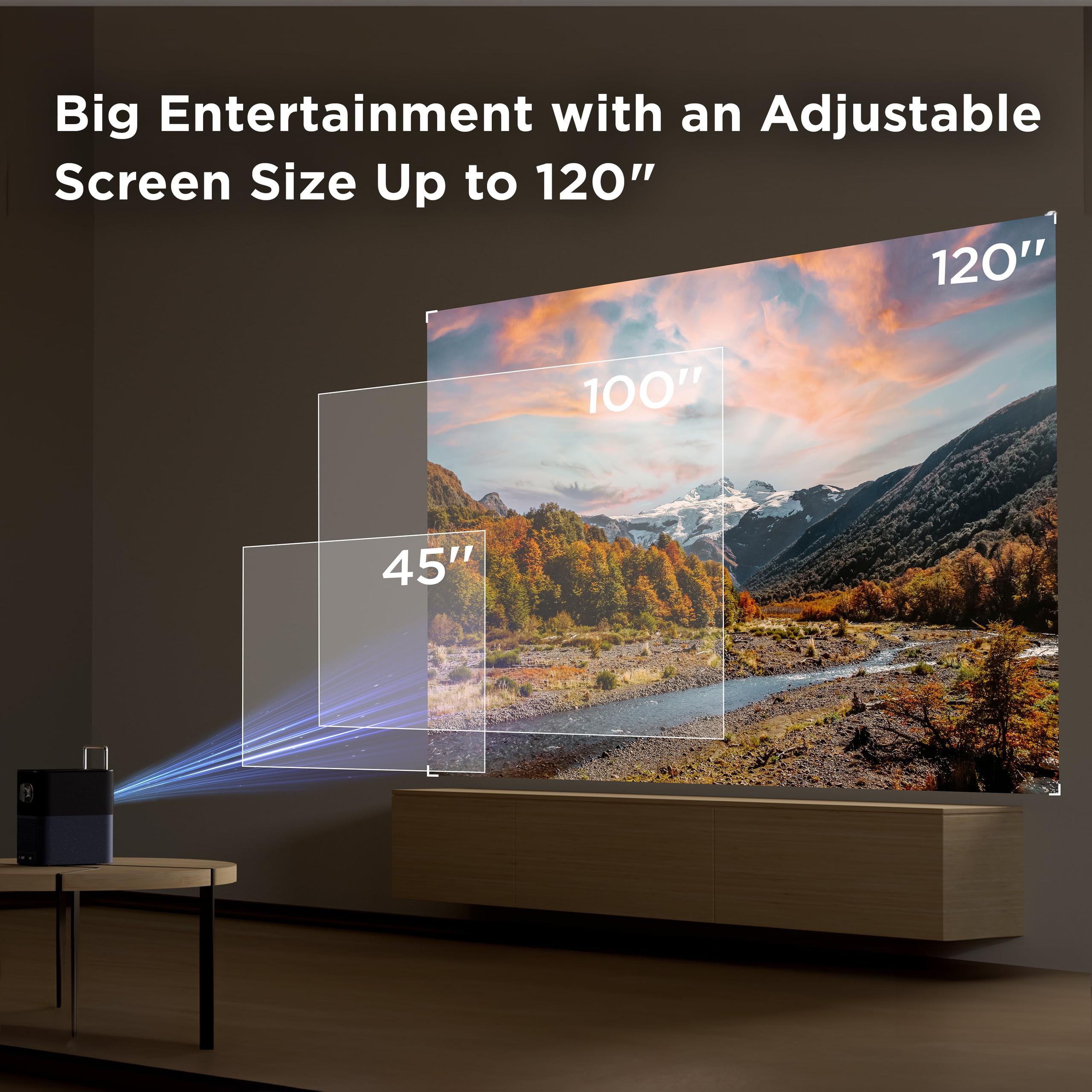
Both projectors offer full 1080p resolution (1920x1080 pixels), which delivers crisp, detailed images suitable for everything from Netflix shows to gaming. However, the Mars 3 Air can project images ranging from 30 inches up to 150 inches diagonally, while the TCL A1 is limited to 45-120 inches. That wider range makes the Anker more versatile for different room sizes and viewing distances.
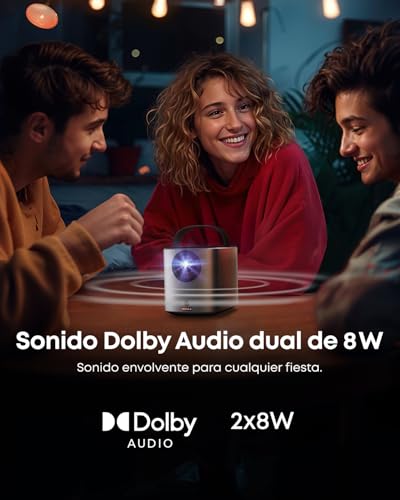
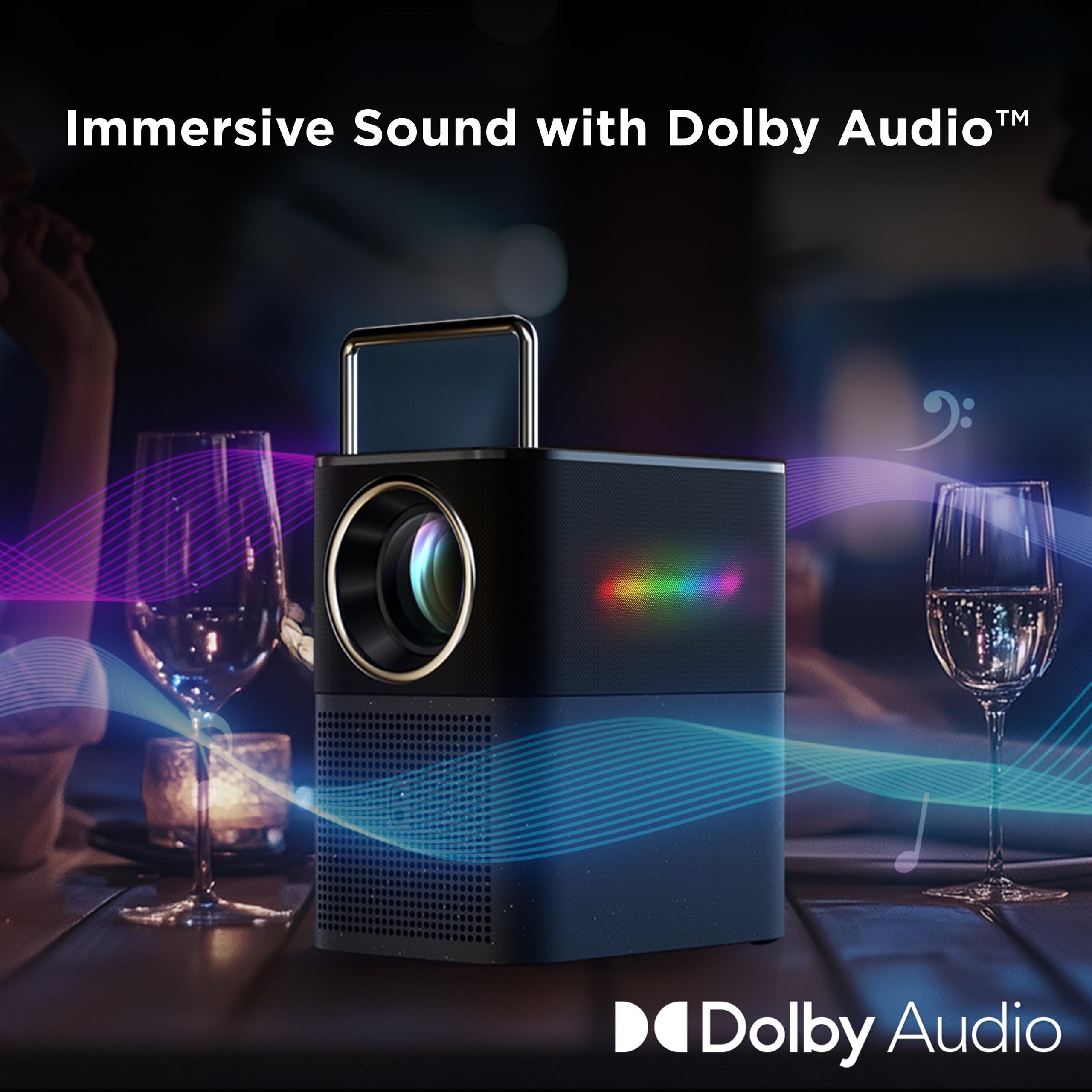
Here's something many people don't consider when shopping for projectors: the built-in audio quality. Both the Anker Mars 3 Air and TCL A1 feature dual 8-watt speakers with Dolby Audio processing. In practical terms, this means reasonably full, room-filling sound that eliminates the need for external speakers in most situations.
The audio performance is actually quite impressive on both units. The 8-watt speakers might not sound like much compared to a dedicated sound system, but they're well-tuned and provide enough volume and clarity for most viewing scenarios. The Dolby Audio processing adds depth and helps create a more immersive experience than you'd expect from built-in projector speakers.
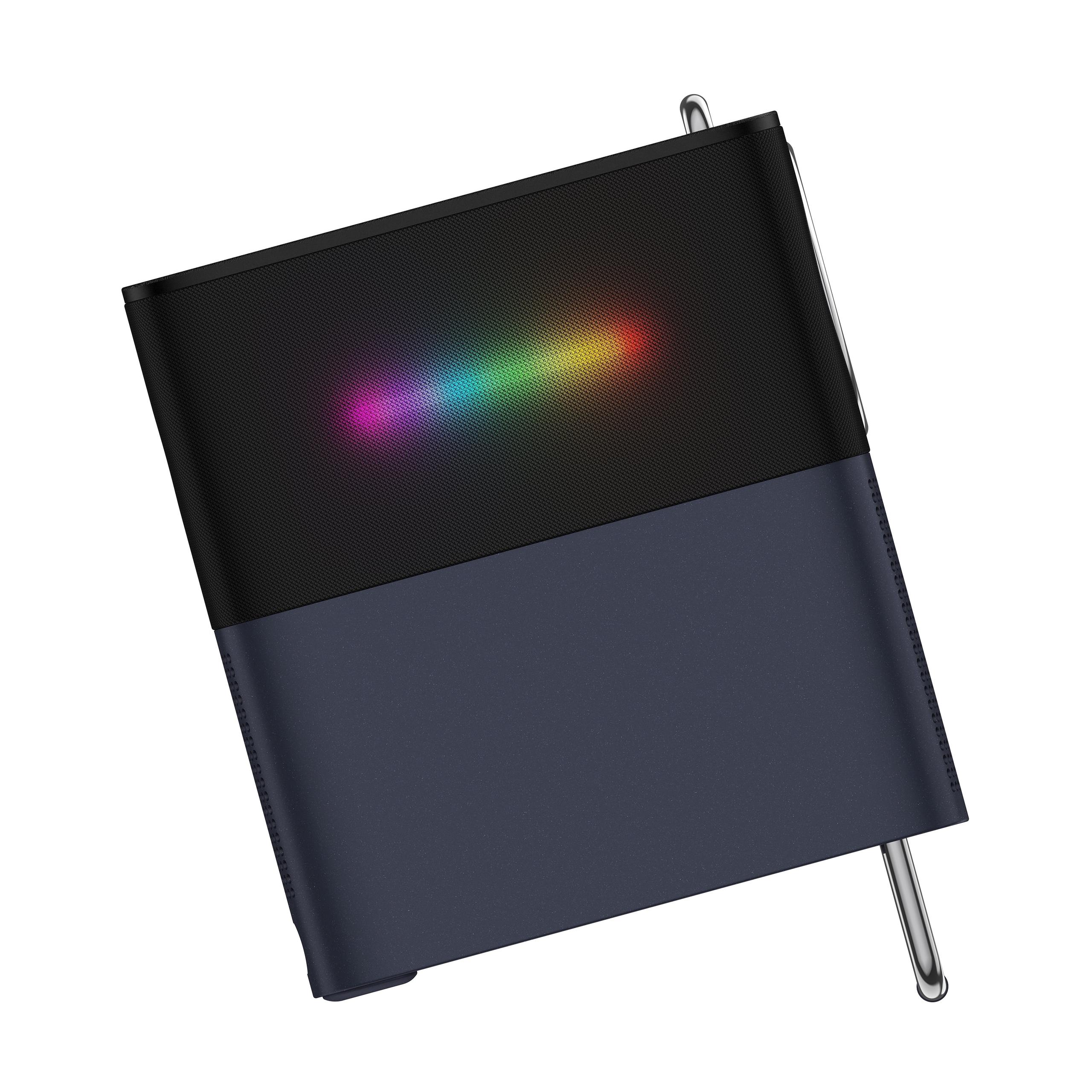
Where the TCL A1 gets interesting is its Light Sync feature. This system uses built-in LED lights around the projector that pulse, change color, and react to whatever music you're playing. It's essentially like having a small light show synchronized to your audio content. While it might sound gimmicky, it actually creates a pretty engaging atmosphere for parties or background music situations.
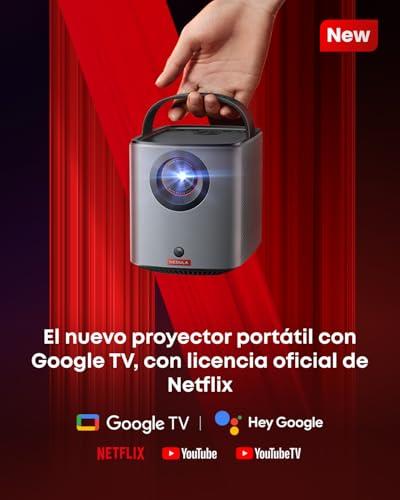
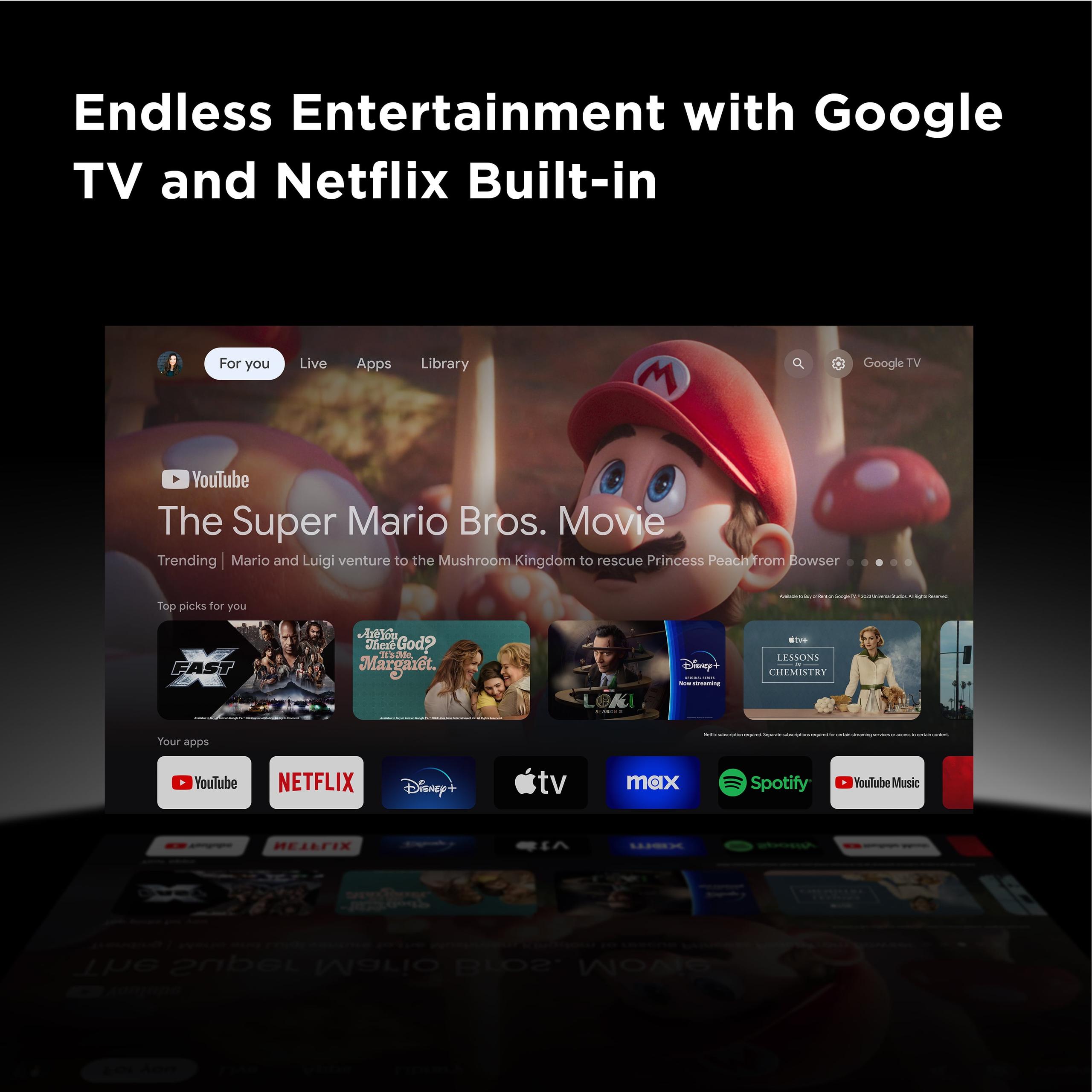
Both projectors run Google TV, Google's modern smart TV platform that replaced Android TV. This gives you access to all the major streaming apps including Netflix, Prime Video, Disney+, and YouTube directly on the projector without needing external devices.
However, the implementation quality differs dramatically between these two models. The Anker Mars 3 Air delivers what feels like a smooth, responsive smart TV experience. Navigation is quick, apps load promptly, and you can get from turning on the device to streaming content in under a minute.
The TCL A1, unfortunately, suffers from significant performance issues. Multiple reviews mention sluggish interface performance, with the device needing "warm-up time" before it becomes responsive. Even more frustrating, software updates reportedly take about 45 minutes each for both downloading and installation, even on fast internet connections.
This performance difference matters enormously for daily use. A slow, laggy interface turns what should be a simple "turn on and watch" experience into an exercise in patience. The Mars 3 Air was actually marketed as the first portable projector with a truly integrated Netflix app, and the implementation shows in the smooth user experience.
Here's where these projectors fundamentally diverge. The Anker Mars 3 Air includes a substantial 65.8Wh battery that provides about 2.5 hours of movie playback time. This transforms it into a truly portable entertainment system - you can take it camping, to the backyard for movie nights, or even use it during power outages.
The battery performance extends beyond just video playback. In Bluetooth speaker mode, the Mars 3 Air can run for up to 8 hours, essentially functioning as a high-quality portable speaker when you're not projecting. This dual-purpose functionality adds significant value for outdoor activities or travel.
The TCL A1 takes a completely different approach by eliminating the battery entirely. Instead, it requires a constant connection to wall power, consuming about 140 watts during operation. This immediately limits where and how you can use it, but it also allows for some design advantages.
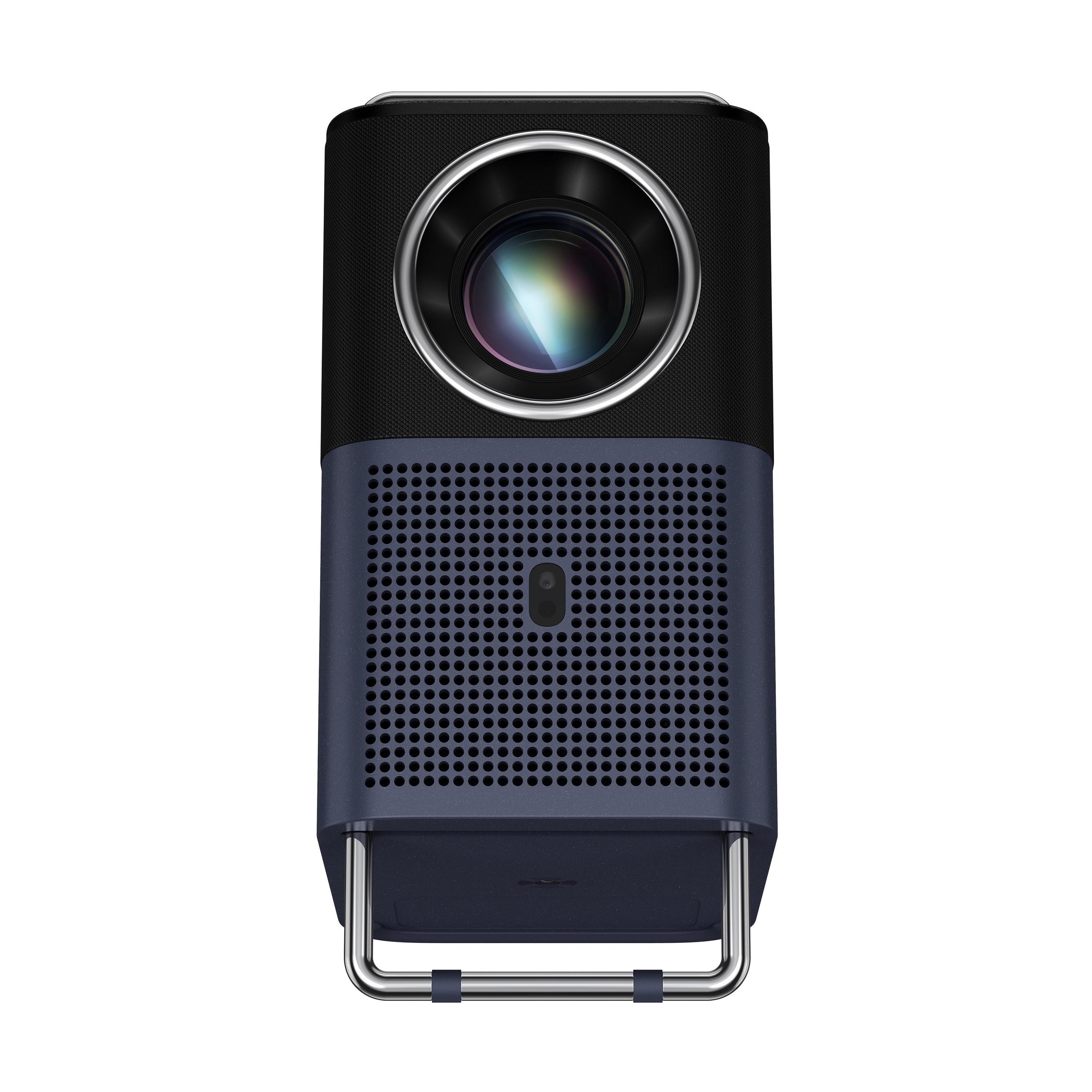
Without battery constraints, the TCL A1 can be larger and include features like its innovative VersaGrip handle. This aluminum handle doesn't just make the projector easier to carry - it actually doubles as an adjustable stand that can tilt the projector up to 15 degrees. It's a clever design solution that makes positioning and setup more convenient in indoor environments.
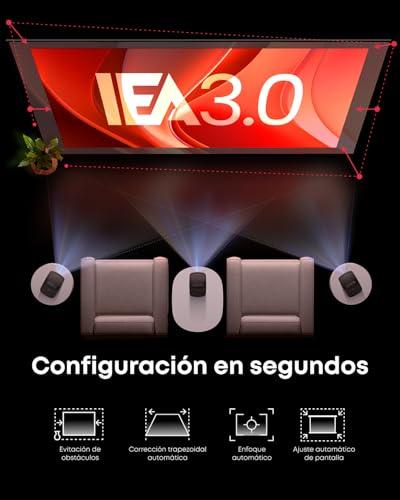
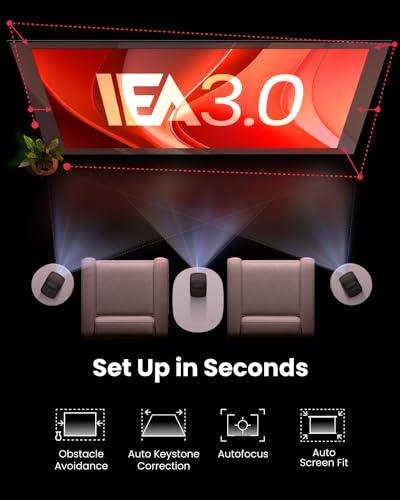
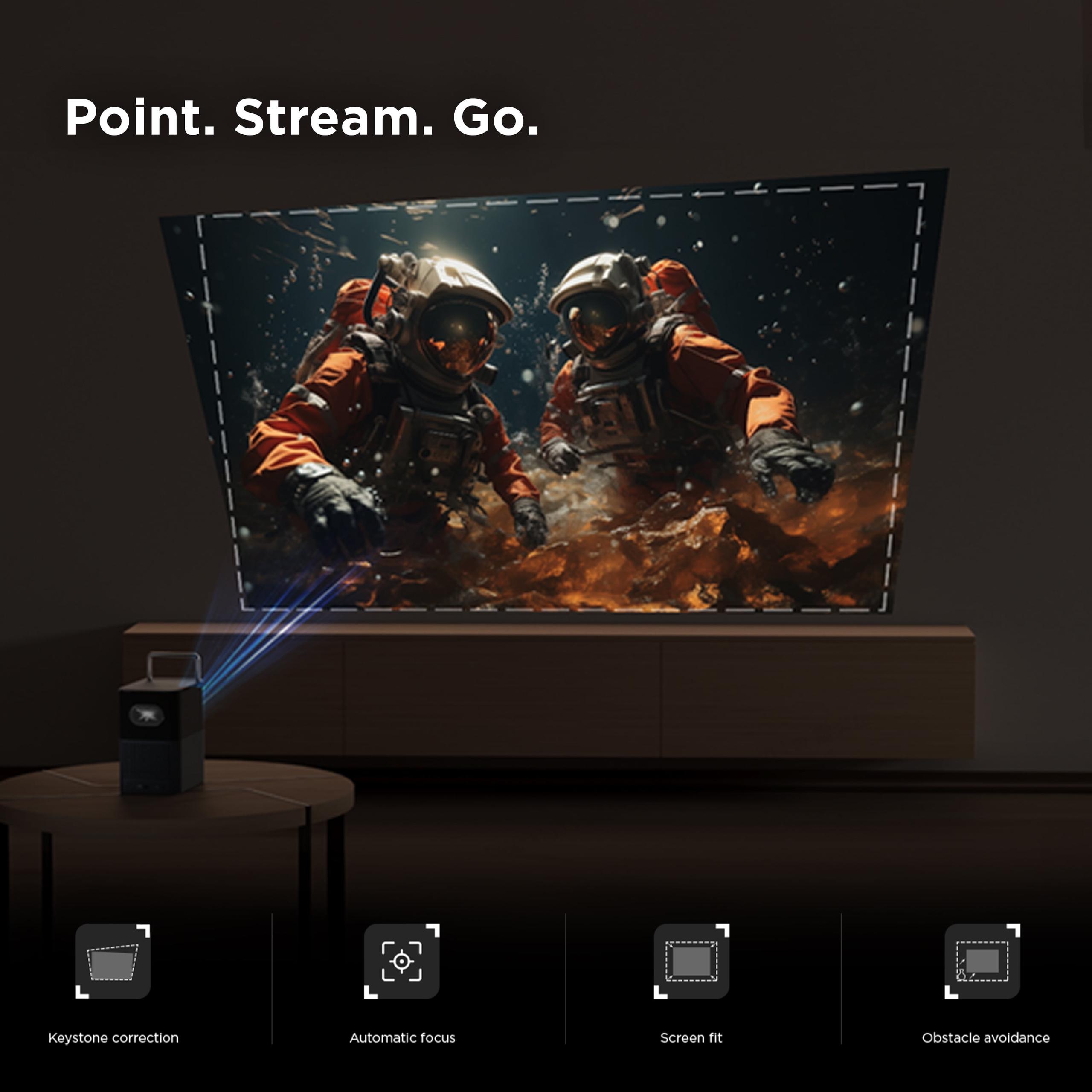
Modern portable projectors have made huge strides in setup convenience, and both of these models include auto-focus and auto-keystone correction. Auto-focus means the projector automatically adjusts to create a sharp image regardless of your distance from the wall or screen. Auto-keystone correction fixes the trapezoidal distortion that occurs when you project at an angle - the projector digitally adjusts the image to appear rectangular even when the projector isn't perfectly aligned.
The Anker Mars 3 Air includes what they call "Intelligent Environment Adaptation 3.0," which sounds like marketing speak but actually works quite well. The system uses sensors to detect obstacles and automatically adjusts focus, keystone correction, and even screen fitting. In practice, this means you can set the projector down almost anywhere and have a properly aligned image within seconds.
One area where the TCL A1 stumbles is in the remote control design. While it includes dedicated buttons for major streaming services, it inexplicably lacks a mute button - a basic function you'd expect on any media device remote. Small details like this can become daily annoyances.
While these are marketed as portable projectors, many buyers actually use them as primary home theater devices, especially in smaller spaces like apartments or condos. For this use case, the considerations shift somewhat.
If you're planning to use either projector as your main TV replacement, the TCL A1's lack of battery becomes less of a concern since you'll likely have it in a fixed location with power access. However, the brightness limitations become more problematic. A home theater projector needs to work during prime viewing hours - early evening when there's still some ambient light in the room.
The Anker Mars 3 Air works much better as a home theater replacement because its higher brightness allows for more flexible viewing conditions. The DLP technology also provides better long-term reliability - the LED light source is rated for 30,000 hours, which translates to about 15 years of moderate daily use.
For dedicated home theater use, both projectors benefit from being paired with a proper projection screen rather than just projecting onto a white wall. A good screen can improve brightness perception and color accuracy by 20-30%, making either projector more enjoyable for extended viewing.
While not their primary purpose, both projectors can handle gaming from consoles or connected devices. The Anker Mars 3 Air includes a dedicated game mode that reduces input lag - the delay between when you press a controller button and when the action appears on screen - to about 45 milliseconds. This is acceptable for casual gaming but not ideal for competitive or fast-paced games where every millisecond counts.
The larger screen sizes these projectors can create actually make gaming quite immersive, especially for single-player adventures or party games where precision timing isn't critical. However, serious gamers should probably stick with traditional TVs or gaming monitors for the best response times.
At the time of writing, these projectors are priced within about $20 of each other, making the value comparison particularly interesting. The Anker Mars 3 Air commands a slight premium, but that extra cost buys you genuine portability, better brightness, superior smart platform performance, and DLP technology reliability.
The TCL A1 offers decent value for buyers who can work within its limitations. The Light Sync feature, while somewhat niche, does add entertainment value for certain use cases. The aluminum build quality feels premium, and the VersaGrip handle is genuinely innovative.
However, the performance issues with the TCL A1 - slow interface, problematic updates, brightness limitations - suggest this might be a case where spending slightly more upfront saves frustration over time.
The Anker Mars 3 Air is the clear choice for buyers who value flexibility and reliability. If you want a projector for camping trips, backyard movie nights, travel, or just the peace of mind that comes with battery backup, this is your device. It's also the better choice for primary home theater use thanks to its superior brightness and performance.
The TCL A1 makes sense for specific scenarios: indoor party hosts who'll use the Light Sync feature, budget-conscious buyers who can accept the performance compromises, or users with dedicated dark viewing spaces where brightness isn't a concern.
My personal recommendation leans strongly toward the Anker Mars 3 Air. The modest price premium buys you significantly more versatility and a much more reliable user experience. In a product category where convenience and "just works" functionality are paramount, the Anker delivers where the TCL stumbles.
The portable projector market will continue evolving, but right now, the Mars 3 Air represents the sweet spot between true portability, performance, and value. Unless you specifically need the TCL A1's Light Sync feature or have a dedicated dark room setup, the Anker offers a more complete and satisfying portable projection experience.
| Anker Nebula Mars 3 Air | TCL A1 Portable 1080p Smart Projector |
|---|---|
| Brightness - Critical for viewing in rooms with any ambient light | |
| 400 ANSI lumens (usable in moderately darkened rooms) | 360 ISO lumens (requires completely dark environments) |
| Display Technology - Affects color accuracy and contrast | |
| DLP (superior contrast and color reproduction) | LCD (adequate colors but limited contrast) |
| Battery Power - Determines true portability | |
| Built-in 65.8Wh battery (2.5 hours movie playback) | No battery (requires wall power connection) |
| Power Consumption - Affects running costs and battery life | |
| 90W (efficient for battery operation) | 140W (higher consumption, AC power only) |
| Screen Size Range - Flexibility for different rooms | |
| 30" - 150" diagonal | 45" - 120" diagonal |
| Weight and Portability - How easy it is to move around | |
| Compact design with carrying strap | 5.5 lbs with premium aluminum handle/stand |
| Smart Platform Performance - Daily user experience quality | |
| Responsive Google TV with smooth operation | Slow Google TV with reported lag issues |
| Audio System - Whether external speakers are needed | |
| Dual 8W Dolby Audio speakers (28 dB noise) | Dual 8W Dolby Audio + Light Sync LEDs (30 dB noise) |
| Special Features - Unique capabilities beyond basic projection | |
| Bluetooth speaker mode, Intelligent Environment Adaptation 3.0 | Light Sync LED system, VersaGrip handle doubles as stand |
| Connectivity Options - How you connect devices | |
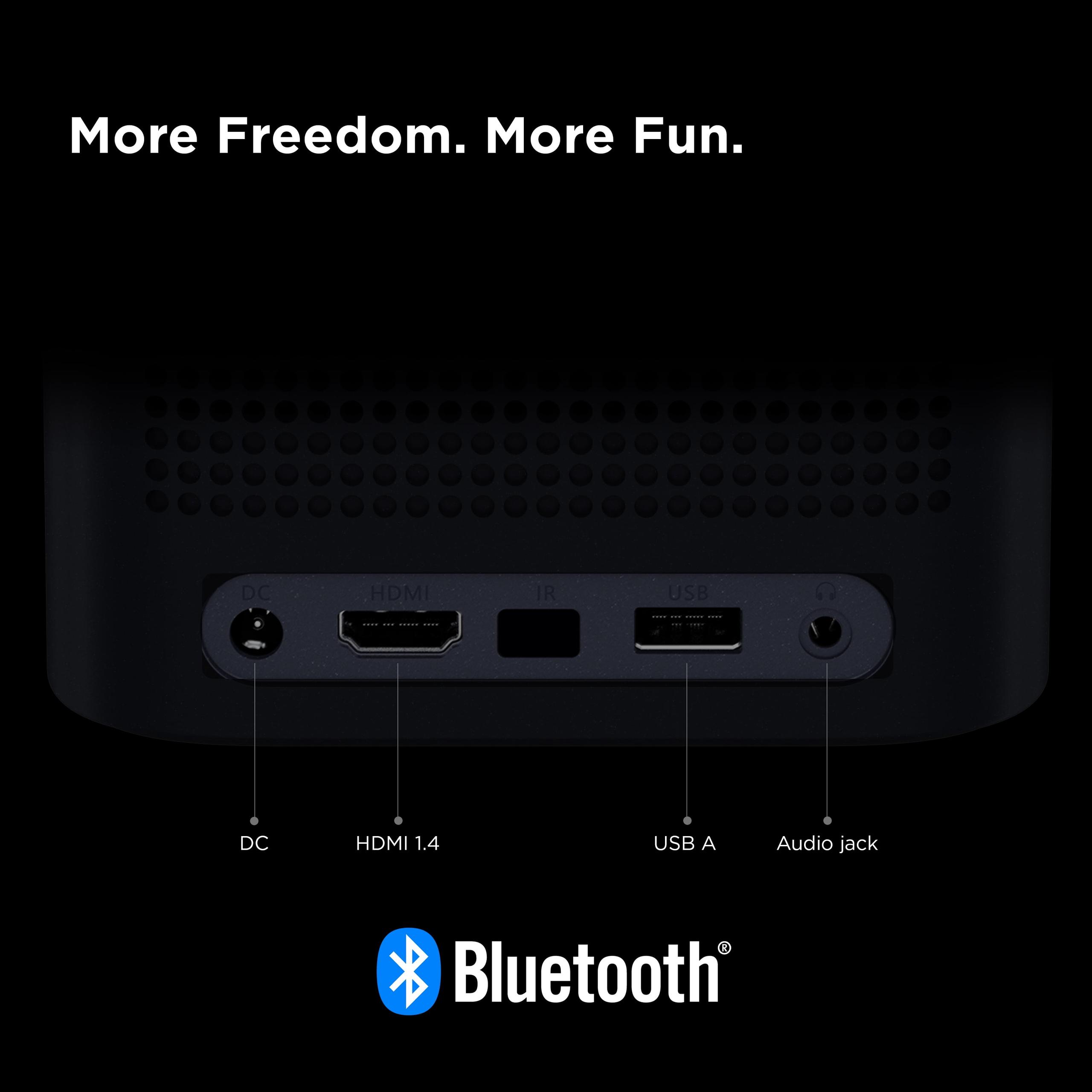
| HDMI, USB-A, 3.5mm audio, Wi-Fi 5, Bluetooth 5.1 | HDMI, USB, 3.5mm audio, Wi-Fi 4, Bluetooth 5.1 |
| Best Use Cases - Who should consider each option | |
| Outdoor use, travel, backup power situations, flexible home theater | Indoor parties, dedicated dark rooms, semi-portable setups |
The Anker Nebula Mars 3 Air is brighter with 400 ANSI lumens compared to the TCL A1's 360 ISO lumens. The Mars 3 Air can handle moderately darkened rooms with some ambient light, while the TCL A1 requires completely dark environments for acceptable viewing.
The Anker Nebula Mars 3 Air has a built-in battery providing 2.5 hours of movie playback, making it truly portable. The TCL A1 requires constant wall power and cannot operate on battery, limiting its portability to locations with electrical outlets.
The Anker Nebula Mars 3 Air uses DLP technology which typically provides better contrast and color accuracy compared to the TCL A1's LCD technology. Both offer 1080p resolution, but the Mars 3 Air delivers superior image quality overall.
The Anker Nebula Mars 3 Air can project from 30" to 150" diagonal, offering more flexibility for different room sizes. The TCL A1 is limited to 45" to 120" diagonal, which covers most typical viewing scenarios but with less range.
The Anker Nebula Mars 3 Air is ideal for outdoor use thanks to its built-in battery and higher brightness. The TCL A1 cannot be used outdoors without a power source, making the Mars 3 Air the clear choice for camping or backyard entertainment.
Both the Anker Nebula Mars 3 Air and TCL A1 feature dual 8W Dolby Audio speakers that provide room-filling sound. The TCL A1 adds Light Sync LED effects that pulse with music, while the Mars 3 Air can also function as a Bluetooth speaker.
The Anker Nebula Mars 3 Air is better suited for home theater use due to its higher brightness allowing viewing during evening hours with some ambient light. The TCL A1 works for dedicated dark rooms but may be too dim for flexible family room use.
Both projectors offer auto-focus and auto-keystone correction for easy setup. The Anker Mars 3 Air includes Intelligent Environment Adaptation 3.0 for automated image optimization, while the TCL A1 features a VersaGrip handle that doubles as an adjustable stand.
The Anker Nebula Mars 3 Air delivers smooth, responsive Google TV performance with quick app loading. The TCL A1 suffers from reported lag issues and slow interface performance that can frustrate users during daily operation.
Both the Anker Nebula Mars 3 Air and TCL A1 can handle casual gaming, with the Mars 3 Air offering a dedicated game mode. However, neither is ideal for competitive gaming due to input lag inherent in projection technology.
The Anker Nebula Mars 3 Air offers better overall value despite a slight price premium, providing superior brightness, battery power, and reliable performance. The TCL A1 costs less but has significant limitations in brightness and interface performance.
The Anker Nebula Mars 3 Air includes HDMI, USB-A, 3.5mm audio, Wi-Fi 5, and Bluetooth 5.1 connectivity. The TCL A1 offers similar connections with HDMI, USB, 3.5mm audio, Wi-Fi 4, and Bluetooth 5.1, though with slightly older Wi-Fi technology.
We've done our best to create useful and informative comparisons to help you decide what product to buy. Our research uses advanced automated methods to create this comparison and perfection is not possible - please contact us for corrections or questions. These are the sites we've researched in the creation of this article: techradar.com - thesmarthomehookup.com - whathifi.com - thesmarthomehookup.com - cnet.com - whathifi.com - projectorreviews.com - youtube.com - youtube.com - versus.com - projectorcentral.com - practicalmotorhome.com - youtube.com - seenebula.com - us.seenebula.com - harveynorman.ie - youtube.com - hometheaterforum.com - hifivision.com - tcl.com - gstylemag.com - youtube.com - youtube.com - soundandvision.com - tcl.com - androidheadlines.com - valueelectronics.com - tcl.com - walmart.com - esquire.com - hometheaterview.com - androidpolice.com - projectorcentral.com - howtogeek.com - nfm.com - tcl.com - valueelectronics.com - extapps.dec.ny.gov - cna-aiic.ca - projectorcentral.com - tcl.com - tcl.com - tcl.com

Privacy Policy
Terms and Conditions - Affiliate Policy
Home Security
© Copyright 2008-2026.
11816 Inwood Rd #1211, Dallas, TX 75244