

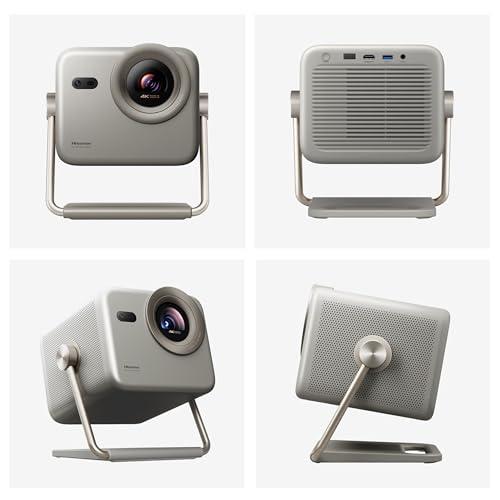
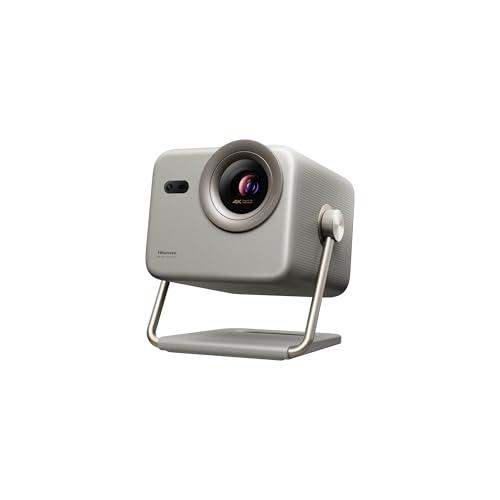
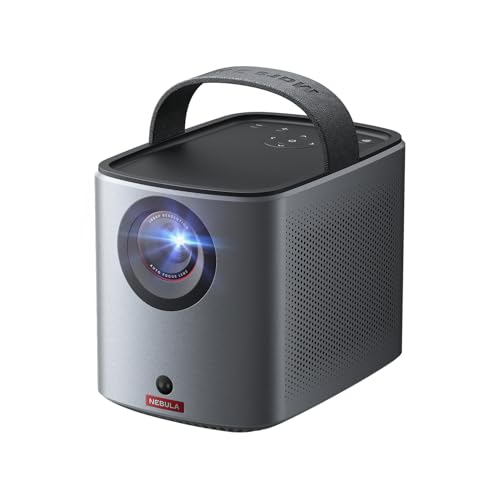



When portable projectors first hit the market years ago, they were dim, pixelated devices that barely worked in pitch-black rooms. Fast forward to 2024 and 2025, and we're looking at projectors that can genuinely replace your TV while fitting in a backpack. The Hisense M2 Pro 4K Triple Laser Portable Projector and Anker Nebula Mars 3 Air represent two very different philosophies in this rapidly evolving category—and choosing between them comes down to understanding what you actually need versus what sounds impressive on paper.
The portable projector market has exploded because people want flexibility in their entertainment setup. Maybe you're tired of being locked into one room for movie night, or you want something for the backyard that doesn't require a permanent installation. Perhaps you're in a rental where mounting a massive TV isn't practical. These scenarios have driven manufacturers to pack increasingly sophisticated technology into compact, moveable packages.
Before diving into specifics, it's worth understanding what separates good portable projectors from mediocre ones. The three critical factors are brightness (measured in ANSI lumens—basically how much light the projector can output), resolution (the number of pixels that create your image), and color reproduction (how accurately colors appear compared to what the content creator intended).
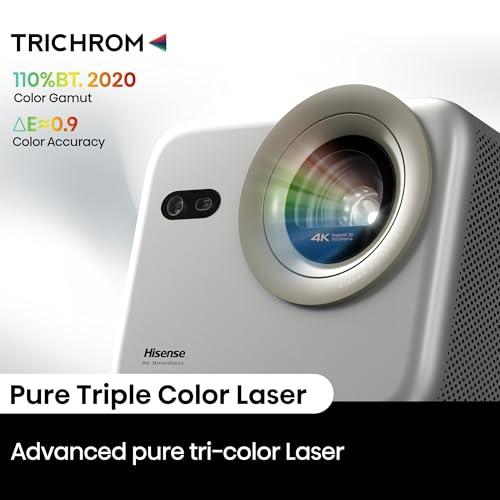
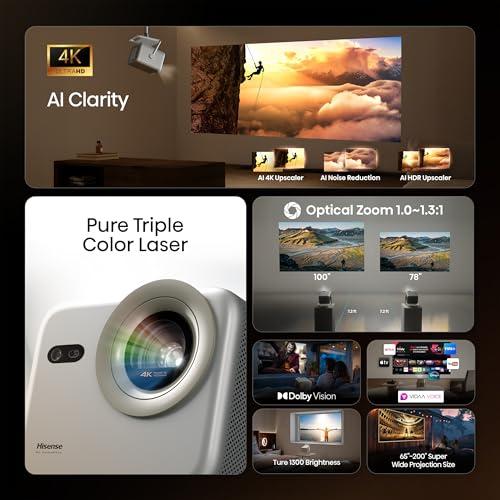
Traditional projectors use either LED lights or mercury bulbs as their light source, but newer models like the Hisense M2 Pro employ laser technology. Lasers produce purer colors and last much longer—we're talking 25,000+ hours compared to 2,000-5,000 hours for traditional bulbs. The M2 Pro specifically uses "triple laser" technology, meaning it has separate red, green, and blue lasers instead of a single white light source that gets filtered into colors. This approach dramatically improves color accuracy and brightness.
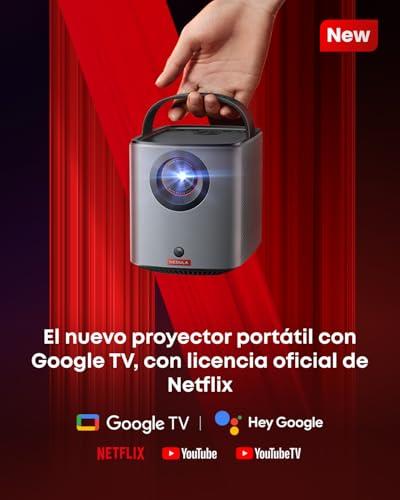
The Anker Mars 3 Air, released in 2024, takes a different approach. It uses conventional LED projection technology but compensates with smart features like a built-in battery and Google TV integration. This makes it the first portable projector to include Netflix natively—something that might seem trivial until you've struggled with dongles and adapters on other projectors.
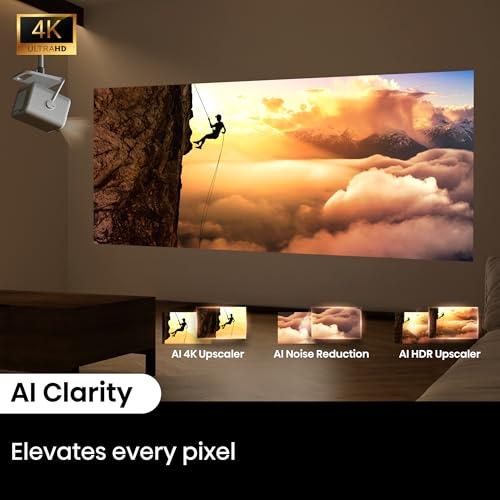
The biggest difference between these projectors is resolution, and it's not just about bigger numbers looking better. The Hisense M2 Pro delivers true 4K resolution at 3840 x 2160 pixels, while the Mars 3 Air outputs 1080p at 1920 x 1080 pixels. That's four times as many pixels on the M2 Pro, which translates to significantly sharper text, more detailed textures in movies, and the ability to sit closer to large screen sizes without seeing individual pixels.
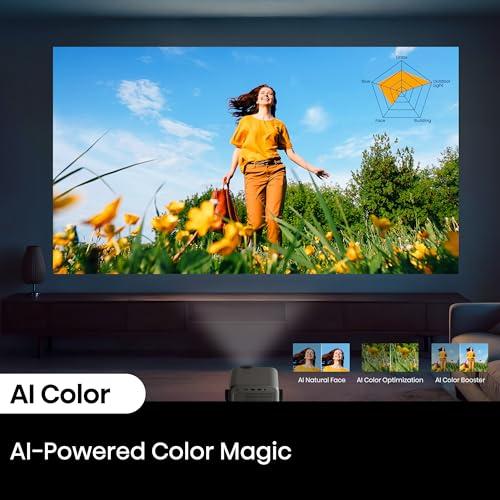
But here's where it gets interesting: resolution alone doesn't tell the whole story. The M2 Pro's triple laser system produces colors that cover 110% of the BT.2020 color space—a technical standard that represents the widest range of colors modern displays can show. Most TVs can only manage about 70-80% of this color space, so you're actually getting better color reproduction than many premium TVs.
In practical terms, this means reds are more vibrant, greens look more natural, and the overall image has a depth and richness that's immediately noticeable. When watching nature documentaries or animated movies, the difference becomes obvious within seconds. The Mars 3 Air produces good colors for its price range, but they appear somewhat muted in comparison.
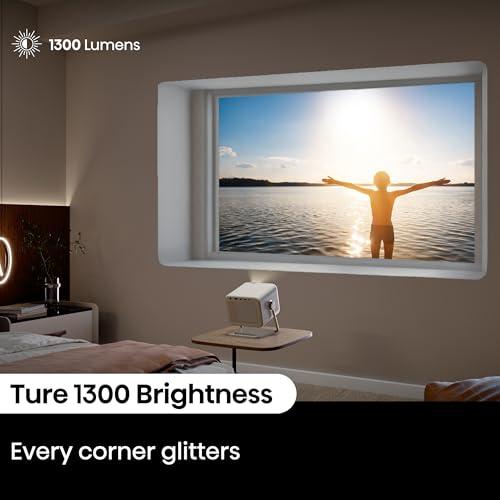
The brightness gap is equally significant. At 1,300 ANSI lumens, the M2 Pro can handle moderately lit rooms and even some outdoor daylight viewing. The Mars 3 Air's 400 lumens restrict it primarily to dark rooms—try using it with lights on and the image becomes washed out quickly.
This is where the Mars 3 Air fights back effectively. Anker partnered with Google to make this the first portable projector with native Google TV and Netflix support. This might not sound revolutionary, but anyone who's dealt with projector streaming knows the pain of compatibility issues, dongles that overheat, or apps that simply won't work.
The Google TV interface on the Mars 3 Air is snappy and intuitive, with voice search through Google Assistant actually working well. You can say "show me action movies" and get relevant results across multiple streaming platforms. The remote includes dedicated Netflix and Prime Video buttons—small touches that improve daily usability.
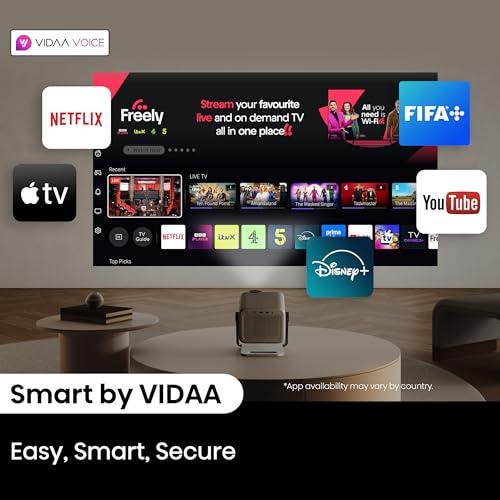
The M2 Pro runs Hisense's VIDAA Smart OS, which offers major streaming apps but isn't quite as polished as Google TV. The interface works fine, but you occasionally encounter apps that load slowly or features that feel like afterthoughts. However, the M2 Pro compensates with superior wireless performance through Wi-Fi 6 support, which provides more stable streaming of high-bandwidth 4K content.
Both projectors include built-in speakers that are actually usable—not something you could say about portable projectors even a few years ago. The M2 Pro features a 20-watt stereo system with Dolby Audio and DTS Virtual:X processing, which creates a surprisingly wide soundstage for movie watching. It's not going to replace a dedicated sound system, but it's genuinely good enough for most casual viewing.
The Mars 3 Air includes dual 8-watt speakers with Dolby Audio support, plus a clever feature that lets it work as a Bluetooth speaker when not projecting. The audio quality is respectable for the size, though it lacks the room-filling presence of the M2 Pro's larger drivers.
For home theater use, both projectors benefit from external audio systems, but the M2 Pro's superior built-in sound makes it more viable as a standalone entertainment solution.
Here's where your intended use case becomes crucial. The Mars 3 Air weighs just 3.7 pounds and includes a battery that provides about 2.5 hours of movie playback. This makes it genuinely portable—you can take it camping, to friends' houses, or use it in rooms without convenient power outlets. The built-in carrying handle reinforces that this projector was designed for movement.
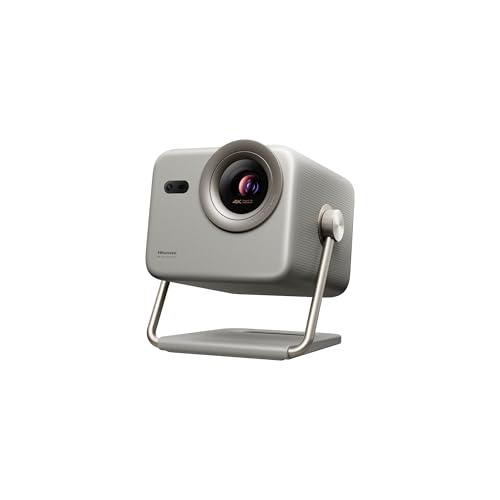
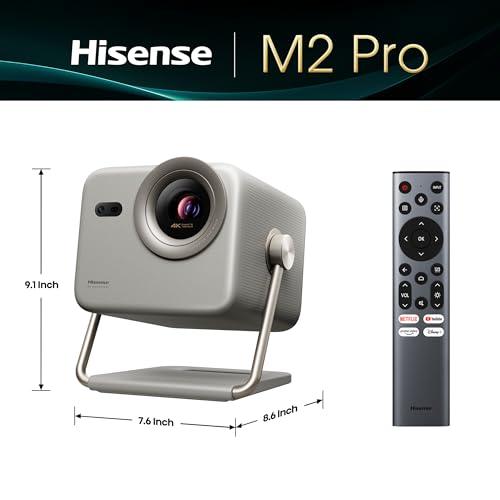
The M2 Pro, at 8.6 pounds, represents a different kind of portability. It's more "moveable" than truly portable—you can easily relocate it between rooms or take it to someone else's house, but you'll need access to AC power. Think of it as the difference between a laptop and a desktop computer—both can be moved, but one is clearly designed for it.
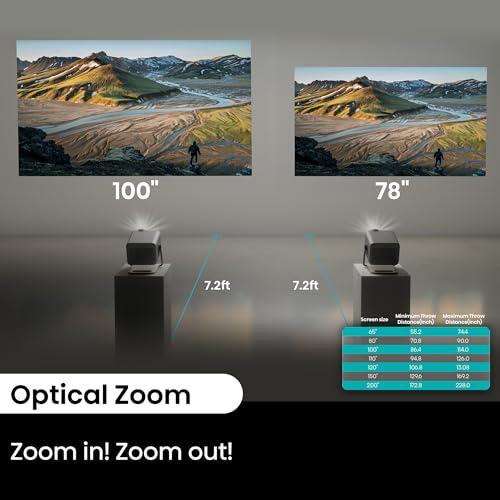
The M2 Pro compensates for its power requirement with exceptional setup flexibility. Its built-in gimbal allows 360-degree horizontal rotation and 135-degree vertical adjustment, meaning you can project onto walls, ceilings, or angled surfaces without complex mounting hardware. The optical zoom lets you adjust image size without moving the projector—a feature that digital-only zoom projectors can't match without losing image quality.
Gaming on projectors has traditionally been problematic due to input lag—the delay between pressing a button and seeing the result on screen. The M2 Pro addresses this with impressive specs: 12ms input lag and support for up to 240Hz refresh rates. These numbers put it in gaming monitor territory, making it suitable for competitive gaming on large screens.
The Mars 3 Air manages about 45ms input lag in its game mode, which is acceptable for casual gaming but not ideal for fast-paced competitive play. If gaming is a priority, especially on larger screen sizes where the M2 Pro's 4K resolution really shines, the choice becomes clear.
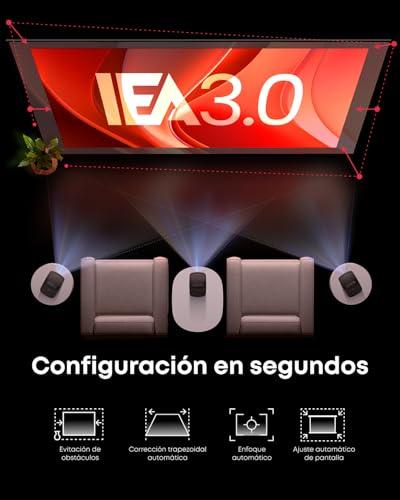
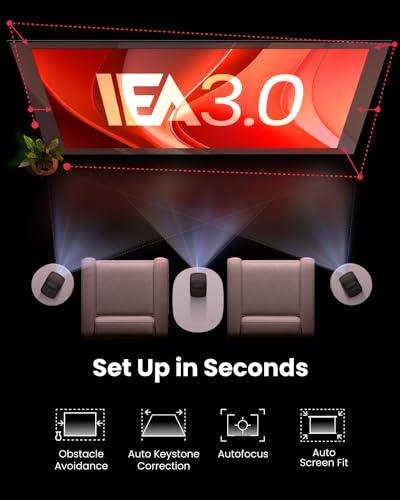
Both projectors emphasize easy setup, but they accomplish this differently. The Mars 3 Air features Intelligent Environment Adaptation 3.0, which automatically adjusts focus, keystone correction (fixing geometric distortion when projecting at angles), and image positioning. It works well for quick setup in new locations.
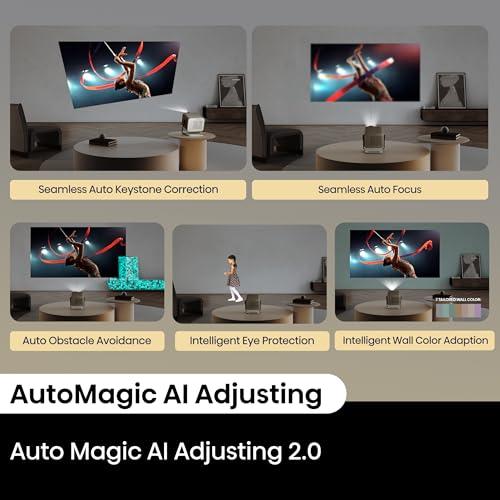
The M2 Pro takes automation further with wall color adaptation—it actually adjusts the projected colors based on whether you're projecting onto a white wall, beige wall, or colored surface. This feature alone can save significant setup time and improve image quality in non-ideal projection environments.
The M2 Pro's optical zoom proves invaluable in tight spaces where you can't position the projector at the ideal distance. Instead of compromising on image size or dealing with geometric distortion, you can simply adjust the zoom to fit your space perfectly.
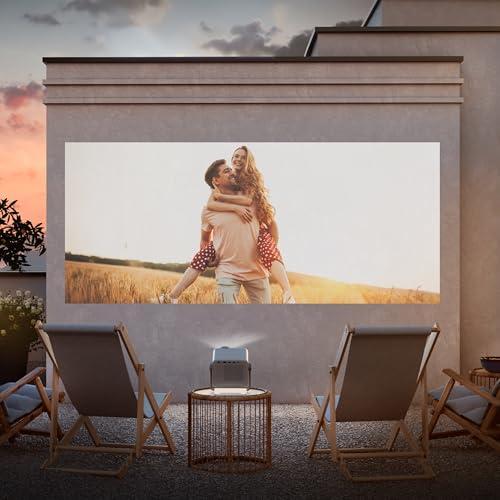
For serious home theater use, the M2 Pro makes a compelling case despite its higher price point. The 4K resolution becomes essential when projecting onto screens larger than 100 inches—at that size, 1080p content starts showing visible pixelation from normal viewing distances.
The laser light source offers consistent brightness and color accuracy over its 25,000-hour lifespan, meaning you won't experience the gradual dimming that plagues traditional bulb-based projectors. At average viewing hours, this translates to over a decade of use without maintenance.
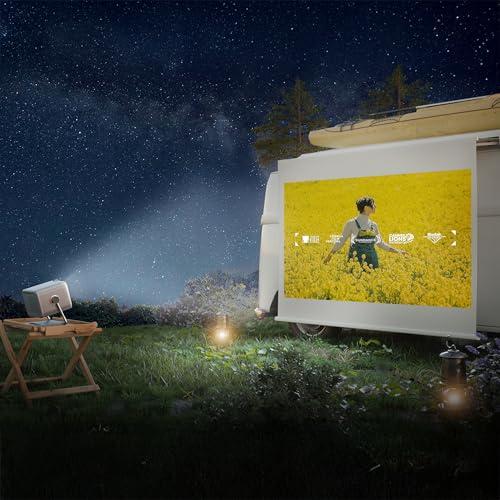
The Mars 3 Air works well for casual home theater setups, particularly in dedicated dark rooms where its brightness limitations become less relevant. The built-in battery actually provides an advantage for backyard movie nights or temporary installations where running power cables isn't practical.
At the time of writing, the Mars 3 Air costs roughly one-third the price of the M2 Pro. This price difference reflects fundamentally different target markets and technological approaches.
The Mars 3 Air delivers solid 1080p performance with excellent smart features and true portability. You're paying for convenience, battery operation, and Google's streaming ecosystem. For casual movie watching and situations where portability trumps ultimate image quality, it represents excellent value.
The M2 Pro commands a premium for its 4K resolution, triple laser technology, and advanced features like optical zoom and gaming performance. You're essentially getting technology that was previously found only in much more expensive fixed-installation projectors. The question becomes whether these improvements justify the price difference for your specific needs.
Choose the Mars 3 Air if you prioritize true portability and smart features over ultimate image quality. It's ideal for renters, frequent movers, outdoor enthusiasts, or anyone who wants a projector that works well in multiple locations without complex setup. The battery operation alone makes it suitable for uses where the M2 Pro simply can't function.
The M2 Pro makes sense when you want the best possible image quality in a portable package. It's perfect for replacing a TV in a primary viewing location while maintaining the flexibility to move it occasionally. The 4K resolution and superior brightness make it viable for larger screens and varied lighting conditions.
For dedicated home theaters, the M2 Pro offers performance that approaches fixed installation projectors while maintaining portability. The gaming capabilities add versatility that many home theater projectors lack.
The portable projector market has matured to the point where both approaches represented by these projectors make sense for different users. The Mars 3 Air proves that budget-friendly doesn't mean compromising on smart features or basic image quality, while the M2 Pro demonstrates how much performance can be packed into a portable form factor when price isn't the primary constraint.
Your choice ultimately depends on whether you value flexibility and convenience (Mars 3 Air) or maximum performance and future-proofing (M2 Pro). Both represent significant improvements over portable projectors from even a few years ago, making either choice a substantial upgrade for anyone coming from older projection technology or considering their first projector purchase.
| Hisense M2 Pro 4K Triple Laser Portable Projector | Anker Nebula Mars 3 Air Portable Projector |
|---|---|
| Resolution - Determines sharpness and detail, especially on screens over 100" | |
| Native 4K UHD (3840 x 2160) with 2.07 million micromirrors | 1080p Full HD (1920 x 1080) |
| Light Source Technology - Affects color accuracy, lifespan, and maintenance | |
| Triple laser (R+G+B discrete lasers), 25,000+ hour lifespan | LED light source, 30,000 hour lifespan |
| Brightness - Critical for ambient light performance and larger screens | |
| 1,300 ANSI lumens (works in moderately lit rooms) | 400 ANSI lumens (requires dark environments) |
| Color Gamut - How vibrant and accurate colors appear | |
| 110% BT.2020 color space with triple laser purity | Standard LED color reproduction |
| Contrast Ratio - Determines black levels and image depth | |
| 1,000:1 native contrast | 400:1 native contrast |
| Portability - Affects where and how you can use the projector | |
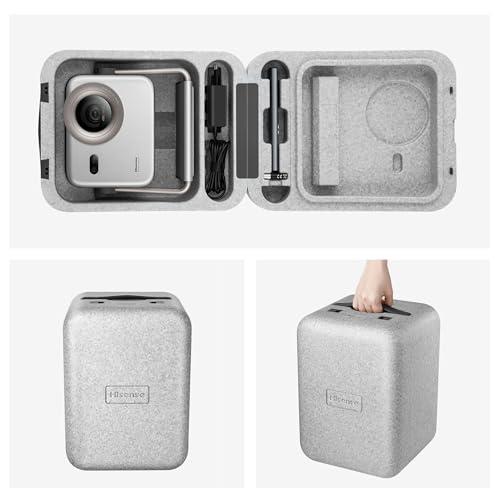
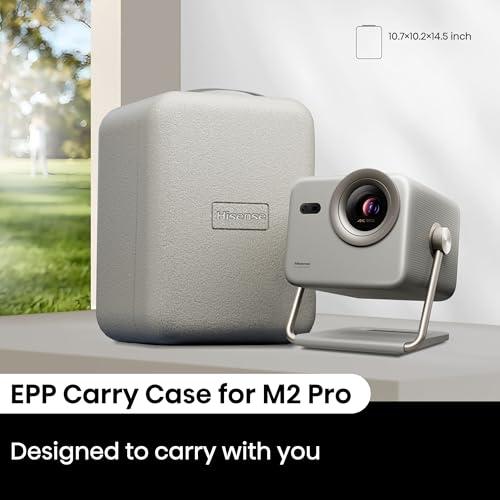
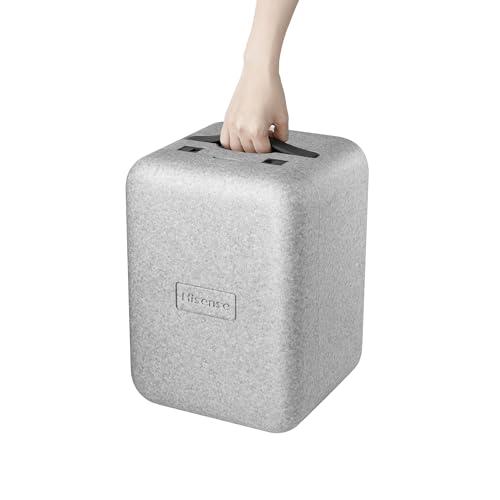
| 8.6 lbs, requires AC power, includes carrying case | 3.7 lbs with built-in battery (2.5 hours runtime) |
| Screen Size Range - Flexibility for different rooms and setups | |
| 65" to 200" projection with optical zoom | 30" to 150" projection with digital zoom |
| Smart Platform - Streaming convenience and app availability | |
| VIDAA OS with major streaming apps | Google TV with native Netflix (first portable to offer this) |
| Gaming Performance - Important for console gaming on large screens | |
| 12ms input lag, 240Hz refresh rate support | 45ms input lag in game mode |
| Audio System - Whether external speakers are necessary | |
| 20W stereo with Dolby Audio and DTS Virtual:X | Dual 8W speakers with Dolby Audio, Bluetooth speaker mode |
| Setup Features - Ease of installation in various environments | |
| Auto-focus, auto keystone, optical zoom, 360° gimbal adjustment, wall color adaptation | Auto-focus, auto keystone (40°), Intelligent Environment Adaptation 3.0 |
| HDR Support - Enhanced dynamic range for better contrast | |
| Dolby Vision, HDR10, HDR10+, HLG with AI HDR upscaling | HDR10, HLG |
| Connectivity - How you connect devices and stream content | |
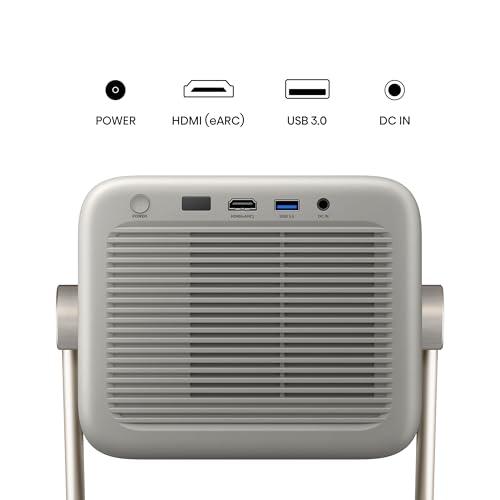
| Wi-Fi 6, Bluetooth 5.0, voice remote with backlight | Wi-Fi dual-band, Bluetooth 5.1, HDMI, USB-A, 3.5mm audio out |
| Best For - Primary use cases where each excels | |
| Premium home theater replacement, gaming, bright room viewing | Budget-conscious buyers, true portability, camping/travel, casual viewing |
The Hisense M2 Pro delivers significantly better picture quality with native 4K resolution (4x sharper than 1080p), triple laser technology for vibrant colors covering 110% of the BT.2020 color space, and 1,300 ANSI lumens brightness. The Anker Nebula Mars 3 Air offers good 1080p quality but can't match the sharpness, color accuracy, or brightness of the M2 Pro.
The Hisense M2 Pro works well in moderately lit rooms thanks to its 1,300 ANSI lumens output, making it suitable for daytime viewing with curtains drawn. The Anker Nebula Mars 3 Air requires dark environments due to its 400 ANSI lumens - it becomes washed out with ambient lighting.
The Anker Nebula Mars 3 Air is more portable at 3.7 pounds with a built-in battery providing 2.5 hours of runtime, making it perfect for camping or rooms without power outlets. The Hisense M2 Pro weighs 8.6 pounds and requires AC power, making it moveable between rooms but not truly battery-portable.
Yes, both include streaming capabilities. The Anker Nebula Mars 3 Air features Google TV with native Netflix support - the first portable projector to offer this. The Hisense M2 Pro runs VIDAA Smart OS with access to major streaming platforms, though the interface isn't as polished as Google TV on the Mars 3 Air.
The Hisense M2 Pro excels for gaming with 12ms input lag and 240Hz refresh rate support, making it suitable for competitive gaming on large screens. The Anker Nebula Mars 3 Air has 45ms input lag, which is acceptable for casual gaming but not ideal for fast-paced or competitive play.
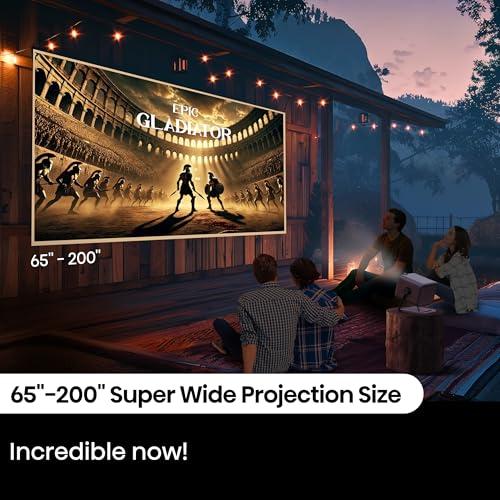
The Hisense M2 Pro projects from 65" to 200" with optical zoom that maintains 4K sharpness at all sizes. The Anker Nebula Mars 3 Air handles 30" to 150" screens but uses digital zoom, which can reduce image quality at maximum sizes.
The Hisense M2 Pro features superior audio with 20W stereo speakers, Dolby Audio, and DTS Virtual:X for room-filling sound. The Anker Nebula Mars 3 Air has respectable dual 8W speakers with Dolby Audio and can double as a Bluetooth speaker, but lacks the audio presence of the M2 Pro.
The Hisense M2 Pro is excellent for home theater setups with its 4K resolution, wide color gamut, and brightness suitable for larger screens. The triple laser technology provides cinema-quality colors. The Anker Nebula Mars 3 Air works well for casual home theater use in dark rooms but is better suited for smaller screens due to its 1080p resolution and lower brightness.
Both offer automated setup features. The Hisense M2 Pro includes auto-focus, auto keystone correction, wall color adaptation, and 360° gimbal adjustment for flexible positioning. The Anker Nebula Mars 3 Air features Intelligent Environment Adaptation 3.0 with auto-focus and keystone correction up to 40°, making setup quick and simple.
The Anker Nebula Mars 3 Air is positioned as a budget-friendly option, while the Hisense M2 Pro commands a premium price reflecting its advanced 4K triple laser technology. The Mars 3 Air offers excellent value for casual users, while the M2 Pro justifies its higher cost with professional-grade features.
Both projectors offer excellent longevity. The Hisense M2 Pro features a 25,000+ hour laser lifespan with consistent brightness over time. The Anker Nebula Mars 3 Air provides 30,000 hours of LED life. Both eliminate the need for expensive bulb replacements that traditional projectors require.
Choose the Anker Nebula Mars 3 Air if you want true portability with battery operation, primarily watch in dark rooms, and prefer Google TV's streaming interface at a lower price point. Select the Hisense M2 Pro if you want the best possible image quality with 4K resolution, plan to use it in brighter environments, game frequently, or want a TV replacement for your primary viewing location.
We've done our best to create useful and informative comparisons to help you decide what product to buy. Our research uses advanced automated methods to create this comparison and perfection is not possible - please contact us for corrections or questions. These are the sites we've researched in the creation of this article: thegadgetflow.com - valueelectronics.com - youtube.com - projectorscreenstore.com - whathifi.com - hisense-usa.com - tomsguide.com - content.syndigo.com - youtube.com - shop.hisense-usa.com - avsforum.com - projectorscreen.com - projectorscreen.com - projectorcentral.com - avsforum.com - youtube.com - projector-database.com - techradar.com - thesmarthomehookup.com - whathifi.com - thesmarthomehookup.com - cnet.com - whathifi.com - projectorreviews.com - youtube.com - youtube.com - versus.com - projectorcentral.com - practicalmotorhome.com - youtube.com - seenebula.com - us.seenebula.com - harveynorman.ie

Privacy Policy
Terms and Conditions - Affiliate Policy
Home Security
© Copyright 2008-2026.
11816 Inwood Rd #1211, Dallas, TX 75244