





When shopping for a projector in 2024, you're entering a market that's split into two very different worlds. On one side, you have portable projectors like the Anker Nebula Mars 3 Air, designed for people who want to take their entertainment anywhere. On the other, gaming-focused models like the BenQ TH685P prioritize raw performance over portability. Understanding these categories—and their trade-offs—is crucial to making the right choice for your needs.
The projector market has evolved dramatically since the bulky, expensive units of the early 2000s. Today's projectors fall into distinct categories, each engineered for specific use cases. Portable projectors emphasize convenience features like built-in batteries, smart TV platforms, and compact designs that fit in a backpack. Gaming projectors, meanwhile, focus on technical specifications that matter for interactive content: ultra-low input lag, high refresh rates, and exceptional brightness.
This divide reflects how we consume media differently now. Some of us want Netflix on the camping trip or a movie night in the backyard. Others are building dedicated gaming caves where every millisecond of response time matters for competitive play. The Anker Mars 3 Air and BenQ TH685P represent these philosophies perfectly.
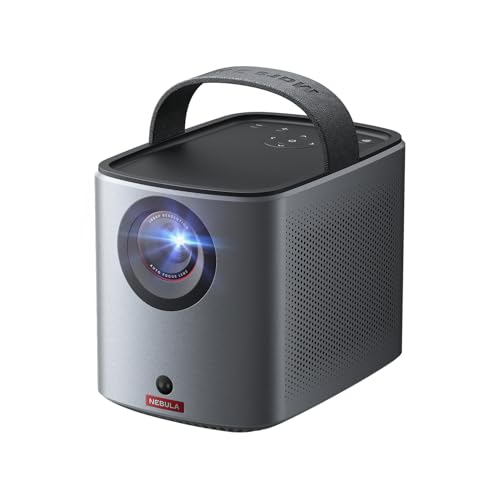
Released in 2024, the Mars 3 Air represents Anker's latest evolution in portable projection. This device builds on the success of their previous Mars models but makes a crucial leap from 720p to full 1080p resolution—a change that significantly improves image sharpness for modern content.
What makes this projector unique is its Google TV integration with built-in Netflix support, making it the first portable projector to offer official Netflix streaming without workarounds. This might seem like a small detail, but it's actually huge for user experience. Many projectors struggle with Netflix's copy protection requirements, forcing users into complicated workarounds or preventing access entirely.
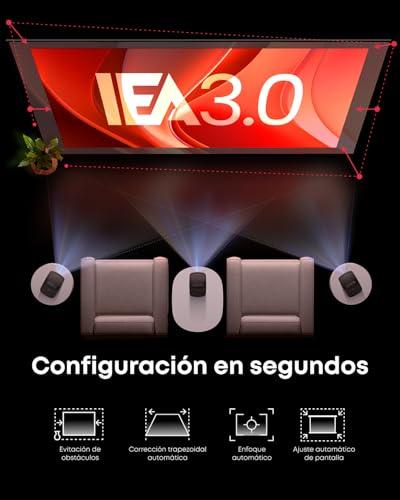
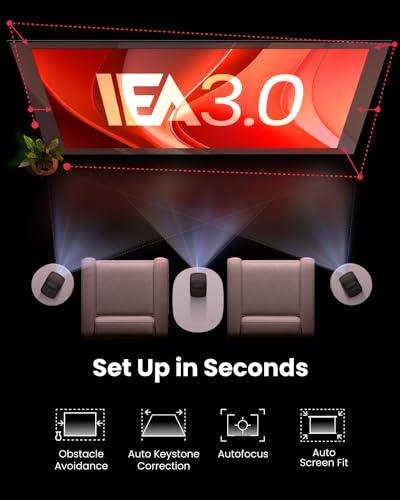
The Mars 3 Air's party trick is its Intelligent Environment Adaptation 3.0 system. This technology automatically adjusts focus, corrects keystone distortion (when the image appears tilted or trapezoid-shaped), and even detects obstacles in the projection path. It's like having a setup assistant built right into the device.
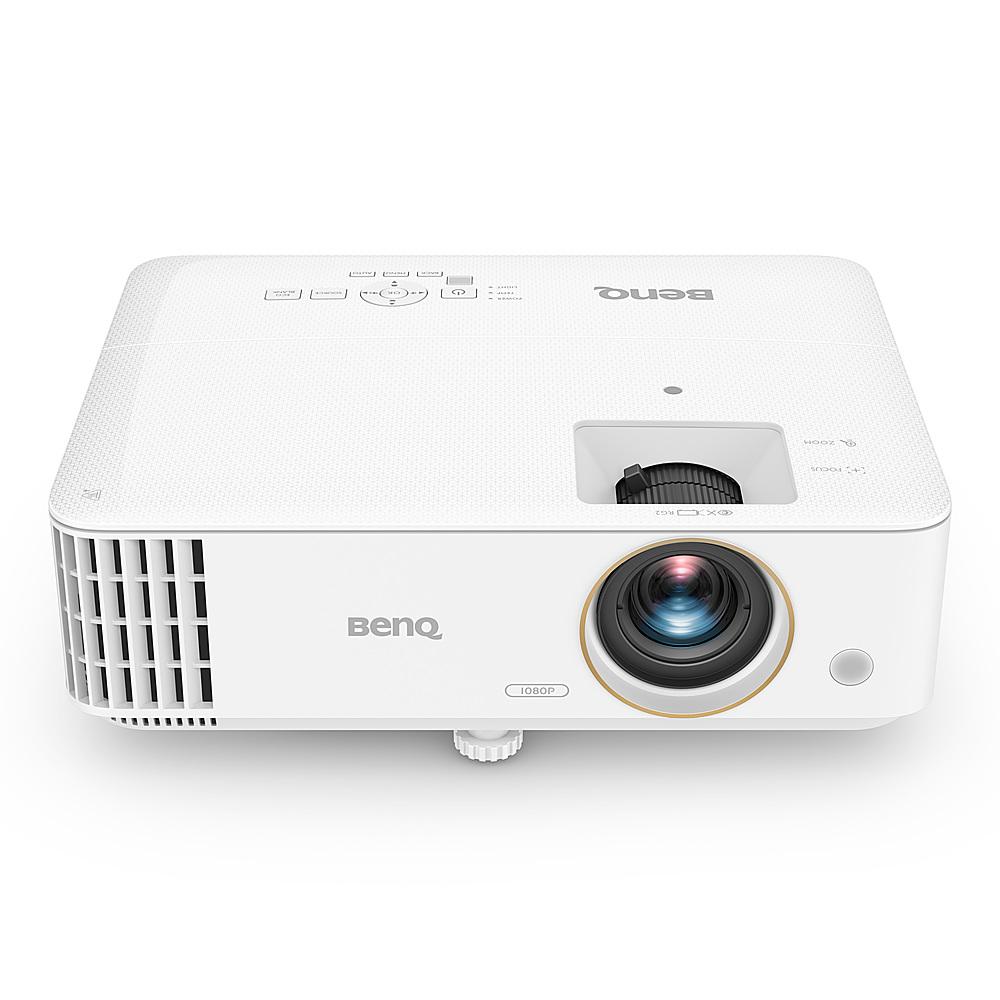
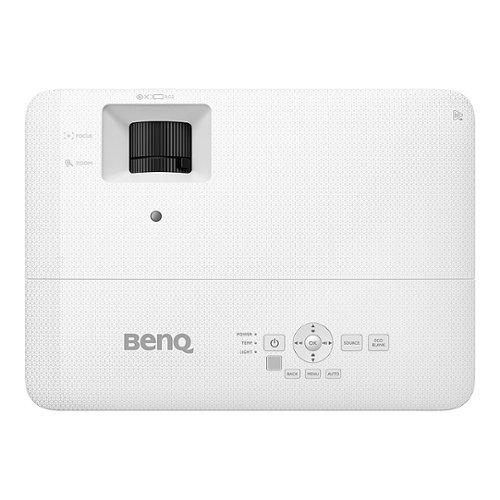
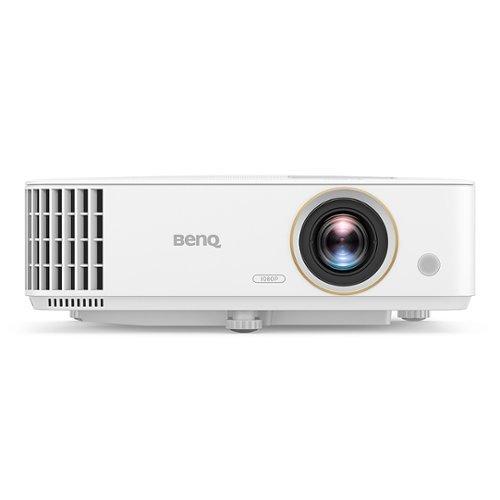
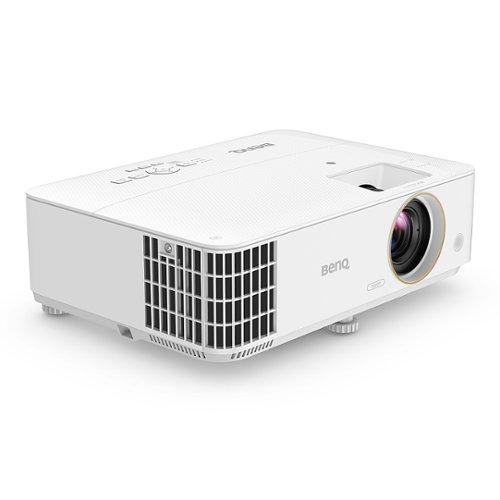
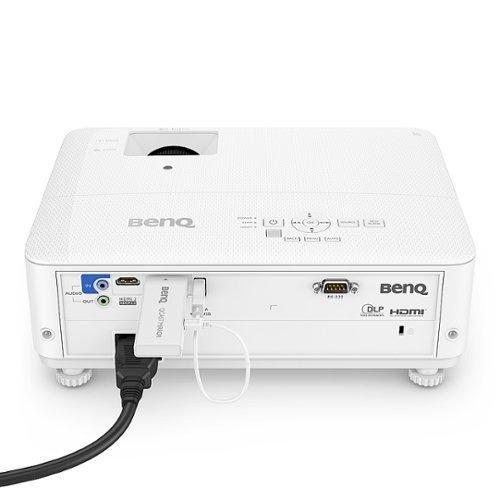
The BenQ TH685P launched in 2022 as part of BenQ's gaming-focused projector lineup. BenQ has been in the projector game for decades, and their gaming models reflect years of understanding what interactive content demands from display technology.
This projector's headline feature is its 8.3-millisecond input lag at 1080p resolution running at 120Hz refresh rate. To put that in perspective, that's faster than many gaming monitors were just a few years ago. Input lag is the delay between when you press a button and when the action appears on screen—crucial for competitive gaming where reaction times matter.
The TH685P also supports 120Hz refresh rates, which means it can display up to 120 frames per second from compatible gaming consoles like the PlayStation 5 and Xbox Series X. This creates smoother motion, especially noticeable in fast-paced games like first-person shooters or racing titles.
Perhaps no specification matters more for projector usability than brightness, measured in ANSI lumens. This is where the philosophical differences between these products become most apparent.
The BenQ TH685P outputs 3,500 ANSI lumens—bright enough to produce a watchable image even with some room lighting. You can leave a lamp on, keep the curtains partially open during daytime viewing, or project onto a larger screen without the image washing out. This brightness level transforms how you can use the projector, making it suitable for family rooms, basements with windows, or any space where complete darkness isn't practical.
The Mars 3 Air, by comparison, produces 400 ANSI lumens. This is significantly dimmer but perfectly adequate for its intended use cases. In a darkened room, tent, or evening backyard setup, 400 lumens creates an engaging viewing experience on screens up to about 100 inches diagonal. The trade-off for lower brightness is dramatically improved battery life and reduced heat generation.
I've used both brightness levels extensively, and here's the reality: the BenQ's higher output makes it more versatile for traditional home theater setups, while the Mars 3 Air's lower brightness becomes irrelevant when you're watching movies under the stars or in a darkened bedroom.
For gaming, the BenQ TH685P is engineered specifically for competitive play. Its 8.3ms input lag at 1080p/120Hz puts it in the same league as dedicated gaming monitors. For context, anything under 20ms is considered excellent for gaming, while displays over 40ms start feeling sluggish during fast-paced games.
The projector also includes a Game Mode that enhances visibility in dark areas without overexposing bright sections—crucial for spotting enemies hiding in shadows during competitive matches. The 120Hz support means smoother motion during rapid camera movements or fast-moving objects.
The Mars 3 Air, while capable of displaying games through its HDMI input, lacks these gaming-specific optimizations. It's perfectly fine for casual gaming sessions or single-player adventures, but competitive gamers will notice the difference in responsiveness.
This is where the Mars 3 Air shines brightest. Its Google TV platform provides access to Netflix, Prime Video, YouTube, Disney+, and thousands of other apps directly through the projector. The interface is snappy, voice control through Google Assistant works well, and casting content from phones or tablets is seamless.
Having everything built-in eliminates the cable clutter and device juggling that plague many projector setups. You can grab the Mars 3 Air, find a wall, and be watching Netflix in under a minute. For many users, this convenience factor alone justifies the purchase.
The BenQ TH685P takes the opposite approach—it's essentially a display that requires external devices for smart functionality. While this adds complexity, it also provides flexibility. You can choose your preferred streaming device, upgrade it independently, or connect multiple sources without switching between different interfaces.
Sound quality often gets overlooked in projector comparisons, but it's crucial for user experience. The Mars 3 Air includes dual 8-watt speakers with Dolby Audio processing—impressive for a portable device. These speakers can fill a medium-sized room with clear, balanced sound and even function as a standalone Bluetooth speaker when not projecting.
The TH685P includes only a single 5-watt speaker, which is adequate for basic use but will likely require external audio for the best experience. This fits with its philosophy of being a display device rather than an all-in-one entertainment system.
The Mars 3 Air runs on a built-in battery for up to 2.5 hours of video playback, making it truly portable. You can take it camping, to a friend's house, or use it in spaces without convenient power outlets. The 90-watt power consumption means it can even run off portable power banks for extended use.
The BenQ TH685P requires constant AC power and consumes 297 watts—more than three times the Mars 3 Air's power draw. This higher consumption powers its much brighter LED array and cooling systems but limits placement options to areas with power access.
The weight difference tells the story: 3.7 pounds for the Mars 3 Air versus 6.2 pounds for the TH685P. While neither is backbreaking, the Mars is truly grab-and-go portable, while the BenQ is more of a "move occasionally" device.
Both projectors use 1080p resolution, but they achieve different image characteristics through their optical systems. The BenQ TH685P delivers a 10,000:1 contrast ratio, meaning the difference between its brightest whites and darkest blacks is substantial. This creates more realistic images with better shadow detail and more vibrant colors.
The Mars 3 Air achieves a 400:1 contrast ratio—perfectly adequate for casual viewing but noticeably less dramatic than the BenQ. In practical terms, this means the BenQ produces more cinematic-looking images, while the Mars 3 Air delivers acceptable quality for entertainment consumption.
Both support HDR10, which expands the range of colors and brightness levels beyond standard video. However, HDR performance depends heavily on the projector's peak brightness and contrast capabilities, giving the TH685P a significant advantage in HDR content rendering.
The Mars 3 Air uses LED illumination that should last the projector's entire lifespan without replacement. The TH685P uses a replaceable metal halide bulb rated for 4,000-15,000 hours depending on brightness settings. Replacement bulbs typically cost $200-300, adding to the total ownership cost over time.
However, the BenQ's higher brightness and superior image quality might justify this ongoing expense for users who prioritize performance. The choice often comes down to whether you prefer lower upfront costs with no maintenance (Mars 3 Air) or higher performance with occasional bulb replacements (TH685P).
For dedicated home theater use, the BenQ TH685P is the stronger choice. Its higher brightness handles larger screen sizes better, the superior contrast ratio creates more cinematic images, and the gaming optimizations don't interfere with movie watching. You'll need to plan for external audio and streaming devices, but the flexibility allows you to build the exact system you want.
The Mars 3 Air can certainly serve home theater duty, especially in smaller spaces or bedrooms where its quiet operation and built-in features are advantages. The automatic setup features mean less fiddling with adjustments when you just want to watch a movie.
At the time of writing, these projectors occupy different price tiers, with the Mars 3 Air being significantly less expensive than the TH685P. However, direct price comparison misses the point—they're solving different problems.
Choose the Mars 3 Air if you want entertainment flexibility. It's perfect for people who move frequently, live in small spaces, want simple operation, or plan to use the projector in multiple locations. The built-in battery, smart features, and quiet operation make it ideal for bedrooms, apartments, outdoor use, or anywhere that permanent installation isn't practical.
The BenQ TH685P is for users who prioritize performance over convenience. If you're building a dedicated gaming setup, want the brightest possible image, need low input lag for competitive gaming, or are creating a home theater where image quality trumps portability, the BenQ delivers superior technical performance.
Neither projector is objectively better—they excel in different scenarios. The Mars 3 Air maximizes convenience and versatility, while the TH685P maximizes performance and image quality. Your choice should align with how and where you'll actually use the projector, not just which specification sheet looks more impressive.
The projector market continues evolving rapidly, with both portable and gaming models improving each year. But the fundamental trade-off remains: mobility versus performance, convenience versus capability. Understanding where your priorities lie will guide you to the right choice for your specific needs and viewing habits.
| Anker Nebula Mars 3 Air | BenQ TH685P |
|---|---|
| Brightness - Critical for room lighting flexibility and screen size | |
| 400 ANSI lumens (requires dark rooms, suitable for up to 100" screens) | 3,500 ANSI lumens (works with ambient light, supports up to 300" screens) |
| Input Lag - Essential for gaming responsiveness | |
| Not optimized for gaming (likely 40ms+) | 8.3ms at 1080p/120Hz (excellent for competitive gaming) |
| Portability - Determines where and how you can use it | |
| 3.7 lbs with built-in 2.5-hour battery (truly portable) | 6.2 lbs, requires AC power (semi-portable, needs power outlet) |
| Smart Features - Affects setup complexity and convenience | |
| Google TV with built-in Netflix and voice control | No smart features (requires external streaming devices) |
| Audio Quality - Important for all-in-one entertainment experience | |
| Dual 8W speakers with Dolby Audio (room-filling sound) | Single 5W mono speaker (external audio recommended) |
| Contrast Ratio - Impacts image depth and black levels | |
| 400:1 (adequate for casual viewing) | 10,000:1 (cinematic image quality with deep blacks) |
| Setup Convenience - Time from box to watching content | |
| Auto-focus, auto-keystone, obstacle avoidance | Manual focus and zoom, basic keystone correction |
| Operating Noise - Affects viewing comfort in quiet spaces | |
| 28dB (whisper quiet, ideal for bedrooms) | 35dB/29dB (noticeable fan noise during quiet scenes) |
| Lamp Life - Long-term ownership costs | |
| LED light source (lifetime of projector, no replacements) | Metal halide bulb (4,000-15,000 hours, replacement needed) |
| Gaming Features - Performance for interactive content | |
| Basic HDMI gaming support only | 120Hz support, Game Mode, Game Sound Mode optimizations |
| Power Consumption - Energy efficiency and heat generation | |
| 90W (energy efficient, minimal heat) | 297W (higher power draw, more heat generation) |
| Best Use Cases - Where each projector excels | |
| Camping, bedrooms, apartments, outdoor movies, frequent moving | Dedicated gaming rooms, home theaters, stationary setups |
The BenQ TH685P is significantly better for gaming with its 8.3ms input lag at 1080p/120Hz, dedicated Game Mode, and 120Hz refresh rate support. The Anker Nebula Mars 3 Air lacks gaming optimizations and has higher input lag, making it suitable only for casual gaming.
The BenQ TH685P works well in moderately lit rooms thanks to its 3,500 ANSI lumens brightness. The Anker Mars 3 Air requires dark environments due to its 400 ANSI lumens output and is best used with controlled lighting or at night.
The Anker Nebula Mars 3 Air is far more portable at 3.7 pounds with a built-in 2.5-hour battery, making it perfect for camping or moving between rooms. The BenQ TH685P weighs 6.2 pounds and requires constant AC power, limiting its portability.
The Anker Mars 3 Air has Google TV built-in with Netflix, Prime Video, and other apps, eliminating the need for external devices. The BenQ TH685P has no smart features and requires a separate streaming device like Roku, Apple TV, or gaming console.
The Anker Nebula Mars 3 Air has superior built-in audio with dual 8W speakers and Dolby Audio support. The BenQ TH685P only has a basic 5W mono speaker, making external speakers almost necessary for quality sound.
The BenQ TH685P delivers superior image quality with 10,000:1 contrast ratio and much higher brightness for deeper blacks and more vivid colors. The Anker Mars 3 Air has a 400:1 contrast ratio, providing adequate but less impressive image quality.
The Anker Nebula Mars 3 Air operates at whisper-quiet 28dB, perfect for bedrooms or quiet environments. The BenQ TH685P runs at 35dB/29dB, with noticeable fan noise that may distract during quiet movie scenes.
Both the Mars 3 Air and TH685P have native 1080p resolution but can accept and downscale 4K input signals. Neither displays true 4K resolution, but both support HDR10 for enhanced color and contrast from compatible sources.
The BenQ TH685P is better for dedicated home theaters due to its higher brightness, superior contrast ratio, and larger screen size capability. The Anker Mars 3 Air works well for casual home theater use in smaller, darker rooms where convenience matters more than maximum performance.
The Anker Nebula Mars 3 Air uses LED lighting that lasts the projector's lifetime without replacement. The BenQ TH685P uses a replaceable bulb lasting 4,000-15,000 hours depending on settings, requiring eventual lamp replacement for continued use.
The Anker Mars 3 Air offers excellent value for users prioritizing portability and convenience, with built-in streaming, battery power, and quality audio included. The BenQ TH685P provides better value for performance-focused users who need maximum brightness and gaming capabilities.
The BenQ TH685P can project images up to 300 inches thanks to its high brightness output. The Anker Mars 3 Air is limited to 150 inches maximum, with optimal viewing around 100 inches or smaller in dark environments.
We've done our best to create useful and informative comparisons to help you decide what product to buy. Our research uses advanced automated methods to create this comparison and perfection is not possible - please contact us for corrections or questions. These are the sites we've researched in the creation of this article: techradar.com - thesmarthomehookup.com - whathifi.com - thesmarthomehookup.com - cnet.com - whathifi.com - projectorreviews.com - youtube.com - youtube.com - versus.com - projectorcentral.com - practicalmotorhome.com - youtube.com - seenebula.com - us.seenebula.com - harveynorman.ie - youtube.com - projectorcentral.com - androidguys.com - bhphotovideo.com - techradar.com - newegg.com - projectorcentral.com - cnet.com - staples.com - cdw.com - youtube.com - shi.com - touchboards.com - projectorcentral.com - youtube.com - iconicmicro.com - adorama.com - publicsector.shidirect.com - adorama.com

Privacy Policy
Terms and Conditions - Affiliate Policy
Home Security
© Copyright 2008-2026.
11816 Inwood Rd #1211, Dallas, TX 75244