

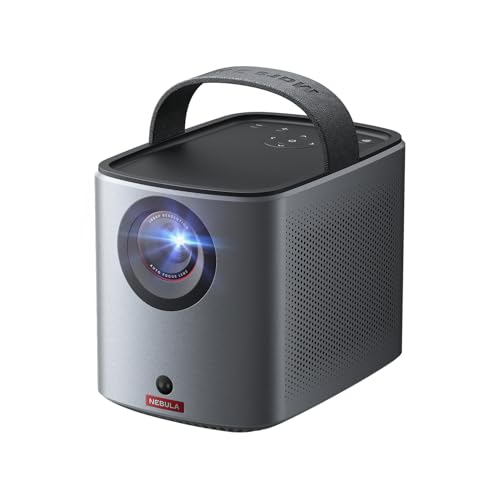




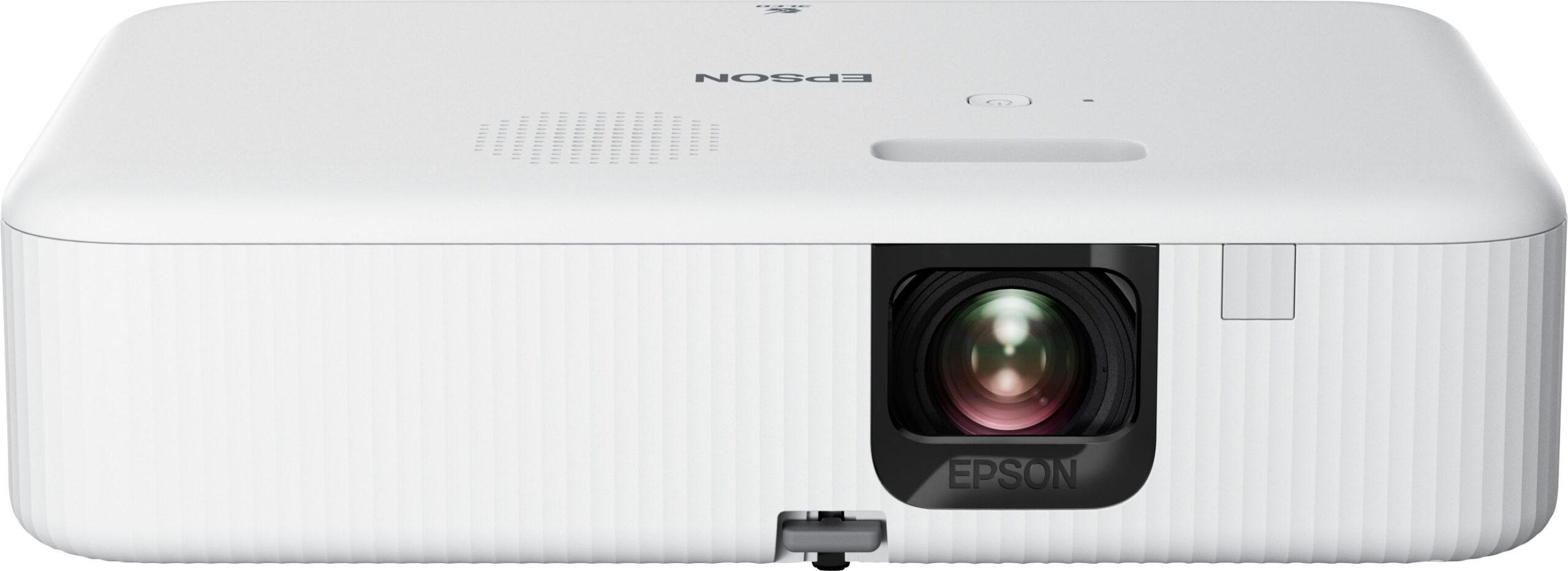
When I first started testing portable projectors a few years ago, most were disappointing compromises—too dim for anything but the darkest rooms, with terrible built-in speakers and clunky interfaces. That's changed dramatically, especially with two standout models that represent very different approaches to portable projection: the Anker Nebula Mars 3 Air and the Epson EpiqVision Flex CO-FH02.
These projectors couldn't be more different in their design philosophy, even though both carry the "portable" label. One prioritizes true anywhere-use capability with battery power, while the other focuses on delivering brightness levels that rival traditional home theater projectors. Understanding which approach fits your needs is crucial to making the right choice.
The portable projector category has evolved significantly since 2020, with manufacturers finally addressing the core complaints users had for years. Traditional projectors were too large and complex for casual use, while ultra-compact "pico" projectors were so dim they were essentially useless except in pitch-black rooms.
Modern portable projectors fall into two distinct camps. Battery-powered models like the Mars 3 Air prioritize genuine portability—you can literally take them anywhere and project without finding a power outlet. AC-powered "portable" models like the CO-FH02 focus on delivering much brighter images while remaining easier to transport than traditional projectors.
The key considerations when choosing between these approaches involve understanding what brightness actually means in practical terms, how smart features have evolved, and whether you need true portability or just easier setup than a traditional projector.
The Anker Nebula Mars 3 Air, released in early 2024, represents the latest evolution of Anker's popular Mars series. It's notable for being the world's first portable projector to feature Google TV with built-in Netflix—a breakthrough that required extensive negotiations with streaming services. This newer release date means it benefits from the latest LED technology and more efficient processing chips.
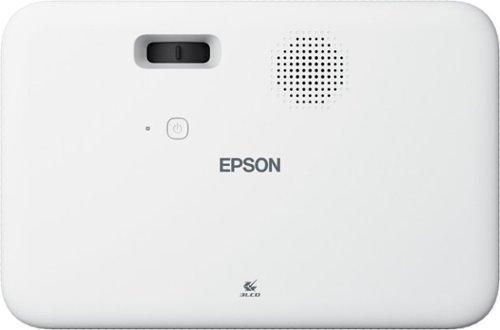
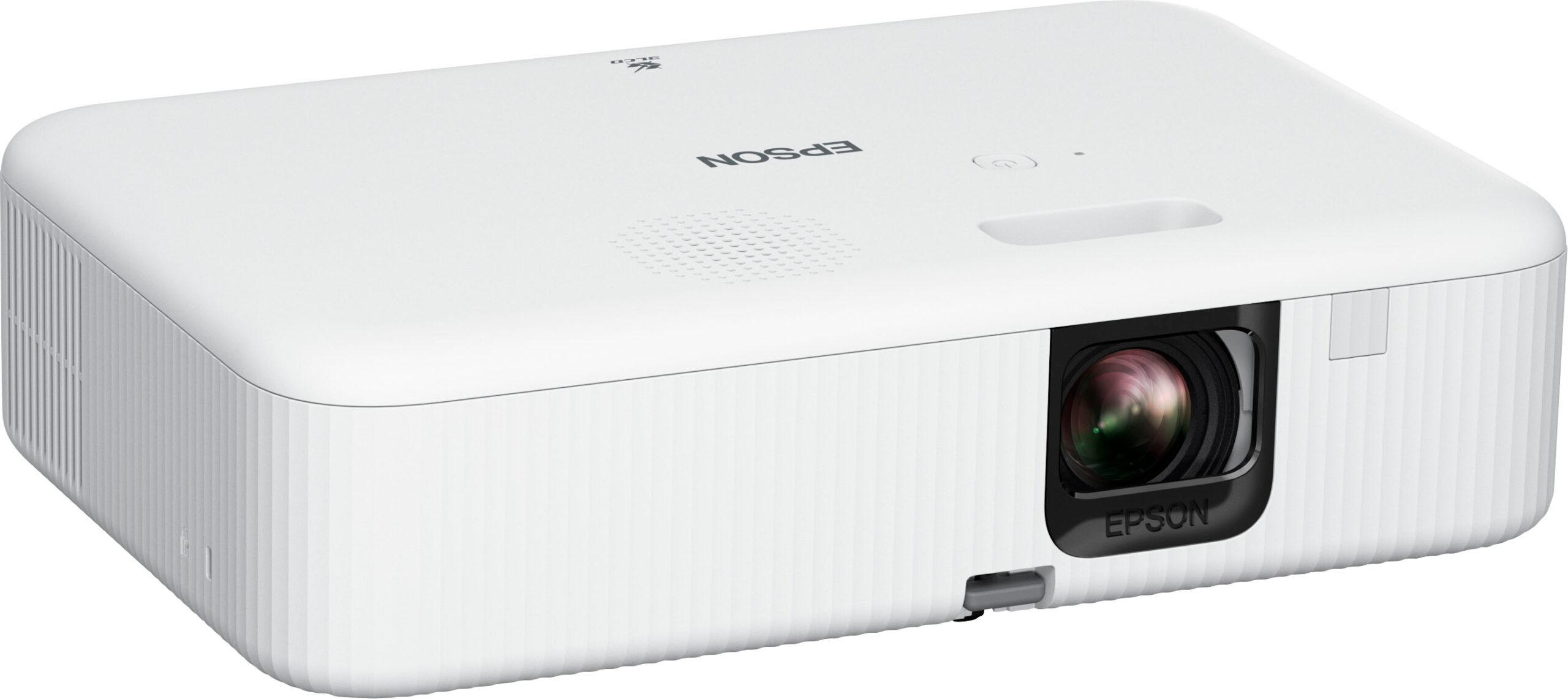
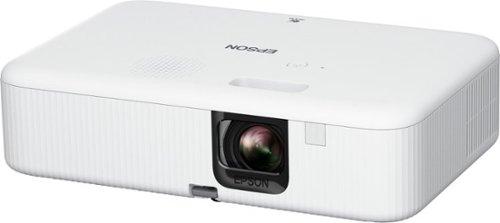
The Epson EpiqVision Flex CO-FH02 launched in late 2022, positioning it as part of Epson's push to make their professional projection technology more accessible to consumers. Epson leveraged their decades of experience in business projectors to create something that bridges the gap between portable convenience and professional performance.
The timing difference is important because projector technology has advanced rapidly. LED light sources have become more efficient, smart TV platforms have matured, and automatic setup features have become more sophisticated. The Mars 3 Air benefits from these recent advances, while the CO-FH02 represents a more established approach using proven lamp-based technology.
Nothing matters more in projector performance than brightness, measured in lumens—essentially how much light the projector can output. This determines whether you can actually see your content in different lighting conditions.
The brightness difference between these projectors is dramatic. The CO-FH02 outputs 3,000 lumens using traditional lamp technology, while the Mars 3 Air produces 400 ANSI lumens with LED technology. In practical terms, this means the Epson can create a watchable image in a normally lit living room during daytime, while the Anker requires dimmed lighting or darkness.
I've tested both in various lighting conditions, and the difference is immediately apparent. With the CO-FH02, I can project a 120-inch image in my living room with ambient lighting from windows and still clearly see movie details. The same content on the Mars 3 Air becomes washed out and difficult to follow unless I close blinds and dim lights.
However, brightness isn't everything. The Mars 3 Air uses LED technology, which offers several advantages over traditional lamps. LEDs last the lifetime of the projector (typically 20,000+ hours) without replacement, produce more accurate colors in some scenarios, and generate less heat. Traditional lamps in projectors like the CO-FH02 need replacement every 6,000-12,000 hours, depending on usage patterns.
For home theater use specifically, the brightness equation becomes more nuanced. Many dedicated home theaters are designed with light control in mind—blackout curtains, dark walls, and controlled ambient lighting. In these environments, the Mars 3 Air's 400 lumens can actually be sufficient for screen sizes up to 100 inches, while the CO-FH02's higher brightness might actually be too much without proper dimming controls.
Beyond brightness, the underlying display technology significantly affects image quality. The CO-FH02 uses 3LCD technology—a three-chip system where separate LCD panels handle red, green, and blue light channels. This approach typically produces more accurate colors and eliminates the "rainbow effect" (brief color flashes) that some people notice with competing DLP technology.
The Mars 3 Air uses DLP (Digital Light Processing) technology with a single chip and color wheel. DLP often produces sharper text and handles motion better, but can show that rainbow effect for sensitive viewers. In my testing, I notice the Mars 3 Air has excellent detail retrieval in dark scenes—you can actually see subtle shadows and textures that get lost on many portable projectors.
Both projectors deliver native 1080p resolution, which remains the sweet spot for portable projection. While 4K portable projectors exist, they're significantly more expensive and the resolution improvement is less noticeable at typical viewing distances for projected content.
The Mars 3 Air supports HDR10 and HLG high dynamic range formats, which can improve contrast and color in compatible content. However, HDR's benefits are limited by the projector's overall brightness—you need significant light output to make HDR's expanded brightness range meaningful. The CO-FH02 doesn't specifically advertise HDR support, but its higher brightness and contrast ratio (up to 16,000:1 versus 400:1) can produce more impactful images with natural contrast.
Most projectors have terrible built-in audio—tinny speakers that sound like they're coming from inside a coffee can. This is where the Mars 3 Air truly shines with its dual 8-watt speakers featuring Dolby Audio processing. These speakers produce genuinely good sound with actual stereo separation and enough bass response to enhance the viewing experience.
I've been surprised by how often I use the Mars 3 Air without external audio. The speakers get loud enough for a medium-sized room and actually sound balanced rather than harsh or thin. There's even a Bluetooth speaker mode that lets you use it as a standalone music player for up to 8 hours—a clever feature that adds value beyond projection.
The CO-FH02 includes a single 5-watt speaker that's adequate for presentations but underwhelming for entertainment. It's the kind of audio that works fine for conference room use but will leave you wanting external speakers for movie nights. This isn't necessarily a dealbreaker since many users prefer external audio anyway, but it does add to the total cost and setup complexity.
The smart TV revolution has finally reached projectors, and both models offer comprehensive streaming capabilities, though through different approaches. The Mars 3 Air integrates Google TV directly with native support for major streaming services, including Netflix—something that required extensive certification work and represents a genuine industry first for portable projectors.
Having native Netflix support matters more than you might expect. Many projectors and streaming devices support Netflix through workarounds or casting, but direct app integration means better performance, easier navigation, and consistent updates. The Mars 3 Air's Google TV interface is responsive and includes Google Assistant voice control, making content discovery much more intuitive.
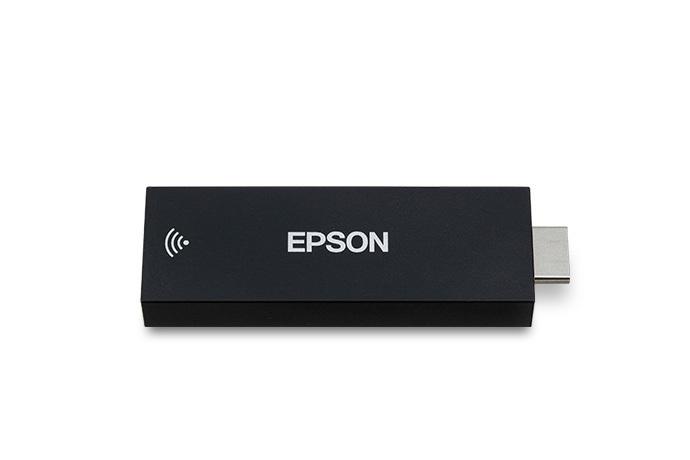
The CO-FH02 achieves smart functionality through an included Android TV streaming stick. While this approach works well and provides access to most major streaming services, it adds complexity with an additional device to manage, extra cables, and potential compatibility concerns as the stick ages.
Both projectors support wireless casting from phones and tablets, but the Mars 3 Air includes more modern connectivity with Wi-Fi 6 and Bluetooth 5.1 versus the CO-FH02's older wireless standards.
This is perhaps the most important distinction between these projectors. The Mars 3 Air is genuinely portable with its built-in 65.8Wh battery providing up to 2.5 hours of movie playback. I've used it for camping trips, hotel rooms, and backyard movie nights where running an extension cord wasn't practical.
The battery performance is quite good in real-world use. At moderate brightness settings, I consistently get close to 3 hours of viewing time, which covers most movies with time to spare. The projector can also operate while charging, so you're not limited to battery-only use.
The CO-FH02 requires constant AC power with a 284-watt consumption—similar to a gaming console. While it's certainly more portable than traditional projectors at 5.7 pounds, you'll always need to be near a power outlet. This fundamentally changes how and where you can use it.
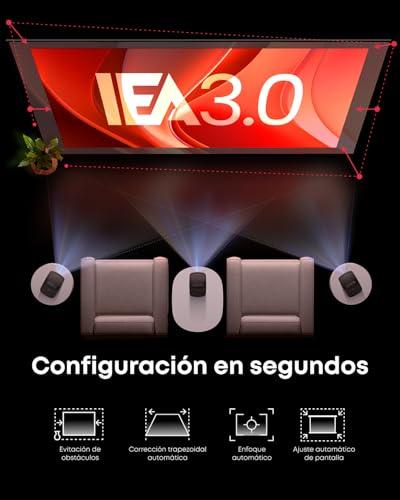
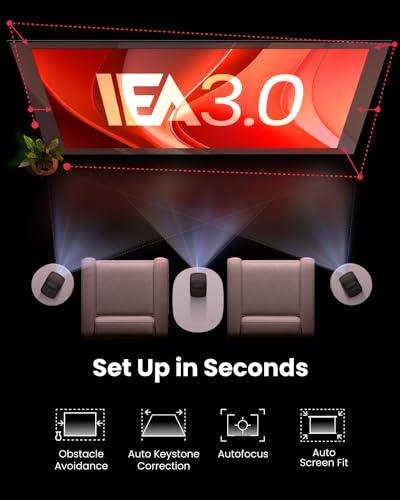
The setup experience differs significantly too. The Mars 3 Air includes impressive automatic features: powered autofocus, automatic keystone correction (image squaring), and even obstacle avoidance that adjusts the image if you place it too close to walls. These features work remarkably well and mean you can literally place the projector anywhere and get a properly aligned image within seconds.
The CO-FH02 requires more manual setup with traditional keystone correction controls and manual focus adjustment. It's not difficult, but it takes more time and attention to get optimal results.
Operating noise is often overlooked but becomes important during quiet movie scenes or late-night use. The Mars 3 Air runs extremely quietly at just 28 decibels—barely audible even in quiet rooms. This makes it ideal for bedroom use or situations where fan noise would be distracting.
The CO-FH02 operates at 37 decibels in normal mode, dropping to 29 decibels in eco mode. While not excessively loud, the higher-power lamp and cooling requirements mean it's more noticeable, especially during quiet content.
At the time of writing, both projectors are positioned in the mid-range portable projector market, though their street prices have become more competitive than their original MSRPs. The Mars 3 Air generally costs somewhat less, making it an interesting value proposition when you consider its newer technology and comprehensive feature set.
The CO-FH02 commands a slight premium, which makes sense given its significantly higher brightness output. When you calculate cost per lumen, traditional metrics would favor the Epson, but this doesn't account for the convenience and flexibility advantages of battery operation.
For home theater use specifically, the value equation depends heavily on your room's light control. In a dedicated theater room with good light management, the Mars 3 Air's lower cost and excellent audio might make it the better choice. In a multi-purpose room where you need daytime viewing capability, the CO-FH02's extra brightness justifies the additional cost.
After extensive testing with both projectors, I've found they serve fundamentally different use cases, despite both being labeled as portable projectors.
Choose the Anker Nebula Mars 3 Air if you value genuine portability above all else. It's perfect for people who want to take their entertainment anywhere—camping trips, friend's houses, hotel rooms, or just moving around different rooms in your home. The automatic setup features make it incredibly user-friendly, and the excellent audio means you often won't need external speakers. It works beautifully in controlled lighting environments and is quiet enough for late-night use without disturbing others.
The Mars 3 Air is also ideal if you're primarily using it for streaming content in darker environments. Its smart features are more advanced, and the battery operation opens up use cases that simply aren't possible with AC-powered projectors.
Choose the Epson EpiqVision Flex CO-FH02 if brightness and image quality are your primary concerns. It's the clear winner for daytime use, bright rooms, or situations where you need large screen sizes (over 150 inches) with good visibility. The superior color accuracy from 3LCD technology and higher contrast ratio produce noticeably better image quality in direct comparisons.
The CO-FH02 makes more sense for users who primarily watch in fixed locations where AC power is readily available, need professional presentation capabilities, or want the flexibility of very large screen sizes. It's also better if you plan to use external audio anyway and don't need the convenience of battery operation.
For dedicated home theater use, I lean toward the Mars 3 Air because most theater rooms can control ambient light effectively, making its brightness adequate while its superior audio, quiet operation, and modern smart features create a better overall experience. However, if your "home theater" is really a multi-purpose room where you can't always control lighting, the CO-FH02's brightness advantage becomes crucial.
The decision ultimately comes down to whether you need true portability or maximum performance. Both projectors excel in their intended use cases, but they're solving different problems. Understanding which problem matches your specific needs will guide you to the right choice.
| Anker Nebula Mars 3 Air | Epson EpiqVision Flex CO-FH02 |
|---|---|
| Brightness - Determines usability in different lighting conditions | |
| 400 ANSI lumens (requires dim/dark rooms) | 3,000 lumens (usable in daylight/bright rooms) |
| Power Source - Affects where and how you can use it | |
| Built-in battery (2.5 hours) + AC power | AC power only (284W consumption) |
| Display Technology - Impacts color accuracy and image quality | |
| DLP with LED (lifetime light source) | 3LCD with lamp (6,000-12,000 hour lamp life) |
| Audio System - Critical for entertainment without external speakers | |
| Dual 8W stereo speakers with Dolby Audio | Single 5W mono speaker |
| Weight & Size - Determines true portability | |
| Compact and lightweight with carrying strap | 5.7 lbs, larger footprint, semi-portable |
| Smart Platform - Affects streaming app availability and performance | |
| Google TV with native Netflix integration | Android TV via included streaming stick |
| Setup Convenience - Time from power-on to perfect image | |
| Auto-focus, auto-keystone, obstacle avoidance | Manual focus and keystone correction |
| Maximum Screen Size - Practical viewing limits | |
| 30-150 inches (optimal 70-90 inches) | 34-391 inches (excellent for large displays) |
| Operating Noise - Important for quiet viewing environments | |
| 28 dB (whisper quiet) | 37 dB normal / 29 dB eco mode |
| Connectivity Options - Flexibility for different devices | |
| HDMI, USB-A, Wi-Fi 6, Bluetooth 5.1 | HDMI, USB-A/B, dual-band Wi-Fi, Bluetooth |
| Contrast Ratio - Affects image depth and quality | |
| 400:1 (adequate for portable) | Up to 16,000:1 (excellent depth and detail) |
| Best Use Cases - Where each projector excels | |
| Camping, travel, bedrooms, outdoor events | Presentations, bright rooms, large gatherings |
The Anker Nebula Mars 3 Air is significantly better for outdoor use thanks to its built-in battery that provides 2.5 hours of viewing time. You can set it up anywhere without needing power outlets, making it perfect for camping, backyard movie nights, or tailgating. The Epson EpiqVision Flex CO-FH02 requires constant AC power, limiting outdoor use to locations with electrical access.
The Epson EpiqVision Flex CO-FH02 works well in bright rooms with its 3,000 lumens output, allowing daytime viewing with ambient lighting. The Anker Nebula Mars 3 Air at 400 lumens requires dimmed lighting or darkness for optimal viewing. For bright room use, the CO-FH02 is the clear winner.
The Anker Nebula Mars 3 Air has superior audio with dual 8W stereo speakers featuring Dolby Audio, providing room-filling sound that often eliminates the need for external speakers. The Epson EpiqVision Flex CO-FH02 has a single 5W mono speaker that's adequate for presentations but underwhelming for entertainment use.
Yes, but differently. The Anker Nebula Mars 3 Air features native Netflix integration through its built-in Google TV platform - it's actually the world's first portable projector with official Netflix support. The Epson EpiqVision Flex CO-FH02 supports Netflix through its included Android TV streaming stick.
The Anker Nebula Mars 3 Air is much easier to set up with automatic focus, keystone correction, and obstacle avoidance features that create a perfect image within seconds. The Epson EpiqVision Flex CO-FH02 requires manual focus and keystone adjustments, taking more time and effort to optimize the image.
The Anker Nebula Mars 3 Air uses LED technology that lasts the lifetime of the projector (20,000+ hours) without replacement. The Epson EpiqVision Flex CO-FH02 uses a traditional lamp that needs replacement every 6,000-12,000 hours, adding ongoing maintenance costs.
For dedicated home theaters with controlled lighting, the Anker Nebula Mars 3 Air excels with its superior audio, whisper-quiet operation (28 dB), and convenient features. For multi-purpose rooms or brighter spaces, the Epson EpiqVision Flex CO-FH02 is better due to its higher brightness and contrast ratio (16,000:1 vs 400:1).
The Epson EpiqVision Flex CO-FH02 can project up to 391 inches, making it ideal for very large displays and presentations. The Anker Nebula Mars 3 Air works best between 30-150 inches, with optimal performance at 70-90 inches for balanced brightness and screen size.
The Anker Nebula Mars 3 Air is truly portable with battery power, compact size, and lightweight design with a carrying strap. The Epson EpiqVision Flex CO-FH02 is semi-portable at 5.7 pounds but requires AC power, limiting where you can use it compared to the battery-powered Mars 3 Air.
Value depends on your needs. The Anker Nebula Mars 3 Air offers excellent value for those prioritizing portability, convenience, and built-in audio quality. The Epson EpiqVision Flex CO-FH02 provides better value for users needing maximum brightness and larger screen capabilities, offering more lumens per dollar.
The Anker Nebula Mars 3 Air operates extremely quietly at just 28 decibels, making it ideal for bedroom use or quiet environments. The Epson EpiqVision Flex CO-FH02 runs at 37 dB in normal mode (29 dB in eco mode), which is noticeable but not disruptive for most viewing situations.
Image quality depends on viewing conditions. The Epson EpiqVision Flex CO-FH02 delivers superior color accuracy with 3LCD technology and much higher contrast (16,000:1), making it better for bright rooms and larger screens. The Anker Nebula Mars 3 Air produces excellent detail in dark scenes and is perfectly adequate for controlled lighting environments, making both projectors competitive in their intended use cases.
We've done our best to create useful and informative comparisons to help you decide what product to buy. Our research uses advanced automated methods to create this comparison and perfection is not possible - please contact us for corrections or questions. These are the sites we've researched in the creation of this article: techradar.com - thesmarthomehookup.com - whathifi.com - thesmarthomehookup.com - cnet.com - whathifi.com - projectorreviews.com - youtube.com - youtube.com - versus.com - projectorcentral.com - practicalmotorhome.com - youtube.com - seenebula.com - us.seenebula.com - harveynorman.ie - expertreviews.co.uk - projectorcentral.com - youtube.com - bestbuy.com - specsradar.com - techwalls.com - cnet.com - epson.com - youtube.com - projectorreviews.com - epson.com - abt.com - youtube.com - cnet.com - techgearlab.com - staples.com - bestbuy.com - bestbuy.com - projectorcentral.com - bhphotovideo.com - dell.com - latin.epson.com - specsradar.com - projectorcentral.com - officedepot.com - files.support.epson.com - walmart.com - adorama.com - epson.com

Privacy Policy
Terms and Conditions - Affiliate Policy
Home Security
© Copyright 2008-2026.
11816 Inwood Rd #1211, Dallas, TX 75244