

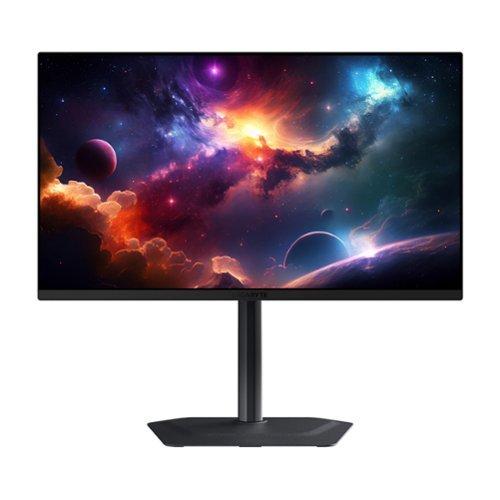
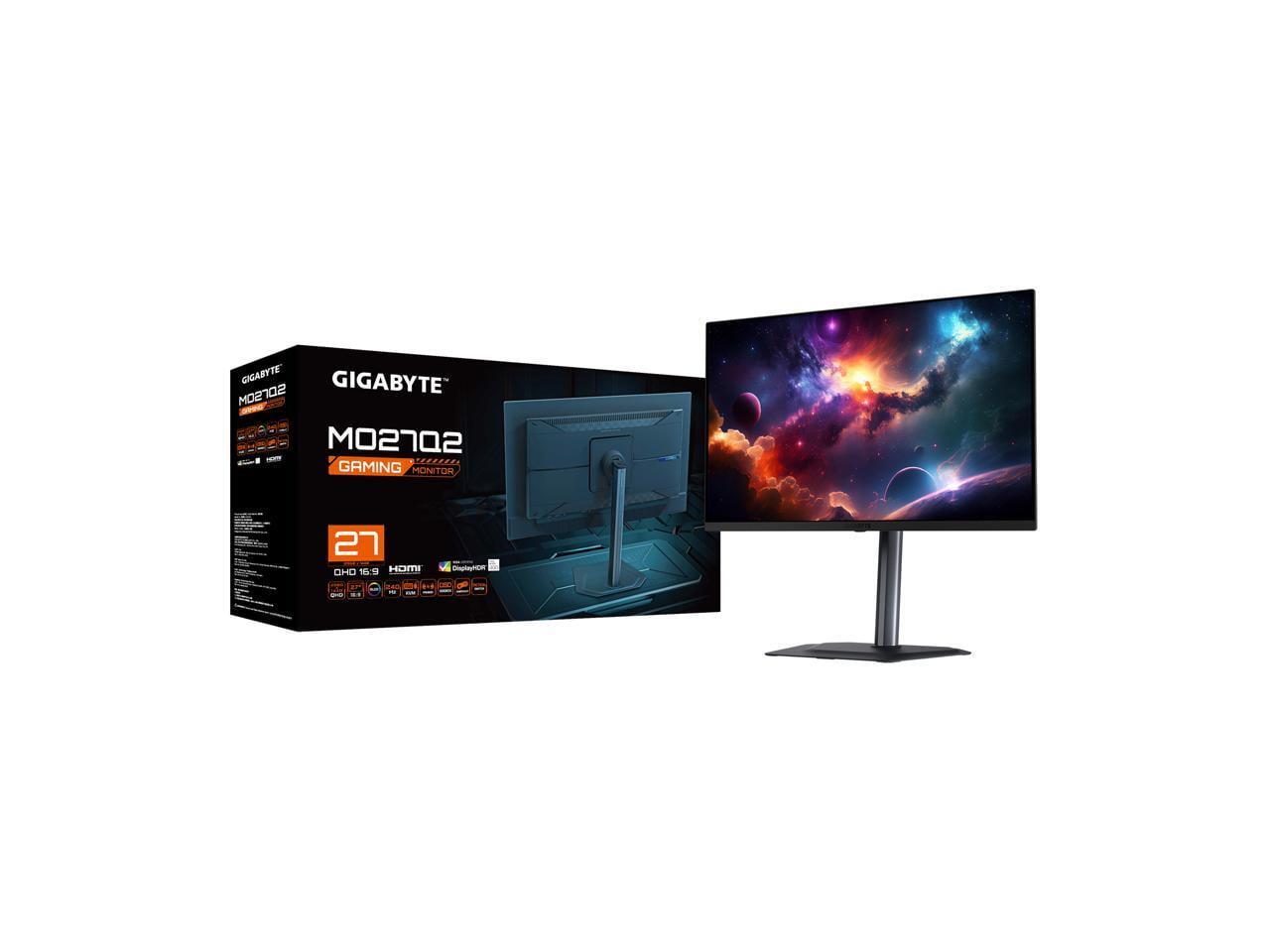
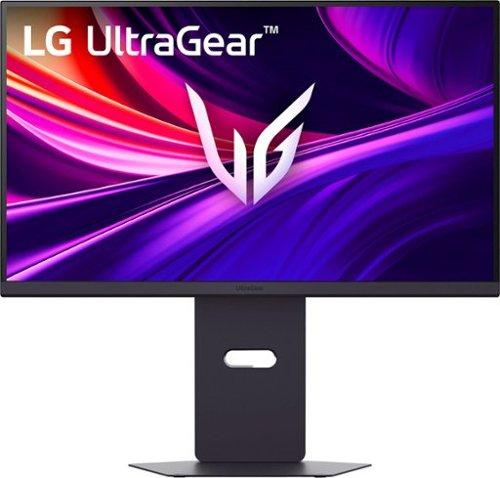
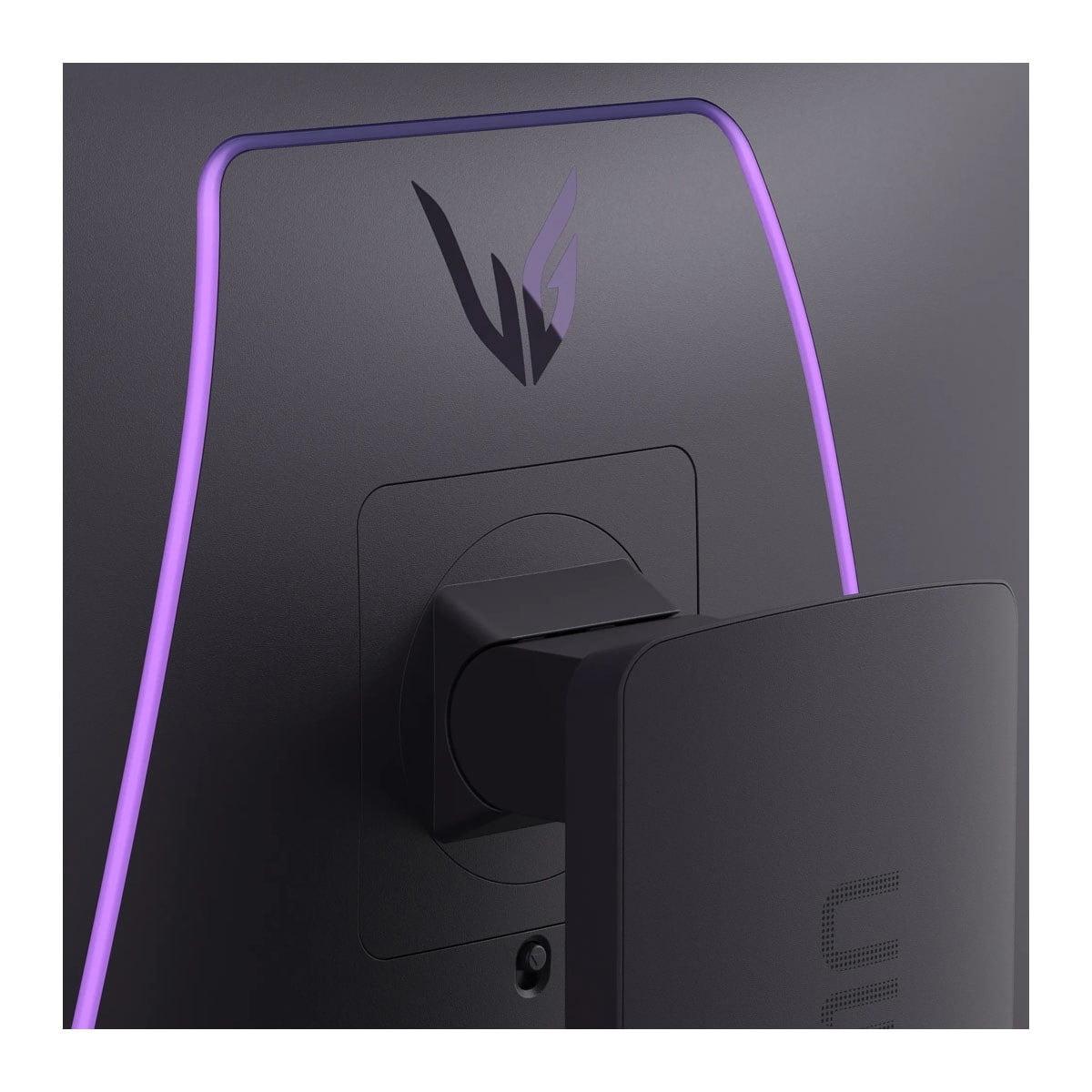
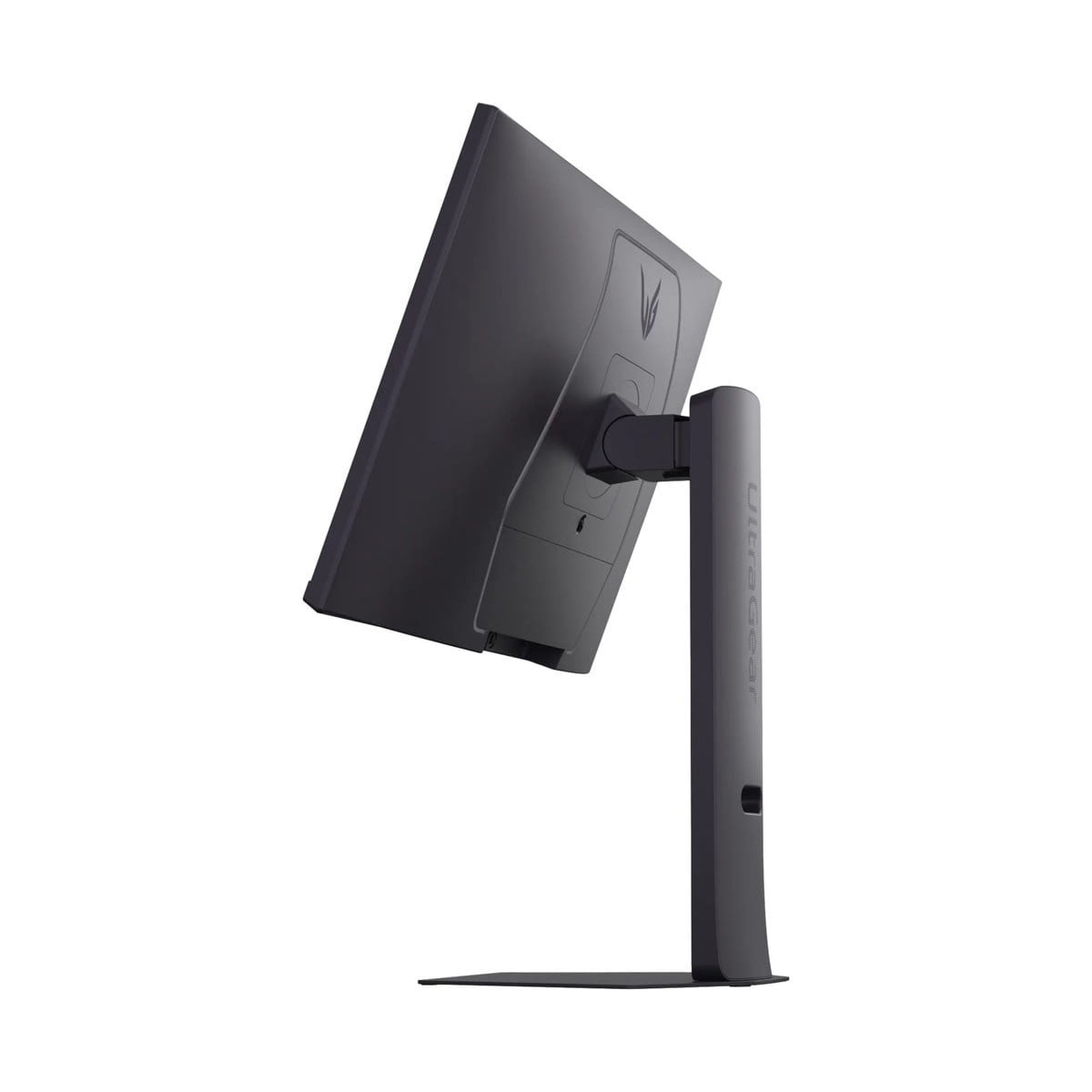
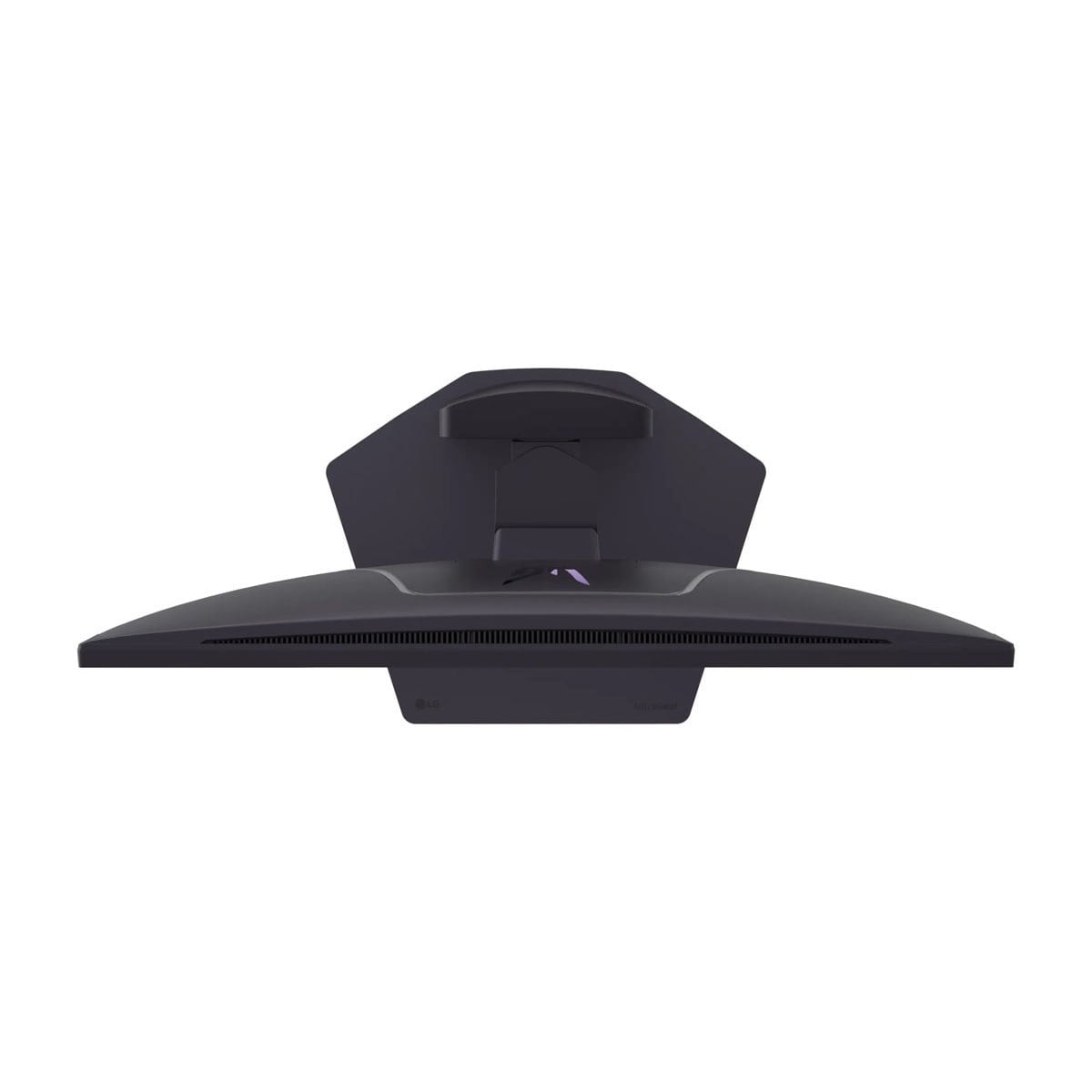
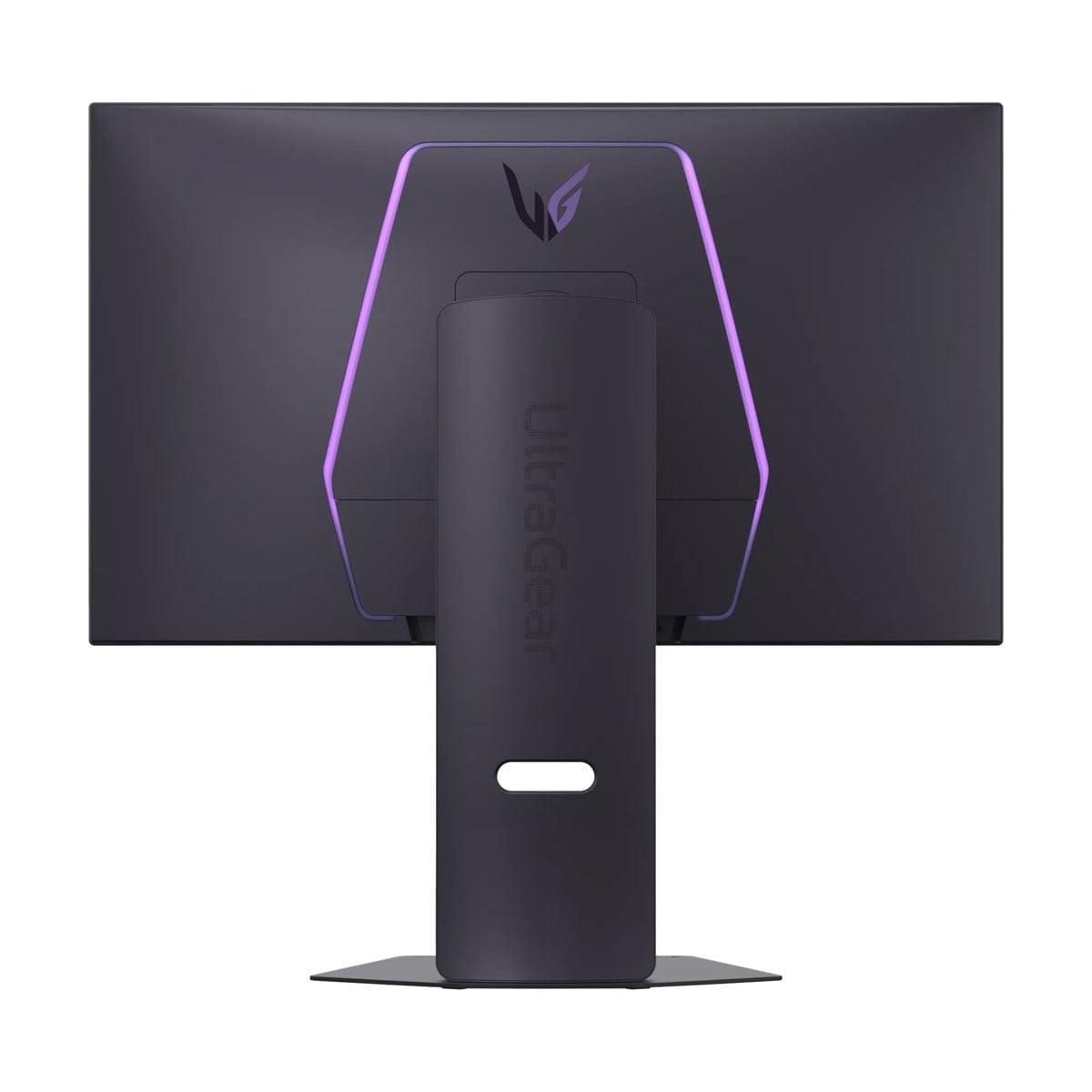

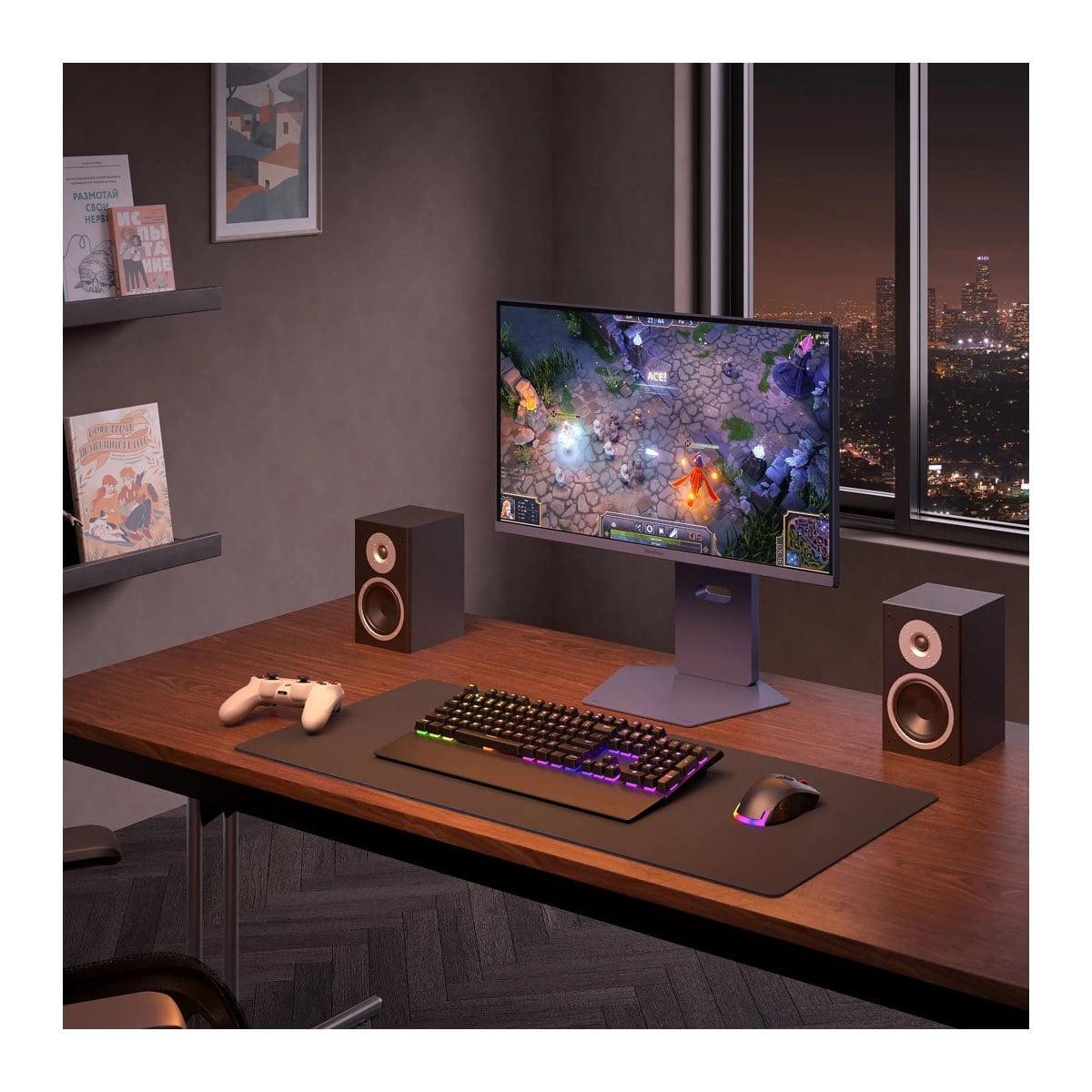
When you're shopping for a premium gaming monitor in 2024, you're looking at some truly impressive technology. Two standouts that represent different approaches to high-end gaming are the GIGABYTE MO27Q2 and the LG UltraGear 27G850A. Both launched in 2024 and showcase cutting-edge display tech, but they solve different problems for gamers.
The monitor market has evolved rapidly over the past few years. We've moved from basic 1080p displays to a world where you can choose between perfect blacks with OLED technology or lightning-fast 480Hz refresh rates. Understanding which approach works best for your gaming style and budget is crucial when you're investing in a premium display.
Before diving into these specific models, let's talk about what makes a gaming monitor great in 2024. The core considerations haven't changed much, but the technology delivering them has improved dramatically.
Display panel technology is the foundation of everything else. Traditional LCD panels use a backlight that shines through liquid crystals to create images. OLED (Organic Light-Emitting Diode) panels let each pixel create its own light, which means true blacks and incredible contrast. QD-OLED takes this further by adding quantum dots – tiny particles that help create more accurate and vibrant colors.
Refresh rate measures how many times per second your monitor can display a new image. A 240Hz monitor refreshes 240 times per second, making motion appear incredibly smooth. The LG UltraGear pushes this even further with its dual-mode capability, offering up to 480Hz at lower resolutions.
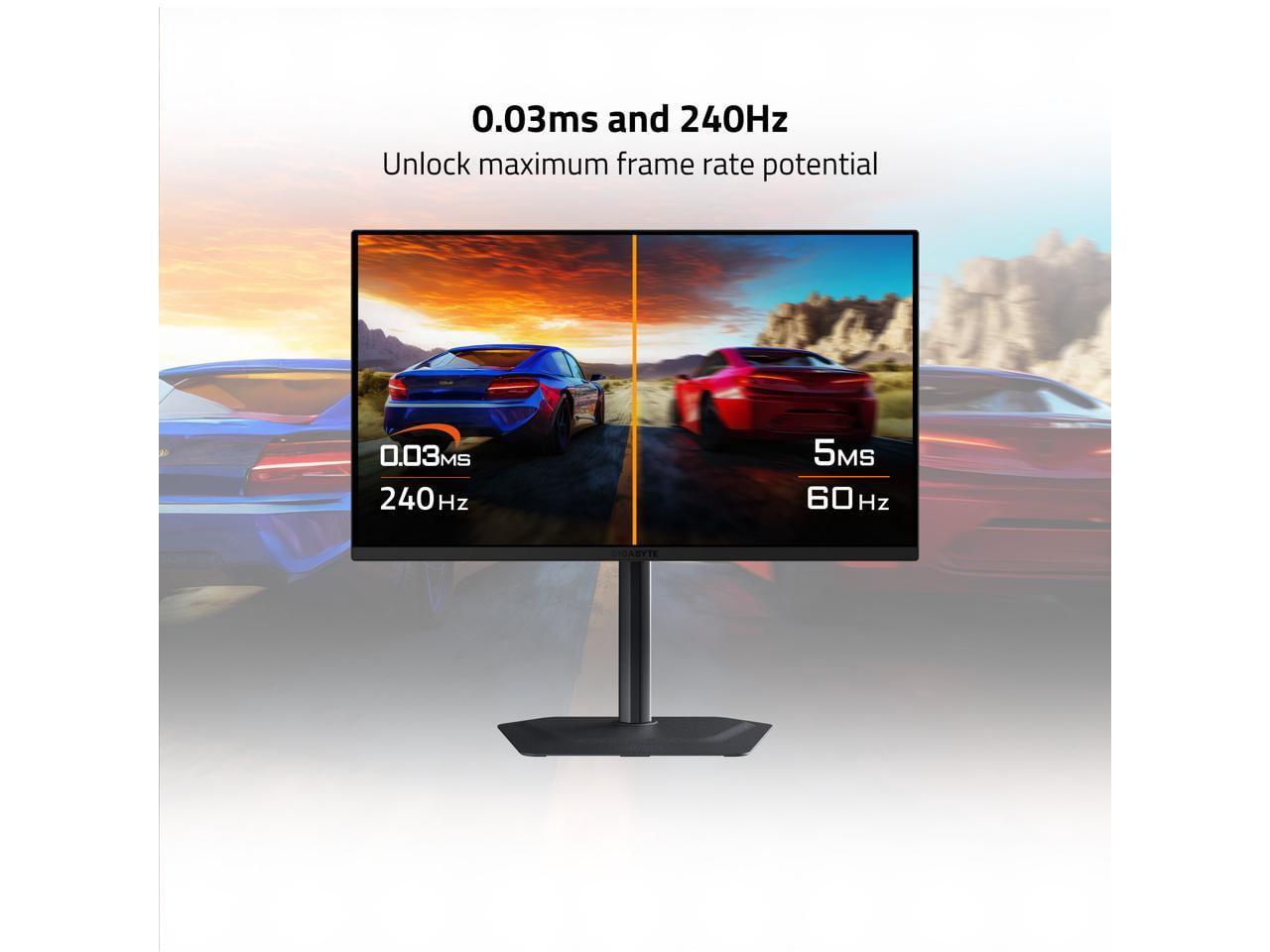
Response time is different from refresh rate – it's how quickly individual pixels can change from one color to another. The GIGABYTE MO27Q2 achieves an almost impossible 0.03ms response time thanks to its OLED technology, while the LG monitor delivers a still-excellent 1ms.
HDR (High Dynamic Range) isn't just a marketing term anymore. Good HDR implementation can dramatically improve gaming visuals by displaying brighter highlights and deeper shadows simultaneously. However, not all HDR is created equal, which becomes important when comparing these monitors.
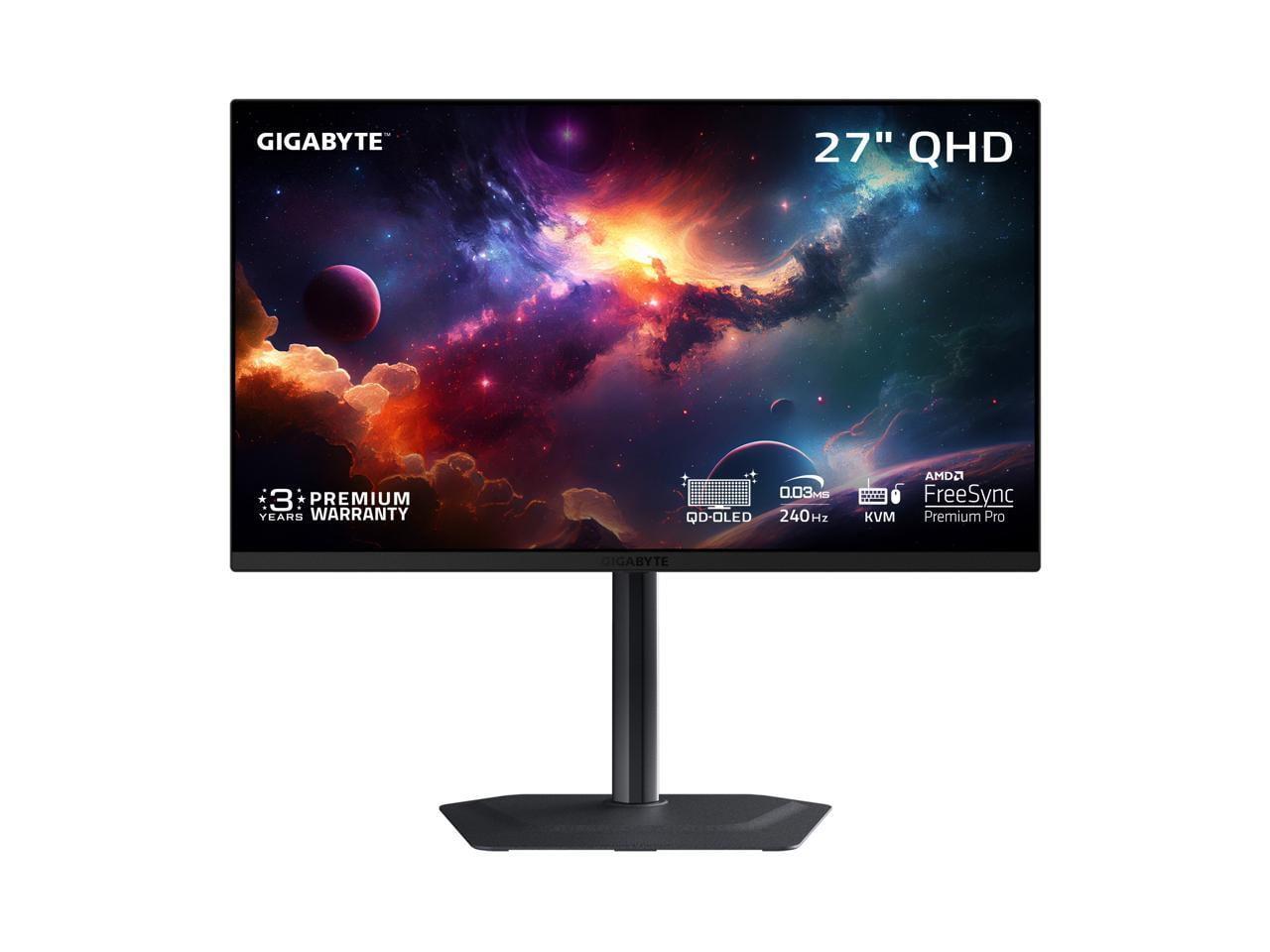
The GIGABYTE MO27Q2 represents what happens when you prioritize visual excellence above all else. Released in 2024, it uses Samsung's QD-OLED technology in a 27-inch, 1440p format that's become the sweet spot for many gamers.
QD-OLED technology combines the perfect blacks of traditional OLED with the color accuracy of quantum dots. In practical terms, this means when you're exploring a dark cave in your favorite RPG, the blacks are truly black – not the grayish "black" you get with most LCD monitors. Meanwhile, quantum dots ensure that colors pop with incredible vibrancy and accuracy.
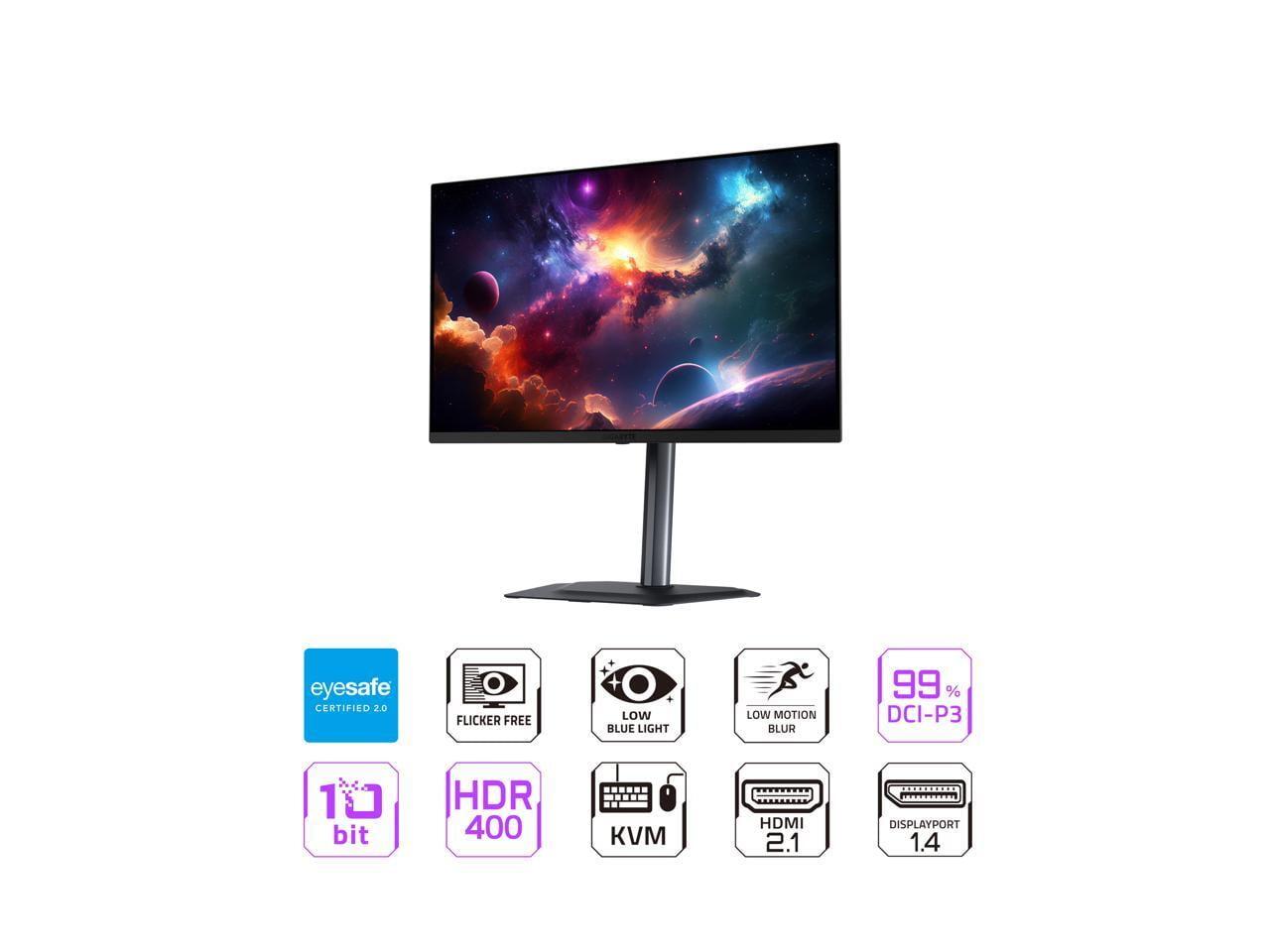
I've spent considerable time with QD-OLED displays, and the difference is immediately noticeable. Colors that looked muted on my previous IPS monitor suddenly burst with life. The GIGABYTE MO27Q2 covers 99% of the DCI-P3 color space, which is the standard used by movie studios and game developers for HDR content.
Despite prioritizing image quality, the GIGABYTE MO27Q2 doesn't slack on gaming performance. That 0.03ms response time isn't just a number on a spec sheet – it translates to motion that's so clean it almost looks like real life. When you're tracking enemies in a fast-paced shooter, there's virtually no ghosting or motion blur.
The 240Hz refresh rate strikes an excellent balance. While not the absolute highest available, it's more than sufficient for most gaming scenarios. Unless you're a professional esports player competing at the highest levels, you're unlikely to notice the difference between 240Hz and higher refresh rates in real-world gaming.
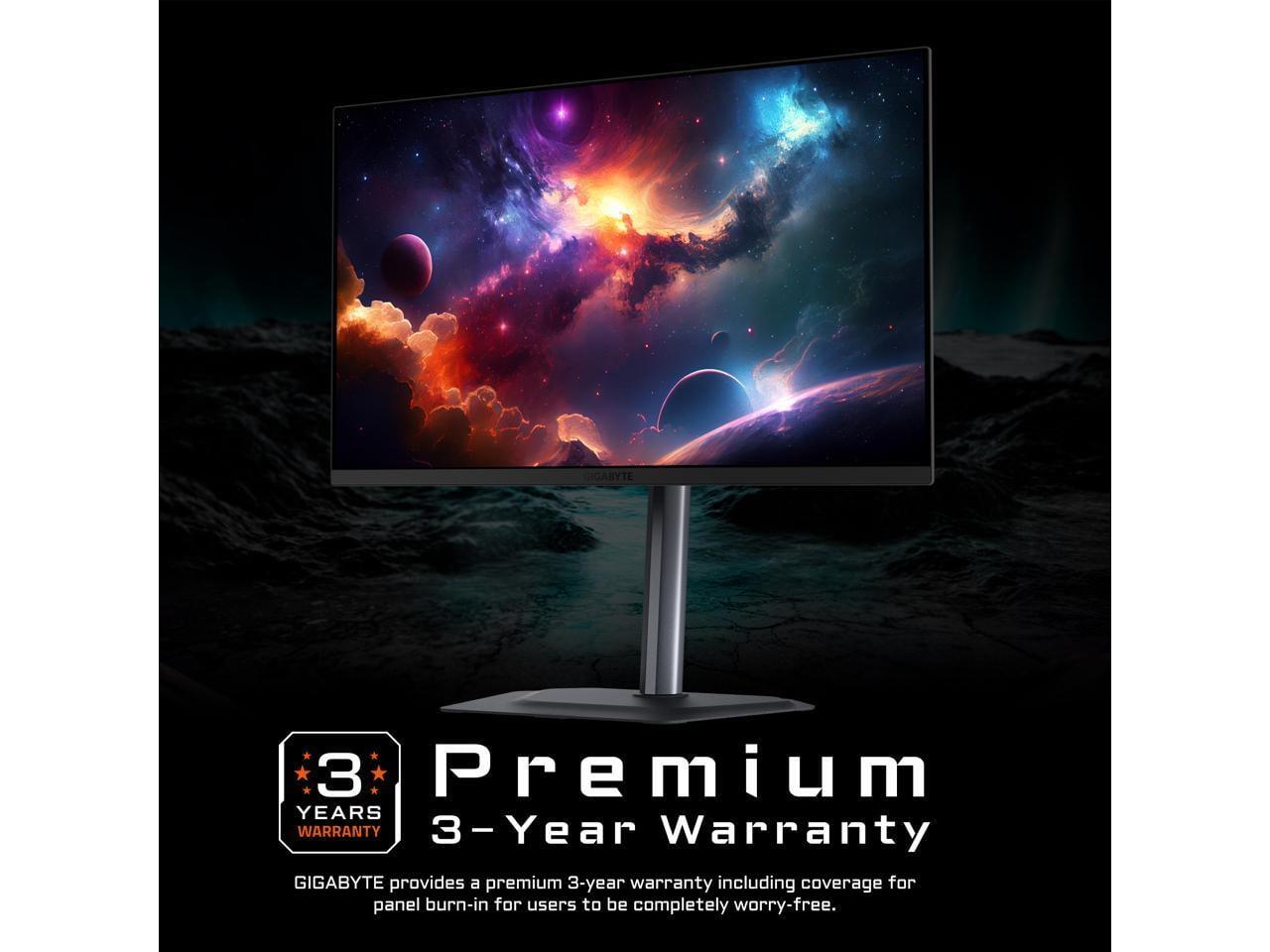
OLED technology does come with considerations. Burn-in – where static images can permanently mark the screen – is a real concern with any OLED display. However, GIGABYTE has implemented AI-based OLED Care features that help mitigate this risk through pixel shifting and other protective measures. They're confident enough to offer a 3-year warranty that includes burn-in coverage.
The GIGABYTE MO27Q2 also has lower peak brightness than LCD alternatives – around 250 nits in typical usage. This makes it better suited for controlled lighting environments rather than bright rooms with lots of windows.
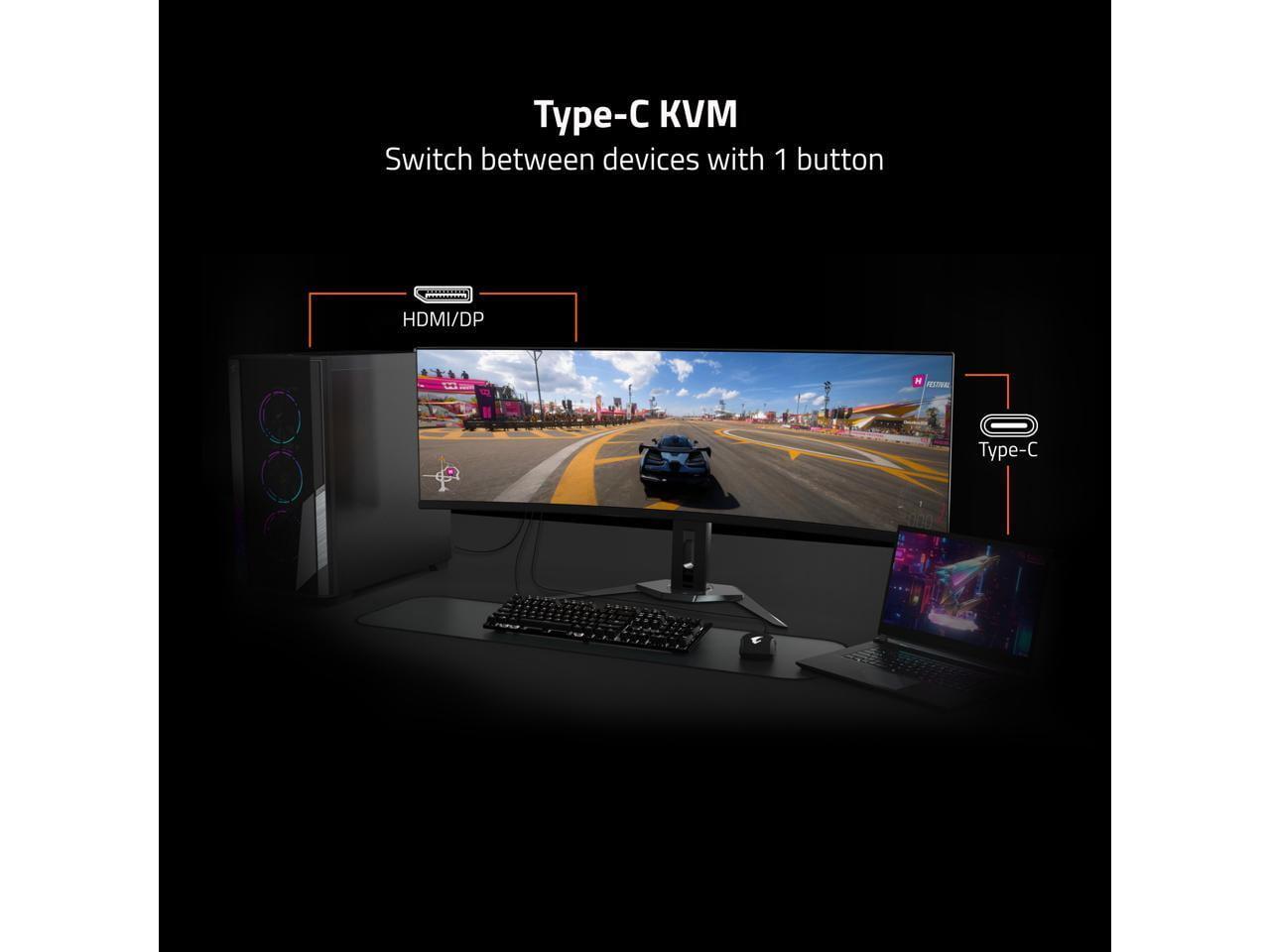
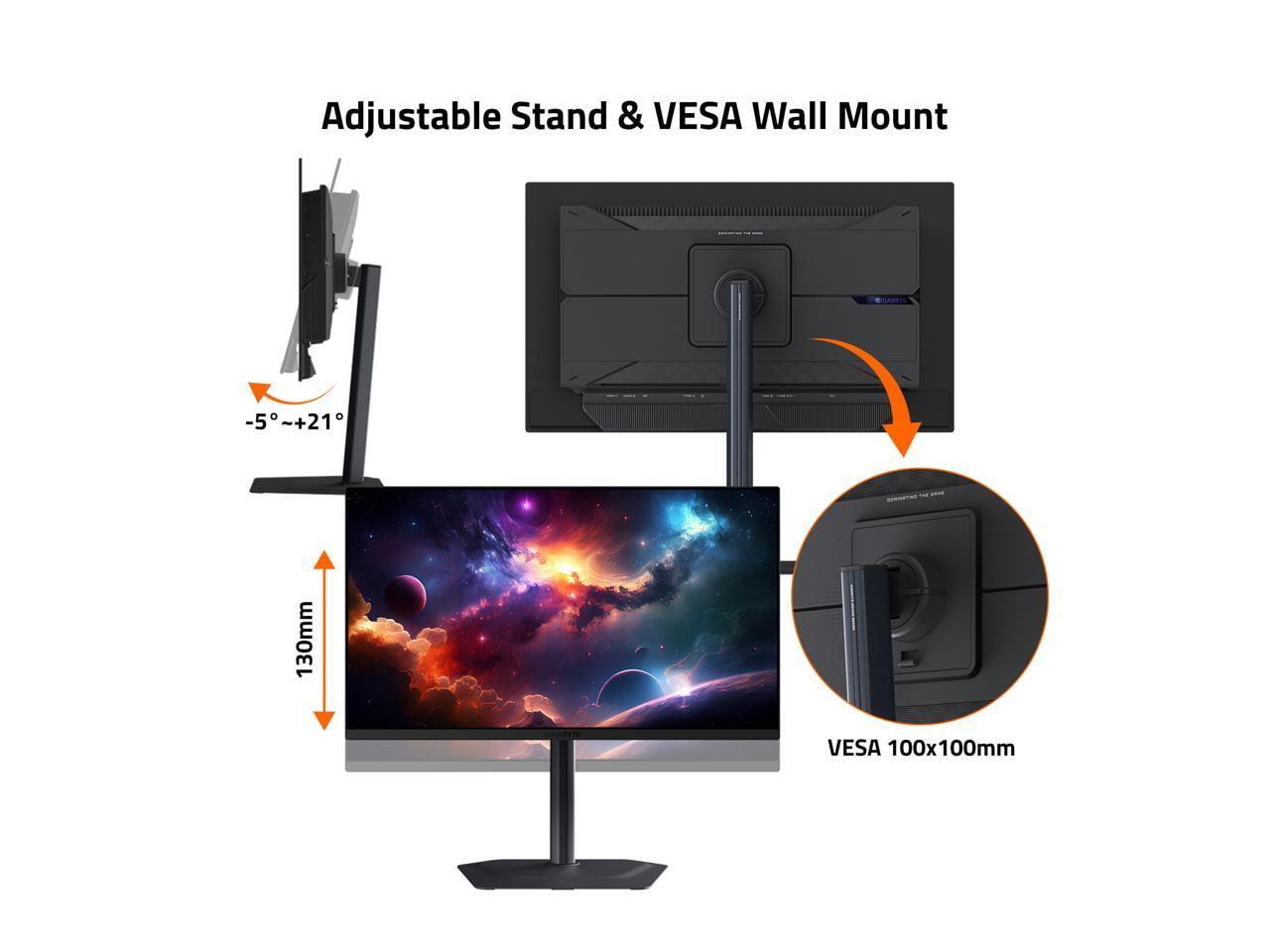
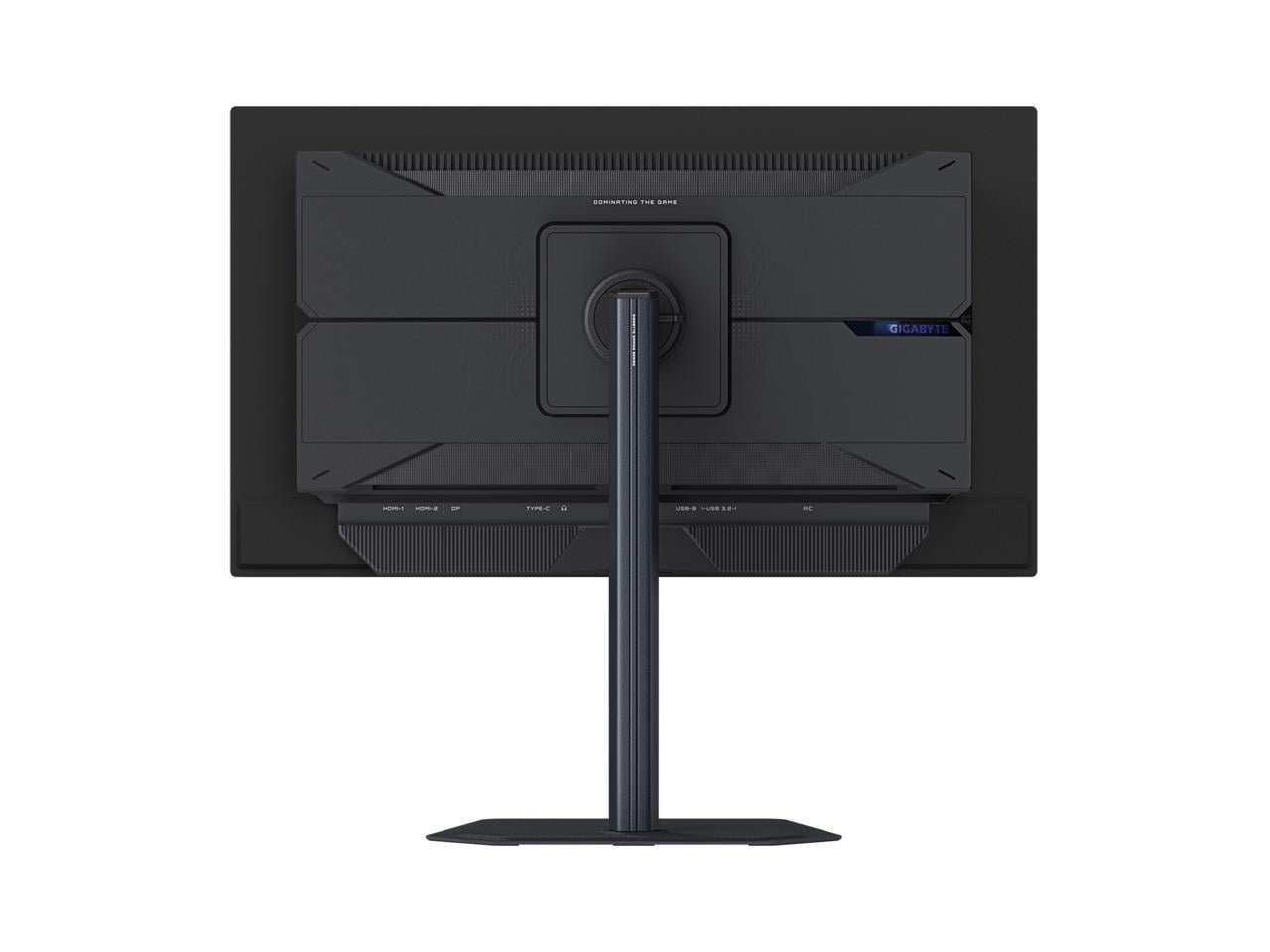
One area where the GIGABYTE MO27Q2 shines is connectivity. The built-in KVM (Keyboard, Video, Mouse) switch lets you control multiple devices with a single keyboard and mouse setup. If you game on a desktop but work on a laptop, this feature alone can justify the monitor choice.
The Tactical Switch is another thoughtful feature – it's a dedicated button that instantly switches between the full 27-inch display and a 24-inch mode for competitive gaming. Many esports players prefer smaller display areas for better focus, and this feature caters to that preference without requiring a separate monitor.
The LG UltraGear 27G850A takes a completely different approach. Rather than focusing purely on image quality, LG created the world's first monitor to offer both 4K resolution at 240Hz and 1080p at a staggering 480Hz. This dual-mode capability makes it incredibly versatile.
When set to 4K mode, the LG UltraGear delivers 3840×2160 resolution at 240Hz. This pixel density creates incredibly sharp images – individual pixels become virtually invisible at normal viewing distances. For single-player games where you want to see every detail, 4K gaming is transformative.
The catch is that 4K gaming at high refresh rates demands serious graphics hardware. Even high-end graphics cards can struggle to maintain 240 fps at 4K in demanding games. However, having this capability future-proofs your setup for next-generation graphics cards and less demanding competitive games.
Switch to 1080p mode, and the LG UltraGear transforms into a competitive gaming monster. At 480Hz, motion blur becomes almost theoretical. Professional esports players have reported noticeable improvements in tracking fast-moving targets compared to 240Hz displays.
This isn't just marketing hype. Higher refresh rates provide more frequent visual updates, which can improve reaction times and target tracking in competitive scenarios. The difference between 240Hz and 480Hz is smaller than the jump from 60Hz to 240Hz, but for players competing at the highest levels, every millisecond matters.
The LG monitor uses IPS Black technology, which improves upon traditional IPS panels by achieving better contrast ratios and deeper blacks. While it can't match the infinite contrast of OLED panels, it offers a good compromise between image quality and reliability.
IPS Black also means better text clarity for productivity tasks. The standard RGB subpixel layout doesn't suffer from the color fringing that can affect text readability on QD-OLED displays. If you plan to use your gaming monitor for work or content creation, this becomes important.
Despite its DisplayHDR 600 certification, the LG UltraGear doesn't deliver the HDR experience you might expect. The edge-lit local dimming with limited zones means you won't get the dramatic contrast improvements that make HDR worthwhile. Peak brightness is good at around 450 nits, but the lack of precise local dimming limits the HDR impact.
This is one area where the GIGABYTE MO27Q2, despite its lower HDR certification, actually provides a better experience thanks to OLED's perfect black levels and pixel-level contrast control.
When it comes to pure image quality, the GIGABYTE MO27Q2 is in a different league. The combination of perfect blacks, vibrant quantum dot colors, and excellent contrast creates visuals that simply pop off the screen. Playing cinematic games like Cyberpunk 2077 or Red Dead Redemption 2 becomes a genuinely immersive experience.
The LG UltraGear offers sharp 4K visuals that excel in detail, but the IPS Black technology can't match OLED's contrast and color depth. For media consumption and single-player gaming where visual fidelity matters most, the GIGABYTE monitor provides a more engaging experience.
For competitive esports, the LG UltraGear offers capabilities that simply don't exist elsewhere. The 480Hz mode provides the smoothest motion available in consumer displays. Combined with the option to use a smaller display area for better focus, competitive players get tools specifically designed for their needs.
However, the GIGABYTE MO27Q2 shouldn't be dismissed for competitive gaming. That 0.03ms response time means virtually zero input lag, and many professional players prefer the visual clarity that comes with OLED technology's superior motion handling.
The LG monitor's dual-mode capability makes it theoretically more versatile. You can enjoy 4K visuals for single-player games and switch to 480Hz for competitive play. The reality is more nuanced – most users will likely settle into one mode and stick with it based on their primary use case.
The GIGABYTE MO27Q2 offers different kinds of versatility through features like KVM switching and multiple display modes, but it's more about convenience than fundamental performance changes.
At the time of writing, there's a significant price gap between these monitors, with the LG UltraGear commanding a premium for its cutting-edge 4K/480Hz technology. The GIGABYTE MO27Q2 offers exceptional value for QD-OLED technology, often costing several hundred dollars less than comparable displays.
Value isn't just about initial cost, though. The GIGABYTE monitor includes that 3-year burn-in warranty, which provides peace of mind for OLED ownership. Meanwhile, the LG display represents an investment in future-proofing – its capabilities may become more relevant as graphics hardware continues to improve.
Both monitors work well in home theater setups, but with different strengths. The GIGABYTE MO27Q2 excels for movie watching thanks to its perfect blacks and excellent HDR performance. OLED technology makes movie content look incredible, especially in darker viewing environments.
The LG UltraGear offers 4K resolution that's ideal for streaming high-resolution content, and its higher brightness makes it more suitable for rooms with ambient lighting. However, the limited HDR performance means it won't deliver the cinematic impact of the GIGABYTE monitor.
Choosing between these monitors comes down to understanding your priorities and usage patterns.
Choose the GIGABYTE MO27Q2 if you value image quality above all else. It's perfect for gamers who want the most immersive visual experience possible, whether you're exploring vast open worlds or enjoying the latest cinematic blockbuster. The excellent value proposition makes it accessible to more users, and the comprehensive warranty addresses OLED concerns.
The LG UltraGear 27G850A makes sense if you need maximum flexibility or compete seriously in esports. The 480Hz capability is genuinely useful for competitive players, and 4K gaming provides future-proofing as graphics hardware improves. Just be prepared to pay a premium for these cutting-edge capabilities.
Consider your typical gaming scenarios, room lighting, and whether you'll use the monitor for productivity tasks. Both represent excellent choices in the premium gaming monitor space – they just excel in different areas and serve different needs.
The monitor market continues evolving rapidly, with new technologies appearing regularly. However, both the GIGABYTE MO27Q2 and LG UltraGear represent mature implementations of their respective technologies, making them solid investments for years of gaming enjoyment.
Whatever you choose, you're getting access to display technology that would have been impossible just a few years ago. The real winner is anyone who gets to experience gaming at this level of visual fidelity and performance.
| GIGABYTE MO27Q2 | LG UltraGear 27G850A |
|---|---|
| Panel Technology - Determines image quality, contrast, and response times | |
| QD-OLED with perfect blacks and infinite contrast | IPS Black with improved contrast over standard IPS |
| Resolution - Affects sharpness and GPU requirements | |
| 2560 × 1440 (1440p QHD) - Sweet spot for performance | 3840 × 2160 (4K UHD) - Maximum detail but demands powerful GPU |
| Refresh Rate - Determines motion smoothness in games | |
| 240Hz (excellent for most gaming scenarios) | Dual Mode: 240Hz at 4K OR 480Hz at 1080p (ultimate competitive flexibility) |
| Response Time - Critical for eliminating motion blur | |
| 0.03ms (virtually instantaneous OLED switching) | 1ms (very fast for IPS technology) |
| Peak Brightness - Affects visibility in bright rooms and HDR impact | |
| 250 nits typical, 1000 nits peak (better for darker environments) | 450 nits typical, 670 nits peak (handles bright rooms better) |
| HDR Performance - Enhances gaming visuals and media consumption | |
| True Black 400 with perfect pixel-level dimming | DisplayHDR 600 with limited edge-lit local dimming |
| Color Accuracy - Important for content creation and vibrant gaming | |
| 99% DCI-P3 with quantum dot enhancement | 99% DCI-P3 with standard color reproduction |
| Connectivity - Affects device compatibility and future-proofing | |
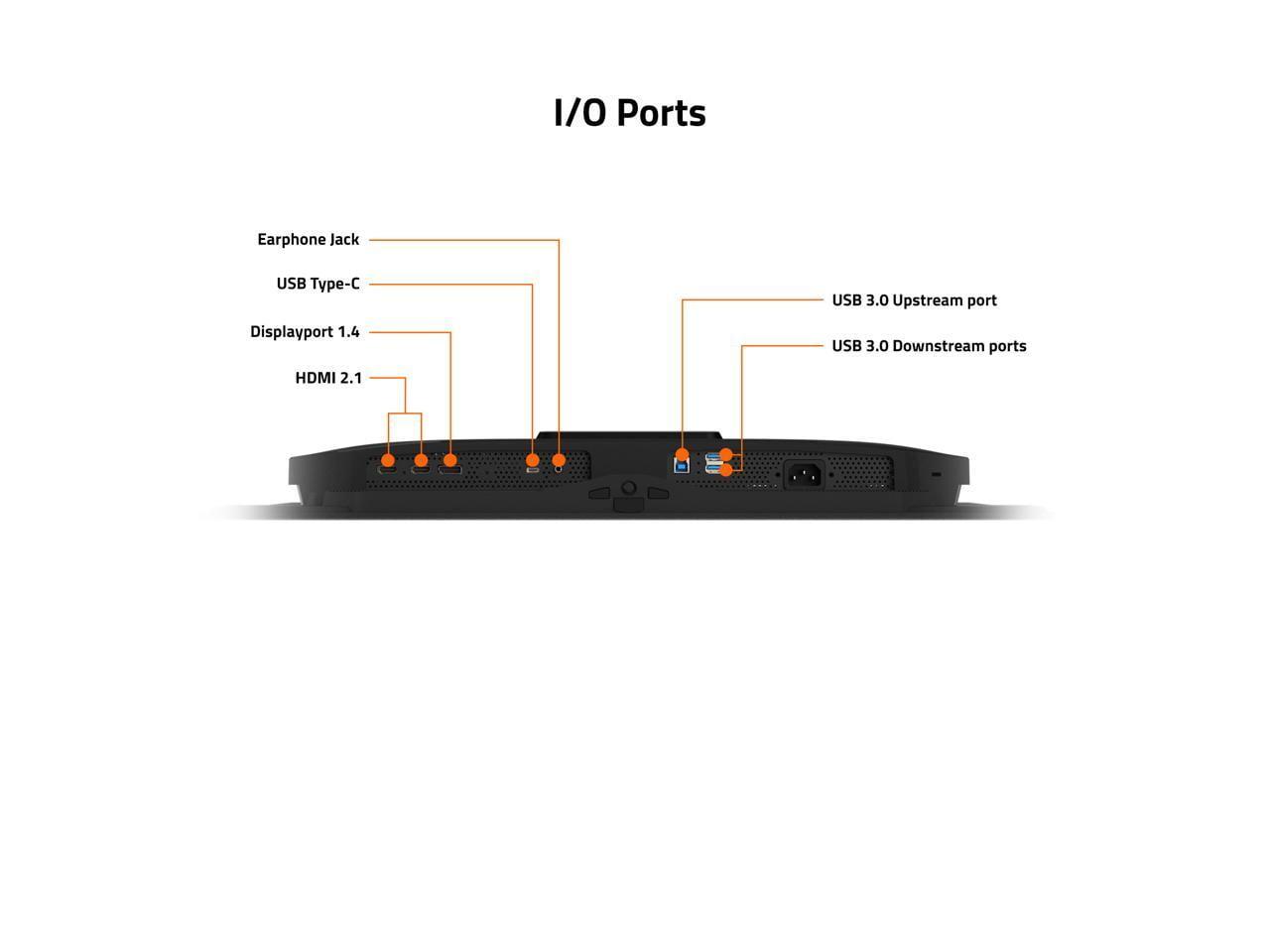
| 2× HDMI 2.1, 1× DP 1.4, USB-C with KVM switch | 1× DP 2.1, 2× HDMI 2.1, USB hub (more future-proof) |
| Special Features - Unique capabilities that set each monitor apart | |
| Tactical Switch, AI OLED Care, 3-year burn-in warranty | 480Hz mode, hardware calibration support, dual resolution switching |
| Best Use Cases - Who should consider each monitor | |
| Immersive gaming, media consumption, excellent value for premium tech | Competitive esports, 4K gaming, future-proofing, mixed productivity use |
The GIGABYTE MO27Q2 excels for immersive single-player gaming with superior image quality, perfect blacks, and vibrant colors thanks to its QD-OLED technology. The LG UltraGear is better for competitive esports with its 480Hz mode and 4K capability for future-proofing. Most gamers will prefer the GIGABYTE MO27Q2 for its exceptional visual experience and better value.
The key difference is display technology and resolution approach. The GIGABYTE MO27Q2 uses QD-OLED technology at 1440p for superior contrast and colors, while the LG UltraGear uses IPS Black technology with 4K resolution and dual-mode capability (240Hz at 4K or 480Hz at 1080p).
The GIGABYTE MO27Q2 delivers superior image quality with its QD-OLED panel offering perfect blacks, infinite contrast ratio, and more vibrant colors. The LG UltraGear provides sharper details due to 4K resolution but can't match the contrast and color depth of the GIGABYTE monitor.
The LG UltraGear commands a premium for its cutting-edge 4K 240Hz and 480Hz capabilities. It's worth the extra cost if you're a competitive esports player or want maximum future-proofing. For most users, the GIGABYTE MO27Q2 offers better value with exceptional image quality at a more accessible price point.
The LG UltraGear has the edge for competitive gaming with its 480Hz mode providing the smoothest motion available. However, the GIGABYTE MO27Q2 offers a faster 0.03ms response time and excellent motion clarity. Both are excellent choices, with the LG monitor having a slight advantage for the most demanding competitive scenarios.
Only the LG UltraGear offers native 4K gaming at 240Hz, though it requires powerful graphics hardware to utilize fully. The GIGABYTE MO27Q2 is limited to 1440p resolution but can downsample 4K content from consoles at 120Hz, providing excellent gaming performance at a more achievable resolution for most systems.
The GIGABYTE MO27Q2 is superior for movies and streaming thanks to its OLED technology providing perfect blacks and excellent HDR performance. The infinite contrast ratio makes dark scenes look incredible. The LG UltraGear offers 4K resolution for sharper content but has limited HDR performance due to basic edge-lit local dimming.
The LG UltraGear handles bright rooms better with higher peak brightness (450 nits typical vs 250 nits). The GIGABYTE MO27Q2 is better suited for controlled lighting environments due to lower brightness, though its glossy anti-reflective coating helps manage reflections effectively.
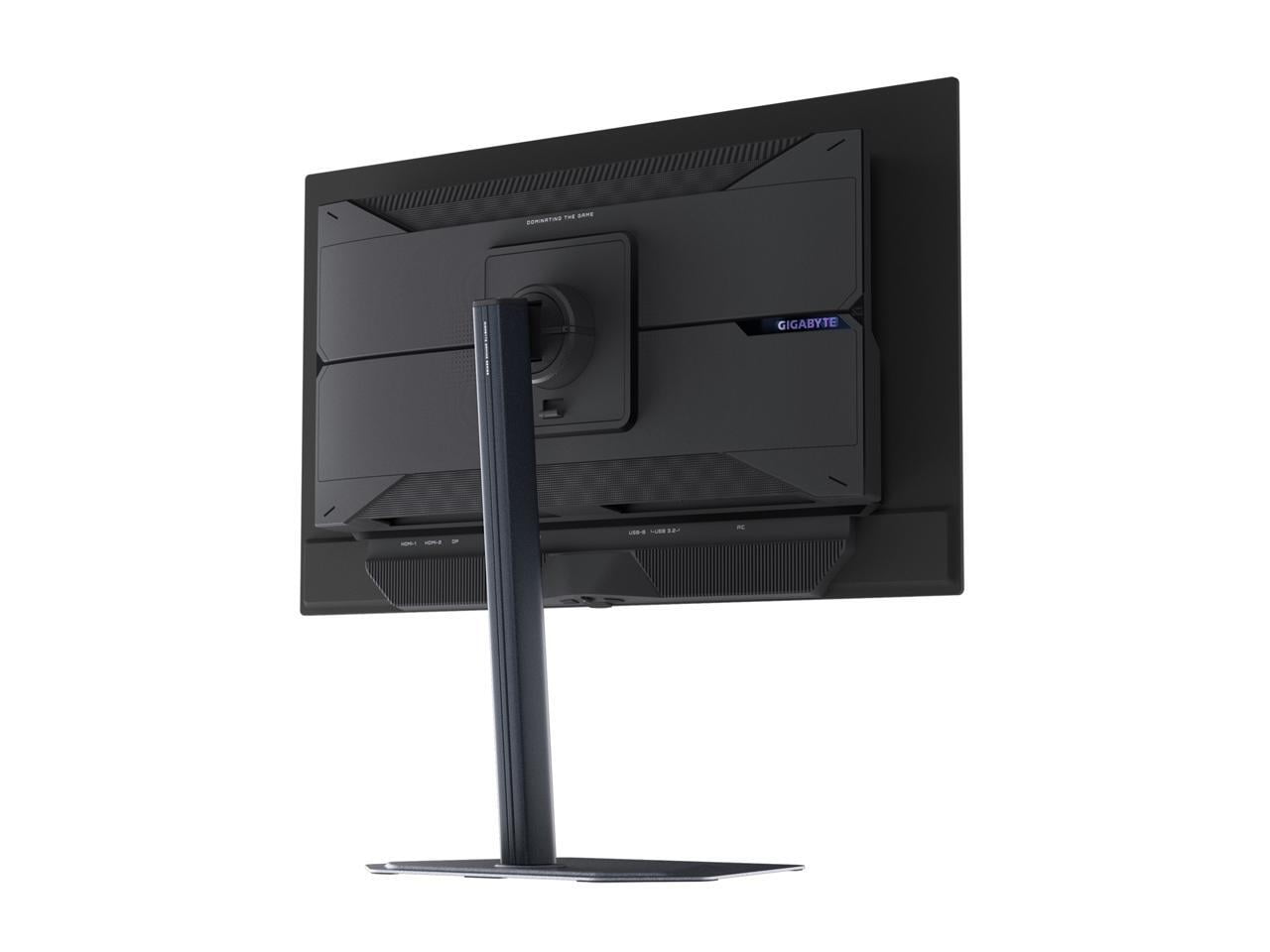
Both offer excellent connectivity, but serve different needs. The GIGABYTE MO27Q2 includes a KVM switch for easy device switching and USB-C connectivity. The LG UltraGear features DisplayPort 2.1 for better future-proofing with next-gen graphics cards. The GIGABYTE monitor is more convenient for multi-device setups.
The GIGABYTE MO27Q2 includes AI-based OLED Care features to prevent burn-in, such as pixel shifting and screen savers. GIGABYTE offers a 3-year warranty that covers burn-in, showing confidence in the technology. With proper use and built-in protections, burn-in risk is minimal for typical gaming and entertainment use.
The LG UltraGear is more future-proof with 4K resolution, DisplayPort 2.1 connectivity, and extreme refresh rate capabilities that will remain relevant as hardware improves. The GIGABYTE MO27Q2 offers excellent current performance but may be limited by its 1440p resolution as 4K gaming becomes more accessible.
Choose the GIGABYTE MO27Q2 if you prioritize image quality, immersive gaming experiences, and value for money. It's perfect for single-player games and media consumption. Choose the LG UltraGear if you're a competitive gamer, need 4K capability, or want maximum flexibility with dual-mode switching. The GIGABYTE monitor suits most users better, while the LG monitor serves specialized high-performance needs.
We've done our best to create useful and informative comparisons to help you decide what product to buy. Our research uses advanced automated methods to create this comparison and perfection is not possible - please contact us for corrections or questions. These are the sites we've researched in the creation of this article: gigabyte.com - youtube.com - newegg.com - mezha.media - tech-critter.com - gigabyte.com - forum.pcmonitors.info - techspot.com - aorus.com - saltynewsnetwork.com - infiniarc.com - gigabyte.com - bestbuy.com - youtube.com - gigabyte.com - gigabyte.com - displayspecifications.com - aorus.com - gigabyte.com - gigabyte.com - bestbuy.com - displayninja.com - rtings.com - youtube.com - lg.com - rtings.com - tftcentral.co.uk - bestbuy.com - techpowerup.com - lg.com - lg.com - lg.com

Privacy Policy
Terms and Conditions - Affiliate Policy
Home Security
© Copyright 2008-2026.
11816 Inwood Rd #1211, Dallas, TX 75244