

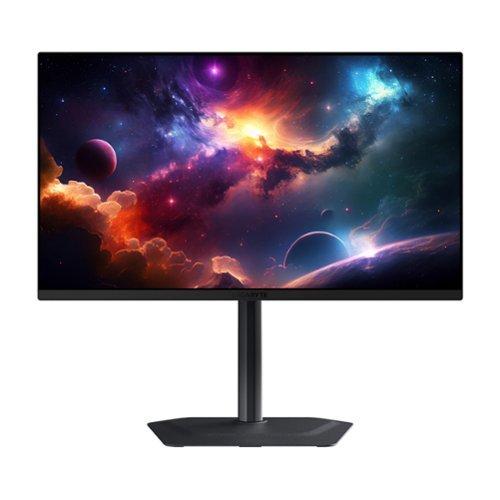
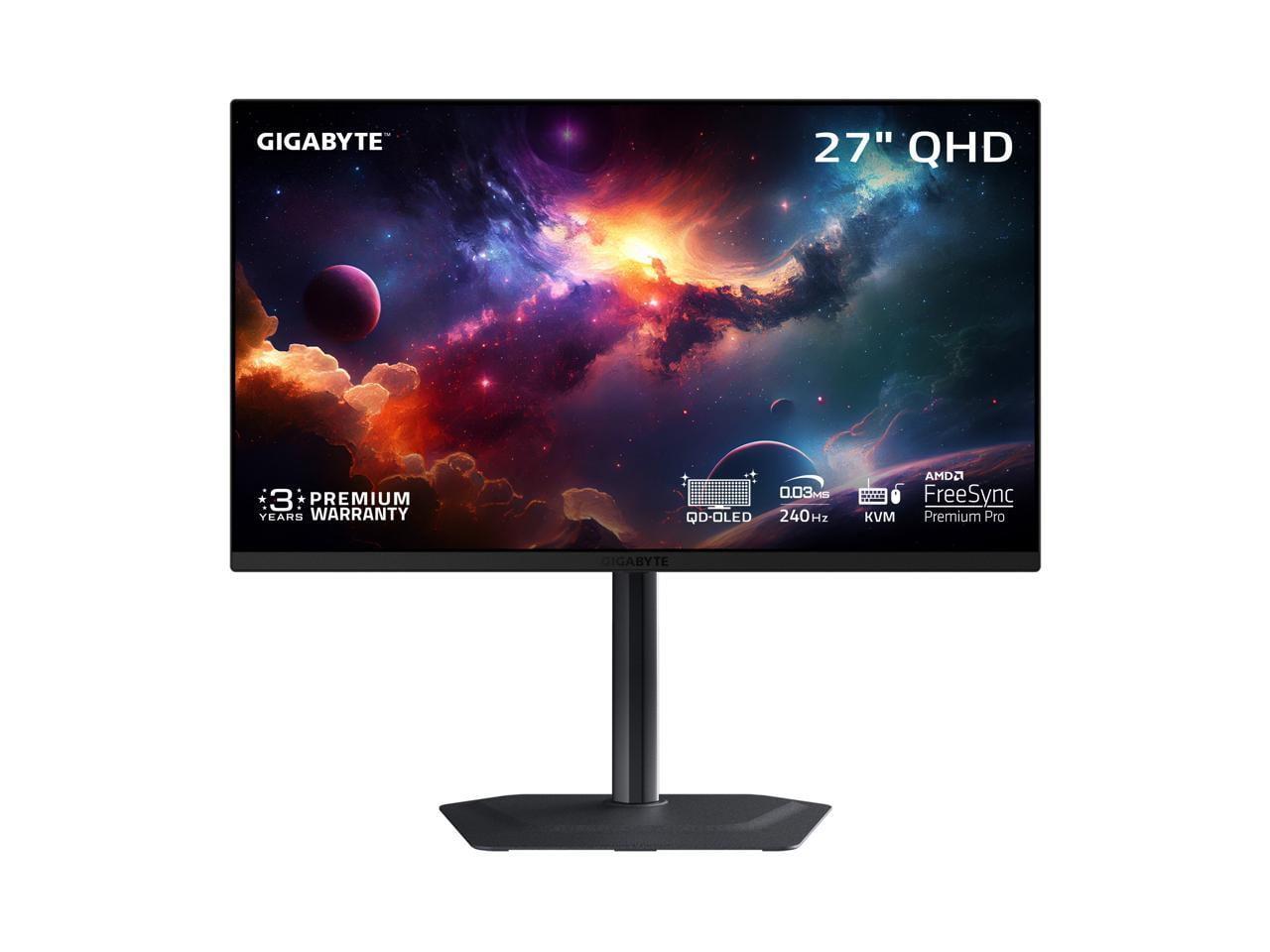
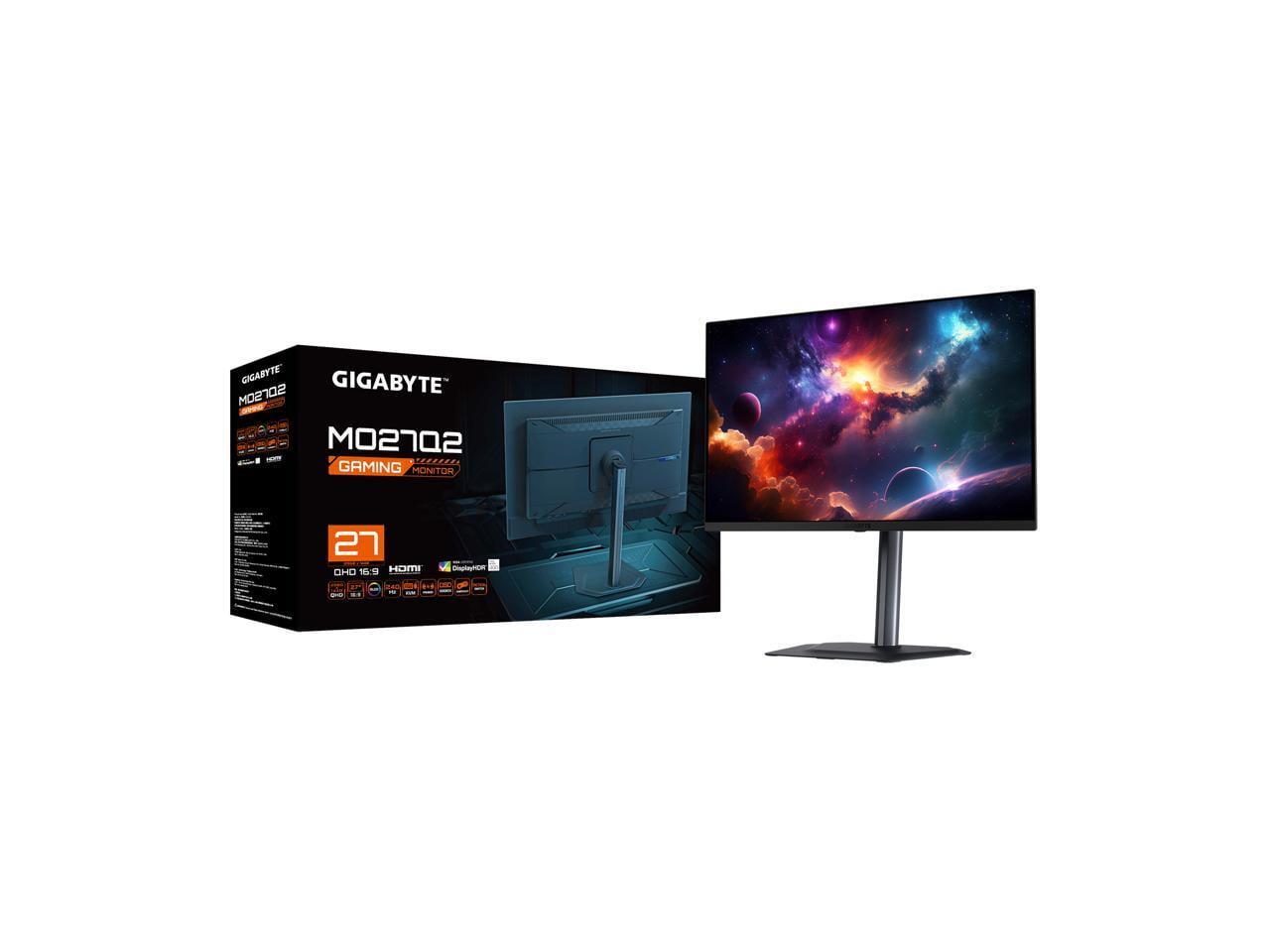
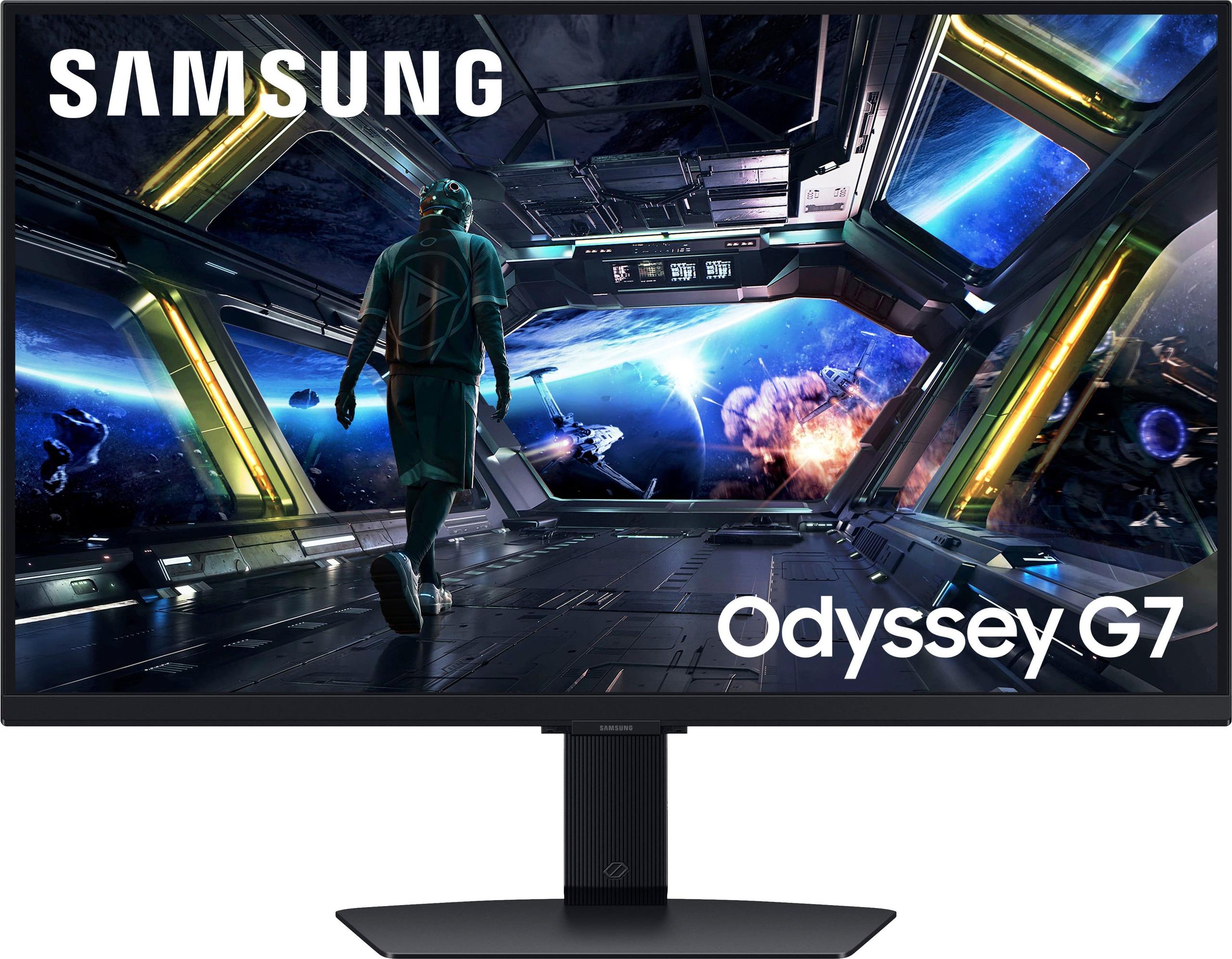
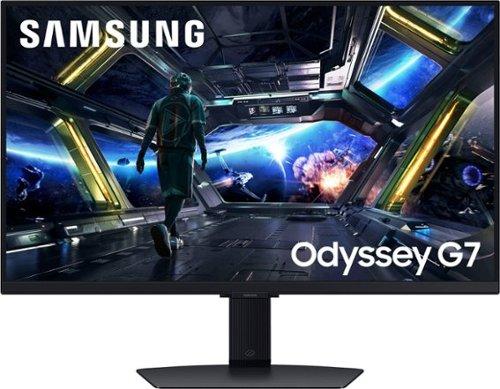
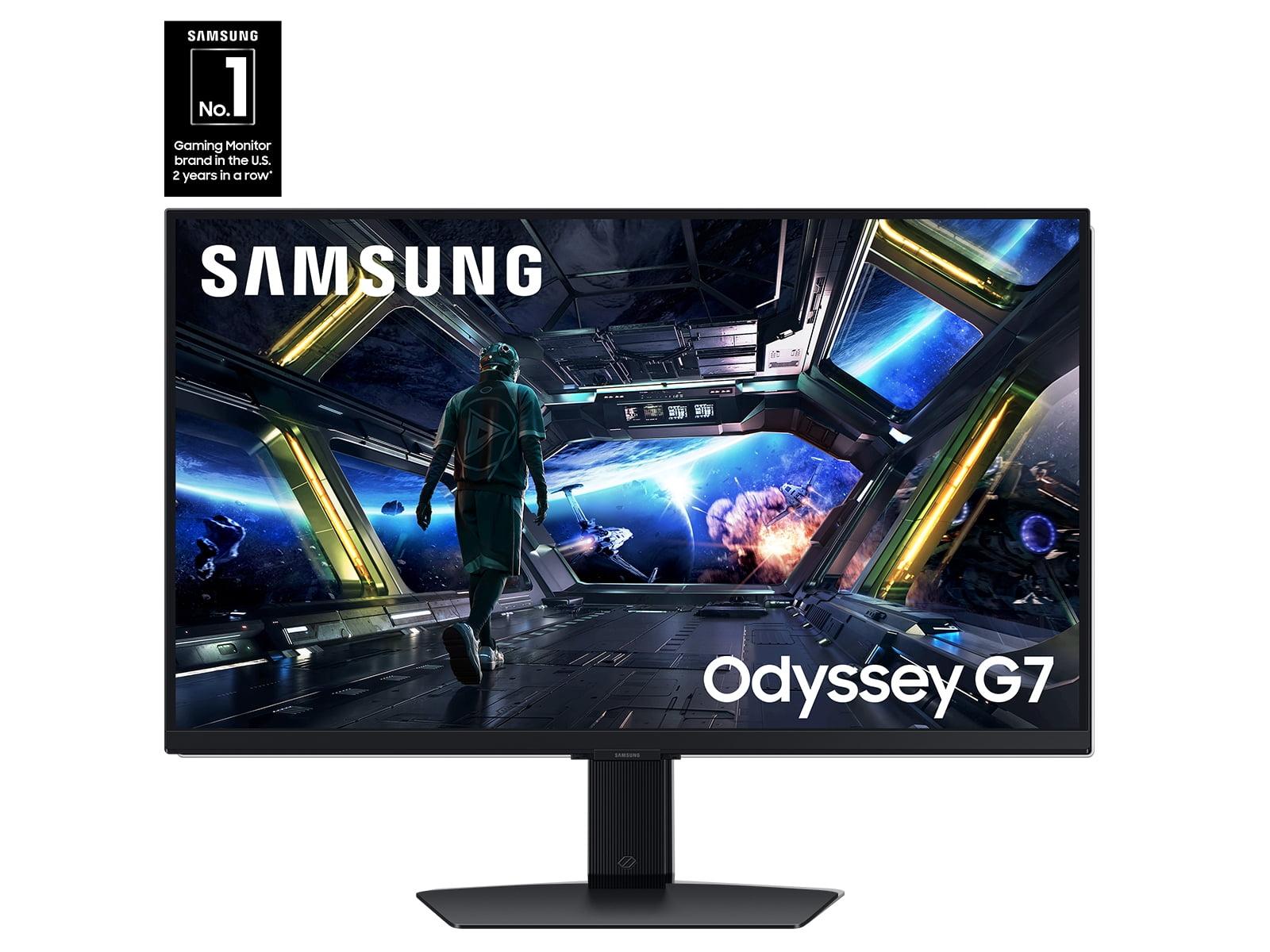
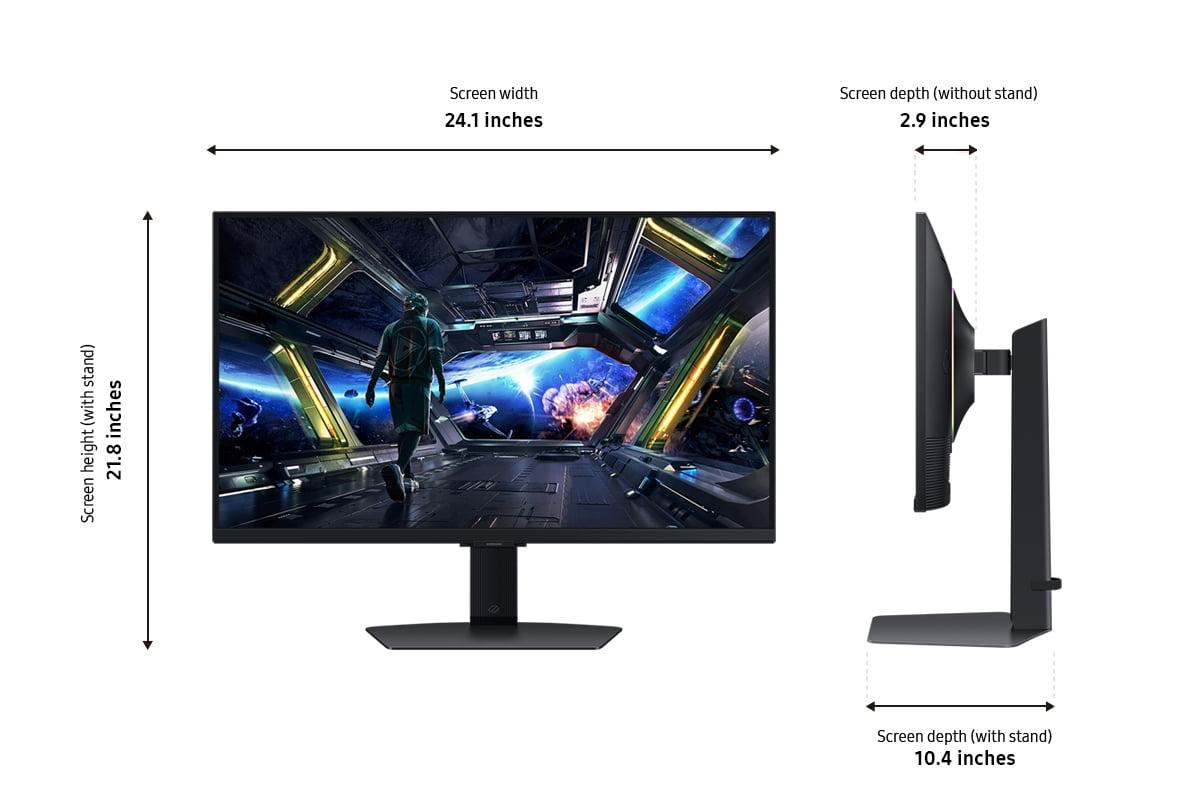
Gaming monitors have come a long way in the past few years, and 2024-2025 has been particularly exciting for display technology. We're seeing the mainstream arrival of QD-OLED panels alongside increasingly affordable 4K IPS monitors, giving gamers some genuinely tough choices to make. Today, I'm comparing two monitors that represent these different philosophies perfectly: the GIGABYTE MO27Q2 with its cutting-edge QD-OLED panel, and the Samsung Odyssey G7 G70D with its practical 4K IPS approach.
Both monitors launched in 2024, but they target completely different priorities. The GIGABYTE MO27Q2 focuses on delivering the ultimate competitive gaming experience with a 240Hz refresh rate and stunning contrast, while the Samsung G70D emphasizes visual detail and versatility with 4K resolution and smart features. At the time of writing, there's also a significant price difference that makes this comparison even more interesting from a value perspective.
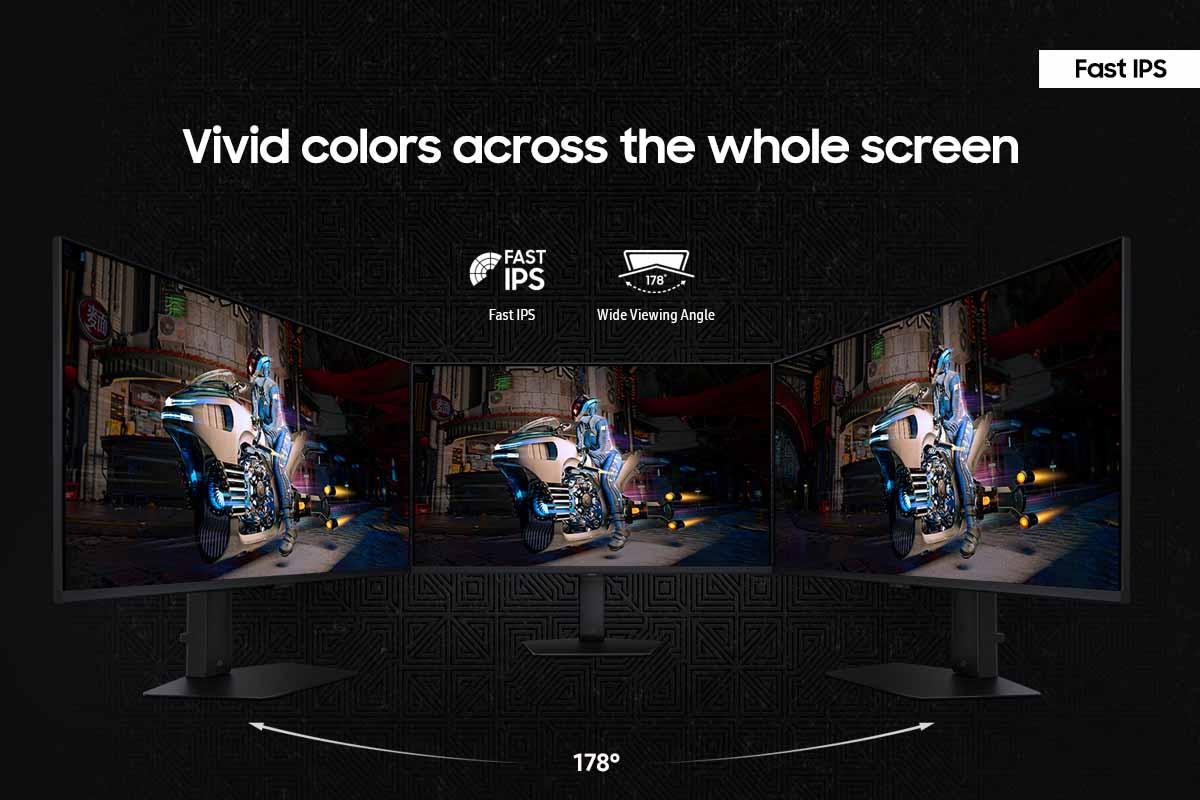
Before diving into specifics, it's worth understanding what makes these display technologies different. Traditional LCD monitors use a backlight that shines through liquid crystals to create images. IPS (In-Plane Switching) is a type of LCD that offers excellent color accuracy and wide viewing angles, but struggles with contrast because the backlight is always on behind dark areas of the screen.
QD-OLED (Quantum Dot Organic Light Emitting Diode) is fundamentally different. Each pixel produces its own light and can turn completely off to create perfect blacks. The "quantum dot" part enhances color production, making colors more vibrant and accurate than standard OLED panels. Think of it this way: with LCD, you're looking through a window with a flashlight behind it, while with QD-OLED, each pixel is its own tiny, controllable light bulb.
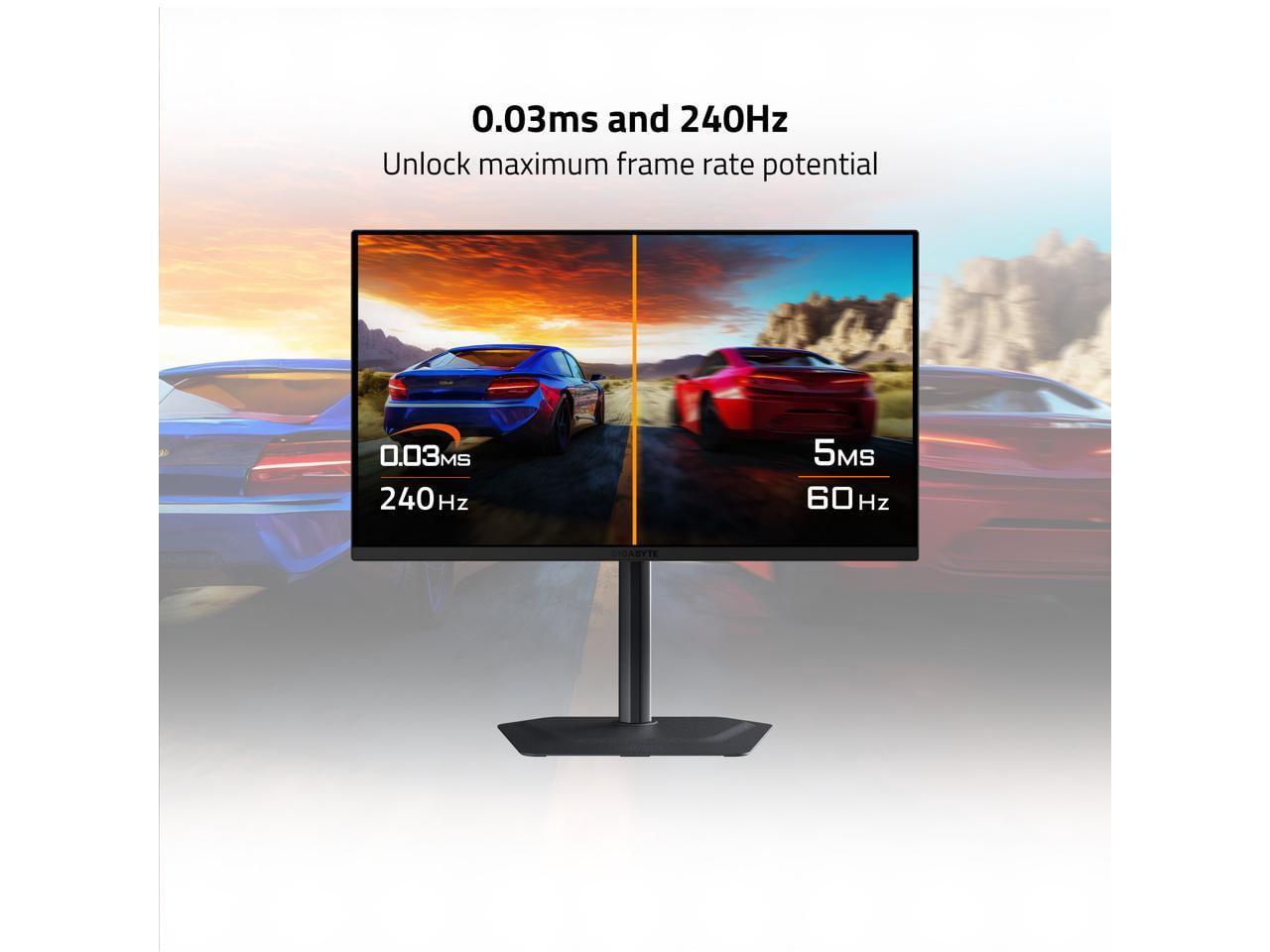
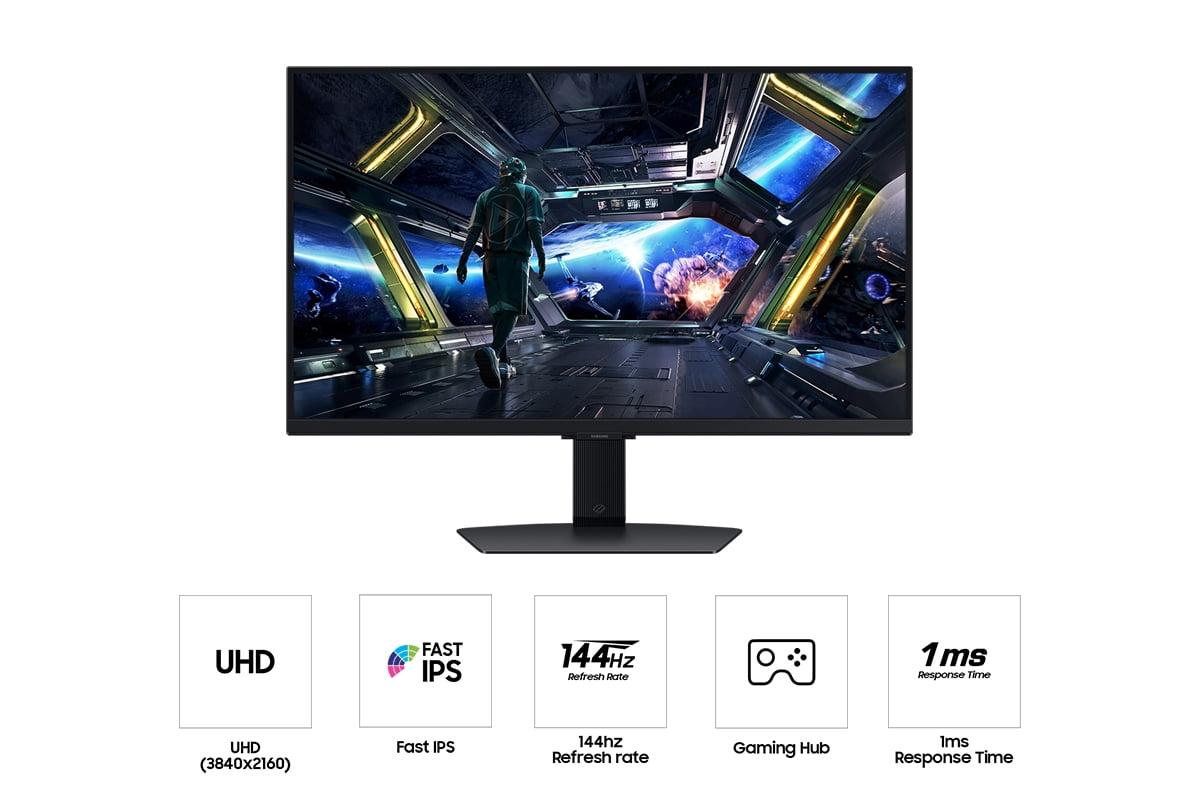
The refresh rate, measured in Hz (hertz), tells you how many times per second the monitor can display a new image. A 240Hz monitor like the GIGABYTE MO27Q2 can show 240 unique frames every second, compared to the 144Hz of the Samsung G70D. Response time, measured in milliseconds, indicates how quickly pixels can change colors - crucial for eliminating motion blur in fast games.
The most dramatic difference between these monitors is their approach to image quality. The GIGABYTE MO27Q2 uses its QD-OLED panel to achieve what's essentially infinite contrast - when displaying black, those pixels are completely off, creating true darkness that makes bright elements pop with incredible intensity. In practice, this means games look more three-dimensional and immersive, with shadows that actually look black rather than the dark gray you get from most LCD monitors.
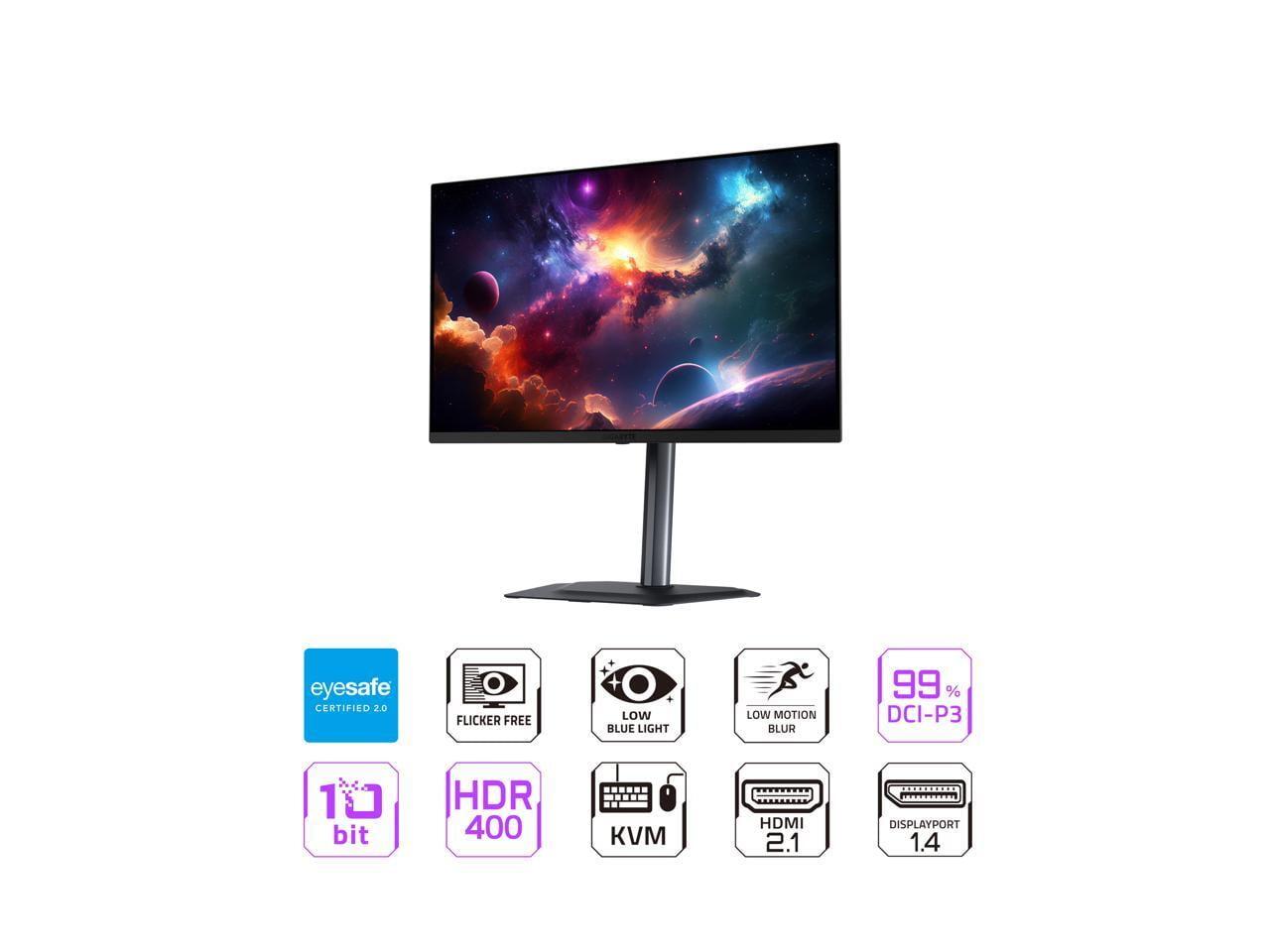
I've spent considerable time with QD-OLED displays, and the difference is immediately apparent in games with varied lighting. Horror games become genuinely more atmospheric when you can't see into dark corners, while bright explosions and muzzle flashes have a punch that LCD simply can't match. The GIGABYTE MO27Q2 covers 99% of the DCI-P3 color space, which is the standard used for digital cinema, meaning colors appear remarkably lifelike.
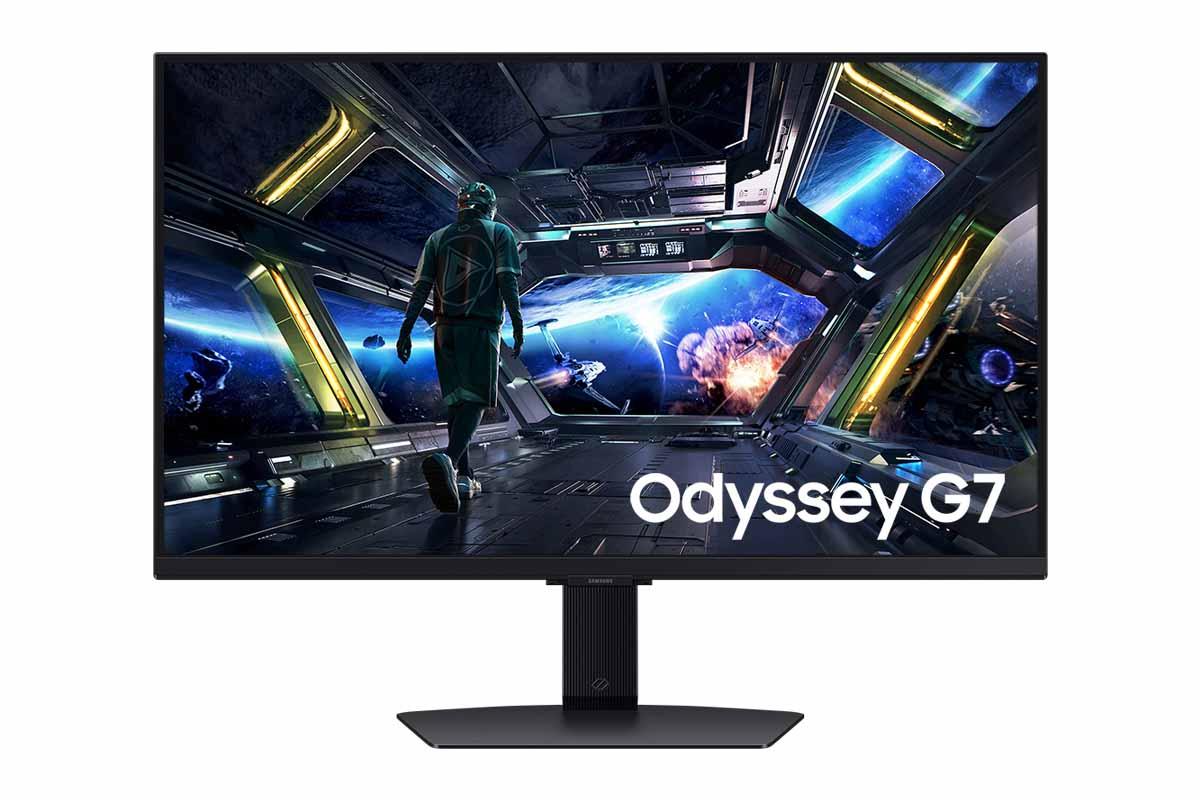
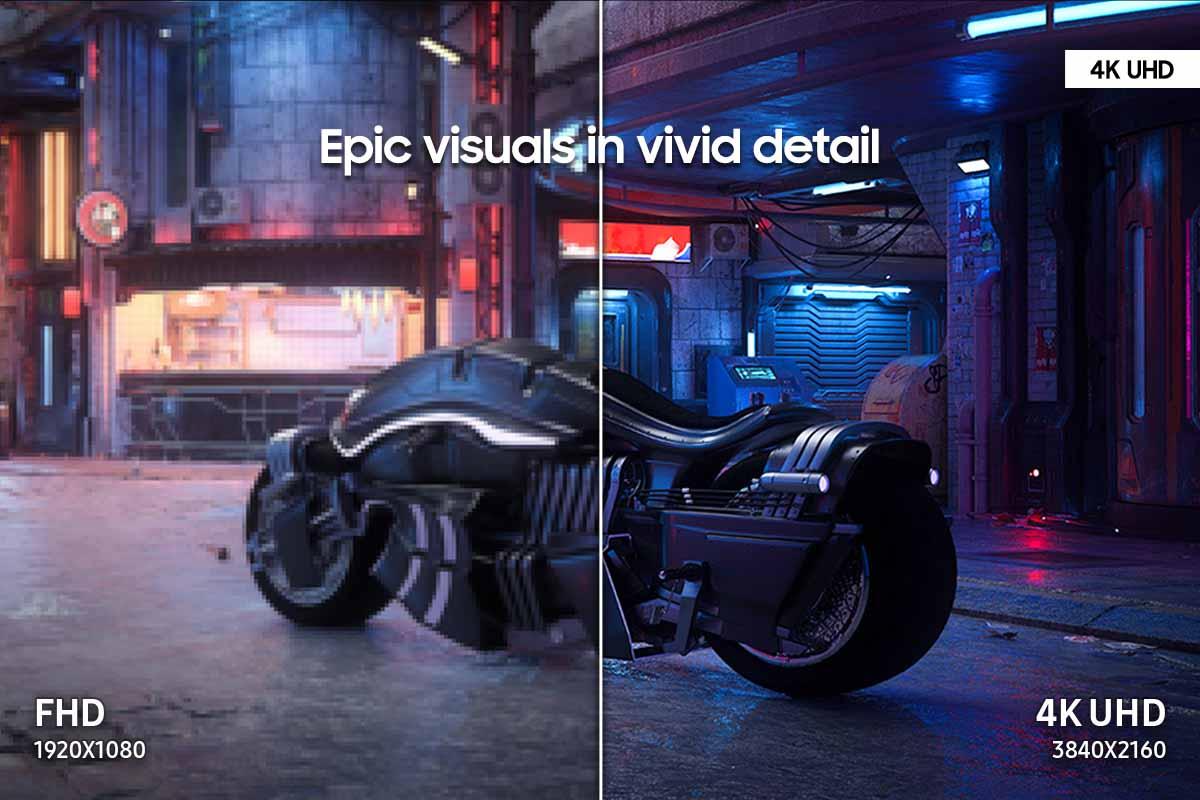
The Samsung G70D, meanwhile, takes a different approach with its 4K IPS panel. While it can't match the contrast performance of QD-OLED, it compensates with resolution. At 3840×2160 pixels, it displays 77% more detail than the 2560×1440 resolution of the GIGABYTE MO27Q2. This translates to sharper text, more detailed textures, and the ability to see fine details that would be lost at lower resolutions.
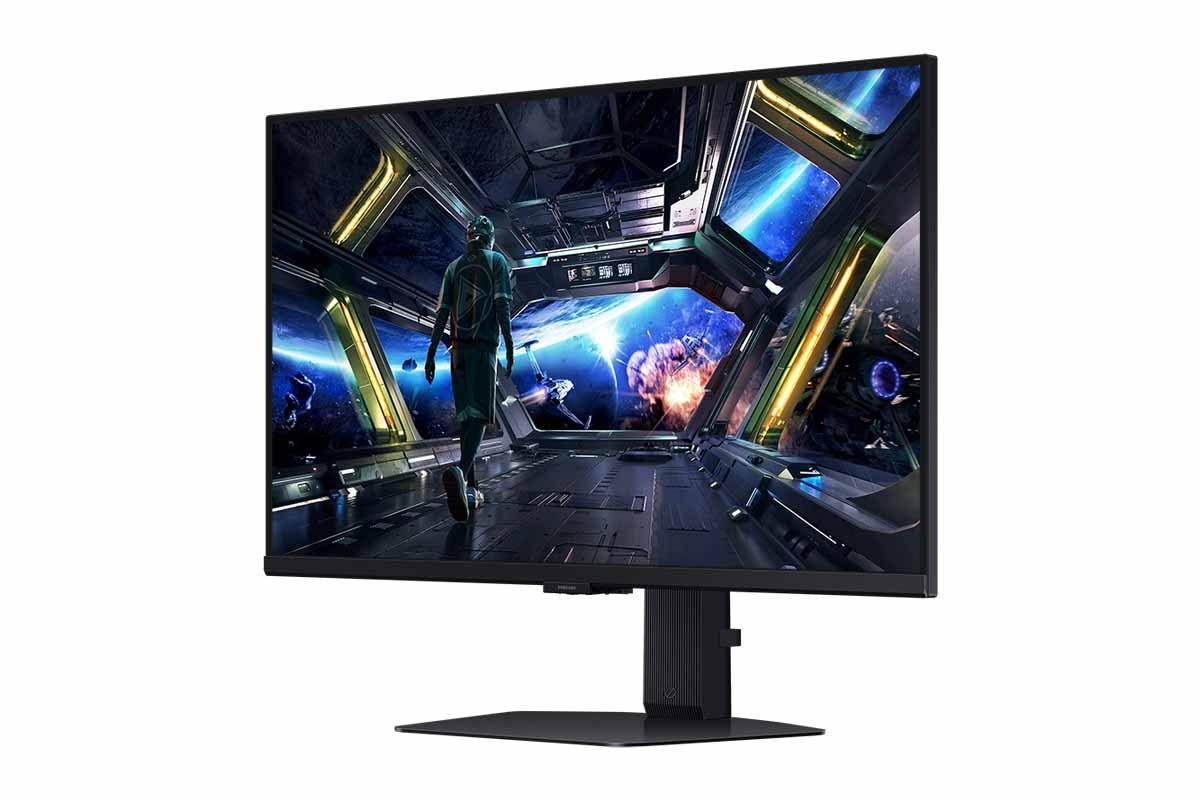
For brightness, the Samsung G70D actually has an advantage in well-lit rooms. Its 350 cd/m² sustained brightness outperforms the GIGABYTE MO27Q2's 250 cd/m² in SDR content. The Samsung's matte coating also handles reflections better than the glossy finish typical of QD-OLED displays, though that glossy finish does contribute to the GIGABYTE's superior perceived image depth.
This is where your gaming preferences really matter. The GIGABYTE MO27Q2 is built for competitive gaming, offering a 240Hz refresh rate and an incredibly fast 0.03ms response time. In practical terms, this means if you're playing fast-paced games like Counter-Strike 2, Valorant, or Overwatch 2, you'll see enemy movements slightly sooner and experience less motion blur during rapid camera movements.
The difference between 144Hz and 240Hz isn't as dramatic as jumping from 60Hz to 144Hz, but it's still noticeable to trained eyes, especially in competitive scenarios. The extra smoothness can provide a genuine advantage in esports titles where split-second reactions matter. The GIGABYTE MO27Q2 also includes a unique "Tactical Switch" feature that lets you instantly switch between the full 27-inch display and a 24-inch mode, which many professional esports players prefer for better focus on the center of the screen.
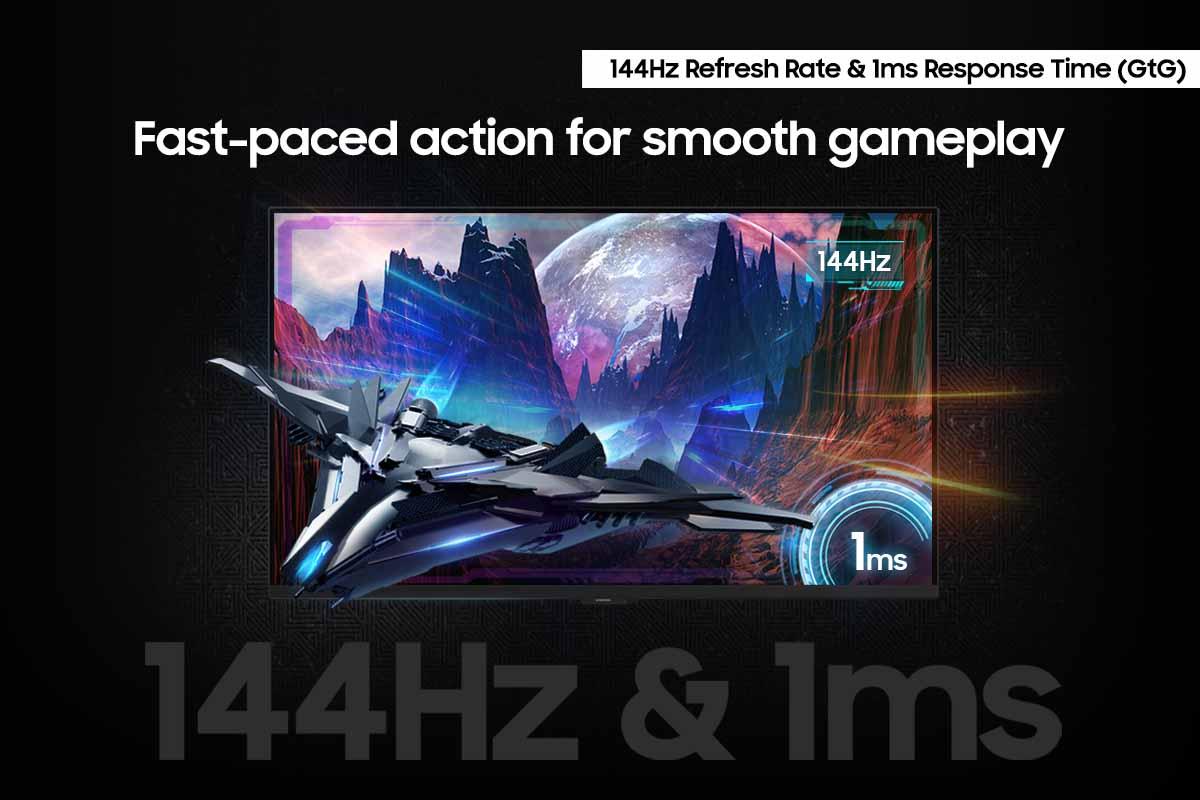
The Samsung G70D offers excellent gaming performance in its own right, with 144Hz being perfectly adequate for most gaming scenarios. Its 1ms response time is impressive for an IPS panel and eliminates the ghosting issues that plagued older LCD monitors. Where it really shines is in games that benefit from higher resolution - open-world titles like Cyberpunk 2077, Red Dead Redemption 2, or Microsoft Flight Simulator look absolutely stunning with the extra detail that 4K provides.
Both monitors support variable refresh rate technologies (FreeSync for AMD GPUs and G-SYNC compatibility for NVIDIA), which synchronize the monitor's refresh rate with your graphics card's output to eliminate screen tearing and stuttering. This feature has become essential for modern gaming, and both implement it well.
If you game on PlayStation 5 or Xbox Series X, the choice becomes more complex. The Samsung G70D can display games at their native 4K resolution, taking full advantage of what these consoles offer. Many current-gen games target 4K at 60-120fps, making the Samsung's 4K 144Hz capability perfect for console gaming.
The GIGABYTE MO27Q2 takes a different approach with console compatibility. While it can't display native 4K, it includes a clever 120Hz 4K downsampling feature. This means it takes the console's 4K signal and intelligently scales it down to its QHD resolution while maintaining the 120Hz refresh rate. The result is improved image quality compared to native QHD while still providing smooth motion.
For home theater use, both monitors work well, though each has trade-offs. The Samsung G70D includes Samsung's Gaming Hub, essentially turning it into a smart TV. You can access Netflix, Disney+, Xbox Cloud Gaming, and other services directly without needing a separate streaming device. The built-in speakers and remote control complete the smart TV experience.
The GIGABYTE MO27Q2 offers a more cinematic experience thanks to its superior contrast. HDR movies look particularly impressive, with the deep blacks and bright highlights that make HDR content pop. However, you'll need separate streaming devices or to connect a PC for content access.
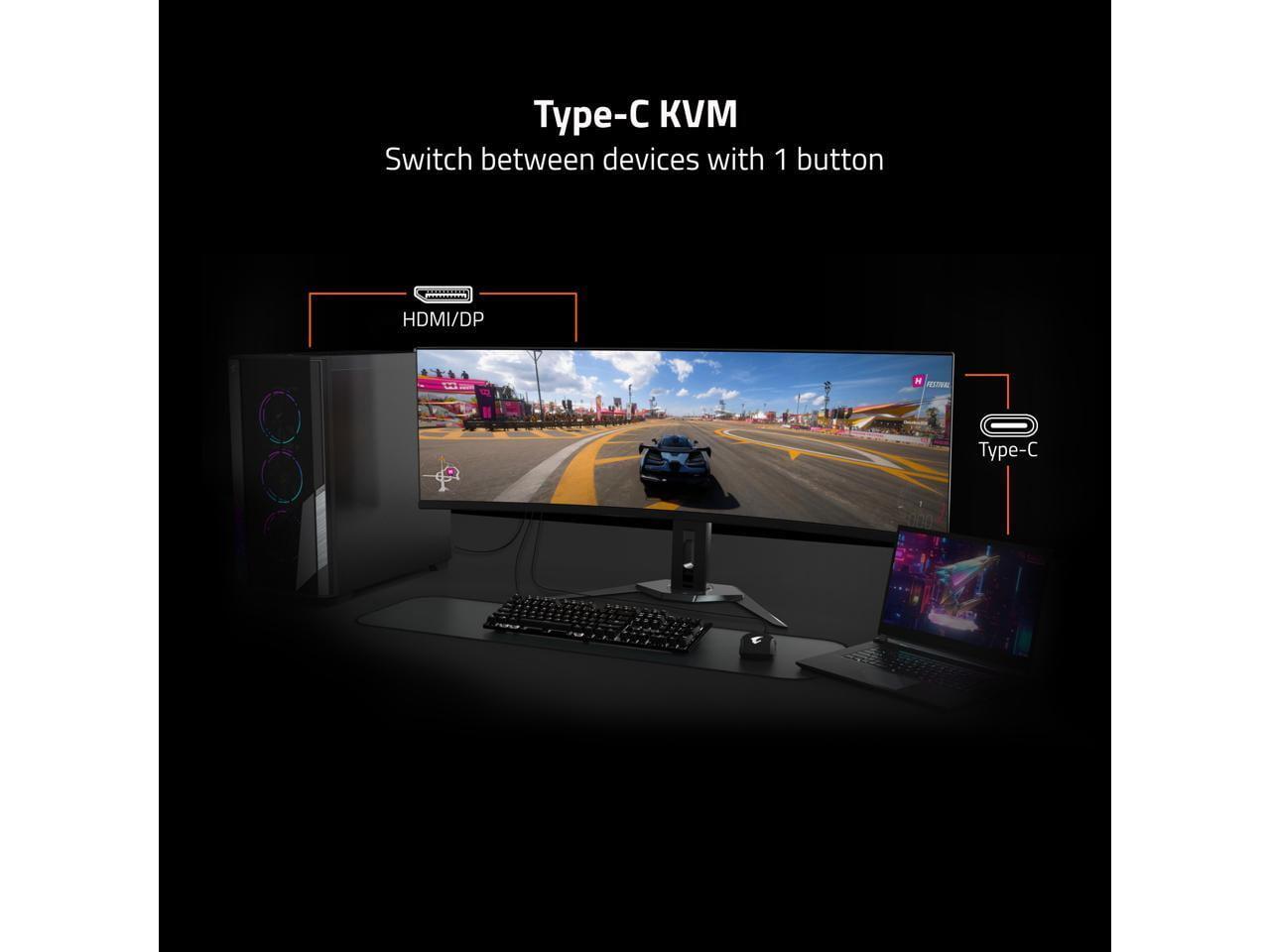
Modern gaming monitors need to be more than just displays, and both monitors include thoughtful features for different use cases. The GIGABYTE MO27Q2 includes a KVM (Keyboard, Video, Mouse) switch via USB-C, allowing you to control two computers with a single keyboard and mouse setup. This is incredibly useful if you have both a gaming PC and a work laptop, letting you switch between them instantly.
The Samsung G70D focuses on smart features and convenience. Its Auto Source Switch+ automatically detects when you turn on connected devices and switches to them, while the Dynamic Black Equalizer analyzes dark scenes in games to reveal hidden details without washing out the entire image. The CoreSync lighting projects colors from the screen onto your wall, creating an immersive ambient lighting effect.
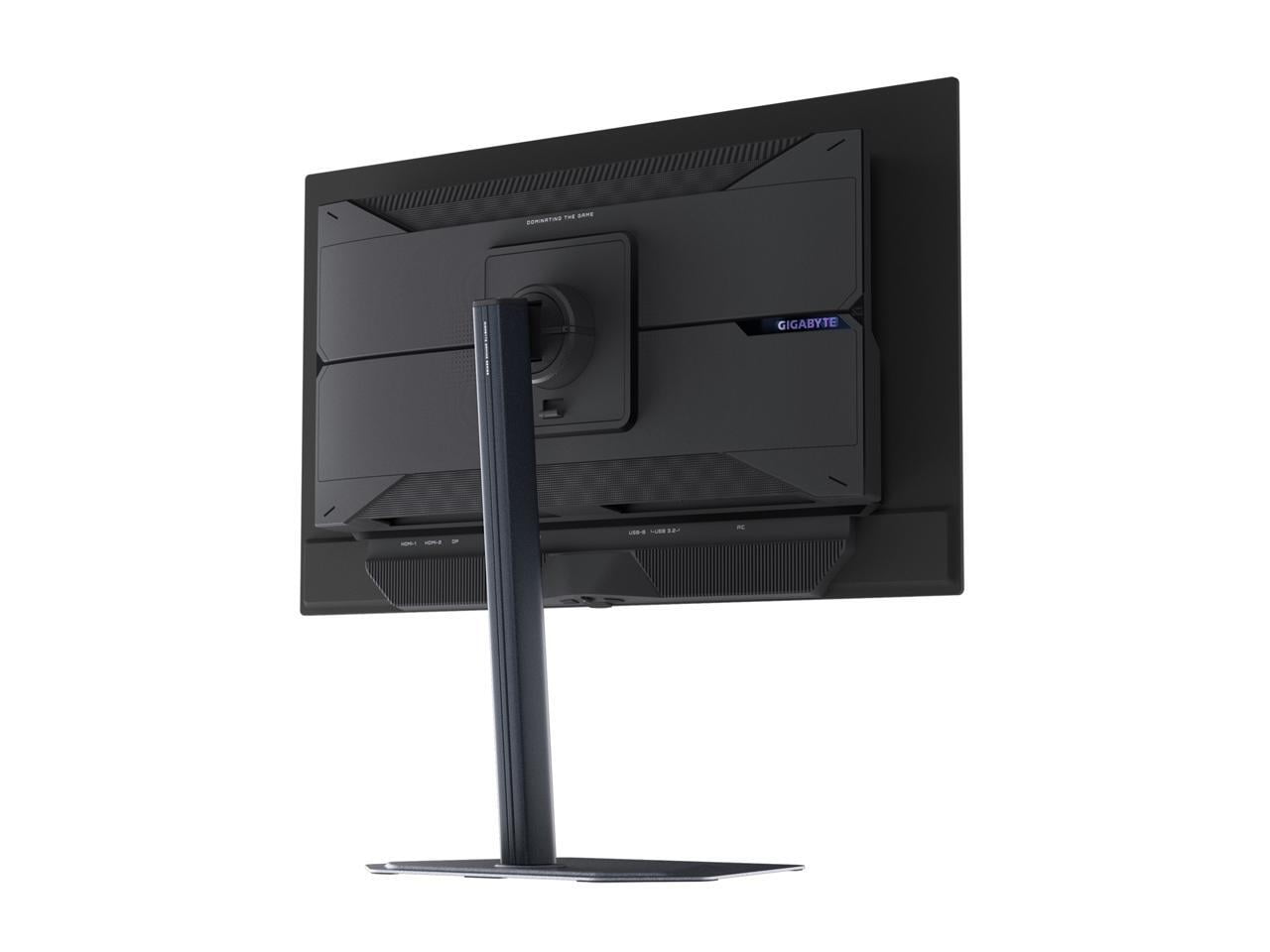
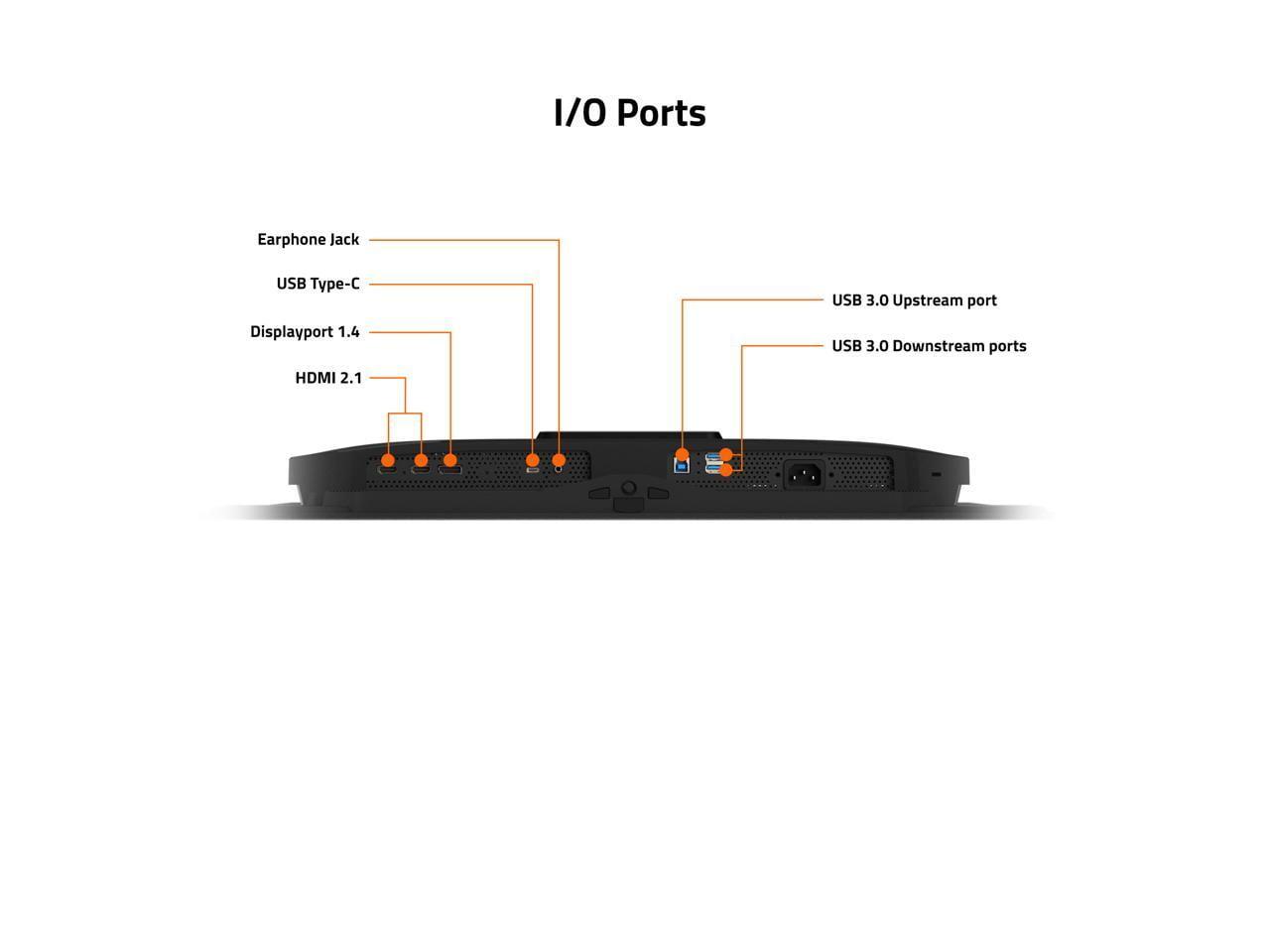
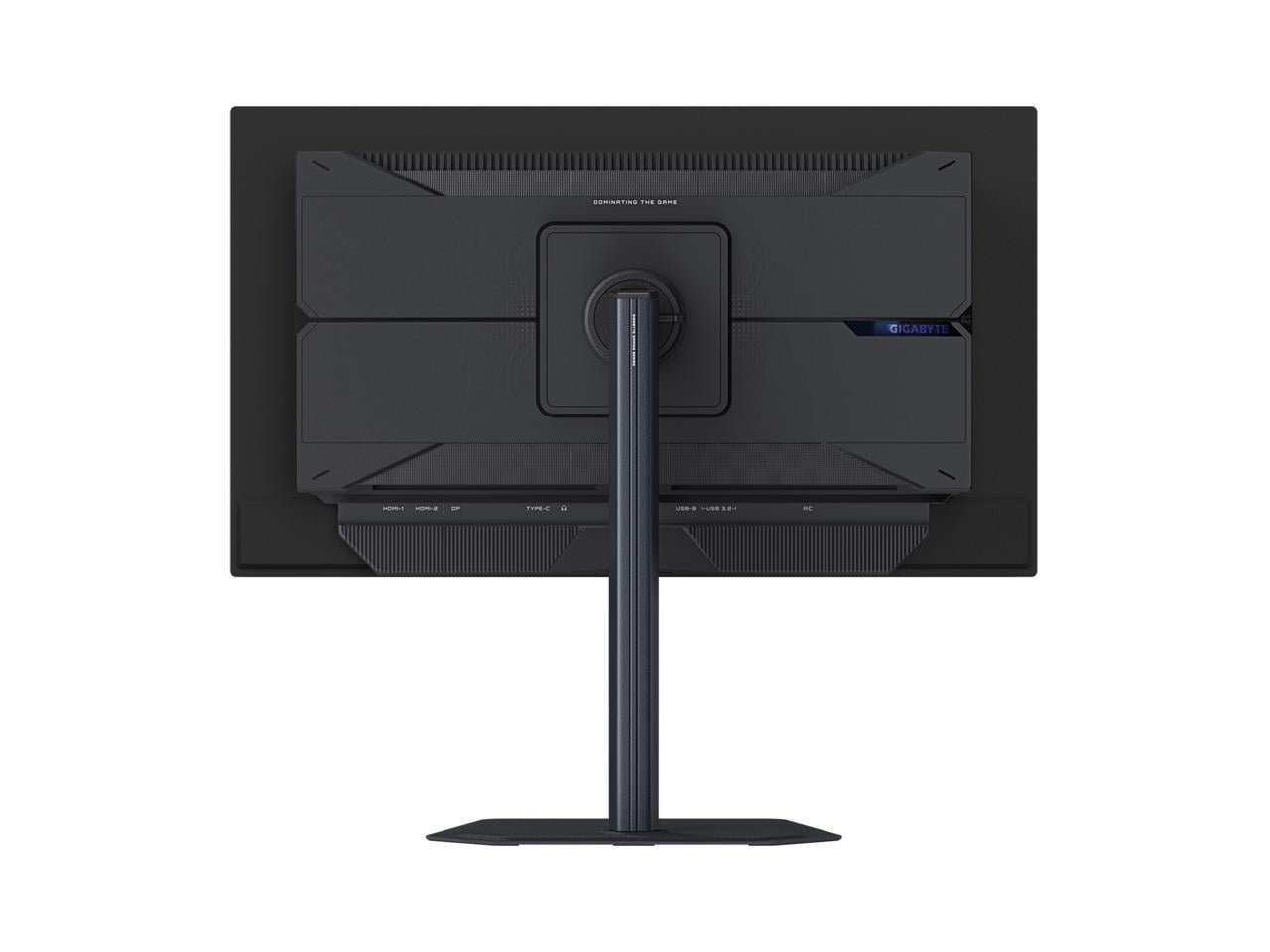
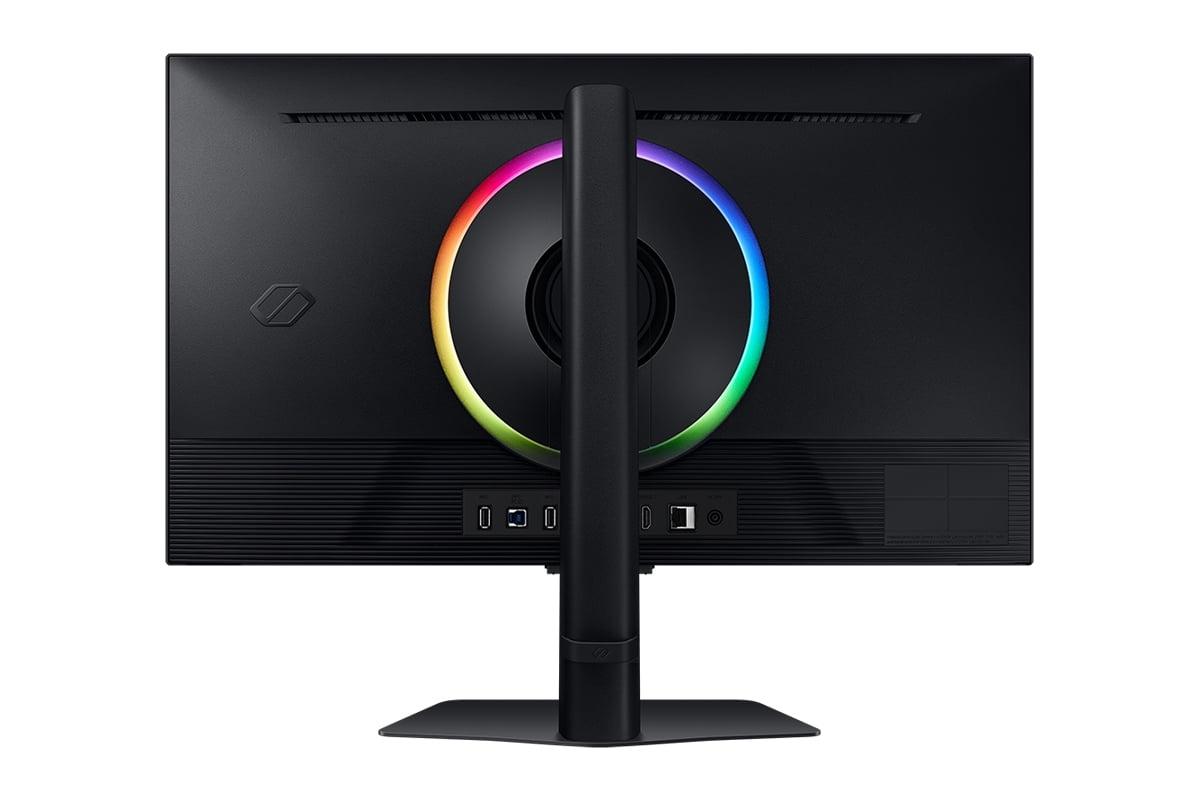
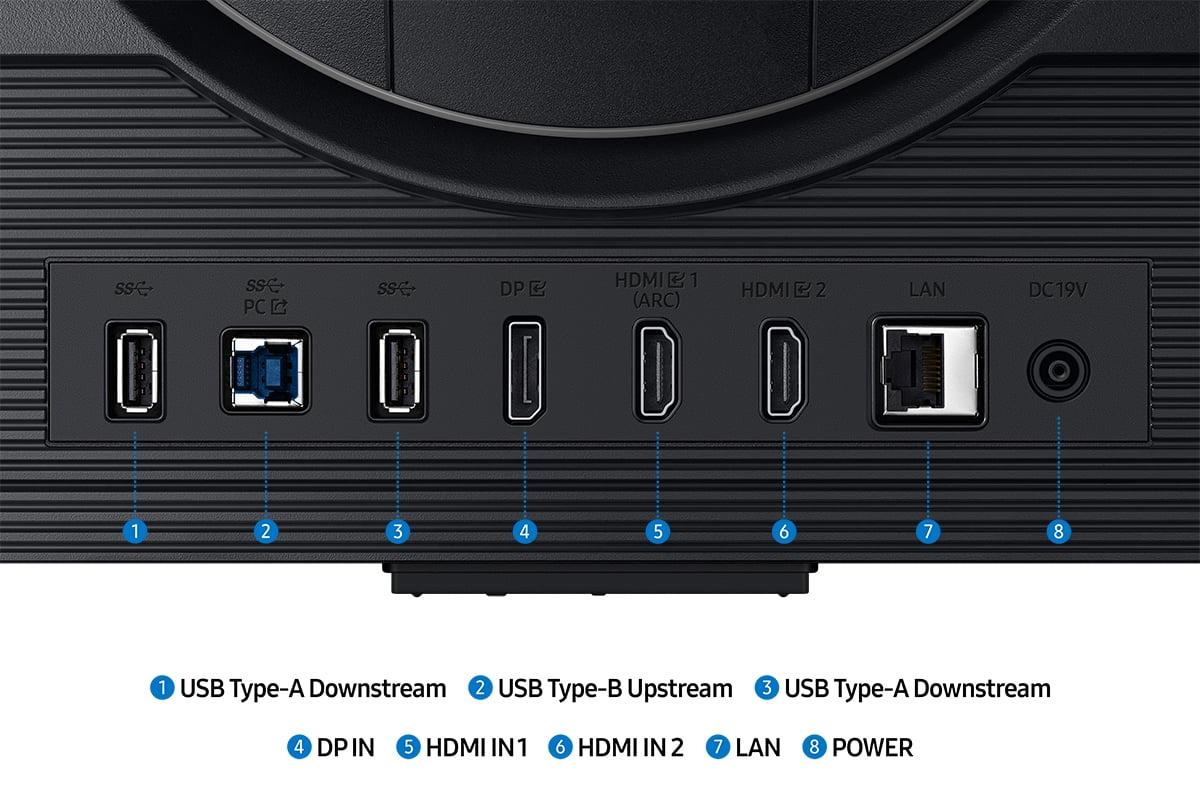
Both monitors offer comprehensive connectivity, but with different focuses. The GIGABYTE MO27Q2 includes dual HDMI 2.1 ports and DisplayPort 1.4, ensuring compatibility with the latest graphics cards and consoles. The Samsung G70D provides similar connectivity but adds the smart TV functionality that eliminates the need for additional devices.
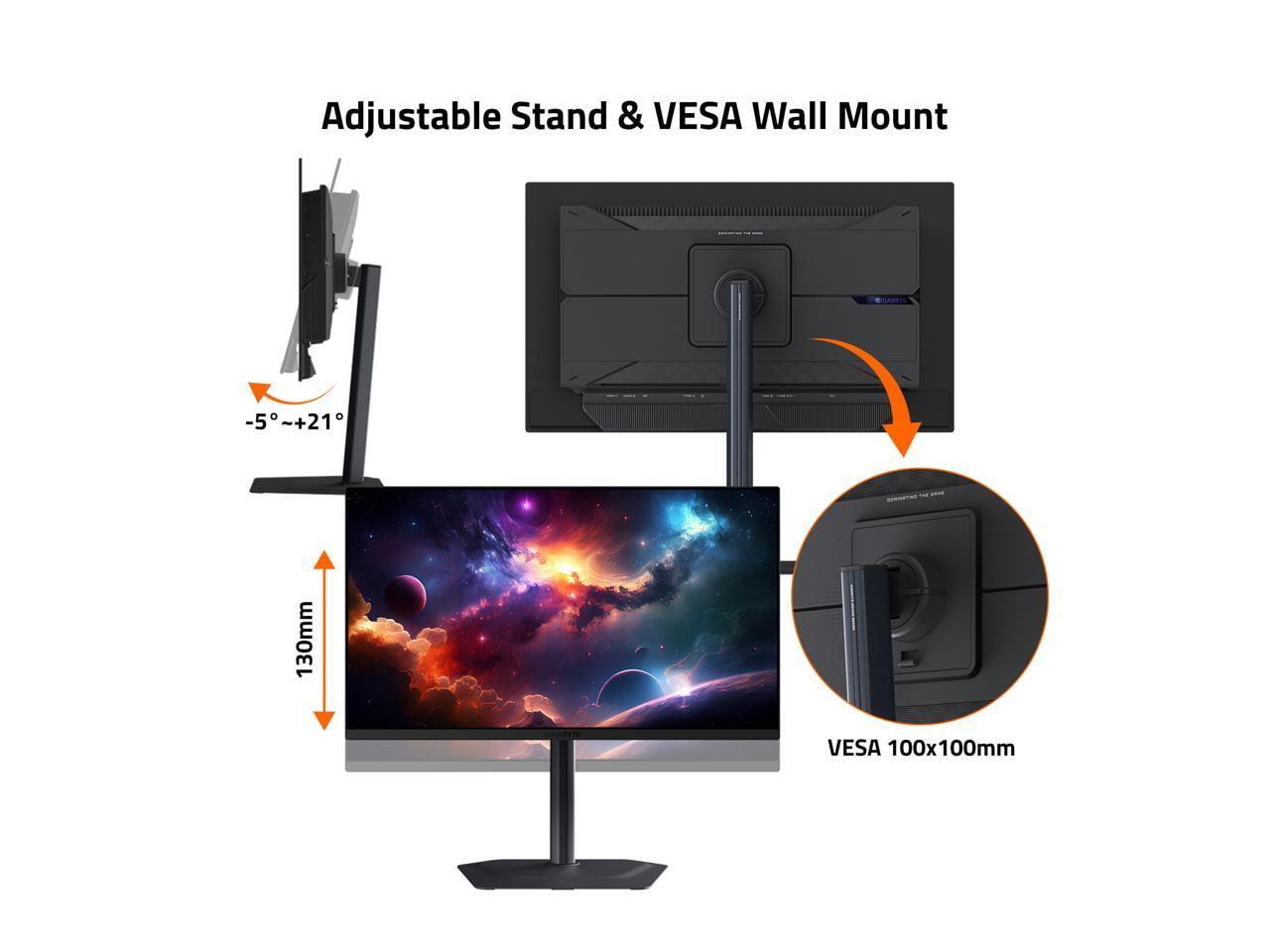
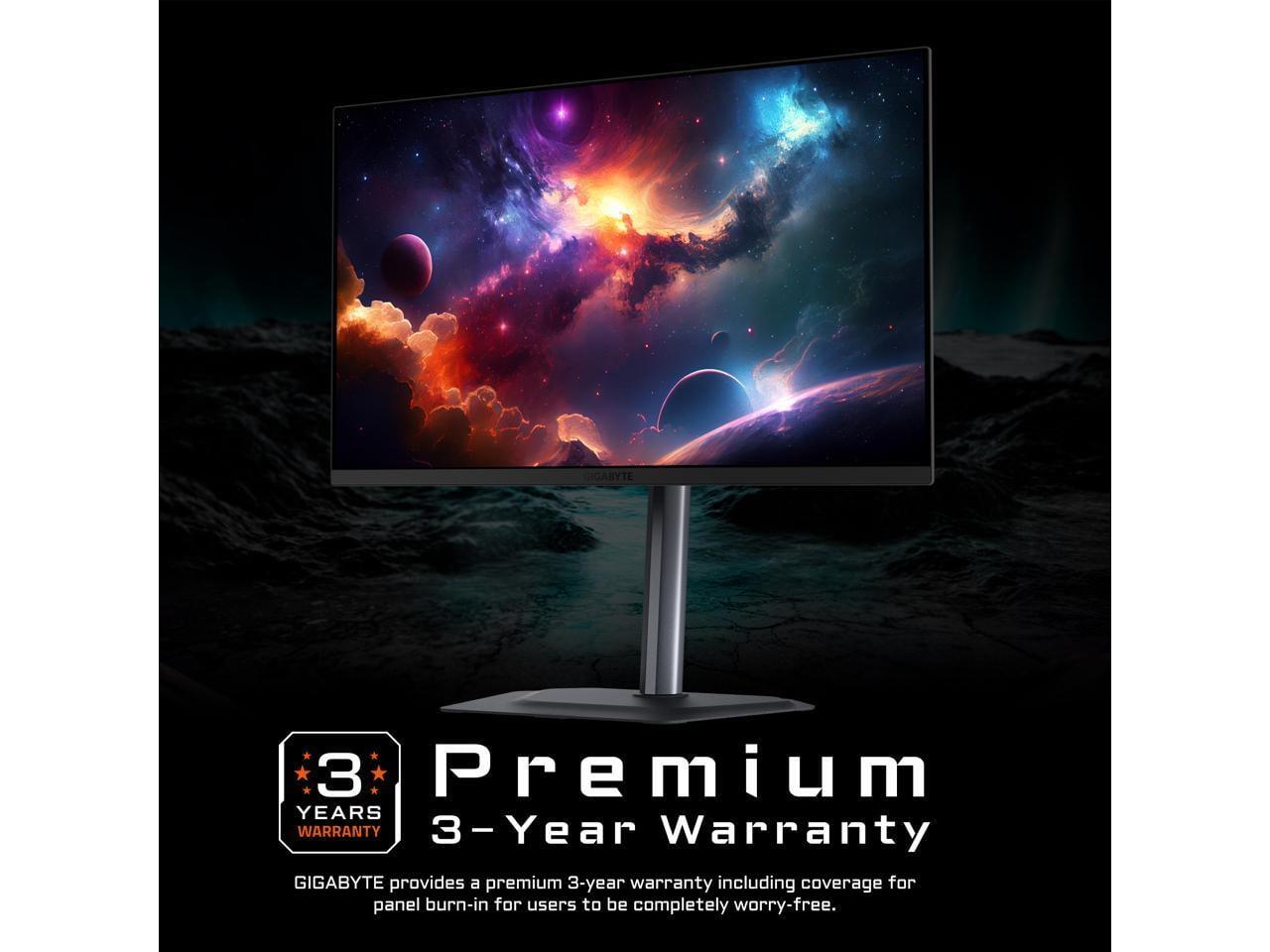
Build quality is where these monitors show their different market positions. The GIGABYTE MO27Q2 feels premium, with a solid metal stand and excellent ergonomic adjustments. More importantly, it includes a comprehensive three-year warranty that covers OLED burn-in, addressing the main concern people have about OLED technology. The monitor also includes AI-based OLED care features that automatically manage pixel health to minimize burn-in risk.
The Samsung G70D offers solid build quality with good ergonomics, though it doesn't feel quite as premium as the GIGABYTE. However, IPS technology doesn't have burn-in concerns, making it more carefree for users who might leave static images on screen for extended periods.
Both monitors have evolved significantly since their 2024 launch. Early QD-OLED monitors suffered from text clarity issues due to their subpixel arrangement, but current models like the GIGABYTE MO27Q2 have largely addressed these concerns. Similarly, IPS panels have improved in speed and color accuracy, making monitors like the Samsung G70D much more viable for serious gaming than older IPS displays.
When evaluating gaming monitors, certain metrics matter more than others depending on your priorities. For competitive gaming, refresh rate and response time are paramount. The GIGABYTE MO27Q2 excels here, with its 240Hz providing a measurable advantage in fast-paced games. Input lag - the delay between your action and seeing the result on screen - is equally low on both monitors, so neither has a significant advantage there.
For visual quality, contrast ratio and color accuracy become most important. The GIGABYTE MO27Q2's infinite contrast ratio creates a more immersive experience, while the Samsung G70D's higher resolution provides more detail. Peak brightness matters for HDR content, where both monitors perform adequately, though neither reaches the heights of premium mini-LED displays.
For versatility, features like smart TV functionality, multiple input handling, and productivity features become relevant. The Samsung G70D clearly wins in versatility, functioning as both a gaming monitor and smart TV replacement.
At the time of writing, these monitors occupy different price tiers, which significantly impacts their value proposition. The GIGABYTE MO27Q2 commands a premium price for its cutting-edge technology, while the Samsung G70D offers exceptional value in the 4K gaming monitor space.
Choose the GIGABYTE MO27Q2 if you're primarily focused on competitive gaming, have a powerful graphics card capable of driving high frame rates at QHD resolution, and want the most immersive visual experience possible. The superior contrast and 240Hz refresh rate make it ideal for gamers who prioritize performance and don't mind paying extra for the latest technology.
The Samsung G70D makes more sense if you want maximum detail from your games, play on consoles, or need your monitor to pull double duty as a smart TV. The 4K resolution provides stunning clarity in both games and productivity tasks, while the smart features add genuine convenience.
Both represent excellent choices in their respective categories, reflecting how mature gaming monitor technology has become. The GIGABYTE MO27Q2 pushes the boundaries of what's possible with display technology, while the Samsung G70D proves that you don't need to spend a fortune to get excellent gaming performance. Your choice ultimately depends on whether you value cutting-edge performance or practical versatility more highly.
| GIGABYTE MO27Q2 | Samsung Odyssey G7 G70D |
|---|---|
| Display Technology - Fundamental difference affecting image quality | |
| QD-OLED with infinite contrast and perfect blacks | Fast IPS with excellent colors but limited contrast |
| Resolution - Detail vs Performance tradeoff | |
| 2560 × 1440 (QHD) - optimal for high refresh gaming | 3840 × 2160 (4K UHD) - maximum detail and clarity |
| Refresh Rate - Critical for competitive gaming smoothness | |
| 240Hz (exceptional for esports and fast games) | 144Hz (excellent for most gaming scenarios) |
| Response Time - Motion blur elimination | |
| 0.03ms GTG (virtually eliminates ghosting) | 1ms GTG (very good for IPS technology) |
| Peak Brightness - HDR performance and bright room use | |
| 1000 cd/m² peak, 250 cd/m² typical (glossy finish enhances perceived brightness) | 350 cd/m² sustained (better for bright environments) |
| Contrast Ratio - Depth and immersion in dark scenes | |
| 1,500,000:1 (infinite contrast with true blacks) | 1000:1 (typical IPS limitation with gray blacks) |
| Color Coverage - Accuracy for content creation and vibrant gaming | |
| 99% DCI-P3 (cinema-grade color reproduction) | 99% sRGB (excellent for general use and productivity) |
| Adaptive Sync Technology - Eliminates screen tearing | |
| AMD FreeSync Premium Pro + NVIDIA G-SYNC Compatible | AMD FreeSync Premium |
| HDR Support - Enhanced dynamic range for supported content | |
| VESA DisplayHDR True Black 400 | VESA DisplayHDR 400 |
| Smart Features - Built-in functionality beyond gaming | |
| KVM switch, AI OLED care, Tactical Switch for esports mode | Gaming Hub with streaming apps, smart TV functionality, remote control |
| Console Gaming Optimization | |
| 120Hz 4K downsampling for PS5/Xbox Series X | Native 4K support ideal for current-gen consoles |
| Connectivity Options - Versatility for multiple devices | |
| 2× HDMI 2.1, DisplayPort 1.4, USB-C with KVM | HDMI, DisplayPort, USB-A ports, headphone jack |
| Warranty Coverage - Long-term ownership protection | |
| 3 years including OLED burn-in coverage | 1 year standard warranty |
| Target User - Best fit based on priorities | |
| Competitive gamers wanting ultimate performance and contrast | Versatile users prioritizing 4K detail and smart features |
The GIGABYTE MO27Q2 is significantly better for competitive gaming due to its 240Hz refresh rate and 0.03ms response time. This provides smoother motion and faster reactions compared to the Samsung Odyssey G7 G70D's 144Hz refresh rate. The GIGABYTE MO27Q2 also includes a Tactical Switch feature that lets you instantly switch to a 24-inch esports mode, which many professional players prefer.
QD-OLED technology in the GIGABYTE MO27Q2 produces perfect blacks and infinite contrast by turning pixels completely off, creating more immersive visuals. IPS technology in the Samsung Odyssey G7 G70D offers excellent color accuracy and viewing angles but can't achieve true blacks, resulting in a grayish appearance in dark scenes. QD-OLED provides more dramatic visual impact, while IPS is more practical for varied lighting conditions.
The Samsung Odyssey G7 G70D typically offers better value due to its significantly lower price point while still delivering 4K resolution and 144Hz performance. The GIGABYTE MO27Q2 commands a premium for its cutting-edge QD-OLED technology and 240Hz refresh rate. Your choice depends on whether you prioritize budget-friendly versatility or cutting-edge gaming performance.
The Samsung Odyssey G7 G70D's 4K resolution provides 77% more pixels than the GIGABYTE MO27Q2's QHD resolution, resulting in sharper details and clearer text. However, 4K requires more graphics card power to maintain high frame rates. QHD on the GIGABYTE MO27Q2 is easier to drive at high refresh rates, making it better for competitive gaming where frame rate matters more than resolution.
The Samsung Odyssey G7 G70D is better suited for console gaming as it supports native 4K resolution that matches what PS5 and Xbox Series X output. The GIGABYTE MO27Q2 can handle console gaming through 4K downsampling to QHD at 120Hz, but you won't get the full resolution benefit. The Samsung Odyssey G7 G70D also includes smart TV features that eliminate the need for separate streaming devices.
The GIGABYTE MO27Q2 includes AI-based OLED care features and a comprehensive 3-year warranty that covers burn-in, significantly reducing this concern. Modern QD-OLED panels are much more resistant to burn-in than older OLED technology. The Samsung Odyssey G7 G70D uses IPS technology that doesn't have burn-in issues at all, making it more carefree for users who display static images frequently.
The GIGABYTE MO27Q2 provides a superior movie-watching experience due to its perfect blacks and infinite contrast ratio, making HDR content more dramatic and cinematic. The Samsung Odyssey G7 G70D offers higher sustained brightness which helps in bright rooms, plus built-in smart TV apps for streaming without additional devices. For pure image quality, the GIGABYTE MO27Q2 wins, but the Samsung Odyssey G7 G70D offers more convenience.
The Samsung Odyssey G7 G70D is better for productivity due to its 4K resolution providing sharper text and more screen real estate for multiple windows. The GIGABYTE MO27Q2 can experience text clarity issues due to QD-OLED's subpixel arrangement, though this has improved in recent models. The Samsung Odyssey G7 G70D's matte coating also reduces reflections better in office environments.
Both monitors offer comprehensive connectivity, but with different focuses. The GIGABYTE MO27Q2 includes dual HDMI 2.1 ports, DisplayPort 1.4, and USB-C with KVM functionality for controlling multiple devices. The Samsung Odyssey G7 G70D provides HDMI, DisplayPort, and USB-A ports, plus smart TV capabilities that reduce the need for external devices.
The GIGABYTE MO27Q2's 240Hz refresh rate displays 67% more frames per second than the Samsung Odyssey G7 G70D's 144Hz. This translates to smoother motion and can provide competitive advantages in fast-paced games. However, 144Hz on the Samsung Odyssey G7 G70D is still excellent for most gaming scenarios and much smoother than traditional 60Hz displays.
The GIGABYTE MO27Q2 offers premium build quality with a solid metal stand and comprehensive 3-year warranty including burn-in coverage. The Samsung Odyssey G7 G70D has good build quality with full ergonomic adjustments but comes with a standard 1-year warranty. The GIGABYTE MO27Q2 represents a more premium ownership experience with better long-term protection.
Yes, your graphics card significantly impacts the choice. The Samsung Odyssey G7 G70D's 4K resolution requires powerful hardware to maintain high frame rates, while the GIGABYTE MO27Q2's QHD resolution is easier to drive at its full 240Hz potential. If you have a mid-range graphics card, the GIGABYTE MO27Q2 will likely provide better performance, while high-end cards can take full advantage of the Samsung Odyssey G7 G70D's 4K resolution.
We've done our best to create useful and informative comparisons to help you decide what product to buy. Our research uses advanced automated methods to create this comparison and perfection is not possible - please contact us for corrections or questions. These are the sites we've researched in the creation of this article: gigabyte.com - youtube.com - newegg.com - mezha.media - tech-critter.com - gigabyte.com - forum.pcmonitors.info - techspot.com - aorus.com - saltynewsnetwork.com - infiniarc.com - gigabyte.com - bestbuy.com - youtube.com - gigabyte.com - gigabyte.com - displayspecifications.com - aorus.com - gigabyte.com - gigabyte.com - bestbuy.com - typectechreviews.com - rtings.com - rtings.com - youtube.com - youtube.com - samsung.com - samsung.com - samsung.com - bhphotovideo.com - samsung.com - samsung.com - versus.com - abt.com - abt.com - bestbuy.com - bhphotovideo.com - youtube.com - abt.com

Privacy Policy
Terms and Conditions - Affiliate Policy
Home Security
© Copyright 2008-2026.
11816 Inwood Rd #1211, Dallas, TX 75244