

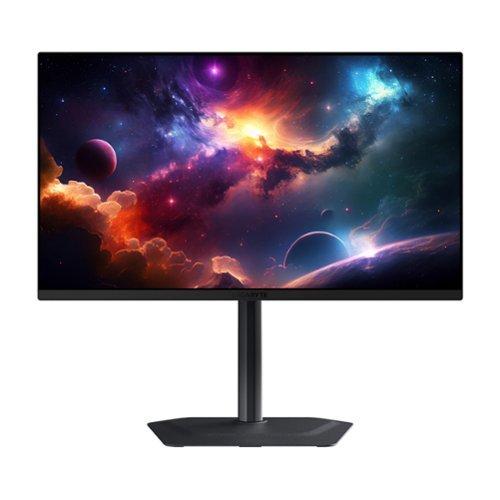
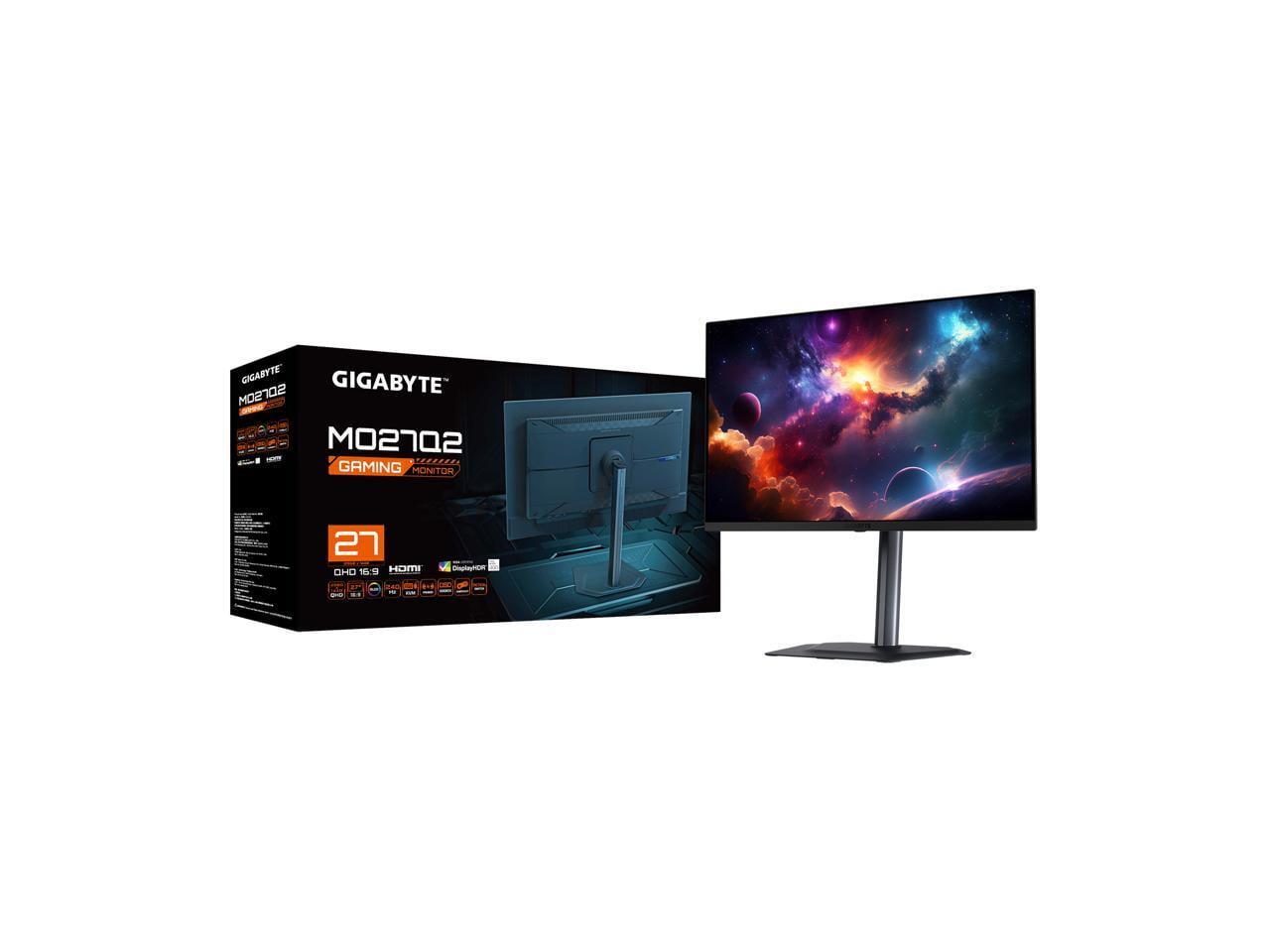
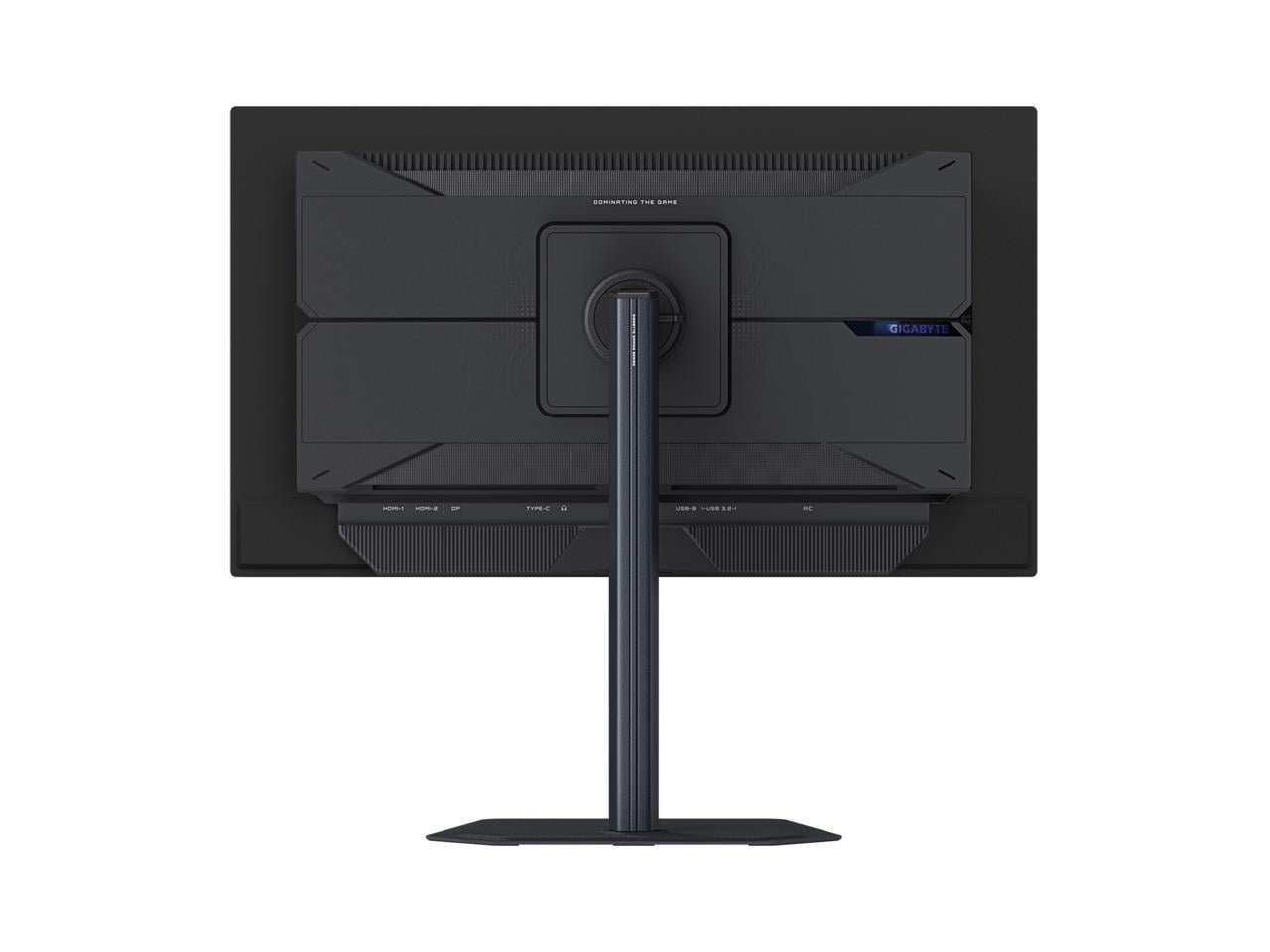
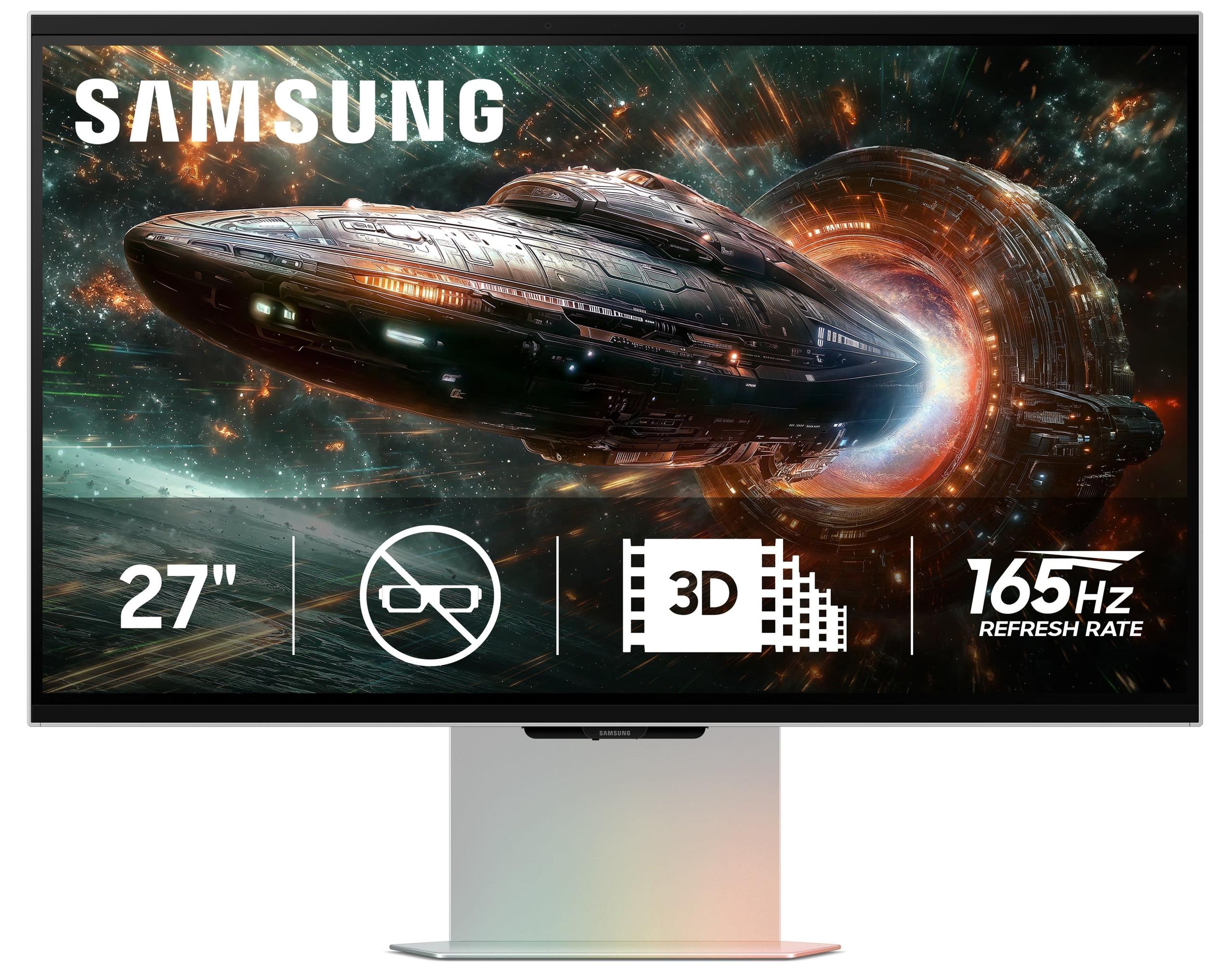
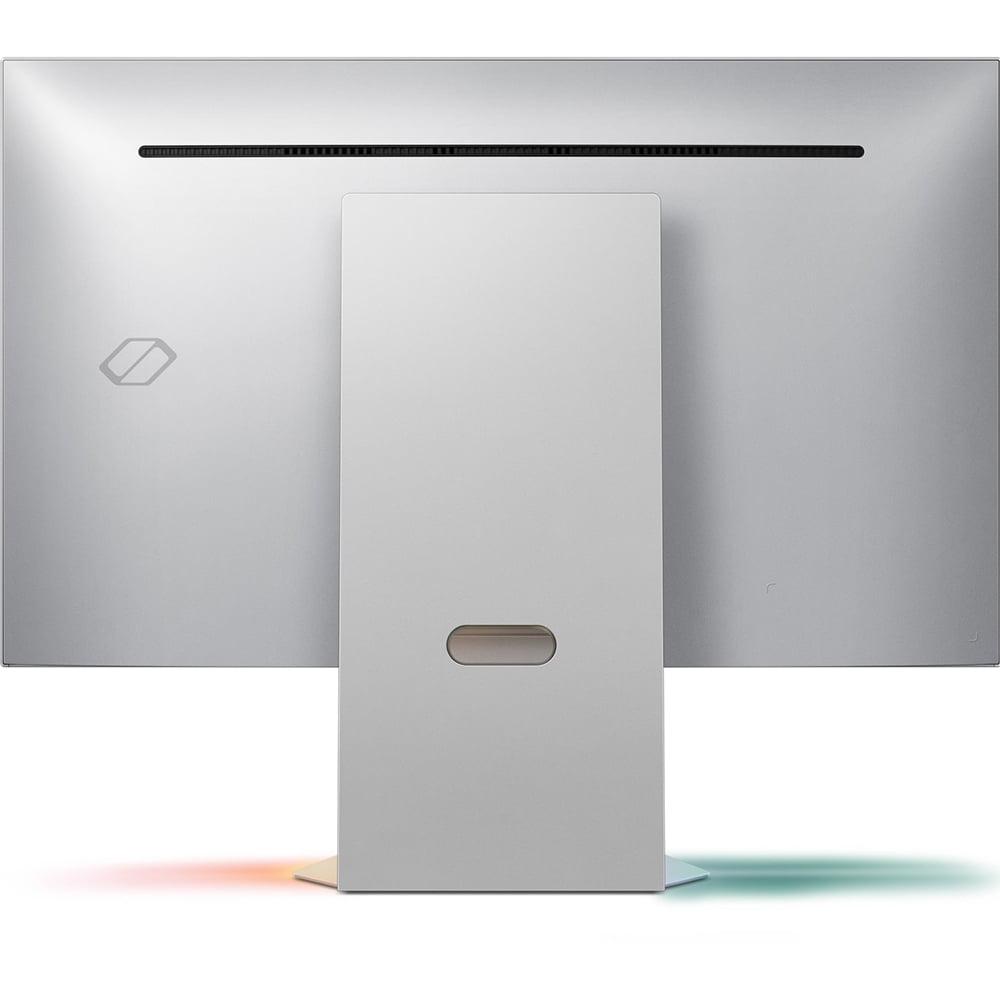
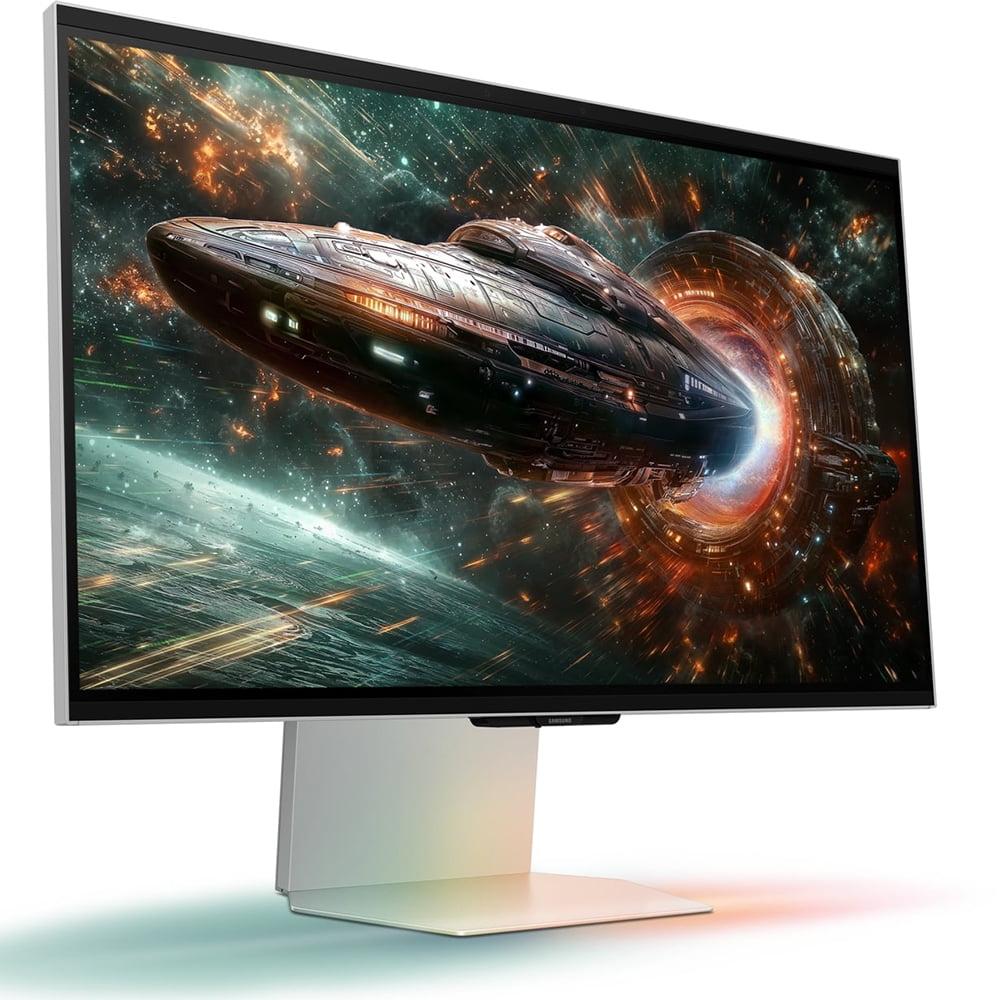
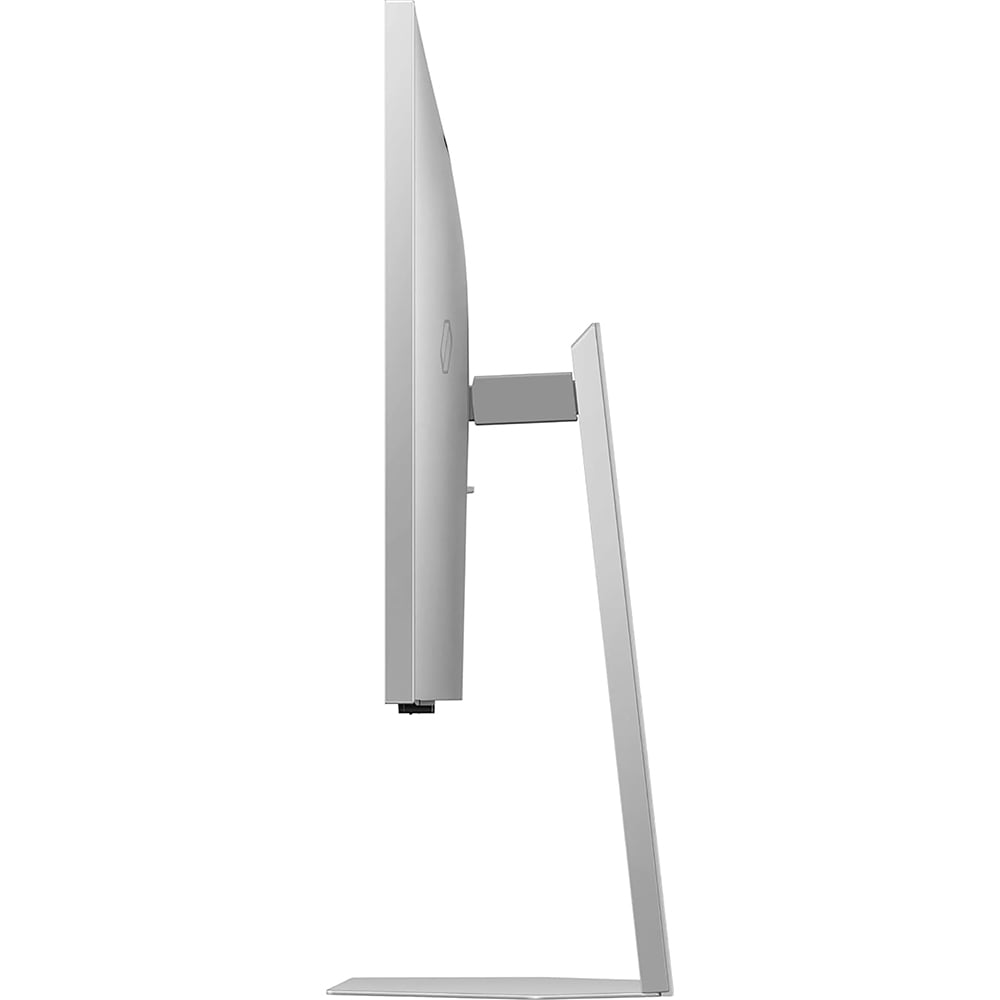

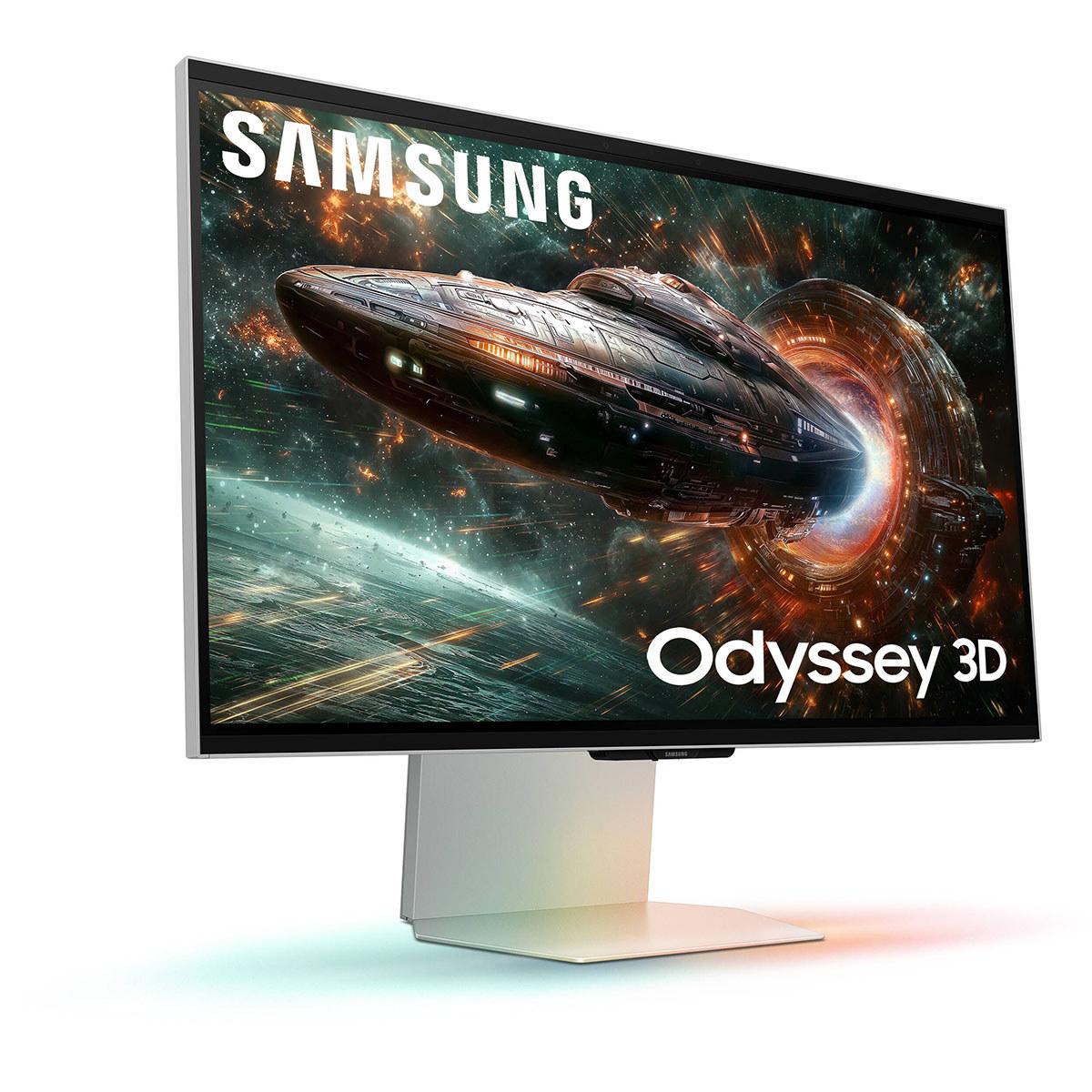
Gaming monitors have become the battleground where display technology meets competitive performance, and two 2024 releases couldn't represent more different philosophies. The GIGABYTE MO27Q2 delivers cutting-edge QD-OLED technology focused on raw speed and visual excellence, while the Samsung Odyssey 3D G90XF pioneers glasses-free 3D gaming in a bold bet on the future of immersive displays.
At the time of writing, these monitors sit in vastly different price categories, with the GIGABYTE MO27Q2 positioned as an accessible entry into premium QD-OLED technology, while the Samsung Odyssey 3D G90XF commands a significant premium for its experimental 3D capabilities. Let's dive deep into what makes each special and who should consider them.
Modern gaming monitors need to juggle several critical factors that directly impact your experience. Refresh rate measures how many times per second the display updates the image – higher numbers like 165Hz or 240Hz create smoother motion that's especially noticeable in fast-paced games. Response time indicates how quickly pixels can change color, with faster times reducing the ghosting effect you might see trailing behind moving objects.
Panel technology forms the foundation of image quality. Traditional LCD panels use a backlight shining through liquid crystals, while OLED (Organic Light-Emitting Diode) panels have pixels that emit their own light. QD-OLED combines quantum dot technology with OLED for enhanced brightness and color accuracy. Each approach has trade-offs in contrast, brightness, and longevity that affect daily use.
Resolution determines how much detail you'll see, but it's not just about having more pixels. Higher resolutions demand more from your graphics card, creating a balance between visual clarity and smooth performance. Features like adaptive sync (FreeSync or G-SYNC) synchronize your monitor's refresh rate with your graphics card to eliminate screen tearing – those horizontal lines that appear when frame rates don't match.
The GIGABYTE MO27Q2 and Samsung Odyssey 3D G90XF represent opposite ends of the gaming monitor spectrum. GIGABYTE focused on perfecting traditional 2D gaming with premium QD-OLED technology at 1440p resolution, prioritizing speed and visual quality that benefits every type of content. Samsung took a radically different path, building specialized 3D gaming technology into a 4K display that creates an entirely new category of gaming experience.
Both launched in 2024, but they reflect different stages of display technology maturity. The GIGABYTE MO27Q2 uses Samsung's proven QD-OLED panel technology that has been refined over several years, bringing what was once flagship-only performance to more accessible pricing. The Samsung Odyssey 3D G90XF debuts completely new glasses-free 3D technology that represents Samsung's long-term vision for immersive gaming.
The GIGABYTE MO27Q2 uses Samsung's QD-OLED panel, which combines the perfect blacks of OLED technology with quantum dot enhancement for superior color reproduction. Unlike traditional OLED displays that can struggle with brightness, QD-OLED panels achieve much higher peak brightness – in this case, up to 1000 nits in small areas of the screen.
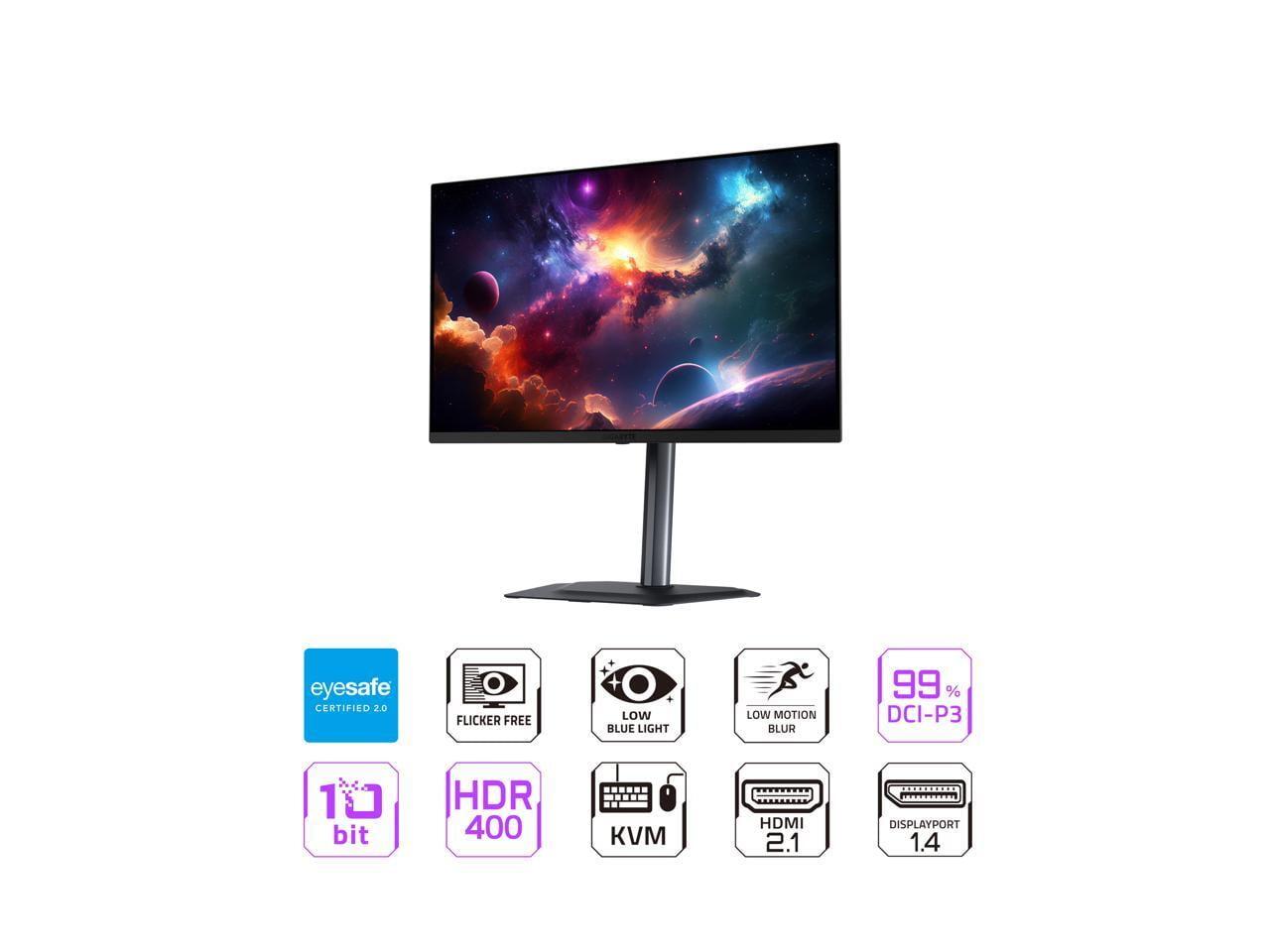
This translates to remarkable real-world performance. The infinite contrast ratio means true black levels that make dark game scenes dramatically more immersive. Colors appear incredibly vibrant, covering 99% of the DCI-P3 color space used in modern games and HDR content. The 10-bit color depth provides smooth gradations without the banding you might see in lesser displays.
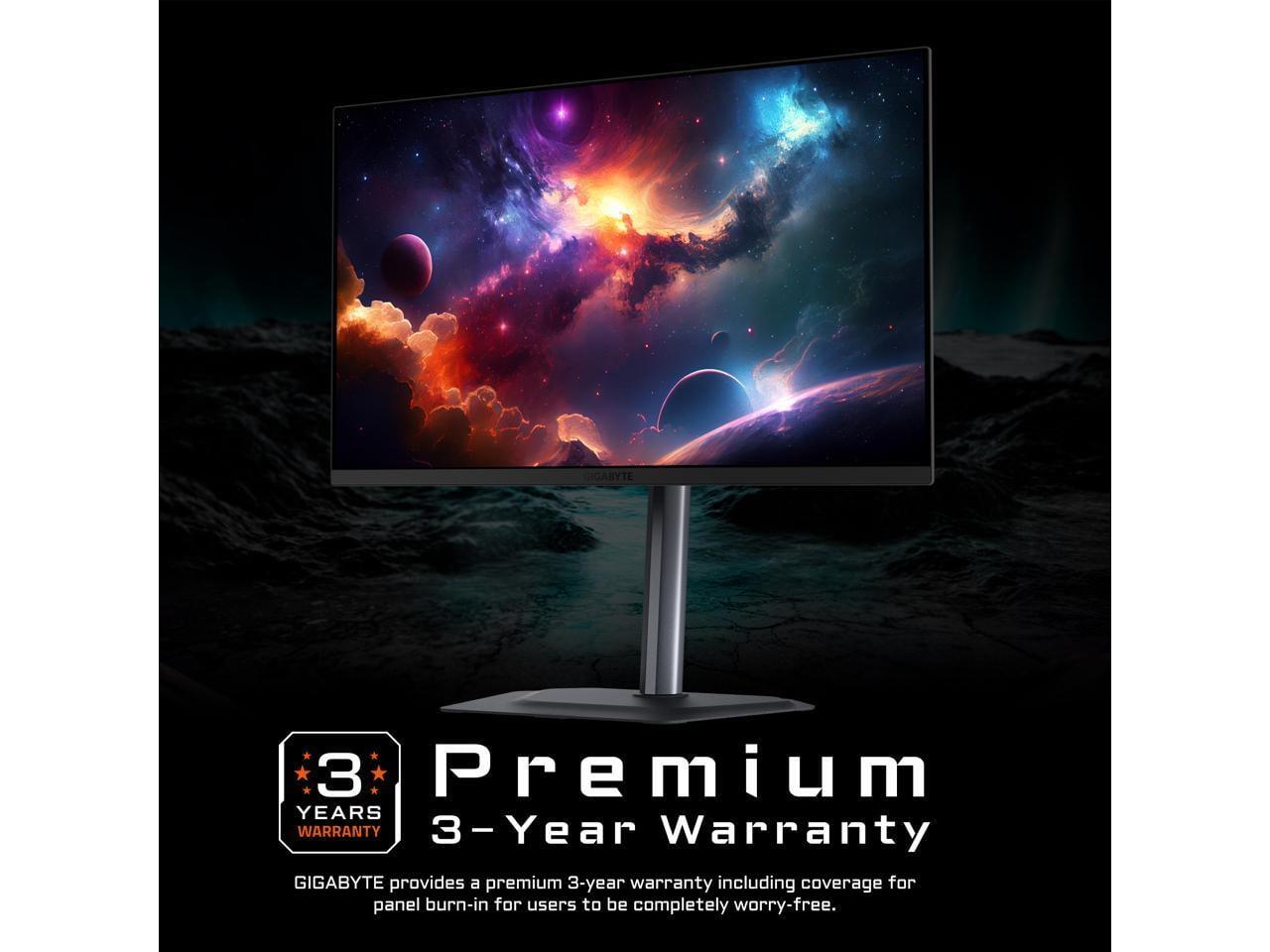
However, QD-OLED does have considerations. The glossy coating can reflect bright lights, though GIGABYTE's anti-glare treatment minimizes this issue. More importantly, OLED technology can experience burn-in if static images remain on screen for extended periods. The GIGABYTE MO27Q2 includes AI-based OLED Care features that automatically shift pixels and adjust brightness to prevent this, backed by a three-year warranty that covers burn-in damage.
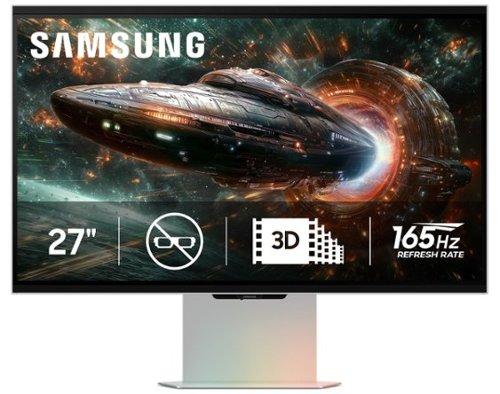
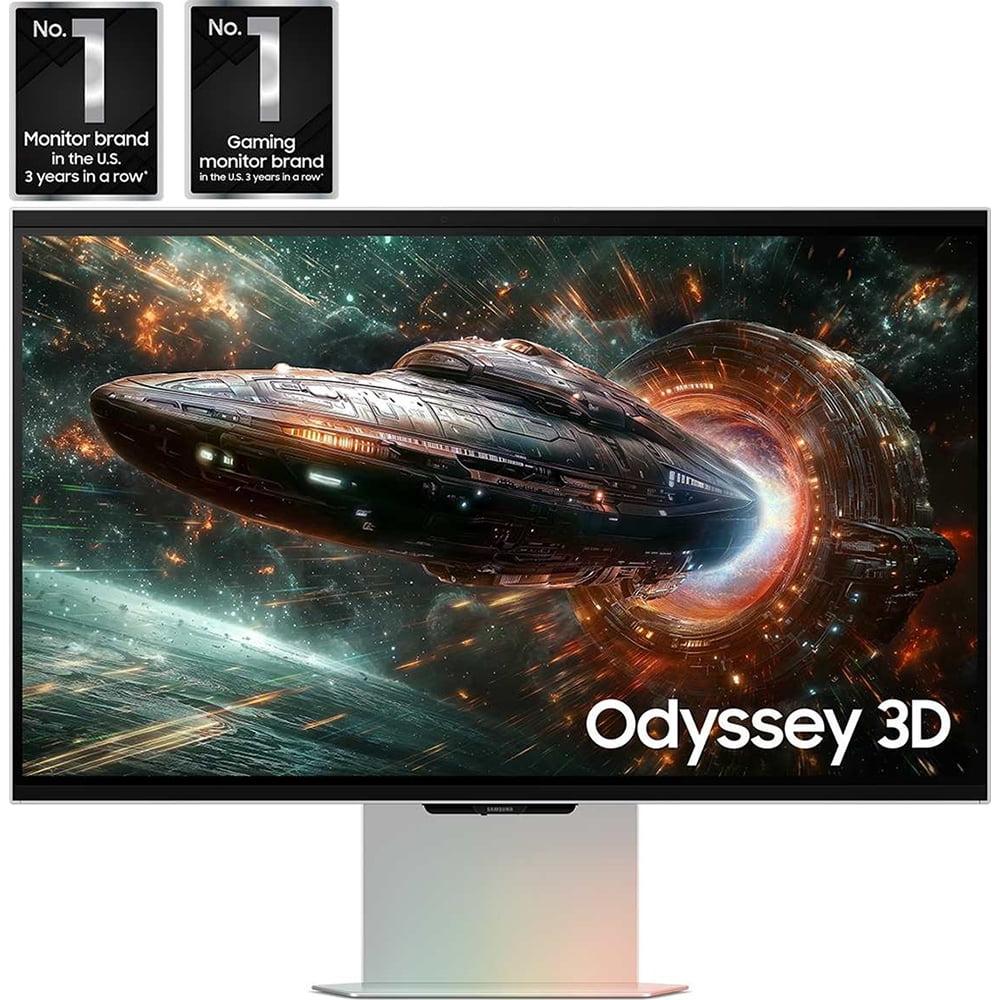
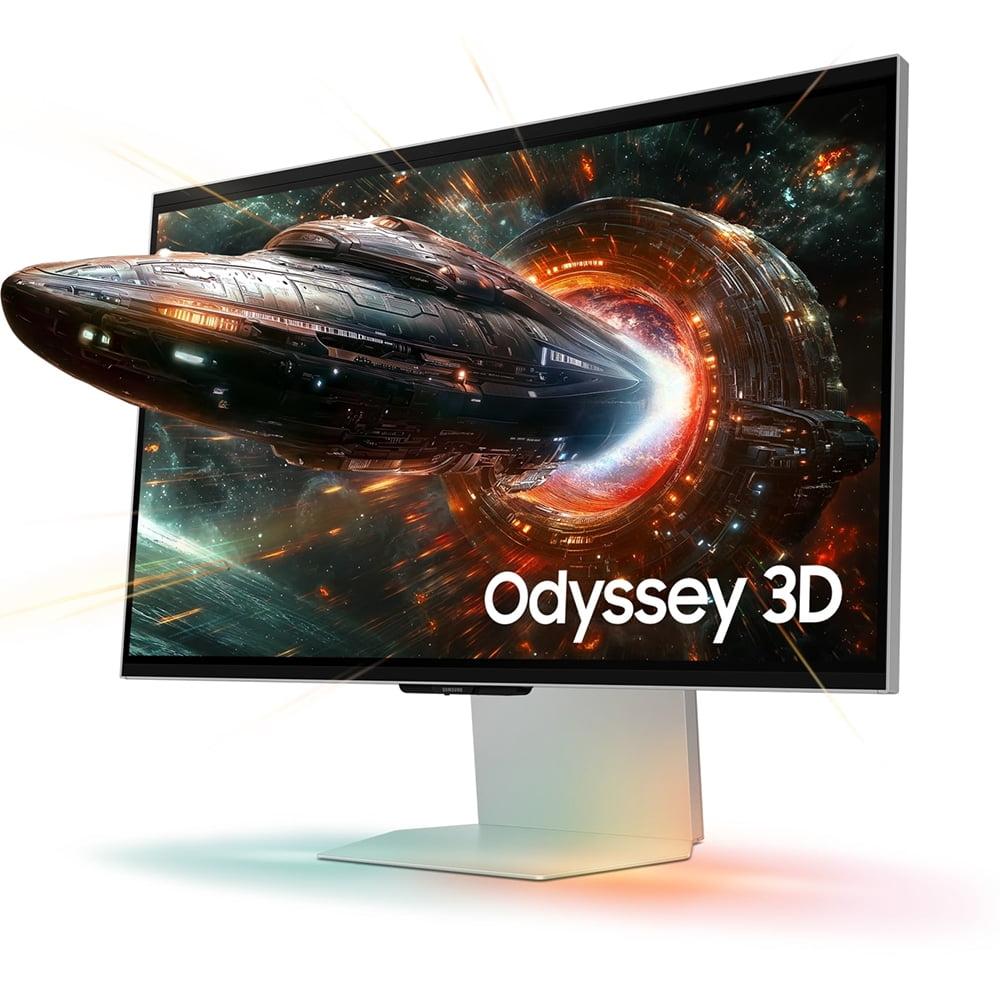
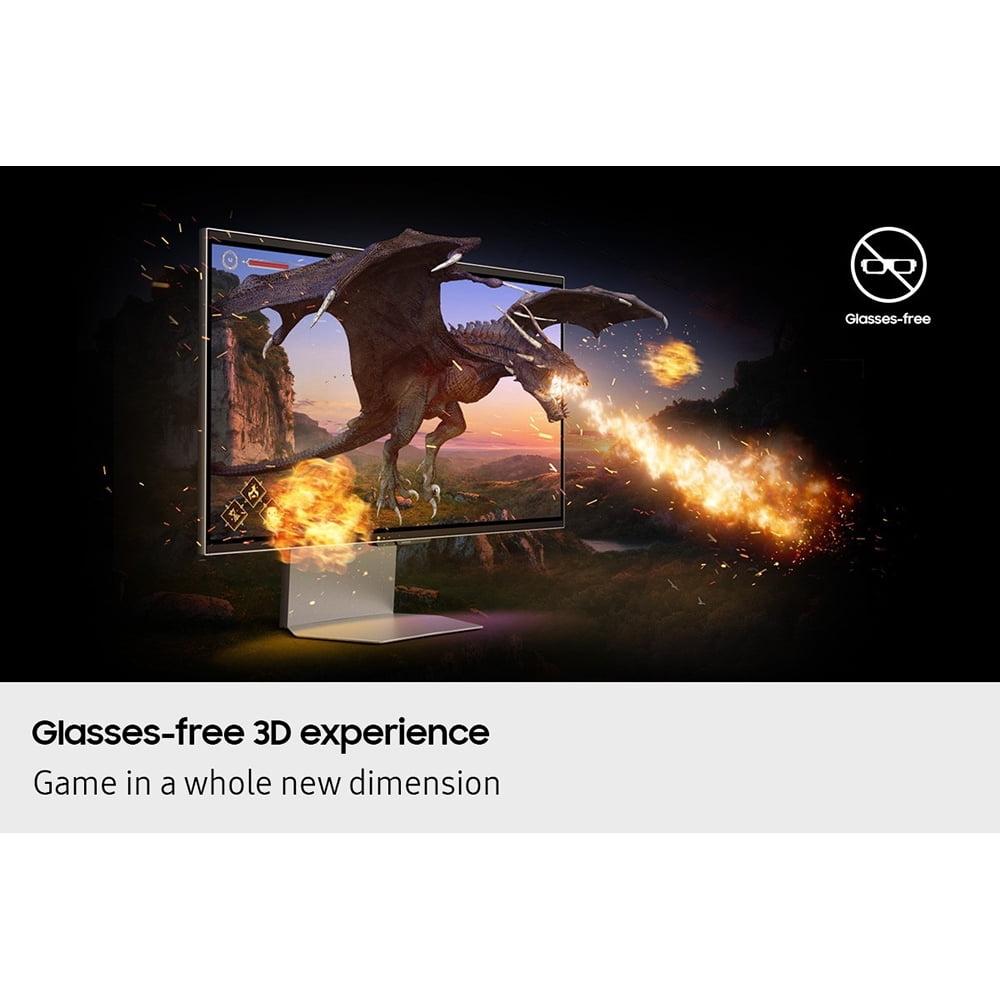
The Samsung Odyssey 3D G90XF uses a completely different approach with its IPS panel enhanced by lenticular lens technology. This creates glasses-free 3D by displaying slightly different images to each eye, tracked by dual cameras that monitor your head position. The effect creates genuine depth perception that makes game characters and environments appear to project out from the screen.
The AI 3D conversion capability analyzes 2D content in real-time, adding depth information to transform regular games and videos into 3D experiences. While not as convincing as native 3D content, this feature dramatically expands what you can experience in three dimensions.
The trade-off is image quality in traditional 2D mode. IPS panels provide good color accuracy and wide viewing angles, but the 1000:1 contrast ratio can't match the deep blacks of the GIGABYTE MO27Q2. The 3D layer also slightly reduces sharpness compared to standard 4K monitors, though the effect is subtle during actual gaming.
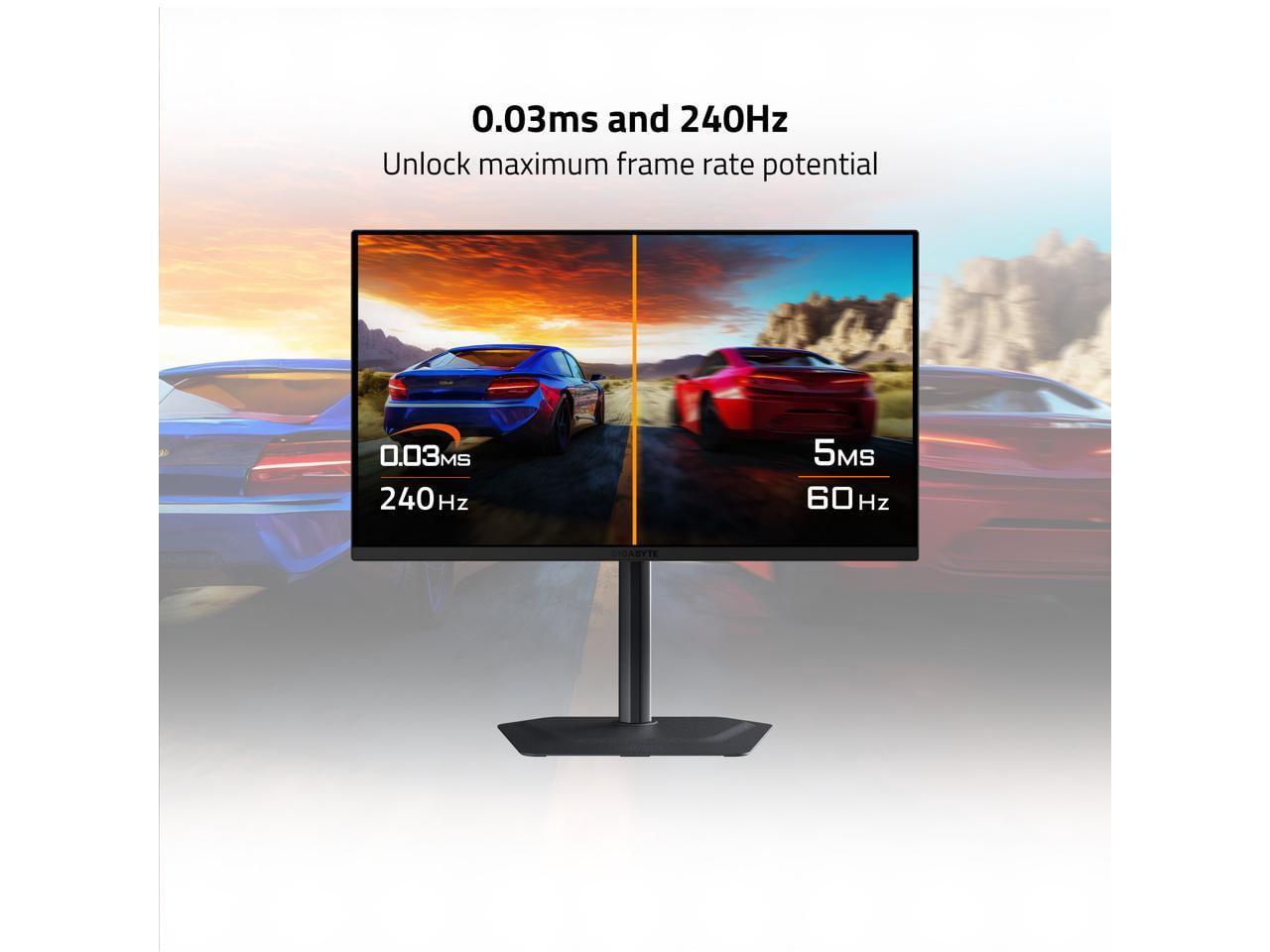
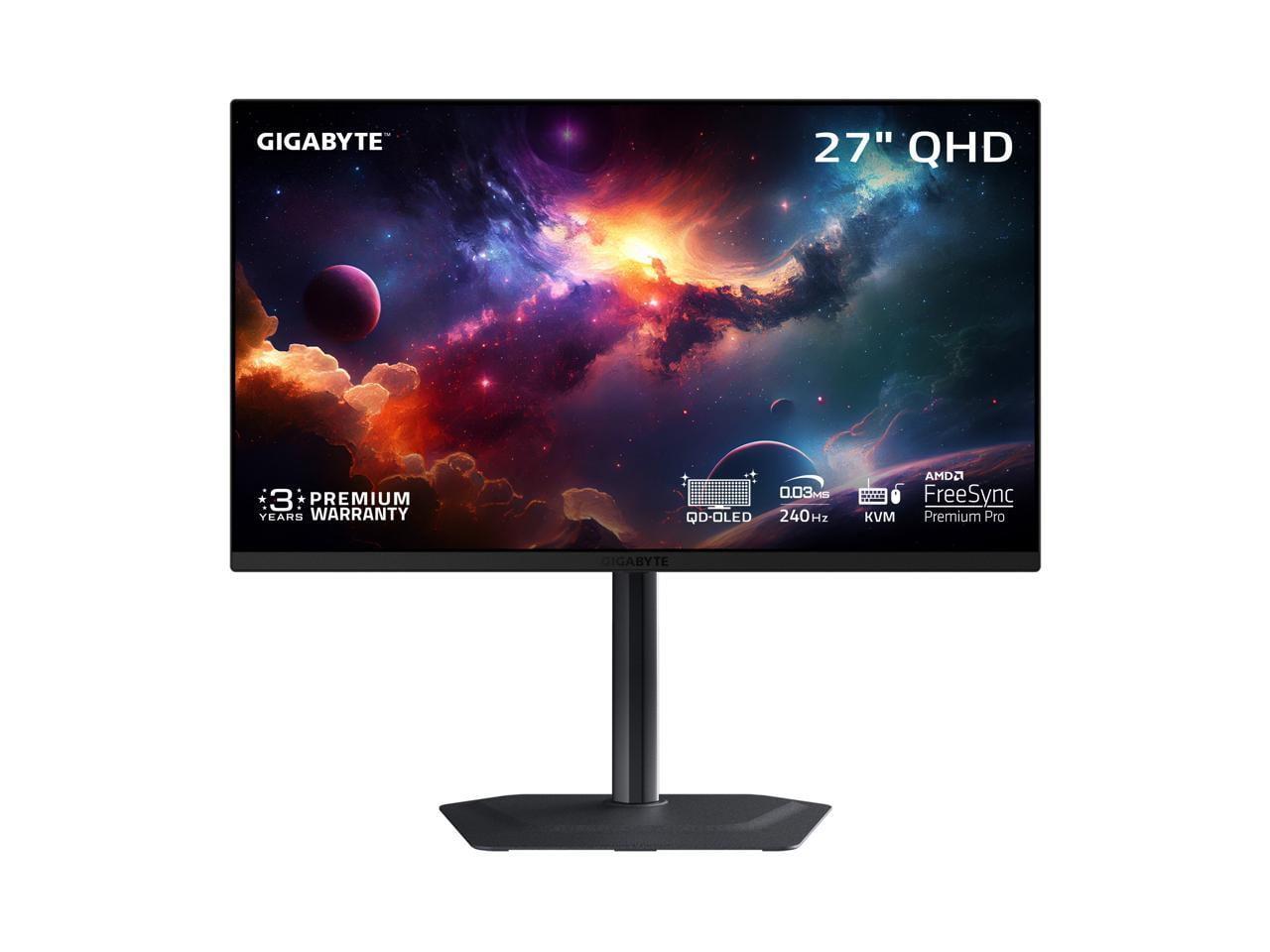
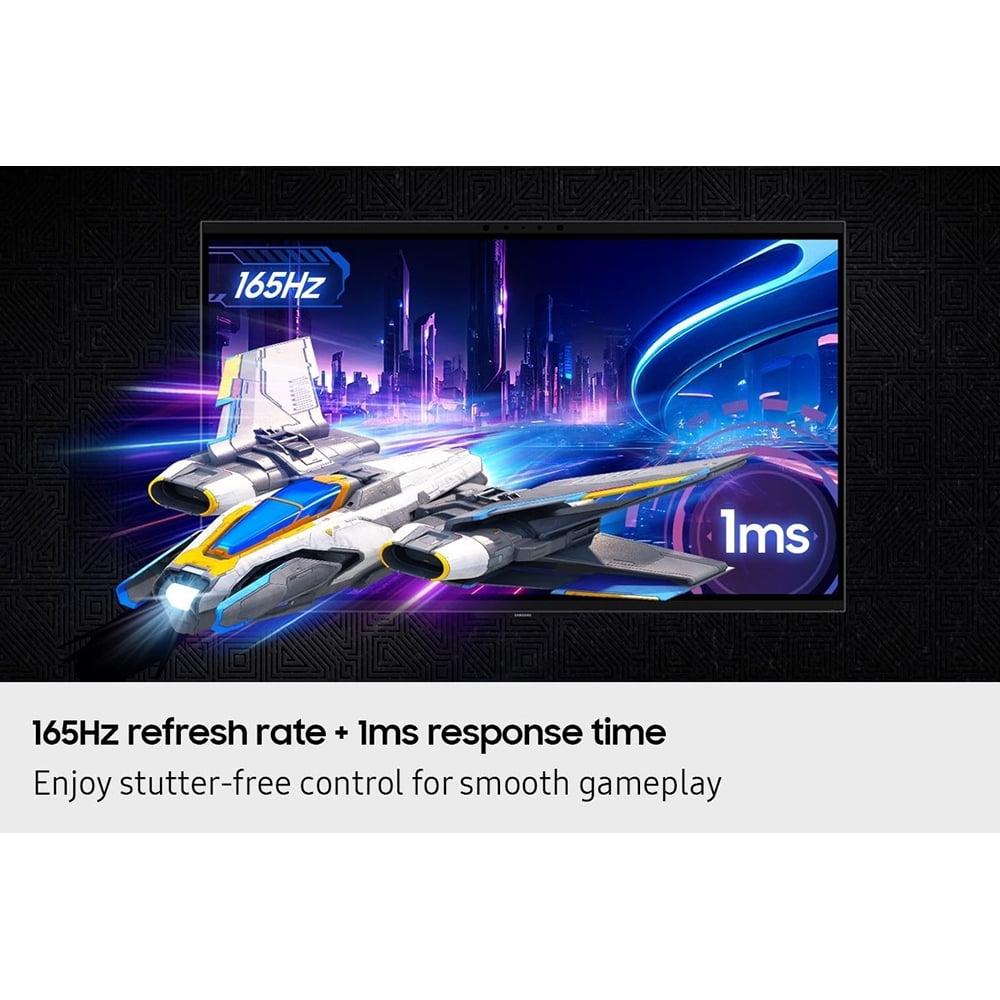
Performance differences between these monitors are substantial and impact different types of gaming significantly. The GIGABYTE MO27Q2 operates at 240Hz with an extraordinary 0.03ms response time, while the Samsung Odyssey 3D G90XF runs at 165Hz with a 1ms response time.
In competitive gaming like Counter-Strike or Valorant, these differences are immediately noticeable. The extra 75Hz provides more frequent screen updates, making tracking moving targets smoother and more predictable. The faster response time virtually eliminates ghosting, giving you cleaner visuals during rapid movements.
For single-player adventures or RPGs, the 165Hz refresh rate of the Samsung Odyssey 3D G90XF still provides excellent smoothness that's a major upgrade from 60Hz displays. The 1ms response time is perfectly adequate for these scenarios, and the 3D effect can make exploration and cinematics dramatically more engaging.
The resolution difference creates a significant performance divide. The GIGABYTE MO27Q2's 1440p resolution requires your graphics card to render about 3.7 million pixels, while the Samsung Odyssey 3D G90XF's 4K display demands 8.3 million pixels – more than double the workload.
This means achieving 240Hz on the GIGABYTE MO27Q2 is realistic with mid-to-high-end graphics cards in most games. Reaching high frame rates at 4K on the Samsung Odyssey 3D G90XF requires top-tier hardware, and 3D gaming effectively doubles the rendering workload by creating separate images for each eye.
From my experience testing various graphics cards, a GeForce RTX 4070 can comfortably drive the GIGABYTE MO27Q2 at high settings in most games, while the Samsung Odyssey 3D G90XF really demands an RTX 4080 or better for optimal performance, especially in 3D mode.
The GIGABYTE MO27Q2 includes several features that enhance competitive gaming. The Tactical Switch is a dedicated physical button that instantly changes between full 27-inch 1440p mode and a centered 24-inch 1080p area. Many professional esports players prefer this smaller display area for better focus and reduced eye movement.
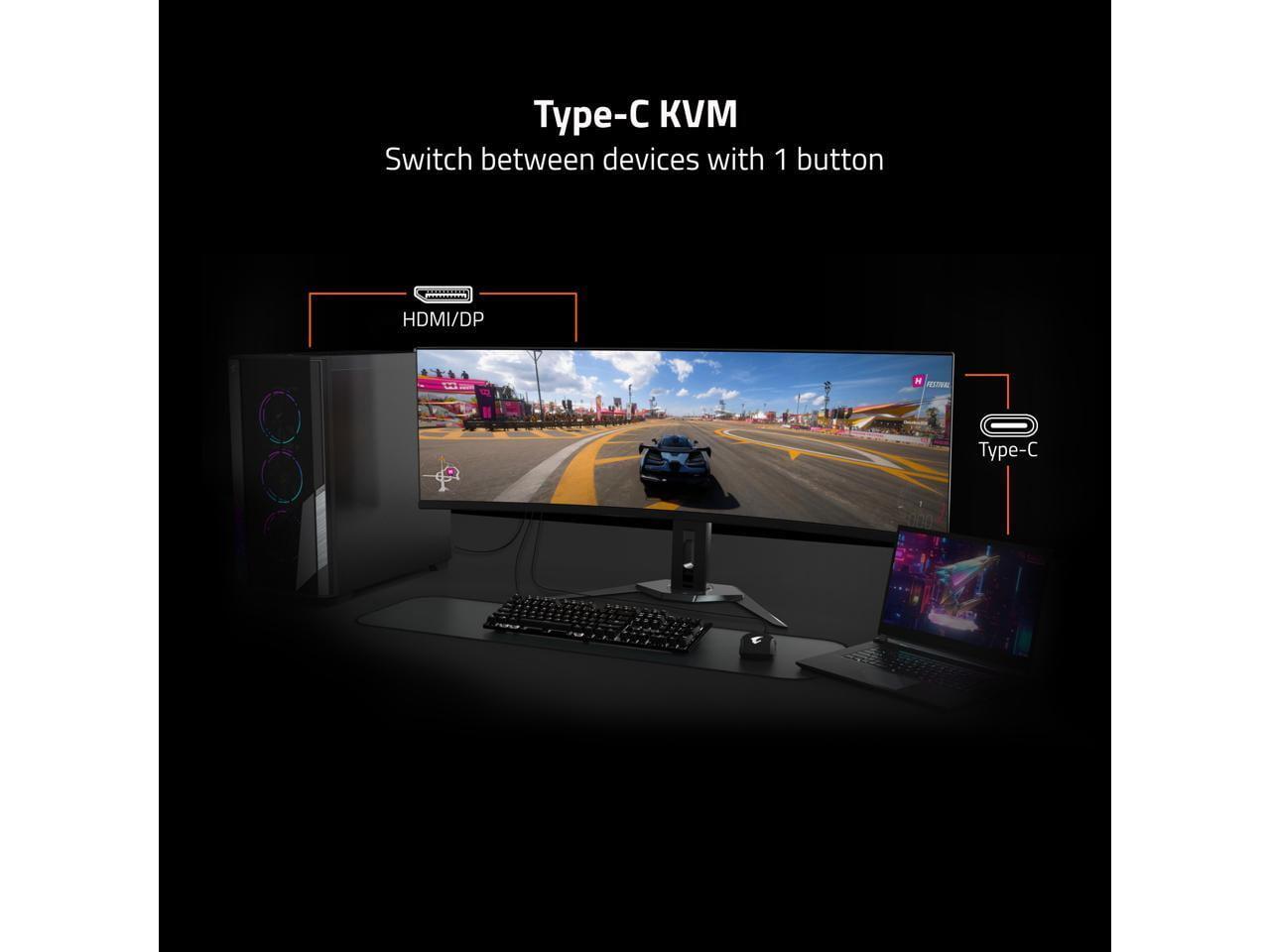
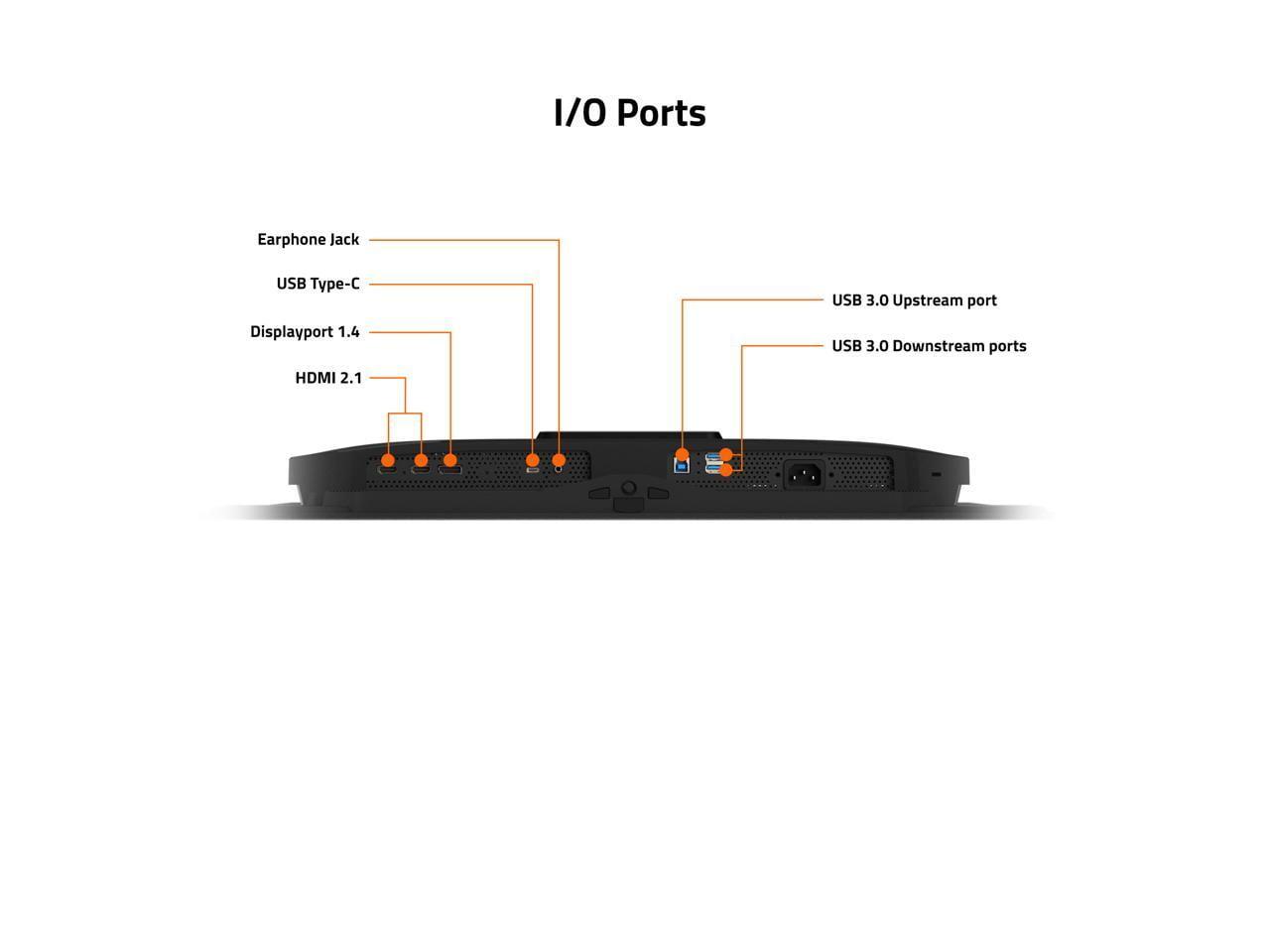
The KVM (Keyboard, Video, Mouse) switch functionality allows you to control multiple devices with a single set of peripherals. You could have your gaming PC and work laptop both connected, switching between them instantly. The USB-C connectivity with 18W power delivery can charge phones and tablets while providing display connectivity for compatible devices.
GIGABYTE also includes comprehensive gaming features like Black Equalizer 2.0, which brightens dark areas without overexposing brighter sections, and customizable crosshairs that overlay on any game. These might seem like small additions, but they can provide subtle competitive advantages.
The Samsung Odyssey 3D G90XF centers around its Odyssey 3D Hub software, which serves as the gateway to 3D gaming and video content. This platform manages your 3D game library, applies AI conversion to compatible 2D content, and provides fine-tuning controls for the 3D effect.
The spatial audio system provides directional sound that matches the 3D visuals, creating a more immersive experience when game sounds appear to come from specific depths and directions. Edge lighting uses LEDs around the monitor base to extend game colors into your peripheral vision, enhancing immersion during intense gaming sessions.
However, the 3D ecosystem remains limited at the time of writing. Only a small number of games natively support the 3D features, though Samsung continues adding compatibility. The AI conversion works with many games but produces inconsistent results, and some content doesn't convert well at all.
Both monitors support HDR (High Dynamic Range), but with different approaches and capabilities. The GIGABYTE MO27Q2 achieves VESA DisplayHDR True Black 400 certification, meaning it can display true blacks alongside bright highlights – essential for proper HDR reproduction. Games like Cyberpunk 2077 and Horizon Zero Dawn look spectacular with enhanced contrast and more realistic lighting.
For home theater use, the GIGABYTE MO27Q2's QD-OLED technology excels with movies and streaming content. Netflix and Disney+ HDR content displays with the deep blacks and bright highlights that create a cinema-like experience. The 27-inch size works well for desktop viewing distances of 2-3 feet.
The Samsung Odyssey 3D G90XF supports HDR10+ Gaming but cannot use HDR and 3D simultaneously – you must choose between enhanced contrast or the 3D effect. In 2D HDR mode, the IPS panel provides decent brightness and color but lacks the contrast punch of OLED technology. The 4K resolution does provide noticeably sharper detail in movies and shows.
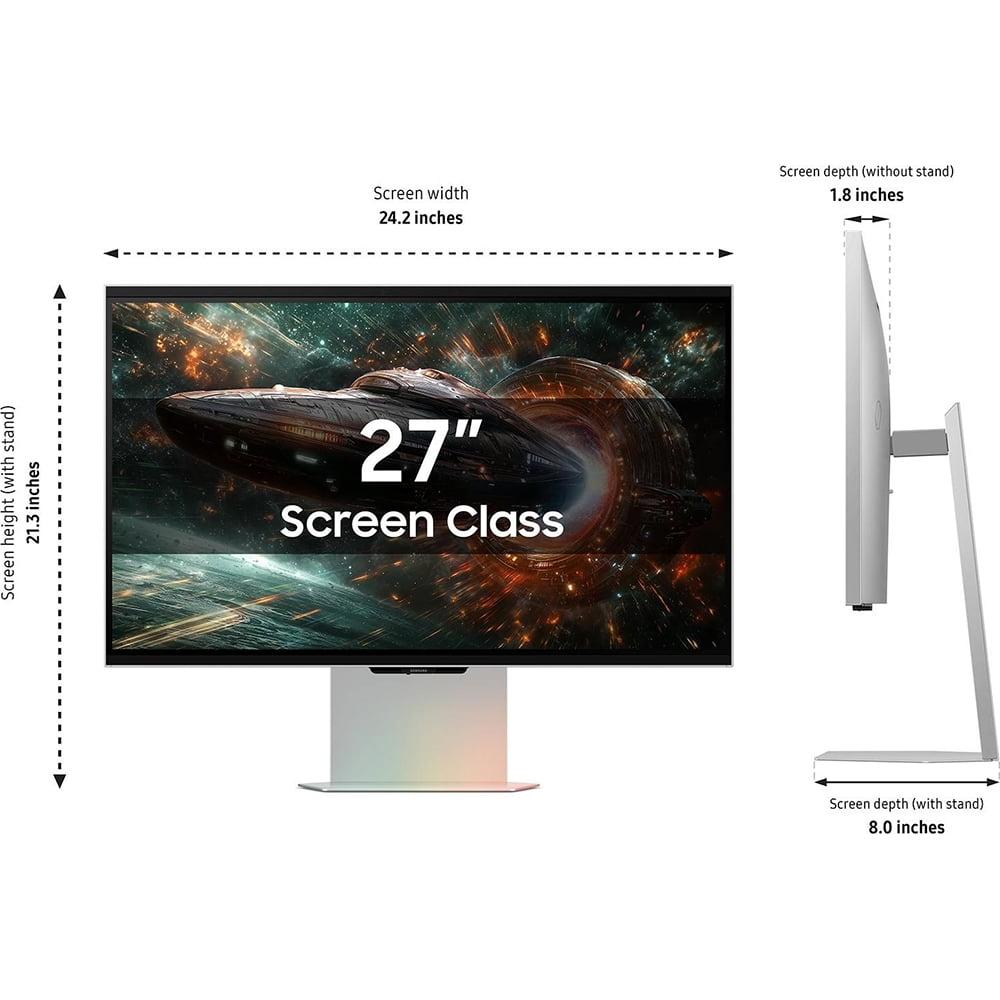
For living room use, both monitors work but aren't optimal. Gaming monitors typically lack the built-in smart TV features and advanced picture processing found in dedicated TVs. The 27-inch size also requires closer seating than most living room setups accommodate comfortably.
The GIGABYTE MO27Q2 works universally with all gaming content. Every PC game, console title, and streaming service takes full advantage of the display's capabilities. The broad adaptive sync support ensures smooth gaming whether you use an AMD or NVIDIA graphics card, and console gaming at 120Hz works excellently.
The Samsung Odyssey 3D G90XF offers full compatibility in 2D mode but has significant limitations for 3D gaming. The technology only works with PC gaming – consoles don't support the 3D features. The growing but still limited library of 3D-compatible games means you'll use standard 2D mode most of the time.
This creates an interesting value consideration. You're paying a substantial premium for 3D technology that you might only use occasionally, depending on your gaming preferences and the evolution of 3D content support.
At the time of writing, these monitors represent vastly different value propositions. The GIGABYTE MO27Q2 delivers premium QD-OLED technology at a price point that was unthinkable just two years ago. You're getting the same panel technology found in significantly more expensive monitors, with only the refresh rate reduced from 360Hz to 240Hz – a difference most users won't notice.
The Samsung Odyssey 3D G90XF commands a substantial premium for its experimental technology. Whether this represents good value depends entirely on your interest in 3D gaming and willingness to invest in emerging technology. Early adopters often pay premium prices for features that may or may not achieve mainstream adoption.
From a longevity perspective, the GIGABYTE MO27Q2 should remain relevant for many years. QD-OLED technology will continue improving, but the current implementation already delivers exceptional image quality. The 240Hz refresh rate exceeds what most games can achieve even with high-end hardware.
The Samsung Odyssey 3D G90XF represents a bigger gamble. If glasses-free 3D gaming gains traction and content support expands significantly, early adoption could prove wise. However, if the technology fails to achieve mainstream acceptance, you've paid a substantial premium for a feature that sees limited use.
Choose the GIGABYTE MO27Q2 if you prioritize proven performance and exceptional value in premium display technology. It excels at competitive gaming with industry-leading response times and refresh rates, while delivering stunning visuals for single-player games and media consumption. The mature QD-OLED technology provides immediate benefits without betting on uncertain future adoption.
The Samsung Odyssey 3D G90XF makes sense for enthusiasts specifically interested in 3D gaming innovation and those who prioritize 4K resolution. If the concept of glasses-free 3D gaming excites you and you have the budget flexibility to pay for cutting-edge technology, it offers a genuinely unique experience unavailable elsewhere.
For most gamers, the GIGABYTE MO27Q2 provides better immediate value and broader utility. Its combination of speed, visual quality, and competitive pricing makes it an exceptional choice for serious gaming while excelling at productivity and entertainment use.
The Samsung Odyssey 3D G90XF serves a more specific niche of early adopters and technology enthusiasts willing to pay premium prices for experimental features. If you're specifically drawn to 3D gaming or want the absolute latest display innovation, it delivers an experience you simply can't get anywhere else.
Ultimately, both monitors represent their manufacturers' best efforts in completely different directions. The GIGABYTE MO27Q2 perfects traditional gaming display technology, while the Samsung Odyssey 3D G90XF pioneers an entirely new category. Your choice depends on whether you value proven excellence or cutting-edge innovation in your gaming setup.
| GIGABYTE MO27Q2 | Samsung Odyssey 3D G90XF |
|---|---|
| Display Technology - Foundation of image quality and longevity | |
| QD-OLED with infinite contrast and perfect blacks | IPS with lenticular 3D layer, traditional LCD limitations |
| Resolution - Balance between visual clarity and performance demands | |
| 2560x1440 (1440p) - easier to drive at high frame rates | 3840x2160 (4K) - requires high-end GPU for optimal performance |
| Refresh Rate - Smoothness in fast-paced gaming | |
| 240Hz - exceptional for competitive gaming | 165Hz - good for most gaming, adequate for esports |
| Response Time - Motion blur and ghosting reduction | |
| 0.03ms GTG - virtually eliminates motion blur | 1ms GTG - good performance, some ghosting in fastest movements |
| Peak Brightness - HDR performance and room lighting flexibility | |
| 1000 nits peak (3% APL), 250 nits typical - excellent HDR | 350 nits typical - limited HDR impact, good for controlled lighting |
| Contrast Ratio - Depth and realism in dark scenes | |
| Infinite (OLED technology) - true blacks enhance immersion | 1000:1 (IPS limitation) - gray blacks reduce contrast impact |
| Unique Gaming Features - Specialized capabilities that set each apart | |
| Tactical Switch, KVM, AI OLED Care, competitive gaming focus | Glasses-free 3D gaming, AI 3D conversion, spatial audio |
| Color Coverage - Accuracy for gaming and content creation | |
| 99% DCI-P3 with 10-bit depth - exceptional color accuracy | 99% sRGB - good accuracy but narrower gamut than MO27Q2 |
| Adaptive Sync Support - Eliminating screen tearing across GPU brands | |
| FreeSync Premium Pro, G-SYNC Compatible - broad compatibility | FreeSync Premium, G-SYNC Compatible - standard support |
| Connectivity Options - Versatility for multiple devices and use cases | |
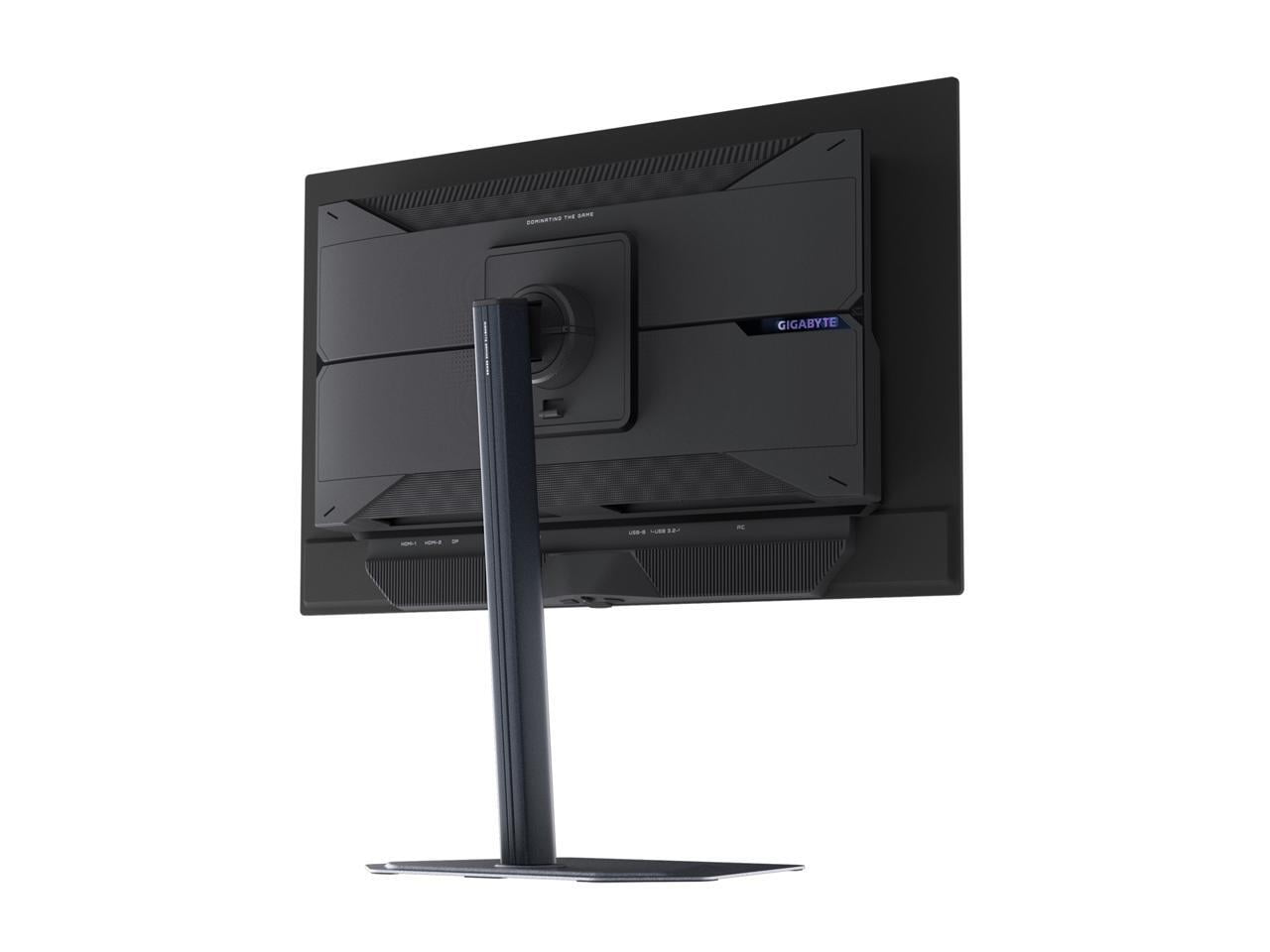
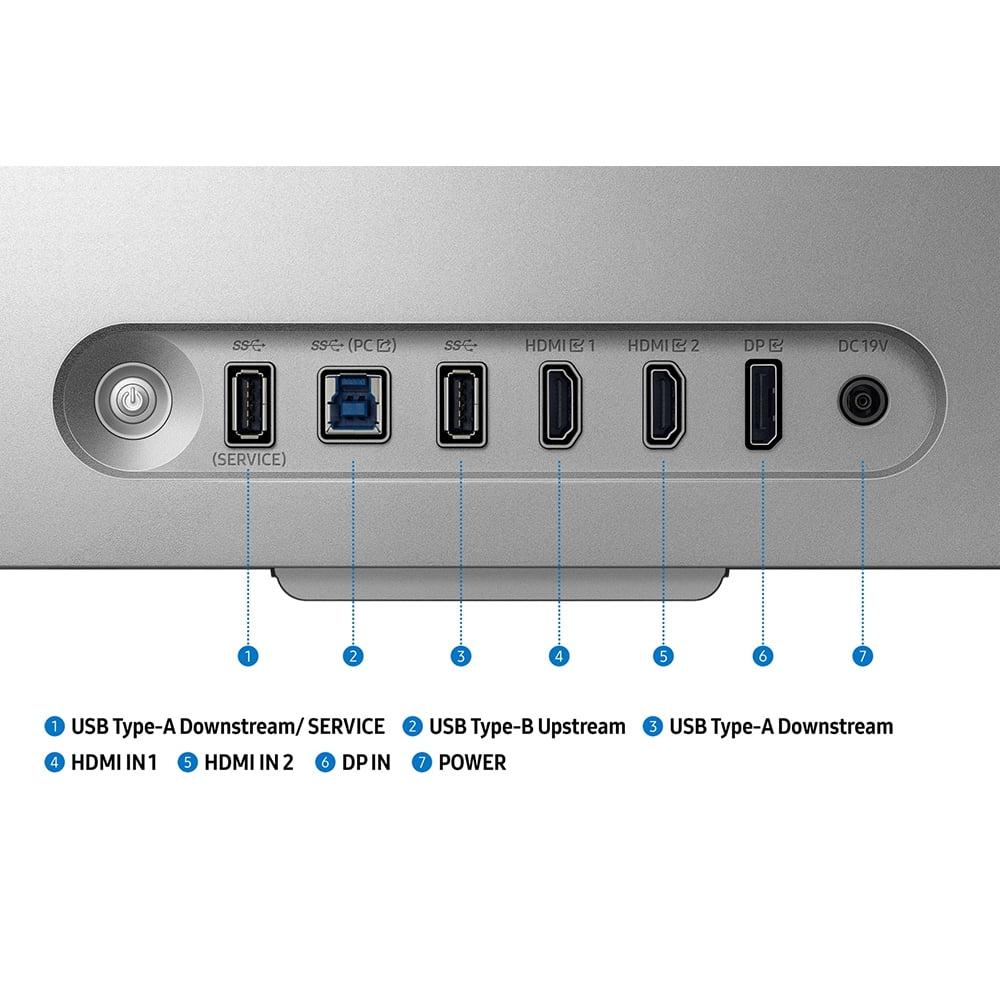
| 2x HDMI 2.1, DP 1.4, USB-C with 18W PD, KVM functionality | Standard gaming connections, focus on 3D gaming over versatility |
| Content Ecosystem - Available games and media that utilize key features | |
| Universal compatibility with all gaming content | Limited 3D game library, PC-only 3D support, no console 3D |
| Target Use Case - Who gets the most value from each monitor | |
| Competitive gamers, value-seekers wanting premium OLED tech | 3D gaming enthusiasts, early adopters, immersive single-player focus |
| Value Proposition - Performance and features relative to market positioning | |
| Exceptional QD-OLED value, proven technology at accessible price | Premium pricing for experimental 3D tech, niche appeal |
The GIGABYTE MO27Q2 is significantly better for competitive gaming with its 240Hz refresh rate and 0.03ms response time compared to the Samsung Odyssey 3D G90XF's 165Hz and 1ms response time. The MO27Q2 also includes a Tactical Switch feature that lets you instantly switch to a 24-inch display area, which many esports professionals prefer for better focus and reduced eye movement.
The GIGABYTE MO27Q2 uses QD-OLED technology that combines quantum dots with OLED for perfect blacks, infinite contrast, and vibrant colors covering 99% DCI-P3. The Samsung Odyssey 3D G90XF uses traditional IPS technology with a 1000:1 contrast ratio and gray blacks. QD-OLED provides dramatically better image quality for gaming and movies but costs more to manufacture.
No, the Samsung Odyssey 3D G90XF has limited 3D game compatibility at launch. It works best with specifically supported titles and can use AI to convert some 2D games to 3D, but results vary. The 3D feature only works on PC - consoles don't support it. The GIGABYTE MO27Q2 works universally with all gaming content without compatibility concerns.
The Samsung Odyssey 3D G90XF is the only 4K option, displaying 3840x2160 resolution compared to the GIGABYTE MO27Q2's 1440p resolution. However, 4K gaming requires a high-end graphics card (RTX 4080 or better) to maintain smooth frame rates, while the MO27Q2's 1440p resolution is easier to drive at high refresh rates with mid-range GPUs.
The GIGABYTE MO27Q2 works well with mid-to-high-end cards like the RTX 4070 to achieve high frame rates at 1440p. The Samsung Odyssey 3D G90XF requires a more powerful GPU like the RTX 4080 or RTX 4090 for optimal 4K performance, and 3D gaming doubles the rendering workload, demanding even more graphics power.
The GIGABYTE MO27Q2 offers superior HDR with VESA DisplayHDR True Black 400 certification, 1000 nits peak brightness, and true blacks from OLED technology. The Samsung Odyssey 3D G90XF supports HDR10+ but cannot use HDR and 3D simultaneously, and its IPS panel has limited contrast compared to the MO27Q2's infinite contrast ratio.
Both monitors work for productivity, but the GIGABYTE MO27Q2 is more versatile with its KVM switch for controlling multiple devices, USB-C connectivity with power delivery, and exceptional color accuracy for content creation. The Samsung Odyssey 3D G90XF offers sharper text due to 4K resolution but the 3D layer can cause slight eye strain during extended text work.
The GIGABYTE MO27Q2 uses mature QD-OLED technology with AI-based burn-in protection and a 3-year warranty covering OLED burn-in. The Samsung Odyssey 3D G90XF uses experimental 3D technology that's unproven in long-term use. OLED panels can experience burn-in with static images, but modern protection features minimize this risk significantly.
The GIGABYTE MO27Q2 excels for console gaming with HDMI 2.1 support for 120Hz gaming on PS5 and Xbox Series X. The Samsung Odyssey 3D G90XF also supports console gaming at 4K resolution but the 3D features don't work with consoles - you'll only get standard 2D gaming, making the premium price harder to justify for console-only users.
The GIGABYTE MO27Q2 provides exceptional value by bringing premium QD-OLED technology to an accessible price point. You get the same panel technology found in much more expensive monitors. The Samsung Odyssey 3D G90XF commands a significant premium for its experimental 3D technology, making it worthwhile only if you specifically want glasses-free 3D gaming.
The GIGABYTE MO27Q2 offers more comprehensive connectivity with 2x HDMI 2.1, DisplayPort 1.4, USB-C with 18W power delivery, and KVM functionality for controlling multiple devices. The Samsung Odyssey 3D G90XF focuses on standard gaming connections without the advanced USB-C and KVM features that make the MO27Q2 more versatile for multi-device setups.
If you're uncertain about 3D gaming, the GIGABYTE MO27Q2 is the safer choice. It excels at traditional gaming with faster refresh rates and response times while costing significantly less. The Samsung Odyssey 3D G90XF is best for enthusiasts specifically excited about glasses-free 3D technology, as you'll pay a substantial premium for a feature with limited current content support.
We've done our best to create useful and informative comparisons to help you decide what product to buy. Our research uses advanced automated methods to create this comparison and perfection is not possible - please contact us for corrections or questions. These are the sites we've researched in the creation of this article: gigabyte.com - youtube.com - newegg.com - mezha.media - tech-critter.com - gigabyte.com - forum.pcmonitors.info - techspot.com - aorus.com - saltynewsnetwork.com - infiniarc.com - gigabyte.com - bestbuy.com - youtube.com - gigabyte.com - gigabyte.com - displayspecifications.com - aorus.com - gigabyte.com - gigabyte.com - hometechnologyreview.com - substack.com - rtings.com - youtube.com - techaeris.com - versus.com - tomsguide.com - avsforum.com - youtube.com - versus.com - bestbuy.com - samsung.com - samsung.com - samsung.com - samsung.com - m.media-amazon.com

Privacy Policy
Terms and Conditions - Affiliate Policy
Home Security
© Copyright 2008-2026.
11816 Inwood Rd #1211, Dallas, TX 75244