

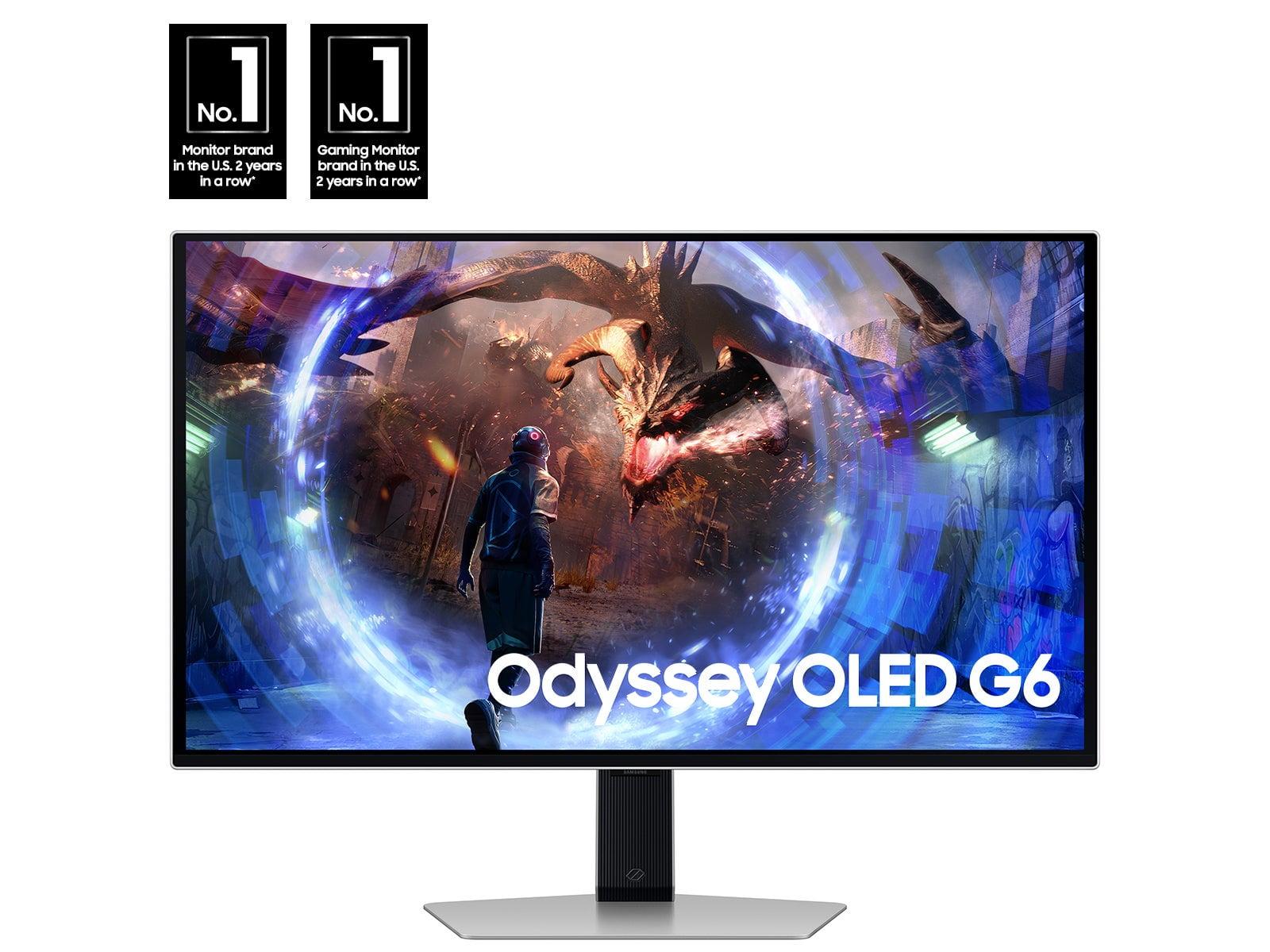

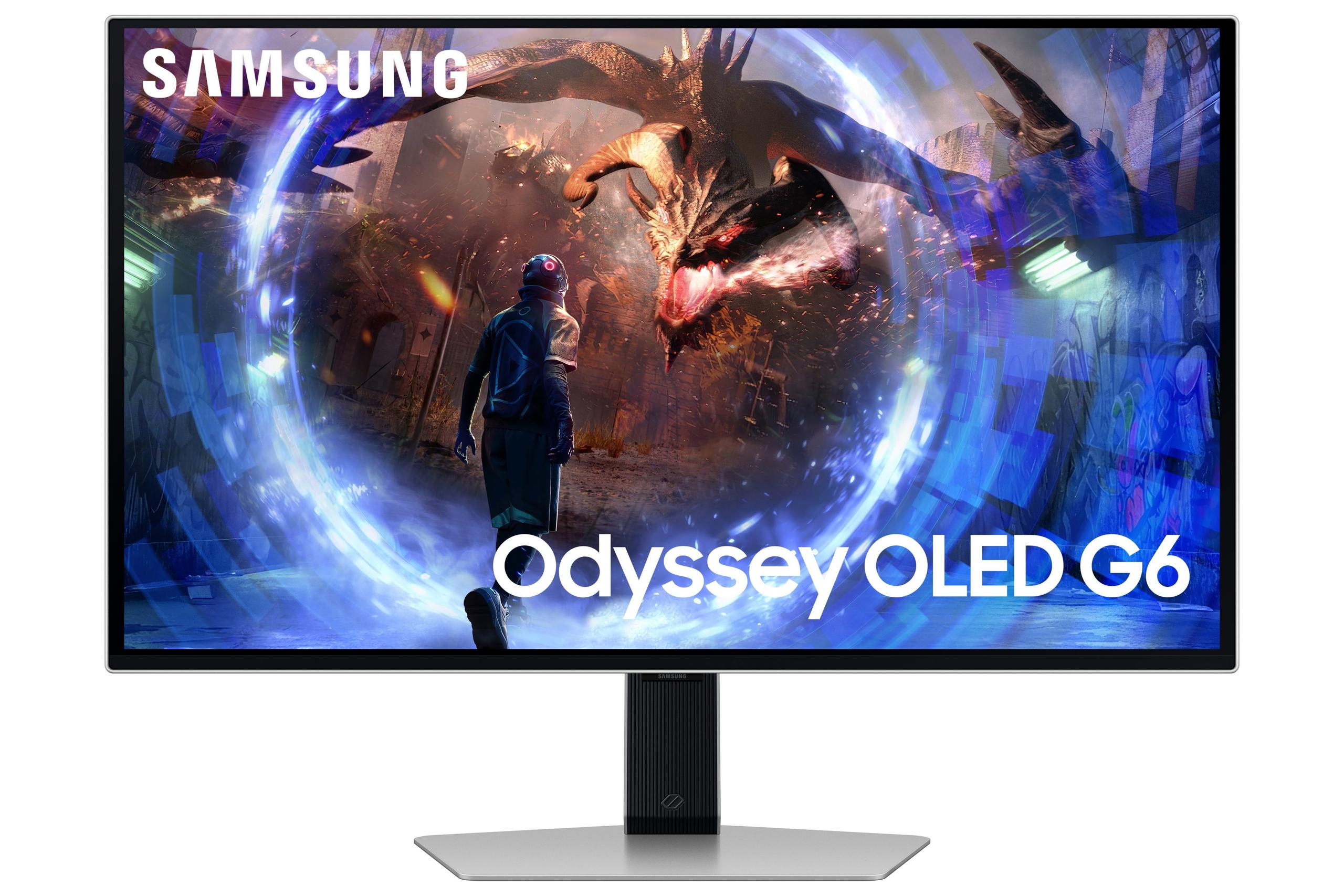
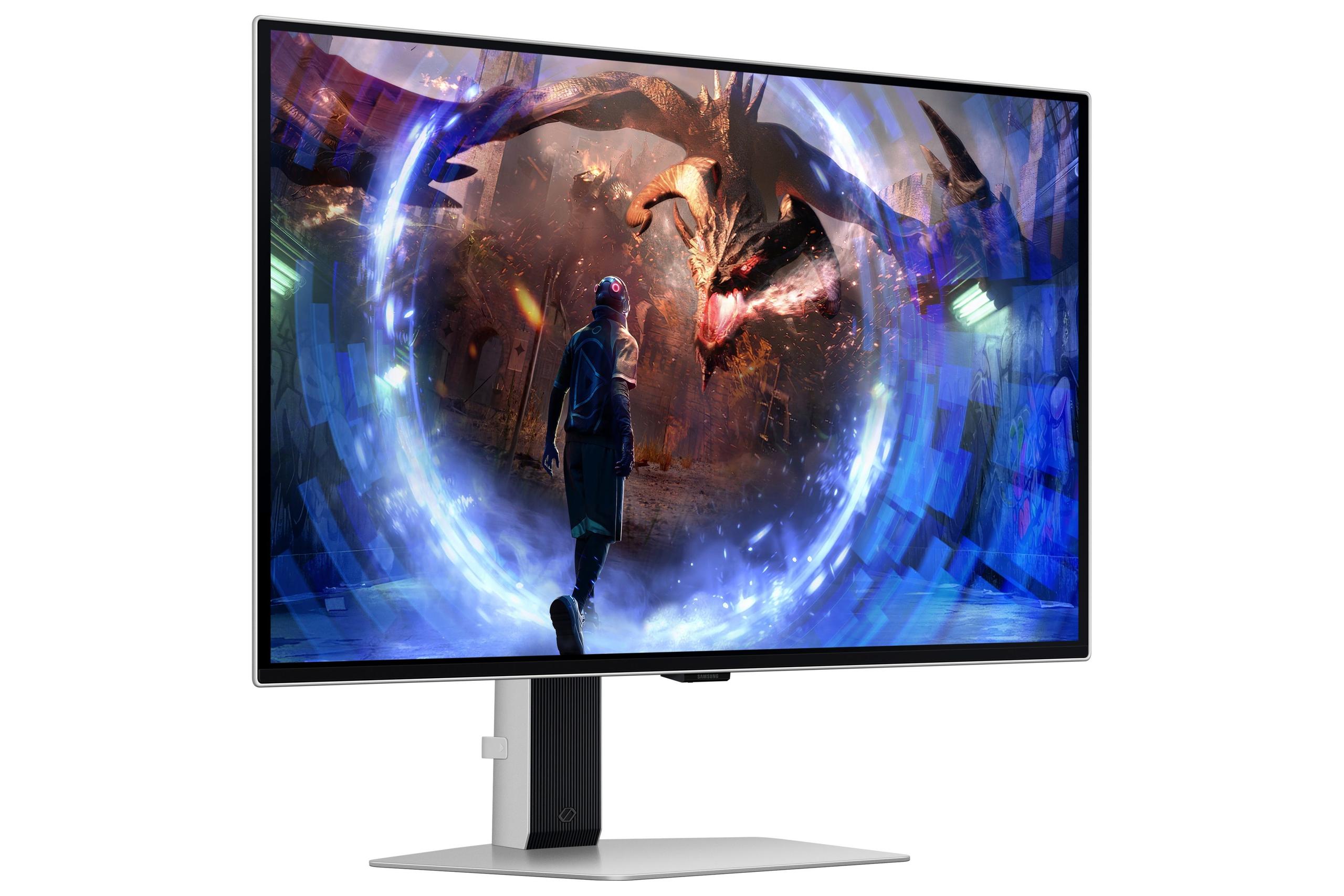
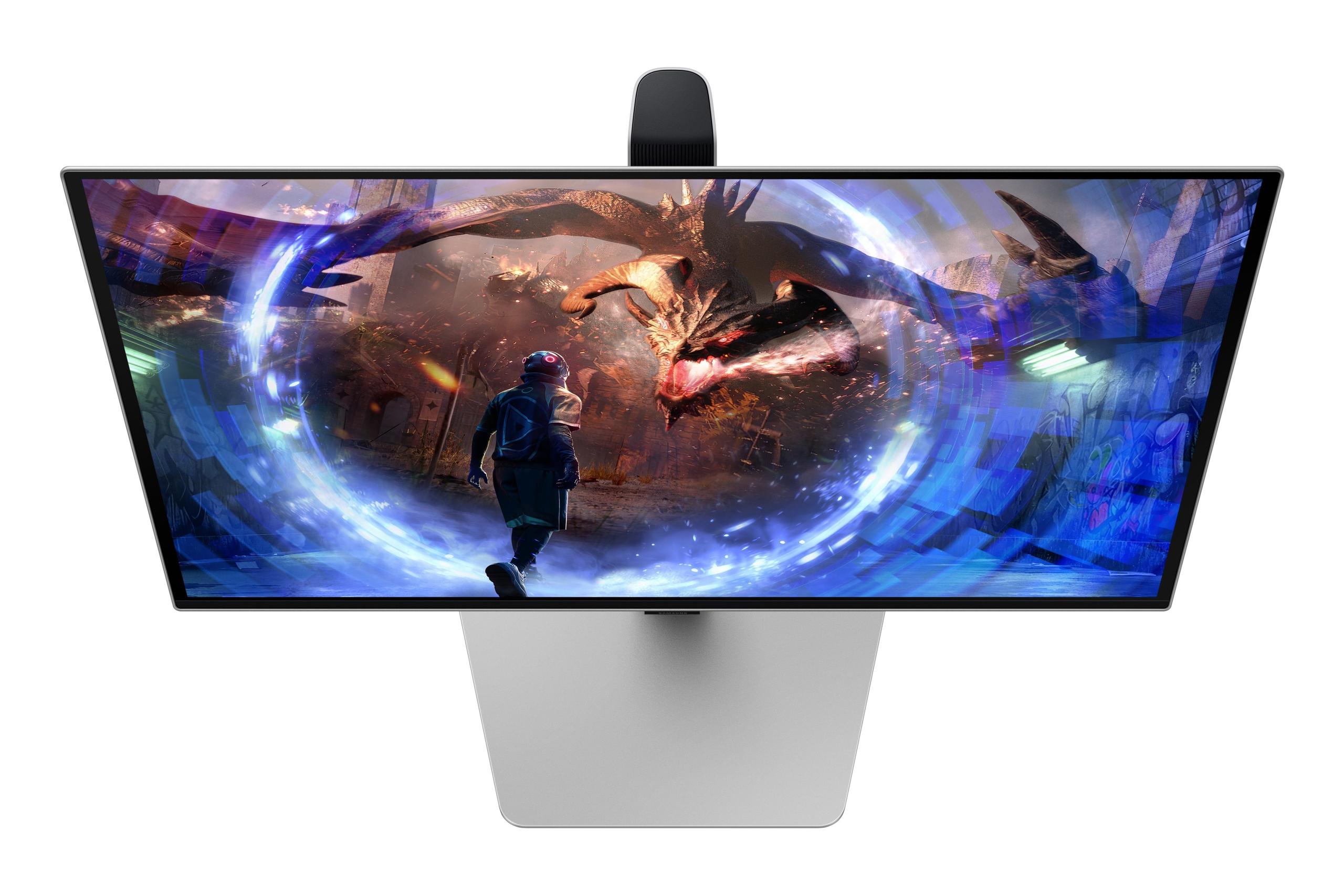
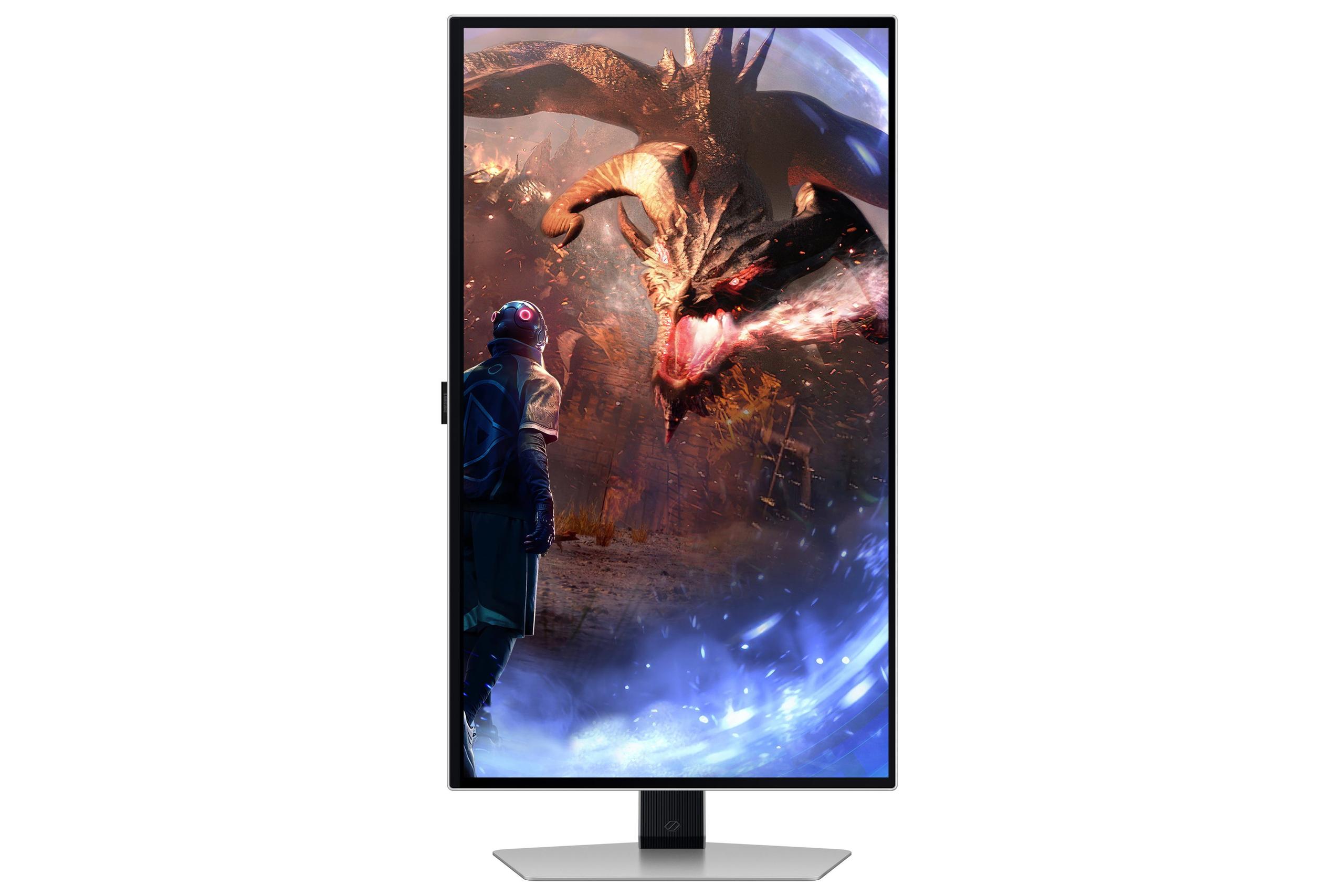

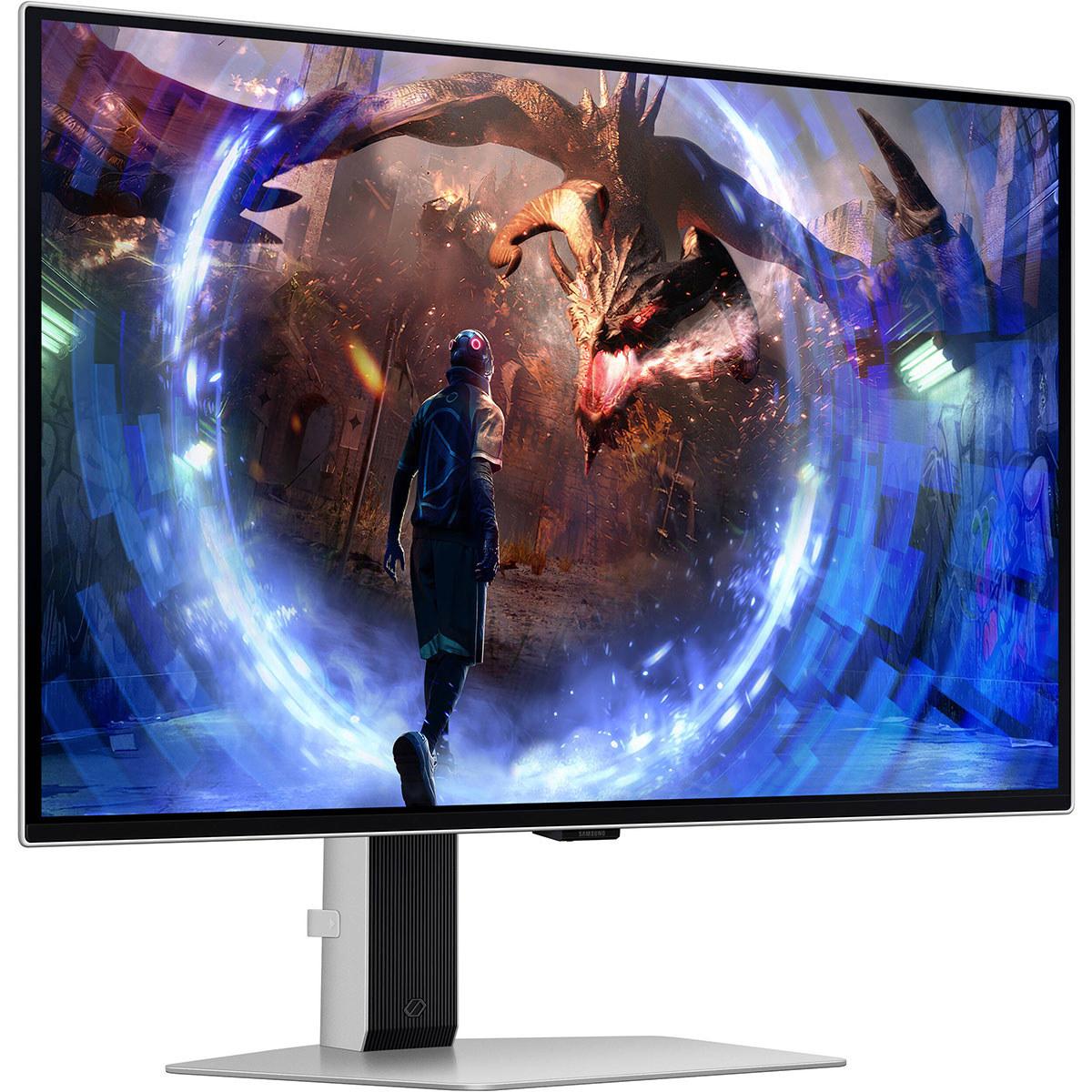
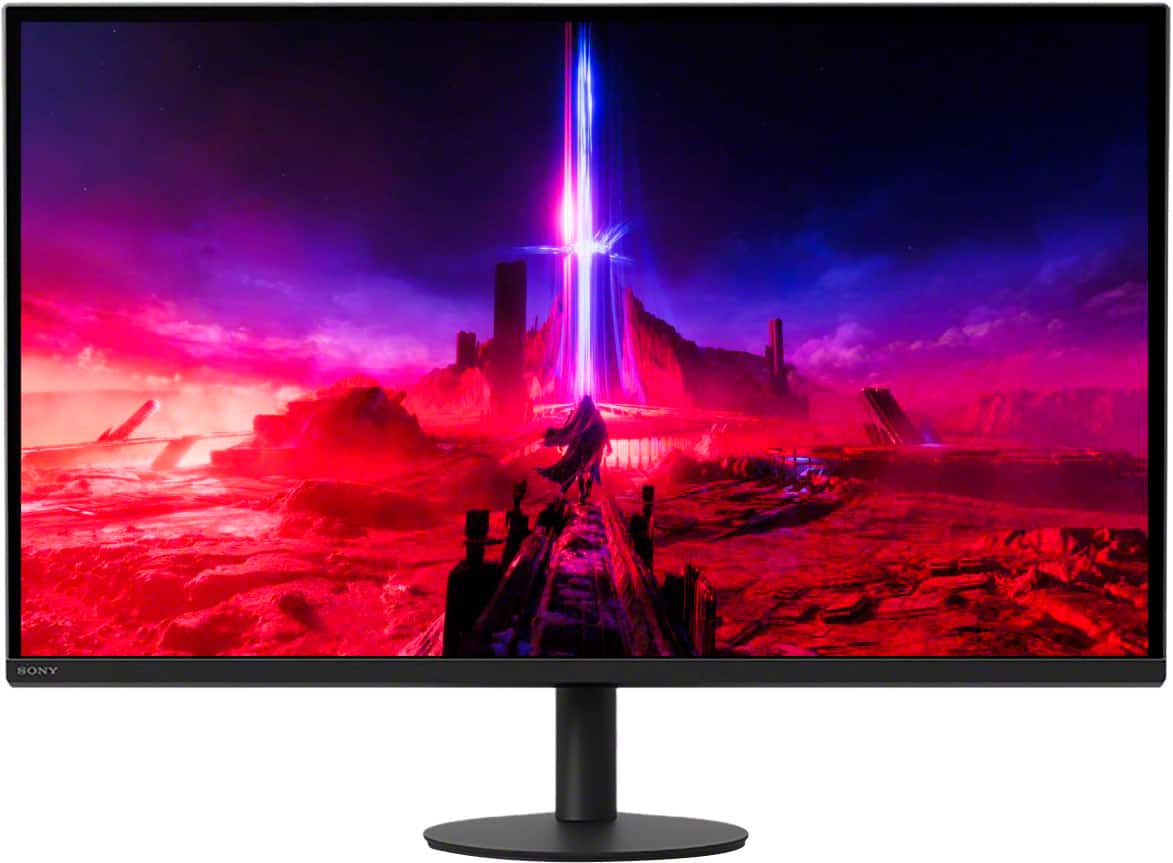
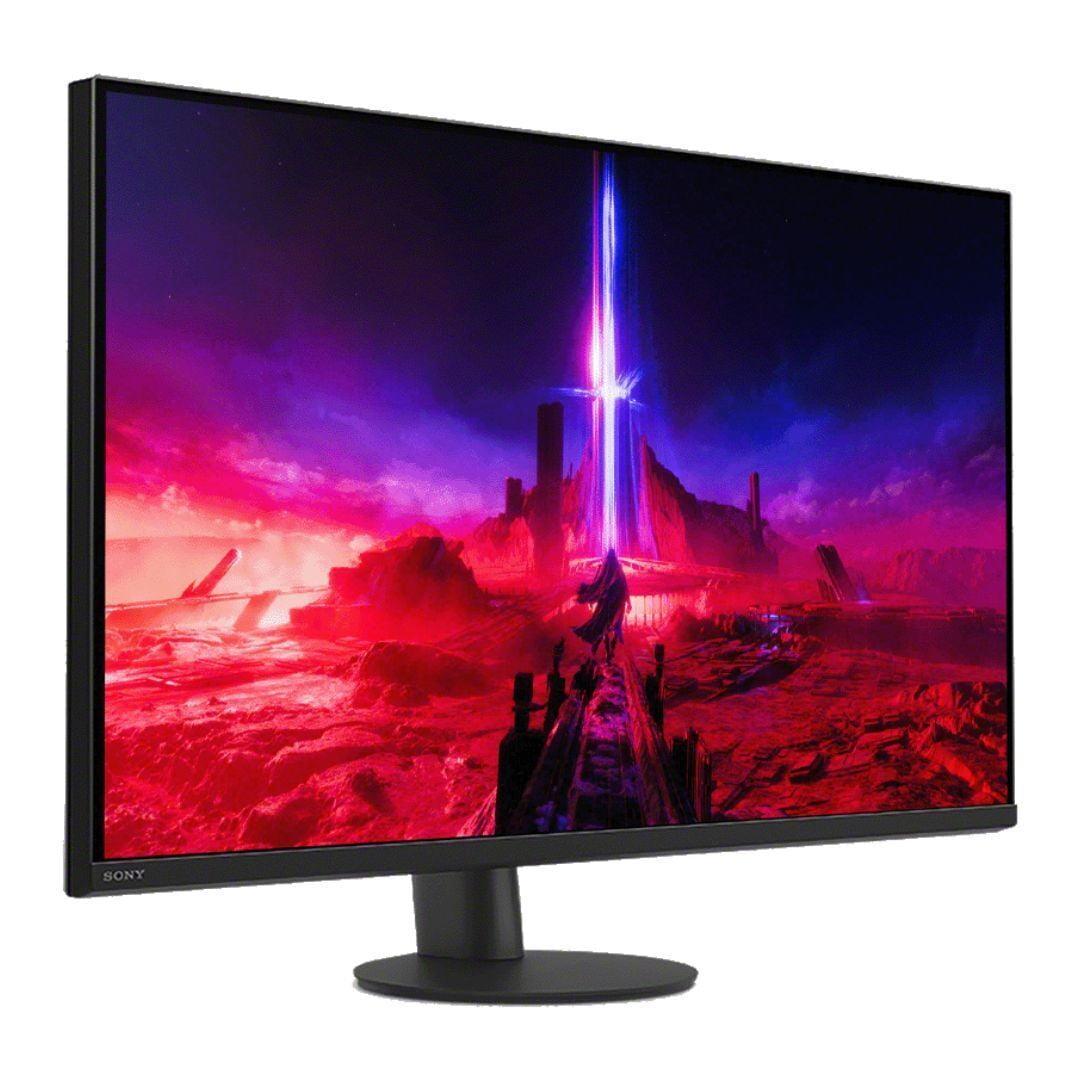
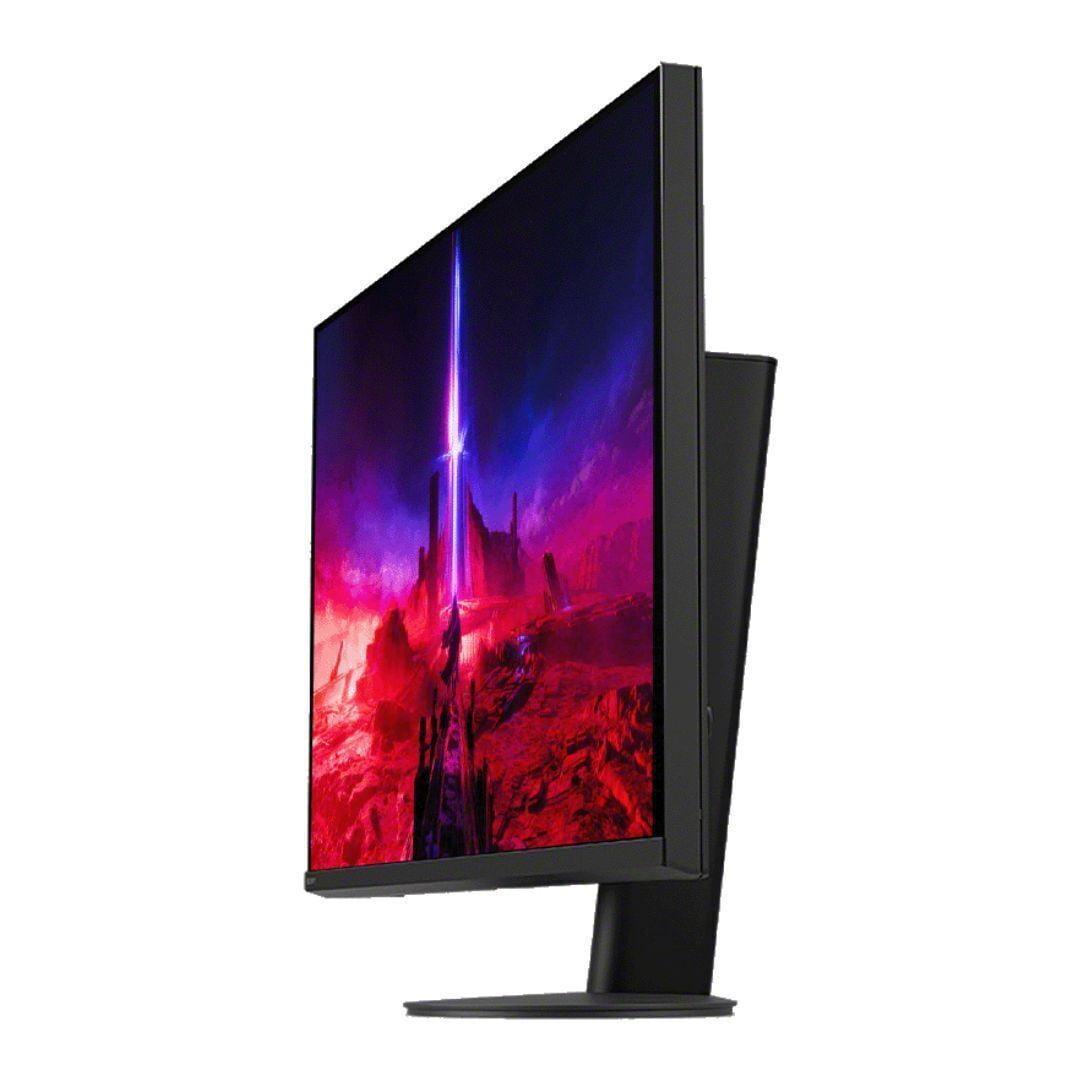
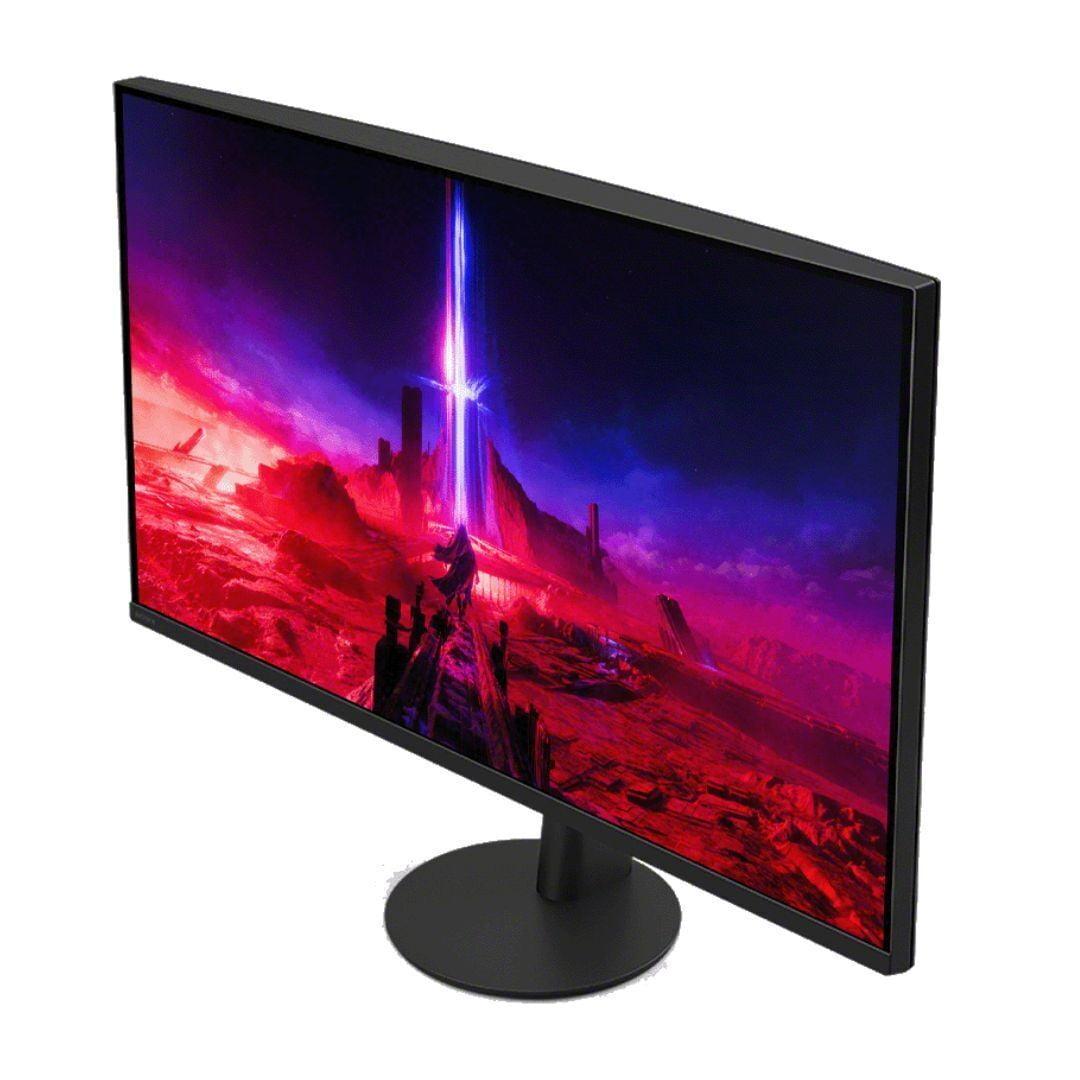
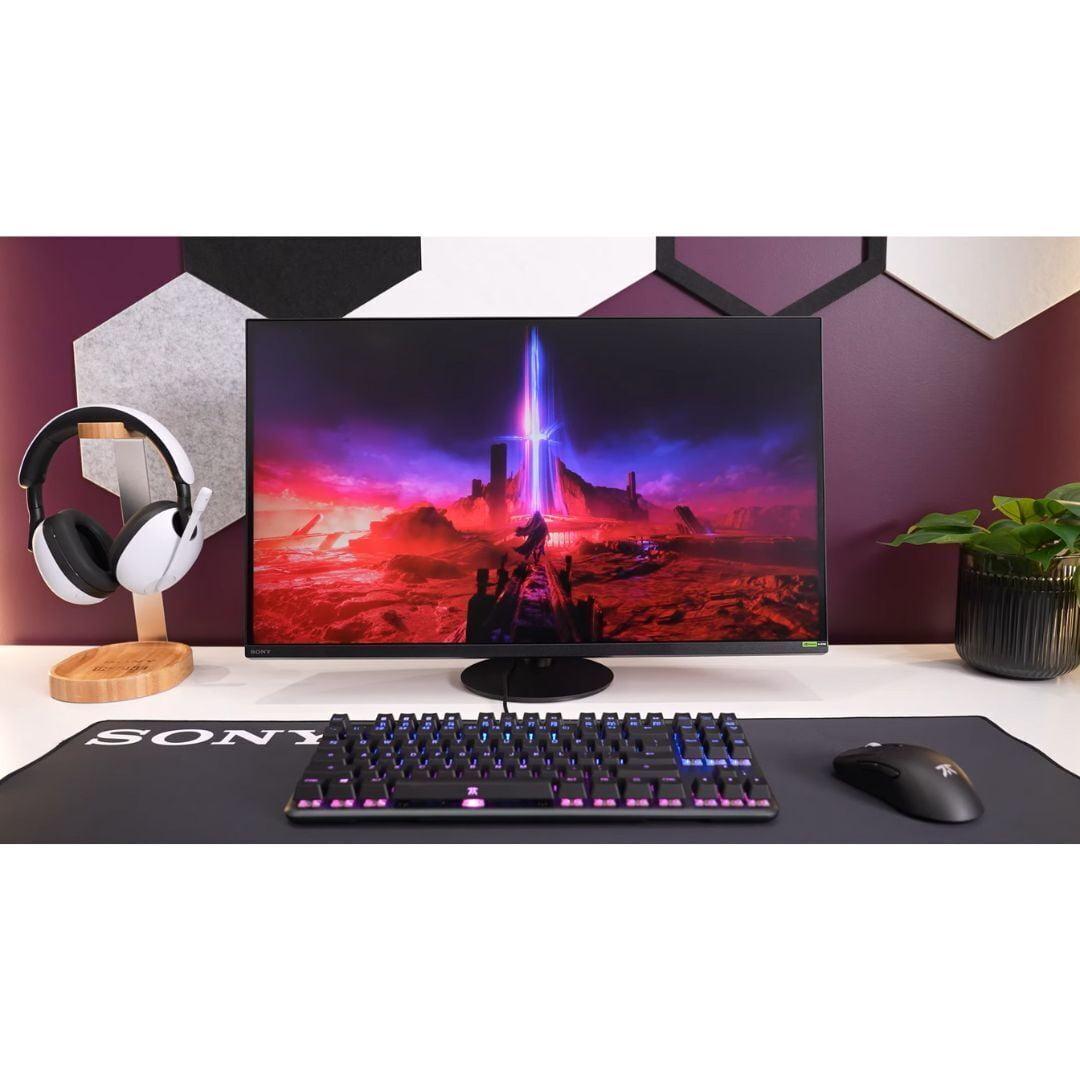
When you're shopping for a premium gaming monitor, the choices can feel overwhelming. Two standouts that represent completely different philosophies are the Samsung 27" Odyssey OLED G6 and the Sony INZONE M9 II. Released in 2024, these monitors showcase how far display technology has advanced, but they take radically different approaches to delivering the ultimate gaming experience.
Think of it this way: the Samsung G6 is like a race car built for the track—pure speed and performance. The Sony M9 II is more like a luxury sports car—powerful, versatile, and comfortable for daily driving. Both excel at what they're designed for, but understanding their differences will help you choose the right one for your setup.
Premium gaming monitors have evolved dramatically since the early 2020s. We've moved beyond basic refresh rate improvements to fundamental advances in display technology. The biggest leap has been OLED panels becoming viable for PC gaming, while traditional LCD technology has improved with better local dimming (controlling backlight zones independently) and higher refresh rates.
When evaluating these displays, you're really looking at five core areas: the underlying display technology, how sharp the image looks, gaming-specific performance metrics, visual quality for different content types, and long-term value. Each of these areas involves trade-offs that affect your daily experience.
The most important thing to understand upfront is that these monitors represent two different philosophies. The Samsung OLED G6 prioritizes maximum gaming performance with cutting-edge OLED technology that can switch pixels on and off individually. The Sony INZONE M9 II focuses on delivering the sharpest possible image with 4K resolution while maintaining strong gaming capabilities.
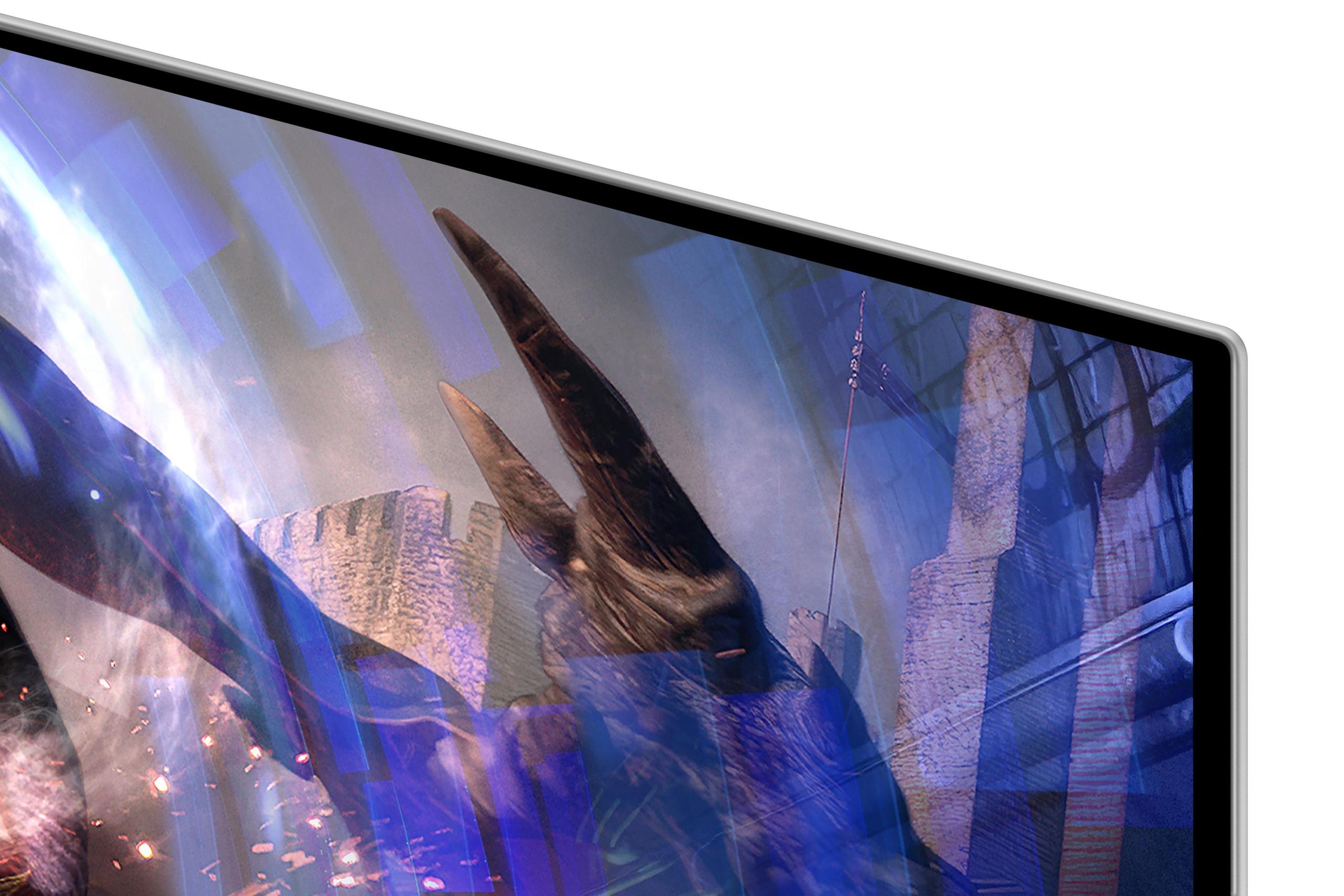
The fundamental difference between these monitors lies in how they create light and color. The Samsung G6 uses QD-OLED technology—a mouthful that stands for Quantum Dot Organic Light Emitting Diode. This means each pixel generates its own light and can turn completely off, creating perfect blacks and infinite contrast. When you're exploring a dark cave in a game, those shadows are truly black, not the dark gray you get from most monitors.
The Sony M9 II uses IPS LCD technology with Full Array Local Dimming. This system uses LED backlights arranged behind the screen that can be dimmed in 96 different zones. While it can't achieve the perfect blacks of OLED, it offers more consistent brightness across the entire screen and can get much brighter overall.
In practical terms, the OLED excels in dark or dimly lit rooms where its superior contrast creates more immersive visuals. I've found that games like Cyberpunk 2077 or Alan Wake 2 look absolutely stunning on OLED panels—the neon lights pop against truly black backgrounds in ways that LCD simply can't match.
However, the Sony monitor shines in brighter environments. Its 400-nit sustained brightness (compared to the Samsung's 250 nits) means you won't need to dim your lights or close blinds to see the screen clearly. This makes it much more versatile if you use your monitor during the day or in a well-lit room.
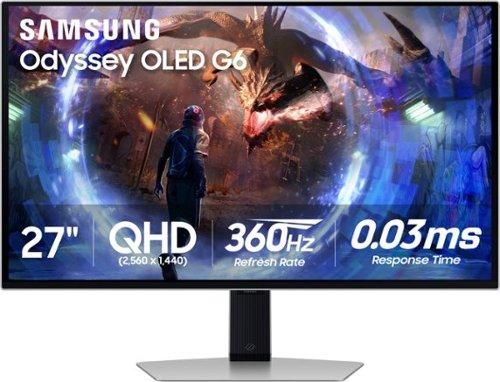
Here's where things get interesting. The Samsung G6 uses QHD resolution (2560×1440 pixels), while the Sony M9 II delivers 4K (3840×2160 pixels). That's more than double the pixel count—2.25 times as many pixels, to be exact.
This resolution difference is immediately noticeable. Text looks significantly sharper on the Sony monitor, making it much better for productivity work like writing, coding, or detailed photo editing. In games, you'll see finer details in textures, clearer UI elements, and an overall crisper image.
But there's a catch: higher resolution requires more processing power from your graphics card. The Samsung monitor is easier to drive at high frame rates, which is crucial for competitive gaming. A graphics card that struggles to maintain 100 fps at 4K might easily hit 200+ fps at QHD, making better use of the Samsung's higher refresh rate capabilities.
The pixel density tells the story clearly. The Sony delivers 163 pixels per inch compared to the Samsung's 108 PPI. If you sit close to your monitor (typical for PC gaming), this difference is substantial. However, the Samsung's lower resolution enables its incredible 360Hz refresh rate—something that would be nearly impossible to achieve at 4K with current technology.
Gaming performance is where these monitors truly differentiate themselves. The Samsung OLED G6 operates at 360Hz with a mind-bending 0.03ms response time. To put this in perspective, that's about 30 times faster than the blink of an eye. This combination virtually eliminates motion blur and ghosting—those annoying trails you sometimes see behind fast-moving objects.
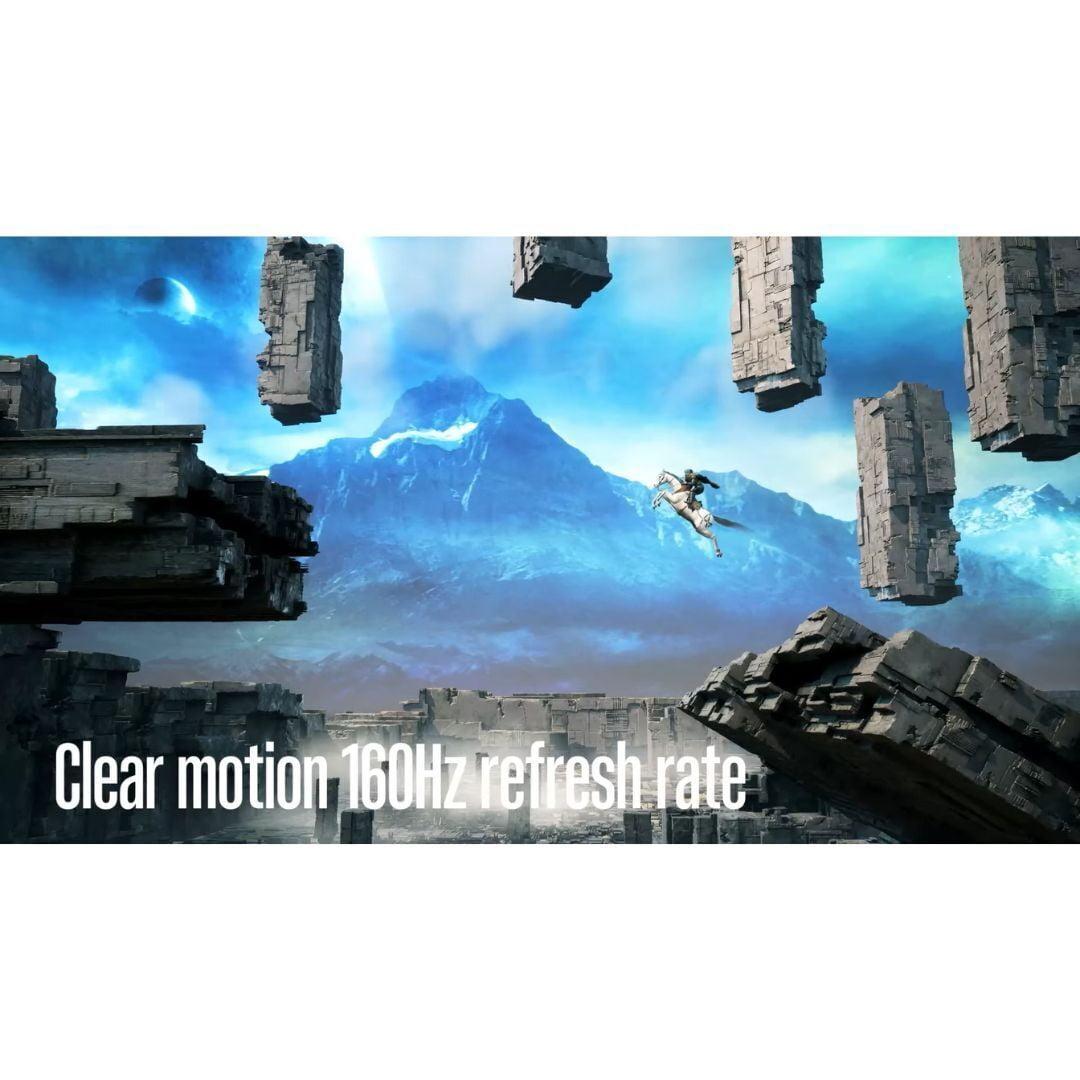
The Sony M9 II runs at 160Hz with a 1ms response time, which is still excellent but notably different in feel. For most gamers, 160Hz provides smooth, fluid motion that's a massive improvement over standard 60Hz displays. However, competitive esports players often swear by the difference that 360Hz makes in fast-paced games like Counter-Strike or Valorant.
I've tested both refresh rates extensively, and while 360Hz is undeniably smoother, the difference becomes less noticeable in slower-paced games. Racing games, first-person shooters, and fighting games benefit most from the higher refresh rate. Story-driven RPGs or strategy games don't gain as much from the extra smoothness.
Input lag—the delay between your mouse click and seeing the action on screen—is exceptionally low on both monitors. The Samsung has a slight edge here due to OLED's instantaneous pixel response, but both are suitable for professional-level competitive gaming.
Variable refresh rate support (which synchronizes your monitor's refresh rate with your graphics card to eliminate screen tearing) works well on both displays. The Samsung supports AMD FreeSync Premium Pro, while the Sony offers broader compatibility including NVIDIA G-Sync and HDMI 2.1 VRR for consoles.
Visual quality is where personal preference plays a significant role. The Samsung OLED G6 delivers colors that pop with intensity, thanks to its quantum dot technology and perfect black levels. Colors appear more vibrant and saturated, which creates a more dramatic, cinematic look that many gamers love.
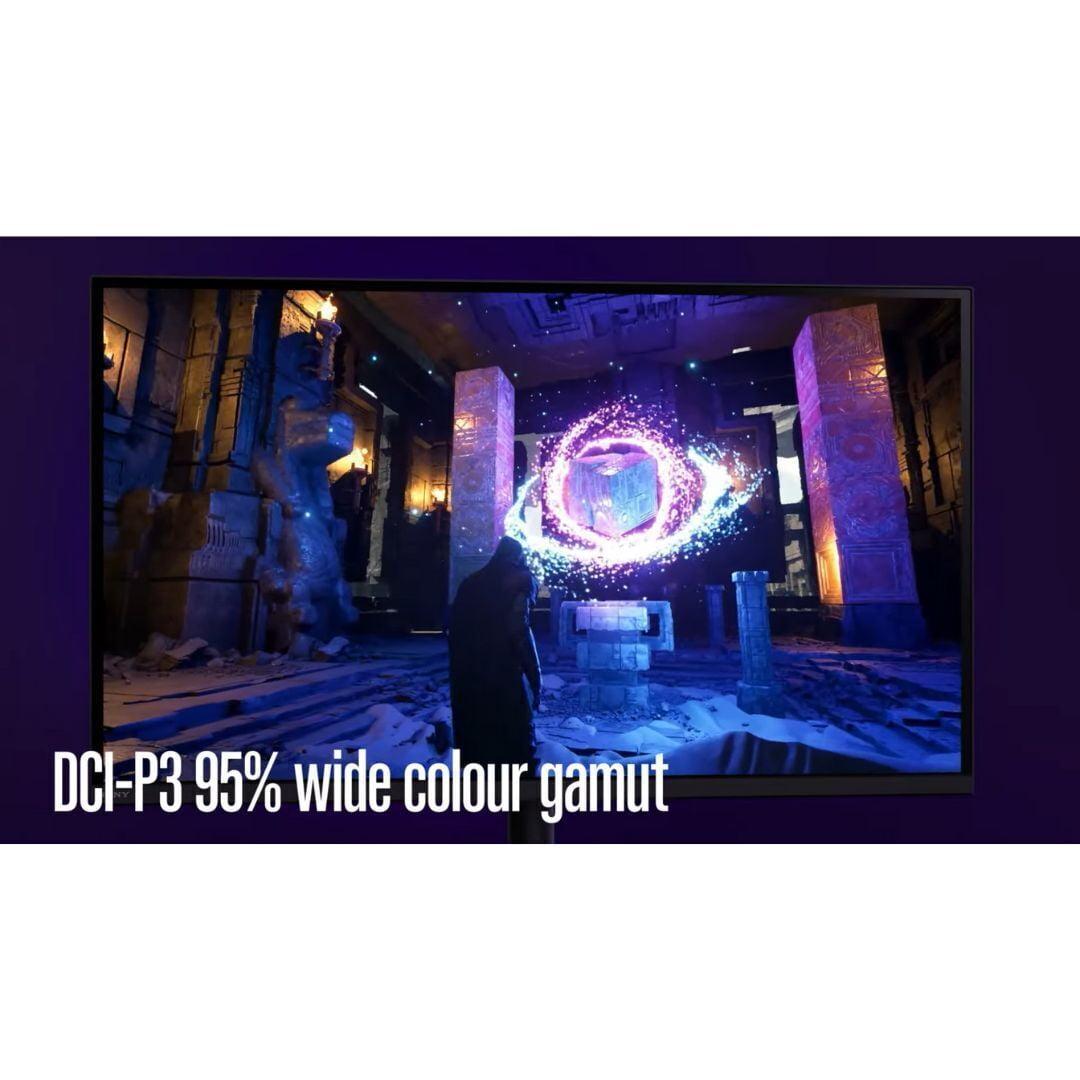
The Sony INZONE M9 II takes a more neutral approach with excellent color accuracy out of the box. It covers 95% of the DCI-P3 color space (the standard used for digital cinema), while the Samsung covers 99%. However, the Sony's colors appear more natural and consistent, which is preferable for content creation or professional work.
HDR (High Dynamic Range) performance differs significantly between these monitors. HDR allows displays to show a wider range of brightness levels, from deeper blacks to brighter highlights, creating more realistic lighting. The Samsung excels at the dark end of this range with its perfect blacks, while the Sony can produce brighter highlights with its 750-nit peak brightness.
For gaming, both approaches have merit. The Samsung's superior contrast makes dark scenes more immersive—think exploring dungeons or playing horror games. The Sony's brighter highlights make outdoor scenes and explosions more impactful. The Sony also holds VESA DisplayHDR 600 certification, indicating it meets specific standards for HDR performance.
Both monitors work well with gaming consoles, but the Sony INZONE M9 II was specifically designed with PlayStation 5 optimization in mind. It includes Auto HDR Tone Mapping that automatically adjusts settings for the best PS5 experience, plus a unique 24.5-inch mode for esports gaming that some competitive console players prefer.
For home theater use, the resolution difference becomes crucial. 4K content looks native on the Sony monitor, while it needs to be downscaled for the Samsung's QHD resolution. This makes the Sony more versatile if you plan to watch movies or stream 4K content.
However, the Samsung OLED provides a more cinematic experience in dark rooms due to its superior black levels. Many film enthusiasts prefer OLED technology for movie watching because it can display the full range of darkness that filmmakers intended.
Both monitors include built-in smart features and gaming assists like crosshairs, timers, and frame rate counters. The Sony adds integrated speakers (though external audio is still recommended for serious gaming), while the Samsung requires external speakers or headphones.
This is perhaps the most important consideration for long-term ownership. OLED displays, including the Samsung G6, can suffer from burn-in—permanent ghost images that appear when static elements like game HUDs or Windows taskbars are displayed for extended periods.
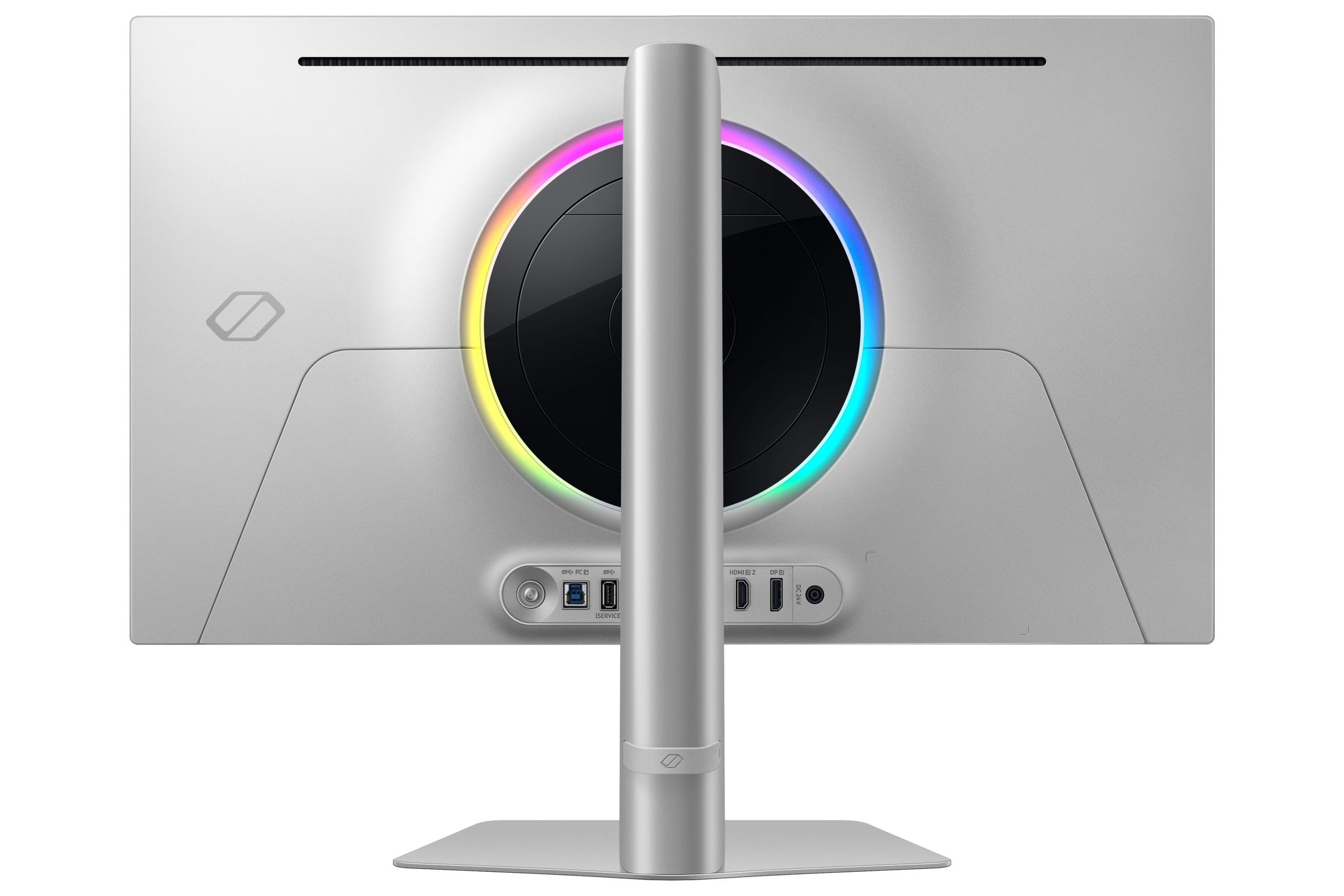
Samsung has addressed this with OLED Safeguard+ technology, including a Dynamic Cooling System that uses a pulsating heat pipe to manage temperatures more effectively than previous OLED monitors. The system also includes algorithms to detect static elements and automatically adjust brightness or activate screen savers to prevent burn-in.
Despite these protections, burn-in remains a real concern for mixed-use scenarios. If you plan to use your monitor for productivity work with static elements like browser toolbars or development environments, the LCD-based Sony M9 II eliminates this risk entirely.
The Sony monitor should theoretically last longer without image quality degradation, making it better for users who keep monitors for many years. However, Samsung backs their OLED with a three-year warranty, showing confidence in their burn-in prevention technology.
When comparing gaming monitors, several specifications matter more than others. Refresh rate and response time are crucial for competitive gaming, but they have diminishing returns. The jump from 60Hz to 120Hz is massive, 120Hz to 240Hz is noticeable, and 240Hz to 360Hz is subtle but still meaningful for serious competitors.
Input lag (total system delay) is more important than response time for competitive gaming, and both monitors excel here. Color accuracy matters most for content creation, while contrast ratio affects immersion in games and movies.
Resolution impacts both image quality and performance requirements. Higher resolution provides better clarity but demands more from your graphics card. The sweet spot depends on your hardware and preferences—QHD offers an excellent balance for high refresh rate gaming, while 4K provides maximum detail for immersive single-player experiences.
At the time of writing, the Samsung OLED G6 commands a premium over the Sony INZONE M9 II, reflecting the advanced nature of its QD-OLED technology and specialized gaming focus. However, value depends heavily on your use case.
For pure gaming performance, especially competitive esports, the Samsung offers cutting-edge technology that justifies its higher price for serious players. The 360Hz refresh rate and OLED visual quality represent the current pinnacle of gaming display technology.
The Sony monitor provides better value for versatile users who want both gaming capability and productivity features. The 4K resolution makes it suitable for content creation, while the lack of burn-in risk ensures long-term reliability.
Choose the Samsung OLED G6 if you're primarily focused on competitive gaming performance and play mostly in dark environments. It's ideal for esports enthusiasts who want every possible advantage, single-player gamers who value immersive visuals over productivity features, and users who game primarily at night or in dim rooms.
The Sony INZONE M9 II makes more sense for users who want a versatile display that excels at both gaming and productivity. It's perfect for content creators who need color accuracy and sharp text, console gamers (especially PS5 owners) who want 4K gaming, and anyone who uses their monitor in bright rooms or for mixed purposes.
Consider your graphics card capabilities as well. The Samsung's QHD resolution is easier to drive at high frame rates, while the Sony's 4K resolution requires more powerful hardware to achieve smooth gaming.
Ultimately, both monitors represent excellent choices that showcase the current state of display technology. The Samsung pushes the boundaries of gaming performance, while the Sony offers a more balanced approach with broader appeal. Your choice should align with your primary use case, room lighting, and long-term needs.
The monitor market continues to evolve rapidly, with new OLED and Mini LED technologies appearing regularly. However, both of these 2024 releases represent mature, well-executed examples of their respective approaches and should serve their intended audiences well for years to come.
| Samsung 27" Odyssey OLED G6 | Sony INZONE M9 II |
|---|---|
| Display Technology - Fundamentally affects contrast, brightness, and burn-in risk | |
| QD-OLED with perfect blacks and infinite contrast | IPS LCD with Full Array Local Dimming (96 zones) |
| Screen Resolution - Higher resolution means sharper text and more detailed gaming | |
| 2560 x 1440 (QHD) - 108 PPI | 3840 x 2160 (4K) - 163 PPI (2.25x more pixels) |
| Refresh Rate - Higher rates provide smoother motion in fast games | |
| 360Hz (cutting-edge for competitive esports) | 160Hz (excellent for most gaming scenarios) |
| Response Time - Lower times reduce motion blur and ghosting | |
| 0.03ms GtG (virtually eliminates blur) | 1ms GtG (still very fast, minimal blur) |
| Brightness - Critical for visibility in different room lighting | |
| 250 nits sustained (best in dark rooms) | 400 nits sustained, 750 nits peak (better for bright rooms) |
| HDR Support - Enhanced contrast and color range for immersive visuals | |
| HDR10+ Gaming with OLED's perfect blacks | VESA DisplayHDR 600 certified with brighter highlights |
| Color Coverage - Wider gamuts provide more vibrant, accurate colors | |
| 99% DCI-P3 with quantum dot enhancement | 95% DCI-P3 with excellent out-of-box accuracy |
| Burn-in Risk - Permanent image retention from static content | |
| OLED Safeguard+ protection but risk remains | No burn-in risk with LCD technology |
| Console Optimization - Special features for PlayStation and Xbox gaming | |
| General console support via HDMI 2.1 | PlayStation 5 Auto HDR Tone Mapping and optimization |
| Connectivity - Different ports affect device compatibility | |
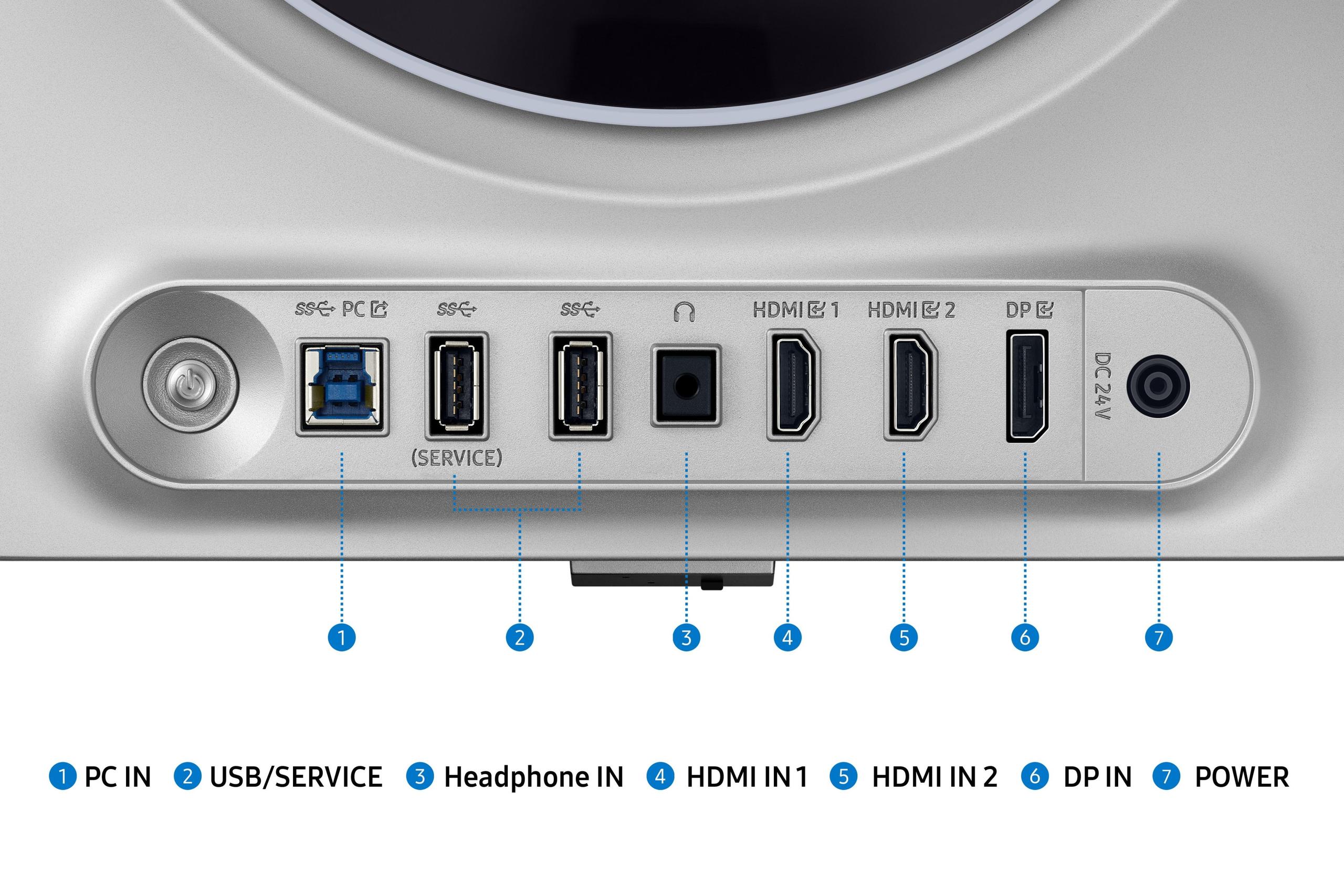
| 1x DisplayPort 1.4, 2x HDMI 2.1, USB hub | 1x DisplayPort 2.1, 2x HDMI 2.1, USB hub |
| Built-in Audio - Convenience factor for simpler setups | |
| No speakers (requires external audio) | 2x 2W integrated speakers included |
| Warranty Coverage - Protection against defects and early failure | |
| 3-year warranty (reflects OLED confidence) | Standard 1-year warranty coverage |
| Best Use Case - Who each monitor is designed for | |
| Competitive esports gaming in dark environments | 4K gaming and productivity in various lighting conditions |
The Samsung 27" Odyssey OLED G6 is superior for competitive gaming with its 360Hz refresh rate and 0.03ms response time. This combination provides the smoothest possible motion and fastest pixel response, giving competitive players every advantage in fast-paced games like Counter-Strike or Valorant. The Sony INZONE M9 II offers excellent 160Hz gaming performance but can't match the Samsung's competitive edge.
The Samsung OLED G6 uses OLED technology where each pixel produces its own light and can turn completely off, creating perfect blacks and infinite contrast. The Sony M9 II uses LCD technology with LED backlighting that can't achieve true blacks but provides consistent brightness and no burn-in risk. OLED offers better contrast while LCD offers better longevity.
Image quality depends on your priorities. The Samsung G6 delivers more vibrant colors and superior contrast with perfect blacks, making games look more cinematic. The Sony INZONE M9 II provides sharper details with 4K resolution (2.25x more pixels) and more accurate colors, making it better for productivity and detailed gaming scenarios.
The Sony INZONE M9 II's 4K resolution provides significantly sharper text and more detailed visuals, especially noticeable on a 27-inch screen. However, 4K requires more powerful graphics hardware to maintain high frame rates. The Samsung G6's QHD resolution is easier to drive at high refresh rates while still providing excellent image quality for gaming.
The Sony INZONE M9 II performs better in bright environments with its 400-nit sustained brightness and anti-glare coating. The Samsung OLED G6 has lower brightness at 250 nits and performs best in dark or dimly lit rooms where its superior contrast can shine without competing with ambient light.
Burn-in is permanent image retention that can occur on OLED displays like the Samsung G6 when static elements are displayed for extended periods. Samsung includes OLED Safeguard+ protection, but the risk remains for mixed productivity use. The Sony M9 II uses LCD technology that doesn't suffer from burn-in, making it safer for varied usage patterns.
The Sony INZONE M9 II was specifically designed for console gaming, especially PlayStation 5, with Auto HDR Tone Mapping and optimization features. Its 4K resolution matches console output perfectly. The Samsung OLED G6 works well with consoles but is optimized for PC gaming with its ultra-high refresh rate that consoles can't fully utilize.
Refresh rate significantly impacts gaming smoothness. The Samsung G6's 360Hz provides the ultimate competitive advantage and silky-smooth motion, especially in fast-paced games. The Sony M9 II's 160Hz still offers excellent performance that most gamers will find more than sufficient, with diminishing returns beyond this point for casual gaming.
Value depends on your needs. The Samsung OLED G6 offers cutting-edge gaming technology at a premium price, justified for serious competitive gamers. The Sony INZONE M9 II provides better overall value with 4K resolution, versatility for both gaming and productivity, and lower risk of long-term issues.
The Sony INZONE M9 II excels at productivity with its sharp 4K resolution making text crisp and clear, plus no burn-in risk from static elements like taskbars. The Samsung G6 can handle productivity but the lower QHD resolution makes text less sharp, and OLED burn-in risk is a concern for extended office use with static interface elements.
Both monitors offer good HDR but with different strengths. The Samsung OLED G6 excels at dark HDR scenes with perfect blacks and infinite contrast, creating more dramatic lighting effects. The Sony M9 II provides brighter HDR highlights with its 750-nit peak brightness and VESA DisplayHDR 600 certification, making bright scenes more impactful.
The Samsung G6 requires a high-end GPU like RTX 4070 or better to drive 360Hz at QHD resolution in demanding games. The Sony INZONE M9 II needs even more powerful hardware like RTX 4080 or better to maintain high frame rates at 4K resolution. Both monitors work with lower-end cards but won't reach their full potential without adequate GPU power.
We've done our best to create useful and informative comparisons to help you decide what product to buy. Our research uses advanced automated methods to create this comparison and perfection is not possible - please contact us for corrections or questions. These are the sites we've researched in the creation of this article: bestbuy.com - gamesradar.com - gamesradar.com - versus.com - youtube.com - versus.com - player2.net.au - youtube.com - rtings.com - youtube.com - samsung.com - files.bbystatic.com - techpowerup.com - samsung.com - bestbuy.com - samsung.com - bhphotovideo.com - bestbuy.com - youtube.com - de.shi.com - pangoly.com - bestbuy.com - bestbuy.com - rtings.com - rtings.com - tomshardware.com - youtube.com - bhphotovideo.com - bestbuy.com - sony.com - techpowerup.com - electronics.sony.com - sony.com - displayspecifications.com - direct.playstation.com - youtube.com - sony.com - sony.com - displayspecifications.com - bhphotovideo.com - displayspecifications.com

Privacy Policy
Terms and Conditions - Affiliate Policy
Home Security
© Copyright 2008-2026.
11816 Inwood Rd #1211, Dallas, TX 75244