



When you're serious about competitive gaming, every millisecond matters. The difference between a 60Hz and 360Hz monitor isn't just a number on a spec sheet—it's the difference between seeing an enemy peek around a corner and reacting to their movement. But with 360Hz monitors now ranging from budget-friendly options to premium OLED displays, choosing the right one has become more complex than ever.
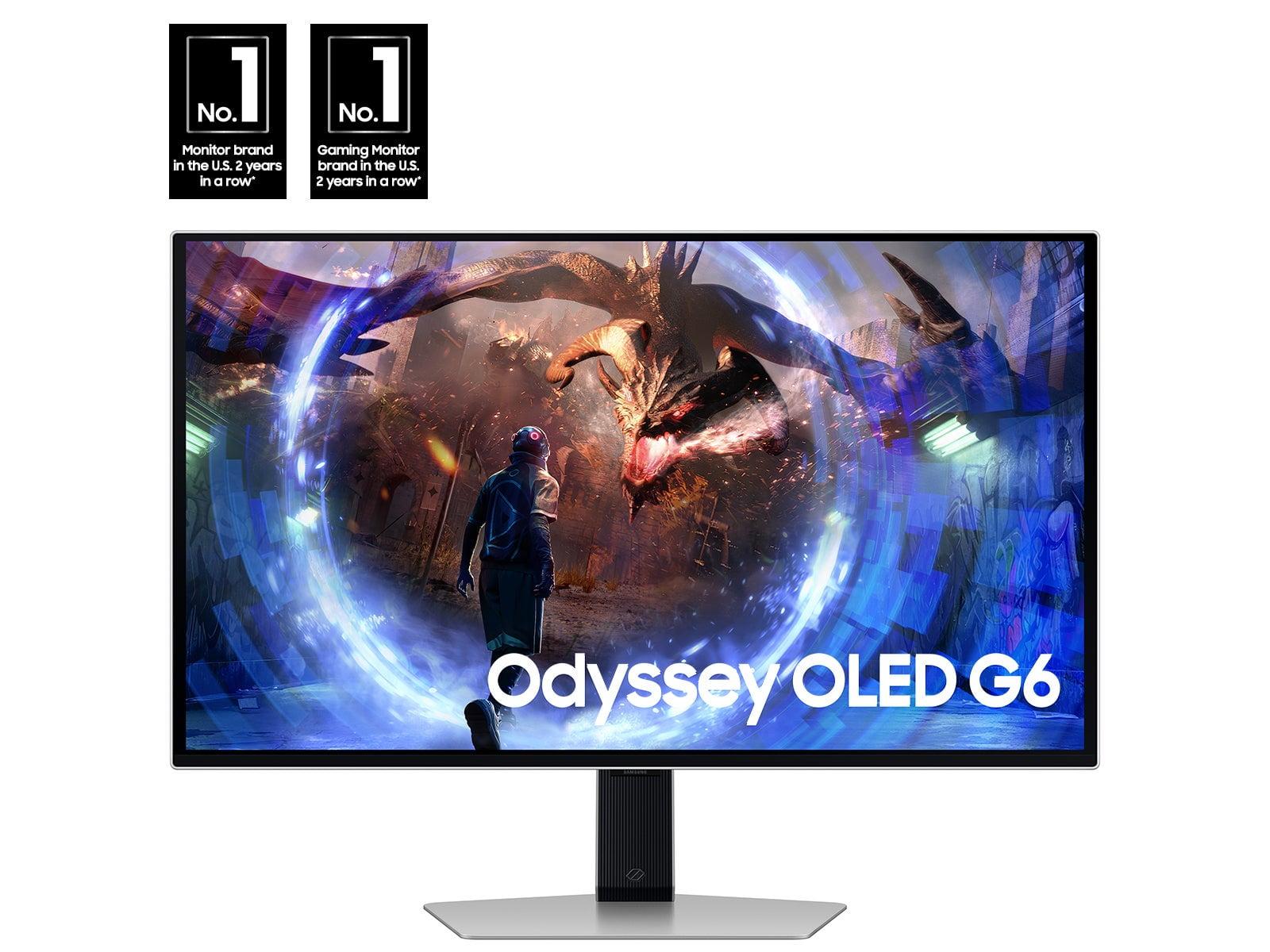
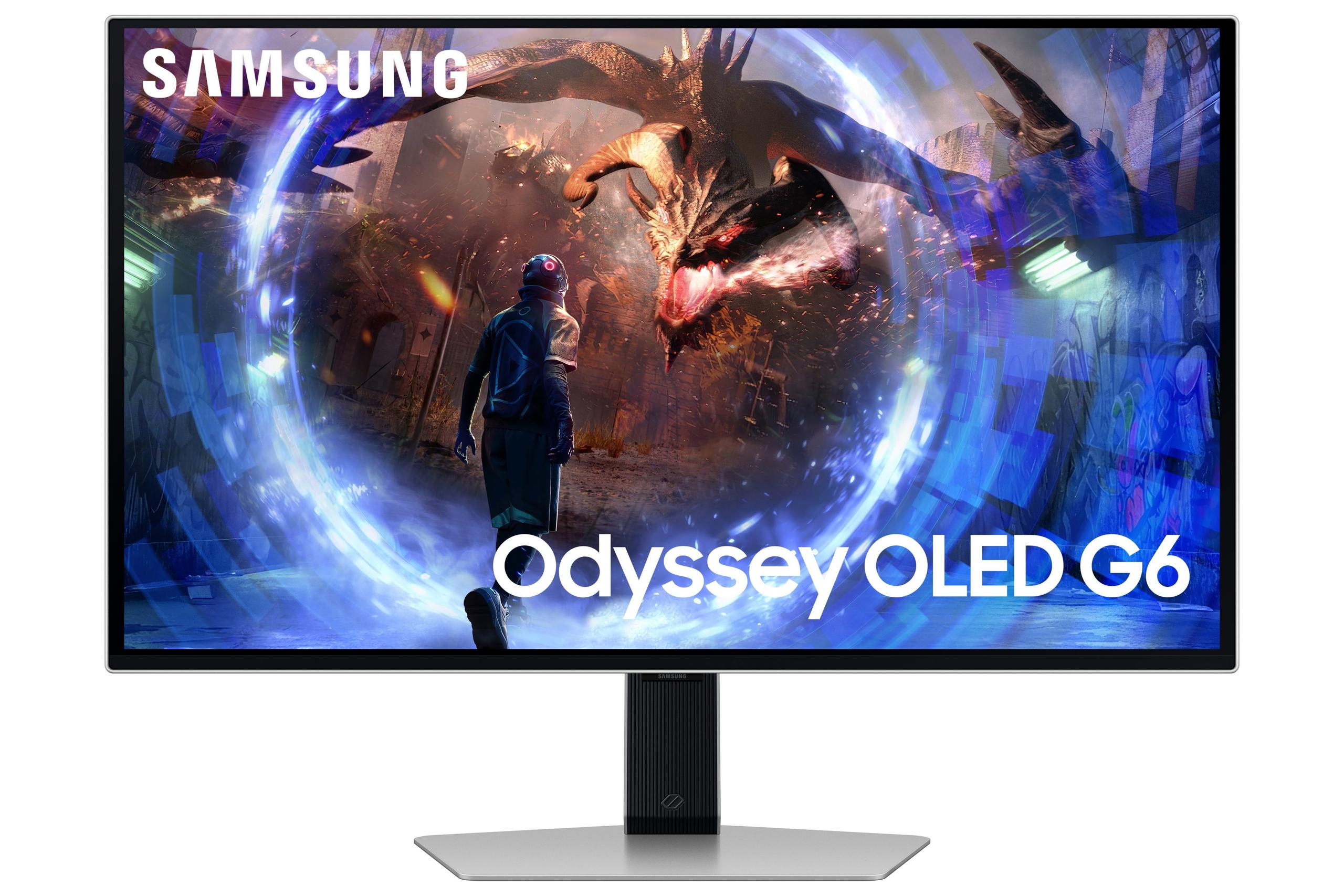
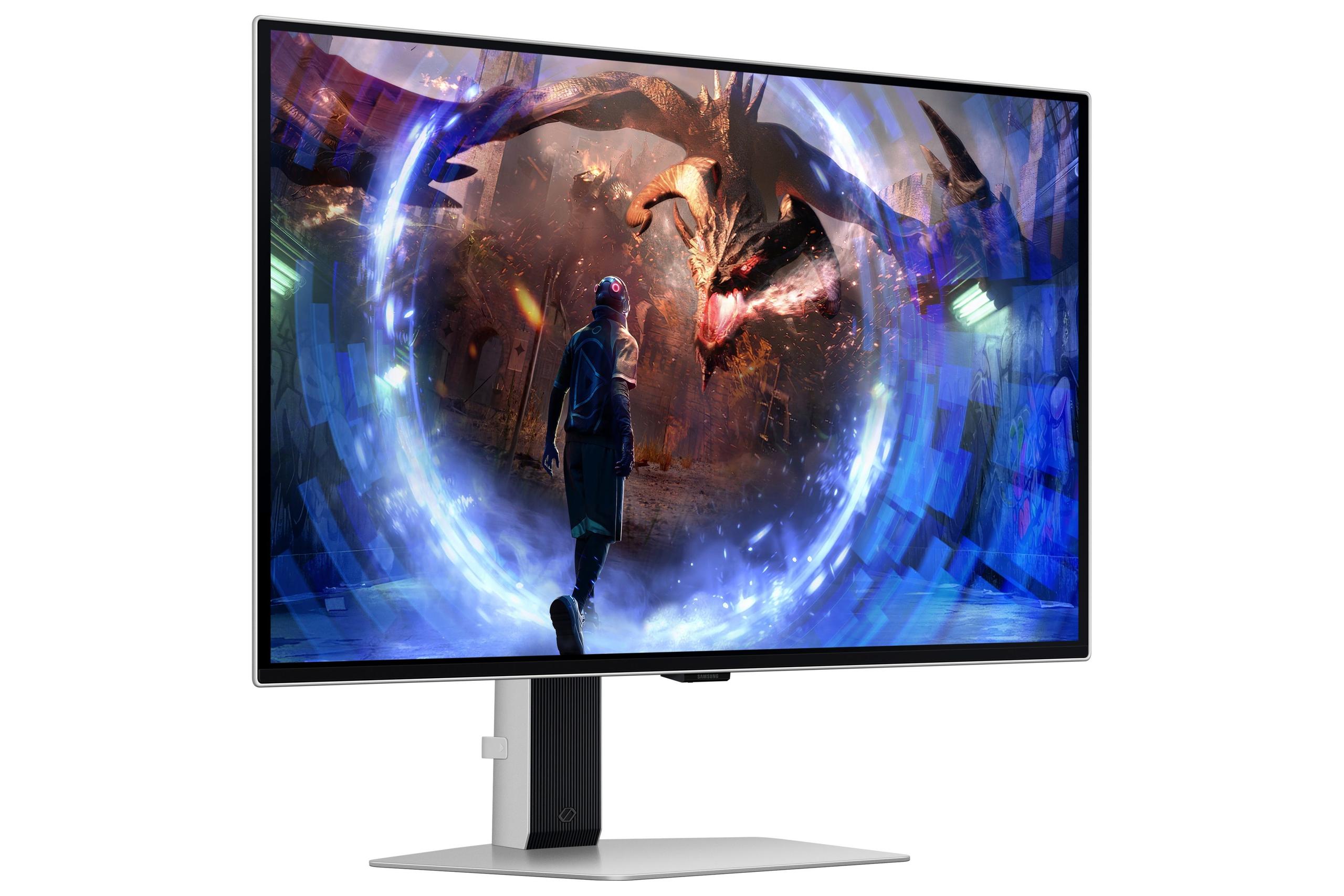
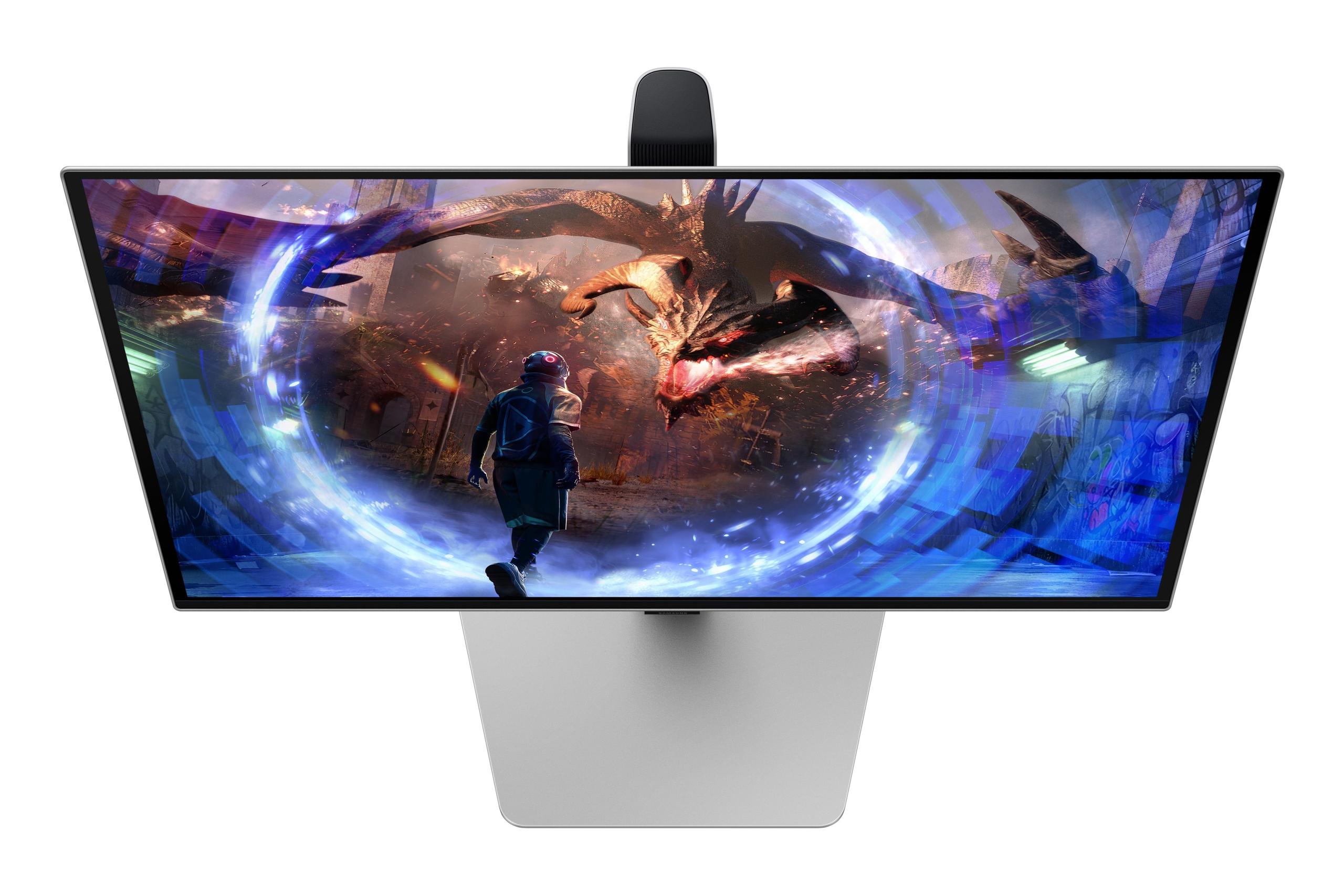
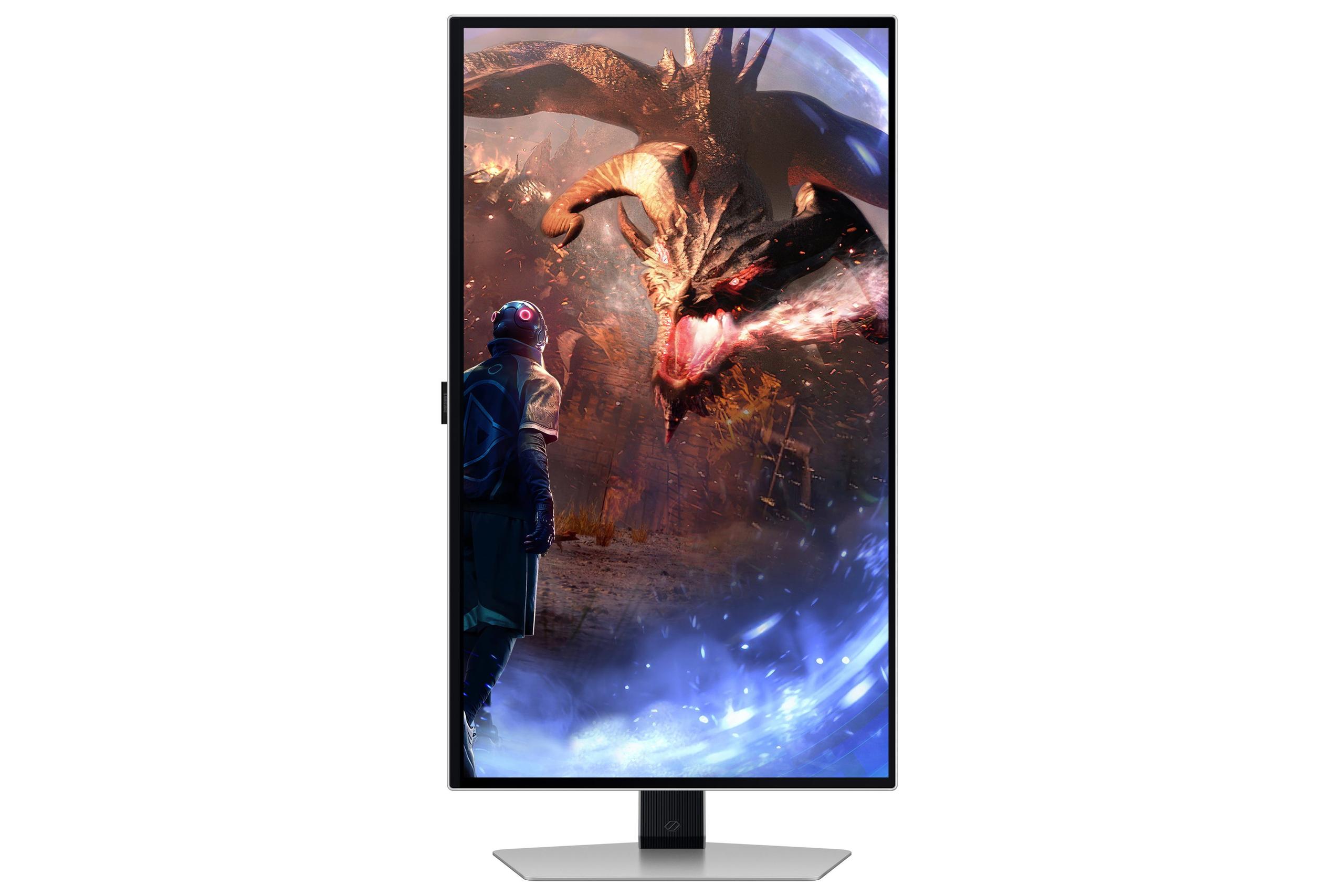
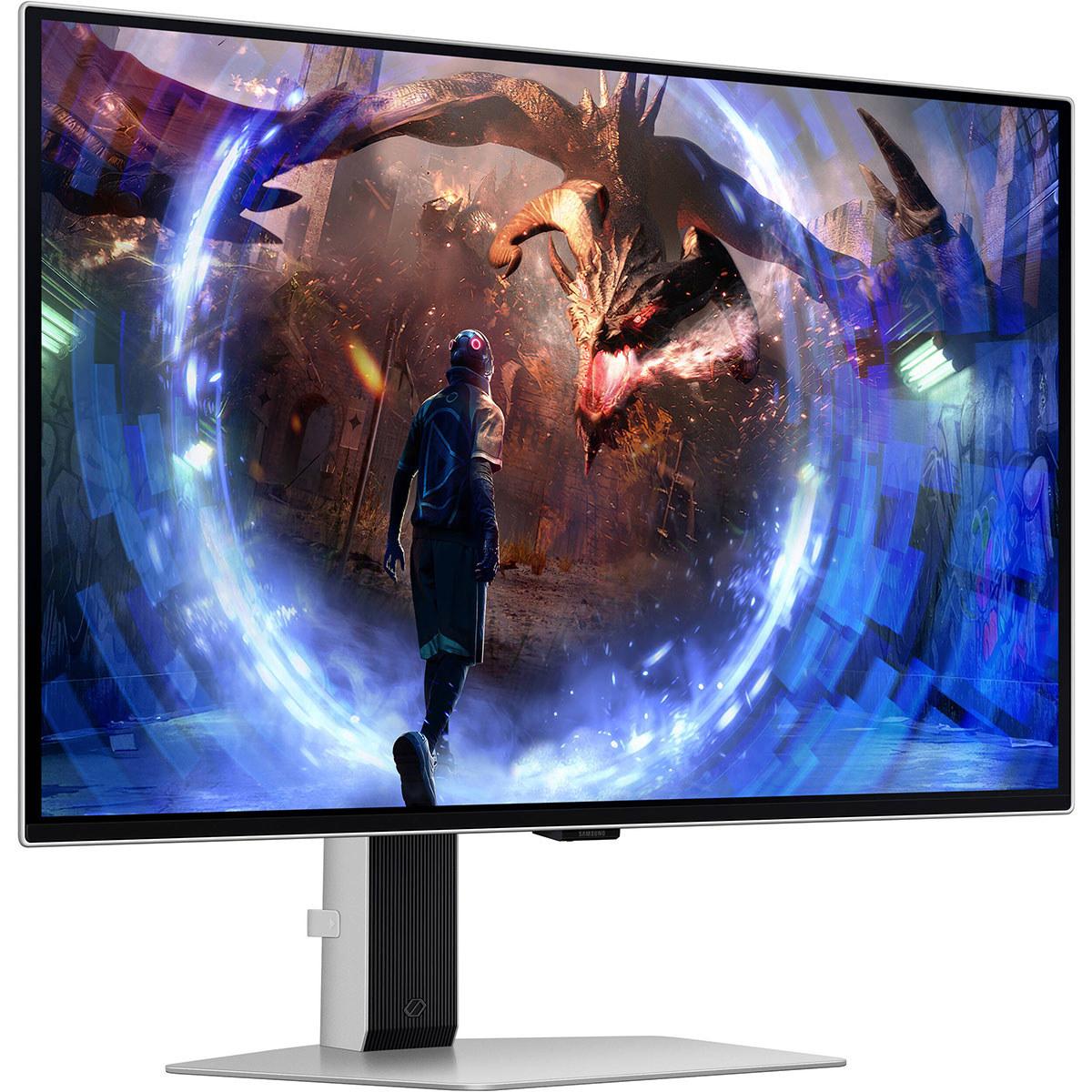
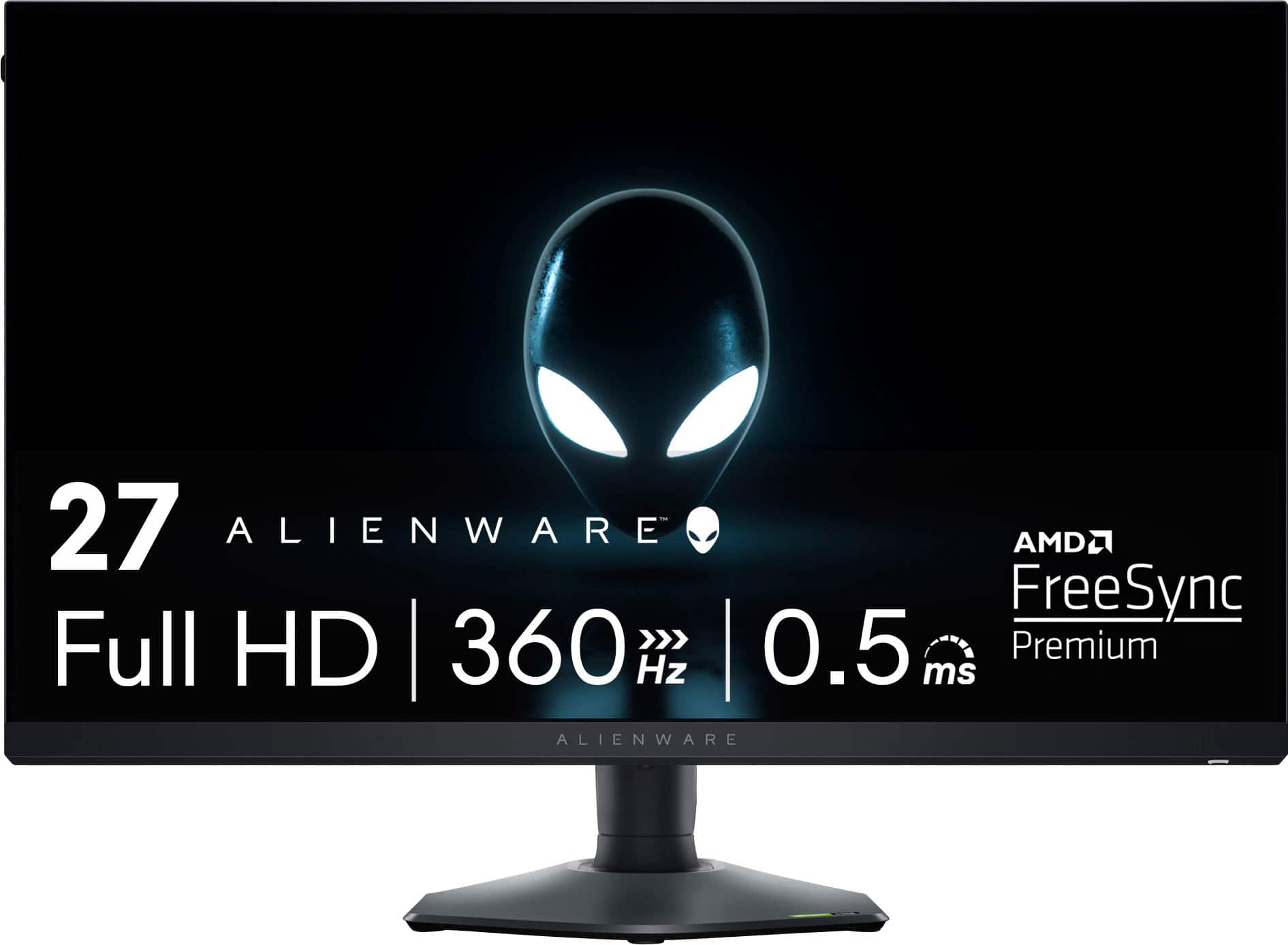
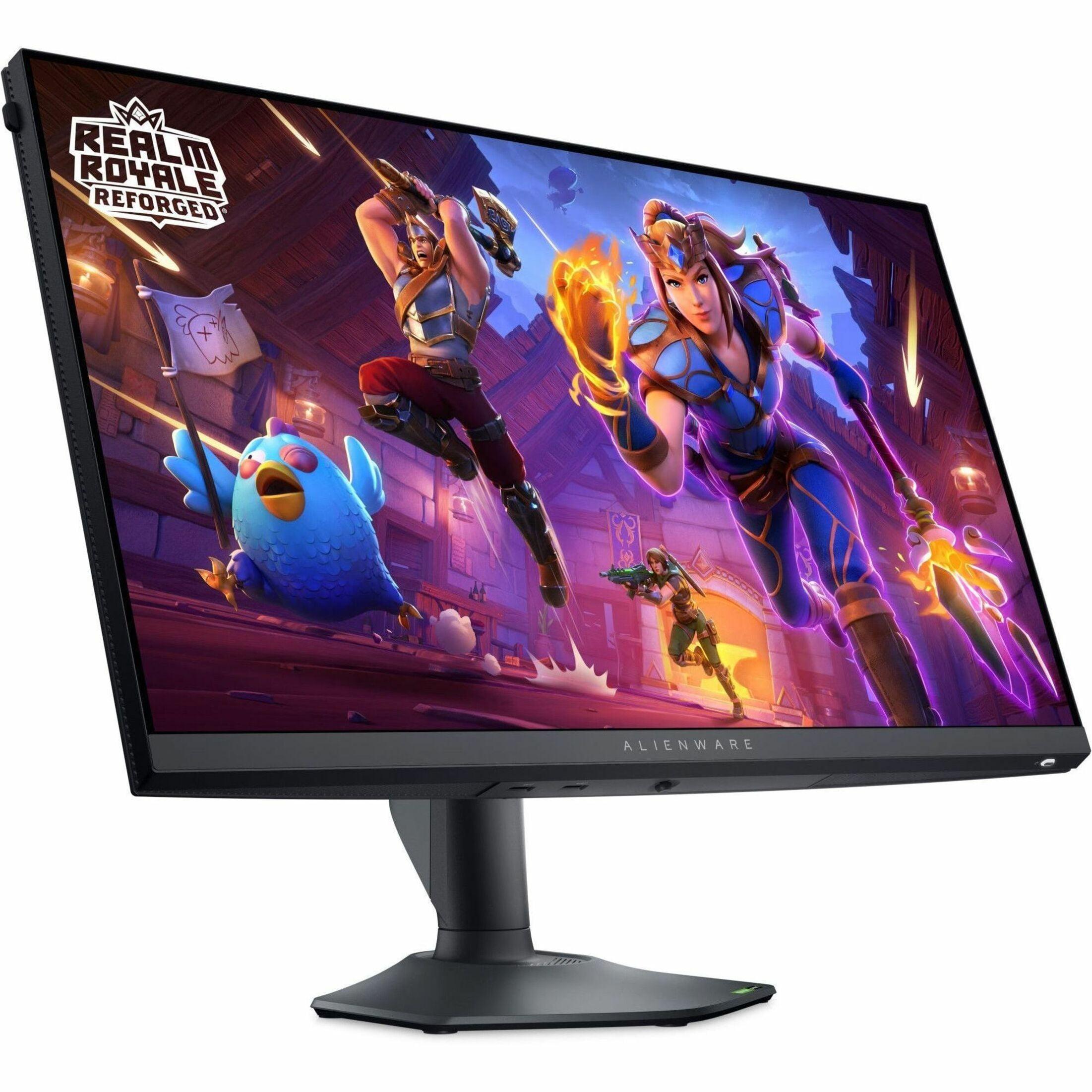
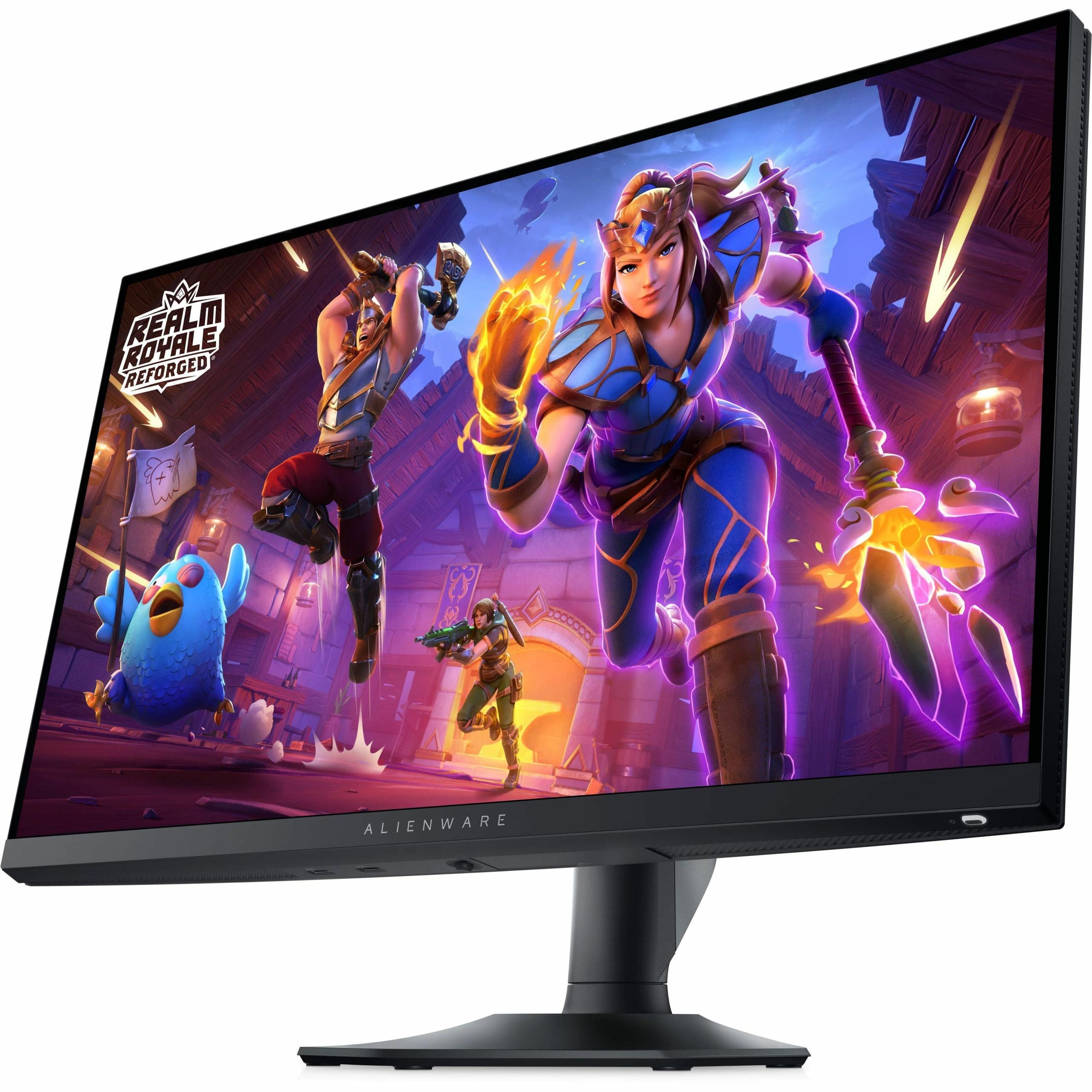
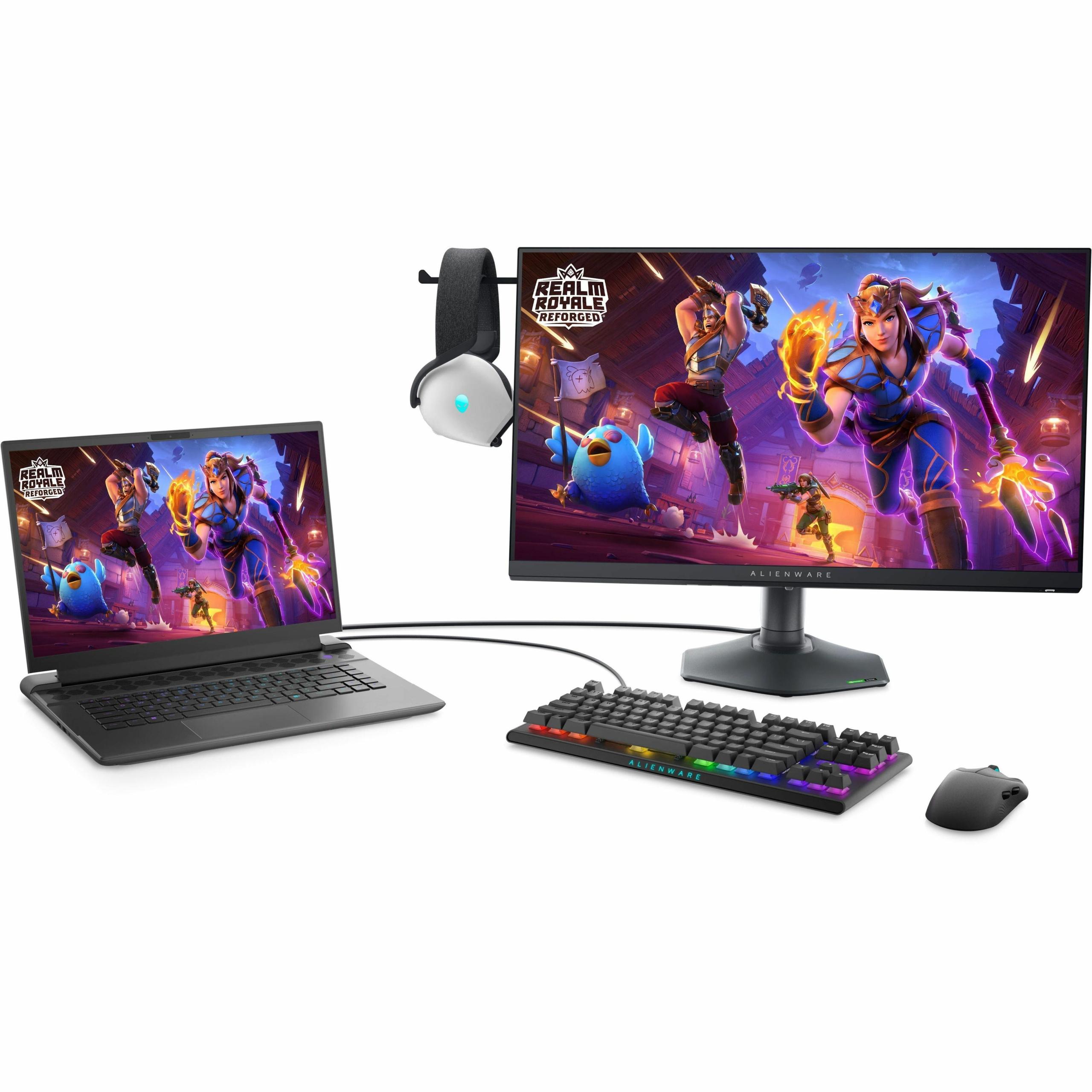
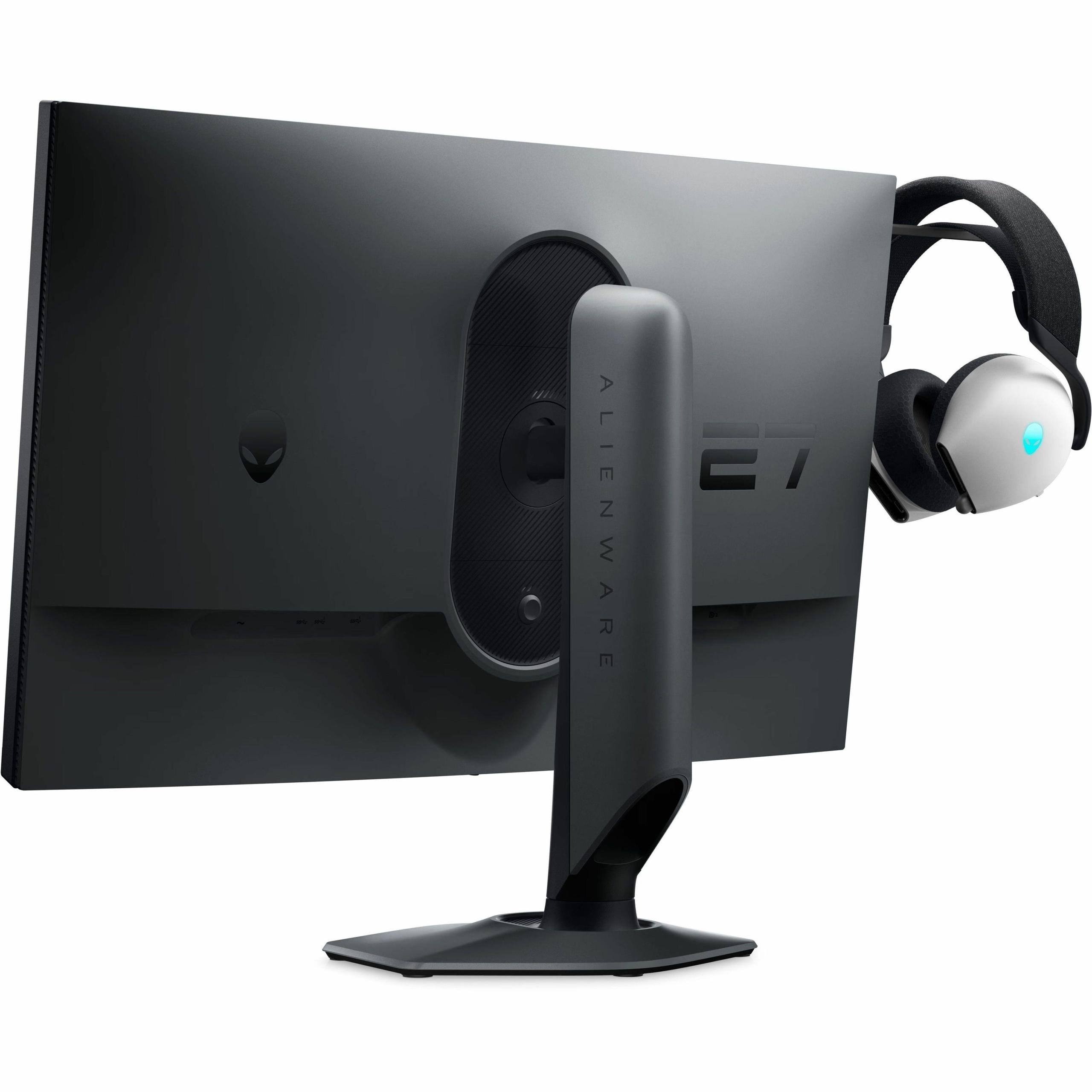
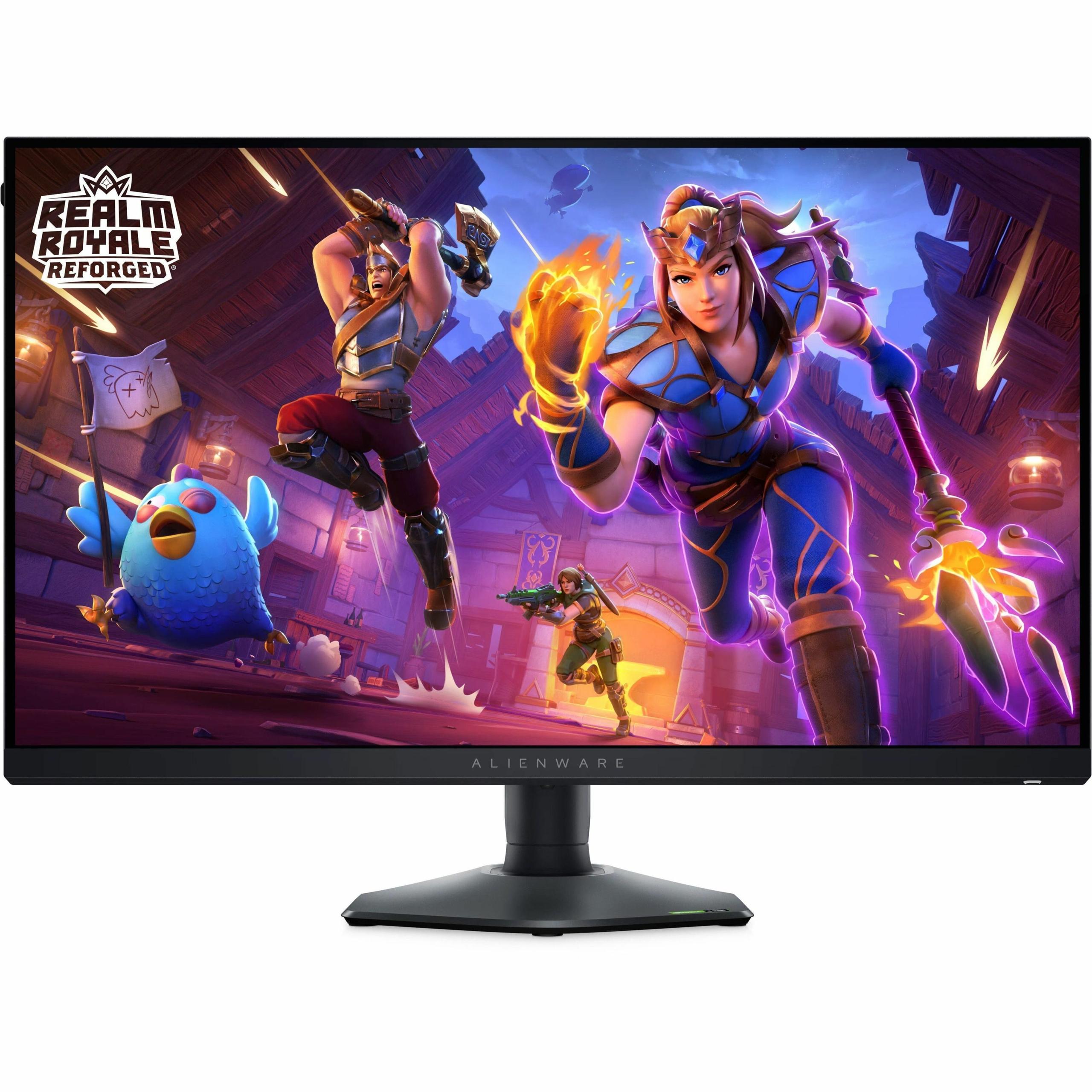
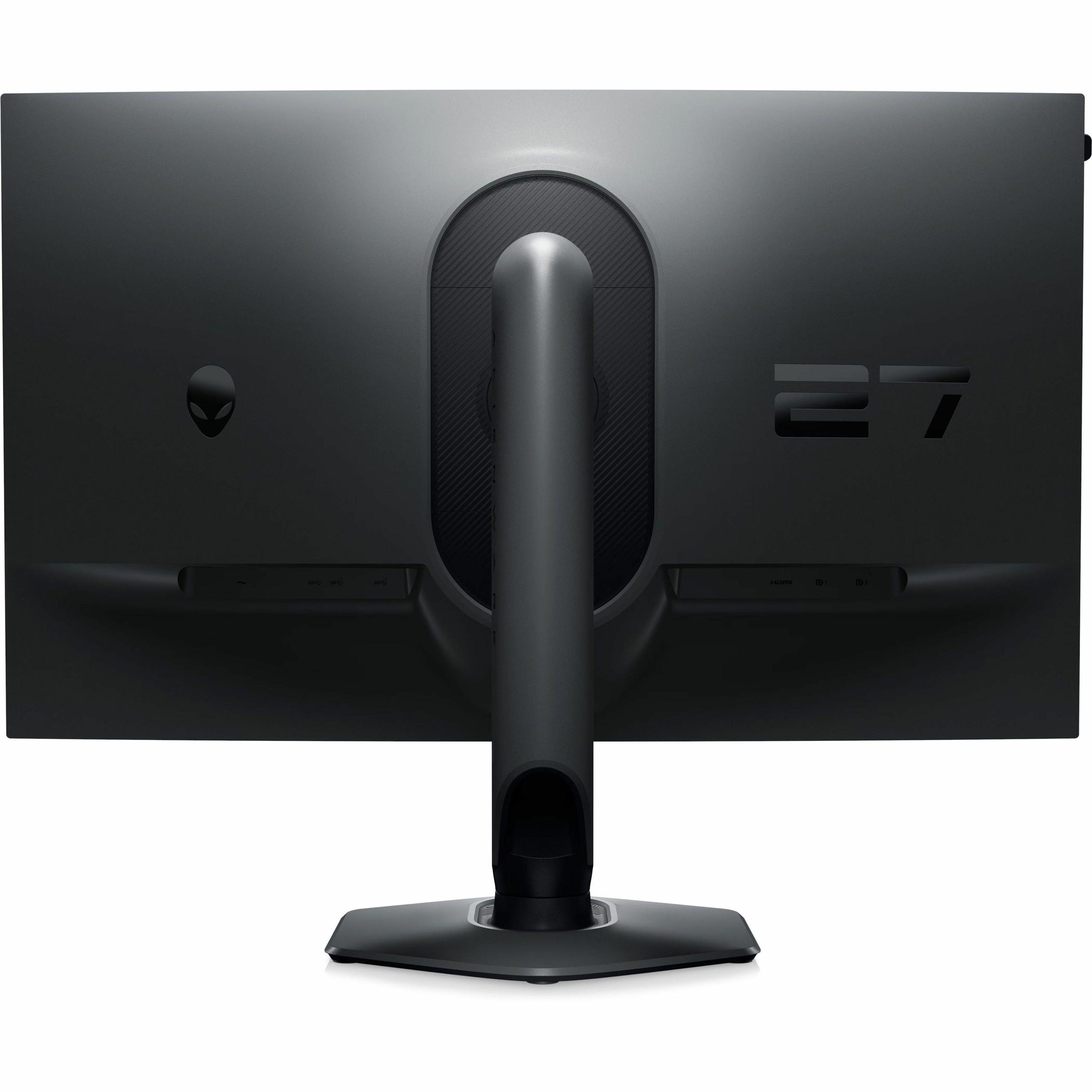
Today we're comparing two very different approaches to 360Hz gaming: the Samsung 27" Odyssey OLED G6, which represents the premium end of gaming monitors, and the Alienware AW2724HF, which delivers high-refresh performance at a much more accessible price point. Both launched in 2024, but they take completely different paths to reach the same 360Hz destination.
Before diving into the specifics, it's worth understanding what you should prioritize in a 360Hz monitor. Unlike regular displays where you might focus on color accuracy or screen size, competitive gaming monitors have their own set of priorities.
Response time is perhaps the most critical metric—this measures how quickly a pixel can change from one color to another, typically measured in milliseconds. Lower is always better because it reduces motion blur and ghosting effects that can hide enemies during fast movements. Most gamers can notice the difference between a 5ms and 1ms response time, especially in fast-paced shooters.
Input lag represents the total delay from when your graphics card sends a signal to when it actually appears on screen. This includes processing time within the monitor itself. While response time measures pixel switching speed, input lag measures the entire signal chain. For competitive gaming, you want both to be as low as possible.
The refresh rate—in this case, 360Hz—determines how many times per second your monitor can display a new image. Higher refresh rates create smoother motion and can give you a competitive advantage by showing enemy movements sooner. However, your graphics card needs to be powerful enough to actually deliver 360 frames per second for you to see the full benefit.
Adaptive sync technology like AMD FreeSync or NVIDIA G-Sync eliminates screen tearing and stuttering by synchronizing your monitor's refresh rate with your graphics card's frame output. This is especially important during intense gaming moments when frame rates might fluctuate.
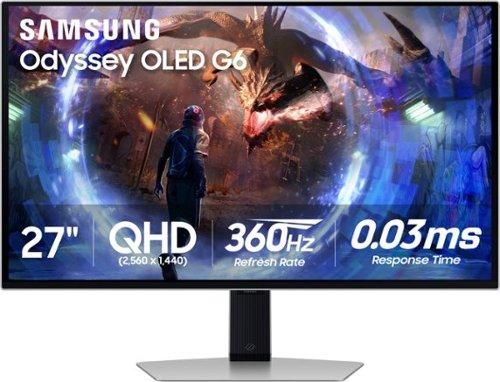
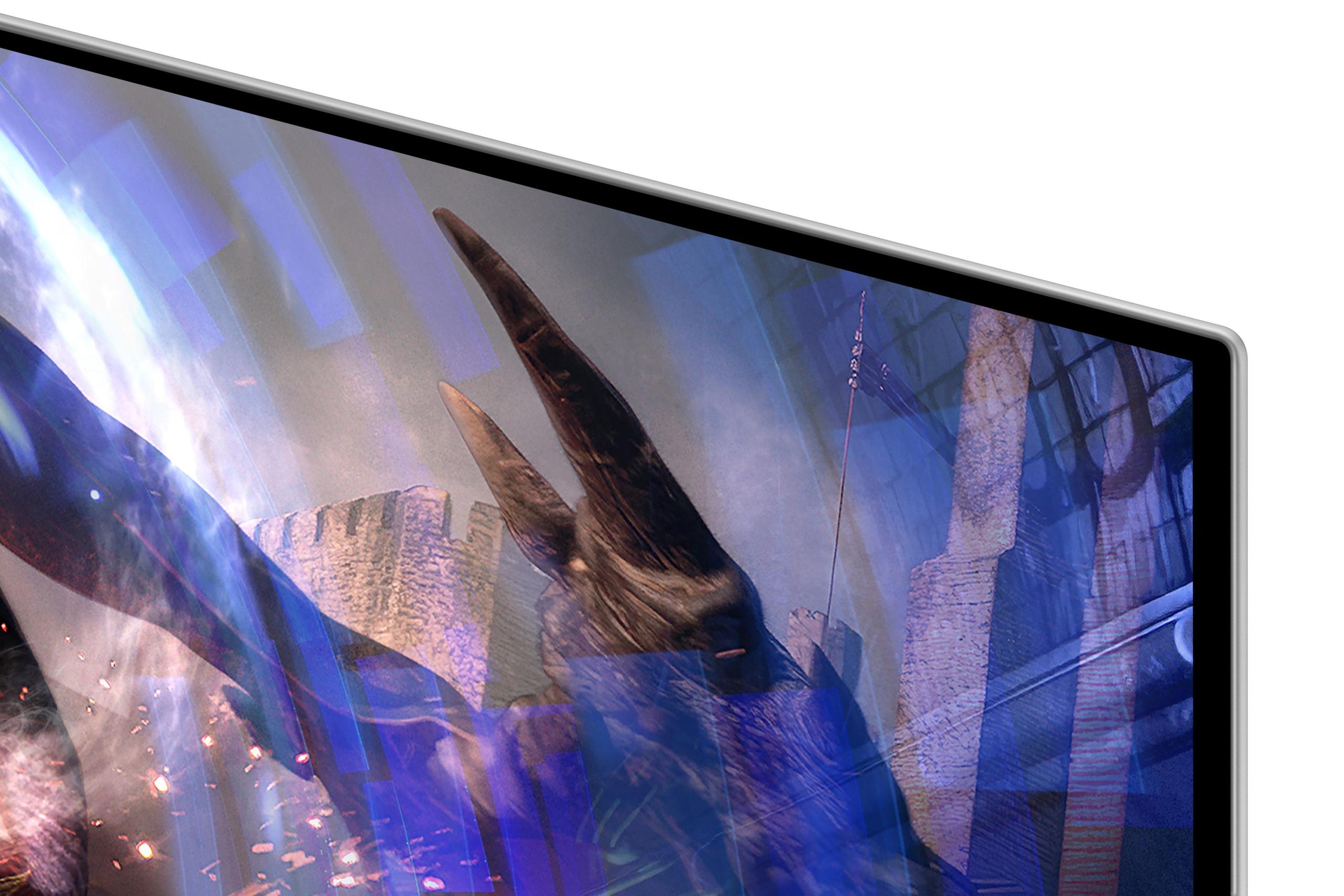
The Samsung 27" Odyssey OLED G6 represents Samsung's push into premium gaming displays, leveraging OLED (Organic Light-Emitting Diode) technology that was previously reserved for high-end TVs. Unlike traditional LCD monitors that use a backlight shining through liquid crystals, each pixel in an OLED display generates its own light. This fundamental difference creates some remarkable advantages.
The most immediately noticeable benefit is contrast. While traditional monitors might achieve a 1000:1 contrast ratio—meaning whites are 1000 times brighter than blacks—the OLED G6 delivers an infinite contrast ratio. When a pixel needs to be black, it simply turns off completely, creating true darkness that makes colors appear more vibrant and realistic.
The response time advantage is equally impressive. Samsung claims a 0.03ms gray-to-gray response time, which is essentially instantaneous. To put this in perspective, that's roughly 30 times faster than many budget gaming monitors and even significantly quicker than premium IPS displays. This near-zero response time virtually eliminates motion blur, making fast-moving objects appear crystal clear.
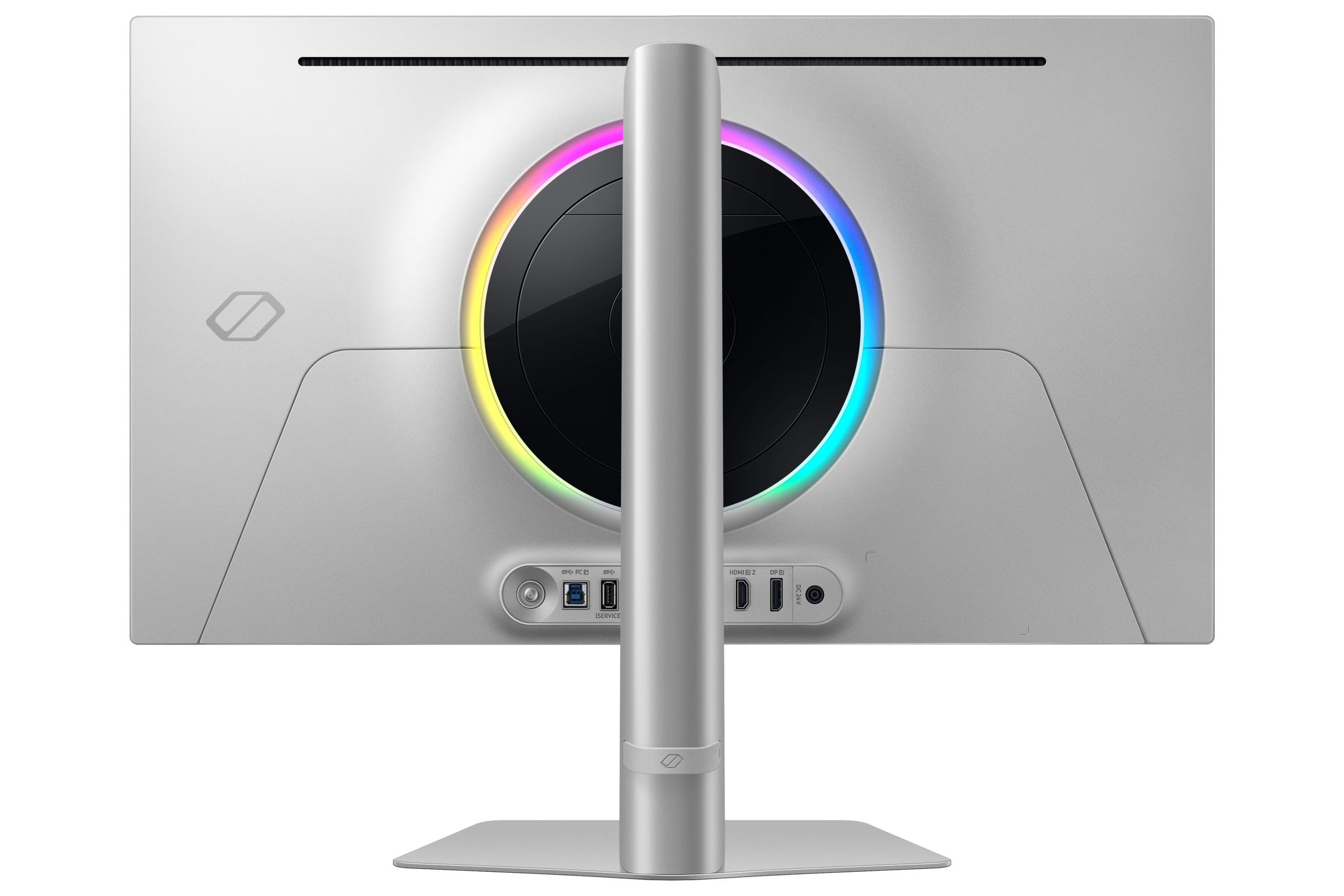
Samsung has also addressed one of OLED's traditional weaknesses: burn-in. Their OLED Safeguard+ technology includes a Dynamic Cooling System with what they call a "pulsating heat pipe"—essentially a tiny cooling system that moves heat away from pixels that might be displaying static images for extended periods. Combined with software that detects logos and taskbars and automatically dims them, this system significantly reduces the risk of permanent image retention.
The OLED G6 uses QHD resolution (2560×1440), which provides 78% more pixels than Full HD. This means sharper text, more detailed game environments, and the ability to see enemies at greater distances in competitive games. However, pushing this many pixels at 360Hz requires serious graphics card power—typically an RTX 4070 or better for demanding games.
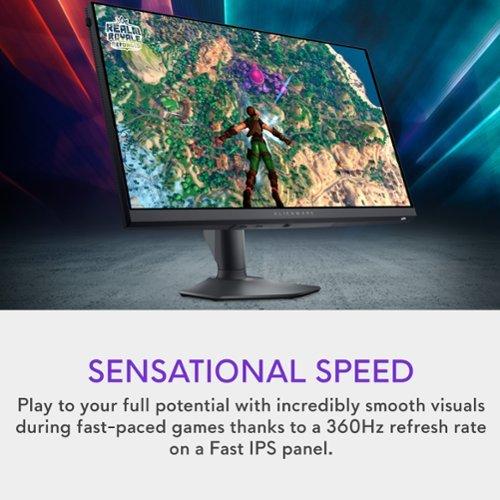
The Alienware AW2724HF takes a completely different approach, using Fast IPS (In-Plane Switching) technology that's been refined over years of gaming monitor development. While it can't match OLED's perfect blacks, IPS technology offers its own set of advantages that many competitive gamers actually prefer.
The most significant advantage is brightness. The AW2724HF can reach 400 nits of peak brightness compared to the OLED's 250 nits. This might not sound like much, but if you game in a bright room or near windows, that extra brightness can make the difference between clearly seeing dark corners and squinting at shadows. Traditional LCD backlights simply produce more raw light than individual OLED pixels can manage.
IPS panels also provide exceptional viewing angles—178 degrees both horizontally and vertically. This means colors remain accurate even when you're not sitting perfectly centered, which can be useful if you occasionally lean back in your chair or share your screen with friends watching you play.
The Alienware monitor uses Full HD (1920×1080) resolution, which might seem like a step backward in 2024, but there's strategy behind this choice. Lower resolution means your graphics card can more easily maintain 360 frames per second, ensuring you get the full benefit of the high refresh rate. An RTX 4060 or even RTX 3070 can comfortably drive 360Hz at 1080p in competitive games like Counter-Strike or Valorant.
Alienware has also included ComfortView Plus, a hardware-based blue light reduction system that's TÜV Rheinland certified. Unlike software solutions that simply apply a yellow filter, this technology reduces blue light at the hardware level while maintaining color accuracy—important for long gaming sessions where eye strain becomes a factor.
Having spent considerable time with both high-refresh OLED and IPS monitors, the difference in motion clarity is immediately apparent. The OLED G6's 0.03ms response time creates motion that's so smooth it almost looks surreal at first. When tracking enemies across your screen in games like Apex Legends or Overwatch, there's virtually no trailing or ghosting effect.
However, the Alienware's 0.5-1ms response time isn't exactly slow either. In practical gaming scenarios, both monitors provide motion clarity that's far superior to standard 144Hz displays. The difference between 0.03ms and 0.5ms, while measurable, becomes less noticeable during actual gameplay when you're focused on crosshair placement and game sense rather than pixel response times.
Where the resolution difference becomes more significant is in competitive scenarios. The OLED G6's QHD resolution allows you to spot enemies at longer distances, particularly in games like PUBG or Warzone where pixel peeping can mean the difference between securing an elimination and getting eliminated yourself. Conversely, the AW2724HF's 1080p resolution maximizes frame rates, ensuring your graphics card can consistently deliver the 300+ FPS needed to fully utilize that 360Hz refresh rate.
The Samsung OLED G6 supports HDR10+ Gaming, and this is where OLED technology truly shines. HDR (High Dynamic Range) allows for brighter highlights and darker shadows than standard displays, creating more realistic lighting. Combined with OLED's perfect blacks, HDR content looks genuinely impressive—explosions have bright, detailed cores while maintaining deep shadows, and sunset scenes in games like Red Dead Redemption 2 or Cyberpunk 2077 can be breathtaking.
The Alienware monitor lacks HDR support entirely, which isn't necessarily a dealbreaker for competitive gaming but does limit its versatility for single-player games or media consumption. If you're someone who splits time between competitive esports and story-driven games, this could be a significant consideration.
In my experience testing both monitors with various graphics cards, the performance differences become more apparent depending on your hardware setup. With an RTX 4080, the OLED G6 delivers stunning visuals in both competitive and single-player games, though maintaining 360Hz in demanding titles often requires lowered settings even with high-end hardware.
The AW2724HF, paired with something like an RTX 4060, consistently delivers smooth 360Hz performance in competitive games while maintaining decent visual quality. For pure esports gaming—where visual fidelity often takes a backseat to performance—this combination is hard to beat from a value perspective.
If you're considering using either monitor in a home theater setup or for streaming movies and shows, the Samsung OLED G6 is clearly superior. OLED's perfect blacks create a cinema-like viewing experience that traditional LCD panels simply cannot match. The technology's ability to display true darkness means you'll see details in shadow scenes that would be lost in the gray blacks of LCD displays.
However, the 27-inch size and computer monitor form factor make it less than ideal for true home theater use. If you're planning to use this as both a gaming monitor and occasional movie screen at your desk, the OLED G6 excels. For larger home theater setups, you'd want to consider Samsung's 32-inch or ultrawide OLED gaming monitors instead.
The Alienware AW2724HF is adequate for media consumption but doesn't offer the same cinematic experience. The higher brightness can actually be an advantage for daytime viewing, but the lack of HDR and limited contrast make it less immersive for movie watching.
The resolution difference becomes crucial for productivity tasks. The OLED G6's QHD resolution provides significantly more screen real estate—you can have multiple windows open comfortably, and text appears noticeably sharper. For content creators who stream or make videos about their gaming, the superior color accuracy and contrast of OLED technology can make their content look more professional.
The AW2724HF works fine for basic productivity, but the 1080p resolution spread across 27 inches results in a pixel density that makes text appear somewhat pixelated up close. If you spend significant time reading or writing, this can become fatiguing over long sessions.
When making a monitor purchase—especially at these price points—it's worth considering how your choice will age over the next few years. Gaming technology continues to advance, and what seems cutting-edge today might feel dated in three to four years.
The Samsung OLED G6, at the time of writing, commands a significant premium over IPS alternatives, often costing two to three times as much as the Alienware monitor. However, OLED technology represents the future of display technology, and QHD resolution is likely to become the standard for competitive gaming as graphics cards become more powerful.
The AW2724HF offers exceptional value, delivering most of the competitive gaming benefits at a fraction of the cost. The money saved could be invested in other system components like a better graphics card or processor, potentially providing more overall gaming improvement than the monitor upgrade alone.
From a longevity perspective, OLED panels do have some theoretical limitations. While Samsung's burn-in protection is sophisticated, any display technology that can suffer from permanent image retention requires more careful usage than traditional LCD panels. The Alienware monitor, using proven IPS technology, is likely to maintain its performance characteristics for many years without special precautions.
The choice between these monitors ultimately comes down to your priorities, budget, and gaming setup. If visual quality is paramount and you have the graphics card power to drive QHD at high frame rates, the Samsung OLED G6 delivers an experience that's genuinely impressive. The perfect blacks, incredible response times, and superior color accuracy create gaming visuals that can make even familiar games feel fresh and engaging.
However, if your primary focus is competitive performance and value, the Alienware AW2724HF delivers 90% of the competitive gaming benefits at roughly one-third the cost. For pure esports gaming, where frame rate consistency often matters more than visual fidelity, this represents exceptional value.
Consider the OLED G6 if you want the best possible visual experience, plan to use the monitor for content creation or media consumption, and have high-end graphics hardware to take full advantage of its capabilities. Choose the AW2724HF if competitive gaming is your primary focus, you're working with a tighter budget, or you prefer the reliability and brightness advantages of traditional LCD technology.
Both monitors represent excellent choices within their respective market segments. The key is understanding which benefits align with your gaming style and long-term plans for your setup. In the rapidly evolving world of gaming monitors, both approaches have merit—it's simply a matter of which trade-offs best serve your needs.
| Samsung 27" Odyssey OLED G6 | Alienware AW2724HF |
|---|---|
| Panel Technology - Determines contrast, brightness, and longevity | |
| QD-OLED with perfect blacks and infinite contrast | Fast IPS with proven reliability and no burn-in risk |
| Resolution - Higher resolution shows more detail but requires more GPU power | |
| 2560×1440 (QHD) - 78% more pixels than FHD | 1920×1080 (FHD) - easier to maintain 360Hz with mid-range GPUs |
| Response Time - Lower means less motion blur and ghosting | |
| 0.03ms (gray-to-gray) - virtually eliminates all motion blur | 0.5ms (gray-to-gray) - excellent but not quite as fast as OLED |
| Peak Brightness - Higher brightness better for bright rooms | |
| 250 nits - may struggle in very bright environments | 400 nits - excellent visibility in well-lit rooms |
| Contrast Ratio - Higher contrast creates more realistic images | |
| 1,000,000:1 (infinite) - perfect blacks for cinematic experience | 1,000:1 (typical IPS) - adequate but blacks appear grayish |
| HDR Support - Enhances visual quality in compatible games | |
| HDR10+ Gaming with true black levels | No HDR support - limits versatility for single-player games |
| Adaptive Sync - Eliminates screen tearing and stuttering | |
| AMD FreeSync Premium Pro - wider VRR range | AMD FreeSync Premium - standard implementation |
| Color Accuracy - Important for content creation and immersive gaming | |
| 99% DCI-P3, 1 billion colors - exceptional color depth | 99% sRGB - good for gaming, limited for professional work |
| Ergonomics - Affects comfort during long gaming sessions | |
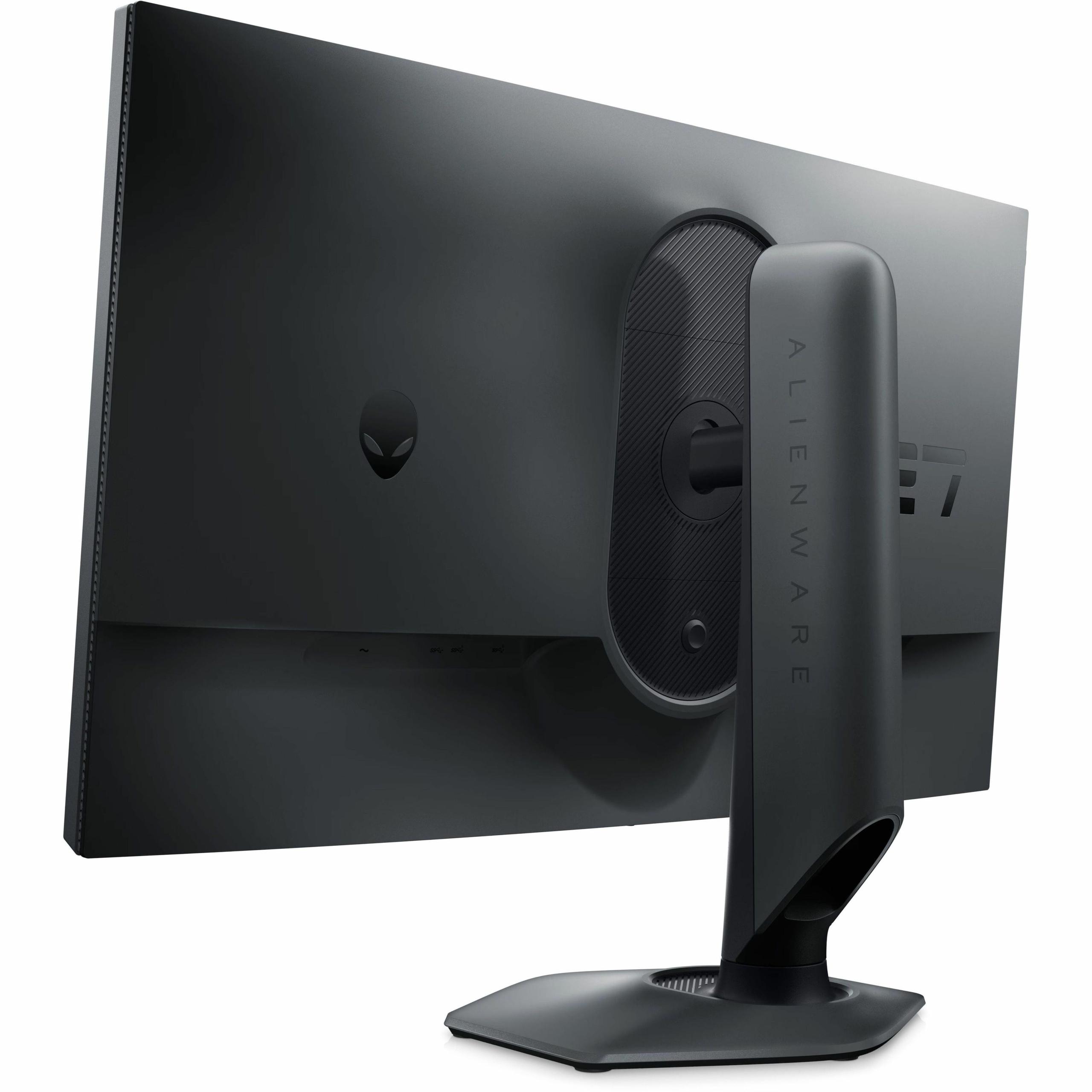
| Height, tilt, swivel adjustments with premium metal stand | Height, tilt, swivel, and full 90° pivot with comprehensive adjustability |
| Connectivity - Determines device compatibility and expandability | |
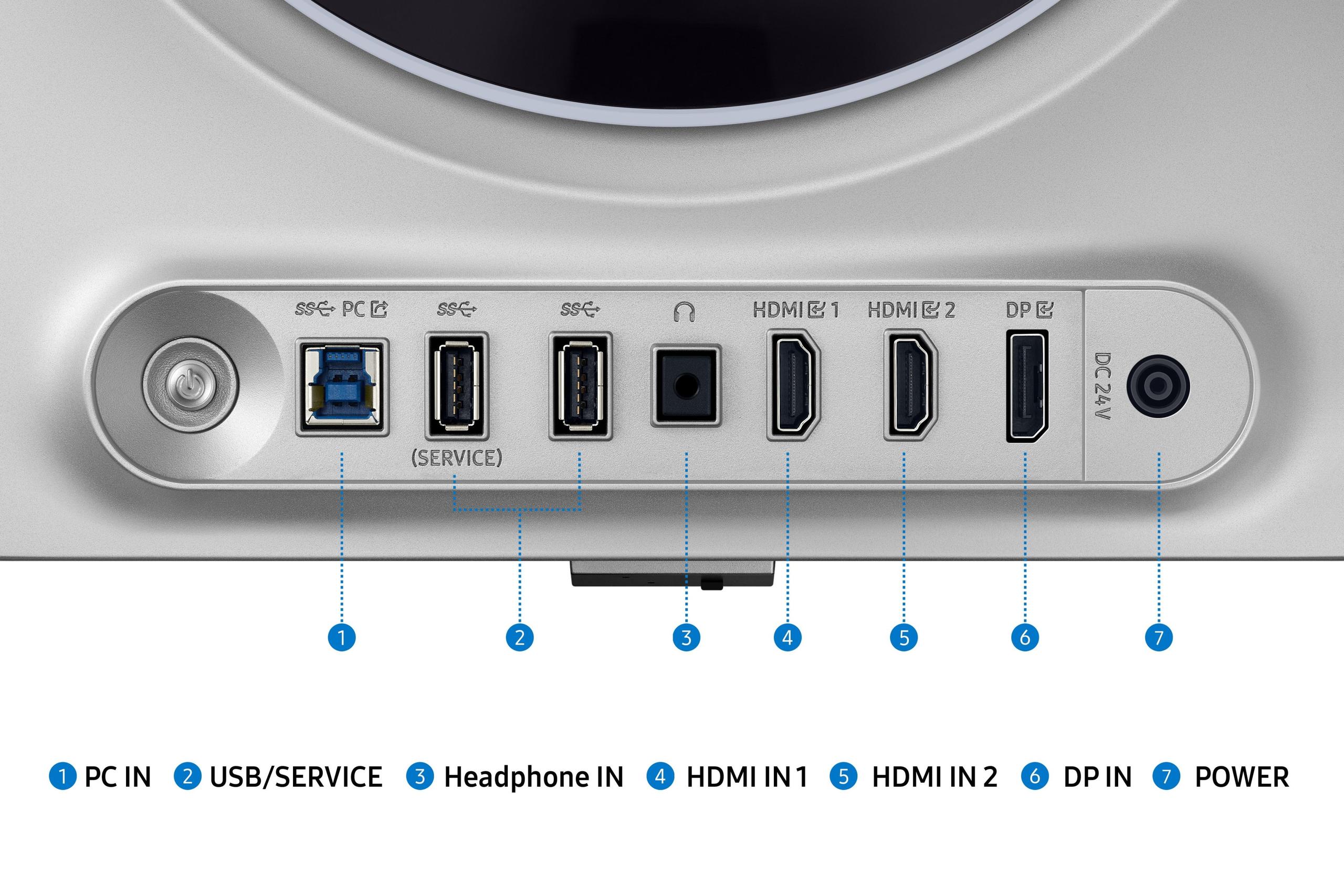
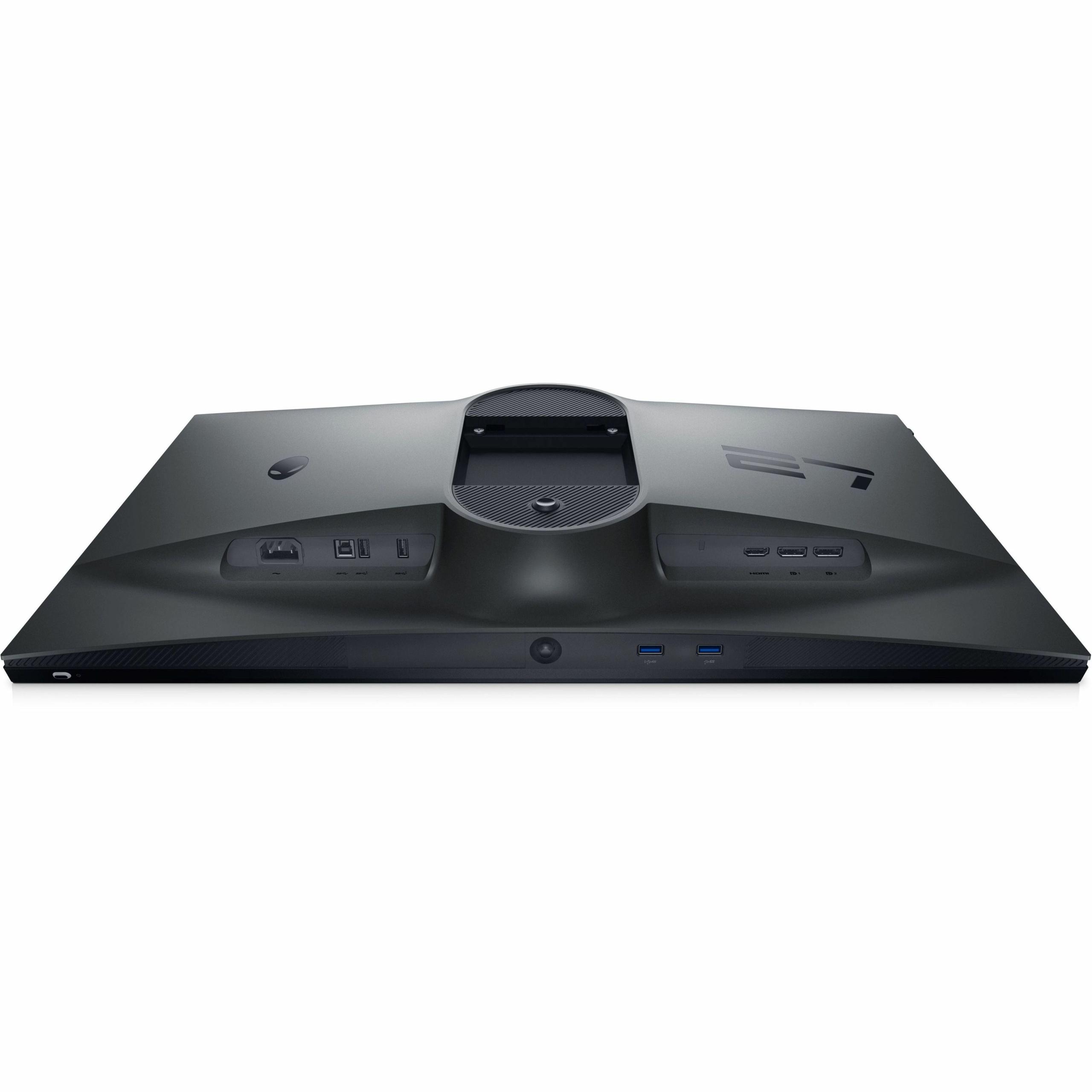
| DisplayPort 1.4, 2×HDMI 2.1, 2×USB 3.0 ports | 2×DisplayPort 1.4, 1×HDMI, 4×USB 3.2 hub with charging |
| Special Features - Additional technologies that enhance the experience | |
| OLED Glare Free coating, Dynamic Cooling System, burn-in protection | ComfortView Plus blue light reduction, AlienFX RGB lighting, Console Mode |
| Warranty Coverage - Protection against defects and technology-specific issues | |
| 3-year warranty including burn-in protection | 3-year Advanced Exchange Service with Premium Panel Exchange |
| Ideal GPU Requirement - Hardware needed to maximize performance | |
| RTX 4070+ or RX 7700 XT+ for QHD 360Hz gaming | RTX 4060 or RX 7600 sufficient for FHD 360Hz gaming |
| Best Use Cases - Who benefits most from each monitor's strengths | |
| Premium gamers wanting best visuals, content creators, immersive gaming | Competitive esports players, budget-conscious gamers, bright room setups |
Both the Samsung Odyssey OLED G6 and Alienware AW2724HF excel at competitive gaming with their 360Hz refresh rates. The Samsung OLED G6 offers a faster 0.03ms response time versus the Alienware's 0.5ms, but the Alienware AW2724HF may actually be better for pure esports due to its 1080p resolution allowing easier maintenance of 360fps with mid-range graphics cards.
The Samsung OLED G6 uses OLED technology that creates perfect blacks and infinite contrast by turning pixels completely off, while the Alienware AW2724HF uses IPS technology with consistent colors and higher brightness. OLED provides superior visual quality but IPS offers proven reliability without burn-in concerns.
The Alienware AW2724HF is significantly better for bright rooms with its 400 nits peak brightness compared to the Samsung OLED G6's 250 nits. The higher brightness of the Alienware monitor ensures better visibility near windows or in well-lit gaming spaces.
The Samsung OLED G6 requires a high-end GPU like RTX 4070+ to maintain 360Hz at its QHD resolution, while the Alienware AW2724HF works well with mid-range cards like RTX 4060 thanks to its 1080p resolution. The Alienware is more accessible for budget-conscious builds.
The Samsung OLED G6 is superior for single-player gaming with its QHD resolution, perfect blacks, and HDR10+ Gaming support creating more immersive visuals. The Alienware AW2724HF lacks HDR and has lower resolution, making it less ideal for story-driven games.
The Samsung OLED G6 includes OLED Safeguard+ technology with Dynamic Cooling System and burn-in protection, significantly reducing but not eliminating burn-in risk. The Alienware AW2724HF uses traditional LCD technology with no burn-in concerns, making it more worry-free for extended static content display.
The Alienware AW2724HF provides exceptional value, delivering most competitive gaming benefits at a much lower cost than the Samsung OLED G6. While the Samsung monitor offers premium visual quality, the Alienware gives you more performance per dollar spent.
The Samsung OLED G6 is excellent for content creation with 99% DCI-P3 color coverage and superior contrast, while the Alienware AW2724HF covers 99% sRGB which is adequate but more limited. The OLED G6's QHD resolution also provides more screen real estate for editing work.
The Alienware AW2724HF offers more comprehensive ergonomic adjustments including full 90-degree pivot functionality, while the Samsung OLED G6 provides standard height, tilt, and swivel adjustments. Both have quality stands, but the Alienware is more versatile for different viewing positions.
Yes, both support adaptive sync technologies. The Samsung OLED G6 features AMD FreeSync Premium Pro with wider VRR range and better low framerate compensation, while the Alienware AW2724HF includes AMD FreeSync Premium. Both eliminate screen tearing effectively.
The Samsung OLED G6 works better with current-gen consoles thanks to its QHD resolution support and superior HDR capabilities for PS5 and Xbox Series X. The Alienware AW2724HF includes Console Mode but its 1080p resolution may feel limiting on modern consoles.
Both the Samsung OLED G6 and Alienware AW2724HF include comprehensive 3-year warranties. The Samsung monitor specifically covers burn-in protection, while the Alienware offers Advanced Exchange Service with Premium Panel Exchange for quick replacements.
We've done our best to create useful and informative comparisons to help you decide what product to buy. Our research uses advanced automated methods to create this comparison and perfection is not possible - please contact us for corrections or questions. These are the sites we've researched in the creation of this article: bestbuy.com - gamesradar.com - gamesradar.com - versus.com - youtube.com - versus.com - player2.net.au - youtube.com - rtings.com - youtube.com - samsung.com - files.bbystatic.com - techpowerup.com - samsung.com - bestbuy.com - samsung.com - bhphotovideo.com - bestbuy.com - youtube.com - de.shi.com - pangoly.com - bestbuy.com - gamesradar.com - bestbuy.com - rtings.com - windowscentral.com - youtube.com - techpowerup.com - dell.com - dellonline.ae - dellonline.co.za - files.bbystatic.com - mysoft.hu - pcgamermexico.com - displayspecifications.com - gzhls.at - bestbuy.com - device.report - newegg.com - multitronic.fi - youtube.com

Privacy Policy
Terms and Conditions - Affiliate Policy
Home Security
© Copyright 2008-2026.
11816 Inwood Rd #1211, Dallas, TX 75244