

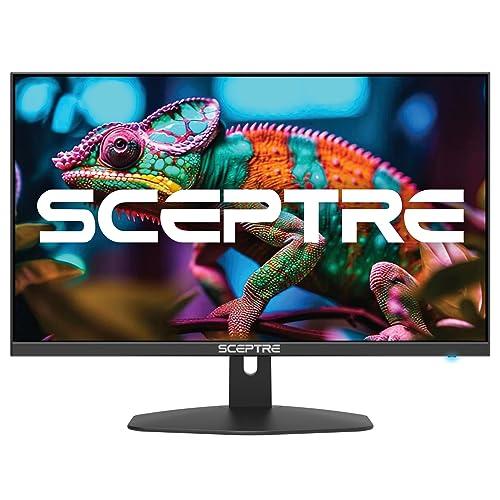
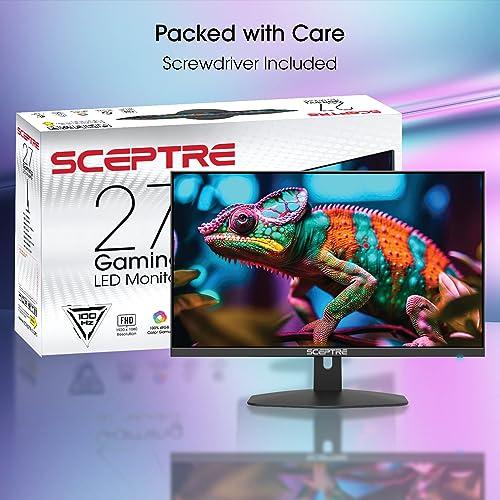
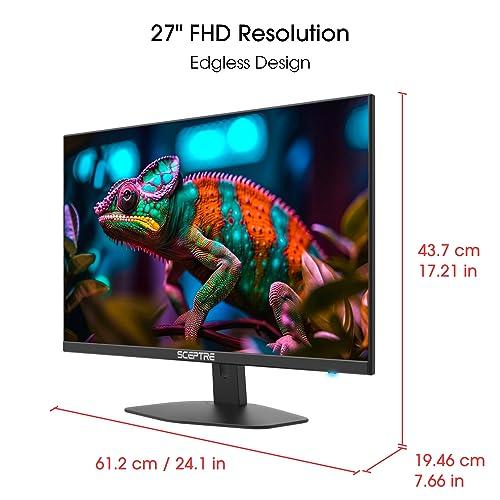
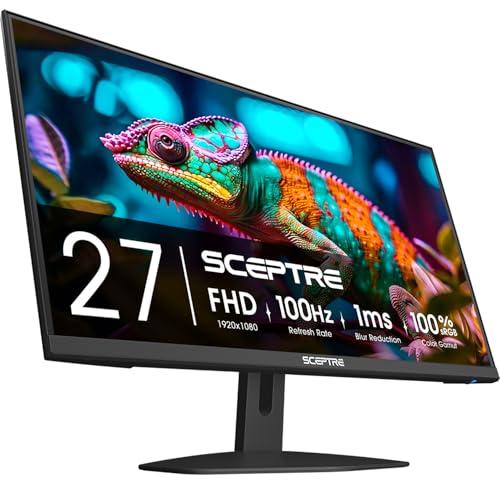
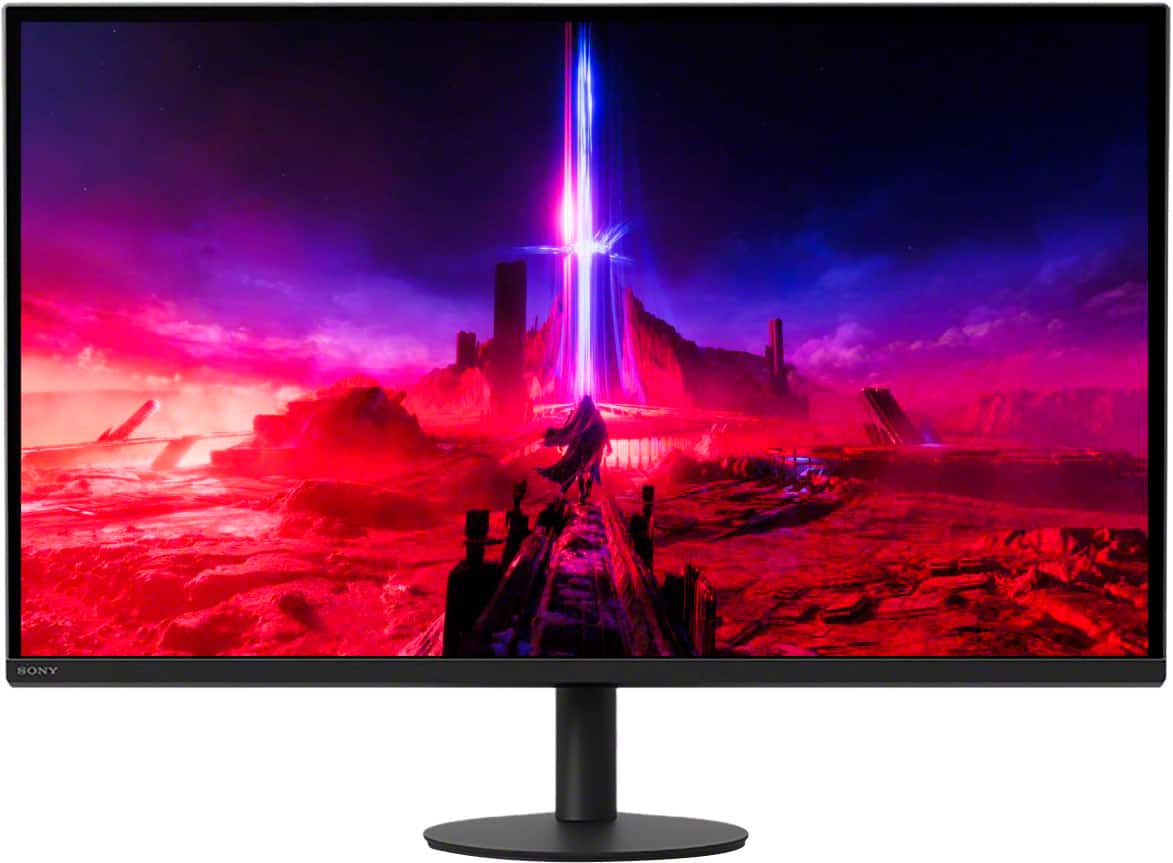
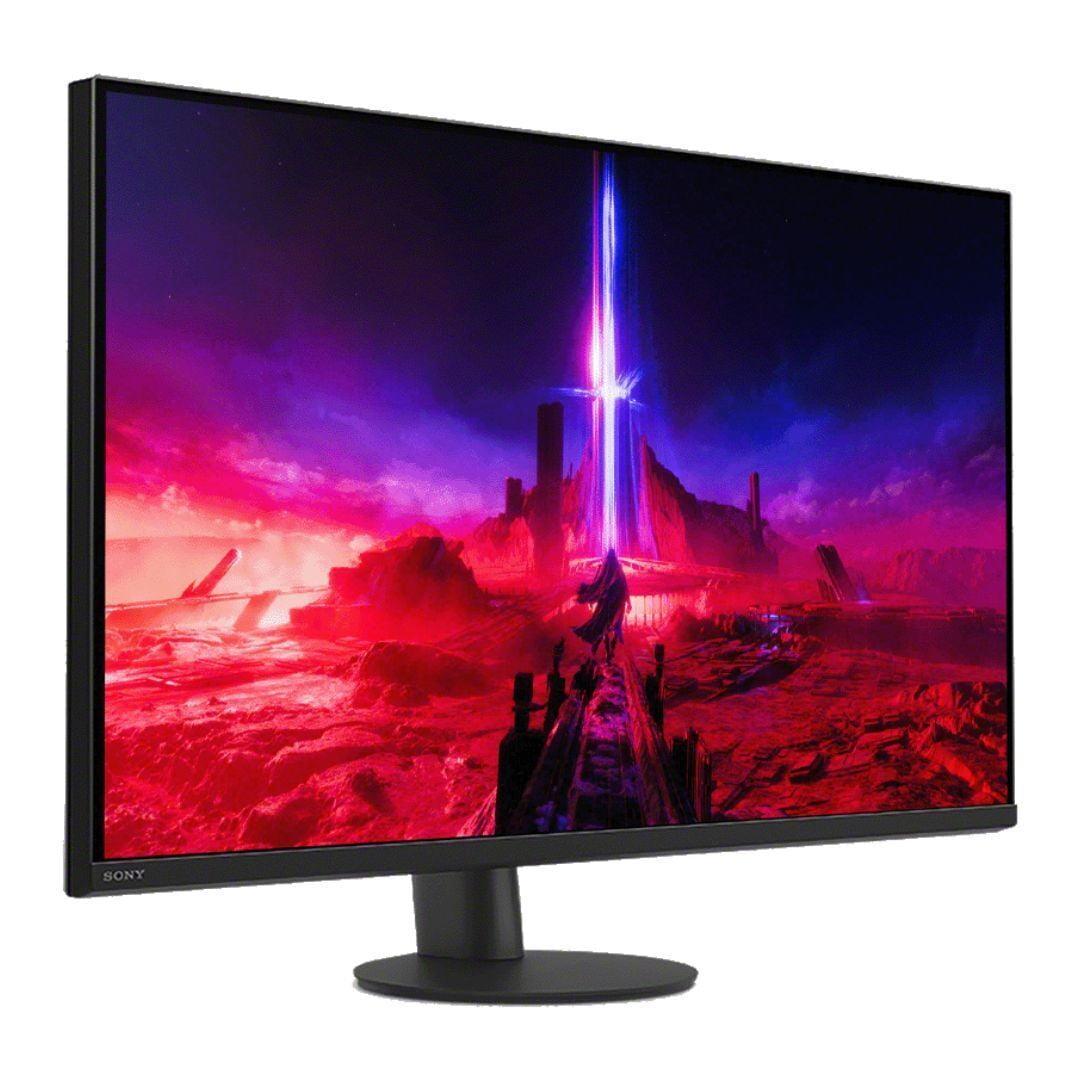

Gaming monitors have evolved dramatically over the past few years, transforming from simple displays into sophisticated gaming machines packed with specialized technology. If you're in the market for a new gaming monitor, you've probably noticed the massive price differences—some monitors cost under $100 while others push past $800. Today we're comparing two monitors that represent opposite ends of this spectrum: the budget-focused Sceptre E275W-FW100T and the premium Sony INZONE M9 II.
Before diving into specifics, let's talk about what separates gaming monitors from regular displays. Gaming monitors prioritize several key features that directly impact your playing experience. Refresh rate measures how many times per second your screen updates the image—higher numbers mean smoother motion. Response time indicates how quickly pixels can change colors, with faster times reducing ghosting (those blurry trails behind moving objects). Input lag represents the delay between your controller input and seeing the result on screen—crucial for competitive gaming.
Panel technology also matters significantly. VA (Vertical Alignment) panels typically offer higher contrast ratios, meaning deeper blacks and more vivid colors, but they often struggle with fast response times. IPS (In-Plane Switching) panels provide better color accuracy and viewing angles but usually have lower contrast ratios. Adaptive sync technologies like AMD FreeSync and NVIDIA G-SYNC eliminate screen tearing by synchronizing your graphics card's output with your monitor's refresh rate.
The gaming monitor market has exploded since 2020, driven by console upgrades and increased PC gaming popularity. Today's monitors offer features that were considered premium just a few years ago, making it an excellent time to upgrade your display.
The Sceptre E275W-FW100T and Sony INZONE M9 II represent fundamentally different approaches to gaming monitors. Released in 2023, the Sceptre focuses on delivering essential gaming features at an incredibly affordable price point. Meanwhile, Sony's 2024 INZONE M9 II aims to provide a comprehensive, premium gaming experience with cutting-edge technology and PlayStation 5 integration.
These monitors target completely different users. The Sceptre serves budget-conscious gamers who want a large screen with basic gaming enhancements, while the Sony caters to serious gamers who prioritize visual quality and performance above cost considerations.
The most immediately noticeable difference between these monitors is resolution. The Sceptre E275W-FW100T uses 1920×1080 (Full HD) resolution on its 27-inch screen, resulting in 81 pixels per inch (PPI). This relatively low pixel density means individual pixels become visible at normal viewing distances, and text appears less sharp compared to higher-resolution displays.
In contrast, the Sony INZONE M9 II features 3840×2160 (4K) resolution, delivering 163 PPI. This higher pixel density creates razor-sharp text and incredibly detailed images. The difference is immediately apparent when reading websites, working with documents, or examining fine details in games.
Panel technology creates another significant distinction. The Sceptre uses a VA panel with an impressive 3000:1 static contrast ratio. This means the brightest whites are 3000 times brighter than the darkest blacks, producing deeper shadows and more vivid colors than typical IPS panels. However, VA panels generally have slower pixel response times, which becomes problematic for fast-paced gaming.
The Sony employs an IPS panel with full-array local dimming (FALD)—a technology that divides the backlight into 96 separate zones that can be dimmed or brightened independently. While IPS panels typically have lower native contrast ratios, the local dimming significantly improves black levels and overall contrast. This results in more realistic HDR content where bright objects can coexist with deep shadows on the same screen.
Brightness capabilities differ dramatically between these monitors. The Sceptre reaches 280 nits, which is adequate for typical indoor lighting but may struggle in very bright rooms. The Sony achieves 750 nits peak brightness, enabling true HDR experiences and excellent visibility even in brightly lit environments.
From our research into user experiences, the resolution difference proves more impactful than many people expect. While 1080p gaming remains popular, especially for competitive titles where higher frame rates matter more than visual fidelity, the improved clarity of 4K resolution benefits both gaming and productivity tasks significantly.
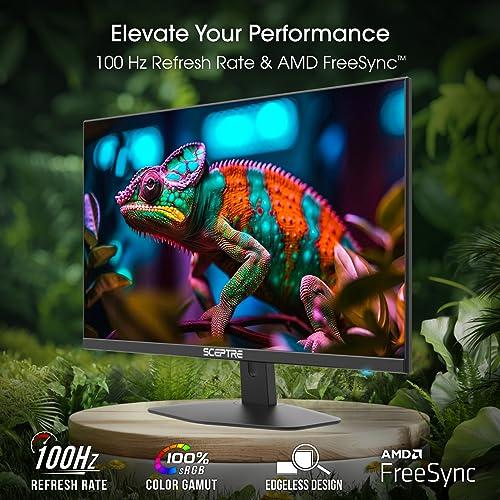
Refresh rate and response time represent the core of gaming monitor performance. The Sceptre E275W-FW100T offers a 100Hz refresh rate with a 5ms gray-to-gray (GtG) response time. The 100Hz refresh rate provides a noticeable improvement over standard 60Hz displays—motion appears smoother, and competitive gaming feels more responsive. However, the 5ms response time creates visible ghosting behind fast-moving objects, particularly problematic in first-person shooters and racing games.
User reviews consistently mention this ghosting issue with the Sceptre. The VA panel simply cannot transition pixels quickly enough to keep up with rapid motion, regardless of which overdrive setting you select. This makes the monitor suitable for casual gaming and slower-paced titles but frustrating for competitive gaming.
The Sony INZONE M9 II delivers exceptional motion performance with its 160Hz refresh rate and 1ms response time. This combination produces sharp, clear motion with minimal blur even during the most chaotic gaming moments. The monitor also features backlight scanning technology (also called backlight strobing), which briefly turns off the backlight between frame updates to further reduce motion blur—a feature typically found only on high-end displays.
Input lag measurements show the Sony achieving approximately 4.2ms at 160Hz, which is excellent for responsive gaming. While we don't have specific input lag measurements for the Sceptre, budget monitors in this category typically range from 8-15ms, which is still acceptable for casual gaming but not ideal for competitive play.
The adaptive sync technology implementation also differs significantly. The Sceptre supports AMD FreeSync with a 48-100Hz variable refresh rate (VRR) range. This narrow range means FreeSync only activates within that specific window—if your frame rate drops below 48 fps or exceeds 100 fps, you'll experience screen tearing again.
The Sony provides comprehensive adaptive sync support, including NVIDIA G-SYNC compatibility, AMD FreeSync, and HDMI Forum VRR for consoles. This broader compatibility ensures smooth, tear-free gaming regardless of your graphics card or gaming platform.
High Dynamic Range (HDR) represents one of the most significant visual improvements in modern gaming, but implementing it properly requires substantial hardware investment. The Sceptre E275W-FW100T lacks HDR support entirely, limiting its visual capabilities to standard dynamic range content.
The Sony INZONE M9 II achieves VESA DisplayHDR 600 certification, meaning it can display HDR content with peak brightness levels of 600 nits or higher. Combined with its 96-zone full-array local dimming, the monitor can produce the contrast and brightness variations that make HDR content truly impressive.
Local dimming works by analyzing the image and dimming backlight zones behind dark areas while maintaining brightness in areas with bright objects. This creates much more realistic lighting effects—imagine a torch in a dark cave, where the flame appears brilliant while the surrounding darkness remains truly black.
The Sony also includes Auto HDR Tone Mapping specifically for PlayStation 5 and PS5 Pro consoles. This feature automatically adjusts HDR settings to match the display's capabilities, eliminating the guesswork and manual calibration typically required for optimal HDR gaming.
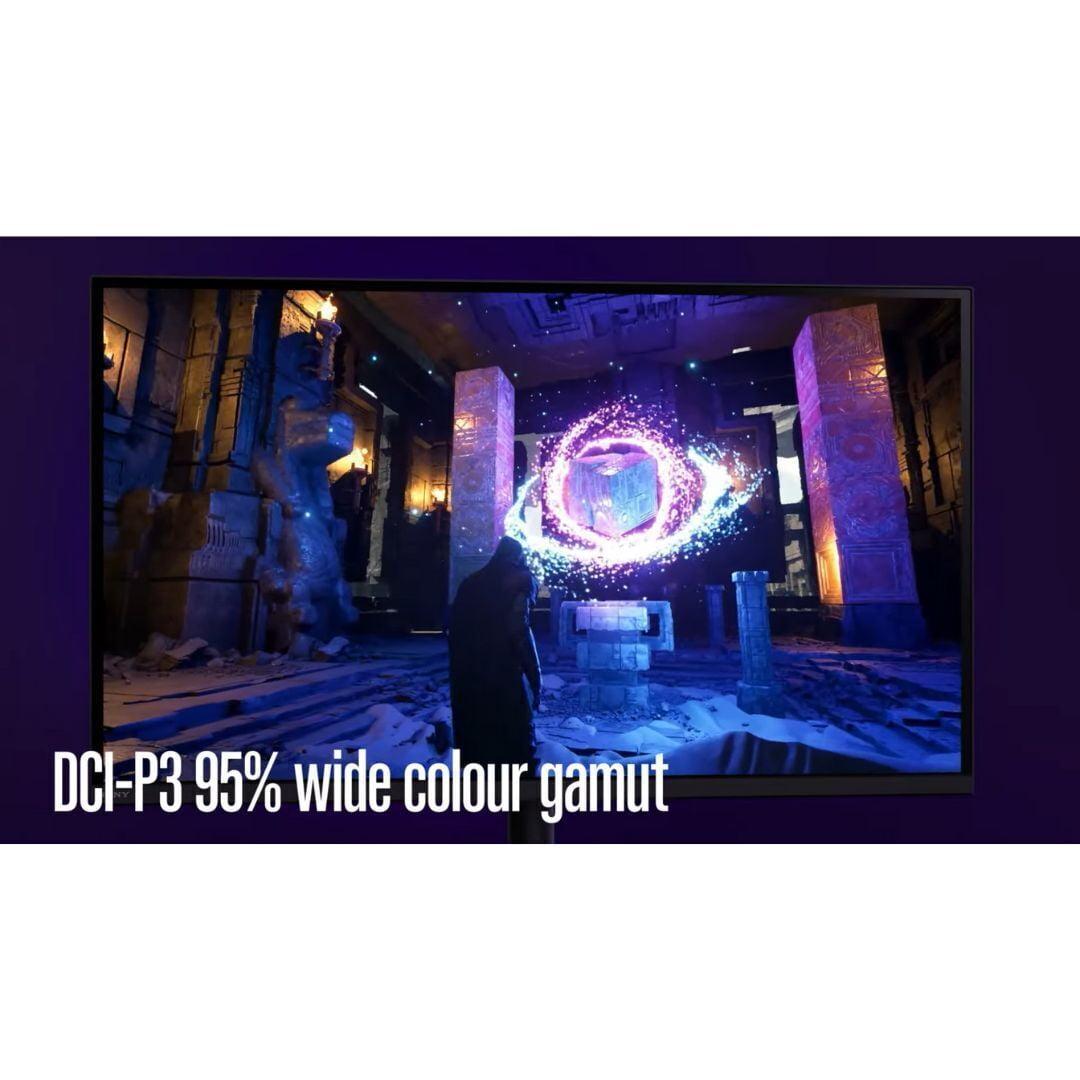
For home theater use, the Sony clearly excels. Its 4K resolution matches modern streaming content, HDR support enhances movie watching, and the larger color gamut (95% DCI-P3 versus 100% sRGB on the Sceptre) provides more accurate and vivid colors for film content. The Sceptre can certainly handle movie watching, but the lower resolution and lack of HDR limit the experience compared to what modern content offers.
Gaming monitor compatibility has become increasingly important as consoles have adopted PC-like features. The Sceptre E275W-FW100T includes HDMI 2.0 ports, which limits its usefulness with current-generation consoles. While it will display output from PlayStation 5 and Xbox Series X|S, it cannot utilize these consoles' 4K@120Hz capabilities—you're limited to either 4K@60Hz or lower resolutions at higher refresh rates.
The Sony INZONE M9 II features HDMI 2.1 bandwidth support, enabling full compatibility with modern consoles. PlayStation 5 and Xbox Series X can output 4K resolution at up to 120Hz (the maximum these consoles support), taking full advantage of the monitor's capabilities.
Sony specifically designed the INZONE M9 II with PlayStation 5 integration in mind. Beyond the automatic HDR optimization, it includes a 24.5-inch competitive mode that displays games at 1:1 pixel mapping with black borders, simulating a smaller screen for esports applications. This feature caters to competitive gamers who prefer smaller displays for better peripheral vision and faster eye movement.
The Sony also includes gaming assist features like crosshair overlays, timers, and frame rate counters—tools that can provide competitive advantages in certain games.
Physical design and build quality often reflect a monitor's intended market position. The Sceptre E275W-FW100T features typical budget construction with a plastic housing and basic tilt-only stand. While this limits positioning flexibility, the monitor does include VESA mount compatibility (100×100mm) for users who prefer aftermarket stands.
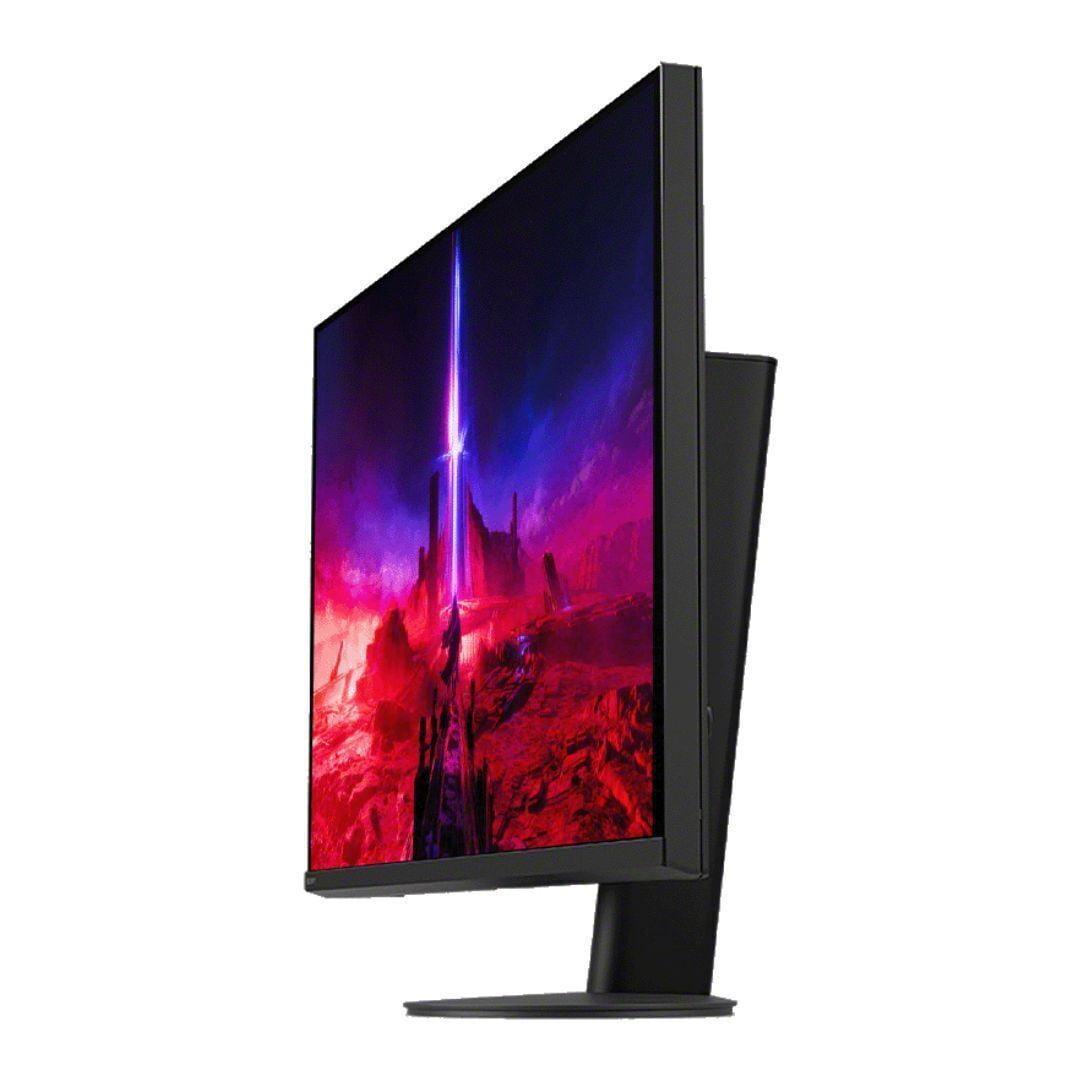
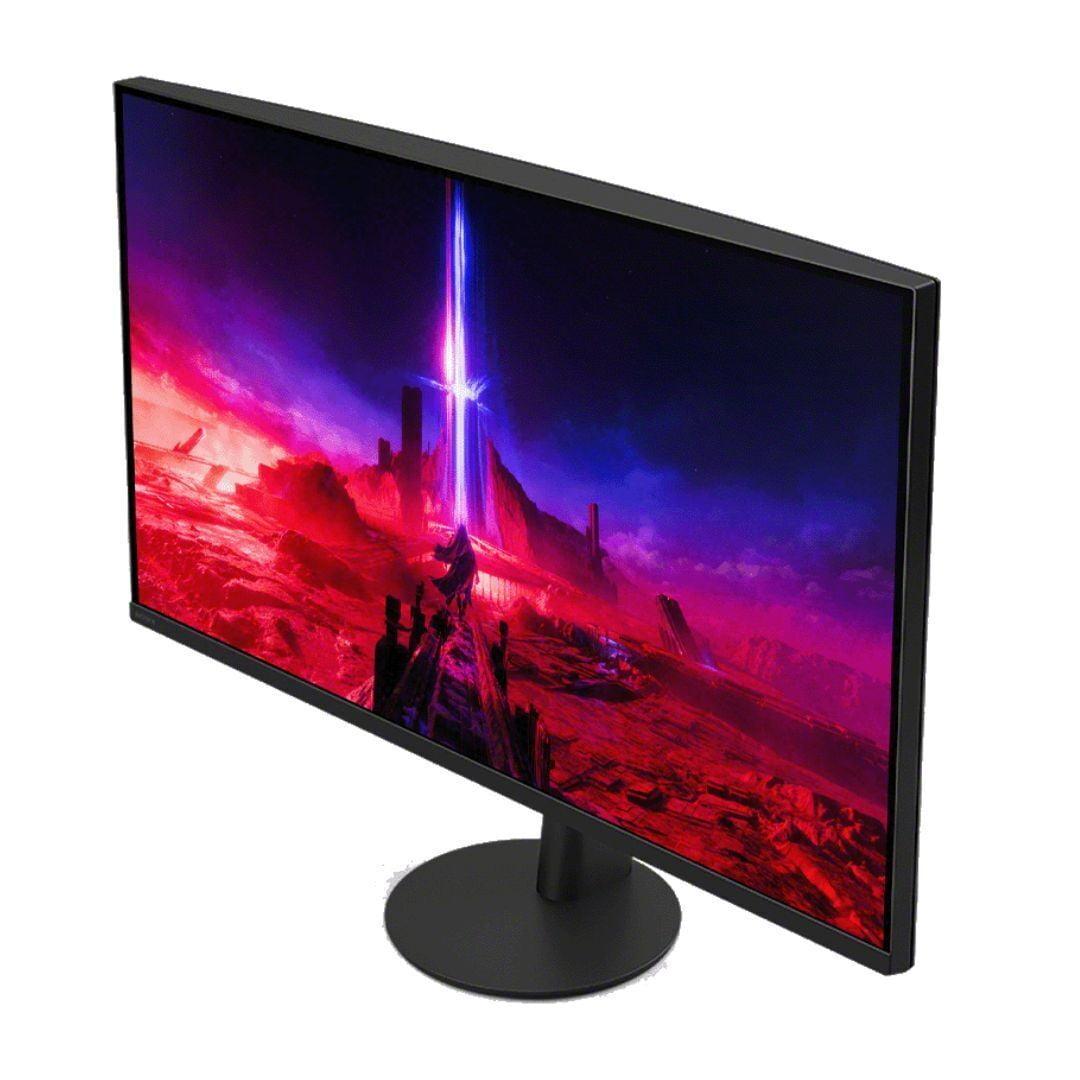
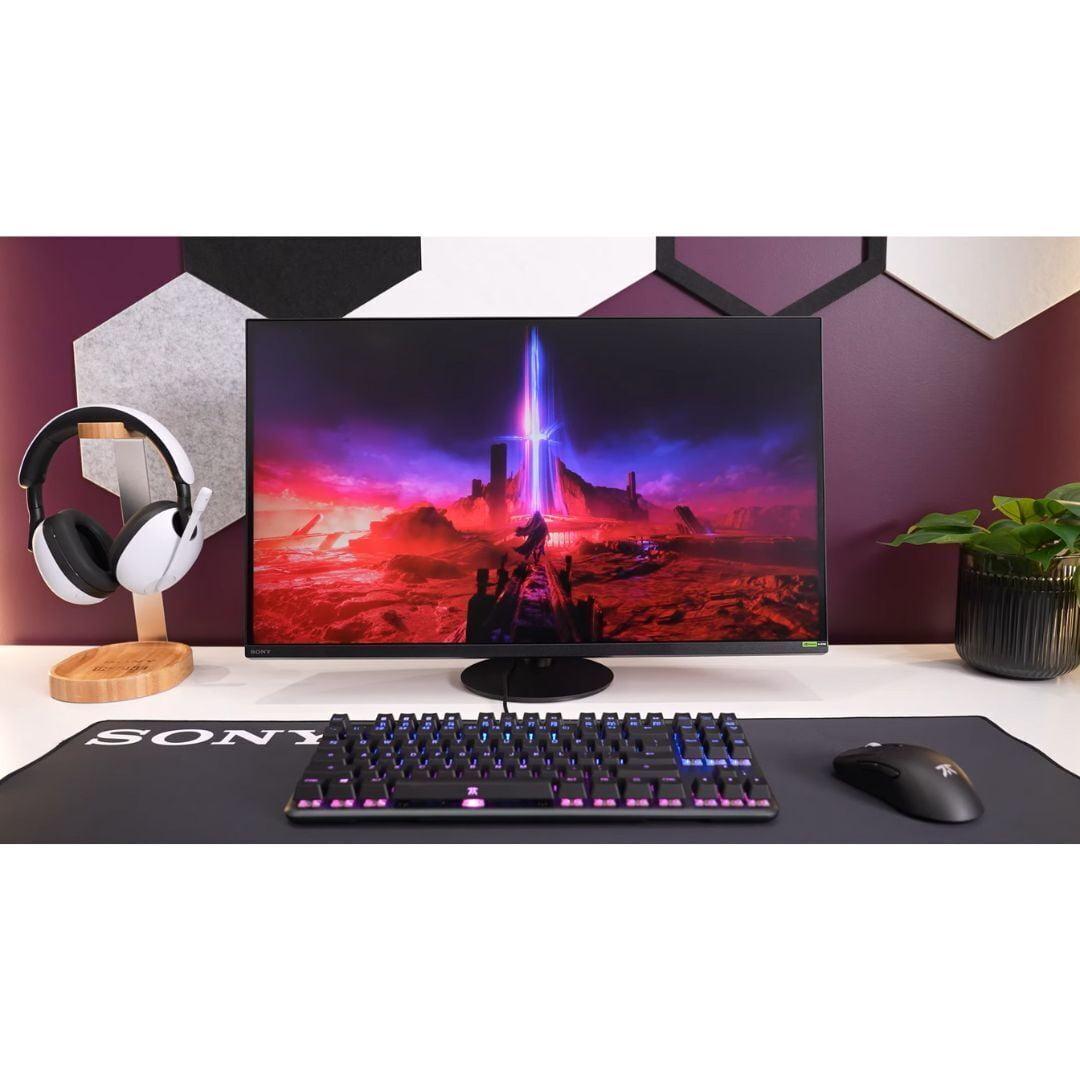
The Sony INZONE M9 II showcases premium build quality throughout. Its all-black design departed from the original M9's white PlayStation-matching aesthetic, creating a more versatile appearance suitable for various setups. The standout feature is the circular stand base that enables 360-degree swivel—a unique capability that makes cable management and viewing angle adjustments effortless.
However, even premium products have quirks. User reviews note that the Sony's stand wobbles noticeably when bumped, which seems disappointing given the price point. The Sceptre, despite its budget positioning, doesn't suffer from this issue due to its simpler stand design.
Ergonomics represent a significant practical difference. The Sceptre offers only tilt adjustment, which may require users to adjust their seating position or desk height to achieve optimal viewing angles. The Sony provides comprehensive adjustment including height, tilt, and that unique 360-degree swivel, making it adaptable to various desk setups and user preferences.
Modern gaming monitors increasingly rely on software to unlock their full potential. The Sceptre E275W-FW100T includes basic gaming modes (FPS and RTS presets) and eye comfort features like blue light reduction and flicker-free backlighting. These features work adequately but lack the sophistication of premium alternatives.
The Sony INZONE M9 II integrates with Sony's INZONE Hub software, providing extensive customization options directly from your PC. This software manages picture modes, gaming overlays, and firmware updates, ensuring the monitor stays current with the latest features and improvements.
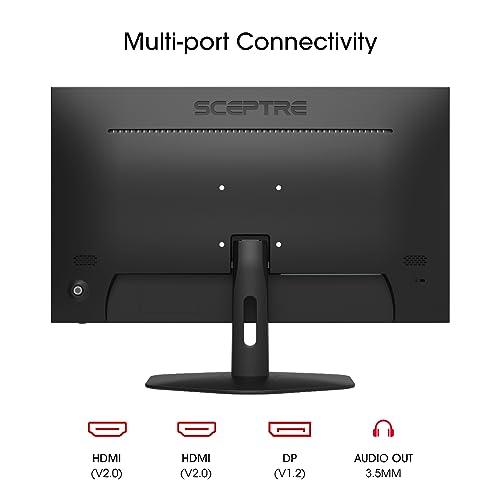
Connectivity options also differ substantially. The Sceptre provides essential connectivity with two HDMI 2.0 ports and one DisplayPort 1.2, plus basic built-in speakers (2×2W). The Sony includes HDMI 2.1 and DisplayPort 2.1 for high-bandwidth signals, plus a USB hub with multiple downstream ports for peripherals.
Based on our analysis of expert reviews and user feedback, certain performance characteristics prove more critical than others for gaming monitors. Response time impacts daily gaming experience more than specifications suggest—even casual gamers notice ghosting when it's present. Refresh rate improvements become less noticeable as numbers increase; the jump from 60Hz to 100Hz feels more significant than from 100Hz to 160Hz.
Resolution affects both gaming and productivity substantially. While competitive gamers often prefer lower resolutions for higher frame rates, the improved clarity of higher resolutions benefits most other users significantly. HDR implementation varies dramatically between monitors—many budget displays claim HDR support without the brightness or contrast capabilities to deliver meaningful improvements.
Input lag becomes crucial only for competitive gaming. Most users won't notice differences under 10ms, but professional esports players demand the lowest possible latency. Color accuracy matters more for content creation and media consumption than gaming, where vibrant, punchy colors often enhance the experience regardless of technical accuracy.
At the time of writing, these monitors occupy completely different value segments. The Sceptre E275W-FW100T delivers remarkable value for users seeking a large display with basic gaming enhancements on a tight budget. Its 100Hz refresh rate and FreeSync support provide meaningful improvements over standard office monitors at a fraction of the cost of premium alternatives.
However, the limitations are significant. The 1080p resolution on 27 inches results in noticeably less sharp text and images. The ghosting issues make fast-paced gaming frustrating, and the lack of HDR support means missing out on increasingly common enhanced content.
The Sony INZONE M9 II commands a premium price but justifies it through comprehensive features and excellent performance. The 4K resolution, true HDR support, exceptional motion performance, and PlayStation 5 optimization create a complete gaming package. For users who value visual quality and performance, the price-per-feature ratio competes favorably within the premium monitor segment.
Choose the Sceptre E275W-FW100T if you're primarily seeking an affordable large display for general computing with occasional gaming. It works well for slower-paced games, office productivity, and media consumption where its high contrast VA panel actually provides advantages over more expensive IPS alternatives. Budget-conscious users who plan to upgrade within a few years might find this monitor serves as an excellent interim solution.
The Sceptre also makes sense if you're building your first gaming setup and need to allocate more budget toward your graphics card and other components. A great graphics card with a decent monitor often provides better gaming experiences than an average graphics card with a premium monitor.
Choose the Sony INZONE M9 II if you want exceptional gaming performance and own or plan to purchase a PlayStation 5. The console integration features, combined with excellent PC gaming performance, make it ideal for users who game across multiple platforms. Content creators and users who value visual quality for both gaming and productivity work will appreciate the 4K resolution and color accuracy.
The Sony also suits users who prefer long-term investments in technology. Its comprehensive feature set and premium build quality should remain relevant for many years, potentially making it more cost-effective over time than multiple budget monitor upgrades.
Consider alternatives if you're interested in 1440p resolution as a middle ground—neither monitor offers this popular gaming resolution. Users seeking ultra-high refresh rates (240Hz or higher) for competitive esports should also look elsewhere, as should those interested in OLED technology for absolute black levels.
The fundamental choice comes down to whether you prioritize maximum value at minimal cost or comprehensive gaming performance with future-proof features. Both monitors serve their intended markets well, but the $700+ price difference at the time of writing reflects not incremental improvements but a complete transformation in display capabilities and user experience.
| Sceptre E275W-FW100T | Sony INZONE M9 II |
|---|---|
| Resolution - Determines text sharpness and gaming detail | |
| 1920×1080 (81 PPI - pixels visible at normal distance) | 3840×2160 4K (163 PPI - razor-sharp text and images) |
| Refresh Rate - Higher numbers mean smoother motion in games | |
| 100Hz (noticeable improvement over 60Hz) | 160Hz (excellent for competitive gaming) |
| Response Time - Lower numbers reduce ghosting in fast games | |
| 5ms GtG (visible ghosting in fast-paced games) | 1ms (virtually eliminates motion blur) |
| Panel Technology - Affects contrast and color performance | |
| VA panel (3000:1 contrast, deeper blacks, slower response) | IPS with 96-zone local dimming (better viewing angles, HDR support) |
| HDR Support - Essential for modern gaming and streaming | |
| None (limited to standard brightness and colors) | DisplayHDR 600 with 750 nits peak (true HDR experience) |
| Gaming Sync Technology - Prevents screen tearing | |
| AMD FreeSync 48-100Hz (narrow range) | G-SYNC Compatible + FreeSync + HDMI VRR (universal compatibility) |
| Console Compatibility - Important for PS5/Xbox Series X owners | |
| HDMI 2.0 (limited to 1080p@100Hz from consoles) | HDMI 2.1 (full 4K@120Hz console support) |
| Stand Adjustability - Affects desk setup flexibility | |
| Tilt only (may require desk height adjustment) | Height, tilt, 360° swivel (adapts to any setup) |
| Special Gaming Features - Enhance competitive play | |
| Basic FPS/RTS modes, blue light filter | PS5 Auto HDR mapping, 24.5" esports mode, crosshair overlay |
| Target User - Who benefits most from each monitor | |
| Budget-conscious casual gamers, office use | Serious gamers, PS5 owners, content creators |
The Sony INZONE M9 II is significantly better for gaming with its 4K resolution, 160Hz refresh rate, 1ms response time, and comprehensive HDR support. The Sceptre E275W-FW100T offers decent casual gaming with 100Hz refresh rate but suffers from noticeable ghosting due to its 5ms response time.
The primary difference is quality tier and resolution. The Sceptre E275W-FW100T is a budget 1080p monitor focused on basic gaming features, while the Sony INZONE M9 II is a premium 4K display with advanced gaming technologies, HDR support, and PlayStation 5 optimization.
Yes, but with different capabilities. The Sceptre E275W-FW100T connects via HDMI 2.0 but limits console output to 1080p resolution. The Sony INZONE M9 II supports full 4K@120Hz output from modern consoles through HDMI 2.1 and includes special PS5 optimization features.
The Sony INZONE M9 II excels in competitive gaming with its 1ms response time, 160Hz refresh rate, and minimal input lag. The Sceptre E275W-FW100T struggles with fast-paced competitive games due to visible ghosting from its slower 5ms response time.
Only the Sony INZONE M9 II supports HDR with DisplayHDR 600 certification and 750 nits peak brightness. The Sceptre E275W-FW100T lacks HDR support entirely, limiting it to standard dynamic range content.
This depends on your needs and budget. The Sceptre E275W-FW100T provides exceptional value for casual gaming and office use at its low price point. The Sony INZONE M9 II offers premium features that justify its higher cost for serious gamers who prioritize visual quality and performance.
The Sony INZONE M9 II excels for home theater use with its 4K resolution matching modern streaming content, HDR support for enhanced movies, and wide color gamut. The Sceptre E275W-FW100T can handle movies adequately but the 1080p resolution and lack of HDR limit the experience.
The Sony INZONE M9 II delivers superior image quality with 4K resolution providing razor-sharp text and detailed visuals, plus HDR support for vibrant colors and contrast. The Sceptre E275W-FW100T offers decent quality for its price but the 1080p resolution appears less sharp on a 27-inch screen.
The Sony INZONE M9 II features premium build quality with a sleek all-black design, 360-degree swivel stand, and comprehensive ergonomic adjustments. The Sceptre E275W-FW100T has basic build quality appropriate for its budget positioning, with a tilt-only stand but VESA mount compatibility.
Both work for productivity, but differently. The Sony INZONE M9 II excels with its sharp 4K resolution ideal for text work, multiple windows, and professional tasks. The Sceptre E275W-FW100T provides a large workspace at 27 inches but the lower 1080p resolution makes text less crisp.
The Sony INZONE M9 II is significantly better for content creation with its 4K resolution, accurate colors covering 95% DCI-P3, and HDR support. The Sceptre E275W-FW100T works for basic streaming but lacks the resolution and color accuracy needed for professional content work.
Choose the Sceptre E275W-FW100T if you need an affordable large display for casual gaming and office work with a tight budget. Choose the Sony INZONE M9 II if you want premium gaming performance, own a PS5, value visual quality, or use your monitor for both gaming and professional work.
We've done our best to create useful and informative comparisons to help you decide what product to buy. Our research uses advanced automated methods to create this comparison and perfection is not possible - please contact us for corrections or questions. These are the sites we've researched in the creation of this article: pcvarge.com - walmart.com - cubed.run - productchart.com - displayninja.com - target.com - youtube.com - versus.com - youtube.com - youtube.com - sceptre.com - sceptre.com - bestbuy.com - bestbuy.com - rtings.com - rtings.com - tomshardware.com - youtube.com - bhphotovideo.com - bestbuy.com - sony.com - techpowerup.com - electronics.sony.com - sony.com - displayspecifications.com - direct.playstation.com - youtube.com - sony.com - sony.com - displayspecifications.com - bhphotovideo.com - displayspecifications.com

Privacy Policy
Terms and Conditions - Affiliate Policy
Home Security
© Copyright 2008-2026.
11816 Inwood Rd #1211, Dallas, TX 75244