

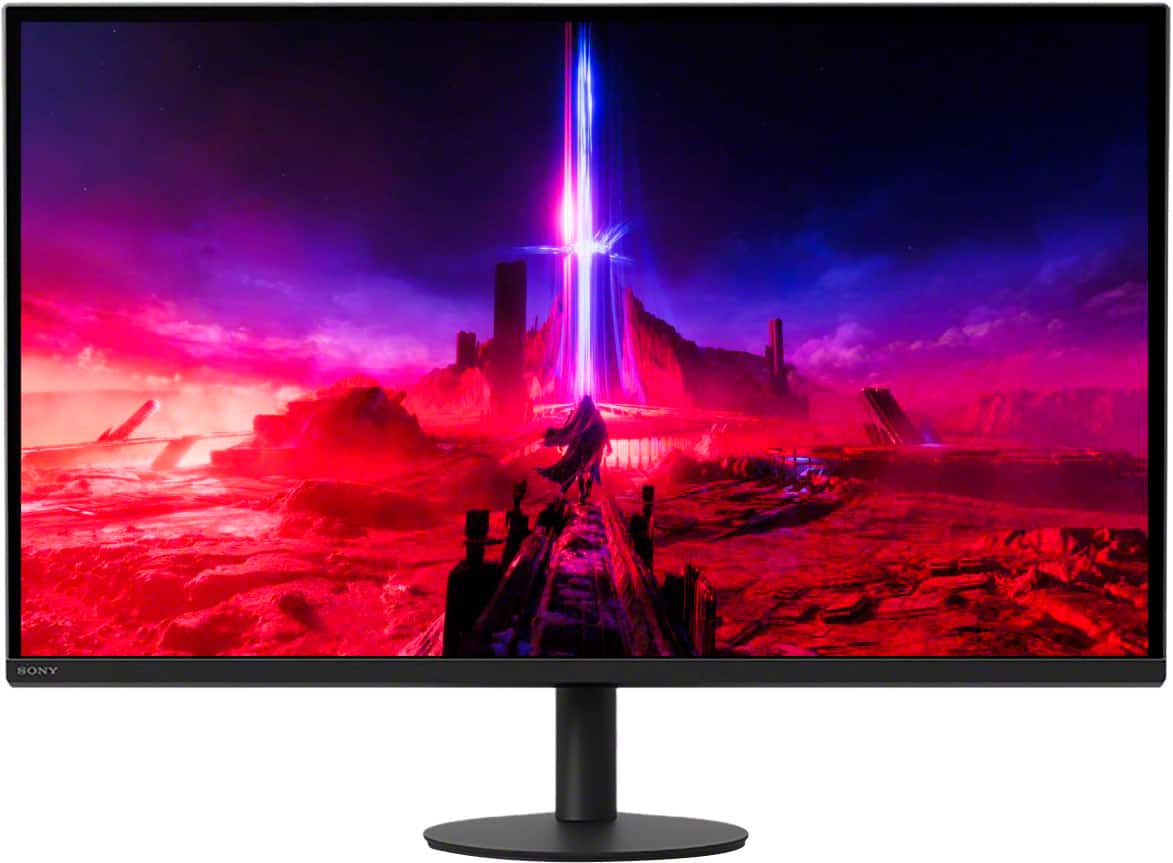
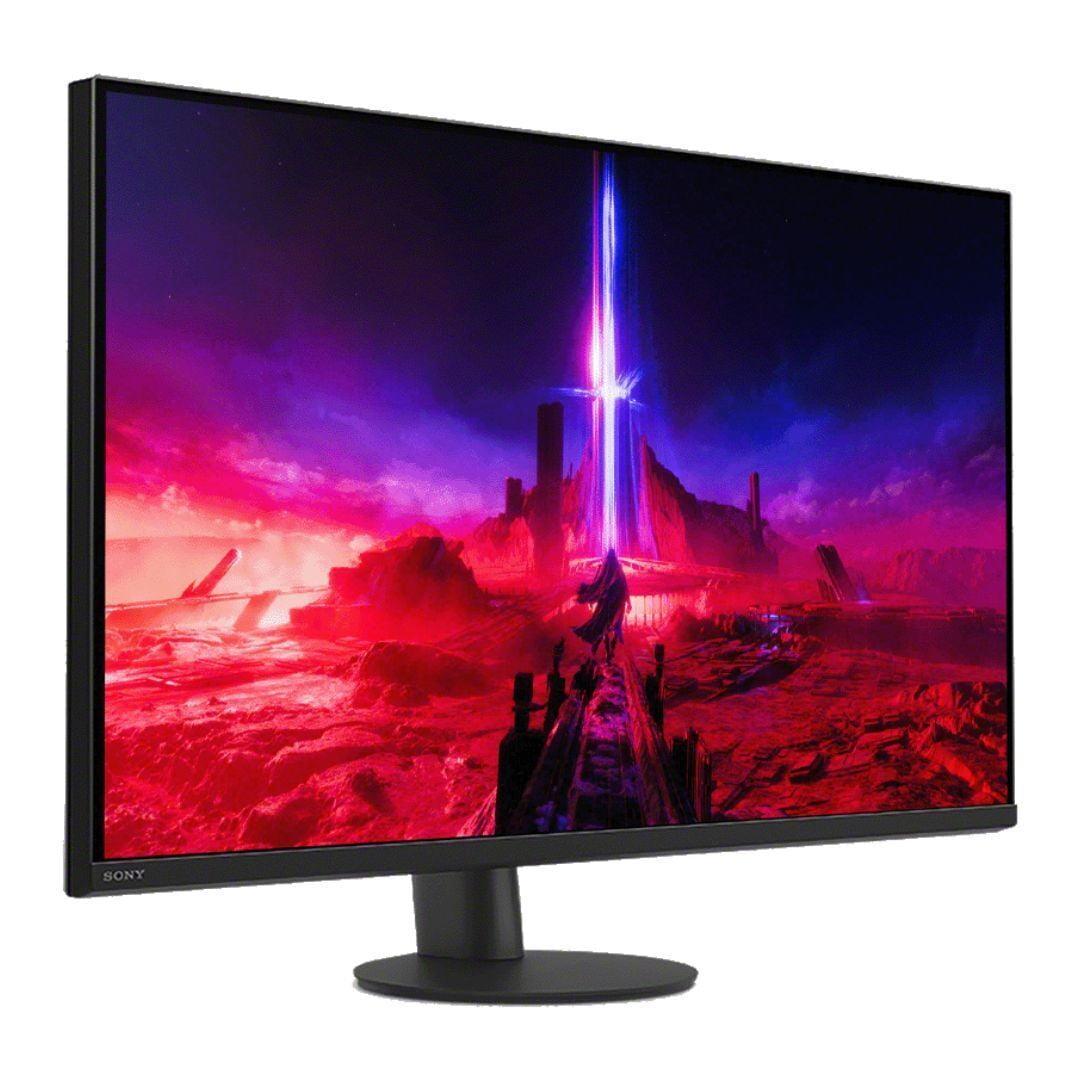
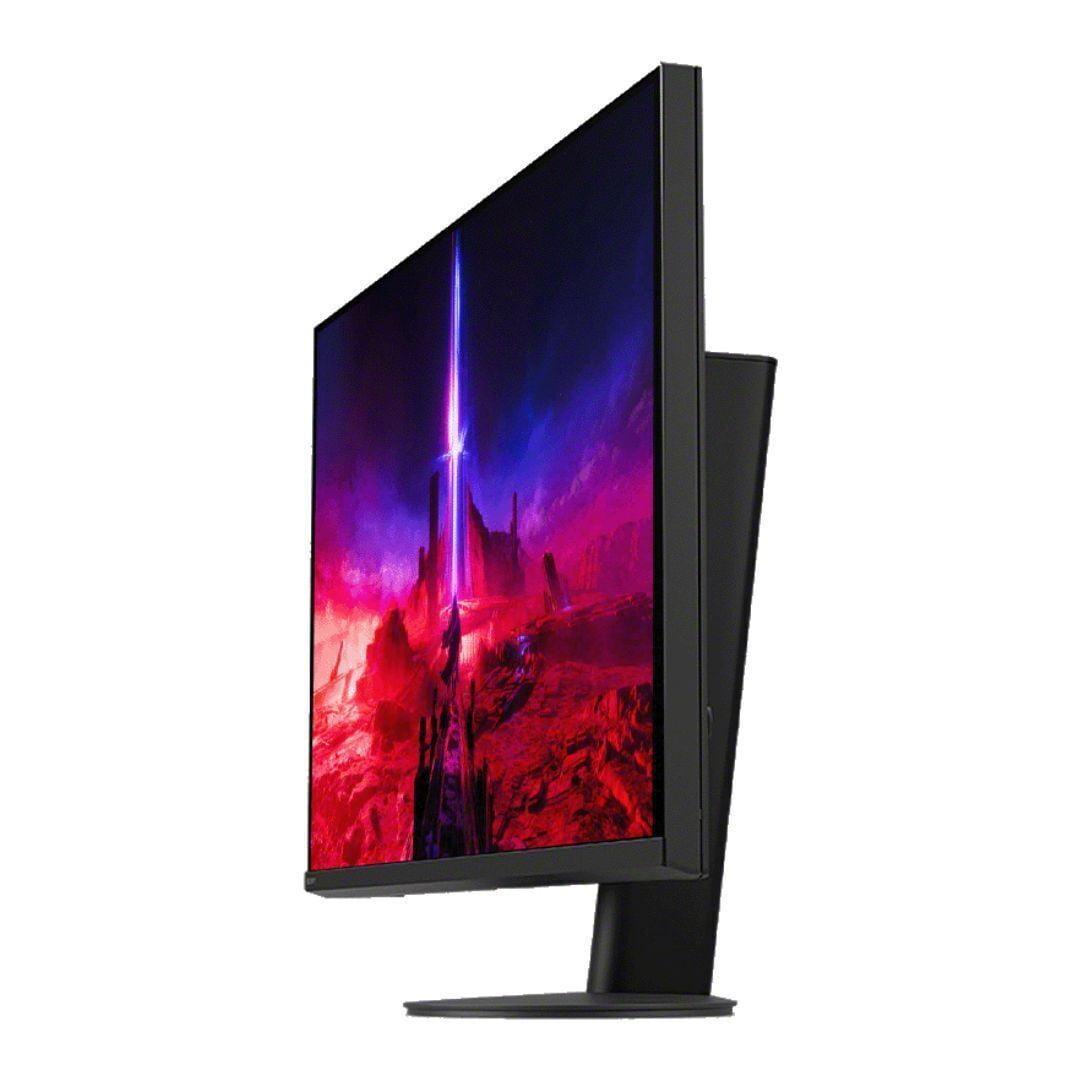
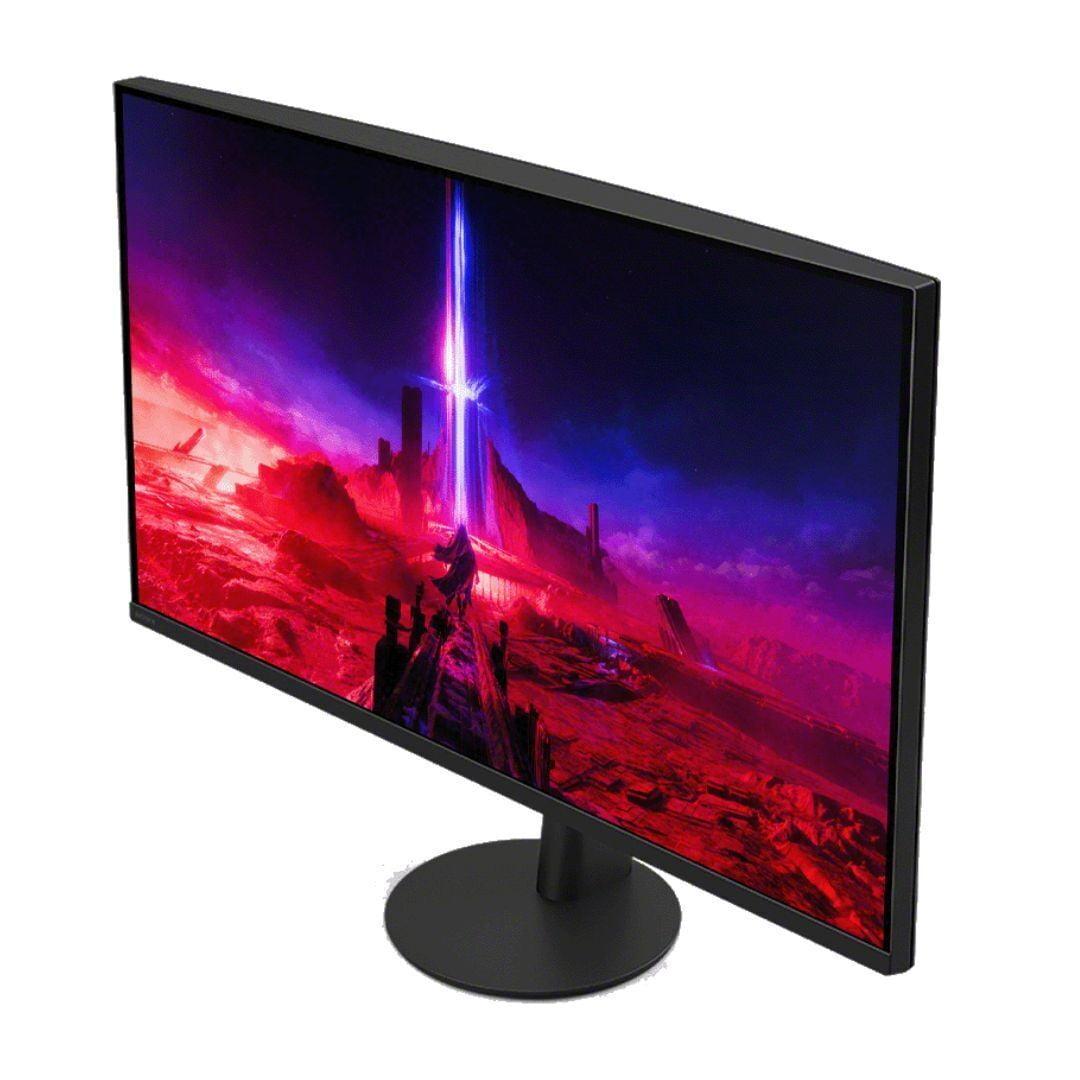
The world of 4K gaming monitors has exploded with options in recent years, making it both exciting and overwhelming for anyone looking to upgrade their gaming setup. Two monitors that frequently come up in discussions are the Sony INZONE M9 II and the Samsung Odyssey G7 G70D. Both promise exceptional 4K gaming experiences, but they take notably different approaches to achieving that goal.
Understanding what makes a great 4K gaming monitor is crucial before diving into these specific models. At this resolution level, you're looking for the perfect balance of visual fidelity, gaming performance, and practical features. The most important considerations include how well the display handles HDR content (which makes games look more realistic with better contrast), how smoothly it can display fast motion without blur, and whether it offers good value for the features you actually need.
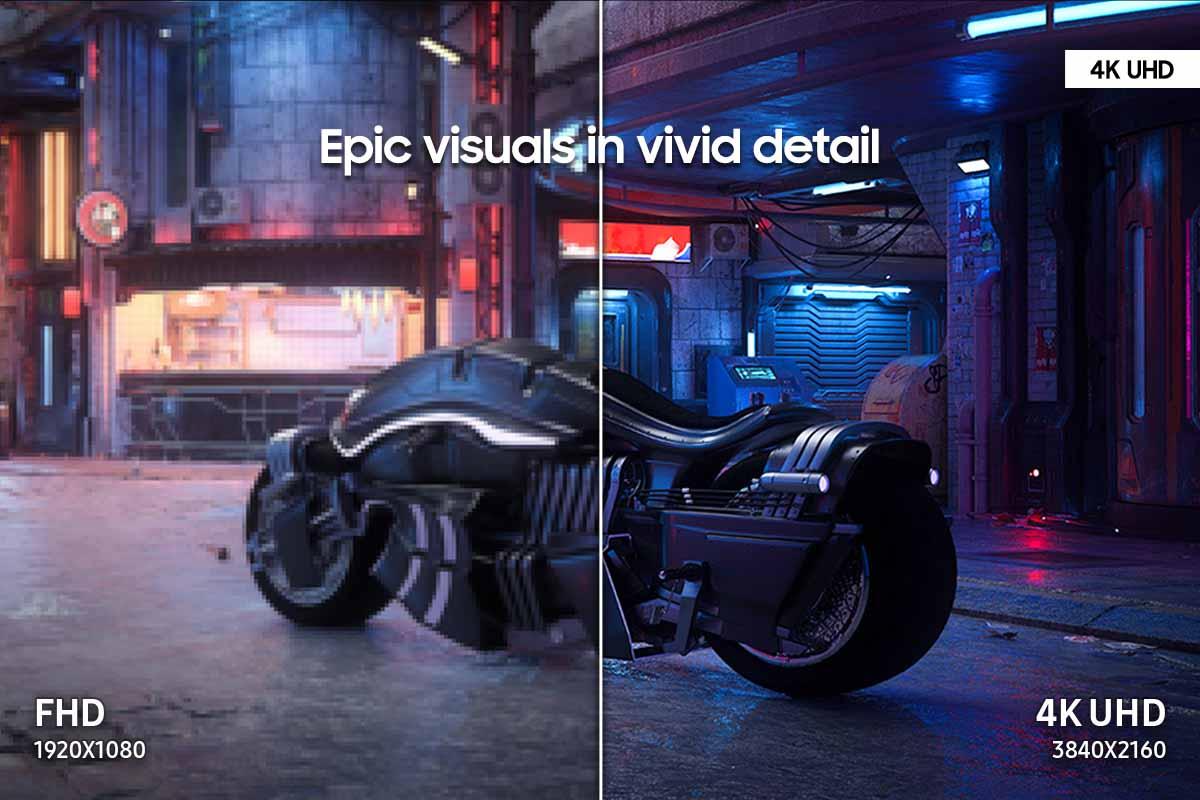
Gaming at 4K resolution means you're seeing games at 3840 x 2160 pixels – that's four times the detail of standard 1080p displays. This level of detail creates incredibly sharp visuals where you can see textures, text, and fine details with stunning clarity. However, pushing this many pixels puts significant demands on both your graphics card and the monitor itself.
The key technical aspects that separate good 4K gaming monitors from great ones include refresh rate (how many times per second the screen updates), response time (how quickly pixels can change colors), and HDR implementation (how well the monitor displays the full range of brightness from dark shadows to bright highlights). Modern gaming monitors also need robust connectivity options to handle the massive bandwidth required for 4K gaming, especially when connecting to the latest gaming consoles.
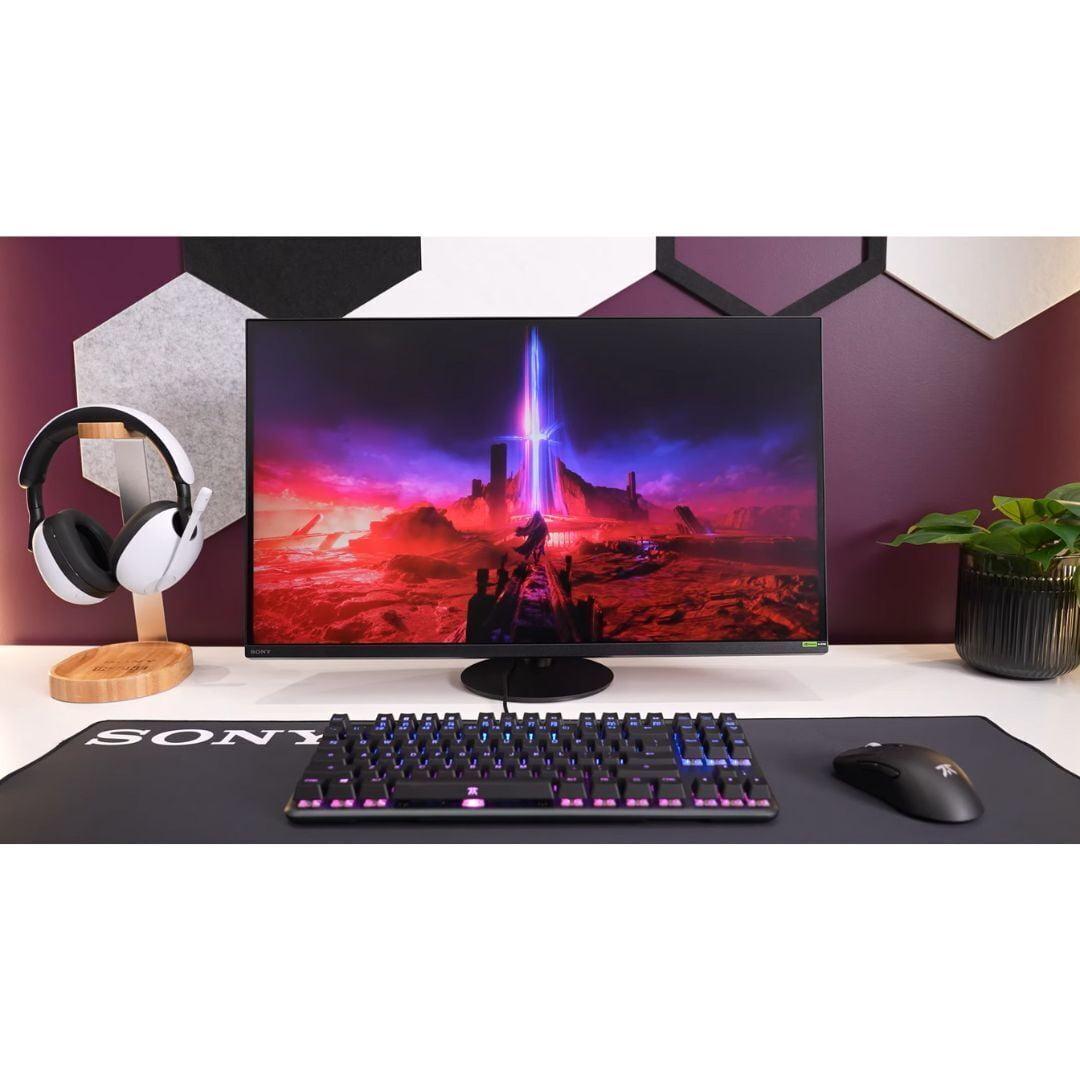
Released in 2023, the Sony INZONE M9 II represents Sony's second-generation attempt at cracking the premium gaming monitor market. What makes this monitor unique is its deep integration with PlayStation consoles, particularly the PS5 and PS5 Pro. Sony has leveraged their expertise from their TV division to create a monitor that automatically optimizes HDR settings when connected to their gaming consoles.
The standout feature here is the Full Array Local Dimming (FALD) system with 96 zones. Think of local dimming like having individual light switches for different areas of your TV screen – instead of the entire backlight being either on or off, the monitor can dim specific zones to create deeper blacks and brighter highlights. The Sony monitor arranges these 96 zones in a 12x8 grid across the screen, theoretically allowing for much better contrast than standard LCD monitors.
This monitor achieves VESA DisplayHDR 600 certification, which means it can display HDR content with peak brightness reaching 750 nits (a measure of brightness – for context, a typical laptop screen might reach 300 nits). This level of brightness makes HDR games and movies look much more vibrant and realistic, with highlights that actually pop off the screen rather than looking flat.
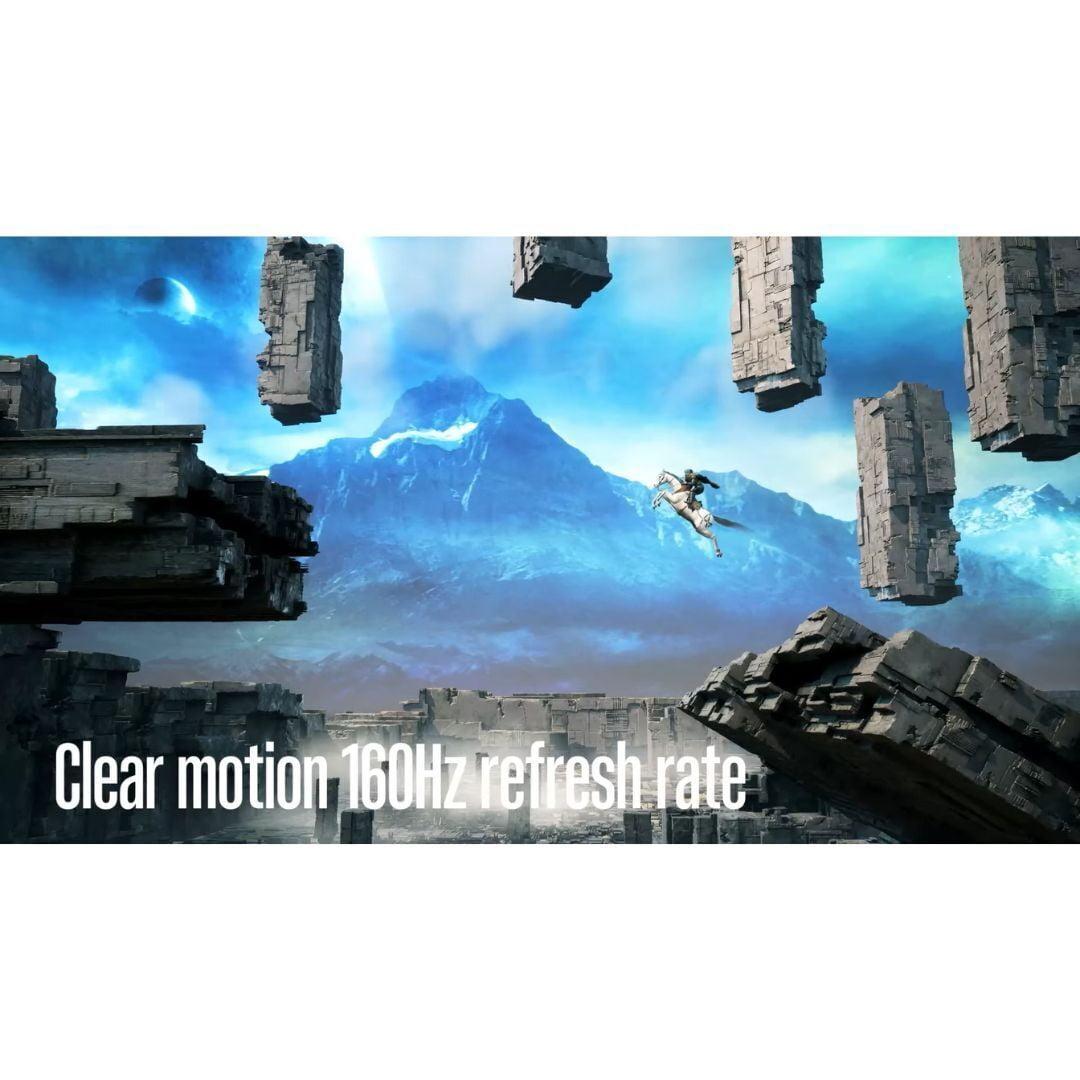
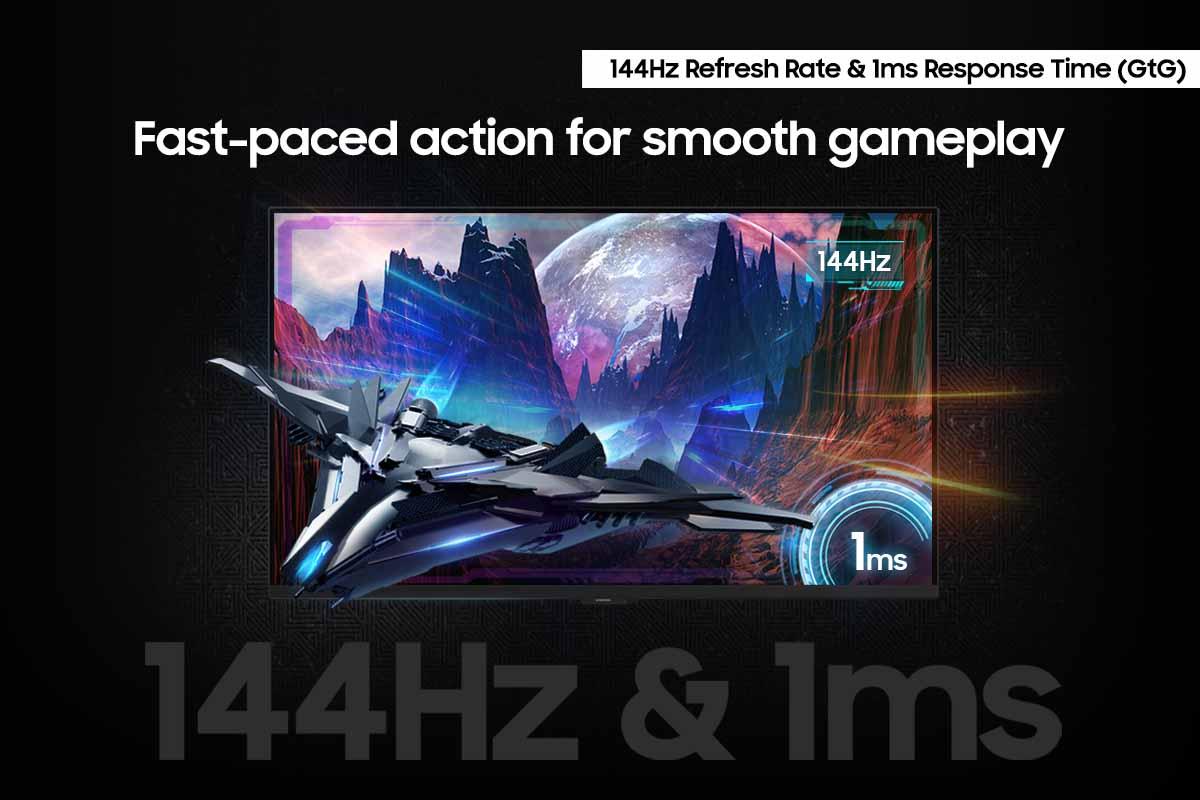
The gaming performance specifications are impressive: 160Hz refresh rate and 1ms response time. The refresh rate determines how smooth motion looks – higher numbers mean less stuttering during fast action. The response time measures how quickly pixels can change colors, with lower numbers meaning less ghosting or blur trails behind moving objects.
What sets the Sony INZONE M9 II apart is its Auto HDR Tone Mapping feature when connected to PlayStation consoles. This automatically adjusts the monitor's HDR settings to match what game developers intended, eliminating the need for manual tweaking that often frustrates console gamers. There's also a unique 24.5-inch mode that displays games at a smaller size with black borders – a feature specifically designed for competitive esports players who prefer smaller screens for better focus.
The monitor includes Sony's INZONE Hub software for PC users, allowing deep customization of picture settings and game-specific profiles. This level of integration between hardware and software is something you typically only see from companies that make both gaming devices and monitors.
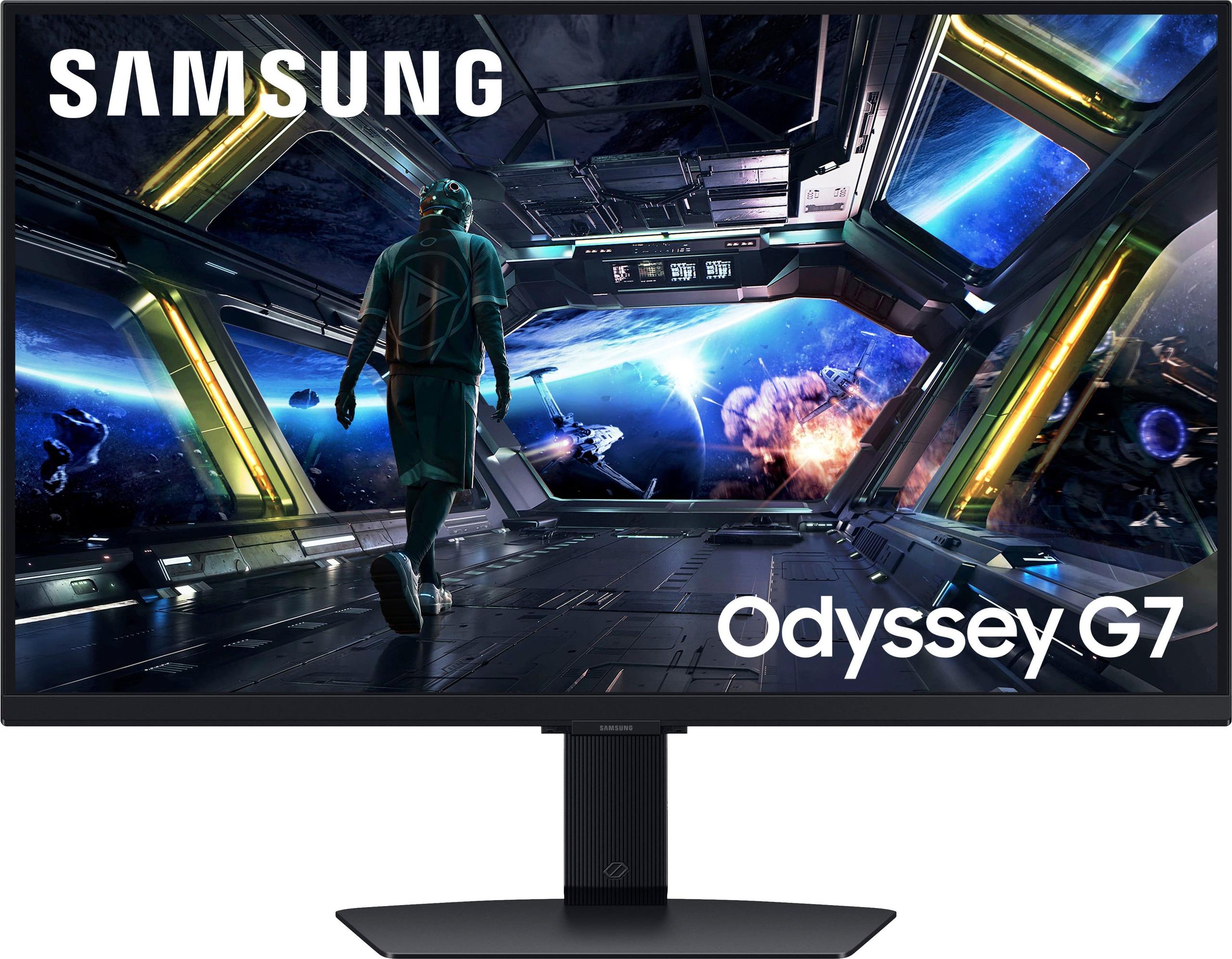
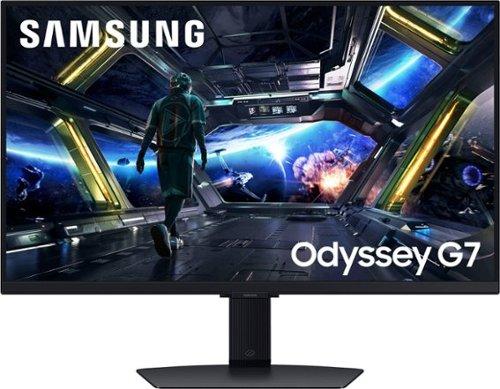
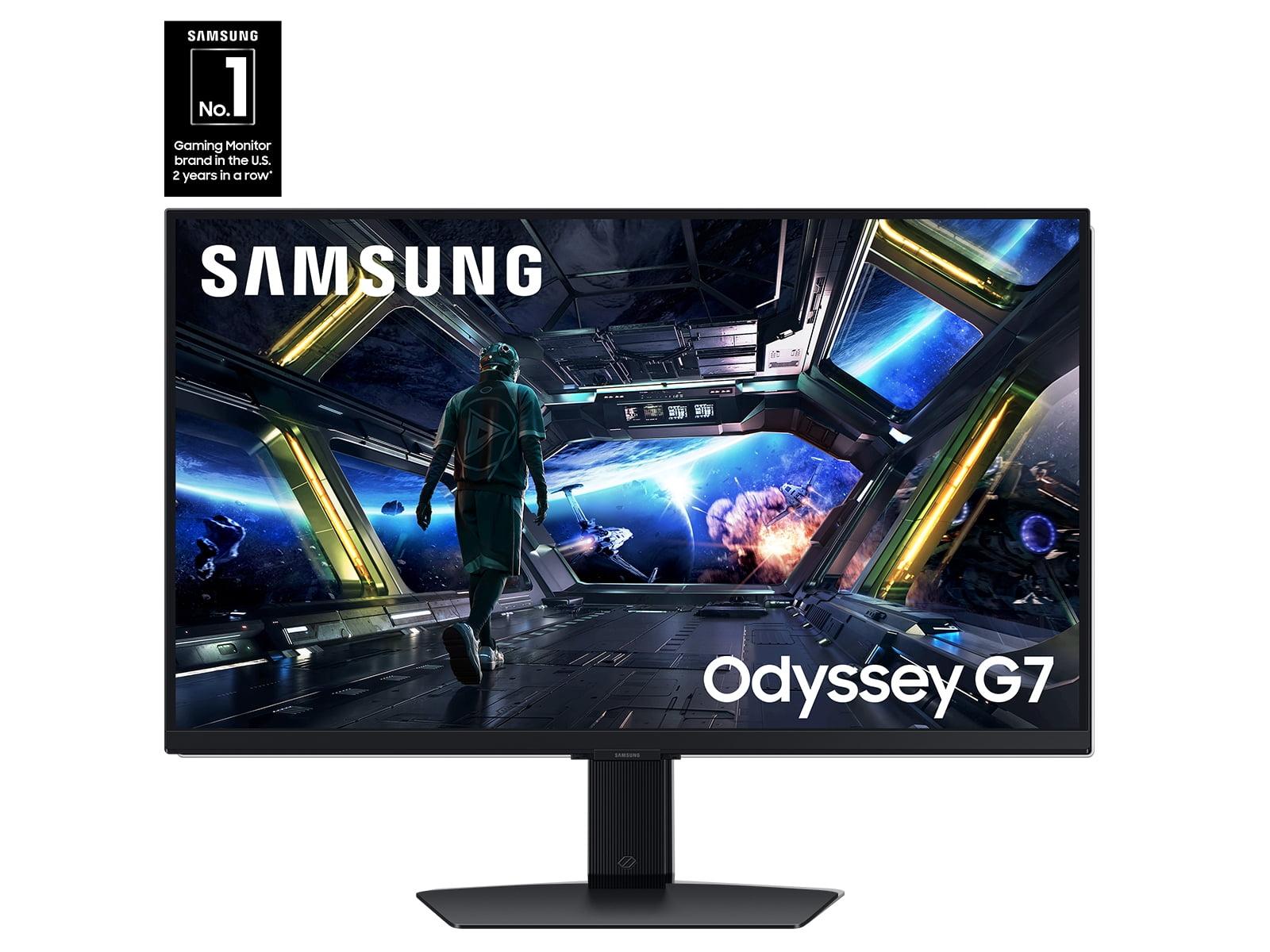
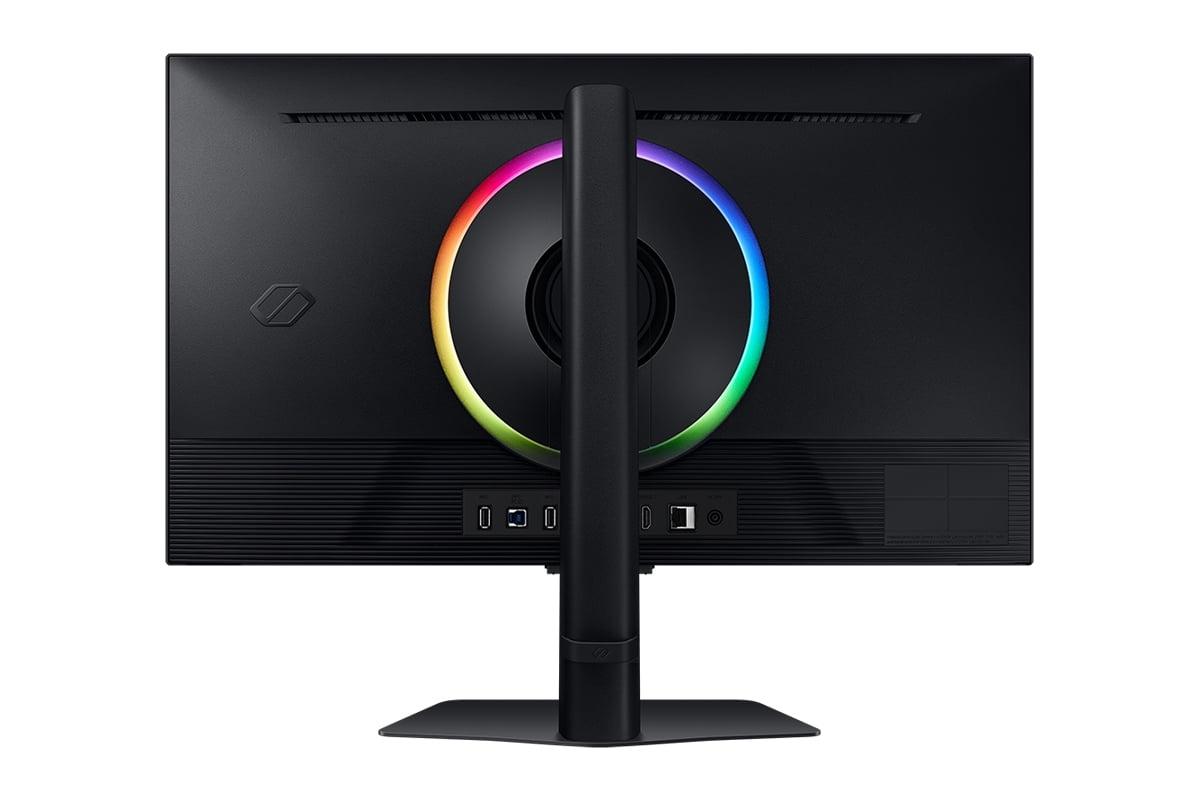
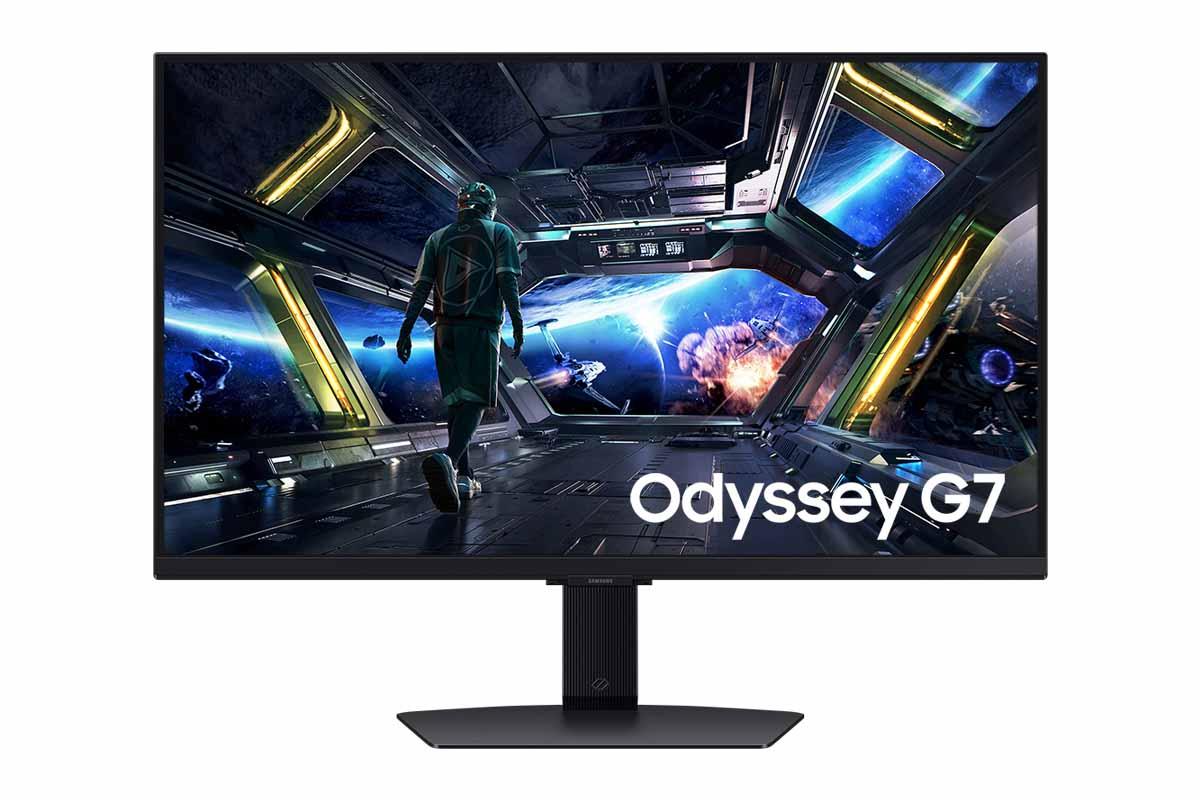
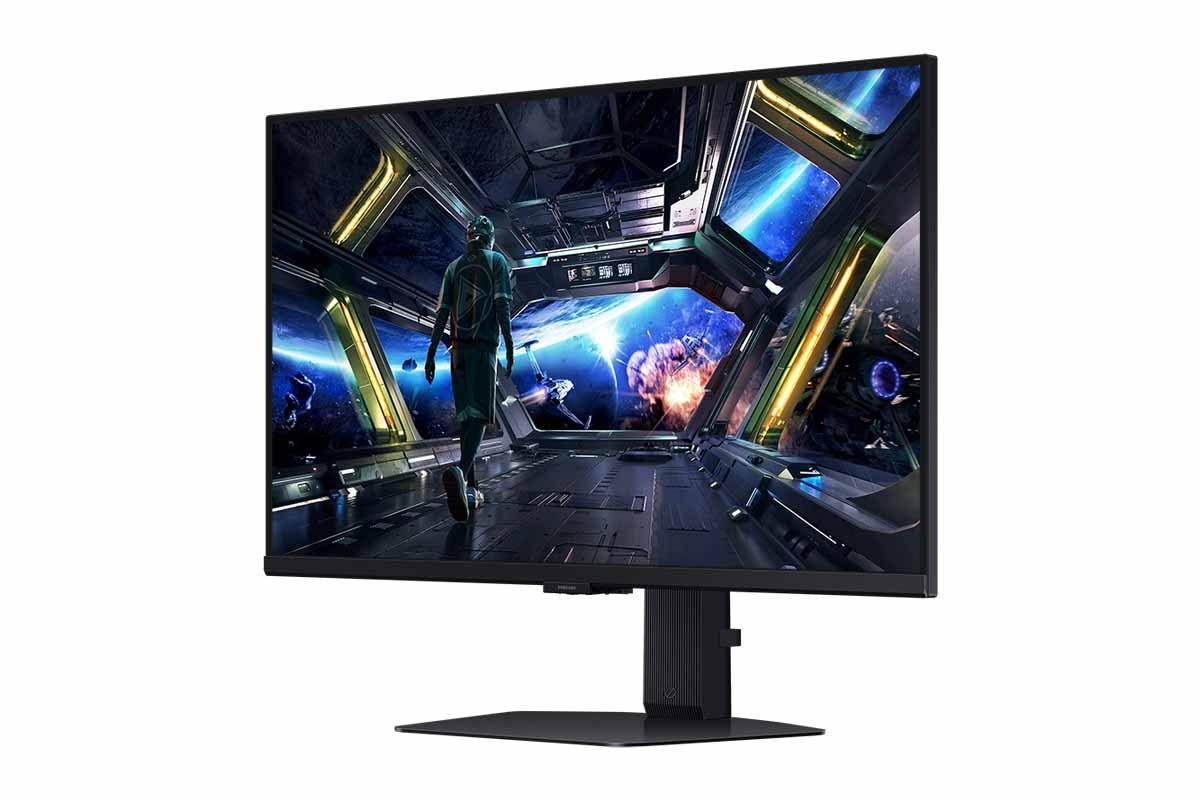
Samsung took a completely different approach with the Odyssey G7 G70D, which was also released in 2023. Rather than focusing solely on gaming performance, Samsung created what's essentially a hybrid device that functions as both a premium gaming monitor and a smart TV. This versatility immediately makes it appealing to users who want to consolidate devices in their setup.
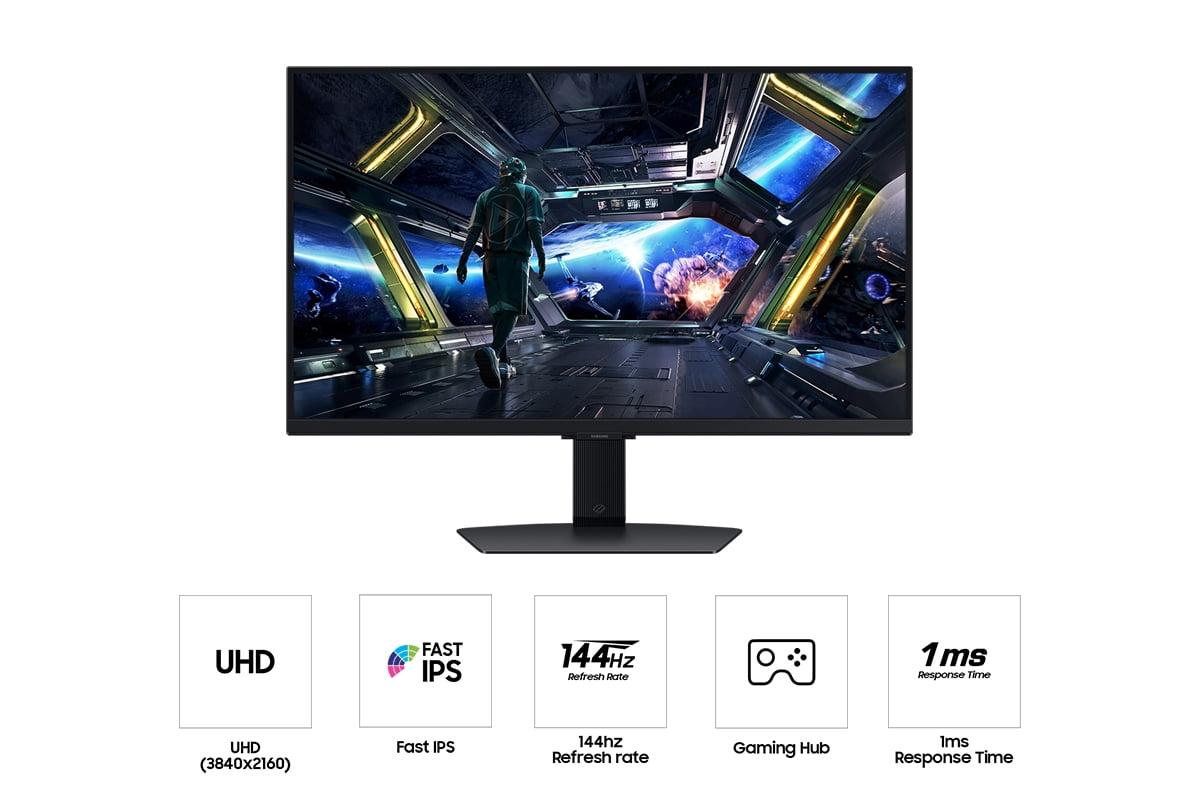
The monitor features Samsung's Gaming Hub, which provides access to streaming services like Netflix and gaming platforms like Xbox Game Pass without needing a separate device. You can literally game, stream movies, and browse apps all from the monitor itself, controlled by an included remote. This Smart TV functionality represents a significant shift in how we think about gaming monitors – they're becoming entertainment centers rather than just displays.
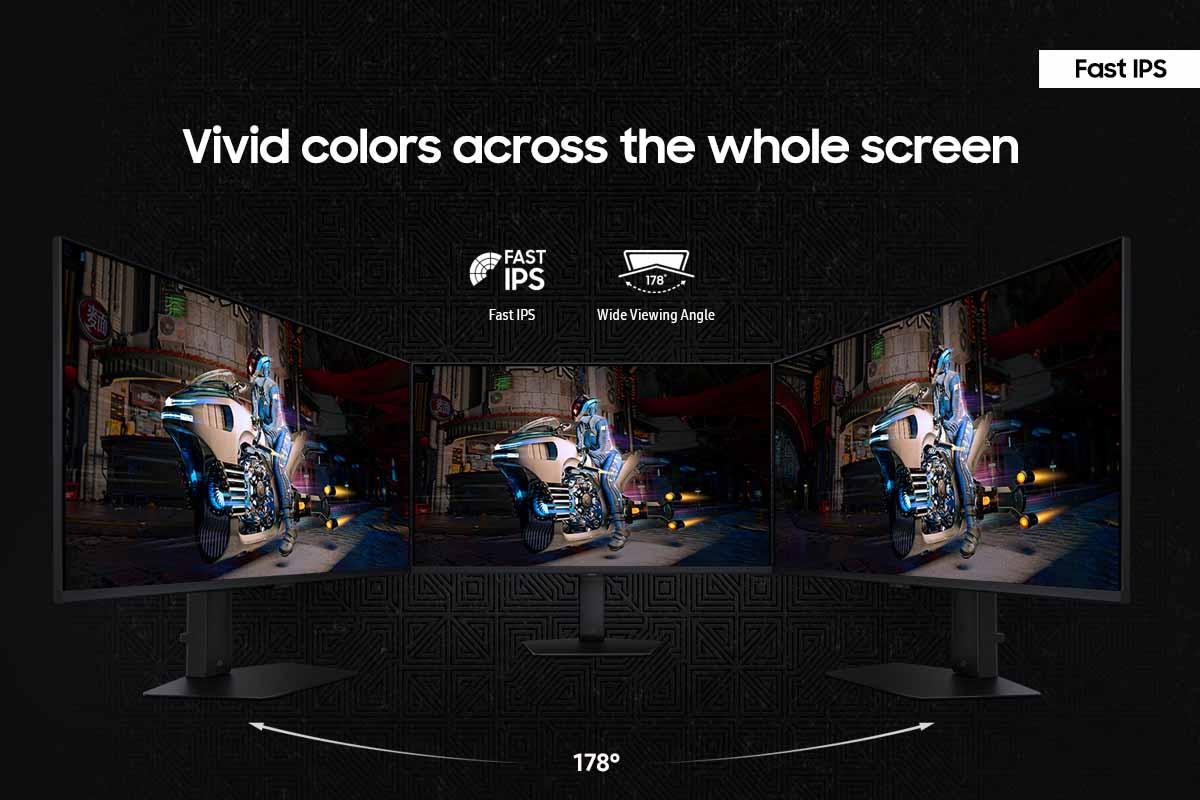
The Samsung G7 G70D uses a Fast IPS panel, which provides wide viewing angles and consistent color reproduction from any position. While it also includes local dimming, the implementation is much simpler with only 32 zones compared to Sony's 96. This results in less precise control over contrast, but Samsung has focused their efforts elsewhere.
Samsung includes their NQM AI Processor, which upscales lower-resolution content to near-4K quality. This is particularly useful if you're watching older movies or playing games that don't run at native 4K resolution. The AI analyzes the content and intelligently fills in additional detail, making everything look sharper on the 4K screen.
The gaming features include Dynamic Black Equalizer, which automatically adjusts brightness and contrast in dark game scenes to help you spot enemies hiding in shadows. There are also on-screen gaming tools like FPS counters, crosshairs, and even a simulated ultrawide mode that changes the aspect ratio for supported games.
The Sony INZONE M9 II has a clear advantage in HDR performance. With DisplayHDR 600 certification versus Samsung's DisplayHDR 400, the Sony monitor gets significantly brighter and can display more dramatic contrast. When playing HDR games like "The Last of Us Part II" or watching HDR movies, the difference is noticeable – highlights like explosions, sunlight, or bright UI elements appear much more vibrant and realistic on the Sony display.
However, the local dimming implementation on both monitors has limitations. While the Sony monitor has more zones (96 vs 32), real-world testing reveals that the zones don't operate independently as advertised. Instead, they create visible "blooming" effects where bright objects cause surrounding dark areas to light up, creating gray patches that can be distracting during dark scenes.
The Samsung G7 G70D achieves better color accuracy out of the box, with more natural-looking colors that don't require extensive calibration. The Sony monitor tends to display colors that are too cool (bluish) initially, requiring manual adjustment to achieve proper color temperature.
For pure gaming performance, the Sony INZONE M9 II edges ahead with its 160Hz refresh rate compared to Samsung's 144Hz. While this 16Hz difference might seem small, it can matter for competitive gaming where every frame counts. The Sony monitor also includes backlight scanning technology, which strobes the backlight to reduce motion blur – similar to how old CRT monitors naturally displayed crisp motion.
Both monitors achieve similar response times around 1ms, which is excellent for gaming. However, the motion handling characteristics differ slightly. The Samsung monitor shows excellent motion clarity with minimal ghosting in its standard overdrive setting, while the Sony monitor's backlight scanning can create some flickering that sensitive users might notice.
For console gaming, particularly with PlayStation 5, the Sony INZONE M9 II provides seamless integration with features like Auto HDR Tone Mapping and VRR (Variable Refresh Rate) support. The Samsung monitor also supports these console features but requires more manual setup to achieve optimal results.
The Samsung Odyssey G7 G70D completely dominates in versatility. The integrated Smart TV OS means you can watch Netflix, YouTube, or other streaming services directly from the monitor without connecting any additional devices. This is particularly valuable in bedroom or dorm room setups where space is limited.
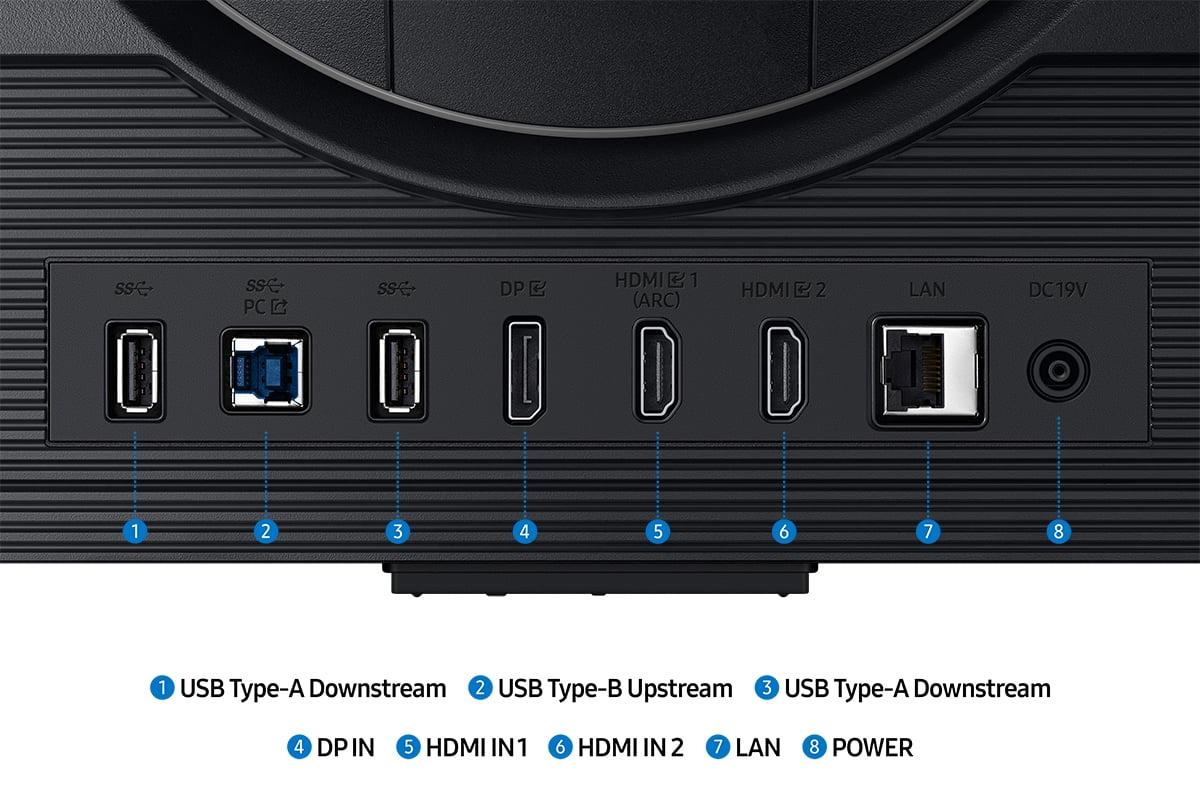
The Samsung monitor also includes built-in speakers and comprehensive connectivity options. While built-in monitor speakers are rarely impressive, they're adequate for casual use and eliminate the need for external audio solutions in basic setups.
The Sony monitor focuses entirely on gaming performance and lacks these smart features. While this keeps the design focused, it means you'll need separate devices for streaming content or smart TV functionality.
Both monitors can serve double duty in home theater applications, but with different strengths. The Sony INZONE M9 II excels for gaming-focused home theater setups, particularly if you're primarily using PlayStation consoles. The superior HDR performance makes movies and HDR content look more cinematic, with better contrast and brightness than the Samsung option.
The Samsung G7 G70D is actually better suited for general home theater use due to its smart TV functionality and remote control. You can easily switch between gaming and movie watching without changing inputs or reaching for different remotes. The built-in streaming apps and user-friendly interface make it much more practical for family use.
For dark room movie watching, both monitors struggle compared to OLED alternatives due to their LCD technology limitations. The local dimming helps but can't achieve the perfect blacks that make for truly cinematic experiences in dark environments.
At the time of writing, the Samsung Odyssey G7 G70D typically costs several hundred dollars less than the Sony INZONE M9 II, making it significantly more accessible to budget-conscious buyers. When you consider that the Samsung includes extensive smart TV functionality essentially for free, the value proposition becomes even more compelling.
The Sony monitor commands a premium price for its specialized PlayStation integration and superior HDR performance. Whether this premium is justified depends heavily on your specific use case. PlayStation 5 owners who prioritize the best possible gaming experience might find the extra cost worthwhile, while multi-platform gamers might prefer the Samsung's versatility.
Both monitors include only a one-year warranty, which is relatively short for products in this price category. This is something to consider when evaluating long-term value.
Neither monitor is perfect, and understanding their limitations helps set proper expectations. The Sony INZONE M9 II suffers from local dimming implementation issues where the 96 zones don't provide the precise control you might expect. Dark scenes often show visible gray patches and blooming that can be distracting.
The Samsung G7 G70D has weaker HDR performance due to lower peak brightness and fewer dimming zones. While it handles most content well, true HDR content won't look as impressive as on higher-end displays.
Both monitors use IPS LCD technology, which means they can't achieve the perfect blacks of OLED displays. If you're coming from an OLED TV or phone, the contrast might seem disappointing in very dark environments.
Choose the Sony INZONE M9 II if you're primarily a PlayStation gamer who wants the absolute best gaming experience. The superior HDR performance, higher refresh rate, and console integration features justify the premium price for users who will take advantage of these specific benefits. This monitor is also better if you have a dedicated entertainment system and don't need smart TV functionality from your monitor.
The Samsung Odyssey G7 G70D makes more sense for versatile users who game across multiple platforms and want smart TV functionality. The significant cost savings, combined with excellent gaming performance and extensive smart features, provide better overall value for most users. This is particularly true for students, small apartment dwellers, or anyone who wants to consolidate devices.
Consider your specific gaming habits, budget constraints, and setup requirements. If you primarily play competitive esports titles, the Sony's higher refresh rate might matter. If you play a variety of games and also watch streaming content, the Samsung's versatility becomes more valuable.
Both monitors represent solid choices in the 4K gaming monitor category, but they serve different user needs. The Sony excels as a specialized gaming display, while the Samsung succeeds as a versatile entertainment hub. Understanding which approach better matches your priorities will lead you to the right choice for your setup.
| Sony INZONE M9 II 27" 4K 160Hz Gaming Monitor | Samsung 27" Odyssey G7 G70D 4K UHD IPS Gaming Monitor |
|---|---|
| Display Size & Resolution - Foundation for gaming clarity | |
| 27" 4K (3840 x 2160) IPS | 27" 4K (3840 x 2160) Fast IPS |
| Refresh Rate - Higher numbers mean smoother motion in fast games | |
| 160Hz (competitive gaming advantage) | 144Hz (excellent for most gaming) |
| Response Time - Lower is better for reducing motion blur | |
| 1ms GtG with backlight scanning | 1ms GtG |
| HDR Performance - Critical for realistic lighting and contrast | |
| VESA DisplayHDR 600, 750 nits peak brightness | VESA DisplayHDR 400, 350 nits typical brightness |
| Local Dimming - Better contrast through zone control | |
| 96-zone Full Array Local Dimming (limited effectiveness) | 32-zone local dimming (basic implementation) |
| Color Coverage - More accurate and vibrant colors | |
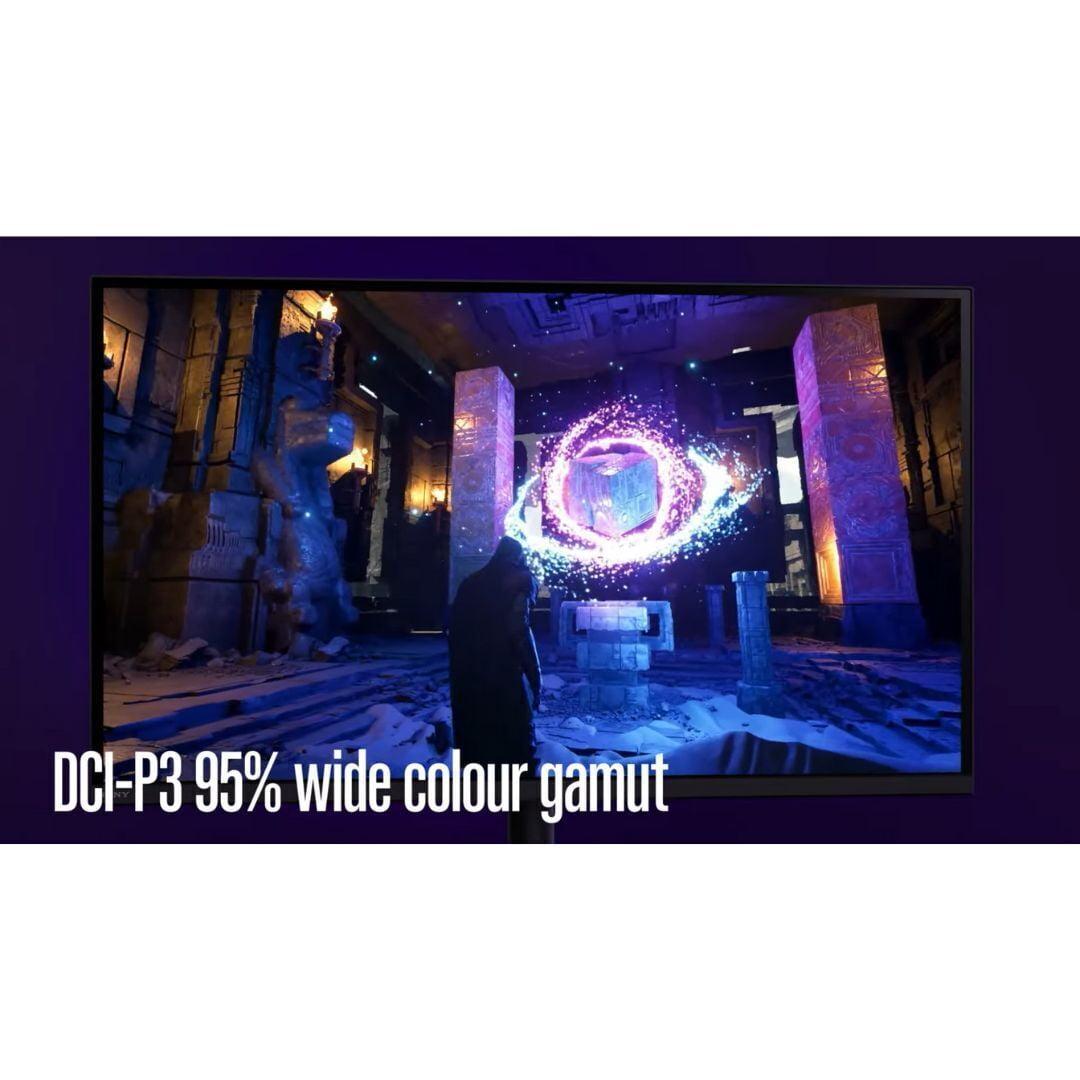
| 95% DCI-P3, 1.07 billion colors | 99% sRGB, 1 billion colors |
| Gaming Features - Console and PC optimization | |
| PlayStation 5 Auto HDR Tone Mapping, 24.5" esports mode | Dynamic Black Equalizer, gaming overlays |
| Smart Features - Built-in entertainment without extra devices | |
| None (gaming-focused only) | Full Smart TV OS with Samsung Gaming Hub |
| Connectivity - Future-proofing for high bandwidth gaming | |
| DisplayPort 2.1, 2x HDMI 2.1, USB hub | DisplayPort, HDMI 2.1, USB ports |
| Adaptive Sync - Eliminates screen tearing | |
| NVIDIA G-SYNC Compatible, HDMI 2.1 VRR | AMD FreeSync Premium, G-SYNC Compatible |
| Stand Ergonomics - Comfort for long gaming sessions | |
| Height, tilt, swivel adjustments | Height, tilt, swivel, pivot (portrait mode) |
| Audio - Built-in sound solution | |
| 2x 2W speakers | Built-in speakers with remote control |
| Target User - Who benefits most from each approach | |
| PlayStation-focused gamers wanting premium HDR | Multi-platform gamers wanting versatility and value |
| Value Proposition - Performance per dollar consideration | |
| Premium price for specialized console gaming | Better overall value with smart TV functionality included |
The Sony INZONE M9 II is specifically designed for PlayStation gaming with Auto HDR Tone Mapping that automatically optimizes settings for PS5 and PS5 Pro. It also includes a dedicated 24.5-inch esports mode and seamless console integration. The Samsung Odyssey G7 G70D works well with PlayStation but requires manual HDR adjustment and lacks the specialized console features.
The Sony INZONE M9 II offers 160Hz while the Samsung Odyssey G7 G70D provides 144Hz. The 16Hz difference is noticeable in competitive gaming where every frame counts, but for casual gaming, both refresh rates provide smooth, responsive gameplay that's significantly better than standard 60Hz displays.
The Sony INZONE M9 II significantly outperforms with VESA DisplayHDR 600 certification and 750 nits peak brightness compared to the Samsung G7 G70D's DisplayHDR 400 and 350 nits typical brightness. This means the Sony monitor displays much more vibrant highlights and realistic contrast in HDR games and movies.
The Samsung Odyssey G7 G70D includes a full Smart TV operating system with built-in streaming apps, remote control, and Samsung's Gaming Hub for cloud gaming. The Sony INZONE M9 II focuses purely on gaming performance and requires external devices like streaming sticks or consoles for entertainment apps.
The Samsung Odyssey G7 G70D typically costs several hundred dollars less while including extensive smart TV functionality, making it excellent value for most users. The Sony INZONE M9 II commands a premium for specialized PlayStation features and superior HDR performance, justified mainly for dedicated console gamers.
The Sony INZONE M9 II features 96-zone Full Array Local Dimming compared to the Samsung G7 G70D's 32-zone system. However, both implementations have limitations with visible blooming effects. The Sony's additional zones provide somewhat better contrast control, but neither achieves the precision of higher-end Mini LED or OLED displays.
The Sony INZONE M9 II edges ahead with its 160Hz refresh rate, backlight scanning technology for motion blur reduction, and dedicated esports features. The Samsung Odyssey G7 G70D still offers excellent gaming performance at 144Hz with outstanding motion handling, making both suitable for competitive play.
The Sony INZONE M9 II handles bright rooms better due to its higher peak brightness of 750 nits, making it easier to see content clearly with ambient light. The Samsung G7 G70D at 350 nits typical brightness may struggle more in very bright environments but includes good anti-glare treatment.
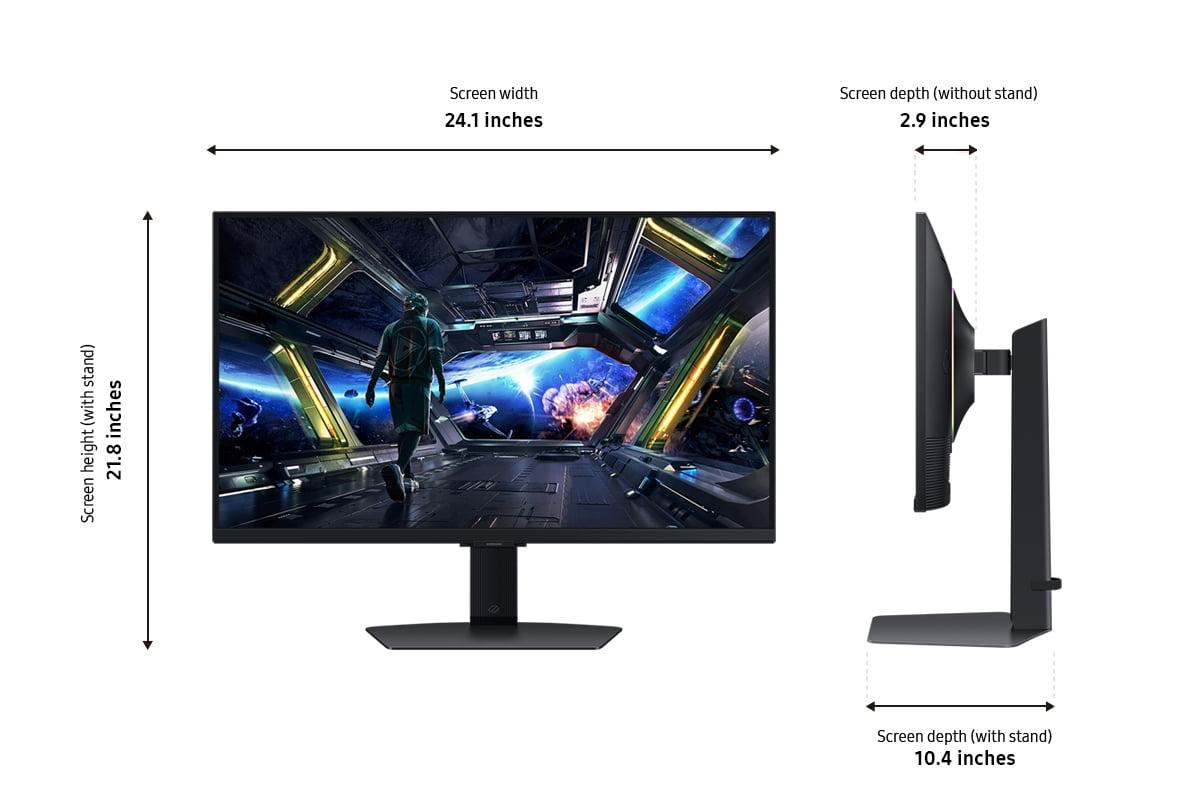
The Samsung Odyssey G7 G70D offers more comprehensive adjustments including pivot mode for portrait orientation, plus RGB lighting effects. The Sony INZONE M9 II provides standard height, tilt, and swivel adjustments with a low-profile stand design that accommodates various keyboard setups.
The Samsung Odyssey G7 G70D makes an excellent TV replacement with its Smart TV features, remote control, and built-in speakers. The Sony INZONE M9 II offers superior HDR performance for movie watching but lacks smart features and requires external streaming devices for content access.
The Samsung Odyssey G7 G70D excels for multi-platform use with excellent PC, Xbox, and PlayStation compatibility, plus cloud gaming through Samsung Gaming Hub. The Sony INZONE M9 II works across platforms but is optimized specifically for PlayStation, making it less ideal for primarily PC or Xbox gaming.
Both monitors offer excellent 4K IPS displays with wide viewing angles. The Sony INZONE M9 II covers 95% DCI-P3 color space with superior HDR performance, while the Samsung G7 G70D provides 99% sRGB coverage with better out-of-box color accuracy that requires less calibration for optimal viewing.
We've done our best to create useful and informative comparisons to help you decide what product to buy. Our research uses advanced automated methods to create this comparison and perfection is not possible - please contact us for corrections or questions. These are the sites we've researched in the creation of this article: bestbuy.com - bestbuy.com - rtings.com - rtings.com - tomshardware.com - youtube.com - bhphotovideo.com - bestbuy.com - sony.com - techpowerup.com - electronics.sony.com - sony.com - displayspecifications.com - direct.playstation.com - youtube.com - sony.com - sony.com - displayspecifications.com - bhphotovideo.com - displayspecifications.com - bestbuy.com - typectechreviews.com - rtings.com - rtings.com - youtube.com - youtube.com - samsung.com - samsung.com - samsung.com - bhphotovideo.com - samsung.com - samsung.com - versus.com - abt.com - abt.com - bestbuy.com - bhphotovideo.com - youtube.com - abt.com

Privacy Policy
Terms and Conditions - Affiliate Policy
Home Security
© Copyright 2008-2026.
11816 Inwood Rd #1211, Dallas, TX 75244