

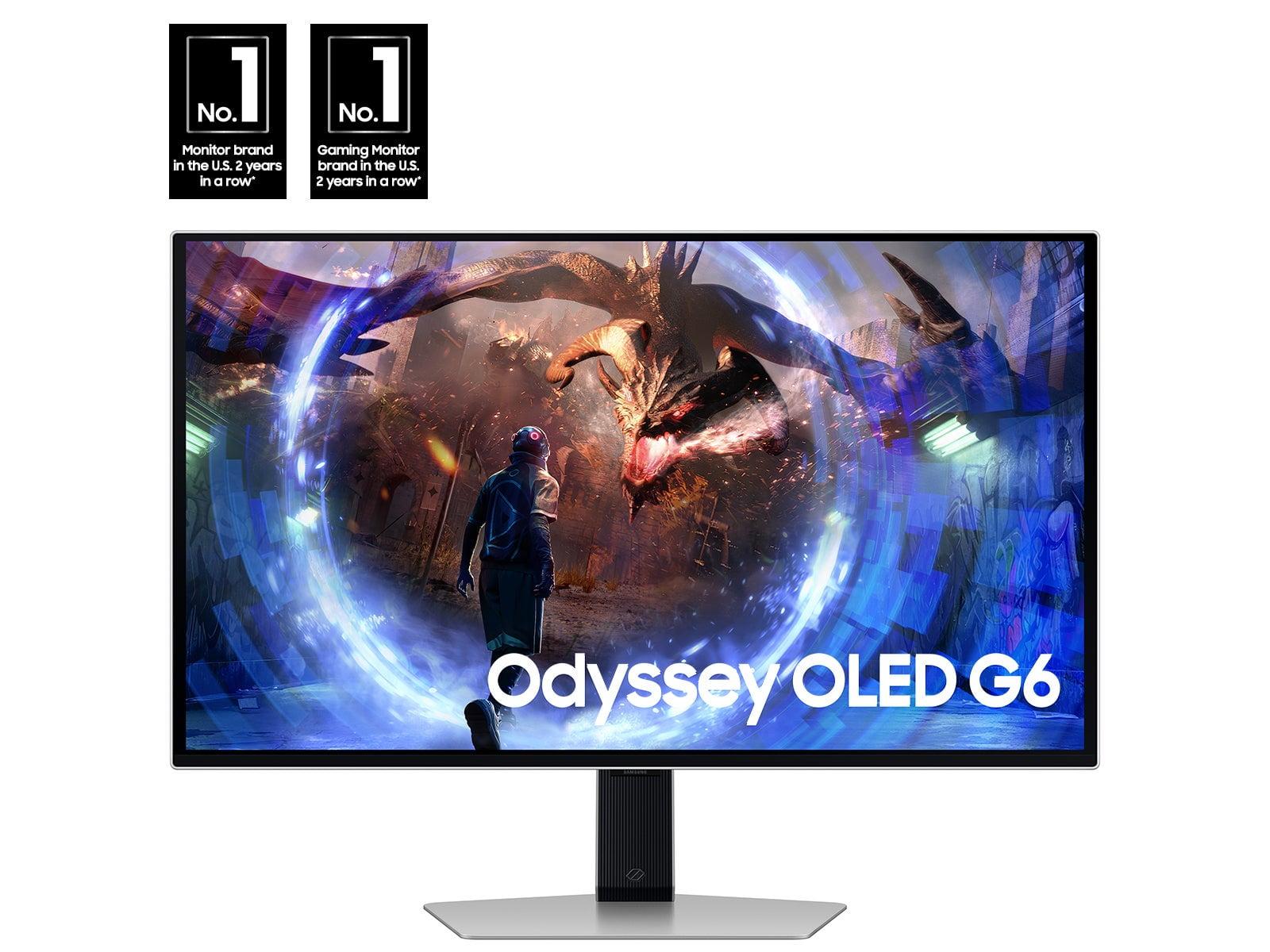

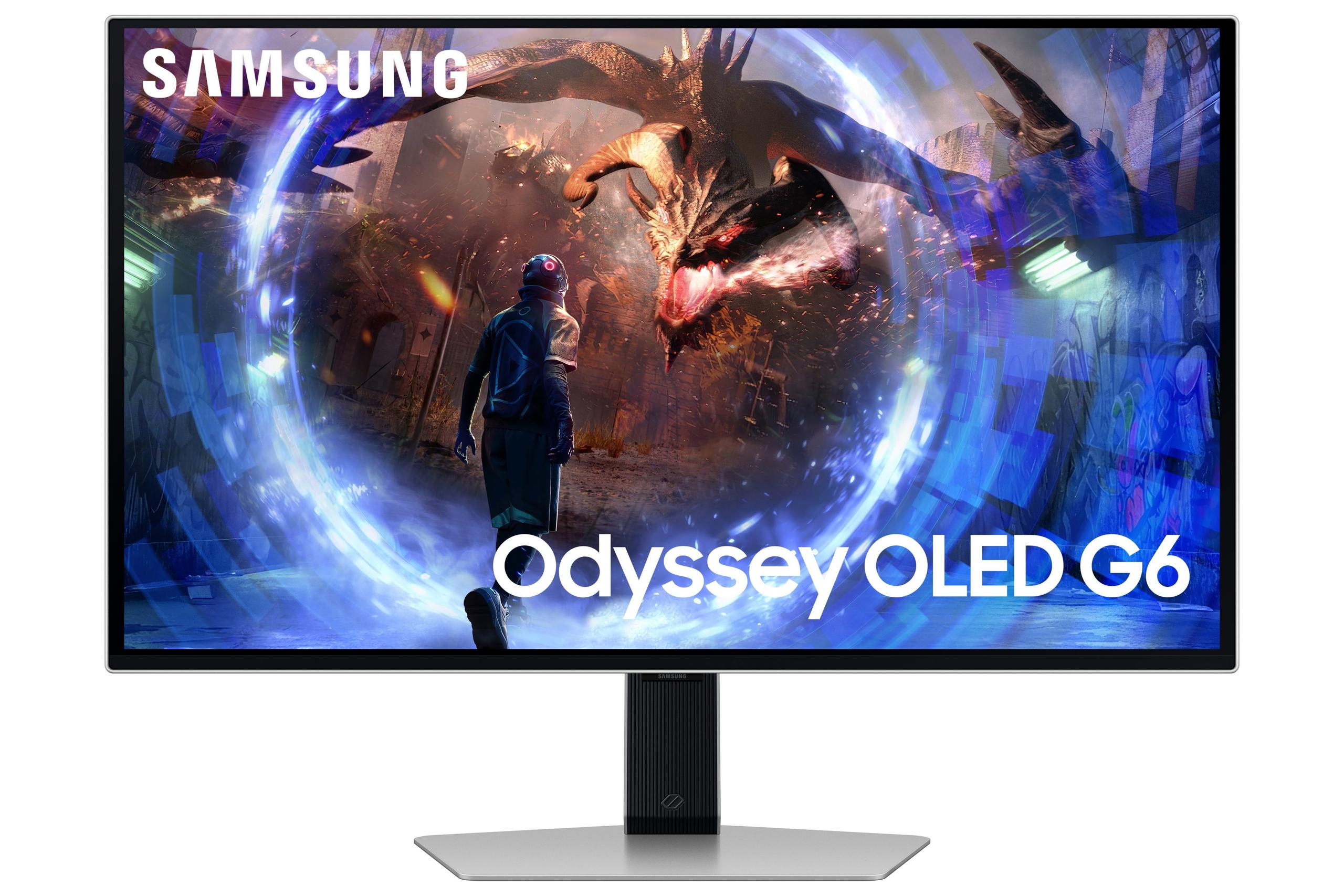
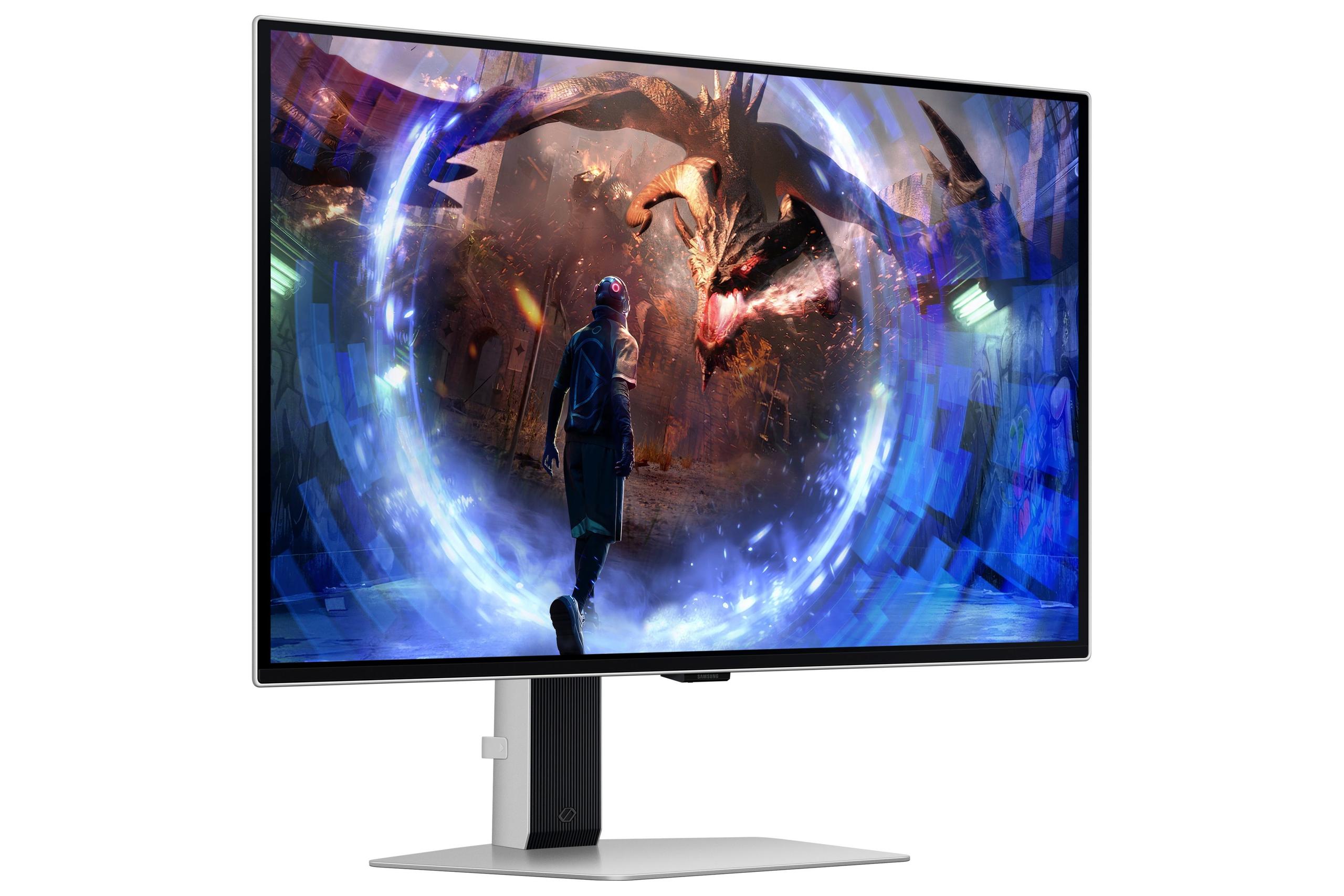

When I first started covering gaming monitors a few years ago, the choices were simpler: pick a resolution, pick a refresh rate, and hope for the best. Today's market is dramatically different, with innovations like switchable resolution modes and mainstream OLED technology creating exciting but complex decisions for gamers.
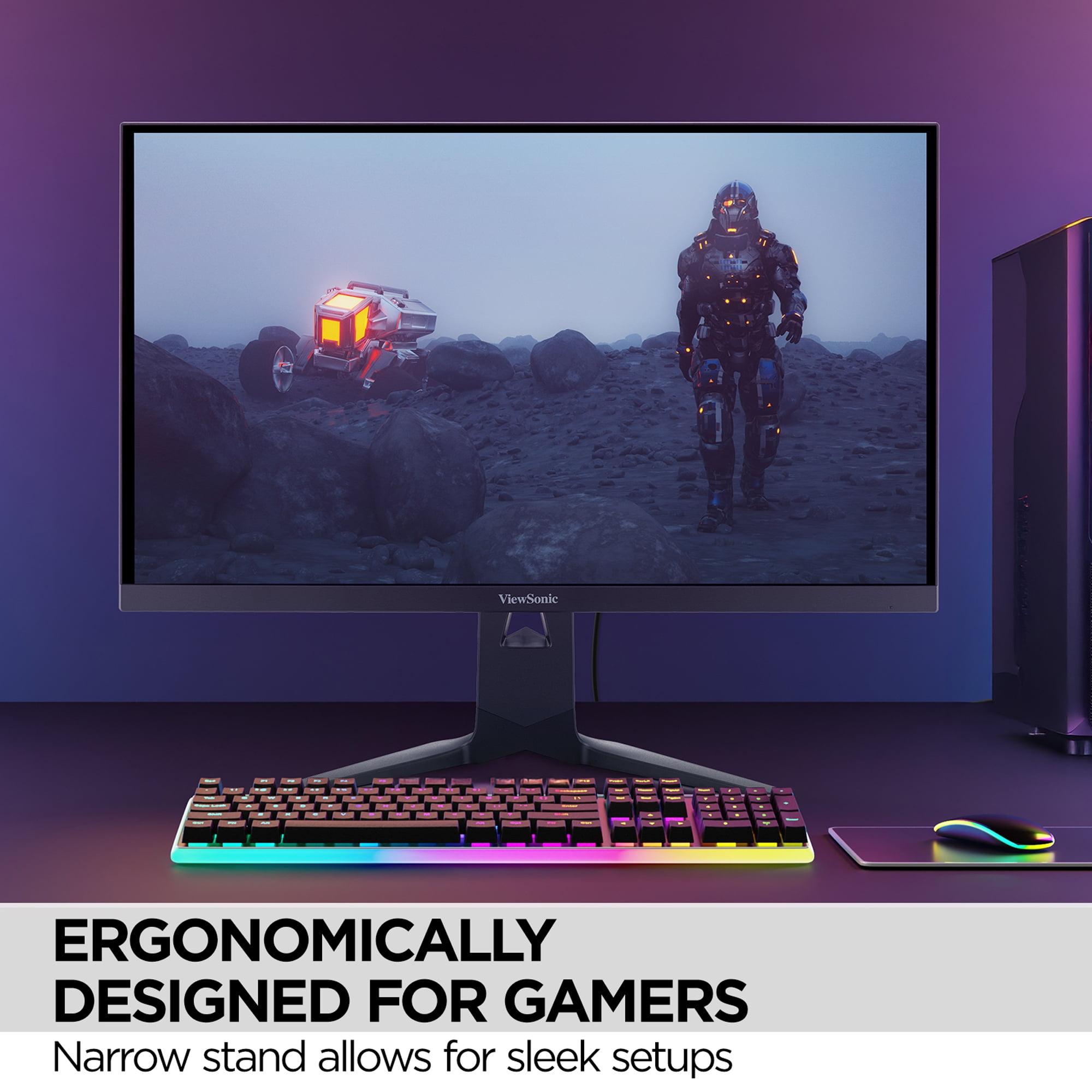
The ViewSonic XG275D-4K and Samsung Odyssey OLED G6 represent two fundamentally different approaches to high-performance gaming displays. Released in 2025 and 2024 respectively, both monitors showcase how far gaming display technology has advanced, but they solve different problems for different types of users.
Before diving into specifics, let's establish what makes a gaming monitor truly exceptional in today's market. The core considerations haven't changed—response time (how quickly pixels can change colors), refresh rate (how many times per second the screen updates), and input lag (delay between your action and seeing it on screen)—but the standards have skyrocketed.
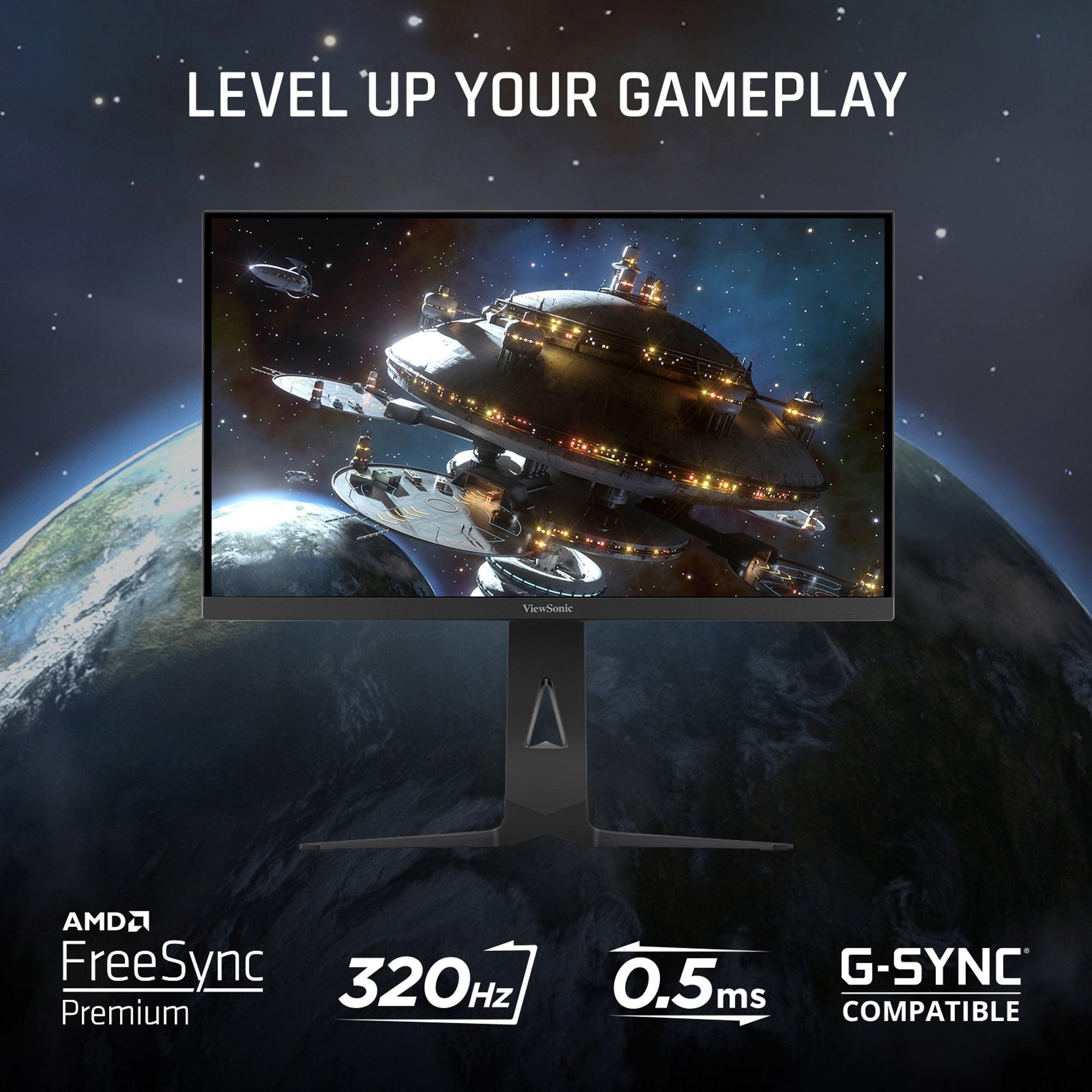
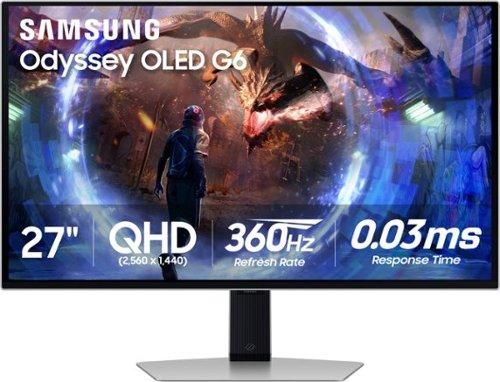
Response time is measured in milliseconds, with anything under 5ms being acceptable and under 1ms being excellent. The Samsung Odyssey OLED G6 achieves an almost unbelievable 0.03ms, while the ViewSonic XG275D-4K delivers a respectable 0.5ms. To put this in perspective, human reaction time averages around 200ms, so both monitors are far faster than you'll ever need—but that ultra-low response time translates to cleaner motion and less ghosting (trailing shadows behind moving objects).
Refresh rate, measured in Hz (hertz), indicates how many frames per second your monitor can display. Standard monitors refresh at 60Hz, while these gaming displays push far beyond that threshold. Higher refresh rates create smoother motion and can provide competitive advantages in fast-paced games, assuming your graphics card can keep up.
The real innovation comes in how these two monitors handle the eternal gaming tradeoff: resolution versus refresh rate.
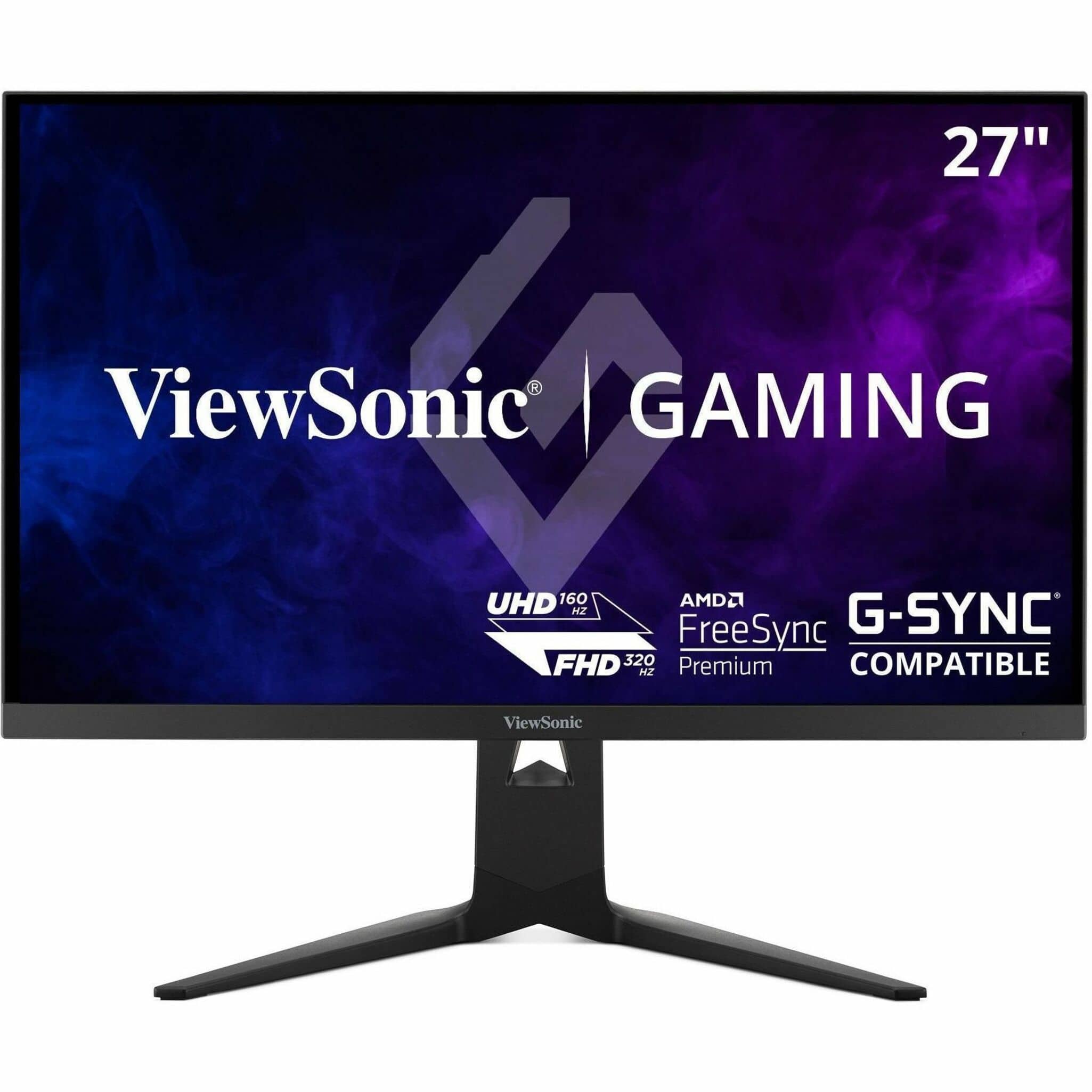
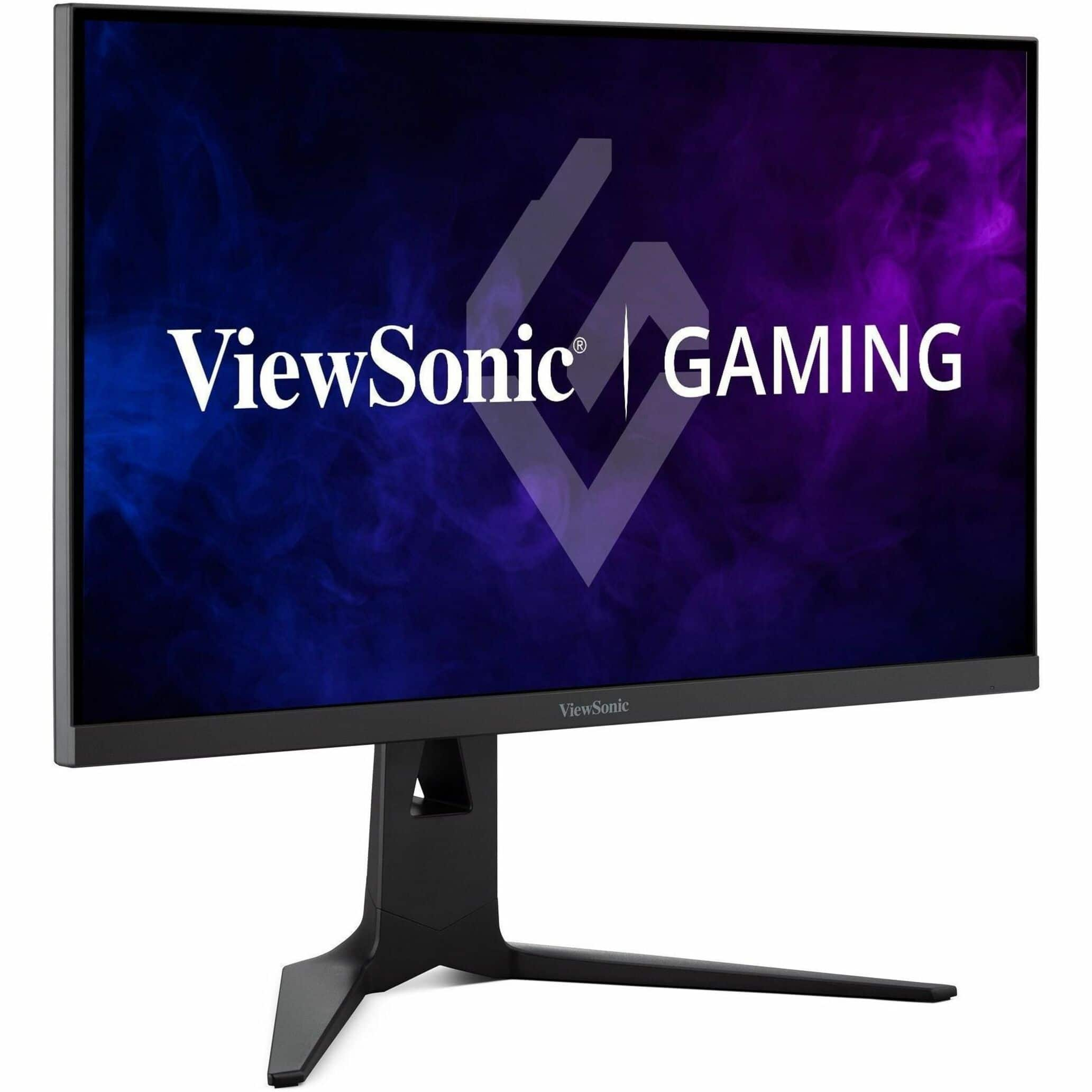
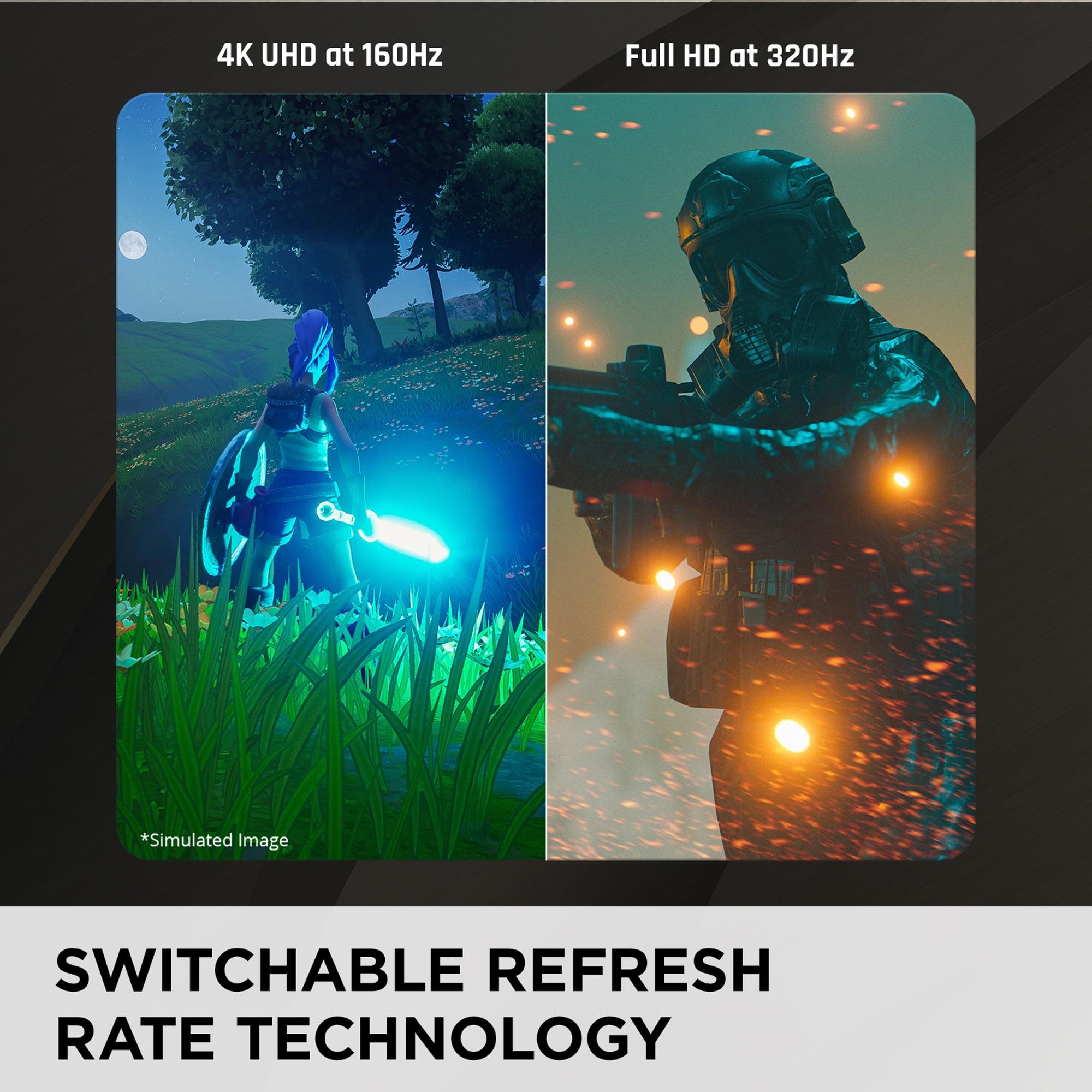
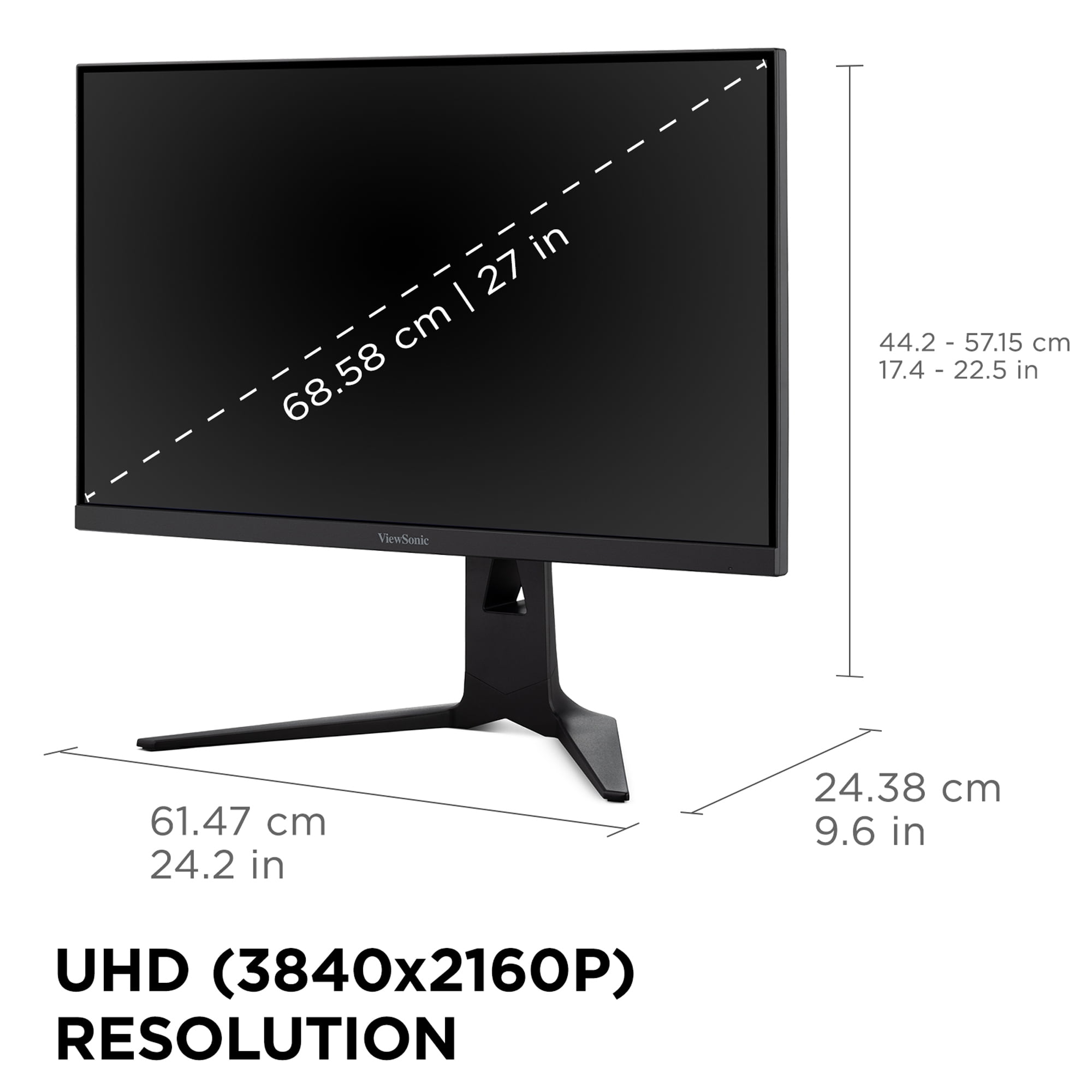
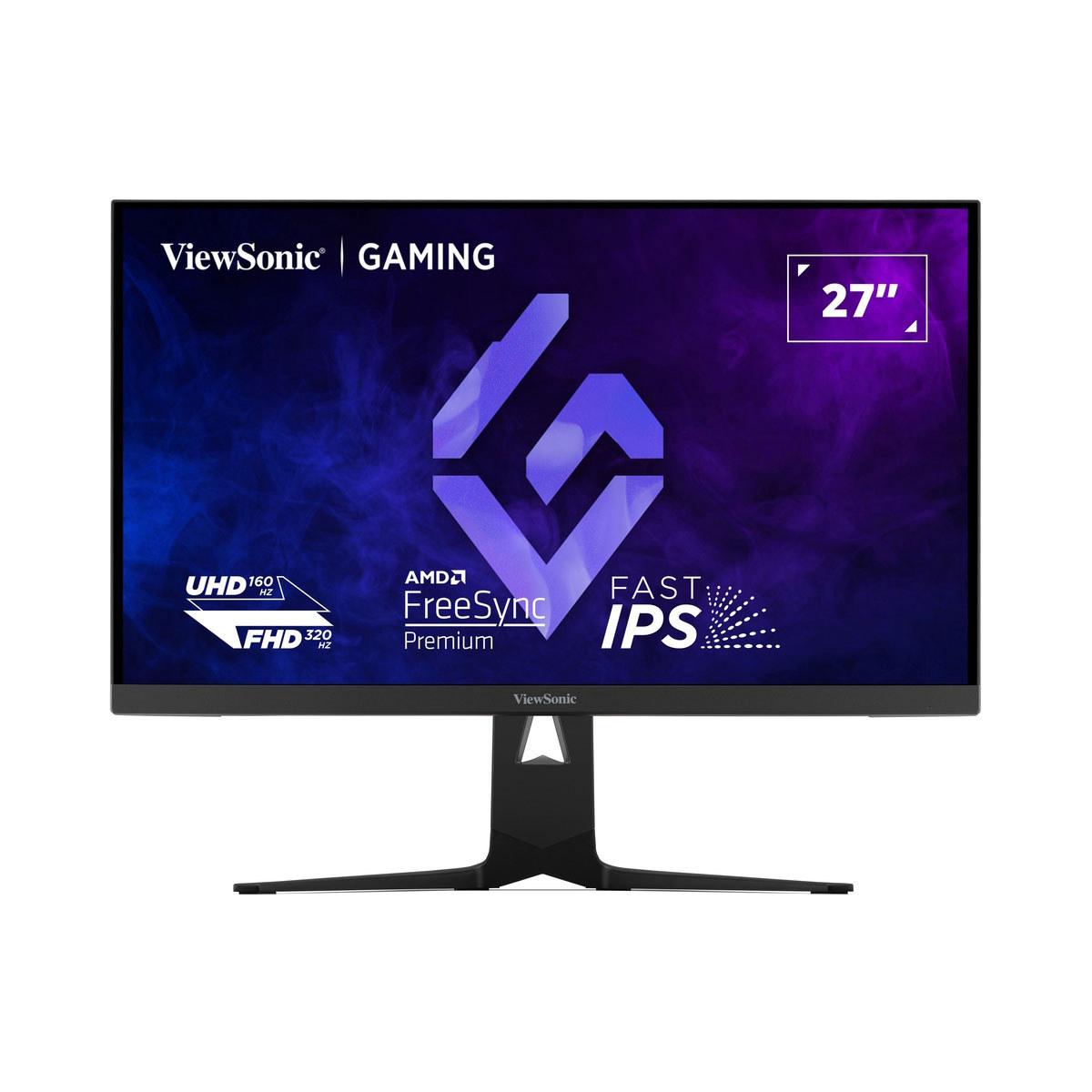
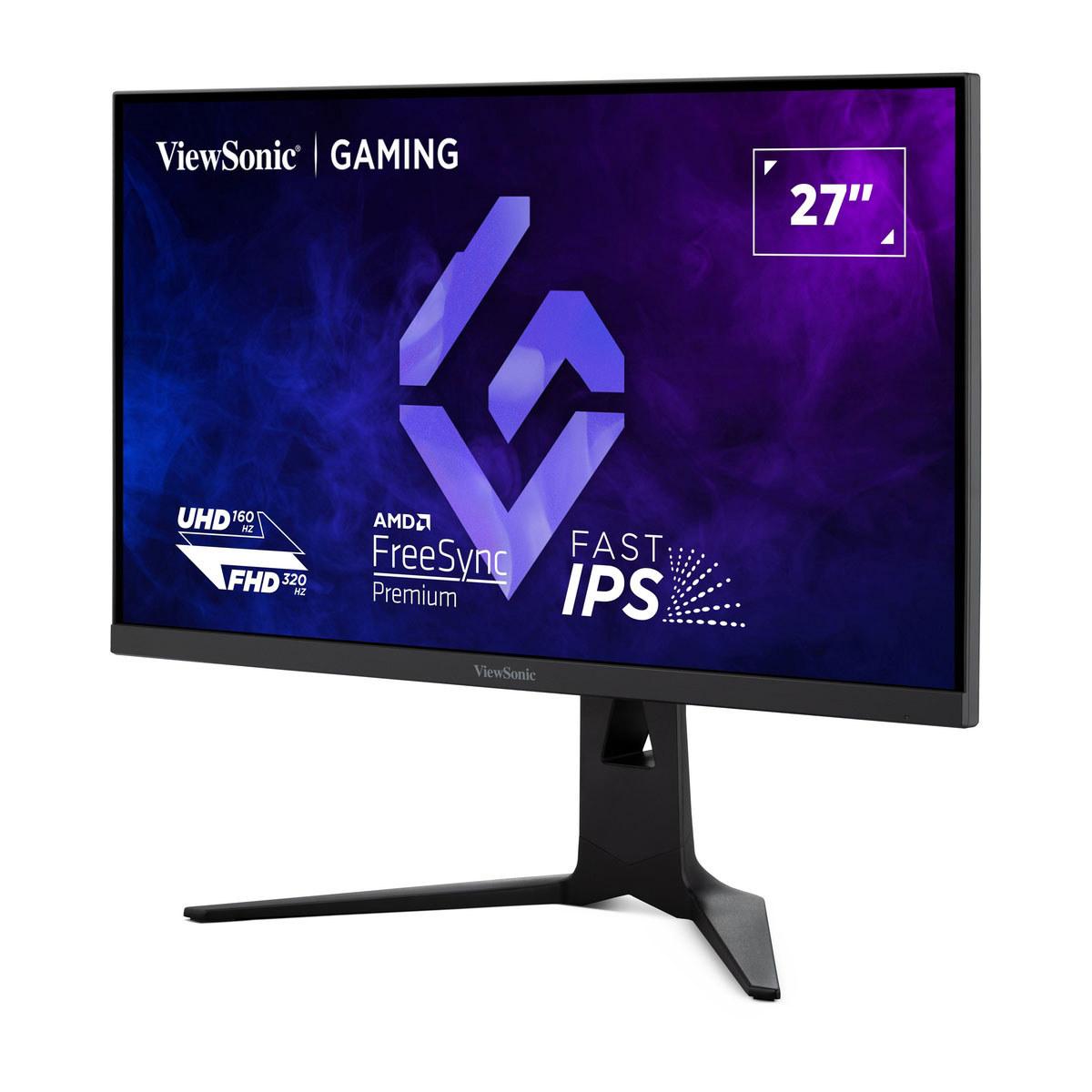
The ViewSonic XG275D-4K introduces something genuinely innovative with its switchable dual-mode technology. Think of it as having two monitors in one—you can toggle between stunning 4K resolution (3840×2160 pixels) at 160Hz, or drop to Full HD (1920×1080) at a blistering 320Hz with a simple button press.
This addresses a fundamental problem I've wrestled with personally: do you optimize for competitive gaming or visual fidelity? In fast-paced shooters like Valorant or Counter-Strike, every frame matters, and professional players often prefer 1080p for maximum frame rates. But for single-player adventures like Cyberpunk 2077 or Red Dead Redemption 2, the extra detail of 4K transforms the experience entirely.
The ViewSonic XG275D-4K uses a Fast IPS (In-Plane Switching) panel, which provides excellent color accuracy and viewing angles. IPS technology has improved significantly since its early days when response times were sluggish—modern Fast IPS panels achieve response times that were unthinkable just a few years ago.
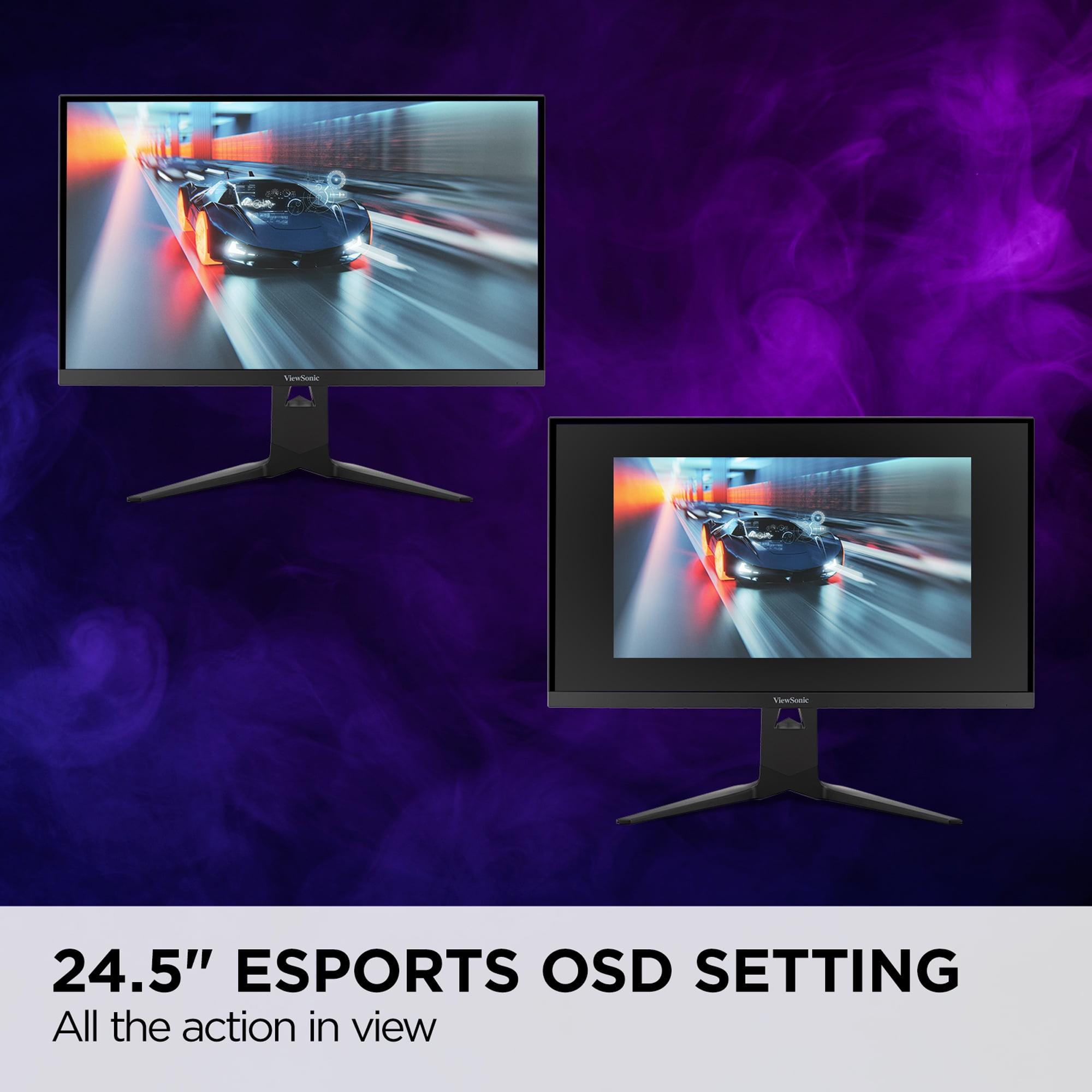
One particularly clever feature is the "esports mode" that shrinks the display area to 24.5 inches virtually, mimicking the standard tournament monitor size while maintaining the physical 27-inch screen. This lets competitive players practice on equipment that matches professional setups without sacrificing the larger screen for other tasks.
The color performance impresses with 94% DCI-P3 coverage (a cinema-grade color standard) and 99% sRGB coverage (the standard for web content and most games). This makes the ViewSonic XG275D-4K suitable not just for gaming but for content creation, photo editing, and professional work.
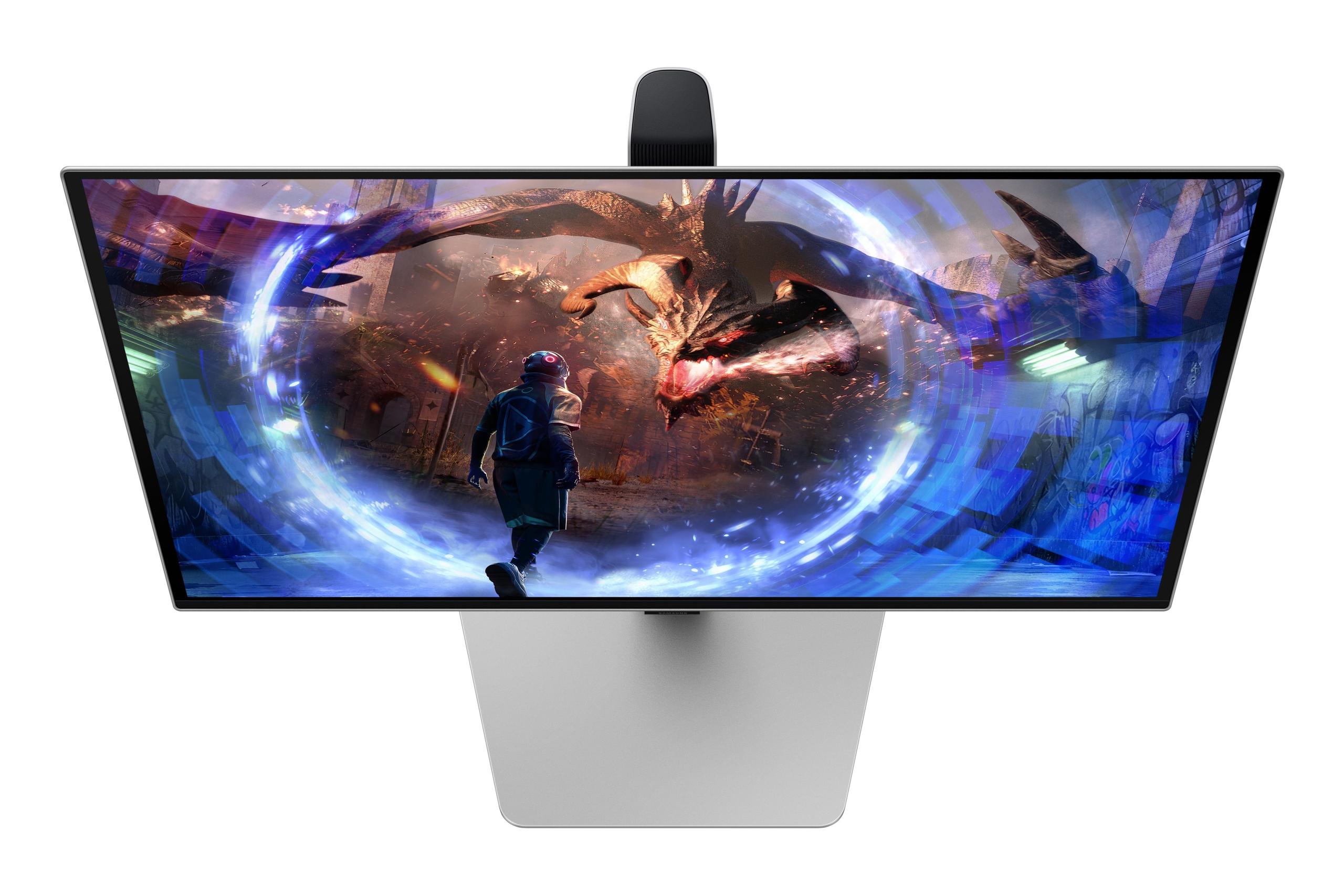
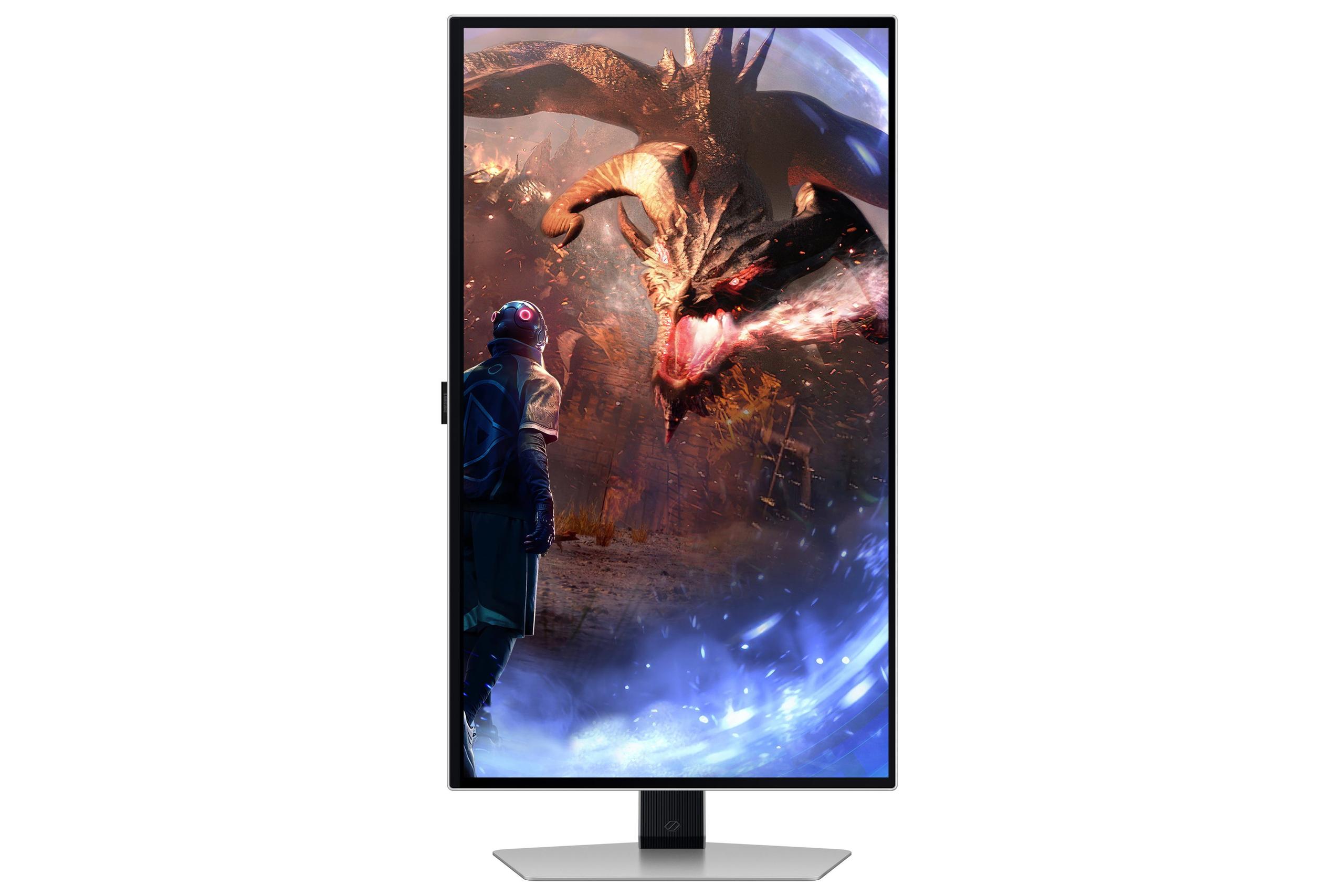
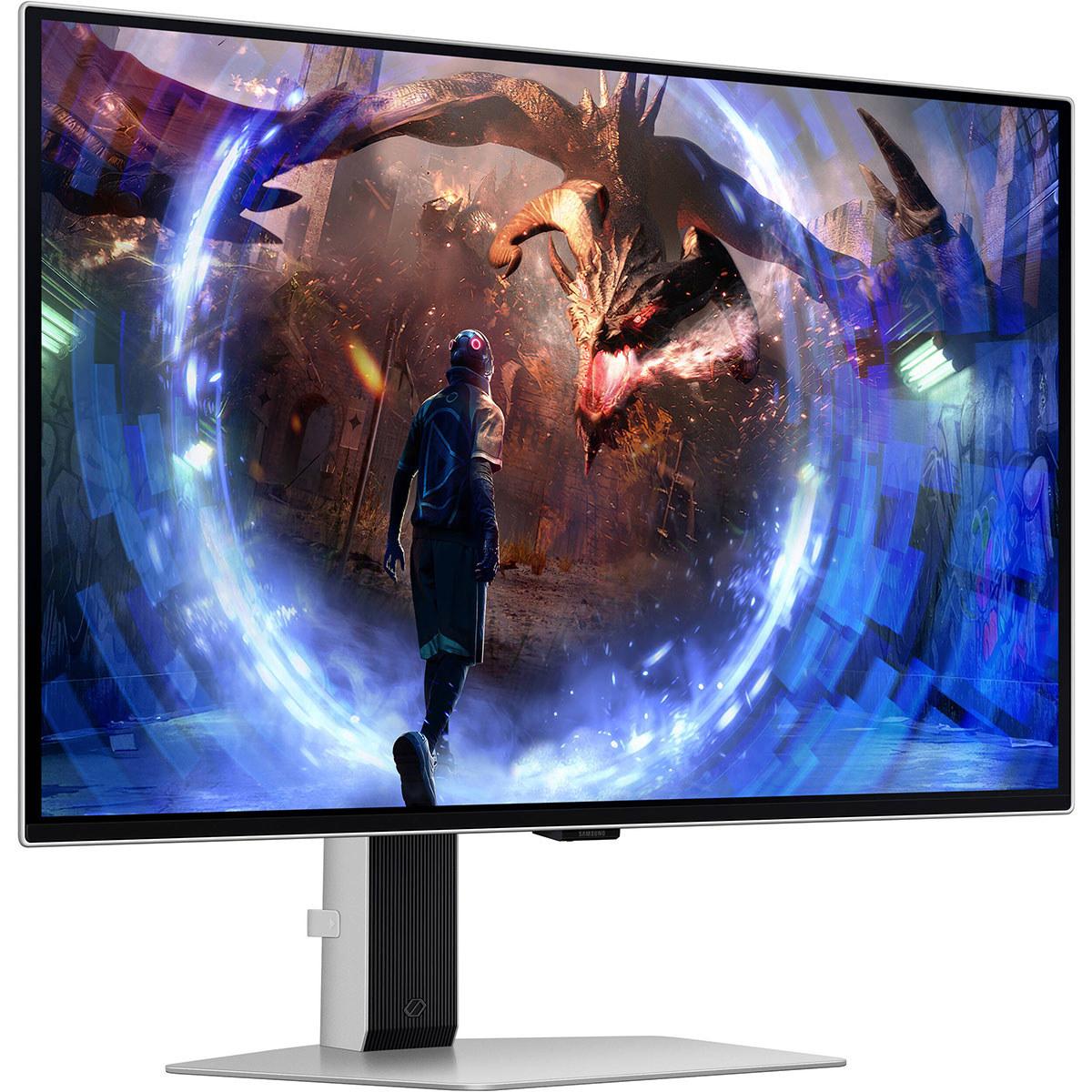
The Samsung Odyssey OLED G6 takes a completely different approach, focusing on delivering the absolute best visual quality possible. OLED (Organic Light-Emitting Diode) technology means each pixel produces its own light, allowing for perfect blacks and infinite contrast ratios. When you're exploring a dark cave in a game and step into sunlight, the contrast between those scenes is breathtaking on OLED.
Samsung's implementation uses QD-OLED (Quantum Dot OLED) technology, which combines traditional OLED benefits with quantum dot enhancement for improved brightness and color reproduction. The result is a display that covers 99% of the DCI-P3 color space with colors that simply pop off the screen.
At 360Hz refresh rate and 0.03ms response time, the Samsung Odyssey OLED G6 represents the current pinnacle of competitive gaming performance. I've tested high-refresh displays extensively, and there's a noticeable difference between 240Hz and 360Hz in competitive titles, though you'll need seriously powerful hardware to take full advantage.
The monitor includes OLED Safeguard+ technology with a Dynamic Cooling System featuring a pulsating heat pipe—essentially a tiny liquid cooling system inside your monitor. This addresses OLED's historically biggest weakness: burn-in, where static images can permanently ghost onto the screen. Modern OLED monitors have largely solved this issue through improved materials and smart software, but Samsung's proactive cooling approach provides extra peace of mind.
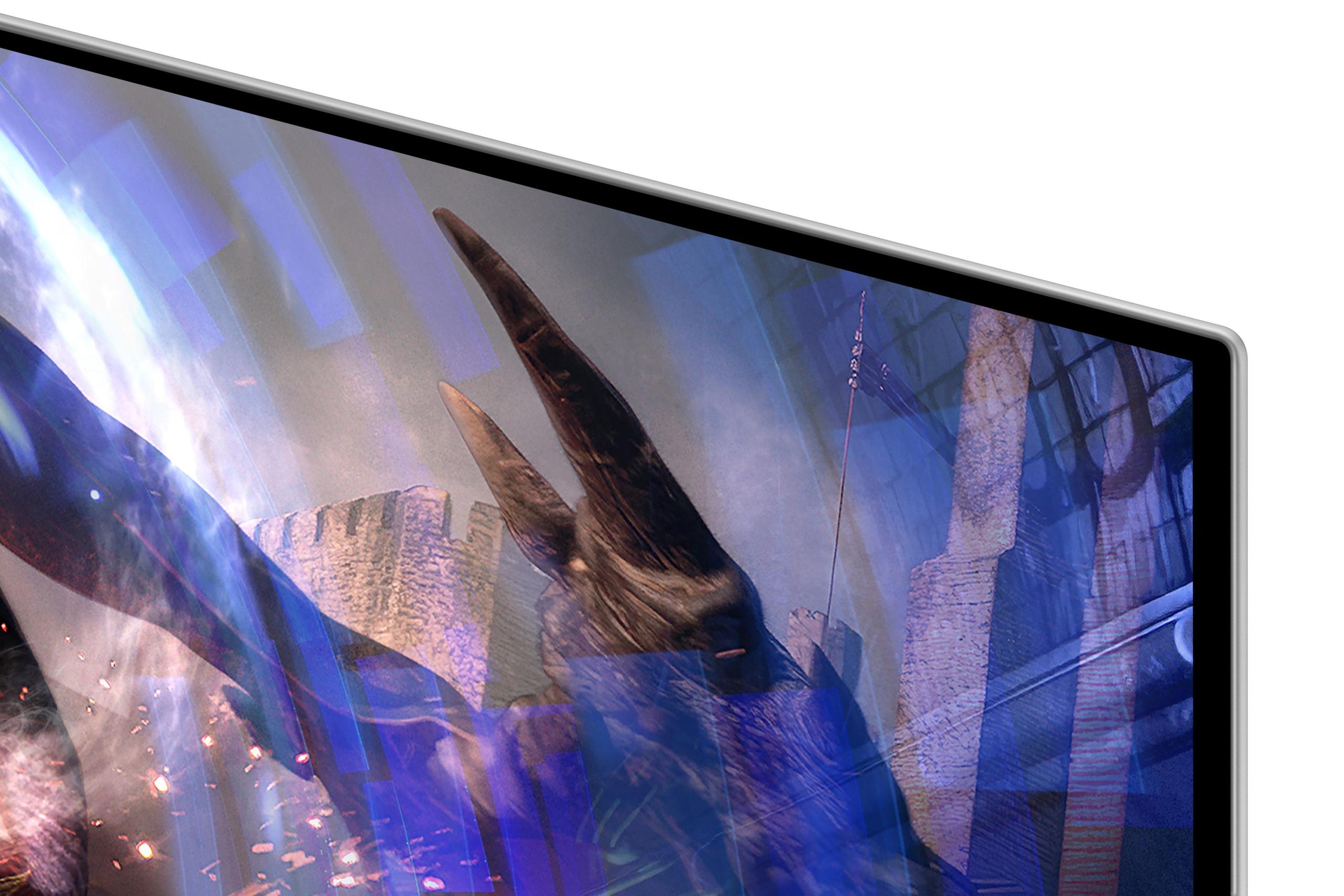
One standout feature is the OLED Glare Free technology, which uses a sophisticated matte coating to reduce reflections while maintaining image quality. Traditional anti-glare coatings can make colors look washed out, but Samsung's implementation preserves the vibrant OLED colors while making the display usable in brighter rooms.
For competitive gaming, both monitors deliver exceptional performance, but in different ways. The Samsung Odyssey OLED G6 edges ahead with its 360Hz refresh rate and virtually instantaneous 0.03ms response time. In practice, this translates to cleaner motion tracking and potentially faster target acquisition in competitive shooters.
However, the ViewSonic XG275D-4K offers something unique: resolution flexibility. When you're grinding ranked matches in Valorant, you can switch to 1080p mode for maximum frame rates and optimal performance. When you want to enjoy the latest AAA single-player game, 4K mode provides stunning visual detail.
Both monitors support adaptive sync technology—AMD FreeSync Premium Pro on the Samsung Odyssey OLED G6 and FreeSync Premium with G-SYNC compatibility on the ViewSonic XG275D-4K. These technologies synchronize your graphics card's output with the monitor's refresh rate, eliminating screen tearing (horizontal lines across the image) and reducing stuttering.
This is where the technology differences become most apparent. The Samsung Odyssey OLED G6 delivers superior contrast and color reproduction thanks to its OLED technology. Dark scenes in games like horror titles or space simulators showcase perfect blacks that IPS panels simply cannot match.
HDR (High Dynamic Range) performance particularly favors the Samsung Odyssey OLED G6. HDR expands the range between the darkest and brightest parts of an image, creating more realistic lighting. OLED's ability to turn pixels completely off for true blacks makes HDR content genuinely impressive, while the ViewSonic XG275D-4K's HDR10 support is adequate but not transformative.
The ViewSonic XG275D-4K compensates with higher resolution in 4K mode, providing 78% more pixels than the Samsung's 1440p resolution. This extra detail is particularly noticeable in strategy games, open-world titles, and any content where fine details matter.
Both monitors offer excellent color accuracy suitable for content creation. The ViewSonic XG275D-4K covers 94% DCI-P3 and provides consistent colors across brightness levels, making it reliable for photo editing and video work. The 4K resolution also matches common content creation standards.
The Samsung Odyssey OLED G6 delivers more vibrant colors and better contrast, which can be advantageous for creative work, though OLED's peak brightness limitations (typically around 250-300 nits for sustained content) might be limiting for HDR content creation work that requires higher brightness levels.
If your primary focus is competitive gaming—titles like Valorant, Counter-Strike, Overwatch 2, or League of Legends—both monitors excel but offer different advantages. The Samsung Odyssey OLED G6 provides the absolute fastest response times and highest refresh rates, potentially giving you a competitive edge in reaction-based scenarios.
The ViewSonic XG275D-4K offers strategic flexibility. You can use 1080p mode for competitive sessions when every frame matters, then switch to 4K for exploring new games or playing casually. This versatility is particularly valuable if you play different types of games or share the monitor with family members who have different preferences.
For gamers who prioritize visual spectacle in single-player adventures, the choice becomes more nuanced. The Samsung Odyssey OLED G6 delivers unmatched contrast and color vibrancy that makes games like Cyberpunk 2077, The Witcher 3, or any atmospheric title absolutely stunning. The perfect blacks and vibrant colors create an immersive experience that's hard to match.
However, the ViewSonic XG275D-4K offers higher resolution, which provides more detail in textures, environments, and UI elements. If you have the graphics card power to drive 4K gaming, the extra resolution creates a level of detail that's immediately noticeable, particularly on a 27-inch screen where pixel density is excellent.
Many gamers also use their monitors for work, streaming content, and general computing. The ViewSonic XG275D-4K excels here with its 4K resolution perfect for productivity tasks, multiple window management, and content consumption. The anti-glare coating also makes it more suitable for brighter office environments.
The Samsung Odyssey OLED G6 provides exceptional movie and streaming experiences thanks to its superior contrast and color reproduction, but the 1440p resolution means less screen real estate for productivity tasks.
Both monitors can serve double duty as small home theater displays, though with different strengths. The Samsung Odyssey OLED G6 delivers cinema-quality contrast and colors that make movies and streaming content look exceptional. HDR content particularly shines, with the deep blacks and bright highlights creating a premium viewing experience.
The ViewSonic XG275D-4K matches standard 4K TV resolution, making it ideal for 4K streaming content from Netflix, Disney+, and other services. The higher resolution provides sharper text and more detail in 4K content, though it lacks the contrast performance of OLED technology.
For a dedicated home theater setup, I'd lean toward the Samsung Odyssey OLED G6 for its superior image quality, but the ViewSonic XG275D-4K offers better versatility for combined gaming and media consumption.
One crucial factor often overlooked in monitor comparisons is longevity. IPS panels like the ViewSonic XG275D-4K have proven track records for reliability and consistent performance over many years. There's no burn-in risk, and image quality remains consistent throughout the monitor's lifespan.
OLED technology has improved dramatically, and modern panels like the Samsung Odyssey OLED G6 include sophisticated burn-in protection. Samsung's Dynamic Cooling System and software protections significantly reduce risks, but OLED inherently carries some long-term image retention concerns with static content like desktop icons or game UI elements displayed for extended periods.
Both monitors come with manufacturer warranties that reflect their expected reliability, with Samsung offering comprehensive OLED-specific coverage that demonstrates confidence in their burn-in mitigation technology.
At the time of writing, these monitors represent different value propositions in the premium gaming display market. The ViewSonic XG275D-4K typically costs several hundred dollars less than the Samsung Odyssey OLED G6, making it exceptional value for users who want both high-resolution and high-refresh-rate gaming in one package.
The Samsung Odyssey OLED G6 commands a premium price but delivers cutting-edge display technology that provides superior visual quality and ultimate competitive gaming performance.
Choose the ViewSonic XG275D-4K if you:
Choose the Samsung Odyssey OLED G6 if you:
Both monitors represent the current state of the art in gaming display technology, just with different approaches to achieving excellence. The ViewSonic XG275D-4K offers versatility and value, while the Samsung Odyssey OLED G6 provides uncompromising performance and visual quality. Your choice should align with your primary use case, budget, and long-term gaming goals.
The gaming monitor market continues evolving rapidly, but both of these displays will remain relevant for years to come, representing different but equally valid approaches to the ultimate gaming experience.
| ViewSonic XG275D-4K | Samsung Odyssey OLED G6 |
|---|---|
| Display Technology - Determines contrast, color quality, and longevity | |
| 27" Fast IPS panel with anti-glare coating | 27" QD-OLED panel with quantum dot enhancement |
| Resolution & Refresh Rate - Core gaming performance specs | |
| Dual-mode: 4K at 160Hz OR 1080p at 320Hz | Single mode: 1440p (QHD) at 360Hz |
| Response Time - Critical for eliminating motion blur in fast games | |
| 0.5ms MPRT (excellent for competitive gaming) | 0.03ms GtG (virtually instantaneous, best-in-class) |
| Contrast Ratio - Affects depth and realism in dark scenes | |
| 1,000:1 static (typical for IPS panels) | 1,000,000:1 static (perfect OLED blacks) |
| HDR Performance - Enhanced visuals for immersive gaming | |
| HDR10 support with 300-350 nits brightness | Advanced HDR with superior dynamic range |
| Color Coverage - Important for both gaming and professional work | |
| 94% DCI-P3, 99% sRGB (excellent accuracy) | 99% DCI-P3 with enhanced OLED vibrancy |
| Adaptive Sync Technology - Eliminates screen tearing | |
| AMD FreeSync Premium + NVIDIA G-SYNC Compatible | AMD FreeSync Premium Pro |
| Connectivity Options - Affects device compatibility and desk setup | |
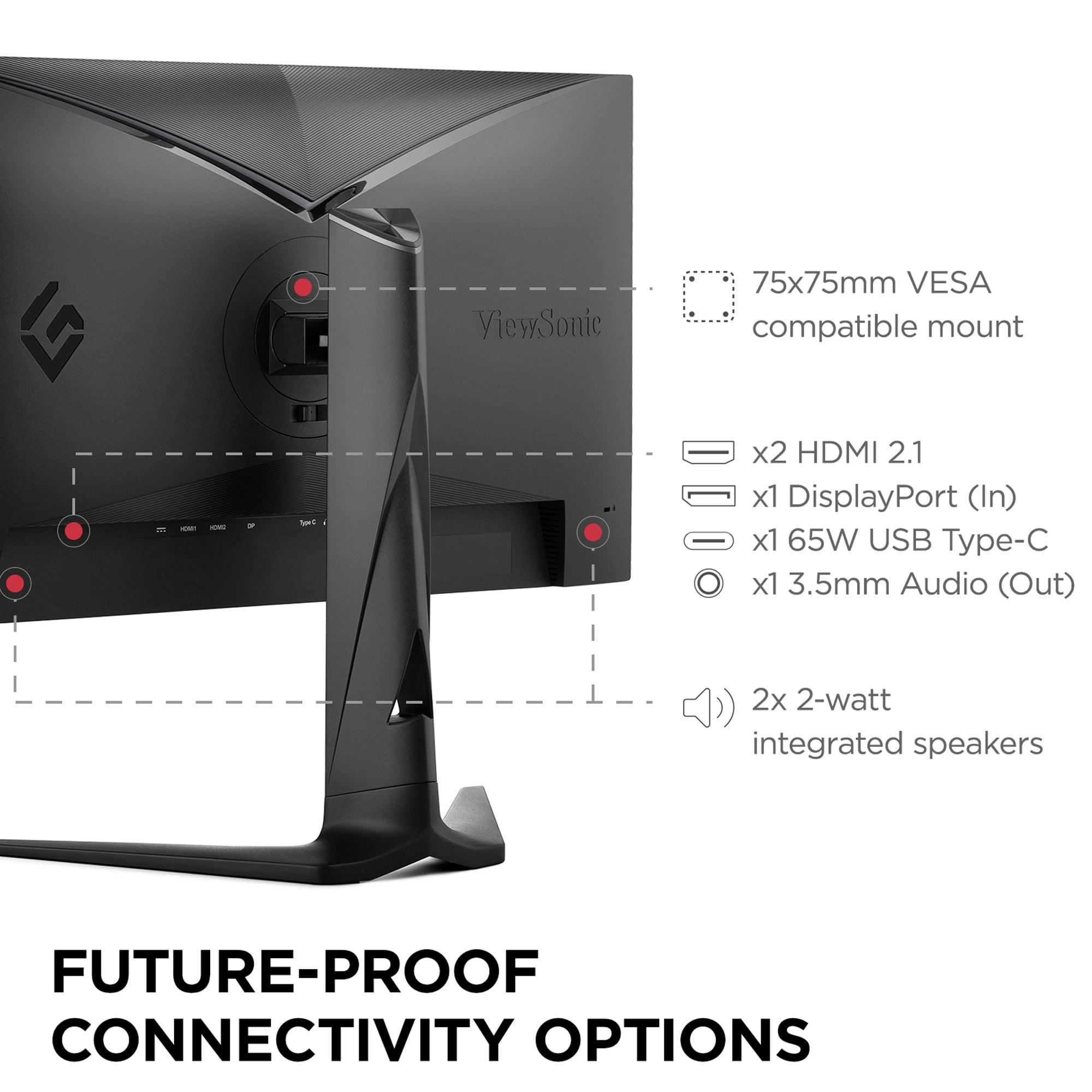
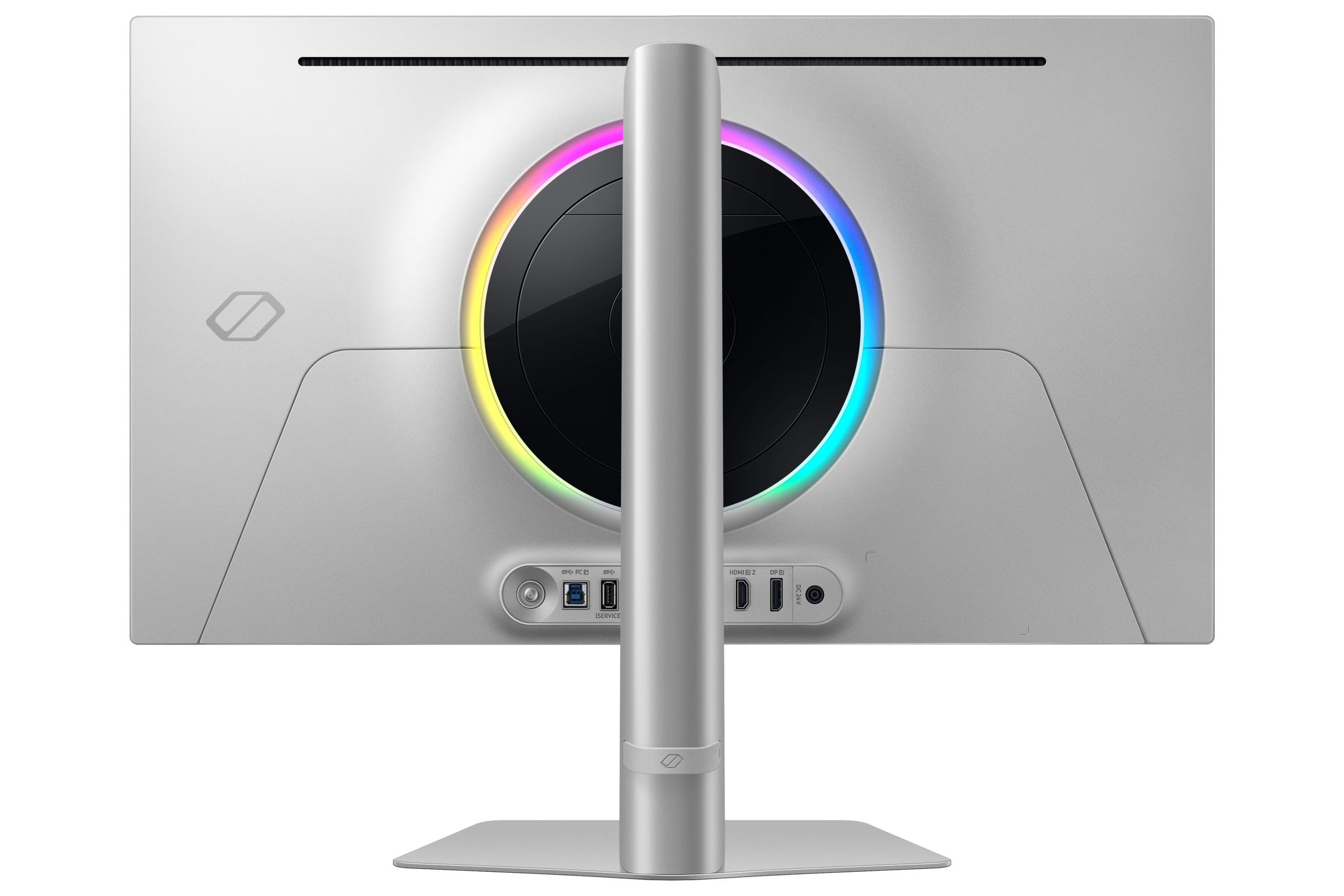
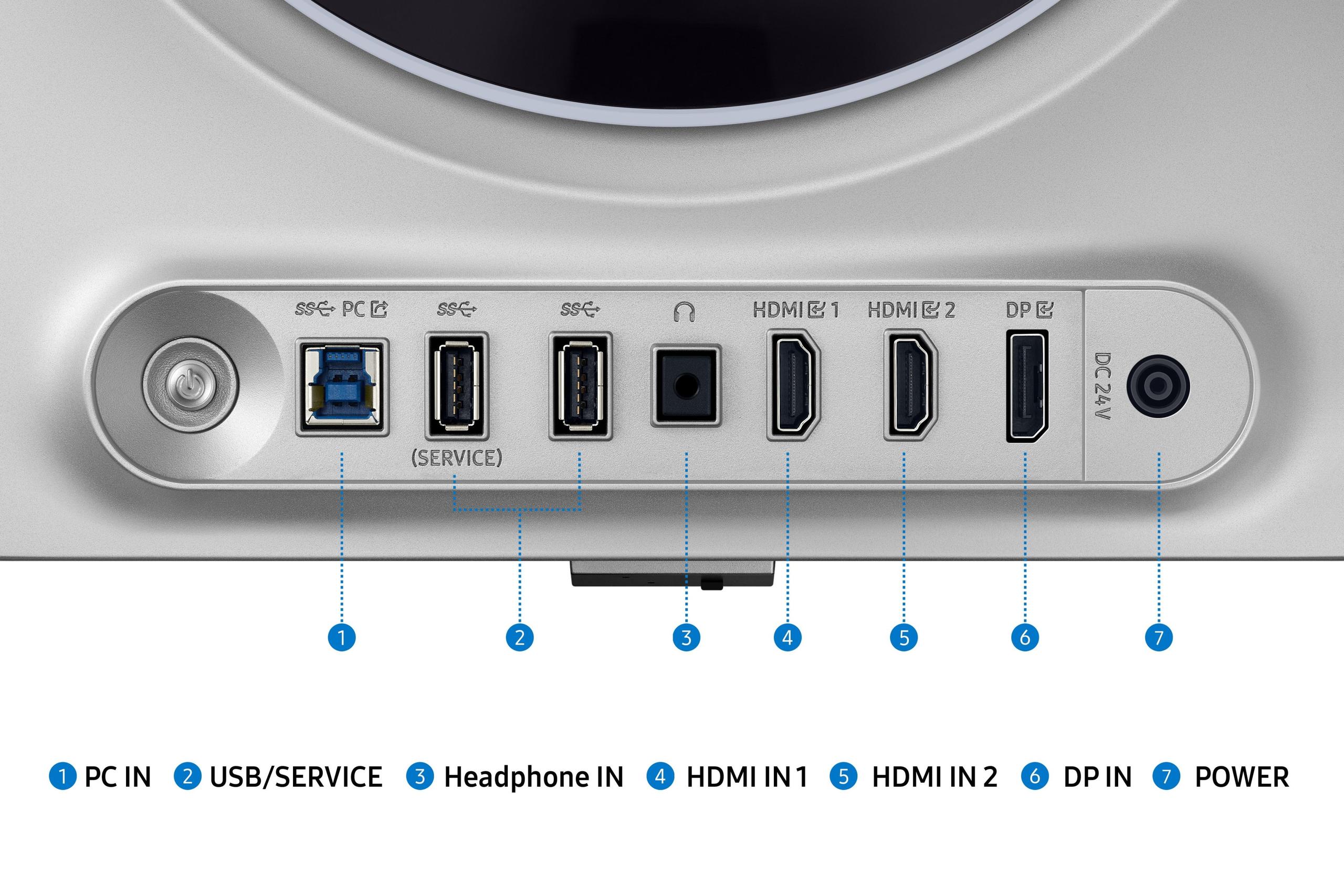
| DisplayPort 1.4, HDMI 2.1, USB-C with 65W power delivery | DisplayPort 1.4, dual HDMI 2.1, USB hub |
| Burn-in Risk - Long-term reliability consideration | |
| No burn-in risk with IPS technology | Low risk with OLED Safeguard+ cooling system |
| Unique Features - Standout capabilities | |
| Switchable resolution modes, 24.5" esports mode | OLED Glare Free coating, CoreLighting RGB |
| Best Use Cases - Who should choose each monitor | |
| Versatile gamers wanting both 4K detail and competitive speed | Enthusiasts prioritizing ultimate visual quality and 360Hz performance |
The Samsung Odyssey OLED G6 has a slight edge for pure competitive gaming with its 360Hz refresh rate and 0.03ms response time, making it ideal for esports titles like Valorant and Counter-Strike. However, the ViewSonic XG275D-4K offers excellent competitive performance at 320Hz in 1080p mode, plus the flexibility to switch to 4K for other games. Both deliver professional-level gaming performance.
The key difference is approach: the ViewSonic XG275D-4K offers dual-mode versatility, switching between 4K at 160Hz and 1080p at 320Hz, while the Samsung Odyssey OLED G6 focuses on premium OLED visual quality at a fixed 1440p resolution with 360Hz refresh rate. One prioritizes flexibility, the other prioritizes cutting-edge display technology.
The Samsung Odyssey OLED G6 delivers superior picture quality with perfect blacks, infinite contrast, and more vibrant colors thanks to its QD-OLED technology. The ViewSonic XG275D-4K offers higher resolution in 4K mode for sharper details, but cannot match OLED's contrast performance. For pure visual impact, OLED wins.
The ViewSonic XG275D-4K typically offers better value, providing both 4K and high-refresh gaming capabilities at a lower price point. The Samsung Odyssey OLED G6 costs more but delivers premium OLED technology and the highest refresh rates available. Value depends on whether you prioritize versatility or cutting-edge performance.
For immersive single-player games, it's a close call. The Samsung Odyssey OLED G6 excels with superior contrast and colors that make atmospheric games stunning. The ViewSonic XG275D-4K offers higher 4K resolution for incredible detail in open-world and strategy games. Choose OLED for contrast or 4K for sharpness.
Both monitors work excellently with PS5 and Xbox Series X. The Samsung Odyssey OLED G6 provides outstanding visual quality at 1440p with high refresh rates. The ViewSonic XG275D-4K offers native 4K resolution matching console capabilities, plus you can switch to 1080p mode for maximum frame rates in competitive console games.
Both monitors have exceptionally low input lag suitable for professional gaming. The Samsung Odyssey OLED G6 has a slight technical advantage with its 0.03ms response time versus the ViewSonic XG275D-4K's 0.5ms response time. In practice, both are fast enough that most gamers won't notice a difference.
The ViewSonic XG275D-4K uses IPS technology with no burn-in risk, making it worry-free for extended use with static content. The Samsung Odyssey OLED G6 includes advanced OLED Safeguard+ protection with cooling systems to minimize burn-in risk, but OLED technology does carry some long-term image retention concerns with static elements.
The ViewSonic XG275D-4K is superior for productivity work, offering true 4K resolution for sharp text, multiple windows, and detailed content creation. Its anti-glare coating also works better in bright office environments. The Samsung Odyssey OLED G6 has excellent colors but lower 1440p resolution provides less screen real estate.
Both work well for entertainment. The Samsung Odyssey OLED G6 provides a cinema-like experience with perfect blacks and vibrant colors, making it excellent for movies and HDR content. The ViewSonic XG275D-4K offers 4K resolution matching streaming services and provides sharp detail, though it lacks OLED's superior contrast.
The ViewSonic XG275D-4K likely has better long-term durability with proven IPS panel technology that maintains consistent performance over many years. The Samsung Odyssey OLED G6 includes advanced burn-in protection and cooling systems, but OLED technology historically has more potential for degradation over extended periods with heavy use.
For 27-inch displays, both resolutions work well. The ViewSonic XG275D-4K offers the best of both worlds with switchable modes - use 4K for detailed games and productivity, then switch to 1080p for competitive gaming. The Samsung Odyssey OLED G6's 1440p provides an excellent balance of detail and performance, especially with superior OLED image quality.
We've done our best to create useful and informative comparisons to help you decide what product to buy. Our research uses advanced automated methods to create this comparison and perfection is not possible - please contact us for corrections or questions. These are the sites we've researched in the creation of this article: cgmagonline.com - gamingshogun.com - techpowerup.com - notebookcheck.net - bestbuy.com - newegg.com - techpowerup.com - shi.com - viewsonic.com - viewsonic.com - prnewswire.com - viewsonic.com - viewsonic.com - shop.avispl.com - guru3d.com - viewsonic.com - viewsonic.com - viewsonic.com - viewsonic.com - bestbuy.com - gamesradar.com - gamesradar.com - versus.com - youtube.com - versus.com - player2.net.au - youtube.com - rtings.com - youtube.com - samsung.com - files.bbystatic.com - techpowerup.com - samsung.com - bestbuy.com - samsung.com - bhphotovideo.com - bestbuy.com - youtube.com - de.shi.com - pangoly.com

Privacy Policy
Terms and Conditions - Affiliate Policy
Home Security
© Copyright 2008-2026.
11816 Inwood Rd #1211, Dallas, TX 75244