

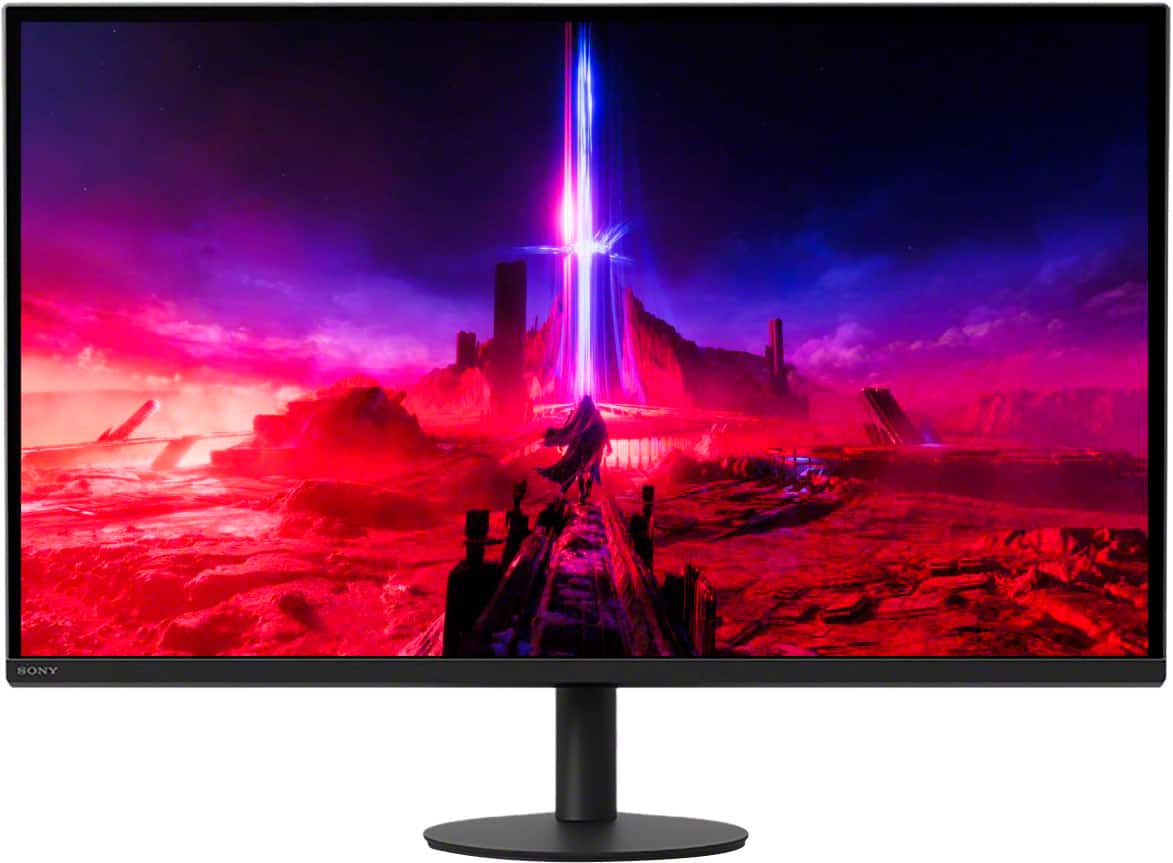
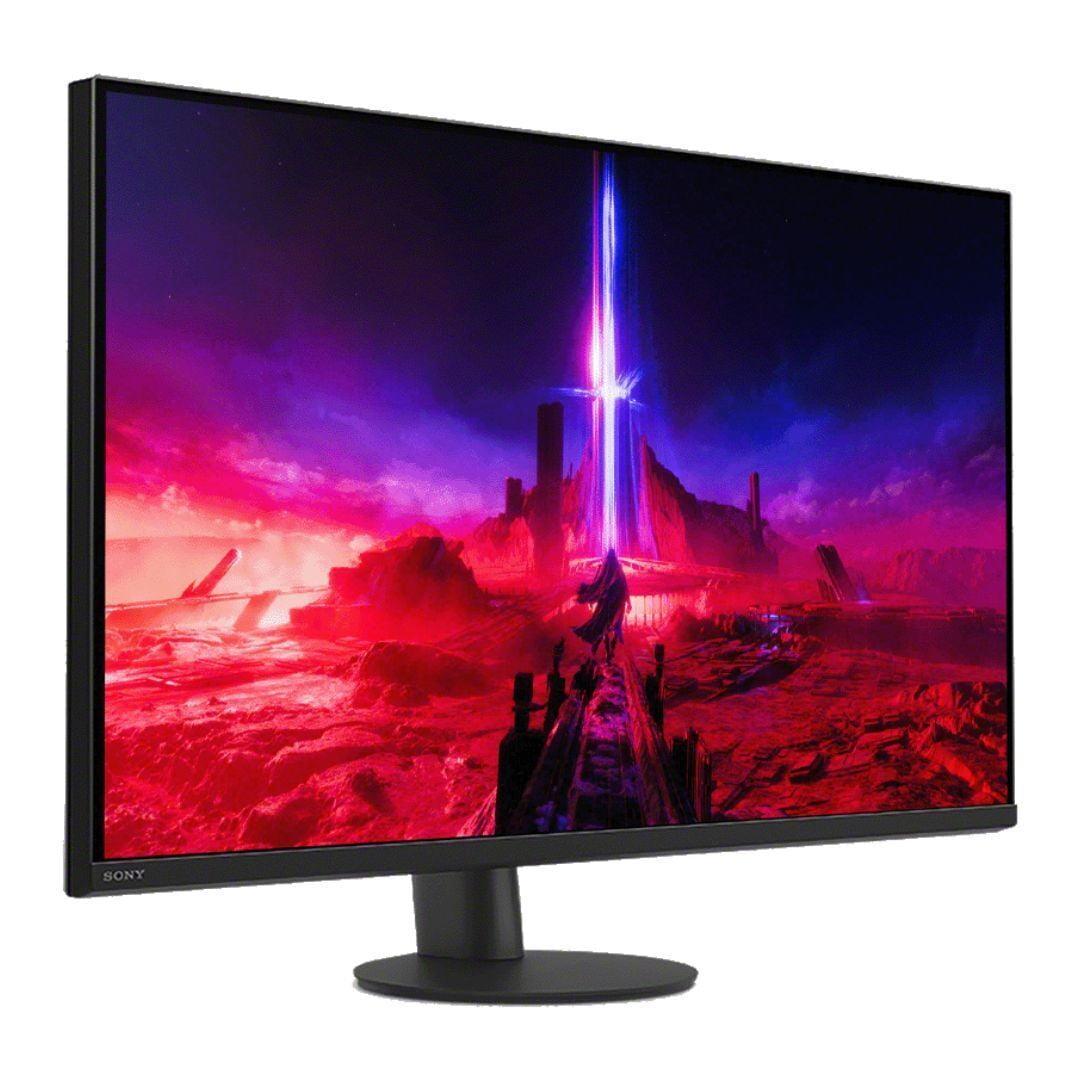
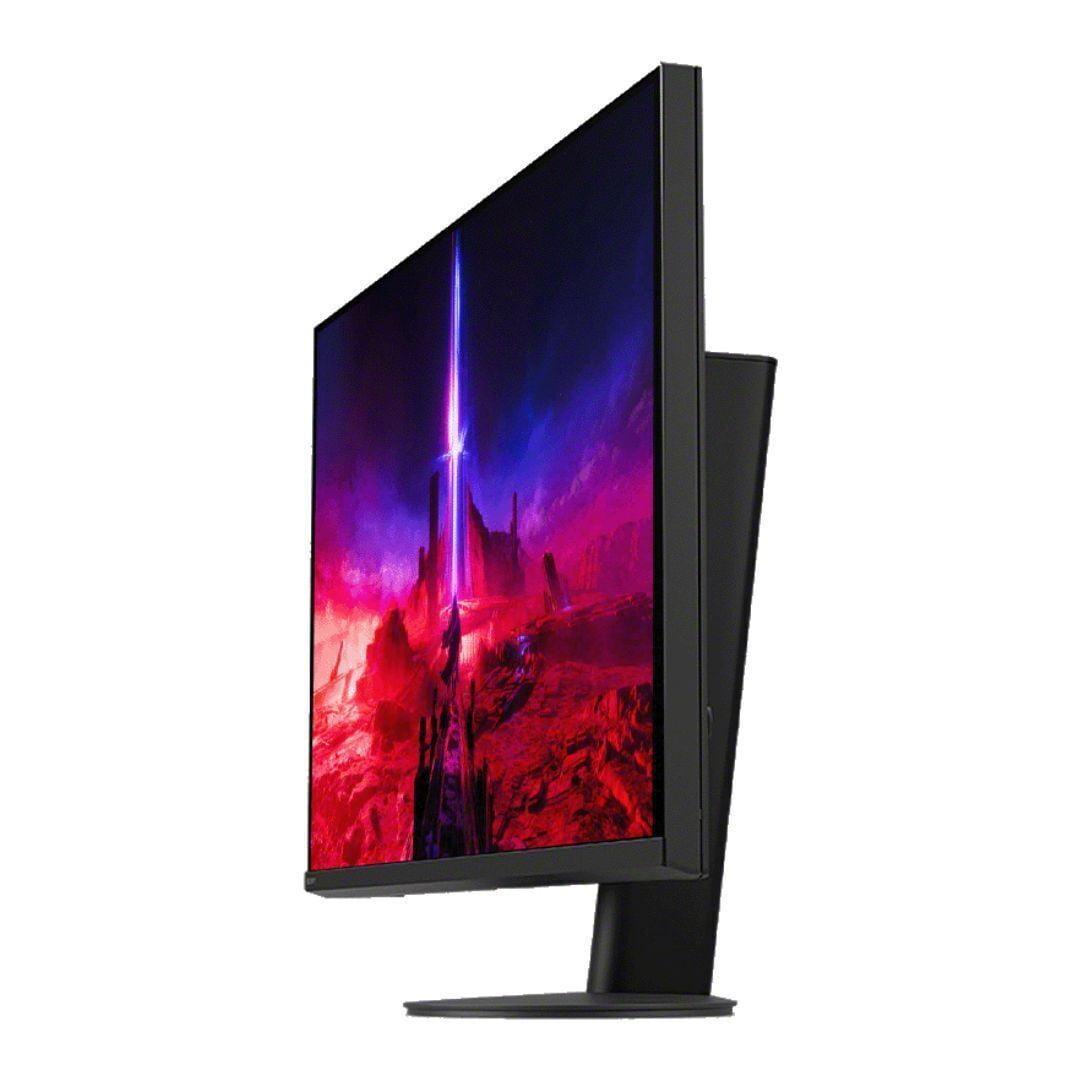
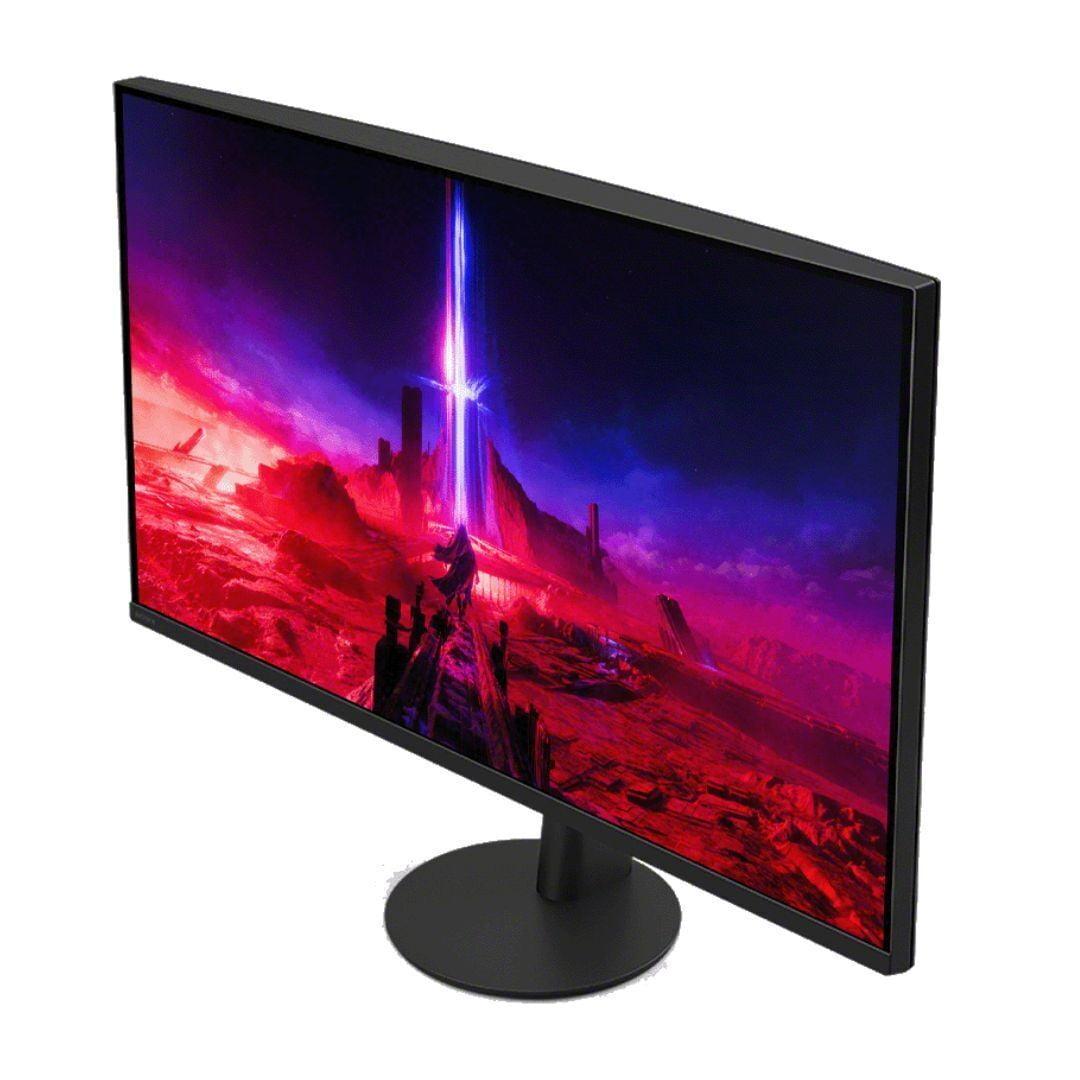
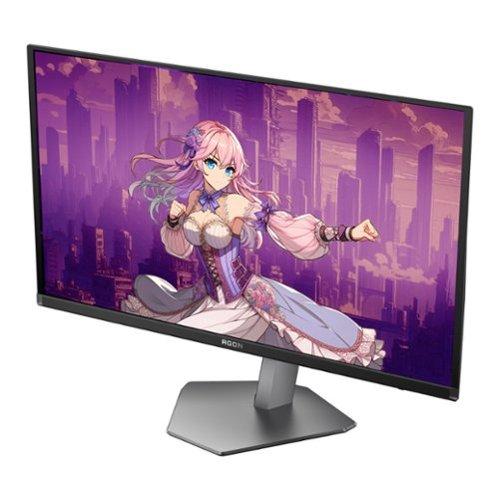
Gaming monitors have become incredibly sophisticated in the last few years, and choosing the right one can feel overwhelming. Today, we're comparing two monitors that represent different philosophies in gaming display technology: the Sony INZONE M9 II and the AOC Agon Pro 27" QD-OLED. Both launched in 2024, but they take completely different approaches to delivering an exceptional gaming experience.
The Sony INZONE M9 II focuses on crystal-clear 4K resolution with solid all-around performance, while the AOC Agon Pro prioritizes lightning-fast refresh rates with the stunning contrast that only OLED technology can provide. Understanding which approach suits your gaming style and setup will help you make the right choice.
Before diving into these specific monitors, it's worth understanding what makes a gaming monitor great. The most important factors are panel technology, resolution, refresh rate, and HDR implementation.
Panel technology determines how the display creates images. Traditional LCD panels use a backlight shining through liquid crystals, while OLED (Organic Light Emitting Diode) panels have pixels that produce their own light. QD-OLED, which the AOC monitor uses, combines quantum dots with OLED for enhanced color production. The Sony INZONE M9 II uses an IPS (In-Plane Switching) LCD panel with Full Array Local Dimming—a technology that selectively dims sections of the backlight to improve contrast.
Resolution and refresh rate work together to determine how sharp and smooth your games look. Higher resolution means more pixels and sharper images, while higher refresh rates mean the screen updates more frequently, creating smoother motion. The challenge is that your graphics card needs to work harder to push more pixels at higher frame rates.
HDR (High Dynamic Range) expands the range between the darkest and brightest parts of an image, making scenes look more realistic. However, true HDR requires both bright highlights and deep blacks—something that's technically challenging for different panel types.
The Sony INZONE M9 II represents the "resolution-first" approach. With its 4K display, every game looks incredibly sharp and detailed. Sony designed this monitor primarily with PlayStation 5 users in mind, including special features like Auto HDR Tone Mapping that automatically optimizes HDR settings when connected to a PS5 or PS5 Pro.
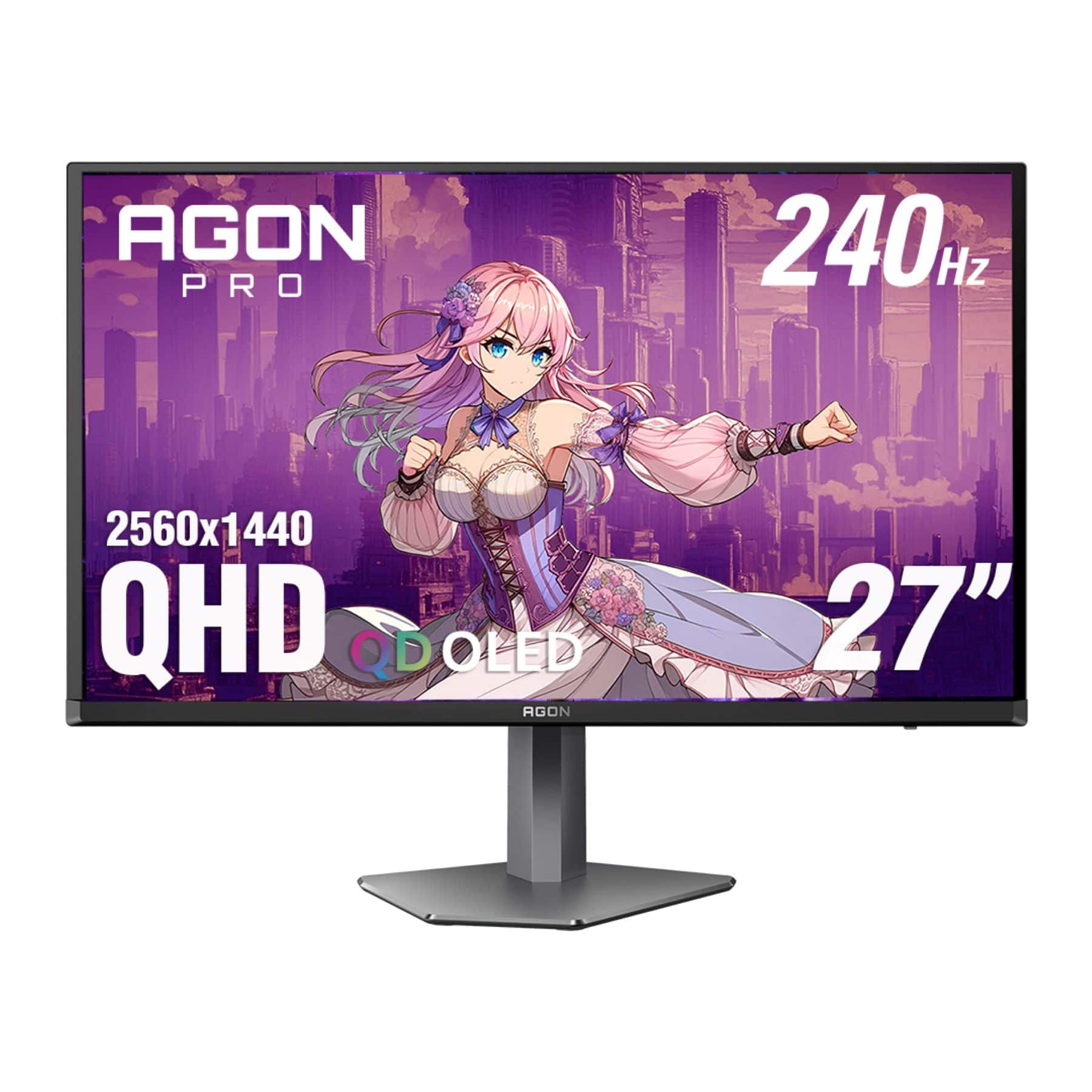
In contrast, the AOC Agon Pro follows the "speed-first" philosophy. Its QD-OLED panel delivers perfect blacks and vibrant colors, while the 240Hz refresh rate ensures buttery-smooth motion in competitive games. This monitor targets PC gamers who prioritize competitive performance over ultimate resolution.
Both monitors arrived in 2024, representing the latest thinking in their respective approaches. Since 2022, we've seen significant improvements in both OLED manufacturing and local dimming technology, making both approaches more viable than ever before.
The Sony INZONE M9 II's 4K resolution delivers 3,840 by 2,160 pixels—that's four times as many pixels as 1080p and 1.78 times as many as the AOC's 1440p resolution. This translates to noticeably sharper text, more detailed game worlds, and better clarity when viewing content from a typical desk distance.
I've found that 4K makes the biggest difference in single-player games where you have time to appreciate environmental details. Games like Cyberpunk 2077 or Red Dead Redemption 2 look absolutely stunning at 4K, with individual leaves on trees and intricate building textures clearly visible. The extra resolution also makes the Sony monitor excellent for productivity work, displaying crisp text and detailed images for photo or video editing.
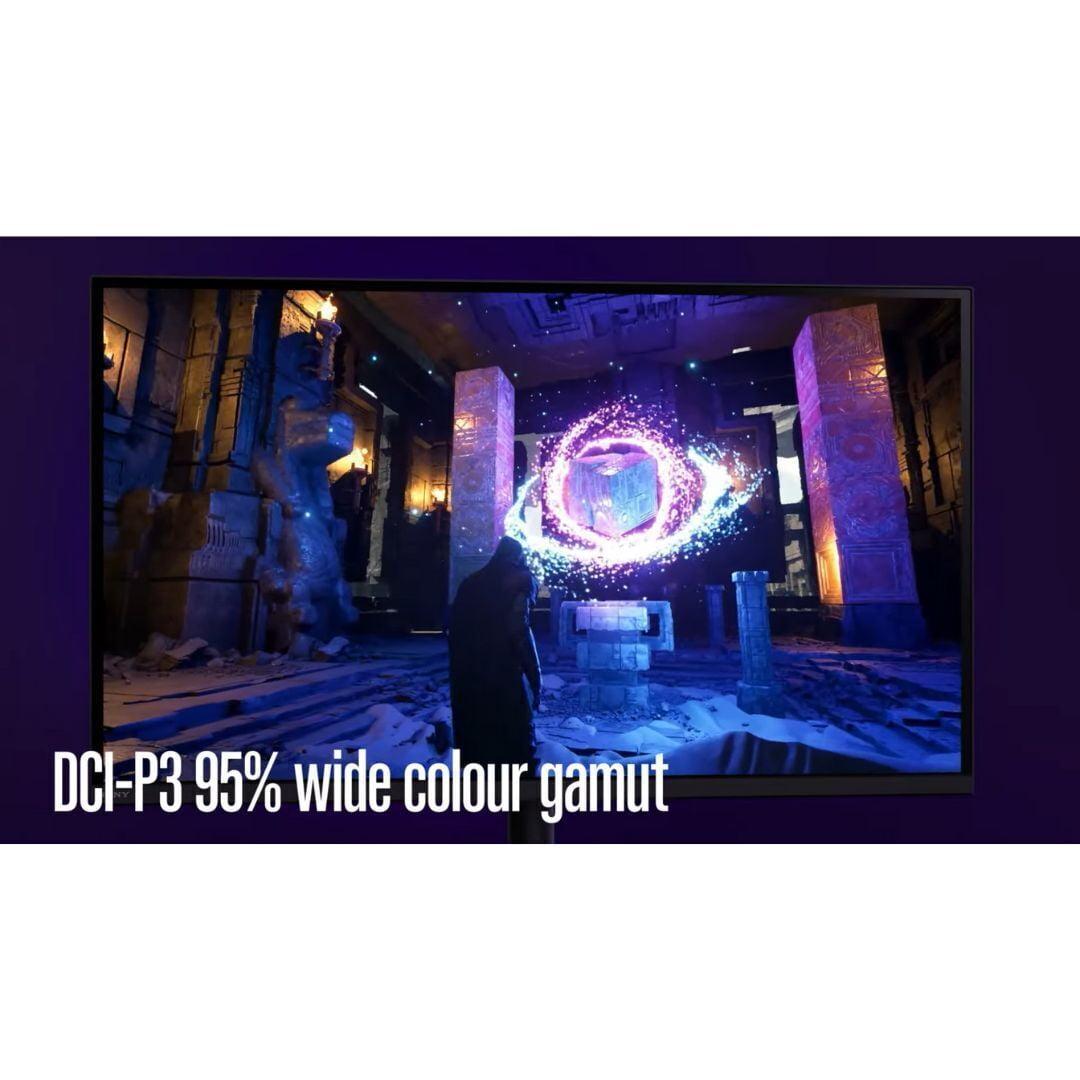
The Sony's IPS panel covers 95% of the DCI-P3 color space with excellent out-of-box color accuracy. However, its contrast ratio is limited by the LCD technology, even with Full Array Local Dimming. The 96 dimming zones help improve contrast by selectively darkening areas of the screen, but they can create visible "blooming" effects where bright objects cause surrounding dark areas to glow slightly.
The AOC Agon Pro's QD-OLED panel delivers something LCD technology simply cannot: perfect blacks. Each pixel can turn completely off, creating an infinite contrast ratio. When you're exploring a dark cave in a game or watching a movie with night scenes, the difference is immediately apparent. Dark areas are truly dark, not the grayish black you get from LCD panels.
QD-OLED technology also produces incredibly vibrant colors in SDR (Standard Dynamic Range) content. The quantum dot layer enhances color saturation, making games look more colorful and engaging than typical OLED panels. Colors pop off the screen in a way that makes even familiar games feel fresh and exciting.
The trade-off is resolution. At 1440p, the AOC monitor has less fine detail than the Sony, though the difference becomes less noticeable during fast-paced gaming when you're focused on gameplay rather than examining static details.
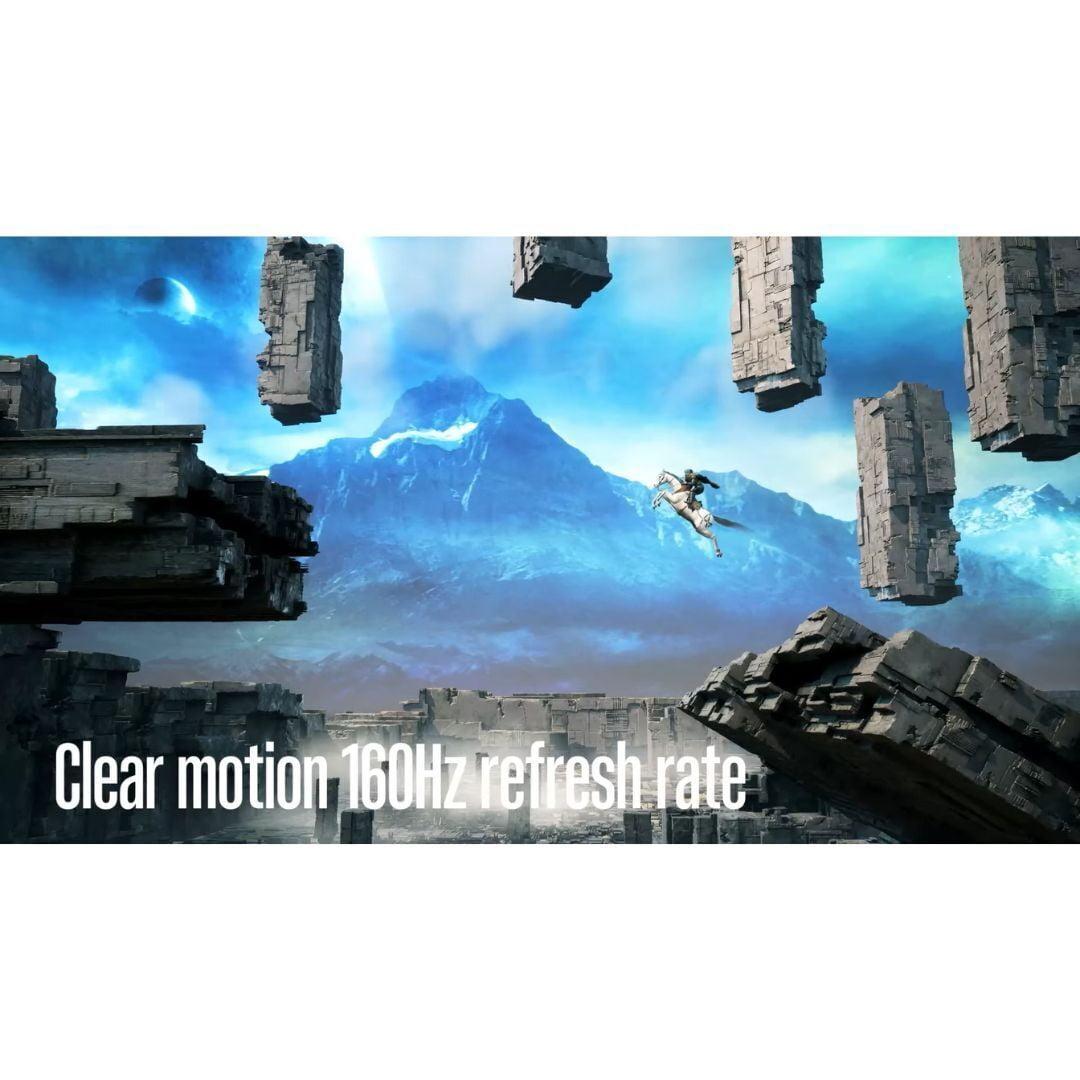
For competitive gaming, the AOC Agon Pro is clearly superior. Its 240Hz refresh rate means the screen updates 240 times per second, compared to the Sony's 160Hz. Combined with a lightning-fast 0.03ms response time (the time it takes pixels to change colors), motion appears incredibly smooth and clear.
I've noticed that the difference between 160Hz and 240Hz is most apparent in fast-paced competitive games like CS2, Valorant, or Overwatch 2. Tracking moving targets feels more precise, and quick flick shots appear smoother. The AOC monitor essentially eliminates motion blur, giving you a clear view of fast-moving action.
However, there's a catch with the AOC monitor: input lag increases significantly when running at lower refresh rates like 60Hz or 120Hz. This makes it less ideal for console gaming, where you're often locked to these lower refresh rates.
The Sony INZONE M9 II excels for console gaming, particularly with PlayStation 5. Sony included specific features like Auto HDR Tone Mapping that automatically optimizes the display settings when connected to a PS5 or PS5 Pro. The monitor also maintains consistent, low input lag across all refresh rates, making it equally responsive whether you're playing at 60Hz, 120Hz, or the full 160Hz.
The Sony monitor also supports a unique 24.5-inch mode for competitive gaming, which displays games at a smaller size with black borders. Some esports players prefer this setup, as it reduces the distance their eyes need to travel to see the entire screen.
For Xbox Series X|S gaming, both monitors work well, though the Sony's 4K resolution takes full advantage of the console's capabilities for supported games.
HDR implementation reveals another fundamental difference between these monitors. The Sony INZONE M9 II achieves DisplayHDR 600 certification with 750 nits of peak brightness. This means HDR highlights can get quite bright, creating that "wow" factor when the sun reflects off water or explosions light up the screen.
However, the Sony's Full Array Local Dimming, while helpful, can't match true OLED blacks. You might notice blooming around bright objects in dark scenes, where the backlight zones create visible halos.
The AOC Agon Pro earns DisplayHDR True Black 400 certification, emphasizing its perfect black levels over peak brightness. While it can't get as bright as the Sony (limiting some HDR impact), the infinite contrast creates stunning shadow detail and makes dark scenes incredibly immersive.
In practice, I find the Sony monitor better for HDR content with lots of bright outdoor scenes, while the AOC excels with atmospheric games and movies that feature dramatic lighting contrasts.
Your graphics card significantly impacts which monitor makes more sense. Driving 4K at high frame rates requires serious GPU power—ideally an RTX 4080 or better for demanding games. The Sony INZONE M9 II will push even high-end hardware to its limits in the latest AAA titles.
The AOC Agon Pro's 1440p resolution is much more achievable for mid-range to high-end GPUs. An RTX 4070 or RX 7800 XT can often hit 240fps in competitive games and maintain high frame rates in demanding single-player titles.
Looking ahead, 4K gaming will become more accessible as graphics cards improve, potentially making the Sony monitor more future-proof. However, competitive gaming trends favor high refresh rates over resolution, suggesting the AOC's approach will remain relevant for years to come.
For home theater use, these monitors serve different purposes. The Sony INZONE M9 II naturally supports 4K streaming content from Netflix, Disney+, and other services at full resolution. Its higher peak brightness also helps with HDR movies, though you'll want to use it in a room where you can control ambient lighting to minimize reflections on the anti-glare coating.
The AOC Agon Pro creates a more cinematic experience for 1440p and 1080p content thanks to its perfect blacks. Dark movie scenes look incredible, with deep shadows and excellent contrast. However, 4K content will be downscaled to 1440p, losing some detail.
Both monitors include built-in speakers, though they're basic quality. For serious home theater use, you'll want external speakers or headphones.
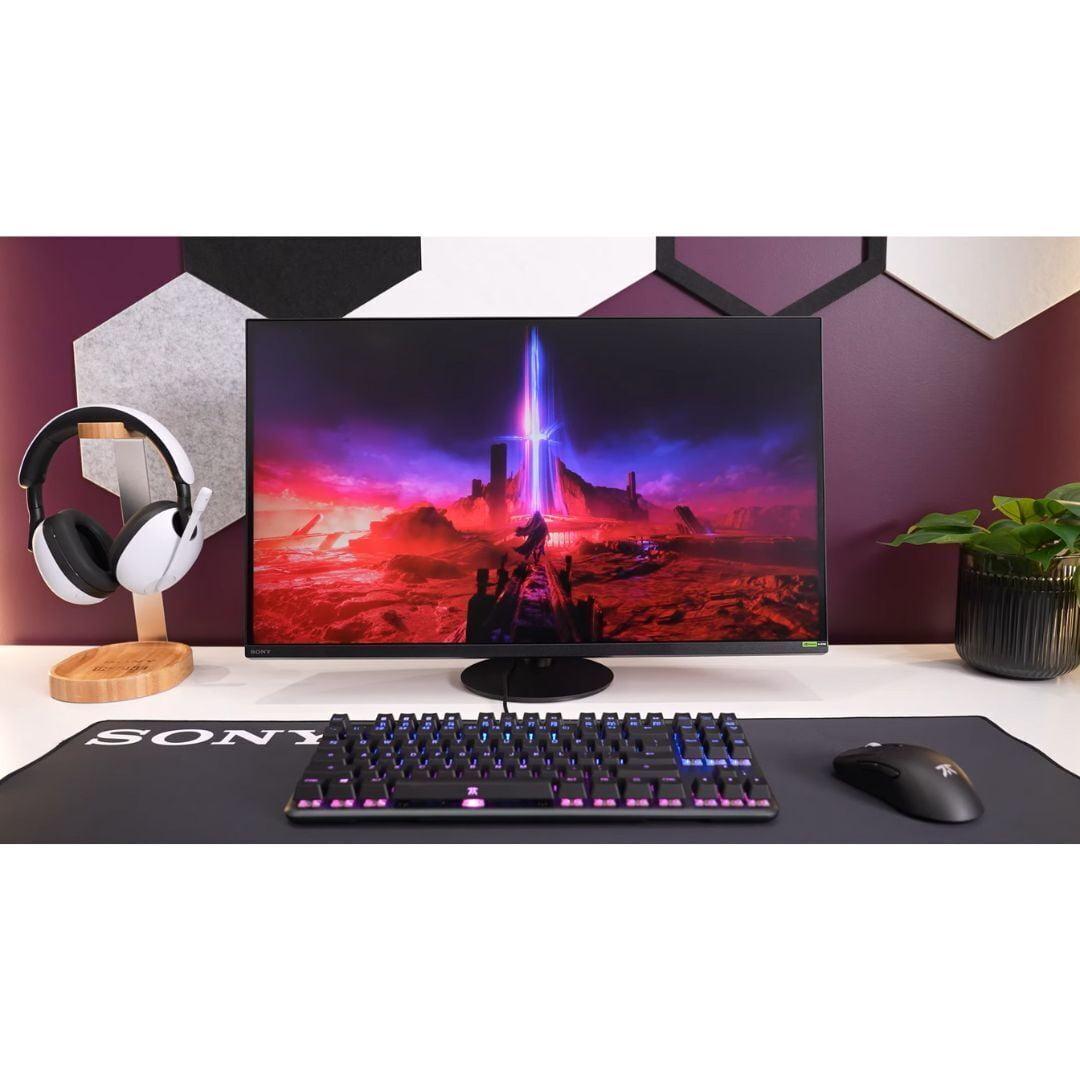
The Sony INZONE M9 II features a sleek, all-black design with a circular stand that allows 360-degree swivel. The build quality feels premium, with sturdy construction and smooth adjustment mechanisms. Sony kept the aesthetic minimal and professional, suitable for both gaming and office environments.
The AOC Agon Pro takes a more gaming-focused approach with customizable RGB lighting on the back and an esports-optimized base. The build quality is solid, though the design is more obviously geared toward gaming setups.
Both monitors offer good ergonomics with height, tilt, and swivel adjustments, plus VESA mounting compatibility for monitor arms.
At the time of writing, the AOC Agon Pro typically costs several hundred dollars less than the Sony INZONE M9 II, making it an excellent value proposition for OLED technology. You're getting premium panel technology with exceptional gaming performance at a price point that was unthinkable for OLED monitors just a few years ago.
The Sony monitor commands a premium for its 4K resolution, console optimization features, and Sony's brand reputation. While more expensive, it offers better versatility for mixed use cases and potentially longer relevance as 4K gaming becomes more mainstream.
Both monitors include three-year warranties, with the AOC specifically covering OLED burn-in—a consideration for users who display static content for extended periods.
Choose the Sony INZONE M9 II if you primarily game on PlayStation 5, value 4K resolution for both gaming and productivity, or need a monitor that performs well in bright rooms. It's the better choice for users who want one monitor to handle gaming, work, and media consumption equally well.
The AOC Agon Pro is ideal for competitive PC gamers who prioritize refresh rate and response time, users who game in dark or controlled lighting environments, or anyone wanting to experience premium OLED technology without paying ultra-premium prices.
Ultimately, both monitors excel in their intended use cases. The Sony offers well-rounded premium performance with future-proof resolution, while the AOC delivers specialized competitive gaming performance with stunning OLED visuals. Your choice depends on whether you prioritize the sharp clarity of 4K or the smooth motion and perfect contrast of high-refresh OLED technology.
Consider your primary use case, graphics card capabilities, and room lighting when making your decision. Both represent excellent examples of how gaming monitor technology has advanced, offering compelling reasons to upgrade from older displays.
| Sony INZONE M9 II 27" 4K 160Hz Gaming Monitor | AOC Agon Pro 27" QD-OLED 240Hz Gaming Monitor |
|---|---|
| Resolution - Higher resolution means sharper images but requires more GPU power | |
| 4K (3840 x 2160) - Future-proof with incredible detail | 1440p (2560 x 1440) - Sweet spot for high refresh gaming |
| Panel Technology - Determines contrast, colors, and response times | |
| IPS LCD with Full Array Local Dimming (96 zones) | QD-OLED with per-pixel lighting control |
| Refresh Rate - Higher rates create smoother motion in fast games | |
| 160Hz - Good for most gaming, adequate for competitive | 240Hz - Excellent for competitive esports and smooth motion |
| Response Time - Lower is better for reducing motion blur | |
| 1ms GtG - Fast enough to prevent ghosting | 0.03ms GtG - Nearly instantaneous pixel response |
| Peak Brightness - Higher brightness improves HDR and bright room visibility | |
| 750 nits - Excellent HDR highlights and daylight viewing | ~400 nits - Good for dark rooms but limited in bright spaces |
| Contrast Ratio - Higher ratios create more dramatic lighting differences | |
| ~1,000:1 (with local dimming zones for improvement) | Infinite (true blacks with individual pixel control) |
| HDR Certification - Indicates quality of high dynamic range content | |
| DisplayHDR 600 - Bright highlights with good HDR impact | DisplayHDR True Black 400 - Perfect blacks but limited brightness |
| Color Coverage - More coverage means more accurate and vibrant colors | |
| 95% DCI-P3 - Excellent accuracy for content creation | 99% DCI-P3 - Exceptional vibrancy for gaming |
| Console Optimization - Special features for PlayStation and Xbox | |
| Auto HDR Tone Mapping for PS5/PS5 Pro, consistent input lag | Higher input lag at 60Hz/120Hz, less ideal for consoles |
| Connectivity - Important for different devices and future compatibility | |
| 2x HDMI 2.1, 1x DisplayPort 2.1, USB hub | 2x HDMI 2.0, 2x DisplayPort 1.4, USB hub |
| Best Use Cases - Who should choose each monitor | |
| 4K gaming, PS5 owners, mixed work/gaming, bright rooms | Competitive PC gaming, dark room setups, OLED enthusiasts |
| Warranty Coverage - Protection for your investment | |
| 3-year standard warranty | 3-year warranty including OLED burn-in protection |
The AOC Agon Pro 27" QD-OLED 240Hz Gaming Monitor is significantly better for competitive gaming. Its 240Hz refresh rate and 0.03ms response time provide ultra-smooth motion and virtually eliminate input lag, giving you a competitive edge in fast-paced games like CS2, Valorant, and Overwatch 2. The Sony INZONE M9 II at 160Hz is adequate but can't match the responsiveness needed for serious esports.
For single-player gaming, it depends on your priorities. The Sony INZONE M9 II offers sharper 4K resolution that makes game worlds incredibly detailed, perfect for exploring open-world games. However, the AOC Agon Pro delivers superior contrast with perfect blacks and vibrant colors thanks to its QD-OLED technology, creating more immersive atmospheric scenes despite lower resolution.
The Sony INZONE M9 II is specifically optimized for PlayStation 5 with features like Auto HDR Tone Mapping and consistent input lag across all refresh rates. The AOC Agon Pro has higher input lag when running at console refresh rates (60Hz/120Hz), making it less suitable for console gaming despite its superior panel technology.
The Sony INZONE M9 II displays 4K resolution (3840x2160), providing incredibly sharp detail and future-proof clarity. The AOC Agon Pro uses 1440p (2560x1440), which has less detail but is easier for graphics cards to drive at high frame rates. 4K requires powerful hardware to maintain smooth performance in demanding games.
The Sony INZONE M9 II performs much better in bright environments with its 750-nit peak brightness and anti-glare coating. The AOC Agon Pro is designed for darker rooms where its OLED technology can showcase perfect blacks without ambient light washing out the display. Bright lighting significantly reduces the contrast advantage of OLED panels.
Both monitors support HDR but with different strengths. The Sony INZONE M9 II has DisplayHDR 600 certification with brighter highlights that make HDR content more impactful. The AOC Agon Pro features DisplayHDR True Black 400, emphasizing perfect black levels over peak brightness for dramatic contrast in dark scenes.
The Sony INZONE M9 II demands significantly more GPU power due to its 4K resolution, ideally requiring an RTX 4080 or better for high frame rates in modern games. The AOC Agon Pro is much more accessible, allowing mid-range to high-end GPUs like RTX 4070 to achieve high frame rates at 1440p resolution.
For movie watching, the Sony INZONE M9 II excels with native 4K streaming support and bright HDR highlights. The AOC Agon Pro creates a more cinematic experience with perfect blacks that make dark movie scenes stunning, though 4K content gets downscaled to 1440p. Both include basic built-in speakers.
The AOC Agon Pro typically offers better value, providing premium OLED technology at a lower cost than the Sony INZONE M9 II. You get exceptional gaming performance and superior contrast for less money, though you sacrifice 4K resolution and console optimization features.
The AOC Agon Pro includes a 3-year burn-in warranty, and modern OLED panels have significantly improved burn-in resistance. Static content like Windows taskbars or game HUDs displayed for extremely long periods can still cause issues, but normal gaming and media use pose minimal risk with proper screen saver habits.
The Sony INZONE M9 II is superior for productivity work thanks to its 4K resolution providing crisp text and detailed images for photo/video editing. The AOC Agon Pro works for general office tasks but the lower 1440p resolution shows less content on screen and may not be sharp enough for detailed creative work.
Both the Sony INZONE M9 II and AOC Agon Pro include 3-year warranties. The key difference is that the AOC monitor specifically covers OLED burn-in damage within the warranty period, providing extra peace of mind for the OLED technology's potential longevity concerns.
We've done our best to create useful and informative comparisons to help you decide what product to buy. Our research uses advanced automated methods to create this comparison and perfection is not possible - please contact us for corrections or questions. These are the sites we've researched in the creation of this article: bestbuy.com - bestbuy.com - rtings.com - rtings.com - tomshardware.com - youtube.com - bhphotovideo.com - bestbuy.com - sony.com - techpowerup.com - electronics.sony.com - sony.com - displayspecifications.com - direct.playstation.com - youtube.com - sony.com - sony.com - displayspecifications.com - bhphotovideo.com - displayspecifications.com - tomshardware.com - techpowerup.com - tomshardware.com - aoc.com - tftcentral.co.uk - aoc.com - rtings.com - bestbuy.com - youtube.com - displayspecifications.com - aoc.com - microcenter.com - guru3d.com

Privacy Policy
Terms and Conditions - Affiliate Policy
Home Security
© Copyright 2008-2026.
11816 Inwood Rd #1211, Dallas, TX 75244