

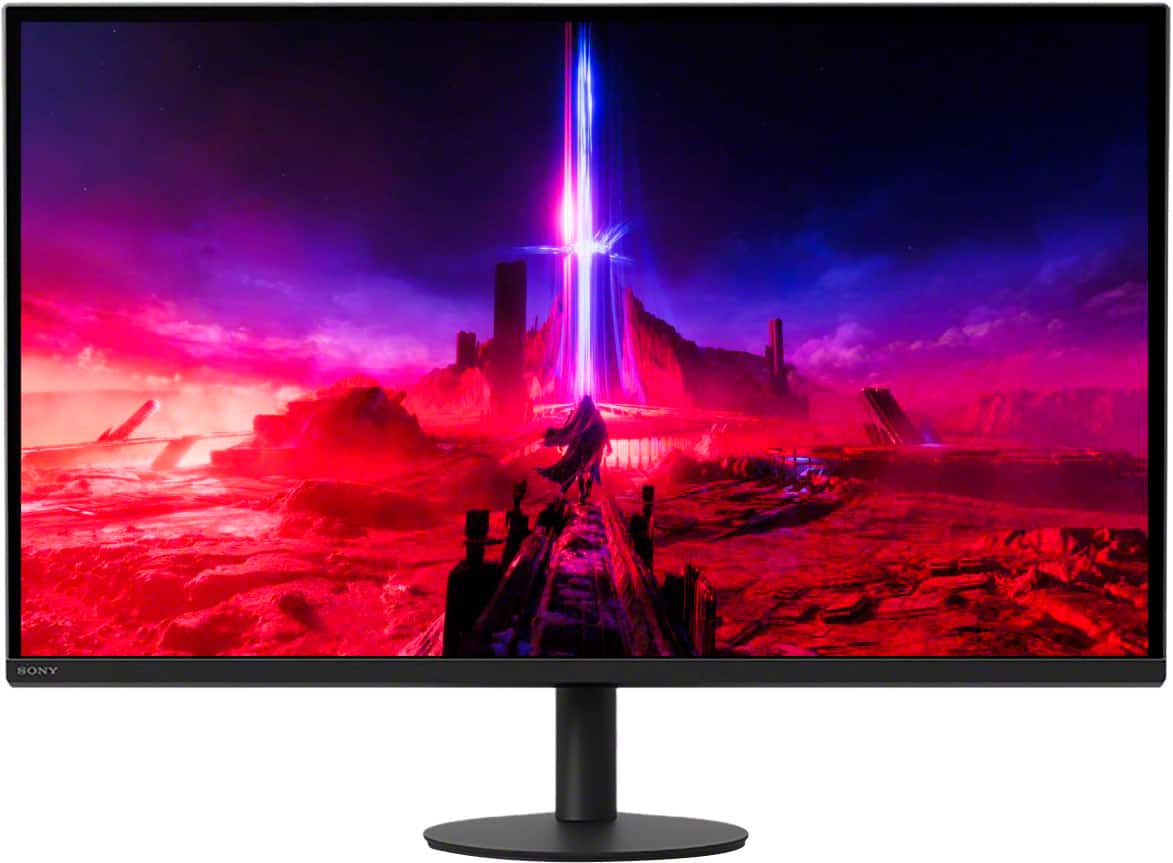
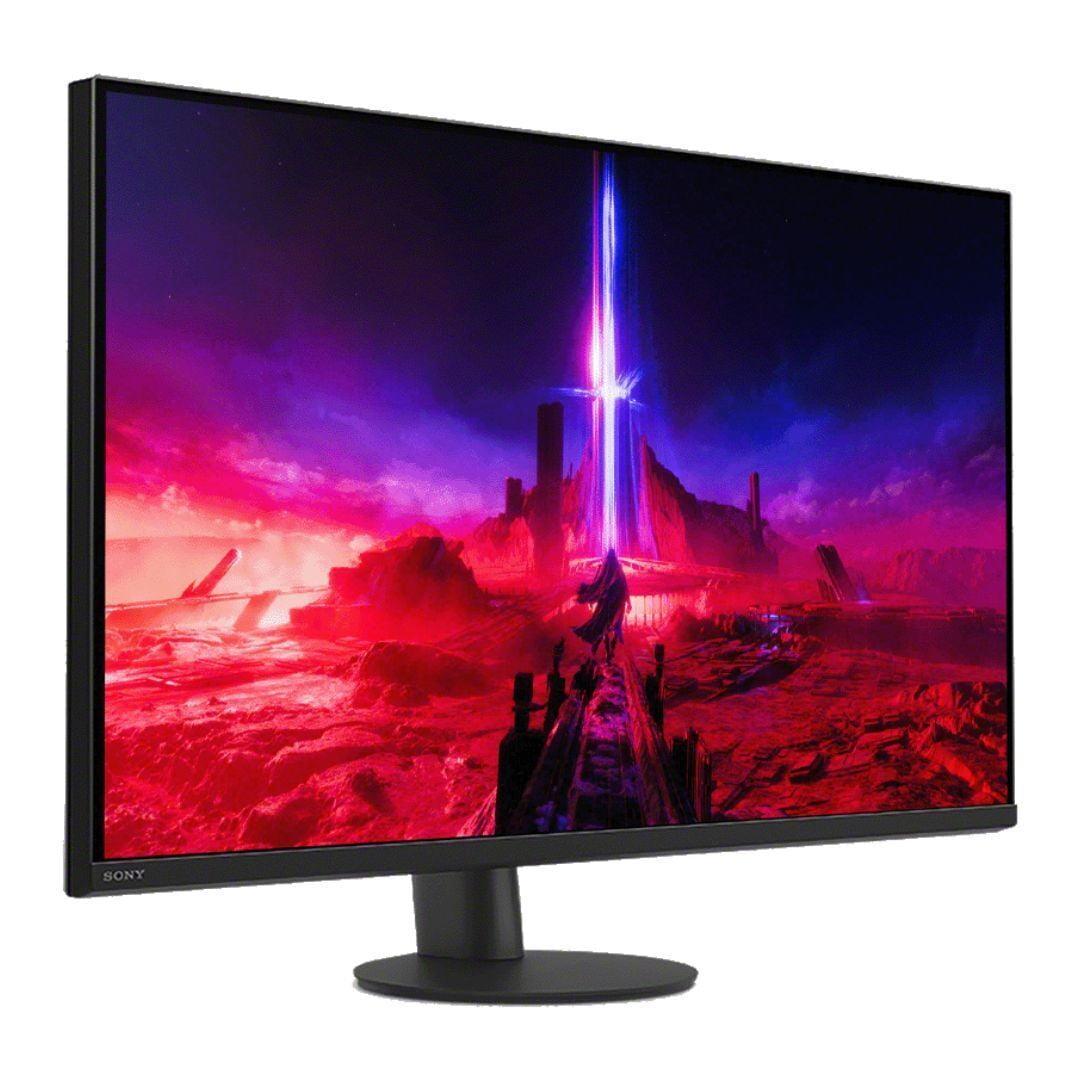
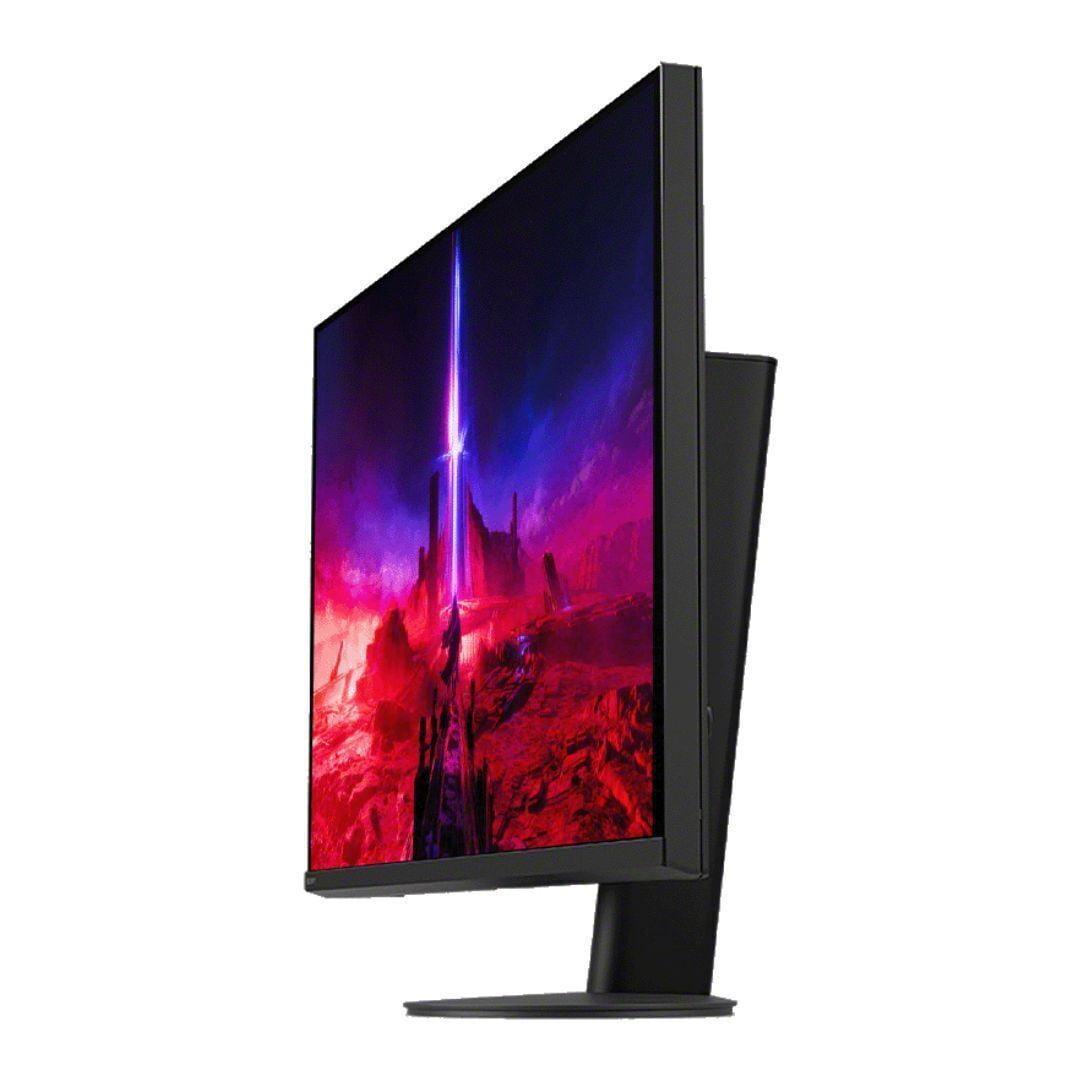
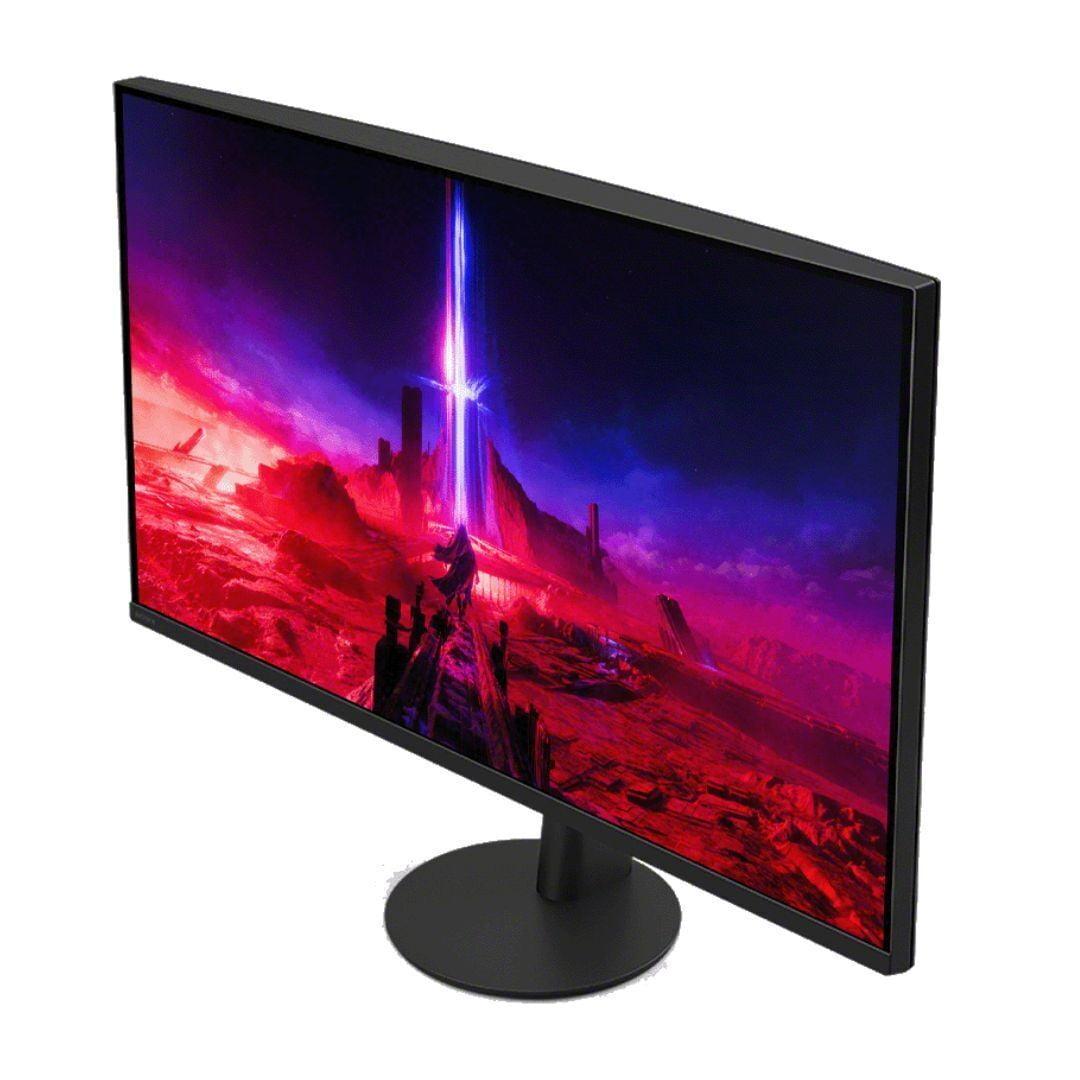
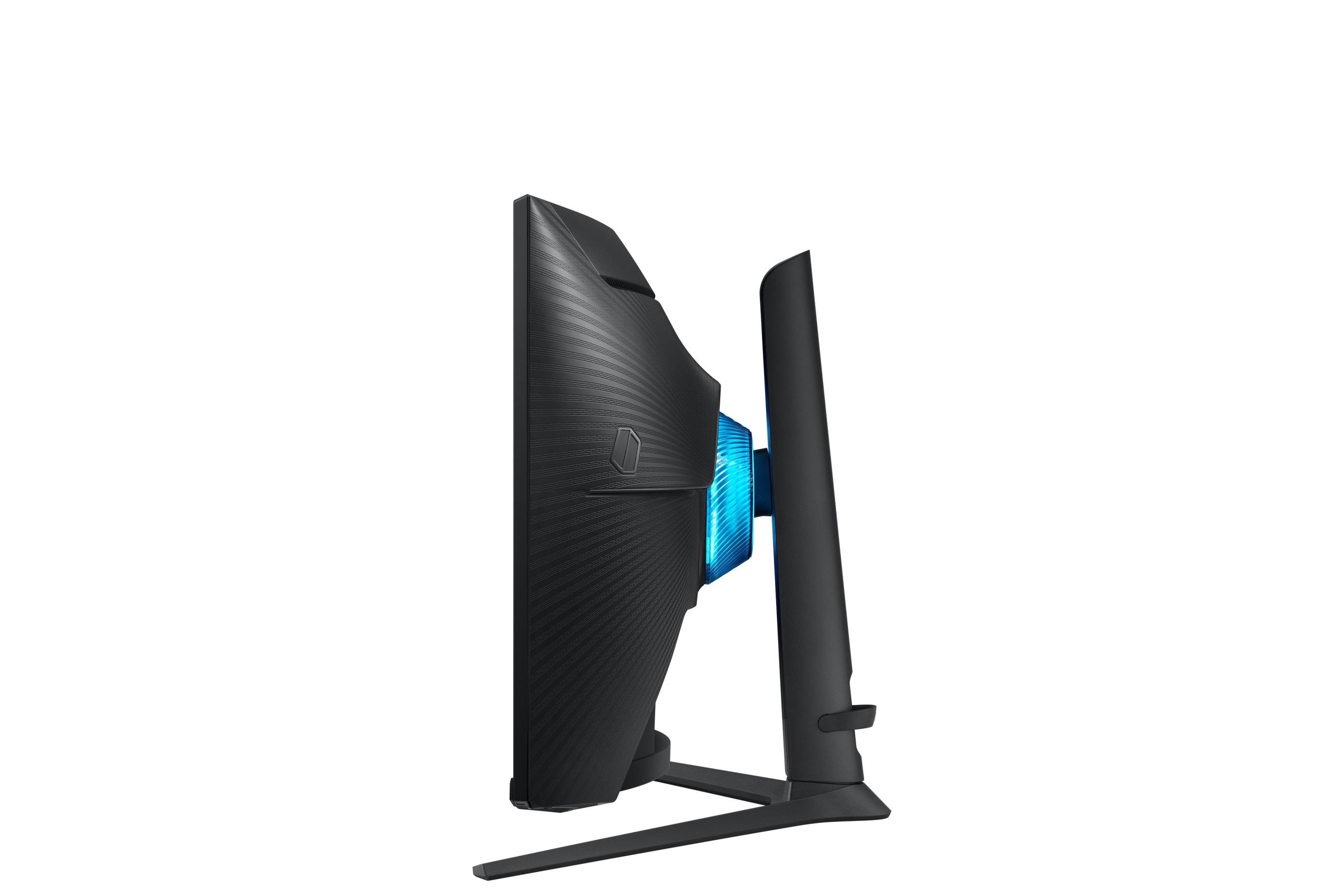
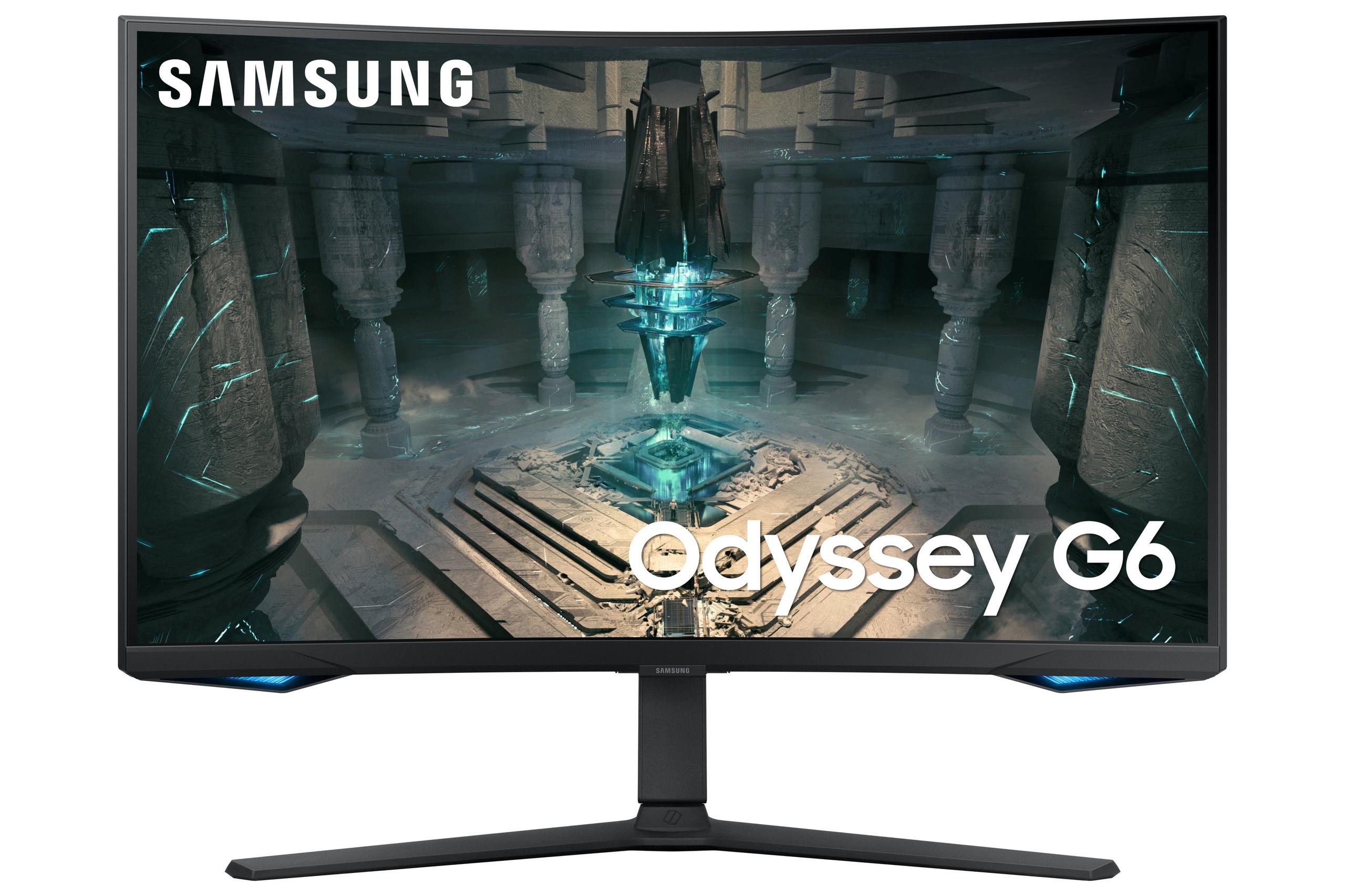
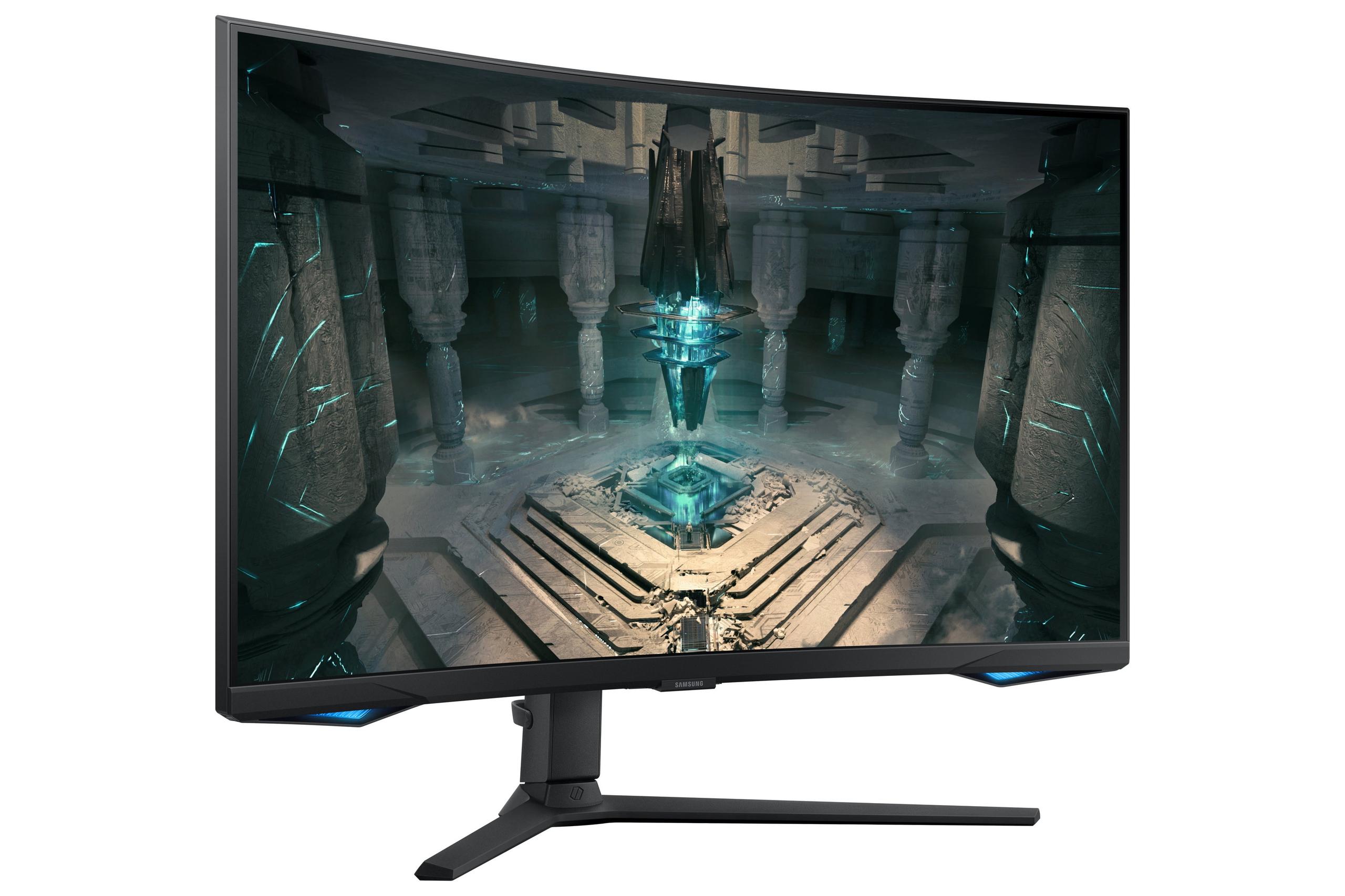
Gaming monitors have evolved dramatically over the past few years, and choosing the right one has become both more exciting and more complex. Today's gaming displays offer a fascinating trade-off between visual fidelity and competitive performance, forcing us to consider what matters most in our gaming experience. Two standout examples of this divide are the Sony INZONE M9 II 27" 4K 160Hz Gaming Monitor and the Samsung Odyssey G65B 27" QHD 240Hz Curved Gaming Monitor - each representing a distinct philosophy about what makes gaming great.
Before diving into these specific monitors, it's worth understanding what we're really choosing between when we shop for a gaming display. The core tension in modern gaming monitors comes down to resolution versus refresh rate. Think of resolution as how sharp and detailed your image looks, while refresh rate determines how smooth motion appears. Higher resolution means more pixels to push around, which typically limits how fast the screen can refresh those images.
Most gaming monitors fall into several key categories based on their resolution and refresh rate combinations. You've got 1080p displays that can push incredibly high refresh rates - sometimes 360Hz or even 480Hz - for competitive esports players who prioritize every millisecond of responsiveness. Then there are 1440p monitors that balance decent resolution with high refresh rates, often hitting 144Hz to 240Hz. Finally, you have 4K displays that prioritize visual clarity but traditionally maxed out around 144Hz due to bandwidth limitations.
The monitors we're comparing today represent two different approaches to this fundamental trade-off, each with compelling arguments for their design choices.
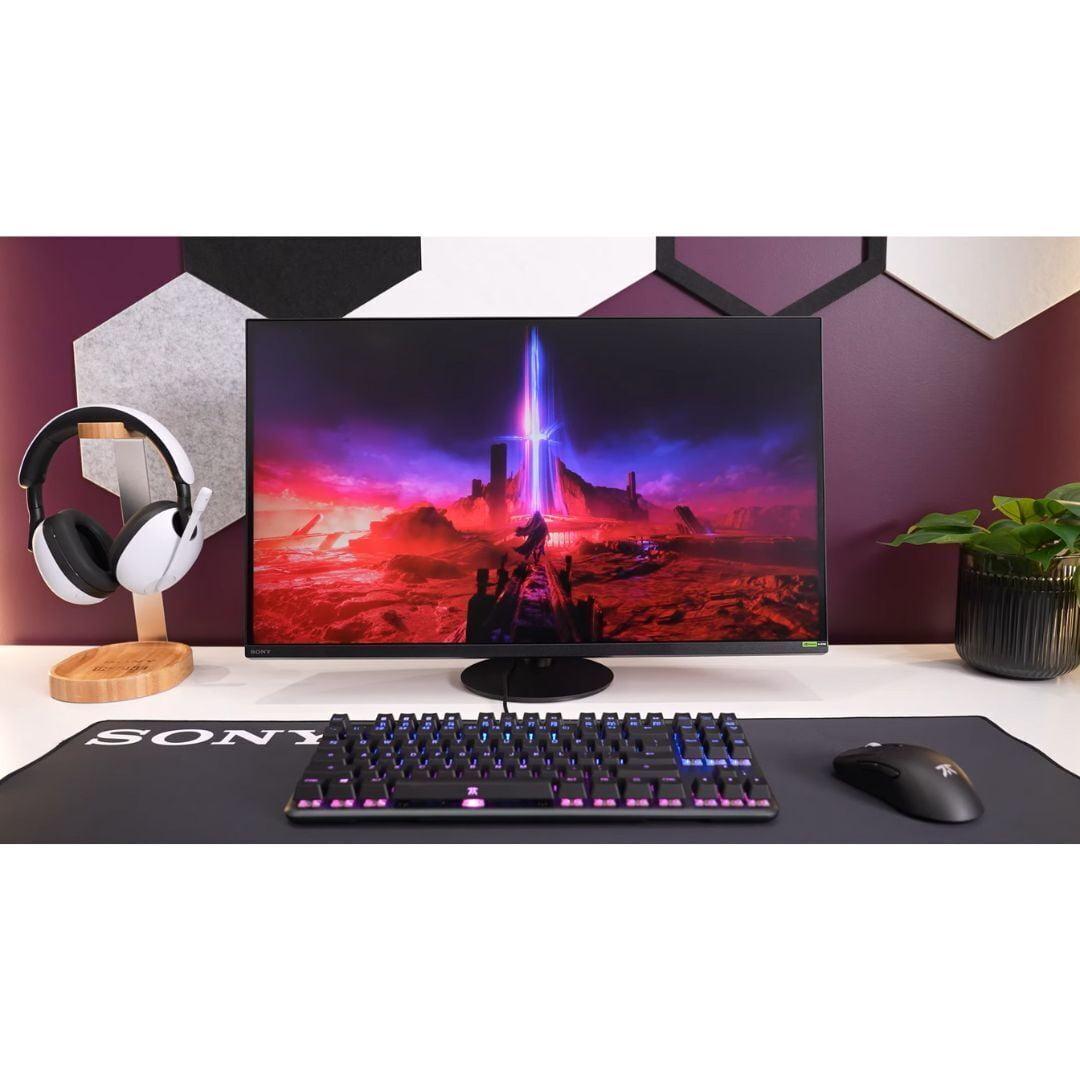
Released in late 2023, the Sony INZONE M9 II represents Sony's refined approach to premium gaming displays. What sets this monitor apart is its commitment to visual excellence through 4K resolution paired with respectable gaming performance. The "4K" designation means this display packs 3840 x 2160 pixels - that's roughly 8.3 million individual pixels creating your gaming experience.
To put that in perspective, the Sony INZONE M9 II has 63% more pixels than a 1440p display. This translates to incredibly sharp text, detailed textures in games, and the ability to see fine details that simply get lost at lower resolutions. When you're exploring the intricate environments in games like Cyberpunk 2077 or admiring the craftsmanship in God of War, those extra pixels make a tangible difference.
The monitor uses an IPS (In-Plane Switching) panel, which is a specific LCD technology known for excellent color accuracy and wide viewing angles. Unlike some panel types that shift colors when you view them from the side, IPS maintains consistent colors whether you're sitting directly in front or viewing from an angle. This makes it particularly suitable for content creation or when multiple people are watching the screen.
Sony has equipped the INZONE M9 II with Full Array Local Dimming (FALD), a sophisticated backlighting system that controls different zones of LED lights independently. Instead of the entire backlight being uniformly bright, FALD can dim specific areas to create deeper blacks and brighter highlights. This monitor features 96 dimming zones, which sounds impressive but comes with some real-world limitations that user reports have highlighted.
The DisplayHDR 600 certification indicates this monitor can display high dynamic range content with enhanced contrast and brightness. HDR (High Dynamic Range) is technology that expands the range between the darkest blacks and brightest whites, creating more lifelike images. The "600" refers to the peak brightness capability in nits - a measurement of luminance.
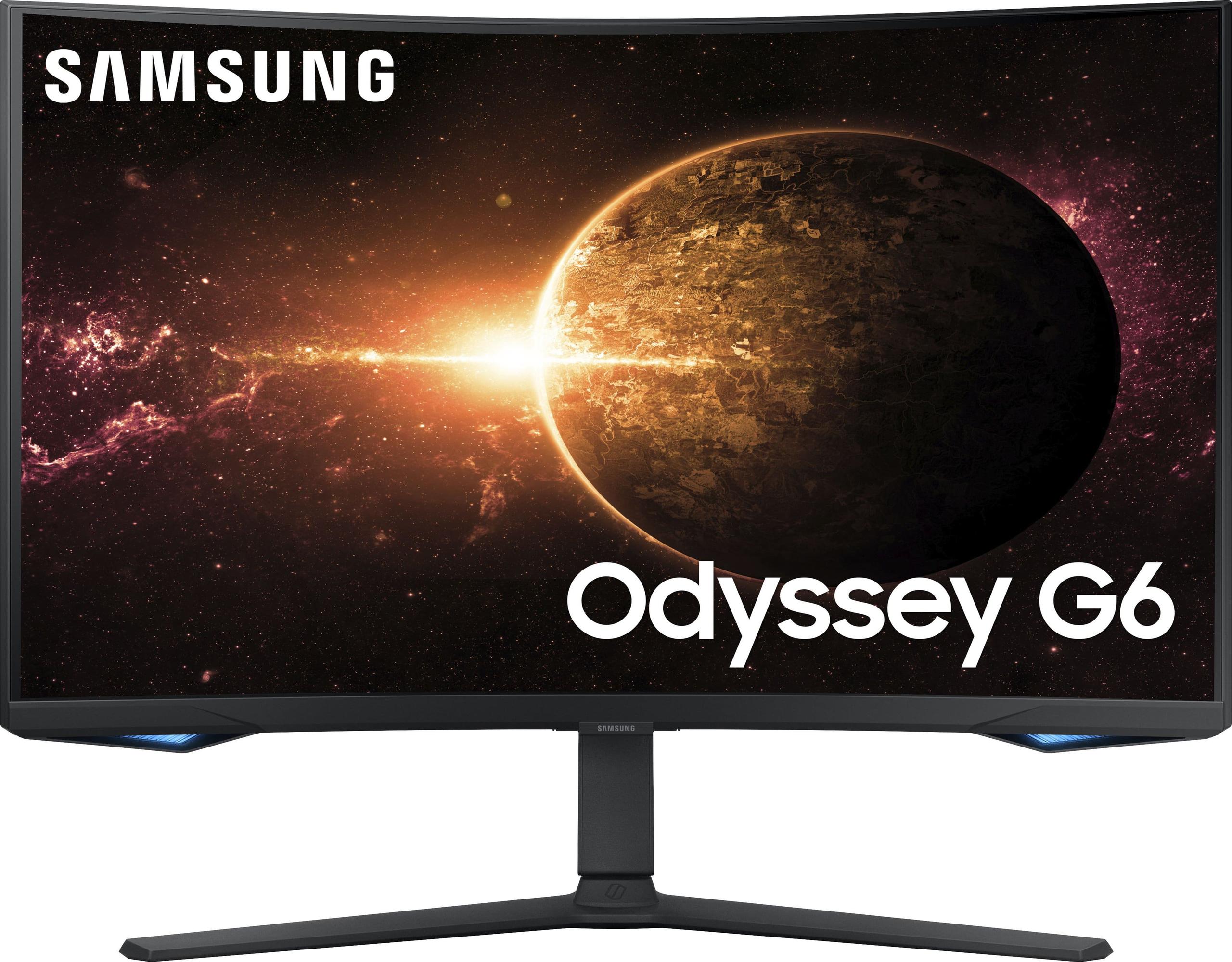
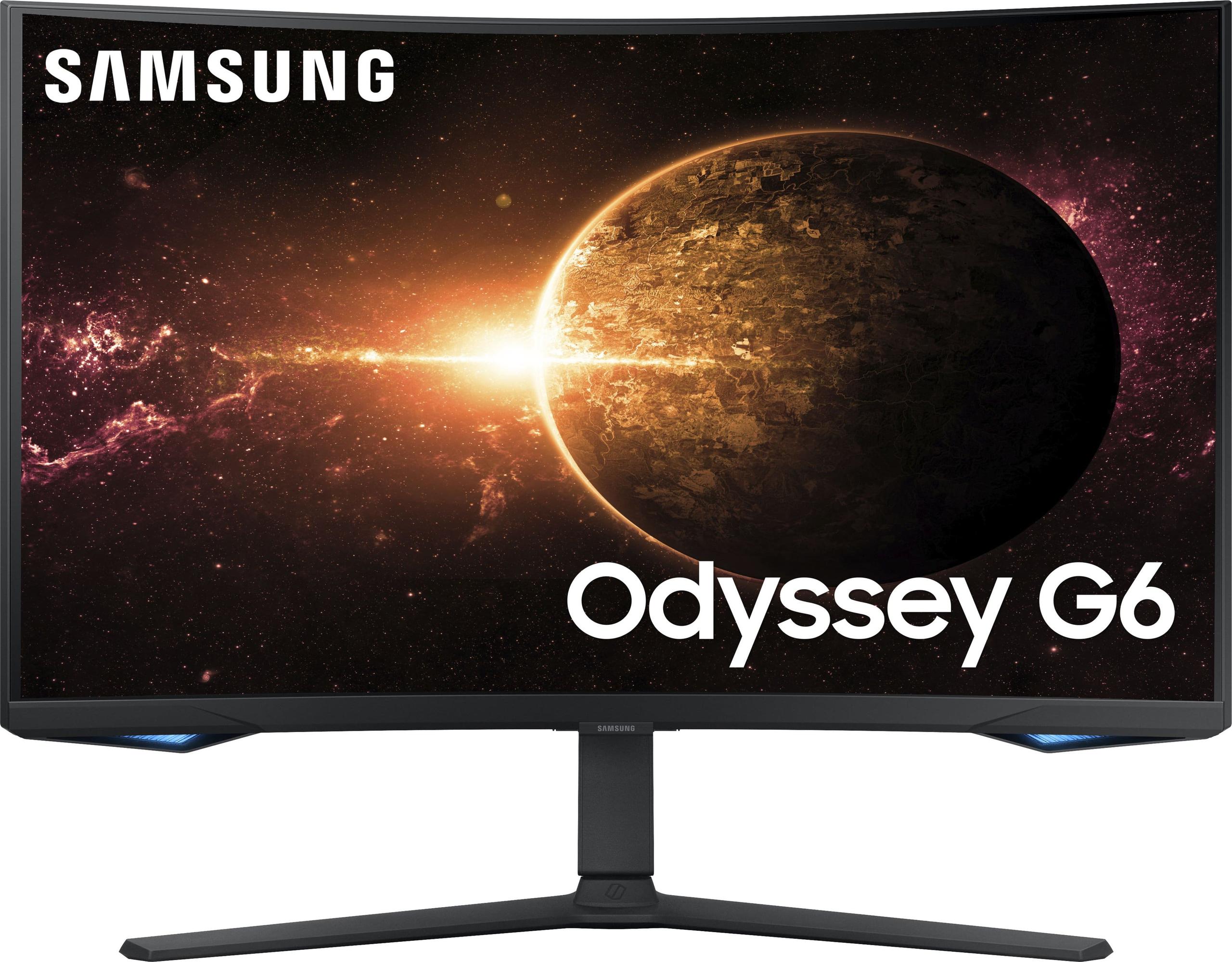
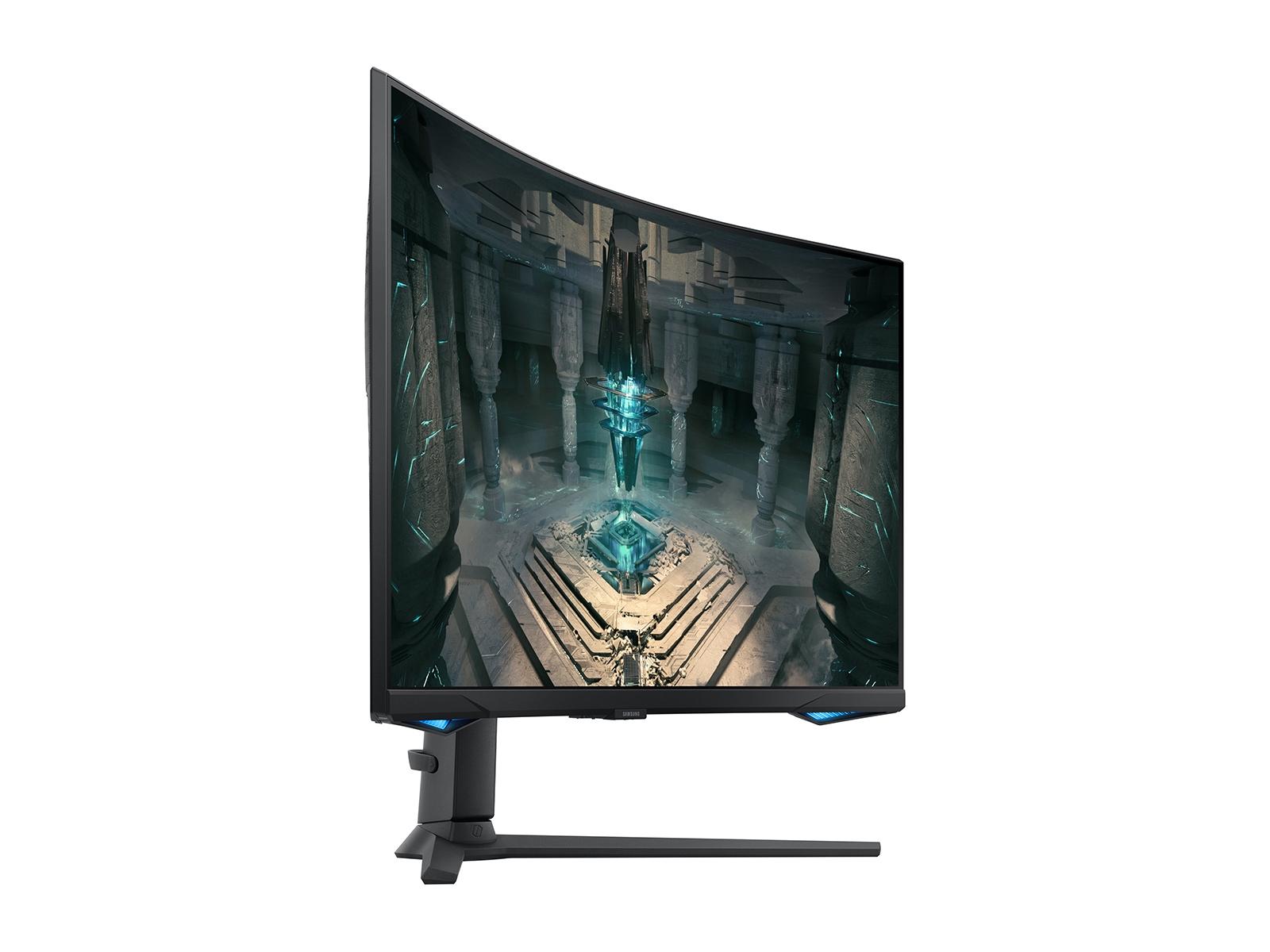
Samsung released the Odyssey G65B in 2024, targeting a different segment of the gaming market entirely. This monitor prioritizes speed and immersion over pure resolution, featuring a 240Hz refresh rate that can display up to 240 unique images every second. To understand why this matters, consider that traditional television displays 24 frames per second, while this monitor can show 10 times that amount.
The refresh rate advantage becomes most apparent in fast-paced competitive games. When you're tracking an opponent across your screen in Counter-Strike or Valorant, that higher refresh rate means smoother motion tracking and potentially faster reaction times. The difference between 160Hz and 240Hz might seem small on paper, but competitive gamers often describe it as night and day for their performance.
The Samsung Odyssey G65B uses a VA (Vertical Alignment) panel instead of IPS. VA technology offers some interesting trade-offs - it typically provides higher contrast ratios (the difference between darkest blacks and brightest whites) but narrower viewing angles compared to IPS. This monitor achieves a 2500:1 contrast ratio, significantly higher than the Sony's 1000:1 ratio, meaning darker scenes will appear more dramatic and immersive.
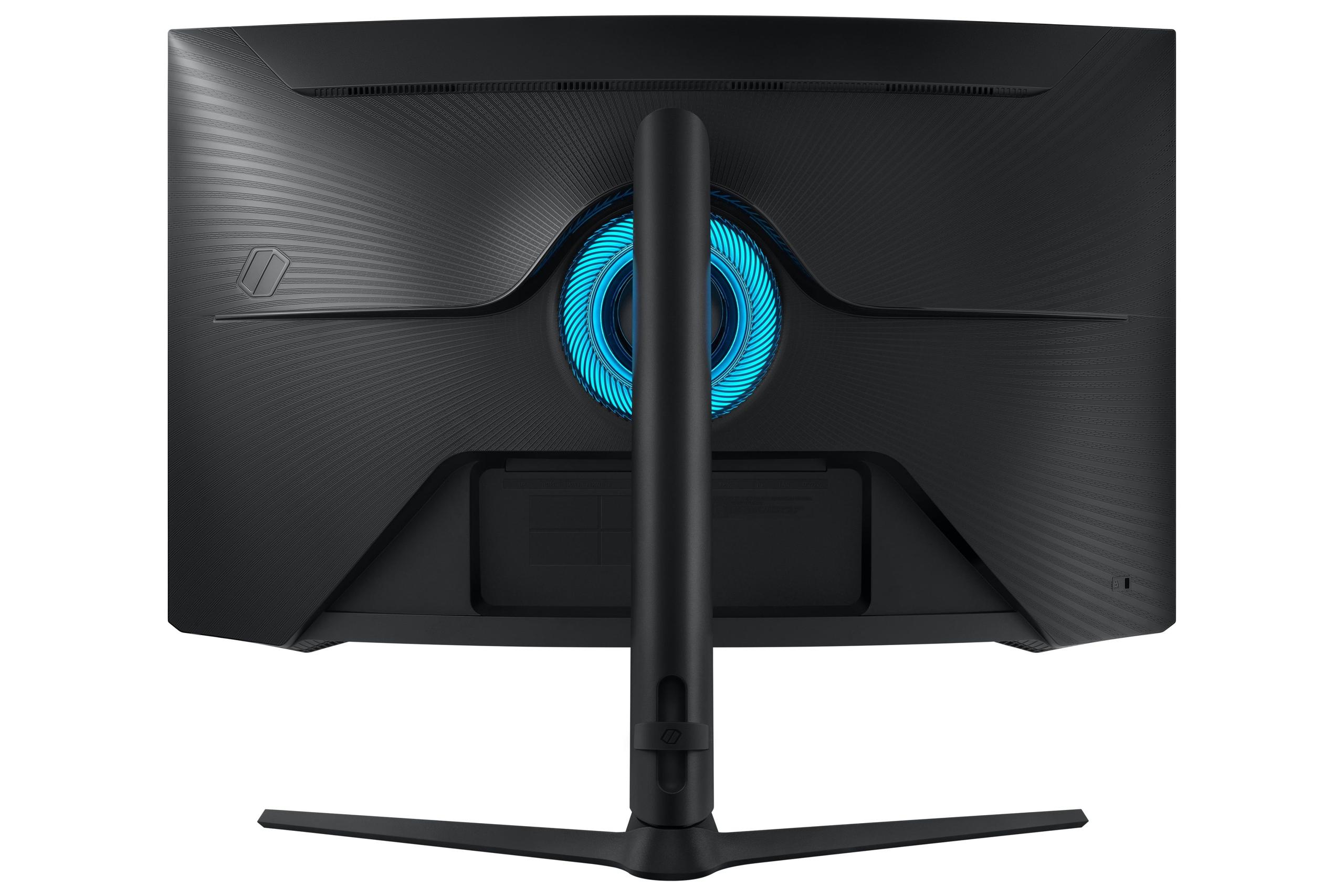
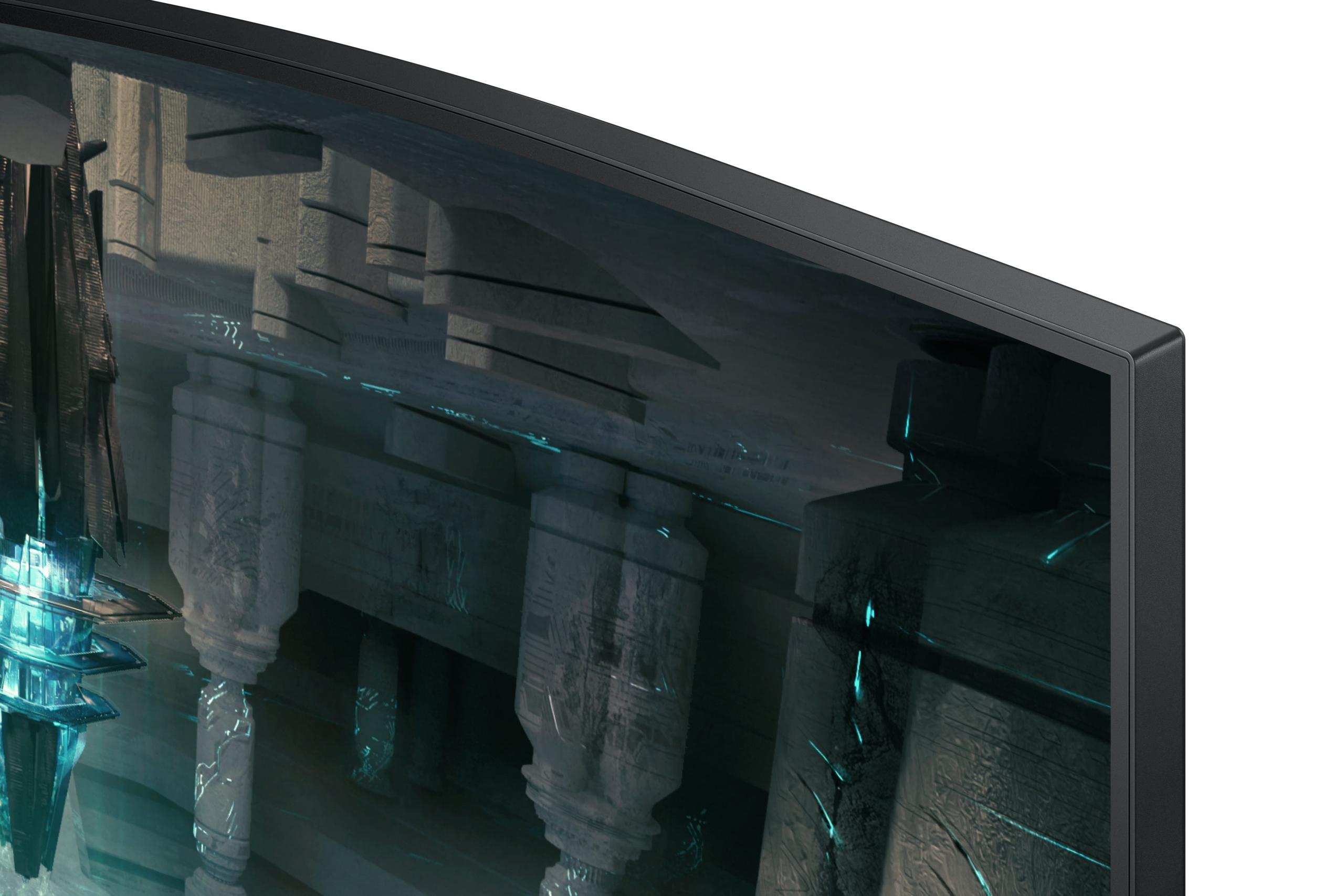
Perhaps the most distinctive feature is the 1000R curvature. The "R" refers to radius, and 1000R means if you extended the curve into a complete circle, it would have a 1000mm radius. This aggressive curve is designed to wrap around your peripheral vision, creating a more immersive experience especially in racing games, flight simulators, or any title where you want to feel "inside" the action.
The Sony INZONE M9 II simply cannot be beaten for pure visual clarity. The 4K resolution provides a pixel density of about 163 pixels per inch on a 27-inch screen, compared to the Samsung's 109 pixels per inch. This means text appears razor-sharp, game textures show incredible detail, and you can actually use the monitor productively for tasks like photo editing or detailed spreadsheet work.
In practice, this resolution advantage is most noticeable in single-player games where you have time to appreciate visual details. Open-world games like The Witcher 3 or Red Dead Redemption 2 showcase their artistry better at 4K resolution. You'll notice details in character faces, environmental textures, and UI elements that simply aren't visible at lower resolutions.
However, this visual fidelity comes with a performance cost. Driving 4K at high frame rates requires significant graphics processing power. Even high-end graphics cards like the RTX 4080 or RX 7900 XTX sometimes struggle to maintain consistent 120+ fps at 4K in demanding games.
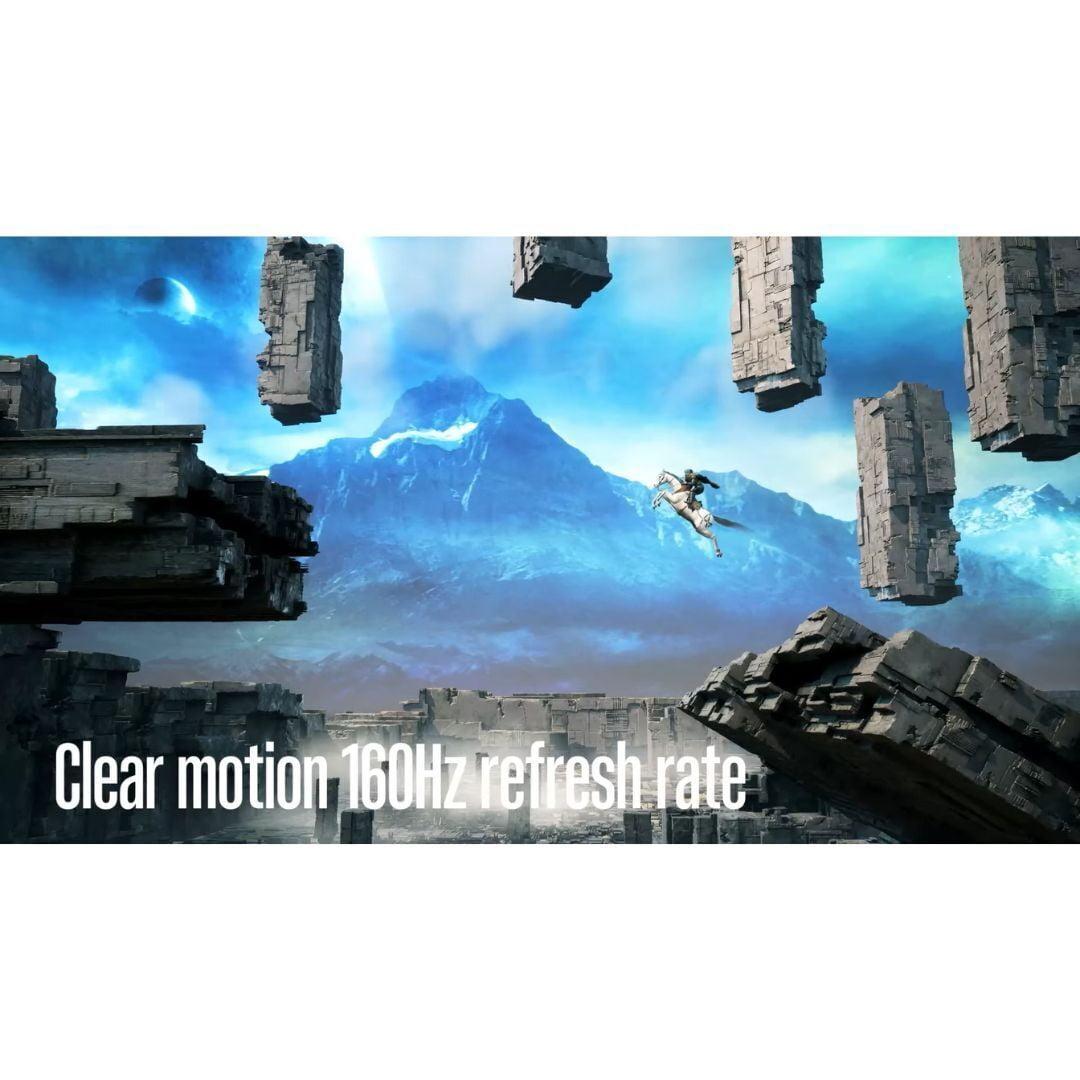
The Samsung Odyssey G65B dominates in motion performance. The 240Hz refresh rate means each frame displays for just 4.17 milliseconds, compared to 6.25 milliseconds on the Sony's 160Hz display. While this might seem like a tiny difference, it adds up over time and can provide a competitive edge in fast-paced games.
Both monitors claim 1ms response time, but this metric can be misleading. Response time measures how quickly pixels can change from one color to another, typically measured gray-to-gray (GtG). However, real-world performance depends on the specific color transitions and the quality of the panel's overdrive implementation.
The higher refresh rate of the Samsung monitor also provides better motion clarity through reduced persistence blur. When objects move quickly across the screen, they appear sharper and easier to track at higher refresh rates. This is particularly valuable in competitive shooters where tracking moving targets is crucial.
This is where things get interesting from a technical standpoint. The Sony INZONE M9 II has more sophisticated HDR implementation on paper with its 96-zone local dimming, but user feedback reveals some limitations. The zones are apparently arranged in groups of four that activate together, reducing the precision of the dimming. Users report visible "blotches" of light around bright objects on dark backgrounds, which can be distracting rather than immersive.
The Samsung Odyssey G65B takes a different approach, relying on its VA panel's naturally high contrast ratio rather than complex local dimming. VA panels can produce much deeper blacks than IPS panels, and the 2500:1 contrast ratio means dark scenes appear more dramatic without the complexity of local dimming algorithms.
Both monitors support DisplayHDR 600, but the Samsung's Quantum Dot technology enhances color reproduction by using nanocrystals to produce more pure colors. This results in more vivid reds and greens, particularly noticeable in colorful game content.
The Sony INZONE M9 II clearly targets PlayStation users with specific optimizations. The Auto HDR Tone Mapping feature automatically adjusts HDR settings when connected to a PS5 or PS5 Pro, ensuring optimal image quality without manual tweaking. This is genuinely useful since HDR setup can be complex and many users never properly configure it.
The monitor also includes a unique 24.5-inch mode for esports, which displays games at 1:1 resolution with black borders to simulate a smaller screen. Some competitive players prefer smaller displays for better focus and reduced eye movement.
Meanwhile, the Samsung Odyssey G65B offers broader smart features through its built-in Tizen operating system. You can stream Netflix, access cloud gaming services, or even use Microsoft 365 directly from the monitor without connecting a computer. This versatility makes it more like a smart TV that happens to be excellent for gaming.
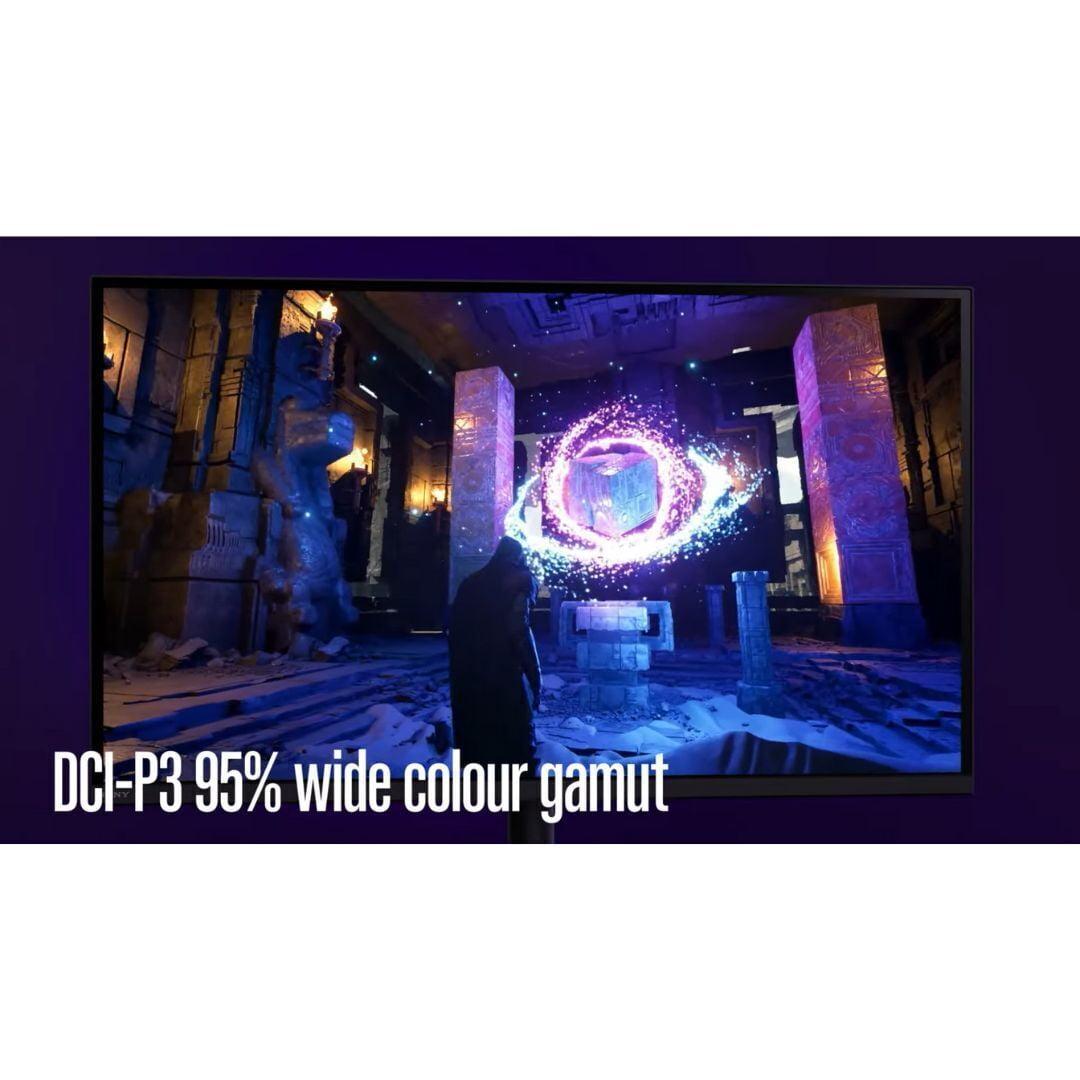
The Sony INZONE M9 II covers 95% of the DCI-P3 color space, which is the professional standard for digital cinema. This wide color gamut means more vibrant and accurate colors, particularly important for content creation or when you want games to look exactly as developers intended.
The Samsung's Quantum Dot technology also enables wide color coverage, though specific measurements weren't available in the research data. Quantum Dot displays typically excel at producing pure, saturated colors while maintaining good color volume across different brightness levels.
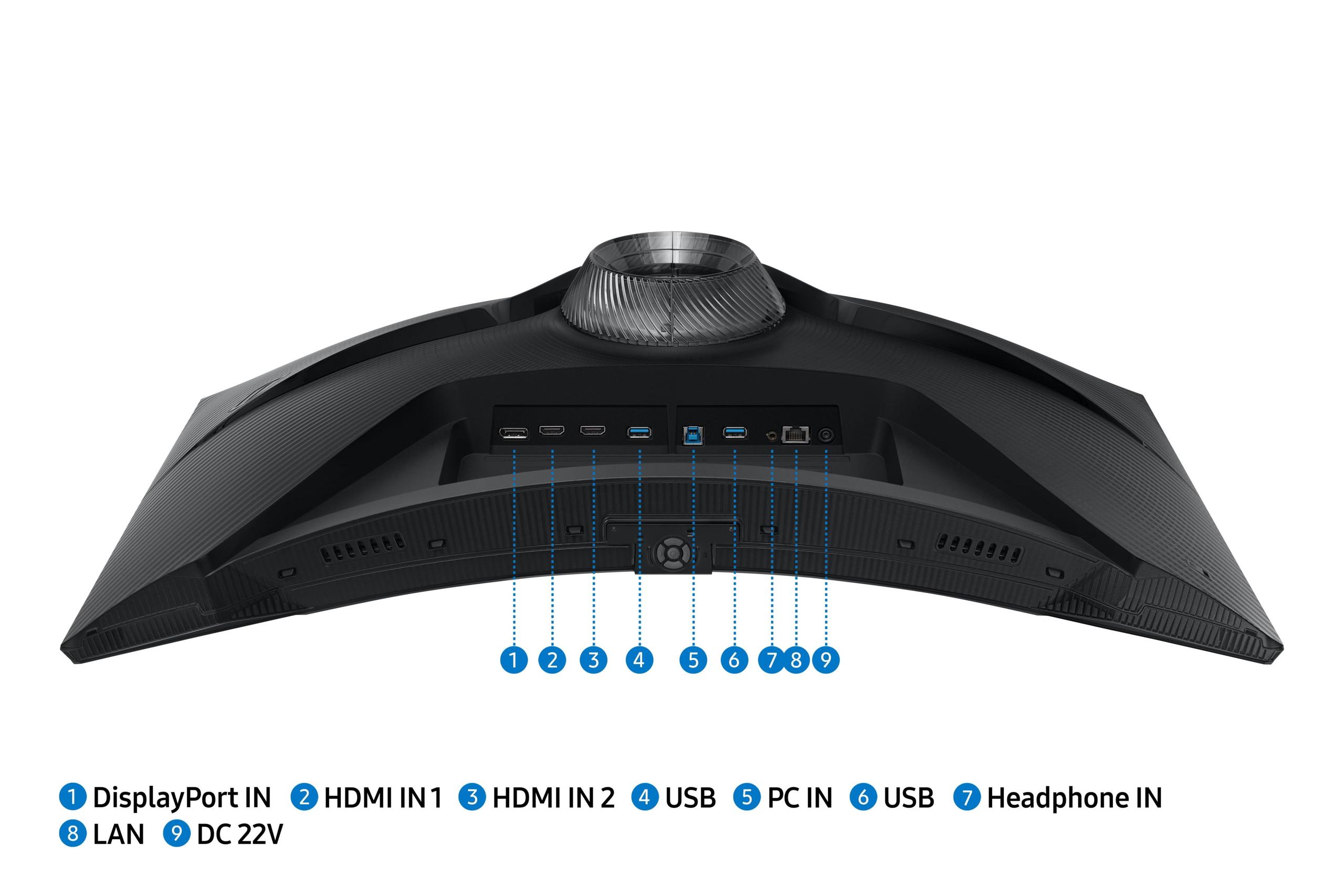
Both monitors include HDMI 2.1 support, which is crucial for getting the best performance from modern consoles. HDMI 2.1 provides the bandwidth necessary for 4K at high refresh rates and includes features like Variable Refresh Rate (VRR) and Auto Low Latency Mode (ALLM).
The Sony monitor includes DisplayPort 2.1 support, offering even higher bandwidth for future graphics cards. However, it ships with a DisplayPort 1.4 cable, so you'd need to upgrade the cable to take full advantage of the newer standard.
For home theater use, these monitors present interesting options with different strengths. The Sony INZONE M9 II offers true 4K resolution that matches UHD Blu-ray content and streaming services. The color accuracy and HDR support make it suitable for movie watching, though the 27-inch size limits its home theater appeal compared to larger displays.
The Samsung Odyssey G65B brings smart TV functionality that the Sony lacks. You can access streaming services directly without connecting external devices, making it more versatile as an entertainment center. The curved design can enhance immersion for movie watching, though some prefer flat displays for traditional content.
Both monitors include built-in speakers, though they're better considered convenience features rather than serious audio solutions. For home theater use, external speakers or a soundbar would significantly improve the experience.
At the time of writing, both monitors occupy the premium gaming segment but target different priorities. The Sony INZONE M9 II typically commands a price premium reflecting its 4K resolution and specialized features. This pricing makes sense for users who prioritize visual quality and have the graphics hardware to support 4K gaming.
The Samsung Odyssey G65B generally offers stronger value for competitive gamers who prioritize refresh rate over resolution. The smart features add versatility that extends beyond pure gaming, potentially offsetting the monitor cost by eliminating the need for separate streaming devices.
Choose the Sony INZONE M9 II if you're primarily a single-player gamer who values visual fidelity, own a PlayStation 5, or do creative work requiring color accuracy. The 4K resolution really shines in exploration games, RPGs, and any title where you want to appreciate detailed environments. You'll need a powerful graphics card to fully utilize this monitor's capabilities, but the visual payoff is substantial.
The Samsung Odyssey G65B makes more sense for competitive PC gamers, racing enthusiasts, or users who want a versatile display that doubles as an entertainment center. The 240Hz refresh rate provides a genuine competitive advantage in fast-paced games, while the smart features add utility beyond gaming.
Consider your primary use cases, graphics hardware, and gaming preferences. Both monitors represent excellent engineering focused on different aspects of the gaming experience. The Sony prioritizes the future of visual fidelity, while the Samsung optimizes for the competitive gaming present. Your choice ultimately depends on which philosophy aligns better with how you actually game.
| Sony INZONE M9 II 27" 4K 160Hz Gaming Monitor | Samsung Odyssey G65B 27" QHD 240Hz Curved Gaming Monitor |
|---|---|
| Resolution - Higher resolution means sharper text and more detailed game visuals | |
| 4K (3840 x 2160) - 63% more pixels than QHD, excellent for detail-rich games | QHD (2560 x 1440) - Sweet spot for high refresh gaming with less GPU demand |
| Refresh Rate - Higher numbers mean smoother motion in fast-paced games | |
| 160Hz - Smooth for most gaming, sufficient for single-player titles | 240Hz - Competitive advantage in esports, 50% higher than Sony |
| Panel Technology - Affects color accuracy, contrast, and viewing angles | |
| IPS - Excellent color accuracy, wide viewing angles, lower contrast | VA - Higher contrast (2500:1), deeper blacks, narrower viewing angles |
| Screen Curvature - Impacts immersion and ergonomics | |
| Flat - Traditional design, better for productivity and multiple viewers | 1000R Curved - Wraparound immersion, especially good for racing games |
| HDR Performance - Better contrast and brightness for more realistic visuals | |
| DisplayHDR 600 with 96-zone local dimming, but zones create visible "blotches" | DisplayHDR 600 with natural VA contrast, cleaner blacks without dimming artifacts |
| Console Gaming Features - Specialized optimizations for PlayStation and Xbox | |
| Auto HDR Tone Mapping for PS5/PS5 Pro, dedicated esports mode | Gaming Hub with cloud gaming, broader smart TV functionality |
| Smart Features - Built-in apps and connectivity without a PC | |
| Basic connectivity, requires INZONE Hub software on PC | Full Tizen OS, Netflix/streaming apps, works independently |
| Response Time - Lower numbers reduce ghosting in fast motion | |
| 1ms GtG - Excellent for gaming with minimal motion blur | 1ms GtG - Matches Sony's performance specification |
| Color Coverage - Wider gamuts produce more vibrant, accurate colors | |
| 95% DCI-P3 coverage, excellent for content creation | Quantum Dot technology, enhanced color reproduction |
| Connectivity - Ports and standards for current and future devices | |
| HDMI 2.1, DisplayPort 2.1 support (ships with 1.4 cable) | HDMI 2.1, DisplayPort 1.4, plus wireless connectivity options |
| Build Quality and Ergonomics - Stand adjustability and overall design | |
| Height/tilt/swivel adjustment, minimal circular base design | Height/tilt/swivel/pivot adjustment, supports portrait mode |
| Target Audience - Who each monitor serves best | |
| Sony INZONE M9 II: Console gamers, visual quality enthusiasts, content creators | Samsung Odyssey G65B: Competitive PC gamers, racing sim fans, multi-use buyers |
The Samsung Odyssey G65B is better for competitive gaming due to its 240Hz refresh rate, which provides 50% smoother motion than the Sony INZONE M9 II's 160Hz. The higher refresh rate gives competitive players faster response times and clearer motion tracking in fast-paced games like Counter-Strike and Valorant.
The Sony INZONE M9 II features 4K resolution (3840 x 2160 pixels) while the Samsung Odyssey G65B uses QHD (2560 x 1440 pixels). The Sony has 63% more pixels, delivering sharper text and more detailed game visuals, but requires more powerful graphics hardware to maintain high frame rates.
The Sony INZONE M9 II is specifically optimized for PlayStation 5 with Auto HDR Tone Mapping and dedicated console features. While the Samsung Odyssey G65B works with PS5, the Sony provides better integration and automatic optimization for PlayStation gaming.
The Samsung Odyssey G65B's 1000R curvature creates more immersive gaming, especially for racing games and flight simulators where the curve wraps around your peripheral vision. The Sony INZONE M9 II's flat design is better for productivity work and when multiple people view the screen.
Both monitors support DisplayHDR 600, but they achieve it differently. The Sony INZONE M9 II uses 96-zone local dimming for brighter highlights, though users report visible dimming artifacts. The Samsung Odyssey G65B relies on its VA panel's naturally higher 2500:1 contrast ratio for deeper blacks without dimming issues.
The Samsung Odyssey G65B includes built-in Tizen OS with Netflix, Gaming Hub, and cloud gaming services, working independently as a smart display. The Sony INZONE M9 II requires a connected device for all content and focuses purely on display performance rather than smart features.
The Sony INZONE M9 II excels for single-player gaming with its 4K resolution providing incredible detail in exploration games, RPGs, and visually rich titles. The extra pixels showcase game artistry and environmental details that aren't visible on the Samsung Odyssey G65B's lower resolution.
The Sony INZONE M9 II requires a high-end graphics card like RTX 4070 or better for 4K gaming at 100+ fps. The Samsung Odyssey G65B works well with mid-range cards like RTX 4060 Ti, as QHD resolution is less demanding while still supporting high refresh rates.
The Sony INZONE M9 II offers superior color accuracy with 95% DCI-P3 coverage and IPS panel technology, making it excellent for content creation. The Samsung Odyssey G65B uses Quantum Dot technology for vibrant colors but focuses more on gaming performance than professional color work.
The Sony INZONE M9 II provides true 4K resolution matching UHD streaming content with excellent color accuracy. The Samsung Odyssey G65B offers built-in streaming apps and smart TV functionality, making it more convenient for entertainment, though at lower resolution than the Sony.
Value depends on your priorities. The Samsung Odyssey G65B typically offers better gaming performance per dollar with 240Hz refresh rate and smart features. The Sony INZONE M9 II provides premium 4K visual quality and PlayStation optimization, justifying its higher cost for visual quality enthusiasts.
Both monitors include HDMI 2.1 for modern consoles. The Sony INZONE M9 II features DisplayPort 2.1 support for future graphics cards, while the Samsung Odyssey G65B adds wireless connectivity, Bluetooth, and Wi-Fi for its smart features. The Samsung offers more versatile connectivity options for multiple use cases.
We've done our best to create useful and informative comparisons to help you decide what product to buy. Our research uses advanced automated methods to create this comparison and perfection is not possible - please contact us for corrections or questions. These are the sites we've researched in the creation of this article: bestbuy.com - bestbuy.com - rtings.com - rtings.com - tomshardware.com - youtube.com - bhphotovideo.com - bestbuy.com - sony.com - techpowerup.com - electronics.sony.com - sony.com - displayspecifications.com - direct.playstation.com - youtube.com - sony.com - sony.com - displayspecifications.com - bhphotovideo.com - displayspecifications.com - bestbuy.com - versus.com - uk.shi.com - youtube.com - youtube.com - displayspecifications.com - rtings.com - versus.com - samsung.com - rtings.com - businessdirect.bt.com - productchart.com - samsung.com - displayspecifications.com - gradeatechnology.co.uk - samsung.com - bestbuy.com - samsung.com - samsung.com

Privacy Policy
Terms and Conditions - Affiliate Policy
Home Security
© Copyright 2008-2026.
11816 Inwood Rd #1211, Dallas, TX 75244